Student Tech Charging Accessories for School
Stay powered up throughout the school day with student tech charging accessories for school. Explore a range of reliable options designed to keep your devices ready for class, homework, and extracurricular activities. Whether you need compact chargers for your backpack or multi-port solutions for shared spaces, student tech charging accessories for school help ensure your essential electronics stay charged and accessible whenever you need them.
Sort
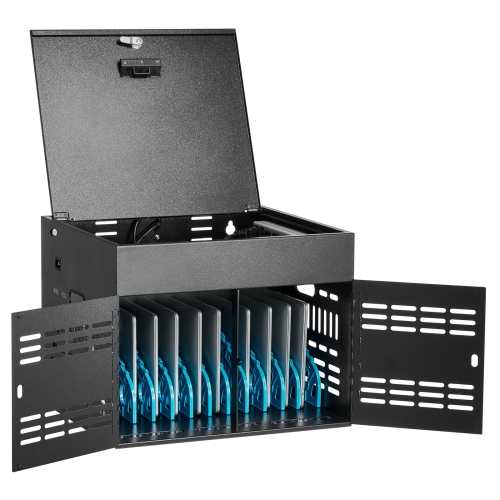
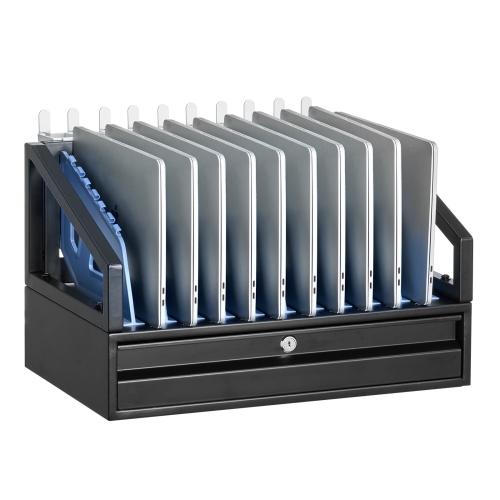
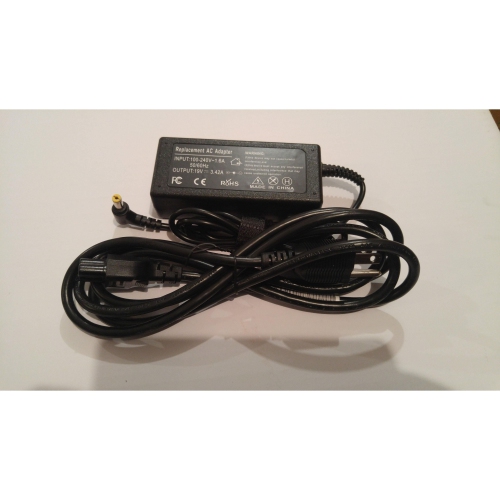

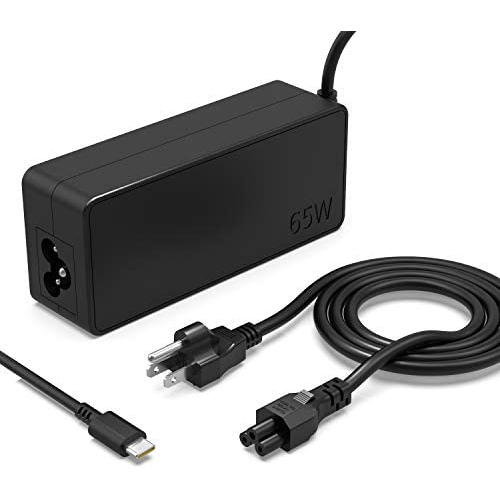

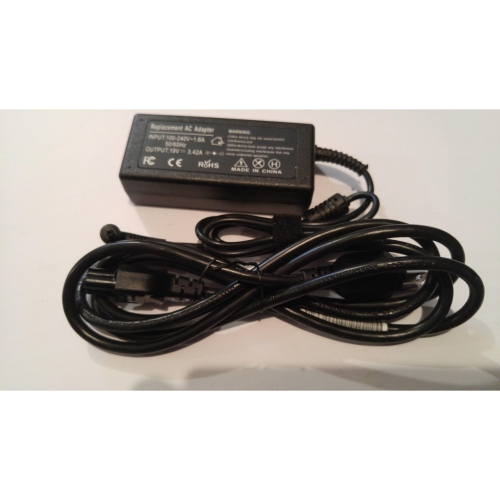
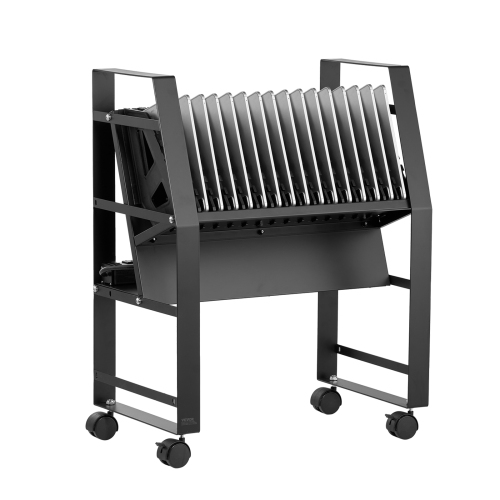
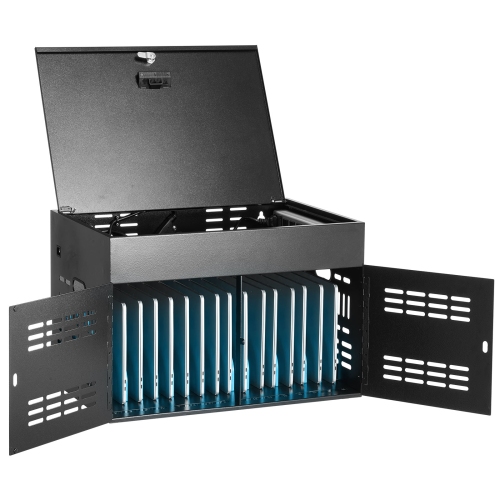
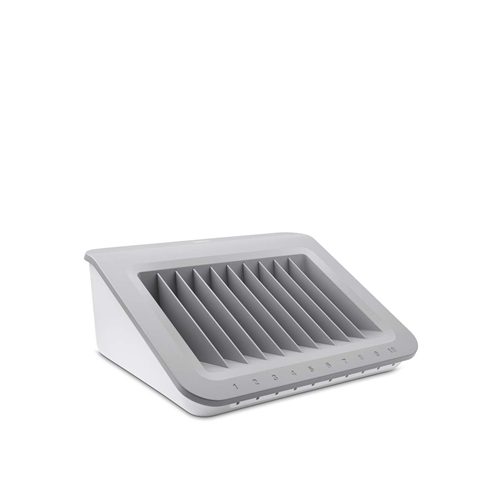
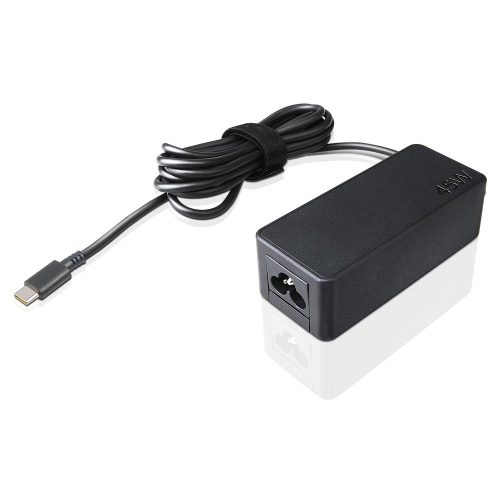
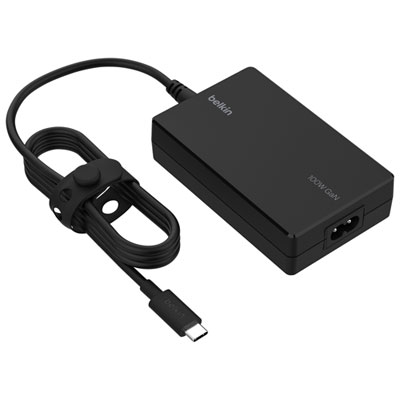
The right charging setup goes beyond matching connectors
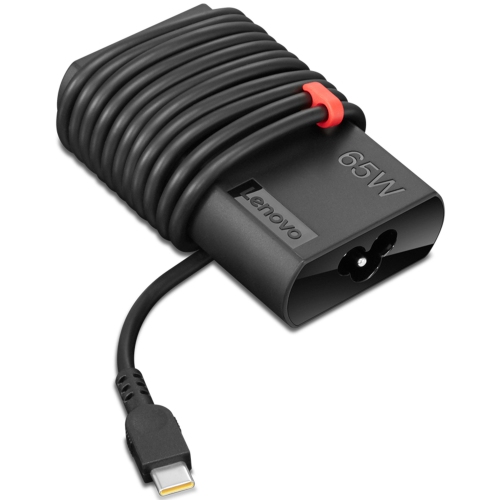
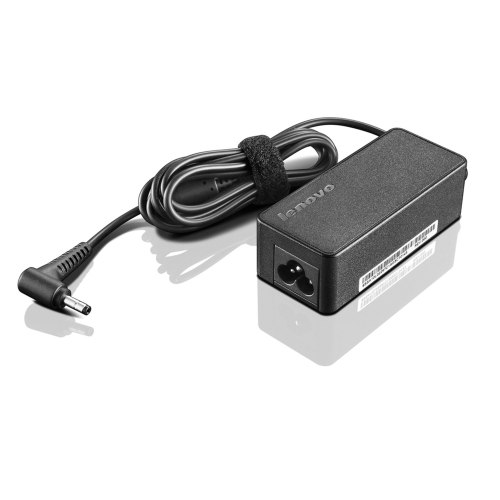
Student tech charging accessories help keep coursework, communication, and everyday routines moving between home, school, and study sessions. A laptop might handle lecture notes and research, while a phone carries transit information, class messages, and reminders about an approaching deadline. Tablets, wireless headphones, and other portable devices can add their own charging needs to the mix. The Charging Accessories for Students collection centres on the connections and power sources that support those routines, from charging at a desk to topping up a device between classes. Compatibility matters more than a connector’s appearance alone. Although many devices use USB-C, their power requirements can differ considerably, and a cable that charges a phone may not support the wattage a laptop needs. USB Power Delivery support, the charger’s output rating, and the cable’s stated power capacity all play a role in a suitable pairing. Some laptops also require a particular charging connection or power profile, so the device manufacturer’s specifications remain an important reference. Multiport wall chargers can simplify a study space by serving several devices from one outlet, but their total output is often shared across connected ports. That distinction matters when a laptop and phone are plugged in together before an afternoon class. A higher total wattage does not necessarily mean every port delivers the same amount of power, and supported fast-charging speeds depend on the entire setup. Charging cables also differ in their data capabilities; a cable intended mainly for power may not handle a monitor connection or a large file transfer. For students who switch between a home desk and a campus workspace, having the right connection for each task can prevent a familiar scramble through a backpack just before class begins. The most useful arrangement fits the devices already in use and the places where charging actually happens, rather than simply adding more cables to carry.
The physical details of charging accessories make a noticeable difference over a school day. A short cable can keep a portable power bank close to a phone without leaving a loose loop hanging from a bag, while a longer cable may reach from an outlet beside a bed to a nearby study surface. Extra length is helpful only when it can be routed without crossing a walkway, catching on a chair, or putting tension on the connector. Cable jackets may use flexible plastic, silicone, or braided coverings, each with a different feel and handling characteristics. Soft, flexible finishes are easy to coil, while braided designs can offer added resistance to everyday abrasion. A braided exterior alone does not guarantee durability; reinforced connector housings, strain relief near the ends, and appropriate construction matter too. Frequent packing and unpacking can put stress where a cable meets its plug, especially when it is pulled out by the cord instead of the connector. Loose coils, reusable cable ties, and a separate pouch help keep charging gear from tangling around pens, keys, or headphone cases. Connectors also need enough clearance to seat fully when a phone or tablet has a protective case. A bulky plug housing may press against a narrow case opening, even when the connector type is correct. Wall adapters bring another set of fit considerations: a wide body can cover a neighbouring outlet, while folding prongs can make an adapter easier to tuck into a small compartment. Compact designs are especially useful for students carrying textbooks alongside a laptop, although size should not replace attention to electrical specifications and recognized Canadian safety certification. For routine care, disconnect accessories before cleaning, follow the manufacturer’s directions, and keep moisture away from ports. Frayed jackets, exposed wiring, bent plugs, or unusual heat are reasons to stop using an accessory rather than keep packing it for another day.
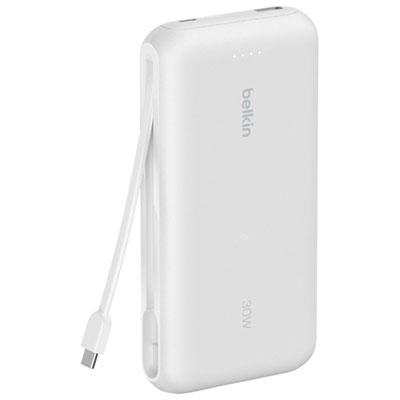
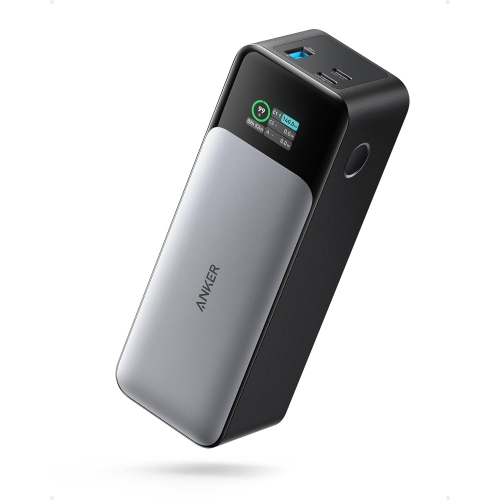
Portable charging and dedicated charging spots serve different parts of student life. A power bank can provide a useful reserve during a long stretch away from an outlet, whether that means a commute followed by classes or an extended group project session in the library. Its capacity, weight, port selection, and output all affect how well it fits that routine. Capacity figures alone do not translate directly into a guaranteed number of full charges, because device battery sizes and energy losses vary. Laptop charging also requires more than a large capacity rating: the power bank must support the required output and charging protocol. Pass-through charging, which allows some power banks to charge another device while connected to external power, is a feature to confirm rather than assume. At a desk or bedside table, wireless charging can provide a convenient place to set down a compatible phone, with fewer cable connections to handle. Charging performance depends on alignment, the supported charging standard, the power adapter, and any case or attachment between the phone and charging surface. A stand can keep a screen visible for a schedule or an incoming call, while a flat pad may suit a clear corner of the desk. Neither format suits every device, and metal accessories or thick cases can interfere with charging. For younger students, a simple, clearly assigned charging spot can help make packing a charged device part of the school routine. Post-secondary students sharing a residence room may value compact accessories and colour-coded cables that are easier to distinguish from a roommate’s gear. Charging accessories can also be practical gifts for someone starting a new program or setting up a study space, provided the connections and power requirements match their devices. A well-matched setup makes the transition from a quiet desk to a busy school day more straightforward, with less time spent searching for the right cable or an accessible outlet.
Top selling and popular products
-
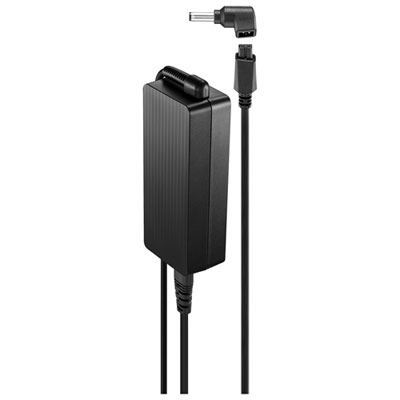 Your price for this item is $69.99
-
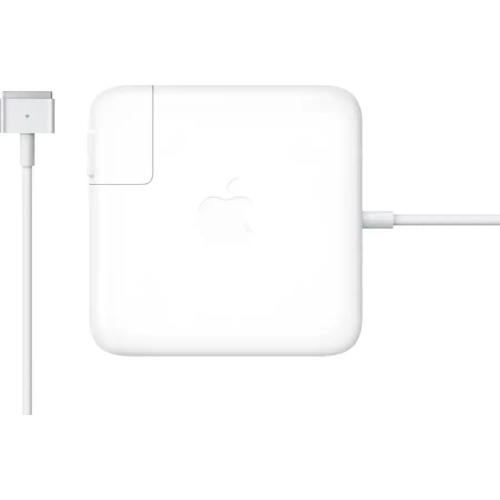 Your price for this item is $127.37
-
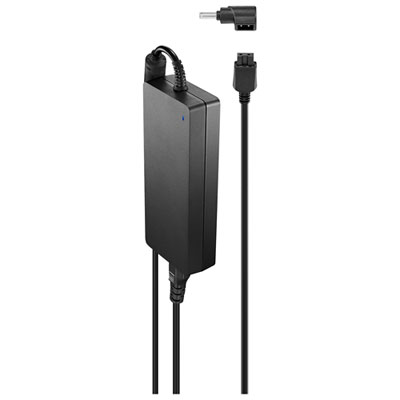 Your price for this item is $109.99
-
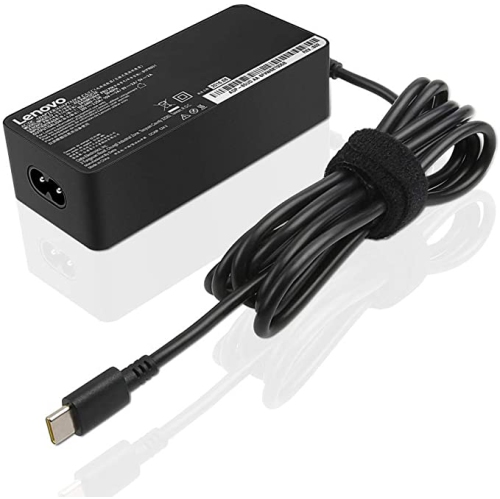 Your price for this item is $67
-
 Your price for this item is $71.99
-
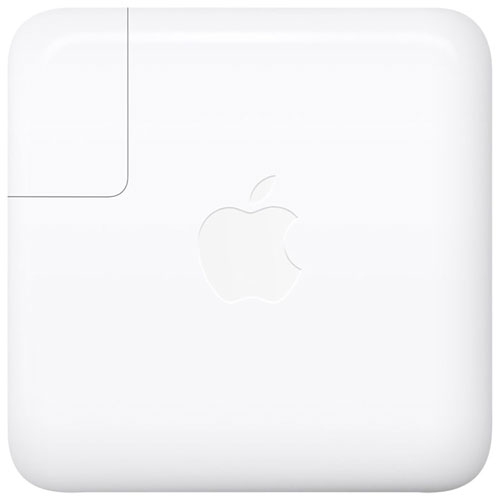 Your price for this item is $71
-
 Your price for this item is $51.99
-
 Your price for this item is $48
Discover more categories related to Student Tech Charging Accessories for School
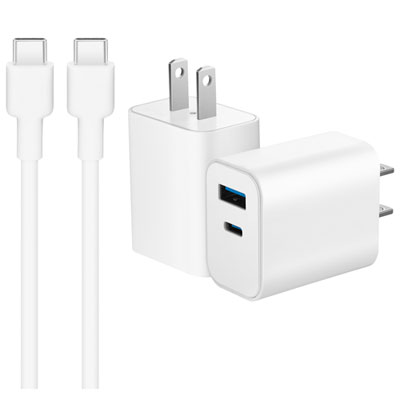

Top Collections:
Best Black Friday Deals This Year, Best Black Friday Deals On Electronics, Kindle Devices, Pokemon Centers, Best Black Friday Deals On Apple Products, Best Cameras for Sports Photography, Dyson Airwrap, Pokémon 30th Celebration Cards, Apple iPhone 17 Pro, Canon G7X Cameras
Some products may be subject to Environmental Handling Fees
(EHF) depending on your province.
Learn more about EHFs.