Children's Writing Pads
Unleash your child's creativity and enhance their learning experience with our diverse selection of children's writing pads. These innovative tools are perfect for young learners eager to explore the world of writing and drawing. Designed to be both fun and educational, these writing pads offer a blend of functionality and entertainment, making them an ideal companion for home or school use. With options that cater to different ages and skill levels, finding the perfect match for your child's needs is effortless. Encourage imagination, improve fine motor skills, and make learning an enjoyable journey with the right writing pad today.
Sort
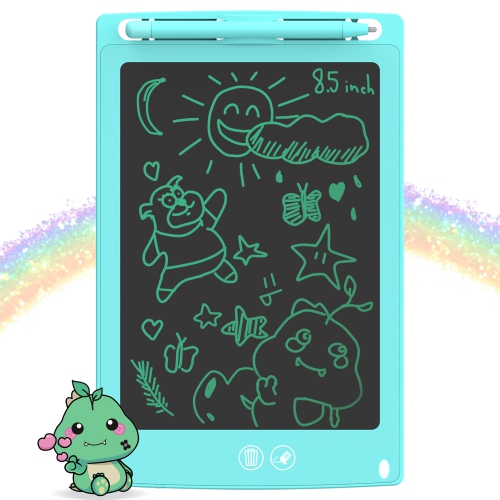
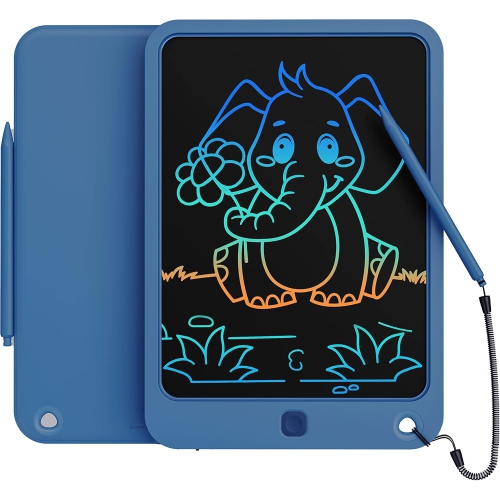
Repeated writing practice with paper and electronic pads
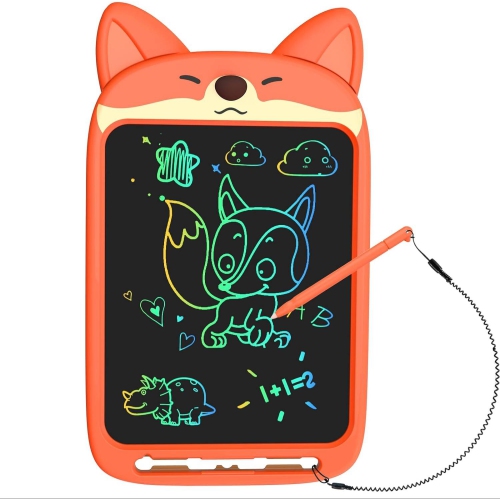
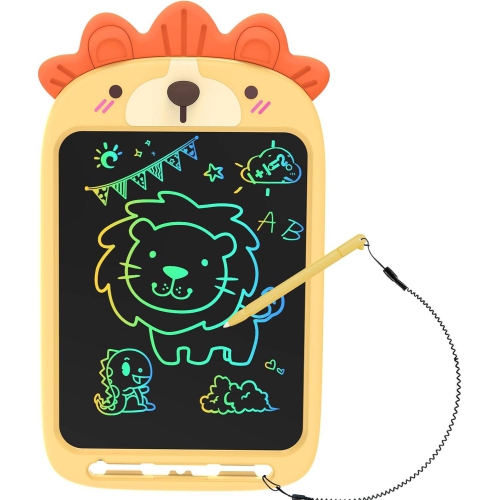
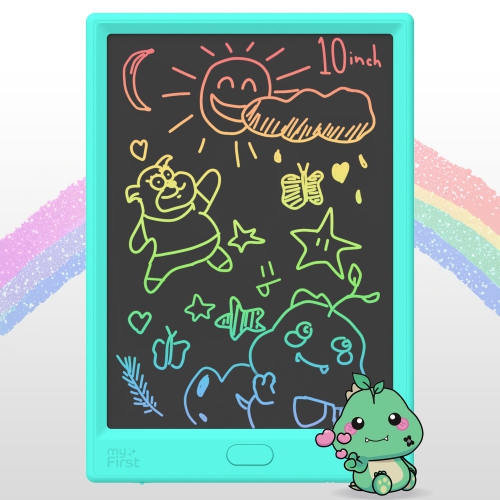
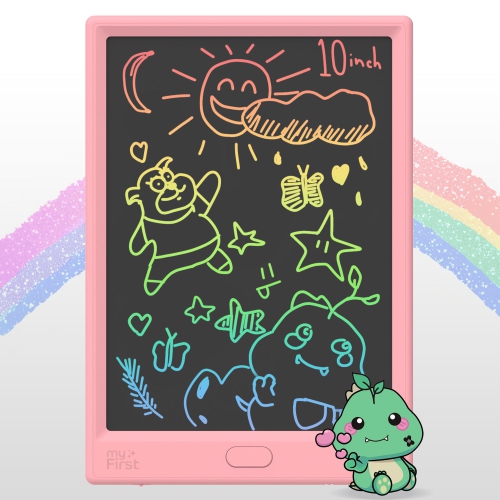
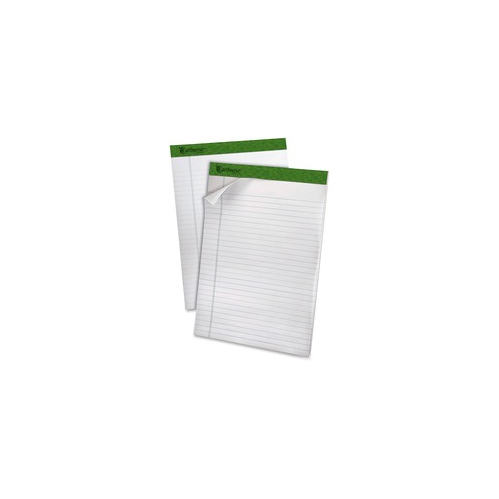
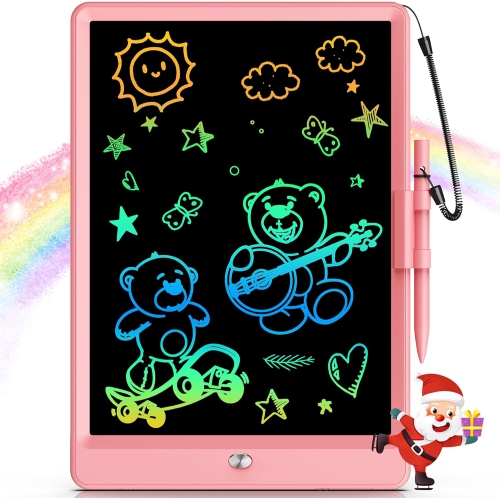
Children’s writing pads give young learners a simple place to practise letters, numbers, shapes, spelling, and early drawing skills. This category generally includes two main types: reusable electronic LCD writing tablets and traditional paper handwriting practice pads. Reusable LCD tablets use a pressure-sensitive surface that displays marks when a child writes or draws with the included stylus or another suitable tool. With a press of the erase button, the surface clears for another activity, making these pads useful for repeated practice, doodling, quick notes, and travel. Many models also include a screen lock switch to help prevent an accidental wipe while a child is showing their work or following along with an activity. Their slim design fits easily into a backpack, car bag, or carry-on, and the lack of loose paper can make them especially convenient during restaurant visits, waiting rooms, road trips, and quiet time at home. Paper pads offer a different kind of learning experience, with a tactile surface that lets children feel the movement of a pencil as they build control and confidence. Handwriting practice pages commonly use primary-ruled lines, a red baseline, and a dotted midline to guide letter height, spacing, and placement. Some include arrows, tracing examples, numbers, simple words, or progressively more challenging exercises, which can help preschool and kindergarten learners move from guided practice to independent writing. A sturdy backing gives children a firm surface when they are working away from a desk, while a top-bound design can make pages easy to turn or remove when a finished exercise is ready to display.
Choosing between a reusable electronic pad and a paper writing pad depends largely on the child’s age, learning goal, and usual setting. For preschoolers who are still developing pencil grip and hand-eye coordination, paper pages with wide lines and generous tracing space can provide clear structure without making the activity feel like a formal lesson. A child who is beginning to write their name may benefit from repeated name practice, while another may enjoy forming individual letters, copying short words, or filling a page with numbers. Look for large, uncluttered examples and enough room for small hands to work comfortably. If the pad is intended for schoolwork or regular home practice, consider paper quality, page count, binding, and whether the backing stays flat on a table or lap. Reusable LCD pads can be a good fit for children who enjoy drawing, experimenting, and practising the same skill several times without using a new sheet for every attempt. They are also handy for siblings who share supplies, as the same surface can be cleared and used by one child after another. When comparing electronic options, check the writing area, stylus storage, erase function, screen lock, construction, and whether the design feels comfortable for the intended age group. A smaller pad may be easier for a toddler or preschooler to hold, while an older child may appreciate a larger writing area for longer words, diagrams, and drawings. It is also worth considering where the pad will be used: a light, compact model suits travel and outings, while a paper pad with a firm backing may be more comfortable for table-based lessons. Families looking for a similar creative outlet can also explore Doodling Pads for open-ended sketching and mark-making.
Children’s writing pads can be useful additions to a home learning space, classroom supply collection, travel kit, or gift basket for a young learner. They make thoughtful gifts for birthdays, back-to-school occasions, visits to a new home, or quiet activities during the cooler months, particularly when the recipient enjoys making pictures, copying words, or taking on small challenges independently. A paper practice pad pairs well with pencils, crayons, pencil grips, or a storage pouch, while a reusable writing tablet can be given on its own as a compact activity for a child who likes to keep busy. For families with children at different stages, one pad can support several kinds of play: a younger child might trace lines and practise circles, an early writer might work on capitals and lowercase letters, and an older child might use the surface for spelling lists, maths problems, story ideas, or quick sketches. Adults can make the experience more encouraging by keeping practice sessions short, celebrating steady progress, and leaving room for free drawing between structured exercises. A child who has spent the afternoon forming letters may be more eager to return to the pad when the next activity is a favourite animal, a simple joke, or a drawing of the family pet. Storage matters as well; paper pads stay in better shape when kept flat, and electronic pads are easier to find when the stylus has a dedicated holder or nearby storage spot. Whether selected for focused handwriting practice, creative play, travel entertainment, or a first school supply kit, the right writing pad gives children a dependable space to make marks, try again, and see their skills take shape over time.
Choosing between a reusable electronic pad and a paper writing pad depends largely on the child’s age, learning goal, and usual setting. For preschoolers who are still developing pencil grip and hand-eye coordination, paper pages with wide lines and generous tracing space can provide clear structure without making the activity feel like a formal lesson. A child who is beginning to write their name may benefit from repeated name practice, while another may enjoy forming individual letters, copying short words, or filling a page with numbers. Look for large, uncluttered examples and enough room for small hands to work comfortably. If the pad is intended for schoolwork or regular home practice, consider paper quality, page count, binding, and whether the backing stays flat on a table or lap. Reusable LCD pads can be a good fit for children who enjoy drawing, experimenting, and practising the same skill several times without using a new sheet for every attempt. They are also handy for siblings who share supplies, as the same surface can be cleared and used by one child after another. When comparing electronic options, check the writing area, stylus storage, erase function, screen lock, construction, and whether the design feels comfortable for the intended age group. A smaller pad may be easier for a toddler or preschooler to hold, while an older child may appreciate a larger writing area for longer words, diagrams, and drawings. It is also worth considering where the pad will be used: a light, compact model suits travel and outings, while a paper pad with a firm backing may be more comfortable for table-based lessons. Families looking for a similar creative outlet can also explore Doodling Pads for open-ended sketching and mark-making.
Children’s writing pads can be useful additions to a home learning space, classroom supply collection, travel kit, or gift basket for a young learner. They make thoughtful gifts for birthdays, back-to-school occasions, visits to a new home, or quiet activities during the cooler months, particularly when the recipient enjoys making pictures, copying words, or taking on small challenges independently. A paper practice pad pairs well with pencils, crayons, pencil grips, or a storage pouch, while a reusable writing tablet can be given on its own as a compact activity for a child who likes to keep busy. For families with children at different stages, one pad can support several kinds of play: a younger child might trace lines and practise circles, an early writer might work on capitals and lowercase letters, and an older child might use the surface for spelling lists, maths problems, story ideas, or quick sketches. Adults can make the experience more encouraging by keeping practice sessions short, celebrating steady progress, and leaving room for free drawing between structured exercises. A child who has spent the afternoon forming letters may be more eager to return to the pad when the next activity is a favourite animal, a simple joke, or a drawing of the family pet. Storage matters as well; paper pads stay in better shape when kept flat, and electronic pads are easier to find when the stylus has a dedicated holder or nearby storage spot. Whether selected for focused handwriting practice, creative play, travel entertainment, or a first school supply kit, the right writing pad gives children a dependable space to make marks, try again, and see their skills take shape over time.
Top selling and popular products
-
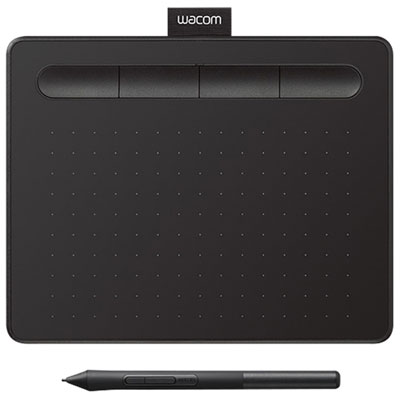 Your price for this item is $89.99
 -
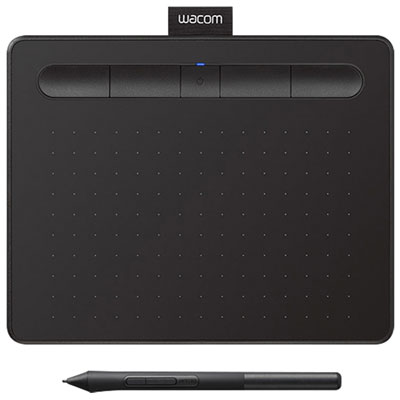 Your price for this item is $104.99
 -
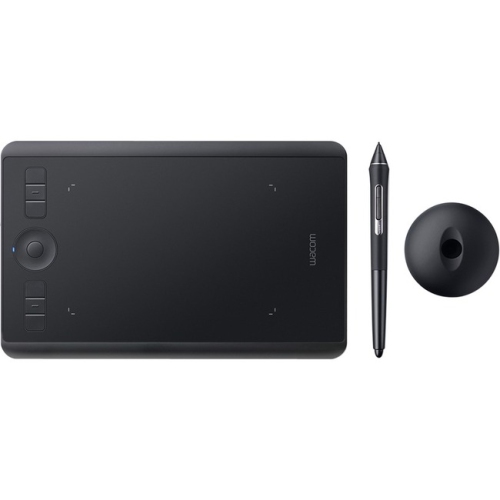 Your price for this item is $249.99
 -
 Your price for this item is $319.99
 -
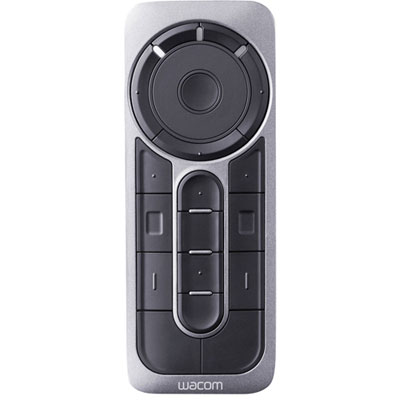 Your price for this item is $139.99
 -
 Your price for this item is $74.83
 -
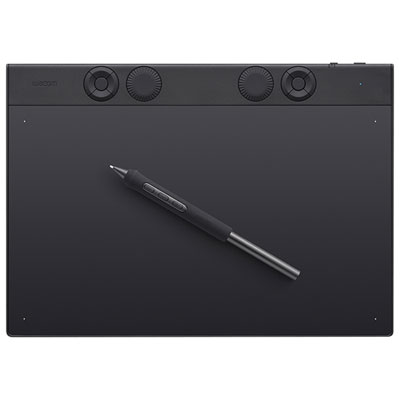 Your price for this item is $549.99
 -
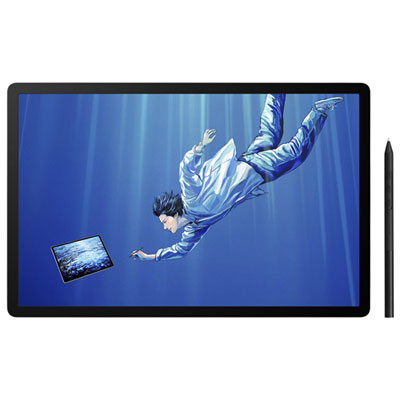 Your price for this item is $1539.99
Discover more categories related to Children's Writing Pads

Top Collections:
Best Laptops for Video Editing, Pokemon Centers, Samsung Z Fold, Kindle Devices, Best Cell Phones Under $300, Best Laptop Computers for Students, iPhone 15 Apple, Best Cell Phones Under $500, Alarm Clock, Canon G7X Cameras
Some products may be subject to Environmental Handling Fees
(EHF) depending on your province.
Learn more about EHFs.