Circuit Testers
Discover the essential tools for any electrical project with our selection of circuit testers. Whether you're a professional electrician or a DIY enthusiast, having the right circuit tester can make all the difference in ensuring safety and accuracy in your work. Our diverse range of circuit testers is designed to help you identify electrical issues quickly and efficiently, making it easier to troubleshoot and repair. From simple voltage detectors to advanced multimeters, find the perfect tool to suit your needs and ensure your electrical systems are running smoothly. Explore our collection today and take the guesswork out of your next project.
Sort
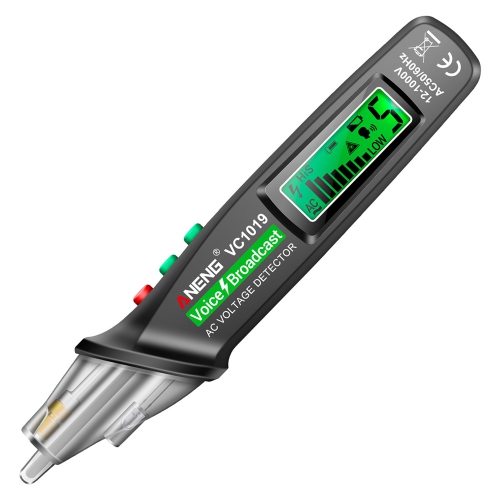
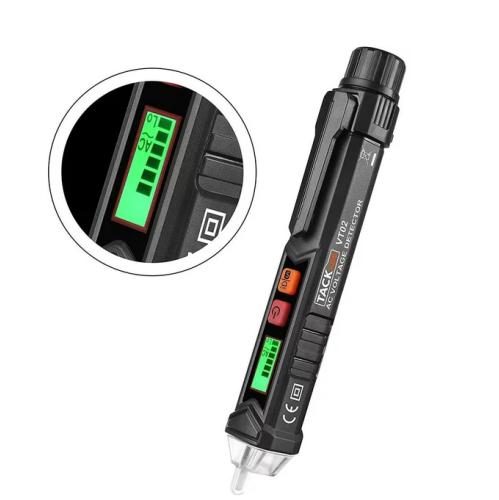
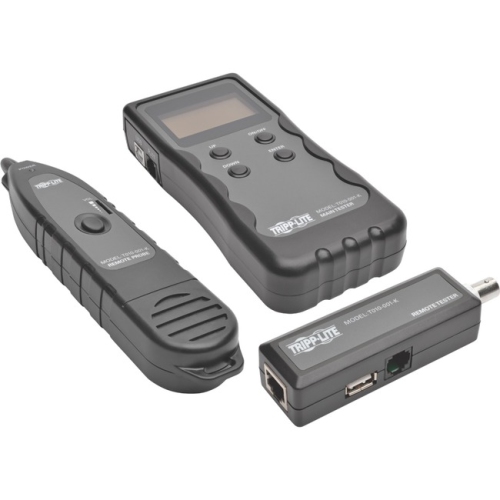
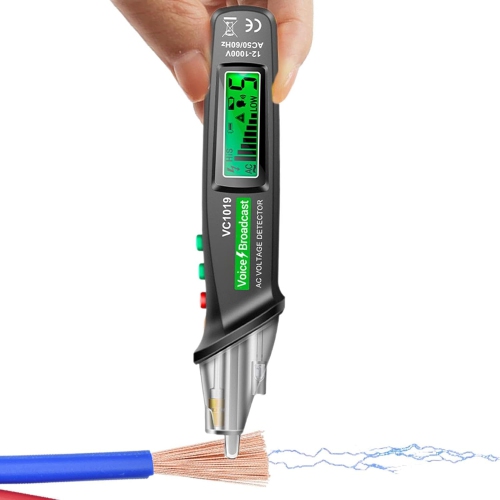
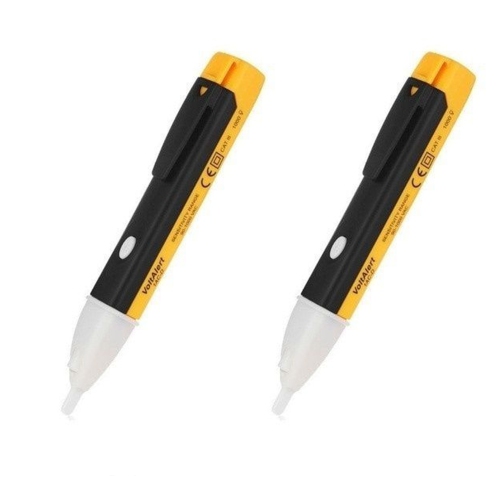
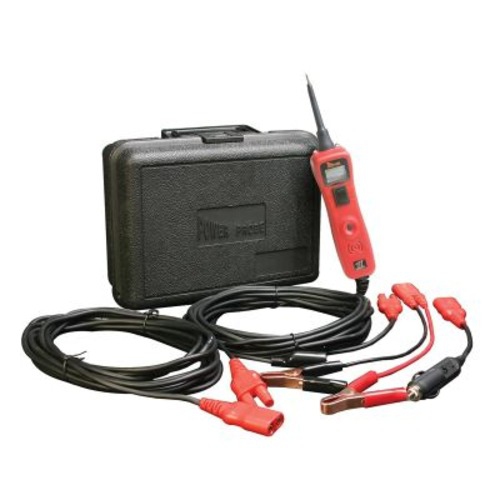
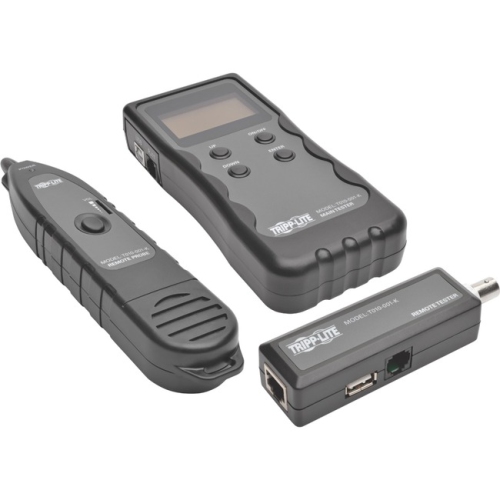
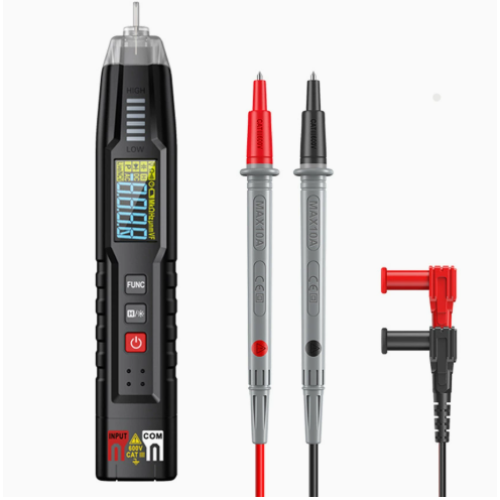
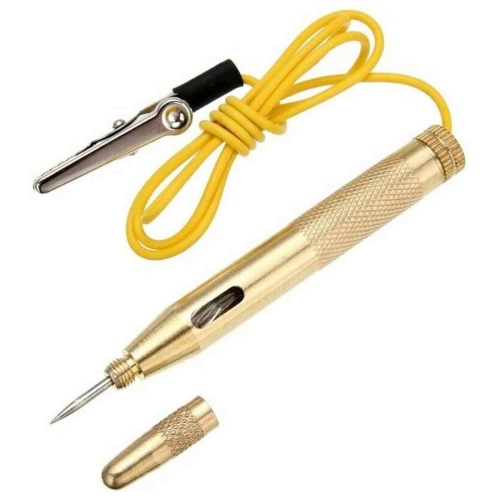
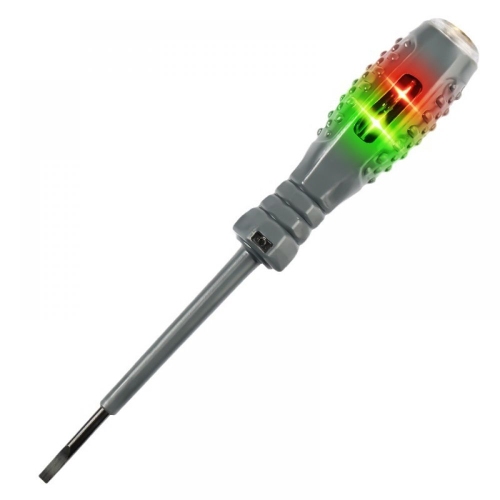
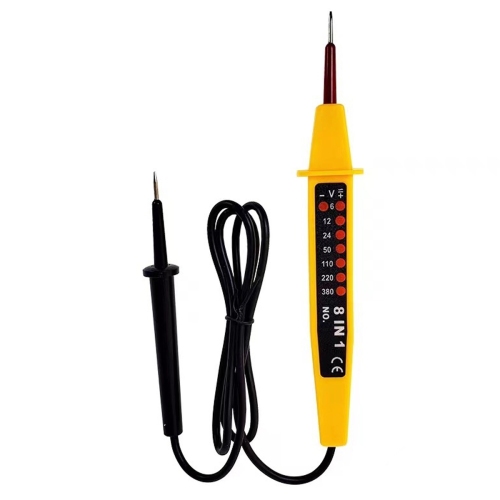
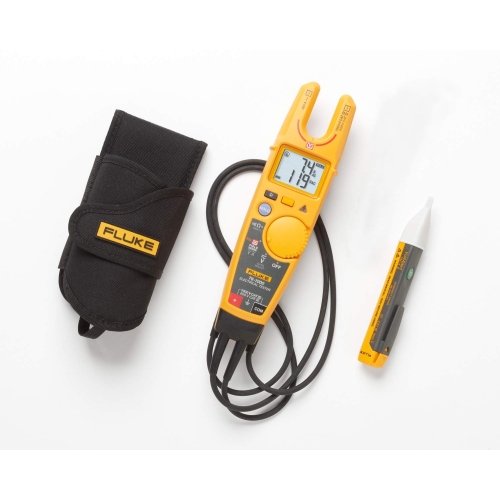
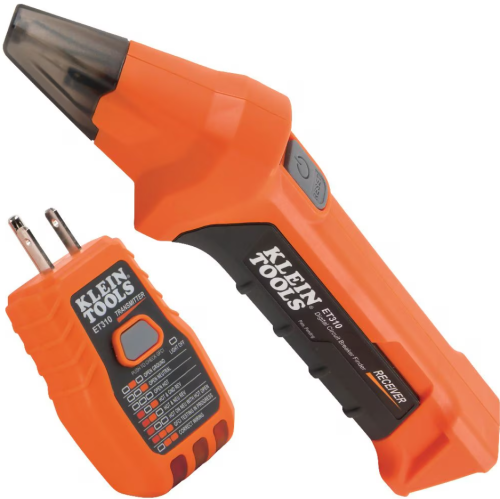
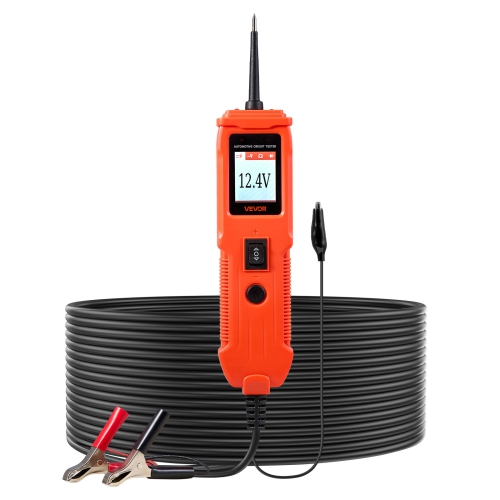
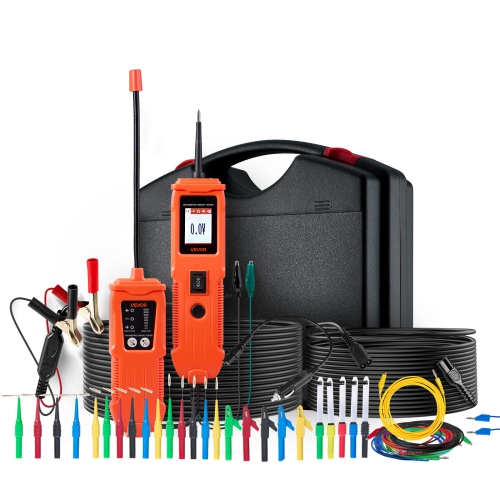
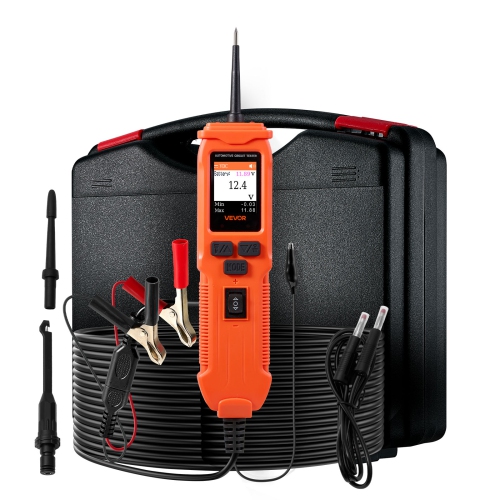
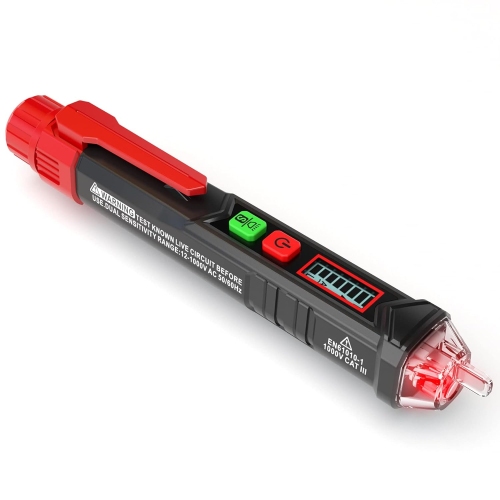
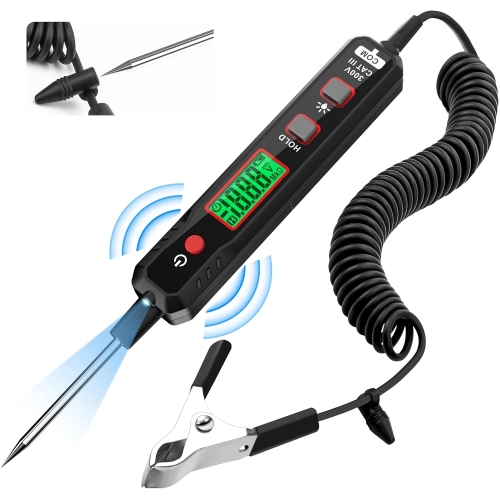
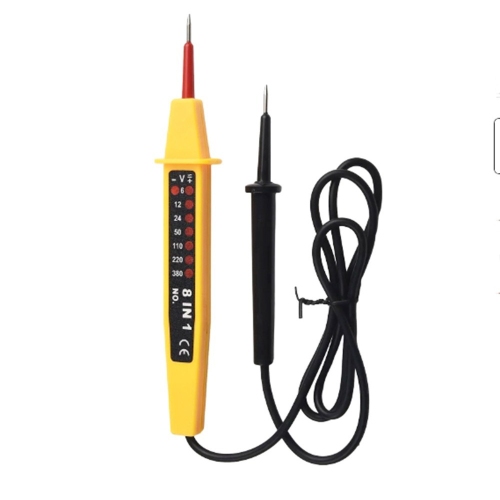
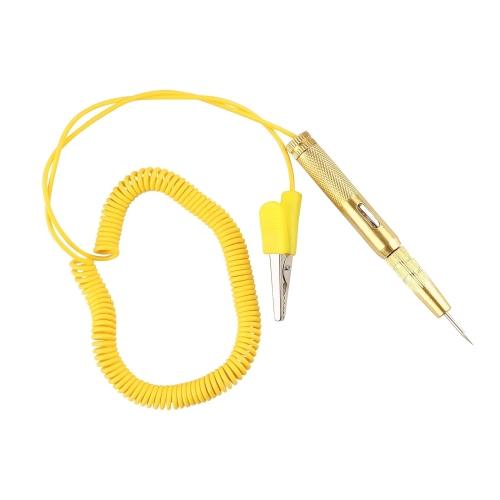
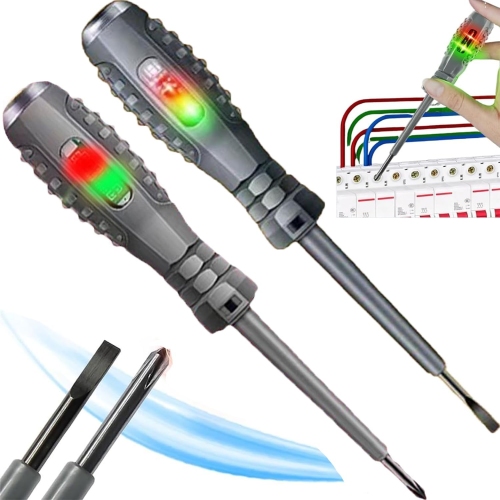
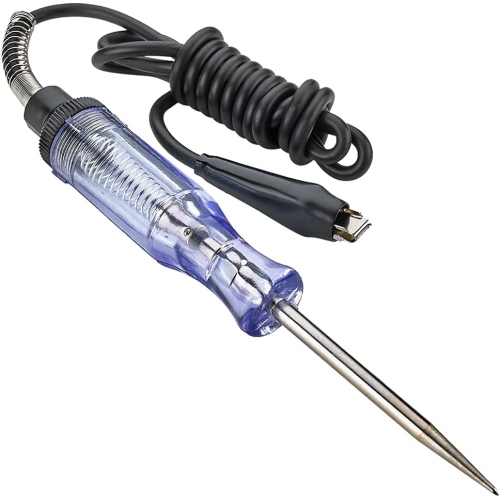
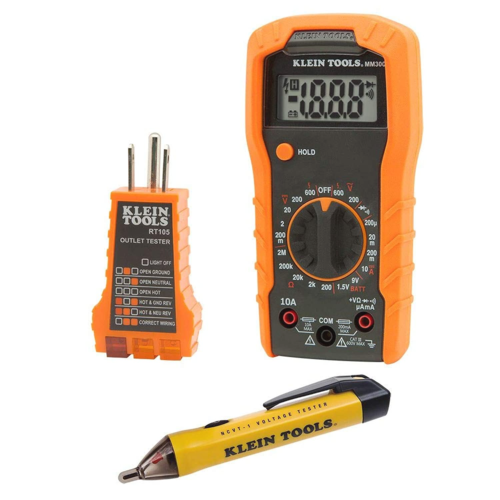
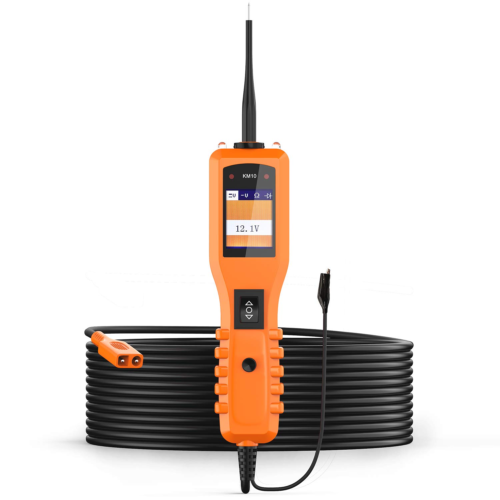
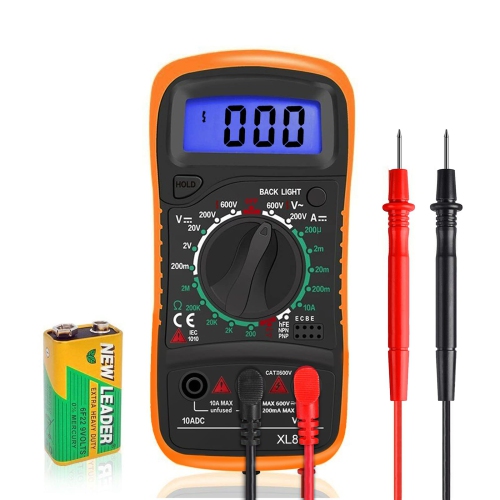
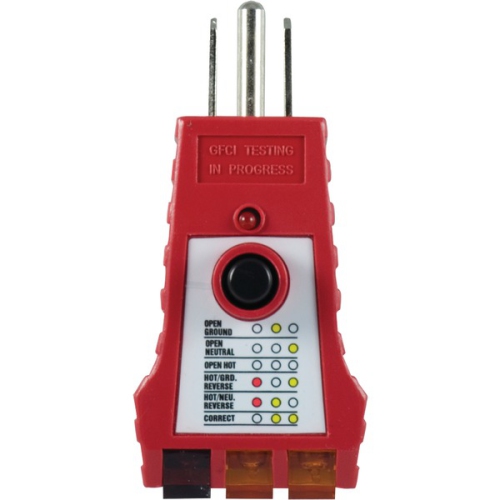
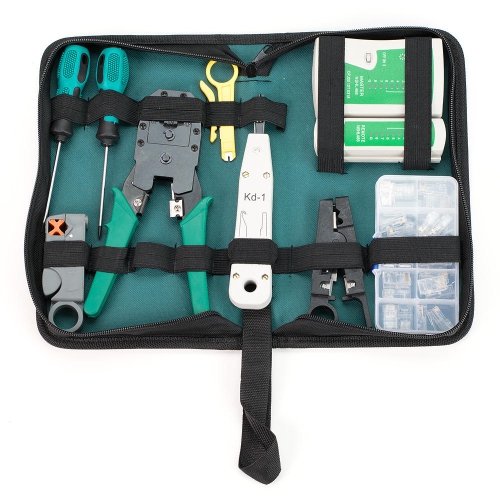
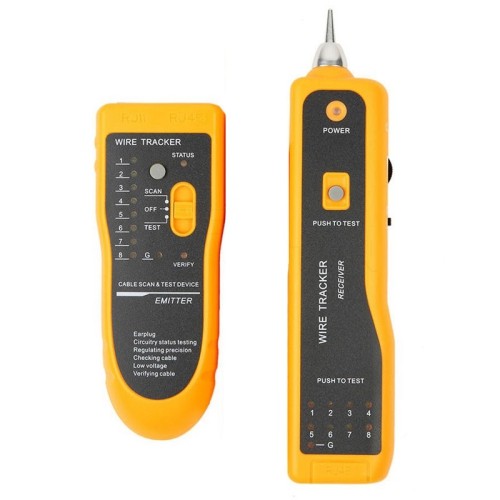
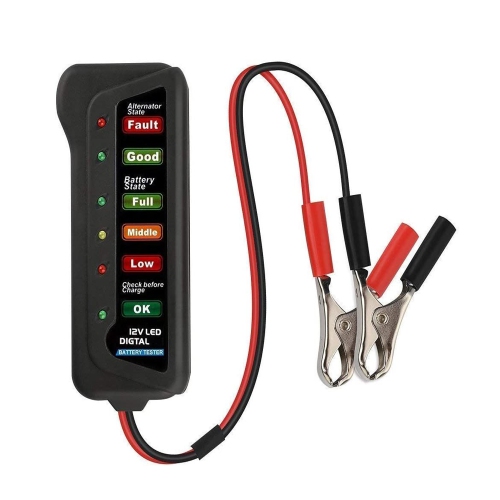
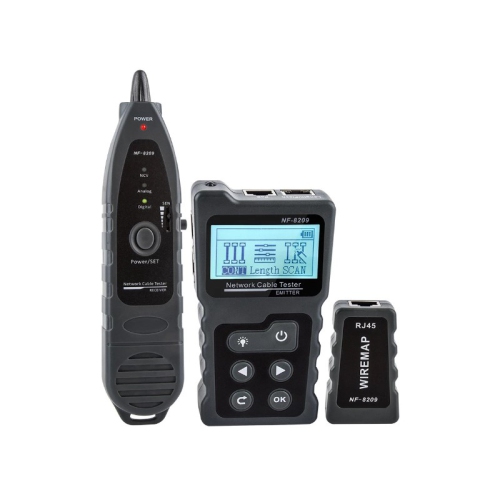
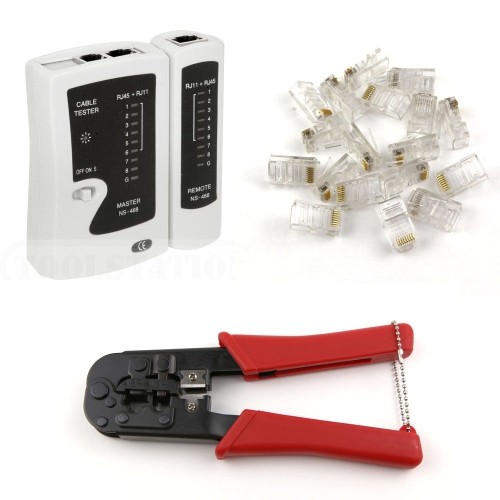
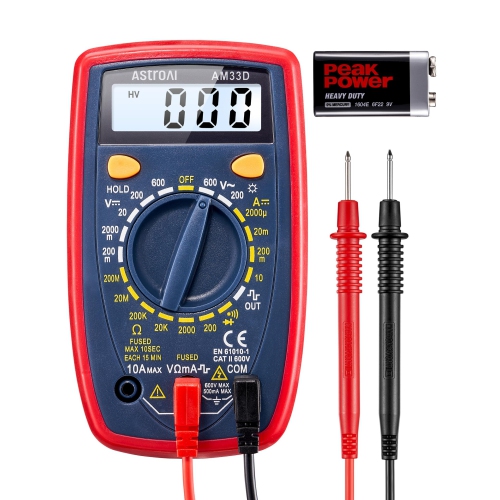
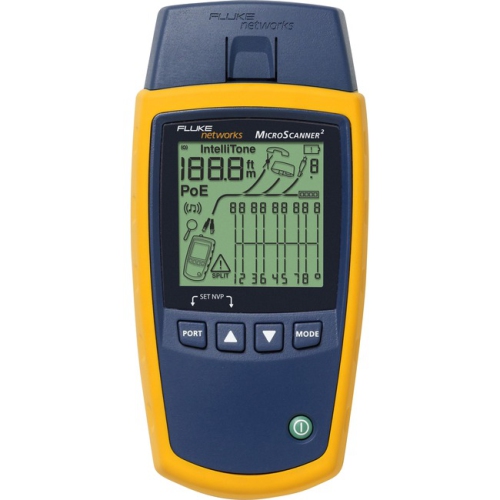
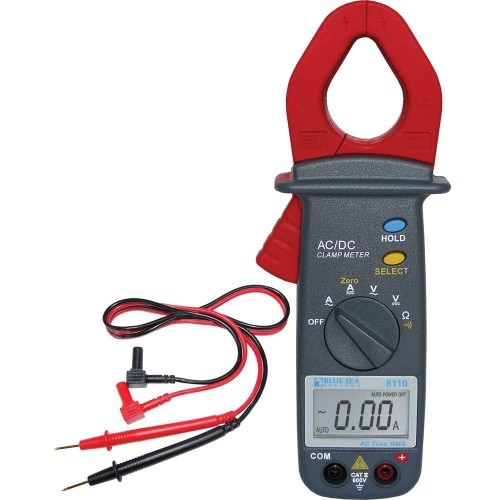
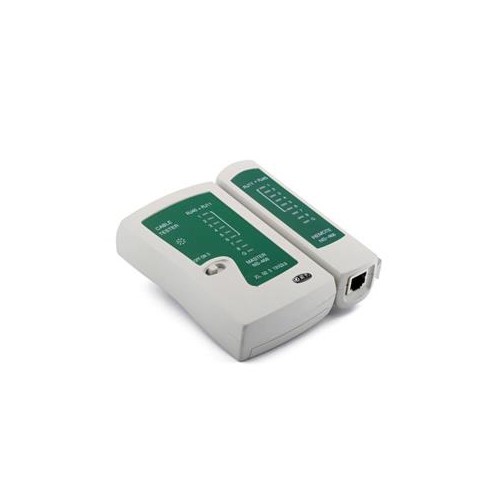
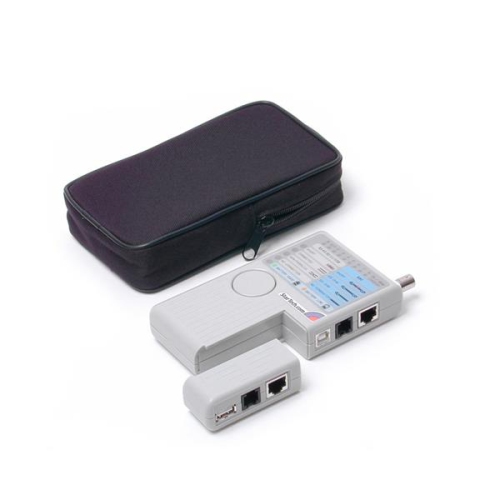
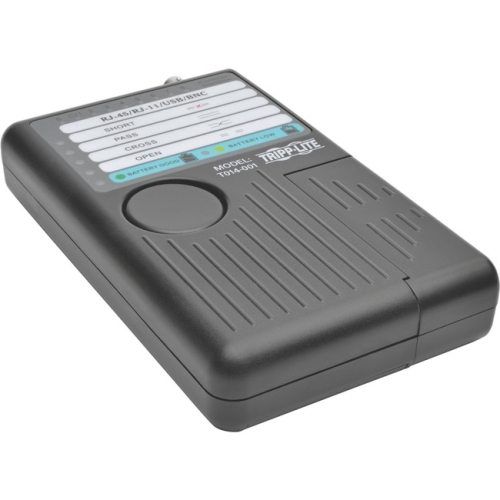
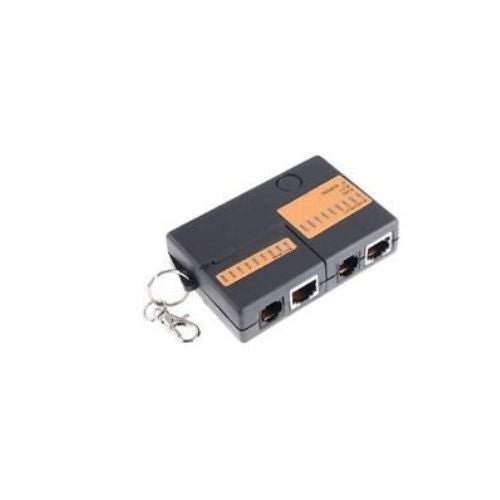

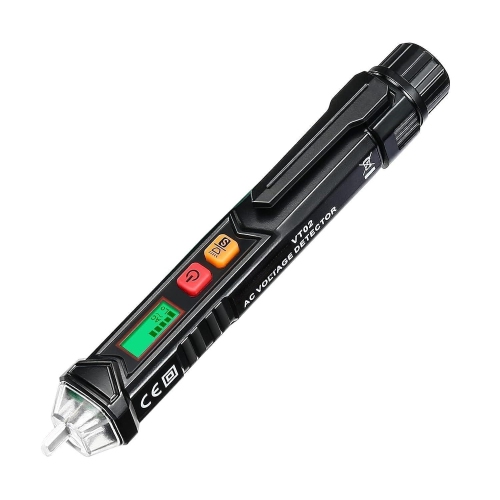
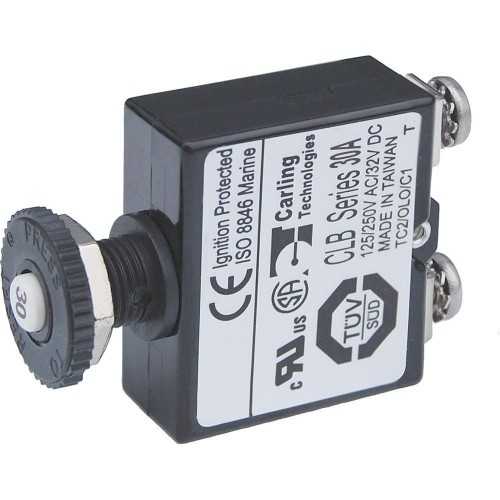
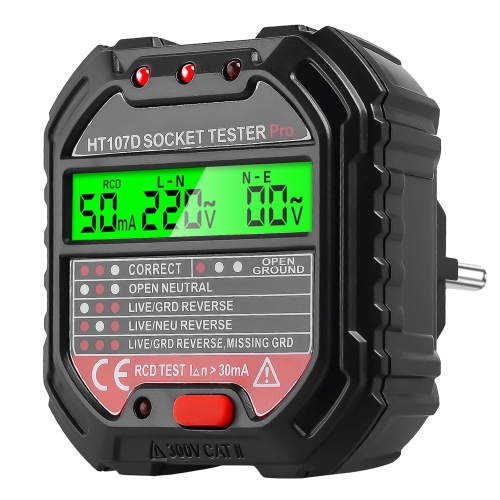
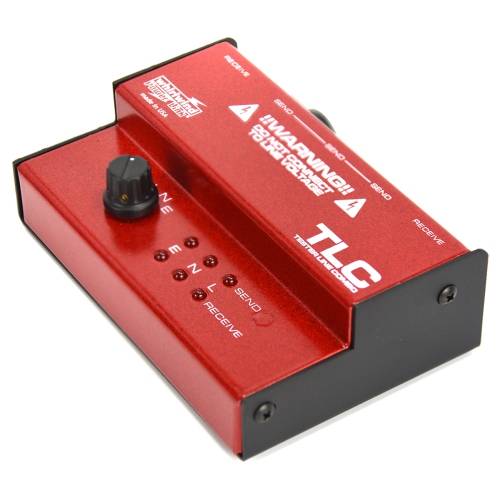
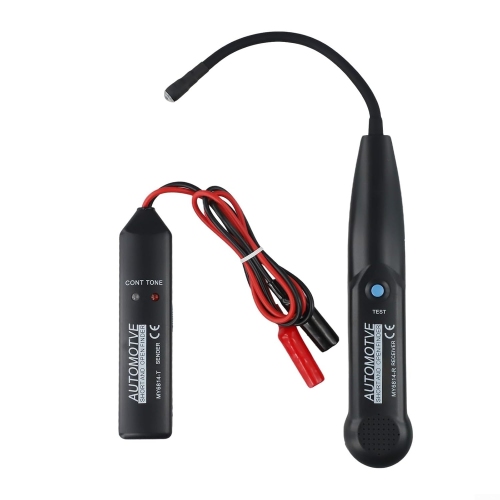
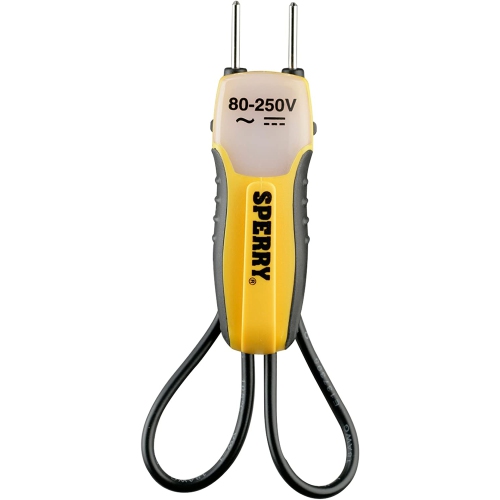
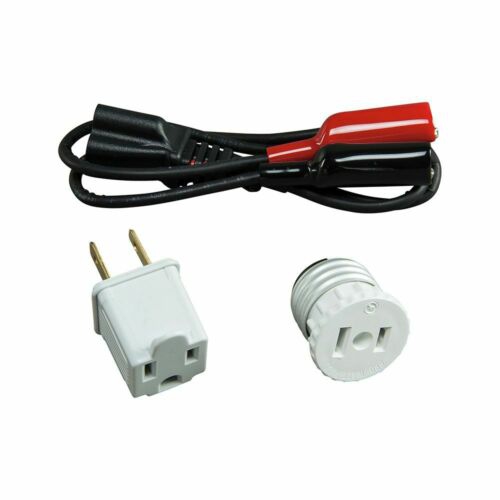
Different testers reveal wiring faults in different ways
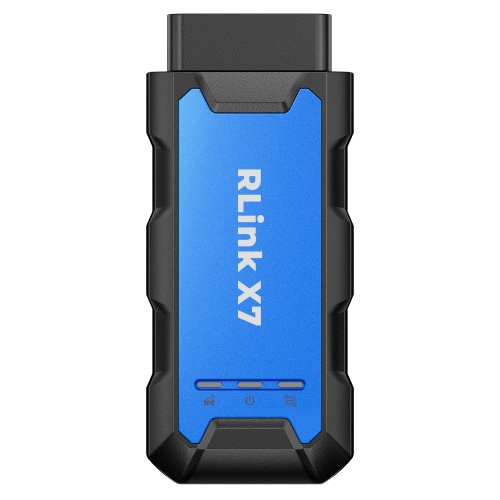
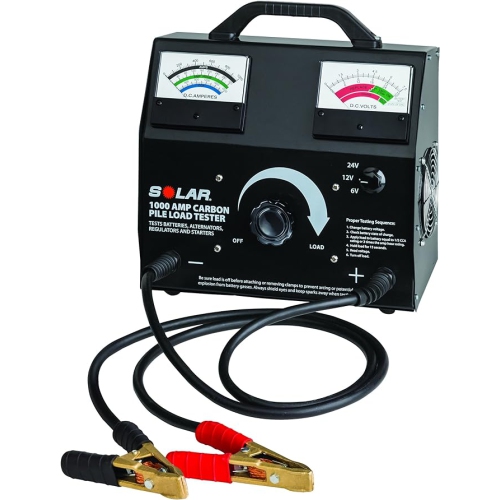
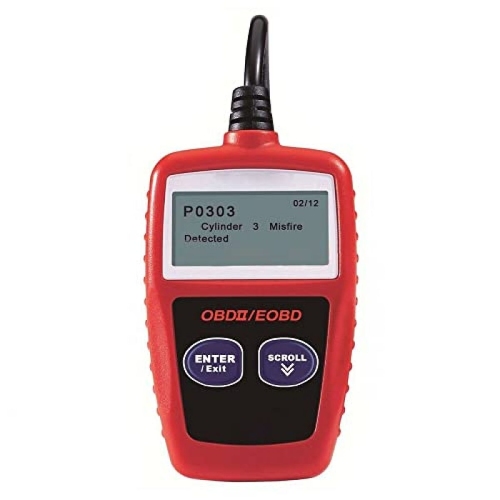
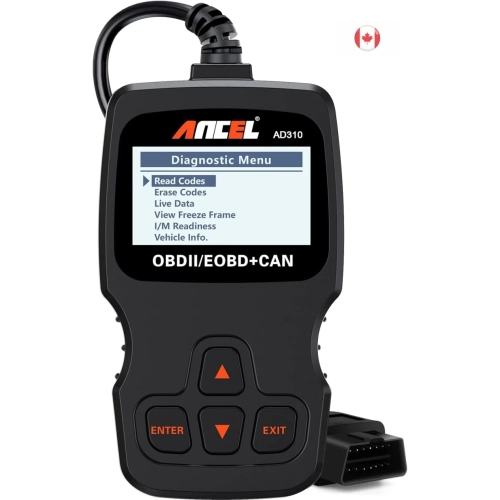
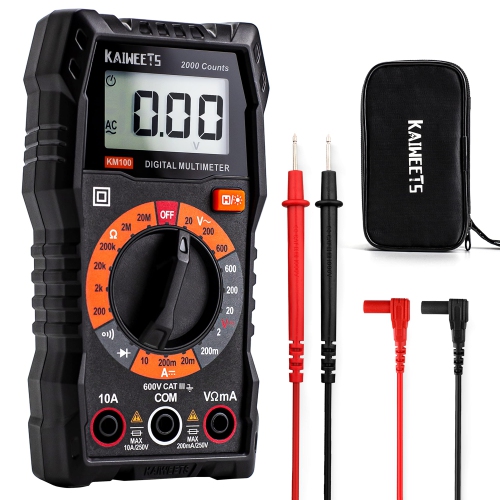
Circuit testers are practical electrical tools for checking whether power is present, identifying basic wiring issues, and troubleshooting equipment before replacing parts or calling for professional service. The right tester depends on what you are working on. A plug-in receptacle tester is designed for compatible three-slot household outlets and uses a pattern of indicator lights to flag conditions such as an open ground, open neutral, open hot, or reversed wiring. It can be useful when moving into a new home, preparing a room for renovation, or checking outlets that have become loose, warm, or unreliable. A non-contact voltage detector is a compact pen-style tool that senses alternating current near a live wire, switch, outlet, or electrical box without requiring the tip to touch an exposed conductor. It is convenient for a quick preliminary check, particularly when working in dim areas or behind fixtures, but it should not be treated as the only confirmation that a circuit is safe. Digital multimeters offer more detailed testing through probe leads, with functions that can measure AC and DC voltage, resistance, and continuity. They are suited to homeowners who handle regular maintenance, hobbyists working on low-voltage projects, students learning electrical fundamentals, and tradespeople who need readings rather than a simple pass-or-fail indication. Automotive circuit testers and power probes are intended for vehicle electrical systems, where they can help locate power and ground, check fuses and wiring, and investigate accessories that do not operate as expected. For portable electronics and household devices that run on replaceable cells, a Battery Testers page may be more appropriate than a household circuit tester. Understanding the difference between these tool types helps prevent an easy mistake: a tester made for 120V AC household wiring is not automatically suitable for a 12V DC vehicle system, and a simple voltage detector cannot provide the detailed resistance or continuity readings available from a multimeter.
When choosing circuit testers, start with the system and task rather than the appearance of the tool. For household work, check that the tester is designed for the voltage and outlet style used in your home, and look for a suitable measurement category rating, such as CAT III for many residential and commercial distribution applications. A higher rating does not make every tool appropriate for every situation, so the instructions and marked limits should always be reviewed before use. Consider whether you need a quick visual or audible indication, an illuminated display that is easy to read in a basement or utility room, automatic range selection, a backlit screen, or a compact shape that can stay in a tool bag. A multimeter with clearly marked settings can be especially helpful for someone learning, while an advanced model may suit a user who regularly checks control boards, motors, chargers, or low-voltage components. Probe leads deserve close attention: flexible, well-insulated leads with secure connections make handling easier, while worn insulation, cracked tips, loose plugs, or exposed metal are signs that the leads should not be used. Look for protective features such as input protection, a sturdy case, a display that holds a reading, and an audible continuity alert when those functions match your work. For automotive use, confirm that the tester is intended for 12V DC systems and understand whether it only measures a circuit or can also apply power to activate a component. Power-injection functions should be used only when the tool and vehicle circuit are specifically compatible, since applying power to the wrong wire can damage sensitive electronics. Circuit testers can make thoughtful gifts for a new homeowner, a driver who enjoys maintaining a vehicle, a student assembling an electronics kit, or a practical-minded person building a first household tool collection. They are also useful for experienced users who want a second tester for the garage, workshop, RV, or utility drawer, where a quick check can save time before a larger repair begins.
Safe testing starts with knowing whether the circuit should be energized. Voltage testing is performed on a live circuit only when the tester is rated for that application and the user can work safely; continuity and resistance testing require the circuit to be switched off and disconnected from its power source. Never use a continuity setting on an energized circuit, and do not assume that turning off a wall switch has removed power from every conductor in an electrical box. Before checking an outlet or wiring, inspect the tester, select the correct function, and verify that the device works on a known source when the instructions recommend that step. Keep fingers behind the probe guards, avoid touching bare metal, and use one hand where appropriate to reduce the chance of creating a path through the body. A non-contact detector is helpful for screening, but it may not detect every condition and can respond to nearby energized wires, so confirm results with a properly rated contact tester when the situation calls for it. For receptacle testers, read the light pattern carefully instead of treating any light as proof that an outlet is correctly wired; these devices identify common faults but do not replace a full electrical inspection. Automotive testing also calls for care around moving parts, hot surfaces, batteries, and accidental shorts. Disconnect power before changing connections, follow the vehicle and tester instructions, and stop if wiring is damaged, overheated, or difficult to identify. During the warmer seasons and cooler months alike, circuit testers can be handy for checking a garage outlet, troubleshooting exterior lighting, preparing a vehicle for a long drive, or confirming a low-voltage project before it is installed. They are diagnostic tools, not a substitute for training, and suspected hazards such as burning smells, sparking, repeated breaker trips, damaged insulation, or uncertain household wiring should be assessed by a qualified electrician.
When choosing circuit testers, start with the system and task rather than the appearance of the tool. For household work, check that the tester is designed for the voltage and outlet style used in your home, and look for a suitable measurement category rating, such as CAT III for many residential and commercial distribution applications. A higher rating does not make every tool appropriate for every situation, so the instructions and marked limits should always be reviewed before use. Consider whether you need a quick visual or audible indication, an illuminated display that is easy to read in a basement or utility room, automatic range selection, a backlit screen, or a compact shape that can stay in a tool bag. A multimeter with clearly marked settings can be especially helpful for someone learning, while an advanced model may suit a user who regularly checks control boards, motors, chargers, or low-voltage components. Probe leads deserve close attention: flexible, well-insulated leads with secure connections make handling easier, while worn insulation, cracked tips, loose plugs, or exposed metal are signs that the leads should not be used. Look for protective features such as input protection, a sturdy case, a display that holds a reading, and an audible continuity alert when those functions match your work. For automotive use, confirm that the tester is intended for 12V DC systems and understand whether it only measures a circuit or can also apply power to activate a component. Power-injection functions should be used only when the tool and vehicle circuit are specifically compatible, since applying power to the wrong wire can damage sensitive electronics. Circuit testers can make thoughtful gifts for a new homeowner, a driver who enjoys maintaining a vehicle, a student assembling an electronics kit, or a practical-minded person building a first household tool collection. They are also useful for experienced users who want a second tester for the garage, workshop, RV, or utility drawer, where a quick check can save time before a larger repair begins.
Safe testing starts with knowing whether the circuit should be energized. Voltage testing is performed on a live circuit only when the tester is rated for that application and the user can work safely; continuity and resistance testing require the circuit to be switched off and disconnected from its power source. Never use a continuity setting on an energized circuit, and do not assume that turning off a wall switch has removed power from every conductor in an electrical box. Before checking an outlet or wiring, inspect the tester, select the correct function, and verify that the device works on a known source when the instructions recommend that step. Keep fingers behind the probe guards, avoid touching bare metal, and use one hand where appropriate to reduce the chance of creating a path through the body. A non-contact detector is helpful for screening, but it may not detect every condition and can respond to nearby energized wires, so confirm results with a properly rated contact tester when the situation calls for it. For receptacle testers, read the light pattern carefully instead of treating any light as proof that an outlet is correctly wired; these devices identify common faults but do not replace a full electrical inspection. Automotive testing also calls for care around moving parts, hot surfaces, batteries, and accidental shorts. Disconnect power before changing connections, follow the vehicle and tester instructions, and stop if wiring is damaged, overheated, or difficult to identify. During the warmer seasons and cooler months alike, circuit testers can be handy for checking a garage outlet, troubleshooting exterior lighting, preparing a vehicle for a long drive, or confirming a low-voltage project before it is installed. They are diagnostic tools, not a substitute for training, and suspected hazards such as burning smells, sparking, repeated breaker trips, damaged insulation, or uncertain household wiring should be assessed by a qualified electrician.
Top selling and popular products
-
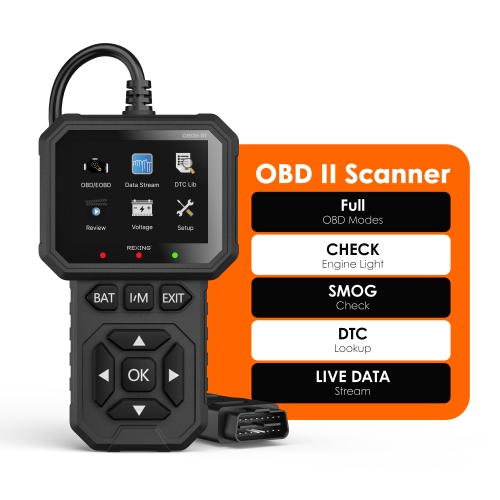 Your price for this item is $119.99
 -
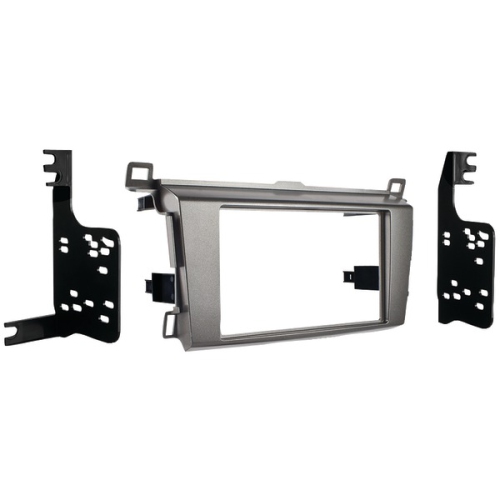 Your price for this item is $78.93
 -
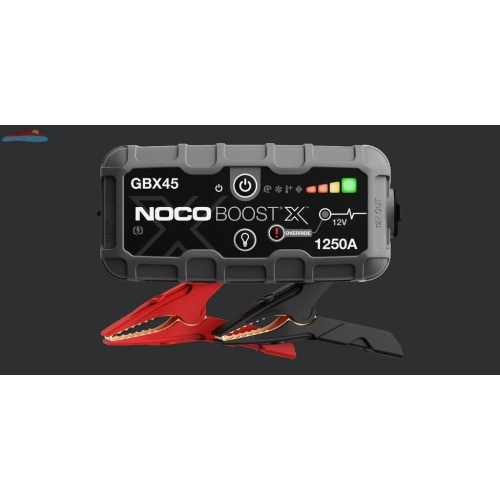 Your price for this item is $185.95
 -
 Your price for this item is $288.95
 -
 Your price for this item is $413.95
 -
 Your price for this item is $130.95
 -
 Your price for this item is $26.38
 -
 Your price for this item is $59.99
Discover more categories related to Circuit Testers

Top Collections:
Pokemon Centers, Kindle Devices, Best Budget Office Chairs, Apple iPhones 16, Best Laptops for Writers, iPhone 15 Apple, Canon G7X Cameras, Refurbished Apple Laptops, Alarm Clock, Motorola Razr Phones
Some products may be subject to Environmental Handling Fees
(EHF) depending on your province.
Learn more about EHFs.