Continuity Testers
Continuity testers are essential tools for anyone involved in electrical work, whether you're a professional electrician or a DIY enthusiast. These handy devices help you quickly and easily check the continuity of circuits, ensuring that your electrical connections are safe and reliable. With a variety of options available, from simple models for basic tasks to advanced units for more complex projects, finding the right continuity tester can make all the difference in maintaining efficient and secure electrical systems. Explore our selection to discover how these versatile tools can enhance your toolkit and streamline your workflow.
Sort

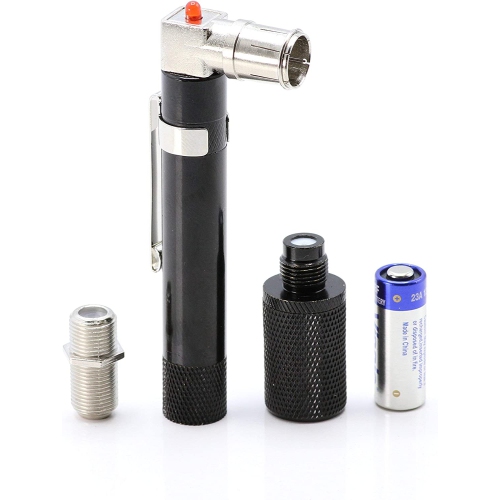
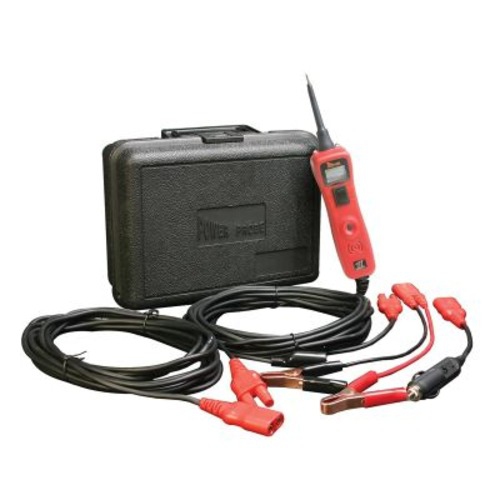
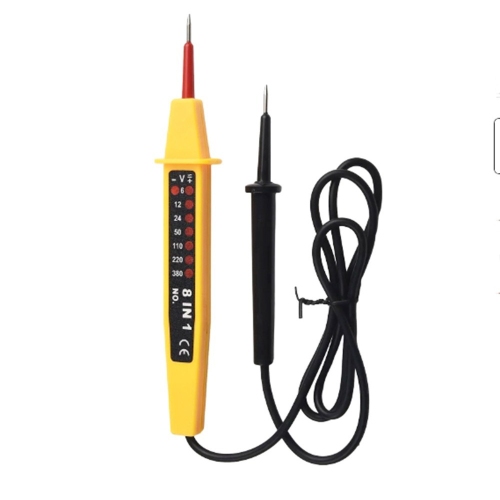
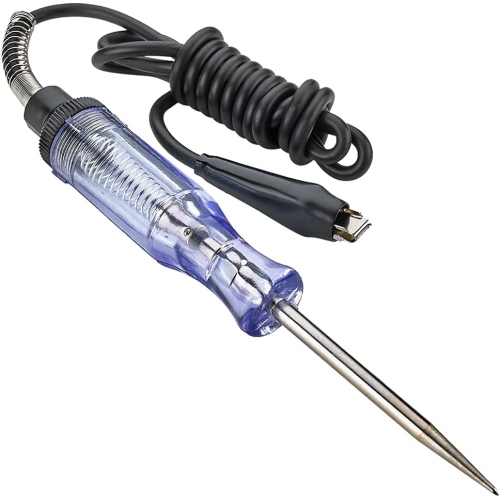
How continuity testing reveals faults in de-energized circuits
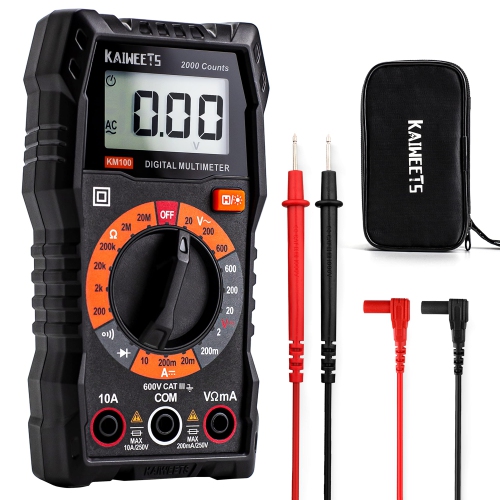
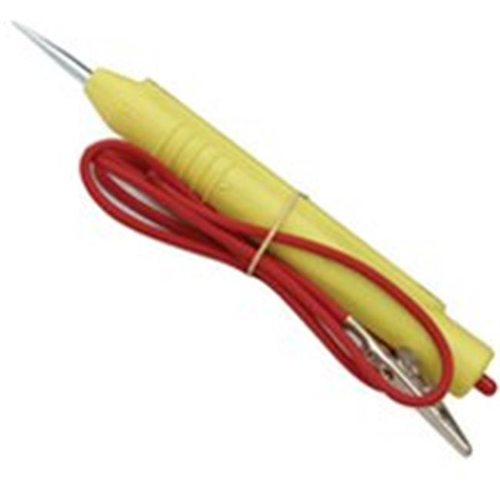
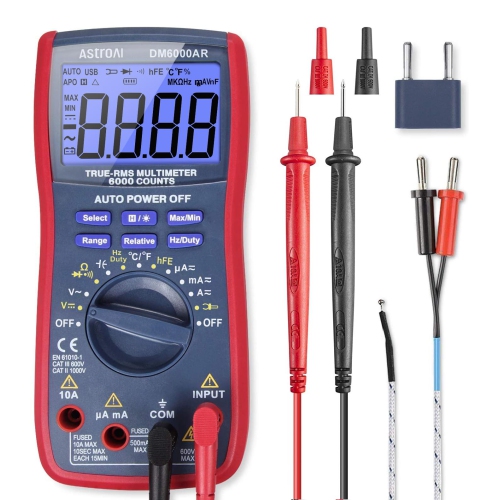
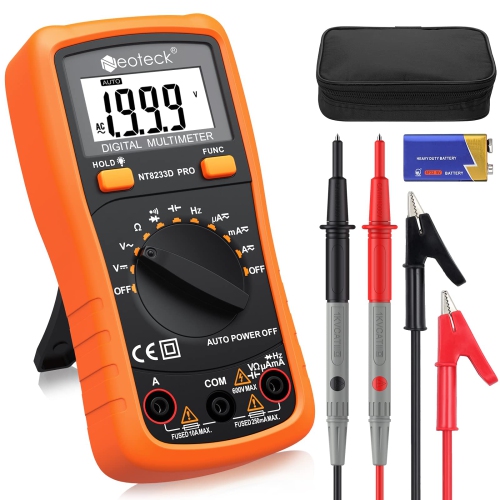
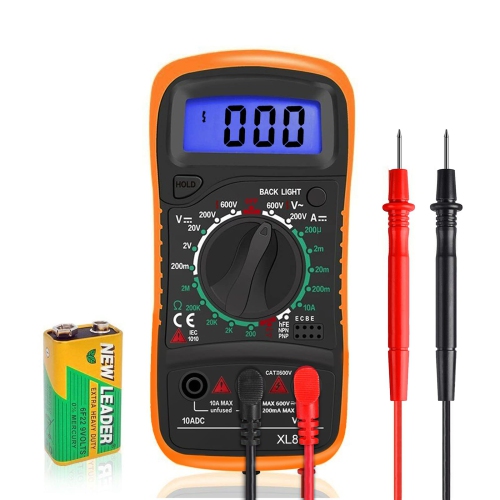
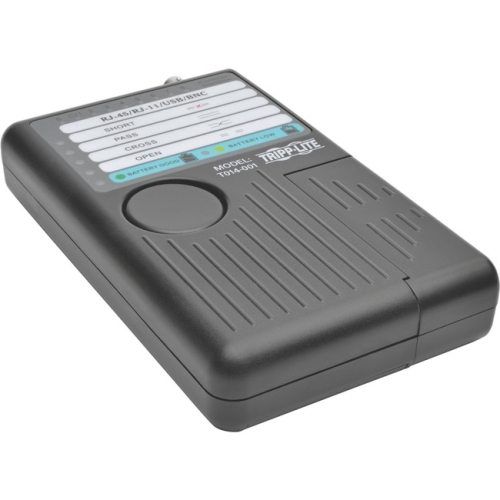
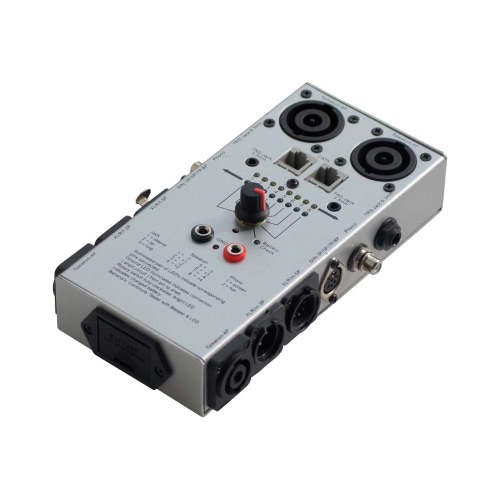
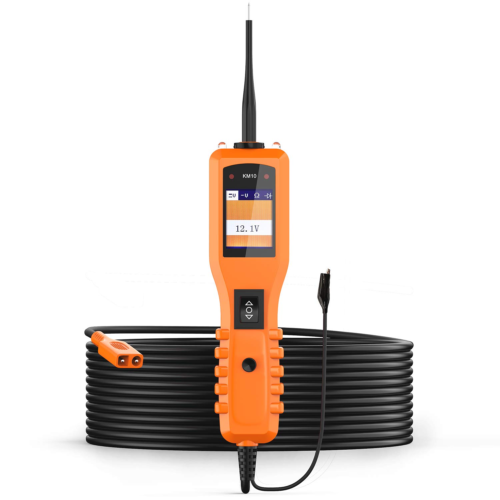
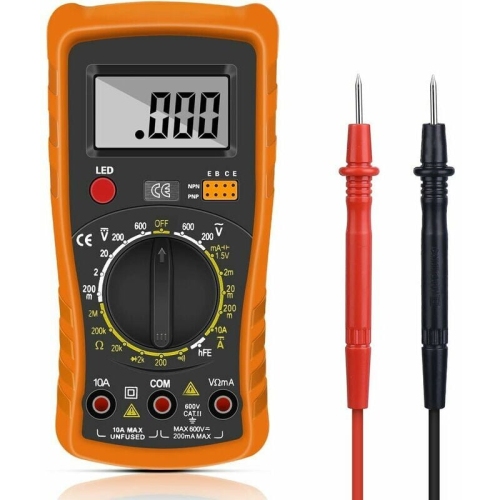
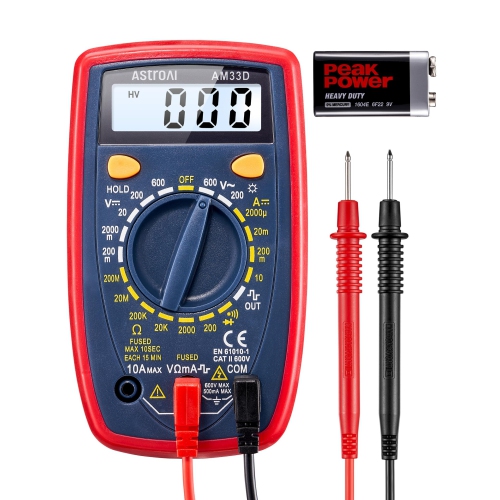
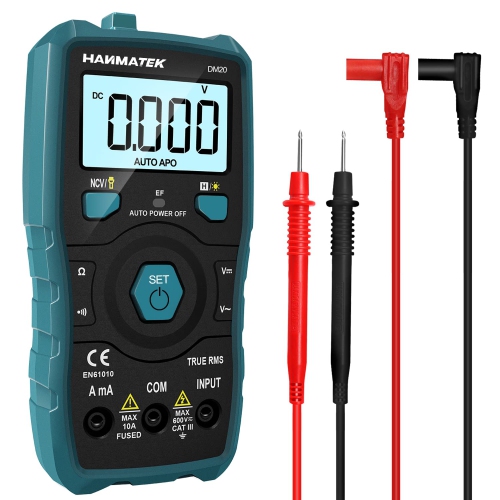
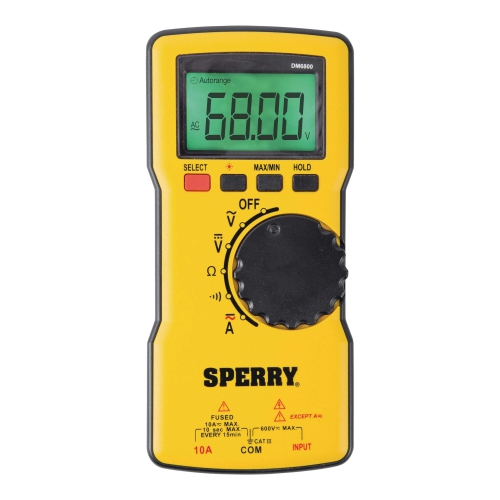
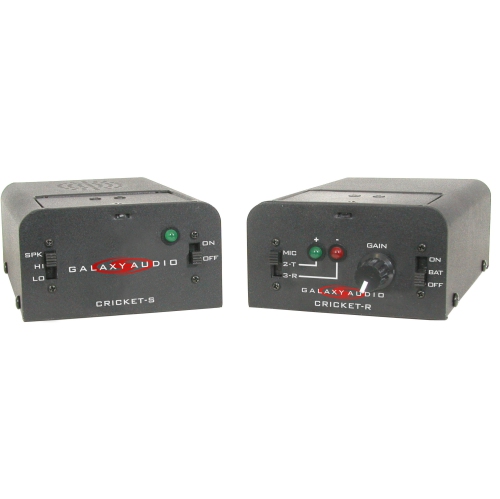
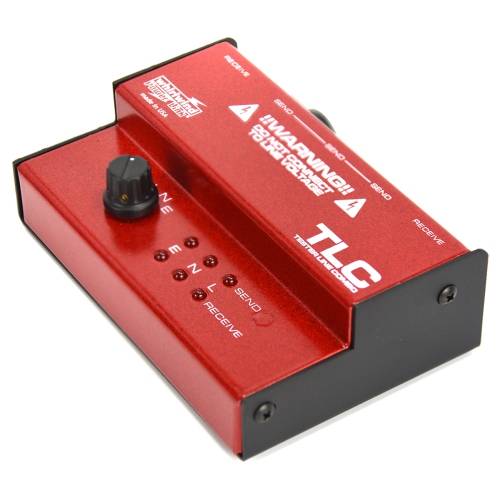
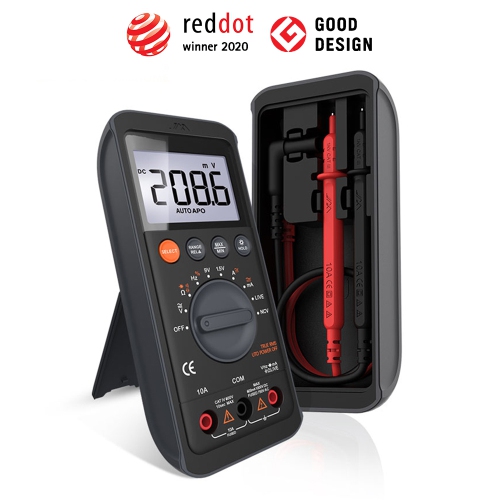
Continuity testers are practical electrical testing tools used to determine whether a complete path exists between two points in a circuit. When the path is intact, the tester typically responds with a light, tone, or both; when the path is interrupted, there is no response. This simple result can help identify a broken wire, failed fuse, faulty switch, damaged connector, or loose connection without relying on guesswork. Continuity testers are commonly used by electricians, technicians, automotive hobbyists, appliance repairers, DIYers, and anyone who works with low-voltage wiring or disconnected electrical components. They can also be useful in a home workshop, where a small tool may help trace a stubborn fault in an extension cord, lamp, doorbell circuit, speaker cable, or battery-powered project. A dedicated tester is often compact and straightforward, with a probe, lead, clip, and built-in indicator. Other tools, including digital multimeters, may offer a continuity setting alongside resistance, voltage, and other measurement functions. Advanced continuity testing equipment can be helpful for identifying individual conductors in longer cable runs, especially when the two ends of a wire are in different rooms or locations. When comparing options, consider the type of work you expect to do, the length and flexibility of the leads, how clearly the indicator can be seen or heard, the durability of the housing, the battery type, and whether the tester includes a useful storage case or probe accessories. A bright indicator is convenient in a dim utility room, while a clear audible tone can be easier to notice when both hands are occupied. A compact design may suit a tool drawer or vehicle glove compartment, whereas a multimeter-style tester may be a better fit for someone who wants one instrument for several types of electrical checks. If your projects involve measuring present electrical potential rather than only checking an unbroken path, consider browsing DC Voltage Testers as a separate category.
Safety is the most important consideration when selecting and using a continuity tester. Continuity testing must only be performed on a de-energized circuit. Unplug the appliance or equipment, switch off the relevant power source, remove batteries where possible, and confirm that no voltage is present before connecting the tester. A continuity tester is not designed to determine whether a circuit is safe simply because a switch appears to be off. Household wiring, hardwired appliances, electrical panels, and other high-voltage systems can present a serious shock, burn, or fire hazard, so work on these systems should be left to a qualified professional when you are not trained and equipped to do it safely. Before testing a component within a larger assembly, disconnect at least one end of the component where appropriate. Testing through parallel paths can produce a misleading result, making a circuit seem continuous when the intended wire or part is actually damaged. It is also good practice to inspect the tester’s leads, probe tips, casing, and battery compartment before use. Cracked insulation, loose connections, corroded contacts, or a weak battery can affect the reading and create unnecessary risk. A continuity tester is particularly useful for quick checks of fuses and simple switches: a functioning fuse generally provides a closed path, while a blown fuse creates an open path; a switch should change from open to closed as it is operated, provided it has been isolated from power and tested correctly. The same basic idea can help locate a break in a cable or confirm that a connector is making contact. In a workshop, a fault can be as small as a wire pulled loose from a terminal, yet the symptom may be a completely silent appliance or an intermittent light. A continuity tester can narrow the search and help distinguish a damaged part from a connection that only needs to be secured.
For occasional household repairs, a simple tester with an easy-to-read light or audible alert may be all that is needed. Choose a design that feels comfortable to hold and has probe tips suited to the connectors, terminals, and wires you expect to inspect. A clip lead can leave one hand free and make it easier to follow a wire through a crowded project, while longer leads are helpful for testing cable runs or components that cannot be placed close together. If you maintain a vehicle, work on electronics, repair small appliances, or build hobby projects, a multimeter with a dedicated continuity mode may offer greater flexibility as your skills develop. Look for clear markings, an intuitive control layout, sturdy lead connections, and an indicator that responds quickly without being overly confusing. Those buying a continuity tester as a gift may find it a thoughtful choice for a new homeowner, student, maker, model builder, vehicle enthusiast, or family member setting up a first tool kit. It is small enough to store beside screwdrivers and pliers, yet useful for the kind of repair that often happens during the cooler months, when indoor projects and workshop time become more appealing. Before making a selection, match the tester’s capabilities to the intended user rather than choosing solely by appearance. Someone checking the occasional fuse may value simplicity, while a person tracing network, speaker, automotive, or control wiring may appreciate longer leads, remote testing features, or a multifunction meter. Keep in mind that continuity results only describe whether the tester detects a complete electrical path under the conditions of the test; they do not confirm that a component can safely carry its rated current or that a circuit is correctly wired. Used with the power disconnected and the equipment manufacturer’s instructions in mind, the right continuity tester can make basic troubleshooting more organised, more efficient, and easier to understand.
Safety is the most important consideration when selecting and using a continuity tester. Continuity testing must only be performed on a de-energized circuit. Unplug the appliance or equipment, switch off the relevant power source, remove batteries where possible, and confirm that no voltage is present before connecting the tester. A continuity tester is not designed to determine whether a circuit is safe simply because a switch appears to be off. Household wiring, hardwired appliances, electrical panels, and other high-voltage systems can present a serious shock, burn, or fire hazard, so work on these systems should be left to a qualified professional when you are not trained and equipped to do it safely. Before testing a component within a larger assembly, disconnect at least one end of the component where appropriate. Testing through parallel paths can produce a misleading result, making a circuit seem continuous when the intended wire or part is actually damaged. It is also good practice to inspect the tester’s leads, probe tips, casing, and battery compartment before use. Cracked insulation, loose connections, corroded contacts, or a weak battery can affect the reading and create unnecessary risk. A continuity tester is particularly useful for quick checks of fuses and simple switches: a functioning fuse generally provides a closed path, while a blown fuse creates an open path; a switch should change from open to closed as it is operated, provided it has been isolated from power and tested correctly. The same basic idea can help locate a break in a cable or confirm that a connector is making contact. In a workshop, a fault can be as small as a wire pulled loose from a terminal, yet the symptom may be a completely silent appliance or an intermittent light. A continuity tester can narrow the search and help distinguish a damaged part from a connection that only needs to be secured.
For occasional household repairs, a simple tester with an easy-to-read light or audible alert may be all that is needed. Choose a design that feels comfortable to hold and has probe tips suited to the connectors, terminals, and wires you expect to inspect. A clip lead can leave one hand free and make it easier to follow a wire through a crowded project, while longer leads are helpful for testing cable runs or components that cannot be placed close together. If you maintain a vehicle, work on electronics, repair small appliances, or build hobby projects, a multimeter with a dedicated continuity mode may offer greater flexibility as your skills develop. Look for clear markings, an intuitive control layout, sturdy lead connections, and an indicator that responds quickly without being overly confusing. Those buying a continuity tester as a gift may find it a thoughtful choice for a new homeowner, student, maker, model builder, vehicle enthusiast, or family member setting up a first tool kit. It is small enough to store beside screwdrivers and pliers, yet useful for the kind of repair that often happens during the cooler months, when indoor projects and workshop time become more appealing. Before making a selection, match the tester’s capabilities to the intended user rather than choosing solely by appearance. Someone checking the occasional fuse may value simplicity, while a person tracing network, speaker, automotive, or control wiring may appreciate longer leads, remote testing features, or a multifunction meter. Keep in mind that continuity results only describe whether the tester detects a complete electrical path under the conditions of the test; they do not confirm that a component can safely carry its rated current or that a circuit is correctly wired. Used with the power disconnected and the equipment manufacturer’s instructions in mind, the right continuity tester can make basic troubleshooting more organised, more efficient, and easier to understand.
Top selling and popular products
-
 Your price for this item is $150
 -
 Your price for this item is $39.99
 -
 Your price for this item is $124.55
 -
 Your price for this item is $129.99
 -
 Your price for this item is $76.35
 -
 Your price for this item is $60.99
 -
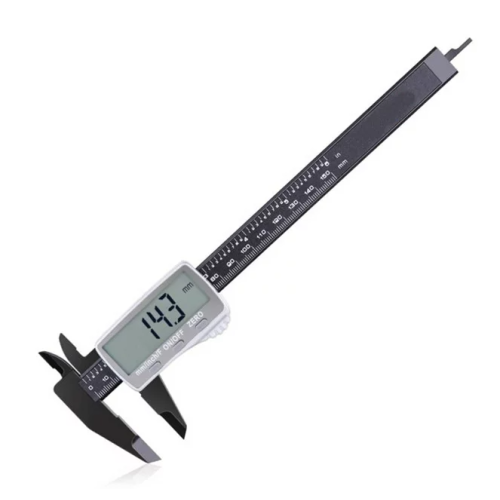 Your price for this item is $9.99
 -
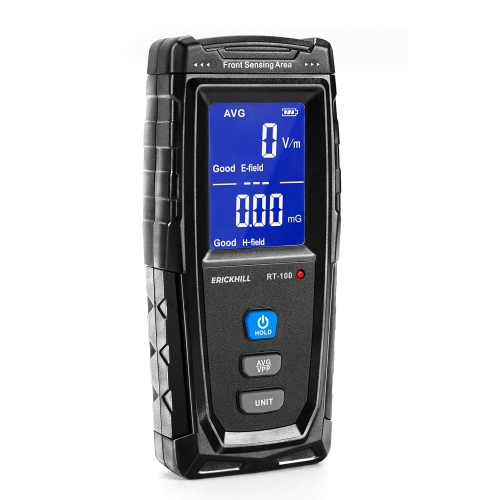 Your price for this item is $89.99
Discover more categories related to Continuity Testers

Top Collections:
Pokemon Centers, Kindle Devices, Best Budget Office Chairs, Apple iPhones 16, Best Laptops for Writers, iPhone 15 Apple, Canon G7X Cameras, Refurbished Apple Laptops, Alarm Clock, Motorola Razr Phones
Some products may be subject to Environmental Handling Fees
(EHF) depending on your province.
Learn more about EHFs.