Electric Testers
Discover the essential tool for any DIY enthusiast or professional electrician with our range of electric testers. Designed to ensure safety and accuracy, electric testers are indispensable when it comes to diagnosing electrical issues in your home or workplace. Whether you're checking voltage levels, identifying circuit problems, or ensuring compliance with electrical standards, having a reliable tester can make all the difference. Explore our selection to find the perfect match for your needs, and work with confidence knowing you have the right tools at your fingertips.
Sort
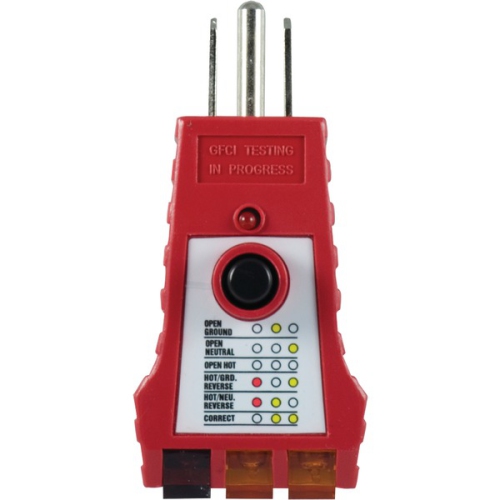
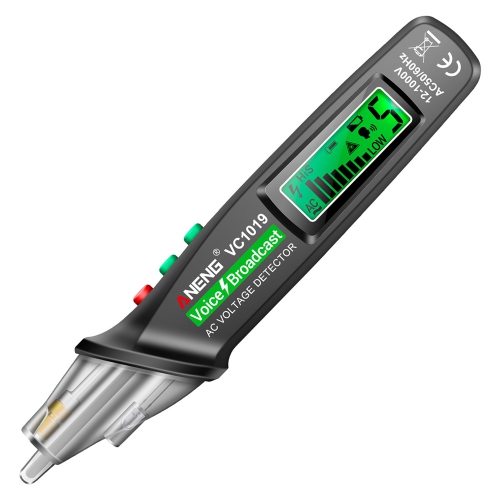
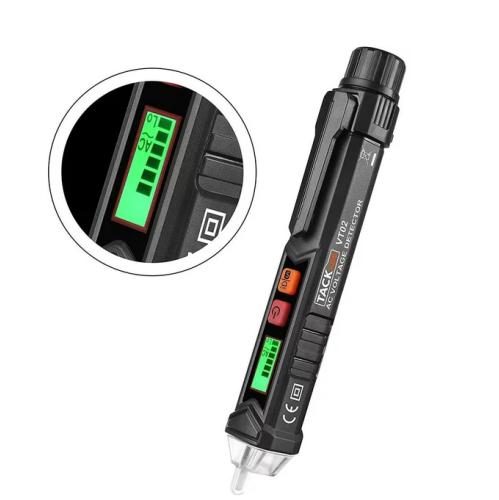
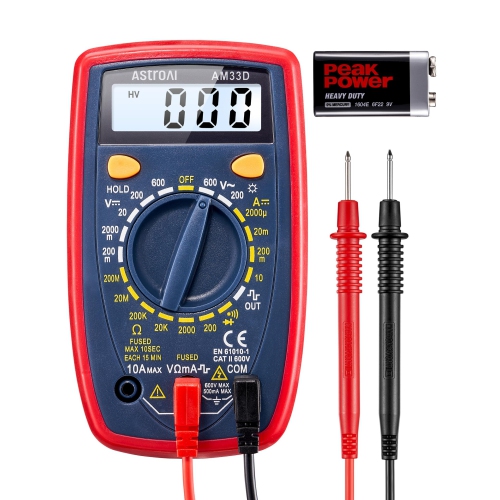
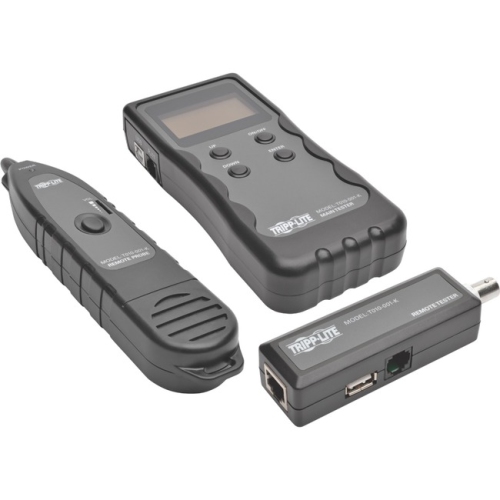
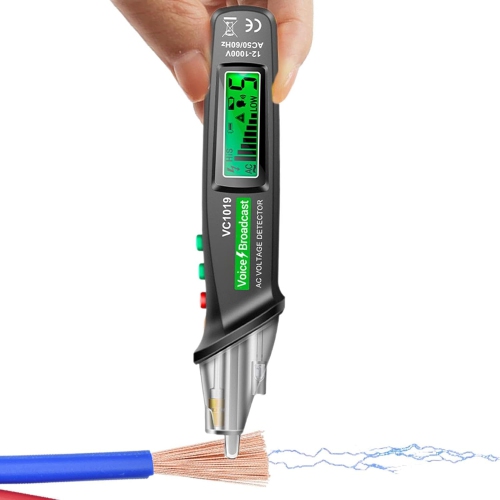
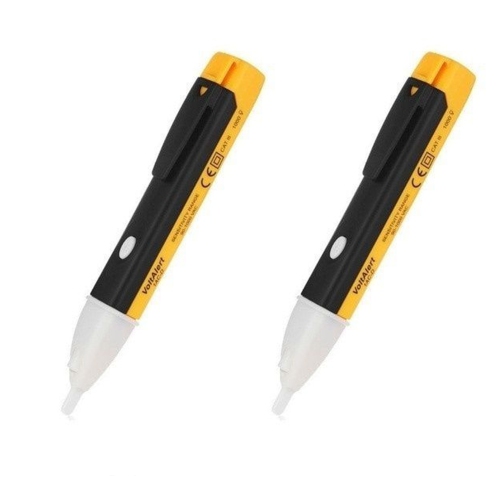
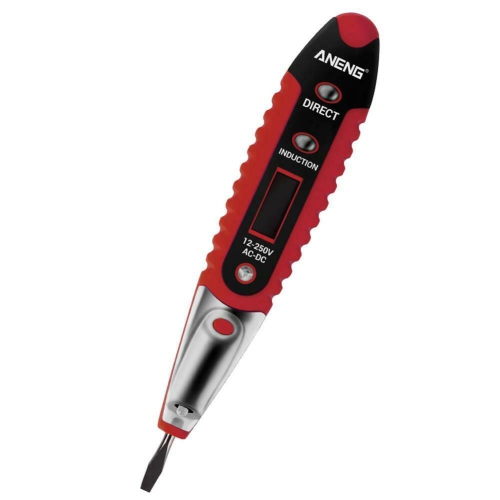
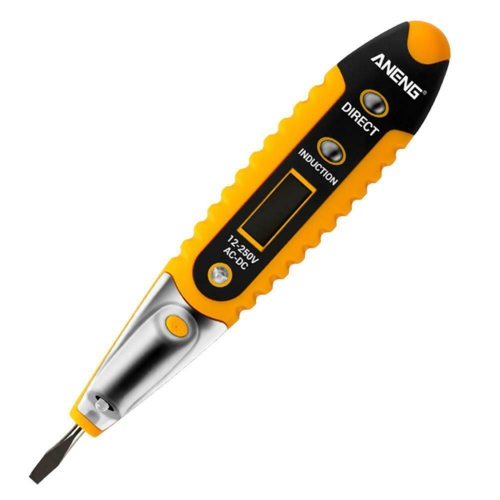
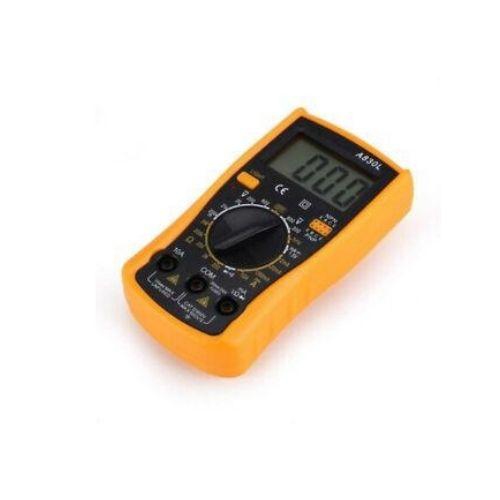

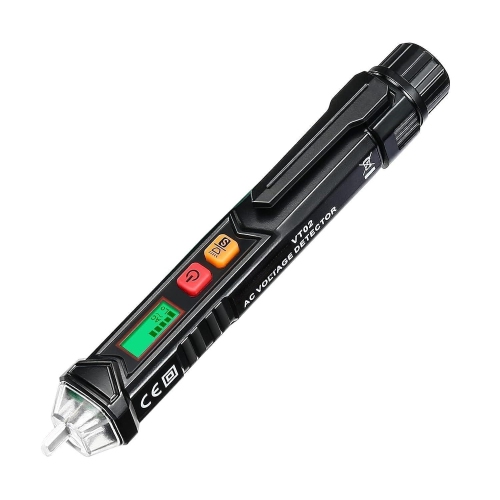
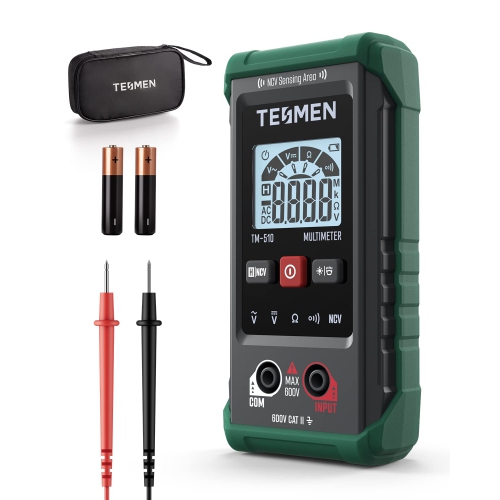
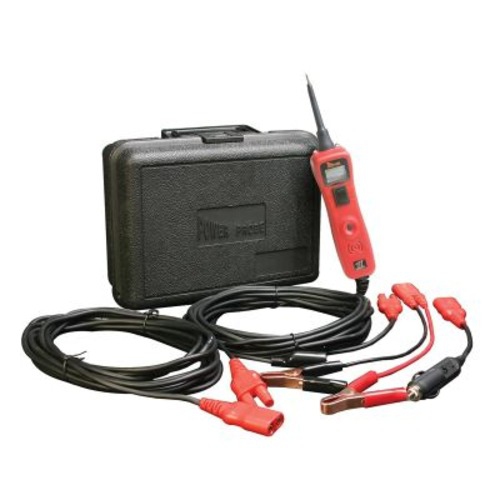
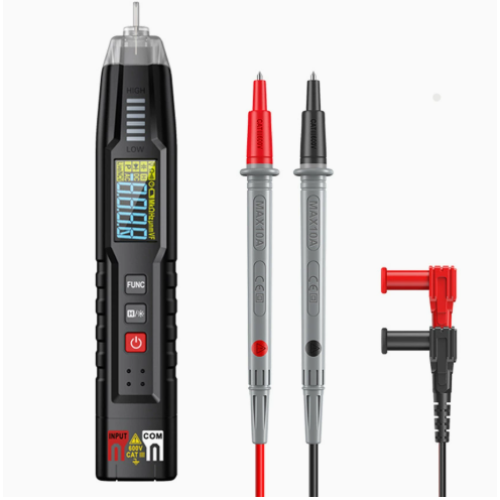
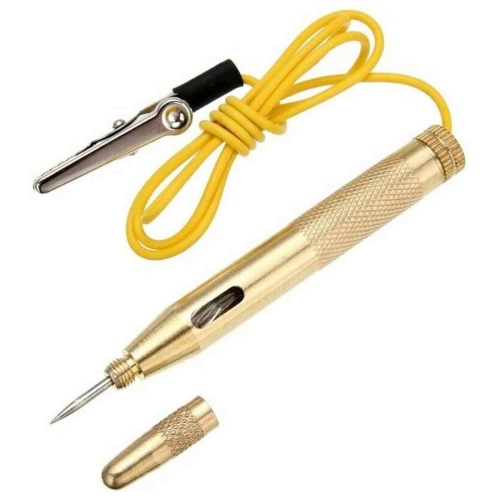
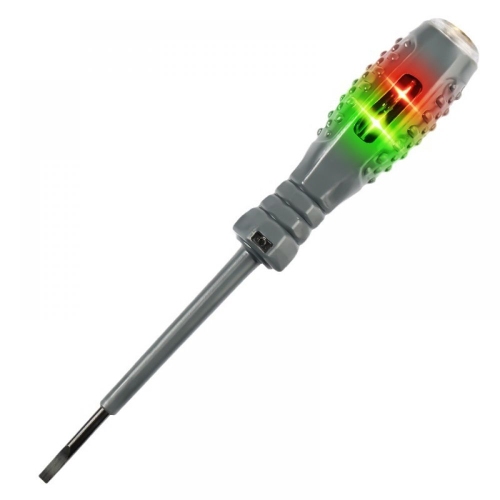
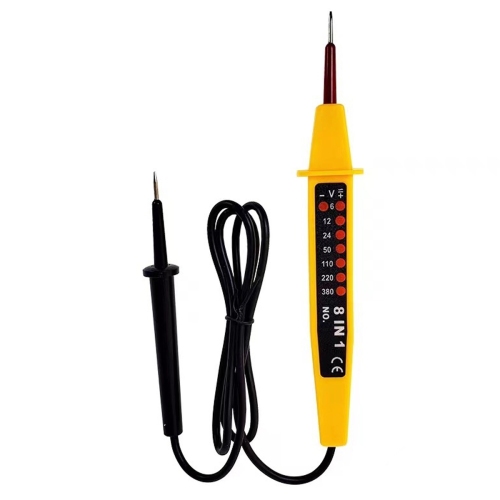
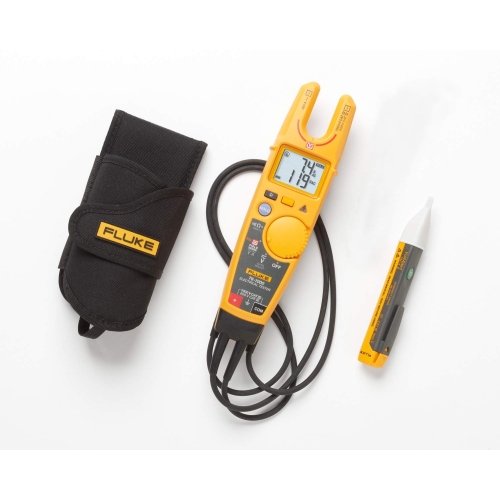
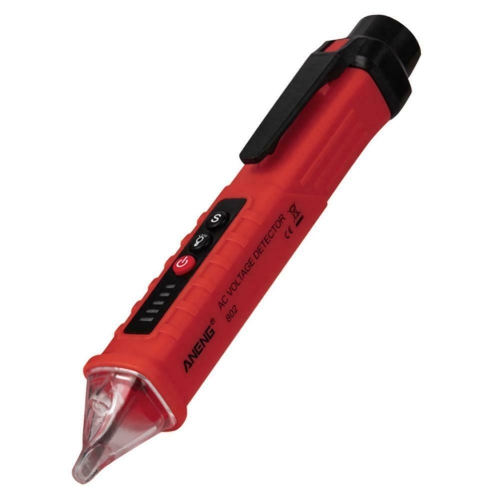
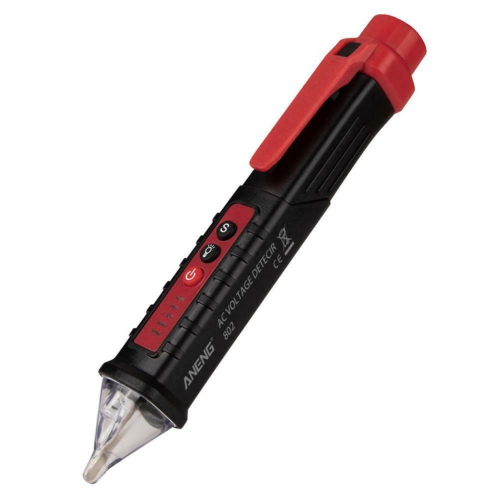
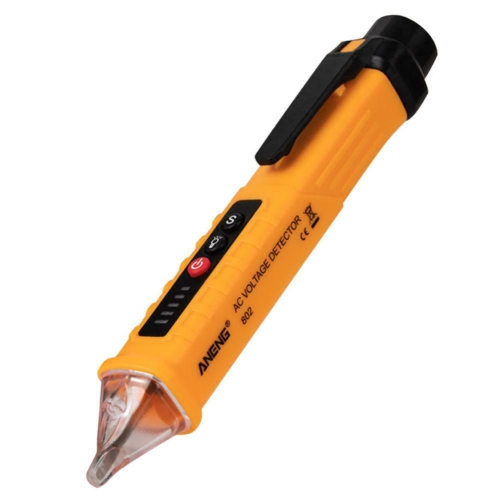
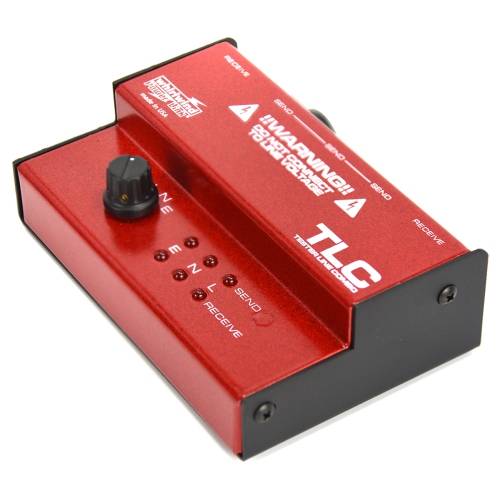
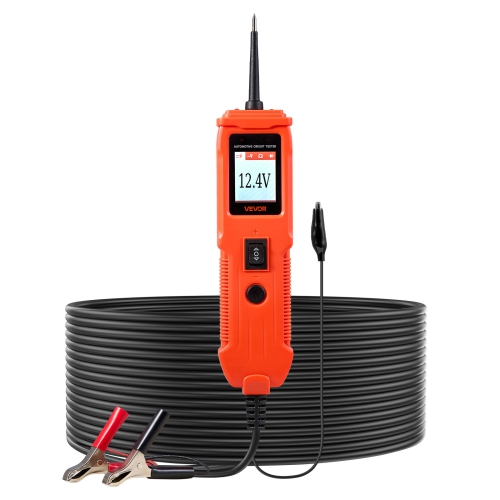
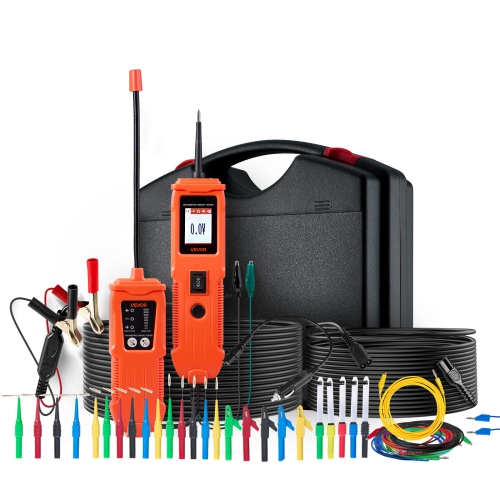
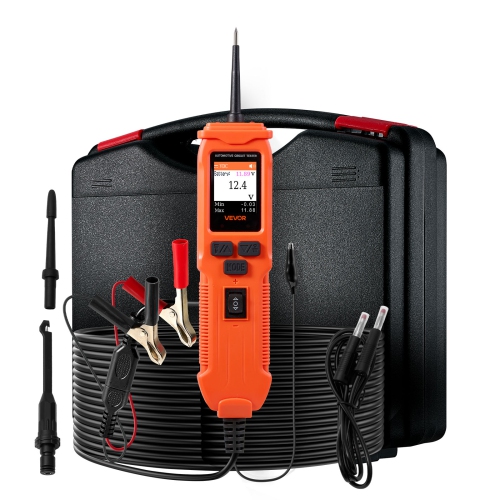
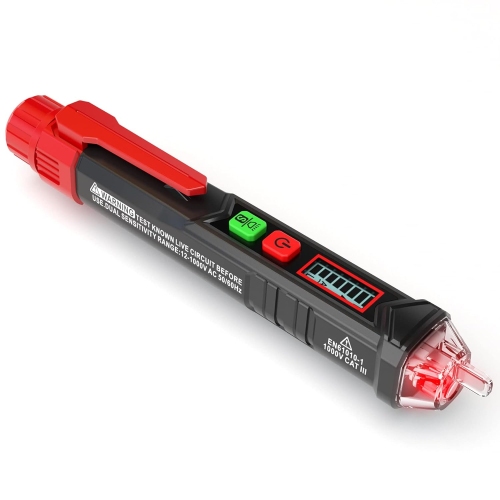
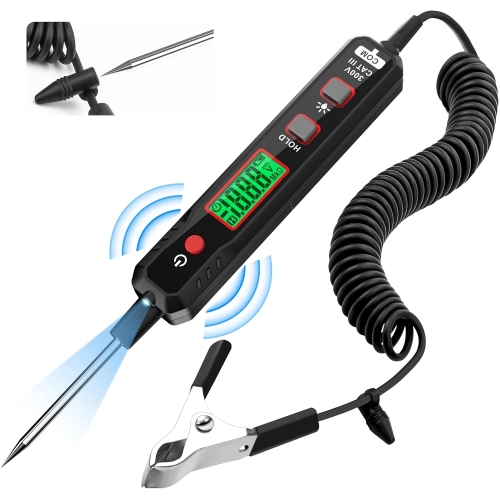
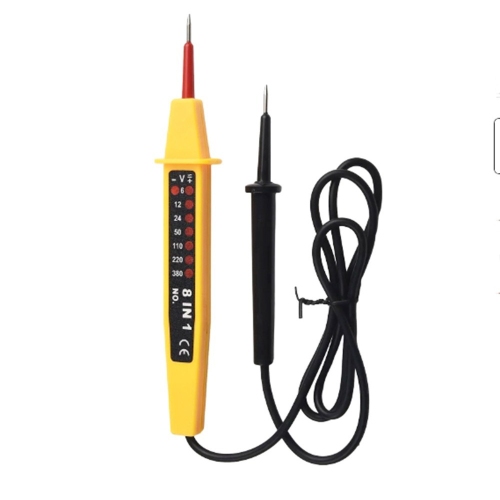
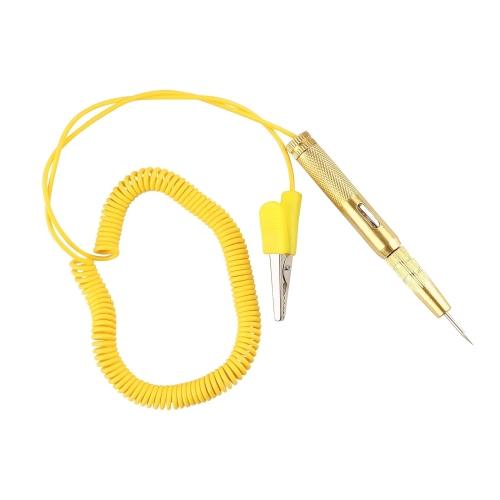
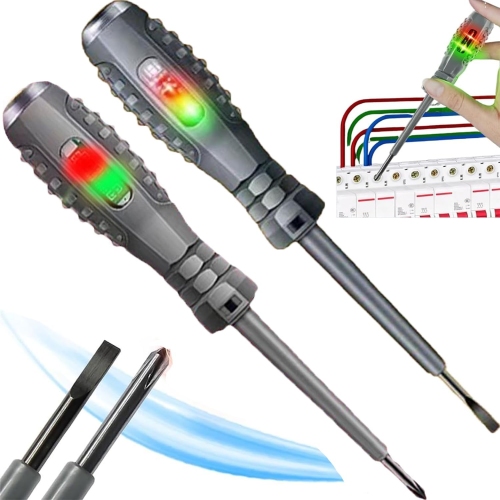
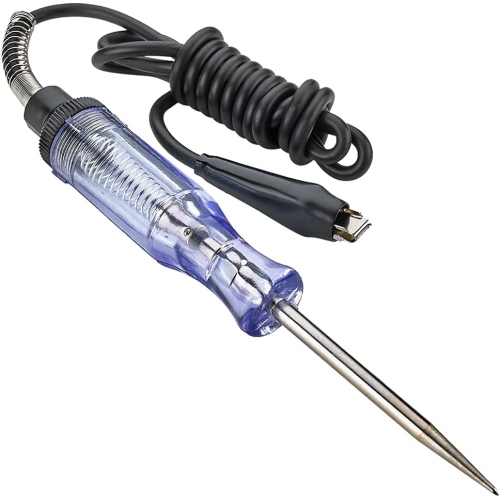
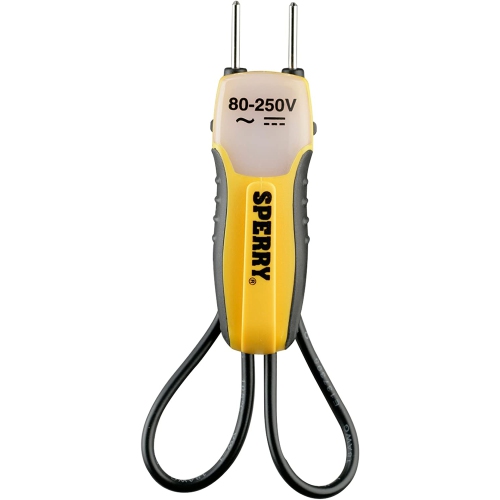
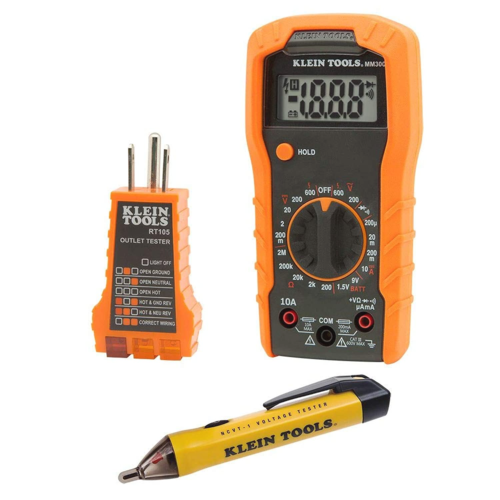
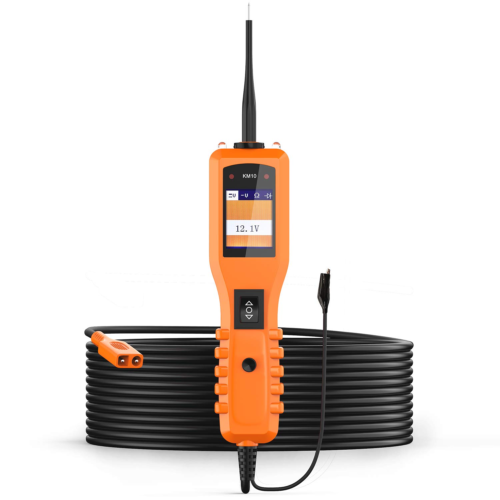
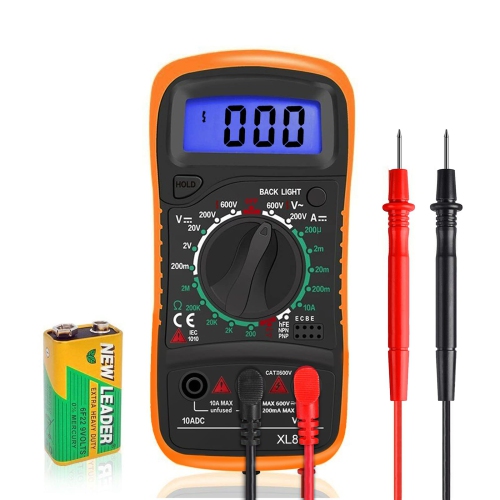

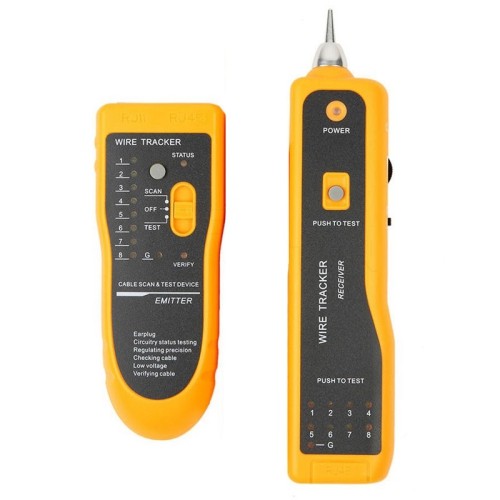
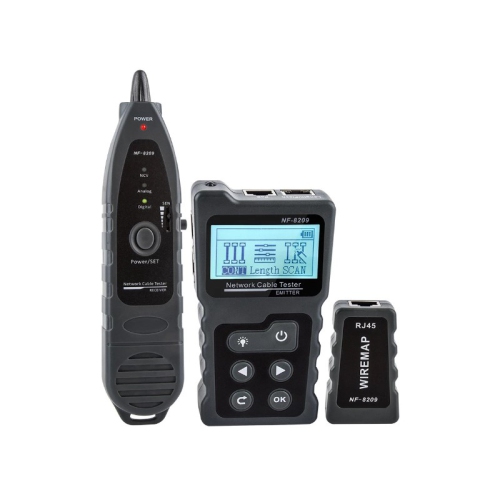
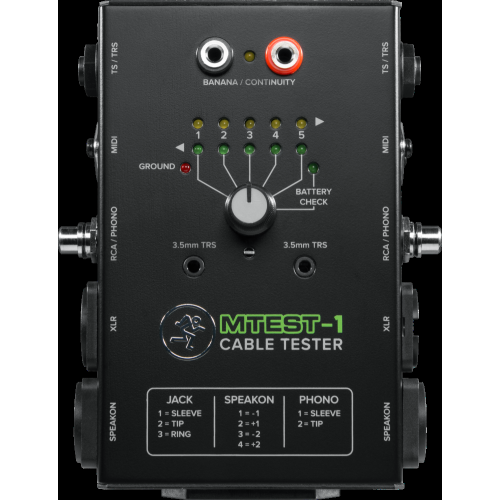
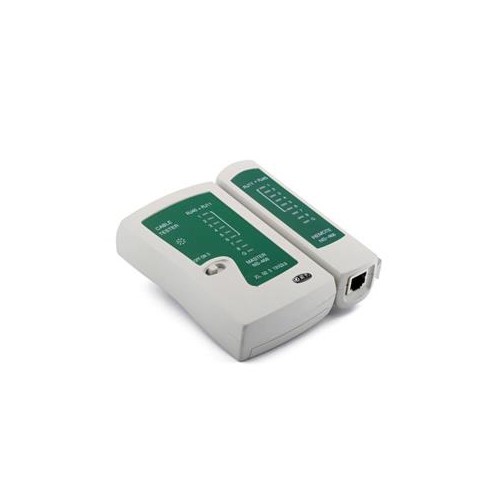
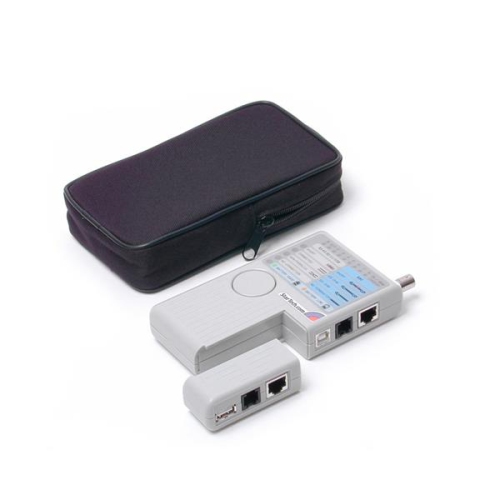
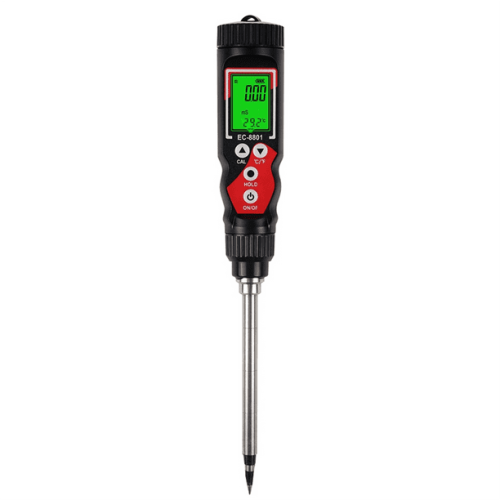
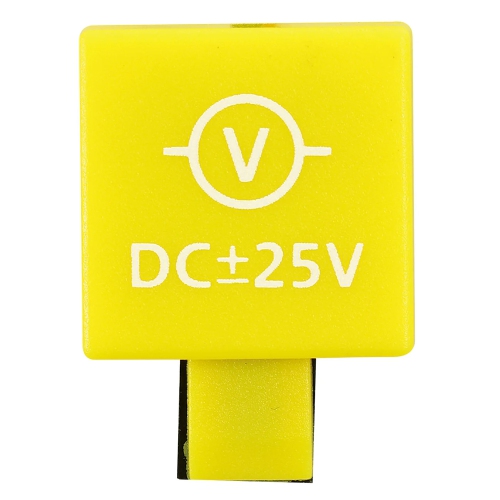
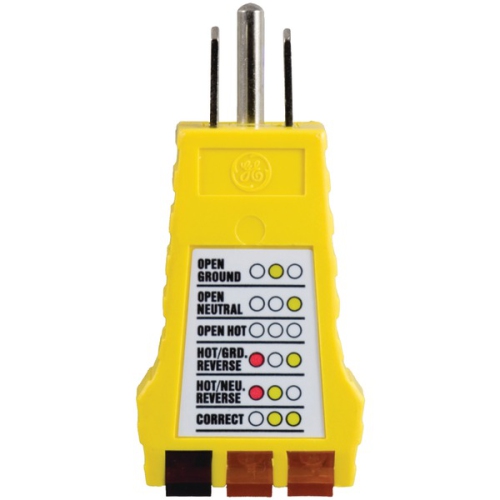
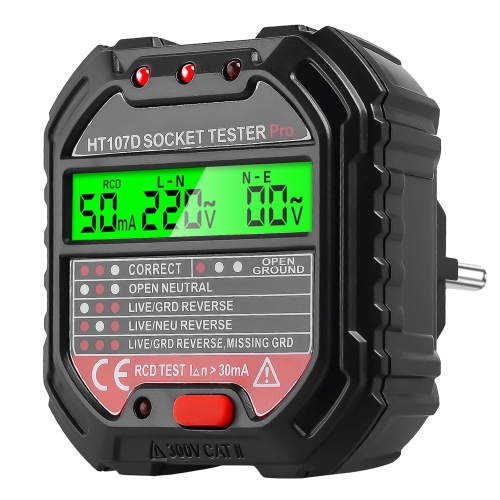
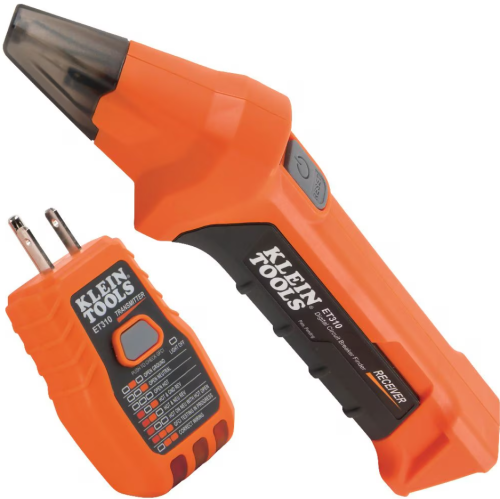
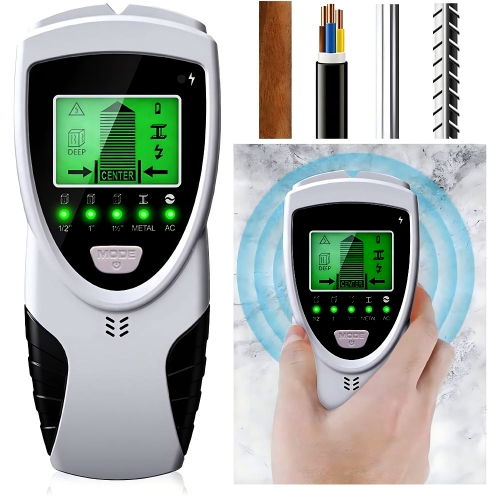
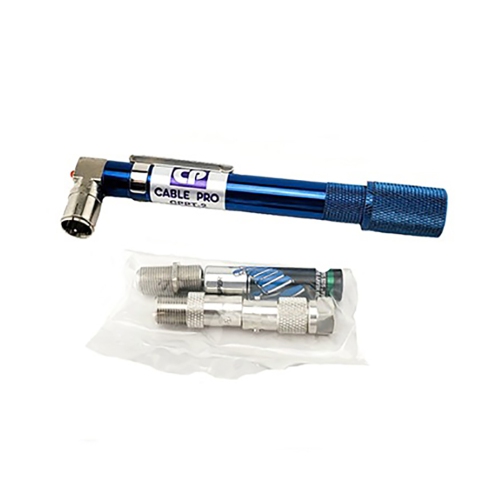
Different electrical checks call for different testing tools
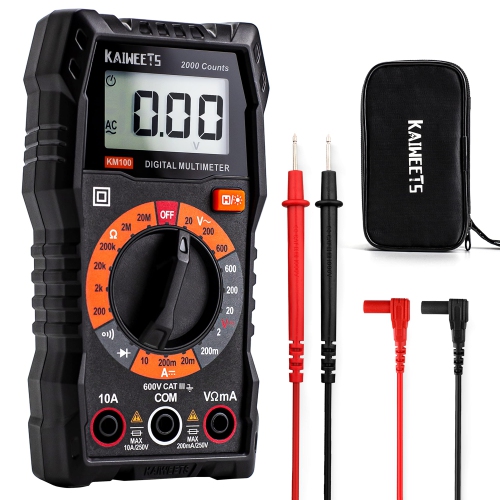
Electric testers are instruments used to check electrical conditions in outlets, wiring, circuits, batteries, and equipment. Depending on the type, they can detect voltage, measure current or resistance, check continuity, or identify certain wiring faults. The main categories include non-contact voltage testers, digital multimeters, clamp meters, and receptacle testers, each suited to a different kind of check. A non-contact voltage tester senses the electric field associated with AC voltage without requiring contact with a bare conductor. Its pen-shaped body is convenient for a tool pouch, and light or sound indicators can flag the possible presence of voltage within the tester’s specified range. It does not measure an exact voltage or, on its own, establish that a circuit is safe to touch. A digital multimeter provides numerical measurements through test leads and probes, typically covering AC and DC voltage, resistance, and continuity, with additional functions varying by design. Continuity testing checks whether an electrical path is complete and is performed only on de-energized circuits with stored energy safely discharged. A clamp meter measures current by placing its jaws around a single conductor, avoiding the need to open the circuit to insert a meter in series. Some clamp meters measure AC current only, while others also support DC current. A receptacle tester plugs into a compatible outlet and uses an indicator pattern or display to identify certain common wiring faults, such as an open ground or reversed polarity. Models with a ground fault circuit interrupter, or GFCI, test function can also help assess the trip response of compatible outlets, subject to their design and wiring requirements. These tools serve different purposes rather than acting as interchangeable substitutes. A basic outlet check, a low-voltage battery measurement, and a motor current assessment call for different capabilities, and no single indicator can reveal every possible electrical problem.
The most useful electric tester is one whose functions, measurement range, and safety ratings match the intended application. For household receptacles in Canada, compatibility with the outlet configuration and nominal supply voltage matters; a plug-in tester intended for a standard 120-volt receptacle is not a general-purpose tool for every appliance connection. For meters used on building wiring, both the voltage rating and the measurement category, often marked CAT II, CAT III, or CAT IV, help define where the instrument may be used. A higher displayed voltage range alone does not make a meter suitable for electrical panels or other locations where larger transient voltages may occur. The meter, test leads, probes, and accessories all need appropriate ratings for the task, with the lowest-rated component limiting the setup. Clear documentation and certification markings from a recognized testing body are useful details to examine alongside the feature list. On a digital multimeter, an easy-to-read display, clearly labelled input sockets, and a positive selector dial make everyday handling more straightforward. Auto-ranging can reduce manual range selection, while manual range control may suit users who want a fixed scale for repeated measurements. A backlit screen can improve readability in a dim utility room, and a display-hold function can make it easier to note a reading when the viewing angle is awkward. For clamp meters, jaw opening and body shape affect access around individual conductors in confined spaces. True RMS measurement can be useful when assessing certain non-sinusoidal AC waveforms, provided the signal falls within the instrument’s stated specifications. Audible continuity alerts, replaceable leads, and suitable storage cases can also matter more in daily use than a long list of rarely needed functions. For a broader view of related equipment, Electrician Testing Tools brings the subject into the wider context of electrical measurement and fault-finding. Matching capabilities to familiar work is a practical starting point, whether that means low-voltage electronics on a workbench or professional assessment of building systems.
Materials, grip, and storage design influence how well an electrical tester holds up to repeated use. Many handheld instruments have rigid plastic housings, sometimes paired with rubberized protective surrounds that improve grip and provide a measure of cushioning against knocks. Those features do not replace electrical insulation ratings or make an instrument suitable for wet conditions. Where moisture or dust is a concern, an explicitly stated ingress protection rating and the manufacturer’s operating limits are more meaningful than a rugged appearance. Flexible, intact lead insulation, secure connectors, guarded probes, and readable markings deserve particular attention because they are part of the tool’s working interface. A compact pen-style tester may fit neatly in a shirt pocket, while a larger meter with a folding stand is often easier to view on a bench. Protective probe caps and a fitted case help keep contact points, leads, and the display from being damaged during transport. Care is generally straightforward: follow the manufacturer’s cleaning directions, keep the instrument dry, inspect the housing and leads before use, and replace damaged components with correctly rated parts. Battery condition matters, too, since weak power can affect operation or prevent alerts. Storage temperature limits are worth noting when tools move between a vehicle and an indoor workspace during the cooler months; allow equipment to reach suitable operating conditions and avoid using it when condensation is present. Electric testers may be used by electricians, maintenance technicians, electronics hobbyists, and homeowners carrying out checks within their knowledge and legal scope. As a practical gift for an apprentice or experienced tradesperson, a tester is best chosen around the recipient’s required ratings and established kit rather than appearance alone. Electrical measurements can expose users to shock, burns, and arc hazards, so convenience features should never be mistaken for permission to work on energized wiring. Qualified users verify tester operation on a known source before and after checking for the absence of voltage, using an appropriate method and instrument. A reassuring light pattern or silent detector is not a complete safety assessment. For unfamiliar wiring, repeated breaker trips, heat damage, or uncertain readings, a licensed electrical contractor is the appropriate next step.
The most useful electric tester is one whose functions, measurement range, and safety ratings match the intended application. For household receptacles in Canada, compatibility with the outlet configuration and nominal supply voltage matters; a plug-in tester intended for a standard 120-volt receptacle is not a general-purpose tool for every appliance connection. For meters used on building wiring, both the voltage rating and the measurement category, often marked CAT II, CAT III, or CAT IV, help define where the instrument may be used. A higher displayed voltage range alone does not make a meter suitable for electrical panels or other locations where larger transient voltages may occur. The meter, test leads, probes, and accessories all need appropriate ratings for the task, with the lowest-rated component limiting the setup. Clear documentation and certification markings from a recognized testing body are useful details to examine alongside the feature list. On a digital multimeter, an easy-to-read display, clearly labelled input sockets, and a positive selector dial make everyday handling more straightforward. Auto-ranging can reduce manual range selection, while manual range control may suit users who want a fixed scale for repeated measurements. A backlit screen can improve readability in a dim utility room, and a display-hold function can make it easier to note a reading when the viewing angle is awkward. For clamp meters, jaw opening and body shape affect access around individual conductors in confined spaces. True RMS measurement can be useful when assessing certain non-sinusoidal AC waveforms, provided the signal falls within the instrument’s stated specifications. Audible continuity alerts, replaceable leads, and suitable storage cases can also matter more in daily use than a long list of rarely needed functions. For a broader view of related equipment, Electrician Testing Tools brings the subject into the wider context of electrical measurement and fault-finding. Matching capabilities to familiar work is a practical starting point, whether that means low-voltage electronics on a workbench or professional assessment of building systems.
Materials, grip, and storage design influence how well an electrical tester holds up to repeated use. Many handheld instruments have rigid plastic housings, sometimes paired with rubberized protective surrounds that improve grip and provide a measure of cushioning against knocks. Those features do not replace electrical insulation ratings or make an instrument suitable for wet conditions. Where moisture or dust is a concern, an explicitly stated ingress protection rating and the manufacturer’s operating limits are more meaningful than a rugged appearance. Flexible, intact lead insulation, secure connectors, guarded probes, and readable markings deserve particular attention because they are part of the tool’s working interface. A compact pen-style tester may fit neatly in a shirt pocket, while a larger meter with a folding stand is often easier to view on a bench. Protective probe caps and a fitted case help keep contact points, leads, and the display from being damaged during transport. Care is generally straightforward: follow the manufacturer’s cleaning directions, keep the instrument dry, inspect the housing and leads before use, and replace damaged components with correctly rated parts. Battery condition matters, too, since weak power can affect operation or prevent alerts. Storage temperature limits are worth noting when tools move between a vehicle and an indoor workspace during the cooler months; allow equipment to reach suitable operating conditions and avoid using it when condensation is present. Electric testers may be used by electricians, maintenance technicians, electronics hobbyists, and homeowners carrying out checks within their knowledge and legal scope. As a practical gift for an apprentice or experienced tradesperson, a tester is best chosen around the recipient’s required ratings and established kit rather than appearance alone. Electrical measurements can expose users to shock, burns, and arc hazards, so convenience features should never be mistaken for permission to work on energized wiring. Qualified users verify tester operation on a known source before and after checking for the absence of voltage, using an appropriate method and instrument. A reassuring light pattern or silent detector is not a complete safety assessment. For unfamiliar wiring, repeated breaker trips, heat damage, or uncertain readings, a licensed electrical contractor is the appropriate next step.
Top selling and popular products
-
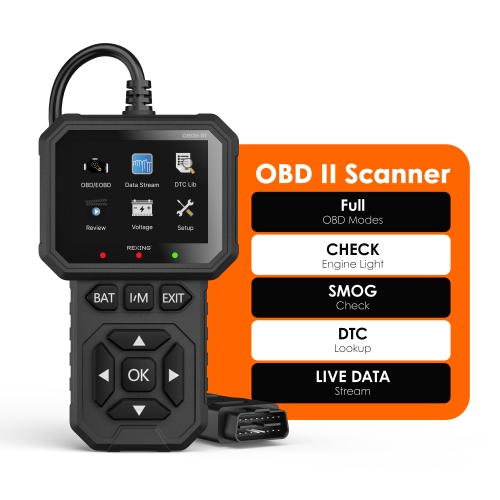 Your price for this item is $119.99
 -
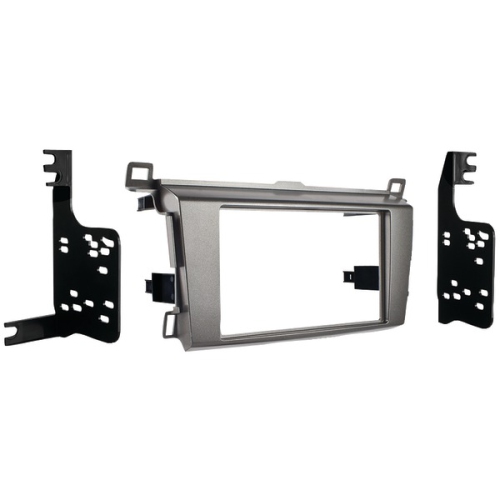 Your price for this item is $78.93
 -
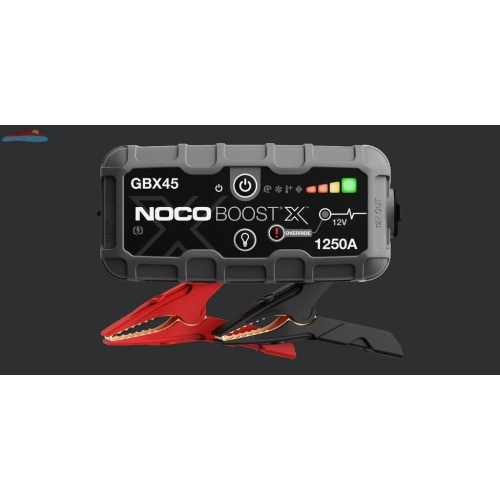 Your price for this item is $185.95
 -
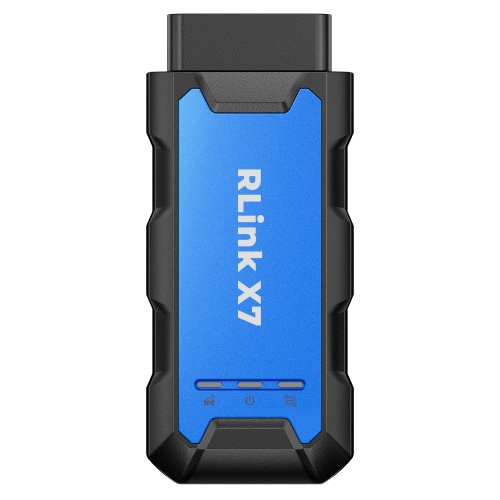 Your price for this item is $288.95
 -
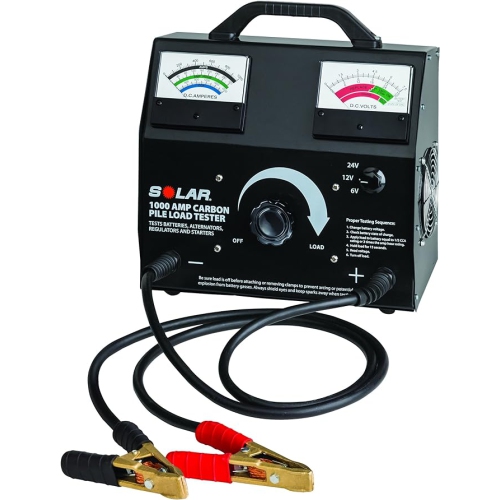 Your price for this item is $413.95
 -
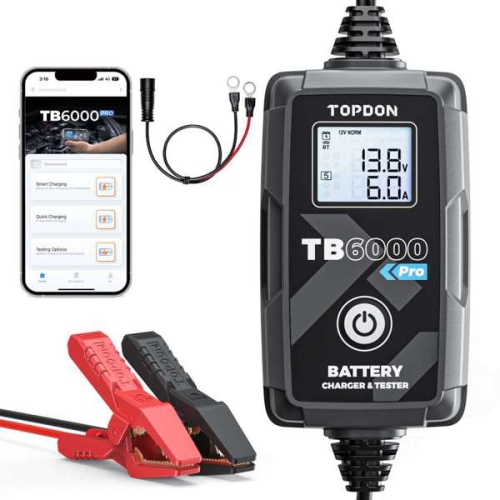 Your price for this item is $130.95
 -
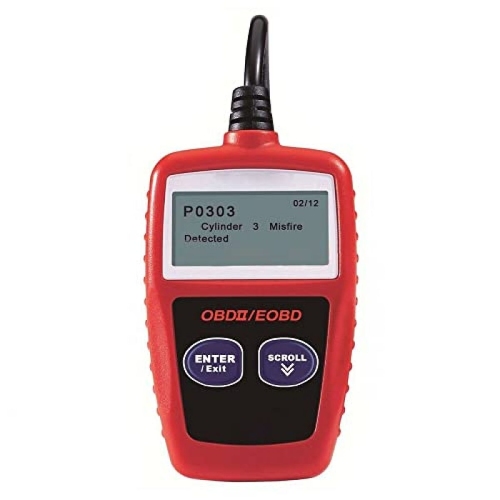 Your price for this item is $26.38
 -
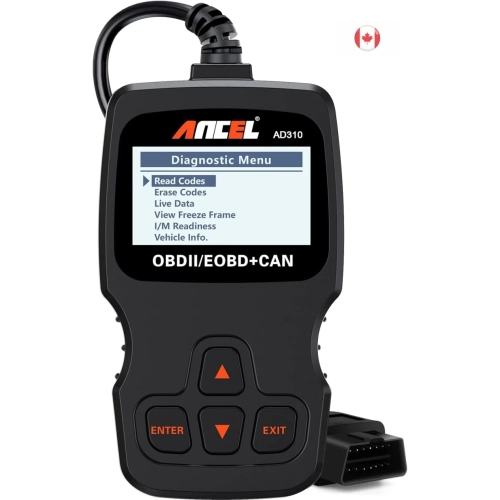 Your price for this item is $59.99
Discover more categories related to Electric Testers
Top Collections:
Pokemon Centers, Kindle Devices, Best Budget Office Chairs, Apple iPhones 16, Best Laptops for Writers, iPhone 15 Apple, Canon G7X Cameras, Refurbished Apple Laptops, Alarm Clock, Motorola Razr Phones
Some products may be subject to Environmental Handling Fees
(EHF) depending on your province.
Learn more about EHFs.