Computers for Libraries
Computers for Libraries are essential tools that help create efficient, modern learning environments. Whether updating public access stations or expanding digital resources for patrons, finding the right computers can make a significant difference in daily operations. Explore a wide selection designed to support research, catalog management, and community programs while providing reliable performance for both staff and visitors. Equip your library with computers tailored to meet the unique needs of educational and informational spaces.
Sort
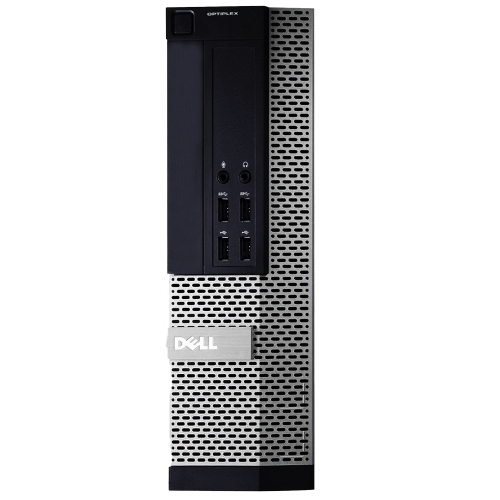
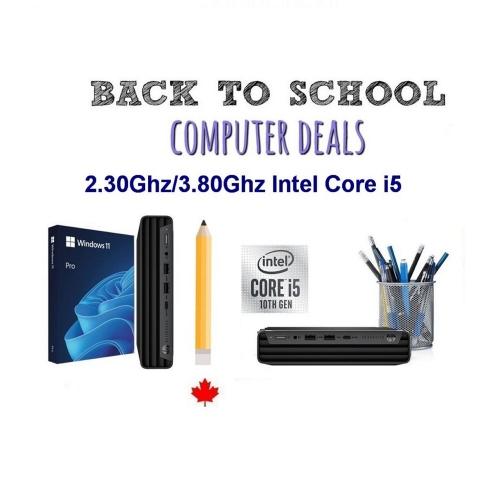
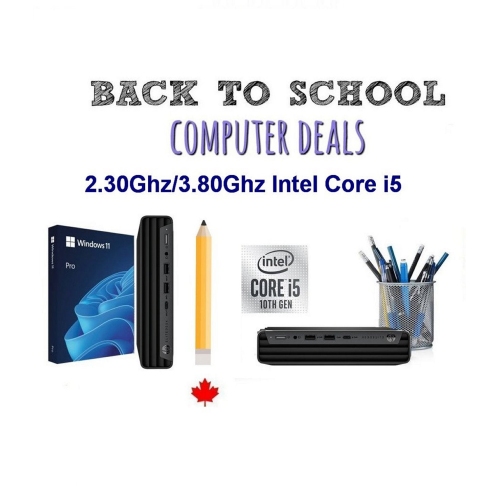
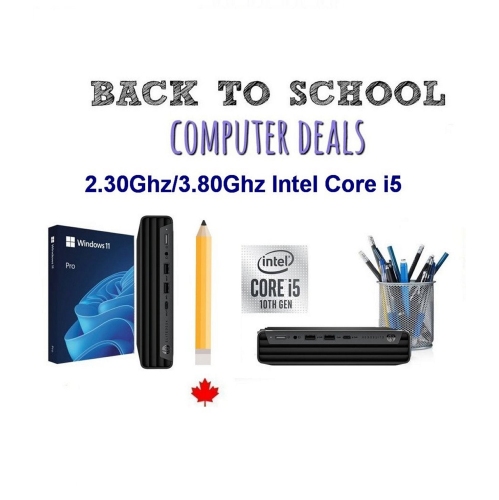
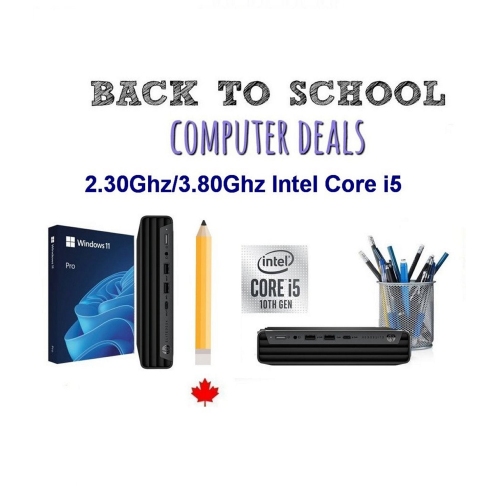
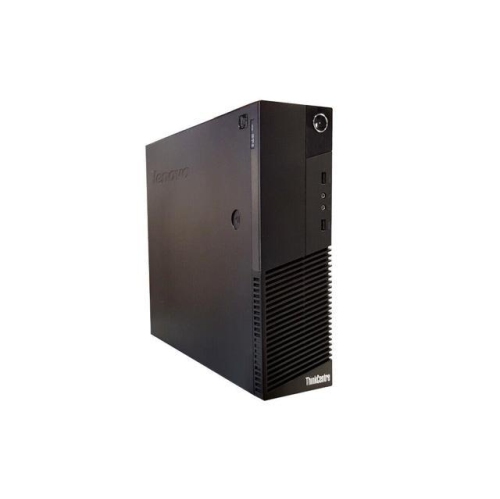
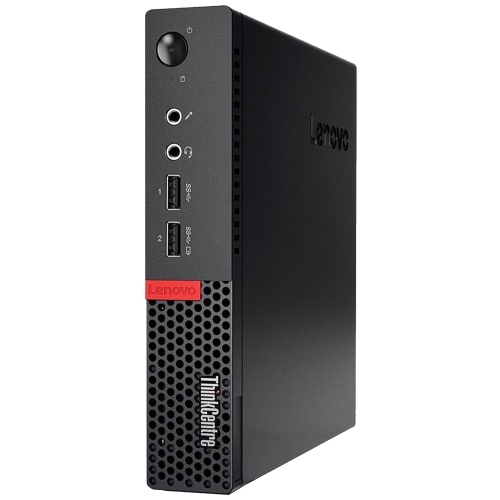
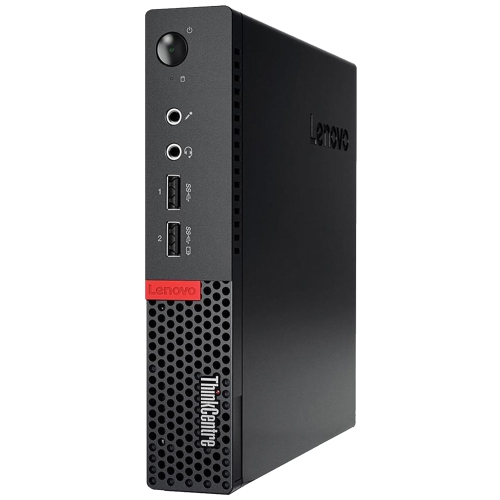
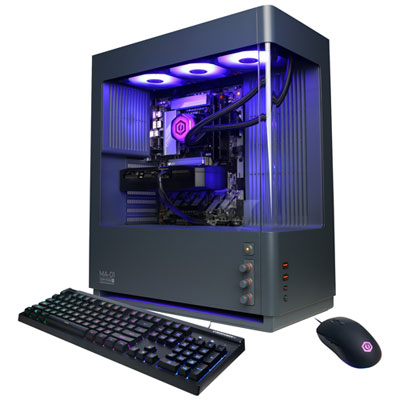
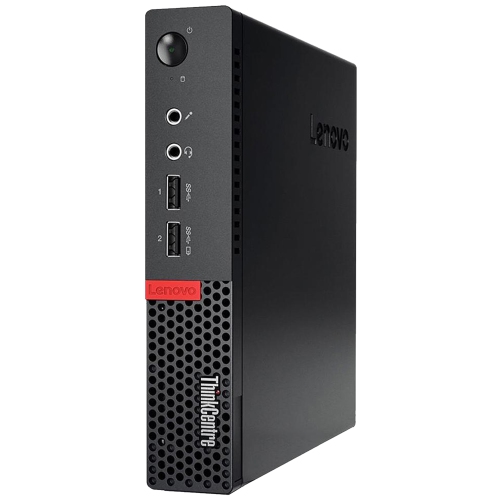
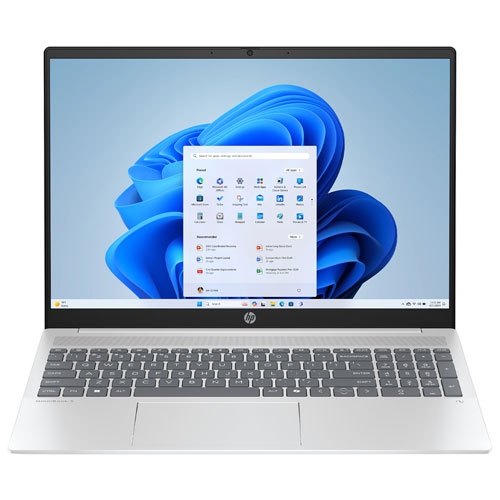
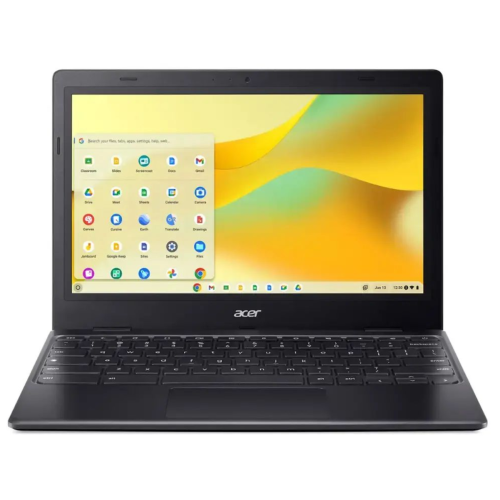
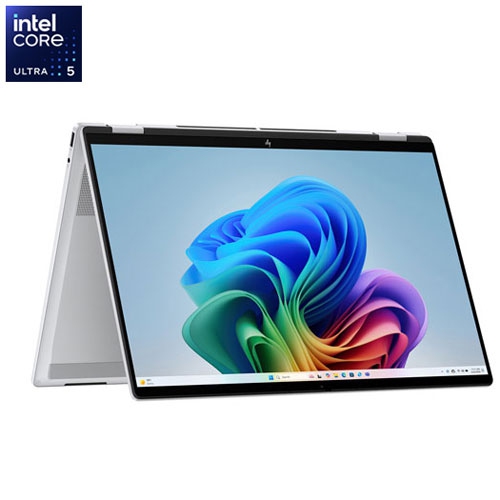
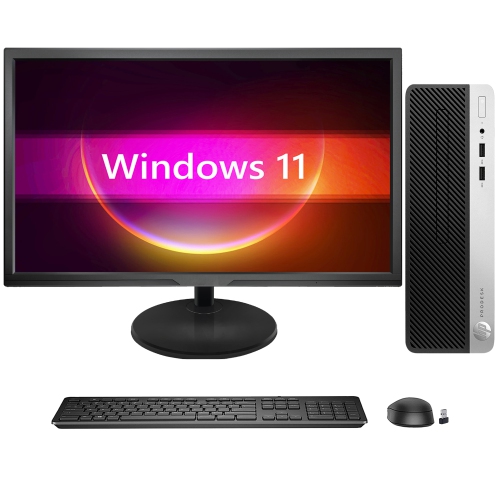
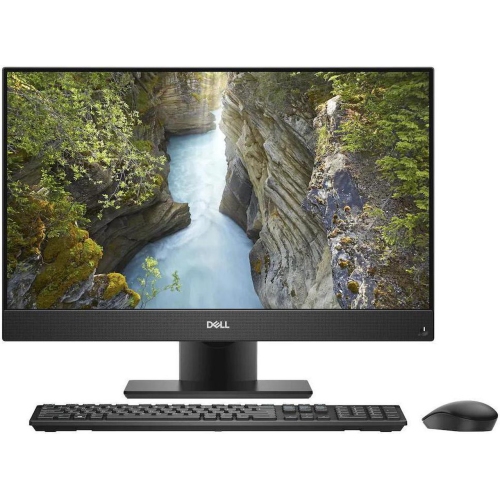
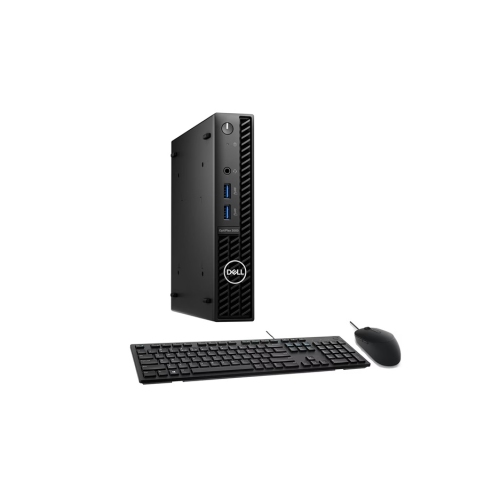
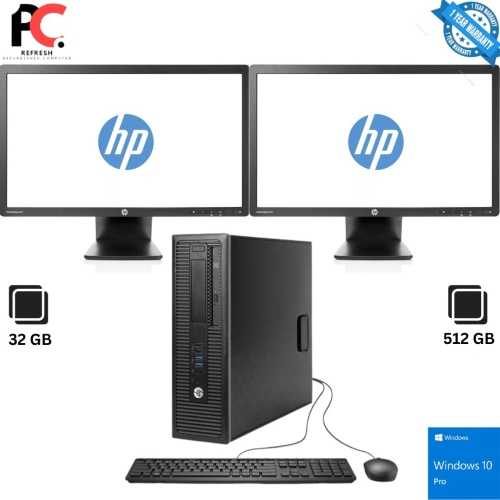
Reliable, secure technology for learning and community access
When it comes to choosing computers for libraries, a thoughtful approach ensures that these essential tools meet the diverse needs of the community. Libraries serve as vital hubs for learning, research, and digital access, welcoming everyone from students and job seekers to families and seniors. Selecting the right computers means considering durability, security, and ease of use, as these machines will see frequent daily use by a wide range of patrons. Business-class desktops or laptops with robust specifications—often featuring Intel i5 or AMD Ryzen processors—are a popular choice for their longevity and ability to handle multitasking. Libraries typically standardize their computer images, making it easier for staff to deploy updates or swap out machines quickly, ensuring minimal downtime and consistent user experiences. Security is paramount; most public access computers are set up with session-based or non-persistent storage, so any personal data or changes are wiped clean after each session. This protects privacy and keeps the systems running smoothly, even as countless users log in and out throughout the day.
Accessibility is another key consideration when selecting computers for libraries. Many libraries equip certain workstations with specialized software and hardware to support patrons with visual or physical impairments. Features like screen magnifiers, screen readers, and large-print keyboards help make digital resources available to everyone. Children’s computers are often preloaded with educational games and user-friendly interfaces, creating a welcoming environment for young learners to explore technology safely. For those who need to work on the go, lendable laptops or Chromebooks offer flexibility, allowing users to check out a device for in-library use or, in some cases, to borrow and take home. Standard software packages such as Microsoft Office Suite, Adobe Reader, and multiple web browsers are typically installed, supporting everything from homework assignments and resume building to research and creative projects. Libraries often provide printing and scanning services, with options for wireless or remote printing to accommodate patrons who bring their own devices. Staff can also assist with basic troubleshooting, helping users make the most of the technology available.
As the weather warms and communities grow more active, libraries often see an uptick in visitors making use of their digital resources. Whether it’s a student preparing for exams, a newcomer updating their resume, or a family exploring educational content together, computers for libraries offer reliable access to the online world. These machines are also invaluable for accessing specialized software, from design and mapping tools to statistical analysis programs, supporting a wide range of academic and professional pursuits. With secure session management and clear usage policies, patrons can browse the internet, access databases, and use productivity tools with confidence. Many libraries also implement booking systems to ensure fair and organized access, especially during busy periods. For those considering a gift, a computer designed for library environments—durable, secure, and easy to maintain—can be a thoughtful addition to a community centre or educational space, providing lasting value for years to come. By investing in the right technology, libraries continue to bridge the digital divide and create welcoming spaces for discovery, learning, and connection.
Accessibility is another key consideration when selecting computers for libraries. Many libraries equip certain workstations with specialized software and hardware to support patrons with visual or physical impairments. Features like screen magnifiers, screen readers, and large-print keyboards help make digital resources available to everyone. Children’s computers are often preloaded with educational games and user-friendly interfaces, creating a welcoming environment for young learners to explore technology safely. For those who need to work on the go, lendable laptops or Chromebooks offer flexibility, allowing users to check out a device for in-library use or, in some cases, to borrow and take home. Standard software packages such as Microsoft Office Suite, Adobe Reader, and multiple web browsers are typically installed, supporting everything from homework assignments and resume building to research and creative projects. Libraries often provide printing and scanning services, with options for wireless or remote printing to accommodate patrons who bring their own devices. Staff can also assist with basic troubleshooting, helping users make the most of the technology available.
As the weather warms and communities grow more active, libraries often see an uptick in visitors making use of their digital resources. Whether it’s a student preparing for exams, a newcomer updating their resume, or a family exploring educational content together, computers for libraries offer reliable access to the online world. These machines are also invaluable for accessing specialized software, from design and mapping tools to statistical analysis programs, supporting a wide range of academic and professional pursuits. With secure session management and clear usage policies, patrons can browse the internet, access databases, and use productivity tools with confidence. Many libraries also implement booking systems to ensure fair and organized access, especially during busy periods. For those considering a gift, a computer designed for library environments—durable, secure, and easy to maintain—can be a thoughtful addition to a community centre or educational space, providing lasting value for years to come. By investing in the right technology, libraries continue to bridge the digital divide and create welcoming spaces for discovery, learning, and connection.
Top selling and popular products
-
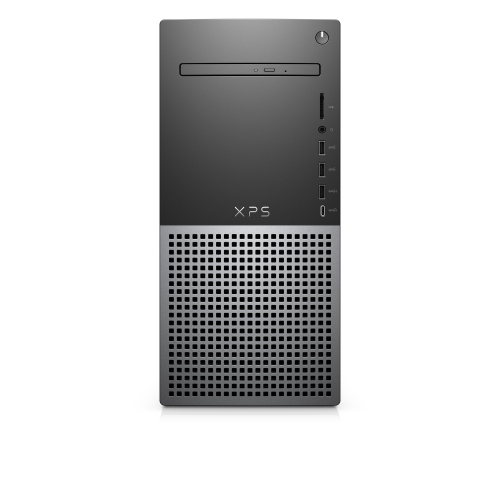 Your price for this item is $1599
 -
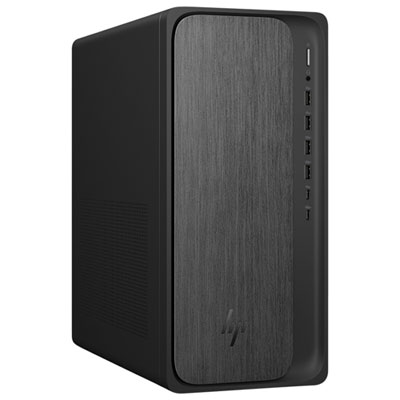 Your price for this item is $1299.99
 -
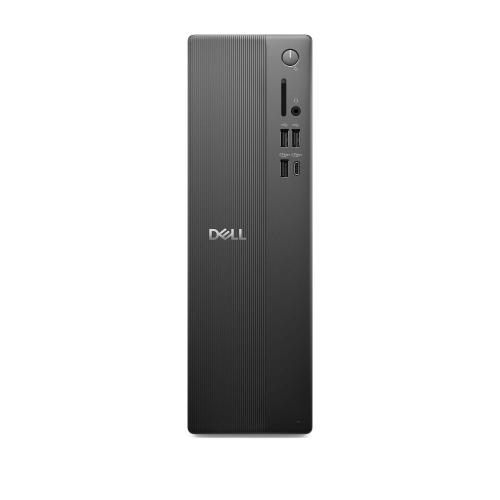 Your price for this item is $1629.79
 -
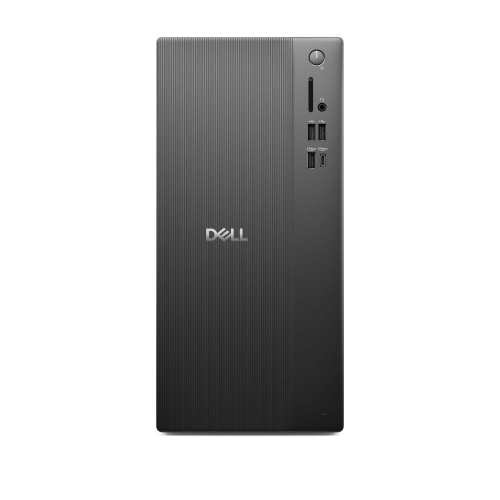 Your price for this item is $1459.79
 -
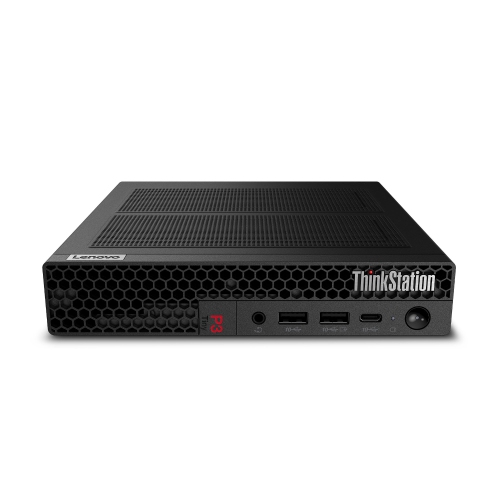 Your price for this item is $879
 -
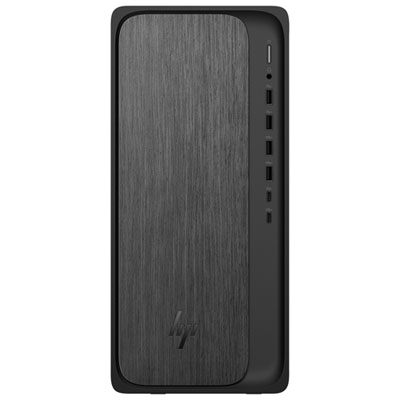 Your price for this item is $2299.99
 -
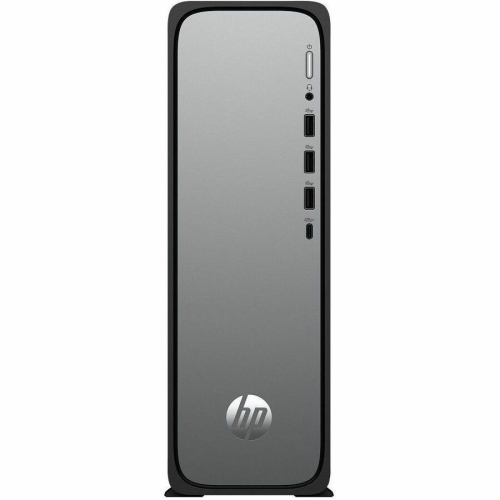 Your price for this item is $1076.55
 -
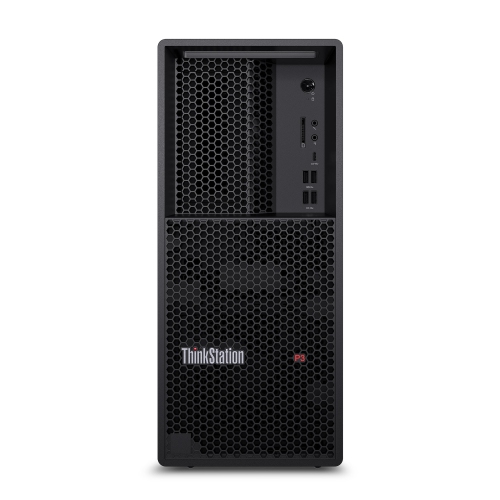 Your price for this item is $1839
Discover more categories related to Computers for Libraries
Top Collections:
Pokemon Centers, Best Cameras for Sports Photography, Kindle Devices, Samsung Galaxy Phones, Canon G7X Cameras, Pokémon 30th Celebration Cards, Refurbished Apple Laptops, iPhone 15 Apple, Laptops for Students, Budget Smartphones
Some products may be subject to Environmental Handling Fees
(EHF) depending on your province.
Learn more about EHFs.