Drawing Aids
Whether you're a professional artist or simply enjoy expressing your creativity, having the right drawing aids can make all the difference in bringing your imagination to life. From sketching pencils and erasers to drawing tablets and stylus pens, these drawing aids offer a wide range of tools to suit every artist's needs. Explore this selection and discover the perfect tools to enhance your artistic abilities and unlock endless possibilities for your next masterpiece.
Sort

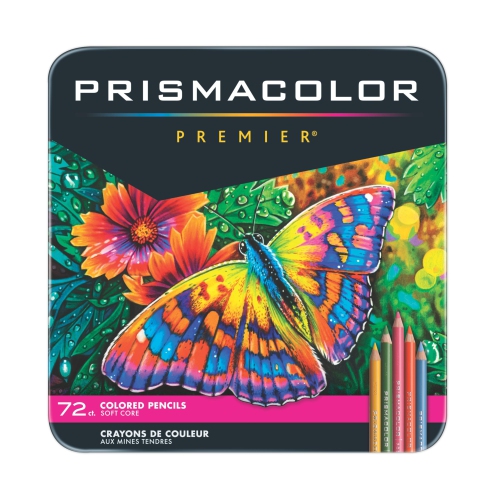

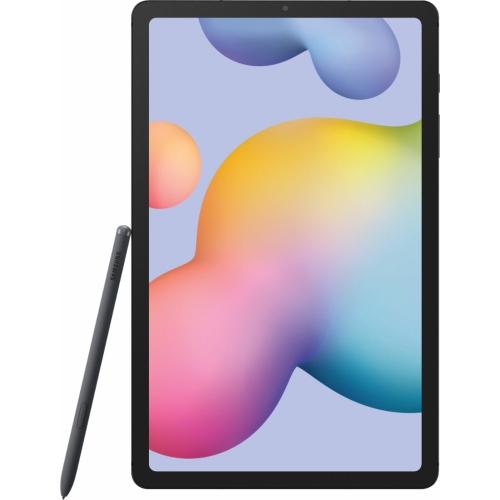
Practical tools for more precise, expressive drawings
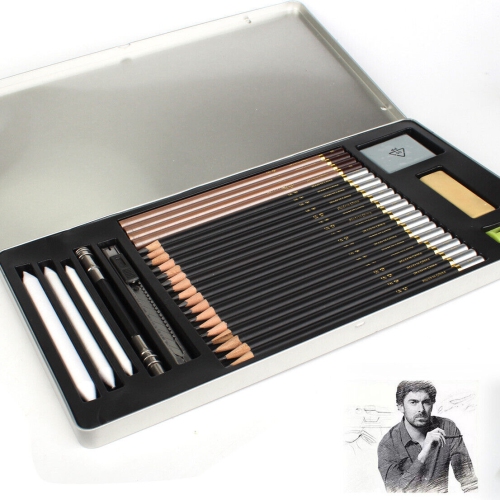
Drawing aids are practical tools and accessories that help artists work with greater control, accuracy, and confidence. Whether the goal is a carefully measured architectural sketch, a softly shaded portrait, or a lively study made with charcoal, the right support can make the process feel more natural and less frustrating. Kneaded erasers are especially useful for lifting graphite or charcoal from the page without leaving rubber crumbs or wearing down the paper. They can be shaped into a point for picking out highlights in hair, fabric, or reflective surfaces, or flattened to lighten a broader area of tone. Blending stumps and tortillons are tightly rolled paper tools used to soften pencil and charcoal marks, smooth transitions, and build gradual shadows. A clean stump can create a velvety grey, while a more heavily used one can move existing pigment around for expressive, textured effects. Eraser shields are thin sheets with small cut-outs that make it possible to remove a tiny mark while protecting the lines around it, which is helpful when refining facial features, lettering, crosshatching, or technical details. Sandpaper pads provide a controlled way to clean and re-sharpen blending tools or pastel sticks, helping artists maintain a fine working point instead of relying on a worn, rounded edge. Together, these drawing aids support the small adjustments that often give a sketch its finished appearance, from a crisp highlight in an eye to a carefully softened edge on a cast shadow.
Precision tools are equally valuable for anyone working with perspective, geometry, pattern, or measured layouts. Rulers and straightedges help create clean borders, construction lines, alignment marks, and perspective guides, while transparent versions make it easier to see the artwork beneath the edge. French curves offer a selection of smooth, varying arcs for shaping flowing lines that are difficult to draw freehand, making them useful for product sketches, lettering, fashion studies, vehicle forms, and decorative work. Compasses and circle templates assist with accurate circles, repeated curves, and geometric details, whether the drawing is a classroom exercise or part of a more involved design. A drawing board gives paper a stable surface and can provide a comfortable incline, reducing the need to work hunched over a flat desk. Look for a board with enough room for the paper, tools, and hand movement required by the project, along with a surface that keeps pages from shifting. An art manikin can act as a simple three-dimensional reference for body proportions, joint placement, gesture, and the way light falls across a pose. It is not a replacement for observing a person, but it offers a dependable starting point when practising figures or planning a character. A viewfinder serves a different purpose by framing part of a scene through a small window, helping artists decide what to include and translate a three-dimensional subject into a balanced two-dimensional composition. When comparing drawing aids, consider the medium being used, the size and texture of the paper, how portable the tools need to be, and whether the work calls for precision, correction, blending, or visual reference. Graphite artists may prioritize kneaded erasers, blending tools, and straightedges, while charcoal users may value tools that soften broad tones and preserve bright areas. Ink and marker artists may benefit from templates, rulers, and [Drawing Pens](https://www.bestbuy.ca/en-ca/shop/office-supplies-ink/drawing-pens) for controlled outlines and detailed marks.
Drawing aids can suit a wide range of users, from children discovering how lines and shapes work to students building a foundation in art and experienced creators refining a finished piece. They can also make thoughtful gifts because many of these tools are useful across different skill levels and do not depend on a single artistic style. A beginner might appreciate an assortment that makes it easier to experiment with shading, circles, proportions, and texture, while a more practiced artist may welcome replacement or specialty tools that fit into an established routine. For someone setting up a home studio, a drawing board, ruler, eraser, blending tool, and a few templates can create a compact workspace for sketching at a desk, on a kitchen table, or in a quiet corner during the cooler months. Students can use them for art assignments, design studies, diagrams, and visual note-taking, and hobbyists may keep a small selection in a travel case for sketching outdoors as the weather warms or for drawing from reference photos indoors. Good storage matters as well: delicate edges should be protected, erasers kept away from dust and pigment, and blending tools separated by colour family when possible to avoid muddy results. Choosing aids that match the artist’s preferred medium and working habits can make practice more enjoyable, reduce unnecessary corrections, and encourage regular use. From the first light construction lines to the final lifted highlight, these accessories provide the structure and flexibility needed to turn an idea into a clear, expressive drawing.
Precision tools are equally valuable for anyone working with perspective, geometry, pattern, or measured layouts. Rulers and straightedges help create clean borders, construction lines, alignment marks, and perspective guides, while transparent versions make it easier to see the artwork beneath the edge. French curves offer a selection of smooth, varying arcs for shaping flowing lines that are difficult to draw freehand, making them useful for product sketches, lettering, fashion studies, vehicle forms, and decorative work. Compasses and circle templates assist with accurate circles, repeated curves, and geometric details, whether the drawing is a classroom exercise or part of a more involved design. A drawing board gives paper a stable surface and can provide a comfortable incline, reducing the need to work hunched over a flat desk. Look for a board with enough room for the paper, tools, and hand movement required by the project, along with a surface that keeps pages from shifting. An art manikin can act as a simple three-dimensional reference for body proportions, joint placement, gesture, and the way light falls across a pose. It is not a replacement for observing a person, but it offers a dependable starting point when practising figures or planning a character. A viewfinder serves a different purpose by framing part of a scene through a small window, helping artists decide what to include and translate a three-dimensional subject into a balanced two-dimensional composition. When comparing drawing aids, consider the medium being used, the size and texture of the paper, how portable the tools need to be, and whether the work calls for precision, correction, blending, or visual reference. Graphite artists may prioritize kneaded erasers, blending tools, and straightedges, while charcoal users may value tools that soften broad tones and preserve bright areas. Ink and marker artists may benefit from templates, rulers, and [Drawing Pens](https://www.bestbuy.ca/en-ca/shop/office-supplies-ink/drawing-pens) for controlled outlines and detailed marks.
Drawing aids can suit a wide range of users, from children discovering how lines and shapes work to students building a foundation in art and experienced creators refining a finished piece. They can also make thoughtful gifts because many of these tools are useful across different skill levels and do not depend on a single artistic style. A beginner might appreciate an assortment that makes it easier to experiment with shading, circles, proportions, and texture, while a more practiced artist may welcome replacement or specialty tools that fit into an established routine. For someone setting up a home studio, a drawing board, ruler, eraser, blending tool, and a few templates can create a compact workspace for sketching at a desk, on a kitchen table, or in a quiet corner during the cooler months. Students can use them for art assignments, design studies, diagrams, and visual note-taking, and hobbyists may keep a small selection in a travel case for sketching outdoors as the weather warms or for drawing from reference photos indoors. Good storage matters as well: delicate edges should be protected, erasers kept away from dust and pigment, and blending tools separated by colour family when possible to avoid muddy results. Choosing aids that match the artist’s preferred medium and working habits can make practice more enjoyable, reduce unnecessary corrections, and encourage regular use. From the first light construction lines to the final lifted highlight, these accessories provide the structure and flexibility needed to turn an idea into a clear, expressive drawing.
Top selling and popular products
-
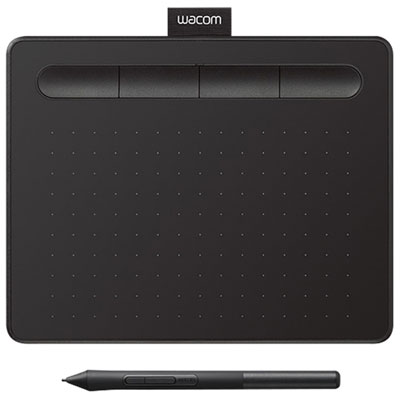 Your price for this item is $89.99
 -
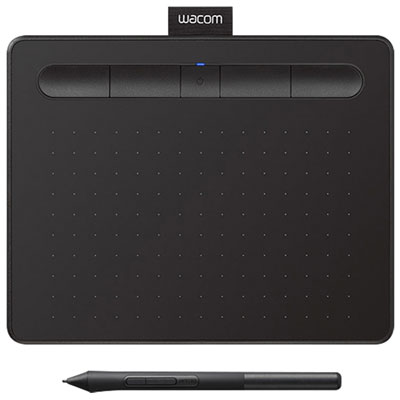 Your price for this item is $104.99
 -
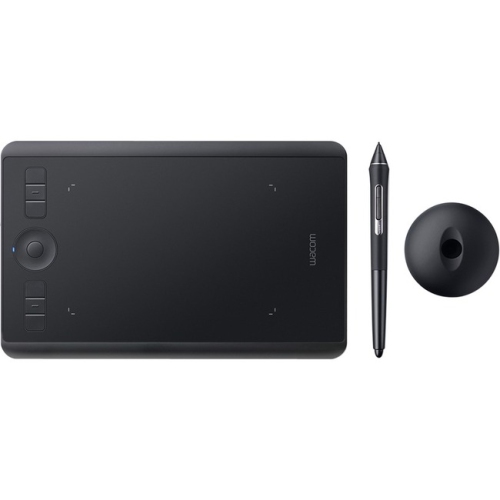 Your price for this item is $249.99
 -
 Your price for this item is $319.99
 -
 Your price for this item is $139.99
 -
 Your price for this item is $74.83
 -
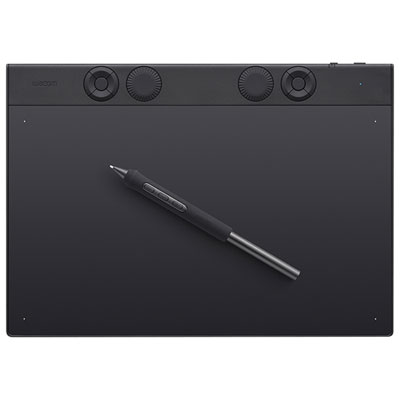 Your price for this item is $549.99
 -
 Your price for this item is $1539.99
Discover more categories related to Drawing Aids
Top Collections:
Best Laptops for Video Editing, Pokemon Centers, Samsung Z Fold, Kindle Devices, Best Cell Phones Under $300, Best Laptop Computers for Students, iPhone 15 Apple, Best Cell Phones Under $500, Alarm Clock, Canon G7X Cameras
Some products may be subject to Environmental Handling Fees
(EHF) depending on your province.
Learn more about EHFs.