Electrical Fuses
When it comes to ensuring the safety and functionality of your electrical systems, having the right electrical fuses is essential. These small but mighty components play a crucial role in protecting your devices and appliances from power surges and overloads. Whether you're looking to replace a blown fuse or stock up on spares for future needs, our selection of electrical fuses offers a variety of options to suit different requirements. From standard glass fuses to modern blade fuses, find the perfect fit for your home or workplace to keep everything running smoothly.
Sort
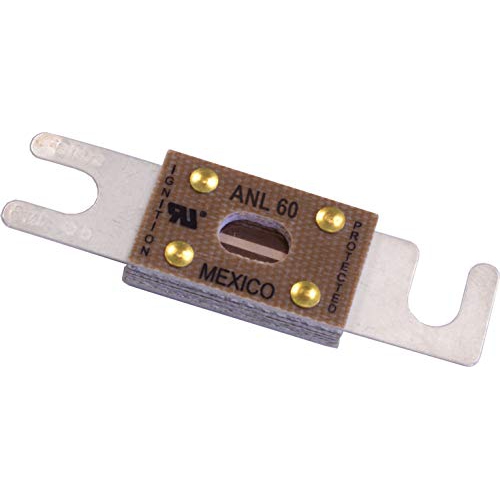
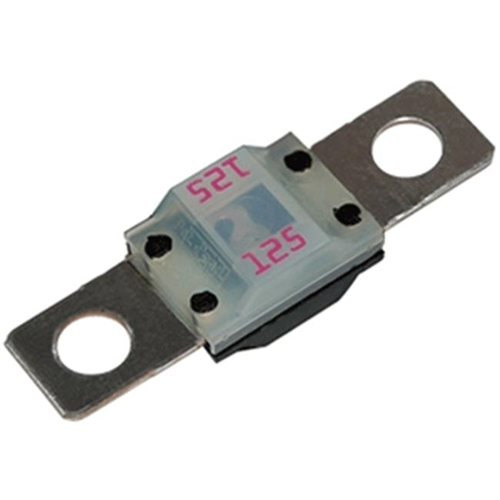
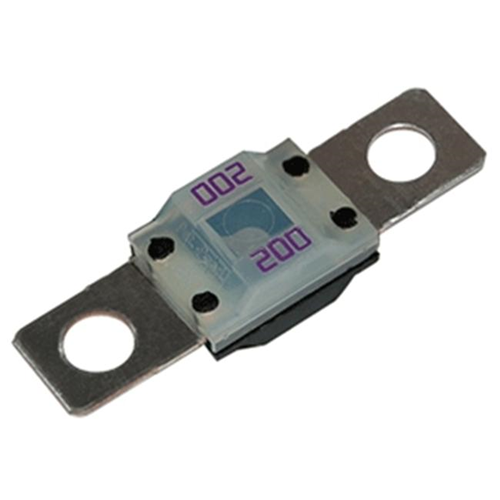
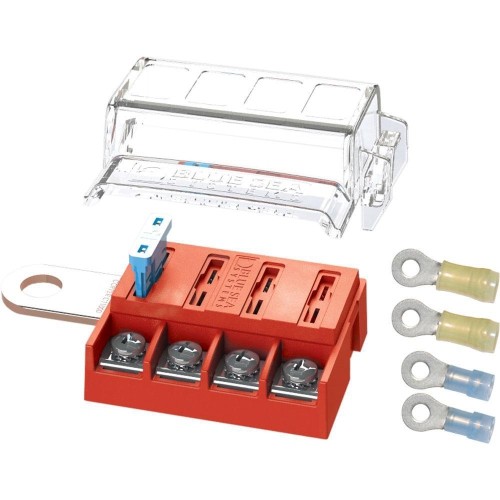
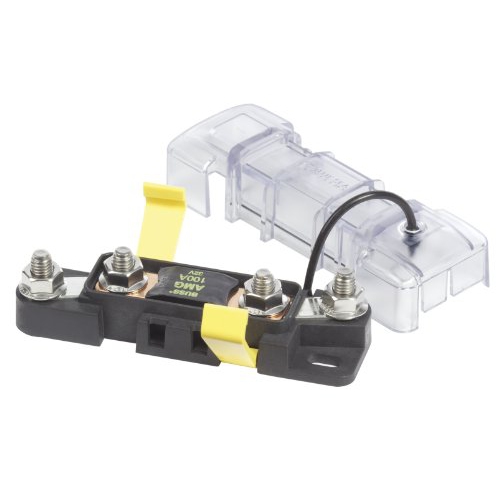
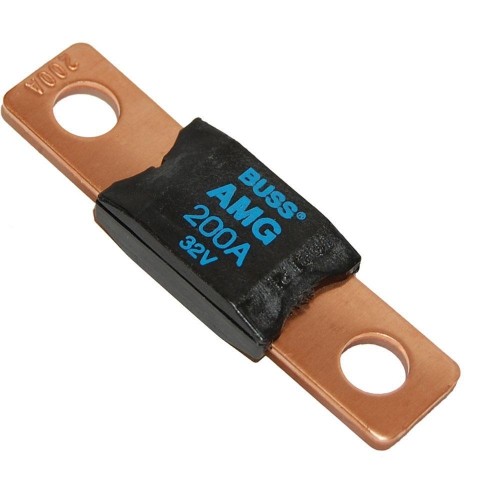
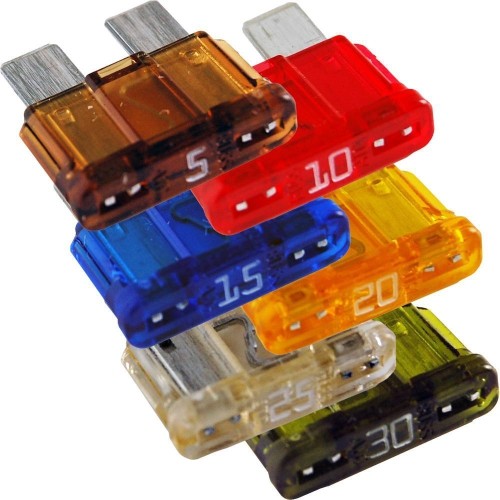
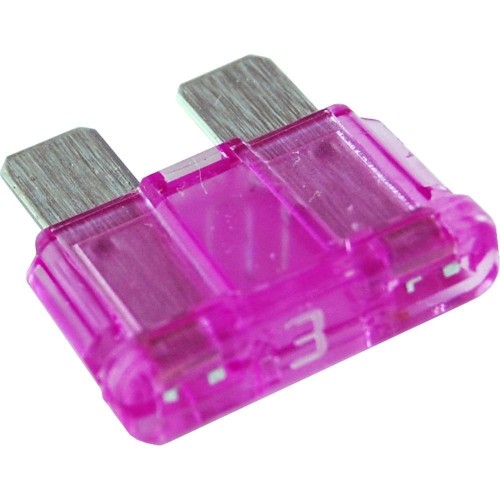
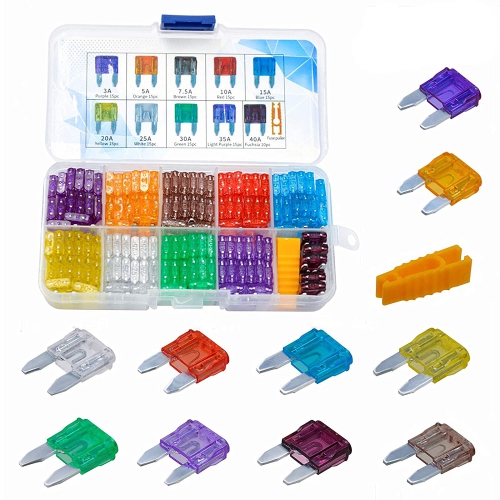
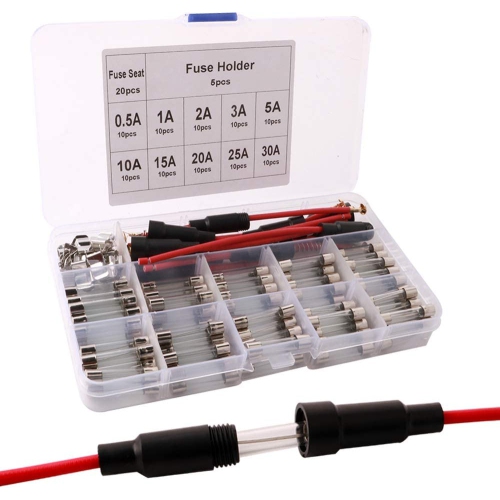
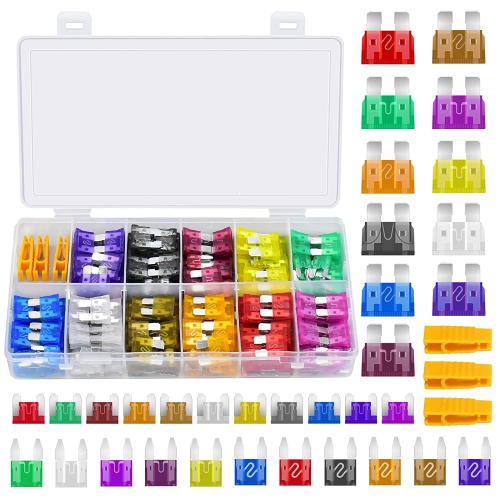

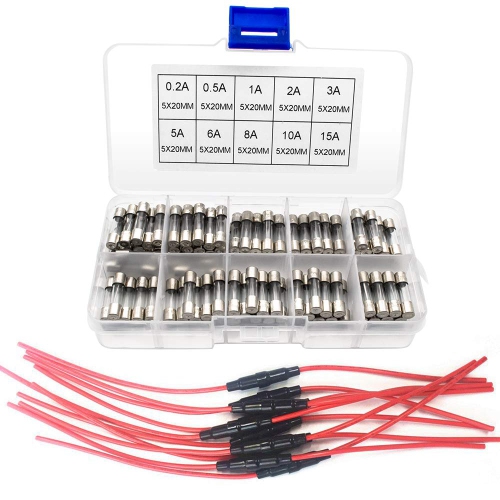
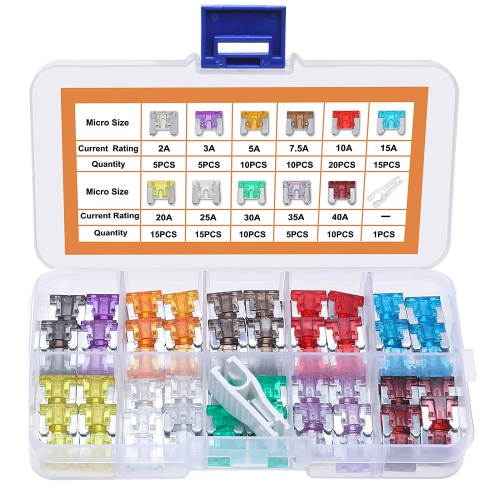
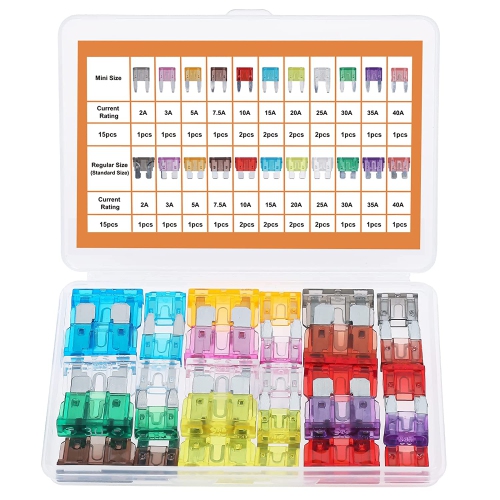
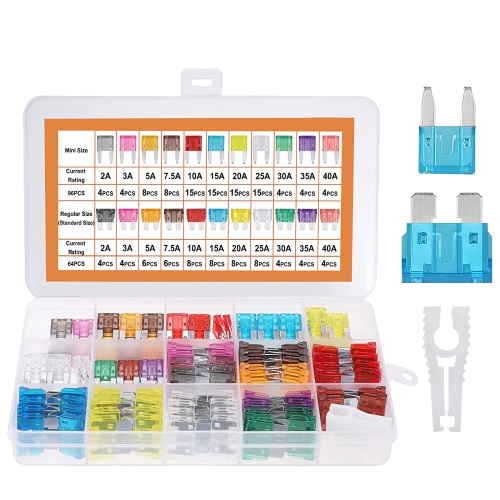
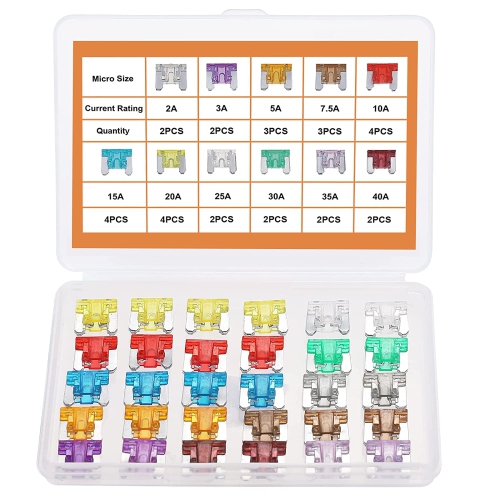
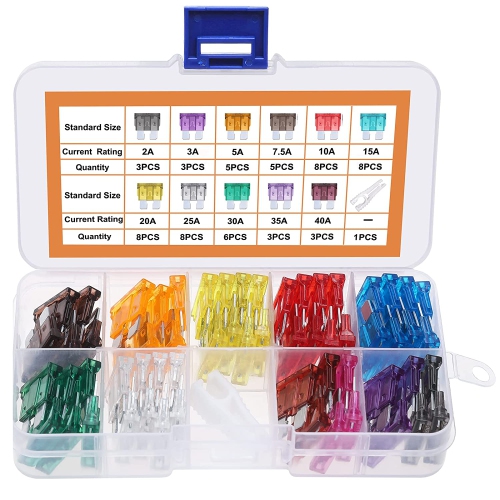
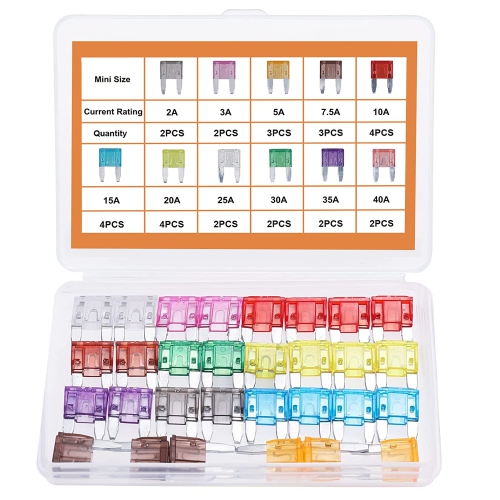
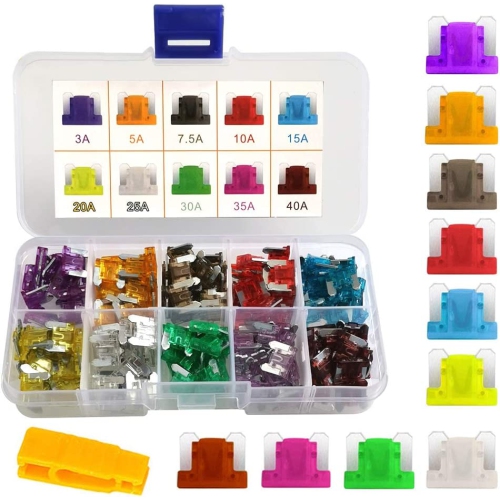
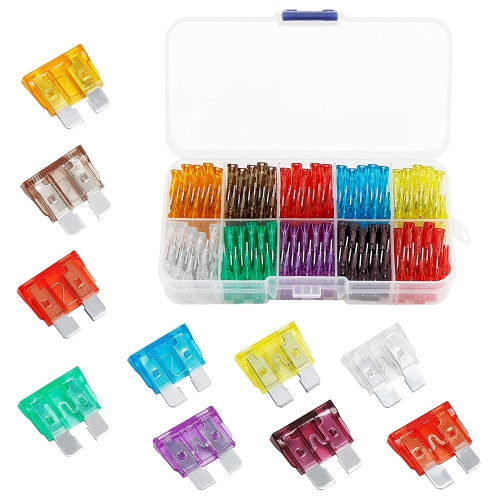
![DOLAER [Ul Listed] 220PC Assorted Standard Auto Car Truck Blade Fuses Set- 2A 3A 5A 7.5A 10A 15A 20A 25A 30A 35A-Atc/apr/ato+Atm Mini Automotive](https://multimedia.bbycastatic.ca/multimedia/products/500x500/164/16480/16480915.jpeg)
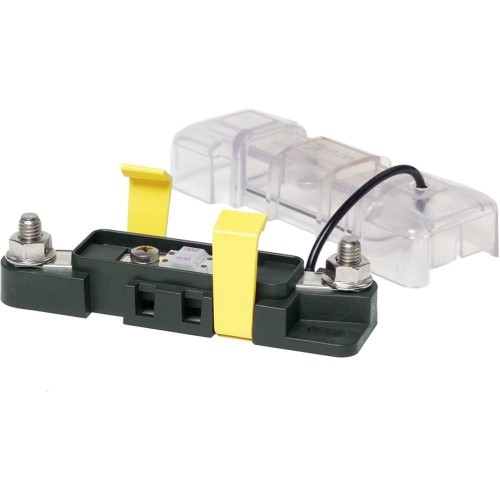
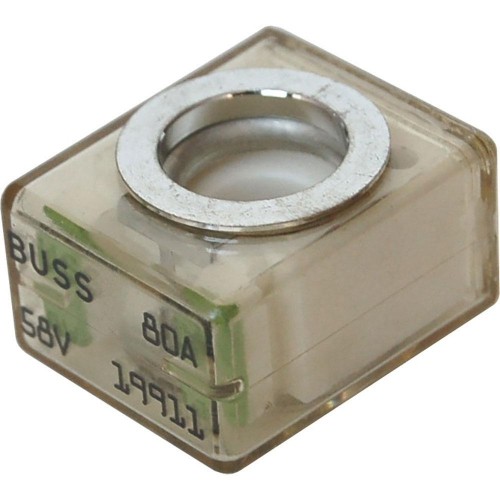
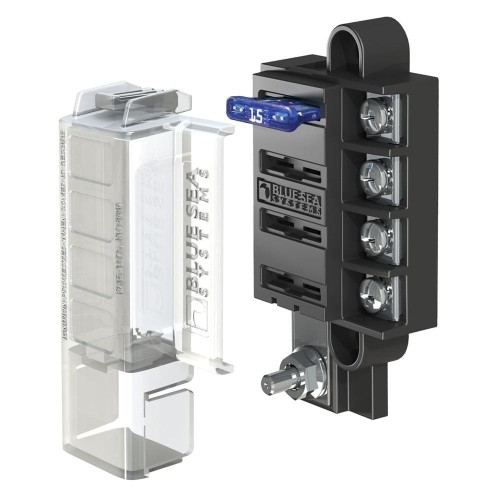
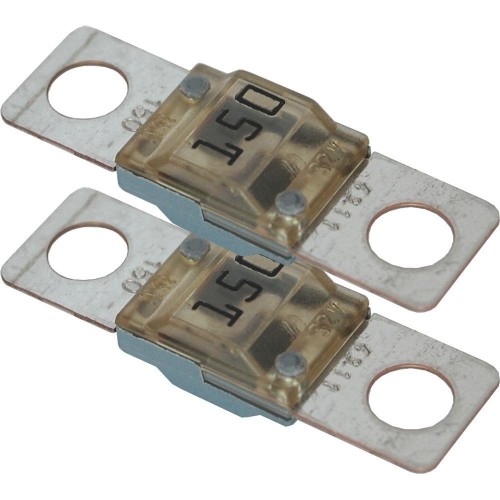
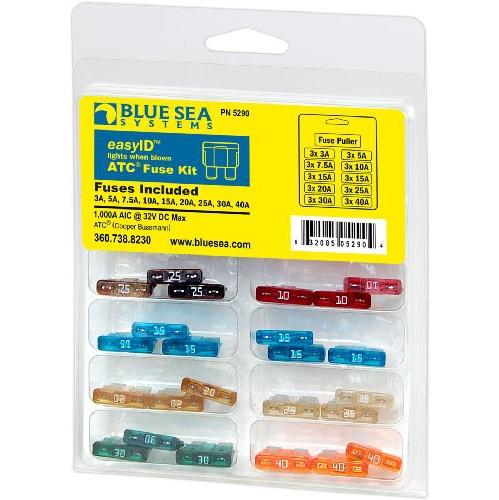
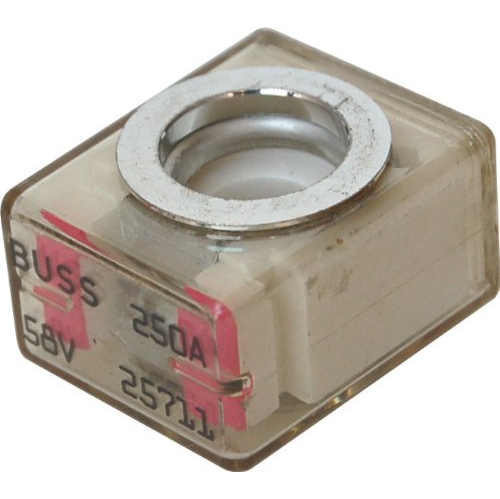
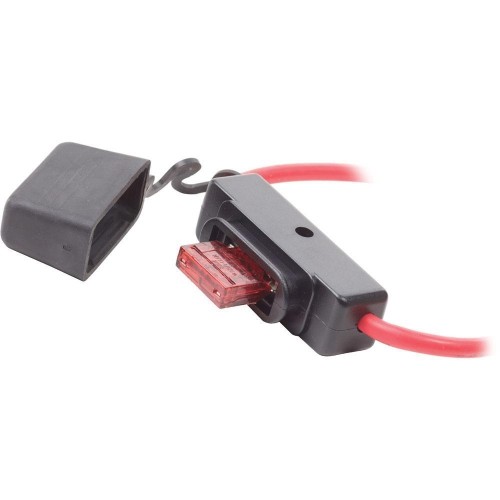
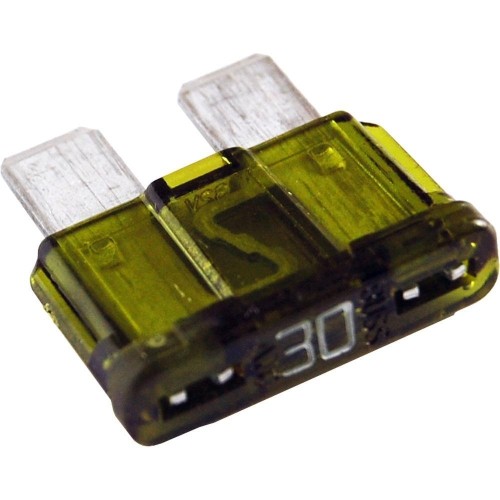
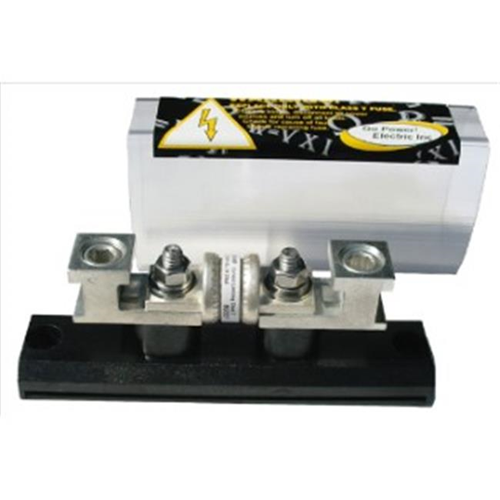
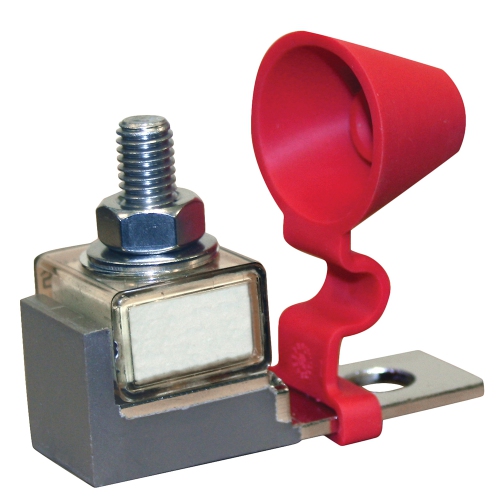
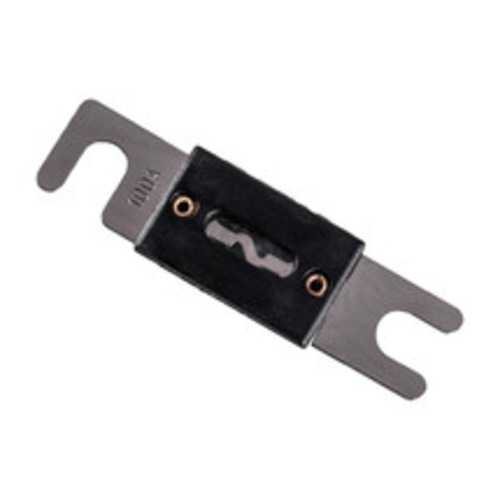
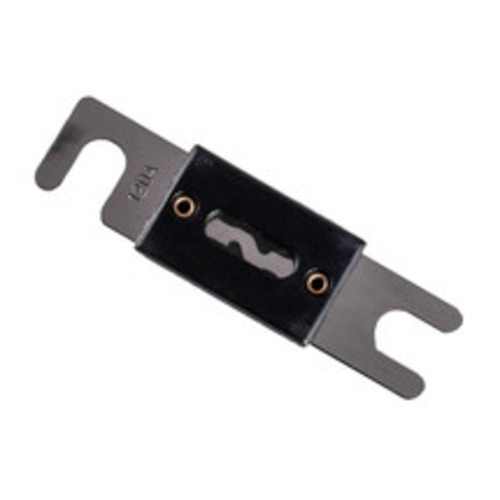

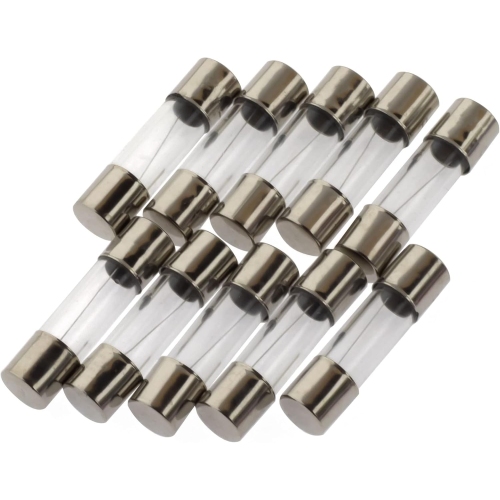
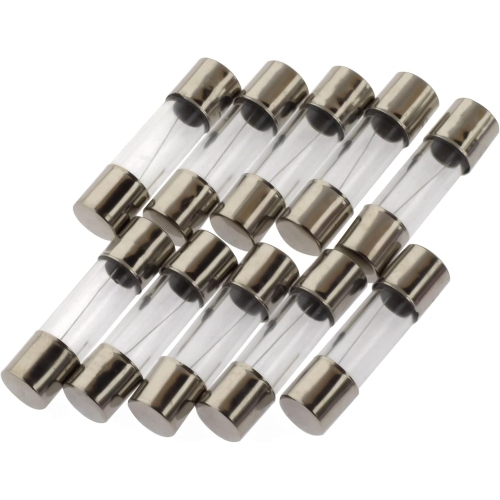
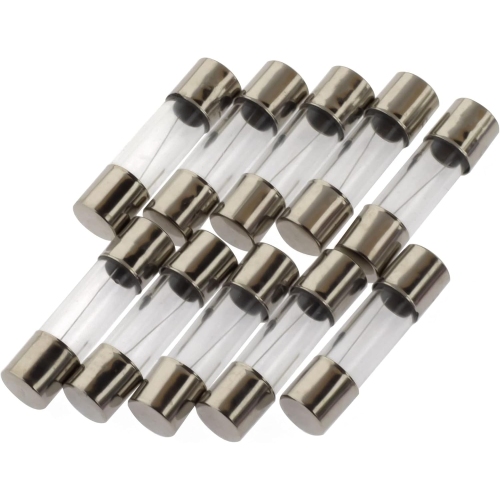
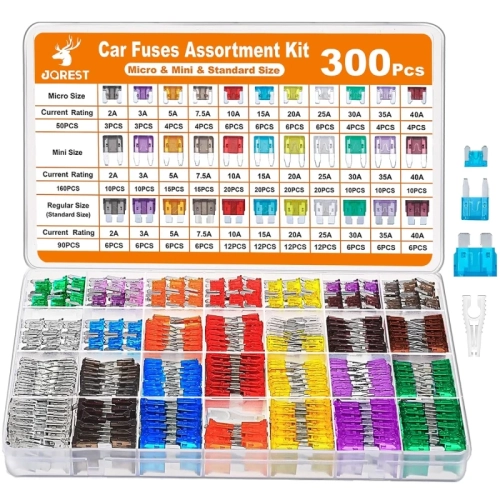
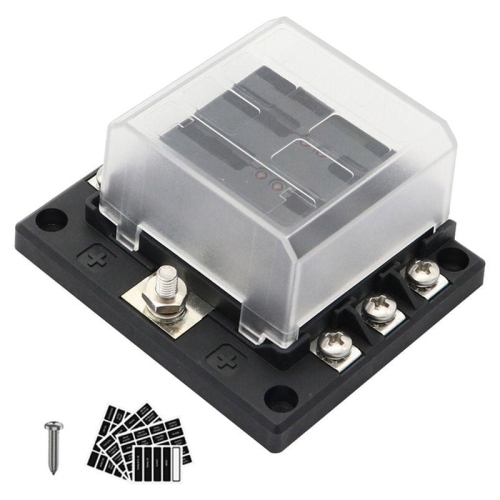
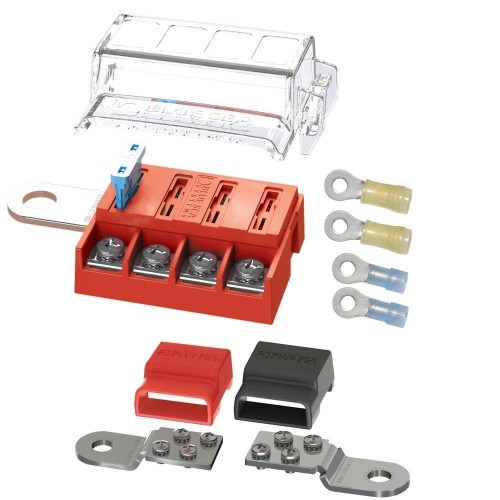
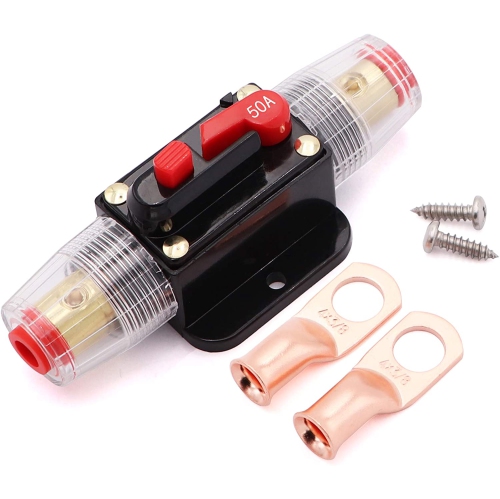
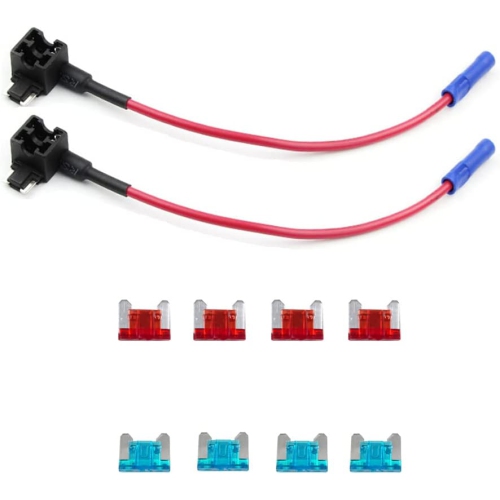

Why fuse compatibility goes beyond matching the amperage
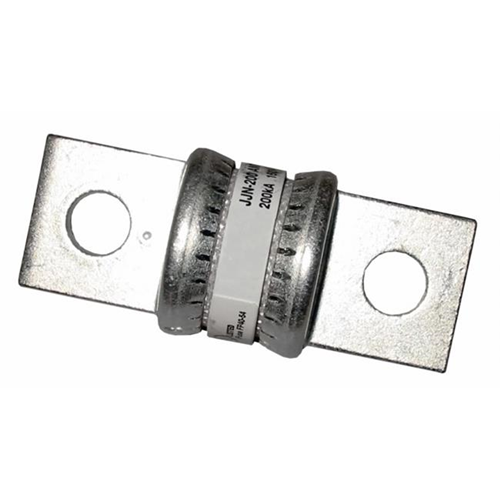
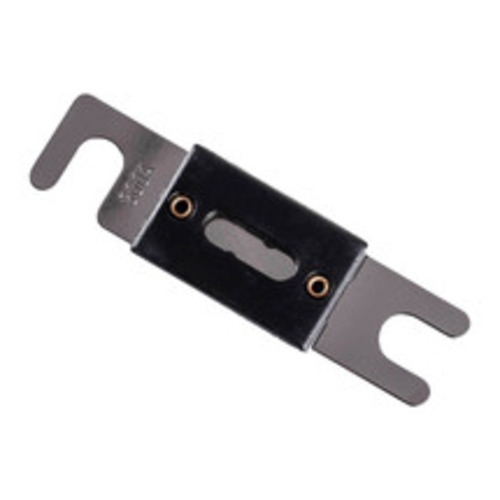
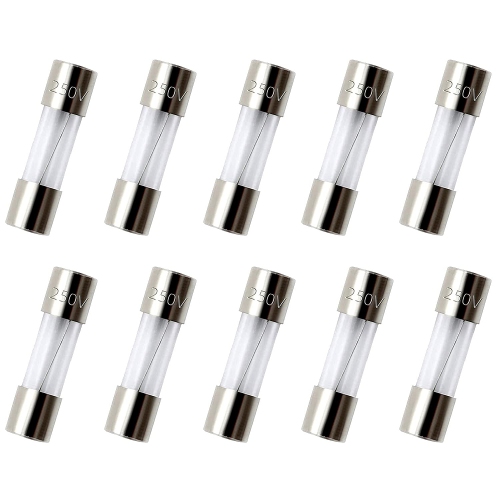
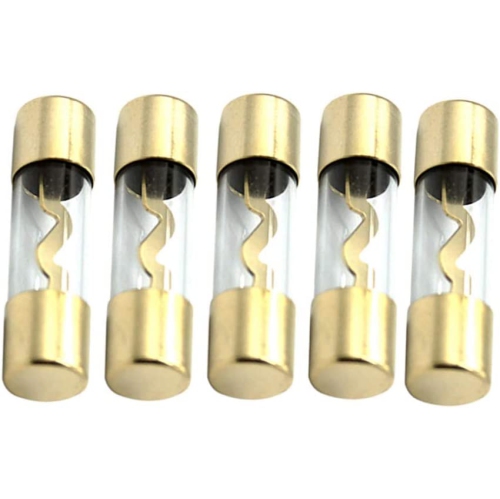
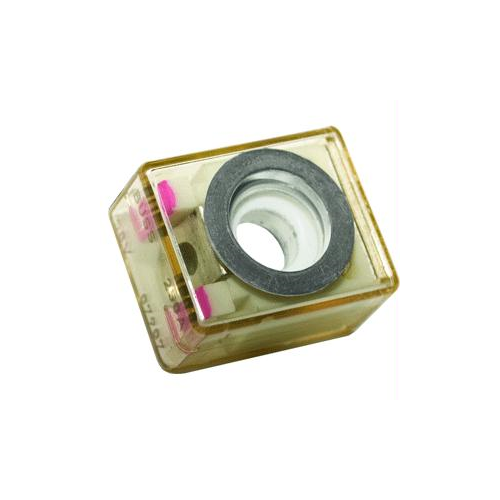
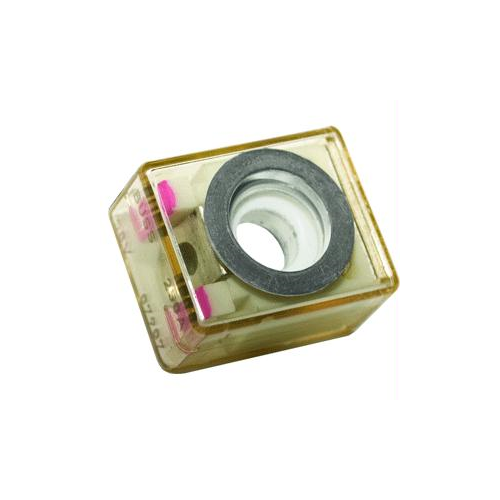
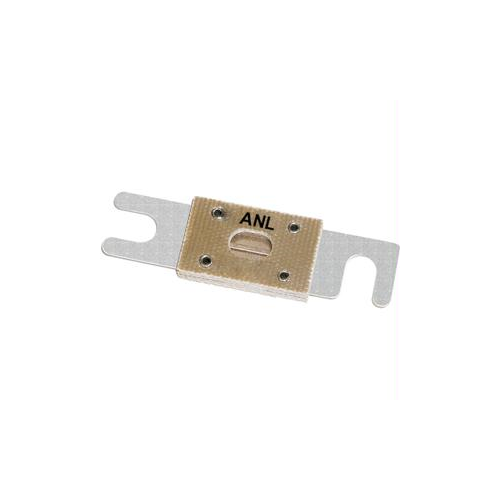
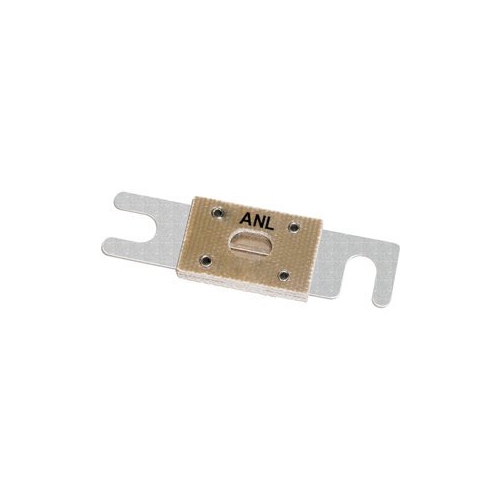
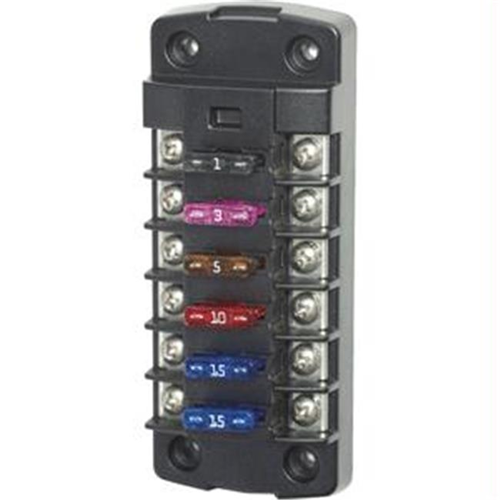
Electrical fuses are protective devices that interrupt a circuit when excessive current flows through it, helping limit damage to wiring and connected equipment. Inside each fuse, a metal element carries electricity during normal operation. An overload or short circuit can generate enough heat to melt that element, opening the circuit and stopping the current. Unlike a resettable circuit breaker, a conventional fuse must be replaced after it operates. This simple function supports a wide range of uses, from protecting small electronic circuits to serving appliances, vehicles, workshop equipment, and certain household electrical systems. Although many fuses look alike, their shape is only part of what determines where they belong. A compact glass tube in an electronic device, a ceramic cartridge in equipment, and a blade fuse in a vehicle may all serve the same basic purpose while having very different electrical characteristics. Fast-acting fuses respond quickly to overcurrent according to their specified operating characteristics and are often used where circuits require prompt protection. Time-delay fuses, sometimes called slow-blow fuses, are designed to tolerate specified brief increases in current, such as the starting current of a motor, without interrupting normal operation. Neither type is universally better: the appropriate response depends on the circuit design and the equipment manufacturer’s requirements. A motor starting normally and a damaged wire causing a short circuit present different conditions, so selecting a fuse involves more than choosing an amperage that looks familiar. Electrical fuses are not general-purpose protection against every electrical fault, and they do not replace grounding, shock protection, or surge protection where those measures are required. Their role is specific but important: they provide a deliberately designed point of interruption when current exceeds what the protected circuit is intended to handle. For homeowners maintaining compatible equipment, electronics technicians servicing devices, and tradespeople working with electrical systems, that predictable behaviour is the central consideration.
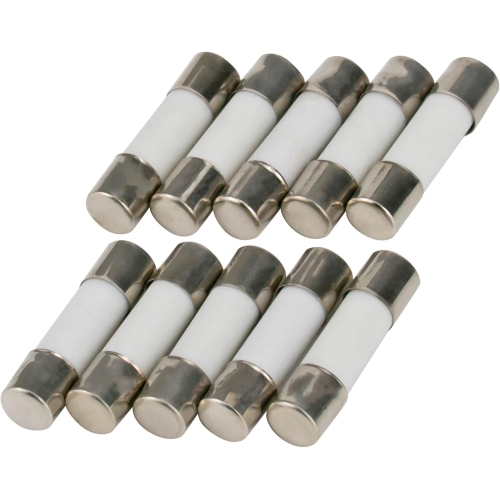
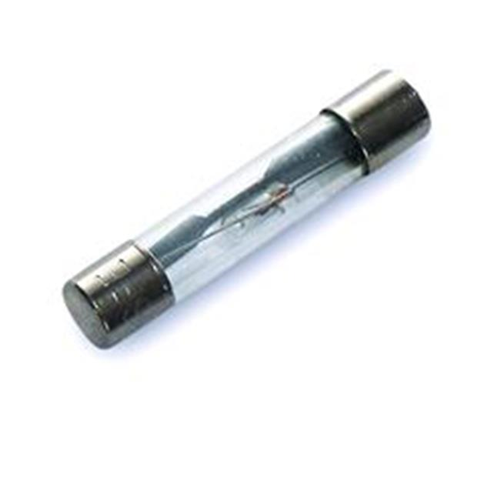
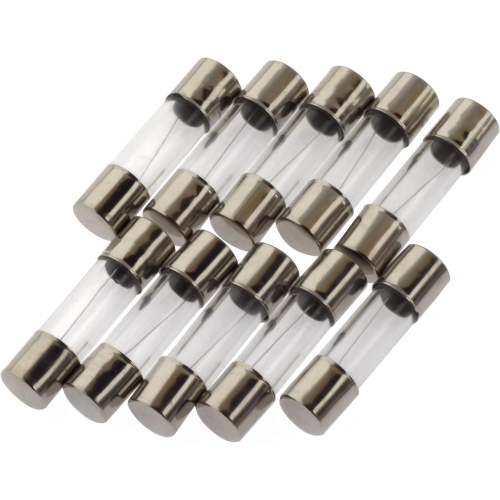
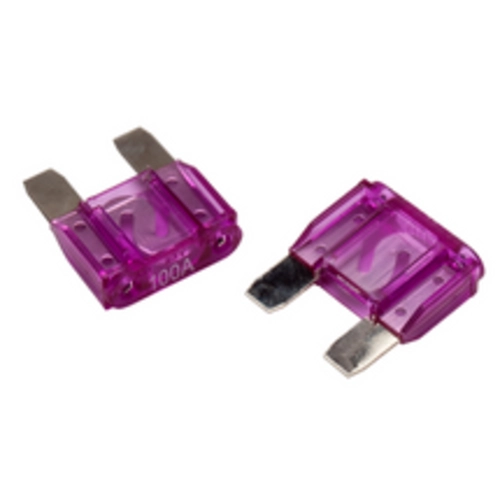
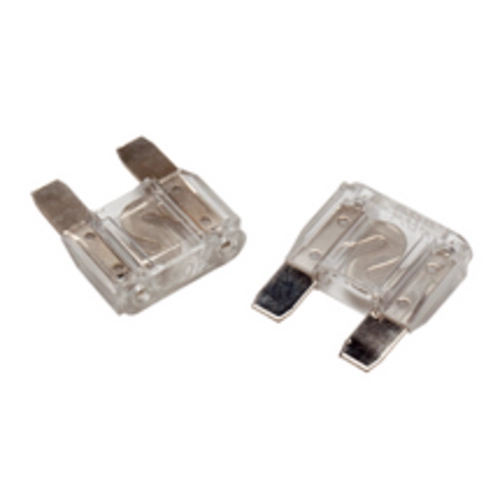
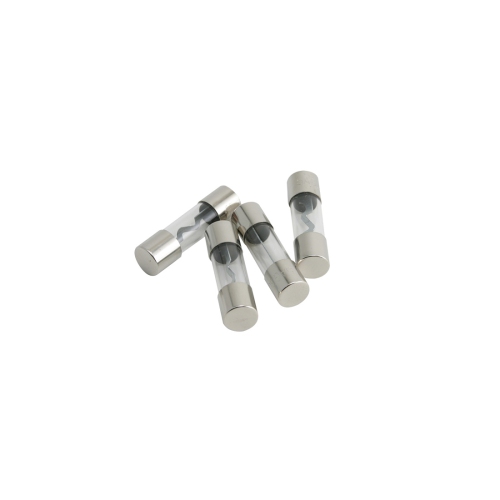
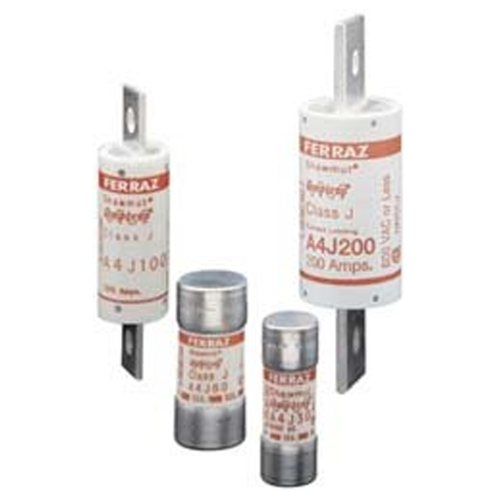
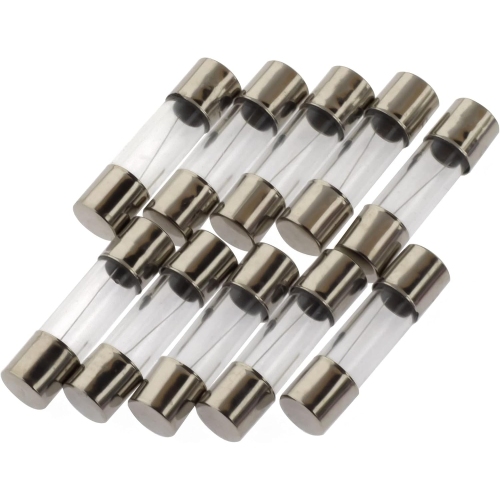
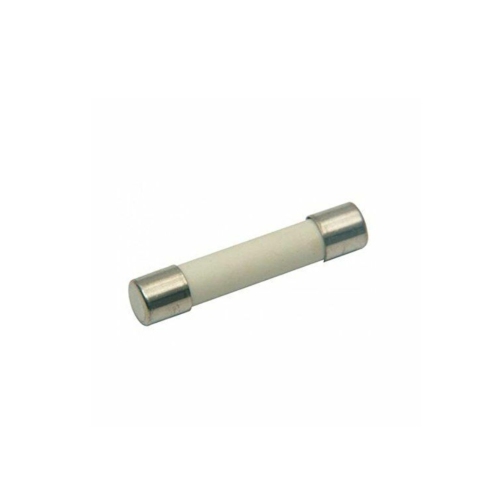
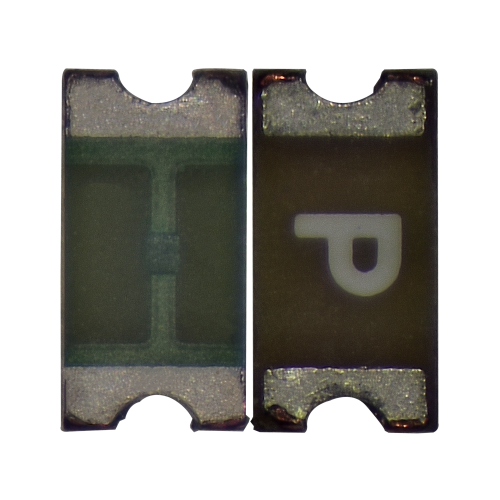
Compatibility comes down to a combination of electrical ratings, physical dimensions, operating characteristics, and holder design. The current rating, expressed in amperes, must match the equipment specification; fitting a higher-amperage fuse to prevent repeated failures can leave wiring or components inadequately protected. A fuse also does not necessarily open the instant current passes its marked rating. Its response depends on how much excess current flows and for how long, as described by its time-current characteristics. The voltage rating identifies the maximum circuit voltage at which the fuse is designed to interrupt a fault safely under specified conditions. It must be suitable for the application, and an alternating-current rating should not be assumed to apply to a direct-current circuit. Another important specification is interrupting capacity, which describes the maximum fault current the fuse can safely interrupt at its rated voltage. This matters because two fuses with the same amperage and dimensions may not offer the same fault-handling capability. Physical fit is equally precise. Cartridge length, body diameter, blade spacing, terminal style, and the design of the fuse holder all affect compatibility. A fuse that appears close in size may sit loosely, fail to make proper contact, or simply belong to a different electrical application. Materials also contribute to performance. Glass bodies can make the internal element visible, although appearance alone cannot reliably confirm that a fuse is intact. Ceramic bodies are opaque and are often used in designs with specific heat-resistance and fault-interruption requirements. Some cartridge fuses contain filler that helps control the arc produced when the element opens. These construction details are part of the overall design rather than interchangeable cosmetic choices. Metal end caps or blades need sound contact surfaces, while the surrounding holder must retain the fuse securely. Legible markings, manufacturer documentation, and certification appropriate to the Canadian application provide useful context when comparing fuse types. Where a code marking includes a speed designation or another performance detail, that information can be just as important as the larger amperage number printed beside it.
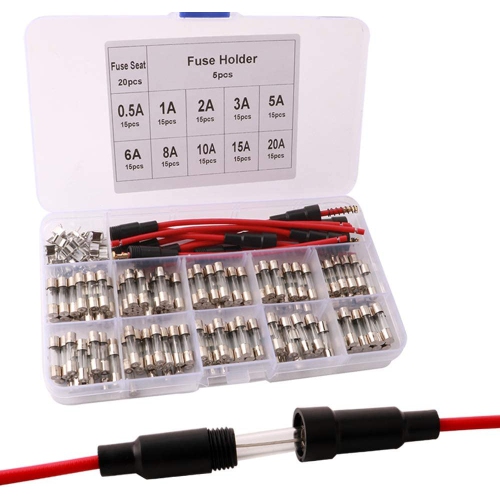
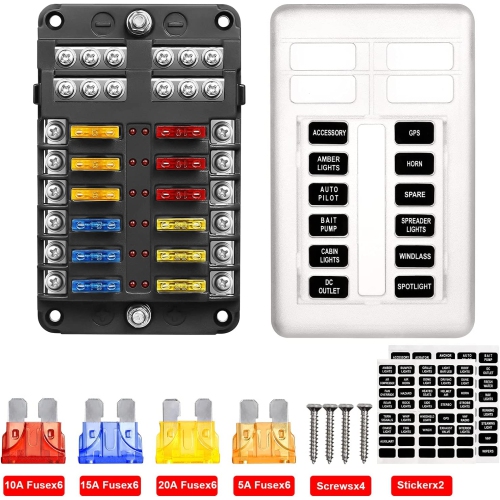
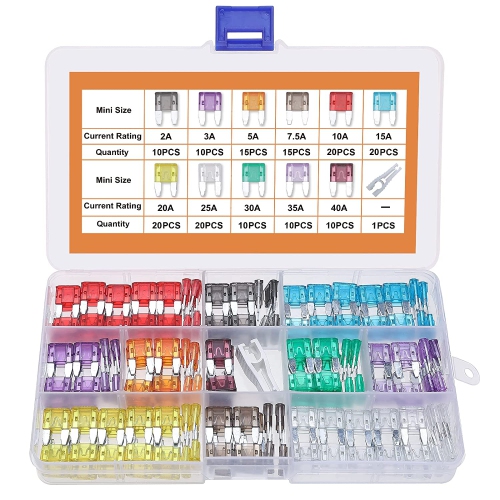
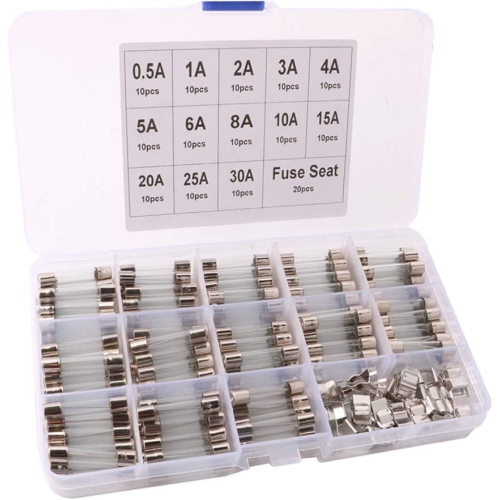
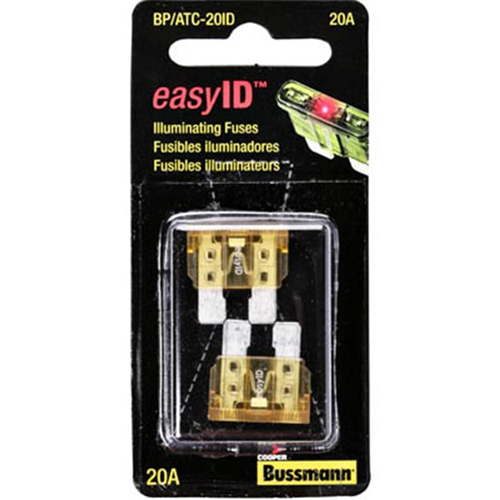
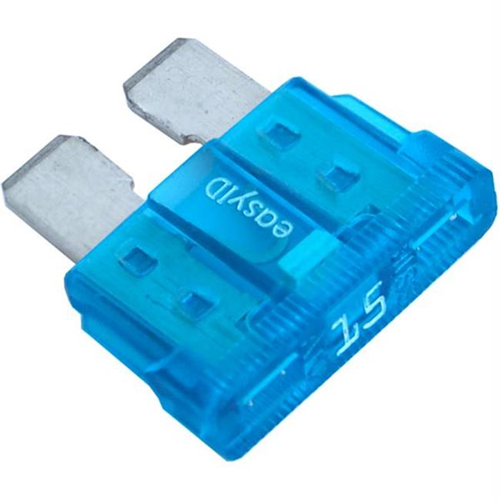
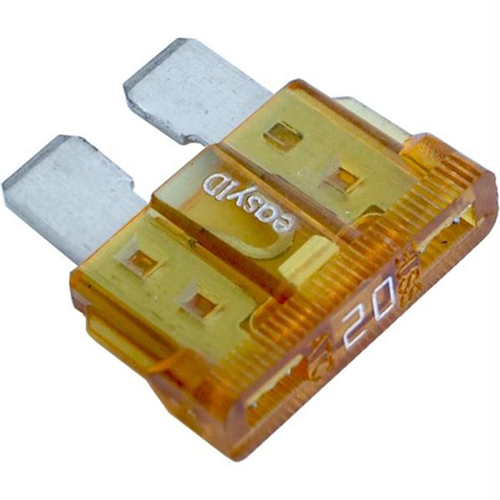
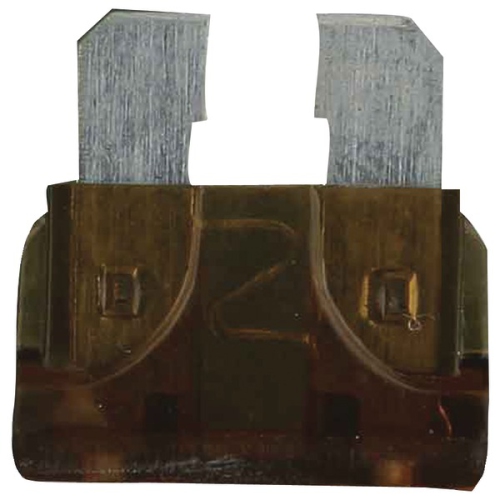
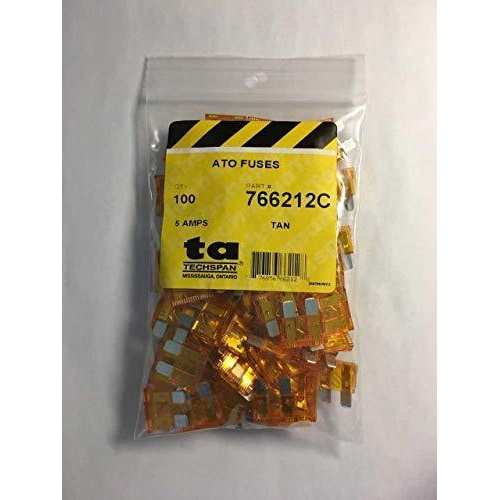
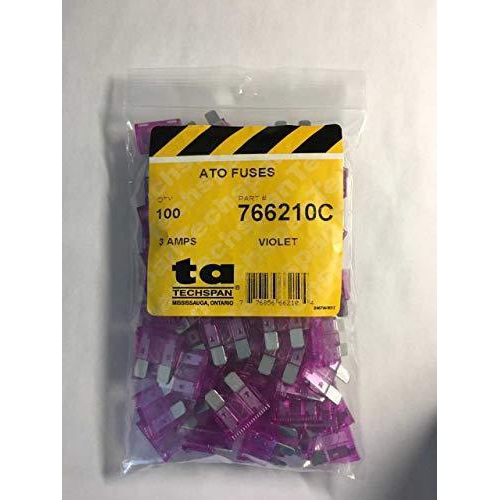
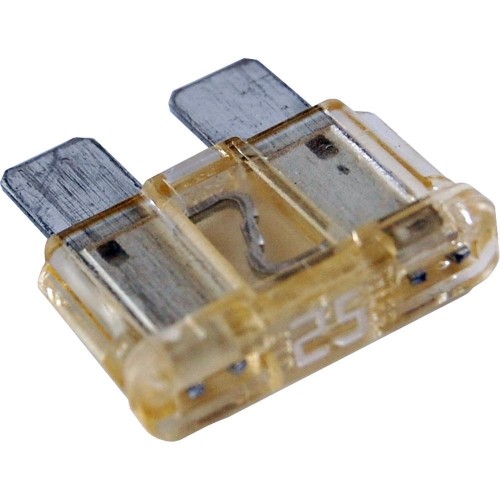
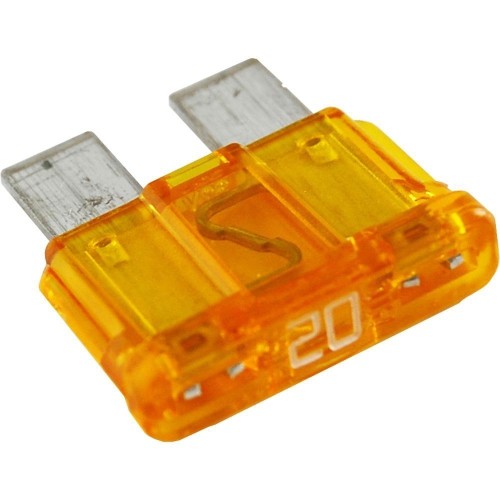
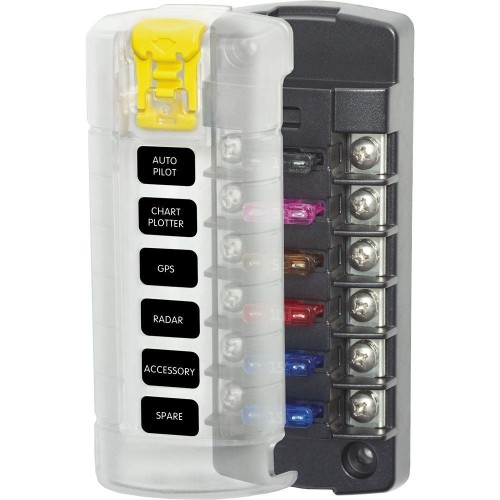
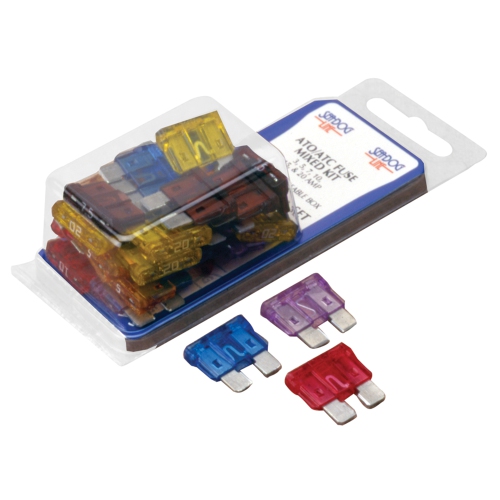
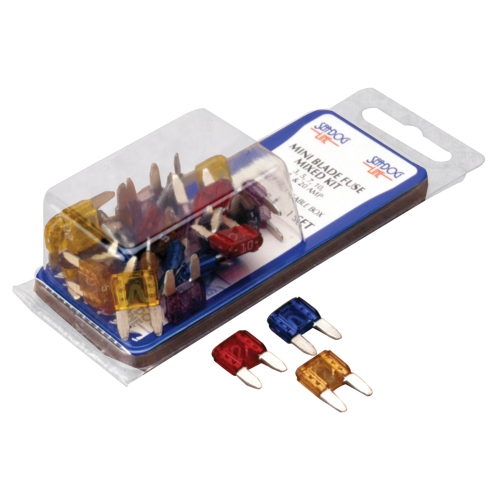
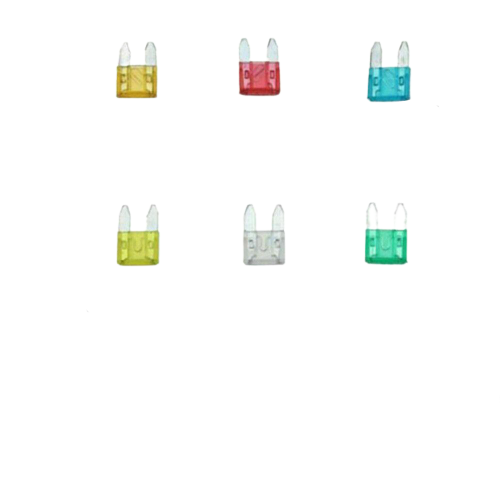
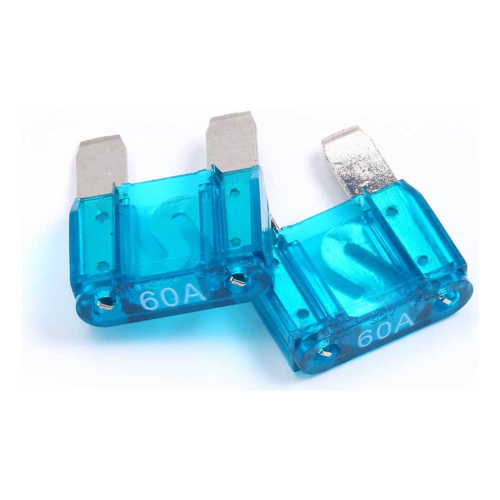
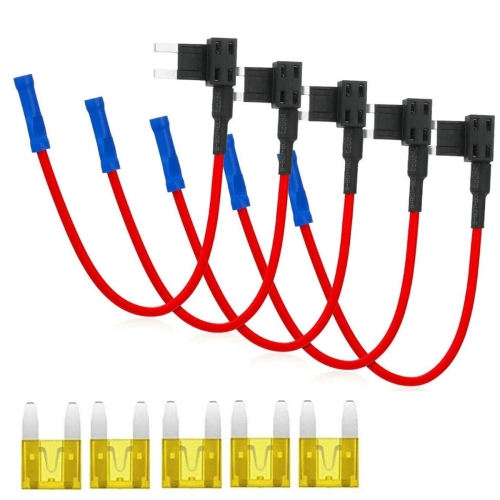
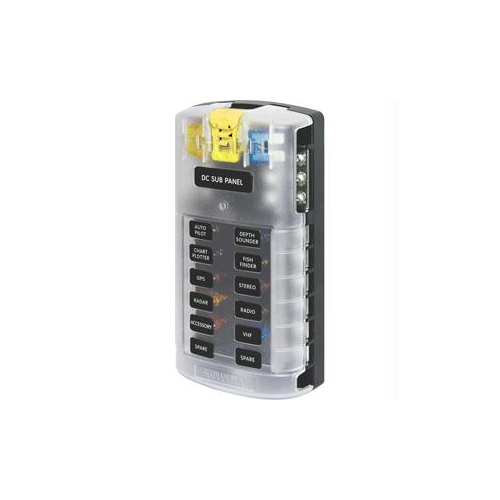
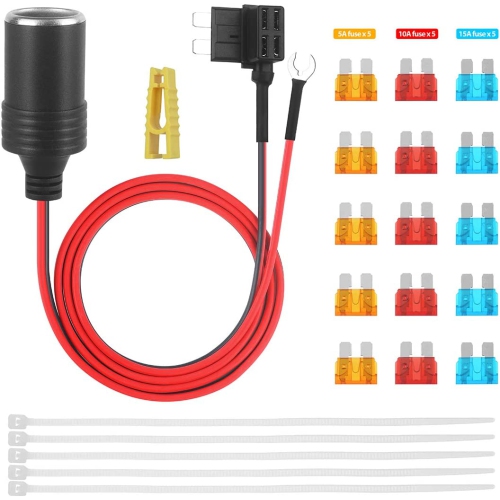
Intended use helps narrow the range of electrical fuses without replacing the need for an exact specification match. Electronics repair may involve small cartridge or board-mounted formats, while appliances and powered equipment can require designs selected for particular loads and starting characteristics. Board-mounted fuses may require professional servicing rather than routine replacement by the owner. In a vehicle, blade-style fuses commonly protect individual circuits for accessories and other electrical functions; Car Fuses relate to this distinct application, where the vehicle documentation and fuse-panel information determine the correct type and rating. Some older homes use fuse panels rather than circuit-breaker panels, but household electrical work calls for particular caution and a qualified electrician where required. A fuse that operates repeatedly is a sign that the underlying circuit or equipment needs assessment, not a reason to increase the rating or bypass the protection. Even a seemingly straightforward replacement can involve hazardous voltage, and equipment may retain stored electrical energy after being unplugged. Servicing should follow the manufacturer’s instructions, with electrical isolation and any necessary specialist work handled appropriately. For unused spare fuses, care is mainly about protecting their condition and keeping identification clear. Original packaging or a labelled, compartmented case helps prevent fragile glass bodies from knocking together and keeps similar-looking ratings separate. Dry storage away from moisture and corrosive substances helps preserve metal contacts, while protection from crushing or bending helps maintain physical fit. Cracked bodies, damaged blades, loose end caps, discolouration, or corrosion warrant attention rather than an attempt to force a part into service. Fuse holders also matter: looseness or heat damage can indicate a connection problem that a new fuse will not resolve. Durability in this category does not mean surviving an overload indefinitely; a fuse is meant to sacrifice its element when the specified fault conditions occur. Dependable protection comes from suitable construction, correct ratings, a sound holder, and proper installation. Keeping the relevant equipment information with spare fuses makes future maintenance more straightforward and reduces the chance of confusing parts that share a shape but serve very different circuits.
Compatibility comes down to a combination of electrical ratings, physical dimensions, operating characteristics, and holder design. The current rating, expressed in amperes, must match the equipment specification; fitting a higher-amperage fuse to prevent repeated failures can leave wiring or components inadequately protected. A fuse also does not necessarily open the instant current passes its marked rating. Its response depends on how much excess current flows and for how long, as described by its time-current characteristics. The voltage rating identifies the maximum circuit voltage at which the fuse is designed to interrupt a fault safely under specified conditions. It must be suitable for the application, and an alternating-current rating should not be assumed to apply to a direct-current circuit. Another important specification is interrupting capacity, which describes the maximum fault current the fuse can safely interrupt at its rated voltage. This matters because two fuses with the same amperage and dimensions may not offer the same fault-handling capability. Physical fit is equally precise. Cartridge length, body diameter, blade spacing, terminal style, and the design of the fuse holder all affect compatibility. A fuse that appears close in size may sit loosely, fail to make proper contact, or simply belong to a different electrical application. Materials also contribute to performance. Glass bodies can make the internal element visible, although appearance alone cannot reliably confirm that a fuse is intact. Ceramic bodies are opaque and are often used in designs with specific heat-resistance and fault-interruption requirements. Some cartridge fuses contain filler that helps control the arc produced when the element opens. These construction details are part of the overall design rather than interchangeable cosmetic choices. Metal end caps or blades need sound contact surfaces, while the surrounding holder must retain the fuse securely. Legible markings, manufacturer documentation, and certification appropriate to the Canadian application provide useful context when comparing fuse types. Where a code marking includes a speed designation or another performance detail, that information can be just as important as the larger amperage number printed beside it.
Intended use helps narrow the range of electrical fuses without replacing the need for an exact specification match. Electronics repair may involve small cartridge or board-mounted formats, while appliances and powered equipment can require designs selected for particular loads and starting characteristics. Board-mounted fuses may require professional servicing rather than routine replacement by the owner. In a vehicle, blade-style fuses commonly protect individual circuits for accessories and other electrical functions; Car Fuses relate to this distinct application, where the vehicle documentation and fuse-panel information determine the correct type and rating. Some older homes use fuse panels rather than circuit-breaker panels, but household electrical work calls for particular caution and a qualified electrician where required. A fuse that operates repeatedly is a sign that the underlying circuit or equipment needs assessment, not a reason to increase the rating or bypass the protection. Even a seemingly straightforward replacement can involve hazardous voltage, and equipment may retain stored electrical energy after being unplugged. Servicing should follow the manufacturer’s instructions, with electrical isolation and any necessary specialist work handled appropriately. For unused spare fuses, care is mainly about protecting their condition and keeping identification clear. Original packaging or a labelled, compartmented case helps prevent fragile glass bodies from knocking together and keeps similar-looking ratings separate. Dry storage away from moisture and corrosive substances helps preserve metal contacts, while protection from crushing or bending helps maintain physical fit. Cracked bodies, damaged blades, loose end caps, discolouration, or corrosion warrant attention rather than an attempt to force a part into service. Fuse holders also matter: looseness or heat damage can indicate a connection problem that a new fuse will not resolve. Durability in this category does not mean surviving an overload indefinitely; a fuse is meant to sacrifice its element when the specified fault conditions occur. Dependable protection comes from suitable construction, correct ratings, a sound holder, and proper installation. Keeping the relevant equipment information with spare fuses makes future maintenance more straightforward and reduces the chance of confusing parts that share a shape but serve very different circuits.
Top selling and popular products
-
 Your price for this item is $49.98
 -
 Your price for this item is $59.9
 -
 Your price for this item is $27.3
 -
 Your price for this item is $872.99
 -
 Your price for this item is $145.99
 -
 Your price for this item is $124.99
 -
 Your price for this item is $508.99
 -
 Your price for this item is $799.99
Discover more categories related to Electrical Fuses

Top Collections:
Pokemon Centers, Kindle Devices, Apple iPhones 16, Canon G7X Cameras, iPhone 15 Apple, Alarm Clock, Flip Phones, Refurbished Apple Laptops, iPhone 14 256GB, Lightweight On-Ear USB-C Headphones
Some products may be subject to Environmental Handling Fees
(EHF) depending on your province.
Learn more about EHFs.