Replacement Fuses
When it comes to ensuring the safety and functionality of your electronic devices, having the right replacement fuses on hand is essential. Whether you're dealing with a blown fuse in your home appliances, automotive equipment, or electronic gadgets, having a reliable selection of replacement fuses can save you time and hassle. Explore this range of replacement fuses designed to meet various voltage and ampere requirements, so you can easily find the perfect fit for your needs.
Sort



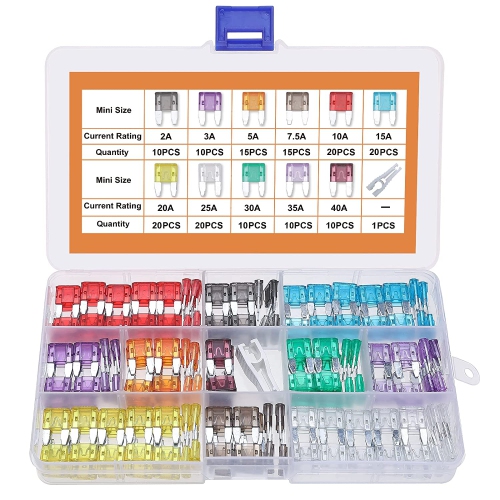
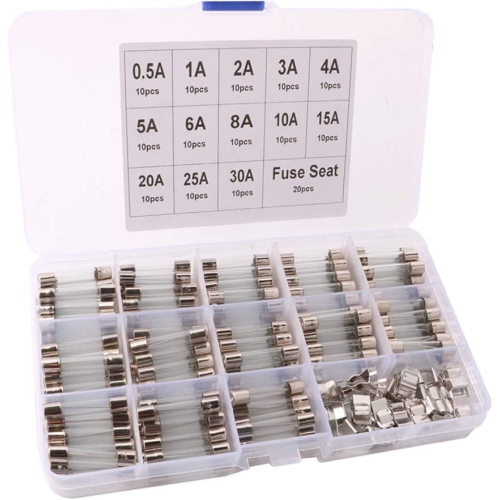
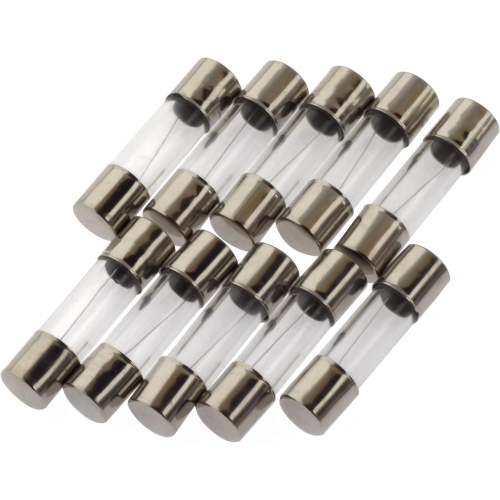
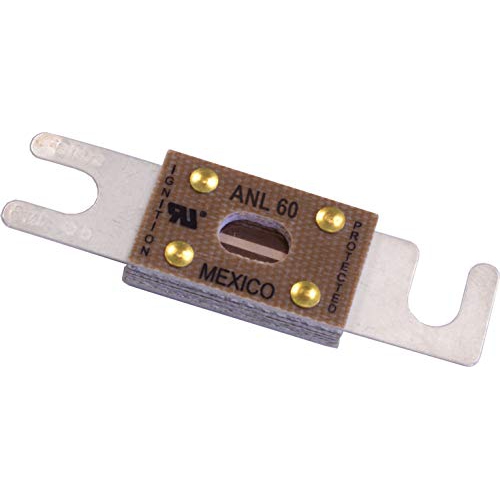

![DOLAER [Ul Listed] 220PC Assorted Standard Auto Car Truck Blade Fuses Set- 2A 3A 5A 7.5A 10A 15A 20A 25A 30A 35A-Atc/apr/ato+Atm Mini Automotive](https://multimedia.bbycastatic.ca/multimedia/products/500x500/164/16480/16480915.jpeg)
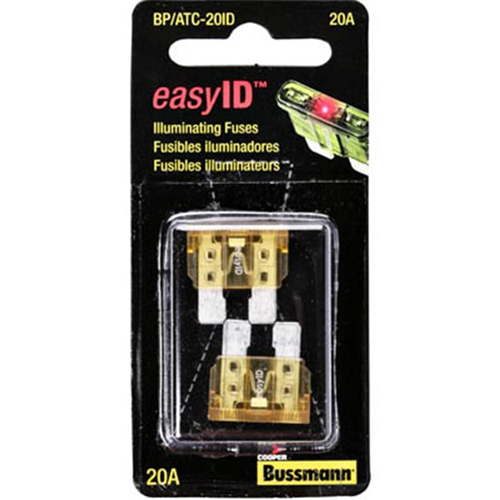
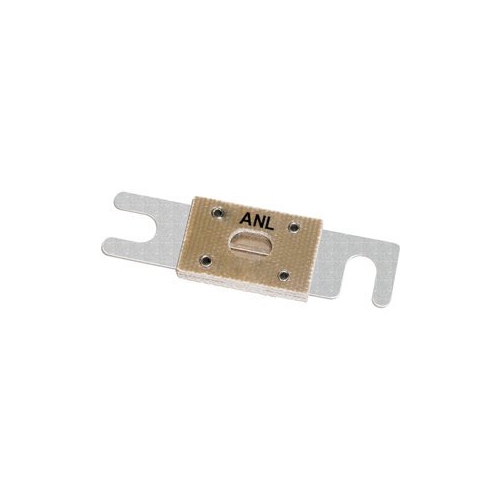
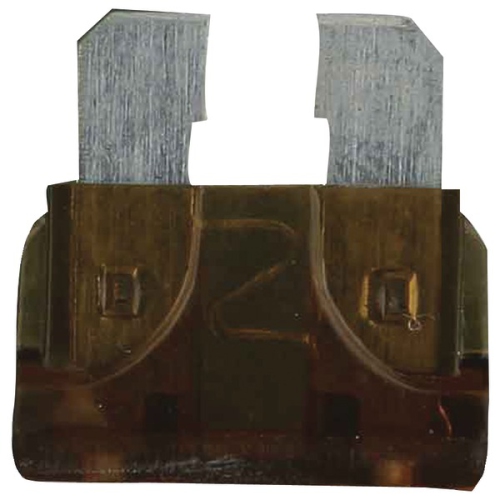
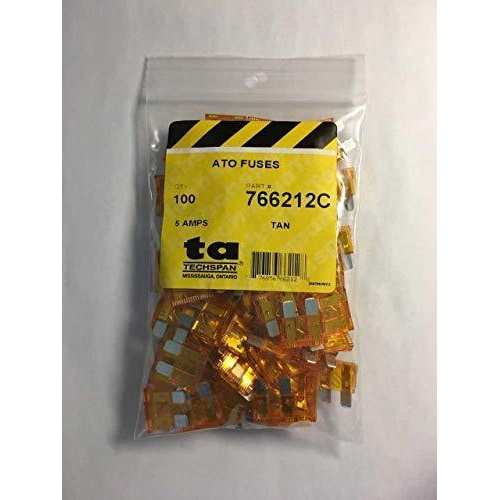
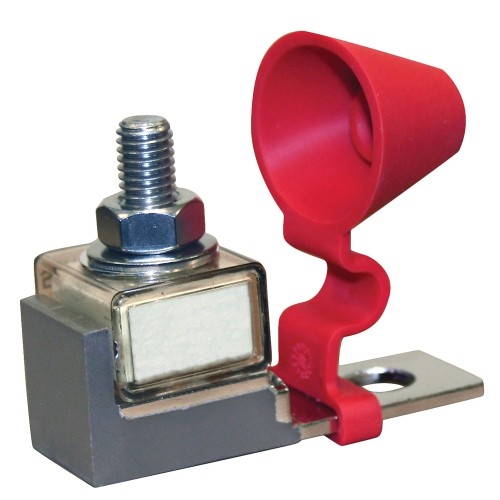
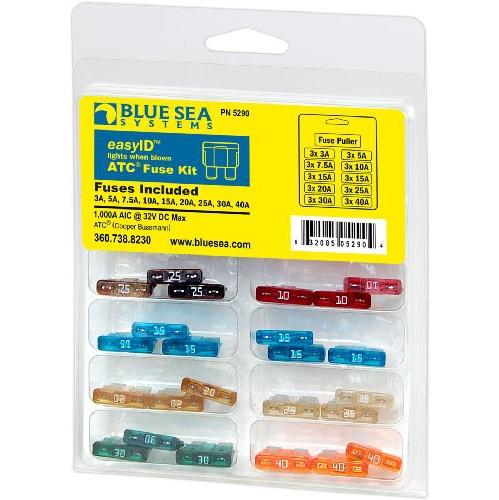
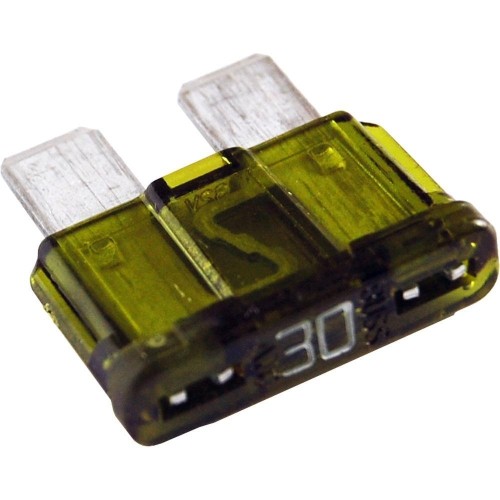
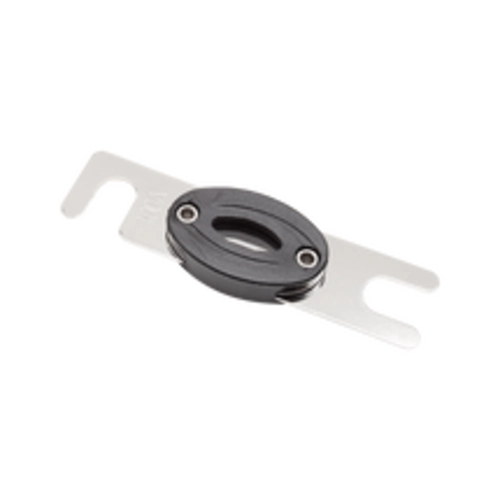
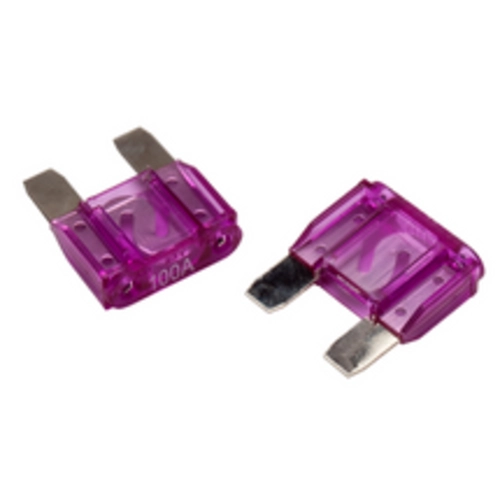
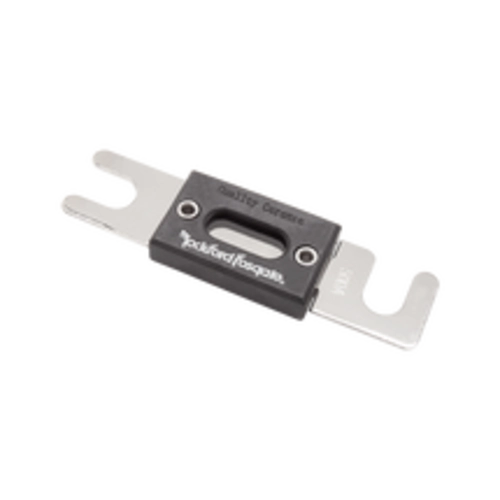
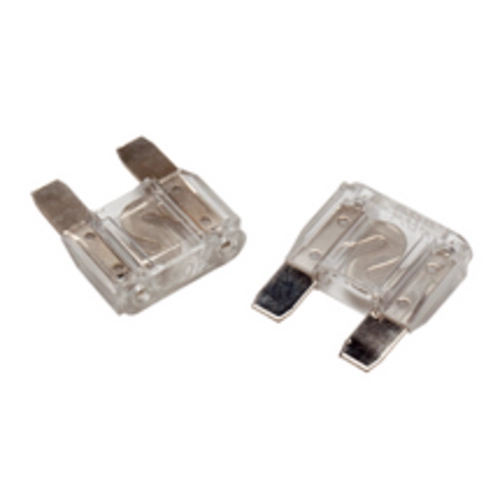
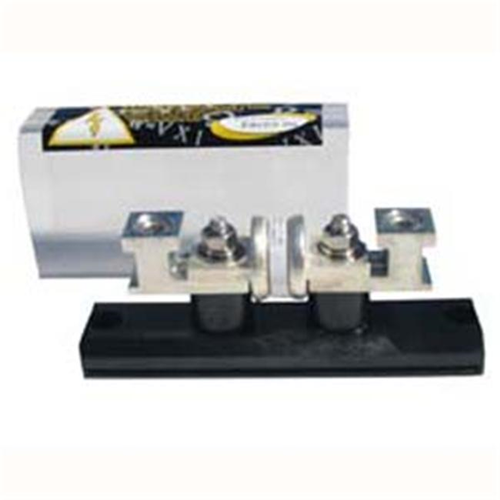
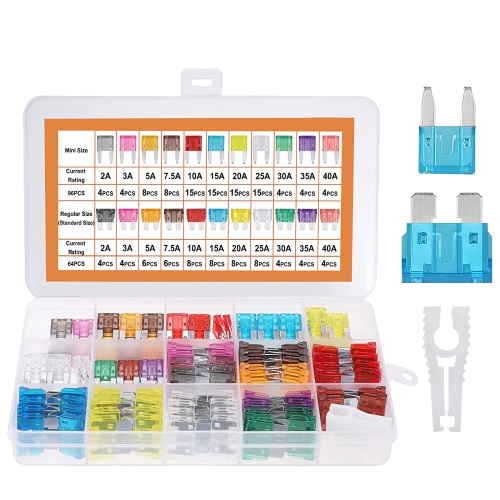
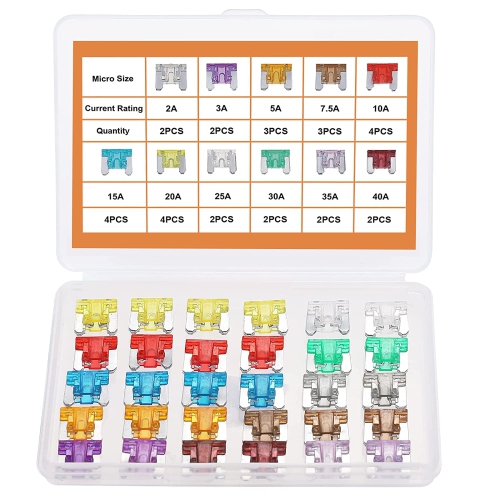
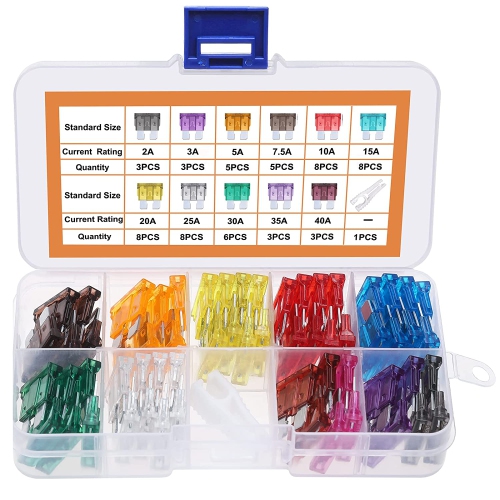
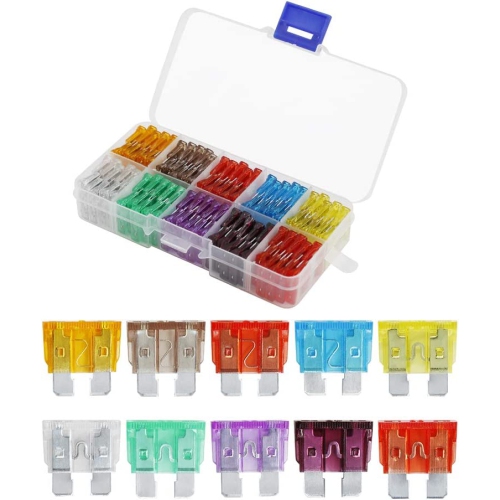
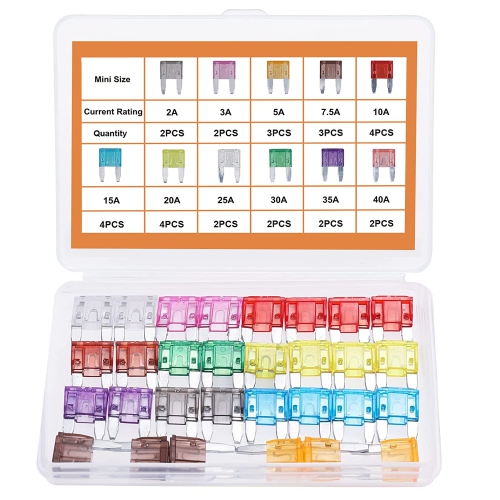
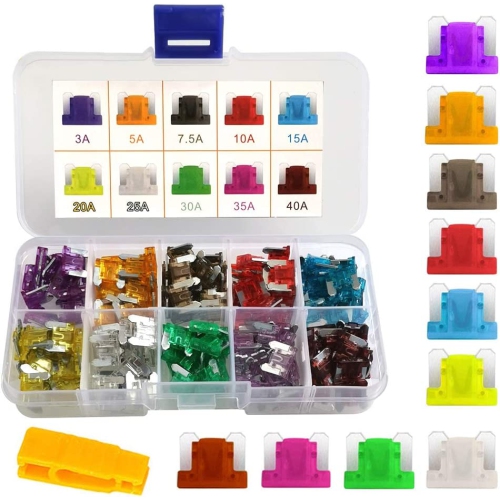
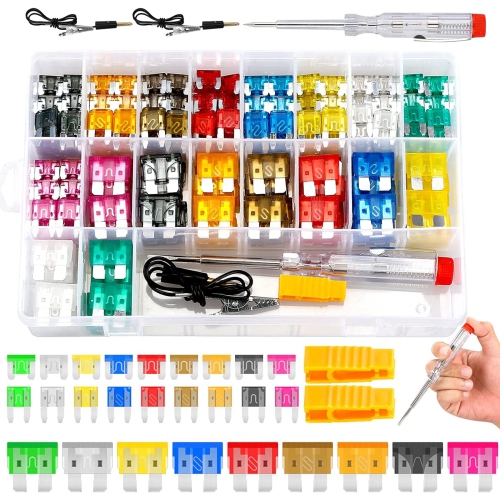
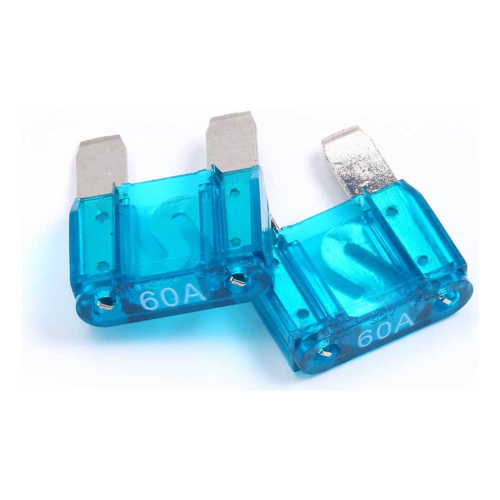
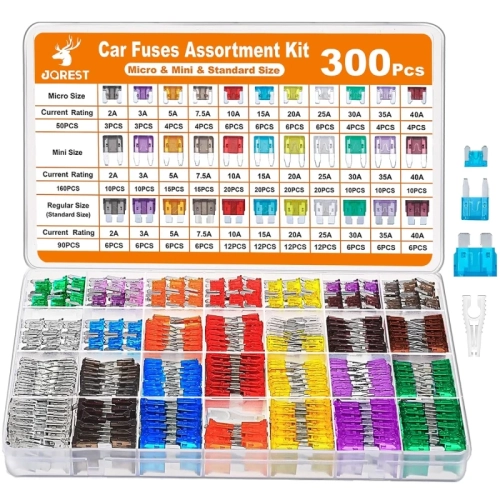
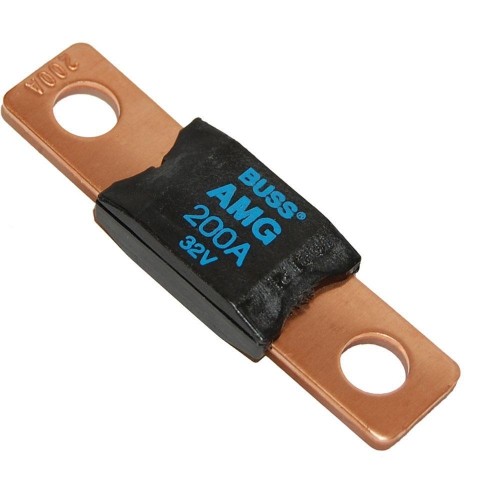
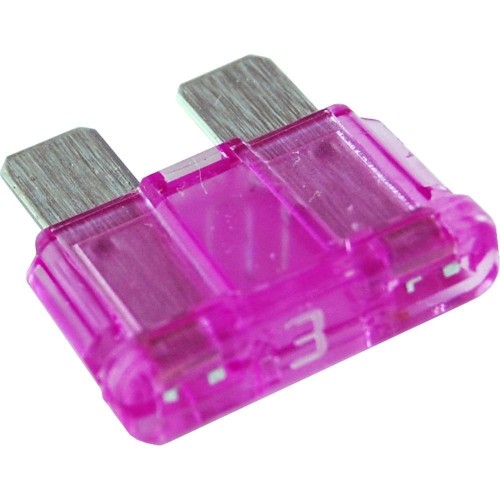
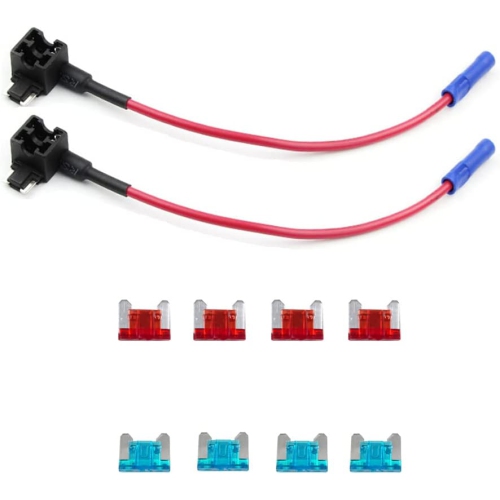
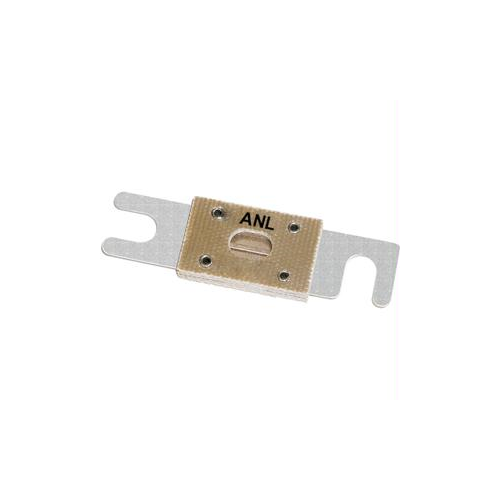
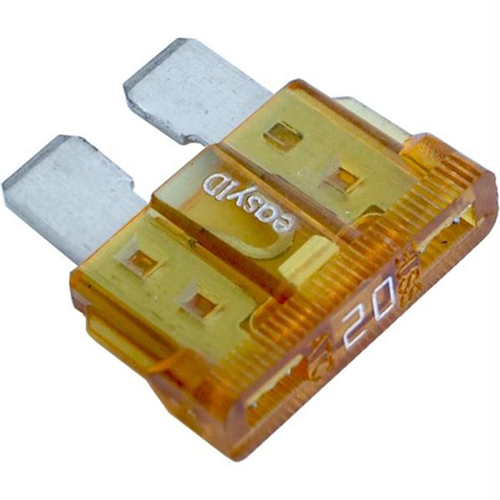
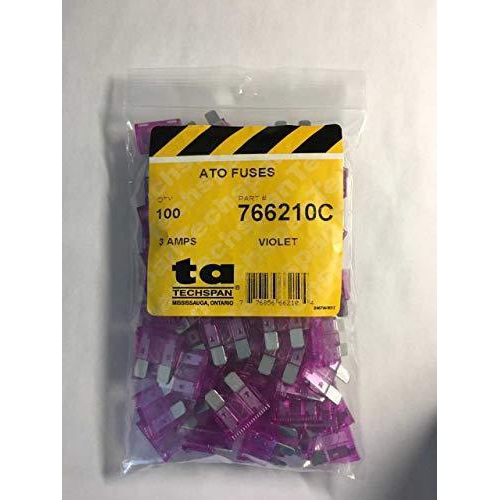
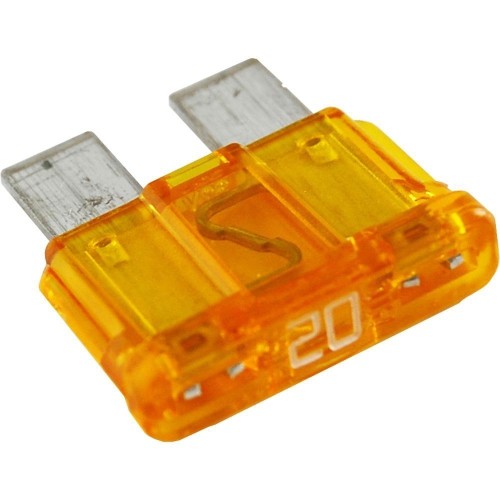

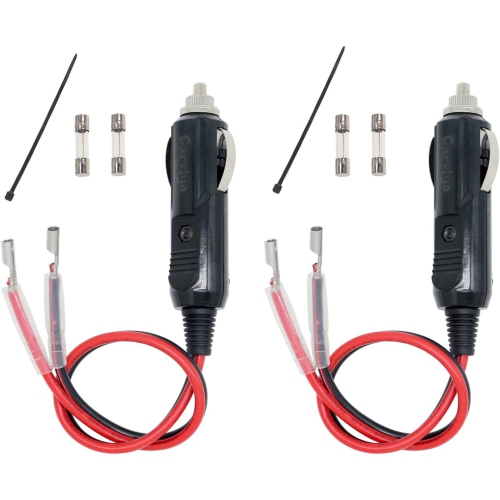
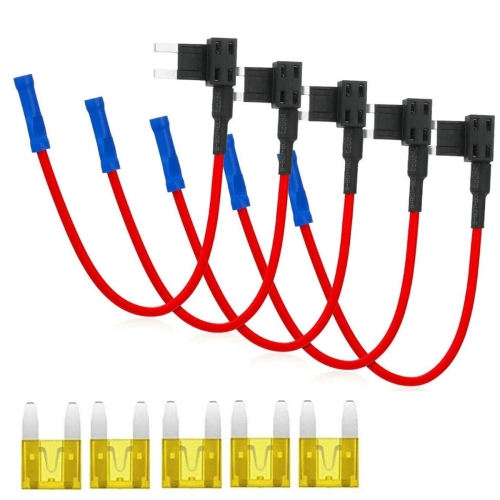
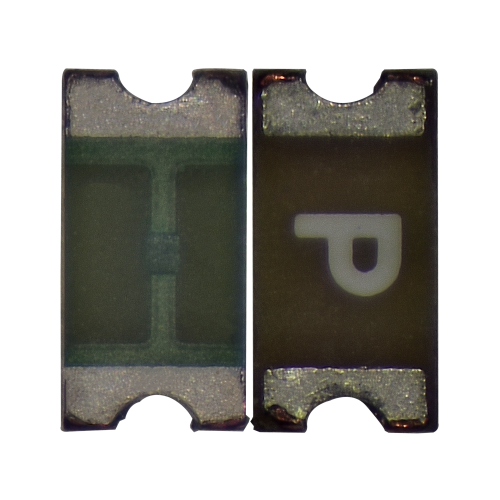
Understand fuse ratings, types and safe replacement practices
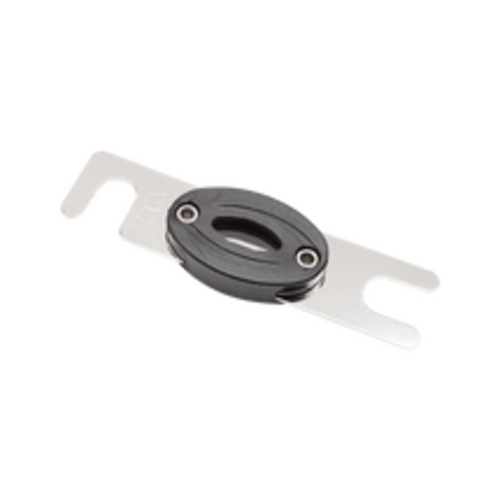
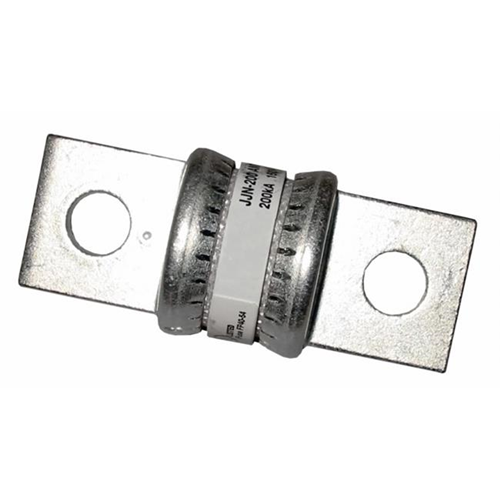
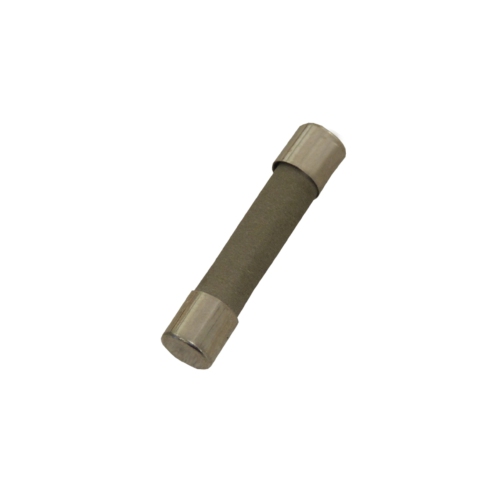
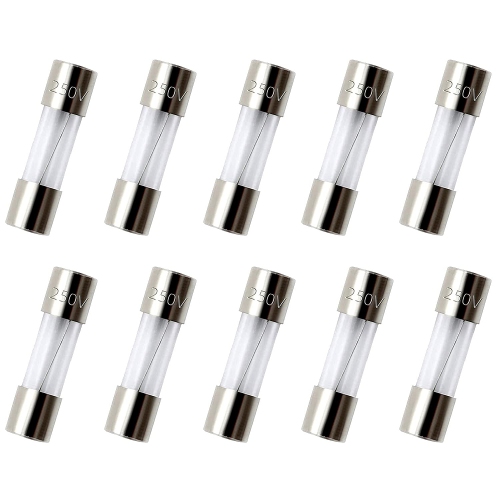
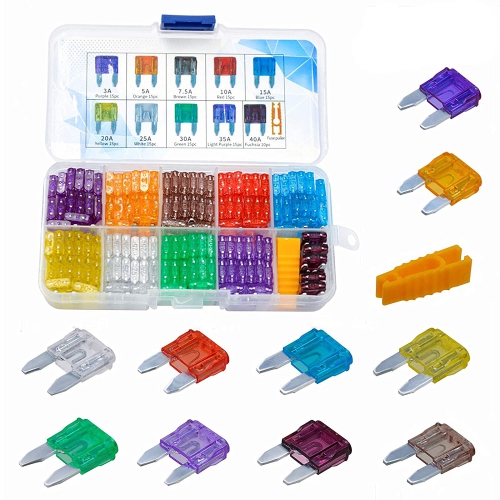
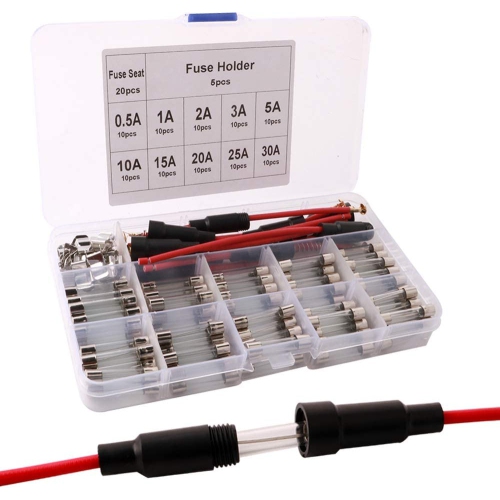
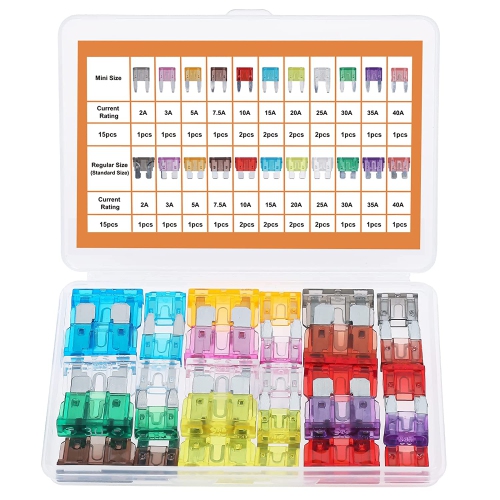
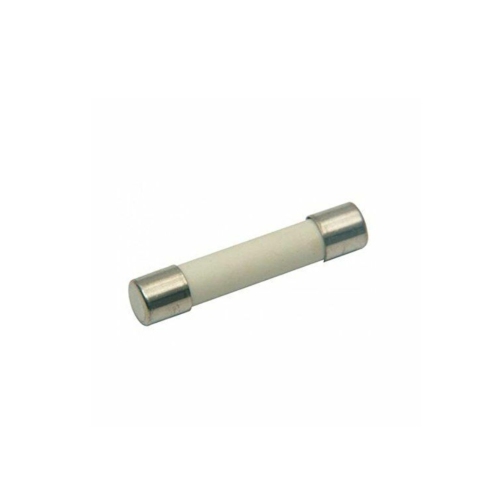
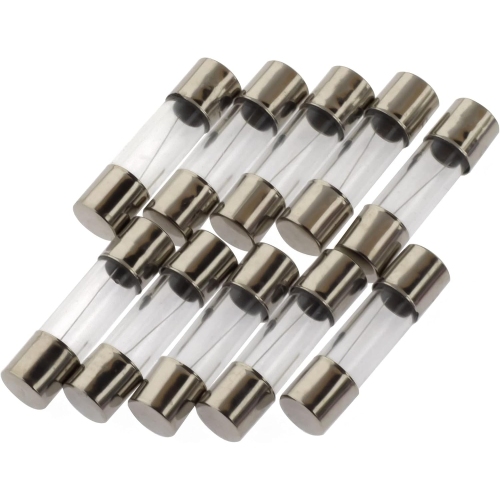
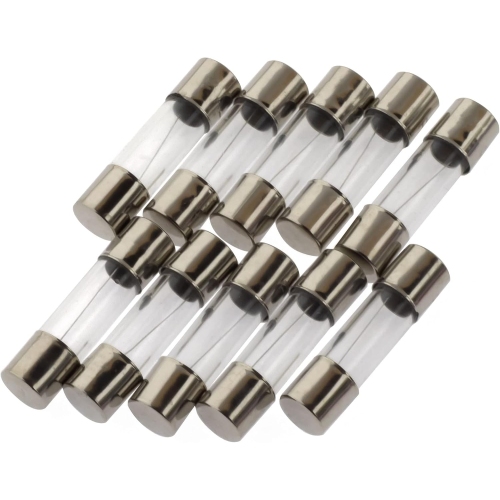
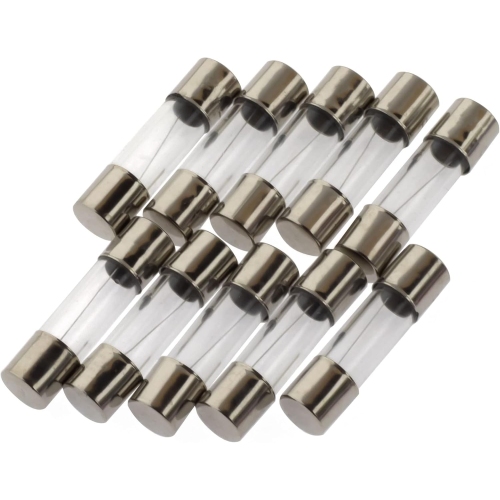
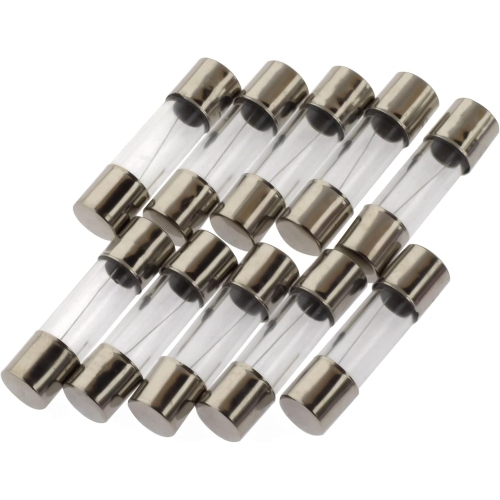
Replacement fuses are designed to restore protection when an original fuse has opened because of an overload, short circuit or other electrical fault. They are used in a wide range of equipment, including vehicles, power accessories, audio systems, household electronics and some low-voltage electrical assemblies. A fuse is a small but important safety component: when current rises beyond its rated limit, the fuse element melts and interrupts the circuit before excessive heat can damage wiring or connected components. Keeping a selection of correctly matched replacements on hand can be useful for drivers, DIY enthusiasts, homeowners and anyone who maintains equipment in a garage, workshop or utility area. They can also make a thoughtful practical gift for someone who enjoys working on vehicles or keeping a well-organized toolkit, particularly when paired with other useful maintenance supplies. Before purchasing, identify what the fuse is protecting and check the markings on the original component, the equipment manual or the manufacturer’s specifications. Fuse type, physical size, amperage, voltage rating and operating characteristics all matter. A fuse that looks similar may not be a safe substitute if its rating or dimensions differ, so compare the replacement carefully with the fuse being removed.
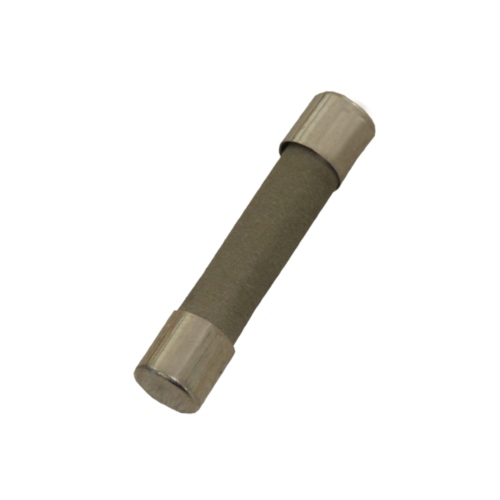
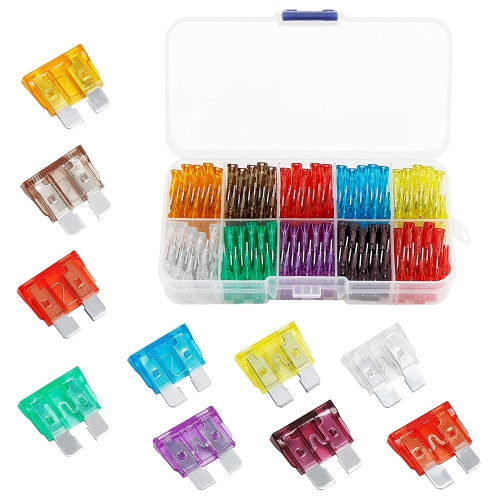
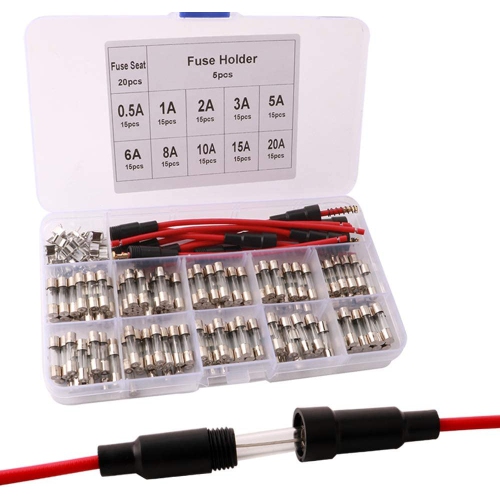
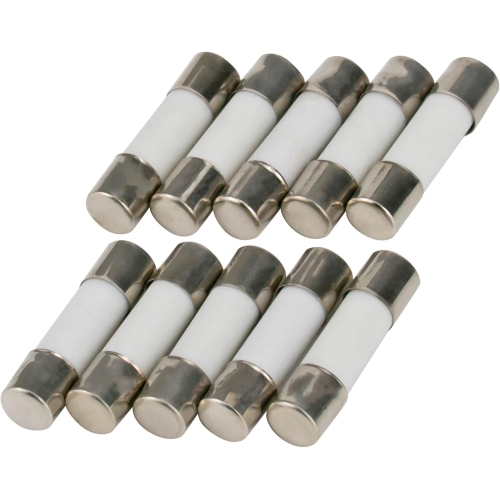
For vehicle applications, look for the fuse style and amperage specified for the vehicle’s fuse panel. Common automotive designs include compact blade-style formats, larger blade formats and tubular designs, while other equipment may use glass, ceramic or cartridge fuses. The colour of a fuse can offer a quick visual clue in some automotive systems, but it should not be the only way to identify the correct replacement because colours and conventions can vary. If you are shopping for vehicle protection components, explore options such as Amp Fuses and confirm that the listed application matches the vehicle or accessory involved. It is also worth checking whether the circuit requires a fast-acting fuse, which responds quickly to a surge, or a time-delay fuse, which can tolerate a brief start-up current from certain equipment. Pack size is another useful consideration. A multi-piece assortment can be convenient when several circuits use different ratings, while a smaller pack may be suitable when replacing a known fuse in one device. Store unused fuses in a dry, easy-to-find place, ideally in a divided case or the vehicle’s maintenance compartment, so the correct rating can be located without rummaging through loose parts.
Safety should come before convenience whenever a fuse needs to be replaced. Turn off the equipment and disconnect it from its power source before opening an accessible fuse holder; for a vehicle, switch off the ignition and remove the key, and follow the vehicle’s instructions for accessing the fuse panel. Where applicable, disconnect the battery only as directed by the manufacturer, since some vehicle systems require specific procedures. Remove the fuse with care and inspect it in good lighting. A broken wire, darkened window or visibly separated element can indicate a blown fuse, although some failures are not obvious and may require proper testing equipment. Replace it only with a fuse of the same type and exact amperage rating. Never install a fuse with a higher rating to prevent it from blowing, and never bridge the fuse with foil, wire or another improvised material. If the new fuse fails immediately or fails repeatedly, stop using the equipment and have the underlying fault assessed; repeated failures can point to damaged wiring, a defective accessory, moisture intrusion or another problem that a fuse alone cannot solve. Household panels, hardwired appliances and inaccessible electrical systems should be handled by a qualified professional. During the cooler months, temperature changes, damp storage areas and heavier use of certain equipment can make dependable electrical maintenance especially helpful, but a replacement fuse should always be selected by its specifications rather than by season, appearance or convenience.
For vehicle applications, look for the fuse style and amperage specified for the vehicle’s fuse panel. Common automotive designs include compact blade-style formats, larger blade formats and tubular designs, while other equipment may use glass, ceramic or cartridge fuses. The colour of a fuse can offer a quick visual clue in some automotive systems, but it should not be the only way to identify the correct replacement because colours and conventions can vary. If you are shopping for vehicle protection components, explore options such as Amp Fuses and confirm that the listed application matches the vehicle or accessory involved. It is also worth checking whether the circuit requires a fast-acting fuse, which responds quickly to a surge, or a time-delay fuse, which can tolerate a brief start-up current from certain equipment. Pack size is another useful consideration. A multi-piece assortment can be convenient when several circuits use different ratings, while a smaller pack may be suitable when replacing a known fuse in one device. Store unused fuses in a dry, easy-to-find place, ideally in a divided case or the vehicle’s maintenance compartment, so the correct rating can be located without rummaging through loose parts.
Safety should come before convenience whenever a fuse needs to be replaced. Turn off the equipment and disconnect it from its power source before opening an accessible fuse holder; for a vehicle, switch off the ignition and remove the key, and follow the vehicle’s instructions for accessing the fuse panel. Where applicable, disconnect the battery only as directed by the manufacturer, since some vehicle systems require specific procedures. Remove the fuse with care and inspect it in good lighting. A broken wire, darkened window or visibly separated element can indicate a blown fuse, although some failures are not obvious and may require proper testing equipment. Replace it only with a fuse of the same type and exact amperage rating. Never install a fuse with a higher rating to prevent it from blowing, and never bridge the fuse with foil, wire or another improvised material. If the new fuse fails immediately or fails repeatedly, stop using the equipment and have the underlying fault assessed; repeated failures can point to damaged wiring, a defective accessory, moisture intrusion or another problem that a fuse alone cannot solve. Household panels, hardwired appliances and inaccessible electrical systems should be handled by a qualified professional. During the cooler months, temperature changes, damp storage areas and heavier use of certain equipment can make dependable electrical maintenance especially helpful, but a replacement fuse should always be selected by its specifications rather than by season, appearance or convenience.
Top selling and popular products
-
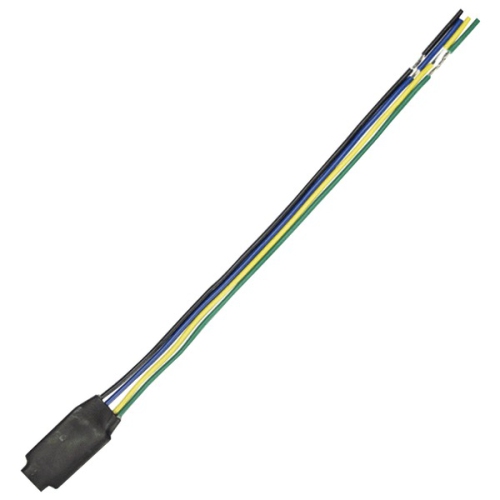 Your price for this item is $49.98
 -
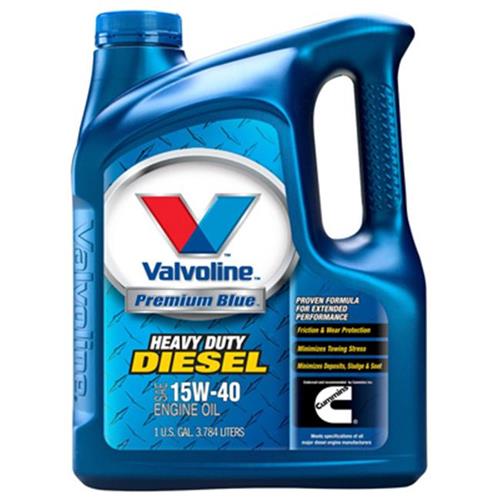 Your price for this item is $59.9
 -
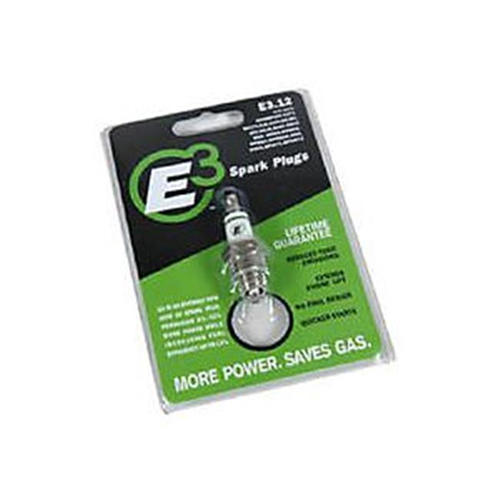 Your price for this item is $27.3
 -
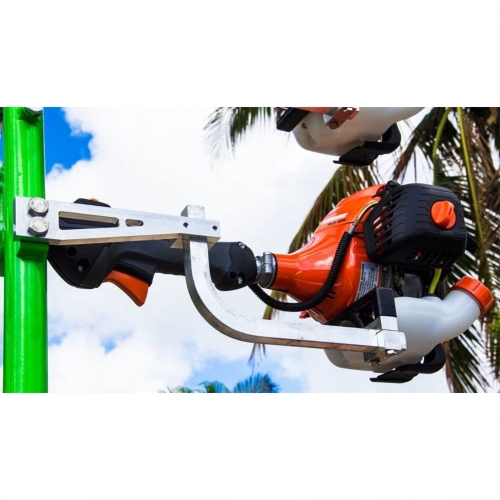 Your price for this item is $872.99
 -
 Your price for this item is $145.99
 -
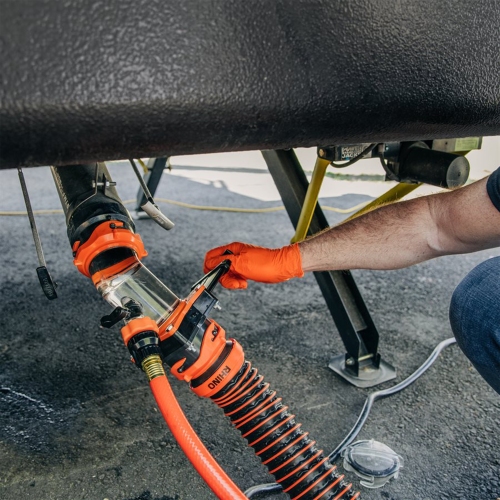 Your price for this item is $124.99
 -
 Your price for this item is $508.99
 -
 Your price for this item is $799.99
Discover more categories related to Replacement Fuses
Top Collections:
Pokemon Centers, Kindle Devices, Apple iPhones 16, Canon G7X Cameras, iPhone 15 Apple, Alarm Clock, Flip Phones, Refurbished Apple Laptops, iPhone 14 256GB, Lightweight On-Ear USB-C Headphones
Some products may be subject to Environmental Handling Fees
(EHF) depending on your province.
Learn more about EHFs.