Ergonomic Grips
Discover the perfect blend of comfort and functionality with ergonomic grips, designed to enhance your daily activities by reducing strain and improving ease of use. Whether you're looking to upgrade your gaming setup, enhance your workout gear, or simply make everyday tasks more comfortable, ergonomic grips offer a versatile solution tailored to fit your lifestyle. Explore our diverse selection to find the ideal grip that aligns with your needs, ensuring both performance and comfort are always within reach.
Sort
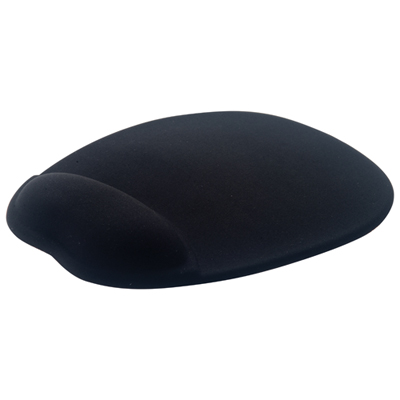
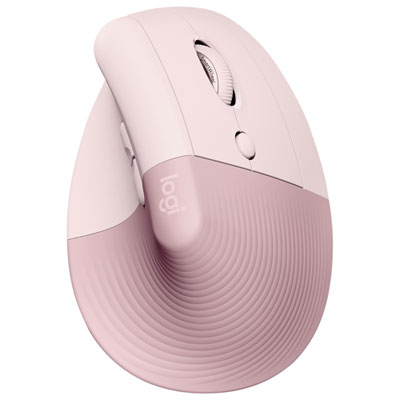

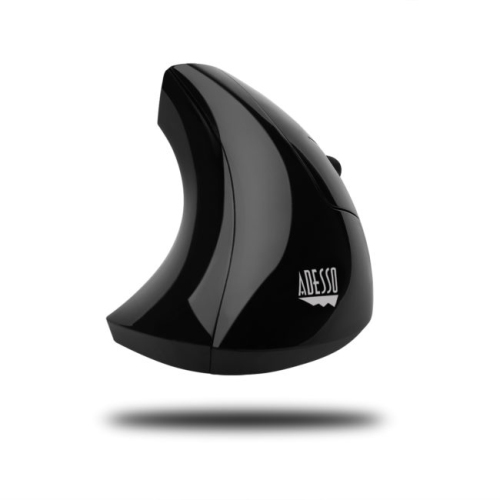
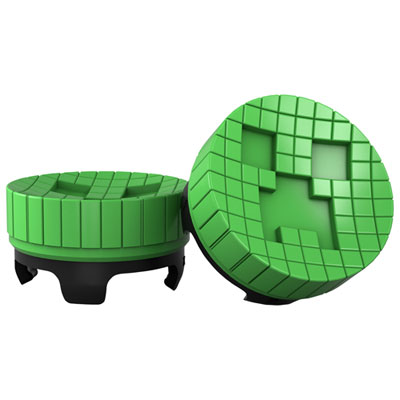

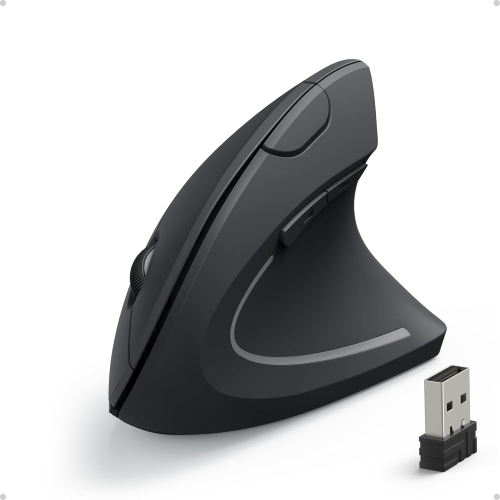
Supportive shapes can ease pressure on longer rides
Ergonomic grips are designed to make time on a bicycle feel more comfortable by giving your hands a supportive, secure contact point on the handlebars. Unlike a completely round grip, many ergonomic bicycle grips use a contoured profile that follows the natural shape of a relaxed hand, while others include a wider palm-supporting wing that helps distribute pressure across a larger area. This can reduce the concentrated pressure that often builds along the outer edge of the palm during a commute, fitness ride, or long tour. A thoughtfully shaped grip may also help keep the wrist in a more neutral position, which can lessen the feeling of tingling, numbness, or fatigue that sometimes develops when the hands remain fixed on narrow, rigid contact points. Comfort is especially noticeable on rides where the road surface sends a steady stream of vibration through the handlebar: a well-fitted grip can make rough pavement, compact paths, and extended climbs feel less demanding on the hands and forearms. Riders who spend several hours in the saddle, cycle to work, or enjoy relaxed weekend routes may appreciate the added support, as may anyone returning to regular riding after time away. Ergonomic grips can also be a practical gift for a cyclist, particularly when paired with a new riding season, a longer touring route, or a goal of making everyday transportation more comfortable. They are useful for experienced riders and newer cyclists alike, although the best shape depends on the bicycle, riding style, hand size, and the way each person naturally holds the bar.
Start by considering how and where the bicycle is used. A commuter or hybrid rider who keeps the hands in a fairly consistent position may prefer a grip with a noticeable palm-supporting wing, as this style offers a broad platform for the heel of the hand and can help spread pressure on longer stretches of pavement. Touring riders may value additional hand positions, such as integrated extensions or varied surface zones, because changing position periodically can relieve pressure and give the shoulders and wrists a small reset. Mountain bikers and riders who tackle technical trails often favour a more compact, subtly contoured shape that permits quick adjustments and a firm connection to the bar without an oversized wing getting in the way during fast steering or steep descents. Size is just as important as shape. A grip that is too large can make it difficult to wrap the fingers securely around the bar, while one that is too small may encourage excessive squeezing and leave the hands feeling cramped. Look for information about diameter, length, handlebar compatibility, and whether the grip is secured with a locking mechanism or fitted by friction. Lock-on designs can offer a stable feel and straightforward adjustment, while traditional slip-on styles may have a simpler appearance and installation process. Materials also influence the experience. Softer compounds can feel comfortable over a short ride, whereas a firmer, textured surface may provide better control and durability over changing conditions. Consider whether the grips will be used with padded cycling gloves, in damp weather, or during cooler months when reduced dexterity can make a secure hold more important.
Correct positioning has a major effect on the benefits of ergonomic grips. Once installed, a winged or palm-supporting grip generally needs to be rotated so the support sits beneath the palm without forcing the wrist sharply upward or downward. Small adjustments can make a surprising difference; a position that feels comfortable in the driveway may feel different after an hour of riding with the elbows bent and the body leaning forward. Take a short test ride, pay attention to pressure points, and adjust the angle gradually rather than making a large change all at once. The grip should support the hand while still allowing the fingers to operate the brake levers quickly and naturally. It should also remain secure when the rider pulls against the bar while climbing, braking, or moving over uneven ground. Ergonomic grips are not a substitute for a properly sized bicycle, correctly positioned controls, or professional attention to persistent pain and numbness, but they can be one useful part of a more comfortable setup. Riders looking to improve comfort beyond the handlebar may also explore Ergonomic Equipment for supportive options around the home and workspace. During the warmer riding season and into the cooler months, the right grips can help make short errands, scenic rides, and daily commutes feel more controlled and enjoyable, with less distraction from tired hands and more attention available for the road ahead.
Start by considering how and where the bicycle is used. A commuter or hybrid rider who keeps the hands in a fairly consistent position may prefer a grip with a noticeable palm-supporting wing, as this style offers a broad platform for the heel of the hand and can help spread pressure on longer stretches of pavement. Touring riders may value additional hand positions, such as integrated extensions or varied surface zones, because changing position periodically can relieve pressure and give the shoulders and wrists a small reset. Mountain bikers and riders who tackle technical trails often favour a more compact, subtly contoured shape that permits quick adjustments and a firm connection to the bar without an oversized wing getting in the way during fast steering or steep descents. Size is just as important as shape. A grip that is too large can make it difficult to wrap the fingers securely around the bar, while one that is too small may encourage excessive squeezing and leave the hands feeling cramped. Look for information about diameter, length, handlebar compatibility, and whether the grip is secured with a locking mechanism or fitted by friction. Lock-on designs can offer a stable feel and straightforward adjustment, while traditional slip-on styles may have a simpler appearance and installation process. Materials also influence the experience. Softer compounds can feel comfortable over a short ride, whereas a firmer, textured surface may provide better control and durability over changing conditions. Consider whether the grips will be used with padded cycling gloves, in damp weather, or during cooler months when reduced dexterity can make a secure hold more important.
Correct positioning has a major effect on the benefits of ergonomic grips. Once installed, a winged or palm-supporting grip generally needs to be rotated so the support sits beneath the palm without forcing the wrist sharply upward or downward. Small adjustments can make a surprising difference; a position that feels comfortable in the driveway may feel different after an hour of riding with the elbows bent and the body leaning forward. Take a short test ride, pay attention to pressure points, and adjust the angle gradually rather than making a large change all at once. The grip should support the hand while still allowing the fingers to operate the brake levers quickly and naturally. It should also remain secure when the rider pulls against the bar while climbing, braking, or moving over uneven ground. Ergonomic grips are not a substitute for a properly sized bicycle, correctly positioned controls, or professional attention to persistent pain and numbness, but they can be one useful part of a more comfortable setup. Riders looking to improve comfort beyond the handlebar may also explore Ergonomic Equipment for supportive options around the home and workspace. During the warmer riding season and into the cooler months, the right grips can help make short errands, scenic rides, and daily commutes feel more controlled and enjoyable, with less distraction from tired hands and more attention available for the road ahead.
Top selling and popular products
-
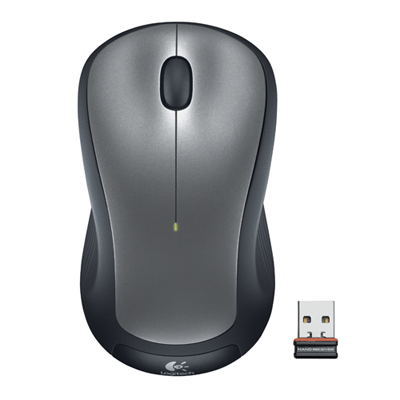 Your price for this item is $29.99
 -
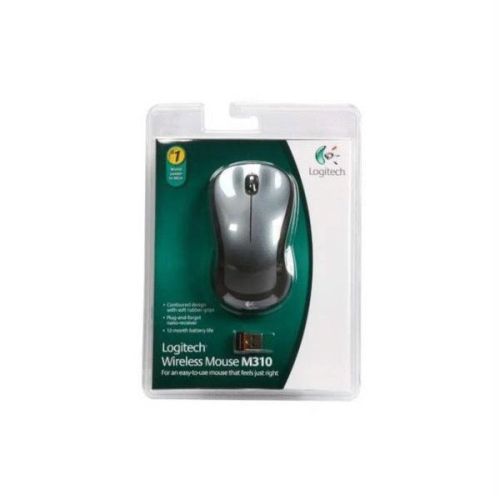 Your price for this item is $50.44
 -
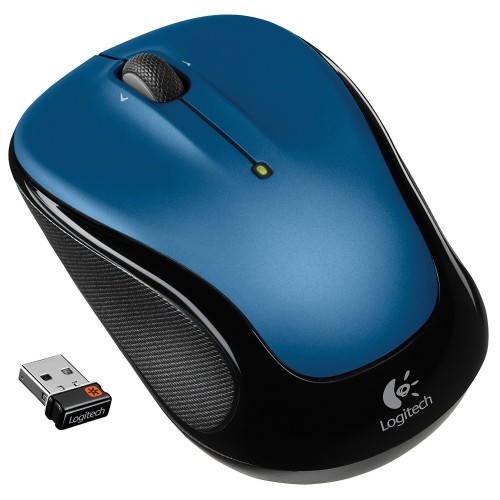 Your price for this item is $39.99
 -
 Your price for this item is $49.99
 -
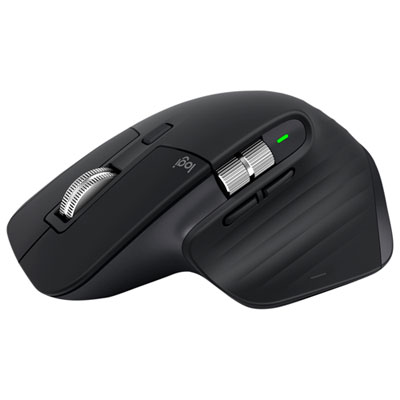 Your price for this item is $159.95
 -
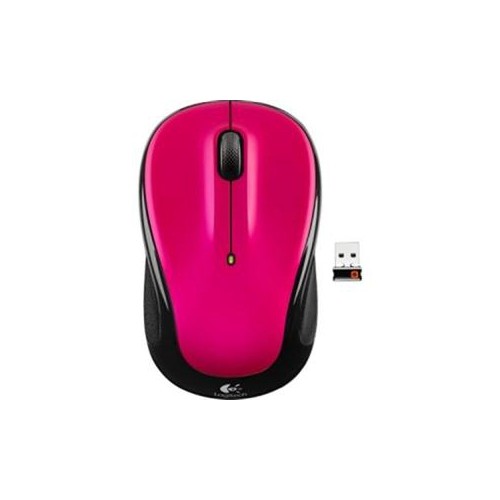 Your price for this item is $44.68
 -
 Your price for this item is $44.68
 -
 Your price for this item is $31
Discover more categories related to Ergonomic Grips
Top Collections:
Pokemon Centers, Kindle Devices, Best Budget Office Chairs, Apple iPhones 16, Best Laptops for Writers, iPhone 15 Apple, Canon G7X Cameras, Refurbished Apple Laptops, Alarm Clock, Motorola Razr Phones
Some products may be subject to Environmental Handling Fees
(EHF) depending on your province.
Learn more about EHFs.