Everyday Student Laptops
Everyday student laptops are designed to keep up with the demands of classes, assignments, and extracurricular activities. Whether you're taking notes in lectures, collaborating on group projects, or streaming educational content, these laptops offer reliable performance for daily academic needs. Explore a range of options to find the right fit for your study habits and lifestyle with everyday student laptops that balance portability and functionality.
Sort


Why your workload matters more than your course count
Everyday student laptops are portable computers designed for the work that fills a typical school day: researching assignments, writing essays, building presentations, managing course materials and joining online classes. They suit secondary school students, college and university students, and adults returning to education who need a practical computer for regular coursework. The right balance of performance depends less on the number of courses than on the applications running together. A student writing a paper with a few research tabs open has different needs from someone using large spreadsheets while attending a video call. For basic documents and browser-based tasks, 8GB of RAM can be sufficient; 16GB provides more room for multitasking and demanding applications. RAM is working memory, while storage holds files and installed software, so the two specifications serve different purposes. A solid-state drive, or SSD, supports responsive startup and file access. A 256GB SSD can accommodate documents and a modest collection of applications, while 512GB gives students more space for downloaded lectures, photographs and larger project folders. Actual usable space is lower than the stated capacity because the operating system and other software occupy part of the drive. Processor performance matters too, particularly when coursework involves calculations, coding or frequent multitasking. Everyday laptops generally suit common school applications, but engineering design, advanced video editing and other demanding programs may require more powerful hardware or dedicated graphics. Software compatibility is equally important. A browser-focused operating system may fit courses built around online tools, whereas coursework requiring installed desktop applications needs a compatible operating system. Exam monitoring software, accessibility tools and school-managed applications can also have particular requirements. Course specifications help establish whether a laptop fits the student's workload, rather than simply whether it can open a web browser. Memory and storage upgrades are possible on some laptops but not others, making the original configuration especially relevant for a computer expected to serve through several school years.
Size and physical design shape how comfortably a laptop fits into student life. A 13-inch or 14-inch display often makes sense for a computer carried between classrooms, on public transit and into a library study carrel. A 15-inch or 16-inch display offers more space for comparing a research article with an essay draft or following spreadsheet columns without as much scrolling. Screen size alone does not determine portability: the laptop's weight, overall dimensions and charger also contribute to the load in a backpack. Full HD resolution, typically 1920 × 1080 pixels, provides useful detail for text and everyday coursework, while taller screen proportions can show more of a document vertically. Display brightness and reflection control affect readability beside a window or beneath overhead lighting. Wide viewing angles can help when classmates gather around a shared presentation, though privacy may matter more when working in a busy common area. Keyboard comfort is another consideration during long writing sessions. Key spacing, tactile feedback and palm-rest dimensions influence typing comfort, while a backlit keyboard can make keys easier to distinguish in a dim lecture hall. A numeric keypad may appeal to students entering figures regularly, although it changes the keyboard layout and is not included on every laptop. A responsive touchpad is useful when there is little room for a mouse. Touchscreens and convertible hinges offer another way to navigate or annotate material, but pen compatibility varies and should not be assumed. Battery life depends on screen brightness, applications, wireless activity and other settings; a published maximum does not necessarily represent a day of video calls. Charging connections matter just as much. Some USB-C ports support charging and external displays, while others have more limited functions. USB-A, HDMI and headphone connections can simplify everyday use with classroom equipment. Reliable Wi-Fi, a clear microphone and a well-positioned webcam round out a laptop's usefulness for group meetings, remote lectures and conversations with instructors.
Everyday student laptops also need to stand up to repeated packing, unpacking and movement between study spaces. Plastic and metal housings can both be suitable, with durability depending on the overall construction, hinge design and how the computer is handled rather than the casing material alone. A well-fitting padded sleeve helps separate the laptop from textbooks and loose objects, while a dedicated backpack compartment can reduce rubbing during transport. Closing the lid before moving the computer helps protect the display, and keeping pens, earbuds and charging cables off the keyboard prevents them from being trapped against the screen. Basic care supports dependable daily use: a soft microfibre cloth removes surface marks, and cleaning methods should follow the manufacturer's directions. Drinks belong away from the keyboard, and ventilation openings need clear space. A firm desktop or work surface lets air circulate more freely than bedding or a soft cushion. Beyond physical care, keeping software updated and maintaining a backup of important assignments can prevent an interrupted study session from becoming lost work. Online file storage can make documents accessible across devices, while a separate backup adds another layer of protection; files needed away from an internet connection must also be saved for offline access. Privacy features such as a webcam shutter, fingerprint reader or facial sign-in may be useful where included, alongside a strong password and automatic screen locking. For families considering a laptop as a gift, the student's program requirements, preferred screen size and existing accessories are more useful reference points than appearance alone. A familiar keyboard layout or compatible charging setup can make the transition easier. The range of needs behind back-to-school everyday laptops extends from a first personal computer for homework to a dependable device for post-secondary study. A configuration matched to actual coursework, comfortable daily use and regular transport makes a laptop a practical companion for assignments, collaboration and personal projects.
Size and physical design shape how comfortably a laptop fits into student life. A 13-inch or 14-inch display often makes sense for a computer carried between classrooms, on public transit and into a library study carrel. A 15-inch or 16-inch display offers more space for comparing a research article with an essay draft or following spreadsheet columns without as much scrolling. Screen size alone does not determine portability: the laptop's weight, overall dimensions and charger also contribute to the load in a backpack. Full HD resolution, typically 1920 × 1080 pixels, provides useful detail for text and everyday coursework, while taller screen proportions can show more of a document vertically. Display brightness and reflection control affect readability beside a window or beneath overhead lighting. Wide viewing angles can help when classmates gather around a shared presentation, though privacy may matter more when working in a busy common area. Keyboard comfort is another consideration during long writing sessions. Key spacing, tactile feedback and palm-rest dimensions influence typing comfort, while a backlit keyboard can make keys easier to distinguish in a dim lecture hall. A numeric keypad may appeal to students entering figures regularly, although it changes the keyboard layout and is not included on every laptop. A responsive touchpad is useful when there is little room for a mouse. Touchscreens and convertible hinges offer another way to navigate or annotate material, but pen compatibility varies and should not be assumed. Battery life depends on screen brightness, applications, wireless activity and other settings; a published maximum does not necessarily represent a day of video calls. Charging connections matter just as much. Some USB-C ports support charging and external displays, while others have more limited functions. USB-A, HDMI and headphone connections can simplify everyday use with classroom equipment. Reliable Wi-Fi, a clear microphone and a well-positioned webcam round out a laptop's usefulness for group meetings, remote lectures and conversations with instructors.
Everyday student laptops also need to stand up to repeated packing, unpacking and movement between study spaces. Plastic and metal housings can both be suitable, with durability depending on the overall construction, hinge design and how the computer is handled rather than the casing material alone. A well-fitting padded sleeve helps separate the laptop from textbooks and loose objects, while a dedicated backpack compartment can reduce rubbing during transport. Closing the lid before moving the computer helps protect the display, and keeping pens, earbuds and charging cables off the keyboard prevents them from being trapped against the screen. Basic care supports dependable daily use: a soft microfibre cloth removes surface marks, and cleaning methods should follow the manufacturer's directions. Drinks belong away from the keyboard, and ventilation openings need clear space. A firm desktop or work surface lets air circulate more freely than bedding or a soft cushion. Beyond physical care, keeping software updated and maintaining a backup of important assignments can prevent an interrupted study session from becoming lost work. Online file storage can make documents accessible across devices, while a separate backup adds another layer of protection; files needed away from an internet connection must also be saved for offline access. Privacy features such as a webcam shutter, fingerprint reader or facial sign-in may be useful where included, alongside a strong password and automatic screen locking. For families considering a laptop as a gift, the student's program requirements, preferred screen size and existing accessories are more useful reference points than appearance alone. A familiar keyboard layout or compatible charging setup can make the transition easier. The range of needs behind back-to-school everyday laptops extends from a first personal computer for homework to a dependable device for post-secondary study. A configuration matched to actual coursework, comfortable daily use and regular transport makes a laptop a practical companion for assignments, collaboration and personal projects.
Top selling and popular products
-
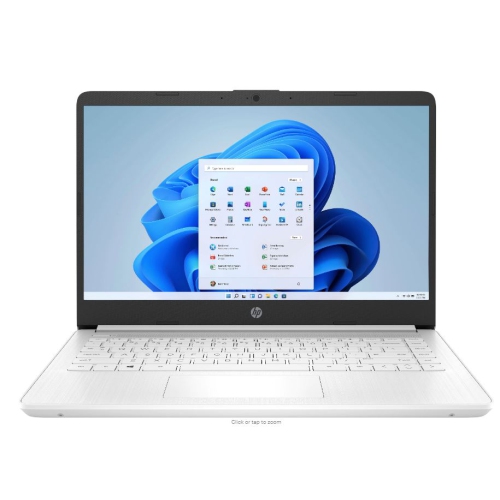 Your price for this item is $449
-
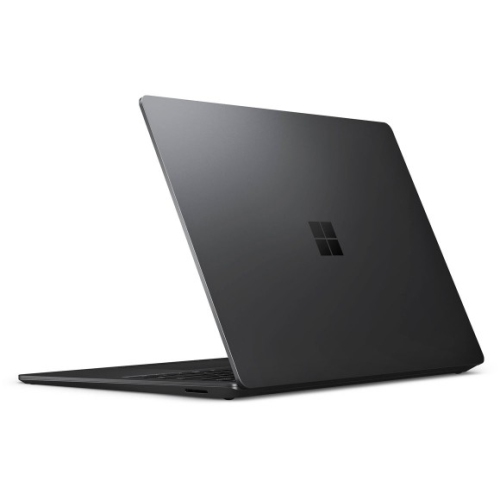 Your price for this item is $3099
-
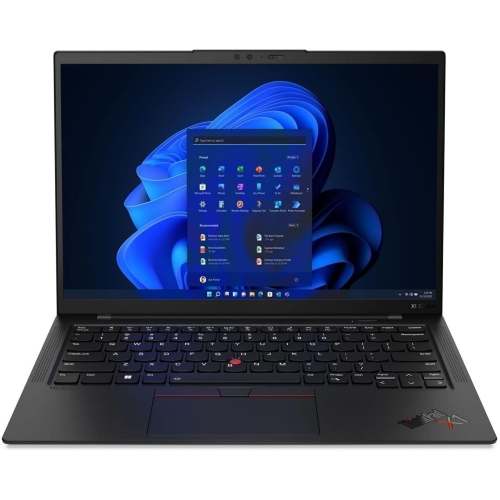 Your price for this item is $449.99
-
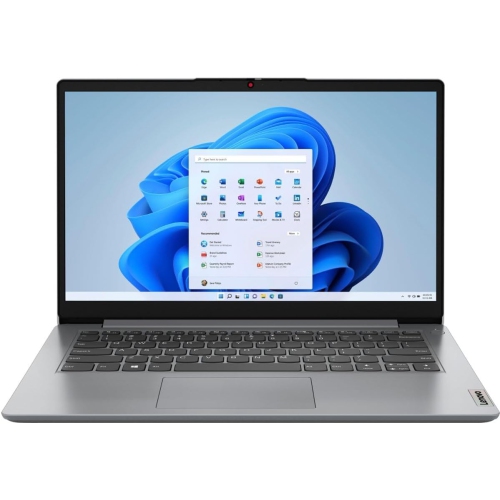 Your price for this item is $664.05
-
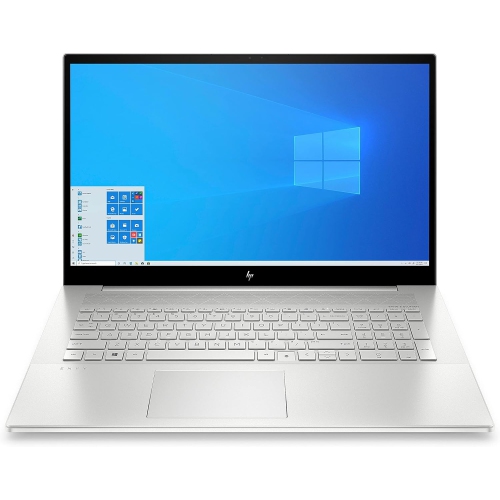 Your price for this item is $869.99
-
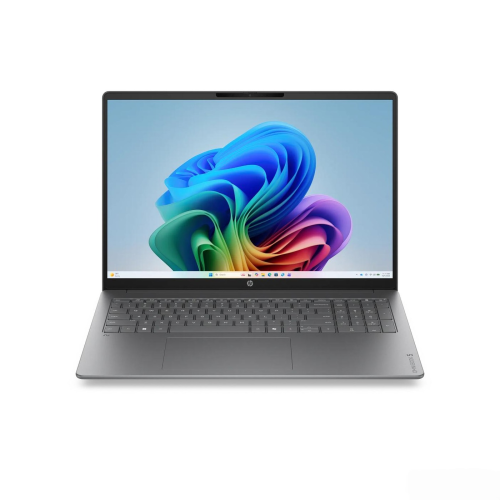 Your price for this item is $2960.48
-
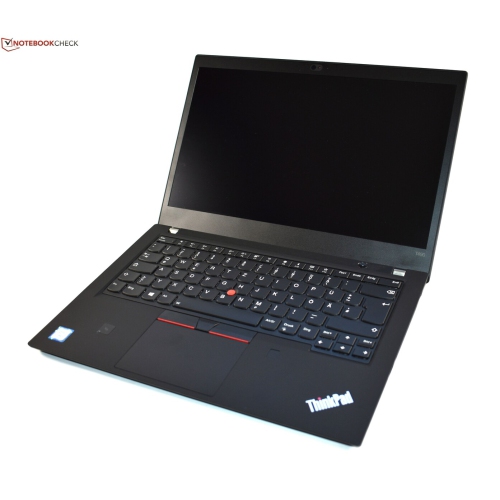 Your price for this item is $499.68
-
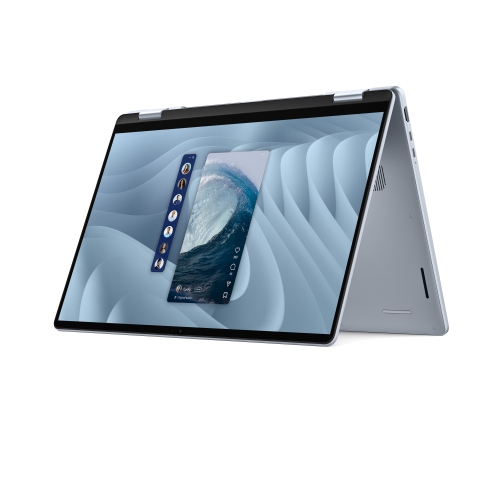 Your price for this item is $1951.79
Discover more categories related to Everyday Student Laptops
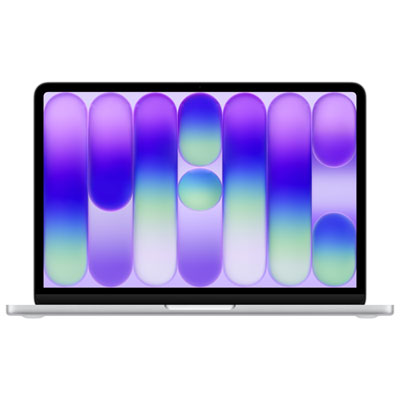
Top Collections:
Pokemon Centers, Kindle Devices, Best Black Friday Deals This Year, Pokémon 30th Celebration Cards, Best Black Friday Deals On Electronics, Best Cameras for Sports Photography, Best Black Friday Deals On Apple Products, Canon G7X Cameras, iPhone 15 Apple, Candle Warmer Lights
Some products may be subject to Environmental Handling Fees
(EHF) depending on your province.
Learn more about EHFs.