Folding Stands
Folding stands are the perfect solution for those seeking versatility and convenience in their space. Whether you're looking to optimize your workspace, enhance your entertainment setup, or simply need a portable option for presentations and displays, these stands offer an adaptable approach to organization and functionality. Ideal for both home and professional environments, folding stands can be easily stored when not in use, making them a smart choice for those who value efficiency without compromising on style. Discover how folding stands can transform your space with ease and elegance.
Sort
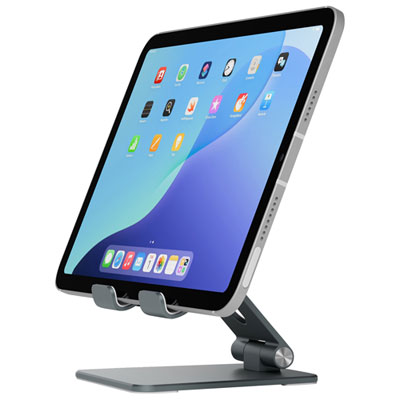
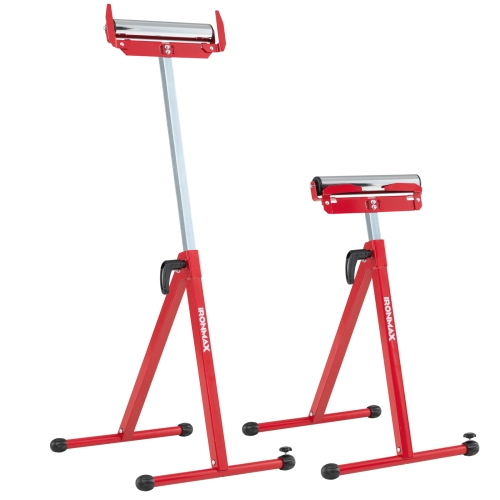
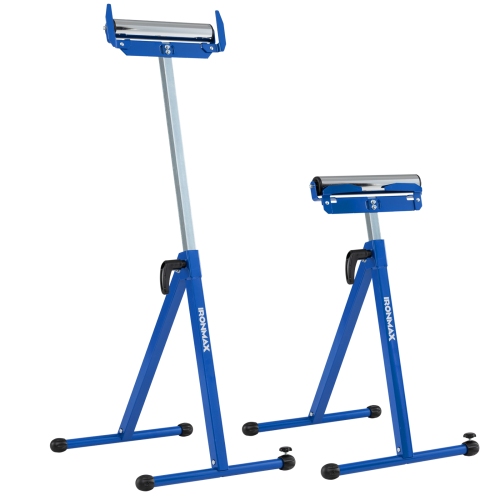
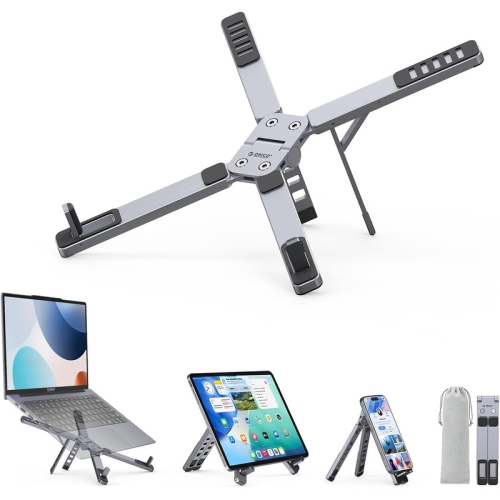
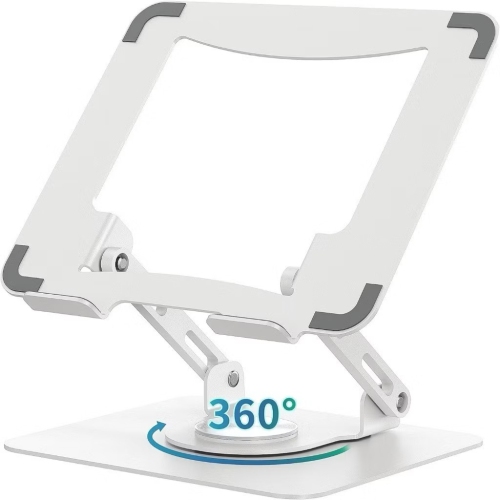
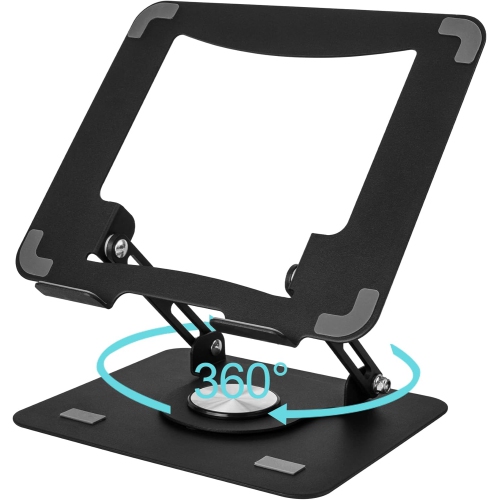
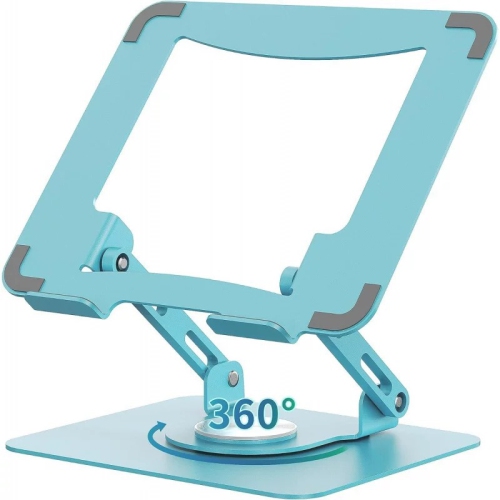
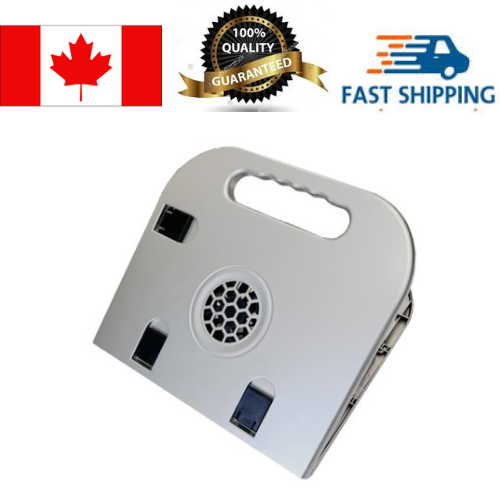
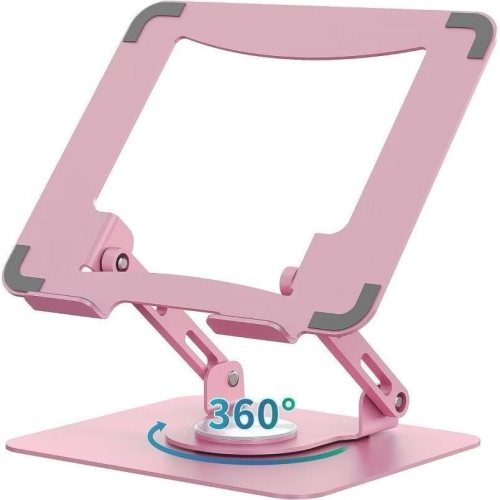

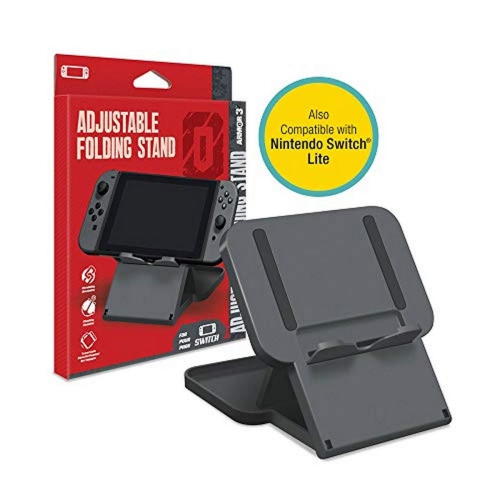
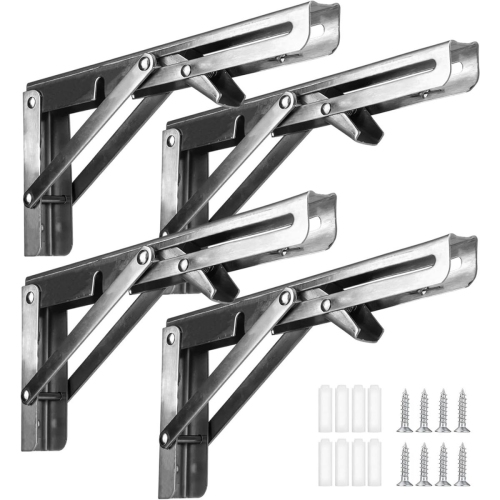
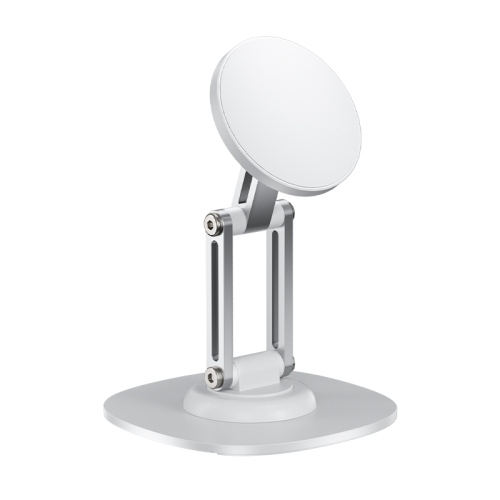


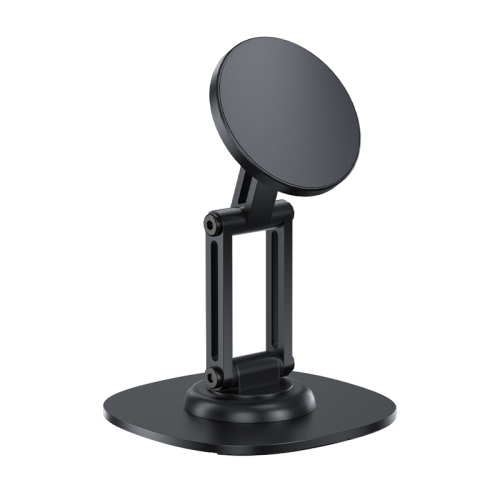

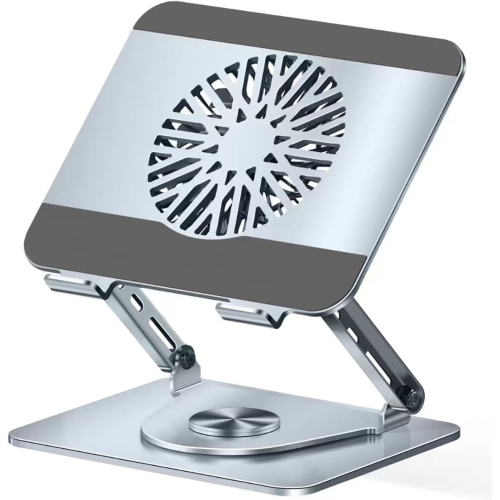

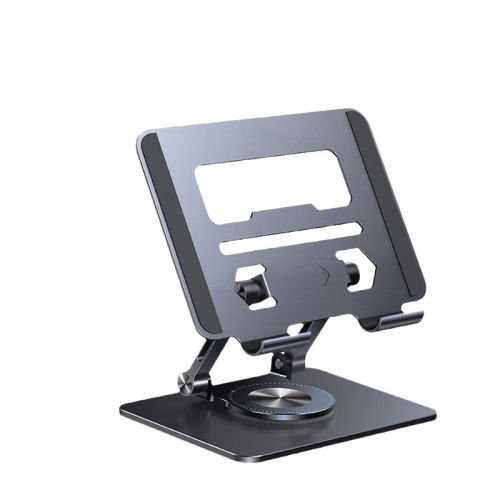
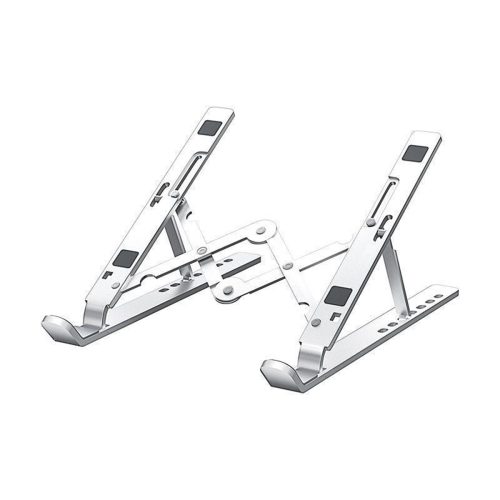

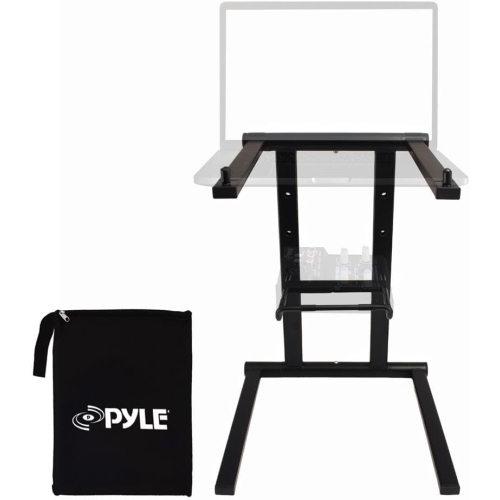
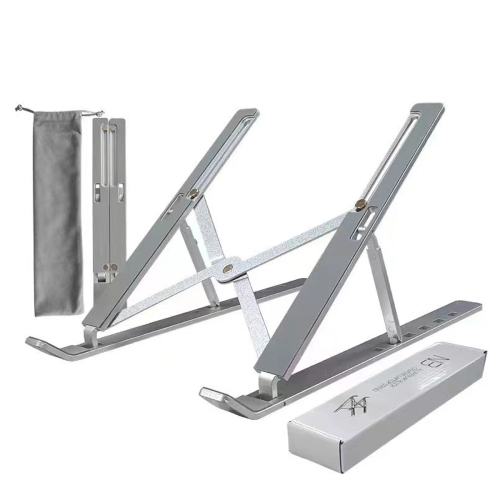
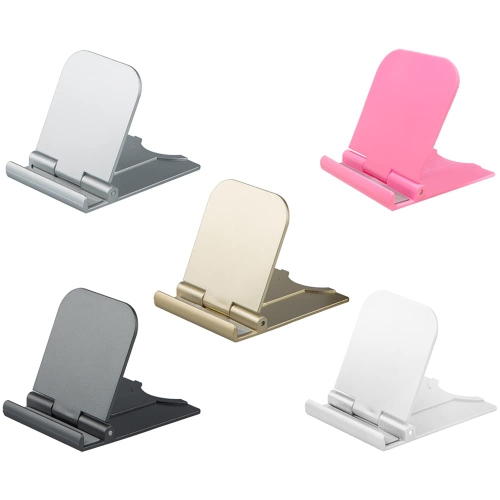

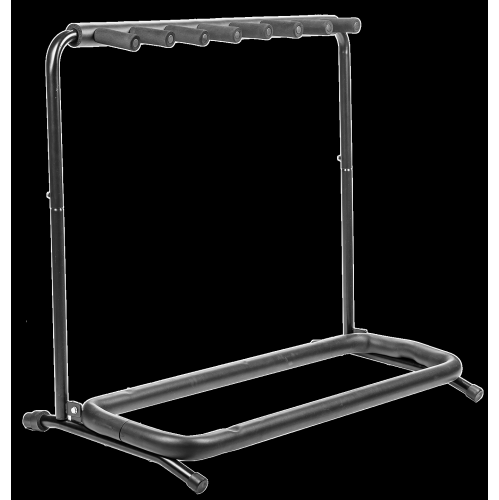





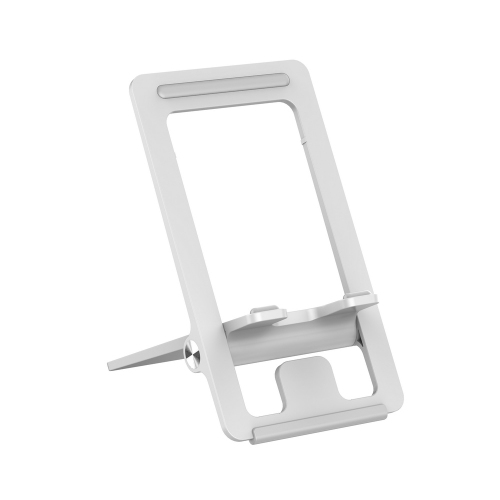
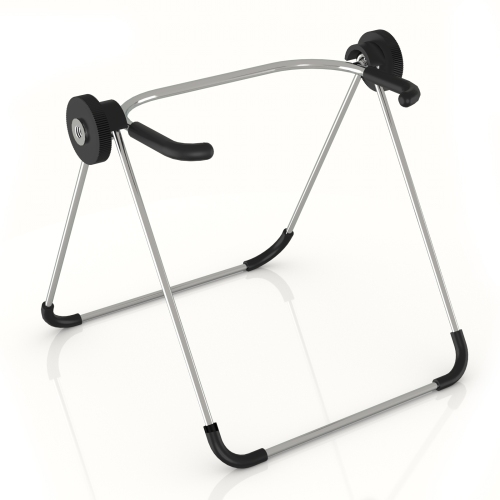
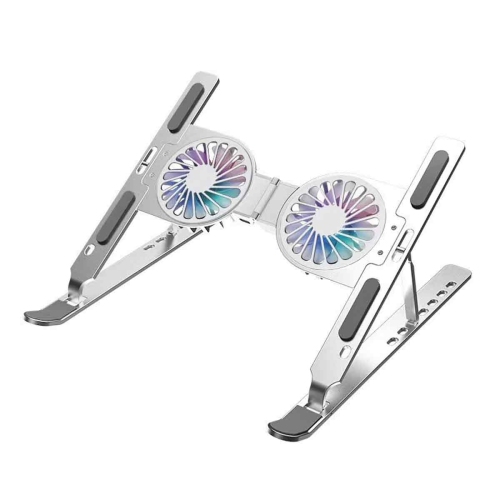
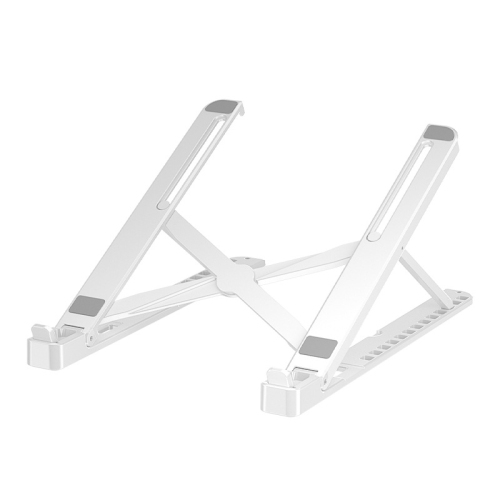




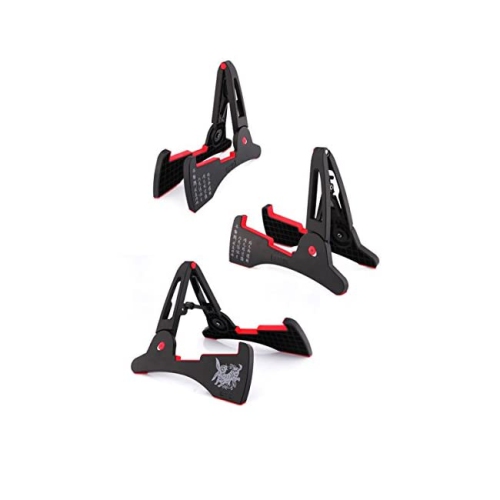
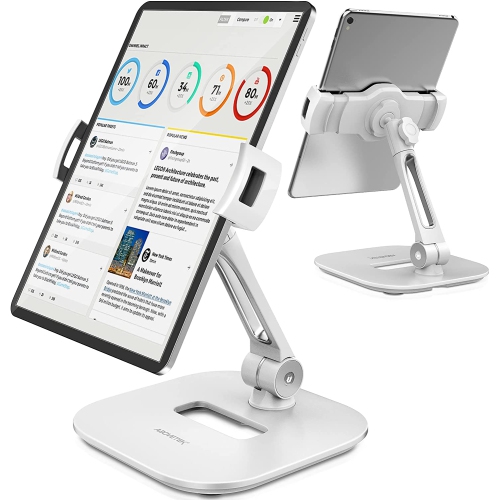
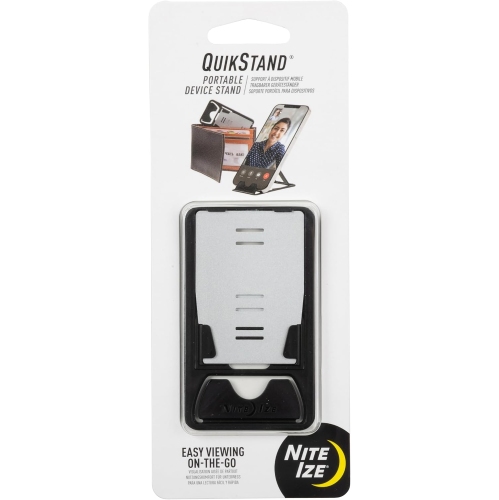
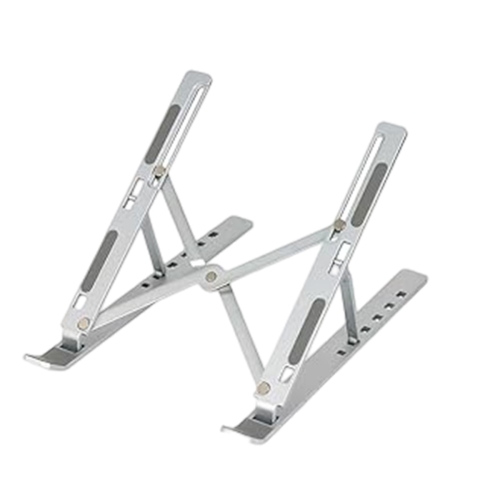
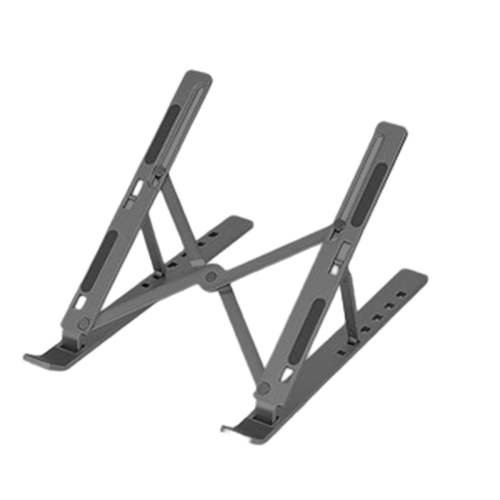
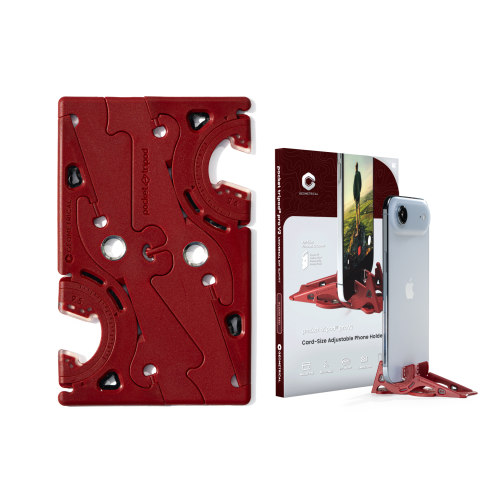
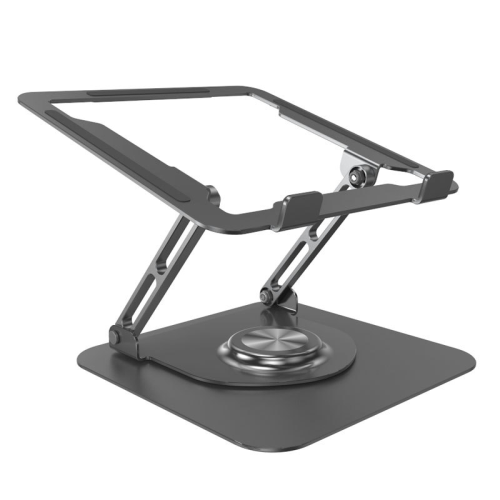
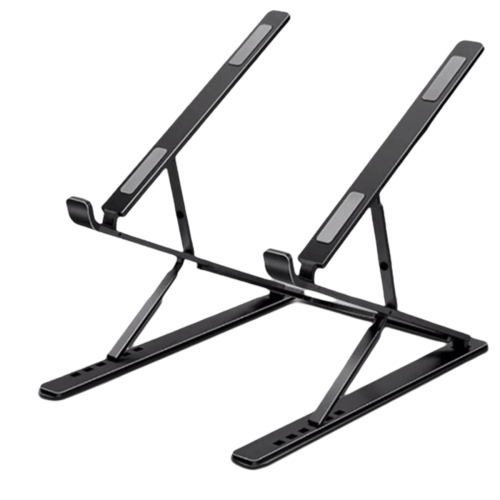

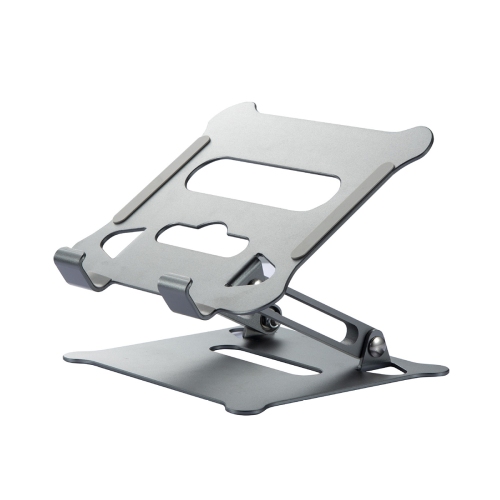
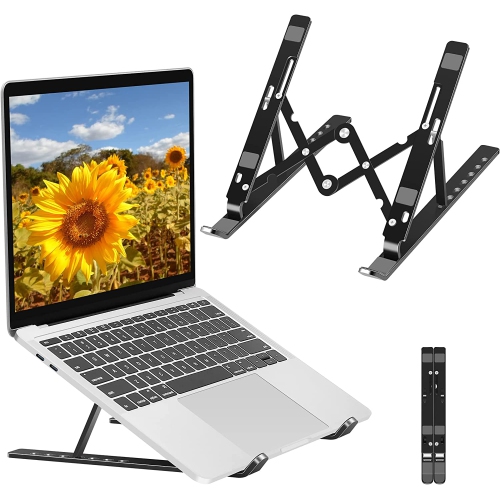


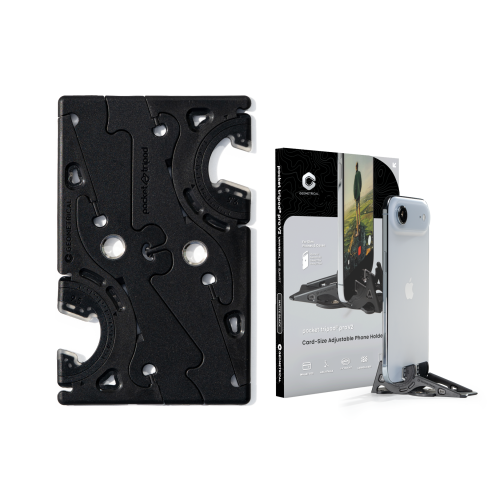
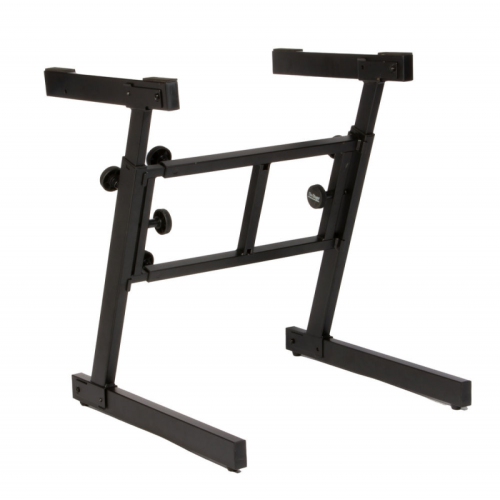
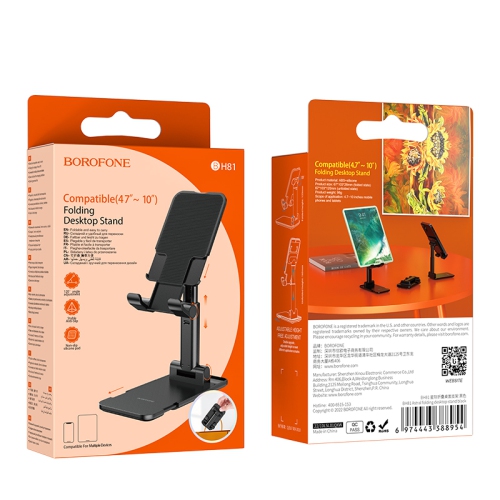
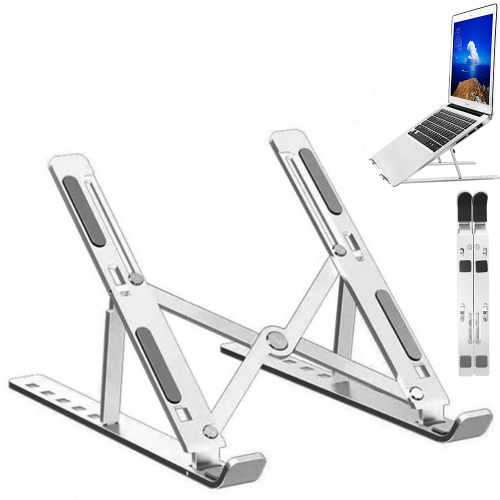



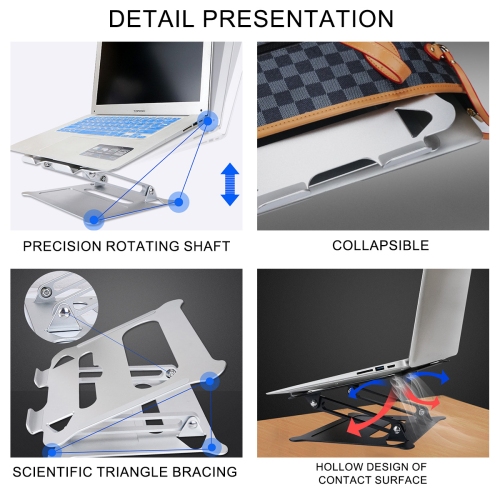
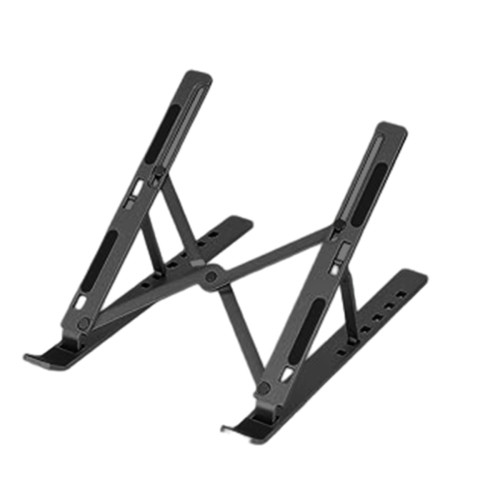
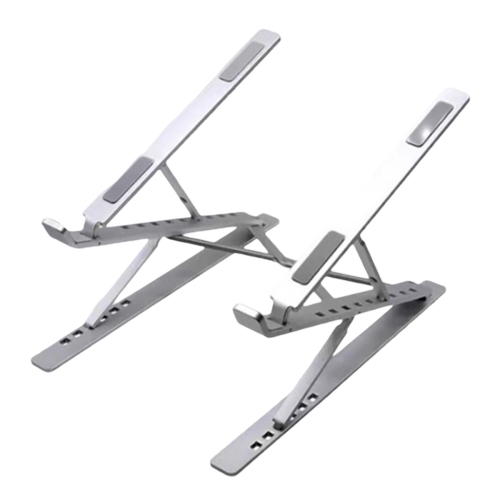

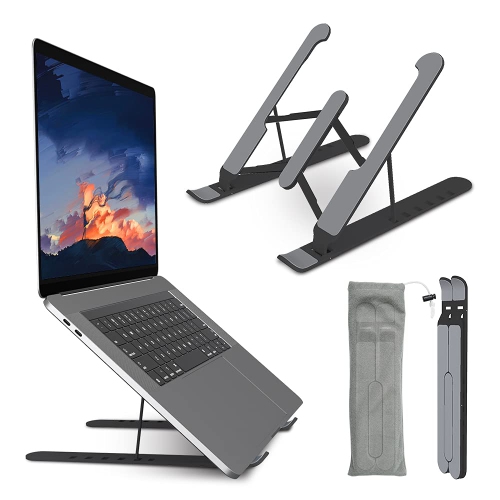
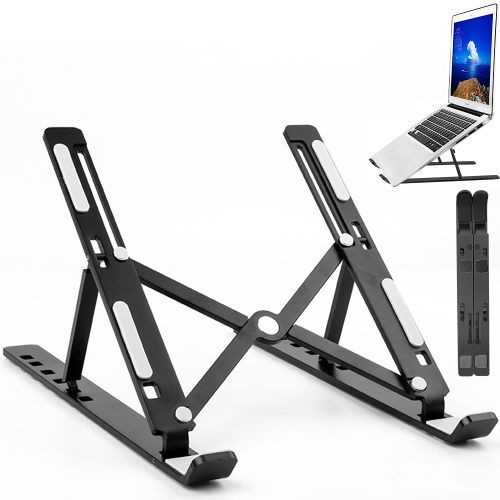
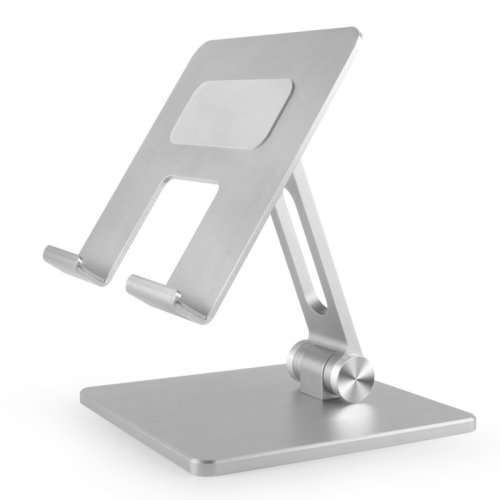





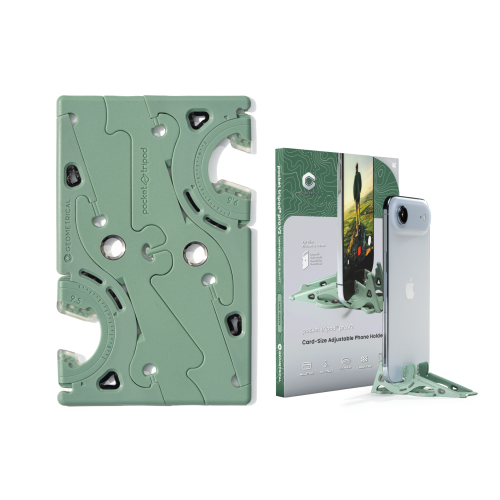
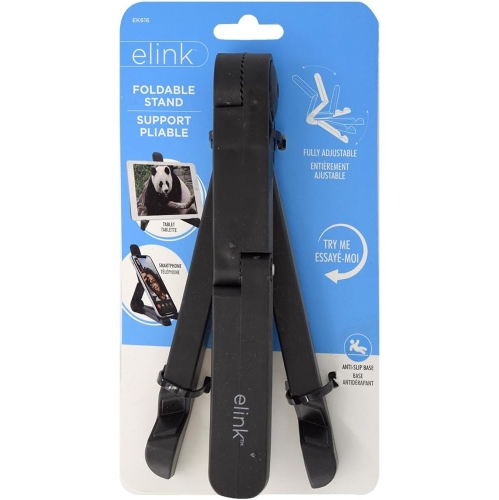
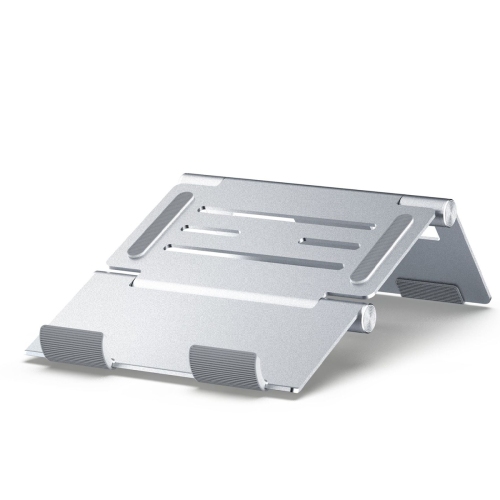
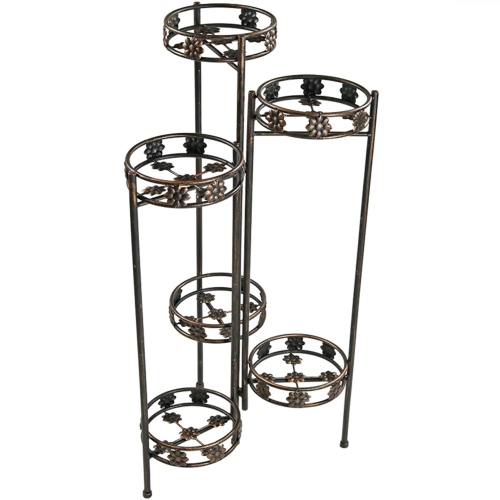
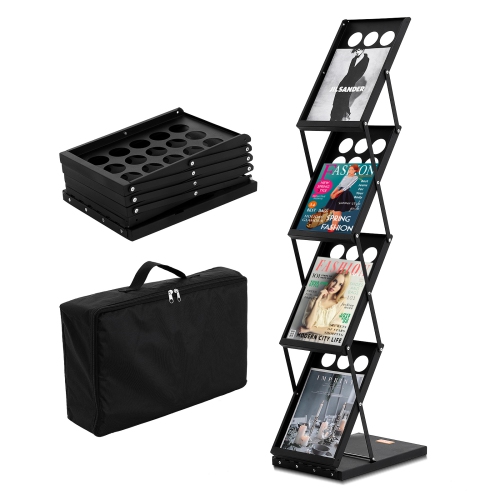
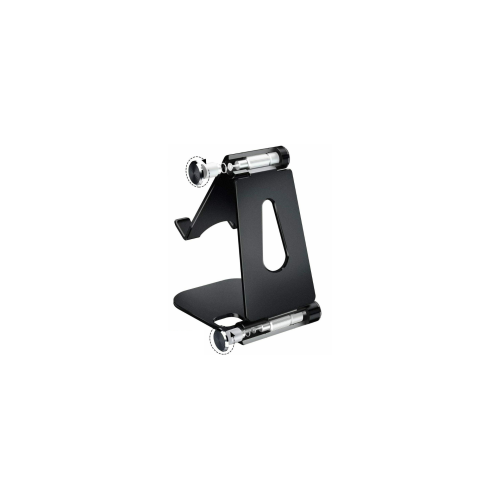

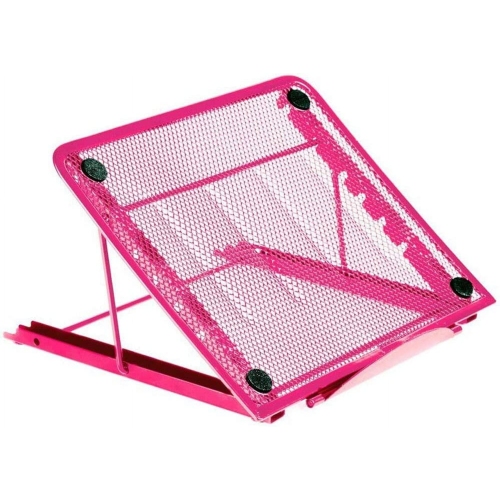
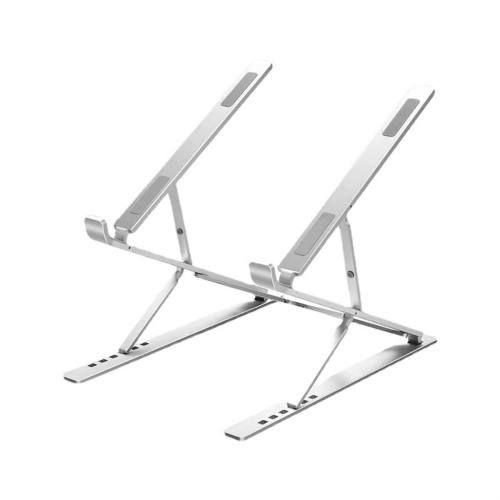






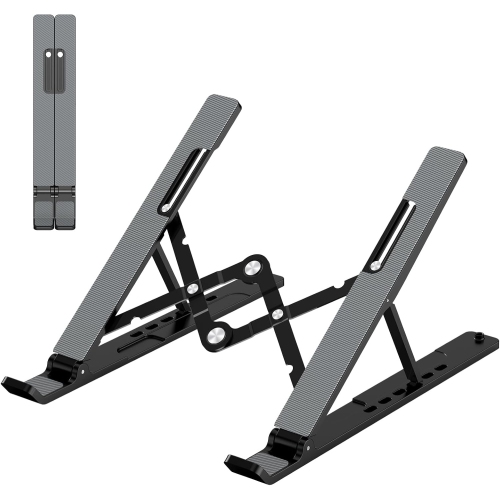
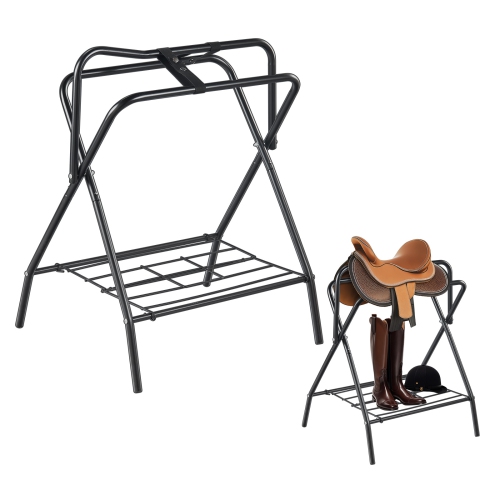
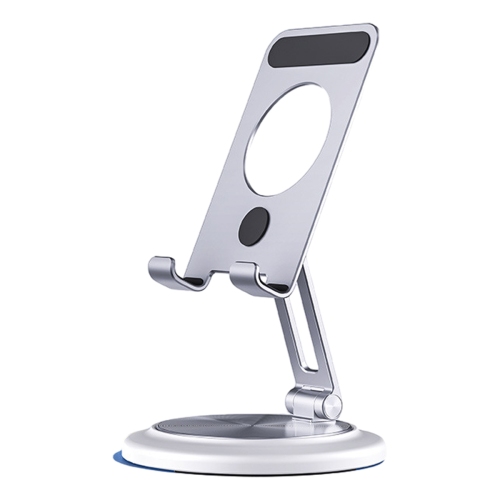
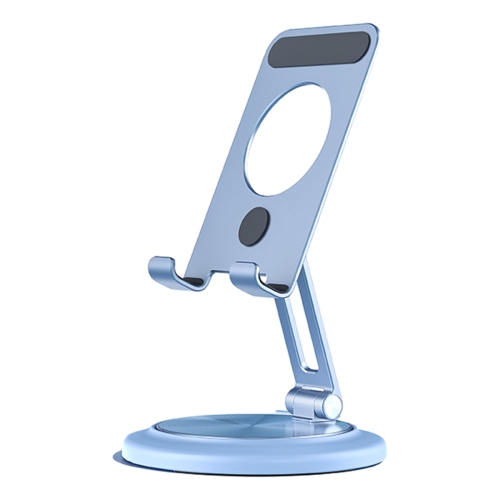
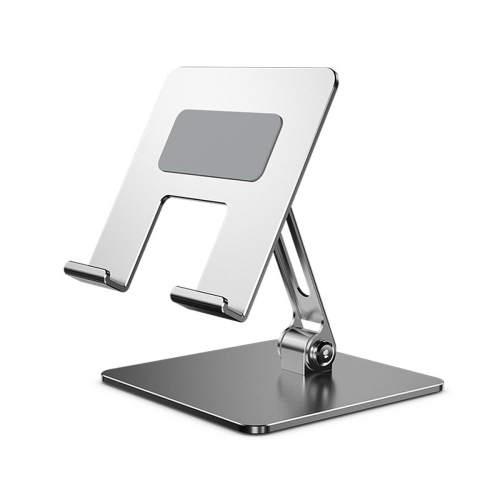
Stable support matters as much as compact storage
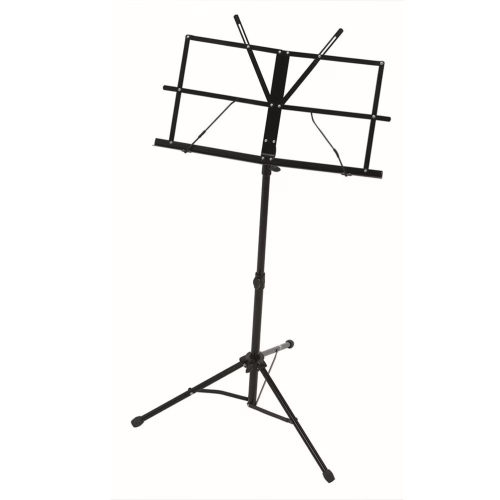
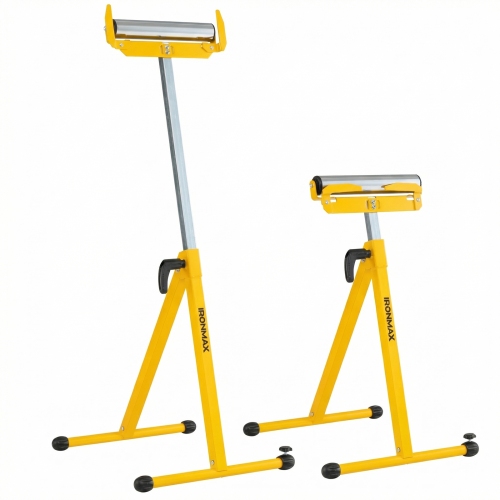
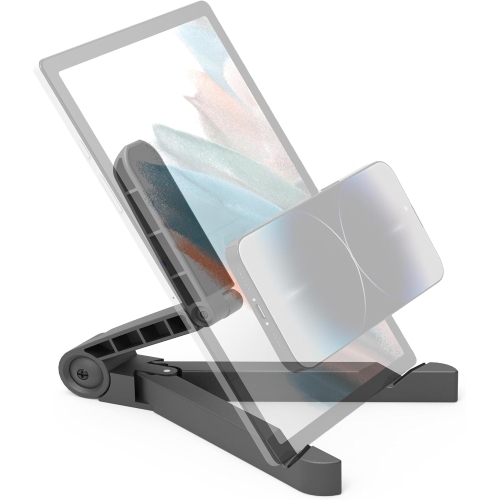
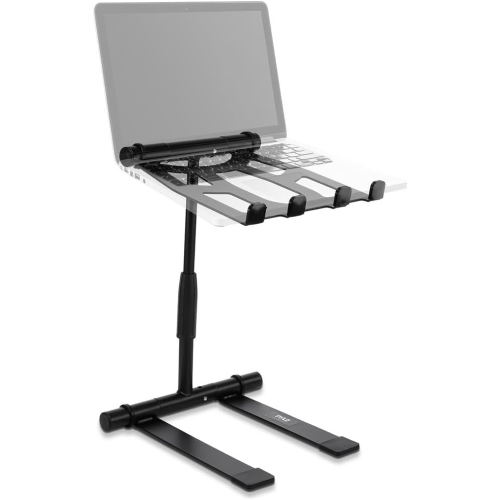
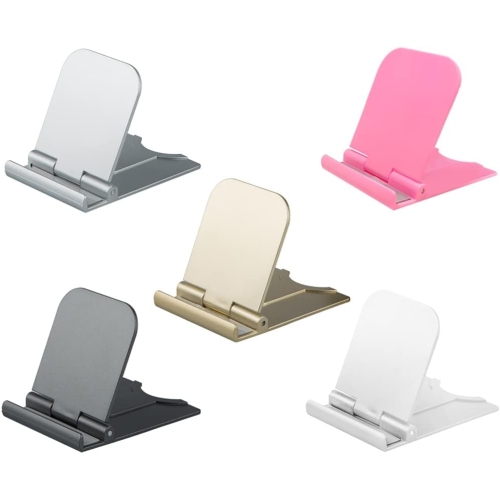
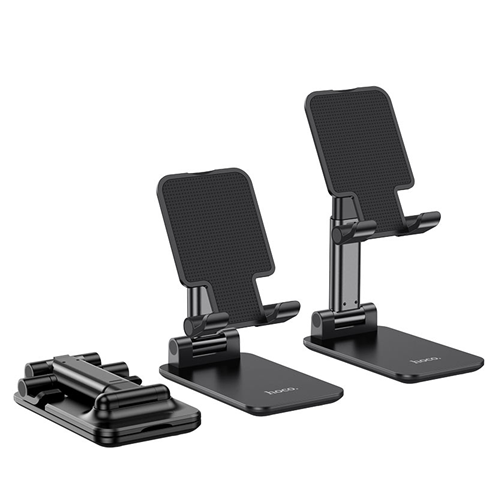
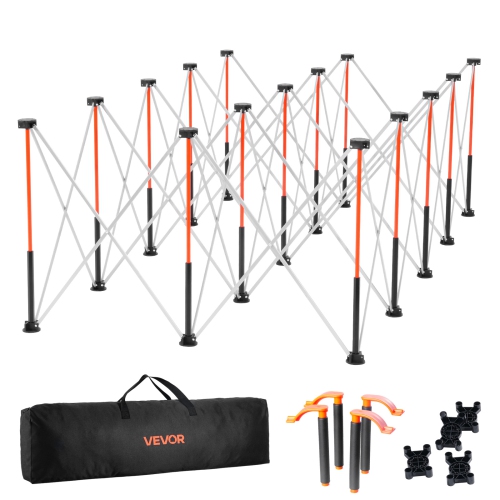
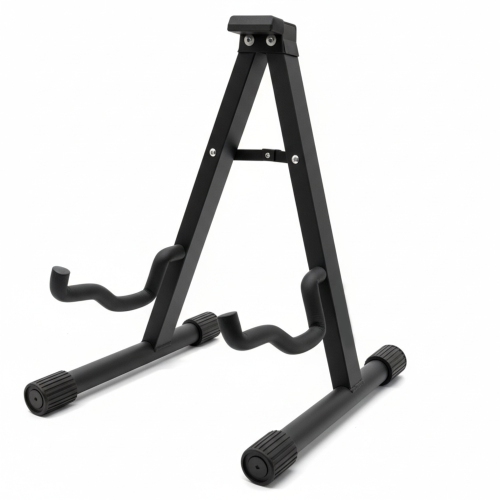
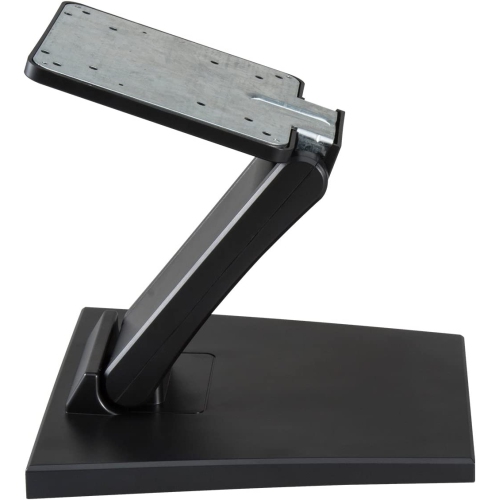
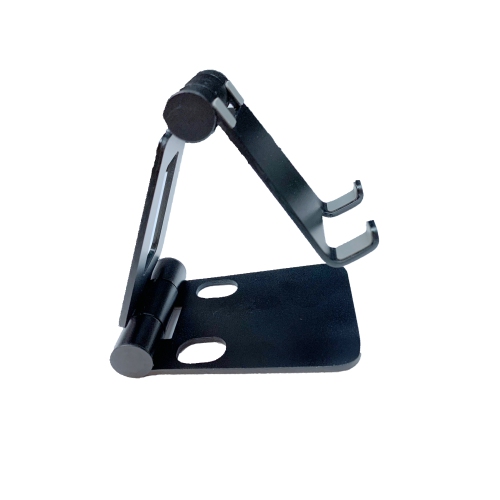
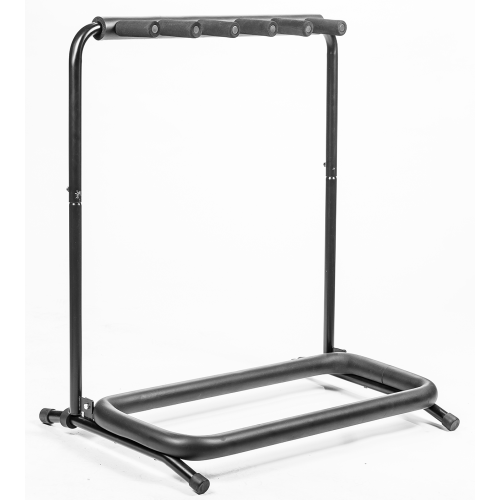
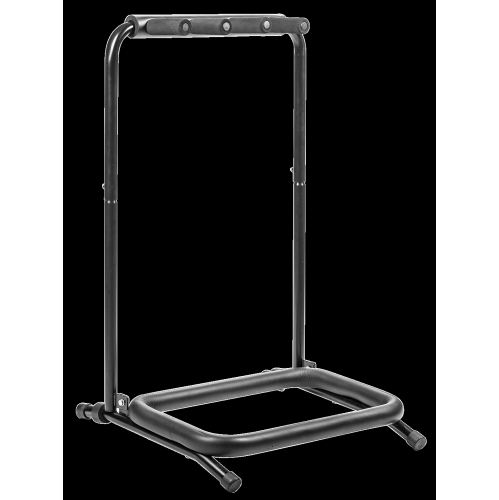
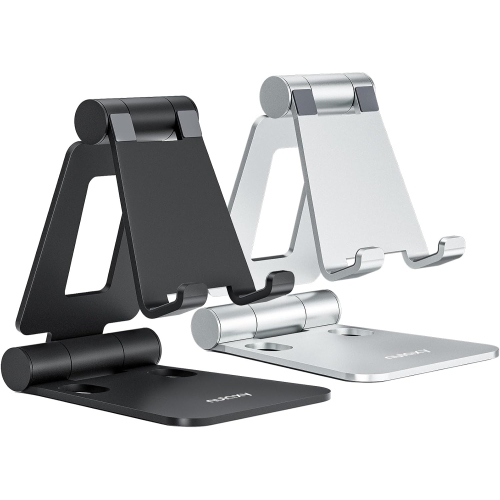
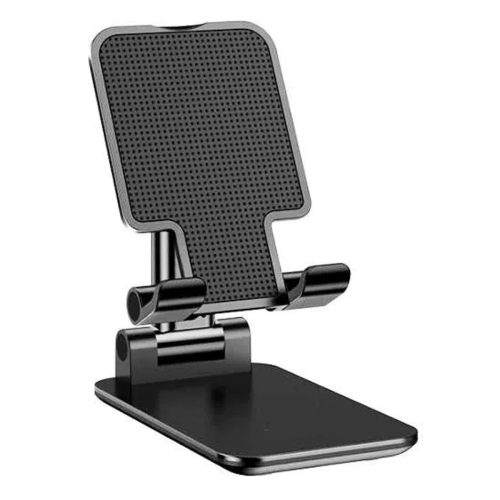
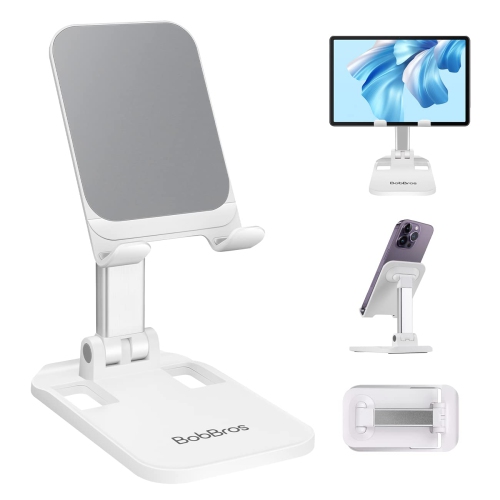
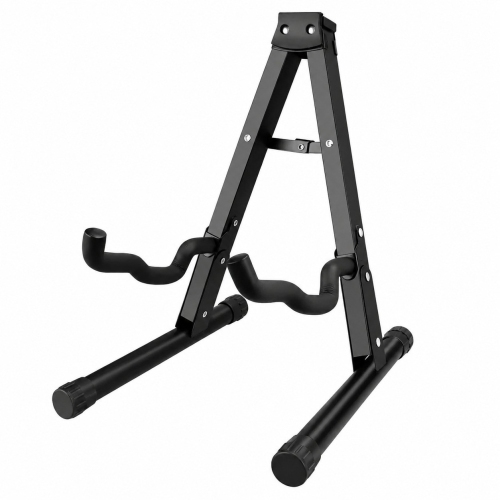
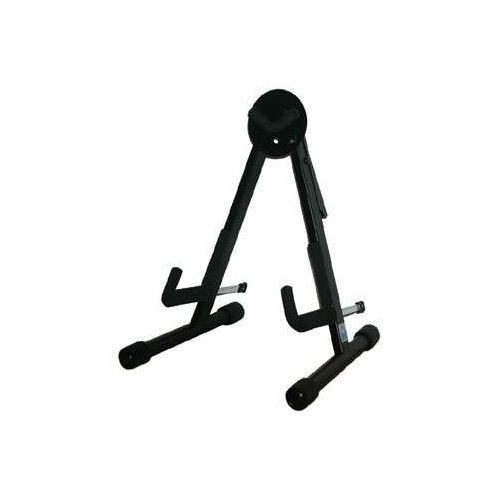
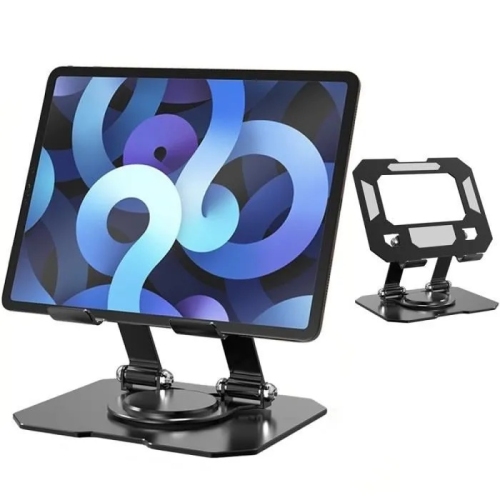
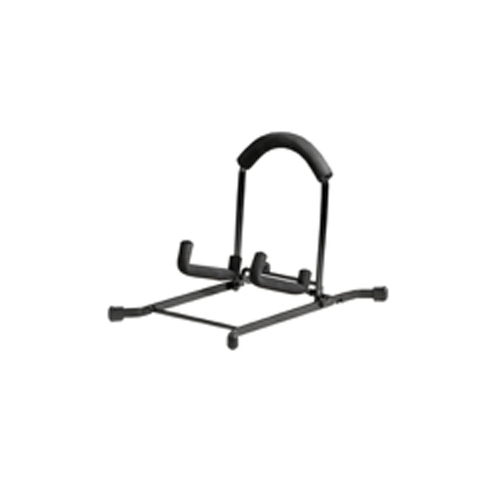
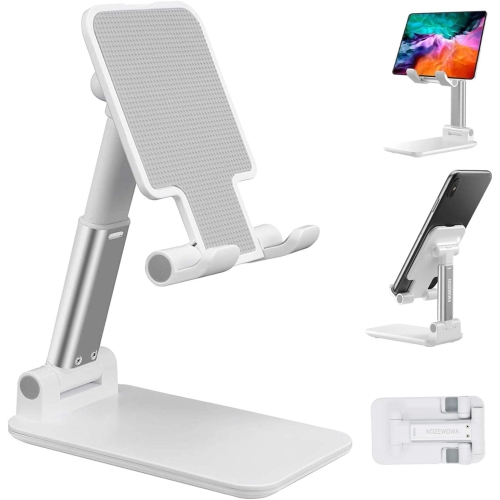
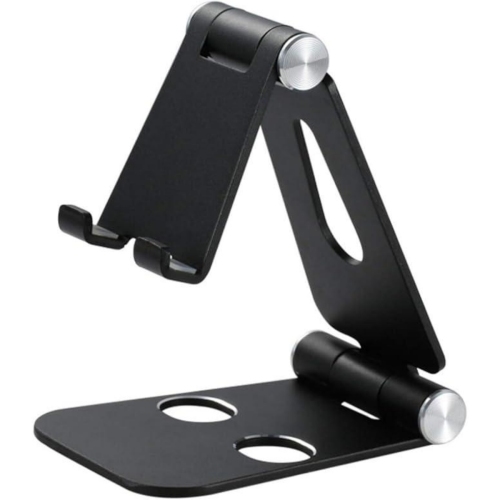
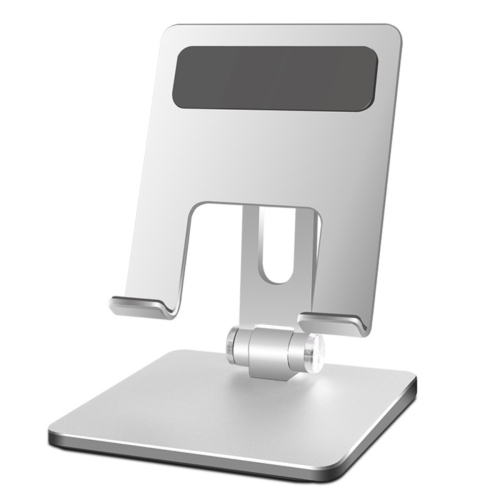
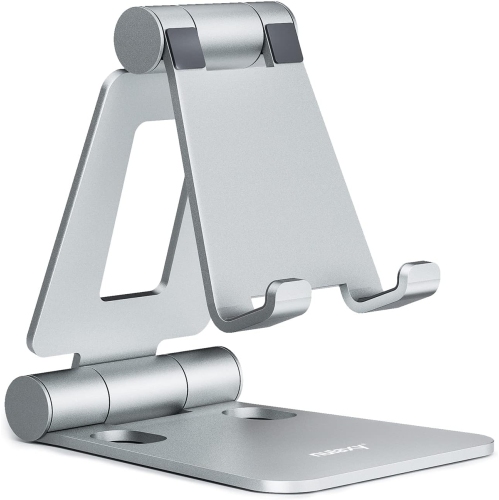
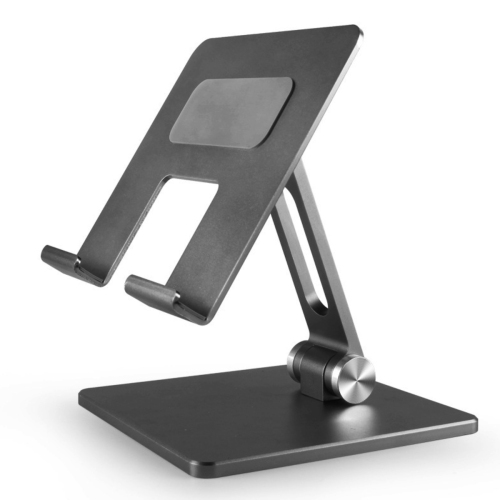
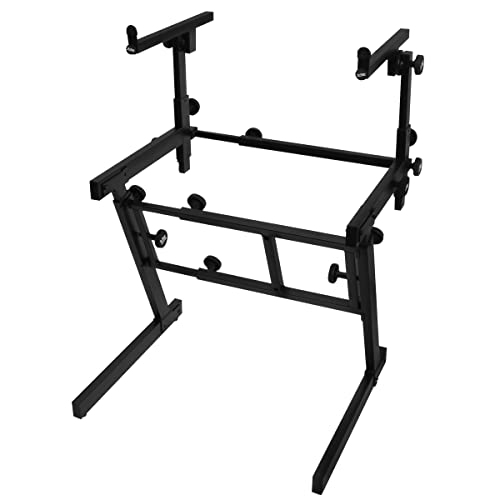
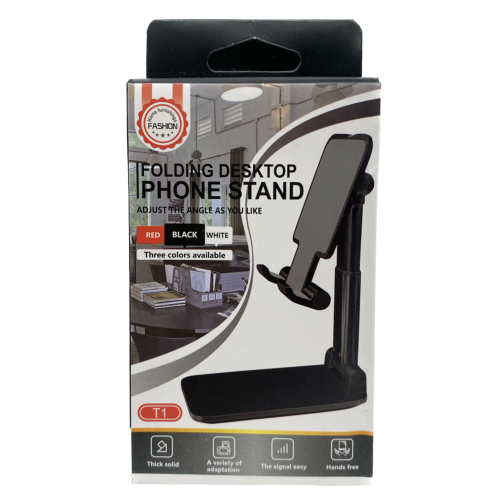
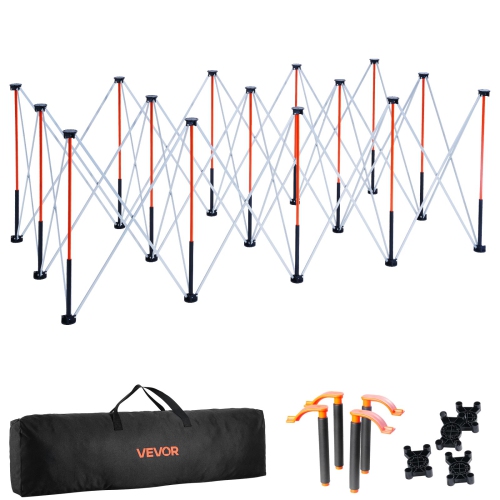
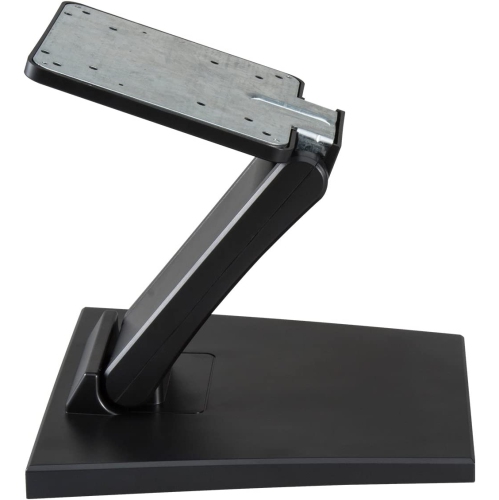
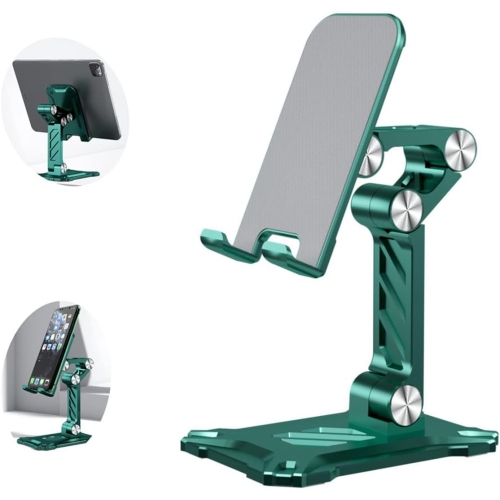
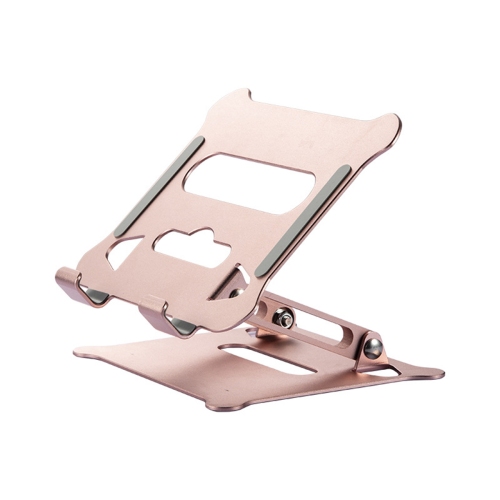
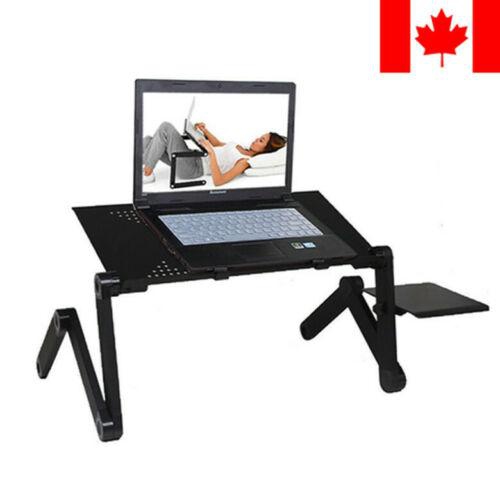
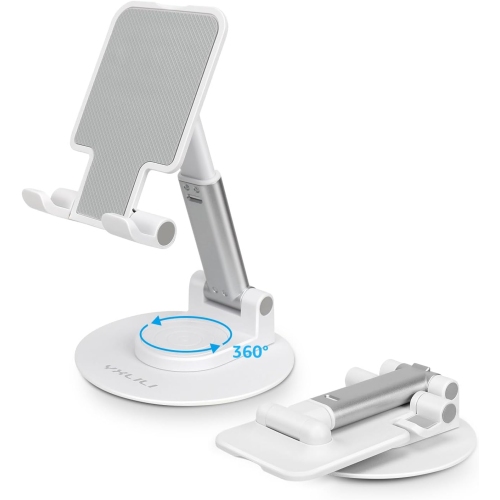
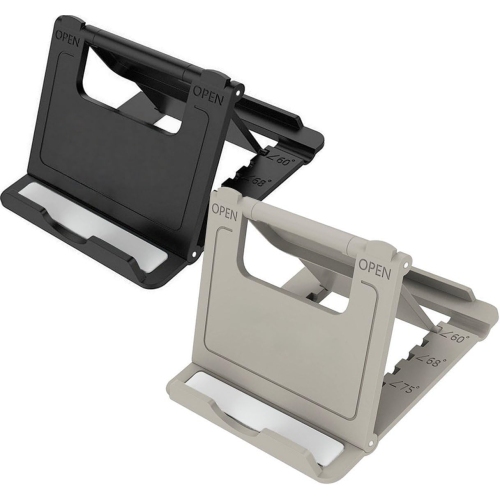
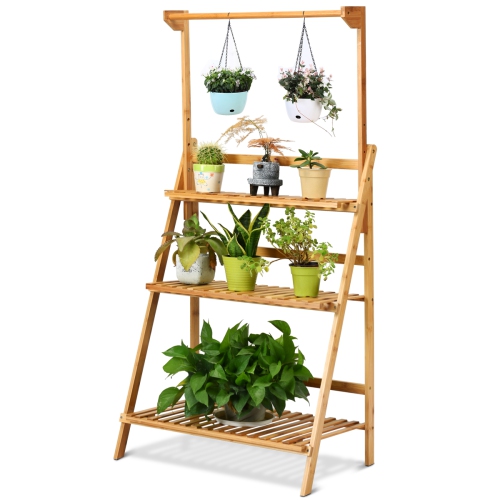
Folding stands are collapsible supports designed to hold equipment, displays, plants, or work surfaces, then fold into a smaller shape for storage or transport. Their defining feature is a hinged or jointed frame, but the way they support a load varies considerably by purpose. Display stands and folding easels typically hold signs, presentation boards, artwork, or printed information upright. Folding plant stands and ladder shelves arrange pots across one or more levels, adding vertical display space without requiring a permanent shelving installation. Device stands support laptops, tablets, or other compatible electronics at a raised height or viewing angle. Heavier folding work stands provide a base for compatible tools or worktops, with structural requirements that differ from those of a lightweight display support. These categories share the convenience of a collapsible design, but they are not interchangeable: the shape of the platform, the position of the supports, and the stated load capacity determine what each stand can safely hold. In a small home office, a compact stand can lift a screen off the desk while leaving room for a separate keyboard. At a reception desk or community event, an easel can keep a notice visible without taking over the counter. A tiered plant stand can bring several pots together in a reading corner, while a folding work frame can help create a temporary project area where permanent bench space is limited. Fit involves more than the width of the object being supported. Its depth, weight distribution, attachment points, and centre of gravity all affect stability. A tall sign needs suitable support against tipping, and a deep planter needs enough shelf space to sit fully within the supporting surface. The dimensions of both the open stand and its folded form also matter, especially when it must pass through a doorway, travel in a carrying bag, or slide into a cupboard between uses.
Materials and construction influence how a folding stand feels in daily use, how easily it travels, and how much care it needs. Aluminum frames are often relatively light, making them practical for carrying between rooms or packing alongside presentation equipment. Steel frames can provide a more substantial structure, although a heavier frame alone does not establish its load rating or resistance to tipping. Wood and bamboo bring a warmer appearance to plant displays and living spaces, while plastic components may appear in feet, adjustment knobs, hinges, or compact device supports. The quality of the joints is particularly important because folding designs move repeatedly at the same points. Secure fasteners, smoothly operating hinges, and positive locking mechanisms help a stand maintain its intended shape when opened. Rubber or silicone contact pads can improve grip and reduce contact marks, though their condition and compatibility with the supporting surface still matter. Adjustable legs may help on slightly uneven floors where the design permits, but a level, firm surface remains the soundest foundation. Height and angle settings should stay in place under the intended load, without relying on makeshift wedges or improvised attachments. For multi-tier stands, the stated capacity may apply separately to each shelf or to the entire frame, so that distinction matters when arranging heavier objects. Care usually centres on keeping contact surfaces clean, removing dust from joints, and checking for loose hardware or damaged feet. A soft cloth is often sufficient for routine cleaning, with any cleaning solution matched to the material and finish. Plant stands benefit from drip trays and prompt attention to spilled water, particularly around wood edges, metal joints, and shelf seams. Electronics supports should be dry before a device is placed on them. Folding and unfolding an unloaded stand helps keep weight from shifting unexpectedly, and fingers should remain clear of closing hinges. Regular inspection is especially useful for stands that are transported frequently or opened and closed throughout the day.
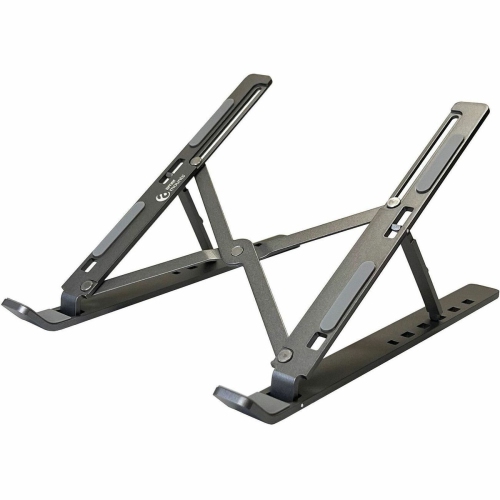
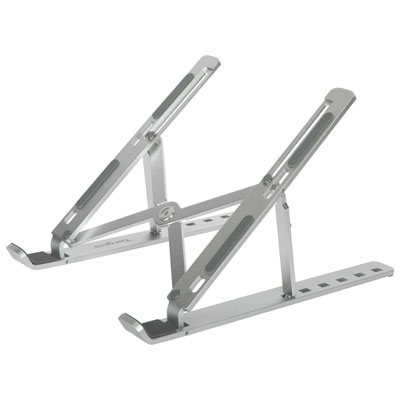
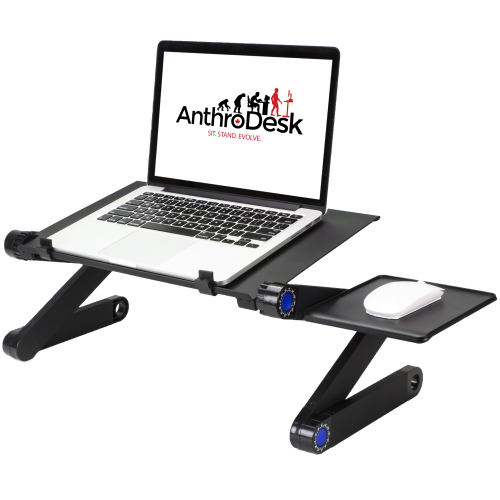
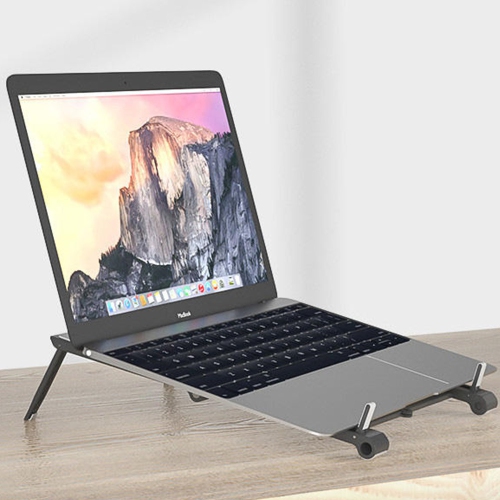
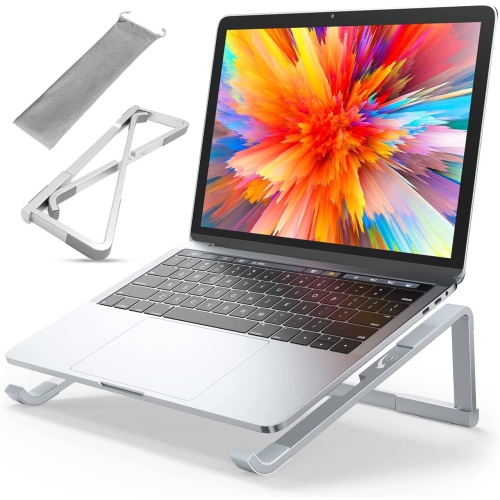
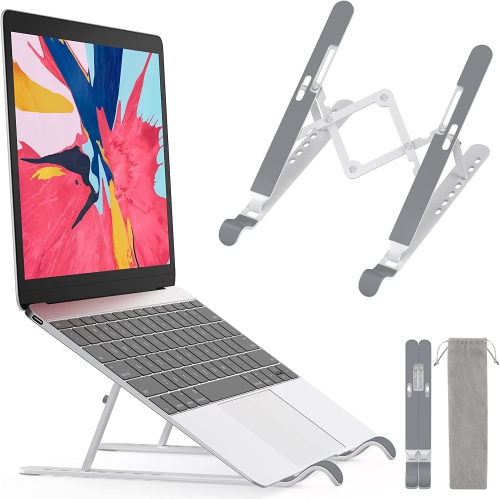
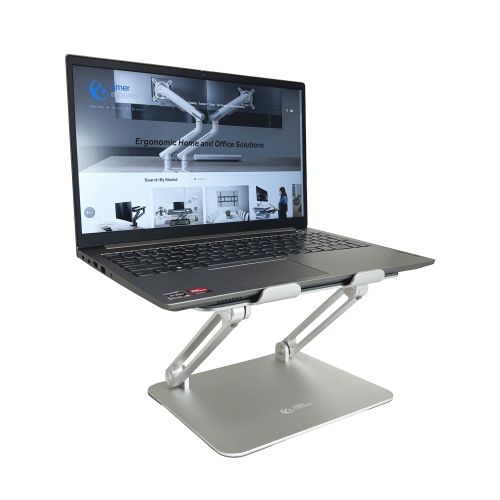
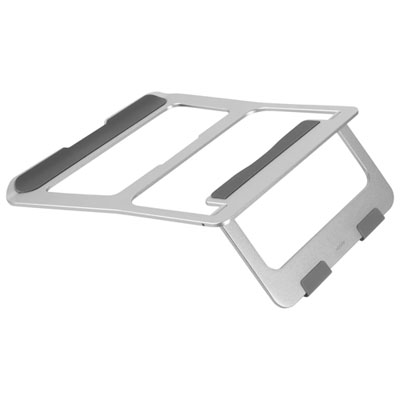
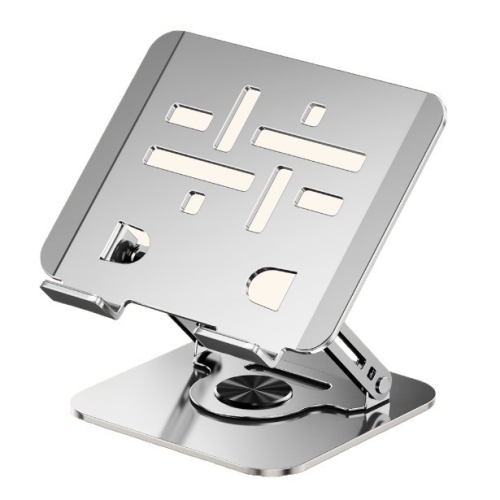
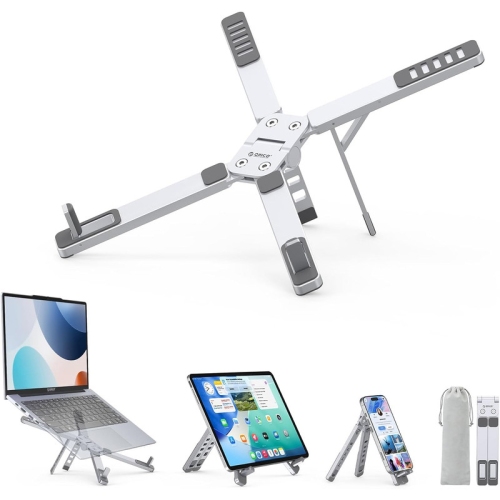
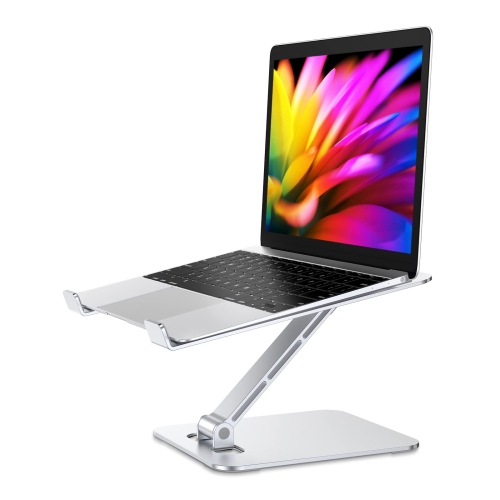
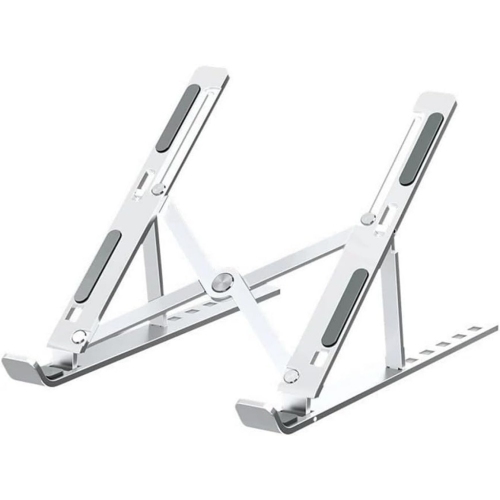
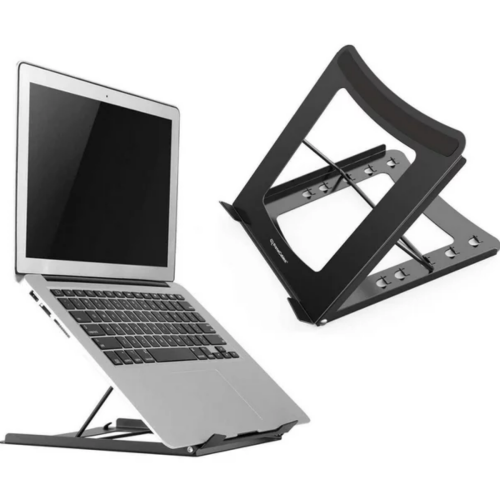
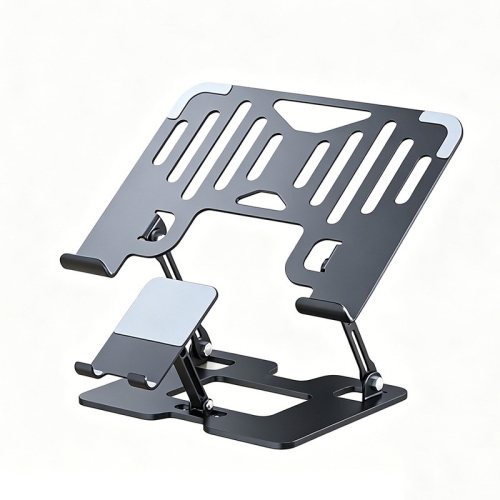
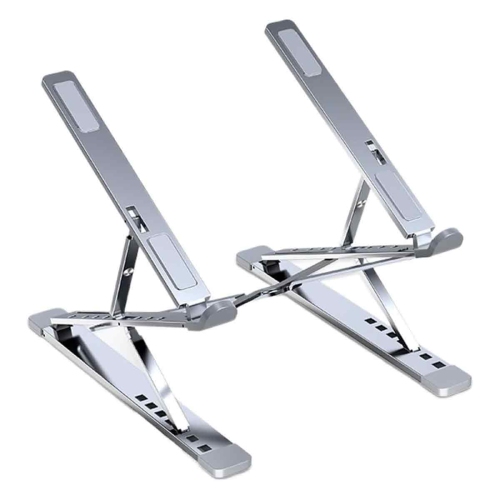
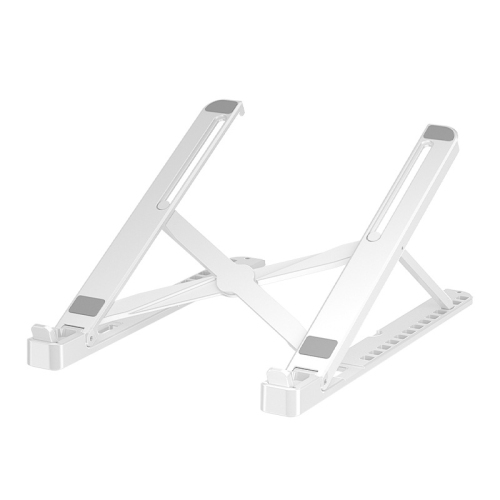
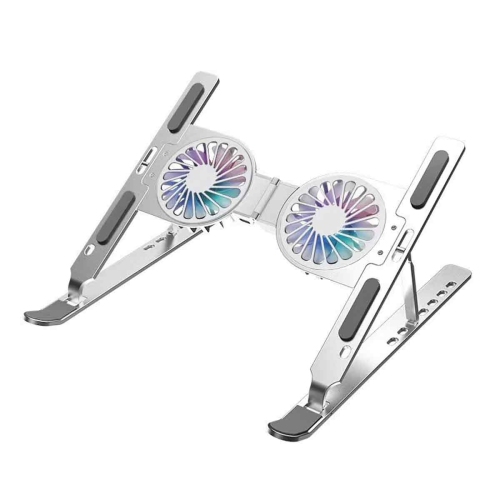
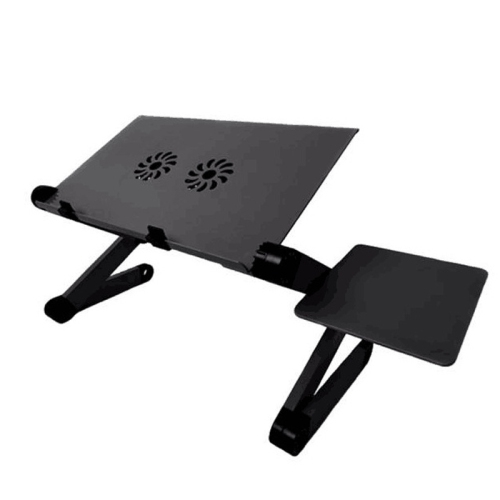
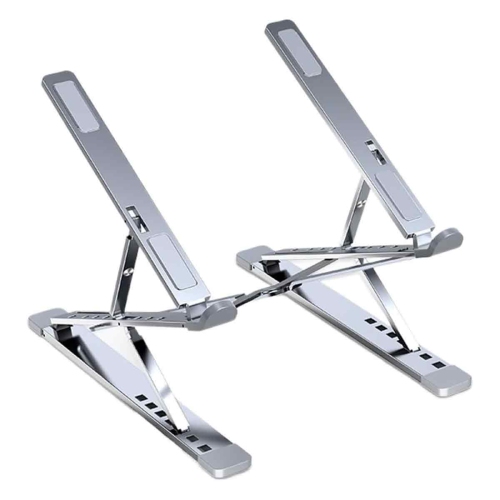
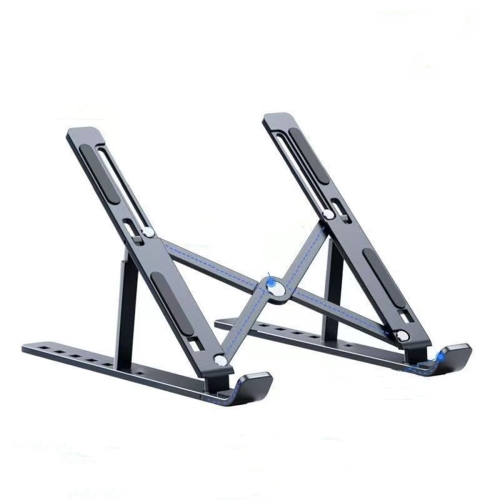
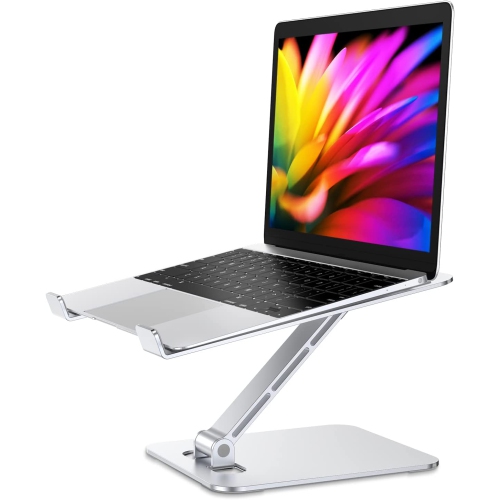
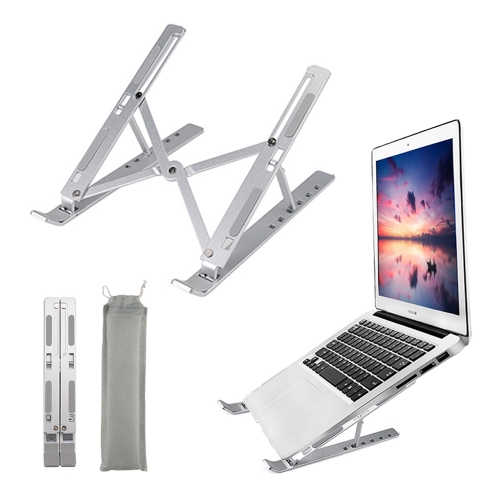
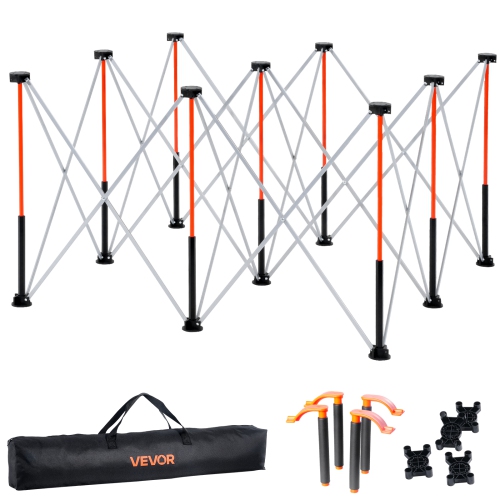
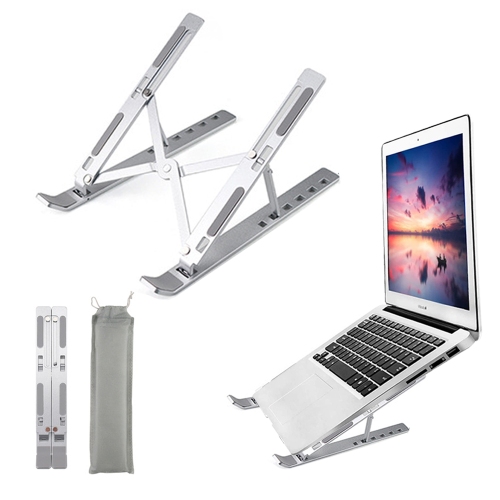
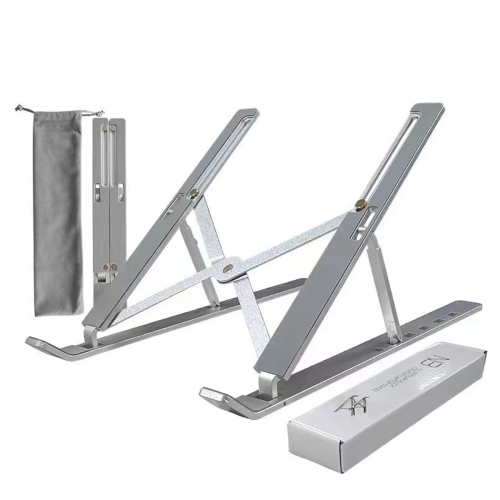
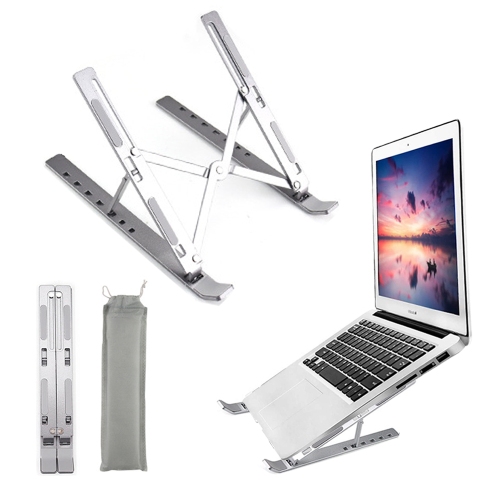
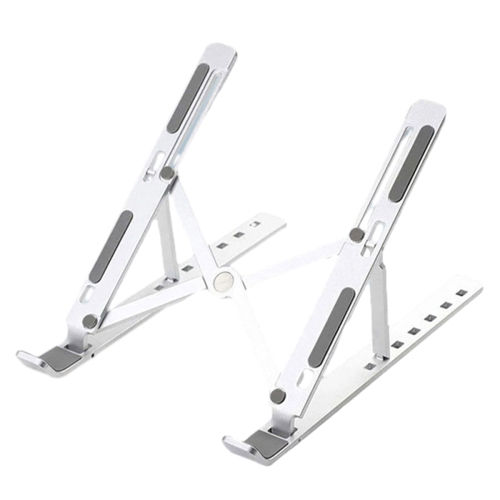
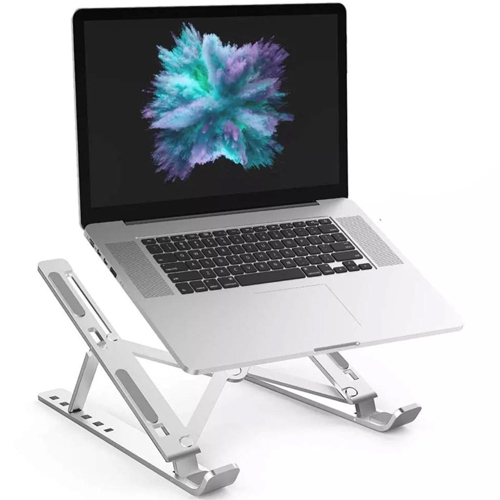
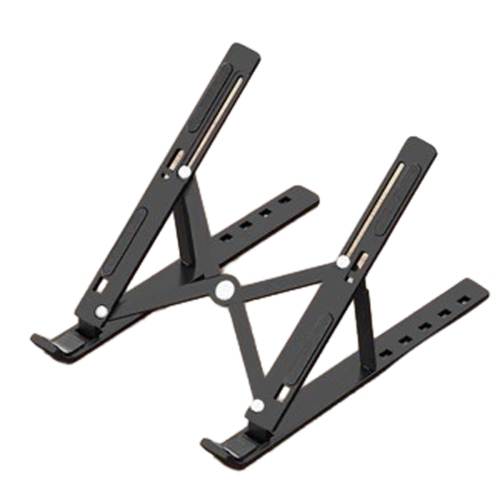
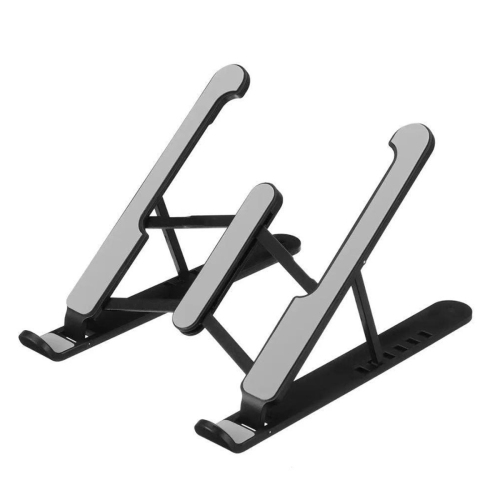
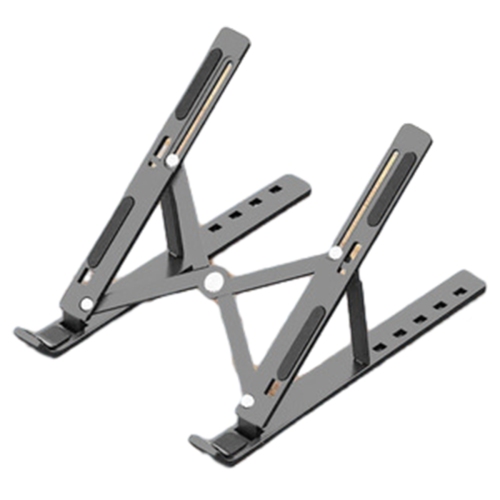
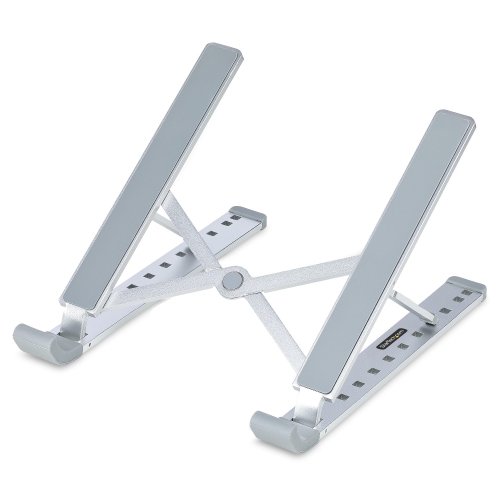
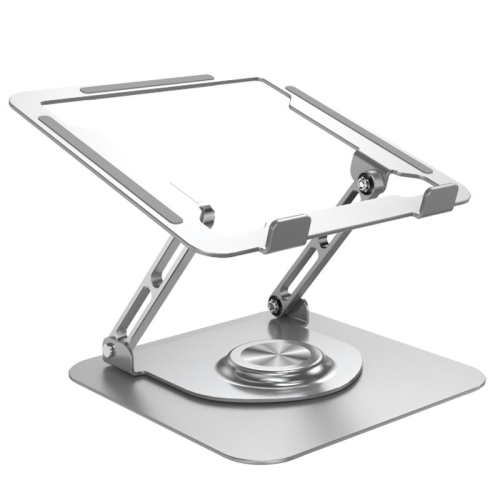
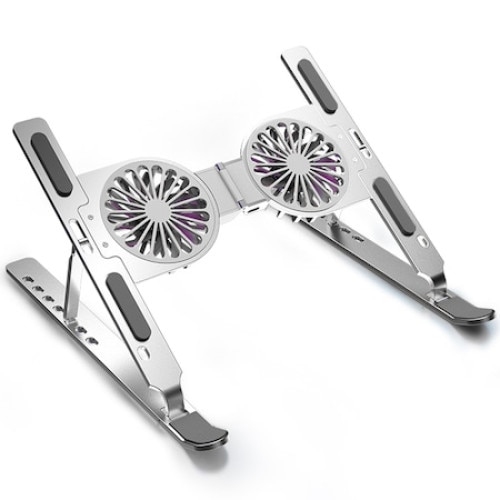
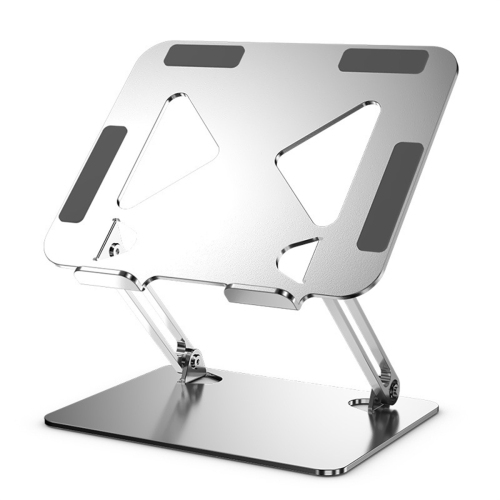
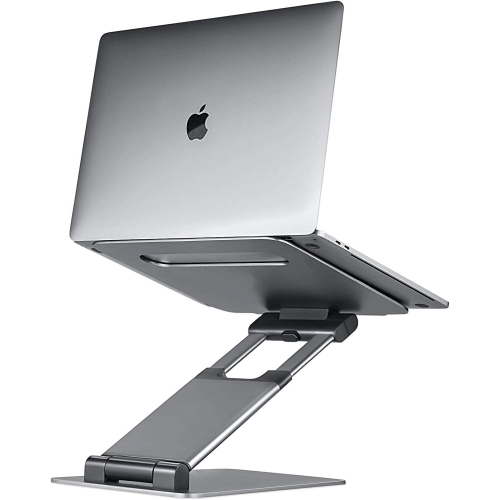
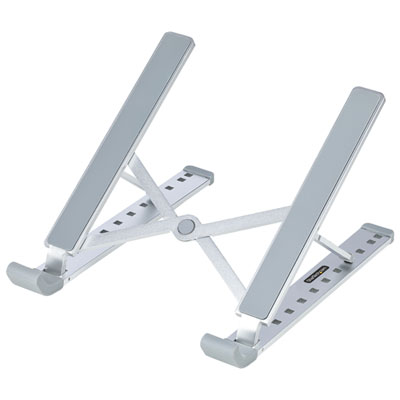
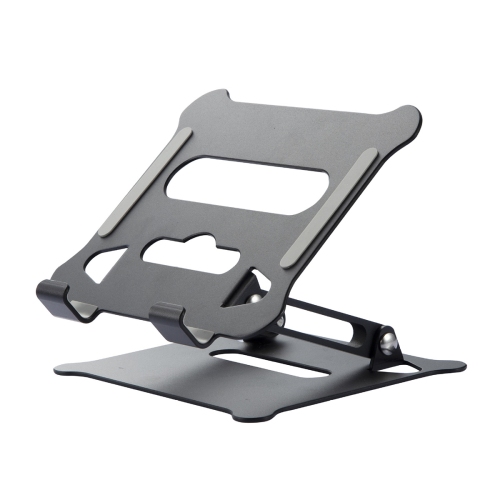
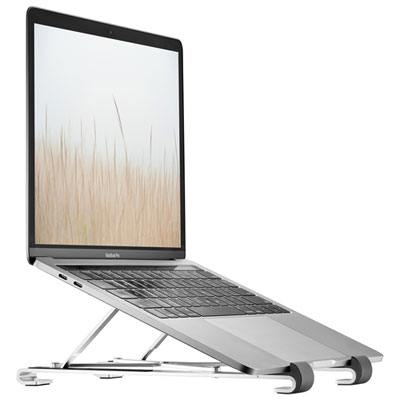
For portable desk setups, foldable laptop stands offer a focused option within the wider folding stand category. Their platforms, support arms, or raised rails are designed around a notebook computer rather than a poster, planter, or worktop. Compatibility depends on the laptop’s dimensions and weight, along with the placement of its vents, ports, and underside supports. An open-frame design may leave more of the underside exposed to air, but it should not obstruct ventilation or be treated as a guarantee of lower operating temperatures. A retaining lip can help keep a laptop in position at an incline, provided it does not interfere with opening the screen or using the keyboard. For longer sessions, a separate keyboard and mouse can make a raised screen more practical by allowing the hands and display to sit at different heights. A student moving between a study desk and a shared table may value a slim folded profile, while someone carrying equipment to meetings may place more importance on a secure hinge and a protective carrying sleeve. Other folding stands serve similarly distinct routines. A display easel with adjustable holders can accommodate different board sizes, but the sign’s thickness and orientation still need to match the supports. A plant stand needs usable spacing between tiers so leaves and pots are not crowded, as well as a stable arrangement that keeps heavier loads low where the design allows. A folding work stand needs the correct mounting arrangement and load rating for its intended equipment; a general-purpose display frame is not a substitute. Storage details can be just as noticeable as performance during use. A frame that closes neatly, keeps its loose parts together, and has no awkward protrusions is easier to tuck away in a shared space. Folding stands can also make practical gifts for students, presenters, plant enthusiasts, or people setting up a flexible workspace, provided the recipient’s equipment, available space, and intended use are known. The most useful design is one whose support, adjustment, and folded size suit the task it will perform repeatedly.
Top selling and popular products
-
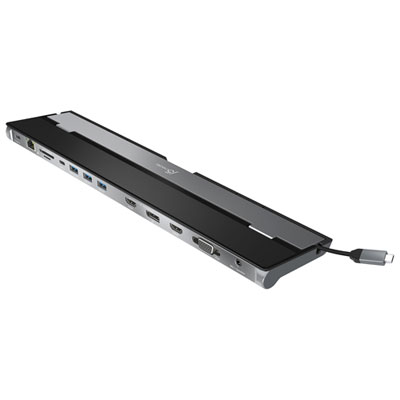 Your price for this item is $149.99
-
 Your price for this item is $69.99
-
 Your price for this item is $44.99
-
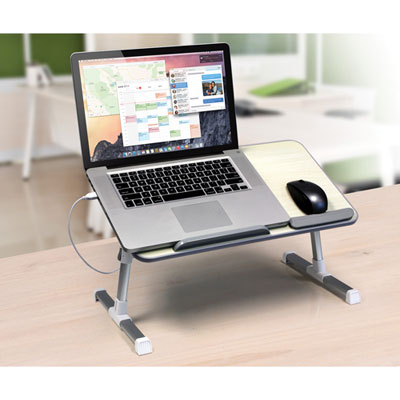 Your price for this item is $59.99
-
 Your price for this item is $96.61
-
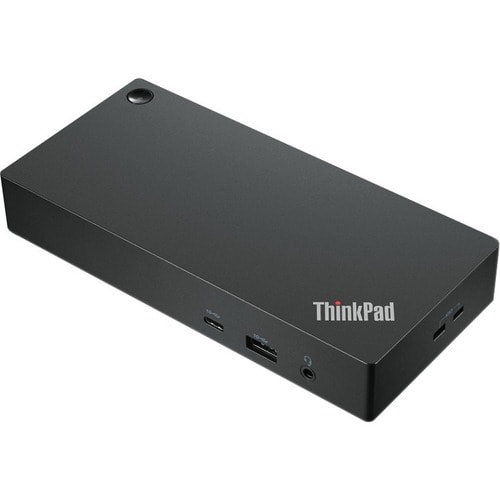 Your price for this item is $179.99
-
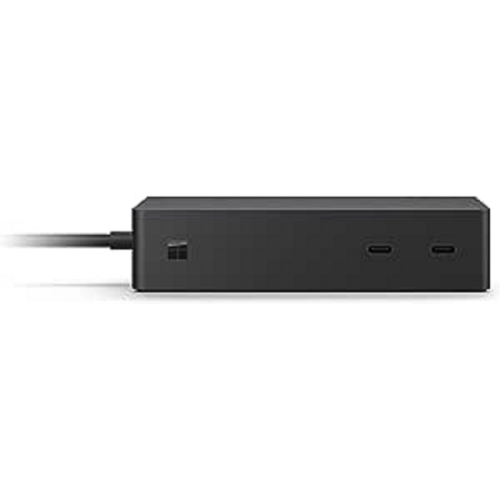 Your price for this item is $209.99
-
 Your price for this item is $89.99
Discover more categories related to Folding Stands
Top Collections:
Best Black Friday Deals This Year, Best Black Friday Deals On Electronics, Kindle Devices, Best Black Friday Deals On Apple Products, Best Budget Office Chairs, Best Cameras for Sports Photography, Dyson Airwrap, Canon G7X Cameras, Best Laptops for Writers, Samsung Galaxy Phones
Some products may be subject to Environmental Handling Fees
(EHF) depending on your province.
Learn more about EHFs.