Gifts for Animation Artists
Gifts for animation artists are all about sparking creativity and supporting their passion for bringing stories to life. Whether shopping for a seasoned professional or an aspiring animator, you'll find a wide selection of thoughtful options designed to inspire and equip them for their next project. Explore tools, devices, and accessories that help fuel imagination and streamline the animation process. With the right gift, you can encourage their artistic journey and make every creative session even more enjoyable.
Sort
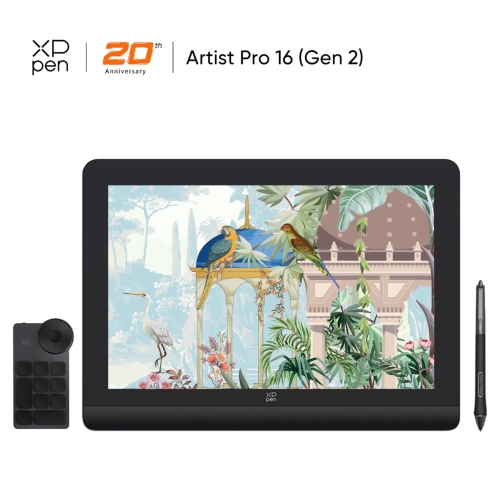
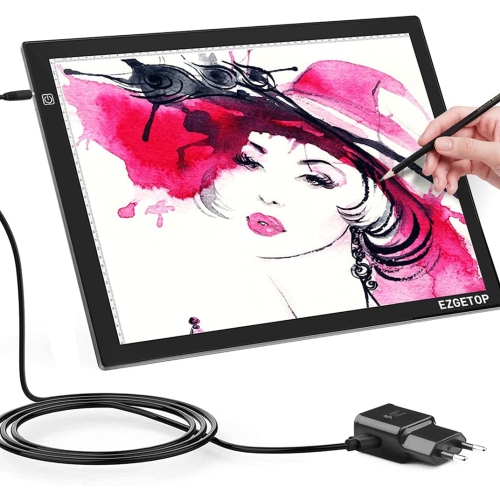
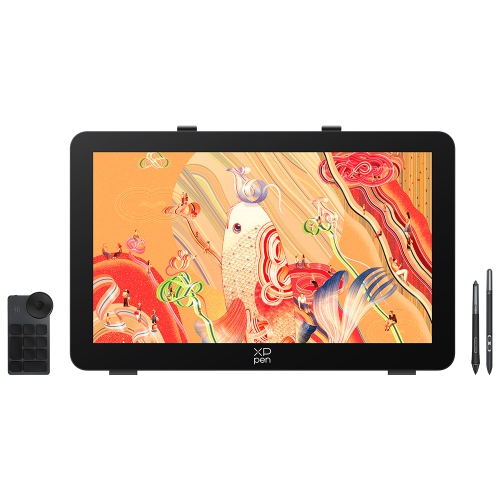

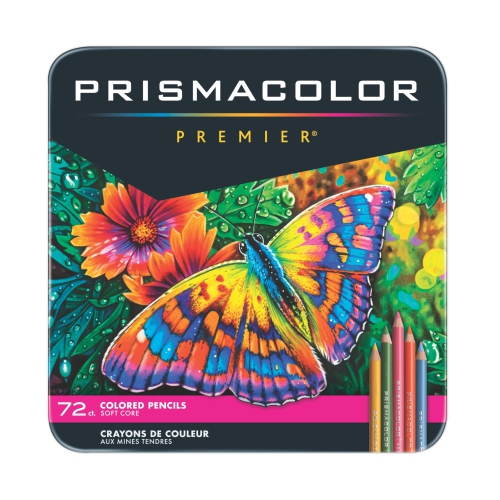
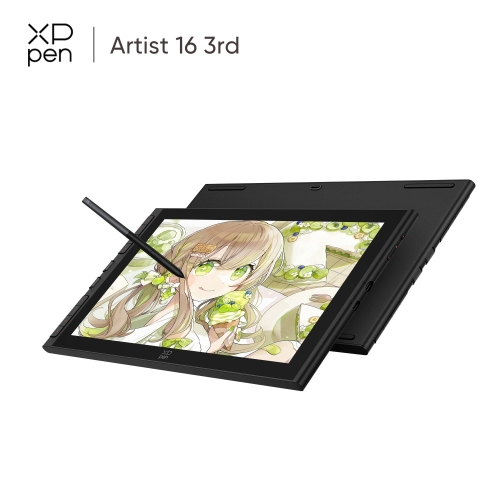
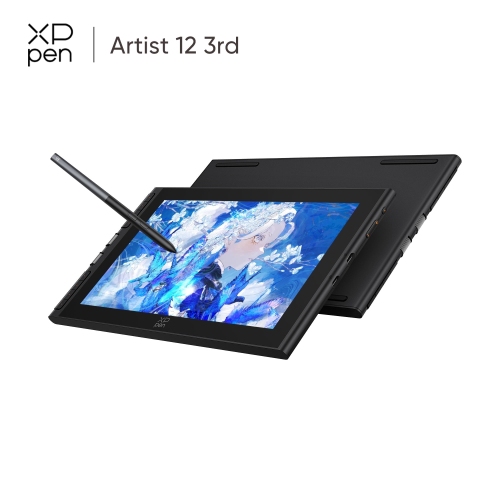
Thoughtful gifts for the work behind every frame
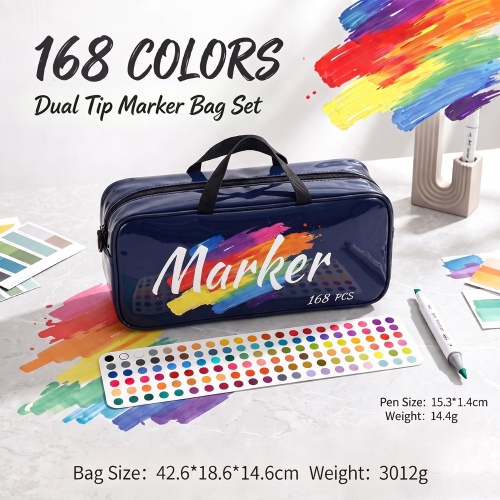
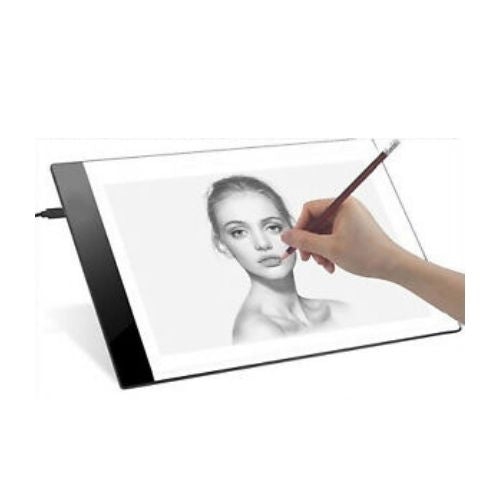
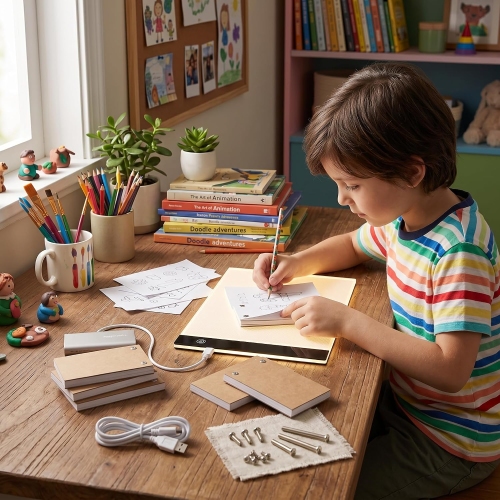
Gifts for animation artists often centre on reference books, drawing tools, digital hardware and practical studio accessories. Their value comes from how naturally they fit into the recipient’s creative process, whether that means sketching expressive faces, refining a character’s walk or moving a miniature figure one frame at a time. Animation combines observation, storytelling and technical control, so useful gifts can support both everyday practice and more ambitious projects. Reference books on timing, spacing, anatomy and character performance give artists material to revisit as their skills develop. Clear diagrams and sequential illustrations are particularly helpful for understanding how a pose changes across frames, while books exploring storyboarding and visual composition can support the planning behind a finished scene. A durable binding that opens comfortably on a desktop makes a reference book easier to consult during a drawing session. Sketchbooks and traditional drawing supplies serve a different but equally familiar role: capturing a gesture before it disappears or testing several expressions without opening a digital file. Paper texture, weight and binding affect how these materials feel in use. Smooth paper suits fine pencil lines, while heavier sheets may better tolerate repeated erasing or light washes, depending on the medium. A compact sketchbook can travel to a life-drawing session; a larger format leaves room for character turnarounds and sequences of poses. Protective cases help keep drawing tools organized and prevent delicate tips from being damaged in a bag. For students, hobbyists and working artists alike, these gifts can become part of a daily routine rather than something reserved for a special project. A student developing a portfolio may use them to practise believable movement, while an experienced animator might fill pages with thumbnails before committing to a scene. Even an artist who works almost entirely on a computer can appreciate a place to work through a stubborn pose by hand. The connection to the artist’s preferred medium matters more than novelty, particularly when a gift supports a technique they already enjoy exploring.
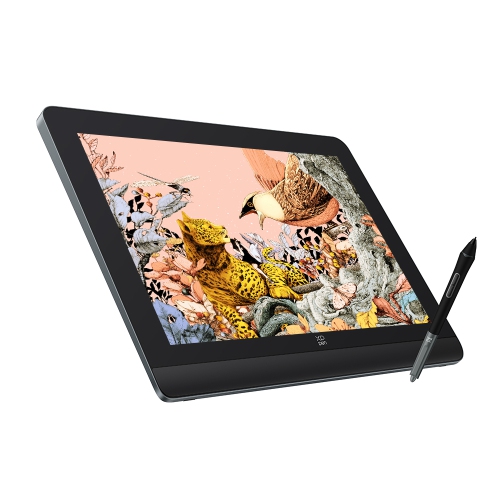
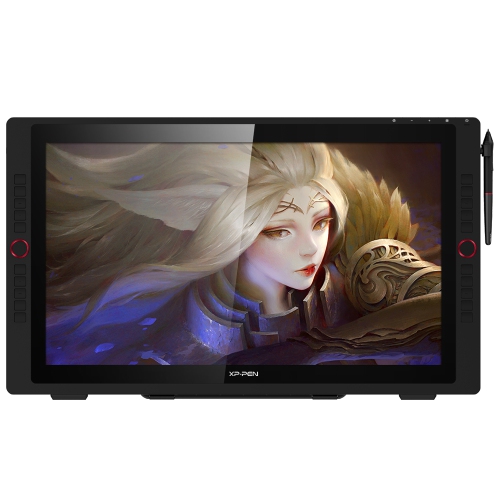
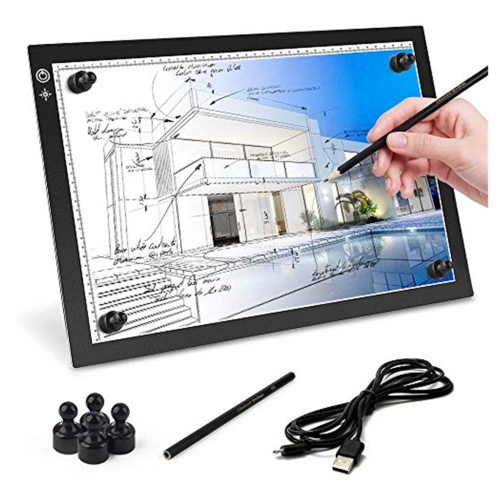
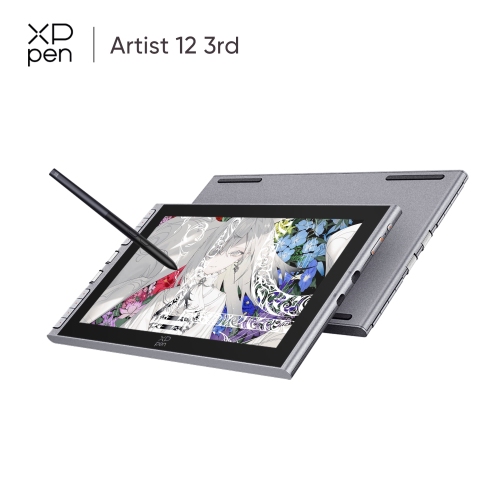
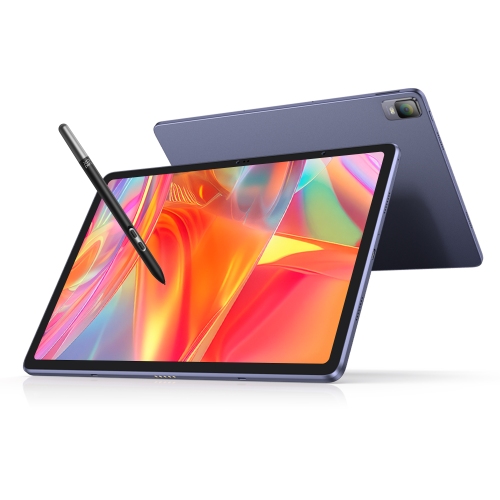
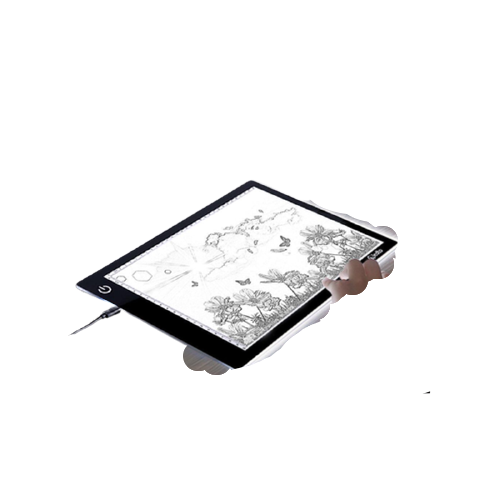
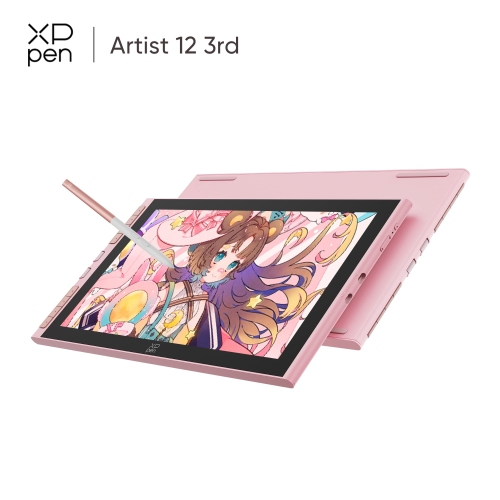
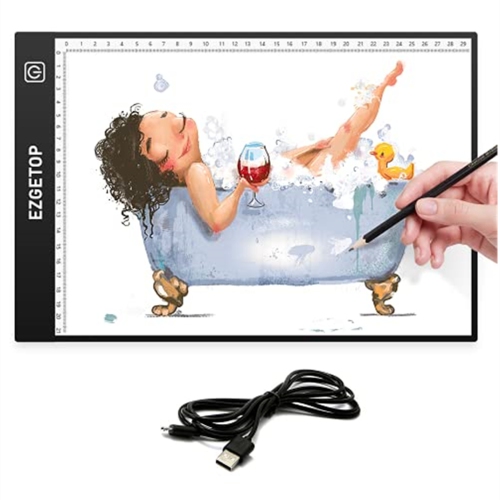
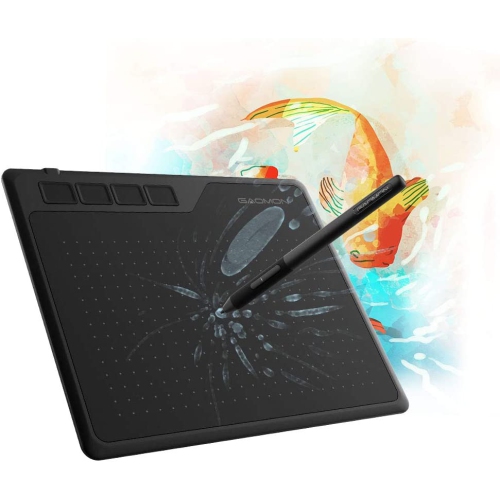
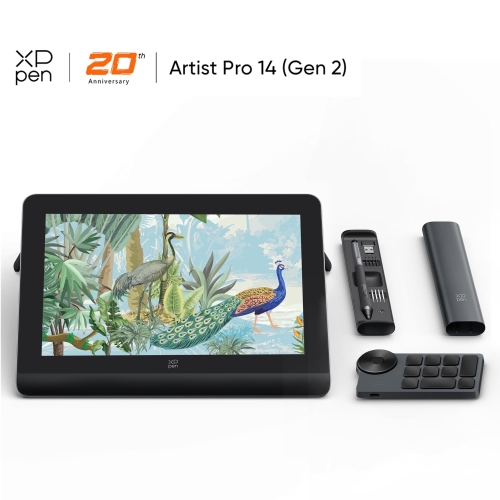
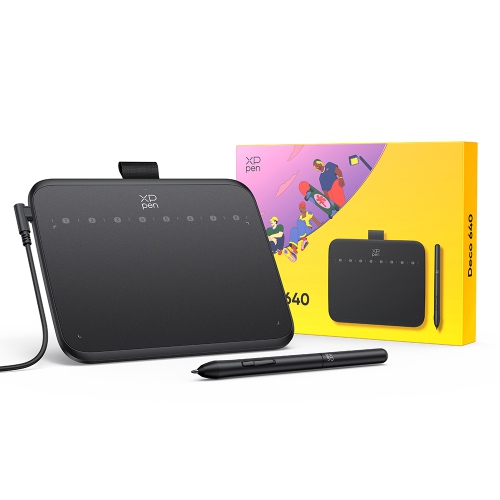
Digital drawing equipment is another familiar part of an animator’s workspace, but different formats support different habits. A screenless drawing tablet translates pen movement to a separate monitor, while a pen display lets an artist draw directly on the screen. Both can support illustration and frame-by-frame animation when compatible with the artist’s computer and applications. The active drawing area, pen response, shortcut controls and adjustable positioning all influence daily use. A larger surface provides room for broad arm movements, whereas a compact format may fit more comfortably beside a keyboard or in a travel bag. Pressure sensitivity can help vary line weight, but the benefit depends on software support and how the artist draws. Replacement nibs and compatible pen accessories also matter because frequent use can gradually wear contact surfaces. Computers and monitors support the wider workflow, from arranging storyboards to previewing motion and managing layered files. For 2D work, a responsive system helps keep drawing and playback comfortable; for complex 3D scenes, processor capability, memory, graphics hardware and cooling can all affect performance. Artists focused on modelling, rigging and rendered animation may also find relevant ideas among Gifts for 3D Animators. A monitor with suitable colour performance and enough workspace can make it easier to keep a timeline, reference images and a drawing canvas visible together. Resolution alone does not determine the experience: text size, viewing distance and stand adjustment also shape comfort. Connection types and operating-system compatibility are practical details, especially when an artist already uses several peripherals. Storage accessories support another less visible part of animation: keeping project files, textures, sound recordings and successive versions organized. Capacity and transfer speed matter for large files, while a protective enclosure is useful when work moves between home, school and a studio. A separate backup adds a safeguard against losing hours of careful revisions. These categories make especially personal gifts when they fit an established setup, rather than requiring the recipient to change applications or replace familiar tools.
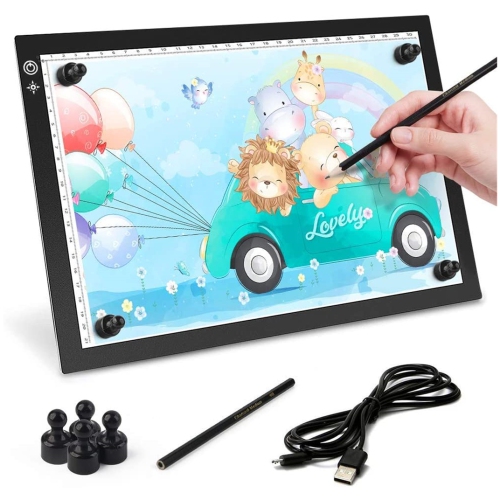
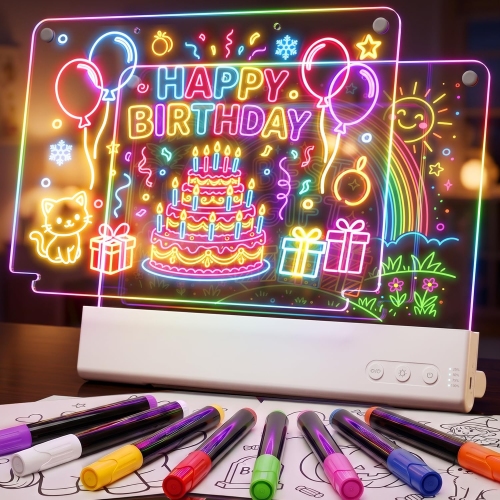
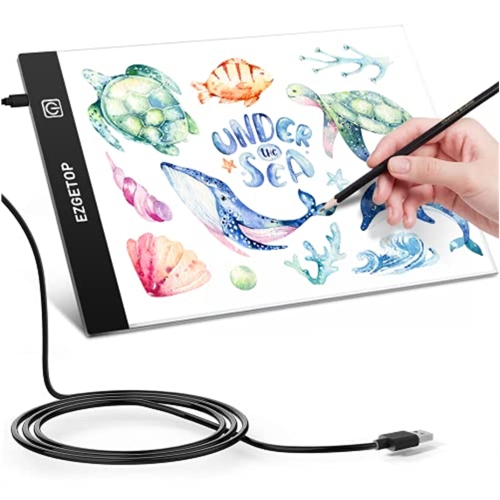
Studio accessories can be just as closely connected to the craft, particularly for artists who spend long sessions at a work surface. An adjustable drawing stand can change the angle of a tablet or sketchbook, while a supportive chair and a suitably sized desk help make room for both equipment and movement. Fit is individual: seat height, armrest position, desk clearance and the reach between keyboard and drawing surface all affect how a workspace feels. Upholstery, frame construction and adjustment mechanisms influence durability, and care should follow the manufacturer’s directions for each material. Drawing surfaces and display screens also benefit from suitable cleaning methods; abrasive cloths or unsuitable liquids can damage finishes and coatings. Task lighting helps illuminate paper and small details, with adjustable direction useful for reducing shadows cast by a drawing hand. In stop-motion work, lighting takes on an additional role because consistent illumination helps neighbouring frames look like part of the same moment. A stable camera support, an uncluttered shooting area and secure cable placement can help keep a carefully arranged scene from shifting between exposures. For artists who record dialogue or assemble sound, microphones and headphones support a different layer of storytelling. A clear voice recording makes it easier to study mouth shapes and match expressions to delivery, while headphones can help reveal timing details during editing. Cable length, connection type and comfort during extended wear are relevant to how this equipment fits into a working setup. Small organizational accessories also have a place, keeping charging cables, memory cards and drawing supplies from disappearing under reference sheets. For a birthday, graduation or milestone project, a gift connected to these everyday routines can acknowledge the patience behind the finished animation. The most meaningful choice may support a very specific moment: sketching a character’s first expression, checking the rhythm of a run cycle or capturing a tiny movement on a miniature set. That connection makes practical equipment feel personal without assuming every animation artist works in the same way.
Top selling and popular products
-
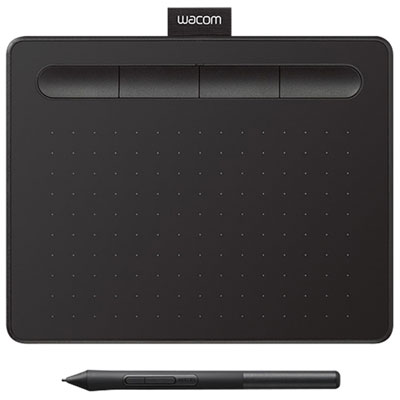 Your price for this item is $89.99
-
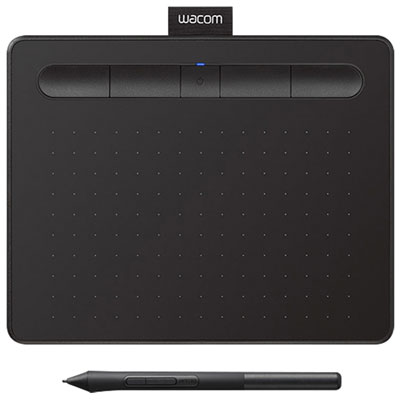 Your price for this item is $139.99
-
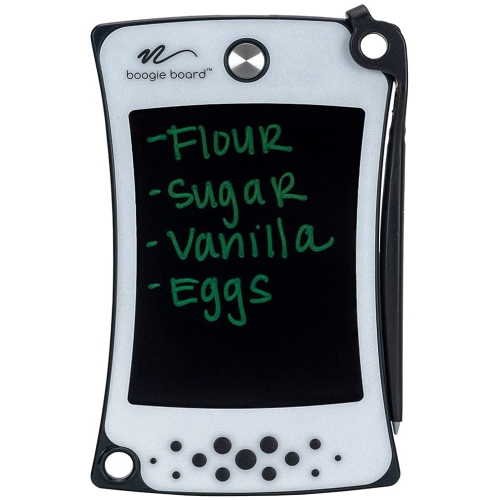 Your price for this item is $21.97
-
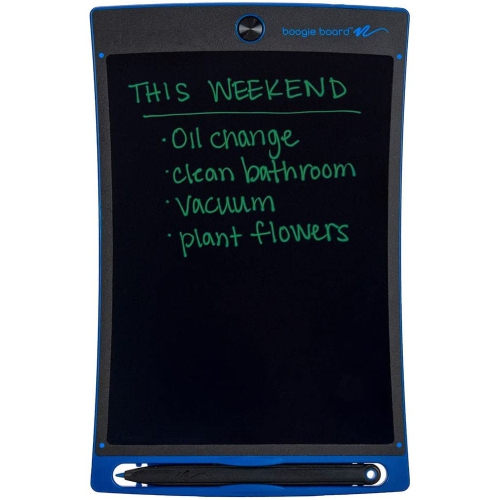 Your price for this item is $39.97
-
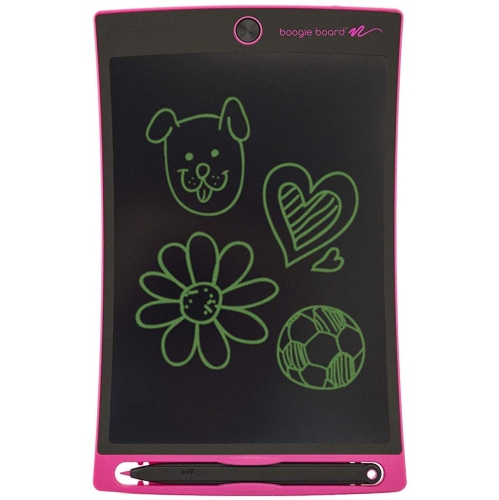 Your price for this item is $39.97
-
 Your price for this item is $319.99
-
 Your price for this item is $699.99
-
 Your price for this item is $2118.68
Discover more categories related to Gifts for Animation Artists

Top Collections:
Best Black Friday Deals This Year, Best Black Friday Deals On Electronics, Kindle Devices, Pokemon Centers, Best Black Friday Deals On Apple Products, Best Cameras for Sports Photography, Dyson Airwrap, Pokémon 30th Celebration Cards, Apple iPhone 17 Pro, Canon G7X Cameras
Some products may be subject to Environmental Handling Fees
(EHF) depending on your province.
Learn more about EHFs.