Gigabit Ethernet Cables
Looking to enhance your internet connection speed and ensure seamless data transfer? Look no further than our selection of Gigabit Ethernet cables. Designed to deliver lightning-fast connectivity, these cables are perfect for gamers, streamers, and anyone who demands high-speed internet performance. With their advanced technology and durable construction, our Gigabit Ethernet cables provide a reliable and stable connection for all your online activities. Whether you're gaming, streaming movies, or simply browsing the web, these cables will optimize your online experience and take it to the next level.
Sort





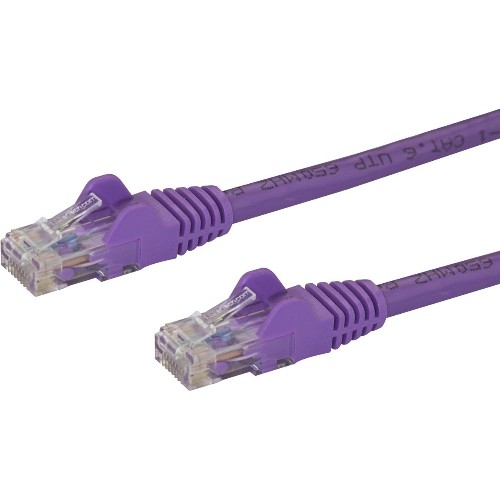


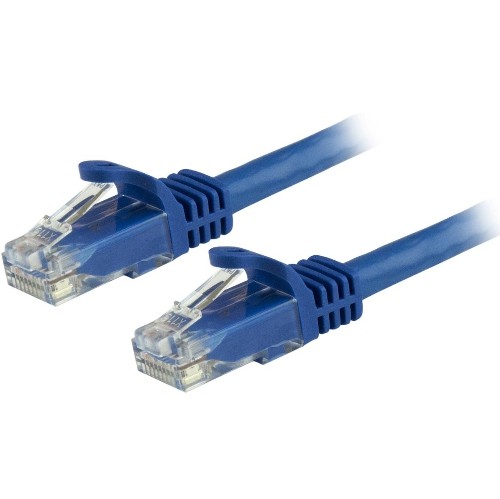

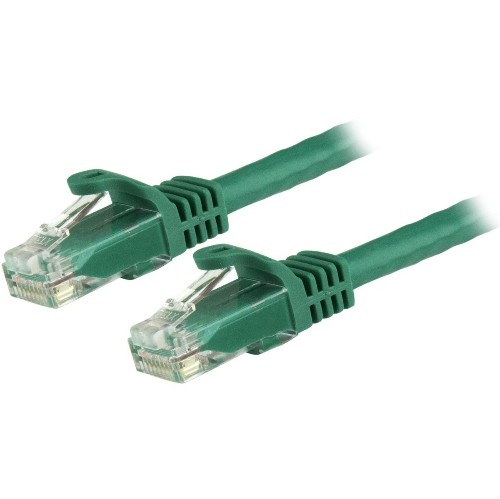


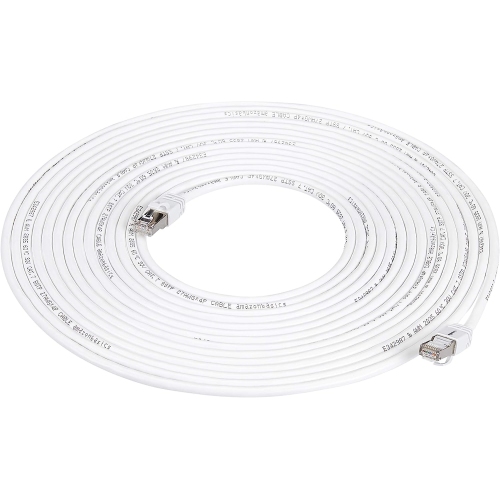
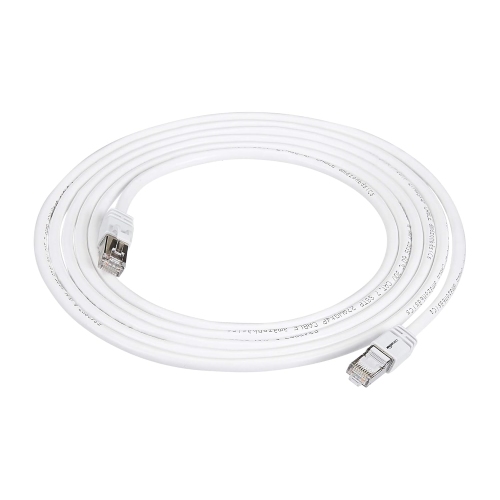
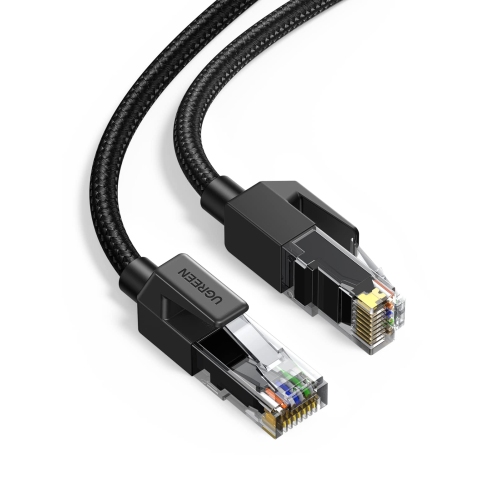
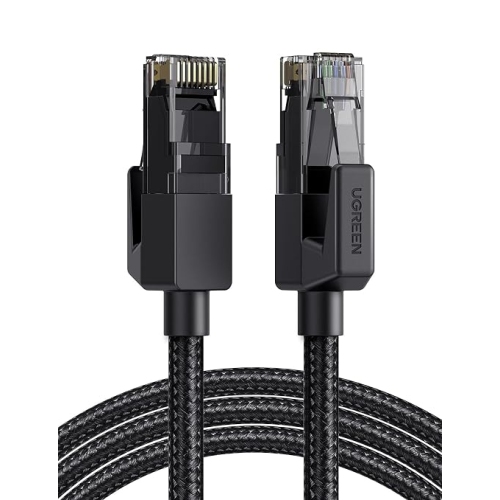

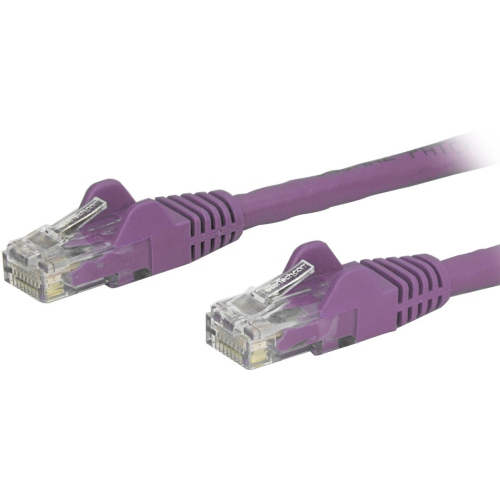


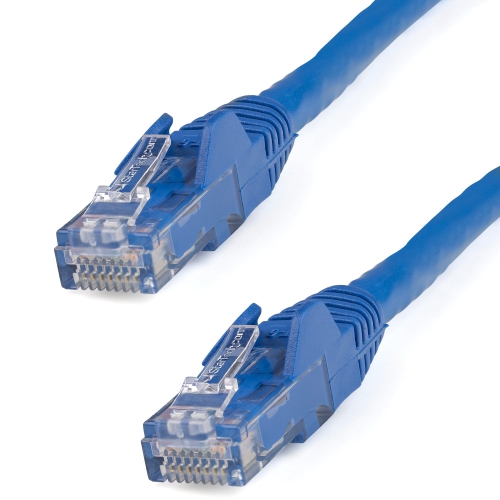

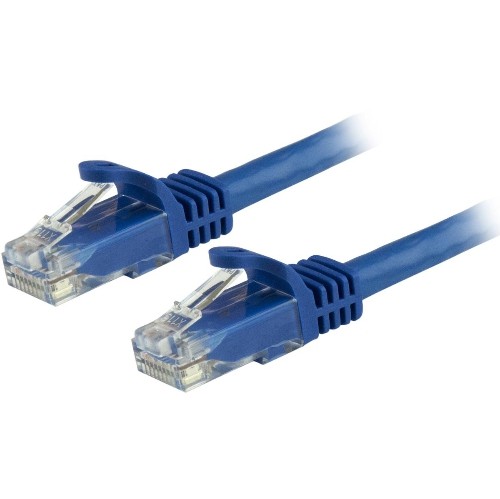
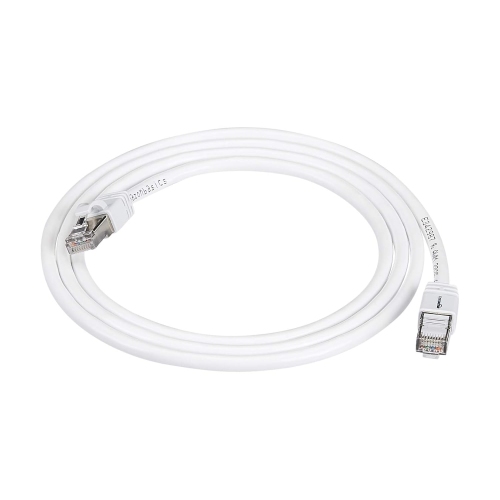

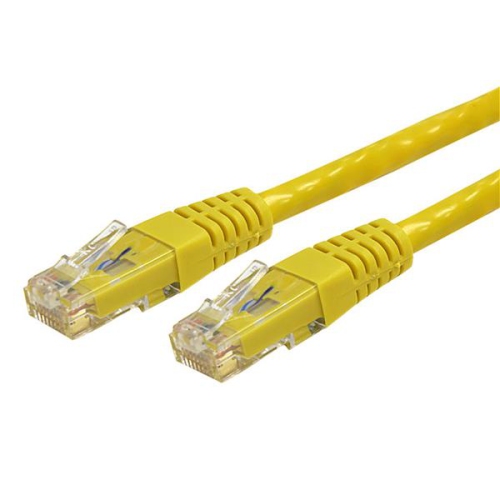
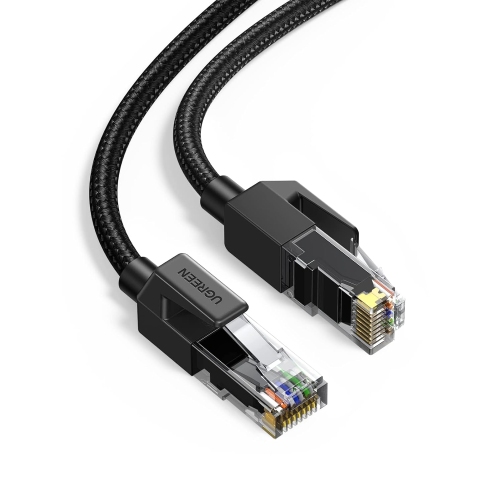


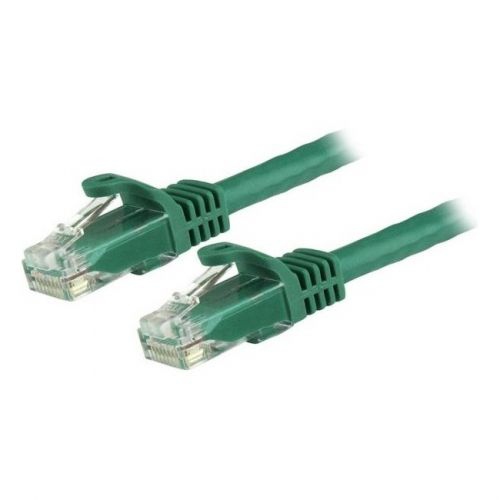

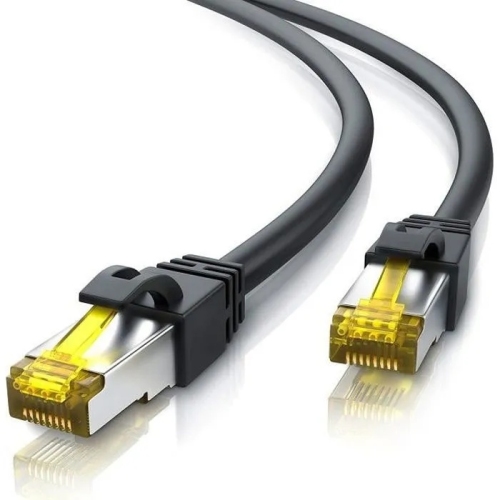


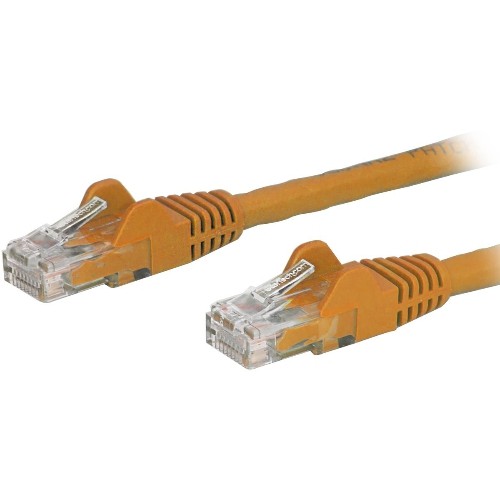
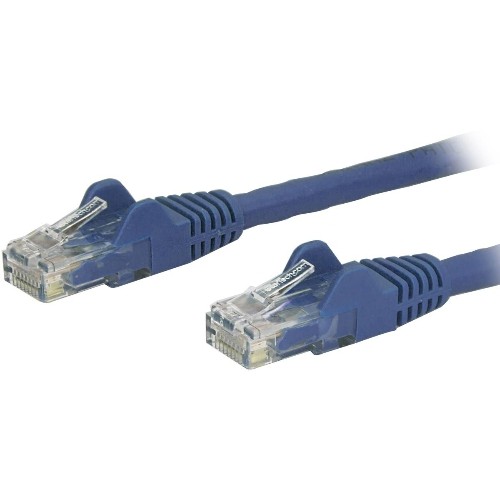

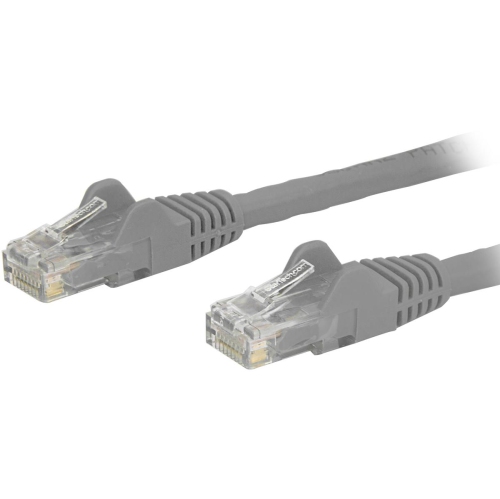
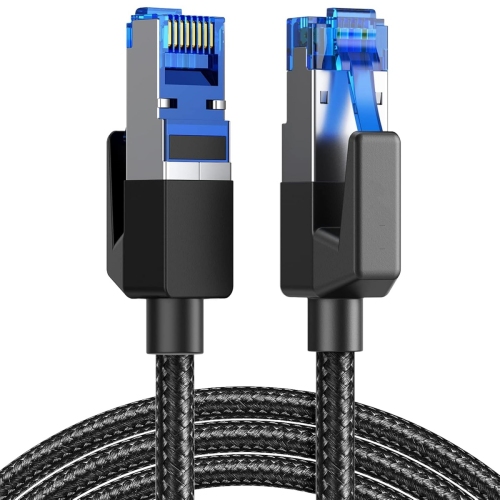

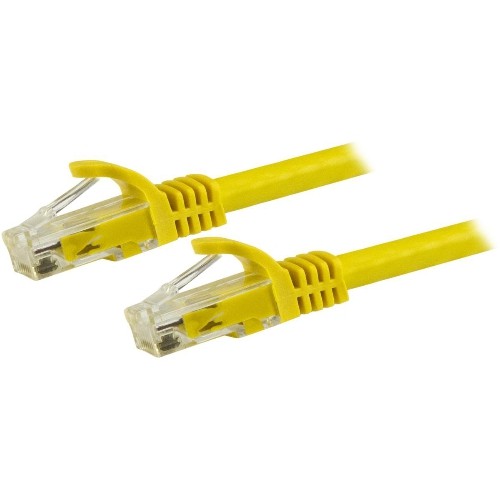

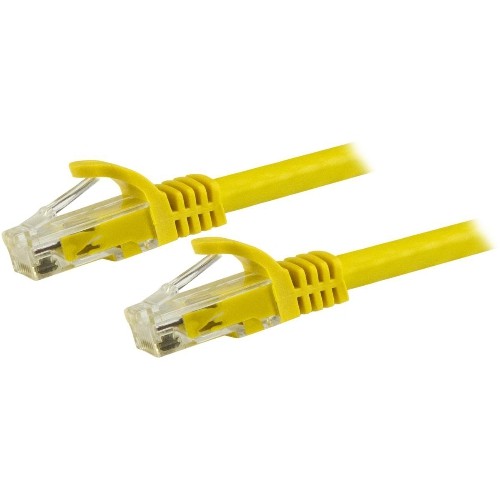
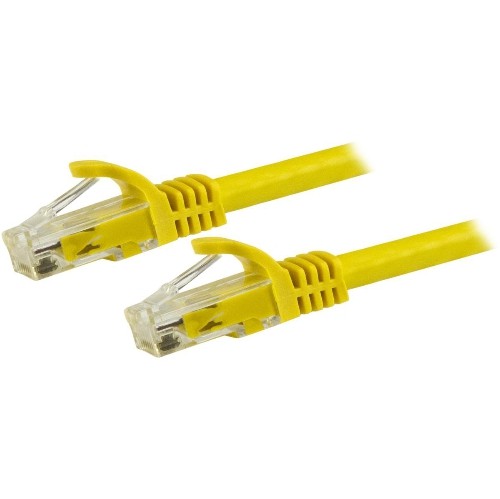
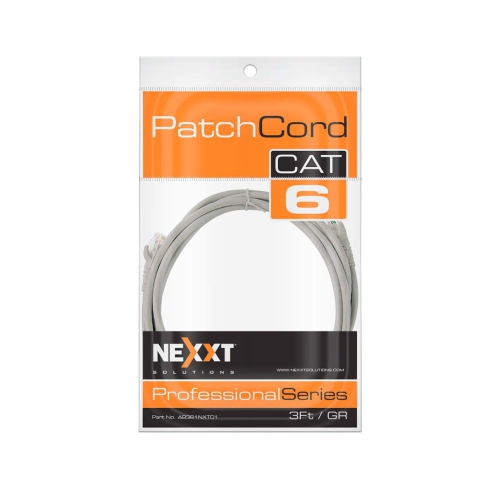
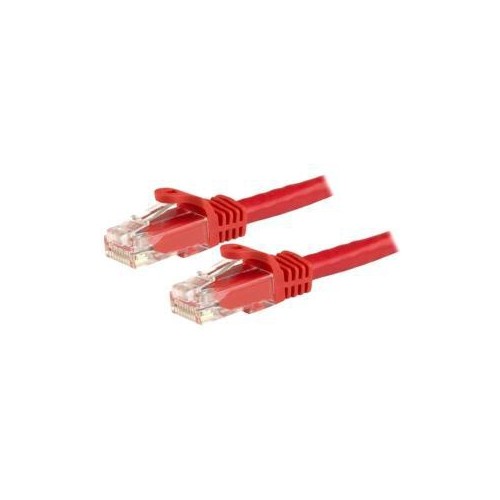
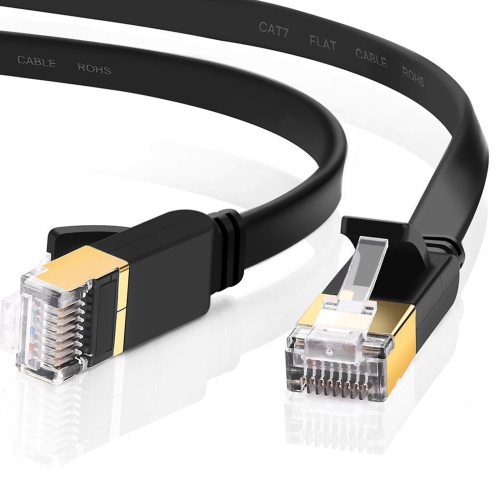
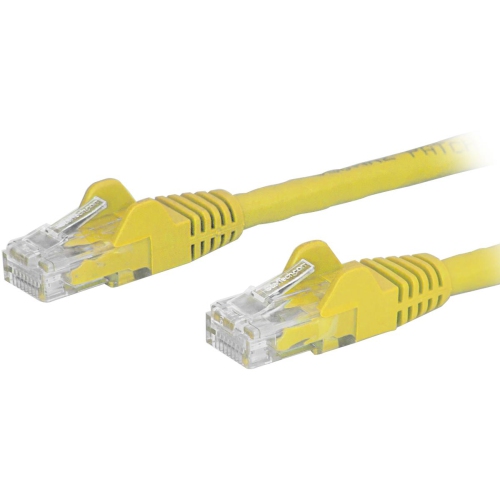
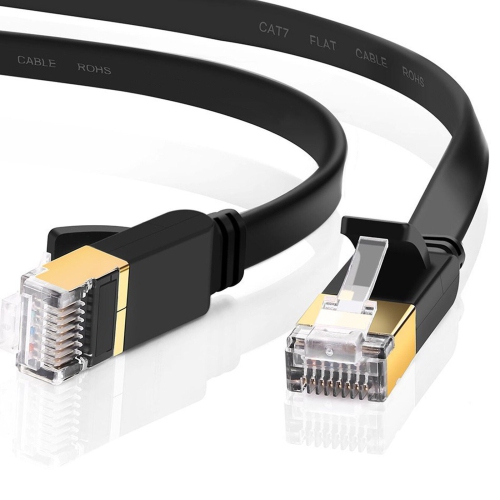
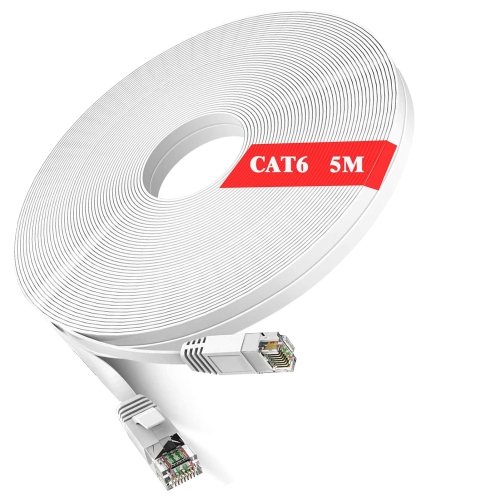
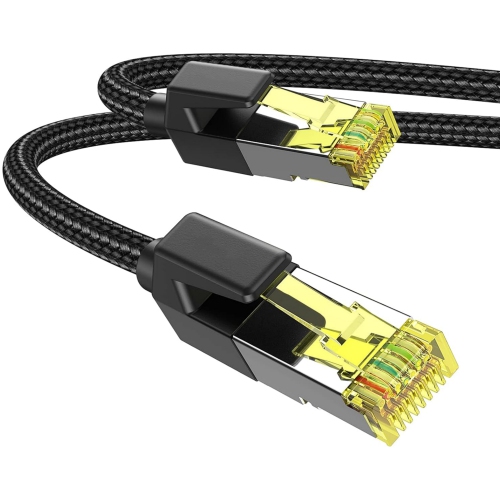
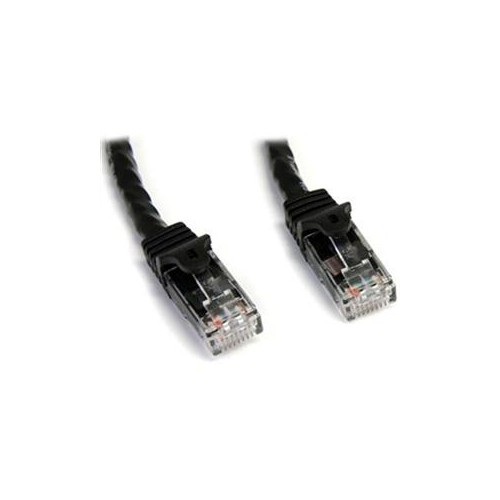
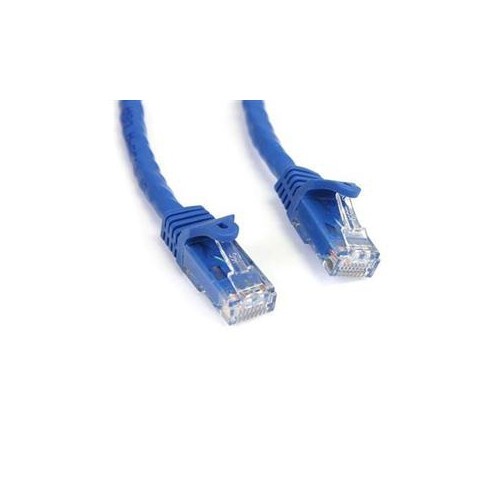
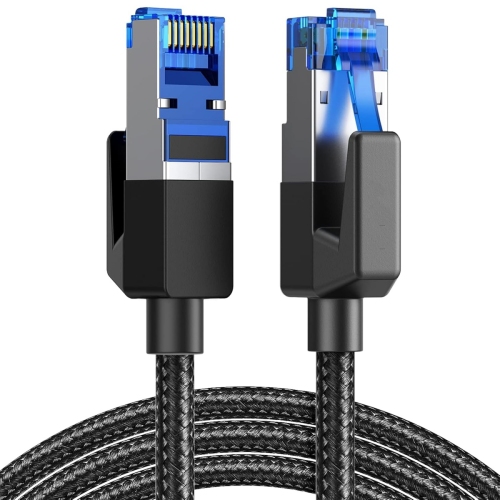
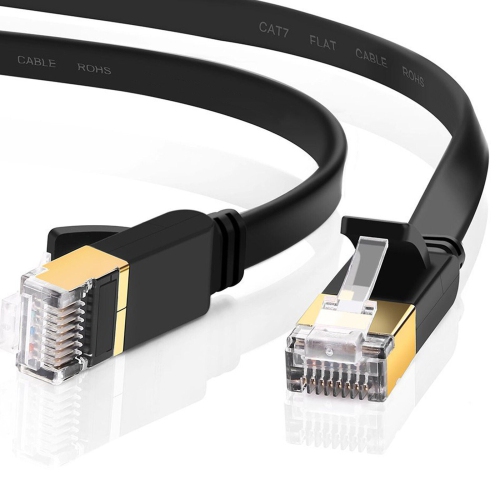
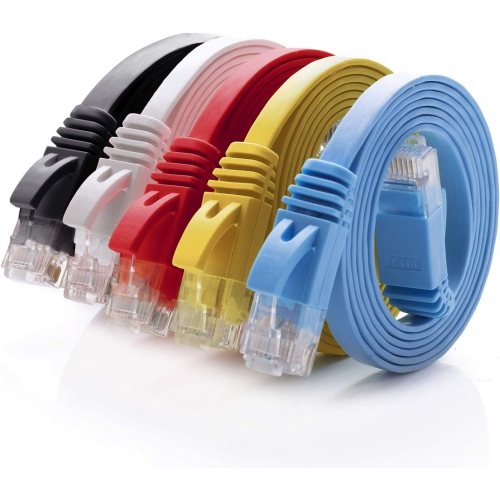
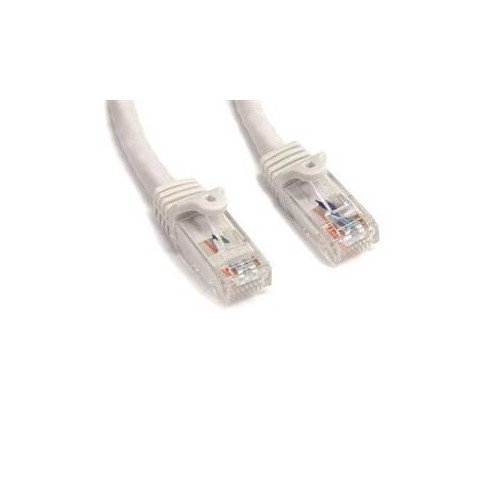
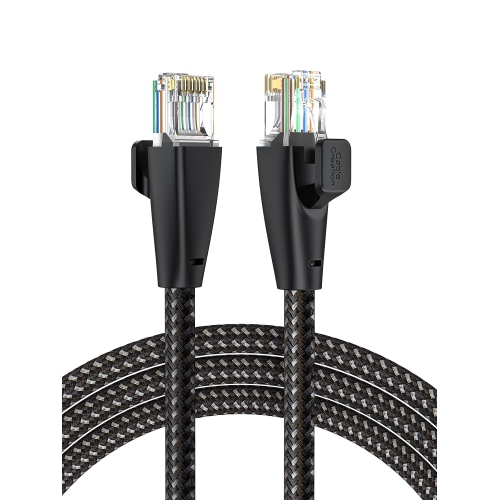
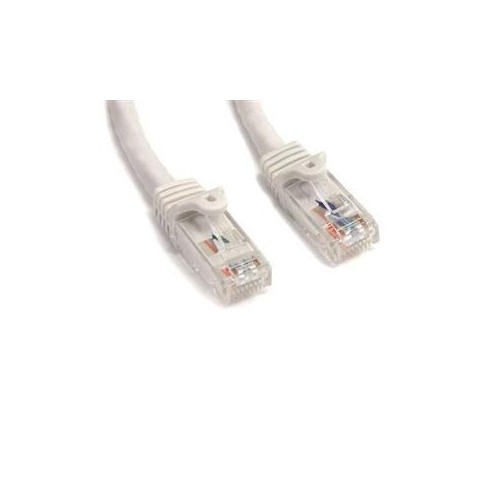
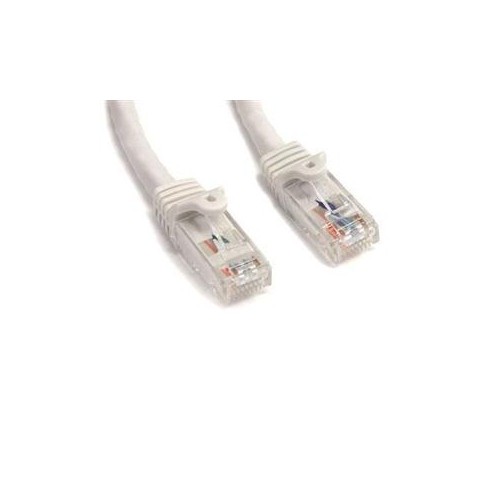


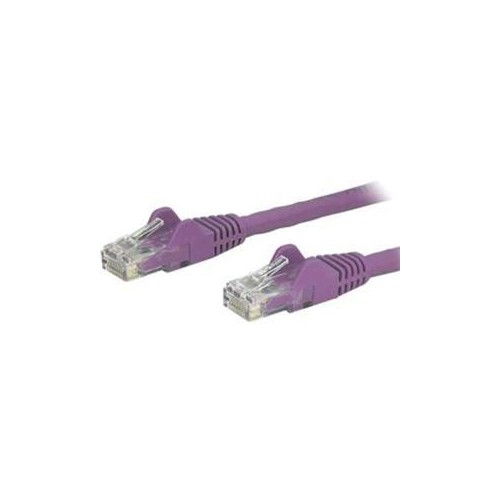
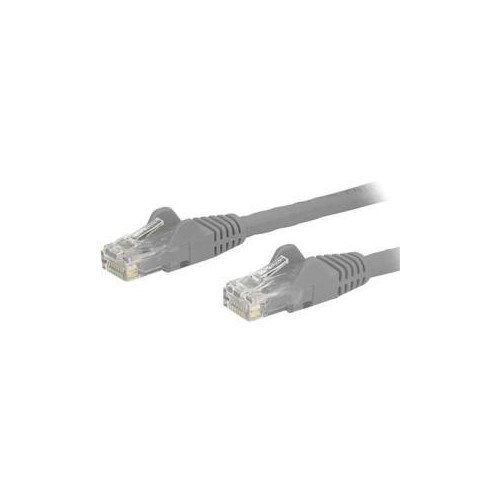
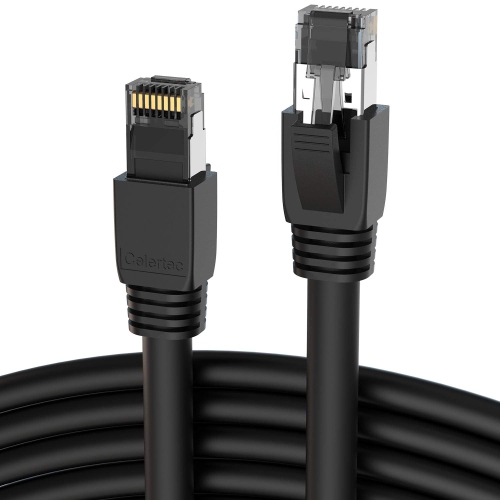
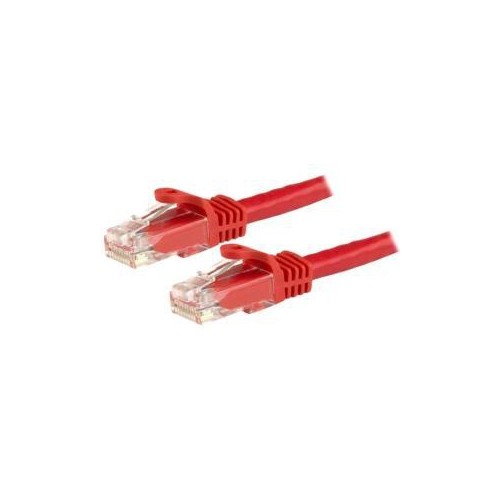
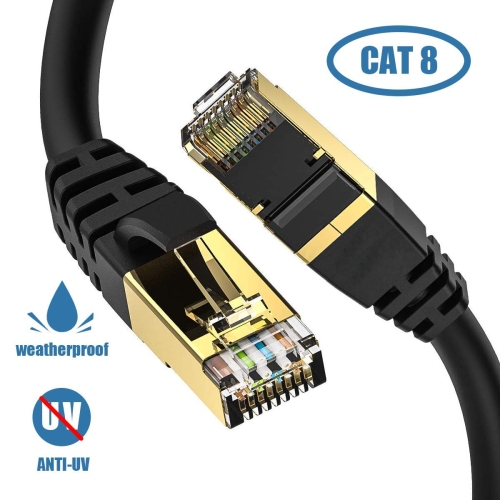
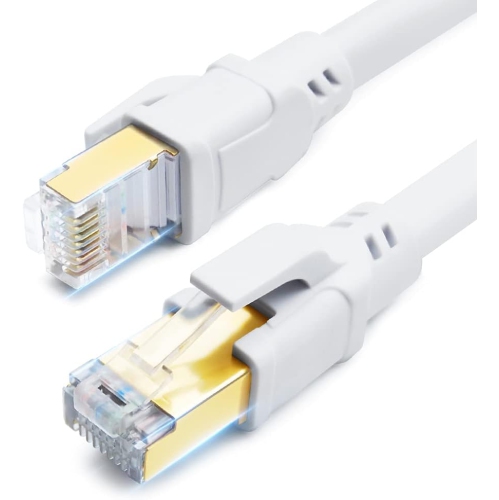
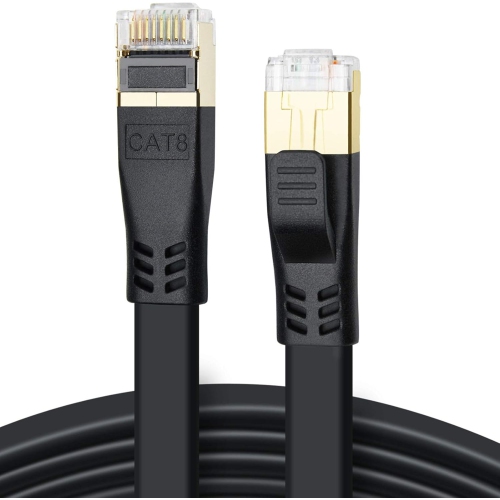
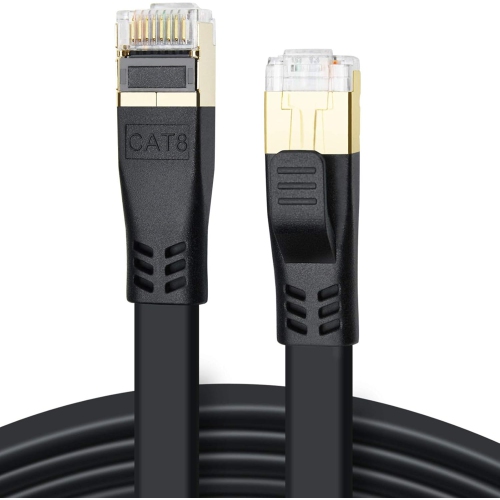
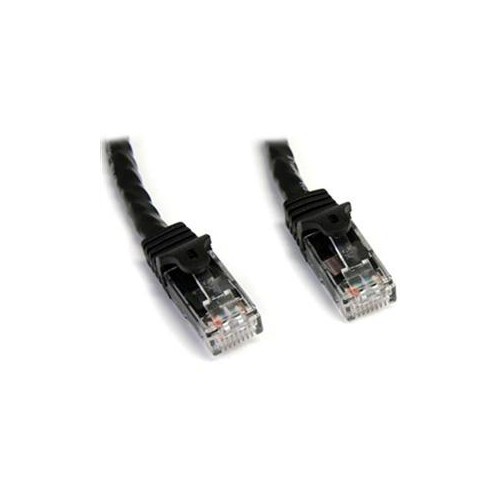
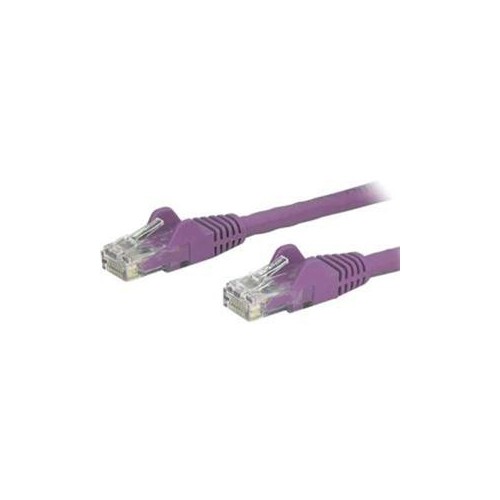
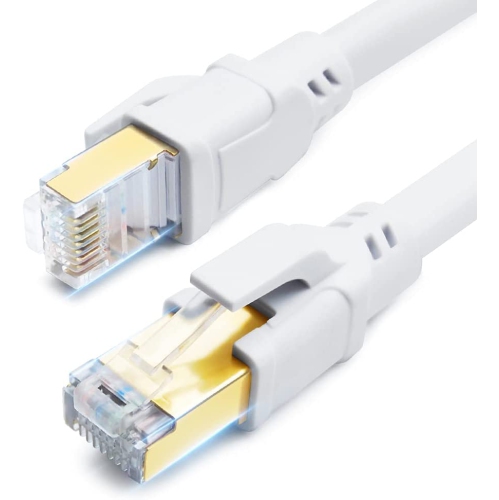
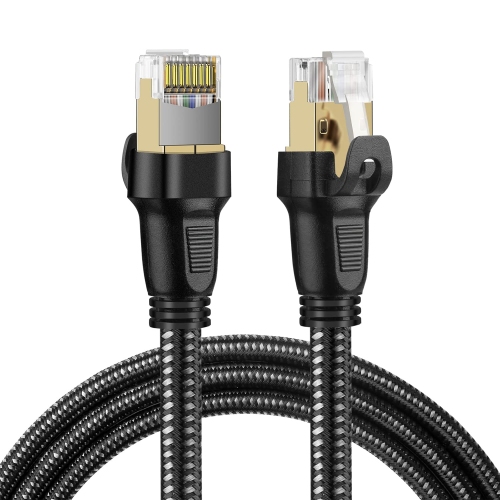
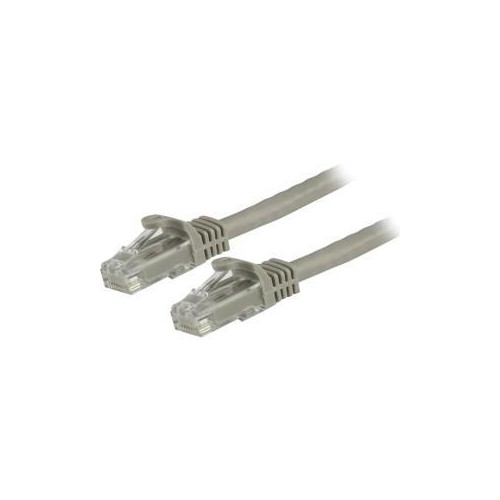
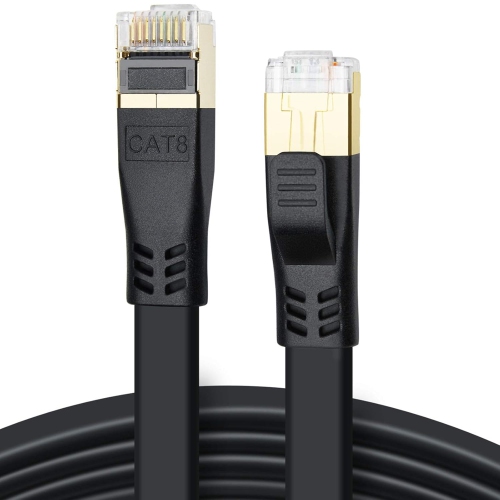
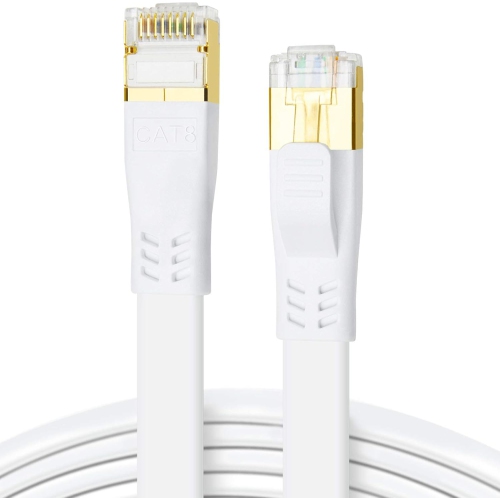
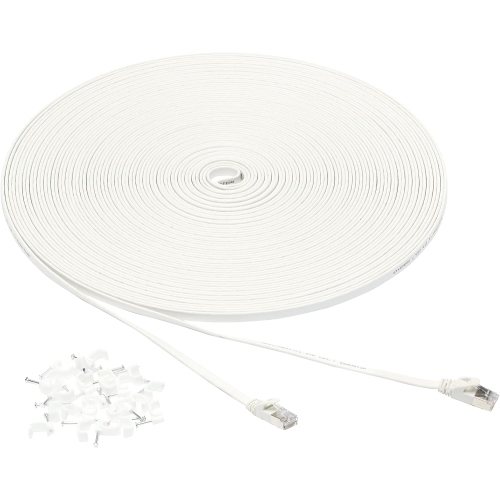
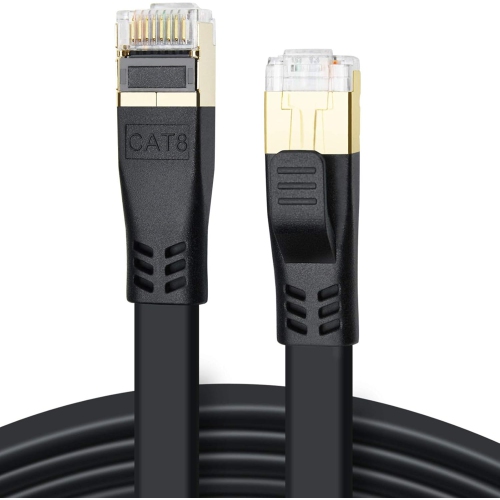
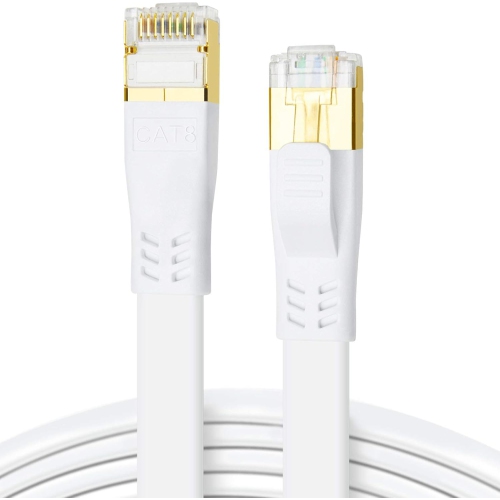
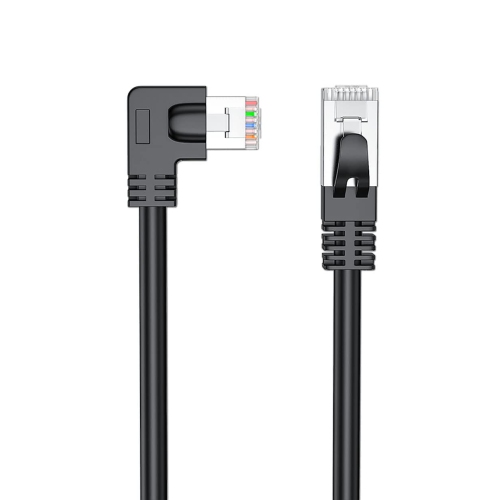
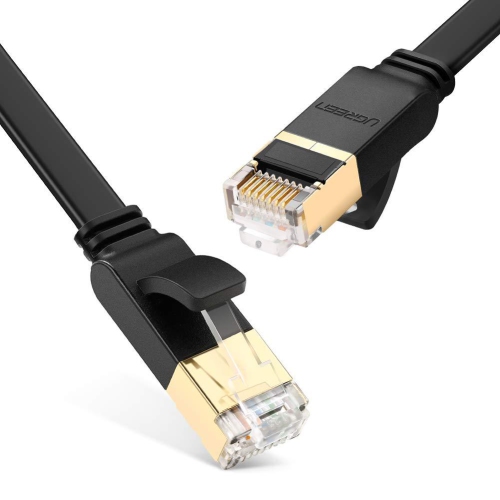

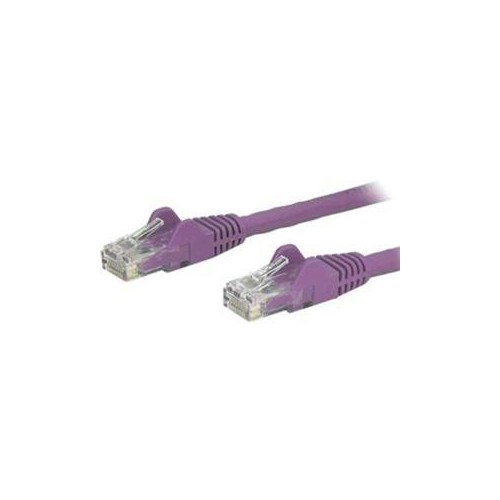


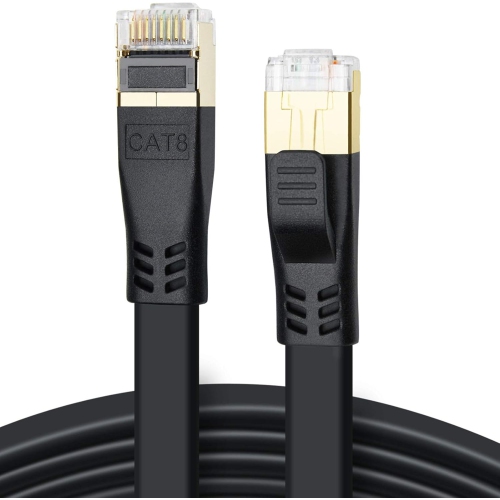
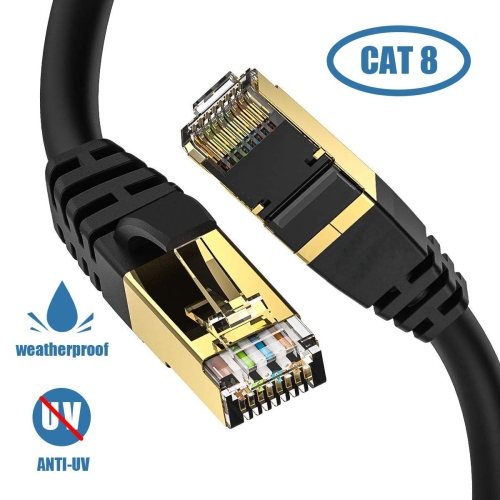

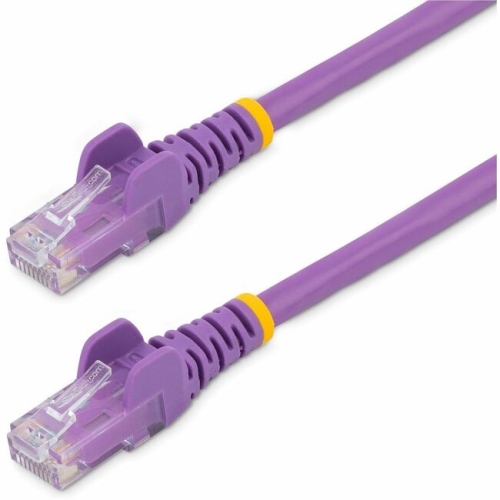
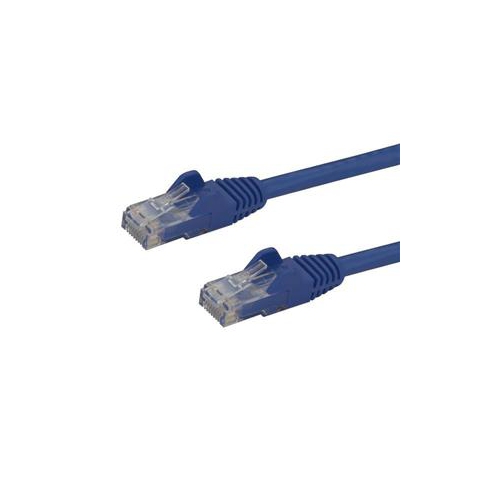

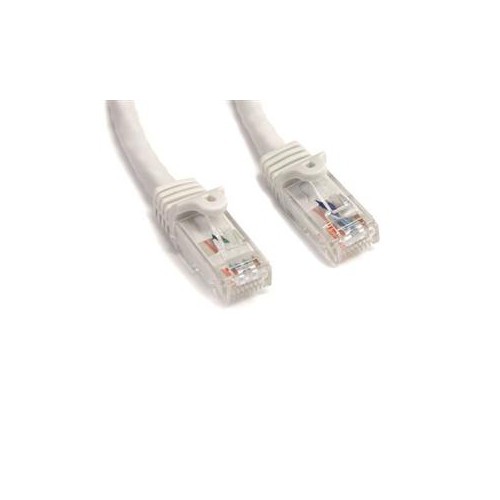
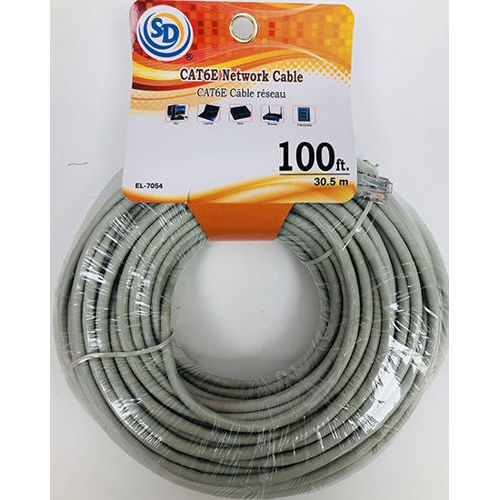
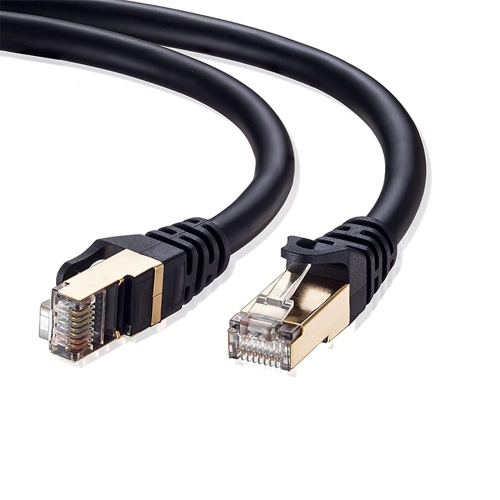
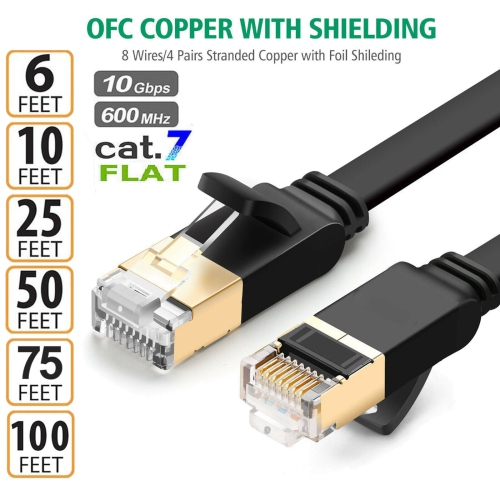
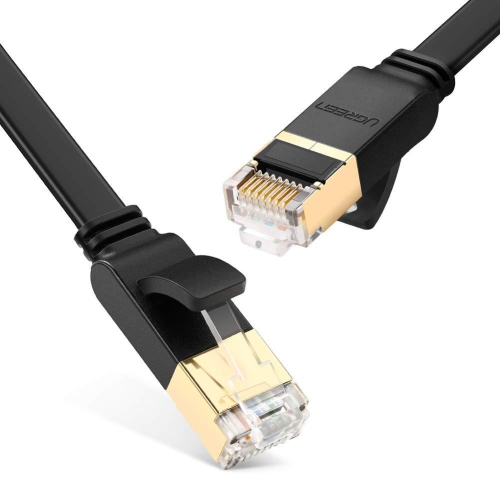


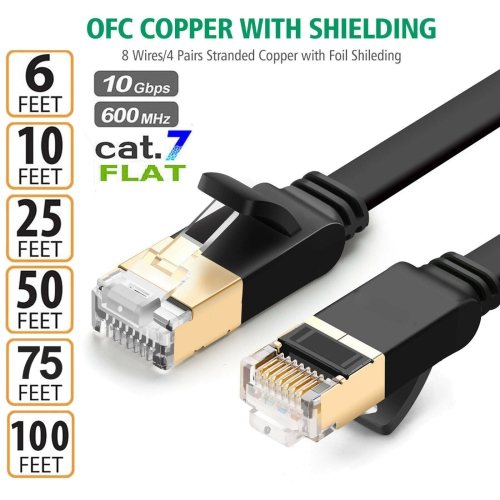


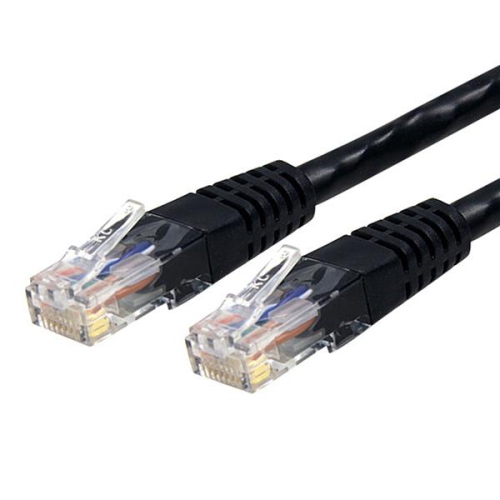
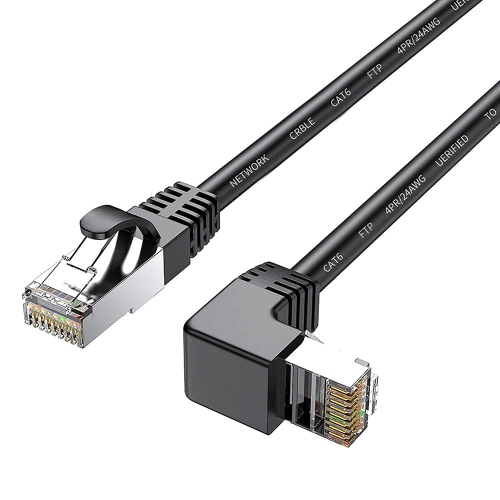


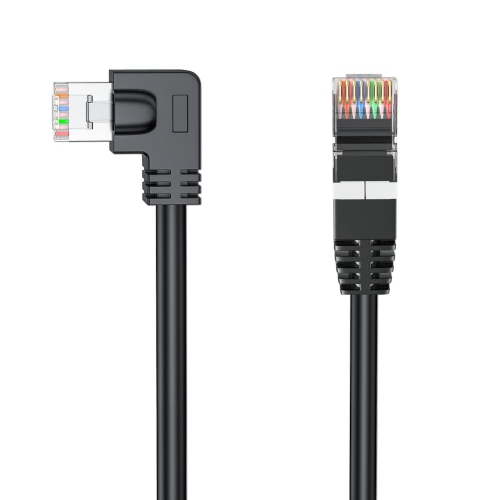
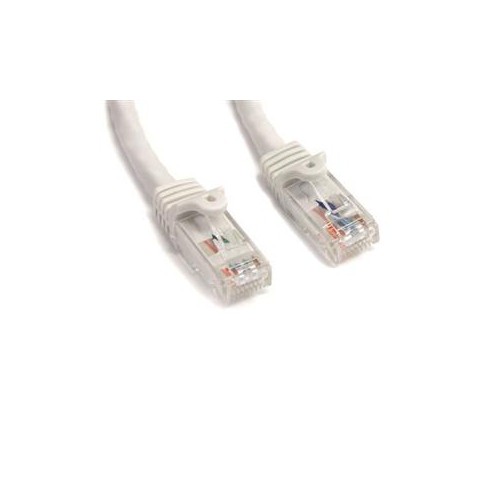

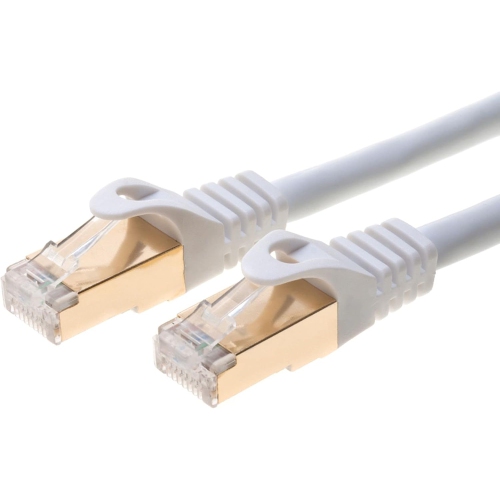


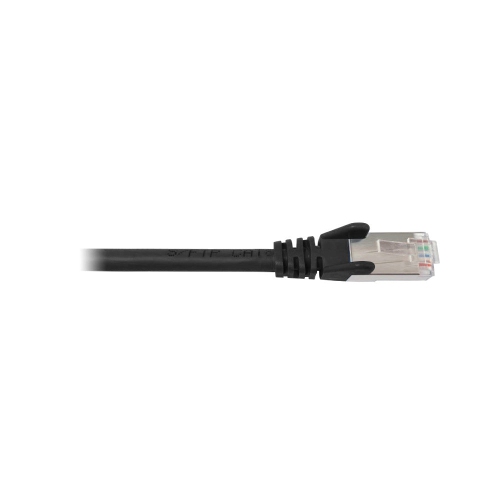








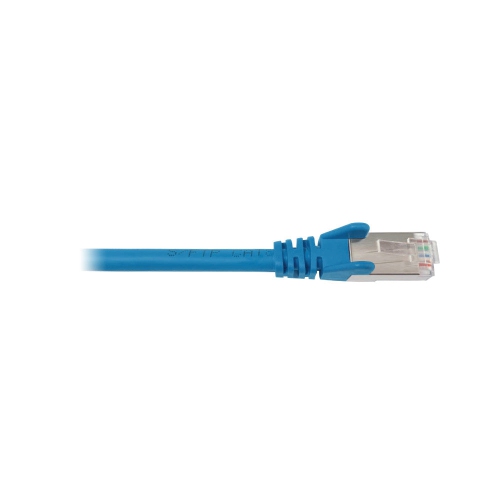


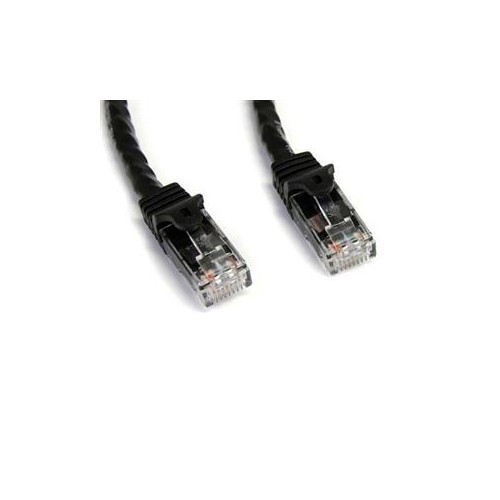


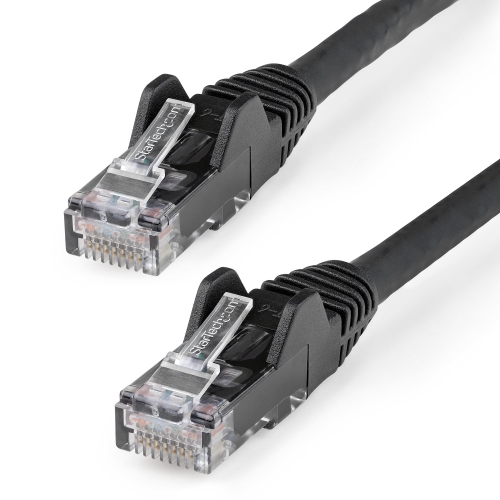
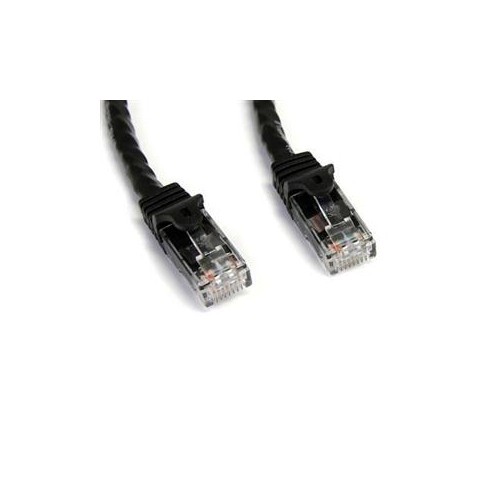
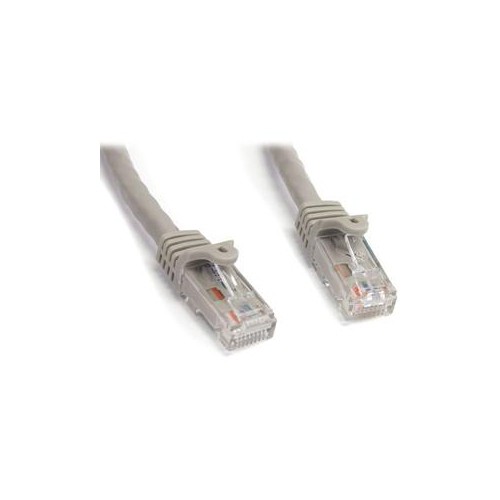
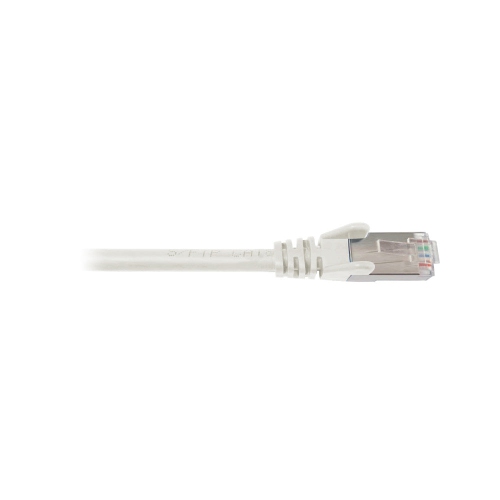
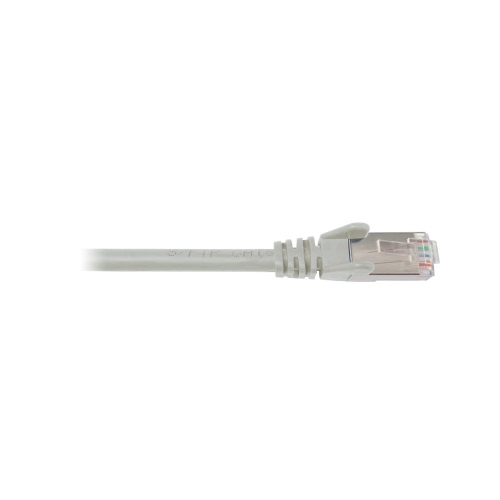
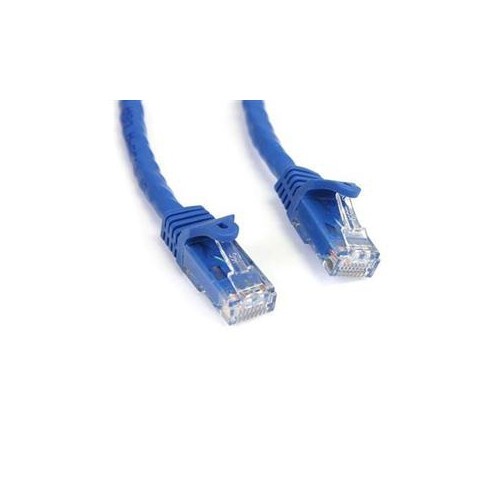
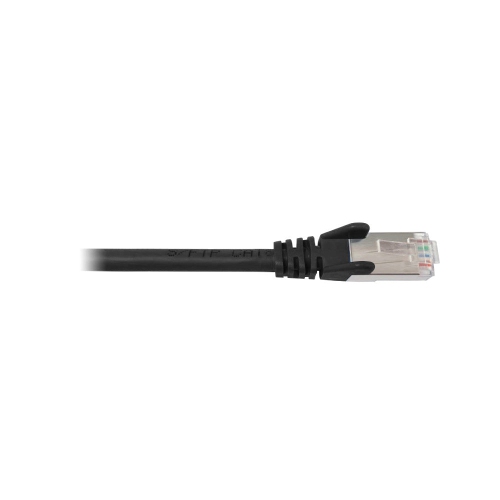
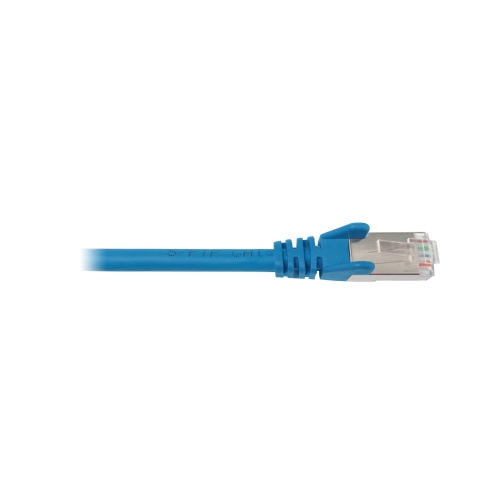


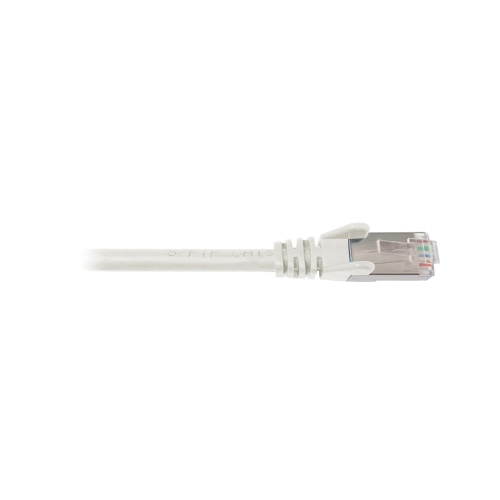
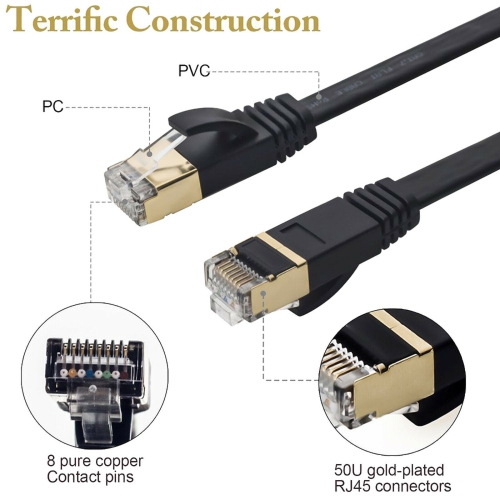
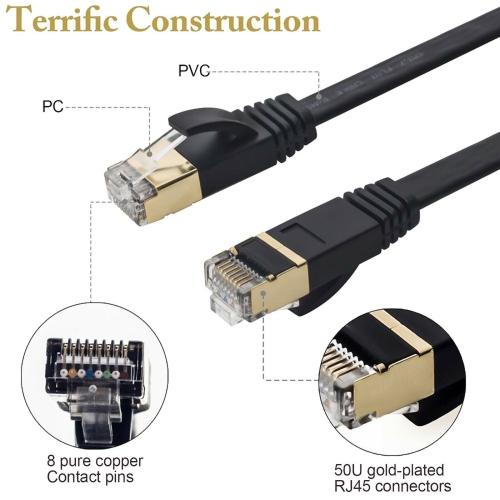
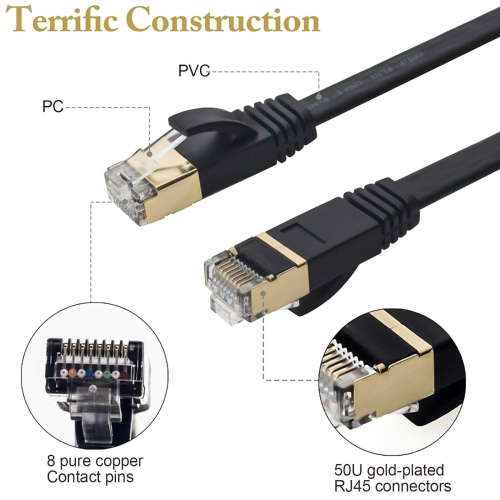
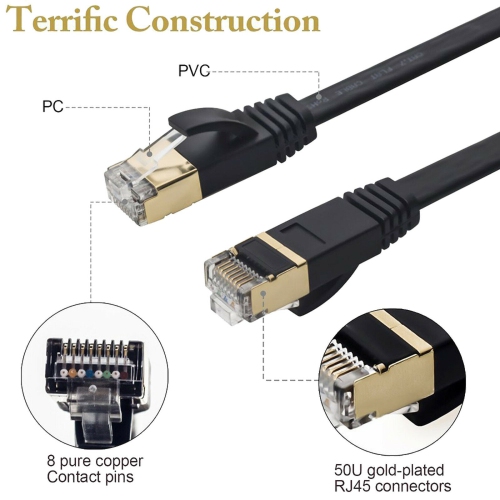
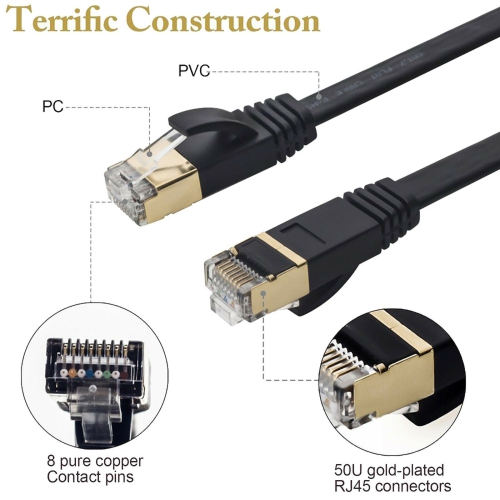
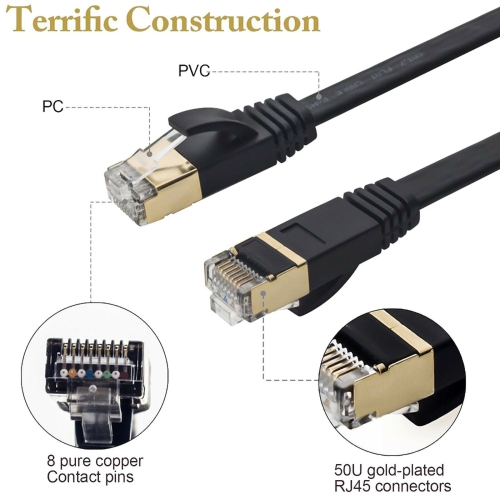
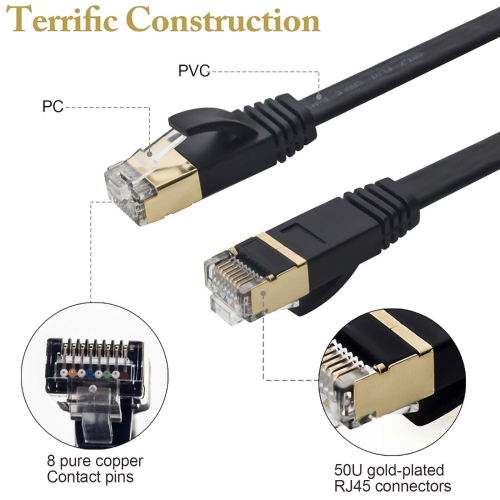
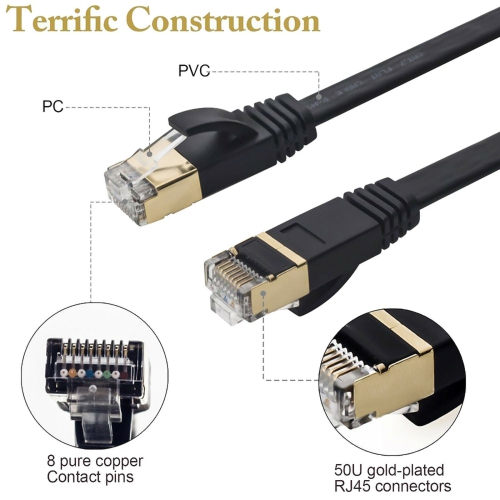
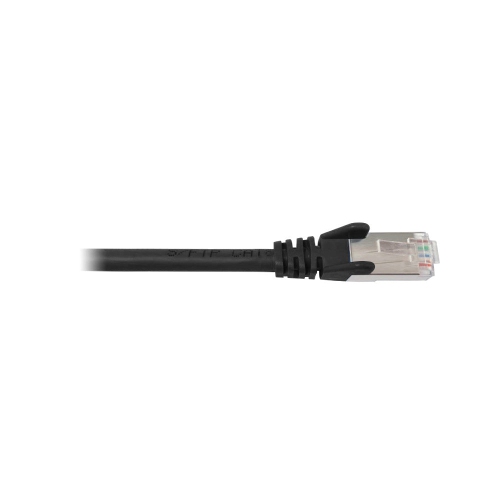
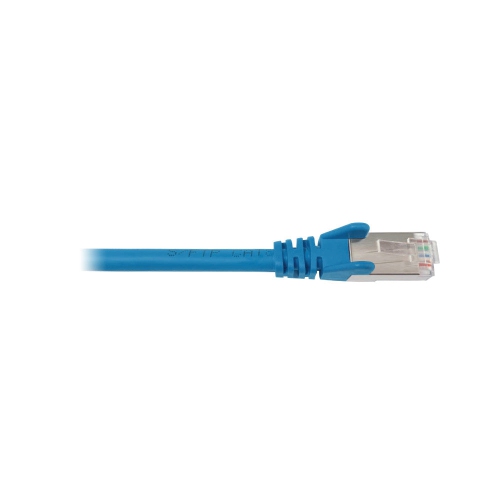
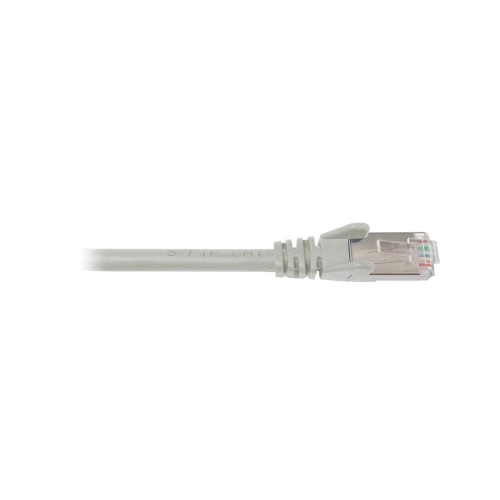
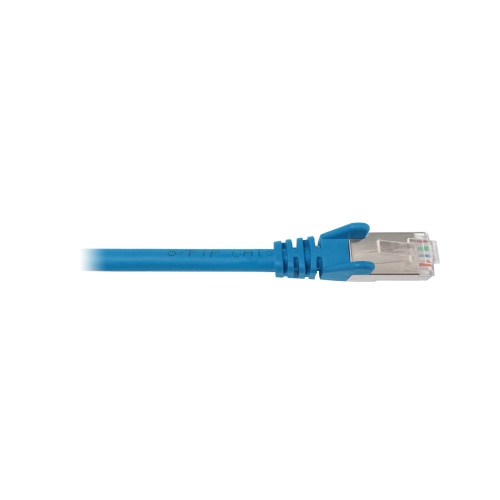
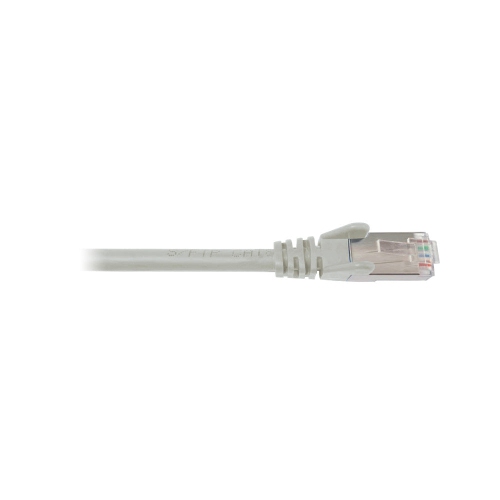
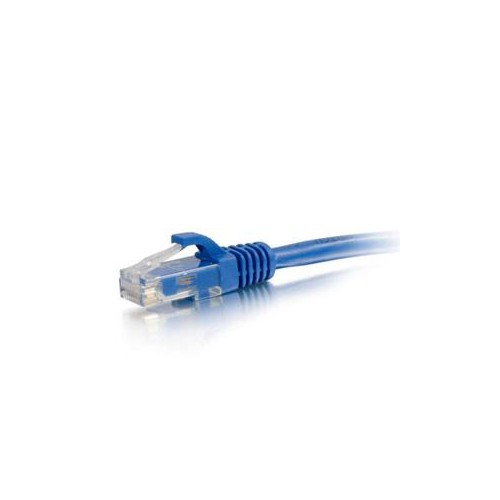
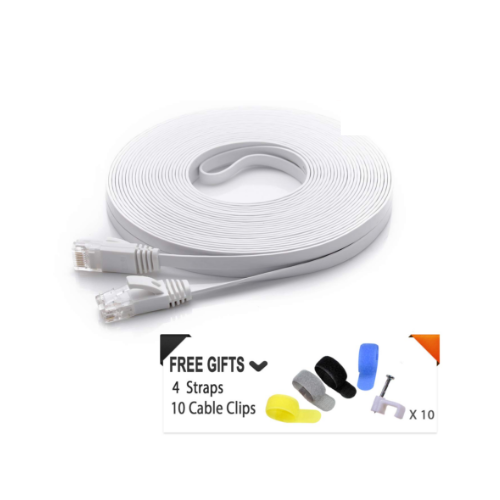
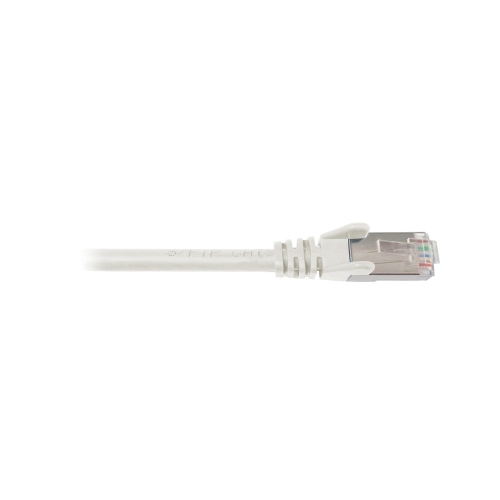
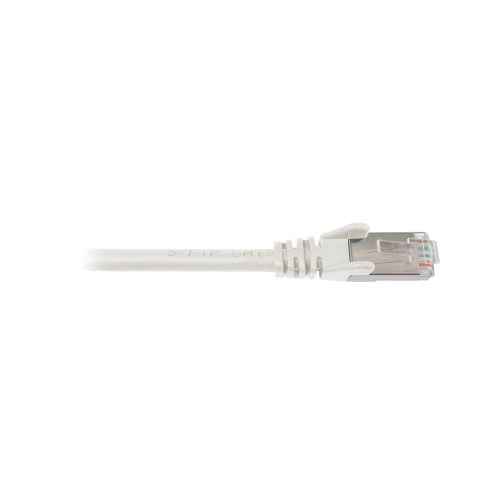
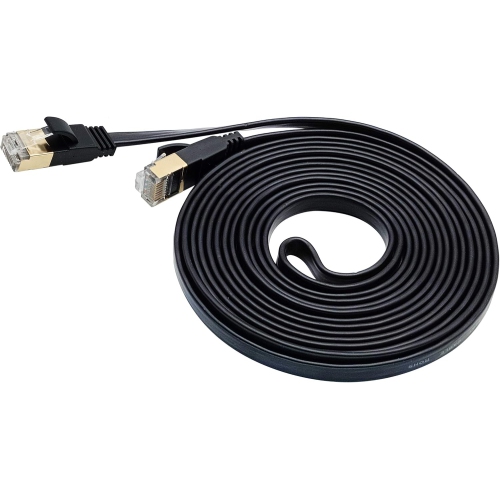
Gigabit speeds depend on more than the cable
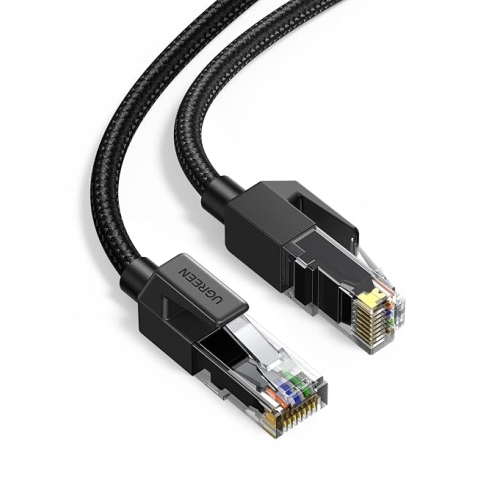
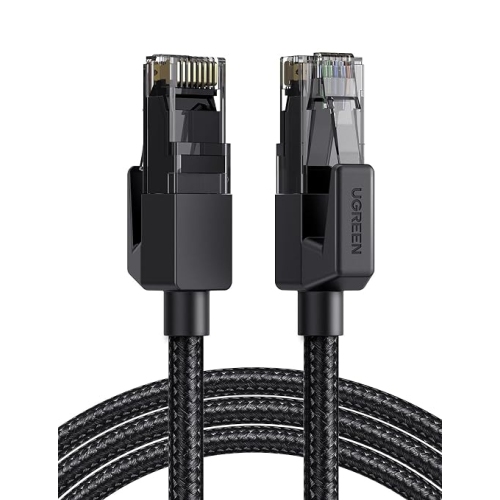
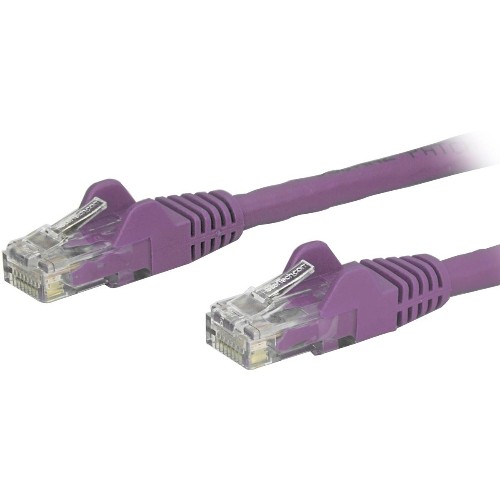
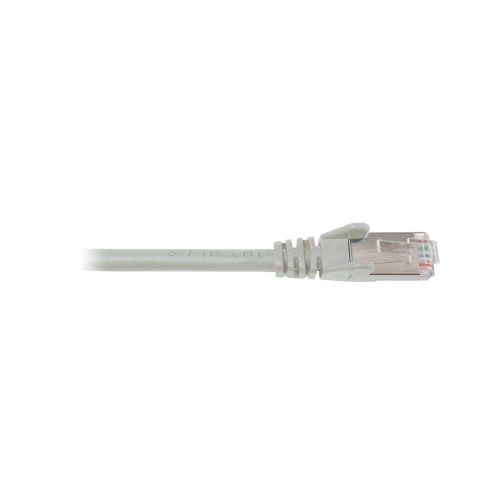
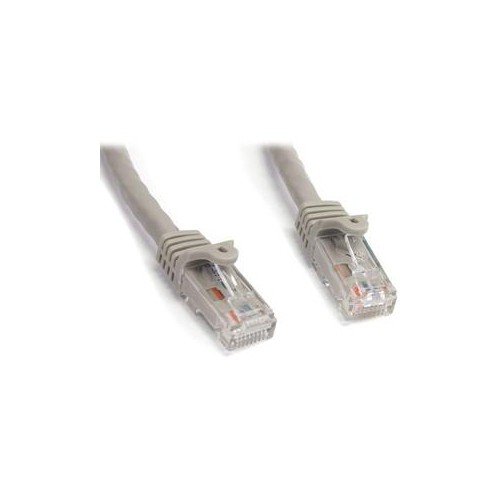
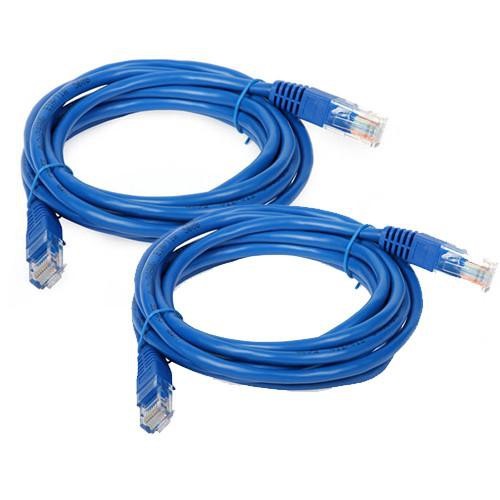
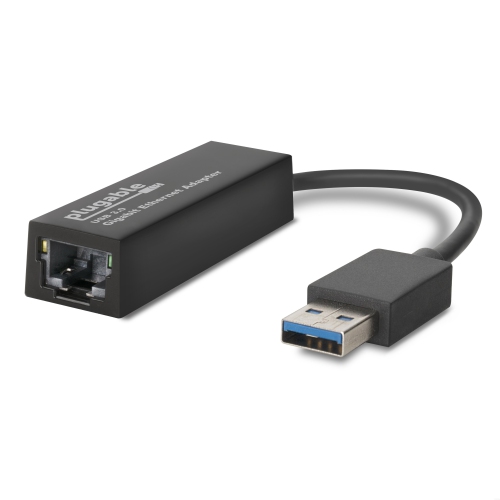
Gigabit Ethernet cables connect compatible devices to a wired network at speeds of up to 1 gigabit per second, also expressed as 1 Gbps or 1000 Mbps. Cat 5e and Cat 6 cables both support gigabit Ethernet over a properly installed channel of up to 100 metres, including the fixed cabling and patch cords between devices. For everyday connections, either category can link a computer, gaming console, television, or network storage device to a router or switch with gigabit ports. A wired connection can be particularly useful at a desk where video meetings, large file transfers, and cloud backups share the same working day. In a living room, it offers a steady connection for a streaming device without relying on the strength of a Wi-Fi signal behind a cabinet. Gamers may also appreciate the consistency of a wired link, although latency still depends on the wider network and the connection to the game server. The familiar connectors, commonly called RJ45 plugs, fit matching Ethernet ports and secure with a small locking tab. Devices without an Ethernet port require a compatible adapter or dock, and that accessory must also support gigabit speeds. Network performance is limited by the slowest part of the connection: a gigabit cable cannot make a 100 Mbps port faster or increase the speed supplied by an internet plan. Local transfers between compatible computers and network storage can benefit from gigabit connectivity independently of the internet connection. Actual file transfer rates will be lower than the theoretical maximum because of network overhead and hardware limitations. For households with several connected devices, Ethernet cables also provide links between routers, switches, and wired access points, allowing equipment to be connected where it is used rather than wherever a wireless signal happens to be strongest.
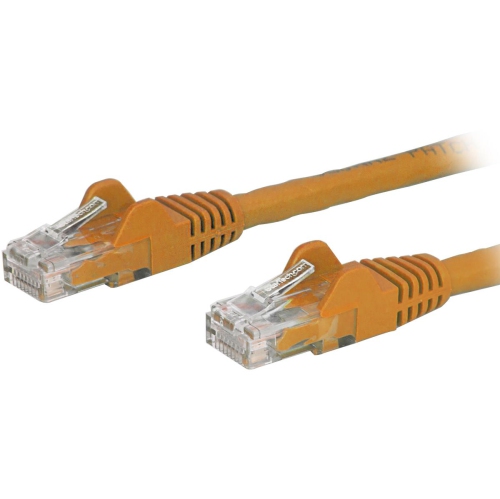
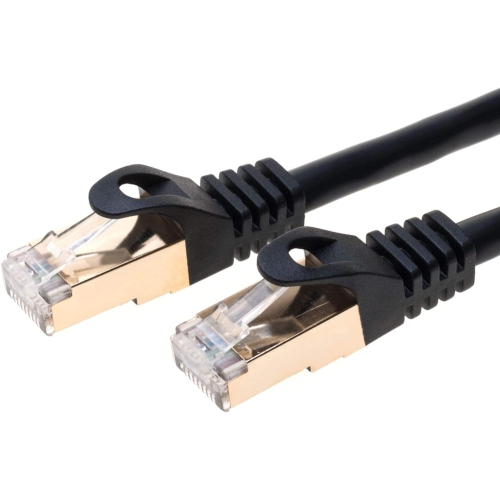
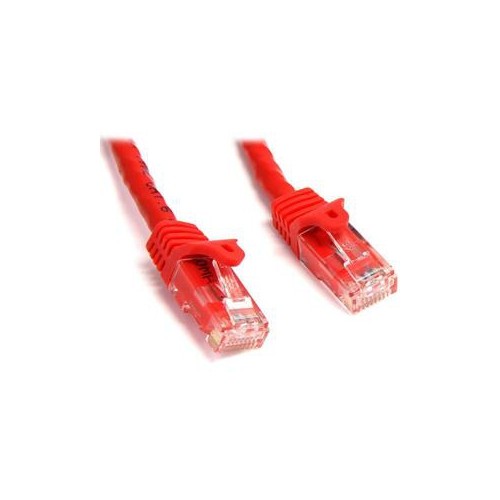
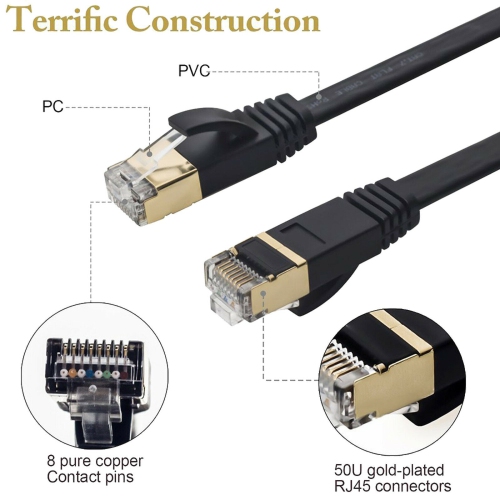
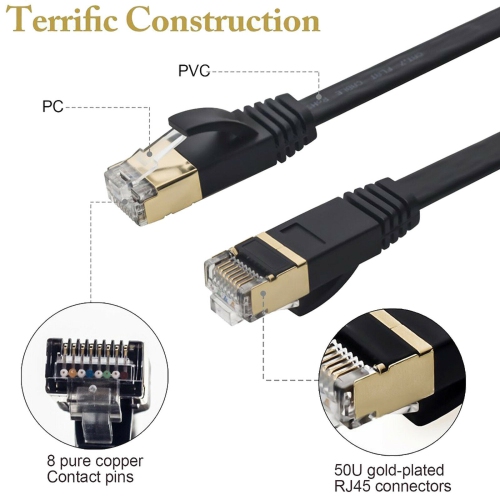
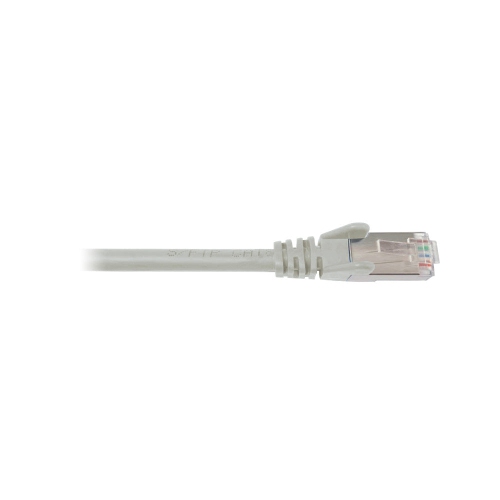
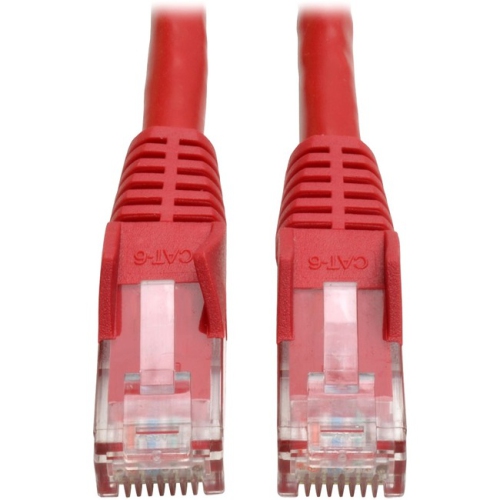
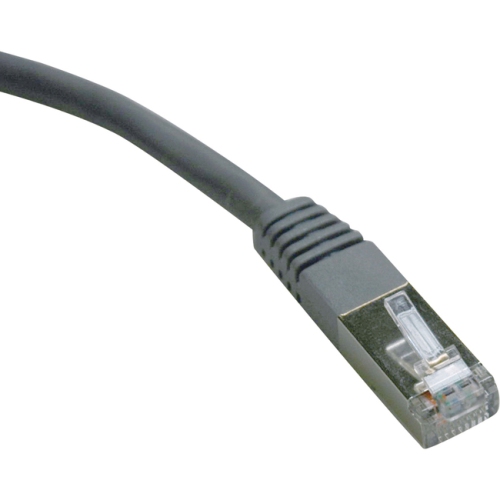
Cable category, conductor material, and construction help distinguish gigabit Ethernet cables that otherwise look similar. Cat 5e is rated to 100 MHz, while Cat 6 is rated to 250 MHz and has tighter specifications for controlling crosstalk, the unwanted interaction between neighbouring wire pairs. Those frequency ratings describe cable performance rather than internet download speed; a higher category does not automatically make a gigabit connection faster. Cat 6 can also support 10 Gbps over shorter runs, potentially up to 55 metres under suitable installation conditions, but compatible equipment and the complete cabling channel determine whether that speed is achievable. For standard home and office gigabit connections, Cat 5e or Cat 6 generally provides the required capability without moving to a higher category solely for its name. Copper conductors are another important detail. All-copper cable has lower electrical resistance than copper-clad aluminum, often abbreviated as CCA, and is the appropriate choice for dependable standards-based network cabling. Stranded copper conductors offer flexibility for patch cords that bend behind desks or move with equipment, while solid copper conductors are commonly used for fixed cable runs terminated at wall jacks or patch panels. Most ordinary indoor installations can use unshielded twisted-pair cable, often labelled UTP. Shielded cable can help address electrical interference in suitable installations, but it requires compatible components and correct grounding; shielding is not a substitute for keeping network cabling appropriately separated from power wiring. Jacket and connector details matter in daily use as well. Flexible jackets are easier to route through a crowded equipment shelf, strain relief helps limit stress where the cable meets the plug, and snagless boots help protect locking tabs during handling. Different jacket colours can make it easier to identify which connection serves a workstation, console, or access point without unplugging each cable.
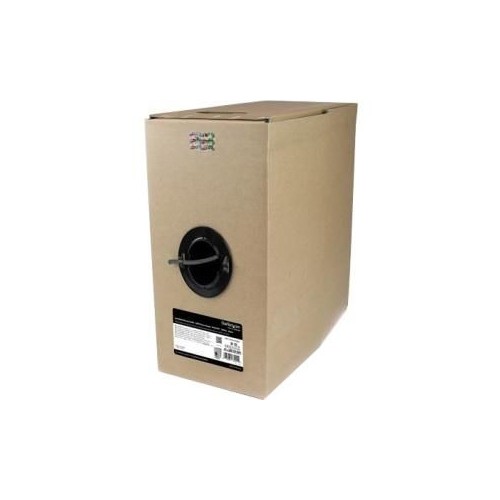
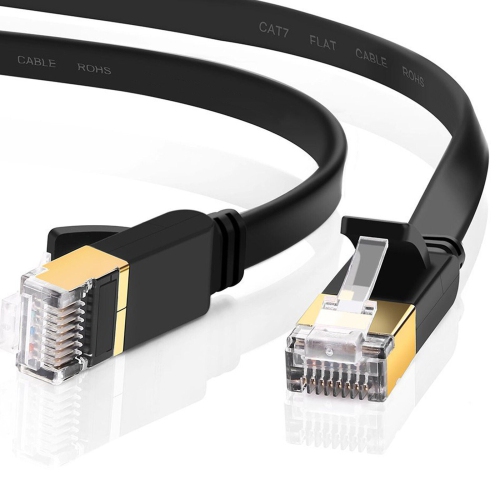
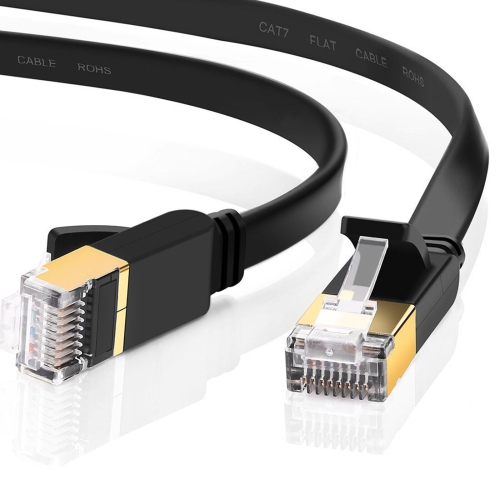
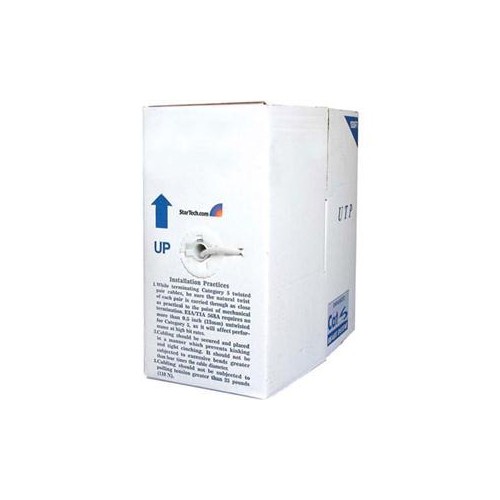
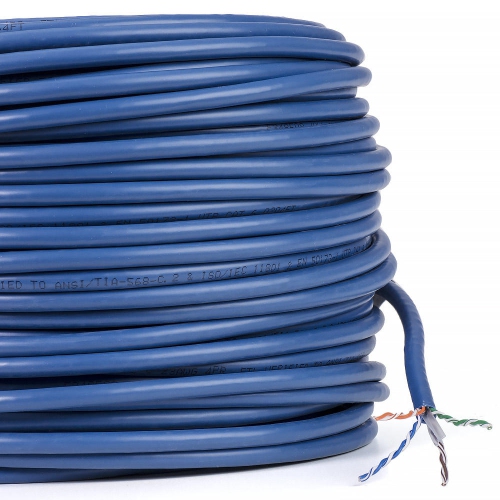
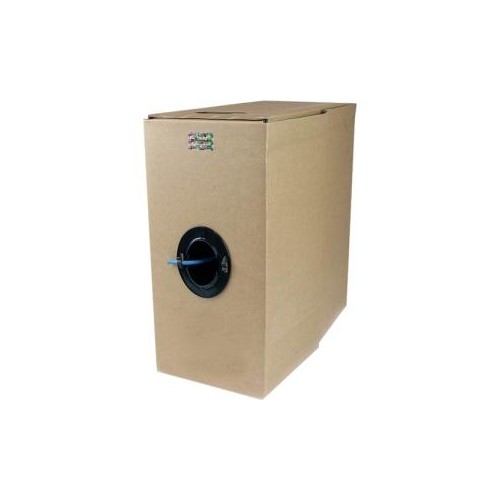
The best cable length follows the actual route between ports, not simply the straight-line distance across a room. A connection from a router on a shelf to a computer beneath a desk may need extra length to travel down furniture, follow a wall, and reach ports facing away from each other. A little slack allows equipment to move without pulling on the plugs, while excessive spare cable can add clutter behind a cabinet. Short patch cords suit closely spaced equipment, and longer cords can reach a workstation across a room when routed safely away from walkways. Flat and round designs offer different routing options, but shape alone does not establish performance; the stated category, conductor material, and construction remain important. A low-profile connector or a plug with a bulky protective boot may fit differently in tightly spaced ports, recessed sockets, or wall-mounted equipment. For multiple fixed runs, Bulk Ethernet Cables can suit projects where cable is measured and terminated to match the layout, with compatible jacks, connectors, tools, and testing needed to complete each link. Cable routed inside walls or through other building spaces must have the appropriate jacket rating and meet applicable installation requirements; an ordinary indoor patch cord is not automatically suitable for concealed or outdoor use. Power over Ethernet adds another consideration for compatible access points, cameras, and other devices, since the cable and connected hardware must suit the required power level. Everyday care is straightforward: avoid sharp bends, crushed sections, tight staples, and tension at the connectors. Reusable cable straps can keep runs tidy without squeezing the jacket, and pressing the release tab before unplugging helps preserve the latch. If a connection unexpectedly negotiates at 100 Mbps instead of gigabit speed, a damaged conductor, poor termination, or unsuitable port may be responsible. Gigabit Ethernet uses all four wire pairs, making intact wiring and secure connections essential. Matching the cable to the distance, equipment, and installation helps create a dependable connection for work, entertainment, and shared network storage.
Top selling and popular products
-
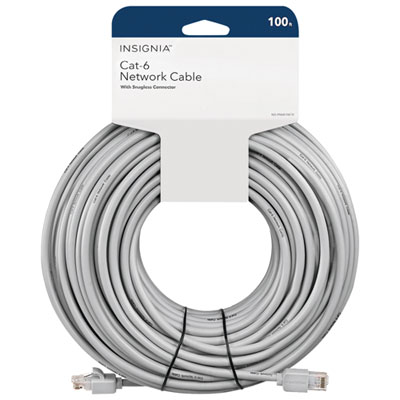 Your price for this item is $49.95
-
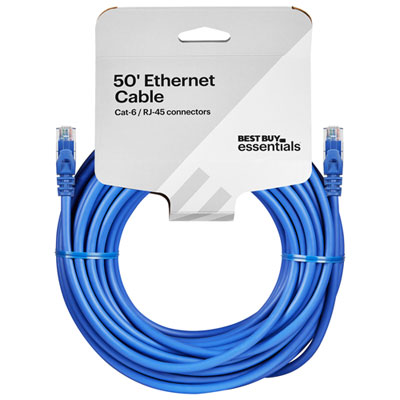 Your price for this item is $24.99
-
 Your price for this item is $25.68
-
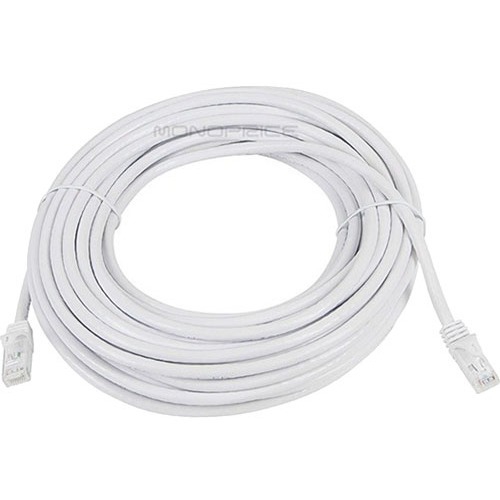 Your price for this item is $36.68
-
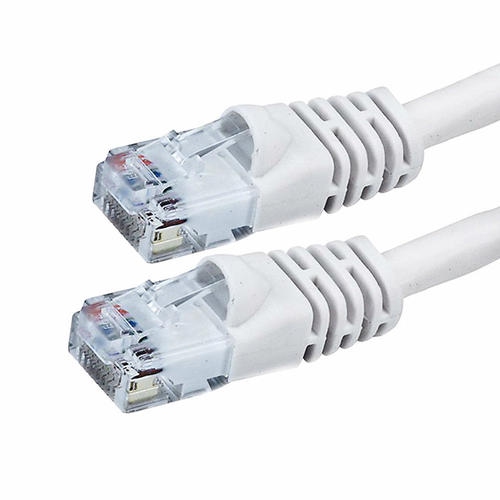 Your price for this item is $5.68
-
 Your price for this item is $11.68
-
 Your price for this item is $89.68
-
 Your price for this item is $50.99
Discover more categories related to Gigabit Ethernet Cables


Top Collections:
Best Black Friday Deals This Year, Best Black Friday Deals On Electronics, Kindle Devices, Pokemon Centers, Best Black Friday Deals On Apple Products, Best Cameras for Sports Photography, Dyson Airwrap, Pokémon 30th Celebration Cards, Apple iPhone 17 Pro, Canon G7X Cameras
Some products may be subject to Environmental Handling Fees
(EHF) depending on your province.
Learn more about EHFs.