Handheld Scanners
Looking for a compact and convenient solution to digitize documents on the go? Look no further than our collection of handheld scanners. These portable devices are designed to effortlessly scan various types of documents, from receipts and business cards to photos and contracts. With their sleek and lightweight design, handheld scanners make it easy to capture high-quality images wherever you are. Whether you're a student, professional, or simply need to organize your paperwork at home, our range of handheld scanners offers a versatile and efficient way to convert physical documents into digital files. Browse through our selection today and take your document scanning experience to the next level.




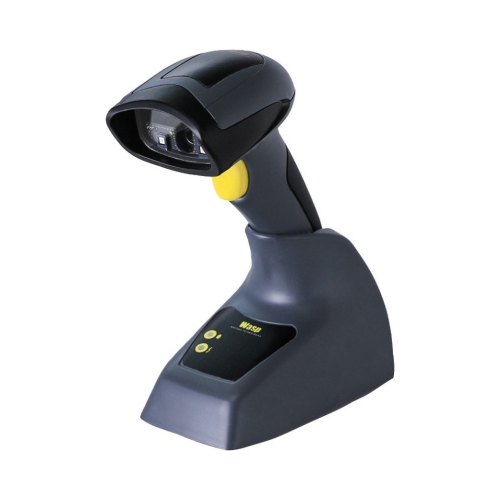
From printed labels and pages to digital data
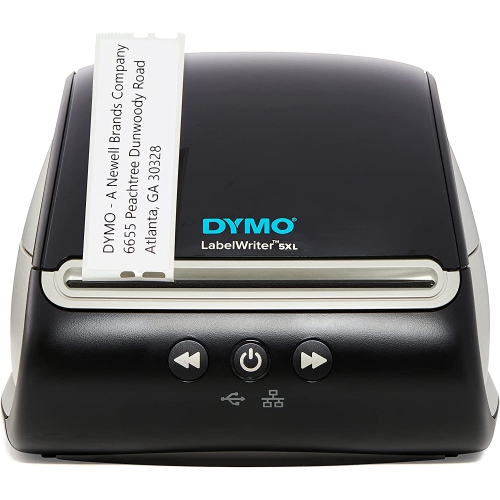
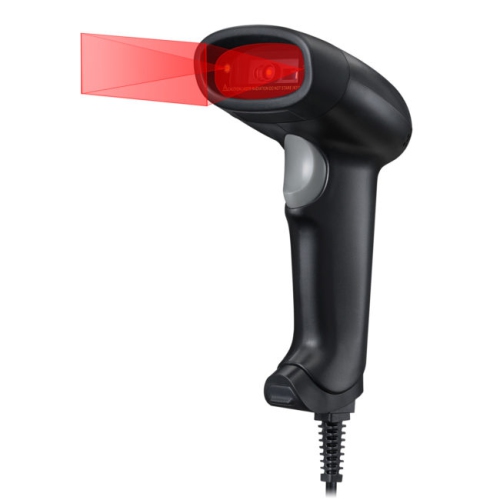
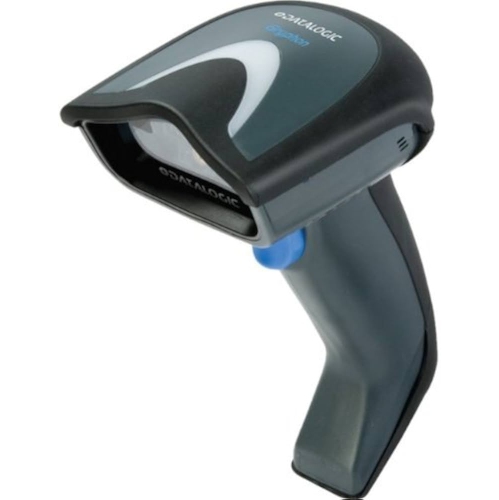
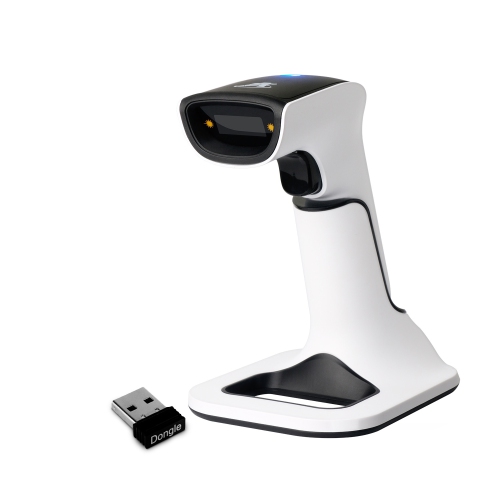
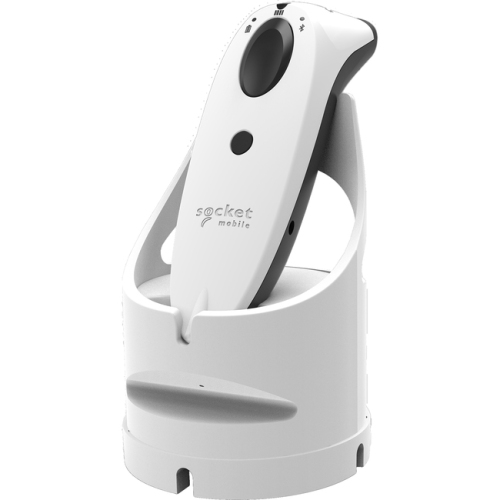
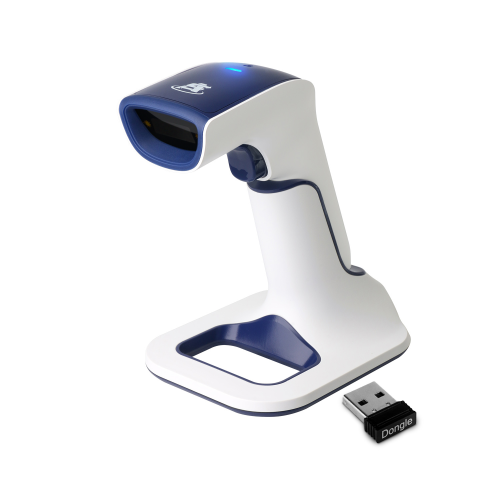
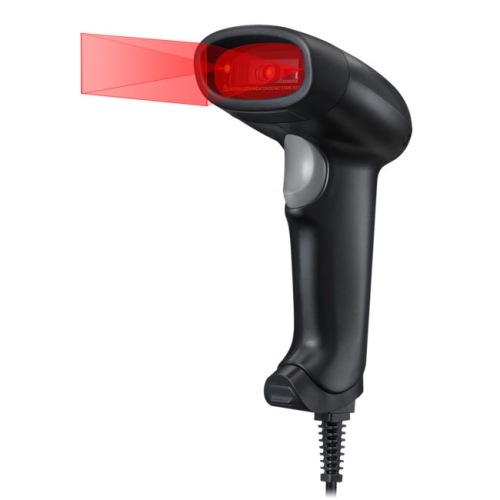
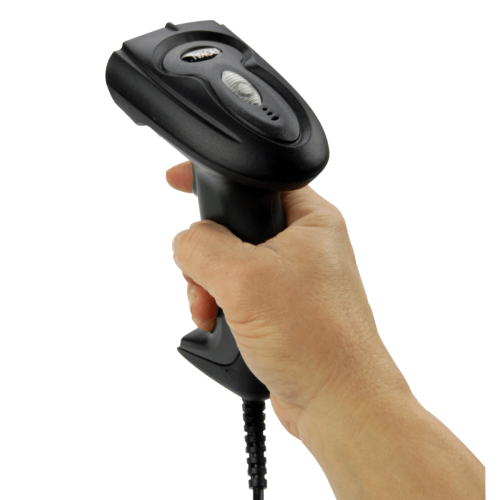
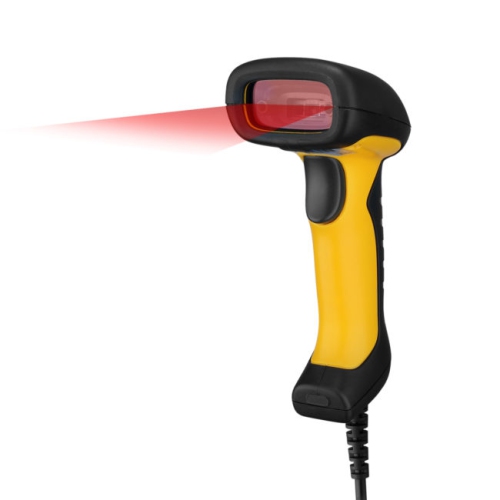
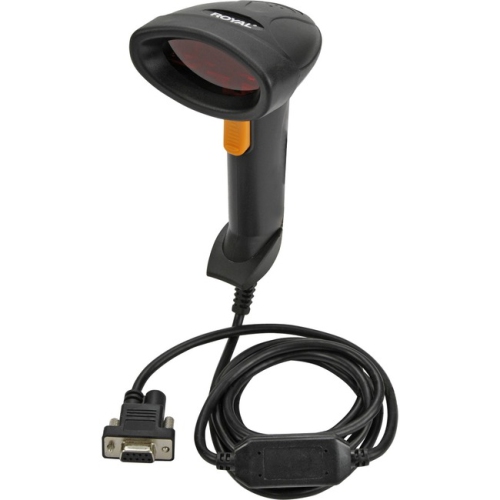
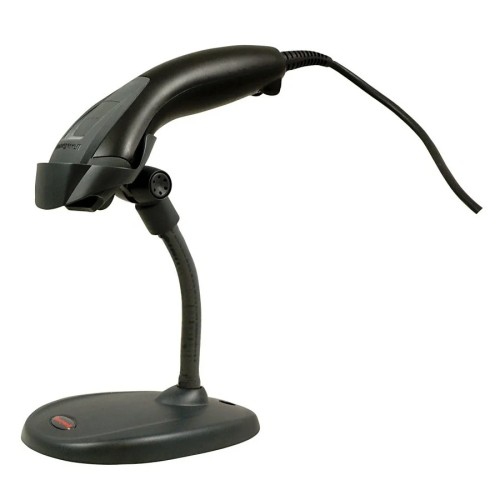
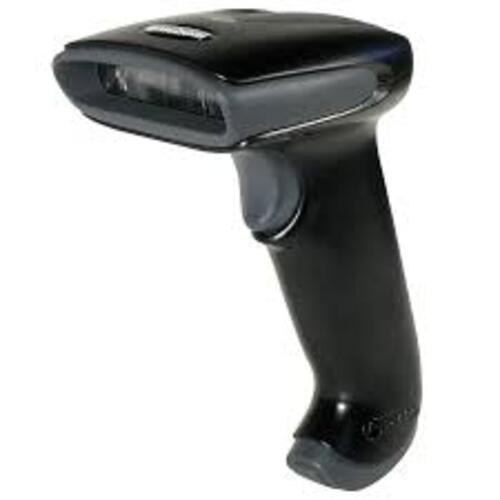
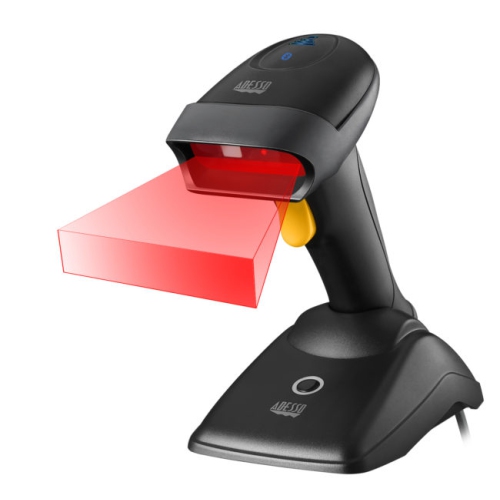
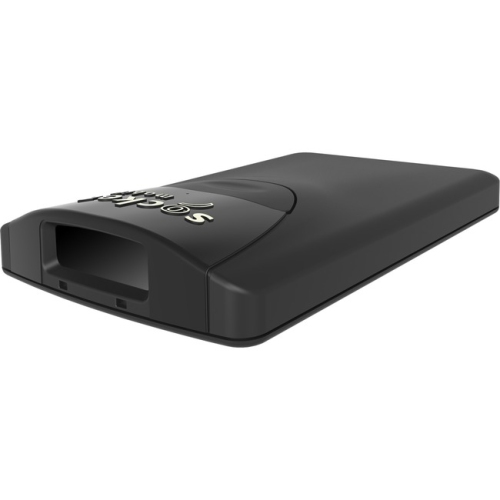
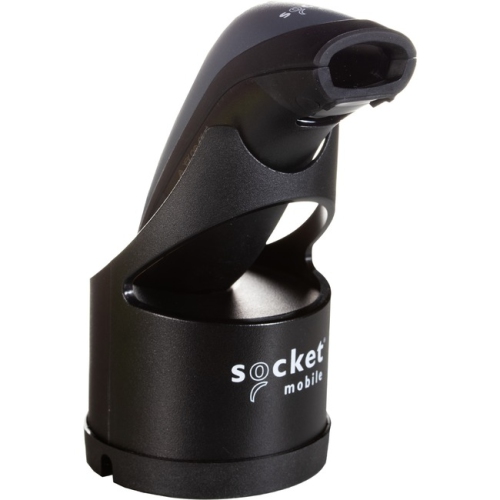
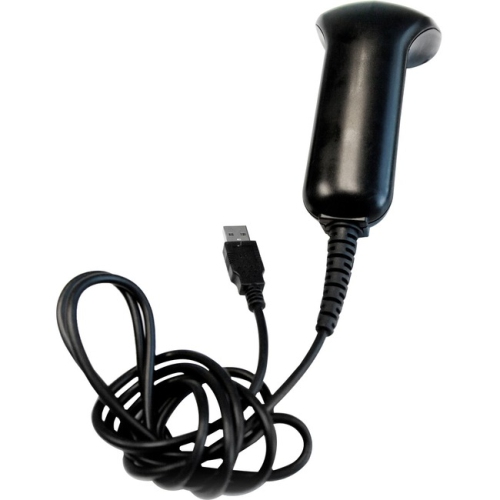
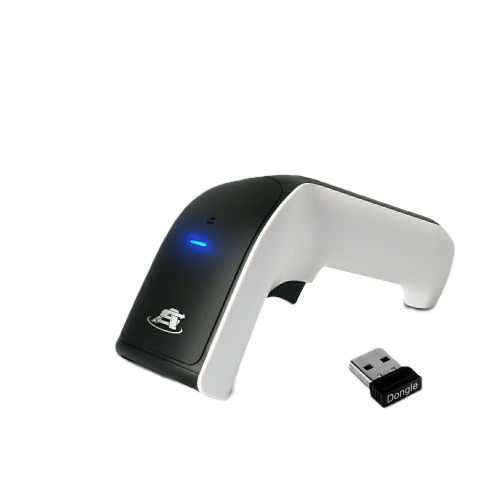
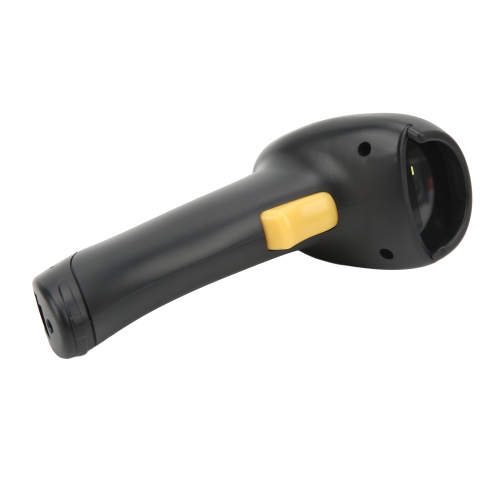
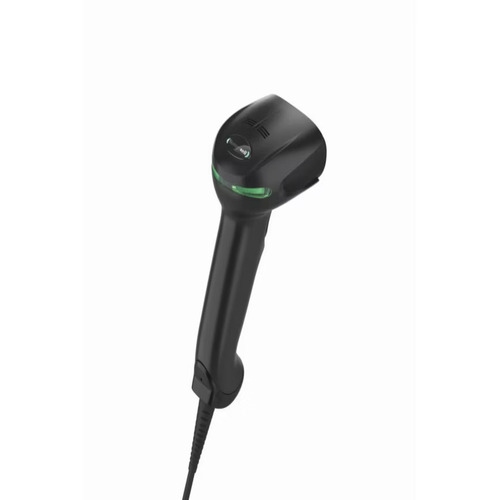
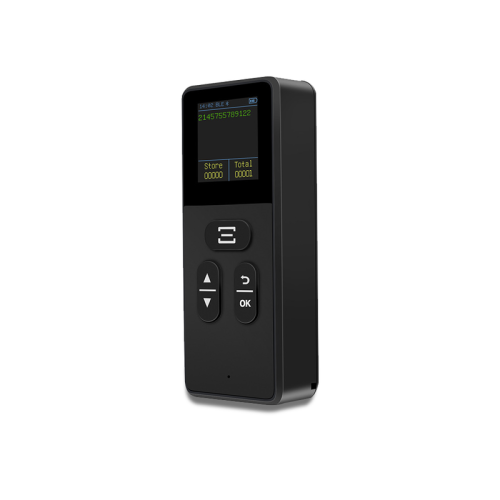
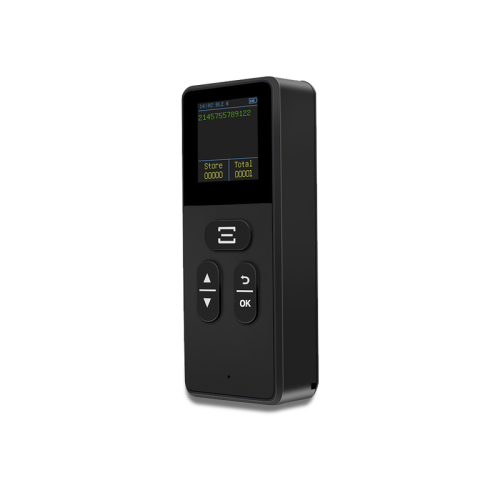
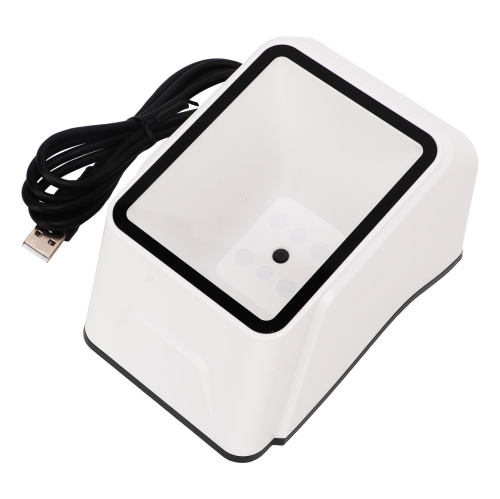
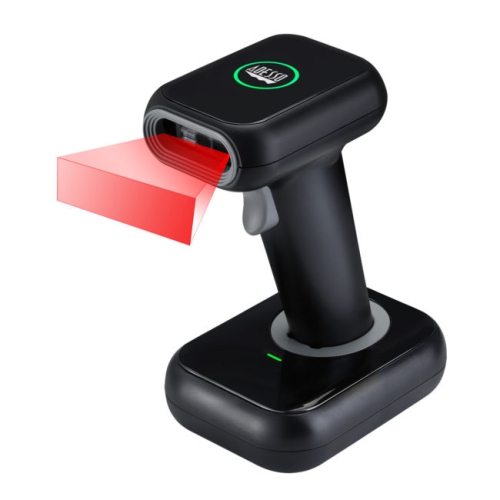
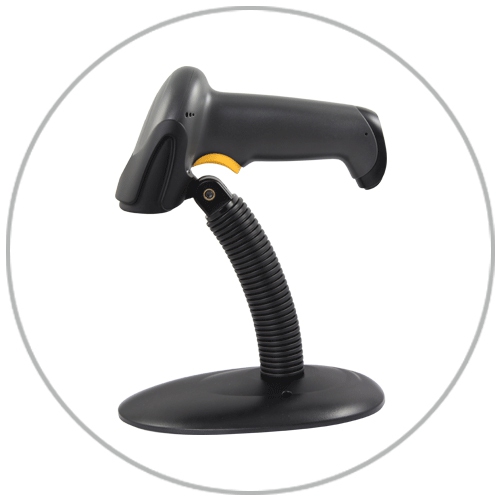
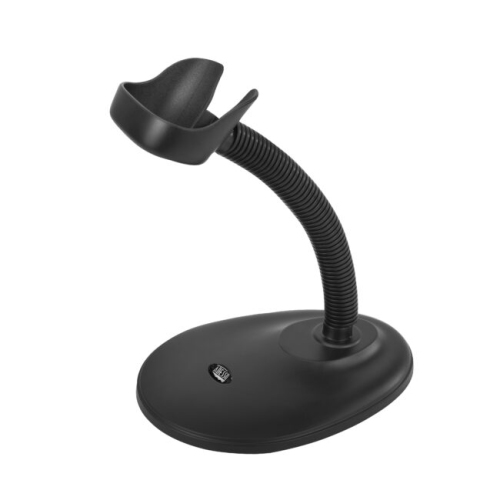
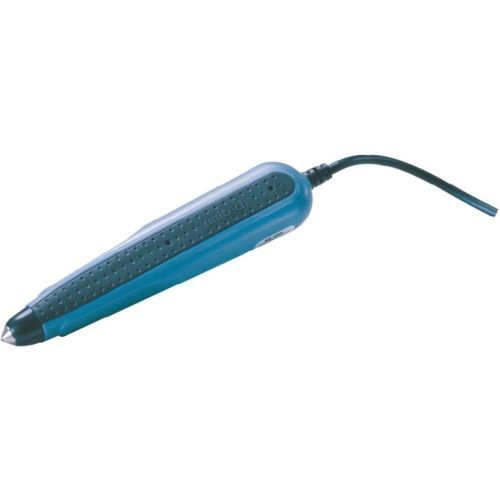
Handheld barcode scanners vary in the types of codes they can read, the distance at which they work, and the way they send data. One-dimensional, or 1D, codes use parallel bars and include familiar UPC formats. Two-dimensional, or 2D, codes include QR codes and Data Matrix codes, which arrange information across a pattern rather than along a single line. A reader designed only for 1D barcodes will not read a QR code, so supported formats are an important distinction within this category. Laser readers commonly handle linear barcodes, while 2D imaging scanners capture supported codes using an image sensor. Reading a code from a phone screen also requires suitable hardware; an imaging scanner with stated screen-reading support is a better match for digital tickets or membership passes than a reader intended solely for printed labels. At a workstation, a wired USB connection offers a straightforward setup without a scanner battery to recharge, provided the host device supplies the required power. Cordless designs allow more freedom when scanning a label on a large carton or reaching across a work surface. Depending on the design, wireless communication may use Bluetooth or a dedicated receiver, and the stated range can be affected by walls and other obstacles. Some scanners can retain scans temporarily for later transfer, but that function is separate from simply being wireless. Compatibility extends beyond the connection: many readers can enter barcode values into the active text field, while specialized applications may require particular settings or integrations. Audible tones, indicator lights, and vibration feedback can help confirm a successful scan without constant attention to the screen. Adjustable feedback is particularly useful in a quiet office or a busy workspace where a beep may be difficult to hear. For tasks that also involve creating labels, handheld printers serve a complementary purpose, though label format, print clarity, and barcode compatibility still determine whether a printed code can be read reliably.
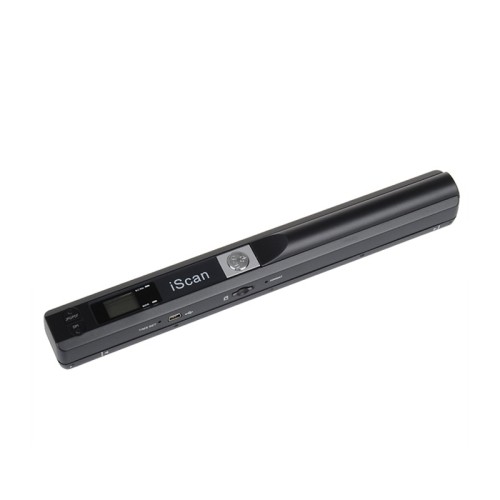
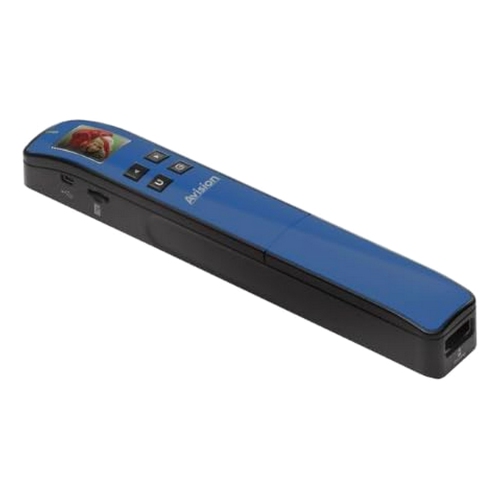
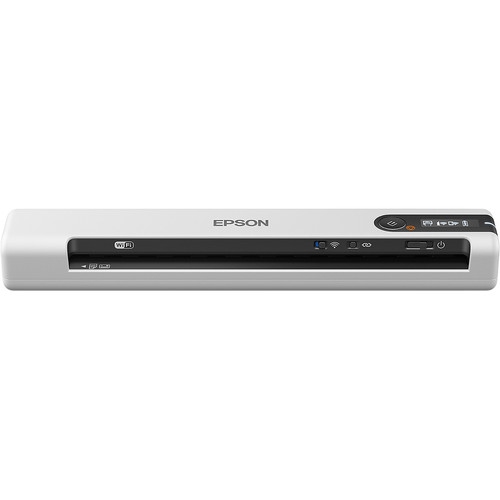
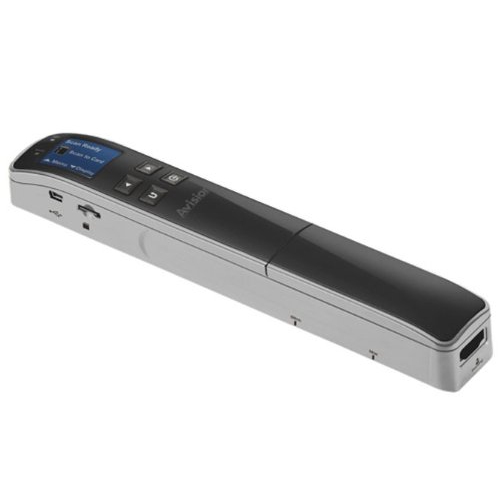
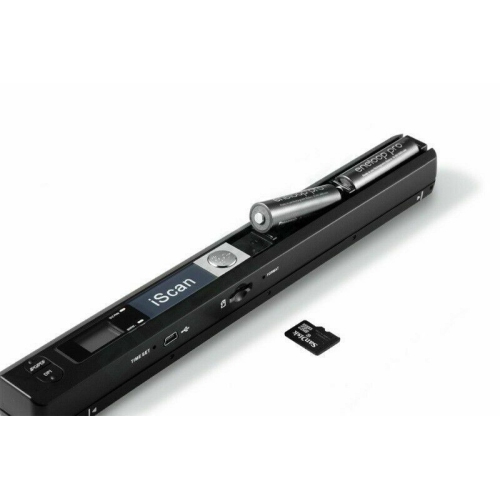
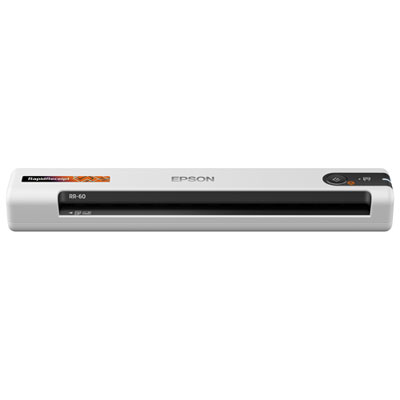
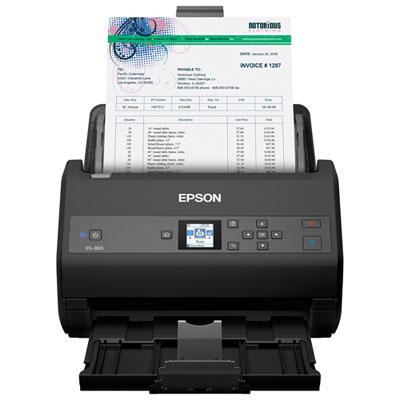
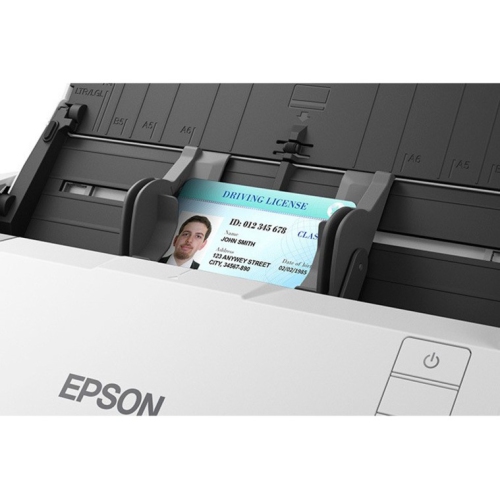
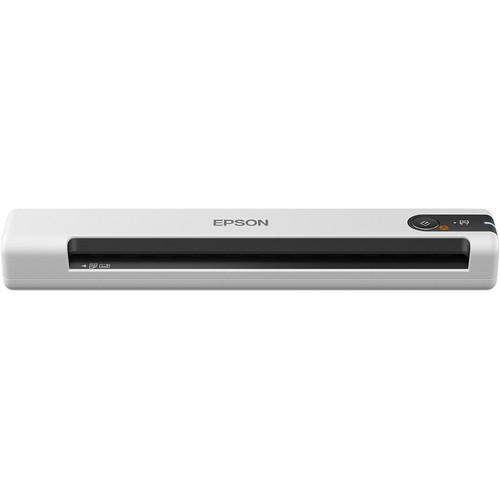
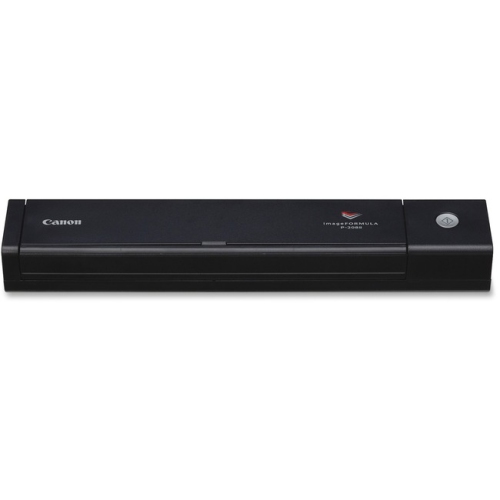
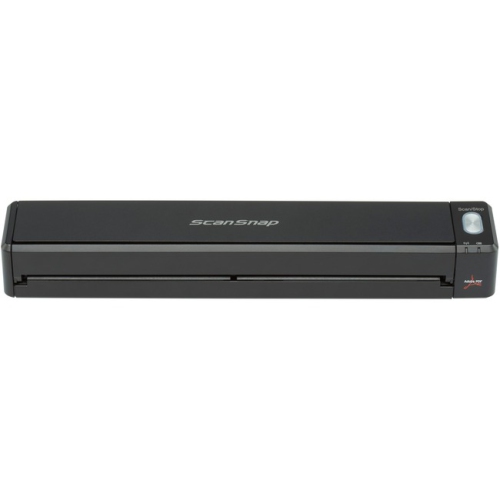
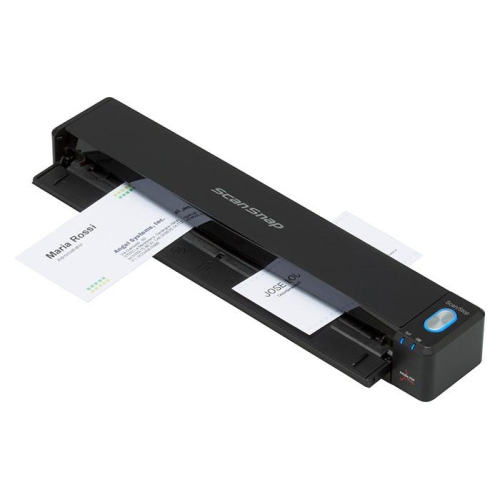
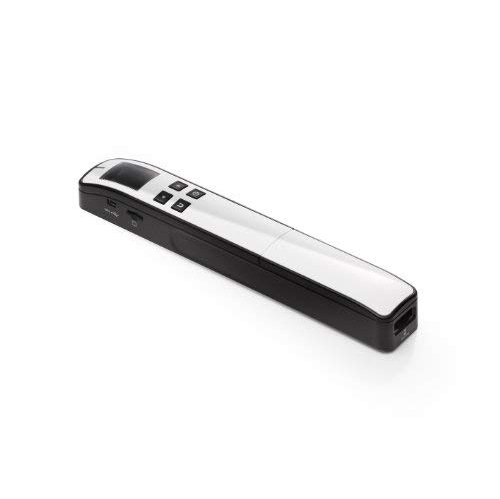
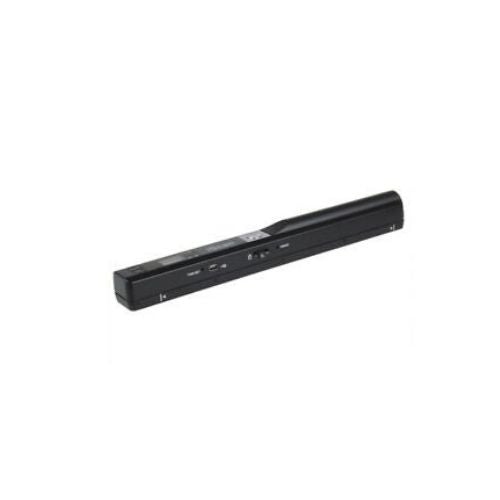
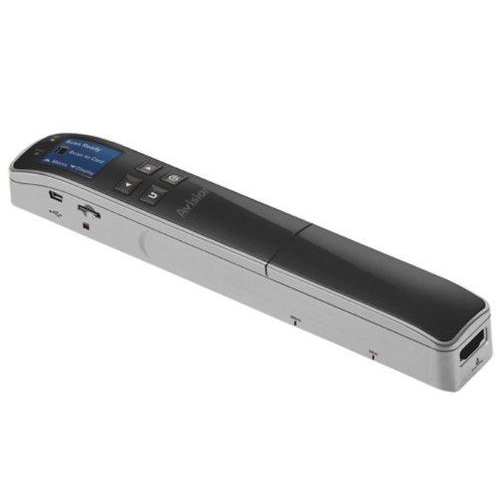
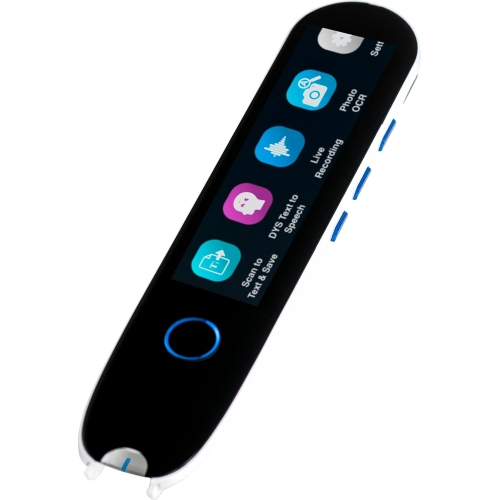
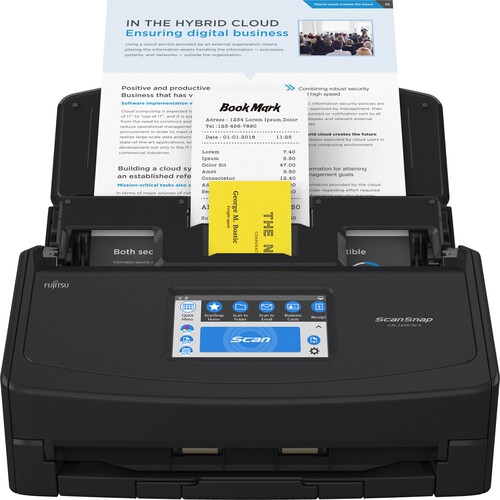
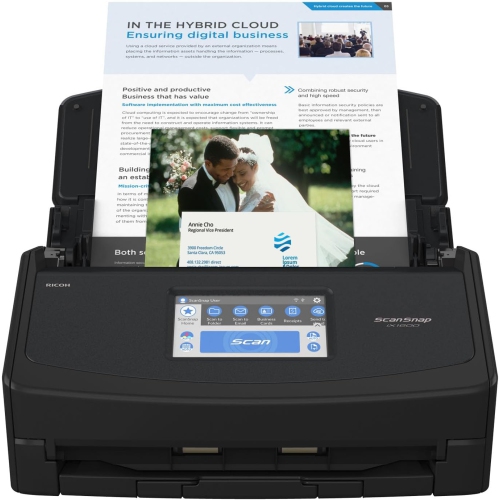
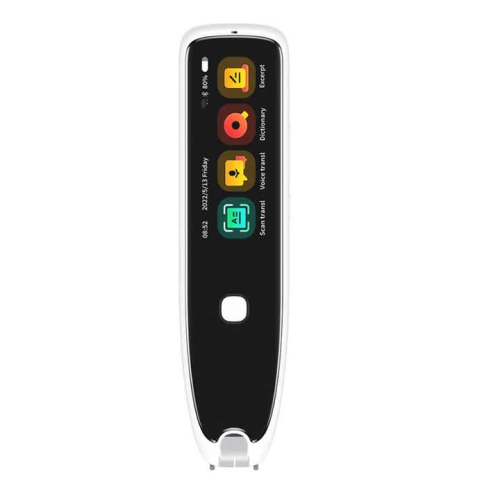
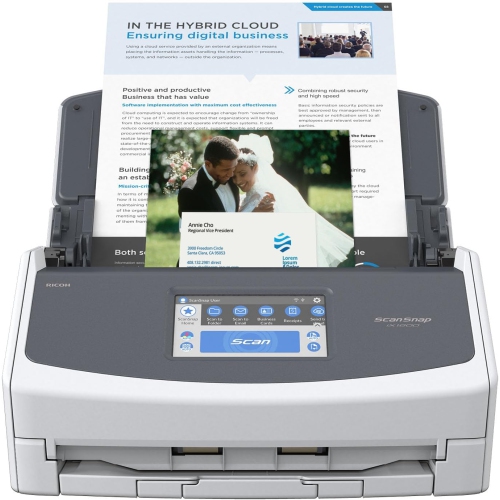
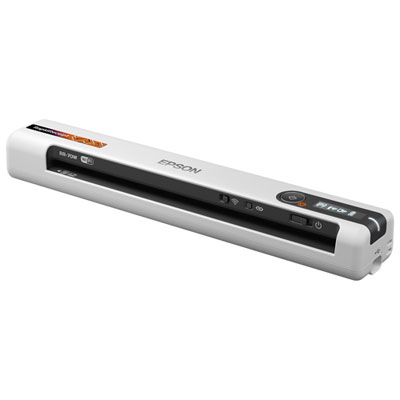
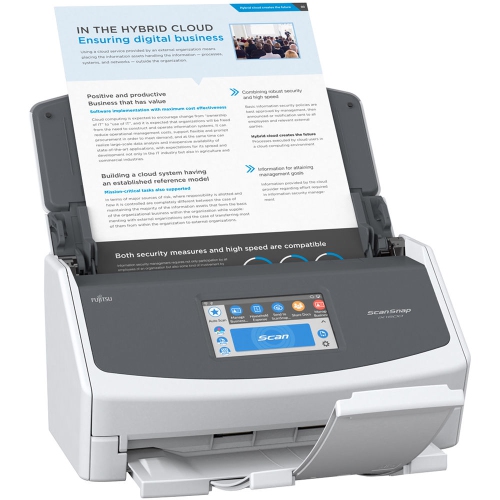
Portable document scanners bring a different set of considerations, centred on paper handling and the quality of the captured image. Receipts, signed forms, handwritten notes, and photographs vary in thickness, size, and surface finish, so the supported media specifications help define a scanner’s intended use. A wand design can capture an accessible page without feeding it through rollers, but it needs a steady pass over a flat surface to avoid stretched text or uneven results. A sheet-fed design controls the paper’s movement, making it practical for loose pages that fall within its size and thickness limits. Folded corners, staples, adhesive notes, and fragile originals need attention before scanning because they can interfere with the paper path or damage the document. Resolution, measured in dots per inch, affects how much detail is captured; around 300 dpi is commonly suitable for clear everyday text, while photographs or small print may benefit from a higher setting. Larger image files take more storage space and may transfer more slowly, so the highest resolution is not always the most useful choice for routine paperwork. Optical character recognition, when included in compatible software, can make printed text searchable or editable, although handwriting, faint printing, and complex layouts may still need manual review. Automatic cropping, deskewing, and duplex scanning can simplify repeated tasks, but these features differ by scanner and software. USB power, rechargeable batteries, memory-card storage, and Wi-Fi connectivity support different routines, from scanning beside a laptop to saving files away from a desk. For personal or business documents containing sensitive details, the transfer method and storage destination also matter. Long-term care is generally simple: keep the scanning window clean using the manufacturer’s approved method, protect feed openings from dust, and avoid forcing unsuitable paper through the mechanism. Drop-resistance and dust- or water-resistance claims should be checked against stated ratings rather than assumed from a rugged-looking shell. A well-matched scanner can be a practical addition to a shared office, a student’s study space, or a family paperwork station, where comfortable handling and dependable file capture matter more than features that rarely get used.
Top selling and popular products
-
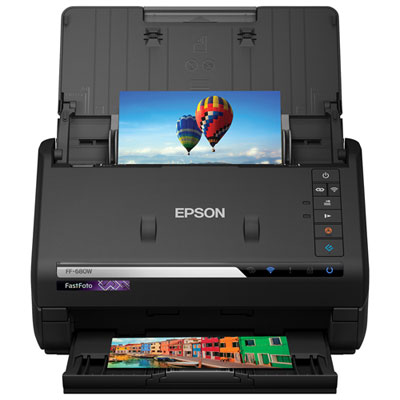 Your price for this item is $849.99
 -
 Your price for this item is $107.99
 -
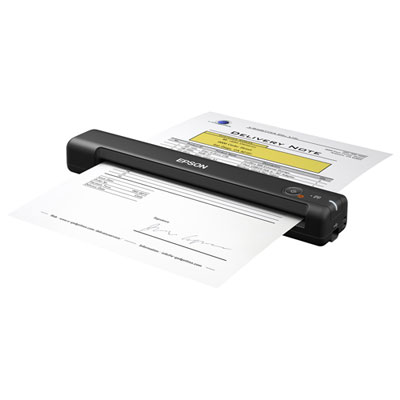 Your price for this item is $149.99
 -
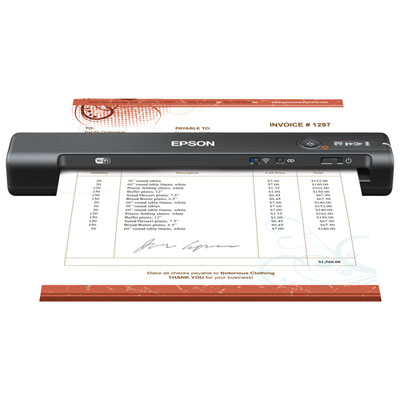 Your price for this item is $239.99
 -
 Your price for this item is $369.99
 -
 Your price for this item is $129.99
 -
 Your price for this item is $228.99
 -
 Your price for this item is $804