Headsets Headsets
Headsets Headset options offer the perfect solution for staying connected, whether at home, work, or on the go. Explore a wide selection designed to suit various needs, including gaming, calls, music, and more. With comfortable designs and innovative technology, finding the right Headsets Headset is simple. Discover the ideal combination of style and performance to enhance your audio experience.
Sort
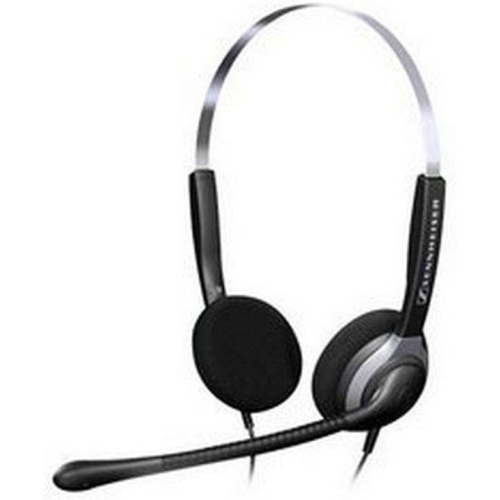
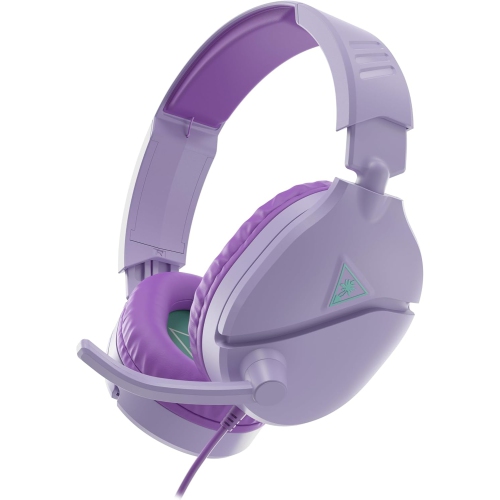

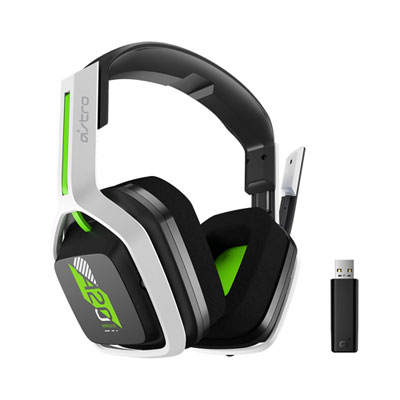
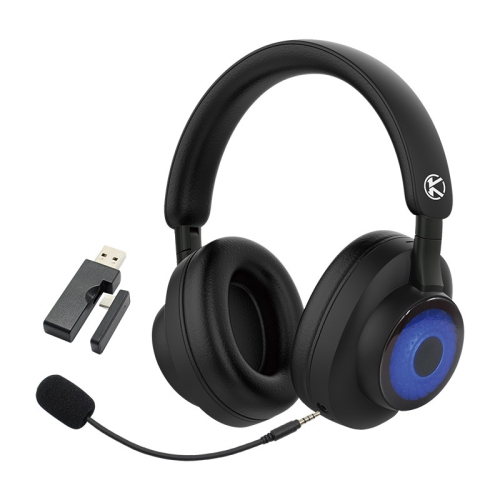
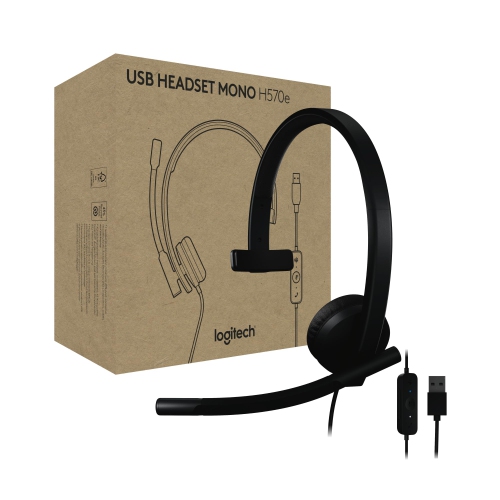

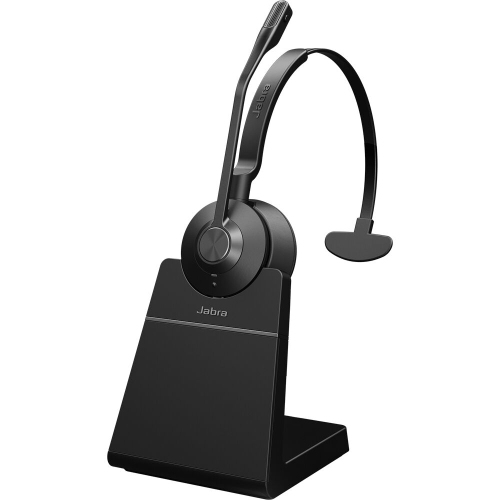
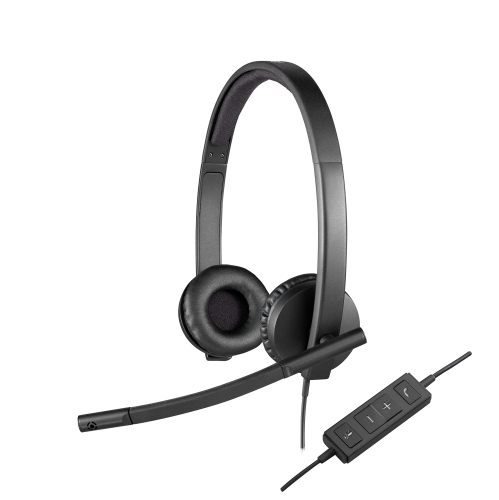

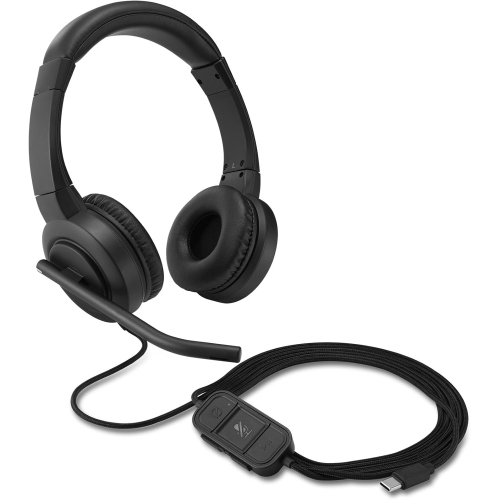




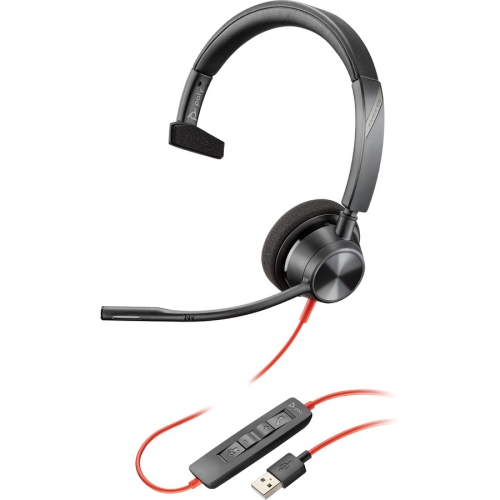

Clear listening and conversation in one device
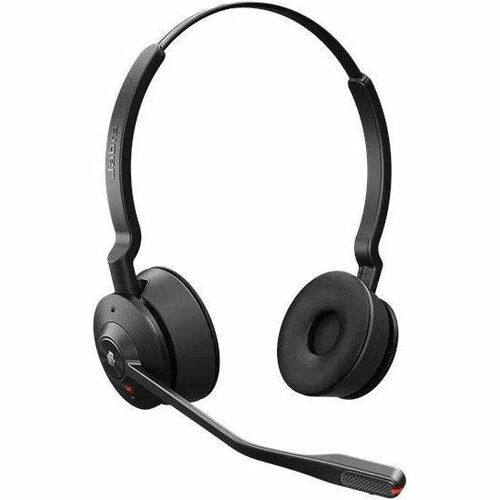
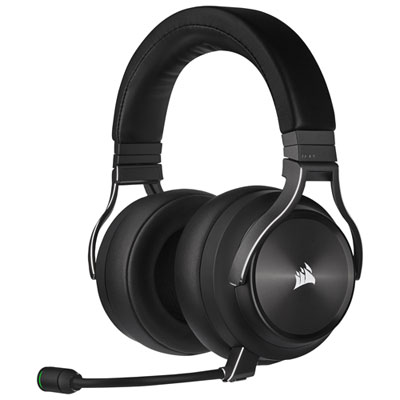
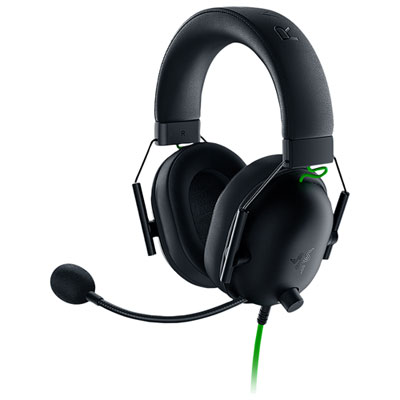
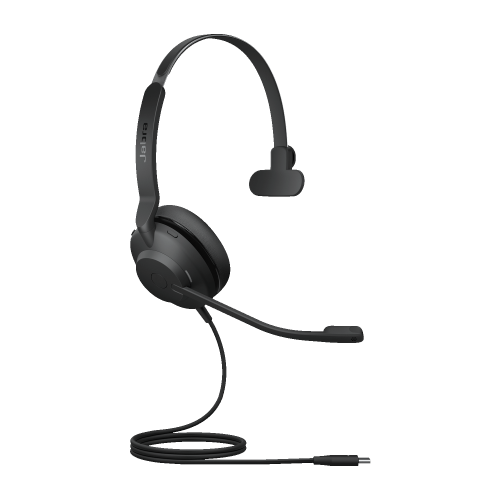
Headsets combine headphones and a microphone in a single device, making them useful for conversations, gaming, online learning, and everyday listening. Unlike headphones designed mainly for playback, a headset supports two-way communication without requiring a separate desktop microphone. For someone moving between video meetings and focused work, that can mean hearing a presentation clearly and responding without leaning towards a laptop. For a gamer, it means following dialogue, listening for directional cues, and coordinating with teammates through the same connection. Stereo headsets deliver separate left and right audio channels, while some gaming headsets support virtual surround sound through compatible hardware or software. Virtual surround processing can create a broader sense of direction, although its usefulness depends on the game, the implementation, and personal preference. Clear, balanced sound matters beyond gaming: speech should remain understandable during calls, and music should retain detail without bass overwhelming voices. Microphone design also shapes the experience. A boom microphone sits near the mouth and can help keep speech distinct from surrounding sounds, while an integrated microphone offers a less prominent appearance. Adjustable or flexible booms make positioning easier, especially when several people share a workspace. A microphone described as noise-reducing is intended to limit unwanted sound reaching the listener; this is different from active noise cancellation, which reduces certain sounds heard by the wearer. Neither feature guarantees complete silence. Closed-back earcups can provide passive isolation through their physical seal, whereas open-back designs allow more sound to pass in both directions. That distinction matters in a shared room, where private conversations and audible game soundtracks may affect other people nearby. Single-ear headsets leave one ear uncovered, which can be useful when staying aware of nearby conversation is part of the task. Over-ear, on-ear, and in-ear designs offer different balances of coverage, portability, and awareness, so the most suitable format depends as much on the setting and length of a session as on sound preferences.
Comfort becomes especially noticeable during a long meeting, a study session, or an evening spent playing with friends. Over-ear cushions surround the ears, while on-ear cushions rest against them; either design can feel comfortable when its size, padding, and headband pressure suit the wearer. Larger earcups are not automatically a better fit, since internal depth and cushion shape also determine whether the ears touch the lining. An adjustable headband helps distribute weight, and swivelling earcups can accommodate the angle of the head rather than pressing harder at one edge. People who wear glasses may notice pressure where the arms pass beneath the cushions, making softer padding and moderate clamping force particularly relevant. Weight matters, but balance matters too: a headset that sits securely without sliding can feel less distracting than one that needs frequent adjustment. Materials influence both comfort and upkeep. Fabric-covered cushions can feel breathable, while leatherette surfaces are generally easier to wipe clean; each material has its own care requirements and wear characteristics. Mesh coverings, foam padding, plastic housings, and metal reinforcement all serve different purposes, and durability depends on construction rather than any single material. Hinges, adjustment tracks, and cable entry points deserve particular attention because they move or flex during regular use. Replaceable ear cushions, detachable cables, and removable microphones can make routine wear easier to manage where those features are supported. Controls should also suit the way the headset will be used. A clearly identifiable mute button helps during meetings, while an accessible volume dial allows quick adjustments without searching through an application. Flip-to-mute microphones can make muting straightforward, but the action and any status indicator vary by design. For shared desks or family gaming spaces, easy adjustment and simple controls can be more useful than an extensive set of settings. A comfortable fit should support clear listening at a moderate volume rather than relying on louder playback to compensate for a poor seal.
Connection type determines how smoothly a headset fits into a daily routine. Wired headsets avoid battery charging and can suit a fixed desk or gaming station, but the connector still needs to match the device. A 3.5 mm headset connection requires a compatible port that supports both audio and microphone input; computers with separate headphone and microphone sockets may need an appropriate splitter. USB connections carry digital audio, although support can differ between computers, consoles, and mobile devices. For cord-free setups, Audio Wireless Headsets offer options for calls, listening, and play without an audio cable running back to the source. Bluetooth connections are convenient for compatible phones and computers, while a dedicated wireless receiver can provide a low-latency connection suited to interactive gaming. Compatibility should not be assumed simply because two devices support wireless audio, and some connections change playback quality when the microphone is active. Multipoint support can help manage connections to more than one device, but switching behaviour varies. Battery life, charging time, and whether playback works while charging also affect everyday convenience. A headset used for back-to-back calls has different demands from one used occasionally for a short game. Care helps preserve both comfort and function: wiping contact surfaces according to the manufacturer's directions, keeping liquid away from openings, and letting cleaned cushions dry fully can prevent avoidable damage. Cables last better when loosely gathered rather than tightly wrapped around the headband, and carrying a headset in a suitable case protects hinges and microphones inside a bag. Listening breaks and sensible volume levels remain worthwhile regardless of the design. As a gift, a headset is most practical when it matches the recipient's devices, preferred activities, and fit needs. Someone studying from a shared space may value microphone clarity and isolation, while a frequent player may put greater emphasis on connection stability and accessible controls. Those everyday details distinguish a headset that merely connects from one that feels easy to use throughout a typical day.
Top selling and popular products
-
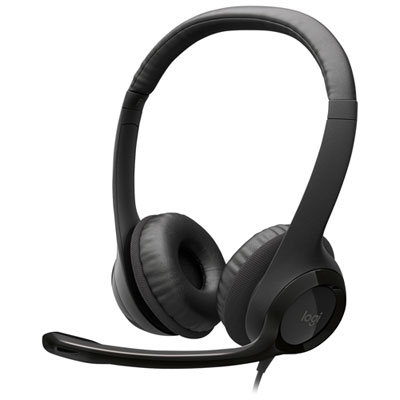 Your price for this item is $39.99
-
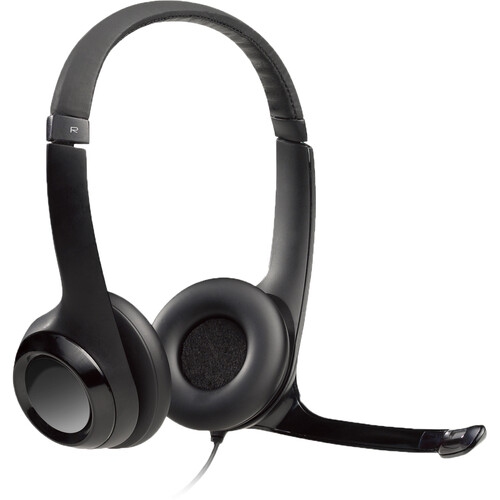 Your price for this item is $77.79
-
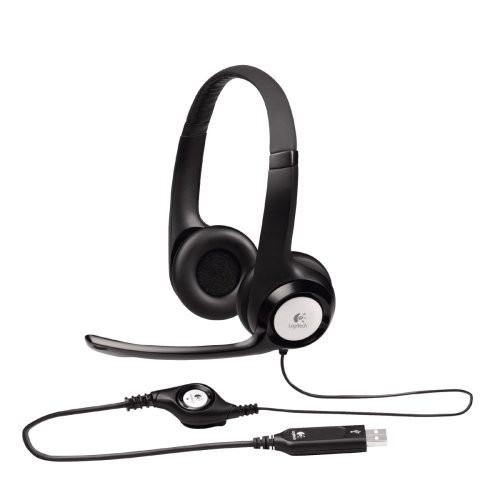 Your price for this item is $49
-
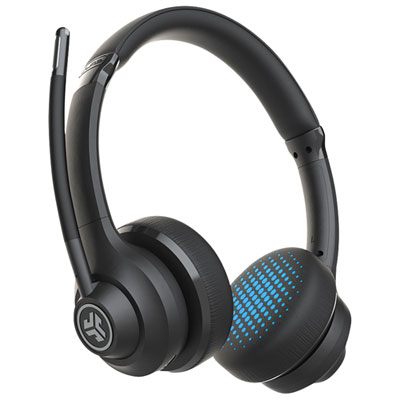 Your price for this item is $69.99
-
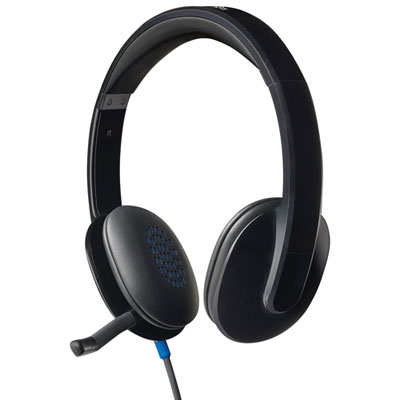 Your price for this item is $47.98
-
 Your price for this item is $62.68
-
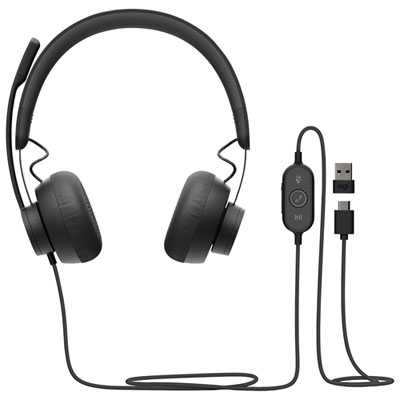 Your price for this item is $179.97
-
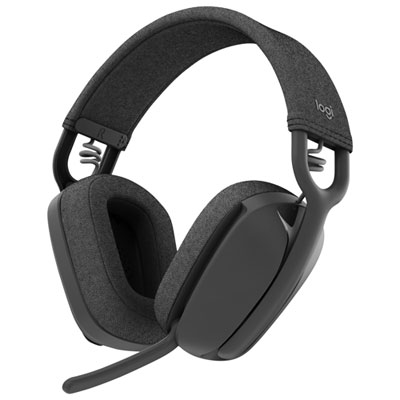 Your price for this item is $129.99
Discover more categories related to Headsets Headsets

Top Collections:
Best Black Friday Deals This Year, Best Black Friday Deals On Electronics, Kindle Devices, Pokemon Centers, Best Black Friday Deals On Apple Products, Best Cameras for Sports Photography, Dyson Airwrap, Pokémon 30th Celebration Cards, Apple iPhone 17 Pro, Canon G7X Cameras
Some products may be subject to Environmental Handling Fees
(EHF) depending on your province.
Learn more about EHFs.