Healthcare Supplies
Get ready to take charge of your health with our wide selection of healthcare supplies. Whether you're looking for essential items to keep your medicine cabinet stocked or seeking specialized equipment to aid in recovery or daily living, we've got you covered. From first-aid kits and thermometers to mobility aids and personal care products, our comprehensive range of healthcare supplies is designed to meet your unique needs. With top-quality options from trusted brands, you can rest assured that you're getting the best in health and wellness solutions. Explore our collection and prioritize your well-being today.
Sort















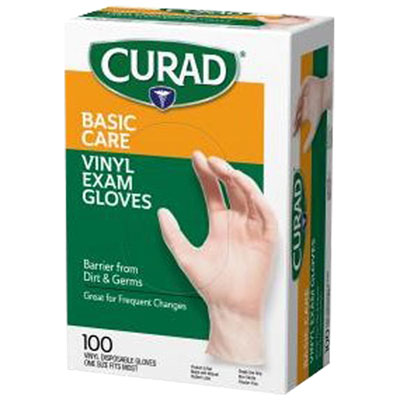
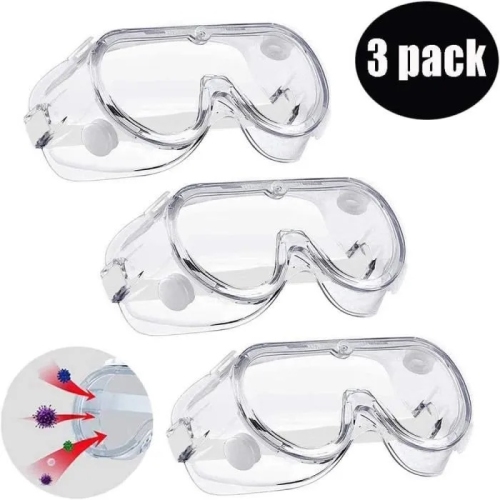
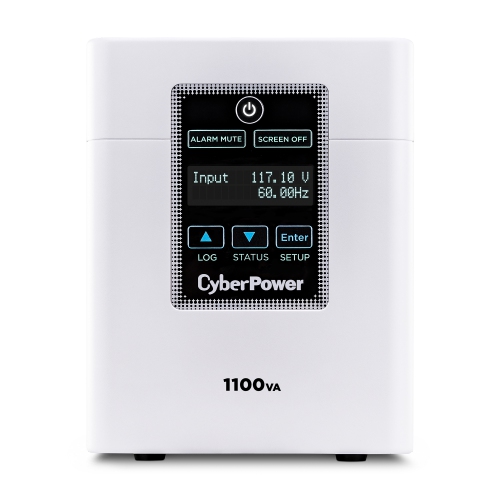

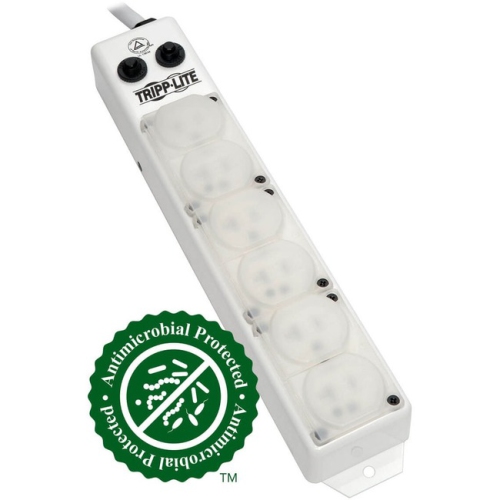
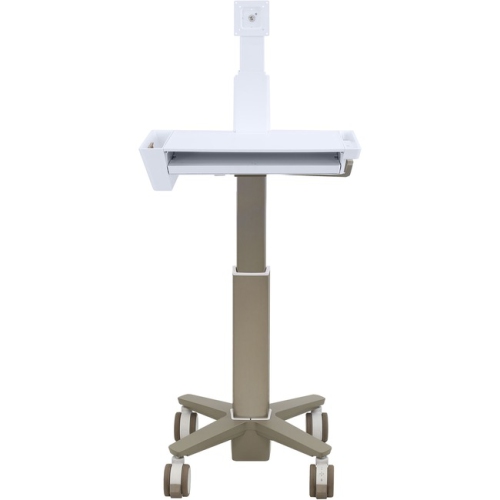



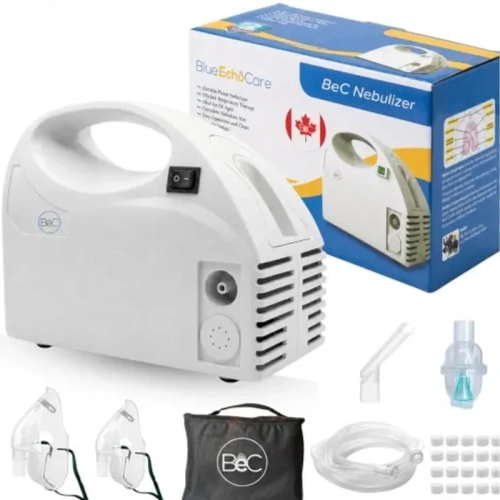

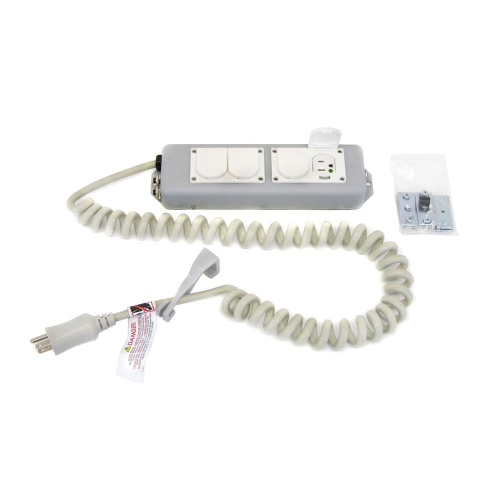




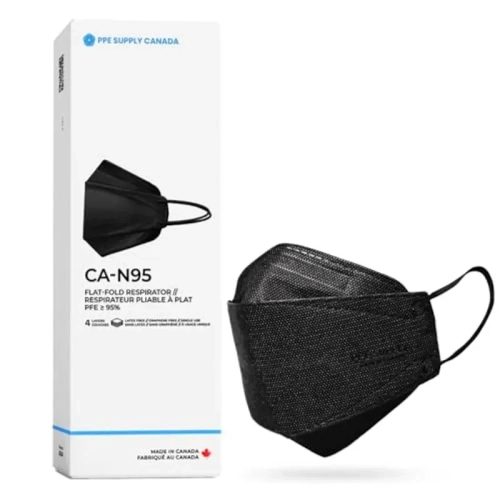
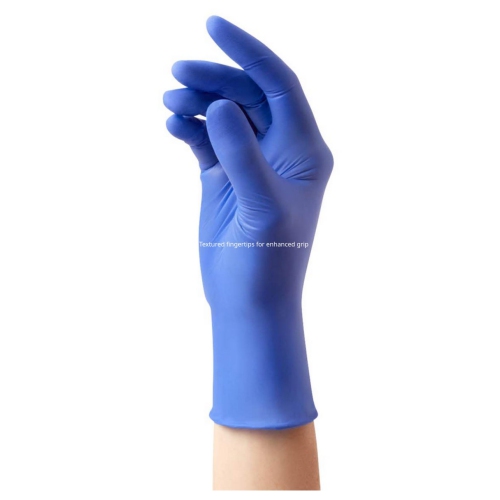
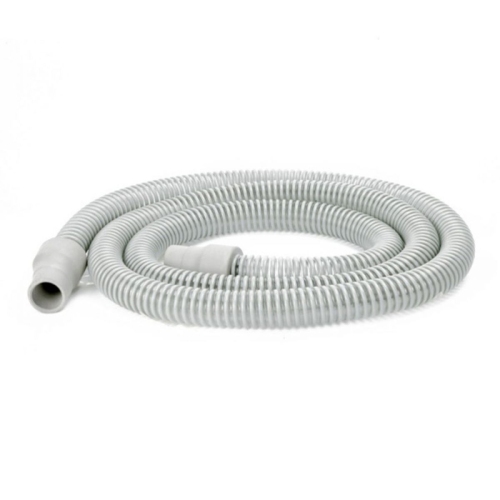

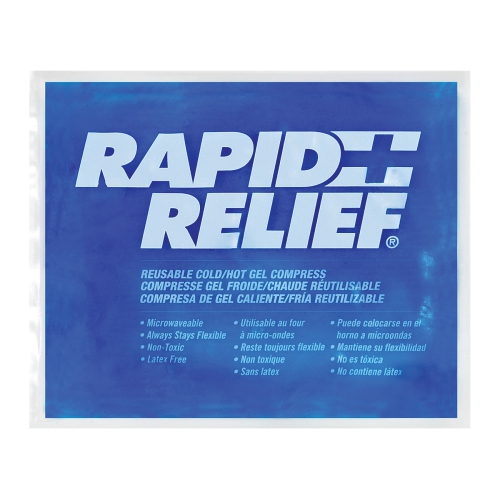


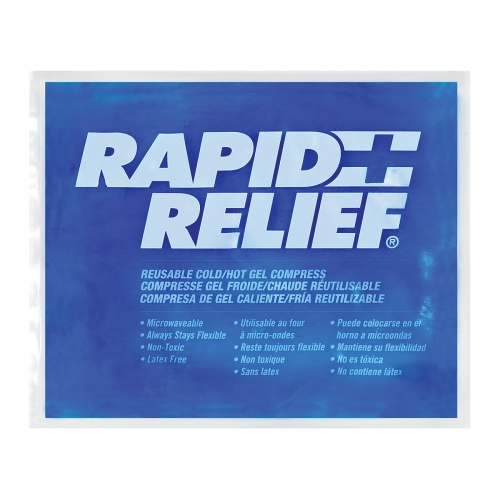
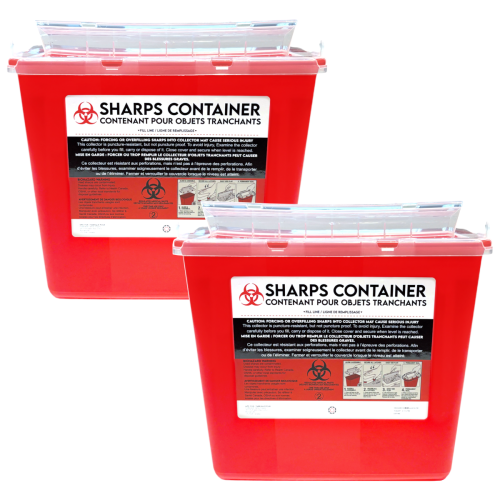
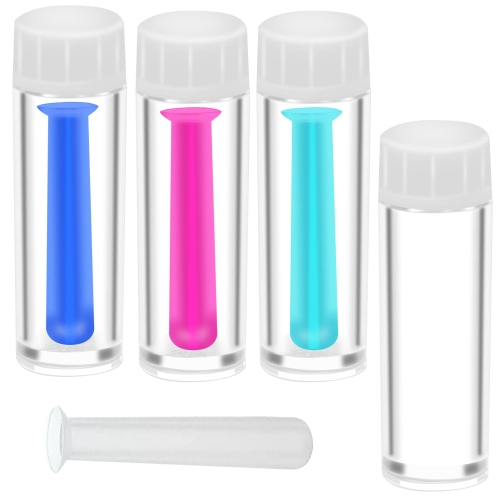
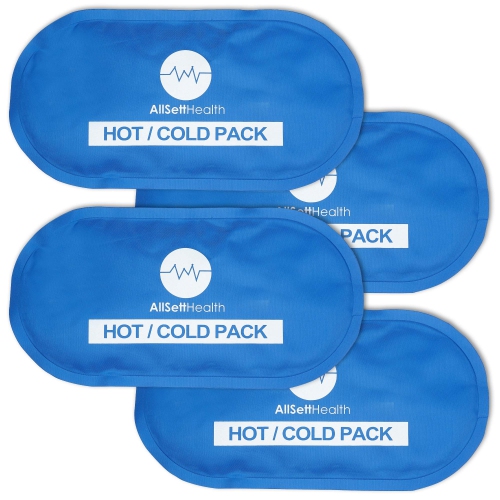



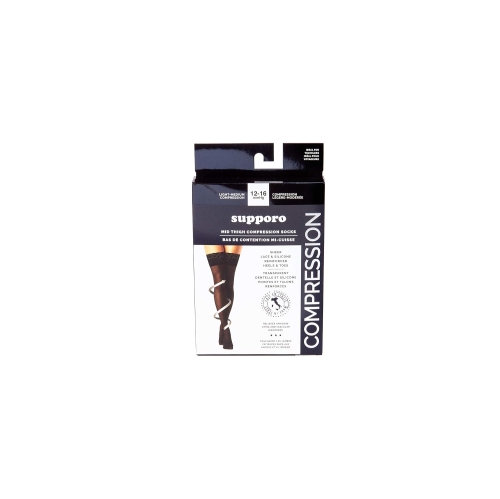
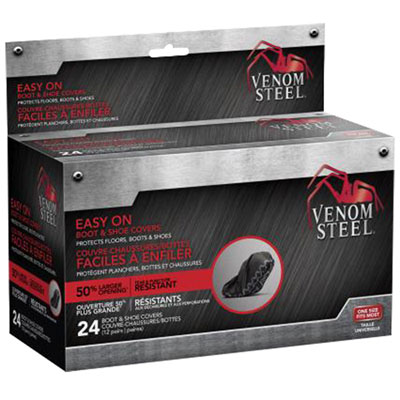
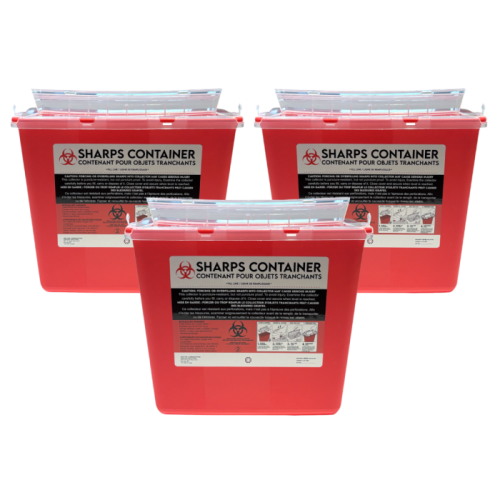
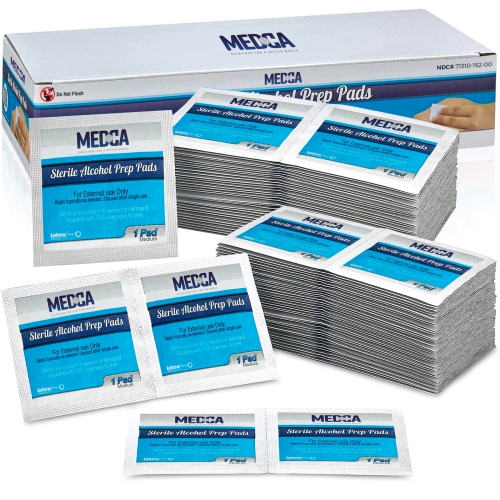













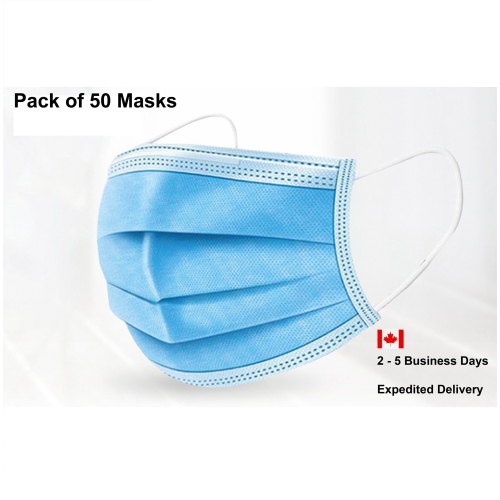
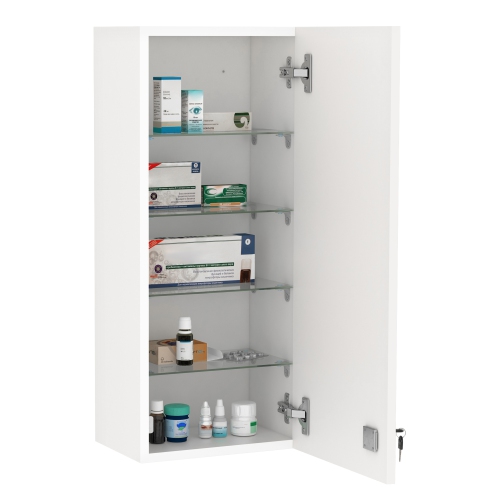
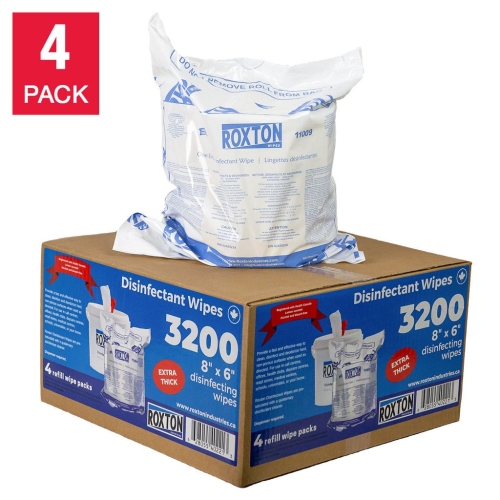

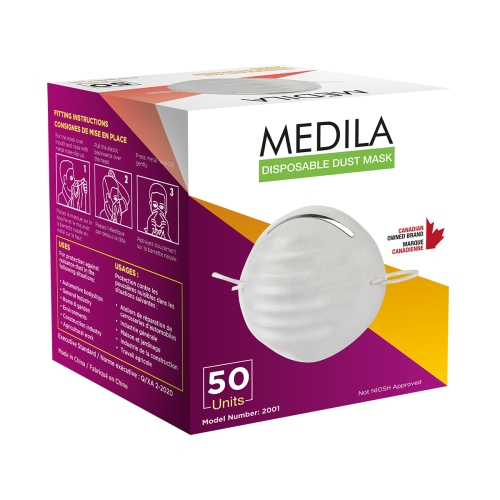



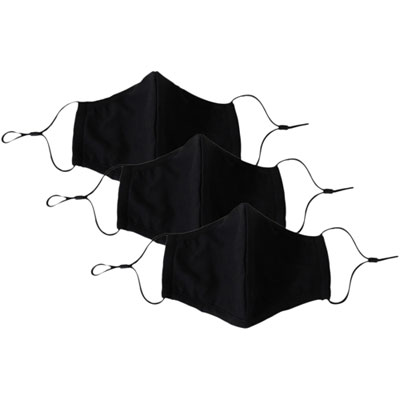

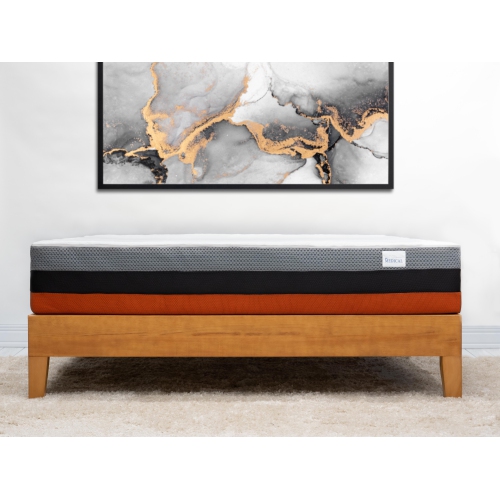
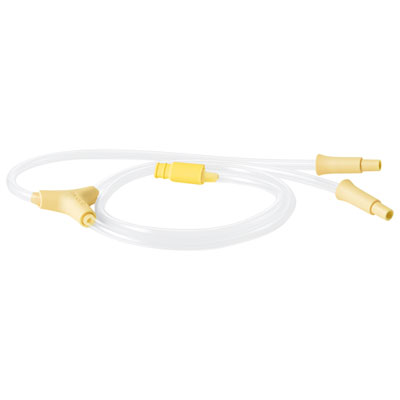
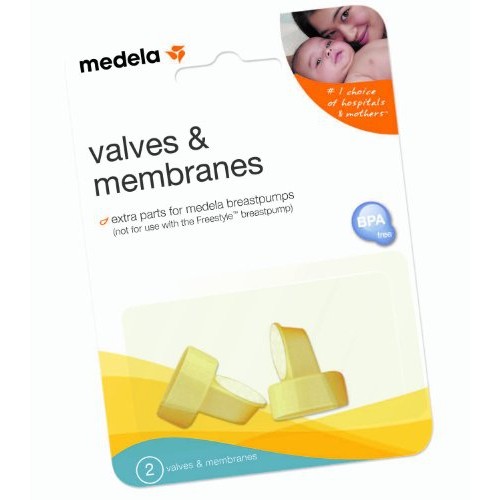
Practical details that make everyday home care easier
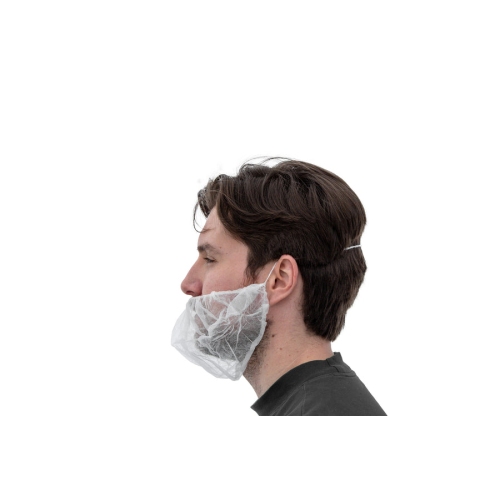
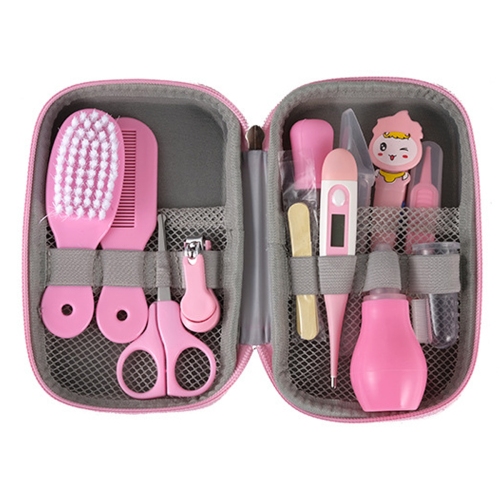
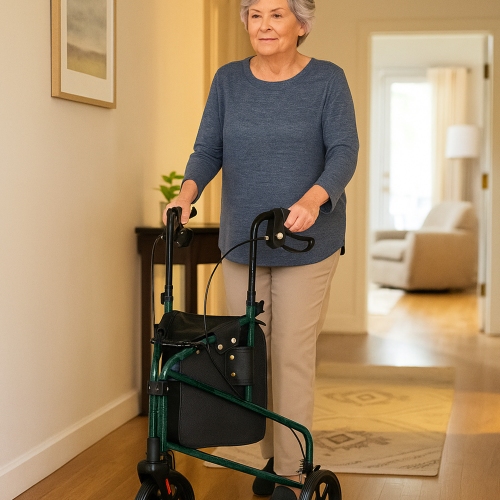
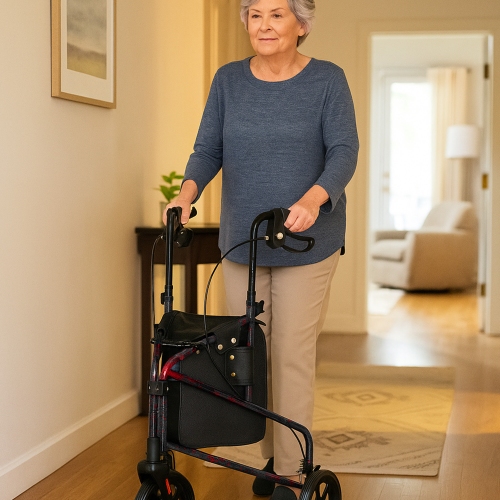
Healthcare supplies support everyday personal care, health monitoring, first aid, and the practical routines that come with caring for someone at home. Their role can be as simple as keeping essential care materials together or as involved as helping a family member follow a routine recommended by a healthcare professional. Different households have different needs: an adult managing an ongoing condition may value clear readings and straightforward record keeping, while someone returning home after a procedure may need supplies that are easy to reach and handle with limited movement. Older adults, family caregivers, people with disabilities, and those living independently can all benefit from thoughtful details that make daily tasks more manageable. Large, easy-to-read markings, comfortable grips, clearly labelled controls, and packaging that opens without excessive force can matter just as much as overall size. A person using supplies while seated may need a different arrangement from someone moving between rooms, and a caregiver assisting with personal care may place greater importance on secure closures, reliable protection, and surfaces that are easy to clean. The broader range of Home Health Care Supplies reflects these varied routines, from occasional household needs to regular, structured care. Intended use is an important distinction within this category. Supplies designed for general comfort or everyday assistance do not necessarily serve the same purpose as those intended for a particular health condition, and similar-looking options may differ in their instructions, sizing, or level of support. A compact format may suit someone who carries care essentials between home and appointments, while a stable, easy-to-handle design may be more practical for a dedicated care area. The most useful features are often the ones that fit naturally into an established routine, reducing unnecessary handling and helping the person receiving care remain as comfortable and independent as possible.
Materials, fit, and care requirements influence how healthcare supplies feel in use and how well they stand up to their intended tasks. Materials that touch the skin deserve particular attention, especially when contact is frequent or prolonged. Softness, breathability, absorbency, and the texture of seams or edges can affect comfort, while adhesives and components containing latex may require additional consideration for someone with a known sensitivity. Material descriptions and manufacturer labelling help clarify these differences; a soft feel alone does not establish that something is suitable for sensitive skin. Fit is equally practical. Anything worn against the body should match the relevant measurements and intended application rather than relying only on a familiar size label. Adjustable features can accommodate some variation, but they do not make every size interchangeable. A secure fit should also be assessed against the manufacturer's directions, since excessive tightness, slipping, or bunching can interfere with comfort and proper use. For supportive or compression-related care, the appropriate type and fit may require advice from a qualified healthcare professional. Durability means different things across the category. For washable materials, it may involve maintaining shape, fastening securely, and tolerating the specified cleaning routine. For rigid components, stable construction and smooth, intact surfaces are important. Supplies intended for a single use have a different purpose and should not be treated as reusable simply because they still look clean. Cleaning instructions also vary: some materials tolerate washing, while others require careful wiping or must be kept away from excess moisture. Following the stated method helps protect both the material and its function. In a busy household, straightforward care requirements can make a meaningful difference. A fastening that remains easy to operate after repeated cleaning, a surface without awkward crevices, or a fabric that dries according to the recommended routine can make regular care less cumbersome. When cleaning or disinfecting is required, compatible methods matter more than using the strongest treatment, which may damage surfaces or leave unsuitable residues.
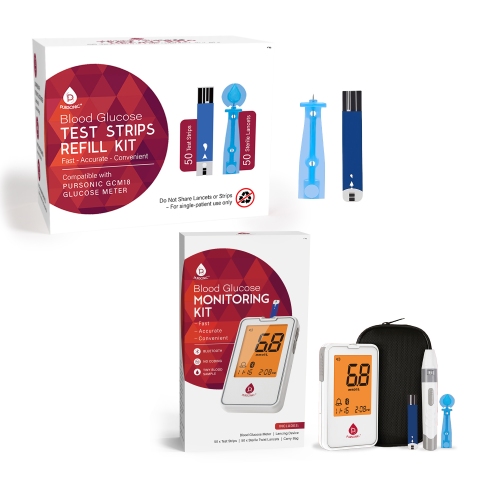
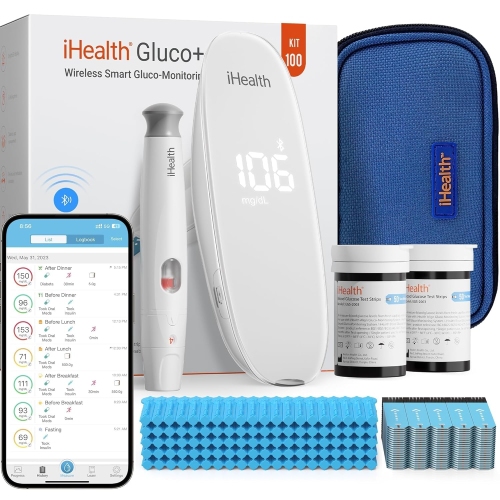
Practical organization helps healthcare supplies serve their purpose without turning a living space into a clinical setting. A clearly defined storage area can keep everyday essentials close at hand while separating clean materials from anything used or awaiting cleaning. Original packaging often carries useful information, including instructions, expiry dates where applicable, and details needed to identify the supply correctly. Keeping that information accessible is particularly helpful when more than one person shares caregiving responsibilities. Storage needs vary, so labelled directions remain important, along with keeping supplies away from children or pets where appropriate. For home monitoring routines, usability extends beyond taking a reading. A clear display, understandable units, and a manageable way to record results can help someone share consistent information with their care team. Where digital features are involved, compatibility, account requirements, and privacy settings can affect the experience as much as the physical design. Readings are most useful when collected according to the device instructions and any advice provided by a healthcare professional; they should not be treated as a diagnosis on their own. Shared care also calls for attention to hygiene and boundaries. Some supplies are intended for one person's use, and a household should not assume that cleaning makes every type suitable for sharing. Comfort and dignity deserve the same consideration as function, particularly when assistance involves close personal contact or a change in someone's independence. Involving the person receiving care in decisions about texture, fit, handling, and storage can make a routine feel less intrusive. If supplies are being purchased for a relative or friend, confirming their preferences and care requirements is more helpful than making assumptions about what they need. Well-chosen healthcare supplies fit the task, the person, and the setting, supporting familiar routines with clear instructions, manageable upkeep, and dependable everyday function.
Top selling and popular products
-
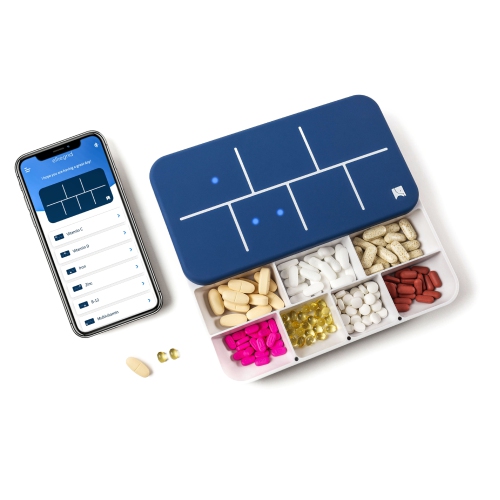 Your price for this item is $295
-
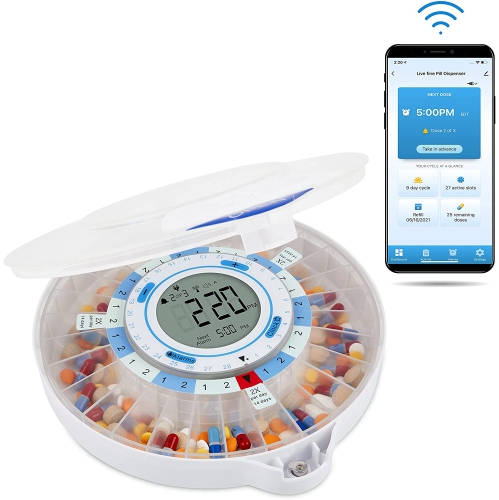 Your price for this item is $249.99
-
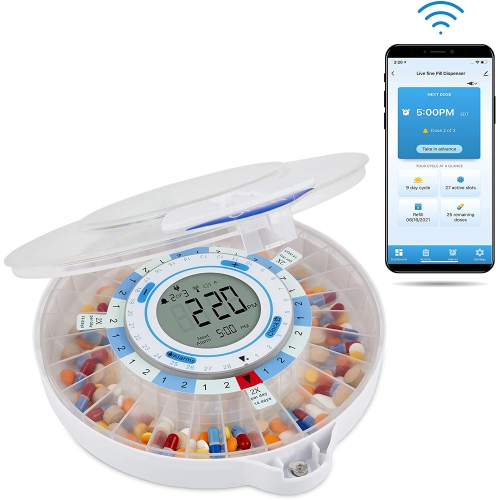 Your price for this item is $249.99
-
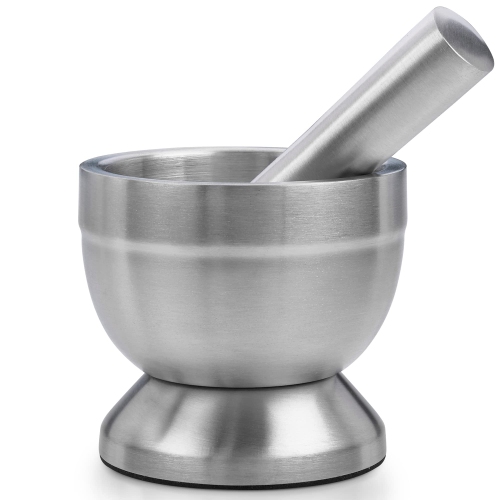 Your price for this item is $58.81
-
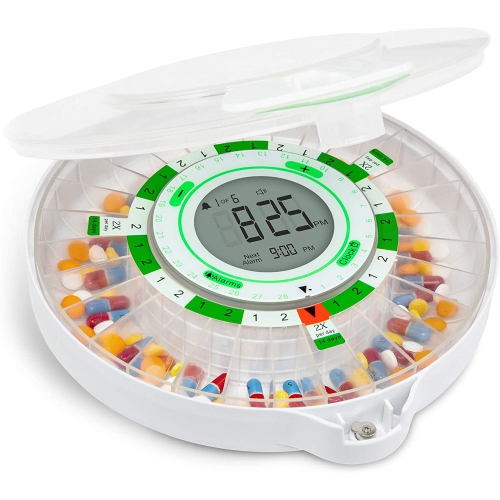 Your price for this item is $129.99
-
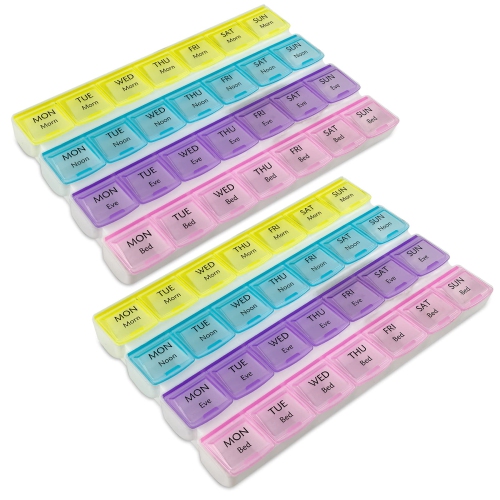 Your price for this item is $24.99
-
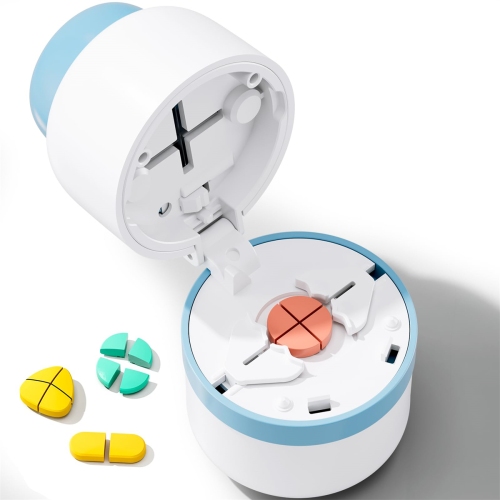 Your price for this item is $27.52
-
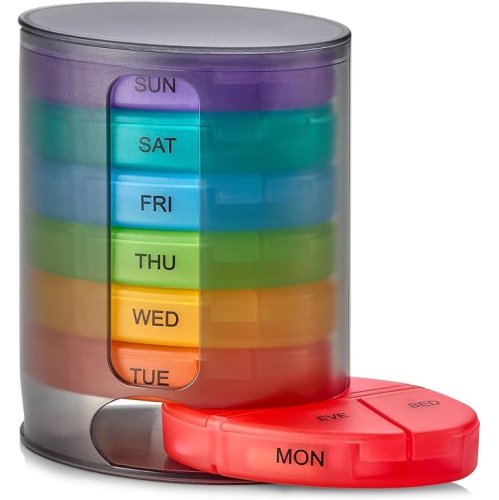 Your price for this item is $21.99
Discover more categories related to Healthcare Supplies

Top Collections:
Best Black Friday Deals This Year, Best Black Friday Deals On Electronics, Kindle Devices, Pokemon Centers, Best Black Friday Deals On Apple Products, Best Cameras for Sports Photography, Dyson Airwrap, Pokémon 30th Celebration Cards, Apple iPhone 17 Pro, Canon G7X Cameras
Some products may be subject to Environmental Handling Fees
(EHF) depending on your province.
Learn more about EHFs.