Healthcare Aids
Find the perfect healthcare aids to support your wellness needs right here. From mobility assistance to daily living aids, our selection is designed to enhance your comfort and independence. Whether you're looking for products to aid in recovery or simply seeking tools to make daily tasks easier, we have a wide range of options to choose from. Explore our collection of healthcare aids and discover solutions to help you live your best life.
Sort
![APPLE Watch Series 8 [Gps + Cellular 45Mm] Smart Watch W/ Midnight Aluminum Case With Midnight Sport Band - M/l. In Multicolor Love this watch!!! And at a great price from Best Buy](https://multimedia.bbycastatic.ca/multimedia/products/500x500/165/16593/16593793.jpeg)
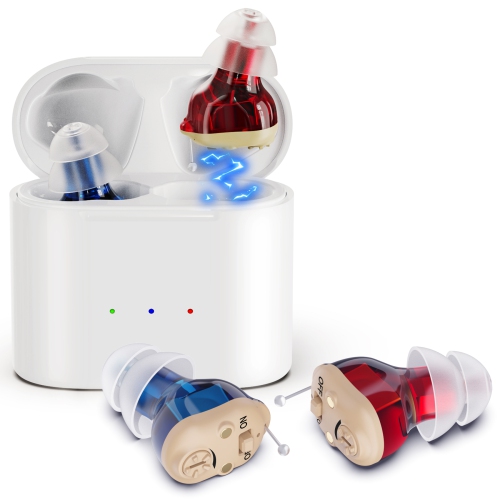
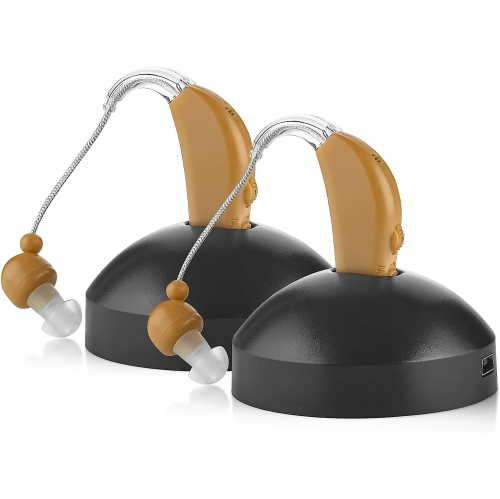
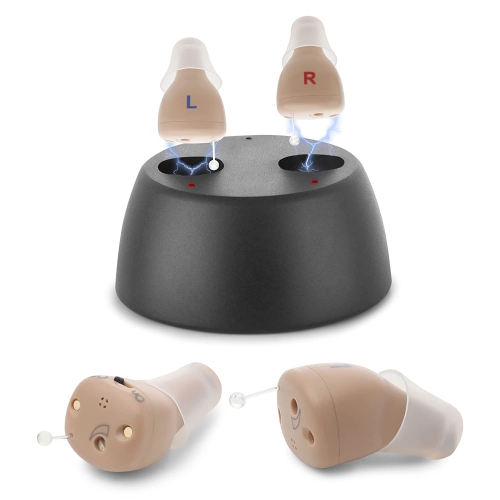
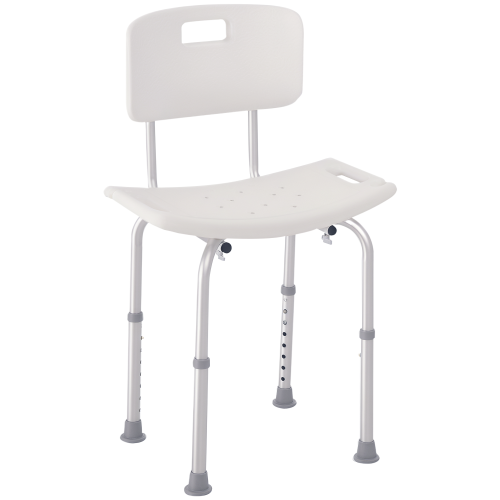
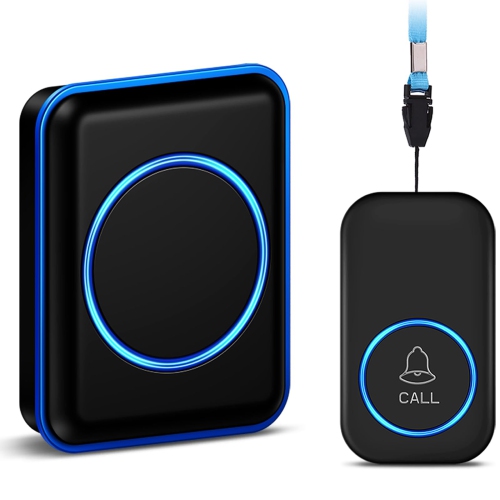
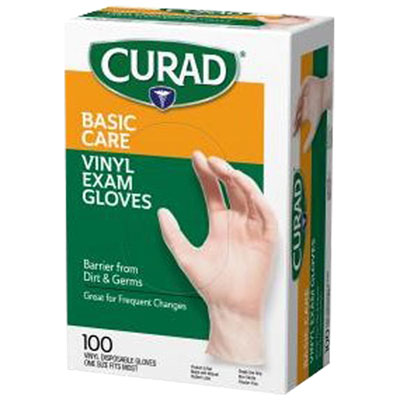
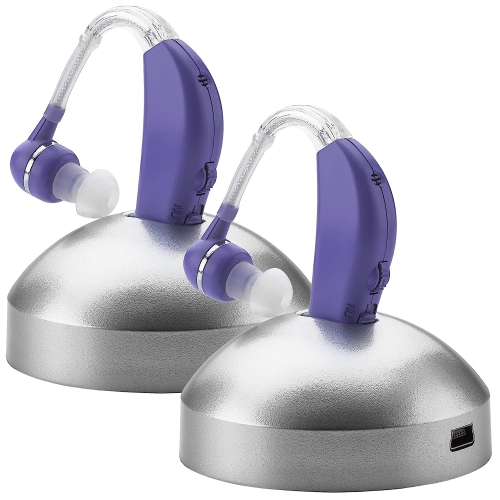
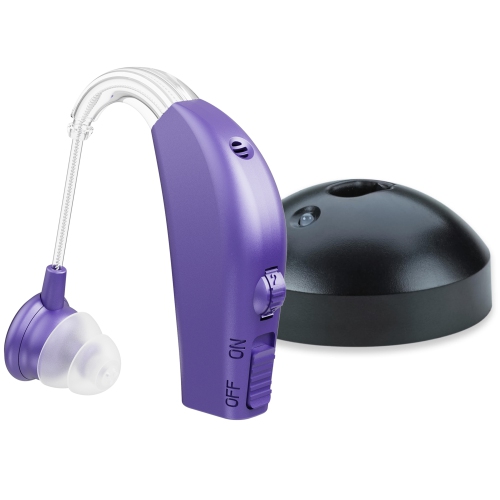
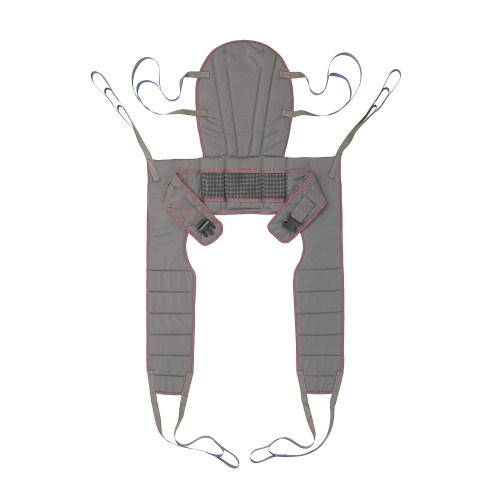

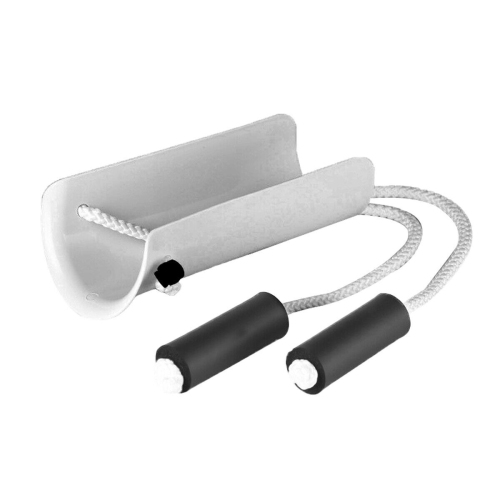
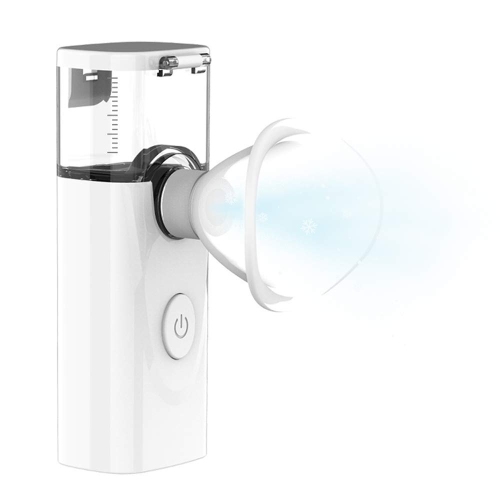
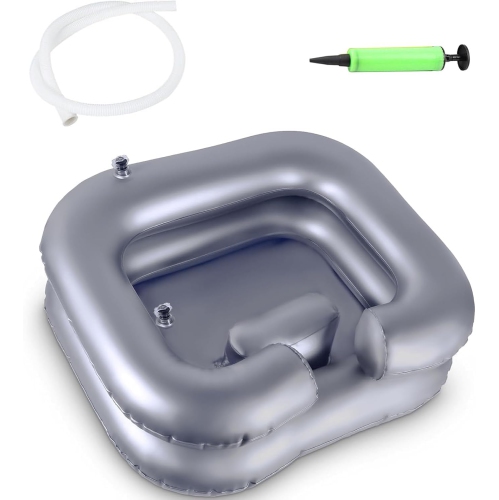

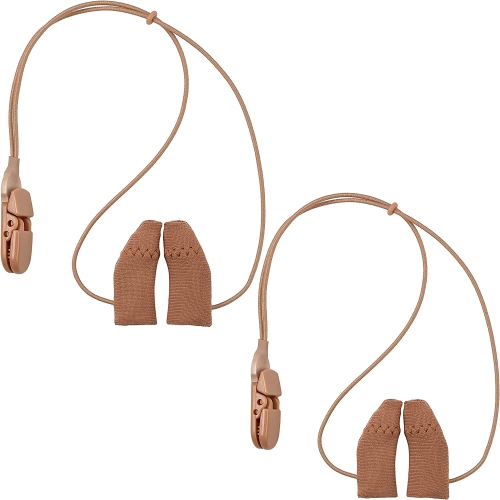
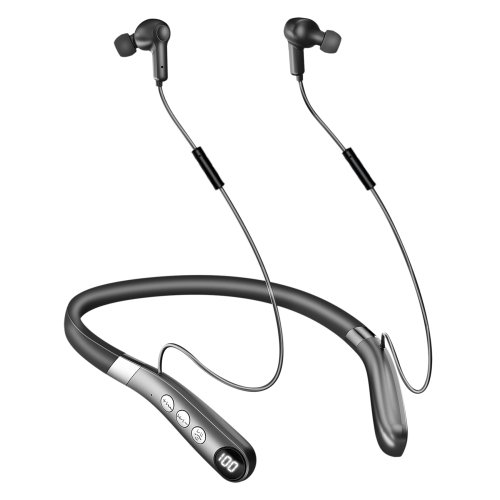
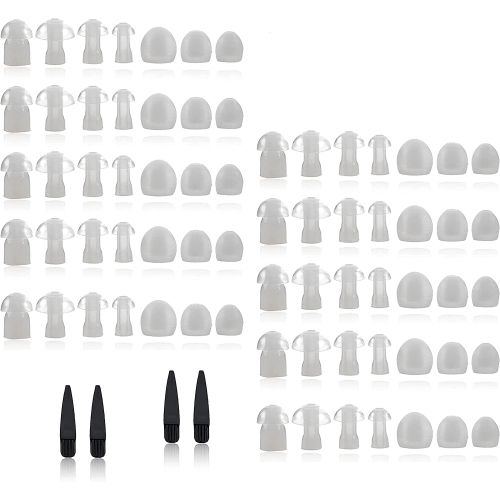
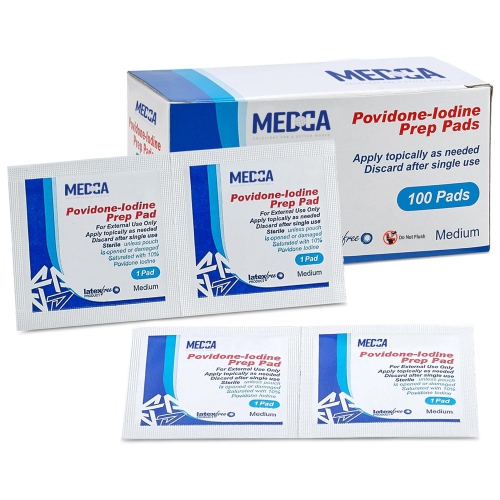



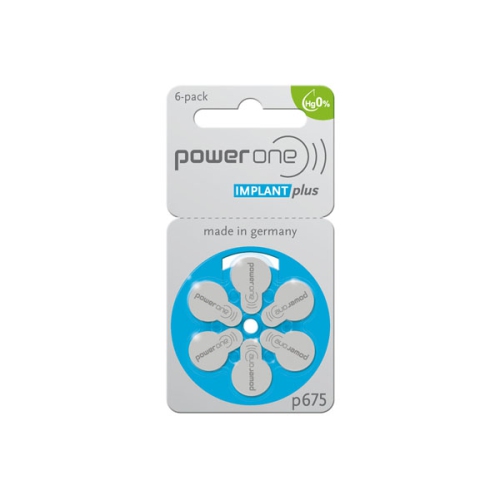
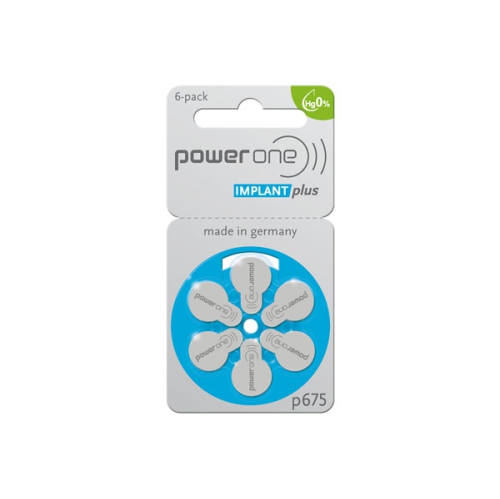

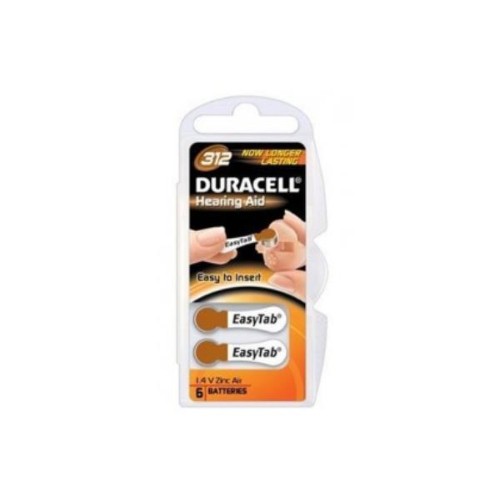
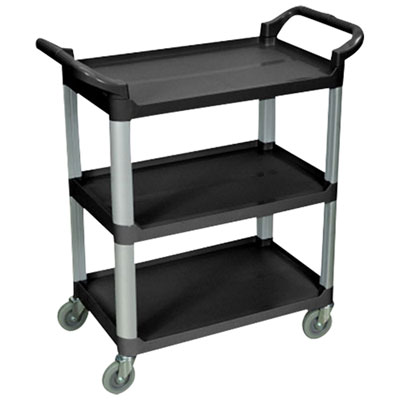


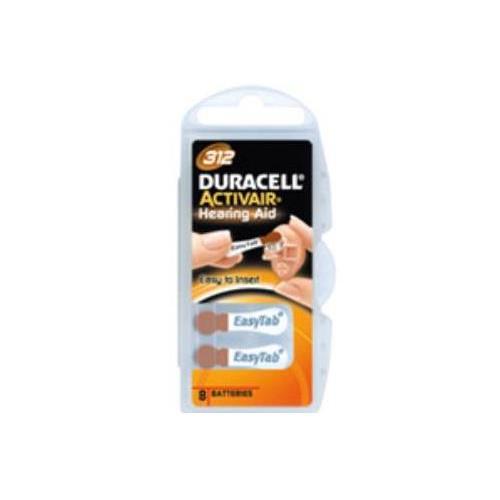
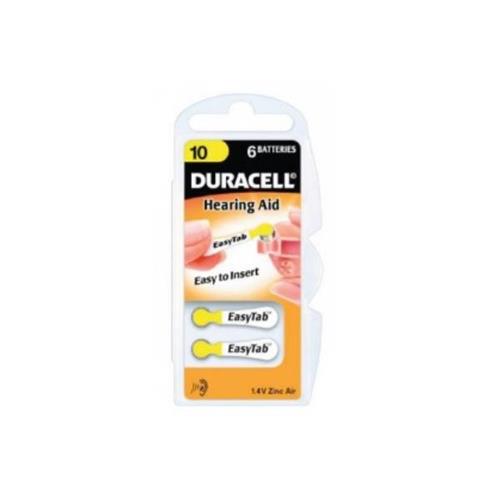

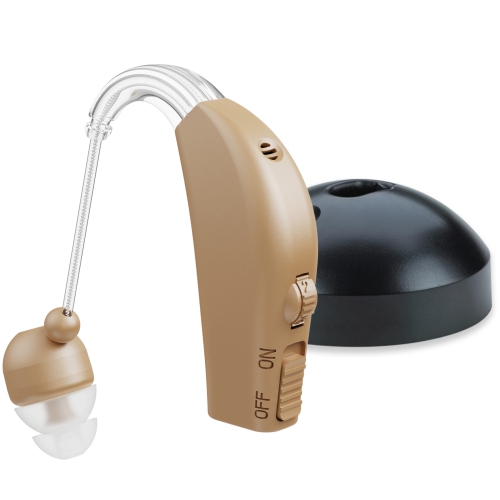
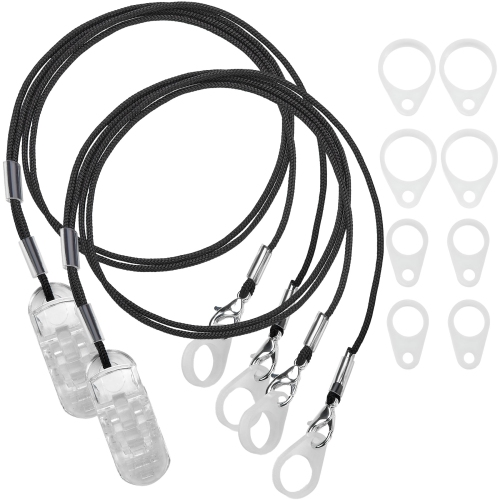


Practical support for safer, more manageable daily routines
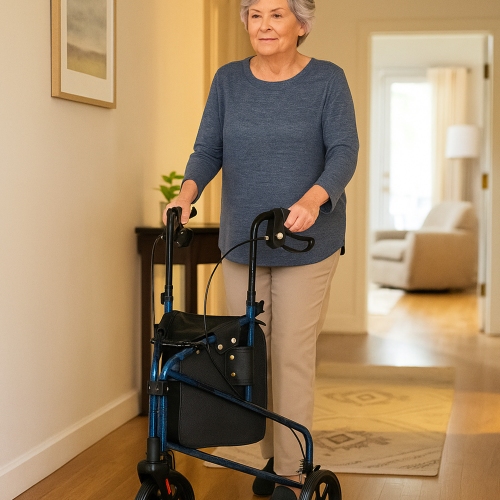
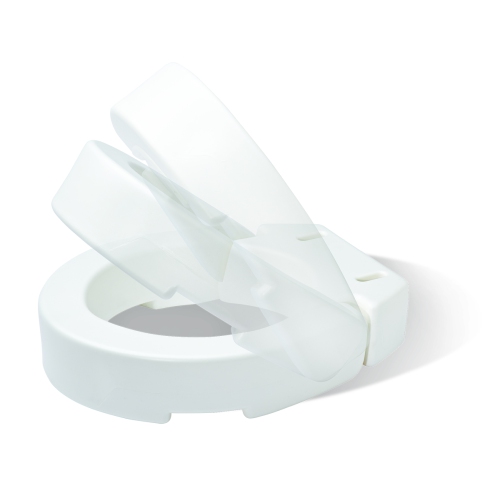
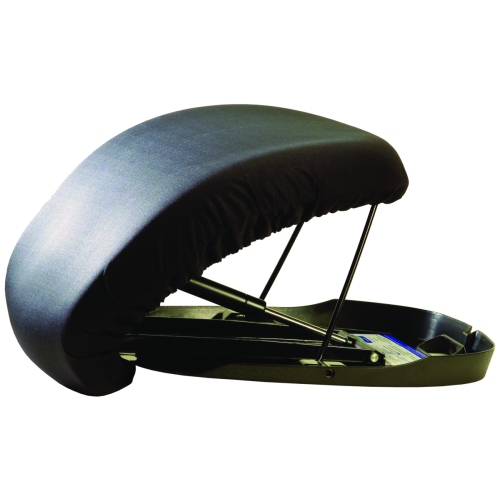
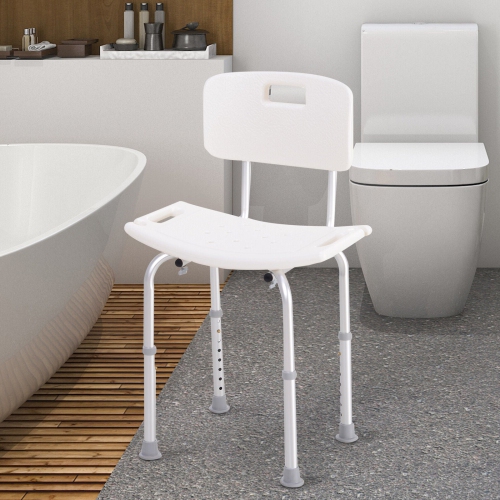
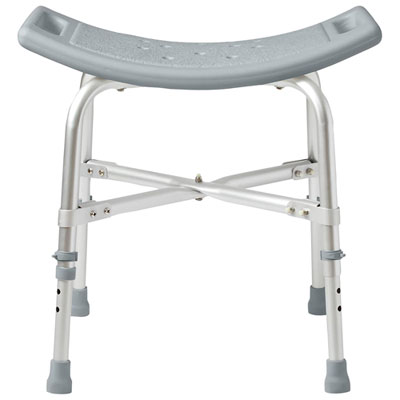
Healthcare aids are practical devices and tools designed to help people move safely, manage everyday routines and maintain greater independence at home. They may be used during recovery from an injury, while living with a temporary or ongoing mobility limitation, or simply to make common tasks more comfortable and manageable. This category can include walking supports such as canes, crutches, walkers and rollators; mobility equipment such as wheelchairs and scooters; bathroom safety aids such as grab bars, rails, bath seats and transfer benches; and toileting supports such as raised toilet seats and commodes. Other healthcare aids can assist with dressing, meal preparation, comfort and joint support, including long-handled shoehorns, sock pullers, easy-grip kitchen utensils, automatic kettles, braces and compression garments. The right choice depends on the person’s abilities, surroundings and daily habits. Someone recovering from a leg or foot injury may need a walking aid that offers steady support between rooms, while a person with reduced balance may benefit from equipment that creates a safer route through the bathroom, bedroom and living areas. Before choosing, consider where the aid will be used, how much space is available, whether it can be adjusted to fit the user and how easily it can be cleaned, stored or transported.
Safety and fit are especially important when selecting healthcare aids. Walking supports should be suited to the user’s height and level of stability, and the handles should feel comfortable and secure in the hand. Mobility equipment should match the user’s needs, weight capacity and home layout, with attention to doorways, flooring, thresholds and turning space. For bathroom aids, measure the available area and check that the product can be installed or positioned securely without blocking access to the sink, toilet or shower. A bath seat or transfer bench can help reduce the need to stand for long periods, while a raised toilet seat may make sitting down and standing up easier for people with limited strength or range of motion. Grab bars and rails can provide useful hand support, but they must be attached according to the manufacturer’s instructions and should not be confused with towel bars or other fixtures that are not designed to bear weight. Dressing aids and adaptive kitchen tools can be particularly helpful for people with arthritis, reduced grip strength or limited flexibility, making small routines such as putting on socks, opening containers or preparing a hot drink less strenuous. Compression garments and braces should be selected with care, as the appropriate style, fit and level of support can vary. When a product is intended to address a specific medical concern, or when the user has recently had surgery or sustained an injury, advice from a healthcare professional can help confirm what type of aid is appropriate and how it should be used.
Healthcare aids can support a wide range of people, including older adults, individuals recovering at home, people managing disabilities and anyone who needs extra assistance with movement or personal care. They may also be useful for caregivers who are helping a family member create a more accessible daily routine. A thoughtful gift in this category is usually one that responds to a clearly identified need rather than one chosen solely for appearance. Families may look for practical support for a loved one returning home after a hospital stay, while a friend or caregiver may appreciate an aid that makes dressing, bathing or preparing meals easier. It is considerate to discuss preferences, measurements and comfort before purchasing, particularly when the item will be used every day. During the cooler months, when wet entryways, heavier clothing and more time indoors can make movement around the home feel more difficult, keeping commonly used aids within easy reach can help a household stay organized. For broader options and related solutions, explore Home Health Care Supplies. A well-chosen healthcare aid should fit naturally into the user’s routine, offer dependable support and make ordinary moments—getting ready in the morning, moving from one room to another or settling in for the evening—feel more manageable.
Safety and fit are especially important when selecting healthcare aids. Walking supports should be suited to the user’s height and level of stability, and the handles should feel comfortable and secure in the hand. Mobility equipment should match the user’s needs, weight capacity and home layout, with attention to doorways, flooring, thresholds and turning space. For bathroom aids, measure the available area and check that the product can be installed or positioned securely without blocking access to the sink, toilet or shower. A bath seat or transfer bench can help reduce the need to stand for long periods, while a raised toilet seat may make sitting down and standing up easier for people with limited strength or range of motion. Grab bars and rails can provide useful hand support, but they must be attached according to the manufacturer’s instructions and should not be confused with towel bars or other fixtures that are not designed to bear weight. Dressing aids and adaptive kitchen tools can be particularly helpful for people with arthritis, reduced grip strength or limited flexibility, making small routines such as putting on socks, opening containers or preparing a hot drink less strenuous. Compression garments and braces should be selected with care, as the appropriate style, fit and level of support can vary. When a product is intended to address a specific medical concern, or when the user has recently had surgery or sustained an injury, advice from a healthcare professional can help confirm what type of aid is appropriate and how it should be used.
Healthcare aids can support a wide range of people, including older adults, individuals recovering at home, people managing disabilities and anyone who needs extra assistance with movement or personal care. They may also be useful for caregivers who are helping a family member create a more accessible daily routine. A thoughtful gift in this category is usually one that responds to a clearly identified need rather than one chosen solely for appearance. Families may look for practical support for a loved one returning home after a hospital stay, while a friend or caregiver may appreciate an aid that makes dressing, bathing or preparing meals easier. It is considerate to discuss preferences, measurements and comfort before purchasing, particularly when the item will be used every day. During the cooler months, when wet entryways, heavier clothing and more time indoors can make movement around the home feel more difficult, keeping commonly used aids within easy reach can help a household stay organized. For broader options and related solutions, explore Home Health Care Supplies. A well-chosen healthcare aid should fit naturally into the user’s routine, offer dependable support and make ordinary moments—getting ready in the morning, moving from one room to another or settling in for the evening—feel more manageable.
Top selling and popular products
-
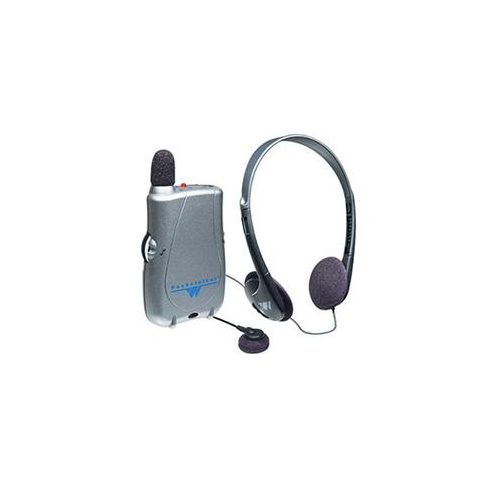 Your price for this item is $331.22
 -
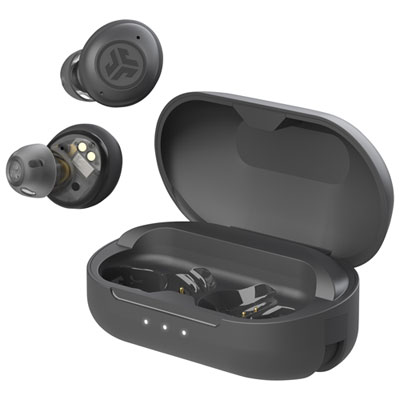 Your price for this item is $159.99
 -
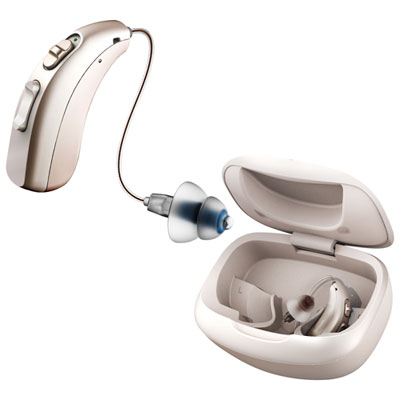 Your price for this item is $499.99
 -
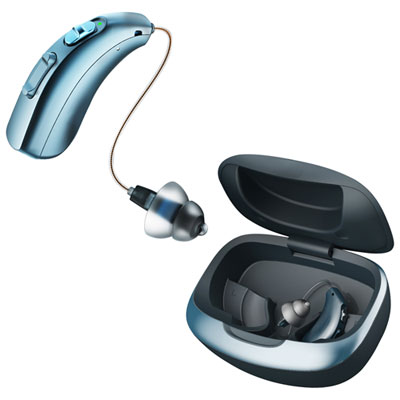 Your price for this item is $349.99
 -
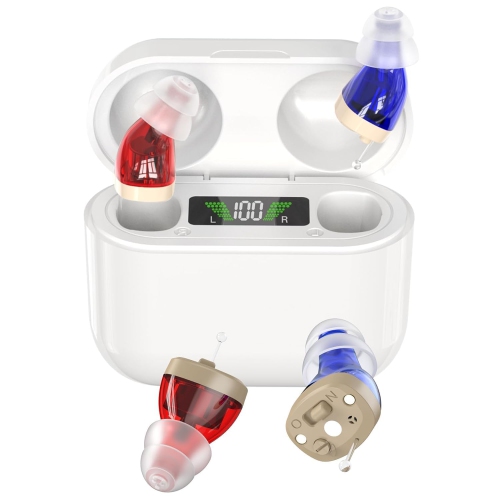 Your price for this item is $289.99
 -
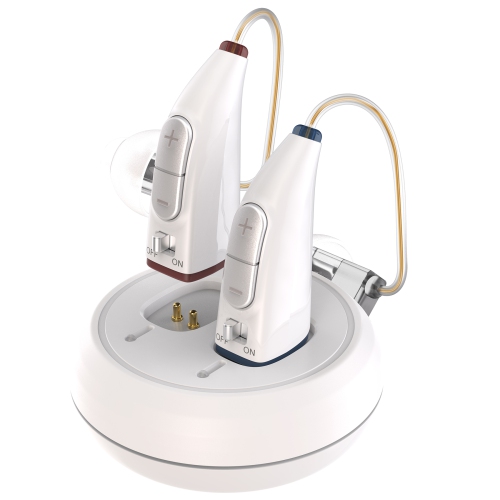 Your price for this item is $259.99
 -
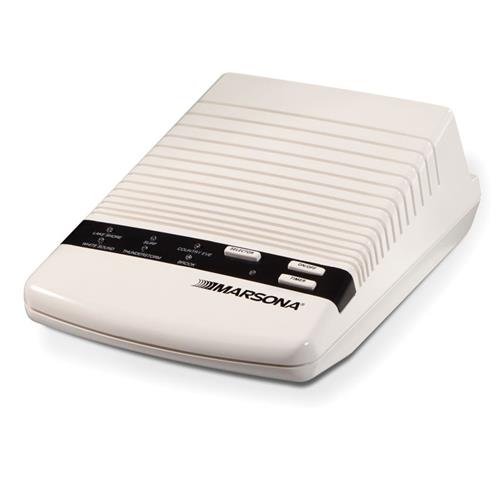 Your price for this item is $36.24
 -
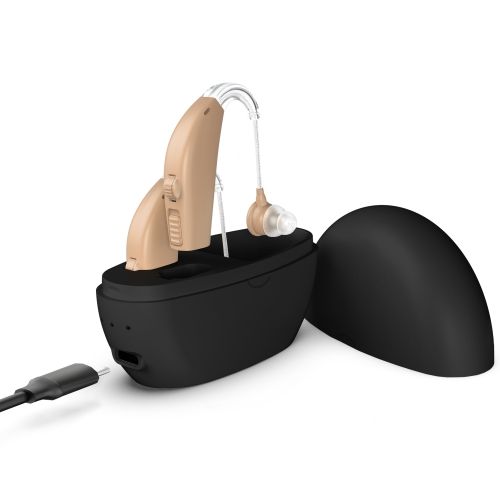 Your price for this item is $82.99
Discover more categories related to Healthcare Aids
Top Collections:
Pokemon Centers, Kindle Devices, Best Budget Office Chairs, Apple iPhones 16, Best Laptops for Writers, iPhone 15 Apple, Canon G7X Cameras, Refurbished Apple Laptops, Alarm Clock, Motorola Razr Phones
Some products may be subject to Environmental Handling Fees
(EHF) depending on your province.
Learn more about EHFs.