High Speed Printers
If you have a large family, or if you're a student who needs to print out papers and projects, a high-speed printer can be an economical and efficient solution. These printers are designed to handle large volumes of paper without slowing down or jamming up. Here are some of the best options available today.
Sort
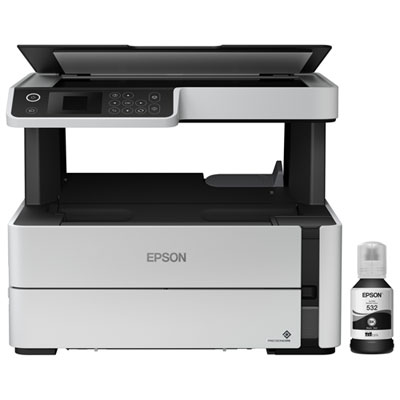
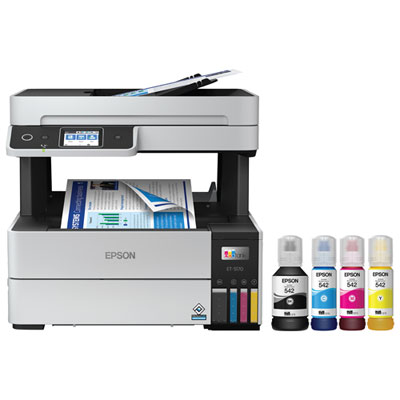
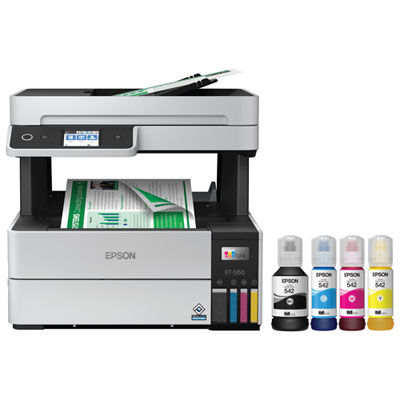
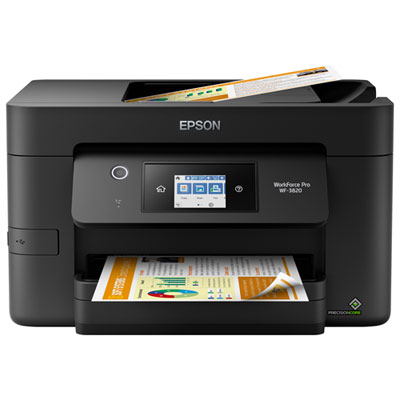
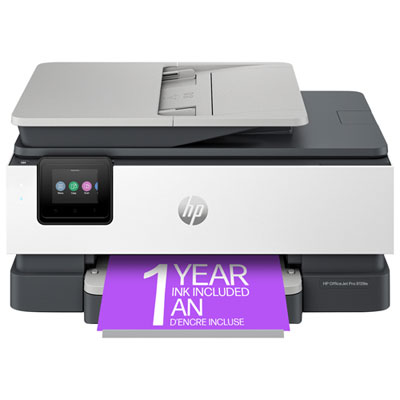
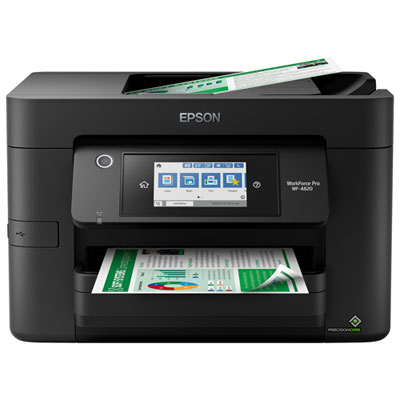
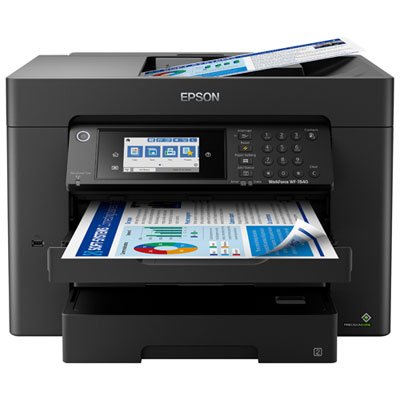
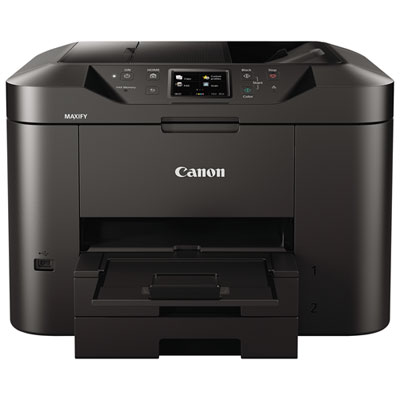
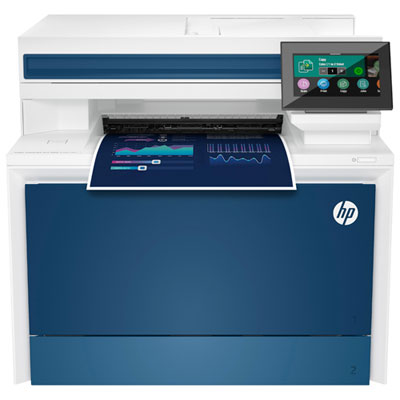
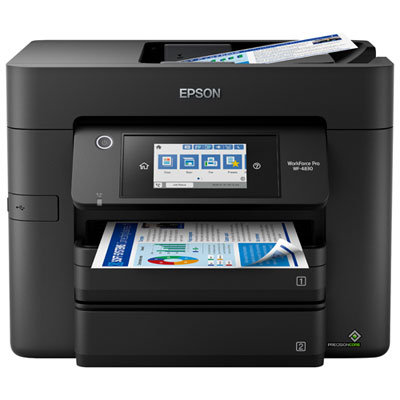
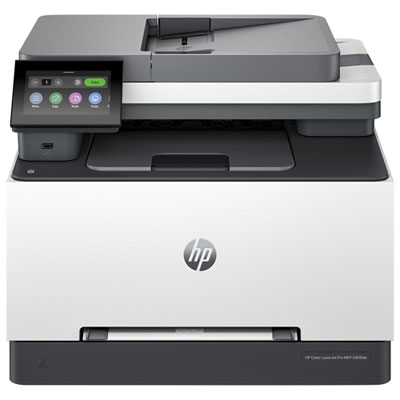
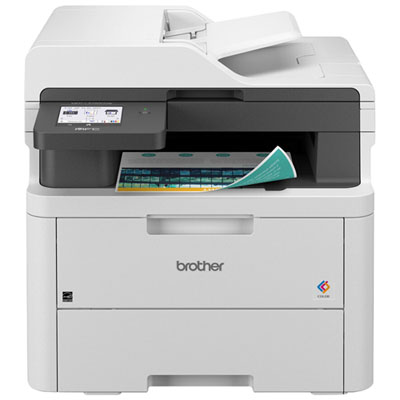
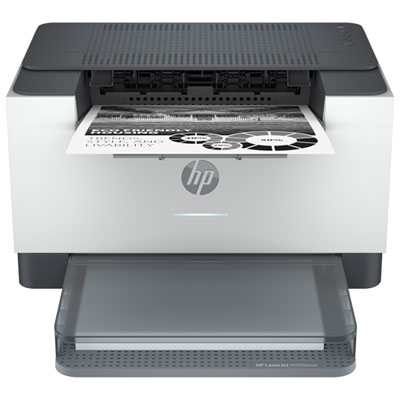
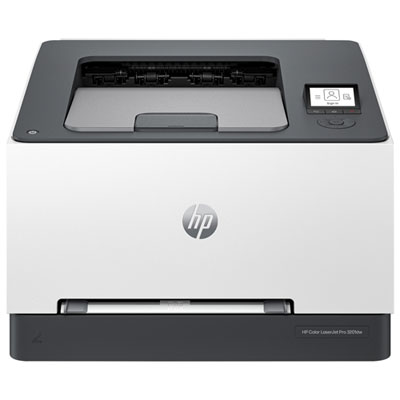
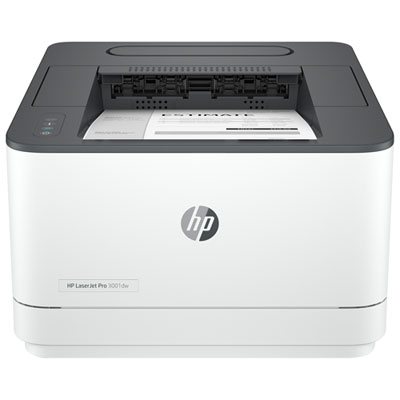
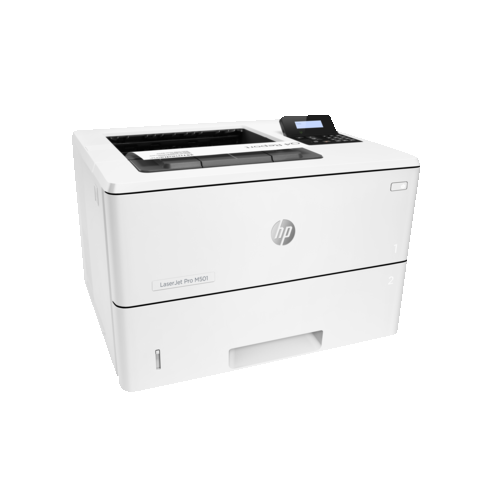
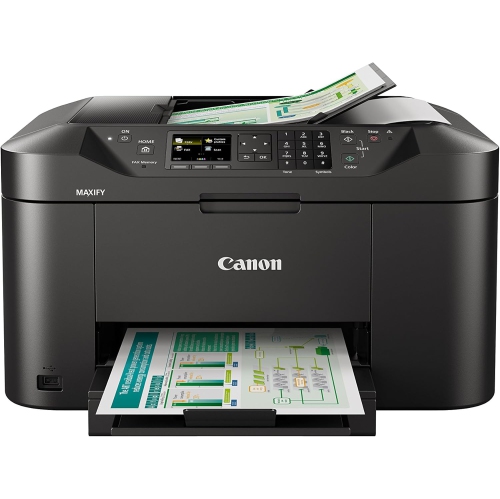
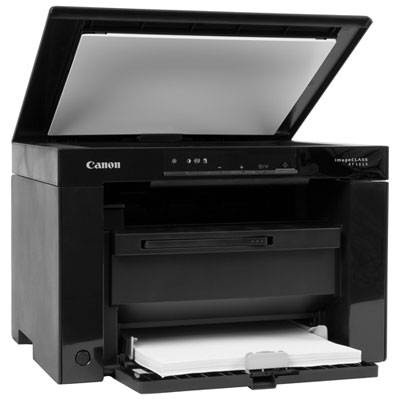
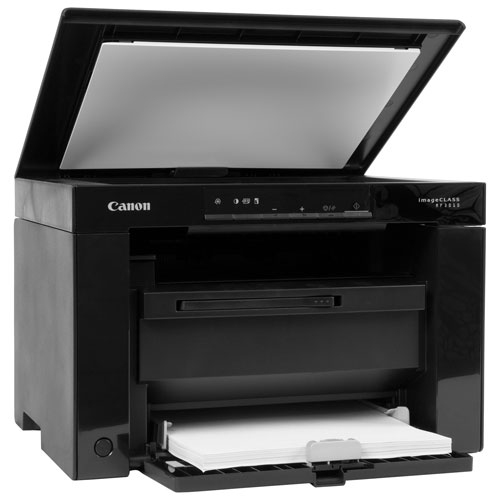
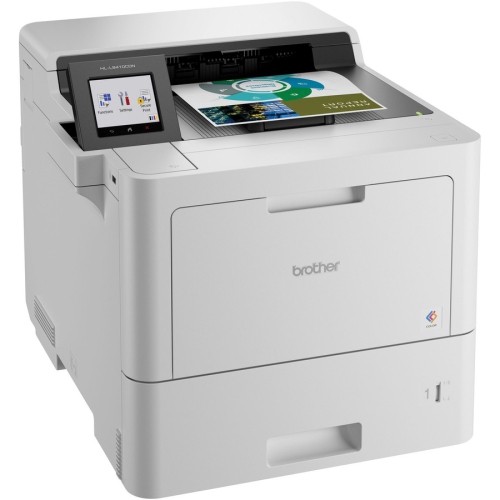
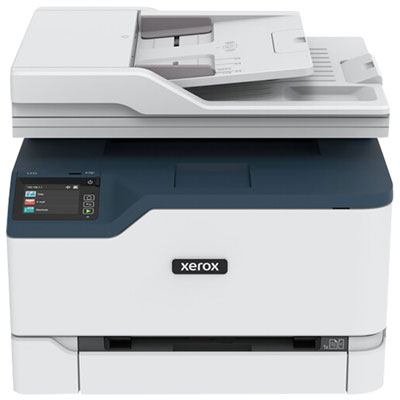
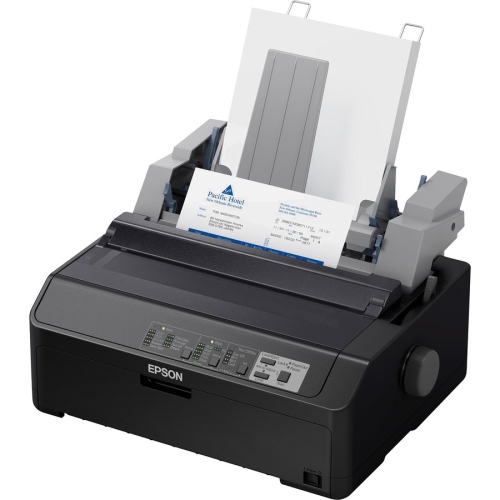
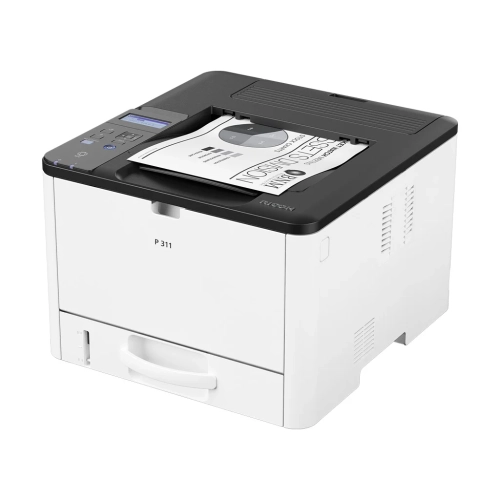
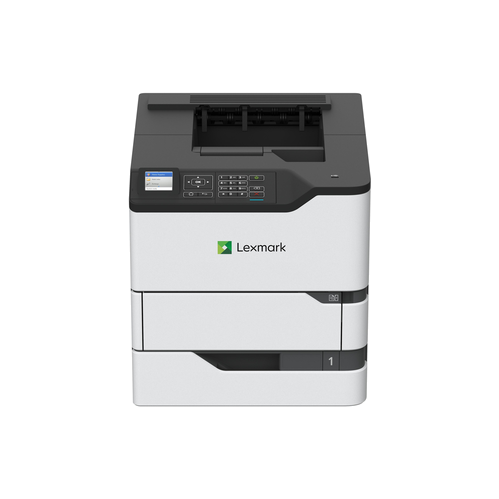
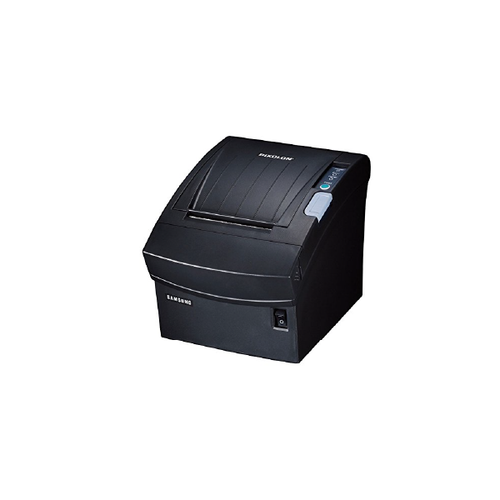
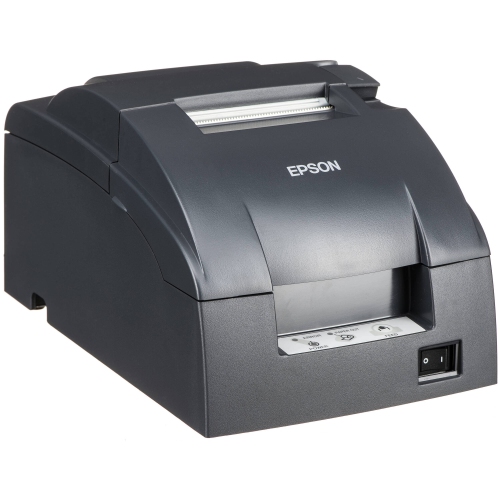
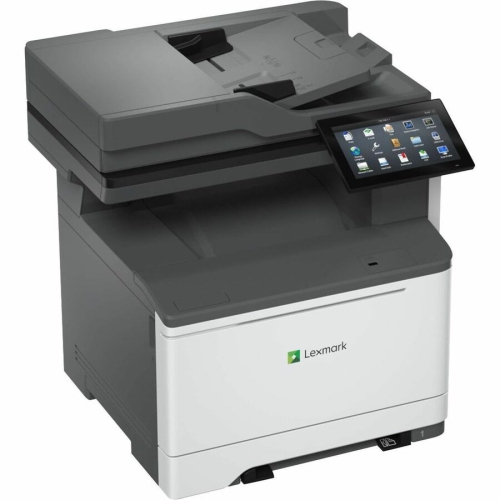
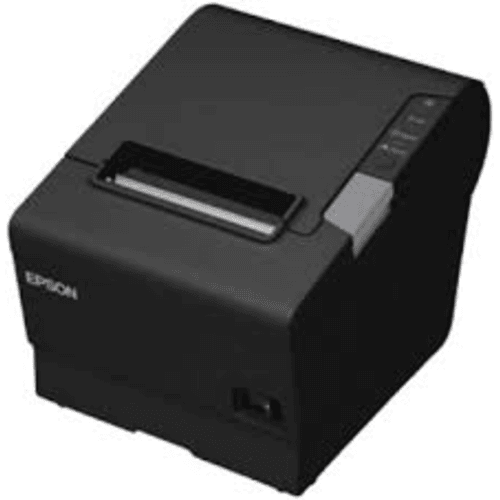
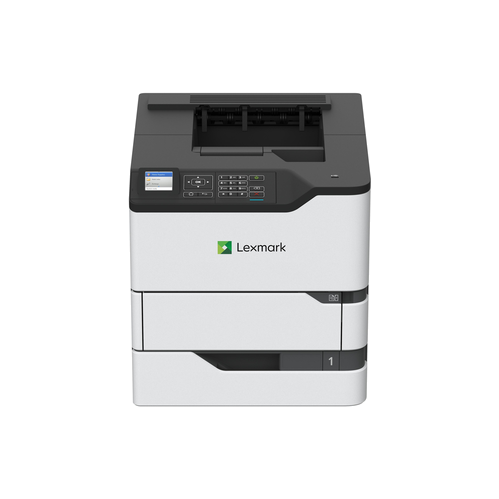
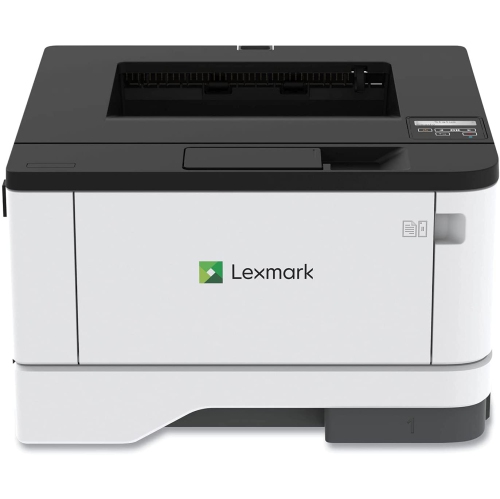
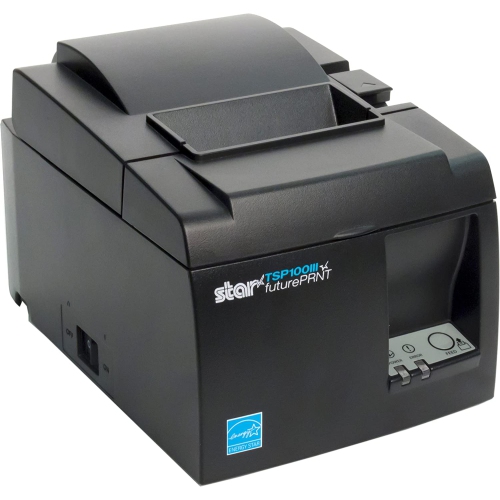
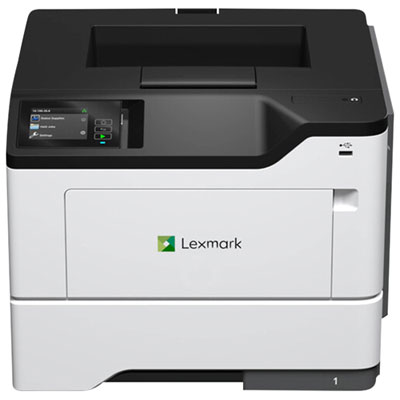
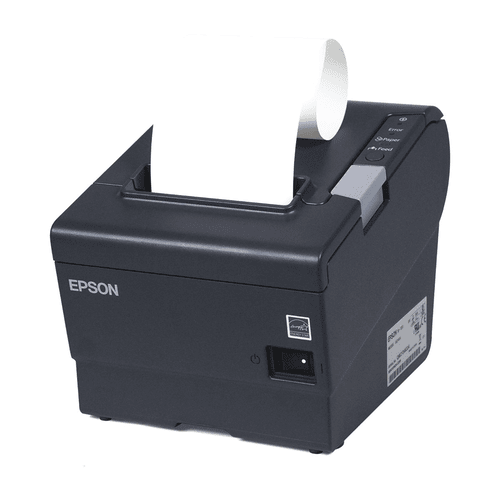
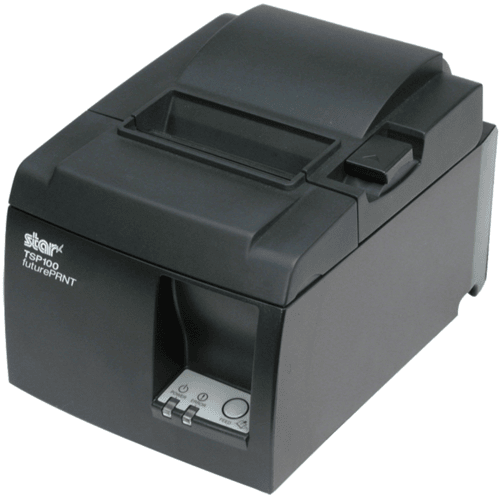
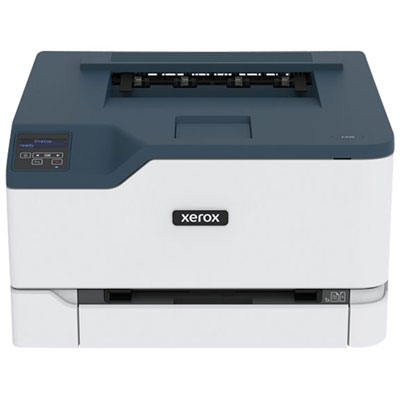
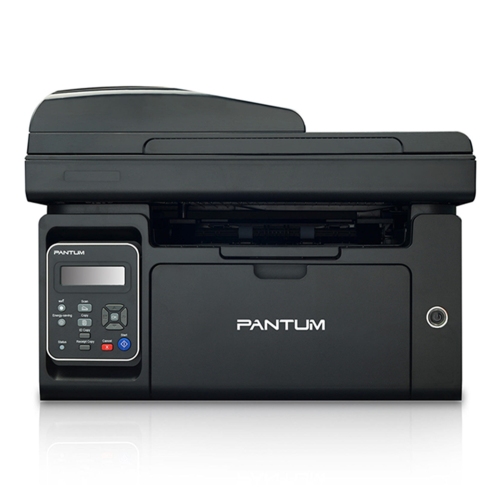
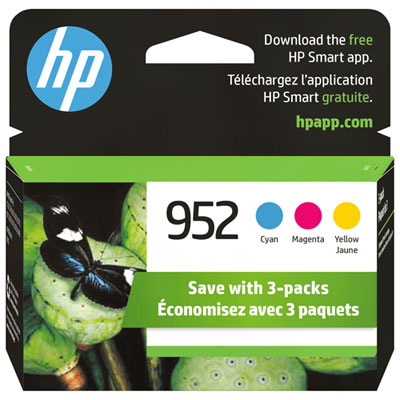
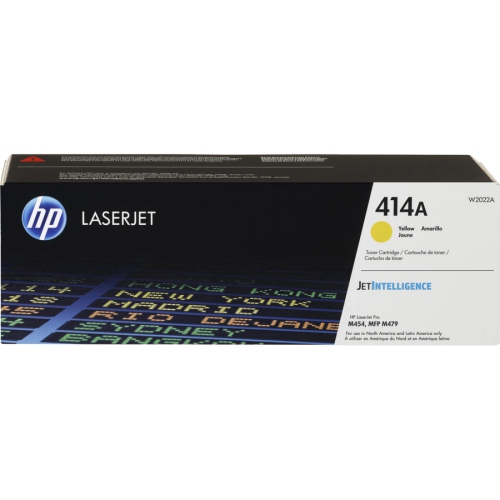
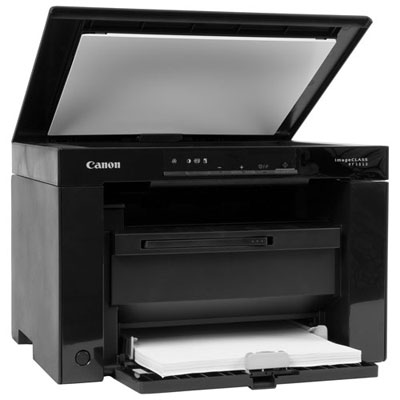
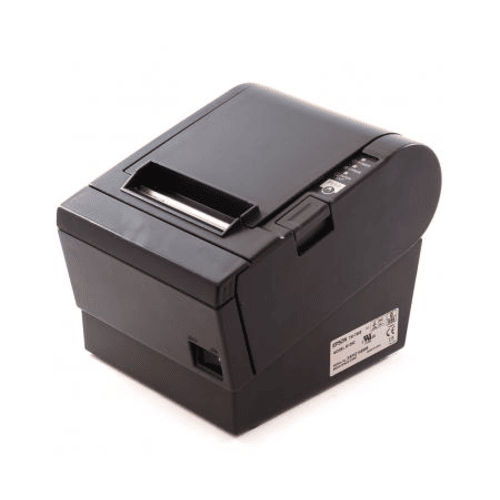
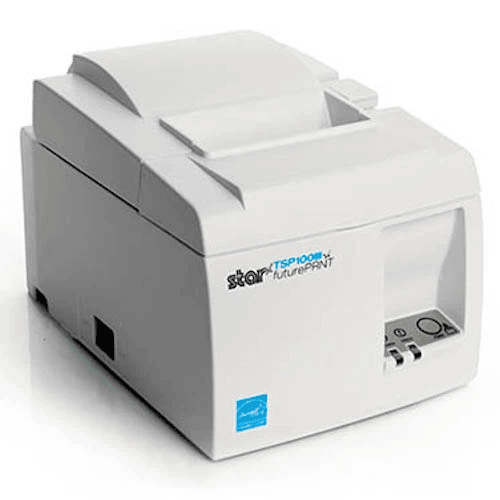

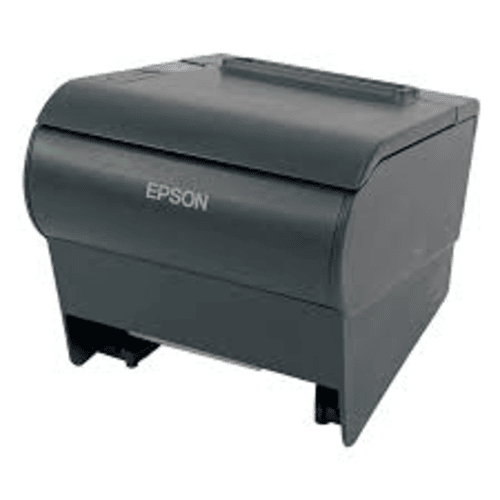
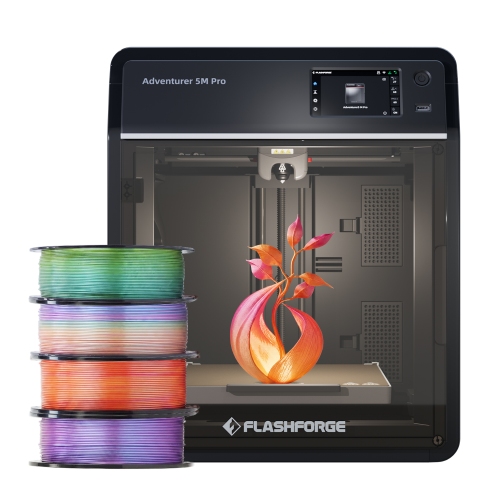
Speed that keeps busy printing moving without delays
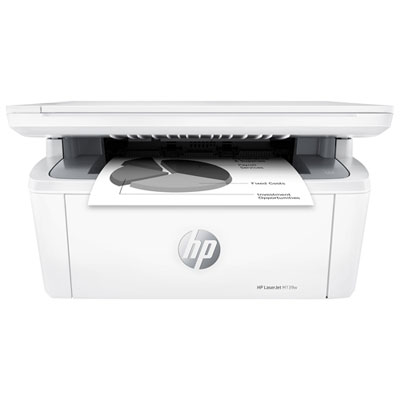
High-speed printers are designed for people who need documents to move from a digital file to a finished page with minimal waiting. They are a practical choice for busy home offices, small businesses, classrooms, reception areas, studios, and workgroups where printing is part of the daily routine rather than an occasional task. A fast printer can handle invoices, reports, shipping documents, forms, presentations, contracts, lesson materials, and other multi-page jobs without making everyone stand around the printer during a busy afternoon. Print speed is generally measured in pages per minute (ppm), with separate ratings often provided for black-and-white and colour output. Many high-speed laser printers deliver around 30 to 45 ppm, while heavier-duty monochrome models can reach 50 ppm or more under the right conditions. Advanced inkjet printers can also offer impressive speeds, especially when colour documents, photographs, charts, or wide-format pages are part of the workload. Manufacturer speed ratings are useful for comparing models, but real-world performance can vary depending on the document, connection type, print quality setting, paper size, and whether the printer is warming up before the first page. For the quickest experience, look at both the rated ppm and the time to first page. A printer that starts promptly can feel especially responsive when you are producing single-page forms, labels, receipts, or last-minute documents throughout the day. Laser technology is often selected for rapid text printing and consistent output across large batches, while inkjet technology may be preferred when sharp colour graphics, detailed images, or flexible media handling are equally important. Browsing a broader selection of Fastest Printers can help you compare speed ratings alongside the features that support your particular workspace.
The right high-speed printer depends on more than the largest number beside “ppm.” Start by estimating how many pages you print during a typical day, then consider the busiest periods rather than the quietest ones. A home office may print a few dozen pages on most days but need to produce a large proposal, school package, or tax-related document all at once. A small business might regularly print purchase orders, customer records, schedules, or shipping paperwork, making a generous input tray and dependable automatic document feeder especially useful. For a shared office, check the printer’s recommended monthly volume and duty cycle so it is suited to the expected workload. The duty cycle describes the maximum number of pages a printer is designed to handle in a month, while the recommended volume is usually a more realistic range for regular use. Choosing a model that comfortably accommodates your needs can help maintain smooth performance during peak periods. An automatic document feeder, or ADF, can scan, copy, or fax multi-page documents without requiring you to place every sheet on the glass individually. Duplex printing is another helpful feature for reports, handouts, forms, and reference materials because it automatically prints on both sides when supported by the printer and the selected paper. Look for a larger paper capacity if refilling trays would interrupt your work, and check whether the printer accepts different sizes or types of paper if you produce envelopes, cardstock, labels, or other specialised documents. Connectivity also matters. Wi-Fi makes it easier for several computers, phones, and tablets to send jobs from different areas of a home or office, while Ethernet can provide a dependable connection for a shared workstation. USB printing is useful when a direct connection is preferred. Features such as a touchscreen, mobile printing support, secure print release, user access controls, and automatic status notifications can make a fast printer simpler to manage when several people rely on it.
High-speed printers are useful wherever delays have a way of multiplying. In a busy office, a long print run can be completed while staff continue preparing shipments, meeting with clients, or reviewing files. At home, a fast model can make the difference between a calm work session and a scramble when several documents need to be ready before heading out the door. Students and educators may appreciate quick production of reading packages, worksheets, project notes, and presentation materials, while freelancers and home-based businesses can use high-volume printing for quotes, portfolios, receipts, and client paperwork. A colour-capable model is a strong fit for charts, branded documents, diagrams, and marketing materials; a monochrome printer may be more suitable when most jobs consist of text, forms, and internal records. Consider the printer’s physical size as well, since a fast machine with multiple trays or a large paper path may need a sturdy surface and enough clearance for ventilation, cable access, and output. Noise levels can be relevant in a home office, library, reception area, or shared room, particularly when the printer may run several times a day. It is also worth checking replacement toner or ink availability, cartridge page yields, supported paper weights, print resolution, and the cost of optional accessories before making a decision. A printer can be given as a practical gift for a student setting up a study area, a new homeowner organising household records, or someone starting a small business, especially when it includes straightforward wireless setup and convenient mobile printing. During the warmer season and into the cooler months, high-speed printing can support changing routines, from school preparation and home projects to business planning and end-of-year administrative tasks. By matching print speed, monthly capacity, colour needs, paper handling, connectivity, and available workspace, you can choose a printer that keeps up with real demands instead of simply looking fast on a specification sheet.
The right high-speed printer depends on more than the largest number beside “ppm.” Start by estimating how many pages you print during a typical day, then consider the busiest periods rather than the quietest ones. A home office may print a few dozen pages on most days but need to produce a large proposal, school package, or tax-related document all at once. A small business might regularly print purchase orders, customer records, schedules, or shipping paperwork, making a generous input tray and dependable automatic document feeder especially useful. For a shared office, check the printer’s recommended monthly volume and duty cycle so it is suited to the expected workload. The duty cycle describes the maximum number of pages a printer is designed to handle in a month, while the recommended volume is usually a more realistic range for regular use. Choosing a model that comfortably accommodates your needs can help maintain smooth performance during peak periods. An automatic document feeder, or ADF, can scan, copy, or fax multi-page documents without requiring you to place every sheet on the glass individually. Duplex printing is another helpful feature for reports, handouts, forms, and reference materials because it automatically prints on both sides when supported by the printer and the selected paper. Look for a larger paper capacity if refilling trays would interrupt your work, and check whether the printer accepts different sizes or types of paper if you produce envelopes, cardstock, labels, or other specialised documents. Connectivity also matters. Wi-Fi makes it easier for several computers, phones, and tablets to send jobs from different areas of a home or office, while Ethernet can provide a dependable connection for a shared workstation. USB printing is useful when a direct connection is preferred. Features such as a touchscreen, mobile printing support, secure print release, user access controls, and automatic status notifications can make a fast printer simpler to manage when several people rely on it.
High-speed printers are useful wherever delays have a way of multiplying. In a busy office, a long print run can be completed while staff continue preparing shipments, meeting with clients, or reviewing files. At home, a fast model can make the difference between a calm work session and a scramble when several documents need to be ready before heading out the door. Students and educators may appreciate quick production of reading packages, worksheets, project notes, and presentation materials, while freelancers and home-based businesses can use high-volume printing for quotes, portfolios, receipts, and client paperwork. A colour-capable model is a strong fit for charts, branded documents, diagrams, and marketing materials; a monochrome printer may be more suitable when most jobs consist of text, forms, and internal records. Consider the printer’s physical size as well, since a fast machine with multiple trays or a large paper path may need a sturdy surface and enough clearance for ventilation, cable access, and output. Noise levels can be relevant in a home office, library, reception area, or shared room, particularly when the printer may run several times a day. It is also worth checking replacement toner or ink availability, cartridge page yields, supported paper weights, print resolution, and the cost of optional accessories before making a decision. A printer can be given as a practical gift for a student setting up a study area, a new homeowner organising household records, or someone starting a small business, especially when it includes straightforward wireless setup and convenient mobile printing. During the warmer season and into the cooler months, high-speed printing can support changing routines, from school preparation and home projects to business planning and end-of-year administrative tasks. By matching print speed, monthly capacity, colour needs, paper handling, connectivity, and available workspace, you can choose a printer that keeps up with real demands instead of simply looking fast on a specification sheet.
Top selling and popular products
-
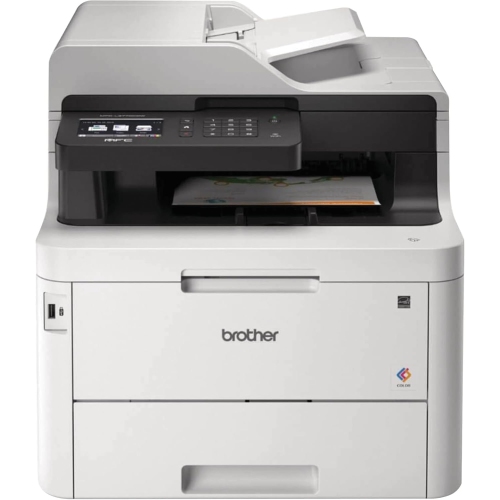 Your price for this item is $799
 -
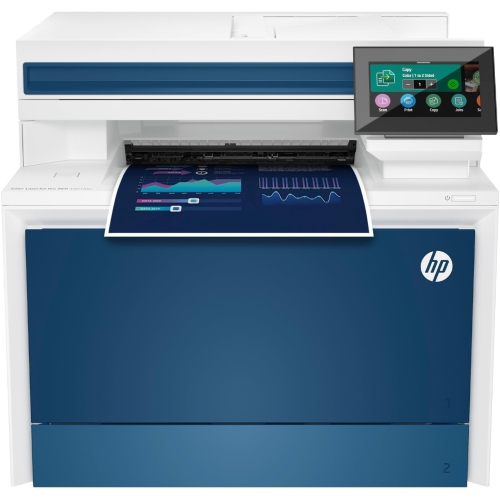 Your price for this item is $929.89
 -
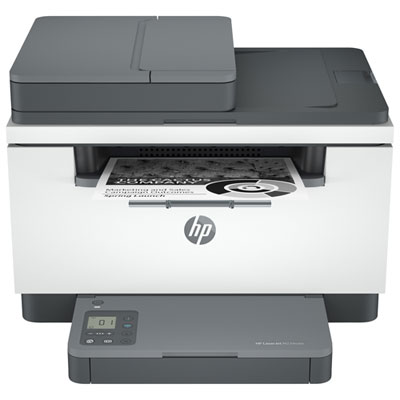 Your price for this item is $209.99
 -
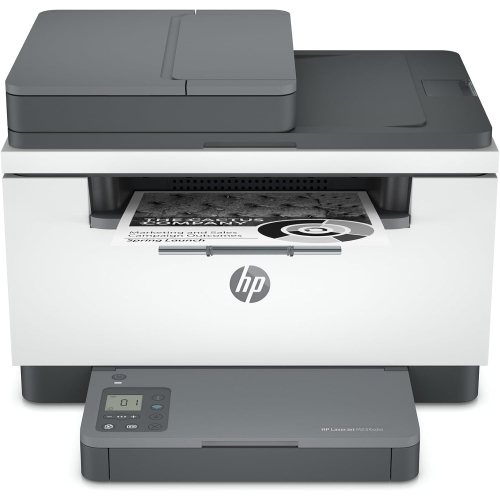 Your price for this item is $371.83
 -
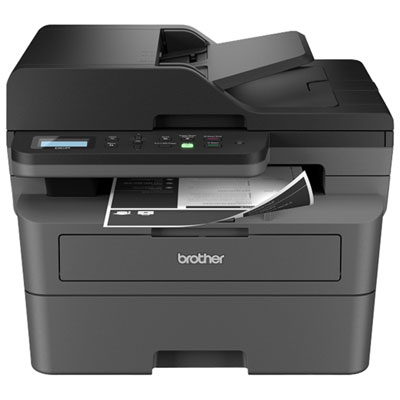 Your price for this item is $219.99
 -
 Your price for this item is $477.68
 -
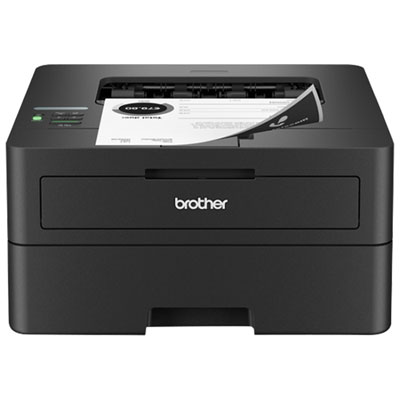 Your price for this item is $249.99
 -
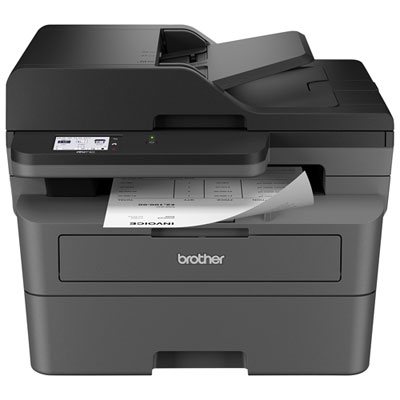 Your price for this item is $379.99
Discover more categories related to High Speed Printers
Top Collections:
Pokemon Centers, Budget 4K TVs, Best Budget Office Chairs, Kindle Devices, Canon G7X Cameras, Apple iPhones 16, iPhone 15 Apple, Laptops for Business Work, Xiaomi Phones, Flip Phones
Some products may be subject to Environmental Handling Fees
(EHF) depending on your province.
Learn more about EHFs.