Home Battery Backup
Ensure uninterrupted power supply for your essential home appliances with our selection of reliable home battery backup solutions. Whether you're looking to stay connected during power outages, safeguard important electronic devices, or simply want peace of mind, our range of home battery backup options has you covered. From compact and portable units to high-capacity systems, find the perfect backup power solution to fit your needs and keep your home running smoothly at all times.
Sort
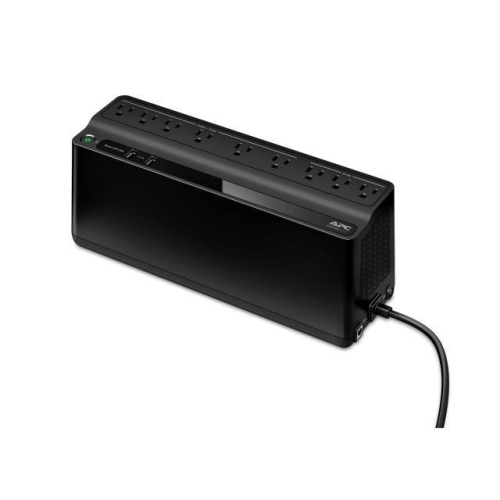
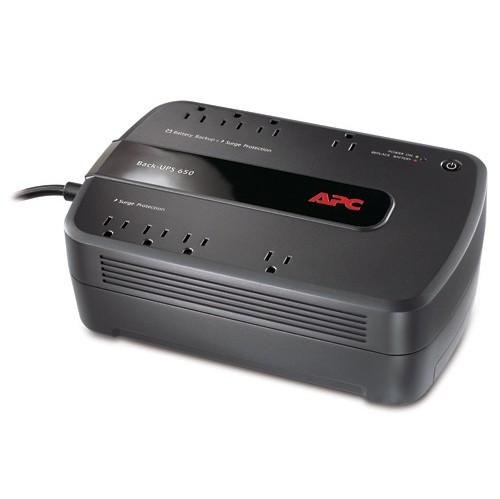
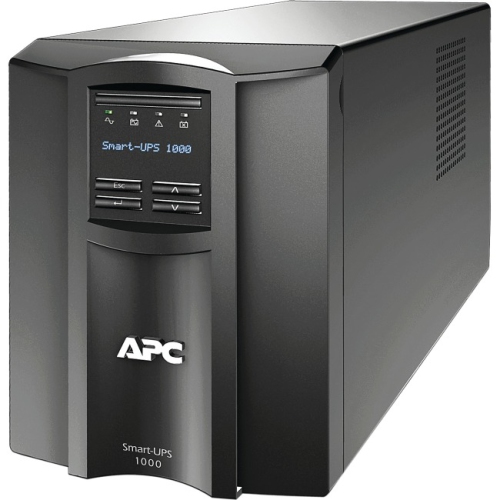
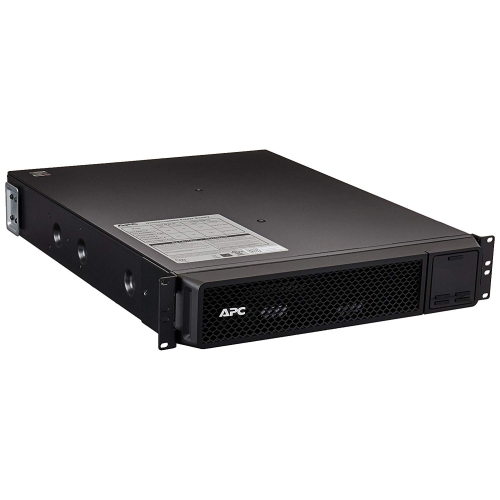
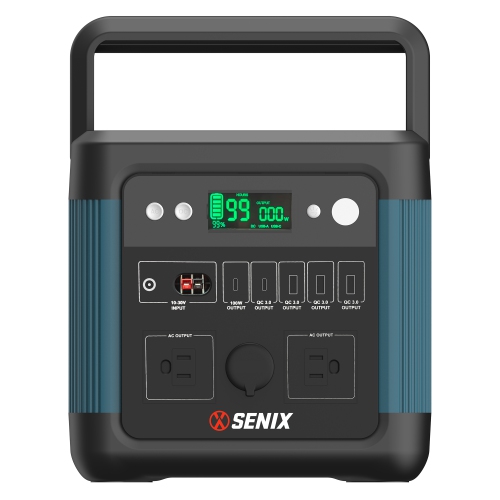
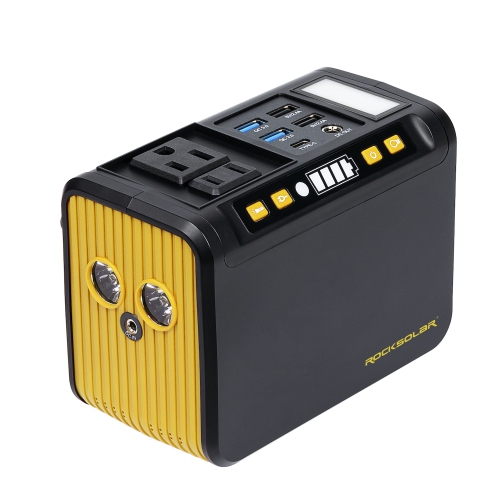
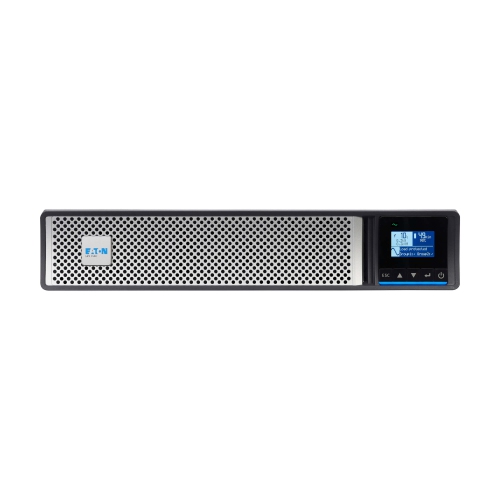
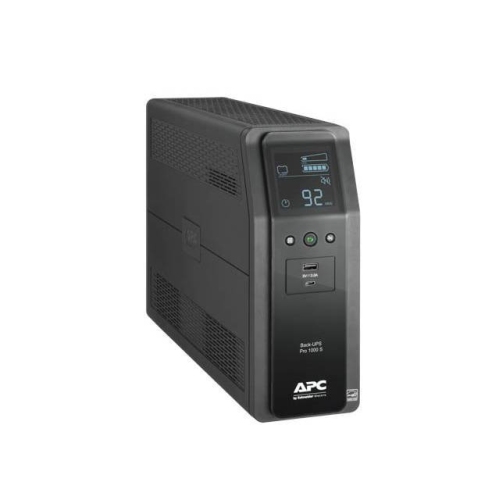
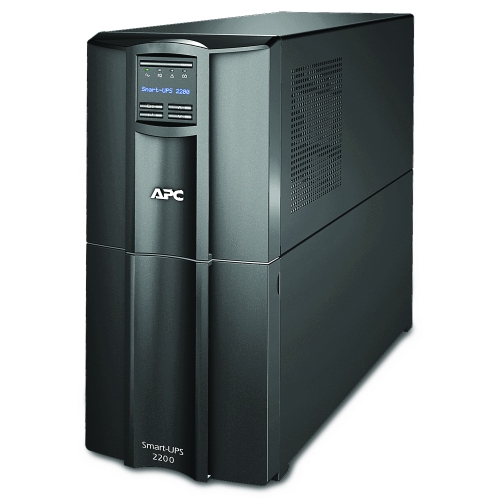
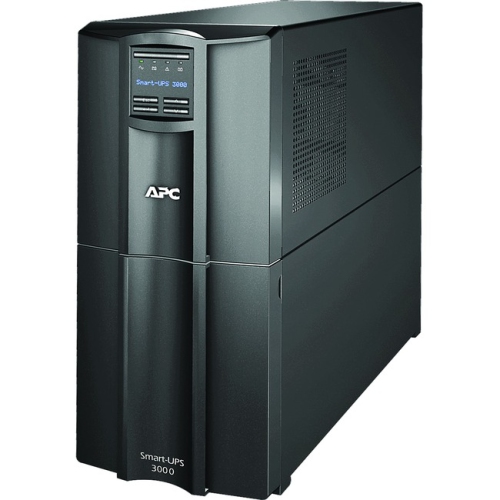
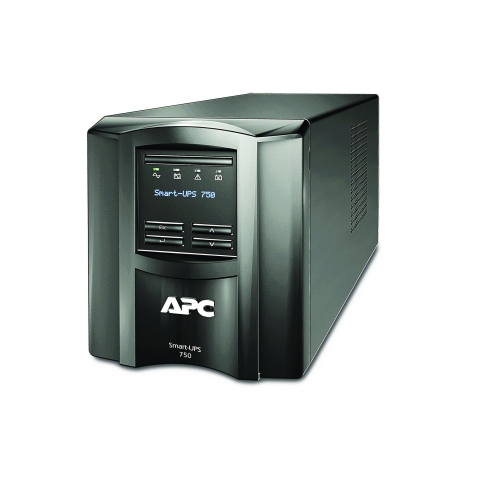
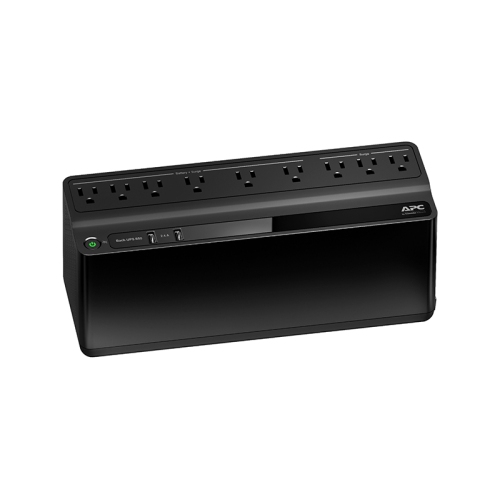
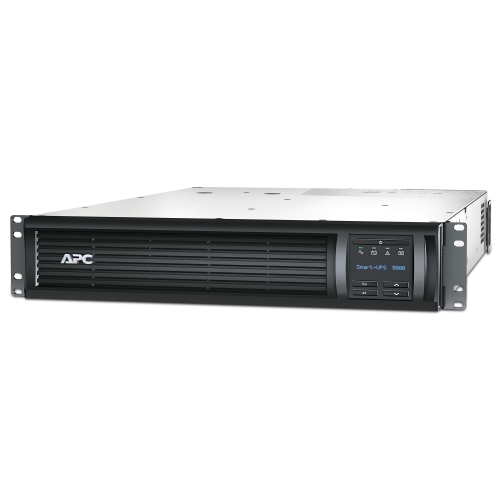
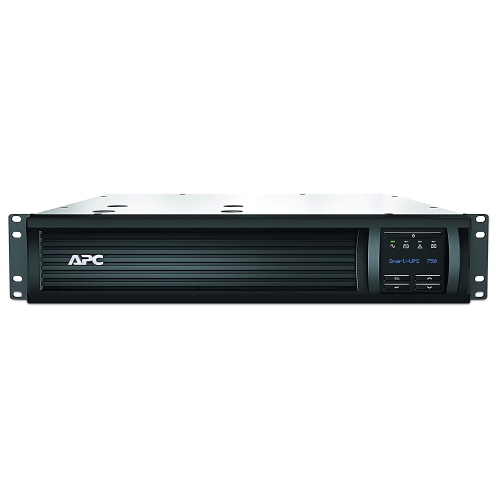
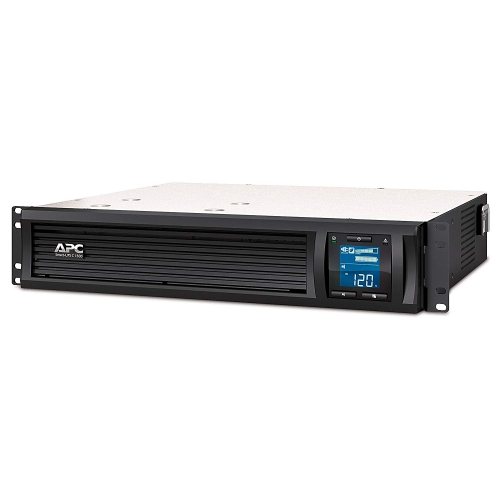
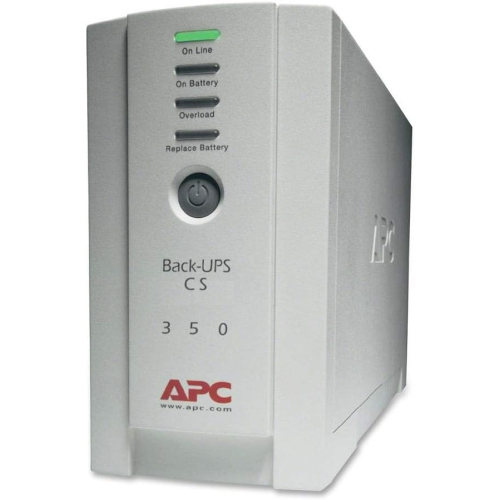
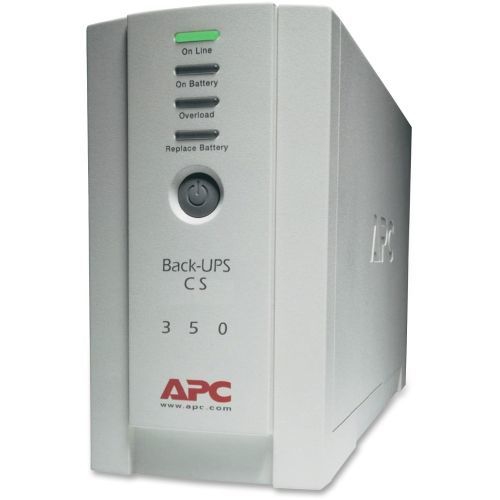
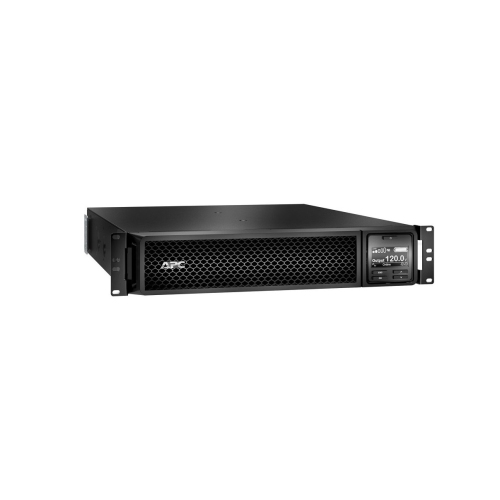
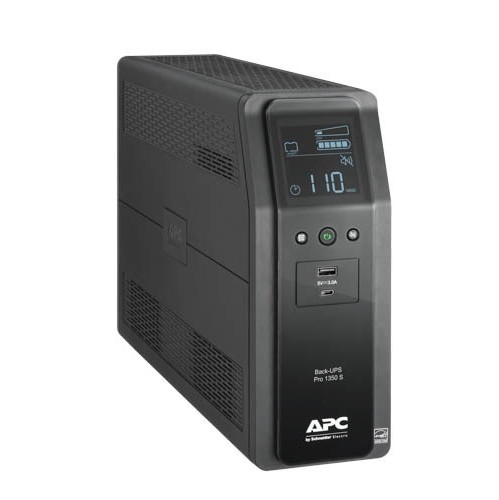
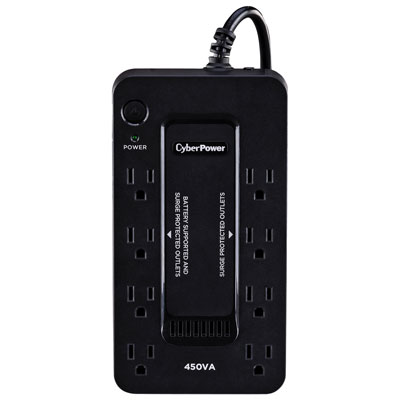
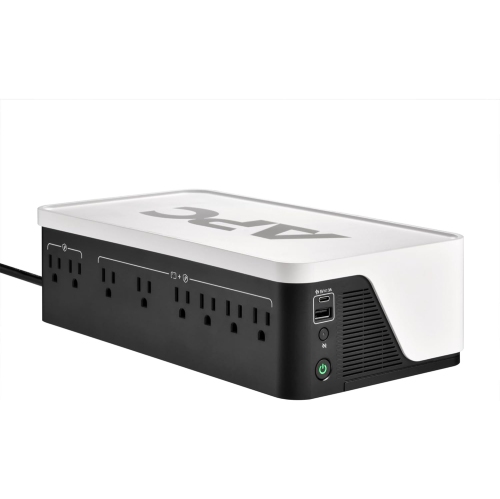
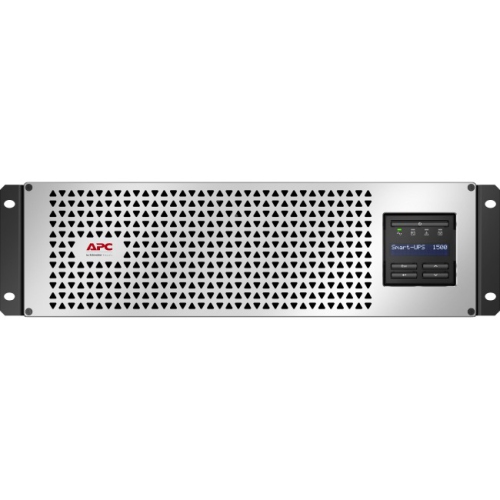
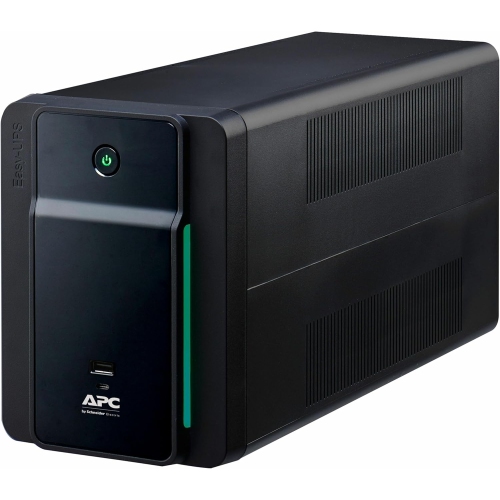
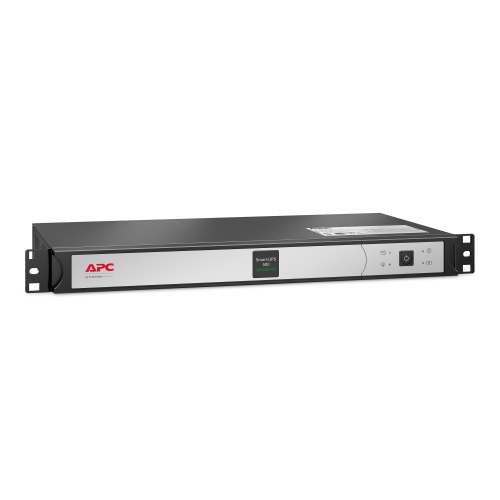


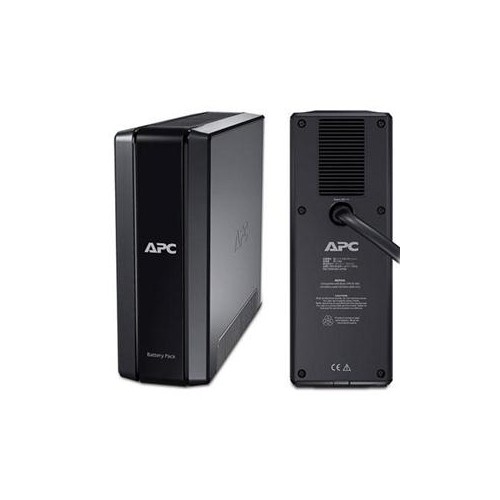
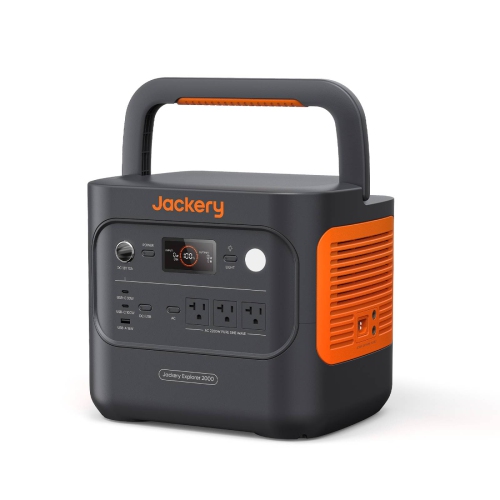
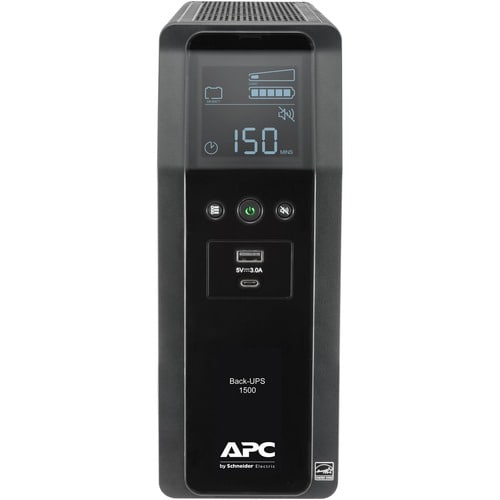
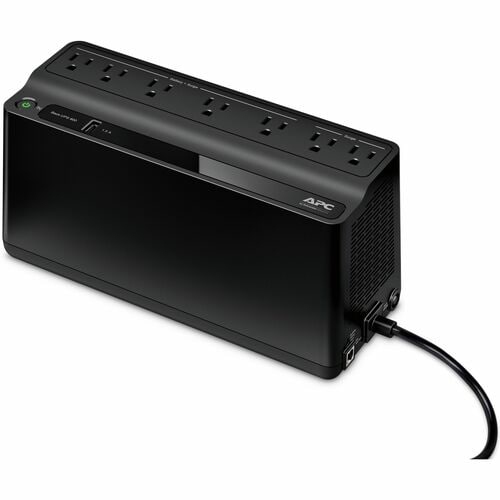
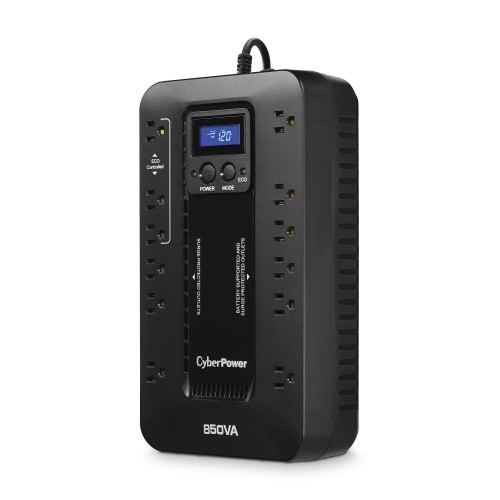
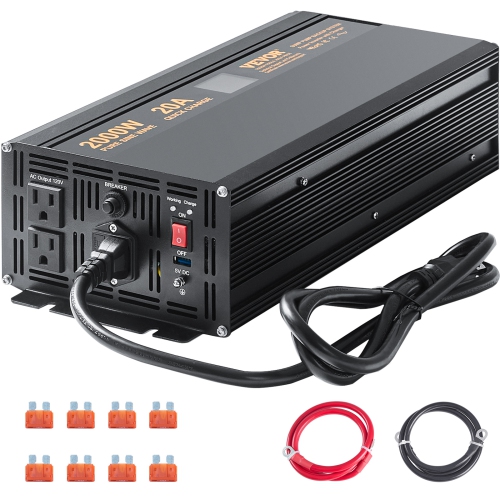
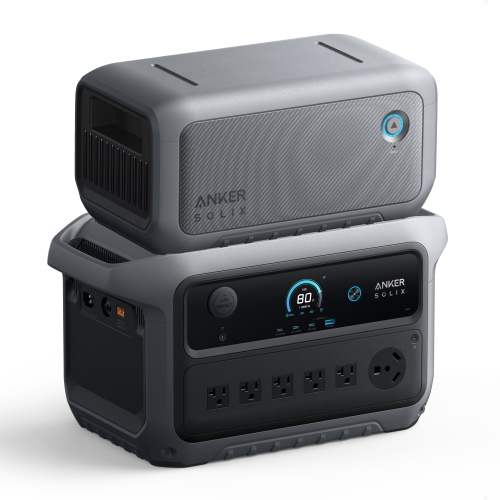
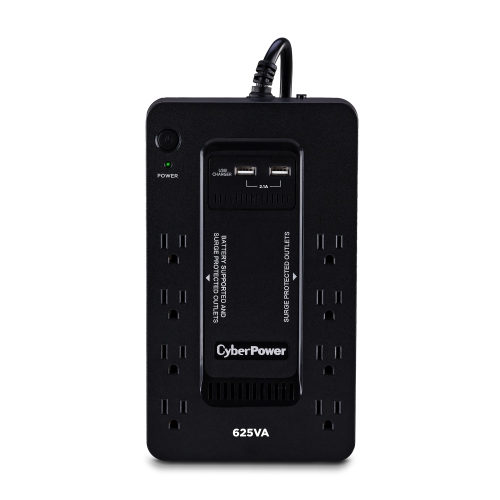
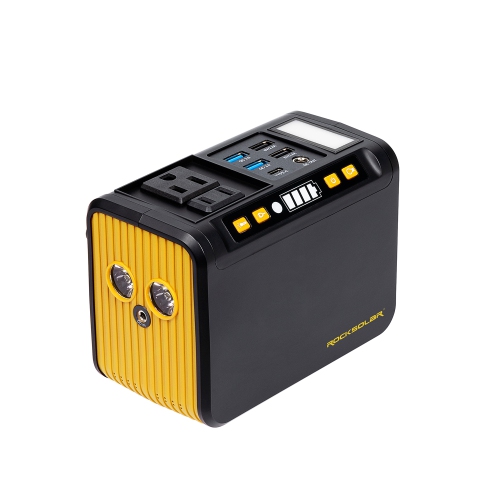
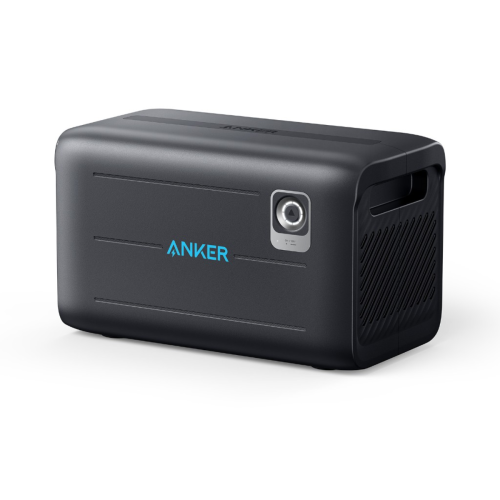
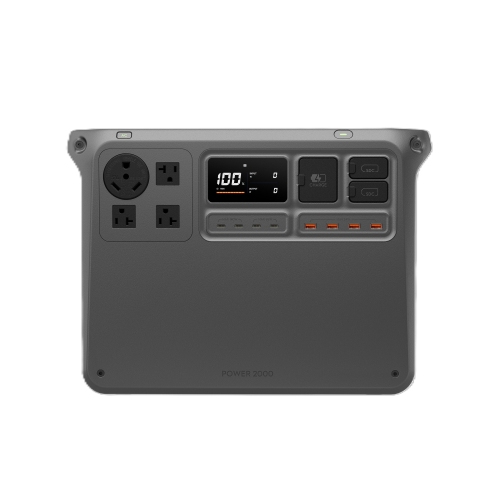
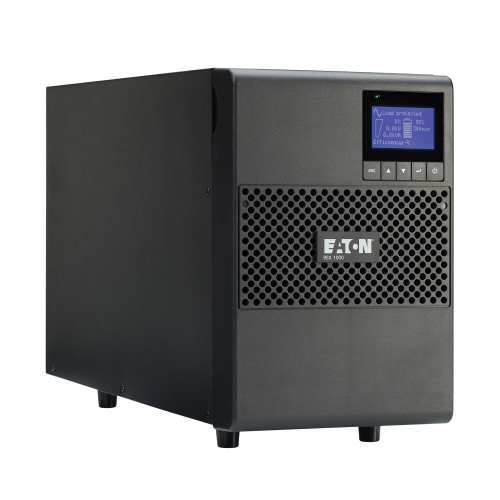
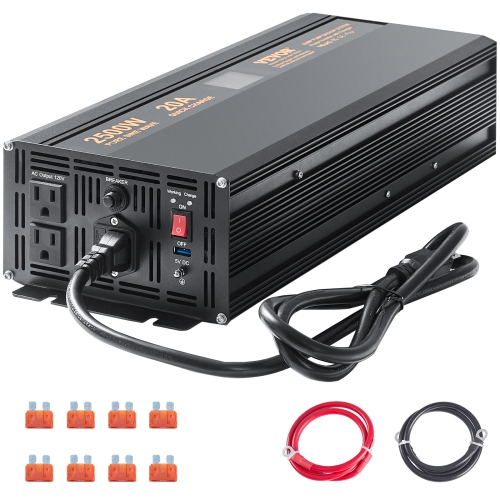
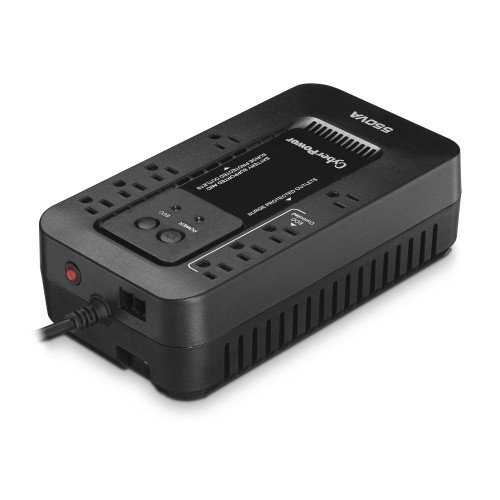
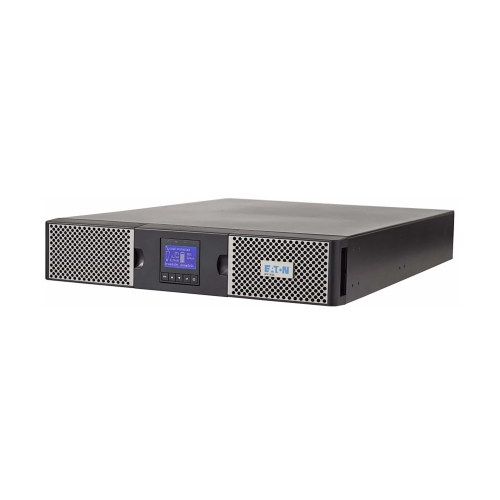
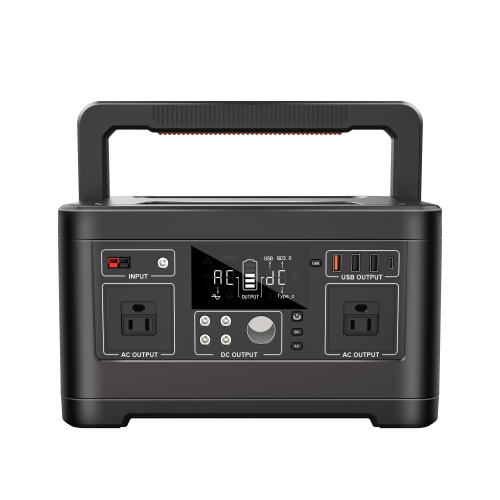
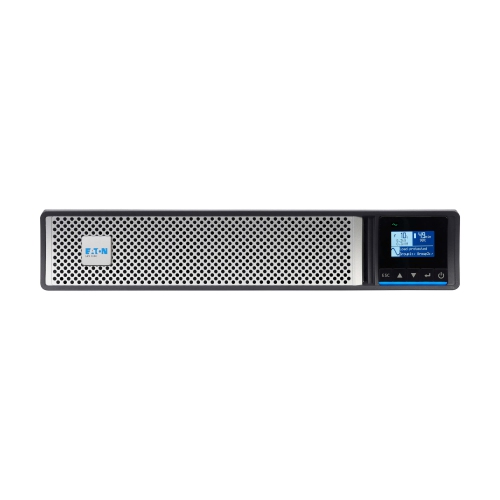
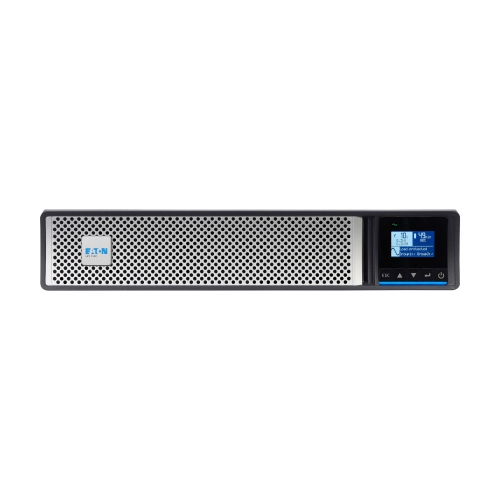
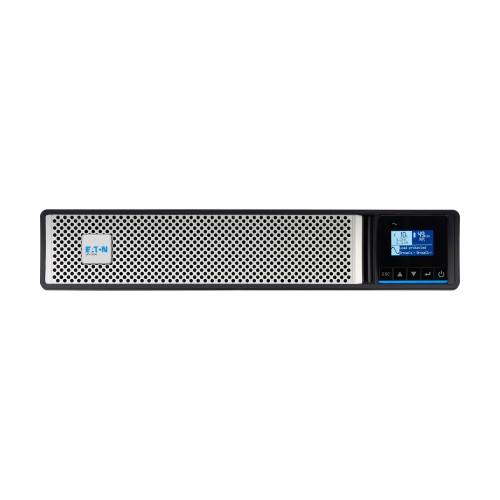
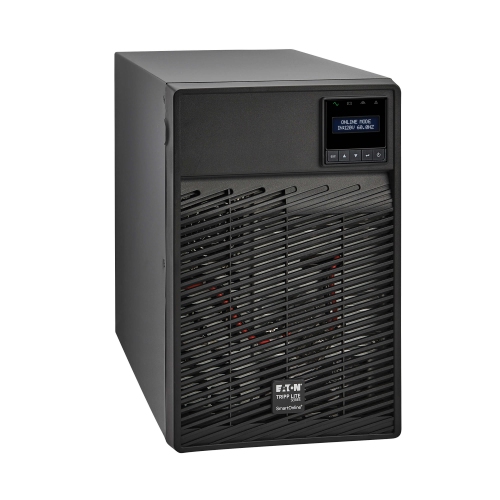
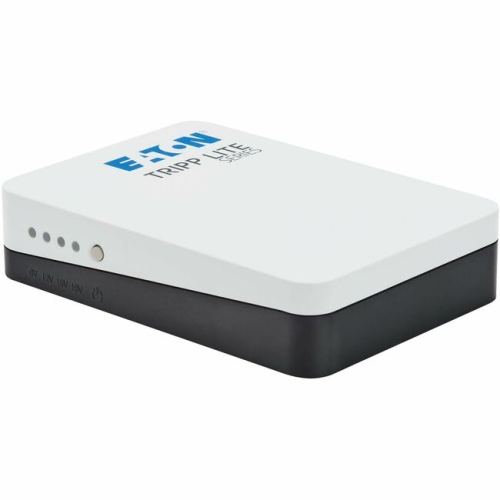
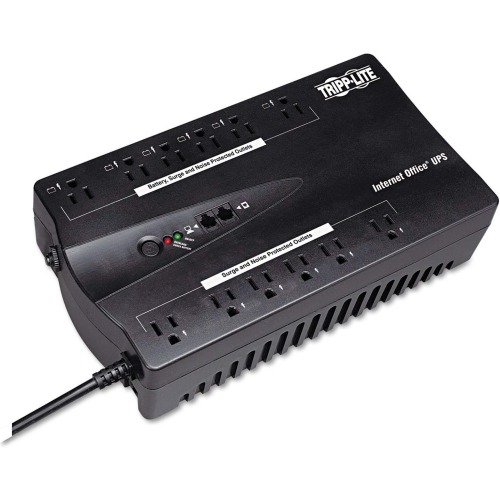
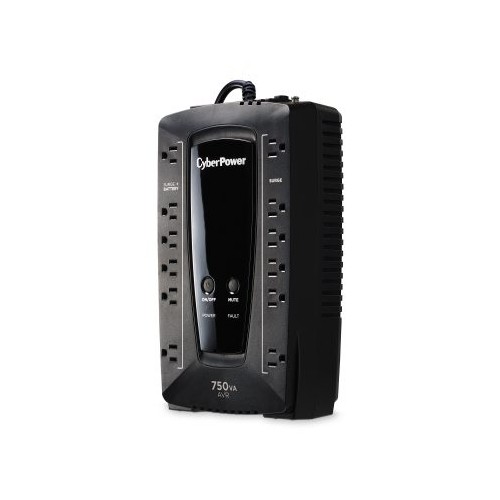
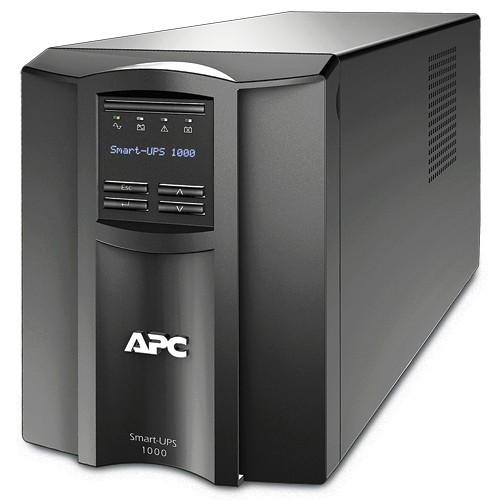
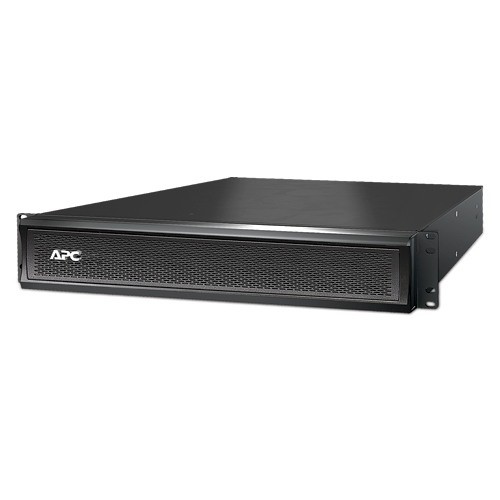
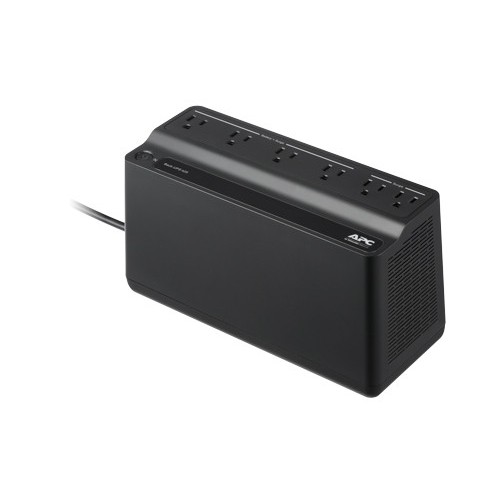
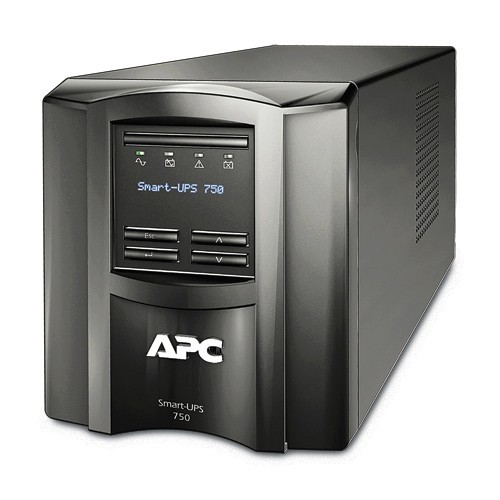
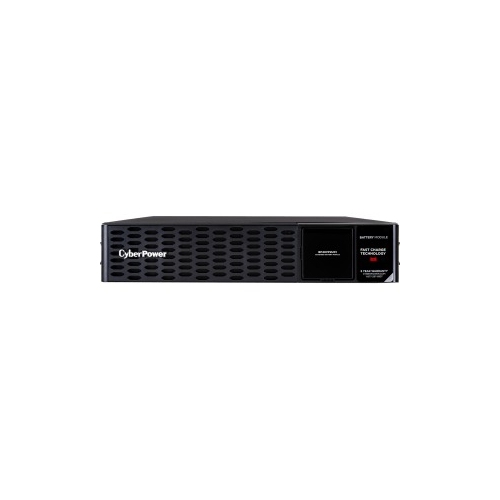
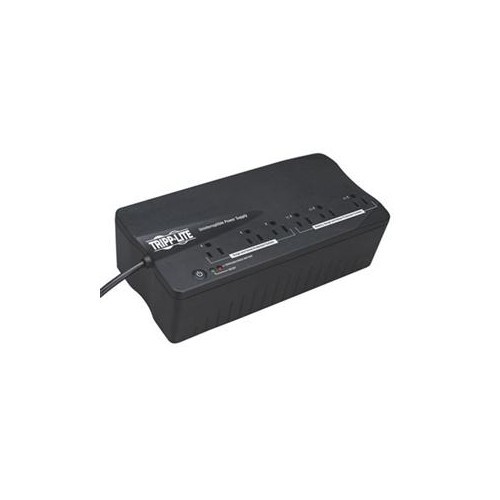
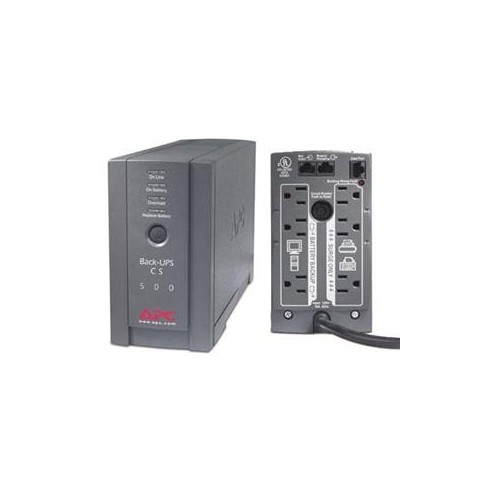
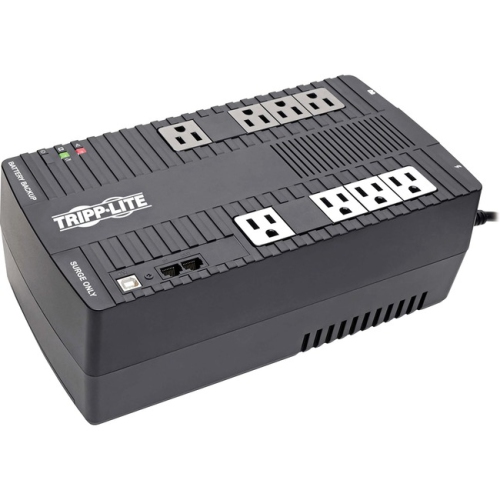

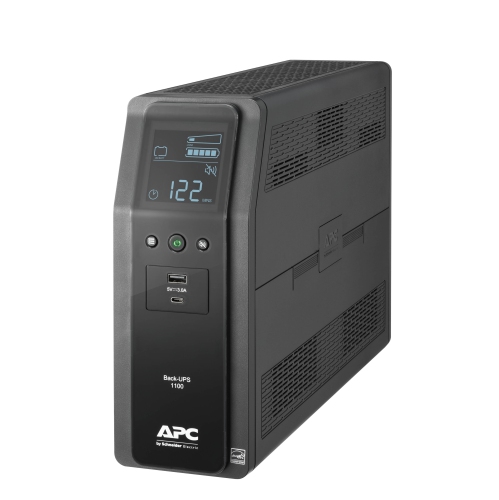
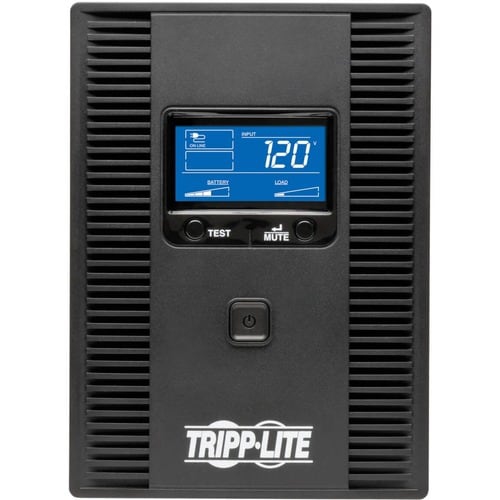
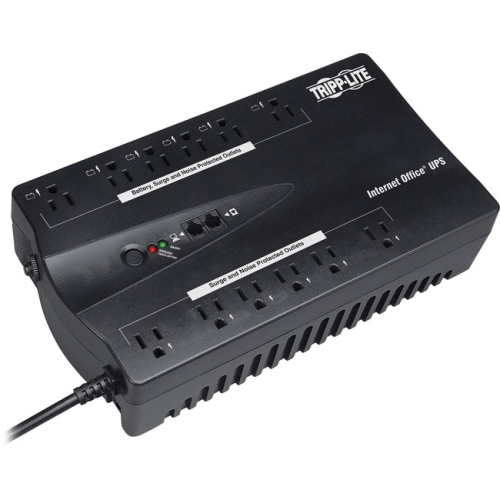
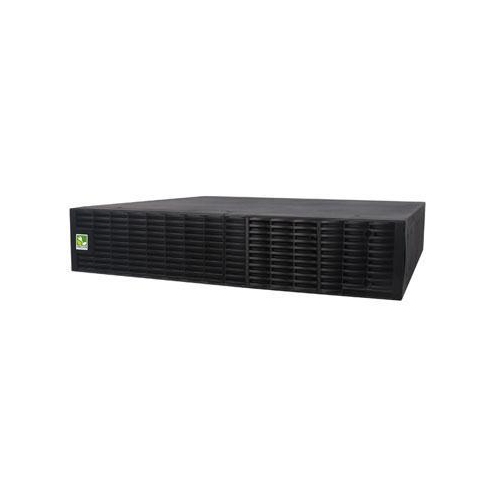
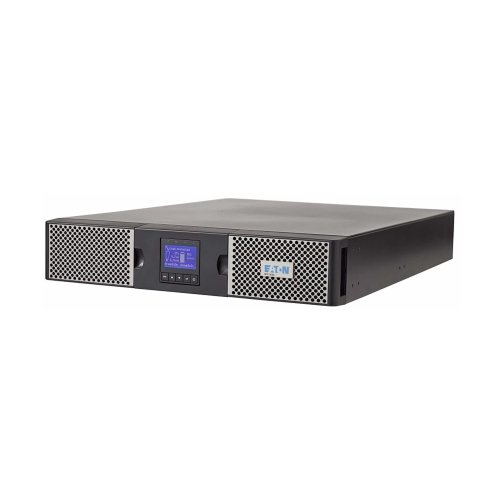
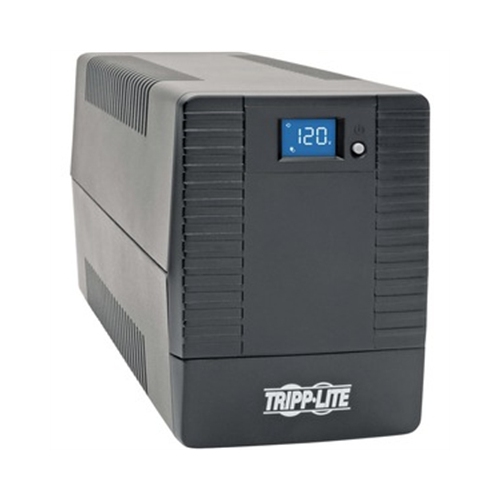
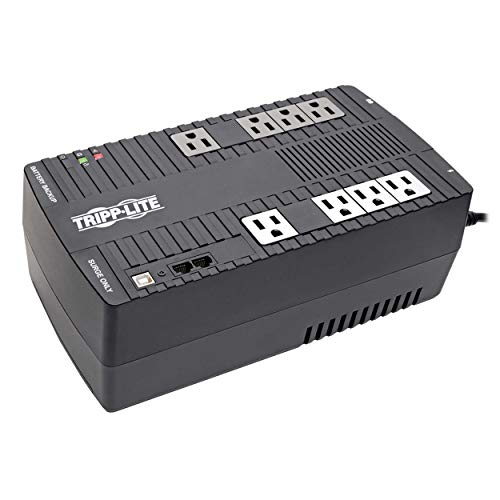

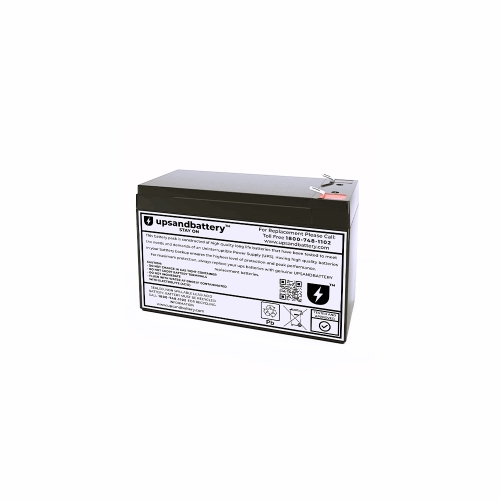
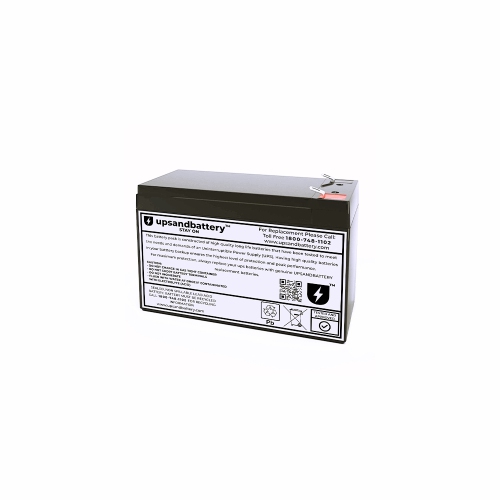
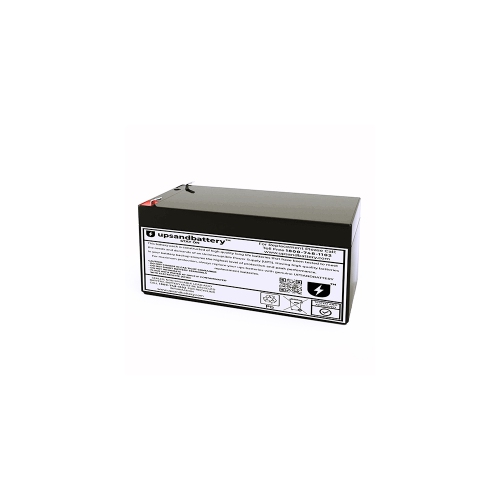
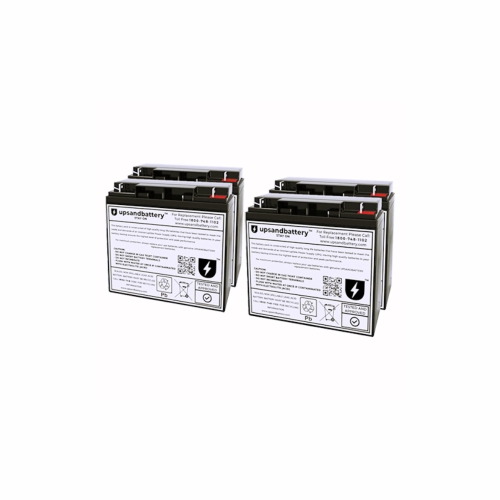
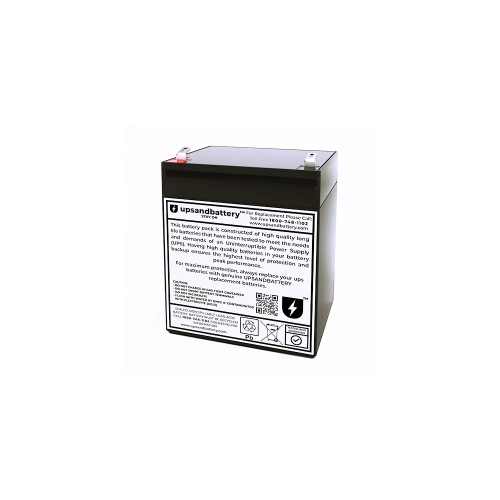
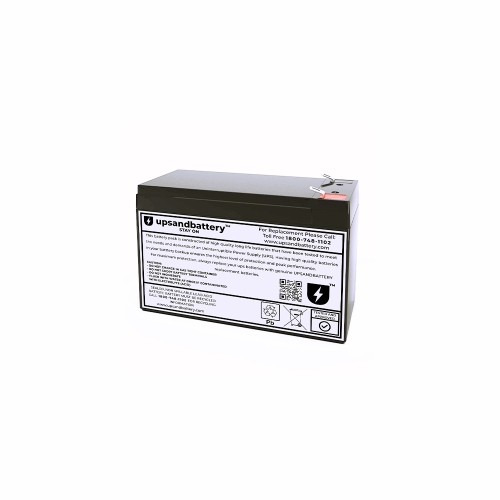
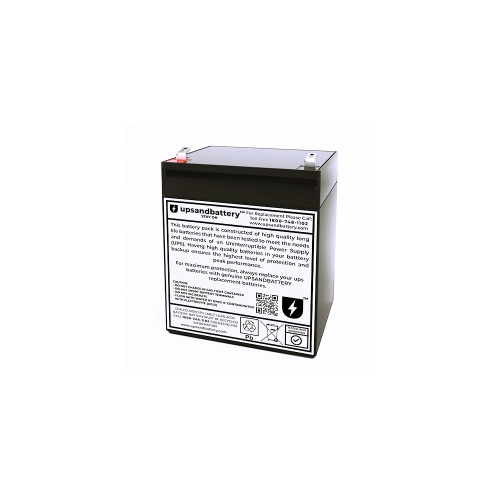
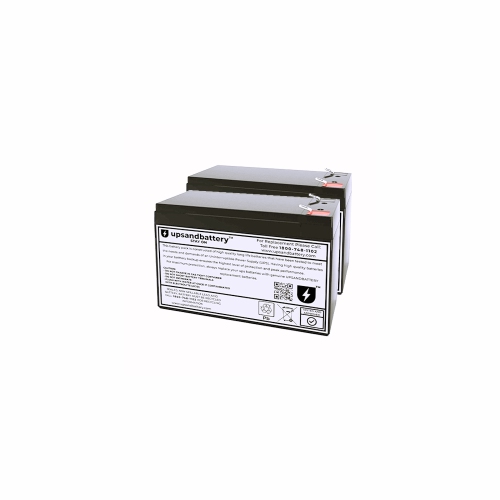
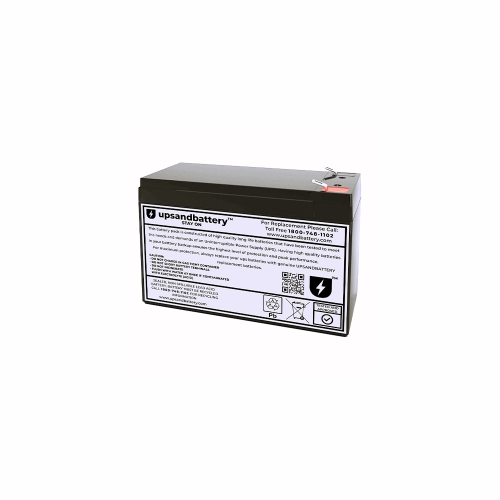
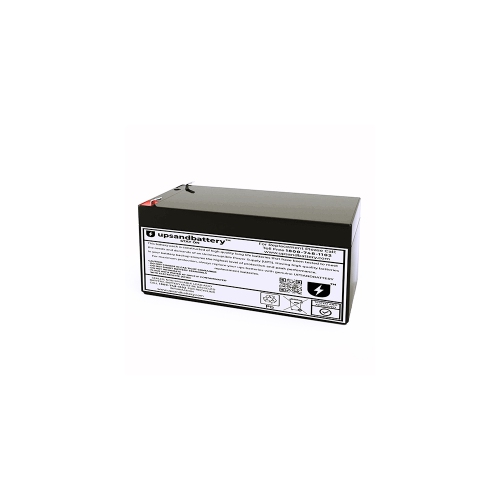
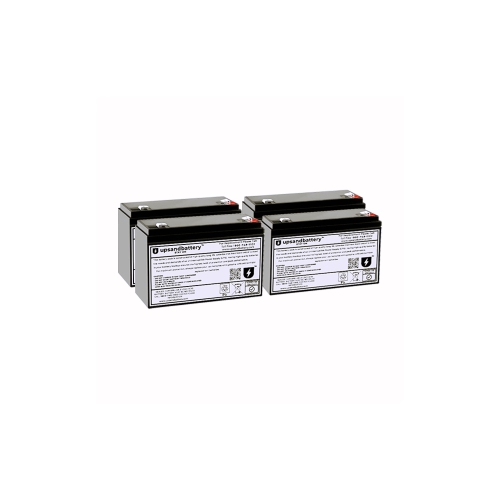
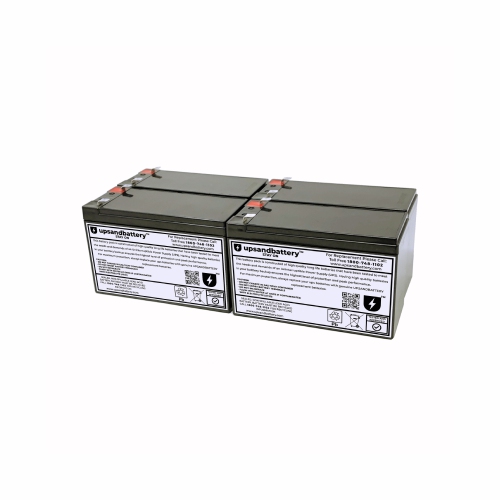
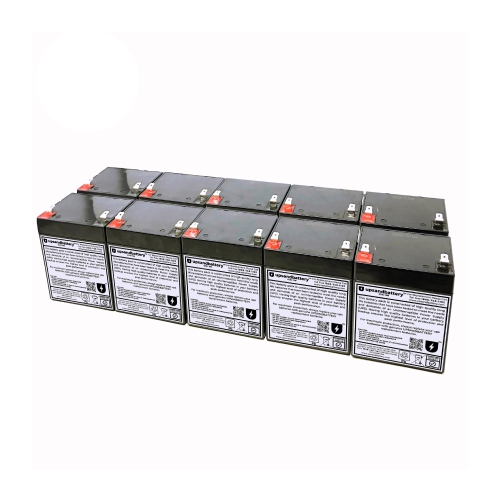
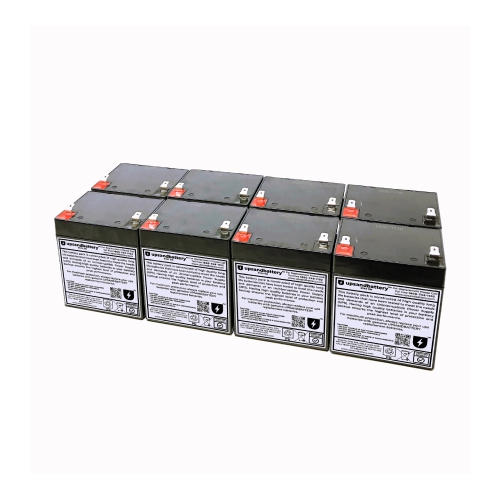
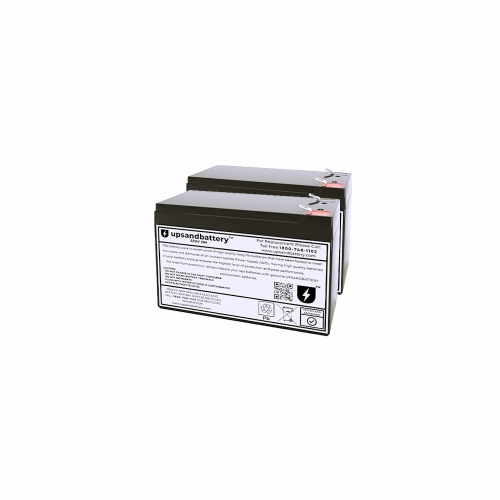
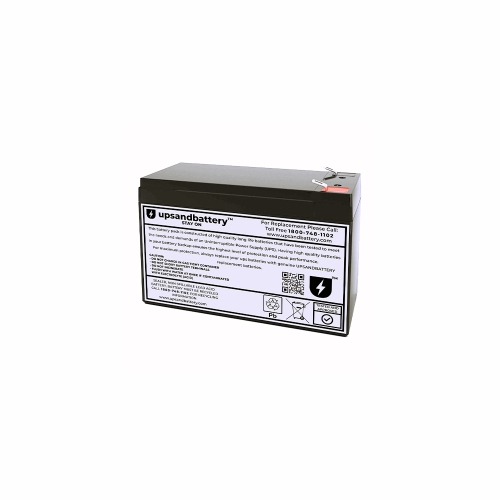
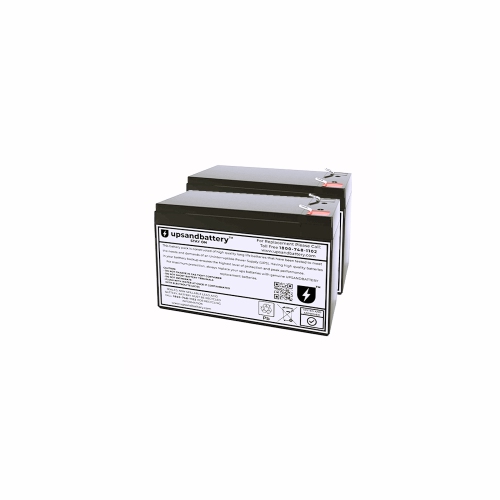
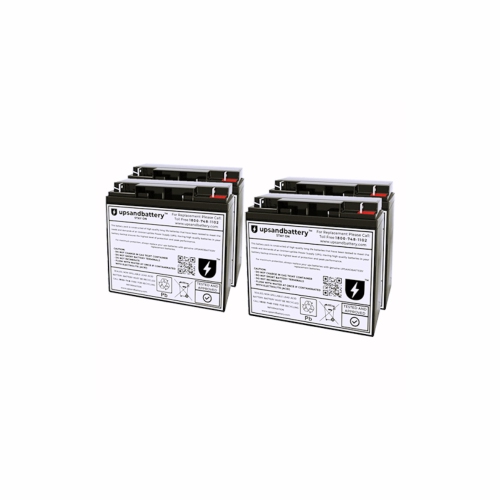
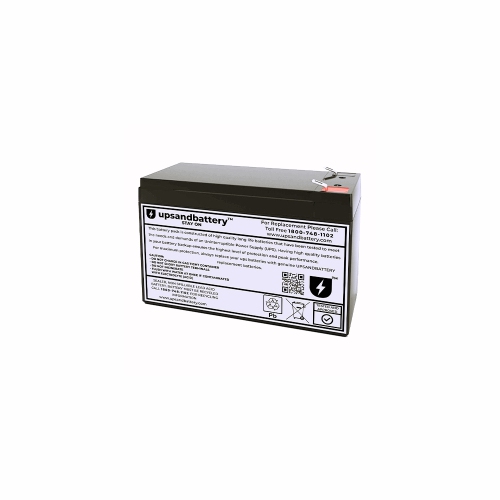
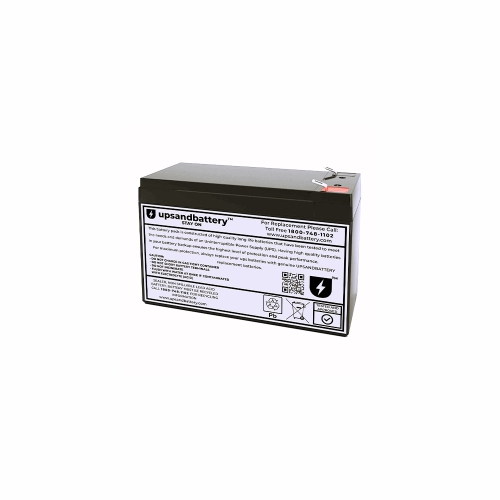

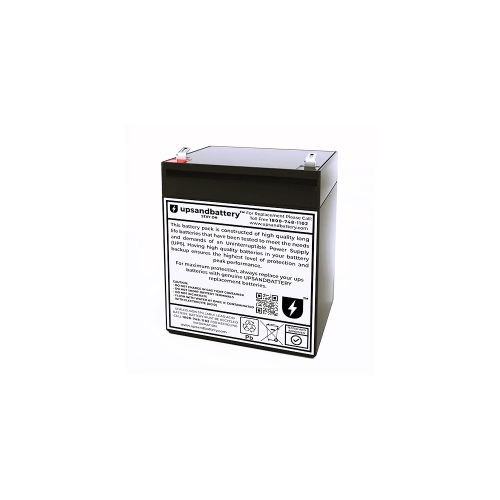
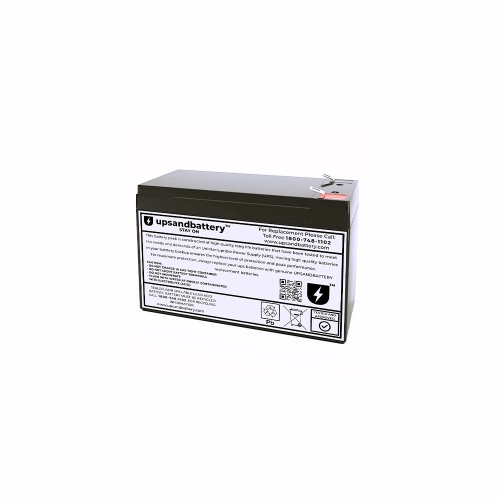
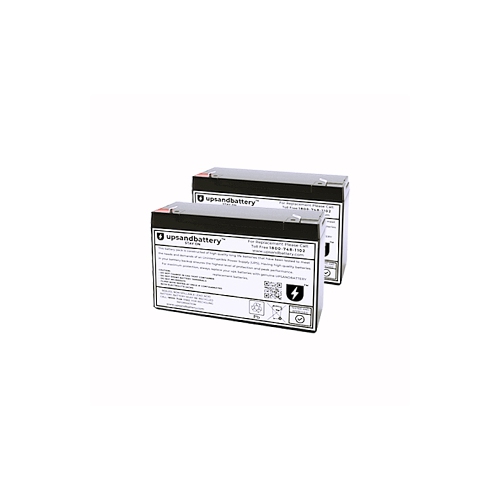
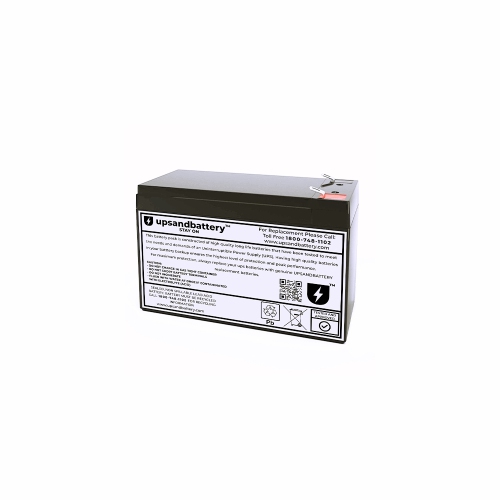

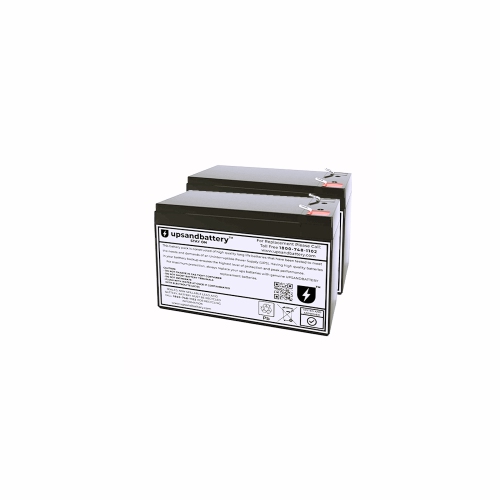
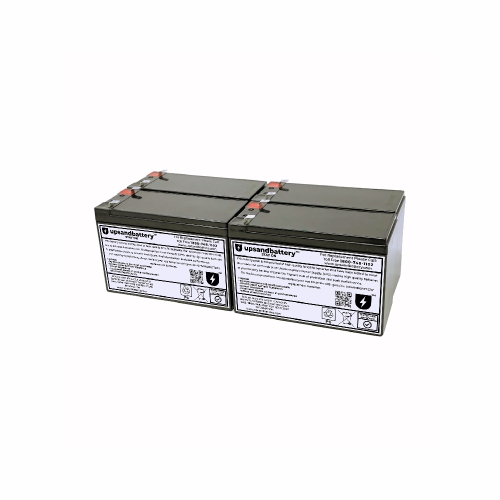
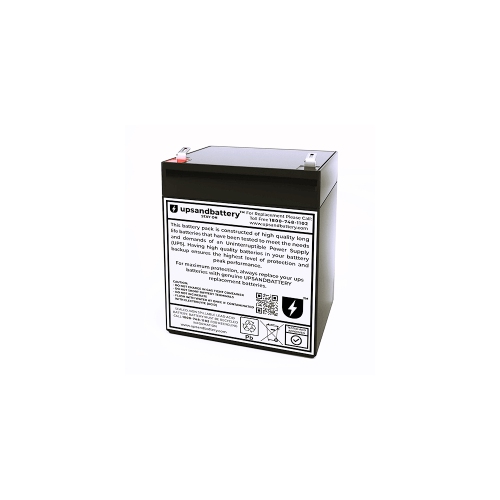
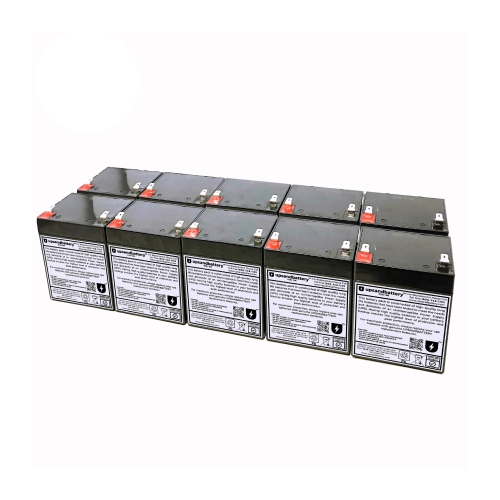
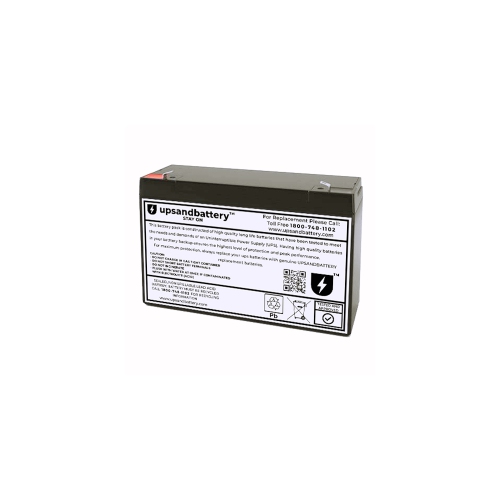
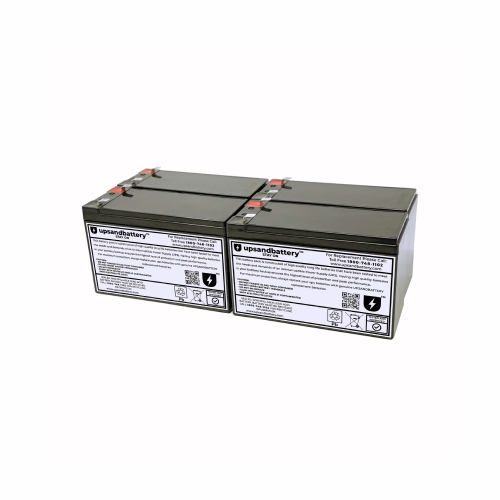
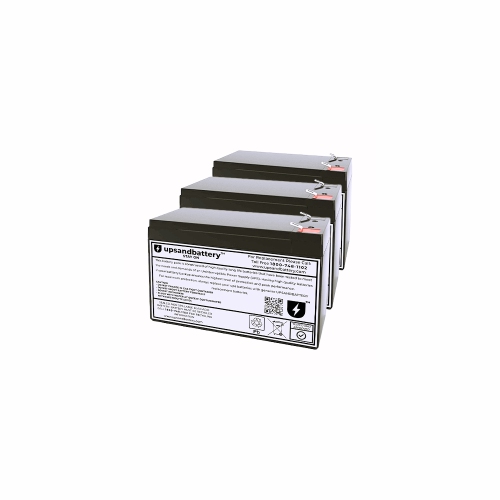
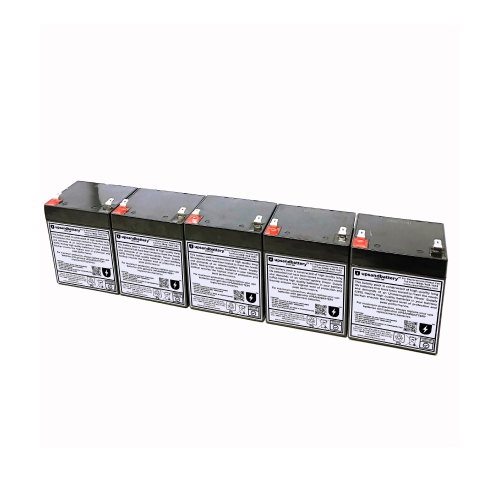
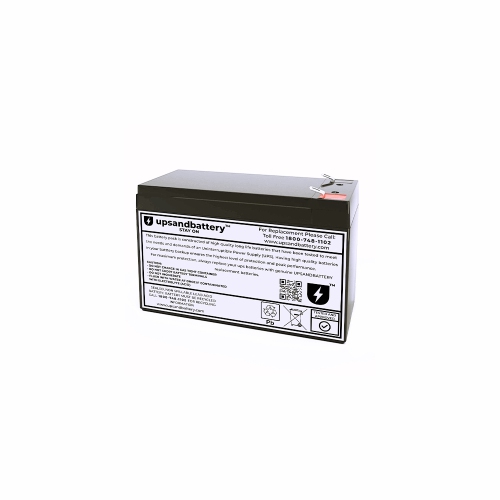
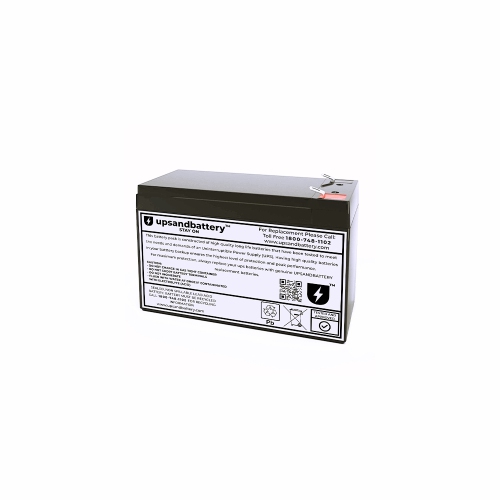
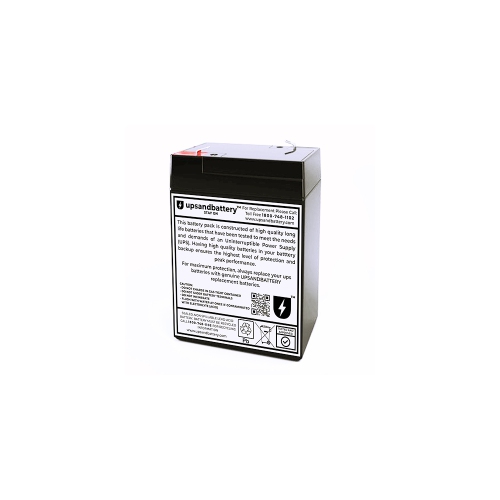
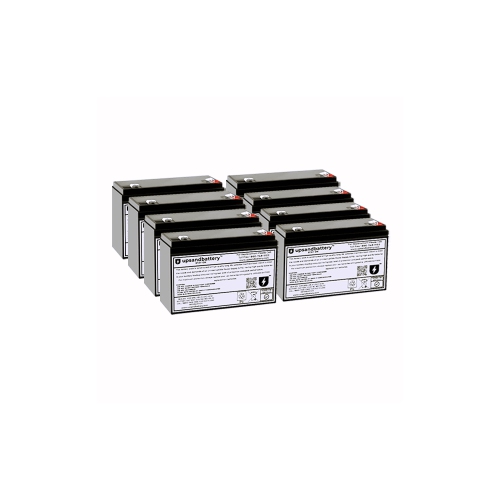
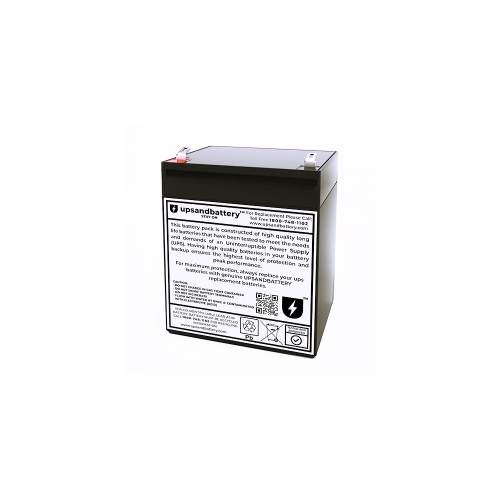
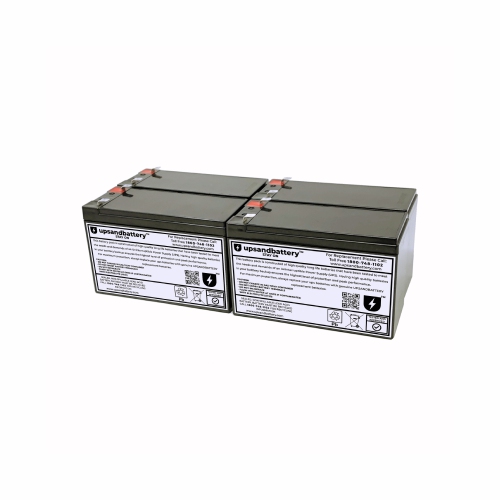
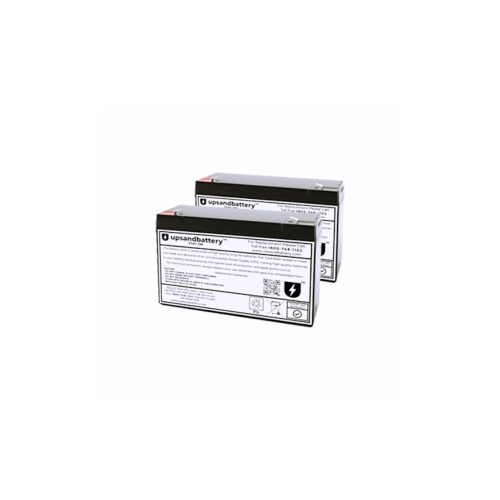
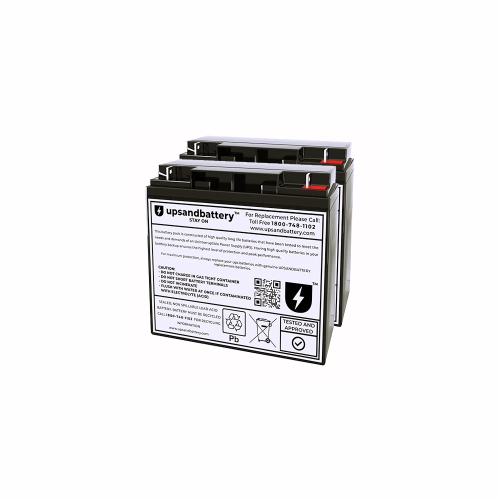
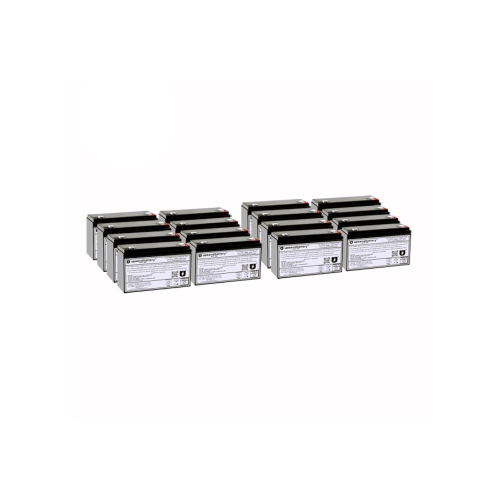
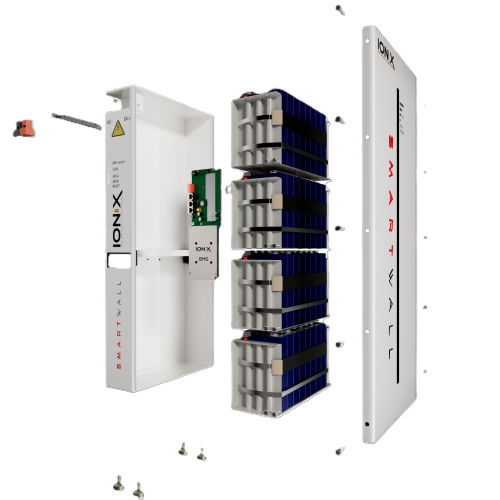
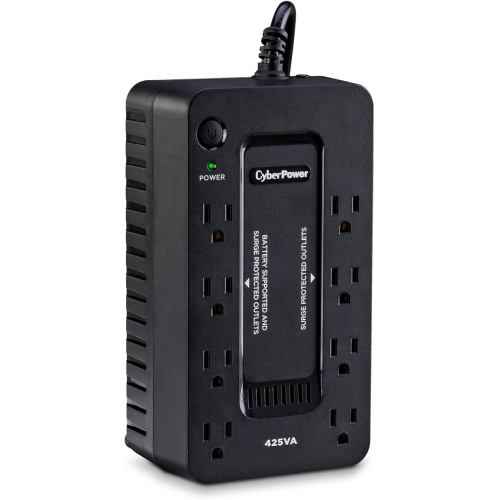
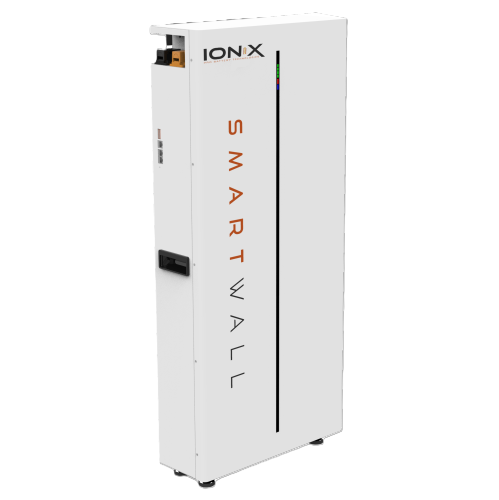
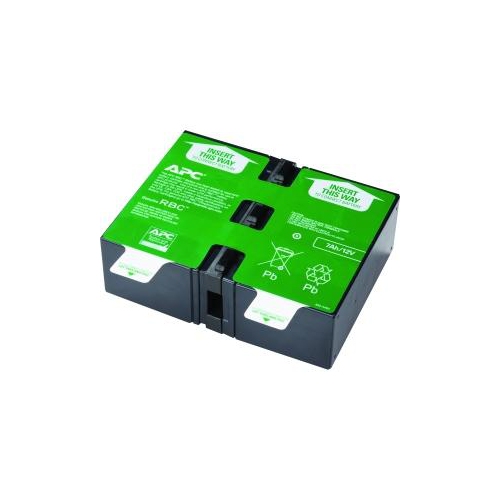
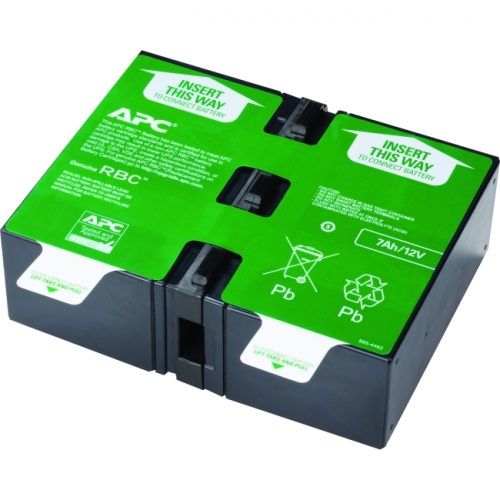
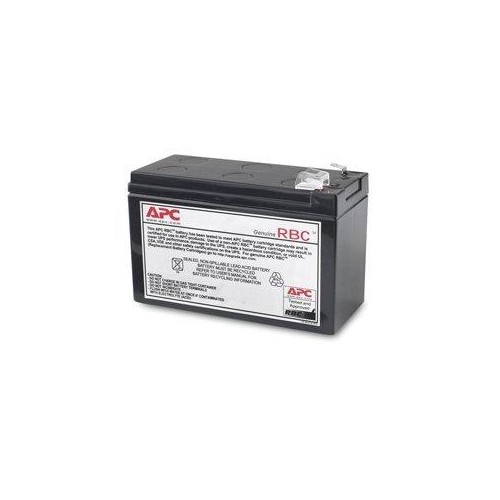
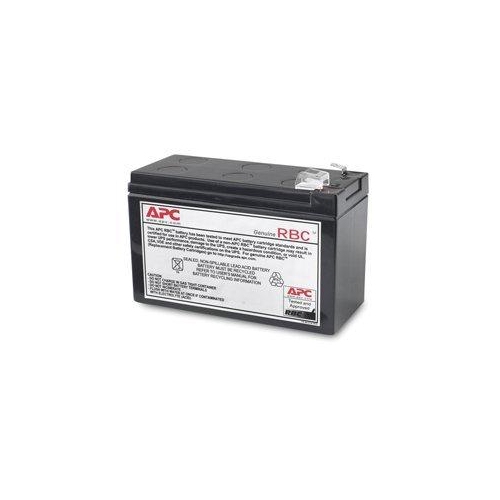
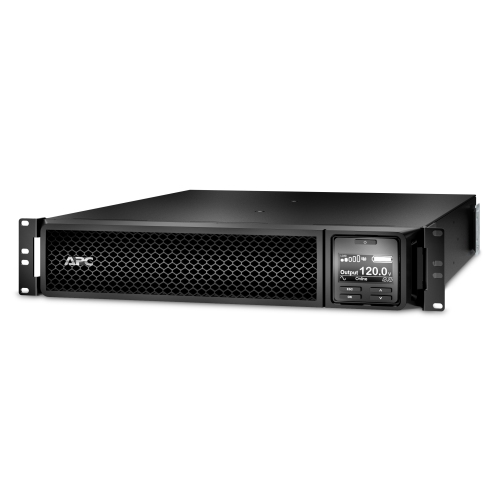
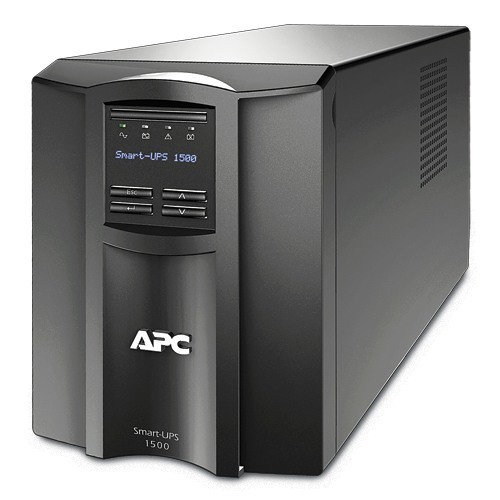
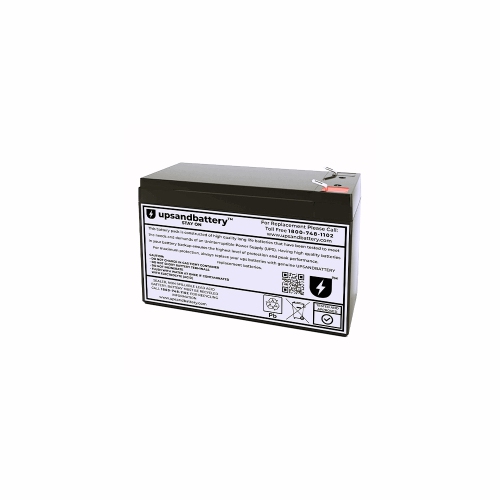
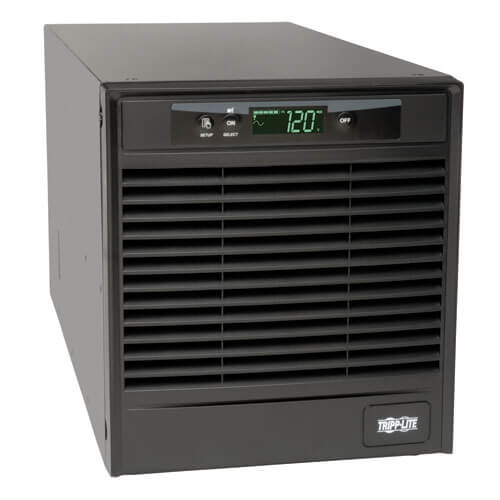
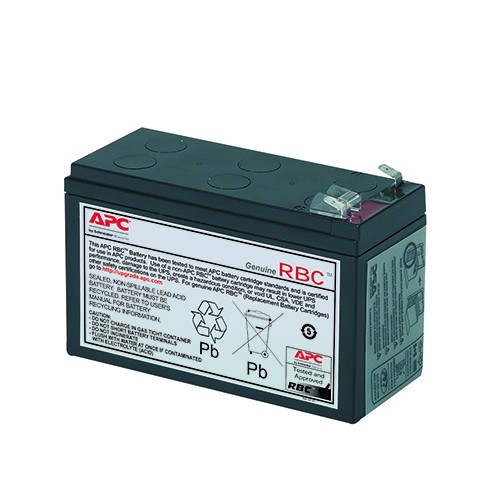

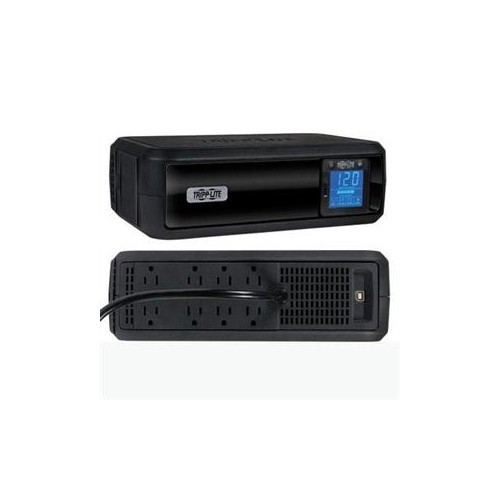
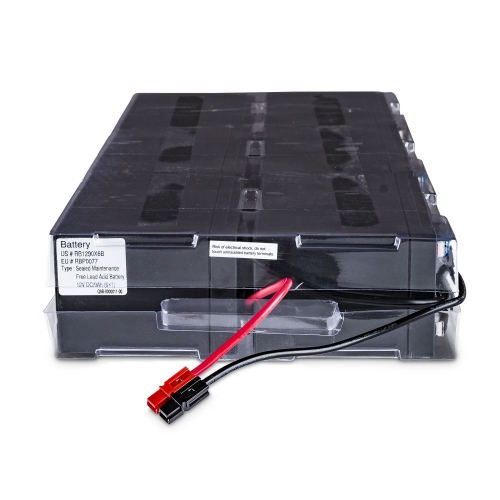
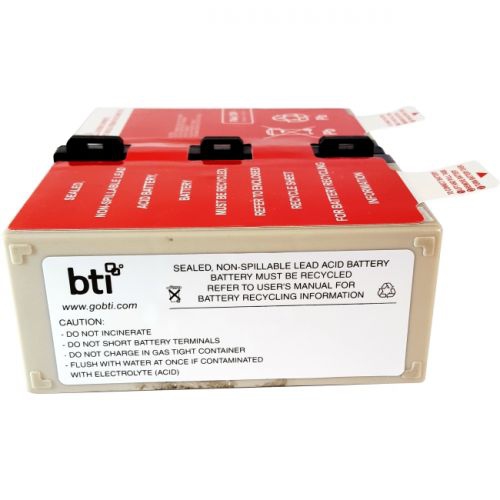
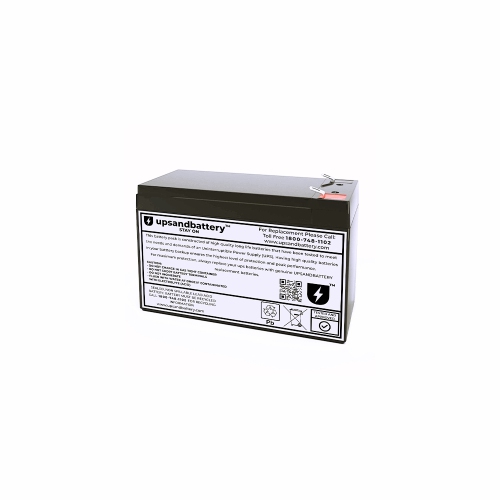
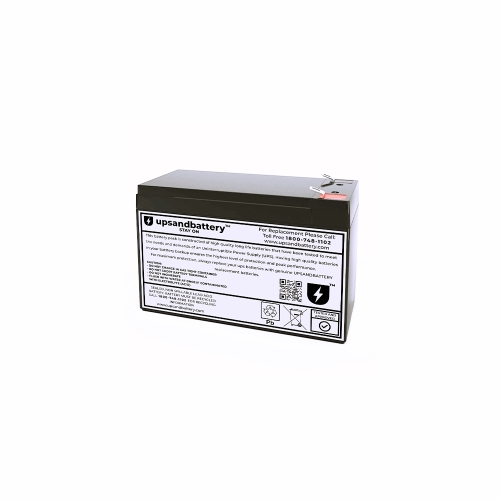
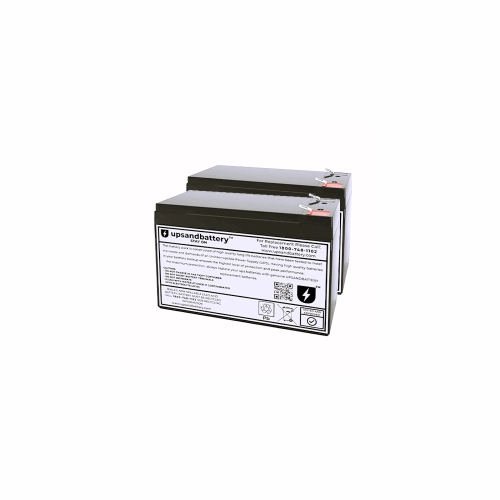
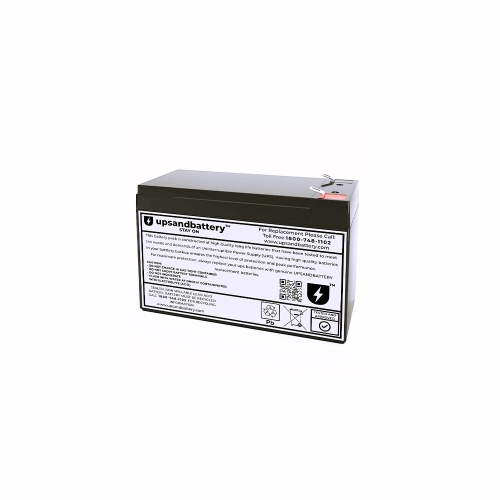
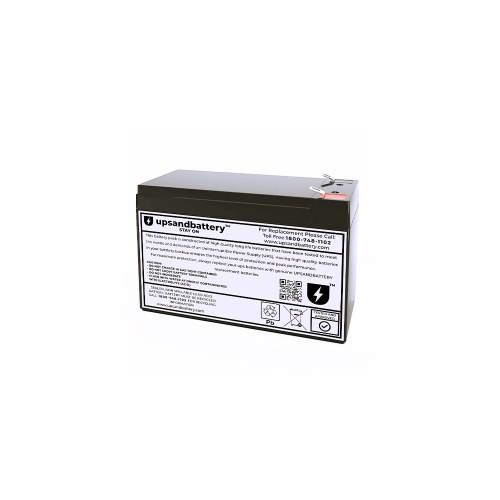

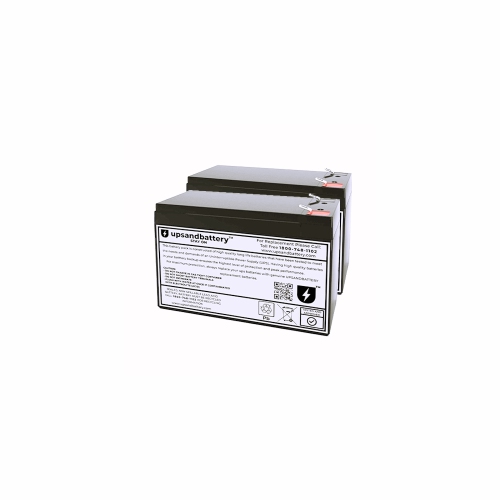
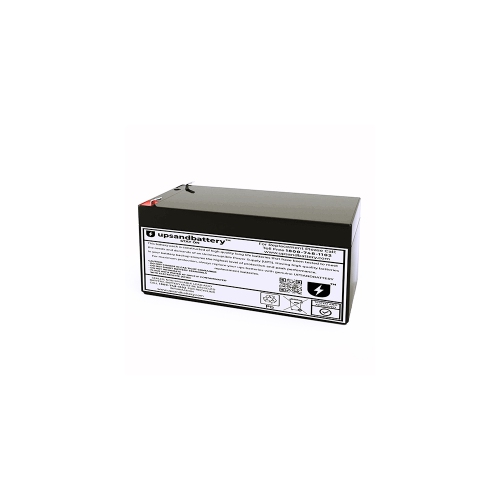
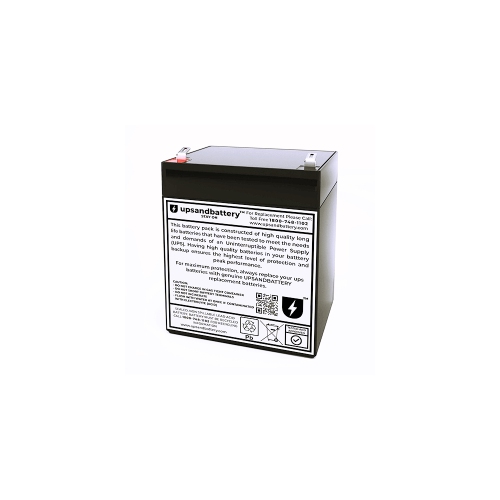
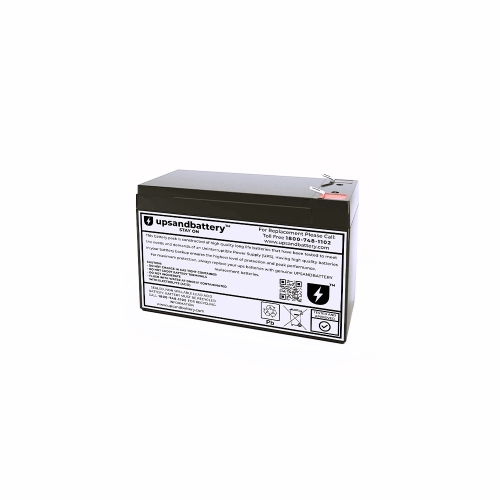
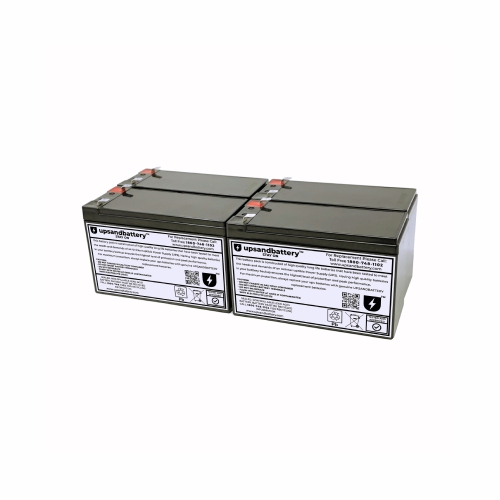
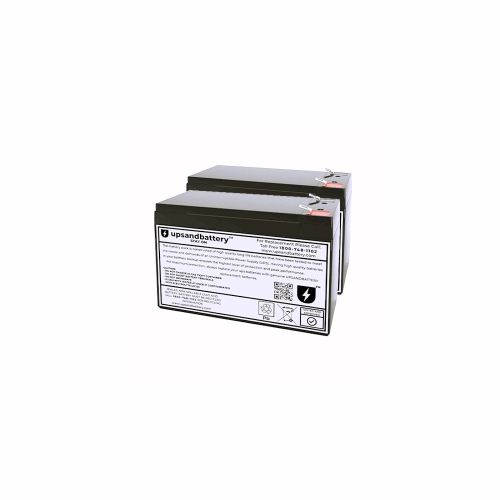
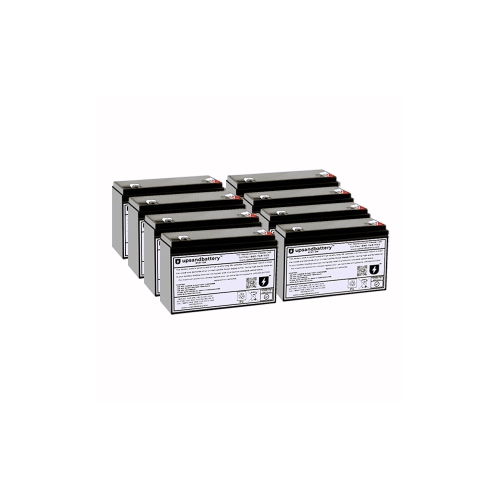
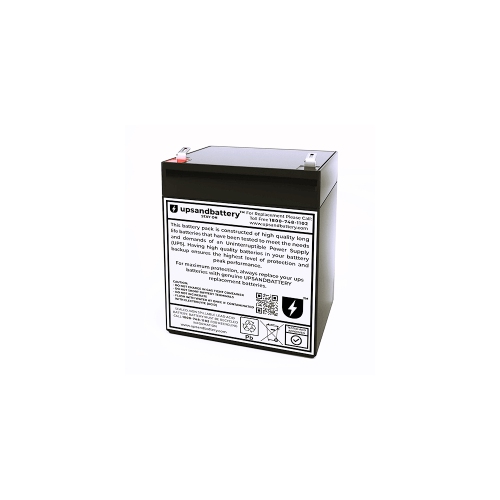

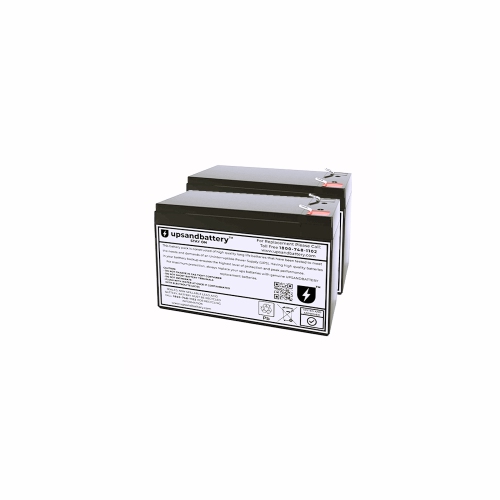
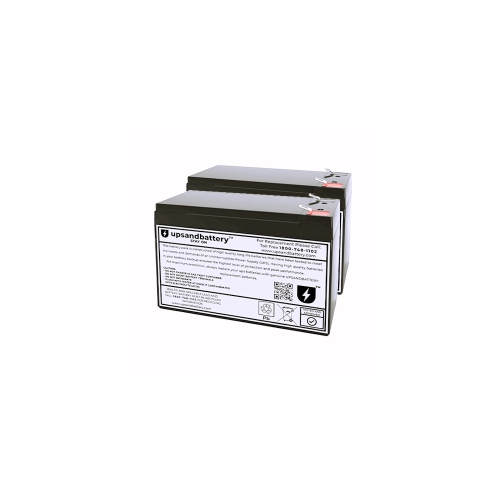
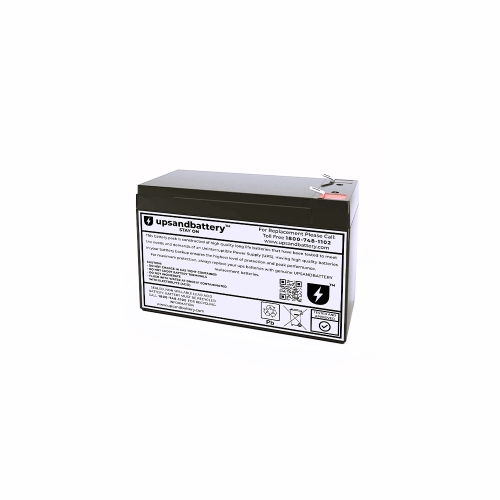
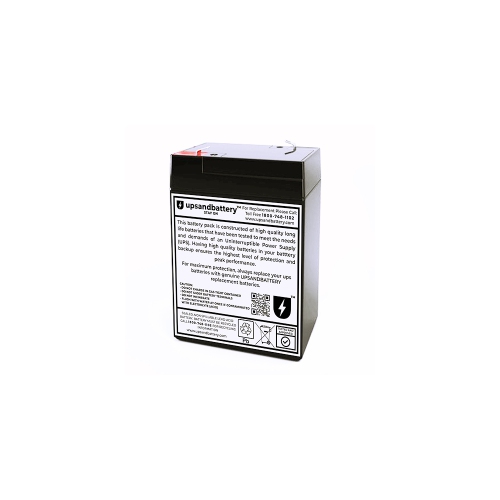
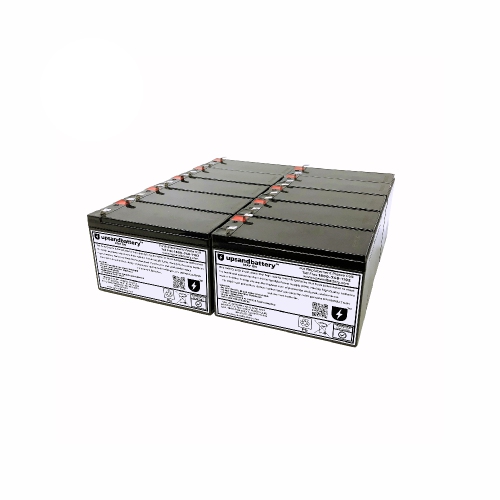
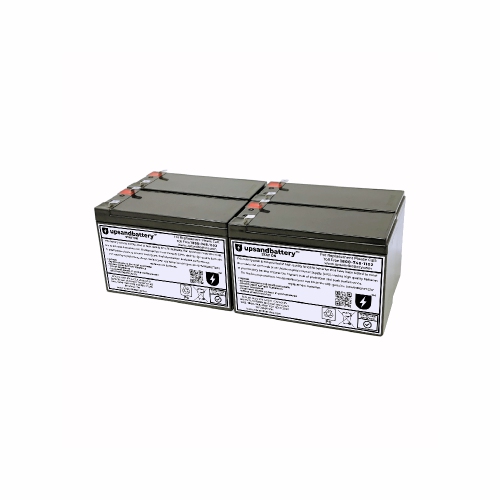
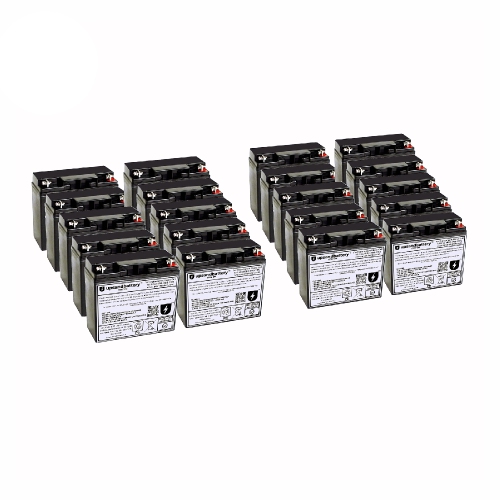
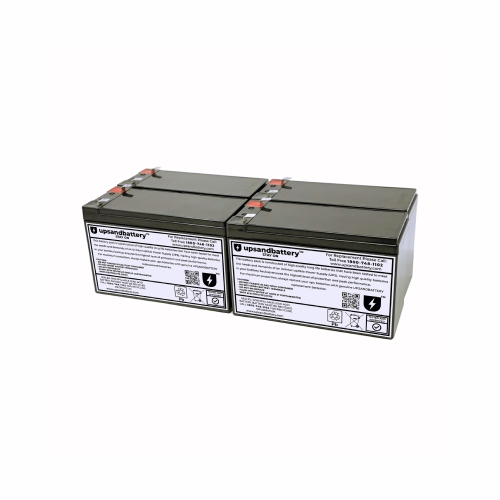
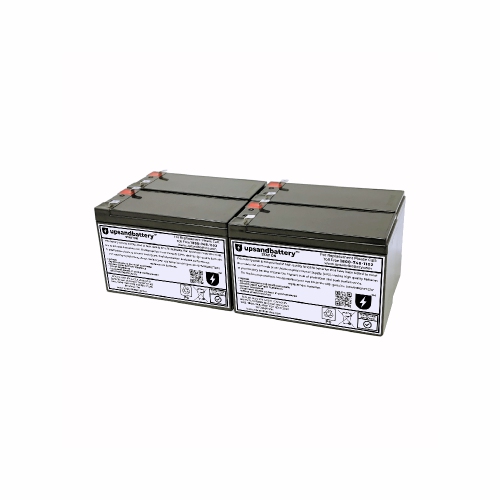
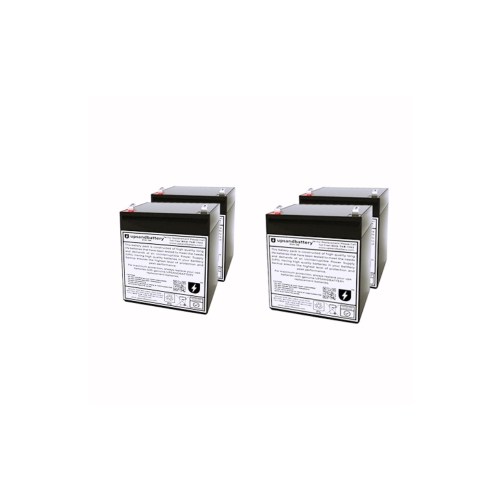
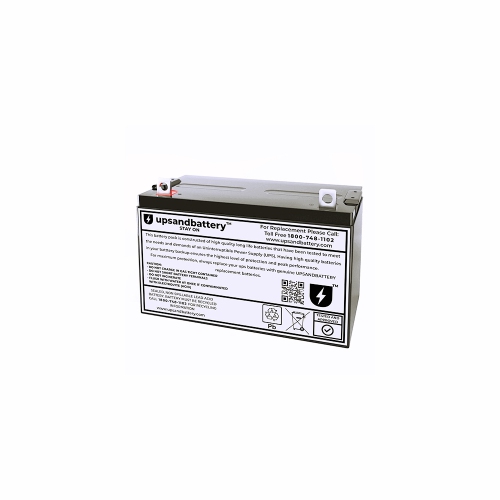
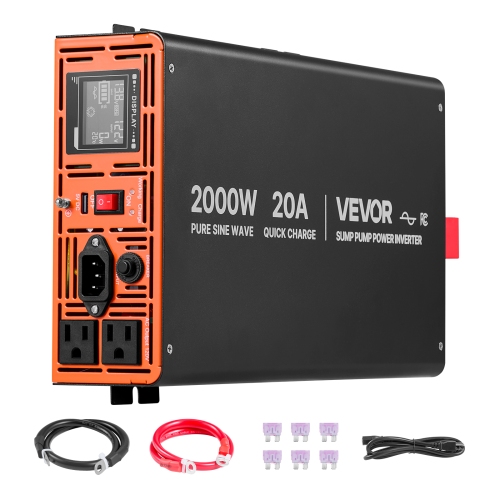
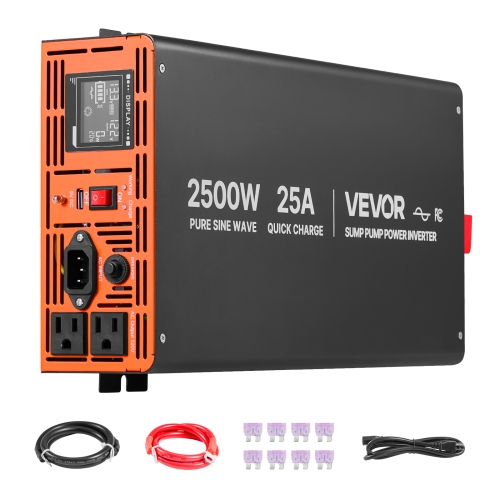
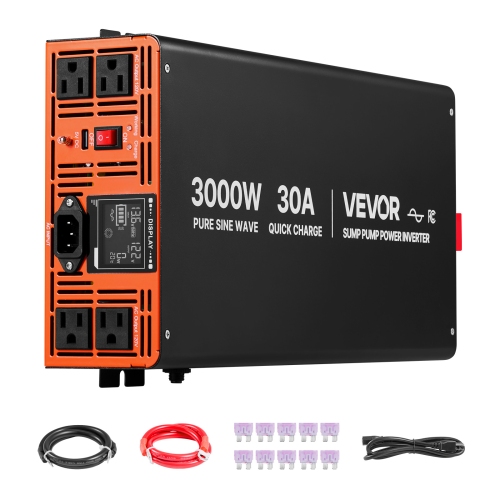
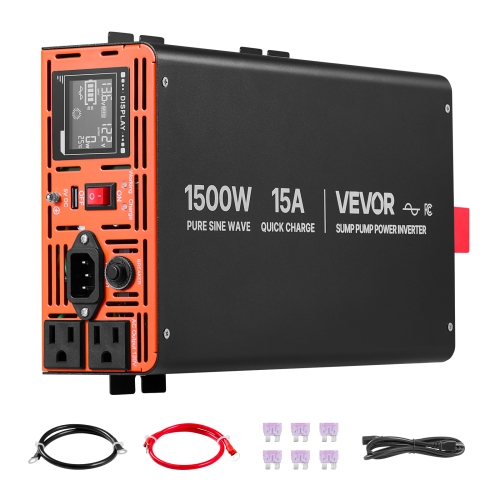
Stored power for essential devices during unexpected outages
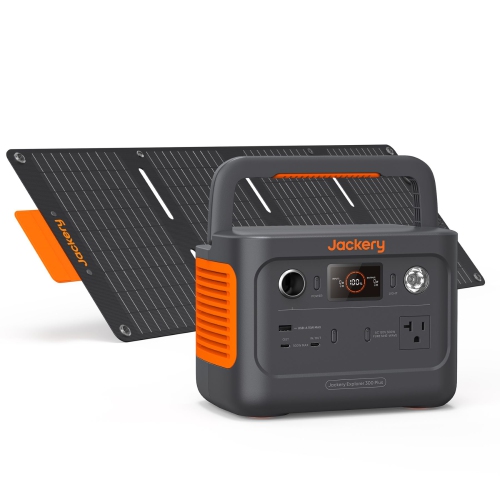
Home battery backup systems store electrical energy for use when the power goes out, helping keep essential devices and appliances running through an outage. Depending on the design, a system may draw power from the electrical grid, compatible solar panels, or both, then release that stored energy when household power is interrupted. Some units are portable and connect to individual devices, while larger systems can be connected to selected circuits or the home’s electrical panel by a qualified electrician. This distinction is important: a compact power station may be well suited to charging phones, powering a modem, running a laptop, or keeping a small refrigerator operating, while a higher-capacity whole-home system may support additional loads such as lighting, a sump pump, a furnace blower, medical equipment, or selected kitchen appliances. Battery capacity is usually measured in kilowatt-hours (kWh), while output capacity is measured in watts. Capacity indicates how much energy the battery can store; output determines which devices it can run at the same time. For example, a refrigerator may use modest power once it is running but require a higher starting surge when its compressor turns on. Check both the continuous wattage and peak or surge wattage of the devices you intend to connect, and remember that total runtime depends on the combined load. A system that powers a Wi-Fi router, a few lights, and a phone charger can last considerably longer than one running a refrigerator, television, computer, and heating equipment together. During an outage, this flexibility can make a noticeable difference: the lights stay on in the hallway, the internet remains available for updates, and refrigerated food is less likely to be exposed to prolonged warmth. For more ways to compare equipment for keeping household electronics powered, explore Power Backup Solutions.
Choosing between a portable battery station and a permanently installed home battery backup often comes down to the size of the home, the appliances that matter most, and how much involvement you want during an outage. Portable systems can be moved between rooms, taken to a cottage, or stored near the devices they support. Models with multiple outlets, USB ports, and different charging options can be practical for a home office, entertainment setup, kitchen counter, or bedroom. Look for features such as a clear display, app monitoring, LED lighting, wheels or handles, and a UPS mode if you need sensitive electronics to remain powered without a noticeable interruption. UPS functionality can help prevent a computer from shutting down or a router from resetting when the system detects a loss of incoming power, although the exact switchover time varies by model and connected equipment. Larger modular systems may offer expandable battery capacity, higher inverter output, and connection options for selected home circuits. A hardwired system, installed with the appropriate transfer equipment, can switch designated circuits to battery power automatically and may be a better match for households that want less manual setup. It will not necessarily power every circuit in the house, so confirm which loads are included and whether the installation requires a subpanel, transfer switch, permits, or professional electrical work. If solar charging is part of your plan, verify compatibility with the solar equipment and consider how much energy the panels can provide under cloudy conditions, shorter daylight, or partial shade. Solar input can help extend operation during a longer outage, but it does not guarantee unlimited power; performance depends on panel capacity, sunlight, battery size, and the amount of electricity being used. Charging from the grid may also be useful when preparing for severe weather or when electricity rates vary by time of day. Some systems can be programmed to charge during lower-rate periods and discharge during higher-rate periods, subject to local utility rules, equipment capabilities, and installation requirements.
Home battery backup is useful for anyone who wants a quieter, indoor-friendly alternative to a fuel-powered generator, provided the system is rated for the intended location and load. Batteries do not produce combustion exhaust while operating, but they still require proper ventilation, temperature control, clearance, and handling according to the manufacturer’s instructions. Never use a device in a way that exceeds its rated output, connect equipment through unsafe household wiring, or attempt to backfeed a home through a standard wall outlet. A qualified electrician should handle any connection to a panel or permanent home wiring. Before making a purchase, make a simple list of the devices you would want during an outage, note their wattage, estimate how many hours they need to run, and decide whether automatic operation is important. Also consider recharge time, battery chemistry, cycle life, operating temperature, noise, portability, outlet types, warranty coverage, and the space available for storage or installation. A family preparing for cooler weather may prioritize a refrigerator, furnace controls, lights, phones, and internet equipment; someone working from home may focus on a computer, monitor, modem, and desk lighting; and a cottage owner may value portability, durable construction, and the ability to recharge away from the grid. These systems can also be thoughtful gifts for new homeowners, remote workers, students setting up a first apartment, or relatives who want extra preparedness for outages, as long as the recipient’s electrical needs and available space are considered. Keep the battery charged according to the recommended storage guidelines, test the connections occasionally, and label the devices or circuits intended for backup. With the right capacity and setup, a home battery backup can provide a calm, practical source of power when an unexpected interruption leaves the neighbourhood quiet and the usual household routines suddenly depend on a few essential outlets.
Choosing between a portable battery station and a permanently installed home battery backup often comes down to the size of the home, the appliances that matter most, and how much involvement you want during an outage. Portable systems can be moved between rooms, taken to a cottage, or stored near the devices they support. Models with multiple outlets, USB ports, and different charging options can be practical for a home office, entertainment setup, kitchen counter, or bedroom. Look for features such as a clear display, app monitoring, LED lighting, wheels or handles, and a UPS mode if you need sensitive electronics to remain powered without a noticeable interruption. UPS functionality can help prevent a computer from shutting down or a router from resetting when the system detects a loss of incoming power, although the exact switchover time varies by model and connected equipment. Larger modular systems may offer expandable battery capacity, higher inverter output, and connection options for selected home circuits. A hardwired system, installed with the appropriate transfer equipment, can switch designated circuits to battery power automatically and may be a better match for households that want less manual setup. It will not necessarily power every circuit in the house, so confirm which loads are included and whether the installation requires a subpanel, transfer switch, permits, or professional electrical work. If solar charging is part of your plan, verify compatibility with the solar equipment and consider how much energy the panels can provide under cloudy conditions, shorter daylight, or partial shade. Solar input can help extend operation during a longer outage, but it does not guarantee unlimited power; performance depends on panel capacity, sunlight, battery size, and the amount of electricity being used. Charging from the grid may also be useful when preparing for severe weather or when electricity rates vary by time of day. Some systems can be programmed to charge during lower-rate periods and discharge during higher-rate periods, subject to local utility rules, equipment capabilities, and installation requirements.
Home battery backup is useful for anyone who wants a quieter, indoor-friendly alternative to a fuel-powered generator, provided the system is rated for the intended location and load. Batteries do not produce combustion exhaust while operating, but they still require proper ventilation, temperature control, clearance, and handling according to the manufacturer’s instructions. Never use a device in a way that exceeds its rated output, connect equipment through unsafe household wiring, or attempt to backfeed a home through a standard wall outlet. A qualified electrician should handle any connection to a panel or permanent home wiring. Before making a purchase, make a simple list of the devices you would want during an outage, note their wattage, estimate how many hours they need to run, and decide whether automatic operation is important. Also consider recharge time, battery chemistry, cycle life, operating temperature, noise, portability, outlet types, warranty coverage, and the space available for storage or installation. A family preparing for cooler weather may prioritize a refrigerator, furnace controls, lights, phones, and internet equipment; someone working from home may focus on a computer, monitor, modem, and desk lighting; and a cottage owner may value portability, durable construction, and the ability to recharge away from the grid. These systems can also be thoughtful gifts for new homeowners, remote workers, students setting up a first apartment, or relatives who want extra preparedness for outages, as long as the recipient’s electrical needs and available space are considered. Keep the battery charged according to the recommended storage guidelines, test the connections occasionally, and label the devices or circuits intended for backup. With the right capacity and setup, a home battery backup can provide a calm, practical source of power when an unexpected interruption leaves the neighbourhood quiet and the usual household routines suddenly depend on a few essential outlets.
Top selling and popular products
-
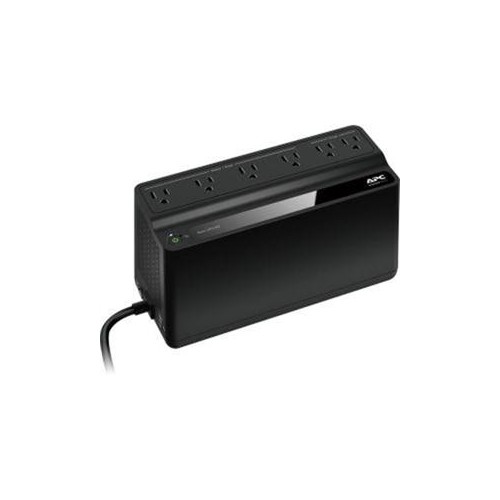 Your price for this item is $106.68
 -
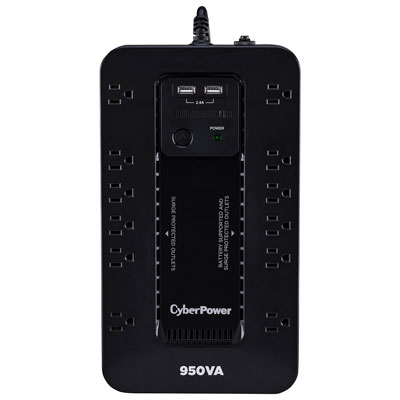 Your price for this item is $149.99
 -
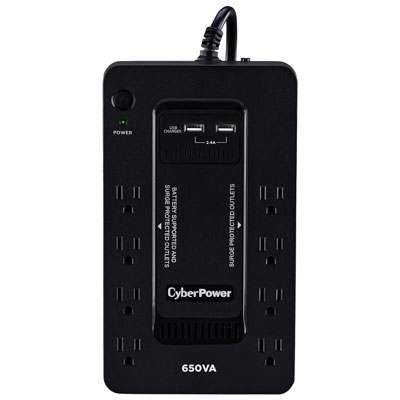 Your price for this item is $99.99
 -
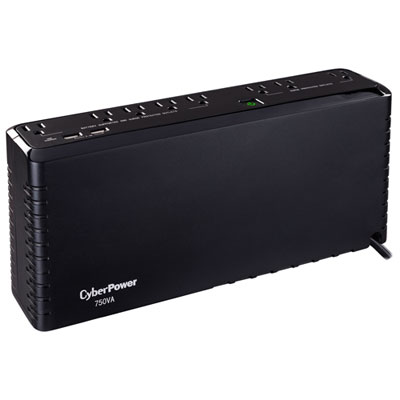 Your price for this item is $119.99
 -
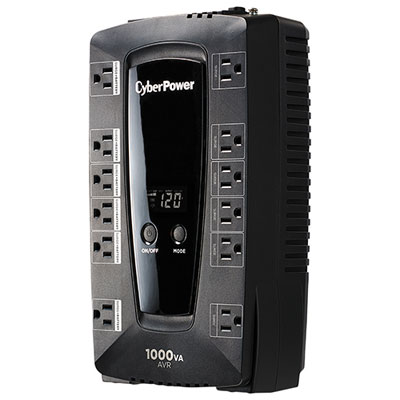 Your price for this item is $149.99
 -
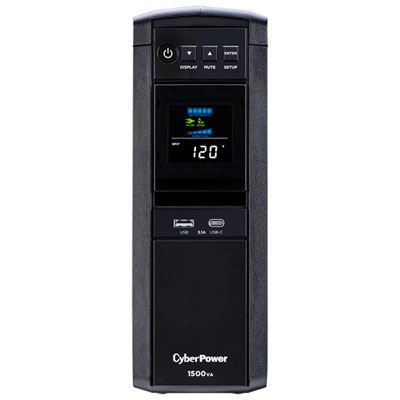 Your price for this item is $299.99
 -
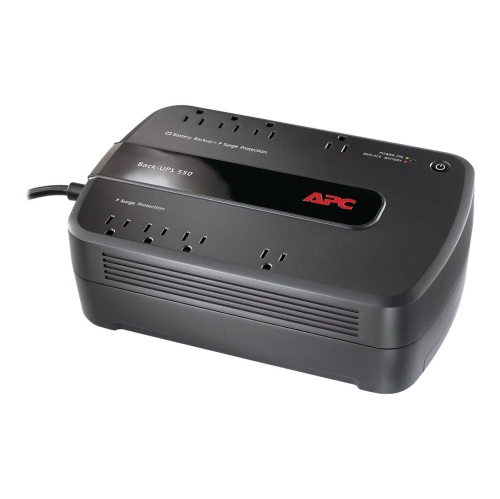 Your price for this item is $170.99
 -
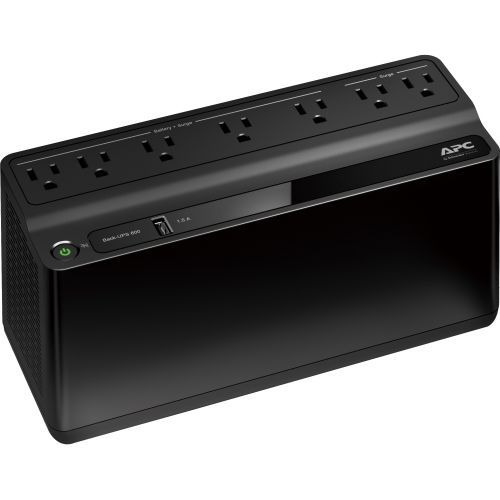 Your price for this item is $171.53
Discover more categories related to Home Battery Backup
Top Collections:
Pokemon Centers, Kindle Devices, Best Budget Office Chairs, Apple iPhones 16, Best Laptops for Writers, iPhone 15 Apple, Canon G7X Cameras, Refurbished Apple Laptops, Alarm Clock, Motorola Razr Phones
Some products may be subject to Environmental Handling Fees
(EHF) depending on your province.
Learn more about EHFs.