Home Office Desk Accessories
Home Office Desk Accessories help create a productive and organized workspace, making it easier to tackle daily tasks with efficiency. Whether setting up a new home office or refreshing your current setup, the right accessories can add both style and functionality to your desk. Discover a wide range of options designed to keep essentials within reach and improve your work area. Find everything you need to personalize your space with Home Office Desk Accessories that suit your needs and preferences.
Sort
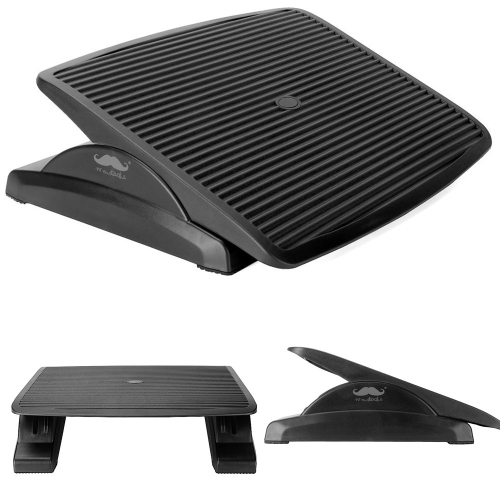
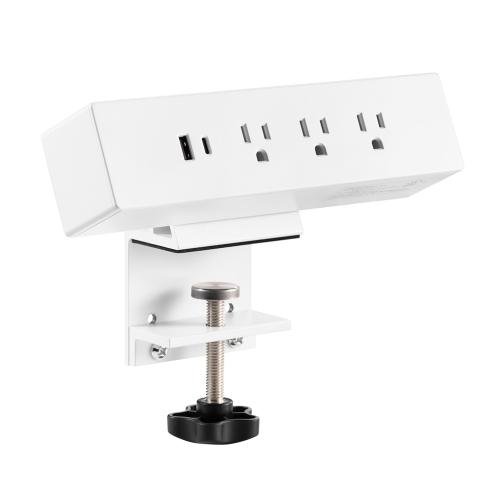
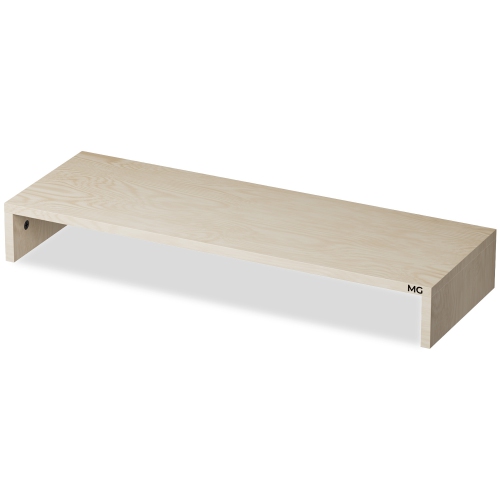
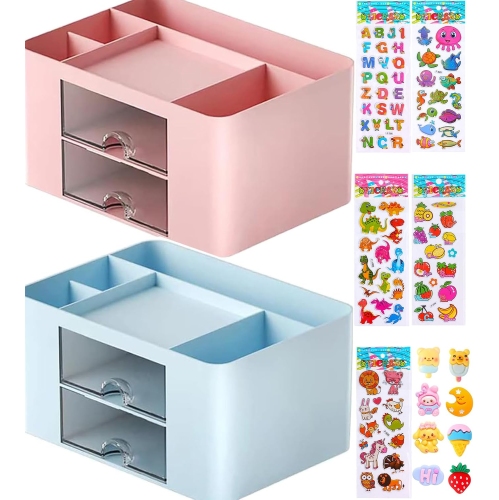

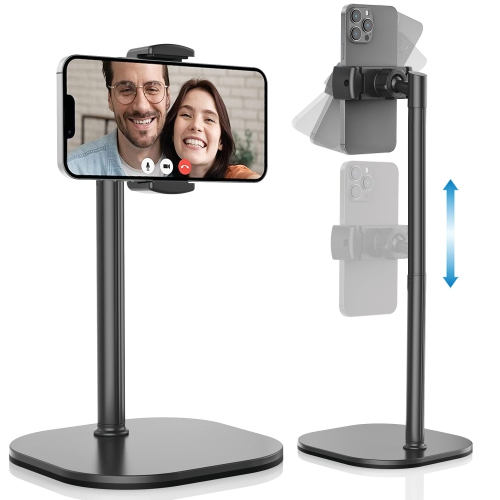
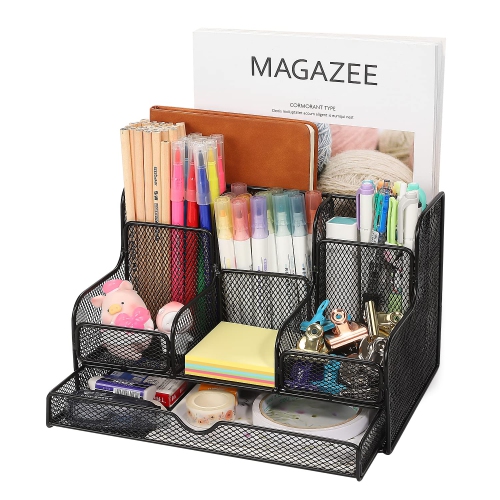
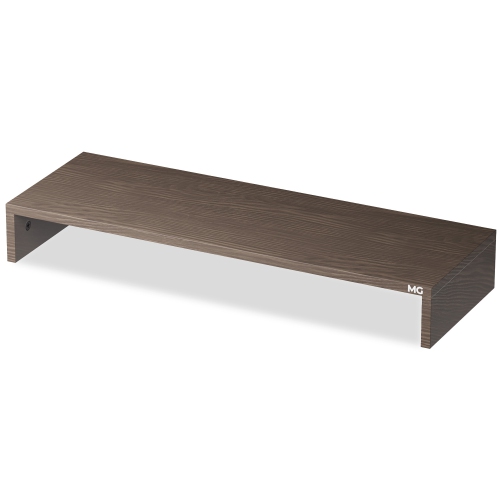
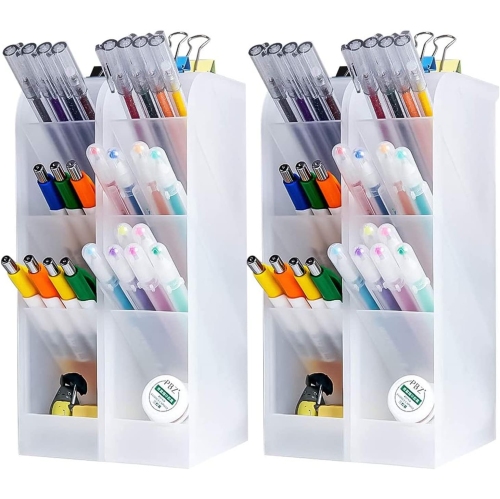
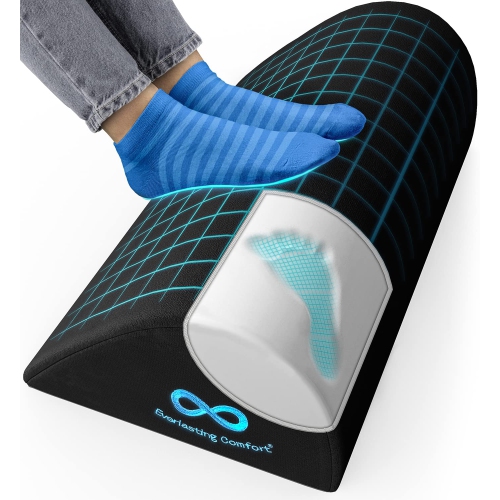
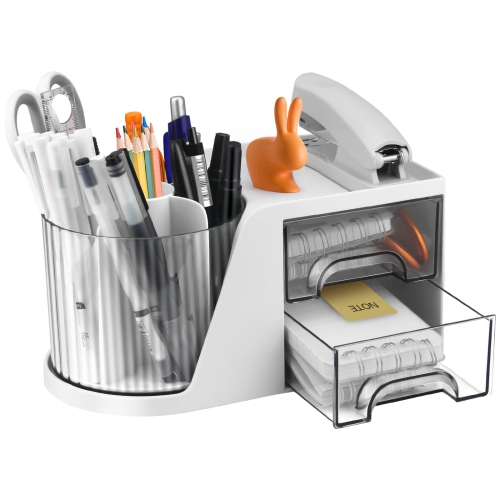

More room to work without a bigger desk
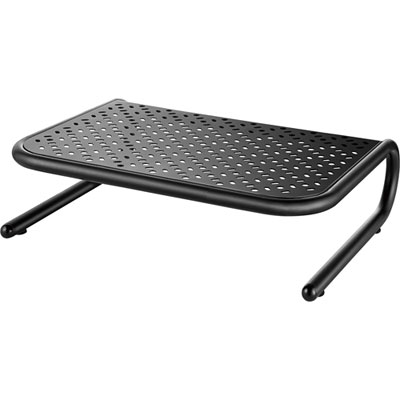
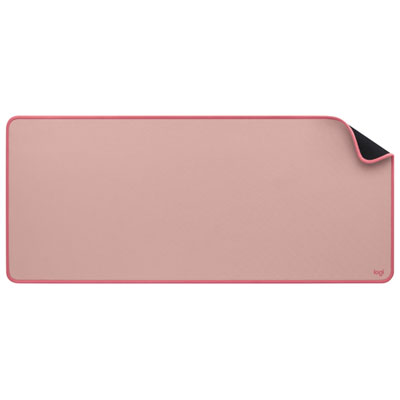
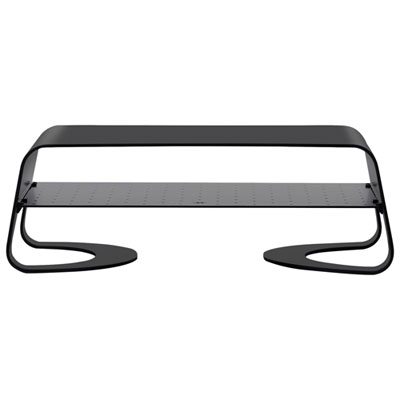
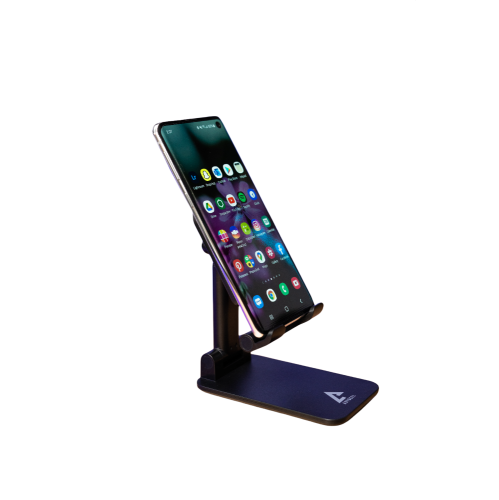
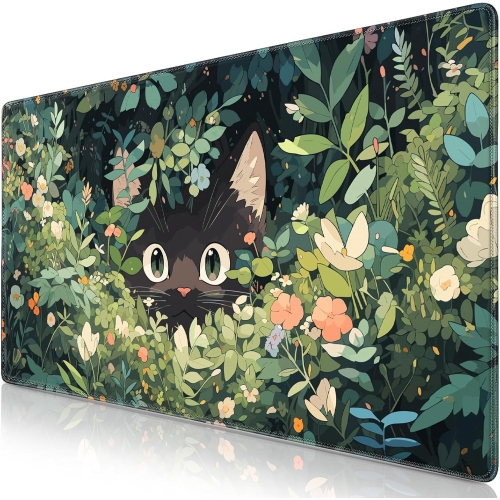
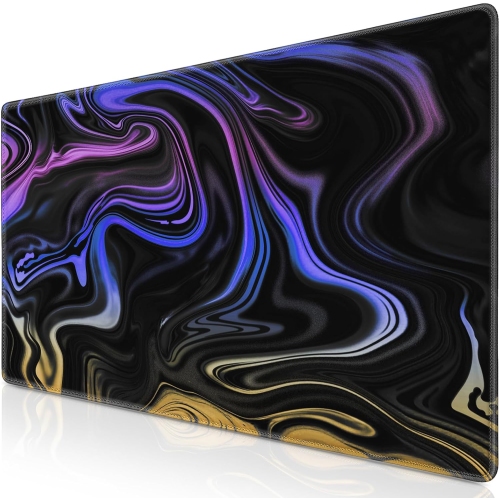
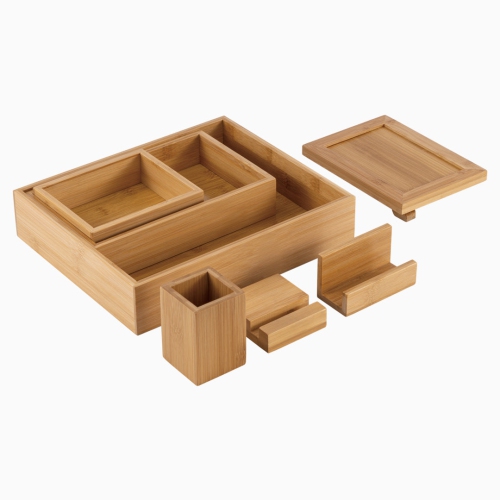
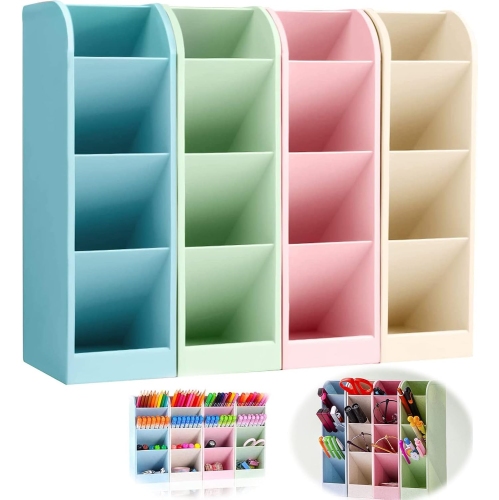
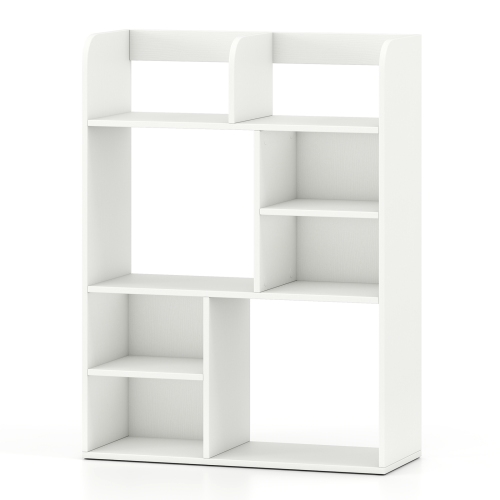
Home office desk accessories bring order, comfort, and a personal touch to the space where everyday work happens. They include desktop organizers, document trays, desk mats, task lighting, device stands, and cable management accessories, each serving a different purpose without requiring a larger desk or a separate room. A well-arranged work surface leaves room for the things that need attention: a keyboard, an open notebook, paperwork to review, or a clear spot for writing. For someone handling invoices and household records, upright file storage and shallow trays can keep active documents separate from papers ready to file. Students may need space for reference books, writing supplies, and charging cables, while people working between home and another location often benefit from compact accessories that are easy to move. In a shared household workspace, divided storage gives each person a place for their essentials without spreading them across the entire desktop. Small compartments suit loose clips and memory cards; taller sections keep pens and scissors within reach. Open storage makes frequently used supplies easy to spot, while drawers and covered compartments create a quieter-looking backdrop for video calls. The most useful arrangement reflects the tasks performed at the desk rather than filling every available gap. A surface used mainly for computer work needs different clearances from one that also accommodates sketching, studying, or handwritten notes. Desktop organizers with a small footprint can make better use of a narrow work surface, and vertical storage can free up writing space without pushing essential supplies out of reach. Accessories that fit beneath a monitor shelf or inside an existing drawer can add useful storage without making the setup feel crowded. Coordinated colours and finishes can pull these practical pieces together, but matching every accessory is less important than keeping daily essentials accessible and leaving enough open space to work comfortably.
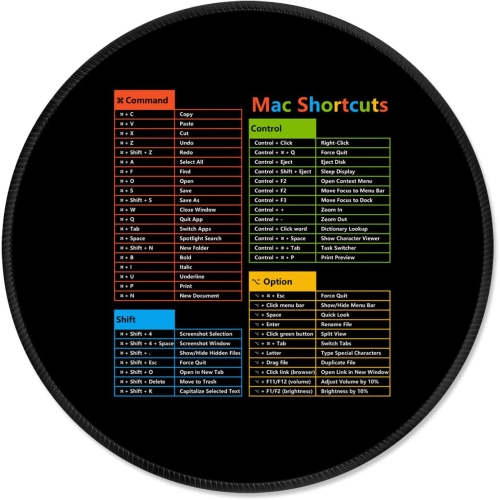
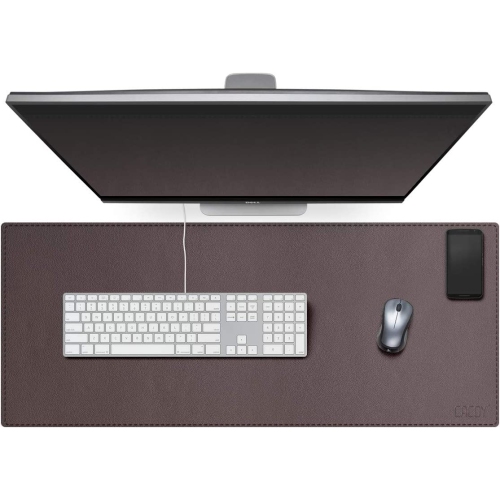
Materials, construction, and dimensions all influence how home office desk accessories look and perform over time. Metal offers a firm structure for supporting books or keeping files upright, while mesh designs allow the contents to remain visible. Wood and wood-look finishes add warmth, especially where a desk shares space with a living room or bedroom. Clear acrylic keeps stored supplies in view and can look unobtrusive on a small desk, although fingerprints and fine scratches may be more noticeable on transparent surfaces. Fabric-lined compartments can soften contact with delicate belongings, while smooth plastic surfaces are often straightforward to wipe clean. Desk mats made with felt, cork, leather, or synthetic coverings vary in texture, cushioning, and care requirements. Their suitability depends on whether the surface is used mainly for mouse movement, handwriting, or both; a heavily textured mat may feel comfortable beneath the arms but provide a less even surface for writing on a single sheet of paper. Fit extends beyond the accessory’s stated width and depth. Drawer organizers need enough clearance for the drawer to close, document holders should accommodate the paper sizes used most often, and stands need a stable base suited to the equipment they support. Raised edges, seams, and cable openings can also affect how comfortably an accessory fits into a busy setup. Non-slip feet can help lightweight organizers stay put, while smooth undersides or protective pads help limit scuffing on a finished desktop. Rounded edges, secure joints, and sturdy dividers are useful details in accessories that will be handled daily. Care should suit both the accessory and the desk beneath it: a soft cloth and the recommended cleaning method are generally preferable to abrasive tools or soaking. Prompt attention to spills, occasional dusting inside compartments, and checks for worn pads or loose fasteners help keep the workspace tidy and accessories working as intended. Frequently moved pieces also benefit from construction that feels secure when lifted, rather than relying on thin dividers or loosely fitted sections.
Comfort and technology fit matter just as much as storage in a home office. Monitor and laptop stands can help position a screen at a more suitable viewing height, but their usefulness depends on the desk height, chair position, screen size, and the person using the setup. A raised laptop is often paired with a separate keyboard and mouse so the screen and typing surface can be positioned independently. Adequate clearance around equipment helps keep ventilation openings unobstructed, and support dimensions and weight limits need to match the intended load. Complementary Home Office Computer Accessories can support the connections and everyday computer tasks that sit alongside desktop organization. Cable clips, sleeves, and under-desk routing accessories help separate charging leads from frequently moved equipment and reduce the tangle behind a monitor. Cables still need enough slack for normal movement, particularly on a height-adjustable desk, without hanging where a chair can catch them. Task lighting adds focused illumination for reading, writing, and detailed work. An adjustable lamp can direct light towards a notebook rather than across a screen, while its base or clamp needs to fit without interfering with storage, desktop edges, or the movement of a monitor arm. For handwritten work, placing the light opposite the writing hand can help reduce shadows across the page. Visual details also shape how pleasant the desk feels to use: a few coordinated finishes, contained cables, and neatly arranged books can make a workspace feel settled without turning it into a display. Desk accessories can make thoughtful gifts for a student, a new graduate, or someone setting up a home office, especially when their desk dimensions and working habits are familiar. Compact storage and adaptable organizers leave more room for personal preferences than highly specialized supports. Whether the workspace occupies a dedicated room or one corner of a shared living area, accessories earn their place by making recurring tasks easier, protecting useful space, and keeping the tools of the day close at hand.
Top selling and popular products
-
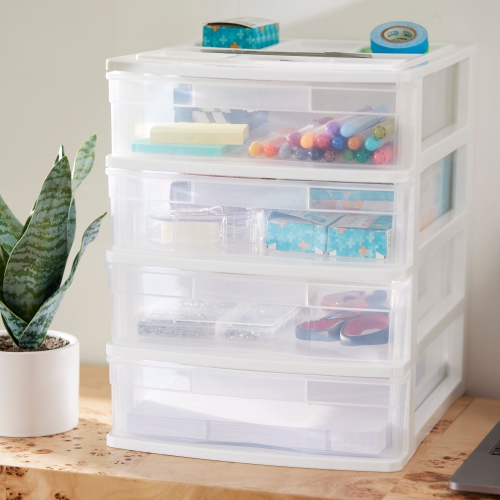 Your price for this item is $173.99
-
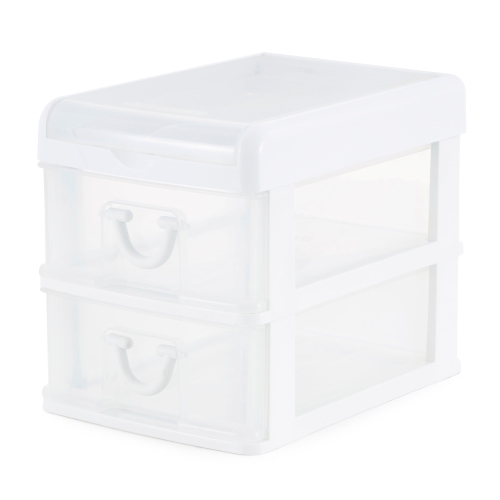 Your price for this item is $74.99
-
 Your price for this item is $78.99
-
 Your price for this item is $309.99
-
 Your price for this item is $239.99
-
 Your price for this item is $19.99
-
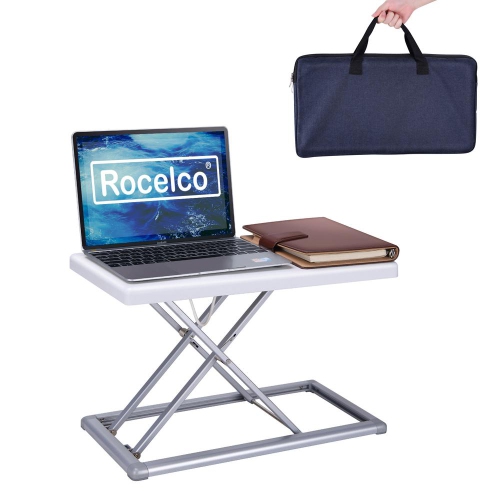 Your price for this item is $129.99
-
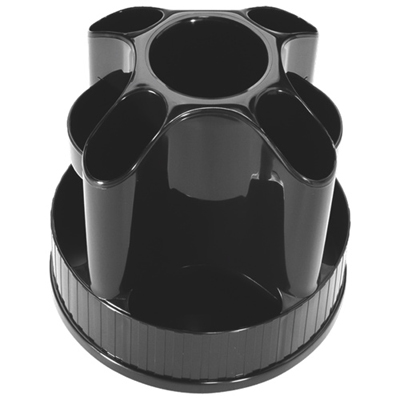 Your price for this item is $47.99
Discover more categories related to Home Office Desk Accessories
Top Collections:
Best Black Friday Deals This Year, Best Black Friday Deals On Electronics, Kindle Devices, Pokemon Centers, Best Black Friday Deals On Apple Products, Best Cameras for Sports Photography, Dyson Airwrap, Pokémon 30th Celebration Cards, Apple iPhone 17 Pro, Canon G7X Cameras
Some products may be subject to Environmental Handling Fees
(EHF) depending on your province.
Learn more about EHFs.