Label Printers for School Organization
Label printers for school organization make it easy to keep classrooms, supplies, and learning materials neatly labeled and accessible. With a variety of options available, these devices help streamline daily tasks for teachers, students, and administrators. Whether you’re organizing folders, shelves, or classroom resources, label printers for school organization offer a practical solution to create a more efficient and tidy learning space. Explore models designed to support your school’s unique needs and simplify your organizational process.
Sort
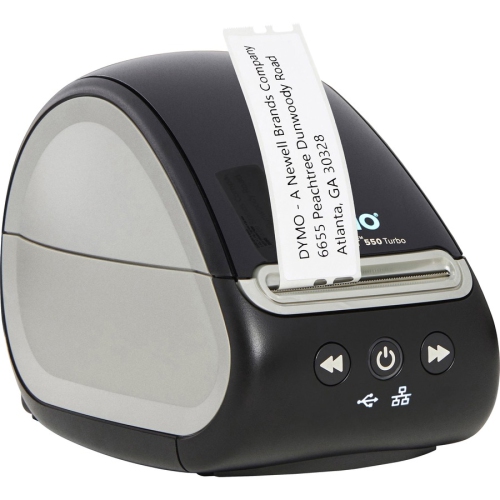
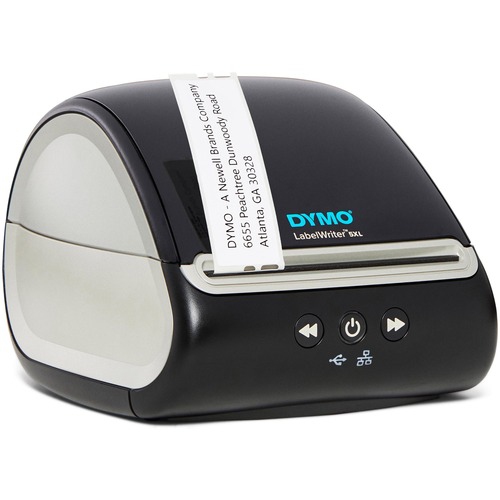
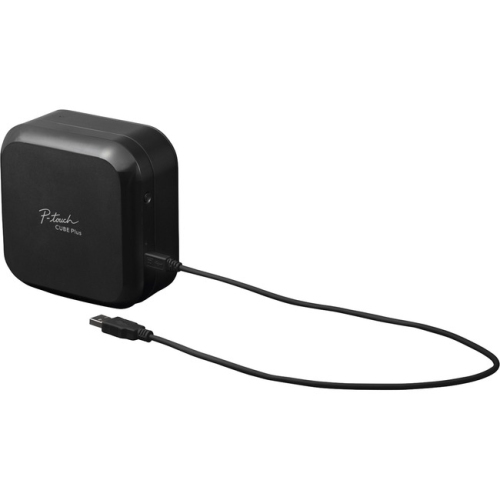
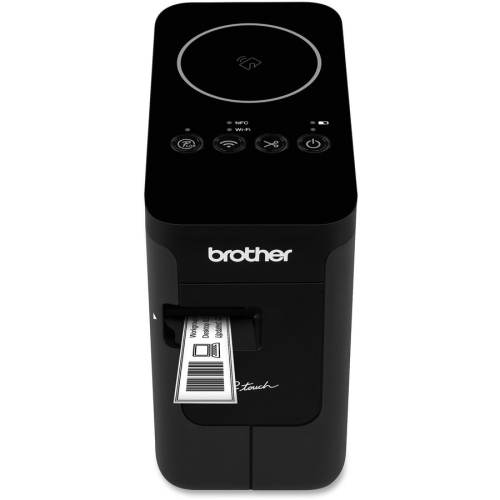
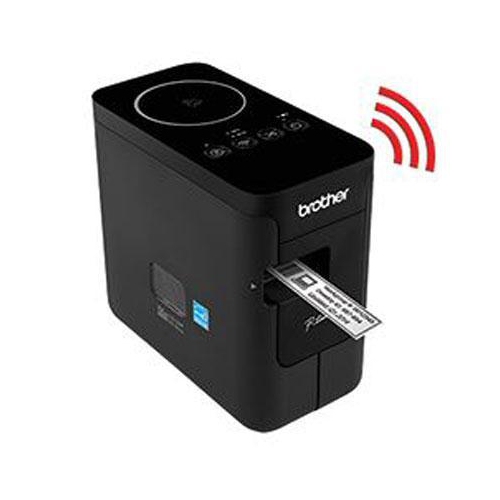
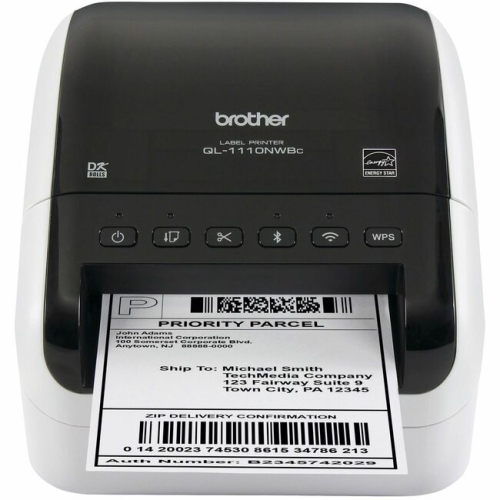
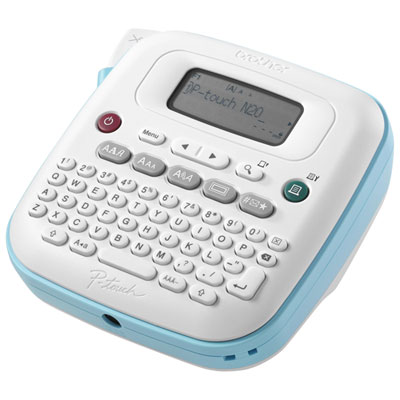
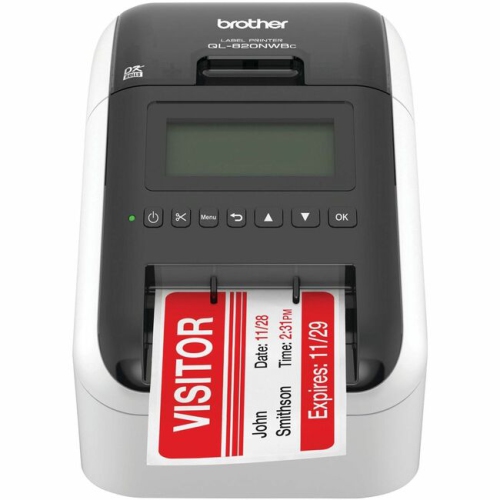
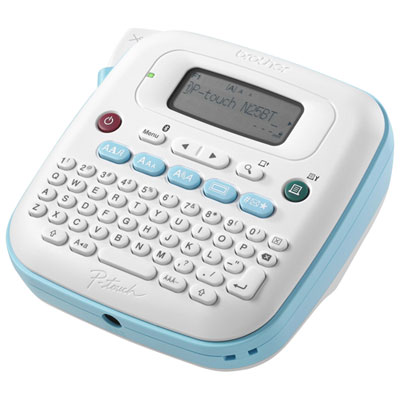
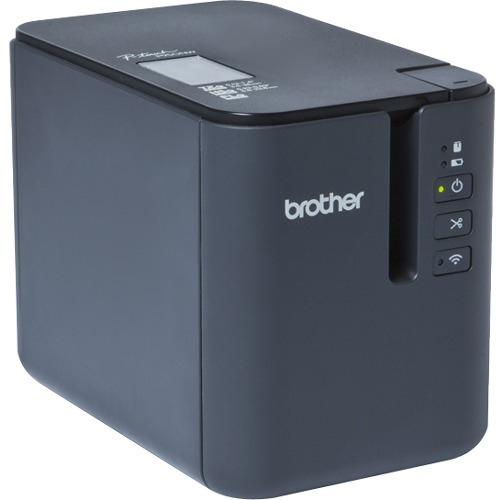
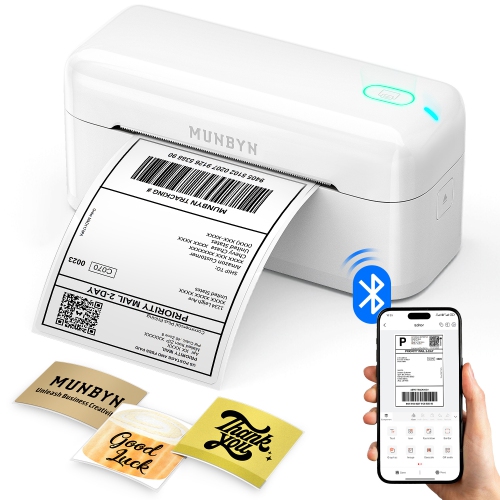
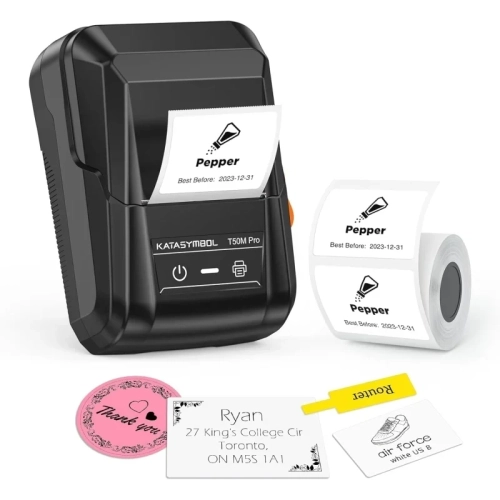
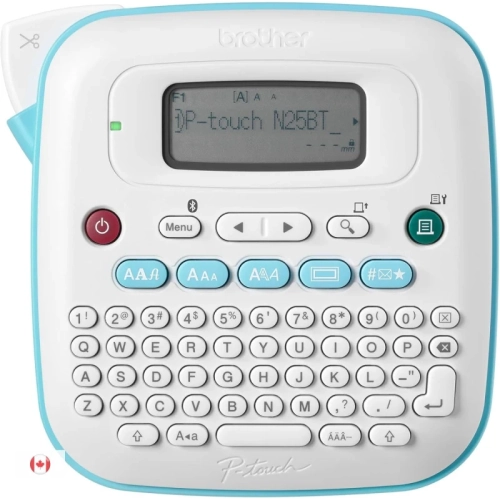
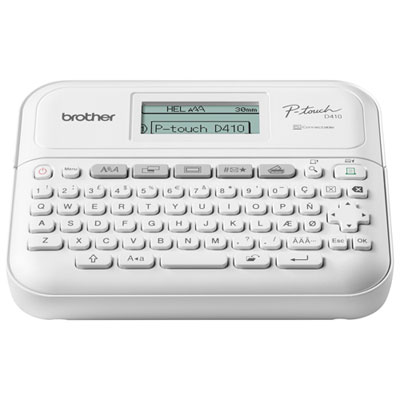
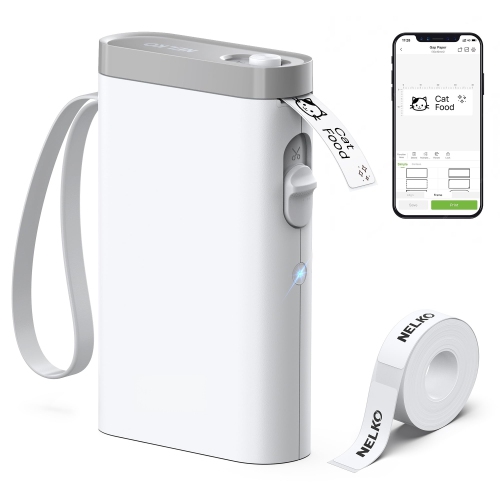
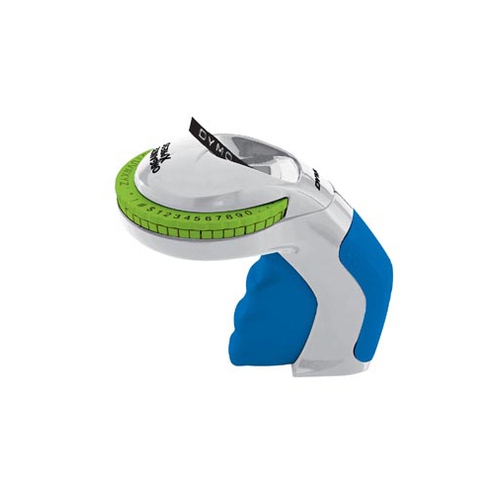
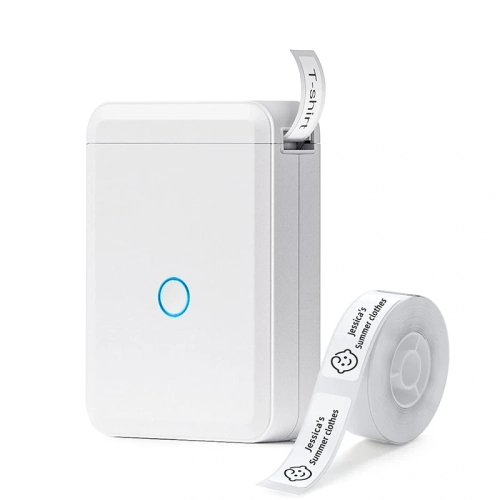
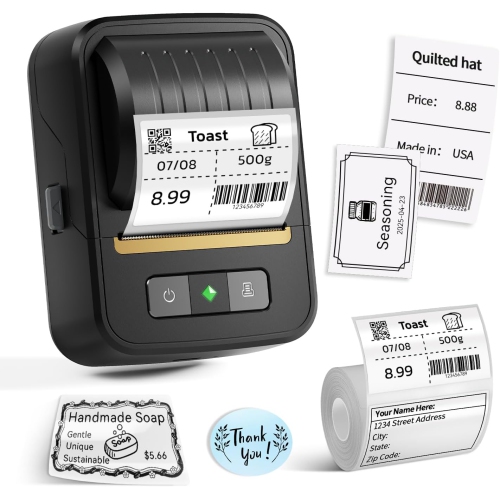
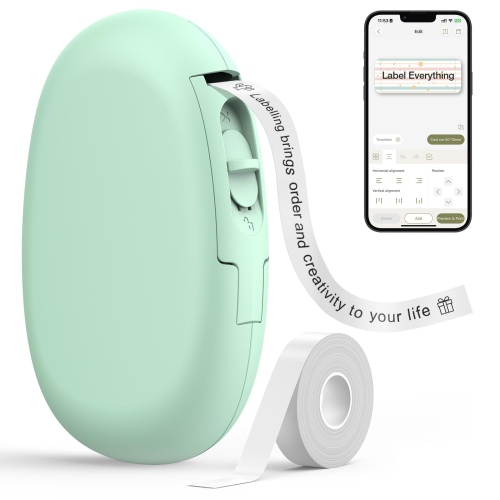
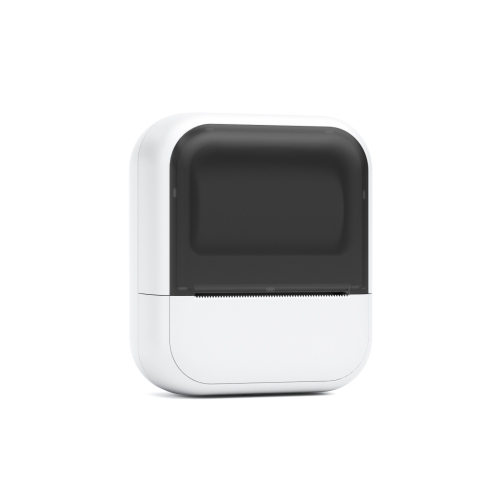
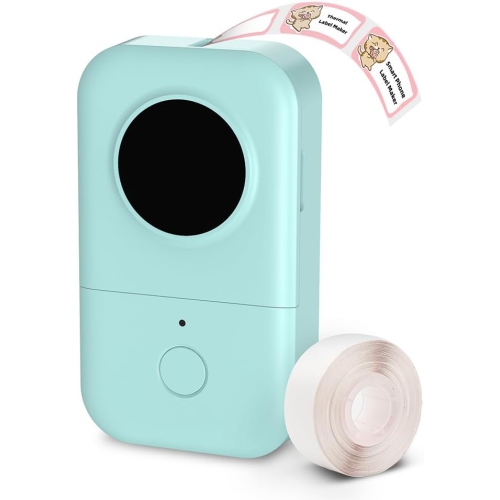
Clear labels take the guesswork out of school storage
Label printers for school organization create clear, consistent labels for classroom supplies, storage bins, student folders and personal belongings. They help turn a crowded shelf or busy study corner into a space where materials are easier to find and return. In a classroom, matching labels on drawers and containers can distinguish pencils from markers, separate maths tools from art supplies, or identify where completed assignments belong. At home, labelled binders, charging cables and homework trays give school materials a dedicated place instead of leaving them scattered across a desktop. Teachers, educational assistants, school librarians, parents and students can all use label printers, though the most useful features depend on who is printing and where the labels will go. A teacher organizing shared resources may need large, readable text for storage tubs, while a student identifying notebooks may prefer narrower labels that fit neatly along a spine. Consistent wording matters as much as a tidy appearance: a bin marked “Reading Journals” is easier to recognize when the same name appears on the classroom shelf and assignment tray. Simple symbols paired with text can also help younger learners recognize familiar categories, especially when they are still developing reading skills. Colour can distinguish subjects or activity areas, while written names keep the system understandable without relying on colour alone. For personal study routines, Label Makers for Student Organization can help keep exercise books, folders and small storage containers clearly identified. The purpose is practical rather than decorative: a readable label should make the next step obvious, whether that means putting scissors back in the correct drawer or finding the right binder before class. Clear labels can also make shared learning spaces easier to navigate for substitute teachers, visiting staff and family members helping with homework. A consistent system reduces the need to explain where everything belongs each time someone new uses the space.
The differences between label printers become more noticeable when considering everyday printing habits. Standalone models with built-in keyboards can be convenient for quick labels without opening a separate device, while connected models may offer more room to arrange text and save layouts through compatible software or an app. Bluetooth, USB and Wi-Fi connections serve different setups, so compatibility with the intended phone, tablet or computer is an important consideration. Access to a connected device may be straightforward at home but more restricted on a school-managed network. A screen or print preview can make it easier to catch spelling mistakes and judge line breaks before using tape. Saved templates are useful for recurring labels such as subject names, classroom centres and equipment categories, particularly when several people need to produce a consistent result. Support for accented characters can matter in French-language and bilingual school settings, while clear fonts and adjustable text sizes help labels remain legible at their intended viewing distance. Label width affects both layout and fit: a narrow strip may suit a pencil case or binder edge, whereas a wider label offers space for larger text or two lines on a storage container. The printer’s supported tape widths and cartridge types determine those possibilities; label supplies are not universally interchangeable. Compact dimensions can be helpful when a printer moves between a staff workroom and a classroom, and battery power may suit occasional use away from an outlet. Rechargeable and replaceable-battery designs have different charging and maintenance needs, while an adapter can be useful for longer printing sessions at a fixed work surface. Manual and automatic cutters also affect the rhythm of making several labels at once. Many compact label printers use heat-based printing, but the supplies differ: direct thermal labels react to heat, while thermal transfer systems use a ribbon to place the image onto a compatible label material. Those differences influence which labels suit short-term sorting and which are better matched to repeated handling.
Label material and adhesive are just as important as the printer itself, especially around busy desks, shared supplies and belongings that travel between home and school. Paper labels can work well for dry indoor applications such as folders and document trays, while compatible film or laminated labels may offer greater resistance to rubbing, splashes and frequent handling. Water resistance, washing suitability and heat tolerance depend on the particular label supply, not simply on the fact that it came from a label printer. A label intended for a storage bin should not automatically be treated as suitable for a dishwasher, fabric or a surface exposed to high heat. Smooth plastic, metal and finished surfaces generally provide more predictable adhesion than textured fabric or rough cardboard, although adhesive performance varies. Narrow curves, such as those on small school supplies, can also make a label more likely to lift at the edges. Removable adhesive may suit reusable classroom containers or temporary group assignments, while permanent adhesive is intended for longer-lasting identification and may leave residue when removed. Clean, dry application surfaces help labels adhere, and rounded corners can reduce edges that catch during handling. Care instructions for both the label material and the object remain important, particularly for lunch containers and frequently cleaned equipment. For belongings carried in public, a simple identifier can be more appropriate than displaying a student’s full name or contact details on an outward-facing surface. Labels work best when they stay readable and reflect how the space is actually used; outdated wording or tiny text can make an otherwise neat system confusing. A label printer can also be a practical gift for a teacher setting up shared storage, a student developing independent study habits or a family managing several school routines. Compatible label supplies and a convenient place to store the printer help make it useful beyond the first organizing session, so replacing a worn label or marking a new folder remains a small, manageable task.
Top selling and popular products
-
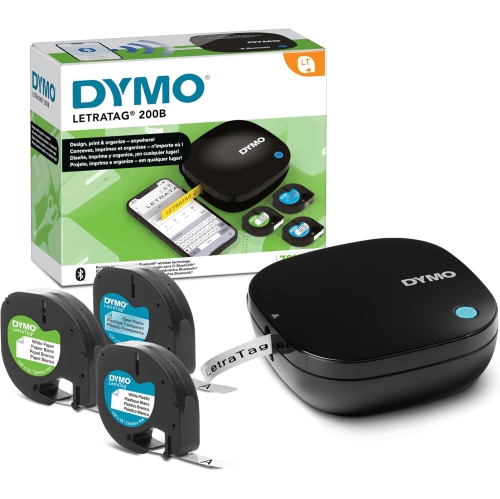 Your price for this item is $51.3
-
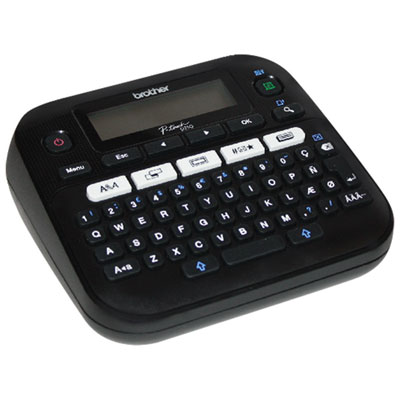 Your price for this item is $59.99
-
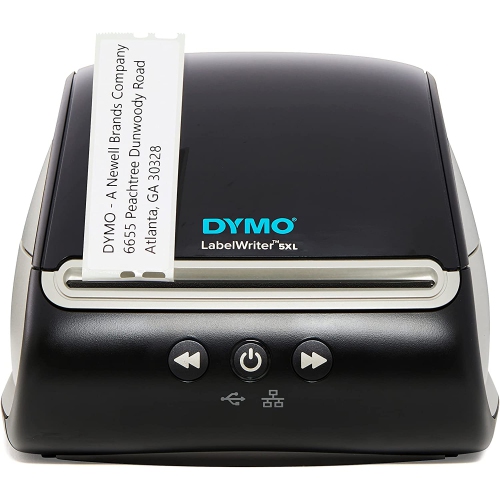 Your price for this item is $469.68
-
 Your price for this item is $62.91
-
 Your price for this item is $157.99
-
 Your price for this item is $395
-
 Your price for this item is $21.99
-
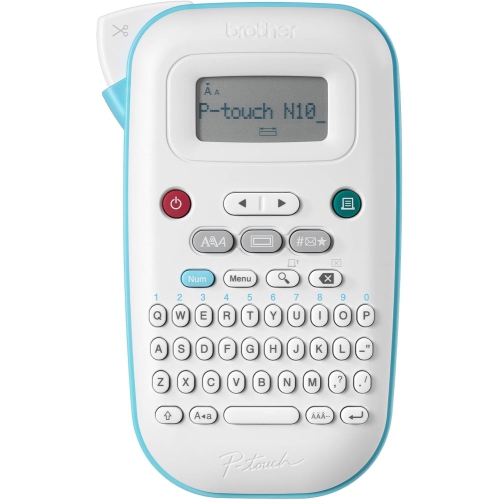 Your price for this item is $47.99
Discover more categories related to Label Printers for School Organization

Top Collections:
Best Black Friday Deals This Year, Best Black Friday Deals On Electronics, Kindle Devices, Dyson Airwrap, Best Cameras for Sports Photography, Best Budget Office Chairs, Canon G7X Cameras, PS5 Pro Consoles, Best Black Friday Deals On Apple Products, XBOX One S Consoles
Some products may be subject to Environmental Handling Fees
(EHF) depending on your province.
Learn more about EHFs.