Magnetic Mount Cb Antennas
Looking for a reliable and convenient way to enhance your CB radio experience? Look no further than our collection of magnetic-mount CB antennas. Designed with the latest technology and expert craftsmanship, these antennas offer exceptional performance and versatility. Whether you're a truck driver, off-roader, or simply someone who enjoys staying connected on the road, our magnetic mount CB antennas provide a strong and secure connection, ensuring clear and uninterrupted communication. With their easy installation and durable construction, these antennas are the perfect choice for anyone seeking superior signal strength and optimal range. Explore our wide selection of magnetic-mount CB antennas and take your communication to new heights.
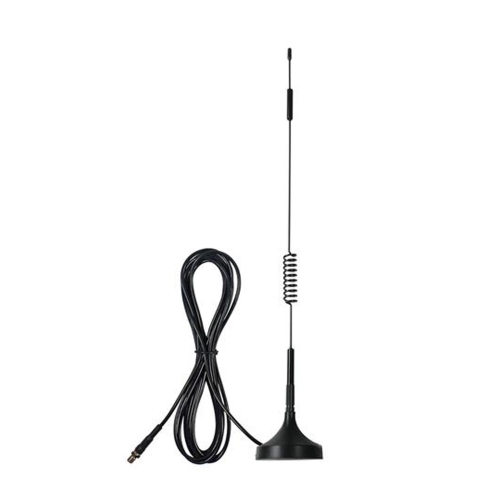
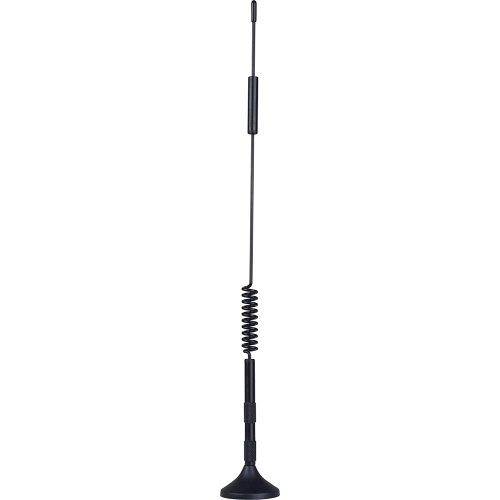
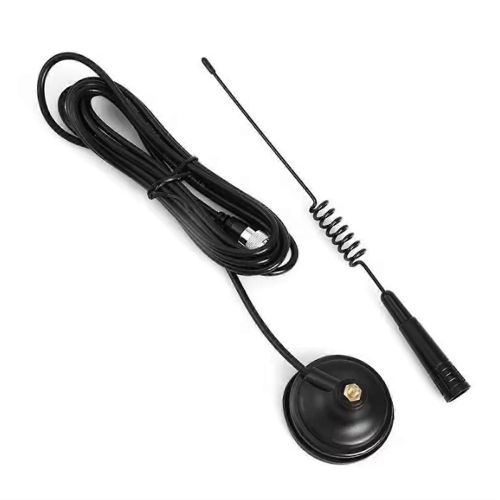

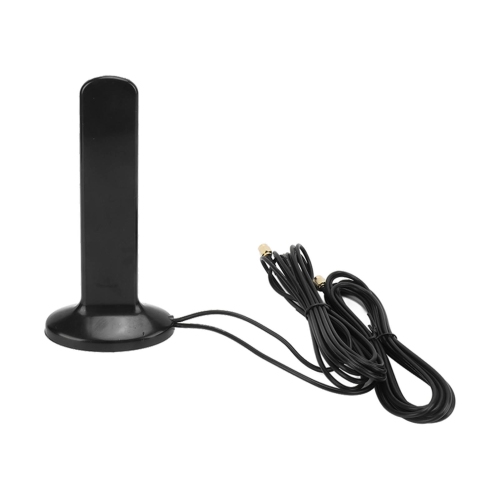

A removable CB setup without permanent mounting holes
Fit begins with the vehicle’s body material. A magnetic base needs a surface that attracts the magnet; aluminium, fibreglass, glass, and plastic panels will not hold it. A metal-looking finish is not enough to confirm compatibility, and vehicles can have different materials across their roofs, doors, and other body panels. The mounting area should also be sufficiently flat for the base to sit securely rather than rocking across a sharp curve or ridge. On a suitable steel roof, a position near the centre usually provides a more balanced metal ground plane around the antenna. In this context, the ground plane is the conductive vehicle surface that forms part of the antenna system, not a connection to the ground beneath the tyres. A trunk-lid installation can be an alternative when supported by the antenna design, but nearby bodywork and a less balanced mounting position can influence performance. Roof racks, cargo, and other antennas also deserve attention because metal objects close to the whip can affect its behaviour. Base diameter and magnetic holding strength should suit the antenna’s length and intended vehicle use, following the manufacturer’s mounting and driving restrictions. A protective pad can reduce direct contact between the base and the paint, but it cannot prevent scratches if grit becomes trapped underneath. Cable fit matters just as much as base fit. Mobile CB systems commonly use 50-ohm coaxial cable, and the connector must match the radio or an appropriate compatible connection. Cable length should reach the radio without pulling tightly across the vehicle or leaving an unsecured loop near pedals. A suitable existing cable passage can help avoid damage; routing through a door opening requires care so the seal does not crush the coaxial cable. Keep the cable clear of hinges, sharp edges, seat mechanisms, and airbag deployment areas. Once installed, checking the standing wave ratio, or SWR, with suitable equipment helps assess the antenna match. Follow the antenna and radio instructions for adjustment, and check again after changing vehicles or mounting positions.
Materials and construction influence how well magnetic mount CB antennas stand up to repeated installation, road vibration, and everyday handling. Stainless steel whips are common because they combine flexibility with resistance to corrosion, while housings, coil covers, cable jackets, and base finishes protect other parts of the assembly. A flexible whip can tolerate some movement, but it is not a substitute for adequate overhead clearance and should not be deliberately bent beyond the manufacturer’s limits. Secure fittings, sound insulation, and a cable entry that does not kink sharply are useful details to examine. Care is straightforward but important: clean the mounting surface and the underside of the protective pad before fitting the antenna, and inspect them periodically for trapped dirt. Remove the base using the manufacturer’s recommended method rather than dragging it across the paint or pulling on the whip or cable. Check for loosened connections, cracked covers, damaged cable insulation, and signs that the base has shifted. Before entering an automated car wash or a parking garage with insufficient clearance, remove the antenna as appropriate and secure it so it cannot roll around or damage its connector. When stored, the cable should have gentle bends rather than tight folds, and the whip should be protected from crushing. Magnetic attachment also appears in accessories such as Magnetic Mounts, but a CB antenna base is part of a radio system and is not interchangeable with a general-purpose magnetic holder. For gift giving, this category is most relevant to someone who already uses CB radio or is putting together a compatible mobile setup. Knowing the recipient’s vehicle body material, radio connection, preferred antenna height, and usual mounting location helps avoid a mismatch. A driver who needs frequent removal may value manageable dimensions and straightforward cable routing, while a regular CB user may place greater emphasis on tuning flexibility and antenna efficiency. The most suitable choice balances those practical needs with secure mounting, careful installation, and the clearance required for everyday driving.
Top selling and popular products
-
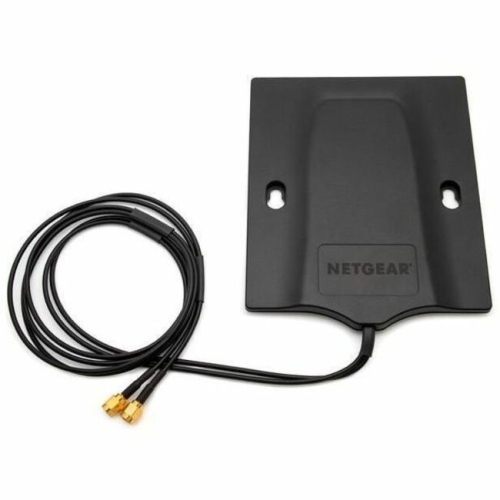 Your price for this item is $105.2
-
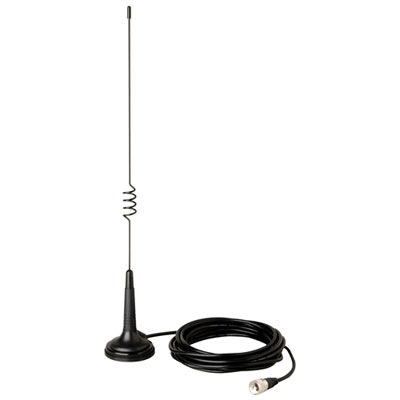 Your price for this item is $59.99
-
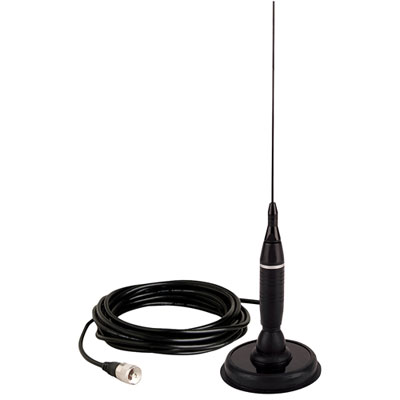 Your price for this item is $69.99
-
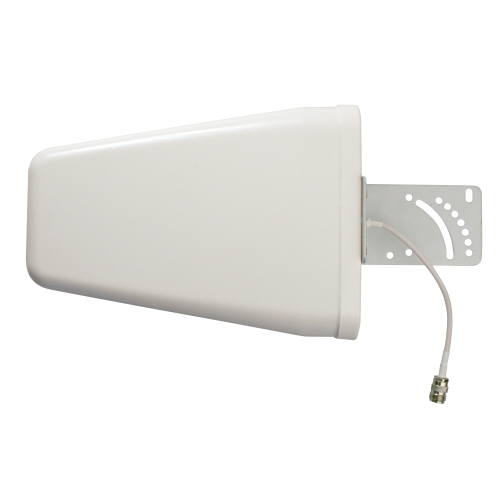 Your price for this item is $129.99
-
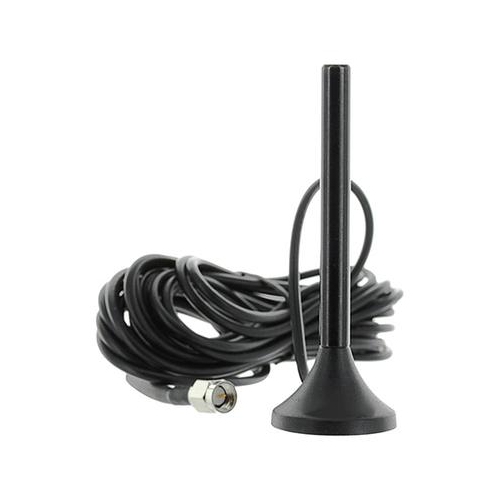 Your price for this item is $39.99
-
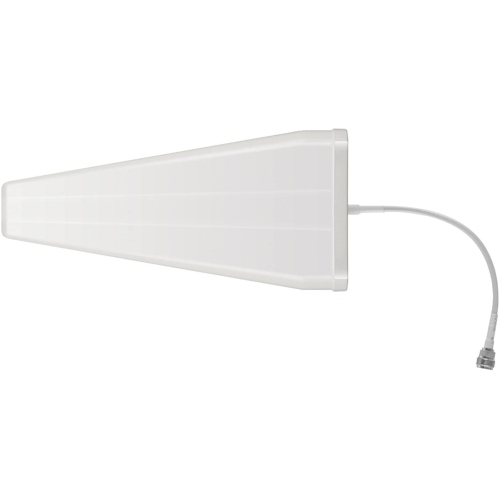 Your price for this item is $144.99
-
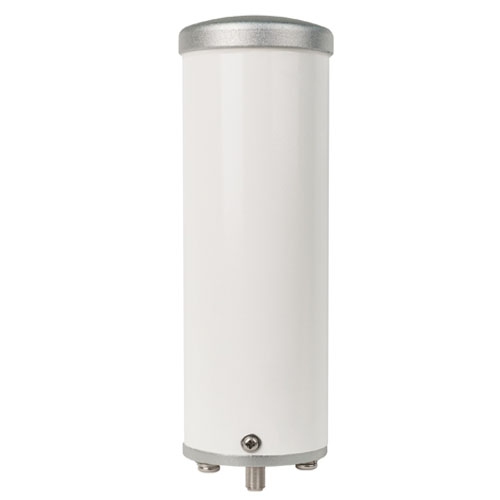 Your price for this item is $139.99
-
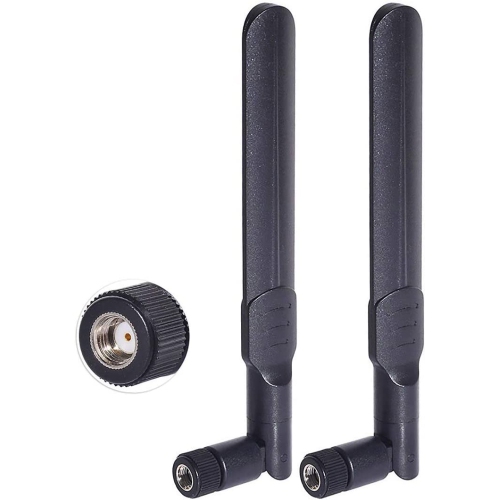 Your price for this item is $14.49


