Cb Antennas for Trucks
Enhance your truck's communication capabilities with our wide selection of CB antennas for trucks. Whether you're an avid off-roader, a long-haul trucker, or simply looking to boost your truck's radio reception, we have the perfect antenna to meet your needs. Our range features a variety of styles and sizes, ensuring compatibility with different truck models and preferences. From rugged and durable options to sleek and aerodynamic designs, our CB antennas will not only enhance your truck's functionality but also add a touch of style to its exterior. Discover the power of clear and reliable communication on the road with our top-notch CB antennas for trucks.
Sort




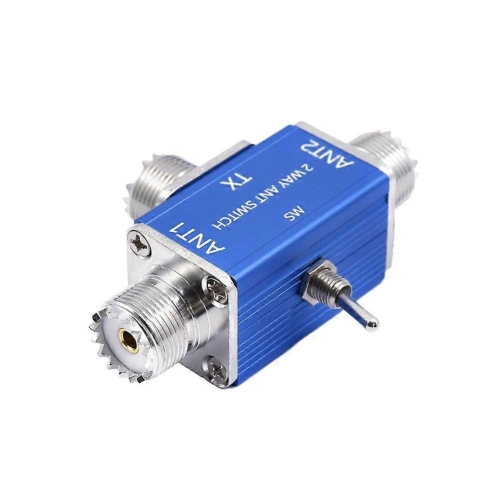
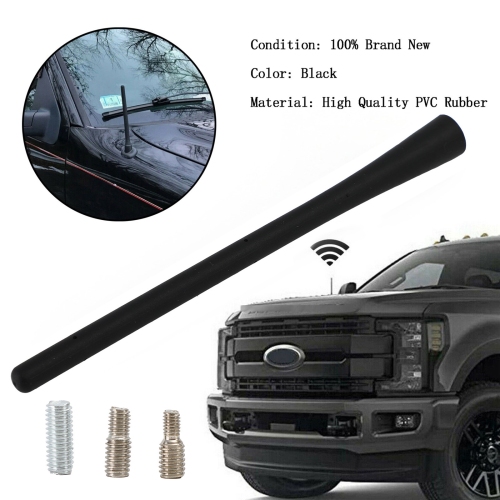
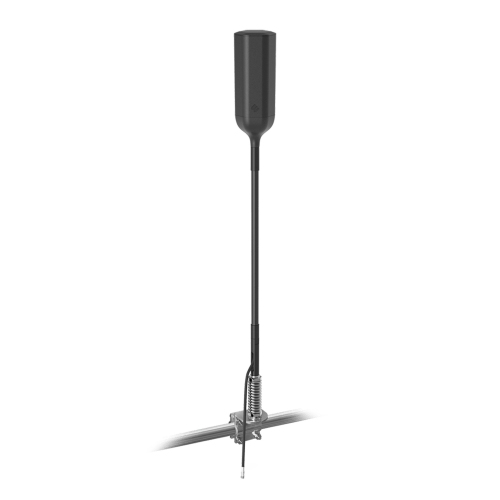
How mounting and tuning affect truck radio performance
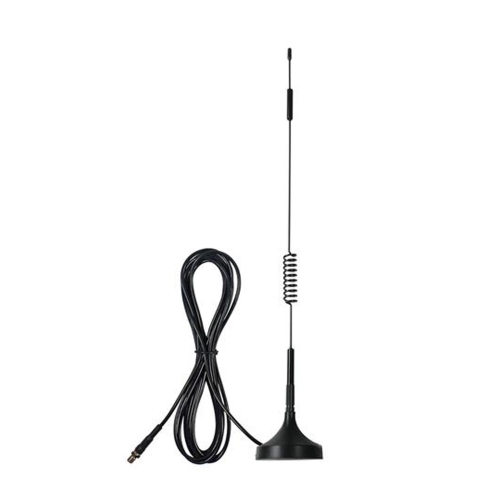
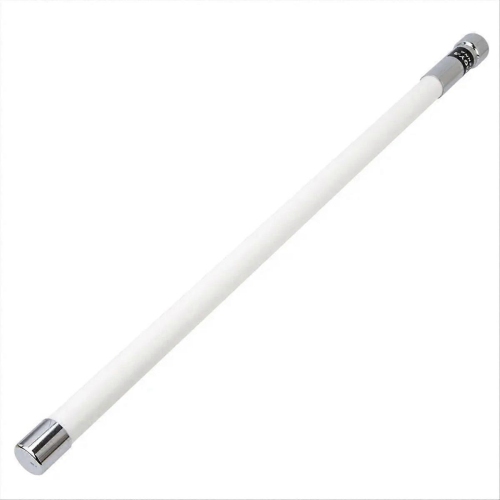
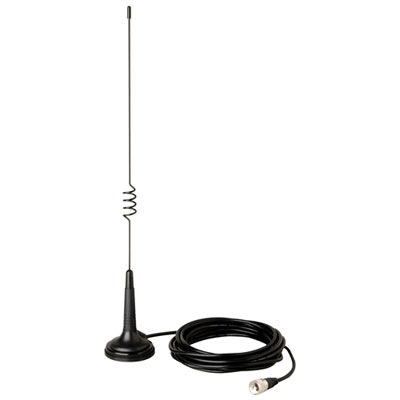
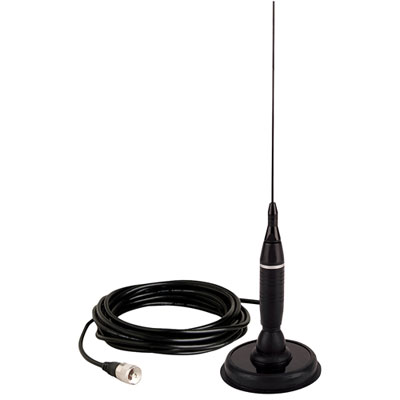
CB antennas for trucks help drivers communicate over citizen band radio while travelling, working at a job site, or coordinating with others on the road. They are commonly used by pickup owners, commercial drivers, off-road enthusiasts, utility crews, and anyone who values a simple, vehicle-based way to exchange information without relying entirely on cellular coverage. A well-matched antenna can make a noticeable difference in transmission clarity and reception, especially when paired with a suitable CB radio and correctly installed mounting hardware. Antennas designed for truck use are available in several configurations, including flexible fiberglass styles, centre-loaded designs with a coil positioned along the shaft, top-loaded antennas, and compact options intended for temporary installation. Each style balances height, durability, appearance, power handling, and ease of installation differently. A shorter antenna may suit a daily-driven pickup that enters parking garages or low-clearance areas, while a taller antenna can often provide stronger performance when the vehicle and mounting location allow it. Fiberglass construction is a practical choice for work trucks and off-road vehicles because it can handle vibration, branches, and the occasional rough trail. Centre-loaded and top-loaded designs may offer excellent performance when their coils are positioned high enough and the antenna has a clear surrounding area. The most suitable choice depends on the truck’s size, the radio setup, the available mounting points, and how the vehicle is used from one trip to the next.
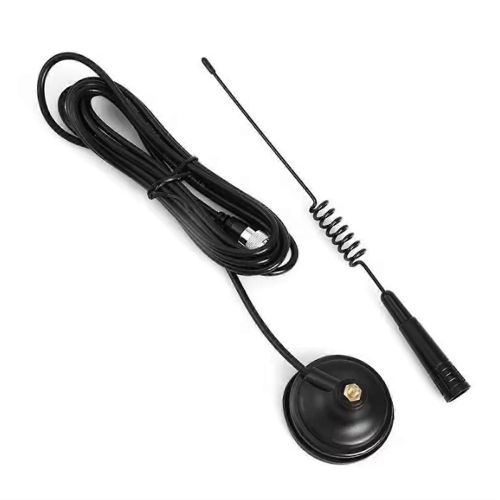
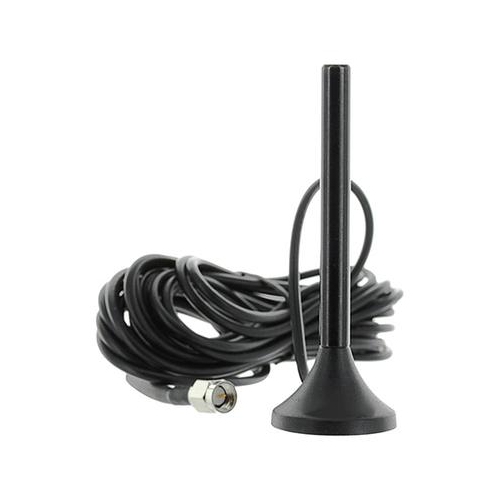
Mounting location is one of the most important considerations when choosing CB antennas for trucks. A roof or cab-centre position can provide a broad, unobstructed radiation pattern, but it may require drilling and careful attention to the vehicle’s roof structure, wiring, and clearance. A front-fender mount is popular on pickup trucks because it keeps the antenna accessible and can place the coil above nearby metal surfaces, although the antenna should be positioned where it will not interfere with the hood, headlights, mirrors, or front-end visibility. Mirror brackets and bed-rail mounts are useful for larger pickups, work trucks, and highway tractors, provided the antenna extends high enough to clear the cab and has a solid electrical ground. Magnetic mounts are convenient for drivers who prefer a removable setup or do not want to make permanent changes to the bodywork. They can be placed on a broad metal surface and removed before entering a garage, automated car wash, or storage area, but the cable still needs to be routed safely through the cab without being pinched or exposed to excessive rubbing. Permanent mounts generally provide a more secure long-term installation and may offer better grounding, while temporary mounts offer flexibility for shared vehicles, seasonal use, or occasional road trips. Before choosing an antenna, check the available mounting space, the length of the coaxial cable required, the route from the exterior mount into the cab, and the vehicle manufacturer’s guidance for drilling or attaching hardware. A proper ground plane is also essential. Many truck antennas rely on the surrounding metal body to help complete the radio system, so paint, plastic panels, racks, or insulated mounting points can affect performance. After installation, the antenna should be tuned with an SWR meter to confirm that the radio and antenna are working together efficiently. A high SWR reading can reduce range, create unclear transmissions, and potentially damage the radio if the system is used repeatedly without adjustment. Tuning instructions vary by antenna design, so following the included directions or having the installation checked by an experienced radio technician is a sensible step.
The right CB antenna can be useful for everyday driving as well as longer journeys. Truckers may use CB communication to share road conditions, coordinate at loading areas, or stay in touch with vehicles travelling together. Pickup owners can use a truck-mounted antenna on camping trips, trail outings, remote work routes, and convoy drives where quick voice communication is helpful. It can also be a thoughtful gift for a driver who enjoys vehicle upgrades, radio equipment, road travel, or hands-on installation projects. For someone new to CB communication, an antenna should be chosen as part of a complete system rather than as an isolated accessory. Compatibility with the radio connector, coaxial cable, mounting bracket, and vehicle voltage matters, as does the antenna’s rated power handling. Higher power ratings do not automatically guarantee greater range; antenna height, tuning, placement, surrounding obstructions, terrain, and atmospheric conditions usually have a greater effect on real-world results. In a busy city, buildings and overhead structures may limit communication, while open prairie roads or elevated terrain can provide more favourable conditions. Drivers should also consider durability during cooler months, when road spray, ice, snow, and rapid temperature changes can affect exposed connectors and mounting hardware. Keeping connections tight and protected, inspecting the coax for cuts or crushing, and checking that the mount remains secure can help maintain dependable performance. Antennas should be positioned away from power lines and handled carefully around low bridges, tree limbs, loading bays, and other overhead hazards. For shoppers building a complete setup, the selection of Cb Radios can help pair an antenna with compatible communication equipment. With the right mounting style, sufficient clearance, proper grounding, and careful tuning, a CB antenna can become a dependable part of a truck’s communication setup for workdays, weekend drives, and extended trips.
Top selling and popular products
-
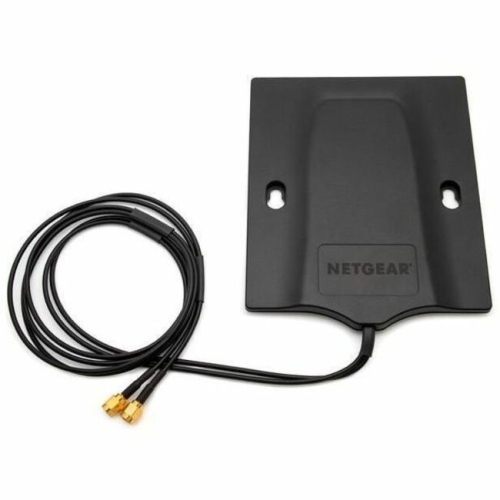 Your price for this item is $105.2
-
 Your price for this item is $59.99
-
 Your price for this item is $69.99
-
 Your price for this item is $129.99
-
 Your price for this item is $39.99
-
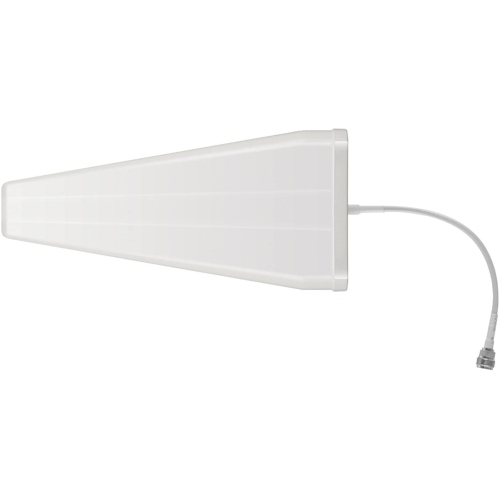 Your price for this item is $144.99
-
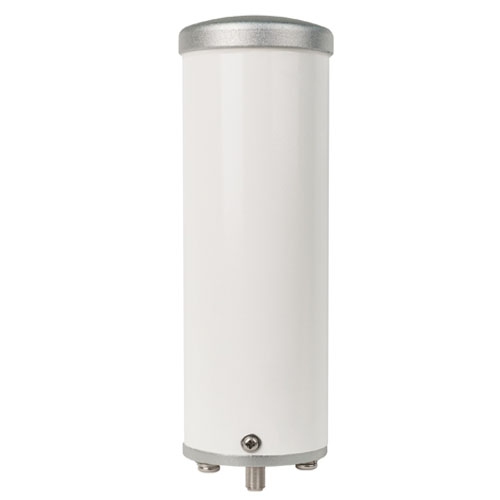 Your price for this item is $139.99
-
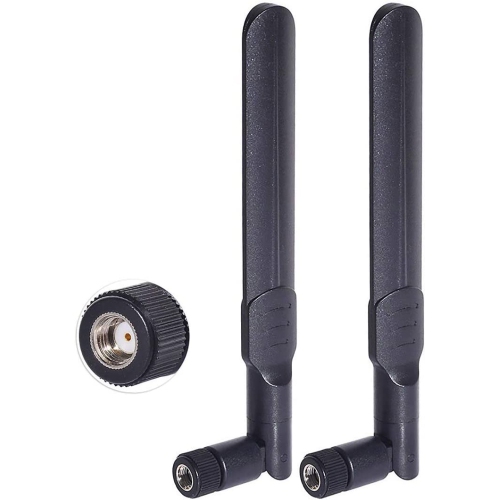 Your price for this item is $14.49
Discover more categories related to Cb Antennas for Trucks
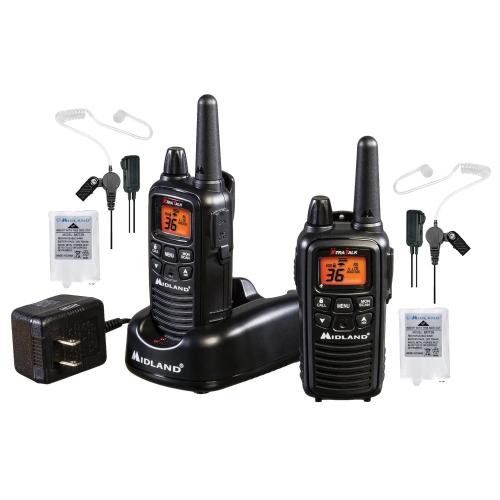
Top Collections:
Pokemon Centers, Best Cameras for Sports Photography, Kindle Devices, Samsung Galaxy Phones, Canon G7X Cameras, Pokémon 30th Celebration Cards, Refurbished Apple Laptops, iPhone 15 Apple, Laptops for Students, Budget Smartphones
Some products may be subject to Environmental Handling Fees
(EHF) depending on your province.
Learn more about EHFs.