Microphones for Public Speaking
Microphones For Public Speaking are essential tools for delivering clear, impactful messages to audiences of any size. Whether you’re presenting at a conference, leading a workshop, or speaking in a classroom, the right microphone can make all the difference in how your voice is heard. Discover a wide range of options designed to help speakers command attention and communicate with confidence, ensuring every word reaches your listeners with clarity and precision. Explore solutions tailored for various venues and speaking styles to find the perfect fit for your next event.
Sort
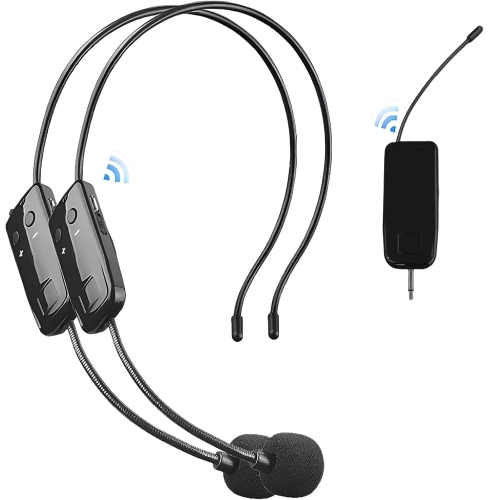
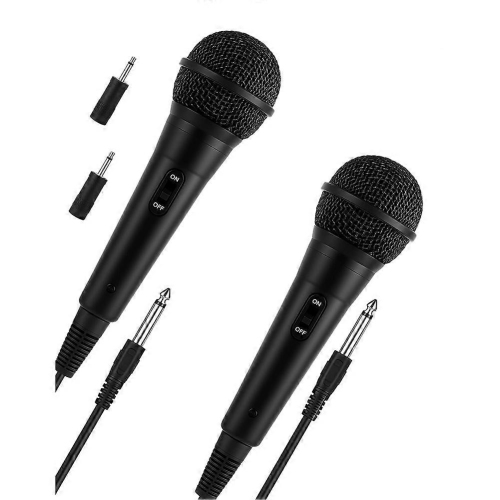
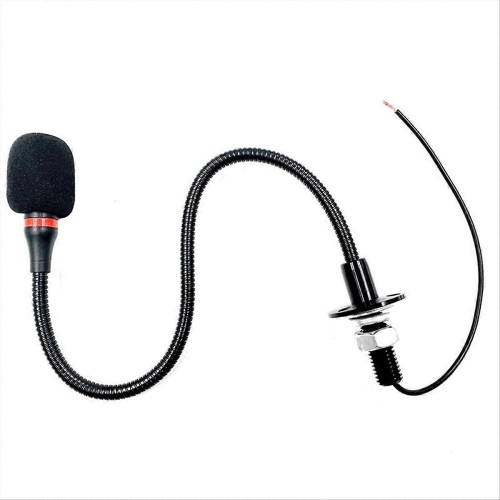
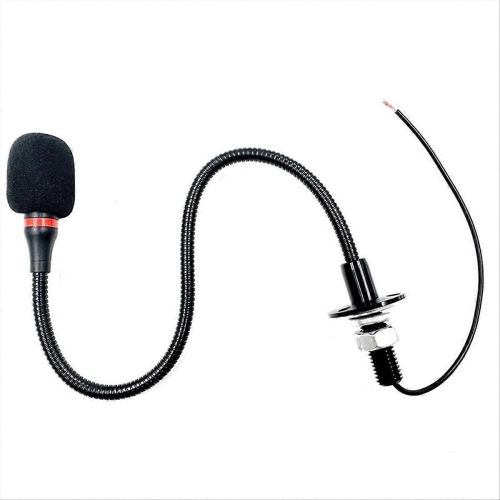
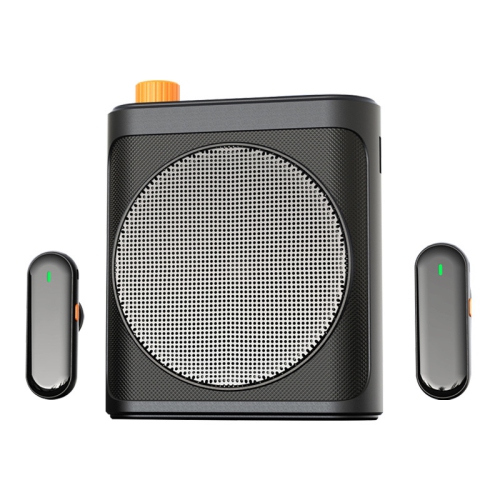
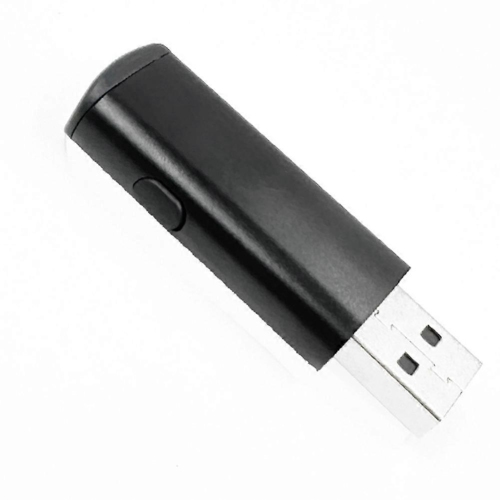
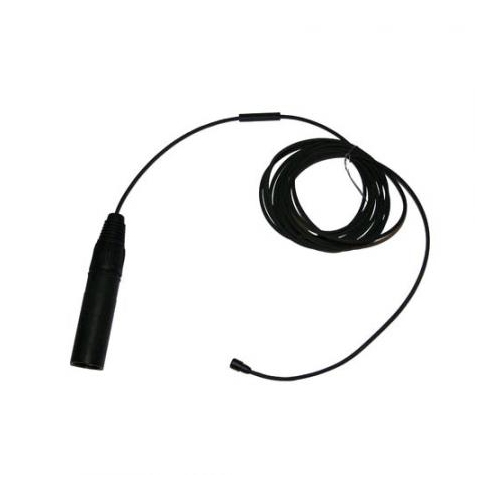
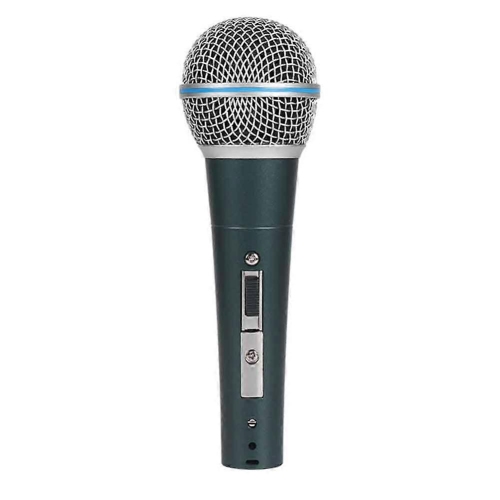


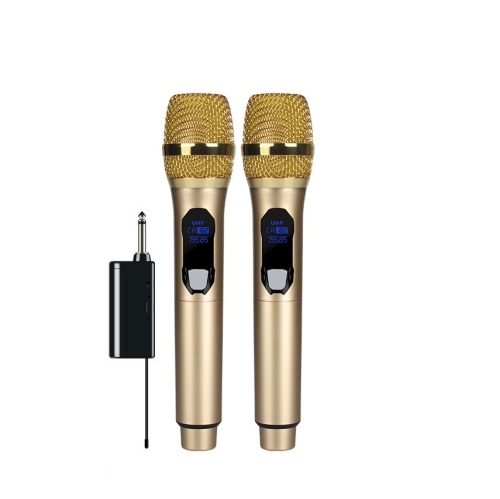
How you move shapes your microphone choice
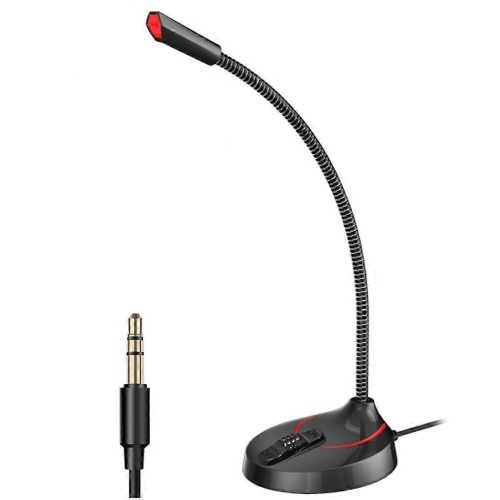
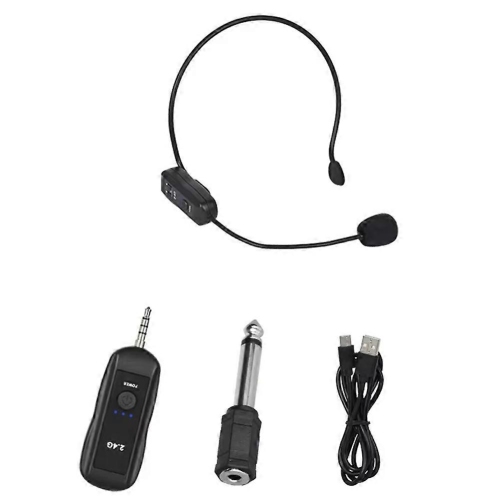
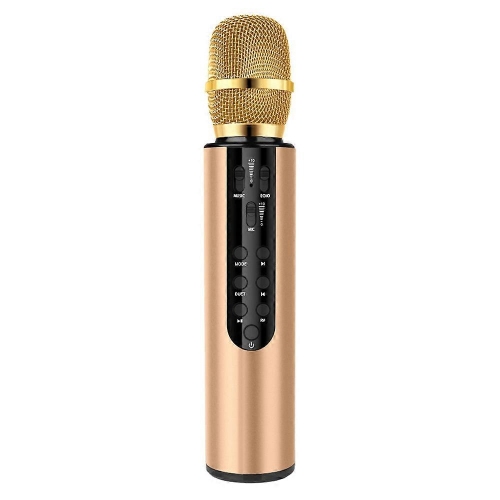
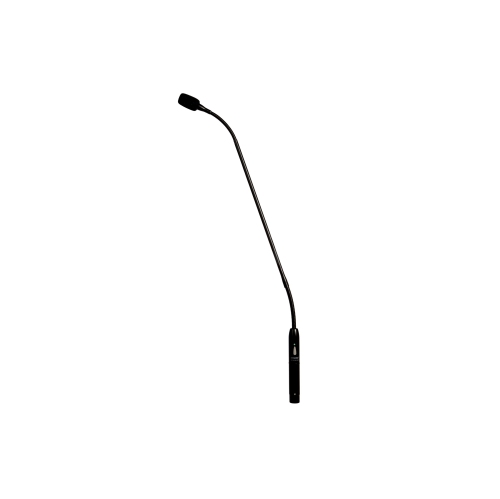
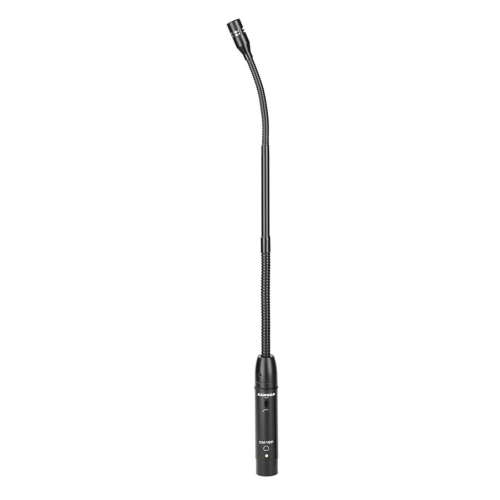
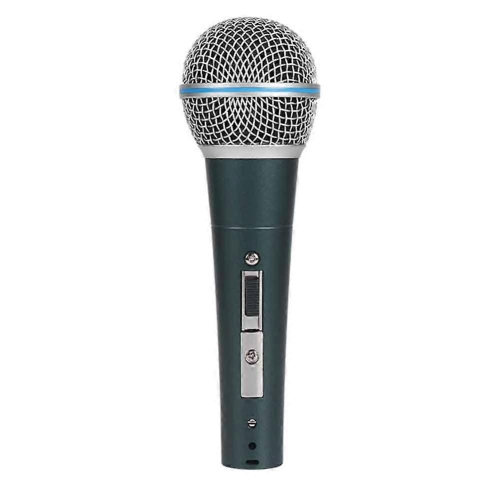
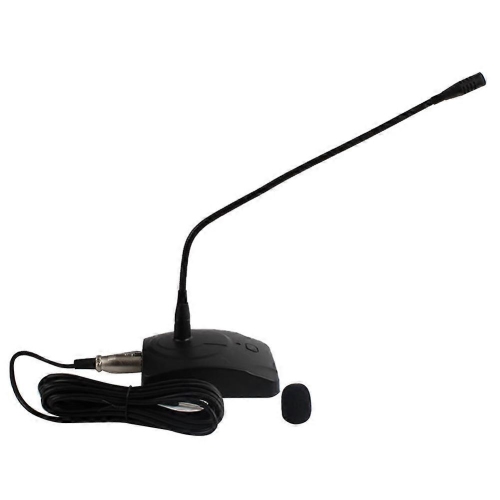
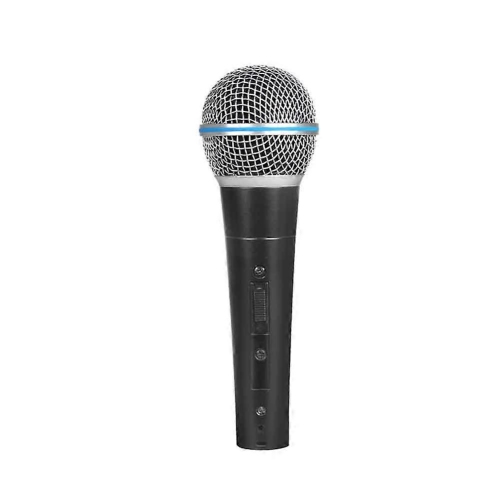
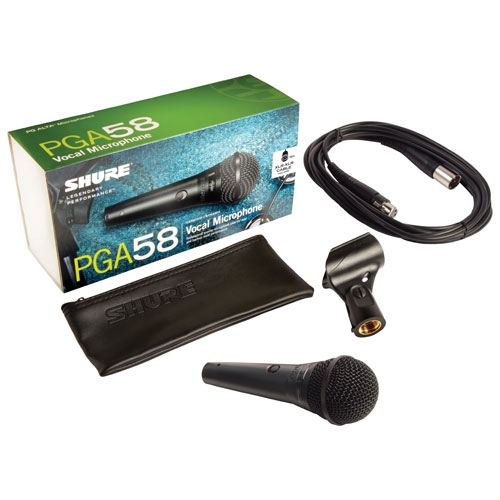
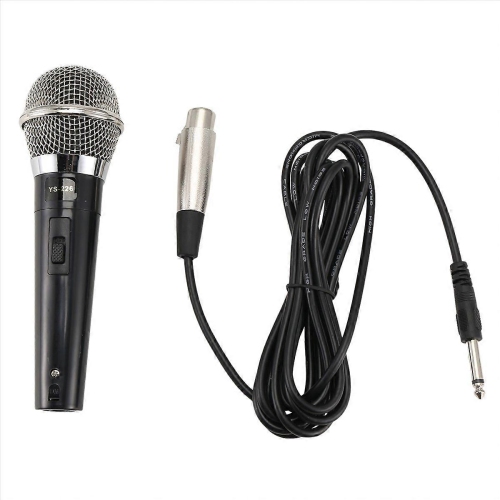
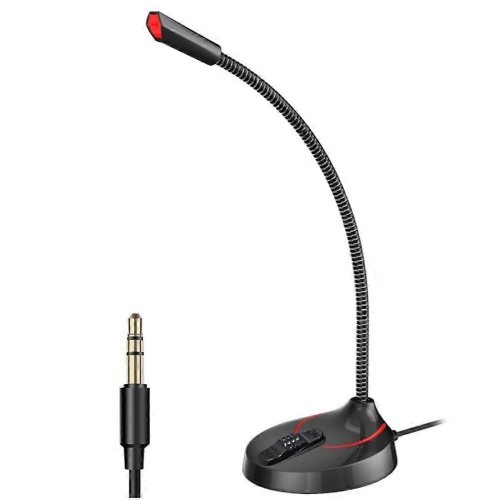
Microphones for public speaking help bring a speaker’s voice to the audience, whether the setting is a community meeting, a lecture hall, a place of worship, or a conference stage. The main formats suit different ways of presenting: headset microphones keep the capsule close to the mouth while leaving both hands free; lavalier microphones clip to clothing for a discreet appearance; handheld microphones give speakers direct control over positioning; and gooseneck microphones stay at a lectern or table. A headset is particularly useful for a presenter who walks across the stage, turns towards a screen, or demonstrates something with both hands. Because the microphone moves with the wearer’s head, the distance between the mouth and capsule stays relatively consistent, helping maintain an even voice level. A lavalier, also called a lapel microphone, suits interviews, formal presentations, and occasions where a less visible microphone is preferred. Its position farther from the mouth makes placement important: a capsule brushing against a jacket or necklace can pick up distracting rustling, while a speaker turning away from it may sound quieter. Handheld dynamic microphones are familiar choices for speeches, audience questions, and panel introductions. They are easy to pass between participants and can provide clear speech when held at a steady distance from the mouth, although they occupy one hand. Gooseneck microphones offer a different kind of convenience, with a flexible stem that brings the capsule towards a stationary speaker without requiring them to hold it. They suit council meetings, presentations from notes, and other events centred on a lectern. For educators moving between a whiteboard and a demonstration table, microphones for teachers serve many of the same hands-free speaking needs. Across these settings, the most suitable format depends less on how formal the occasion looks and more on how the person speaks, moves, and interacts with the audience.
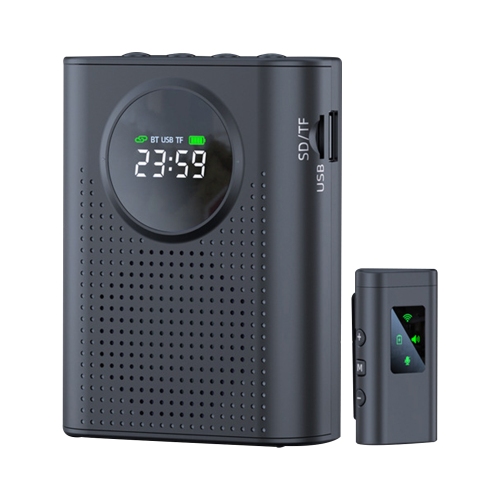
Clear public address audio depends on the microphone working well with the room and the rest of the sound system. A microphone captures sound; it does not usually make a voice loud enough for an audience without compatible amplification and loudspeakers. Wired microphones connect to suitable audio equipment through a cable, making them practical for fixed speaking positions where unrestricted movement is not essential. An XLR connection is common on microphones used with mixers and PA systems, while USB microphones generally connect to a computer and are more closely associated with online presentations or desk-based speaking. Connector shape alone does not establish compatibility: the input type, required power, and intended signal path also matter. Some condenser microphones need phantom power from compatible equipment, while many wired dynamic microphones do not. Wireless systems remove the cable between the speaker’s microphone or transmitter and the receiving equipment, giving presenters more freedom to move. They still need a compatible receiver or receiving device, a connection to the sound system, and power for the relevant components. Battery runtime, charging arrangements, operating range, and the number of microphones that can work together are meaningful considerations for a full day of presentations or a panel with several participants. Wireless range varies with walls, people, interference, and receiver placement, so a stated maximum is not a guarantee of performance throughout every venue. Pickup pattern also affects how a microphone handles surrounding sound. A cardioid microphone is most sensitive towards the front and reduces pickup from the rear, which can help separate speech from unwanted sound when positioned appropriately. An omnidirectional lavalier captures sound from all directions and can be more forgiving of small placement changes, but it may also capture more room sound. Feedback—the ringing or squeal caused when amplified sound re-enters a microphone—depends on loudspeaker placement, microphone position, volume, and room acoustics. Close, consistent placement can support clearer speech, but no microphone format eliminates feedback in every setup.
Comfort, construction, and everyday handling become especially noticeable during a long speech or repeated use. For headsets, an adjustable headband or ear-mounted frame should hold the capsule steadily without pinching, slipping, or interfering with glasses. A lightweight frame can be easier to wear through an extended presentation, while a secure fit helps prevent repeated adjustments that distract both the speaker and the audience. Lavalier clips need a firm attachment point on a lapel, collar, or other suitable fabric; loose material and layered accessories can make positioning less predictable. A bodypack transmitter also needs somewhere secure to sit, such as a waistband or a suitable pocket, with enough cable slack for natural movement. Handheld microphone comfort depends on weight, grip, and balance, particularly for hosts introducing several speakers or leading a lengthy question-and-answer session. Metal housings and sturdy grilles can help withstand regular handling, though resistance to knocks, moisture, and wear varies by design. Replaceable clips, windscreens, cables, and other serviceable parts may be valuable in shared-use settings where small accessories receive frequent wear. Foam windscreens and built-in pop filtering can soften the bursts of air associated with certain speech sounds, but they do not remove audience noise or room reverberation. Care is generally straightforward: follow the manufacturer’s cleaning directions, keep liquid away from capsules and connectors, and let any washable removable parts dry fully before reattaching them. Cables last better when loosely coiled rather than tightly wrapped around a microphone, and a fitted case or padded pouch helps protect equipment between events. For shared microphones, cleaning methods should be suitable for the grille, finish, and any foam components rather than relying on harsh sprays. These practical details matter to event hosts, trainers, tour leaders, officiants, and volunteers who need dependable speech audio without constant readjustment. A microphone can also be a thoughtful gift for someone who regularly leads workshops or hosts community events, provided it matches their existing equipment and preferred speaking style. The right match supports the presentation without becoming its focus, allowing listeners to follow each explanation, announcement, and exchange more easily.
Top selling and popular products
-
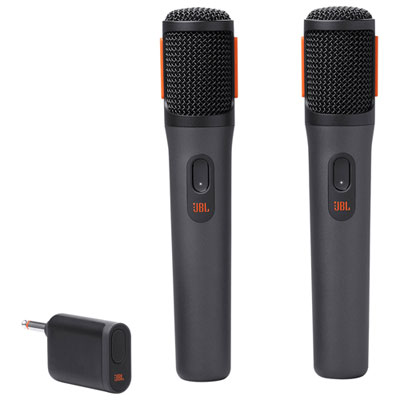 Your price for this item is $199.99
-
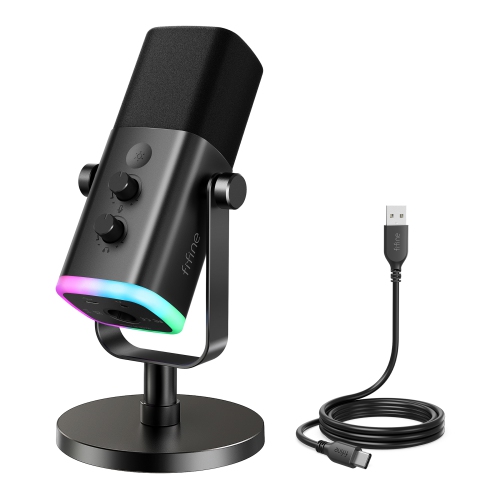 Your price for this item is $83.99
-
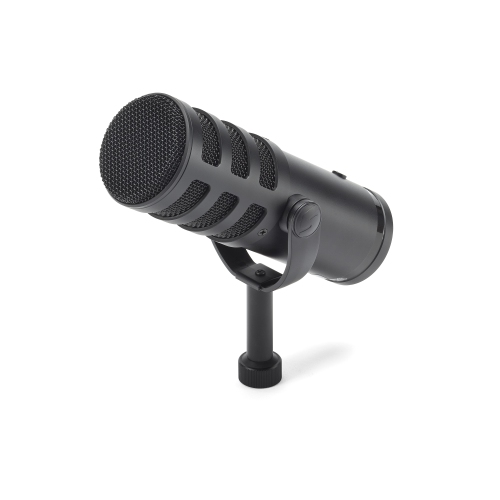 Your price for this item is $265
-
 Your price for this item is $149.99
-
 Your price for this item is $245
-
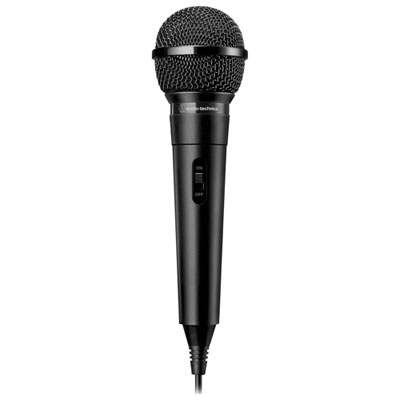 Your price for this item is $24.99
-
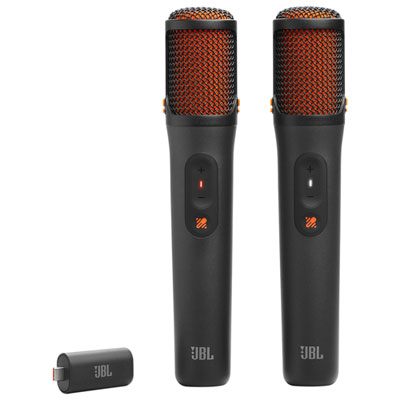 Your price for this item is $229.99
-
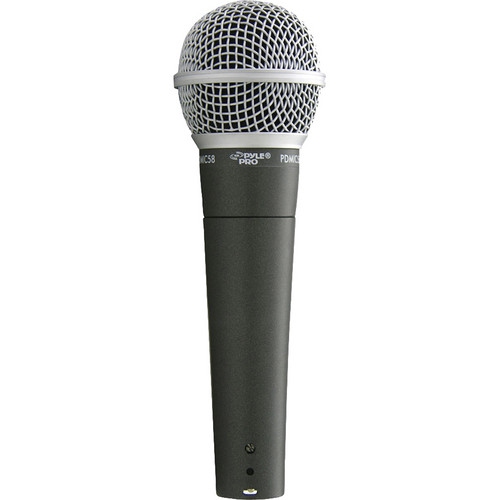 Your price for this item is $29.99
Discover more categories related to Microphones for Public Speaking
Top Collections:
Pokemon Centers, Kindle Devices, Best Budget Office Chairs, Canon G7X Cameras, Apple iPhones 16, Samsung Galaxy Phones, Refurbished Apple Laptops, Laptops for Students, iPhone 15 Apple, Budget Smartphones
Some products may be subject to Environmental Handling Fees
(EHF) depending on your province.
Learn more about EHFs.