Microphones for Singing
Microphones for Singing are essential tools for vocalists looking to deliver clear and powerful performances, whether on stage, in the studio, or at home. Explore a wide variety of options designed to capture every nuance of your voice with precision. From solo artists to group performers, finding the right microphone can help elevate your singing experience. Discover models suited for different environments and preferences, making it easy to choose the perfect match for your vocal style. Let your voice shine with Microphones for Singing that support every note and performance.
Sort
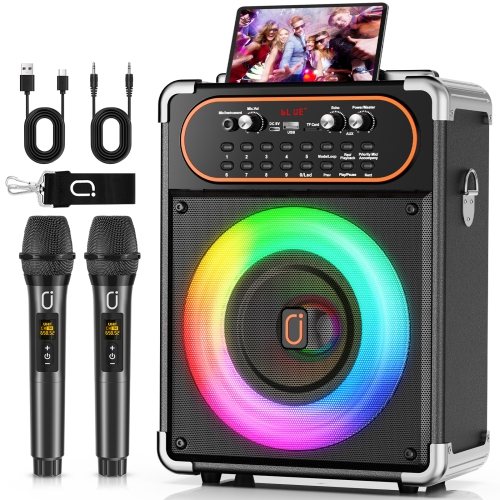
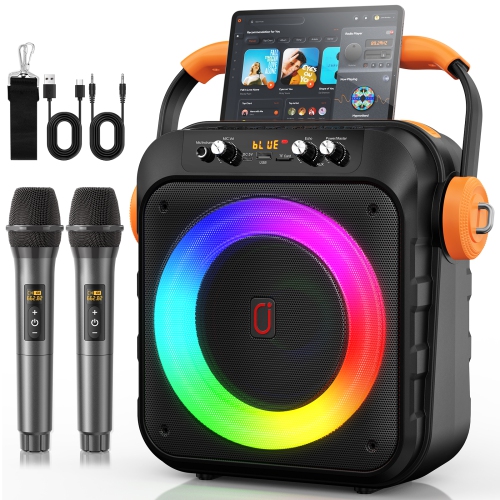
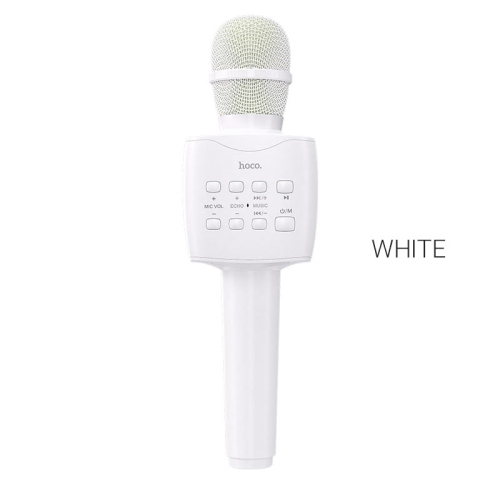
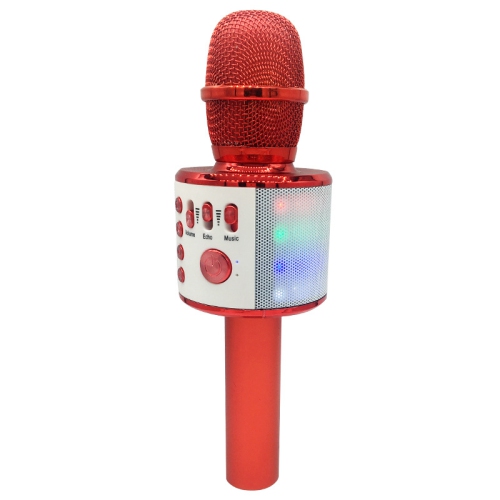
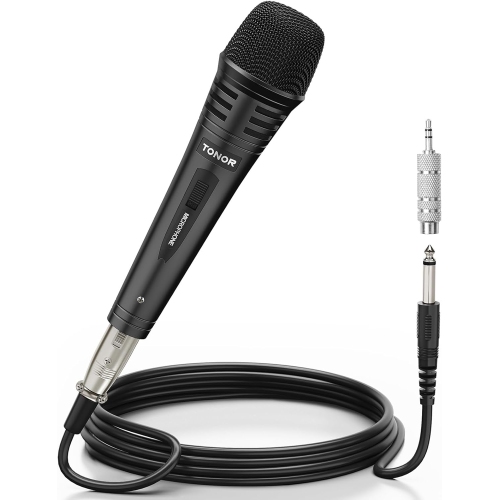
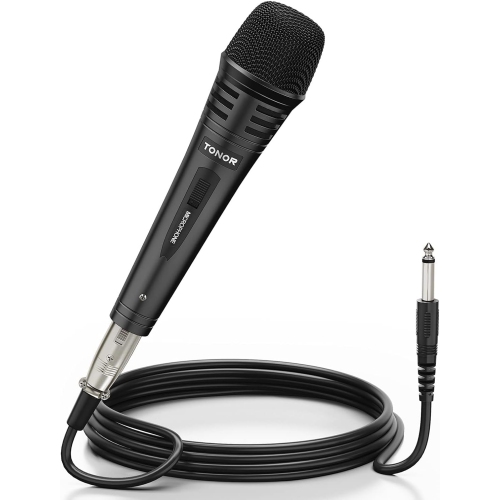
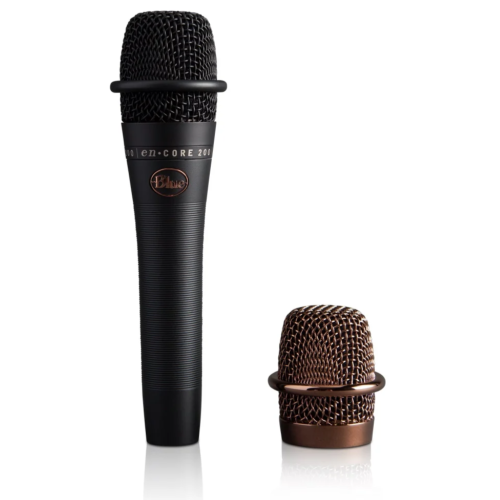
How vocal mic setups change from stage to studio
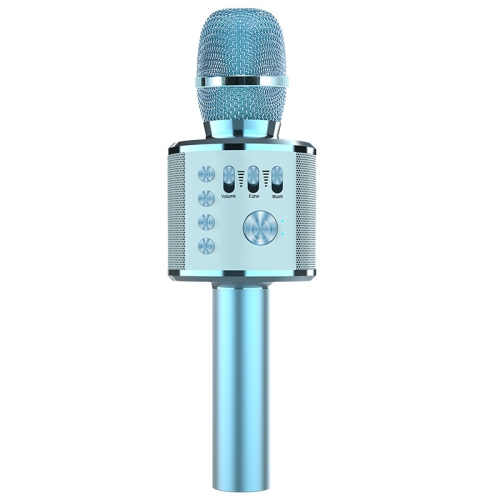
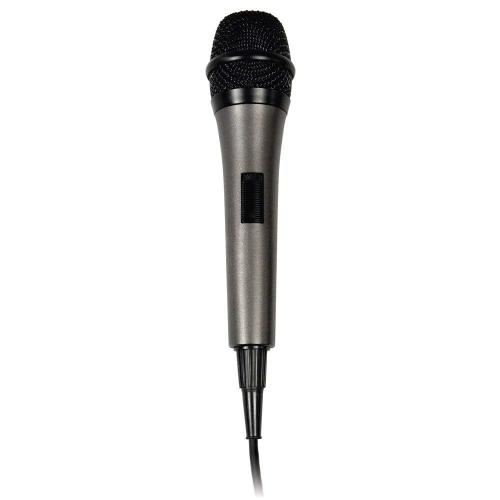
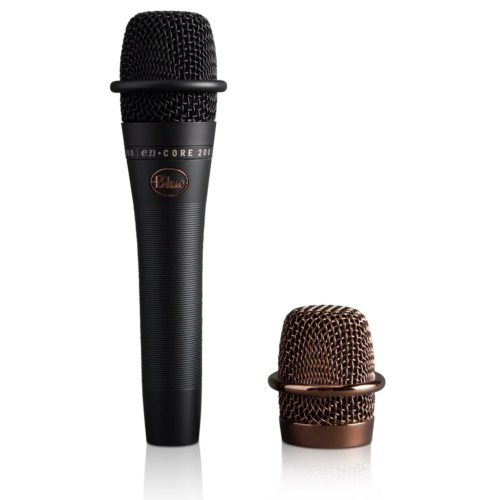
Microphones for singing range from handheld vocal mics for rehearsals, karaoke and live performances to stand-mounted models for recording at home or in a studio. A handheld dynamic microphone is a common fit for live singing: it can handle loud vocals, generally needs no phantom power and is designed to be used close to the mouth. On a stage where drums and guitar amps sit only a few steps away, a directional pickup pattern can help keep the lead vocal distinct from the rest of the band. A cardioid microphone picks up sound most strongly from the front and rejects it most strongly from directly behind, where a floor monitor can often be positioned. A supercardioid pattern is narrower at the front, which can help with sound coming from the sides, but it still picks up some sound directly behind it. That difference matters when a singer brings a microphone to a rehearsal space and sets up in front of an unfamiliar monitor. A large-diaphragm condenser microphone, by contrast, is a common choice for studio vocals, where the detail in a quiet breath or the start of a note can be as important as the power of a chorus. It can also reveal reflections from bare walls or noise from a nearby computer, so placement and room acoustics play a part in the sound. A dynamic mic can work well for recording, too, particularly for a singer who prefers to stay close to the grille. Many directional vocal microphones sound bassier at close range, which can add body to a soft vocal but make the words less distinct if the singer gets too close. For singers who move between a practice room, a stage and a recording space, Professional Microphones for Singers is a related collection to explore with those different setups in mind.
The connection is as important as the way a microphone sounds. A wired XLR microphone can connect to a compatible mic input on a mixer, audio interface or PA system. Most studio XLR condensers need phantom power from compatible equipment, while some dynamic microphones with a low output need more gain from the preamp to capture a quiet voice clearly. A USB microphone has its own digital audio connection and can simplify recording into a compatible computer without a separate interface. A headphone jack with direct monitoring can be useful when a singer wants to hear the live vocal without the delay that can occur when the signal travels through recording software and back to the headphones. For karaoke, the essential connection may be a dedicated mic input on a speaker or karaoke system. The fact that a speaker plays a backing track over Bluetooth doesn’t necessarily mean it can receive a live vocal from a wireless microphone. Wireless vocal systems typically use a compatible transmitter and receiver, with the receiver connected to the sound system. That setup can give a lead singer room to cross the stage or make it easier to pass a mic around at a family karaoke night without dragging a cable along the floor. A wired setup doesn’t require charging or replacing transmitter batteries, which can be convenient for a singer who normally stays at a stand. Physical fit varies just as much as connectivity. The weight and shape of a handheld mic are noticeable over a long rehearsal, and a design that limits handling noise can help keep every change of grip out of the speakers. For singers who play keys or guitar at the same time, a compatible clip and a stable boom stand can bring the mic to mouth level without getting in the way of their hands. At a recording desk, a shock mount can help isolate a compatible microphone from vibrations transmitted through the stand, while a pop filter can soften the burst of air from consonants such as P and B.
Construction and care become more noticeable when a vocal mic is packed and unpacked regularly. A metal body and sturdy mesh grille are common on handheld stage microphones, where brushes against stands and the occasional bump come with regular use. An internal foam layer can help reduce breath noise, but a dented grille or worn foam may need to be replaced with a compatible part. For a mic shared among several singers, a removable grille can make cleaning easier when the manufacturer provides instructions for doing so. Moisture should be kept away from the capsule and connectors, and any parts cleaned as directed should be completely dry before reassembly. A padded pouch or case helps protect the grille and switches in transit, and disconnecting a wired mic by gripping the plug rather than pulling on the cable puts less strain on the connection. These practical details matter whether the microphone travels in a band’s gear bag or stays mounted beside a desktop. As a gift, a singing microphone can suit a student practising for an audition, a songwriter layering harmonies at a desk or someone who enjoys hosting karaoke nights. The most useful choice fits the equipment the recipient already uses: a singer who rehearses through a mixer needs a different connection than someone recording straight to a laptop, and a handheld wireless mic needs a compatible receiver to be useful. For a first home recording setup, a comfortable monitoring arrangement and a stand that holds the mic in place can make repeated takes easier. For a choir soloist or a vocalist sharing a rehearsal space, easy positioning and a grip that feels natural may matter more than extra controls. The differences come through in everyday use: how easily the singer can hear the phrasing of a quiet verse, how clearly the words carry over the band and how naturally the microphone fits into the act of singing.
Top selling and popular products
-
 Your price for this item is $14.99
-
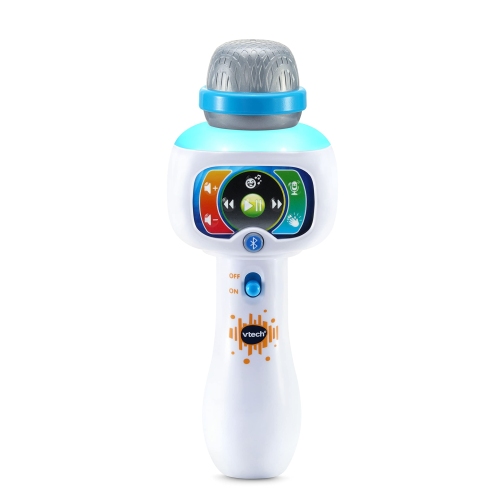 Your price for this item is $91.99
-
 Your price for this item is $420.68
-
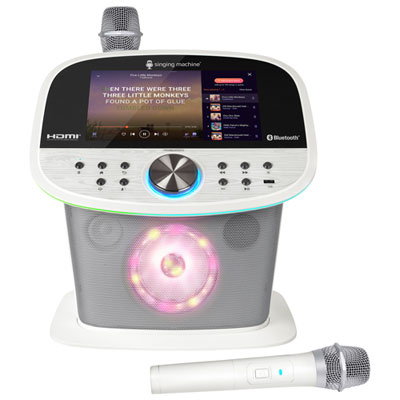 Your price for this item is $349.99
-
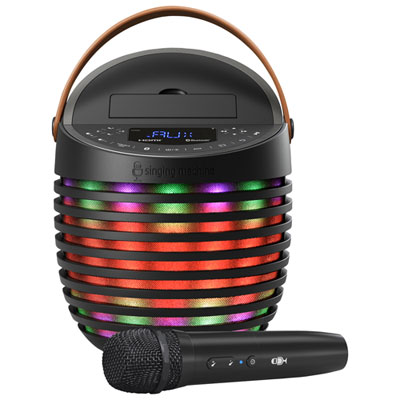 Your price for this item is $149.99
-
 Your price for this item is $39.99
-
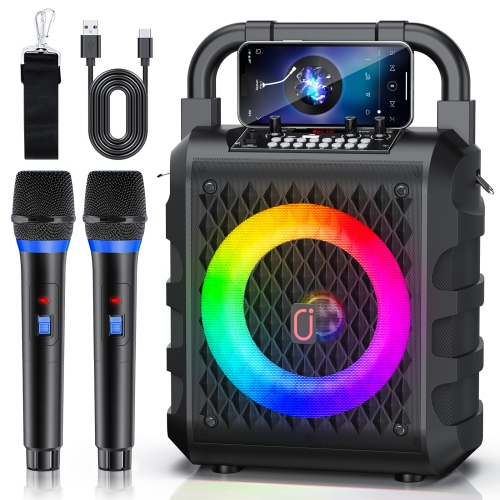 Your price for this item is $109.99
-
 Your price for this item is $749.99
Discover more categories related to Microphones for Singing

Top Collections:
Best Black Friday Deals This Year, Best Black Friday Deals On Electronics, Kindle Devices, Pokemon Centers, Best Black Friday Deals On Apple Products, Best Cameras for Sports Photography, Dyson Airwrap, Pokémon 30th Celebration Cards, Apple iPhone 17 Pro, Canon G7X Cameras
Some products may be subject to Environmental Handling Fees
(EHF) depending on your province.
Learn more about EHFs.