Multiplatform Gaming Headsets
Multiplatform Gaming Headsets are designed to bring versatility and comfort to your gaming experience, whether you're playing on a console, PC, or mobile device. With compatibility across multiple platforms, these headsets make it easy to switch between devices without missing a beat. Explore options that cater to every style of play and discover the perfect fit for your setup. Elevate your gameplay with Multiplatform Gaming Headsets that keep you connected and immersed in every session.
Sort






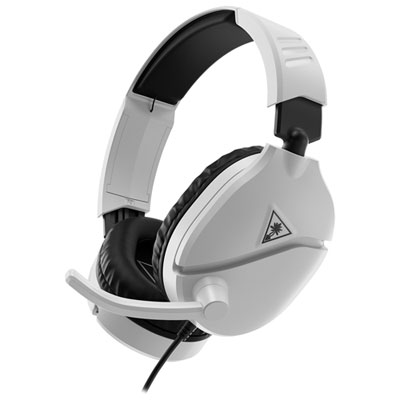


Why headset compatibility goes beyond plugging in
Multiplatform gaming headsets bring game audio and voice chat together across more than one type of gaming device, making them useful for players who move between a computer, a console, and a portable setup. Their appeal is consistency: familiar ear cushions, accessible controls, and a microphone positioned comfortably for conversation, whether the session involves a competitive match or a story-driven adventure. Multiplatform does not mean universally compatible, however. Support depends on the headset’s connections, the ports on each device, and the way each platform handles audio and microphones. A 3.5 mm analogue connection can offer broad compatibility through a compatible controller or headphone socket, although plug configuration and microphone support still matter. Wired USB connections may provide digital audio and additional controls, but support varies between computers and consoles. Wireless designs commonly use a USB transmitter for a low-latency connection, helping keep dialogue, footsteps, and on-screen action closely aligned. Some transmitters have a platform switch, while others work only with particular systems or require a separate adapter. Bluetooth can be useful for compatible phones, tablets, and portable devices, but it is not a substitute for checking console support, and audio delay can be more noticeable than with a dedicated gaming connection. Voice chat may also behave differently over Bluetooth, including reduced playback quality when the microphone is active on some devices. For a player who spends evenings at a desk and later moves to a shared television, connection flexibility can be more useful than an extensive feature list that works on only one system. It is also worth distinguishing basic compatibility from full functionality: a headset may deliver sound on several devices while reserving equalizer settings, microphone adjustments, or other software features for a computer. Cable length, transmitter placement, and the location of available ports affect everyday convenience, especially when a console sits across the room. Clear connection requirements make it easier to understand how a headset fits into an existing setup without assuming that every feature carries over unchanged.
Sound and communication shape the experience just as much as connection options. A balanced sound profile can keep dialogue intelligible while preserving the impact of an engine, an orchestral score, or a distant explosion. Strong bass can add weight to action games, but an overly heavy low end may make quieter details harder to distinguish. Stereo headsets can provide useful directional cues when a game’s audio mix supports them; virtual surround sound and spatial audio add another layer, with results that depend on the game, platform, software, and individual listener. Larger drivers alone do not guarantee clearer sound, so driver size is only one specification among many. Closed-back ear cups help limit sound leakage and reduce some surrounding noise through their physical seal, which can be useful in a shared room. They do not necessarily block keyboard clicks, conversation, or household sounds completely. Microphone design is equally practical: an adjustable boom can sit near the mouth without touching the face, while a detachable or retractable microphone can be convenient when the headset is used mainly for listening. Microphone noise reduction aims to reduce unwanted sounds picked up during conversation and is different from active noise cancellation for the wearer. A mute button that is easy to find, a visible mute indicator, and microphone monitoring can make group chat more comfortable; monitoring lets players hear some of their own voice rather than unintentionally speaking too loudly. Game-to-chat balance controls are useful where supported, although their operation may change between platforms. For wireless use, stated battery life depends on settings and use, including volume, lighting, and connection mode. Quick charging and the ability to listen while charging can reduce interruptions, but neither should be assumed. Support for two connected devices also needs careful reading: switching between sources is different from hearing game audio and a phone call simultaneously. These distinctions matter during long multiplayer sessions, particularly when clear communication is as important as the soundtrack.
Comfort becomes especially noticeable during an extended campaign, a weekend tournament with friends, or an evening shared between gaming and voice calls. A well-distributed headband, manageable weight, and ear cups with enough depth can reduce pressure around the ears and across the top of the head. Players who wear glasses may prefer a gentler clamping force and cushions that compress around the arms of their frames, although fit varies with head shape and cushion design. Fabric ear pads often feel more breathable, while synthetic leather finishes tend to create a firmer seal and can be easier to wipe clean; neither material guarantees a better fit for every listener. Swivelling cups and an adjustable headband help accommodate different users, which matters when a headset is shared within a household. Within the broader category of Top Gaming Headsets, multiplatform designs are particularly relevant to players whose gaming time spans several devices rather than one dedicated station. They can also make thoughtful gifts for students, frequent multiplayer teammates, or family members who split their time between console and computer gaming, provided the recipient’s exact device compatibility is confirmed. Durability depends on everyday details as well as materials: reinforced adjustment points, securely fitted hinges, detachable cables, and replaceable cushions can all contribute to long-term usability. A removable cable is easier to replace if it becomes damaged, while a protective case can help keep ear cups and microphone booms from being crushed in a bag. Routine care is straightforward but should follow the manufacturer’s directions. Unplug the headset before cleaning, wipe suitable surfaces gently with a soft cloth, and avoid letting moisture enter microphone openings, connectors, or speaker grilles. Fabric cushions may need a different cleaning method from coated surfaces, and removable parts should be fully dry before reassembly. Keeping cables loosely coiled, lifting the headset by the headband rather than the microphone, and storing it away from spills help protect the parts handled most often. Together, a comfortable fit, dependable connections, and manageable care make a headset easier to use across the different places and devices where gaming happens.
Top selling and popular products
-
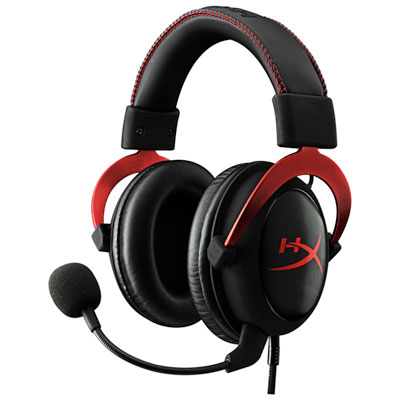 Your price for this item is $119.99
-
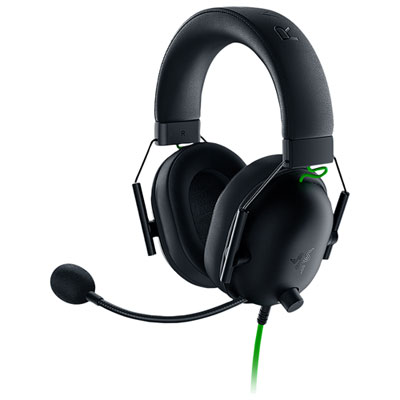 Your price for this item is $54.99
-
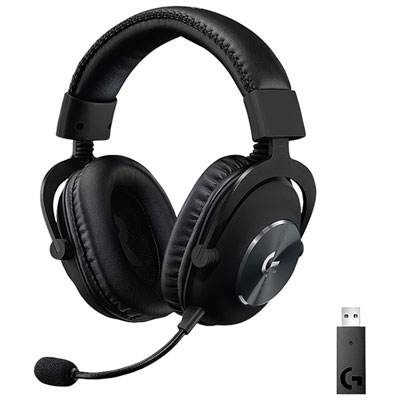 Your price for this item is $229.99
-
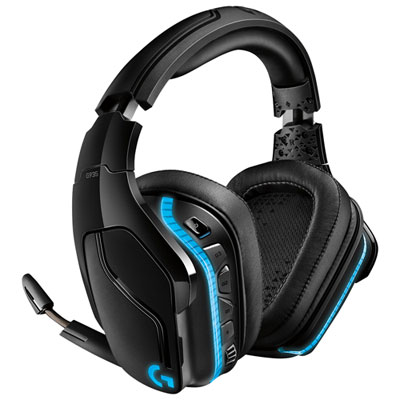 Your price for this item is $179.95
-
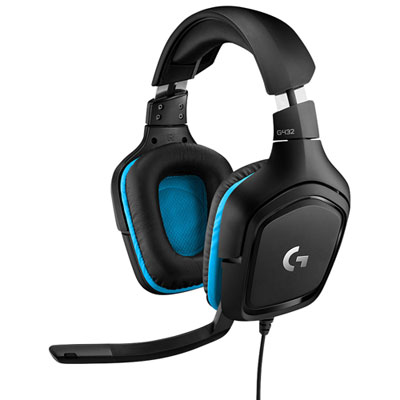 Your price for this item is $69.99
-
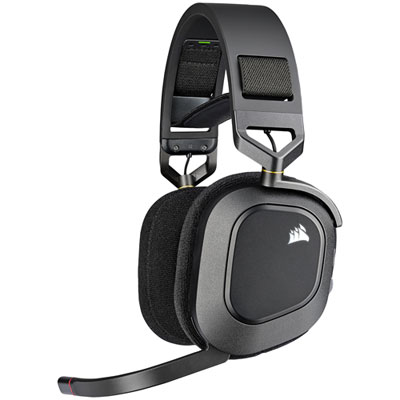 Your price for this item is $224.99
-
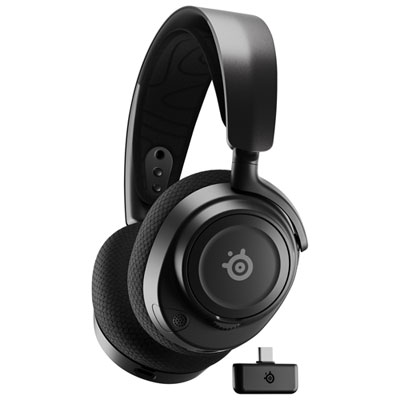 Your price for this item is $249.95
-
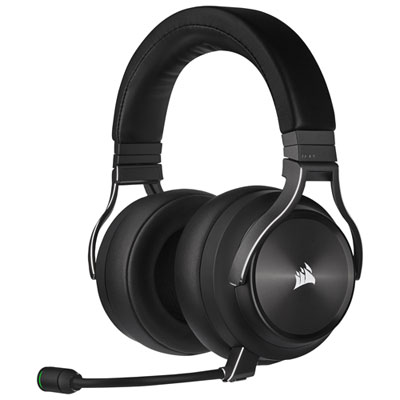 Your price for this item is $399.99
Discover more categories related to Multiplatform Gaming Headsets
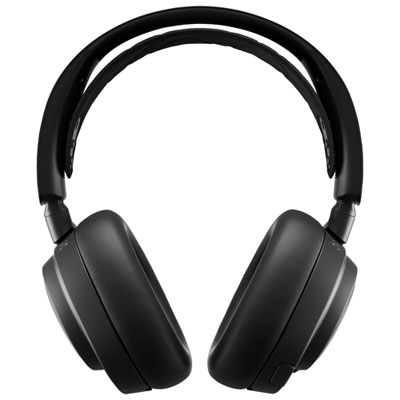
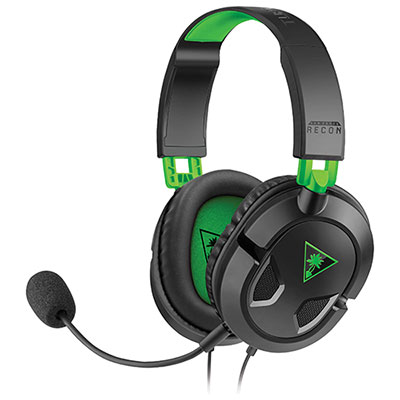
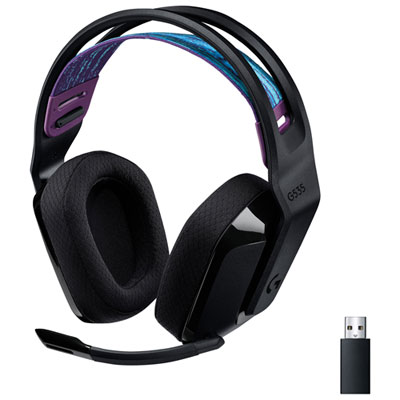
Top Collections:
Best Black Friday Deals This Year, Best Black Friday Deals On Electronics, Kindle Devices, Pokemon Centers, Best Black Friday Deals On Apple Products, Best Cameras for Sports Photography, Dyson Airwrap, Pokémon 30th Celebration Cards, Apple iPhone 17 Pro, Canon G7X Cameras
Some products may be subject to Environmental Handling Fees
(EHF) depending on your province.
Learn more about EHFs.