Wireless Gaming Headsets
Wireless Gaming Headsets offer the freedom to move and immerse yourself in gameplay without being tethered to your device. Designed for gamers seeking comfort, convenience, and high-quality audio, these headsets provide a seamless experience whether you're playing solo or connecting with friends online. Explore a wide selection of Wireless Gaming Headsets to find the perfect match for your setup and enjoy uninterrupted gaming sessions with crystal-clear sound and reliable connectivity.
Sort
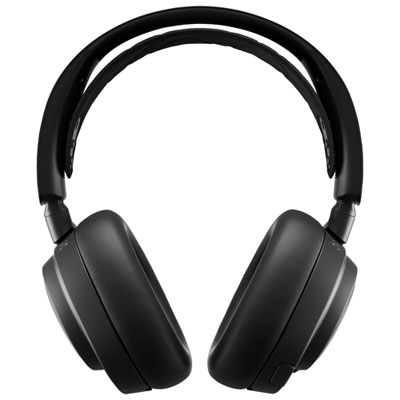
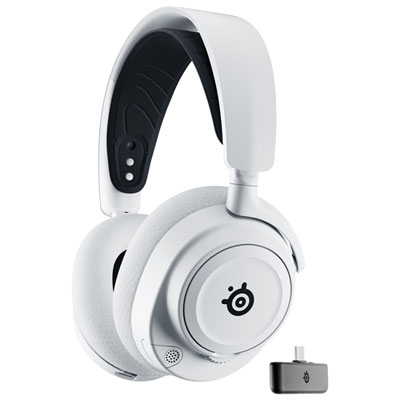
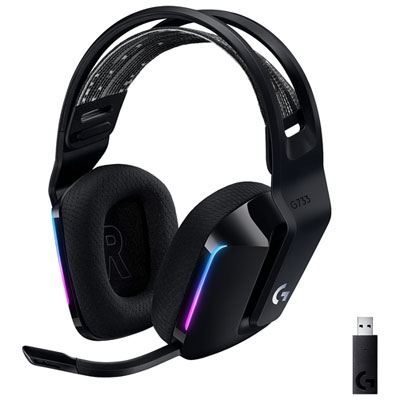
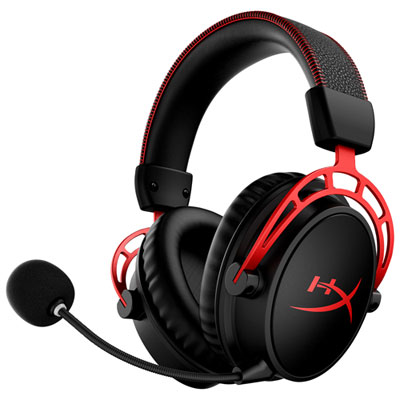
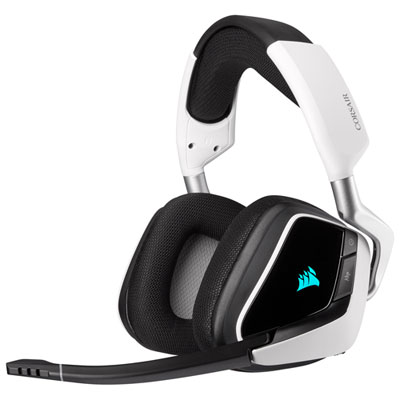
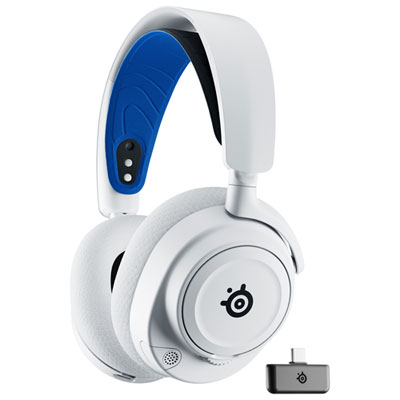
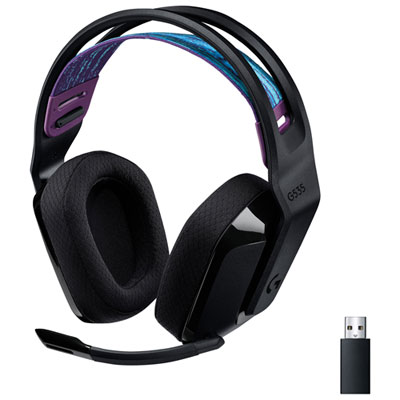

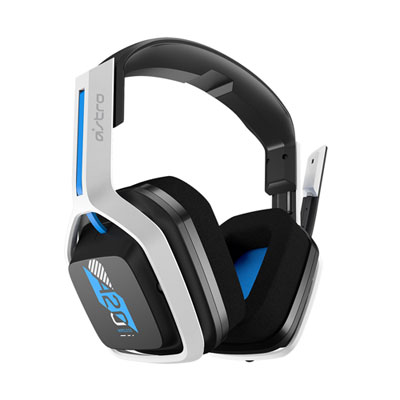

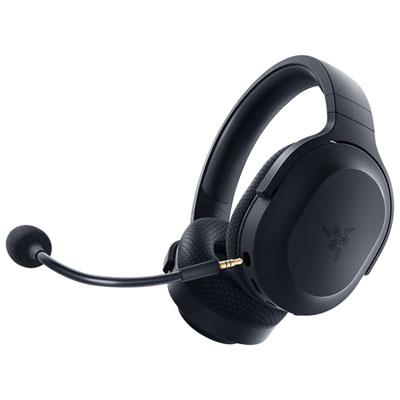

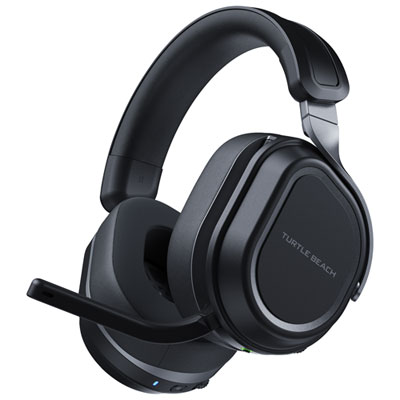
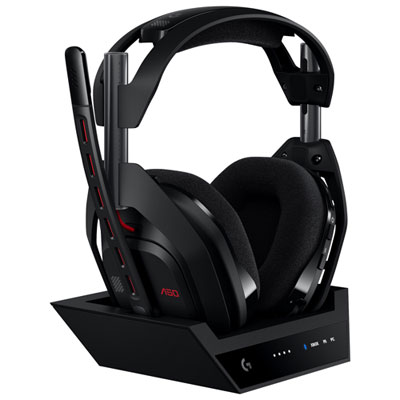


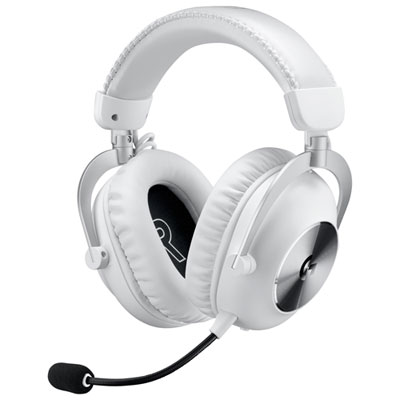
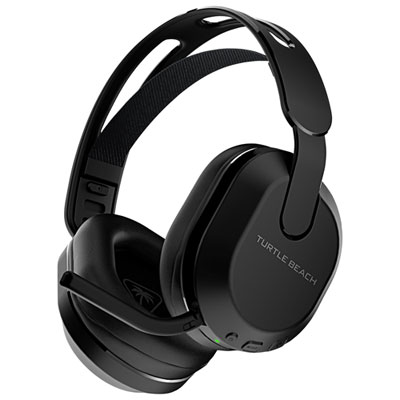
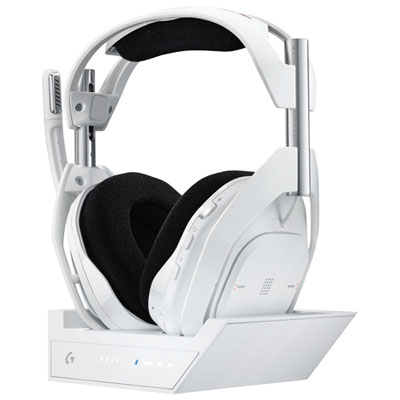
Game audio and team chat without the cable
Wireless gaming headsets combine cable-free game audio with a microphone for voice chat, making them a practical choice for players who want to hear the action and stay connected with teammates without a cord running to a controller or computer. Their appeal extends from competitive matches, where distinct footsteps and clear callouts matter, to story-driven games filled with dialogue, music, and atmospheric sound. Within the broader category of Wireless Headphones for Gamers, gaming headsets place particular emphasis on responsive audio, microphone performance, and accessible controls. The wireless connection is an important distinction: many gaming-focused designs use a dedicated USB transmitter over a 2.4 GHz connection to keep audio delay low, while Bluetooth can be useful for compatible phones, tablets, and other everyday devices. Bluetooth performance varies with the connected device and supported audio technology, so it should not be assumed to offer the same responsiveness as a dedicated gaming connection. Compatibility also goes beyond whether a transmitter physically fits into a USB port. A headset may support wireless audio on one type of console but require a different connection on another, and microphone support can vary between devices. For a setup shared between a desktop computer and a living-room console, supported platforms and connection methods deserve close attention. Some headsets allow a game connection and a phone connection at the same time, making it possible to hear a call without disconnecting from a session; others require switching between sources. Wireless range is also affected by walls, furniture, nearby electronics, and the position of the transmitter. A connection that works well at a desk may behave differently when the player walks into another room. Clear compatibility details, straightforward pairing, and controls that work on the intended device are more useful than a long feature list that depends on software or connections the player will not use.
Comfort and sound character shape how a wireless gaming headset feels over an entire session, not just during the first few minutes. Most designs use an over-ear fit, with cushions that surround the ears and a headband that distributes weight across the top of the head. Breathable fabric cushions can feel less enclosed, while leatherette surfaces are generally easier to wipe clean and may provide a closer seal; actual comfort depends on the cushion shape, padding, and fit. Memory foam can soften pressure around the ears, but sufficient ear-cup depth matters too, particularly when the outer ear would otherwise press against the inside of the cup. Players who wear glasses may notice pressure where the arms pass beneath the cushions, making moderate clamping force and flexible adjustment especially relevant. A lighter headset can be easier to wear for extended play, although weight alone does not determine comfort. Balanced weight distribution, smoothly moving ear cups, and a headband that stays in position all contribute. Sound preferences are similarly personal. A fuller bass response can give engines and explosions more impact, while a more balanced presentation can help keep speech and smaller sound cues from being overshadowed. Positional or spatial audio features may help convey direction in supported games, but their effect depends on the game, audio settings, platform, and individual listener. Driver size alone does not establish sound quality. For multiplayer sessions, a microphone that captures speech clearly is just as important as the speakers inside the ear cups. An adjustable boom allows placement near the mouth without sitting directly in the path of each breath. Microphone noise reduction can help limit keyboard clicks or nearby chatter, though it cannot guarantee that every distracting sound disappears. It is also different from active noise cancellation, which reduces certain sounds heard by the wearer. Sidetone, when included, feeds some microphone audio back into the headset so players can hear their own voice and speak at a more natural level.
Everyday usability often comes down to the small details noticed between matches. A volume wheel that is easy to identify by touch, a clearly marked mute control, and an audible or visible mute indicator can prevent interruptions when attention is on the screen. Flip-to-mute microphones offer a simple physical cue, while detachable microphones can make a headset less obtrusive when it is used for music or video. Battery life should suit the length and frequency of play, with the understanding that advertised estimates depend on factors such as volume, lighting, connection mode, and enabled features. A headset used for several short sessions has different charging demands from one worn throughout a long multiplayer evening. Quick charging can be convenient when supported, and the ability to listen while charging may reduce interruptions, but neither feature should be assumed. A USB charging port does not necessarily provide wired audio, either. Charging cable length and the location of the charging port can affect comfort if the headset is worn while connected. Durability matters wherever the headset is regularly adjusted, packed away, or shared. Headband sliders, hinges, microphone joints, and charging ports all receive repeated handling, while replaceable ear cushions can make ongoing care more practical as padding wears. For routine cleaning, follow the manufacturer's directions, wipe compatible surfaces gently, and keep liquid away from openings and electronic components. Let cushions dry fully before use, avoid stretching the headband unnecessarily, and store the headset somewhere it will not be crushed beneath controllers or other equipment. A protective case can be useful for travel between homes or gaming spaces. Wireless gaming headsets can also make thoughtful gifts for regular players, students who alternate between games and online conversations, or friends who meet through cooperative play. The most useful match reflects the recipient's gaming platform, preferred fit, need for voice chat, and charging habits. Those everyday details help a headset settle naturally into the way someone already plays.
Top selling and popular products
-
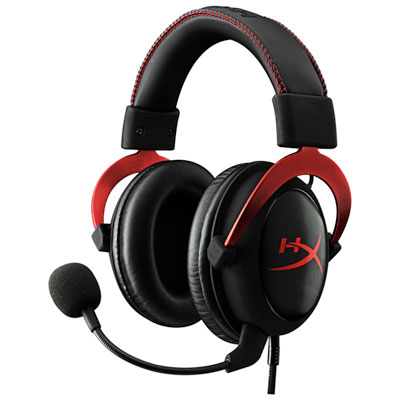 Your price for this item is $119.99
-
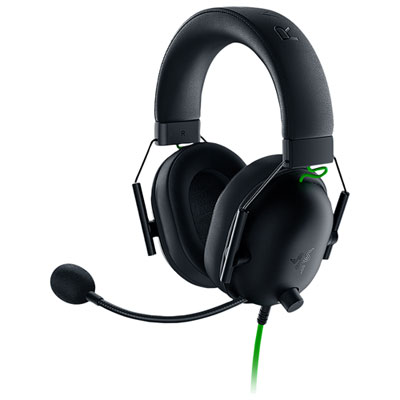 Your price for this item is $54.99
-
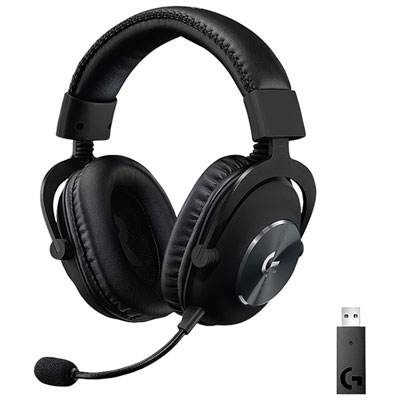 Your price for this item is $229.99
-
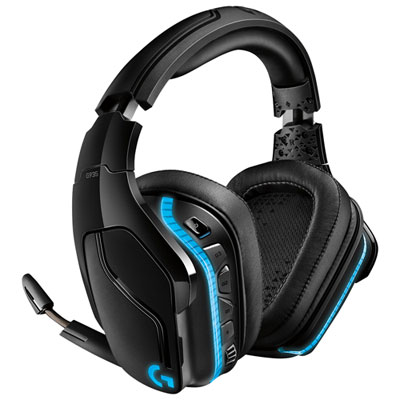 Your price for this item is $179.95
-
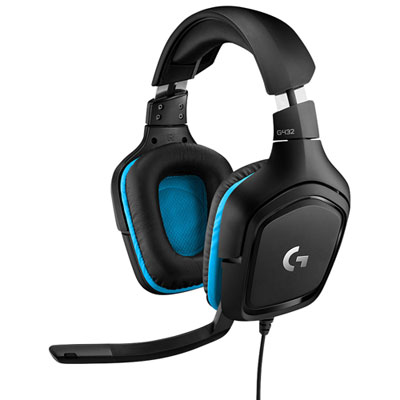 Your price for this item is $69.99
-
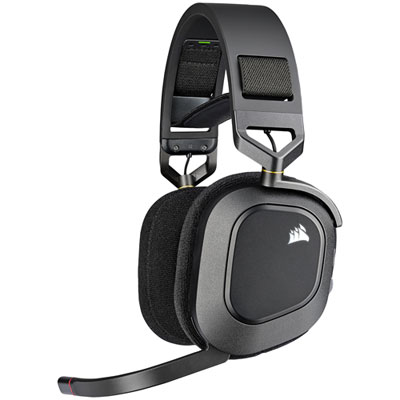 Your price for this item is $224.99
-
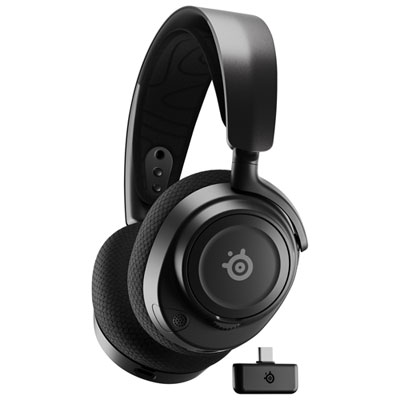 Your price for this item is $249.95
-
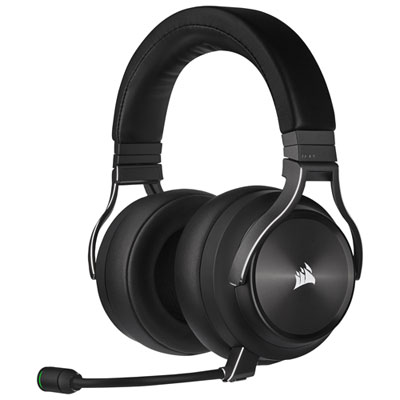 Your price for this item is $399.99
Discover more categories related to Wireless Gaming Headsets
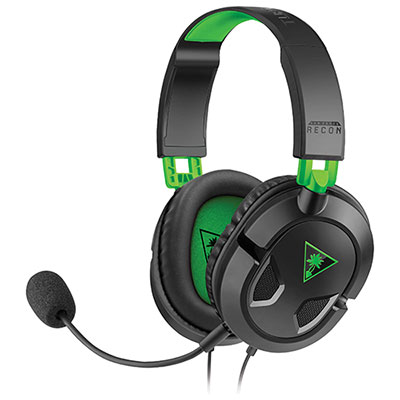
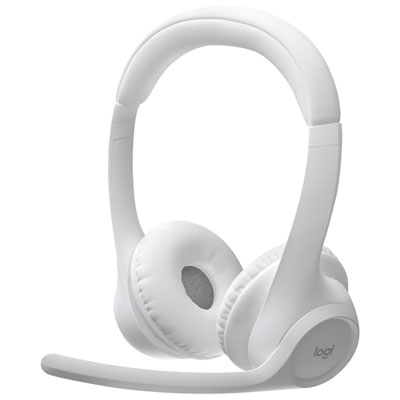
Top Collections:
Best Black Friday Deals This Year, Best Black Friday Deals On Electronics, Kindle Devices, Pokemon Centers, Best Black Friday Deals On Apple Products, Best Cameras for Sports Photography, Dyson Airwrap, Pokémon 30th Celebration Cards, Apple iPhone 17 Pro, Canon G7X Cameras
Some products may be subject to Environmental Handling Fees
(EHF) depending on your province.
Learn more about EHFs.