Performing Microphones
Looking to take your performances to the next level? Look no further than our collection of performing microphones. Whether you're a seasoned musician, a passionate podcaster, or a professional public speaker, having the right microphone can make all the difference in delivering crystal-clear sound and captivating your audience. These microphones are designed to pick up every detail of your performance, so you can make sure your voice is heard loud and clear.
Sort
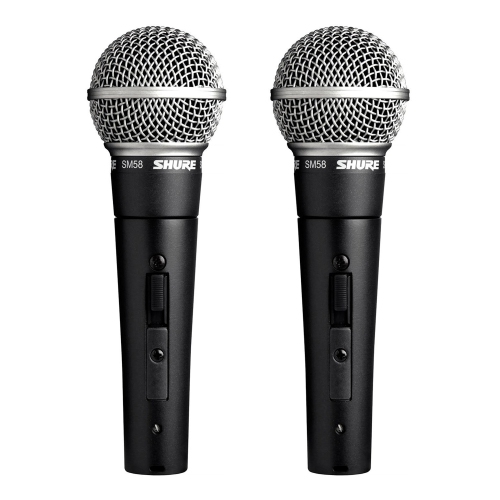
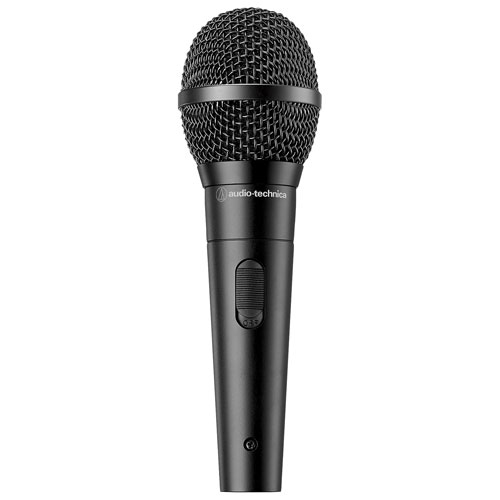
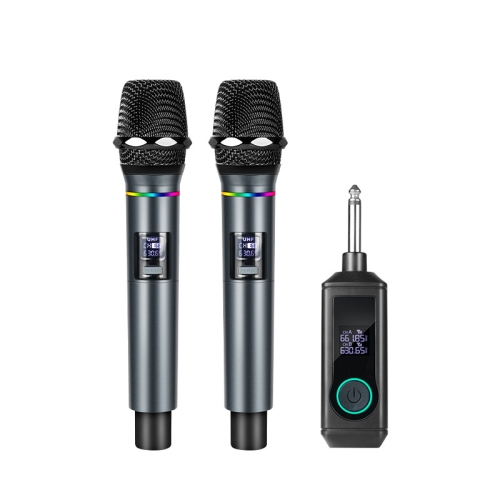
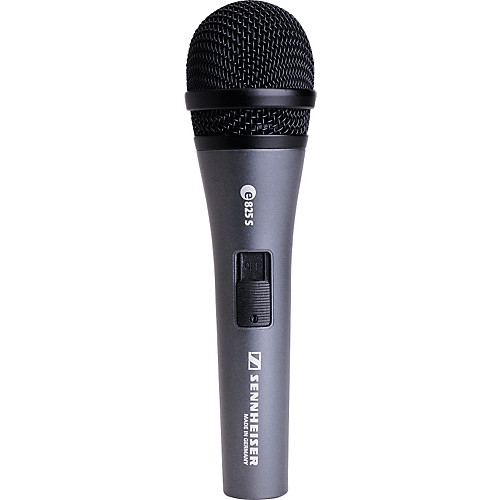
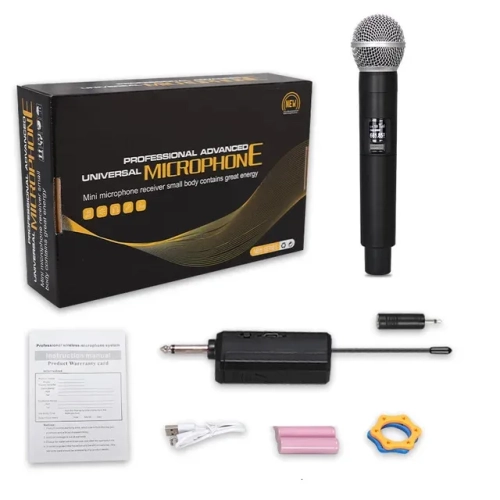


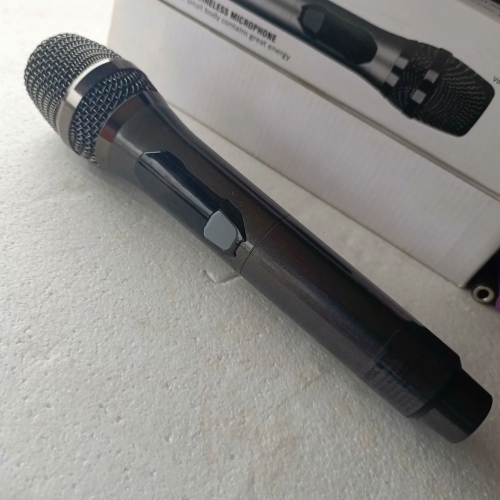
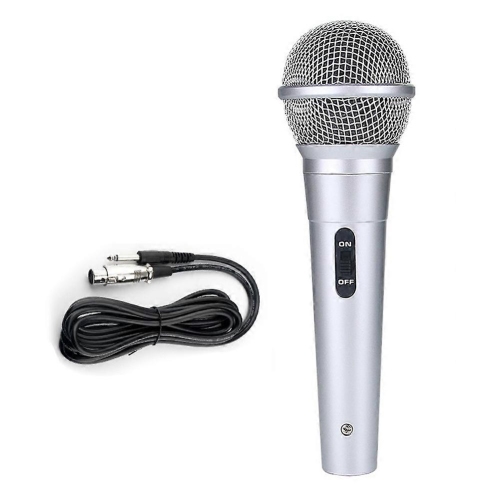










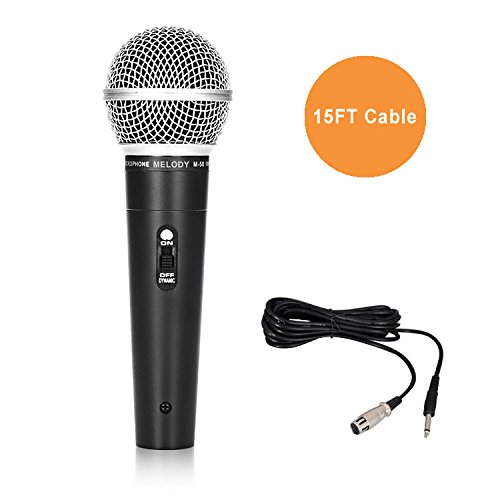
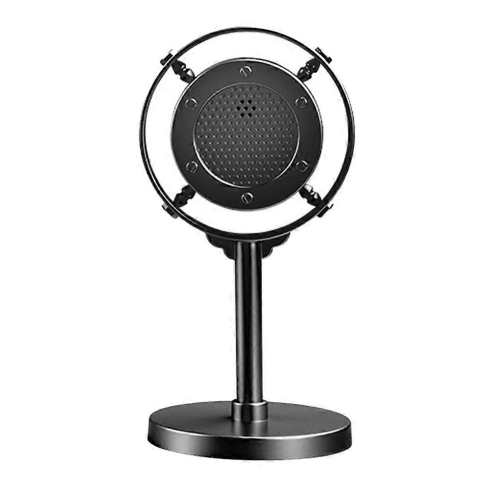

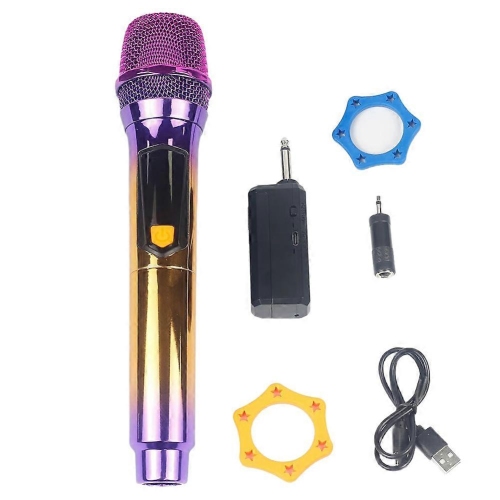

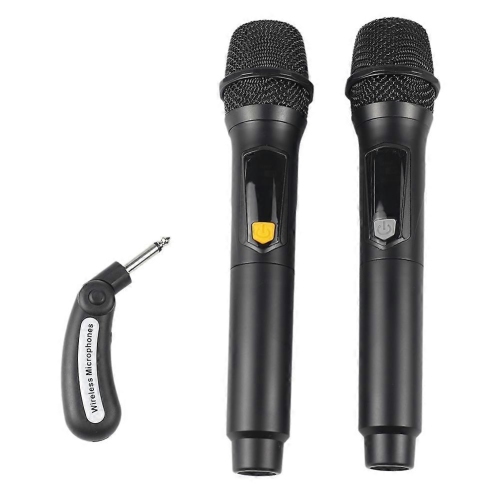


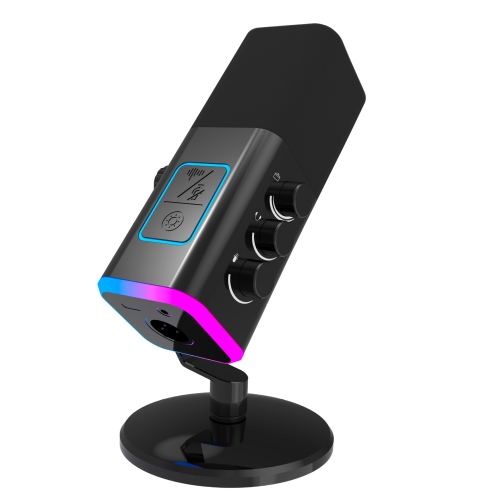
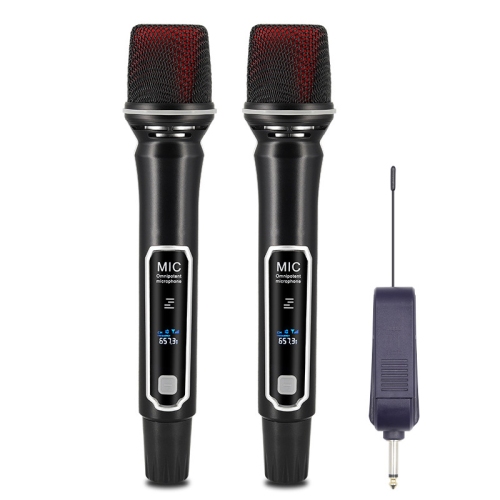

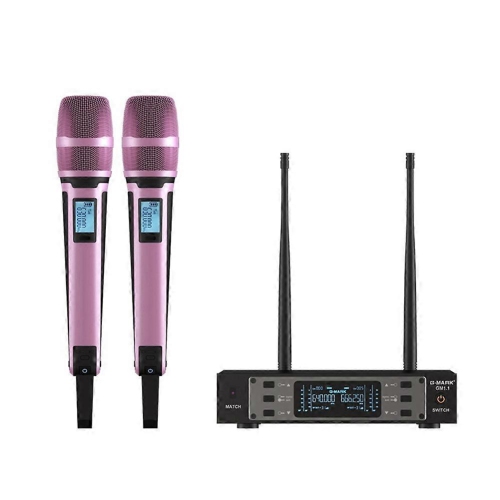
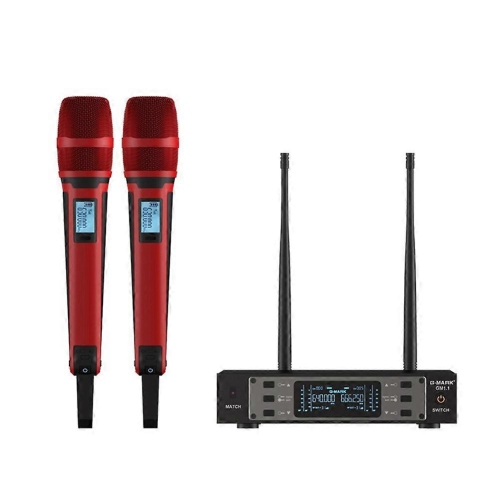

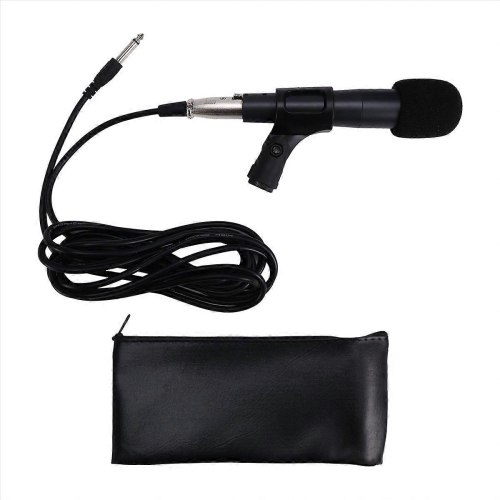
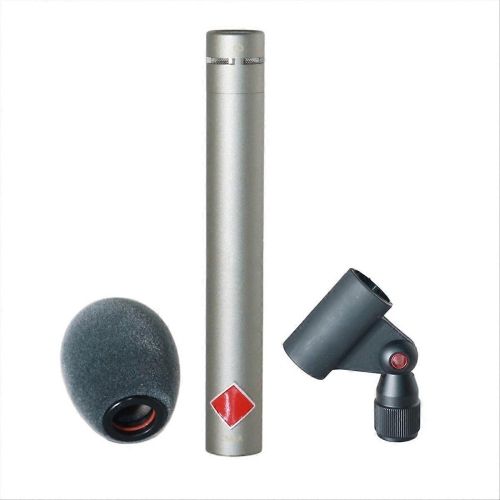

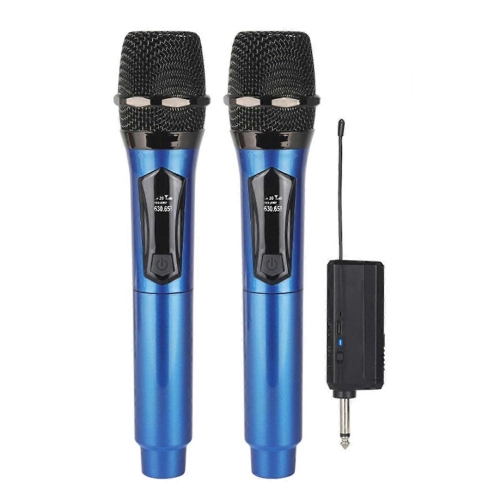
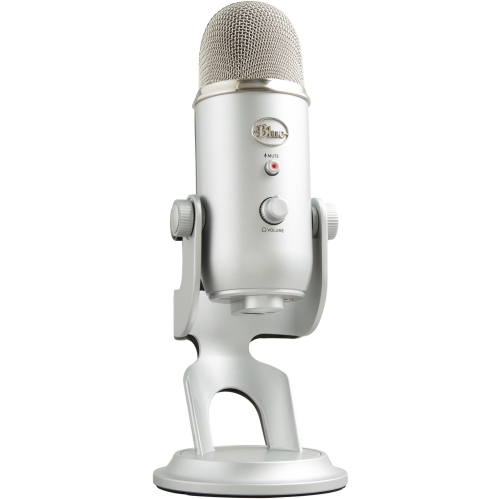
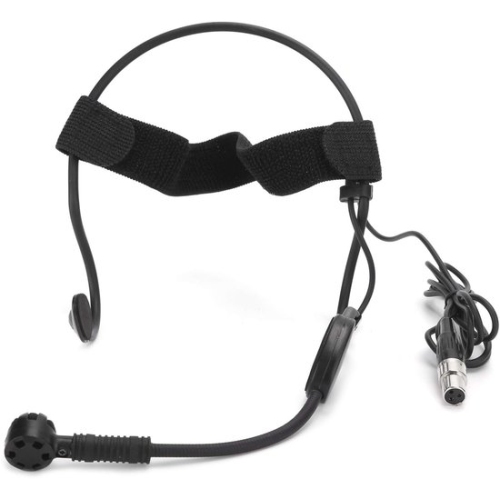
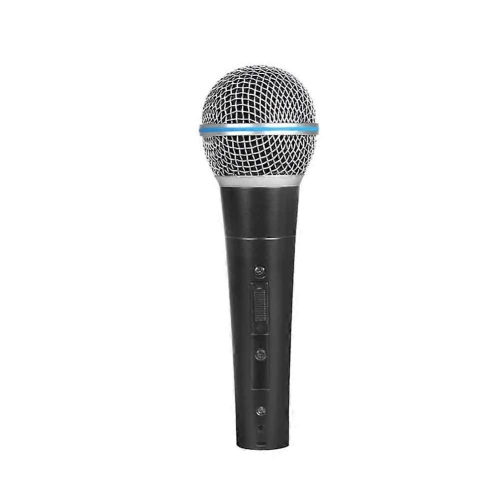
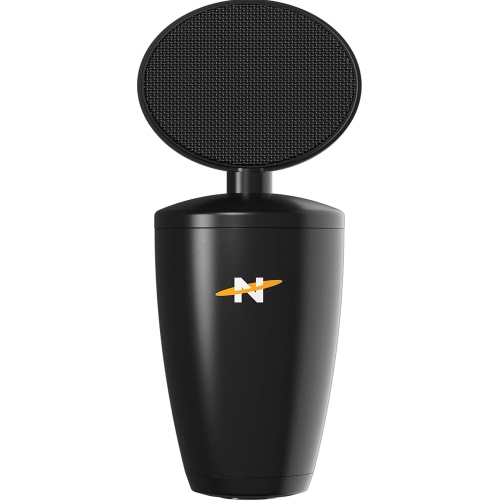
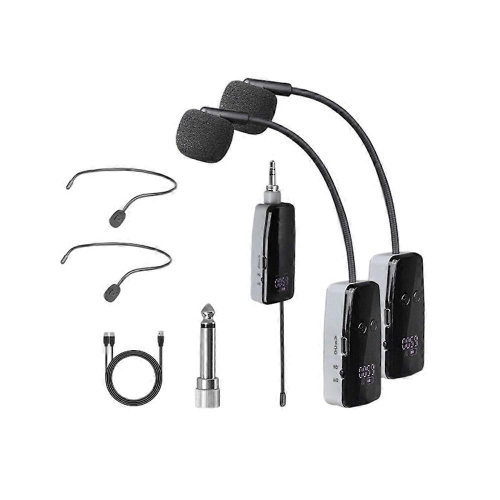
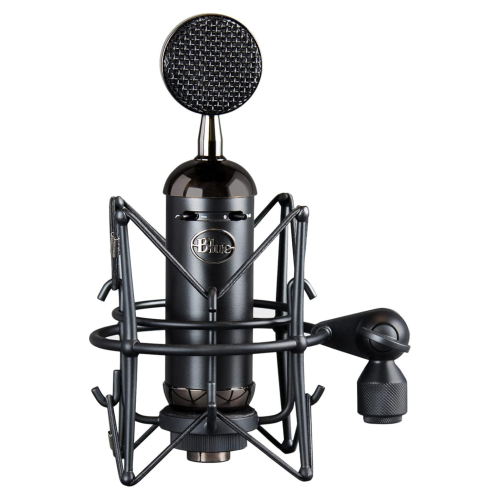
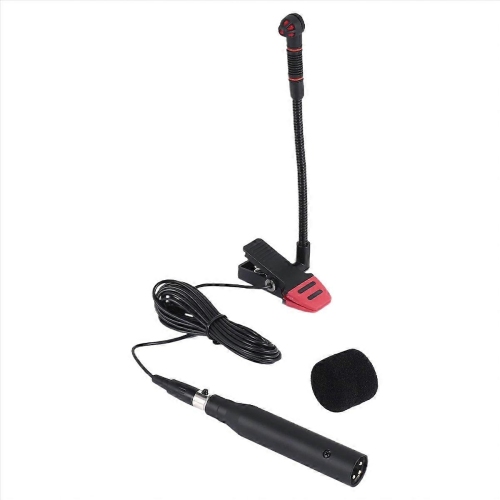
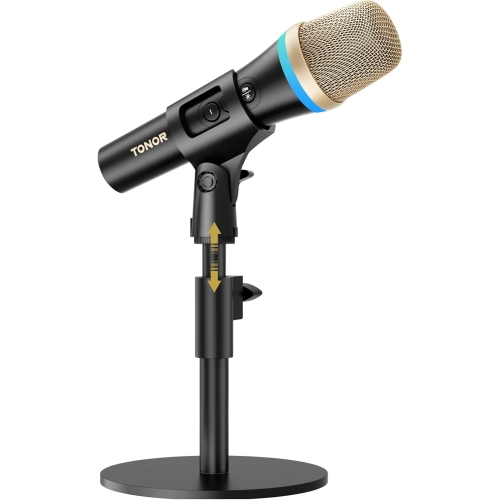

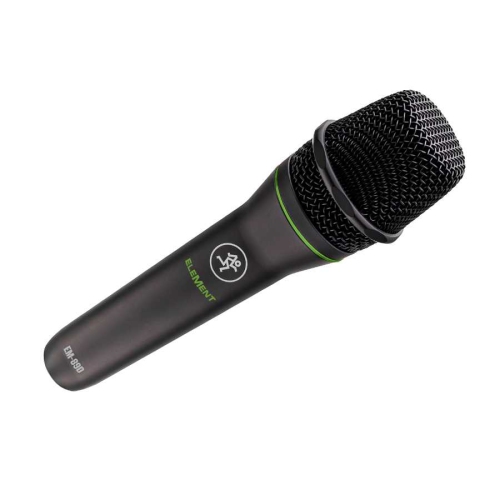



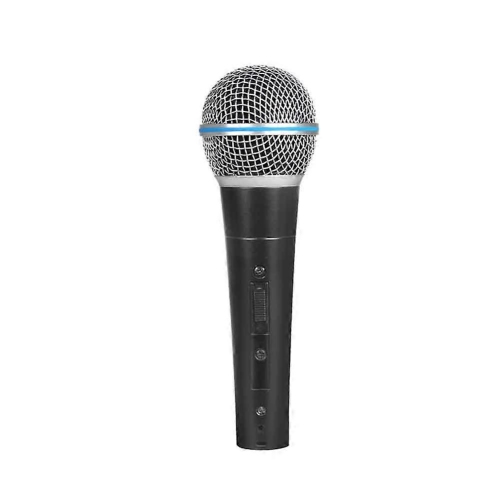
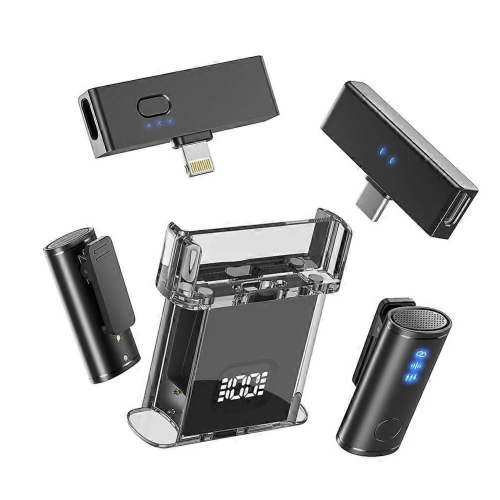

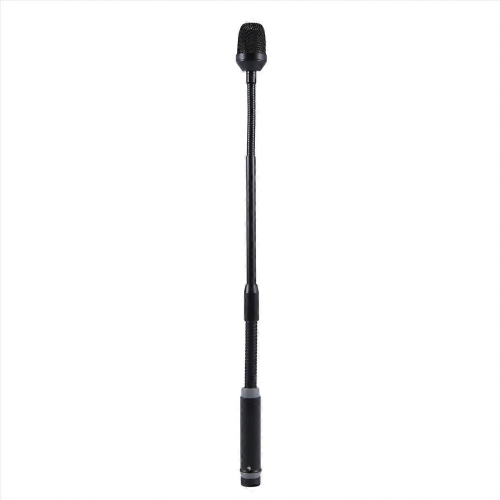

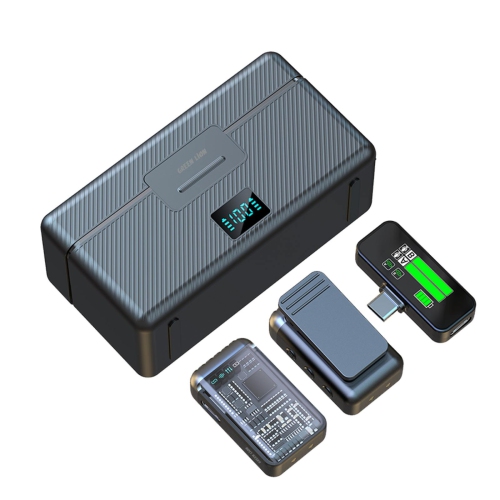

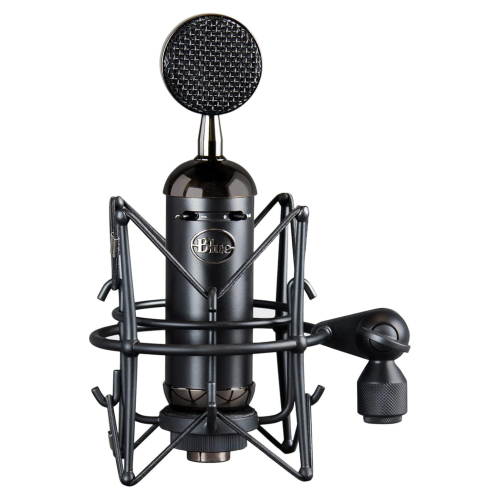

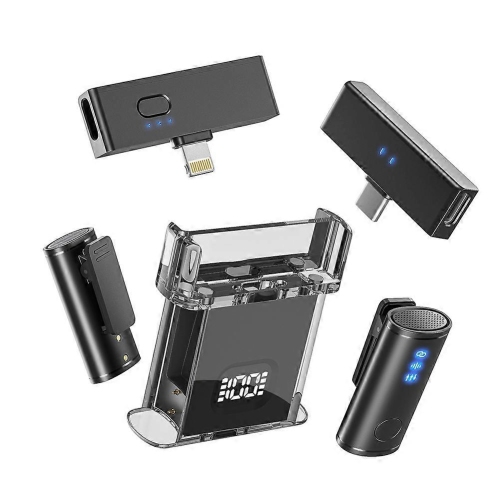
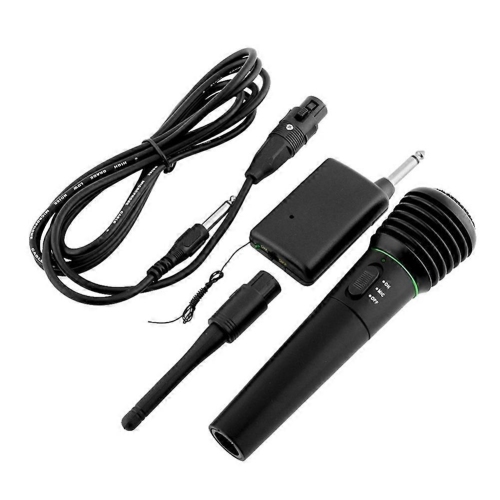
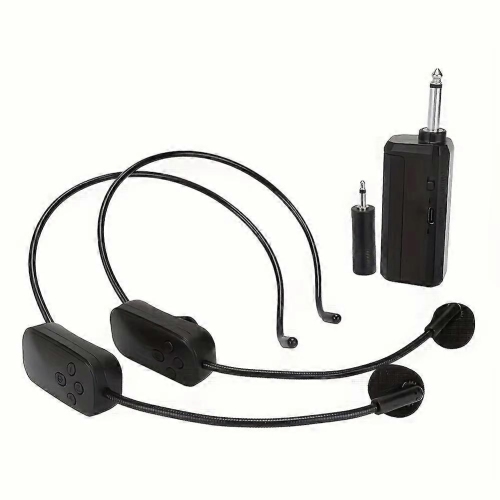


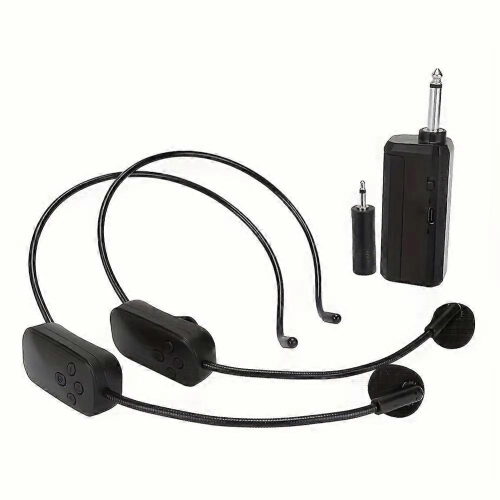
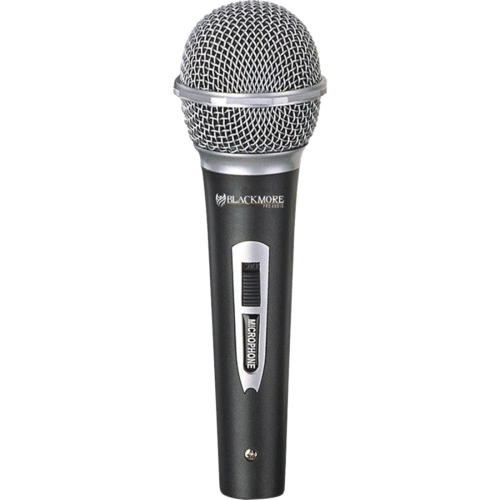
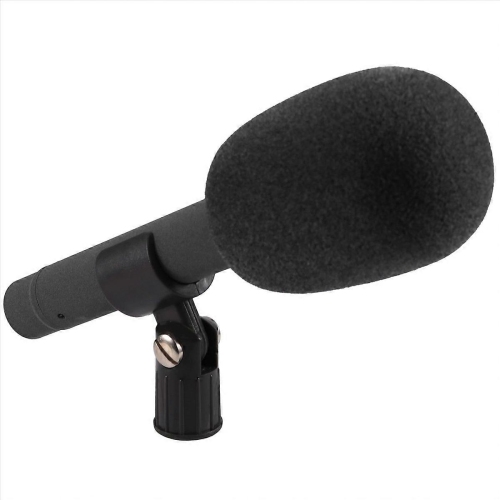

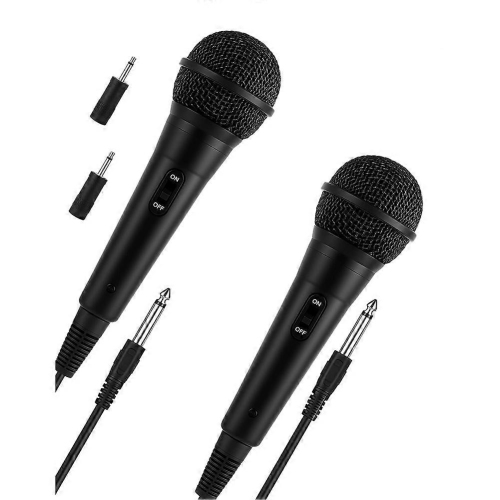
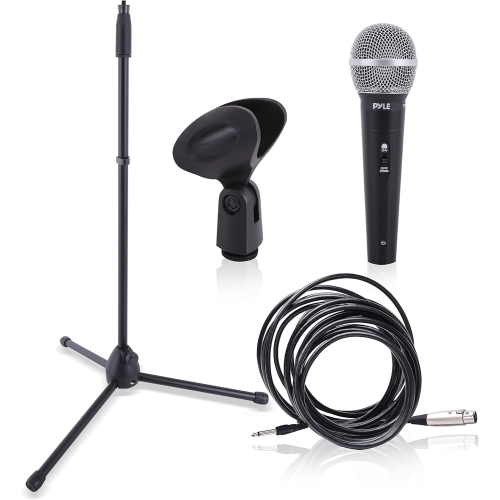

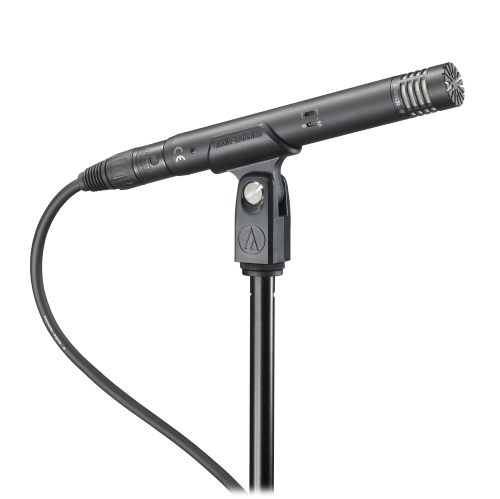
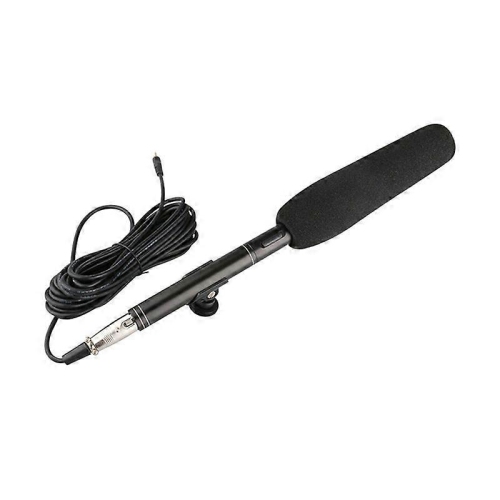

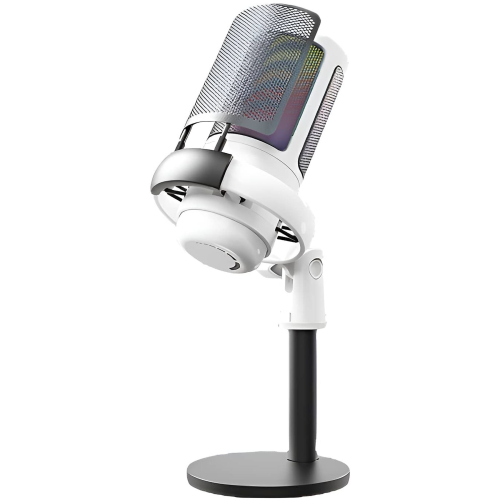
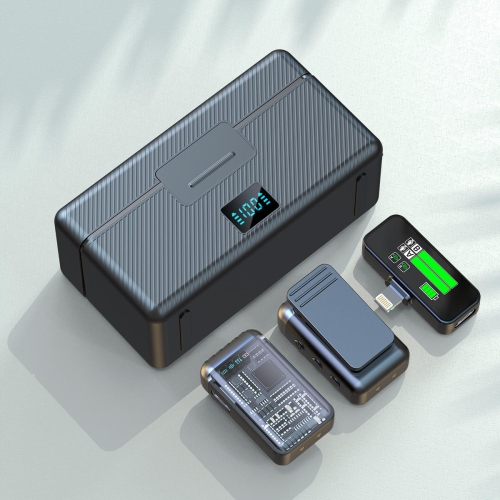
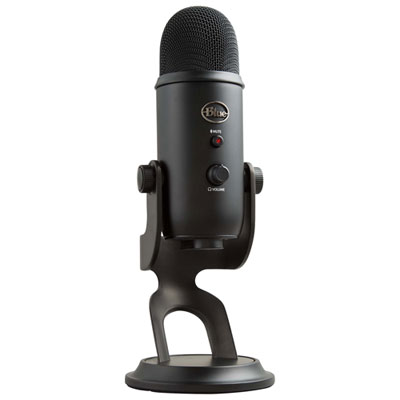

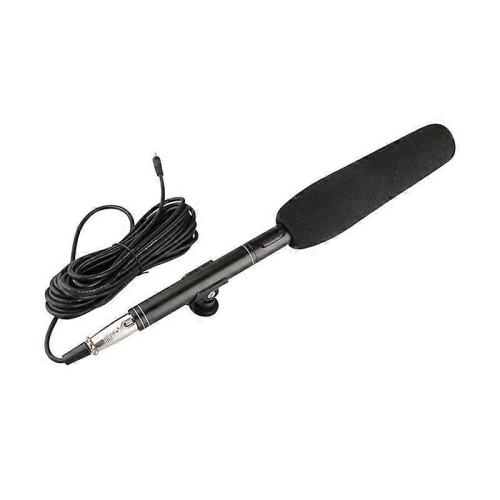
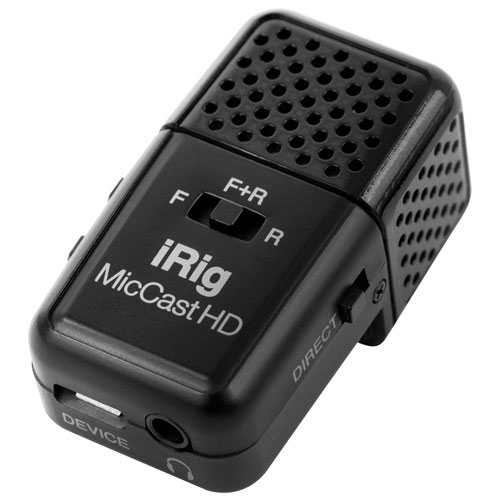
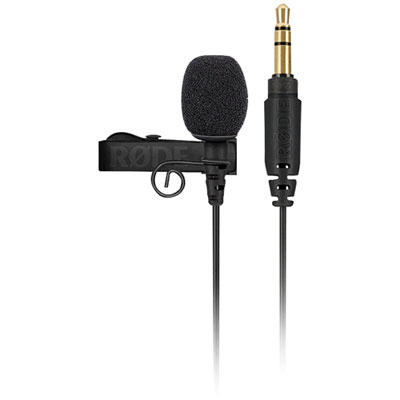

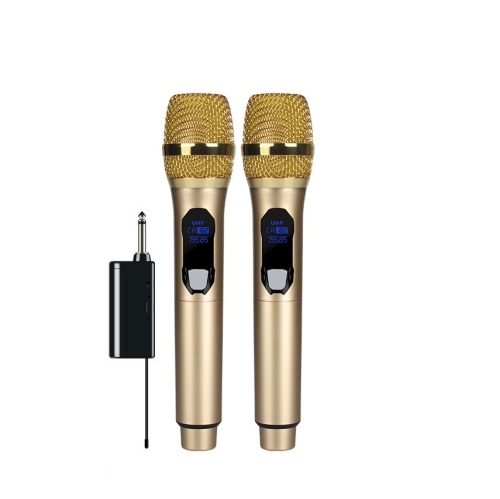
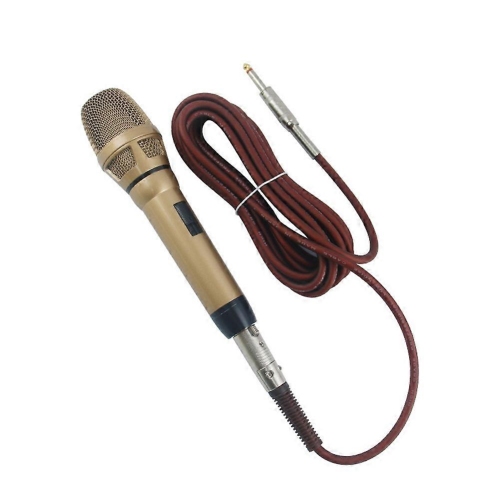
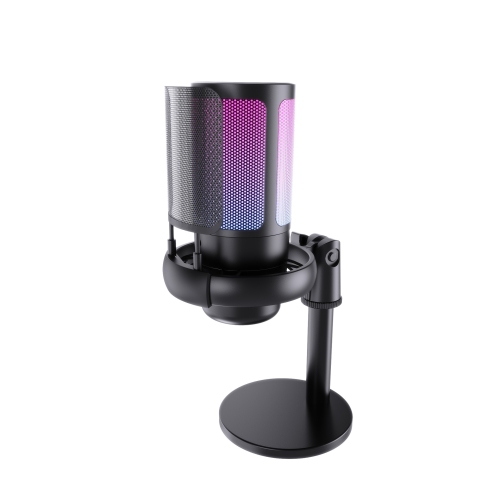





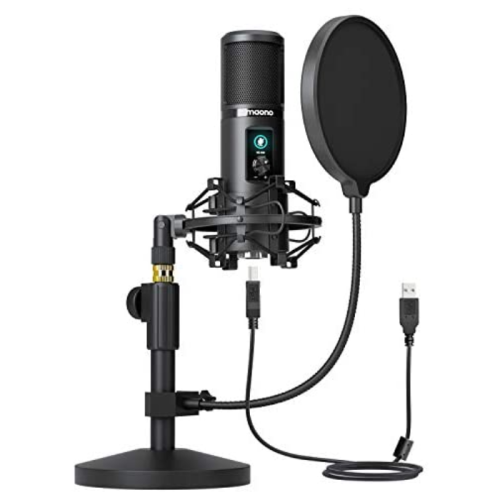
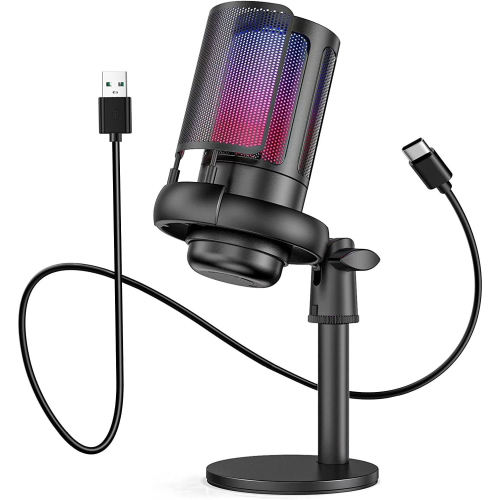
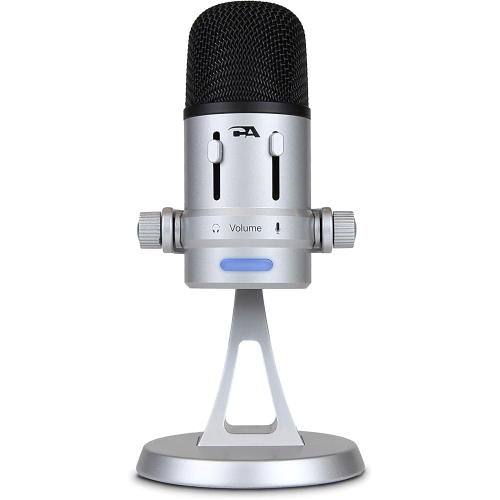
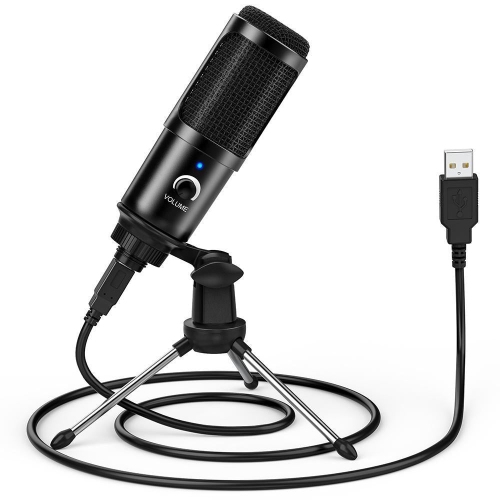
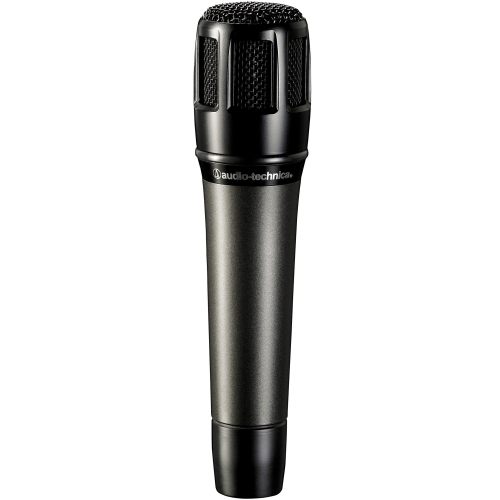

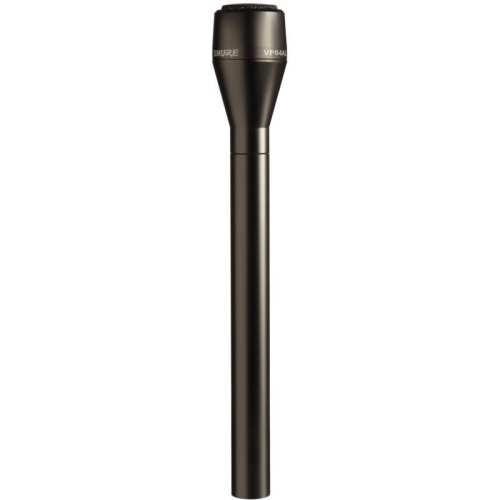
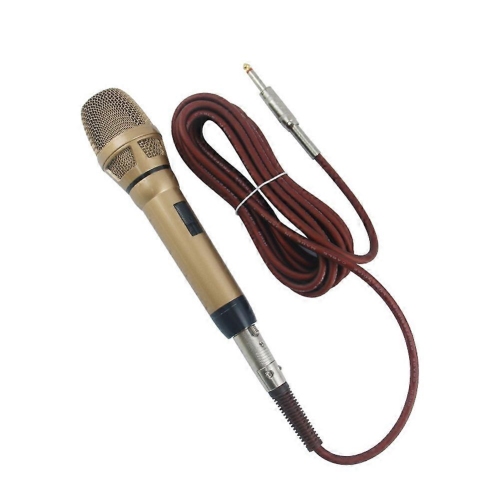
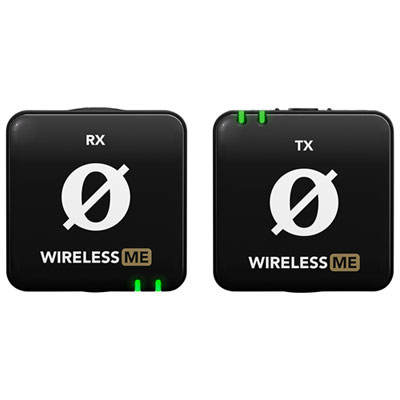
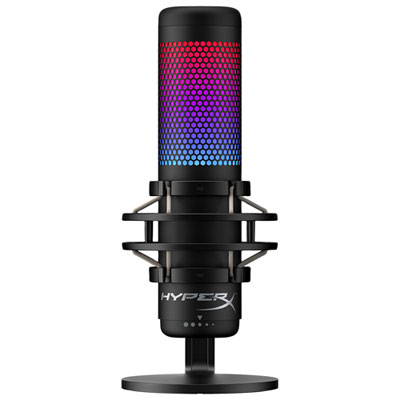

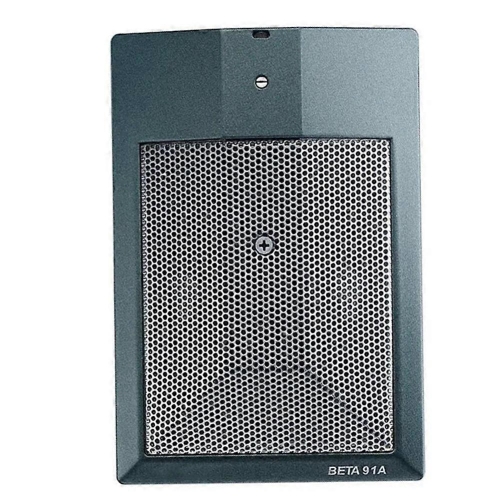
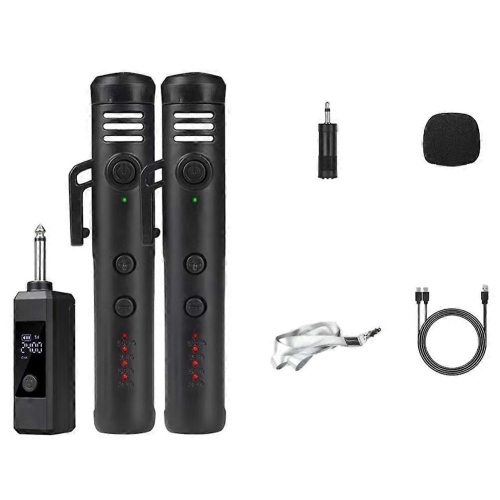
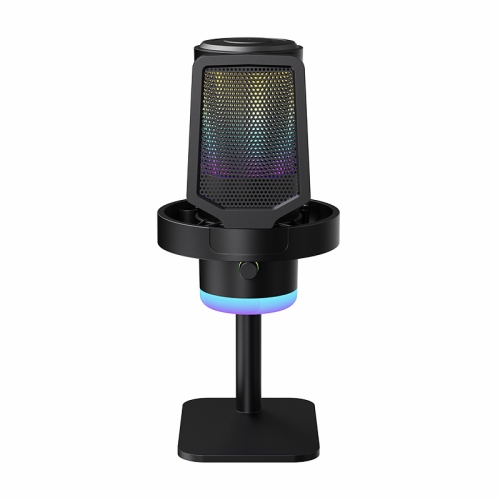

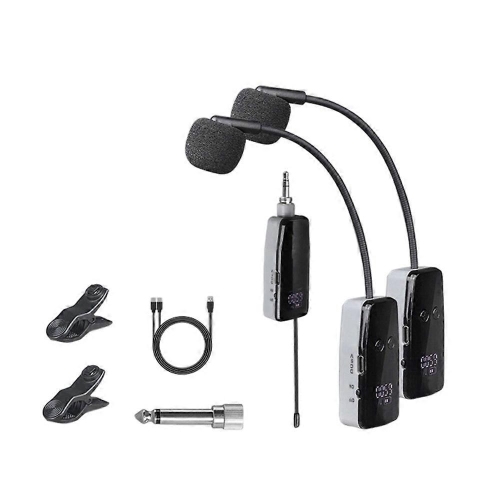

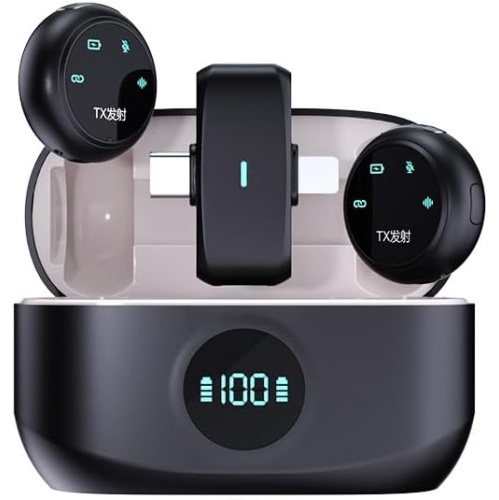
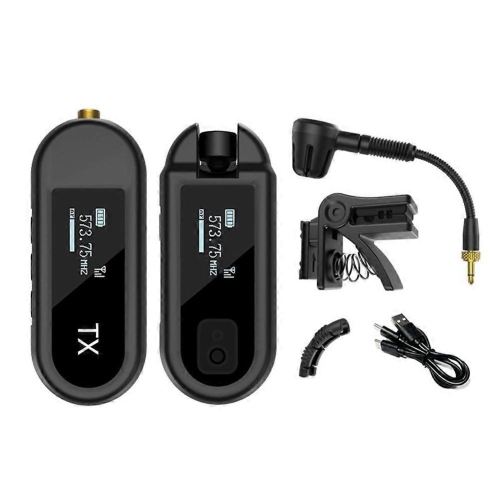
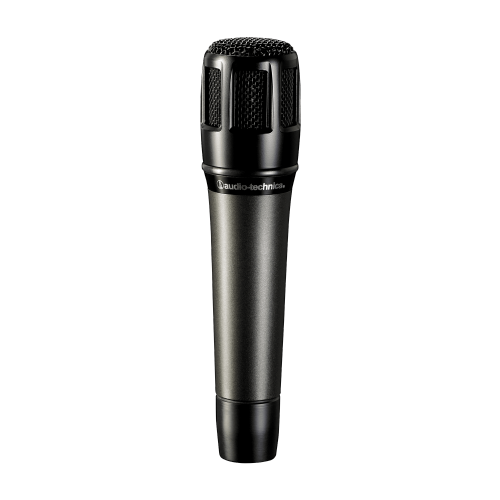
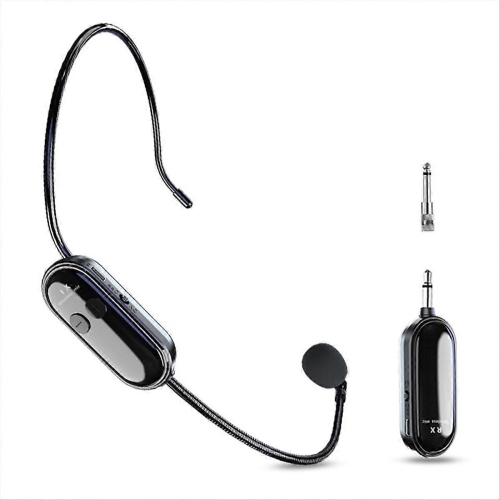
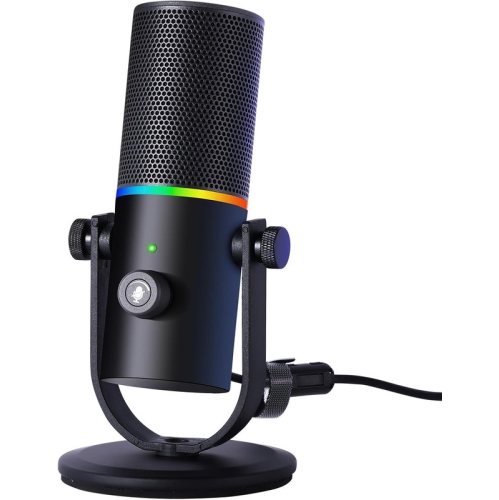
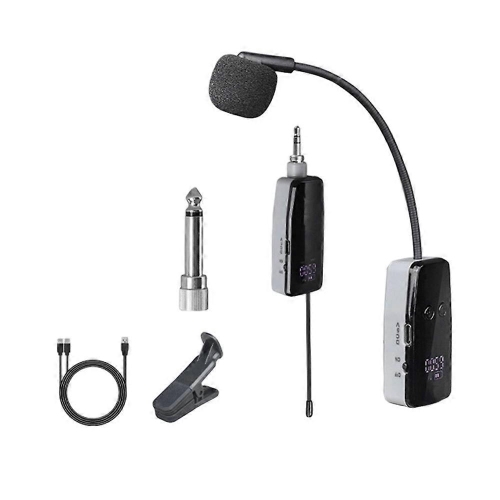
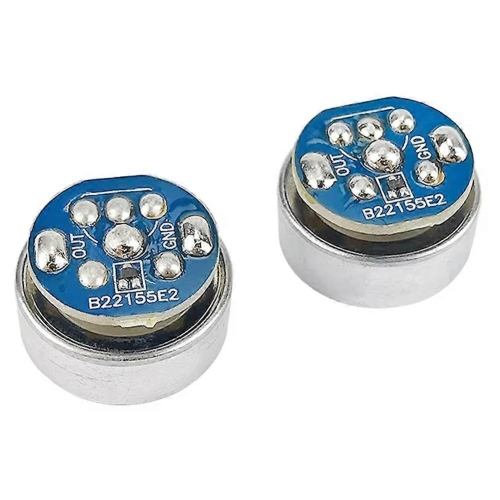
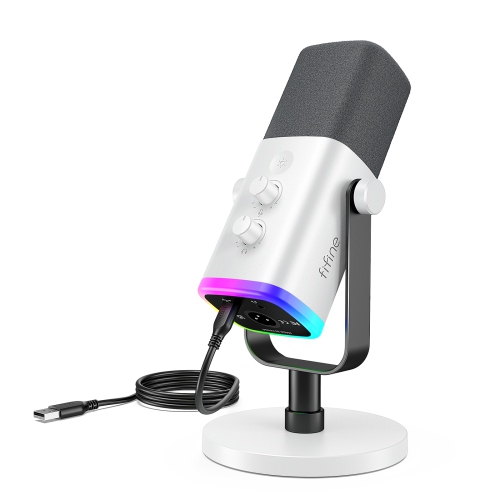
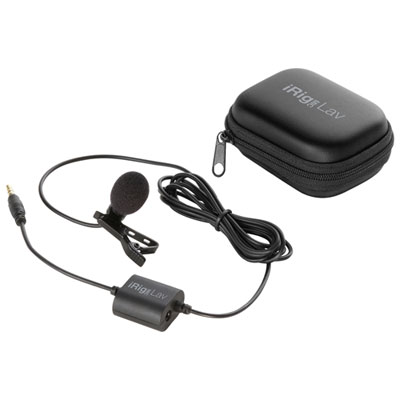
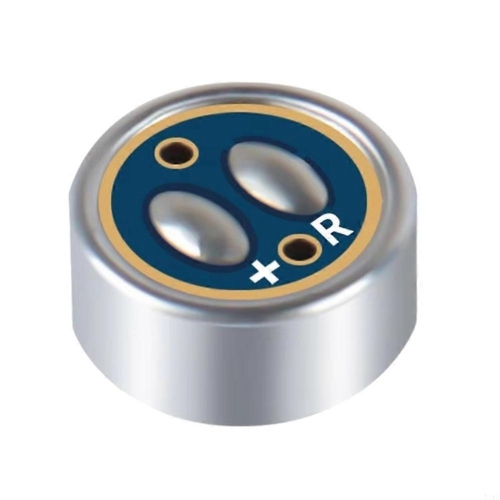
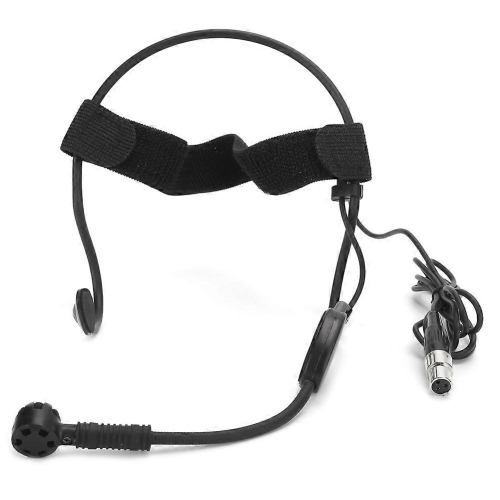
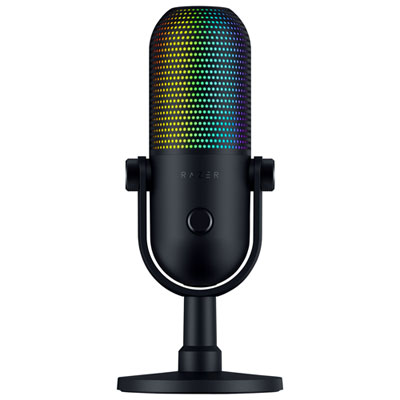
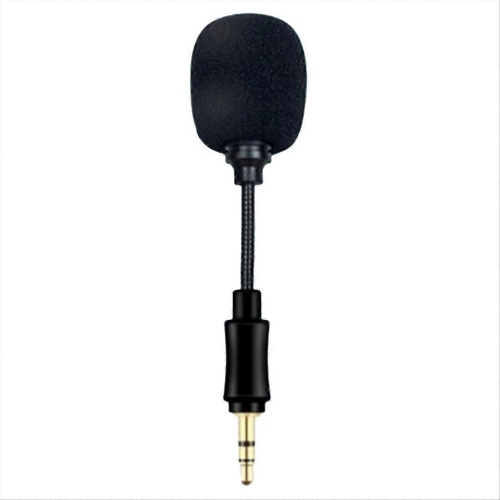
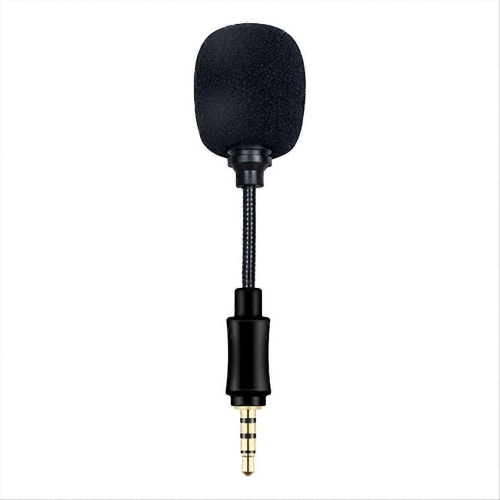
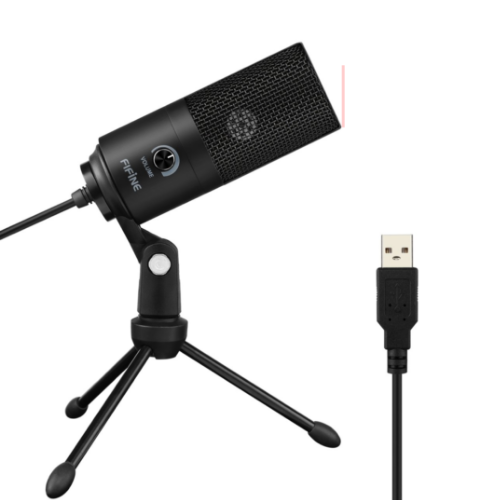

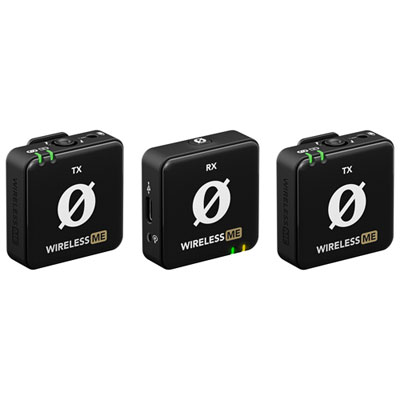
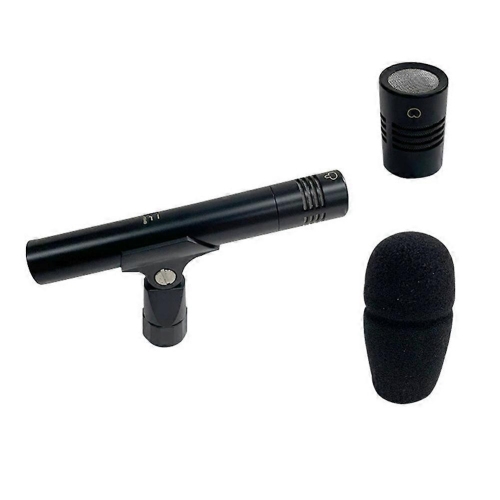
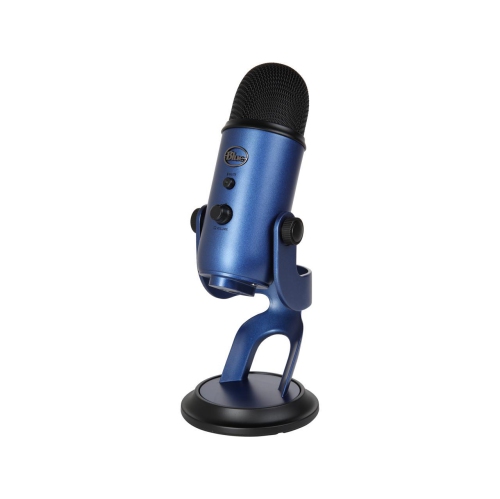

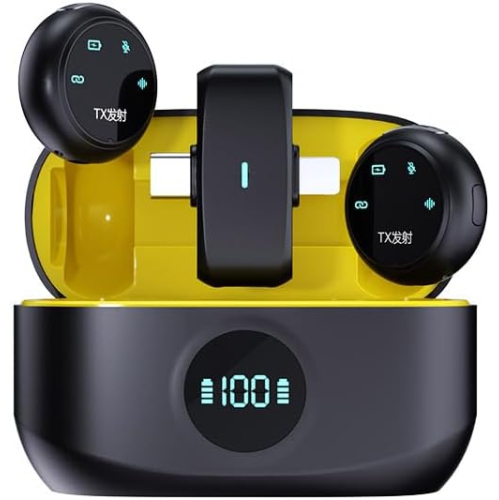
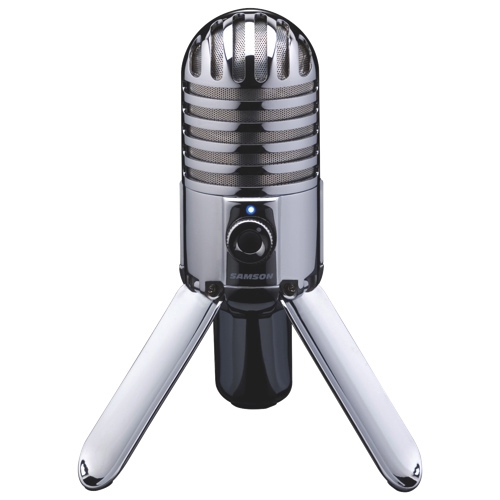
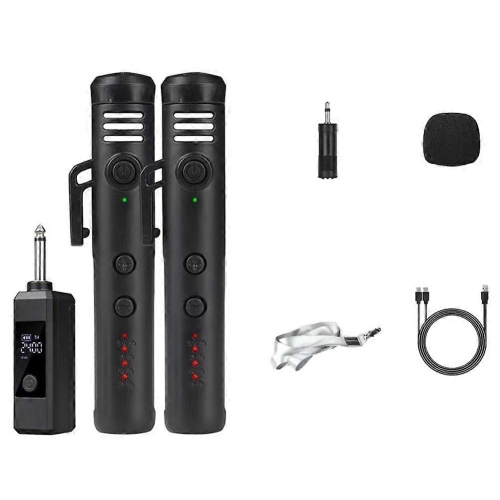
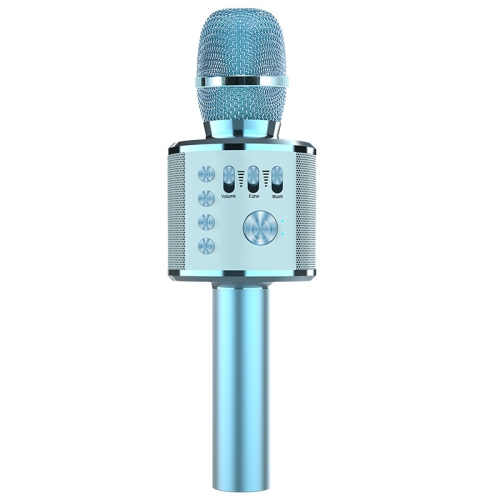

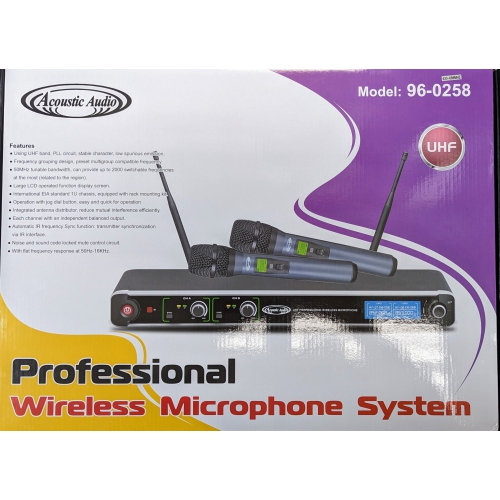
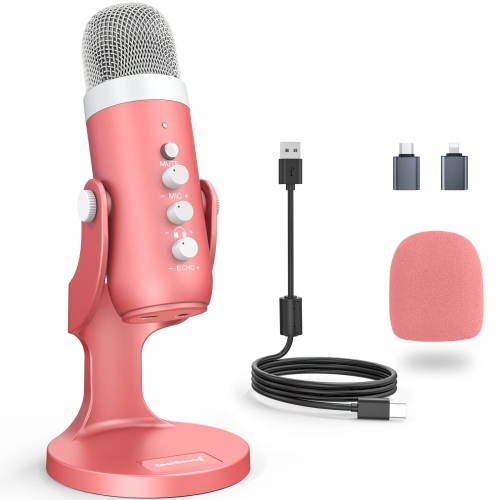

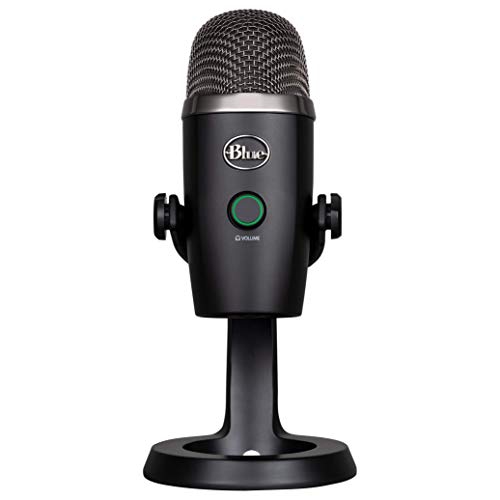
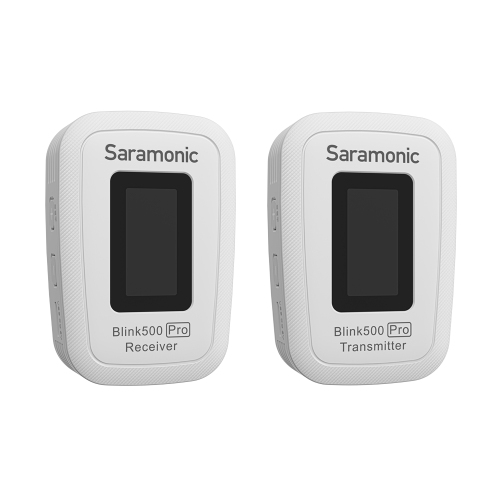




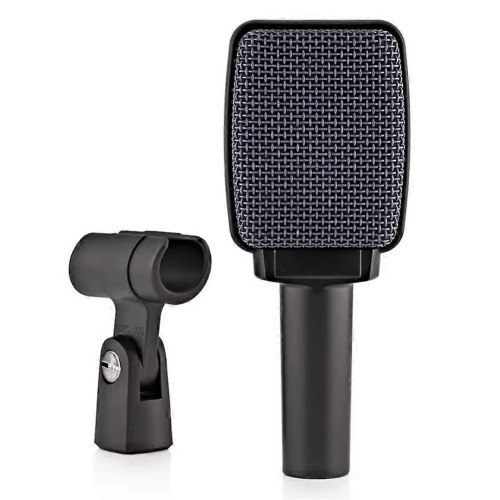
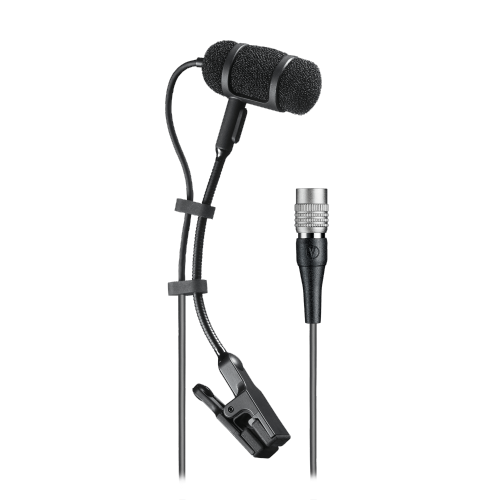
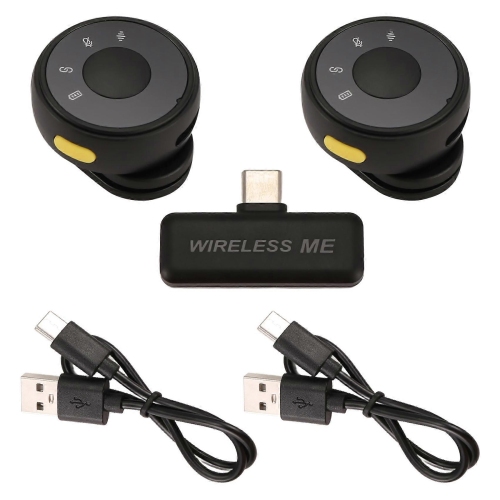
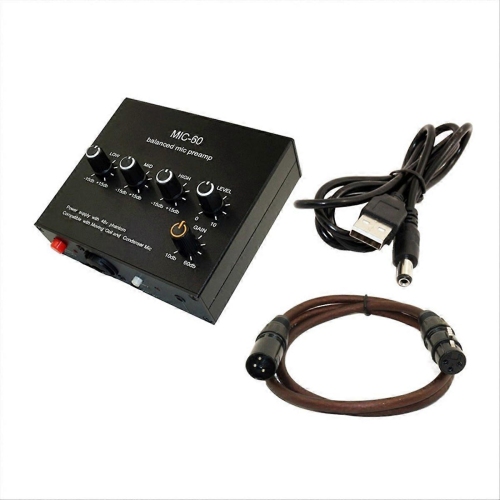
Clearer performances start with the right microphone and setup
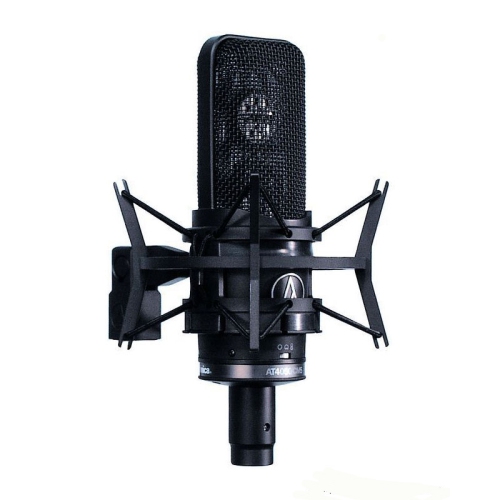
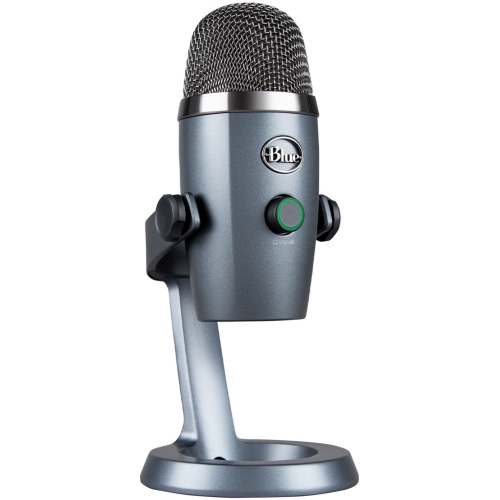
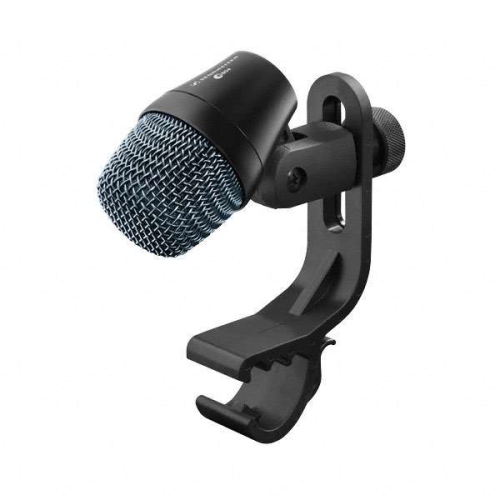
Performing microphones are designed to help singers, presenters, musicians, and entertainers sound clear and confident in front of an audience. The right microphone can make a noticeable difference whether you are leading a full band on a busy stage, singing with an acoustic guitar in a café, hosting a community event, or rehearsing in a spare room. Start by considering the setting and the sound source. Dynamic microphones are a popular choice for live vocals because they are durable, handle loud sound levels well, and generally pick up less surrounding noise than more sensitive microphone types. This can be helpful on a crowded stage where guitar amplifiers, monitors, drums, and audience noise are all competing for attention. A dynamic microphone can also be a practical option for performers who move around while singing, since it tends to tolerate the occasional bump or hurried setup. Condenser microphones capture more subtle detail, including breath, vocal texture, and the quieter changes in a singer’s delivery. They can be a strong fit for controlled stages, acoustic performances, spoken-word work, and recording-style vocal presentations, although many condenser models require phantom power from a compatible mixer or audio interface. For performers seeking that extra level of detail, browse Condenser Microphones for Vocal Performance to compare options suited to expressive vocals.
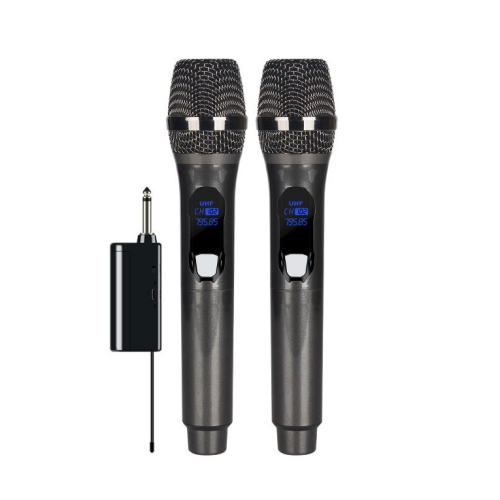
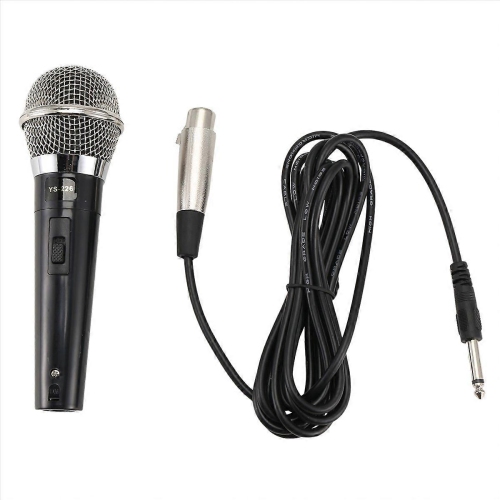
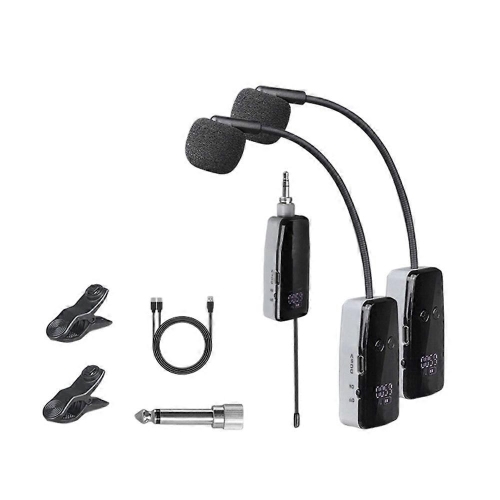
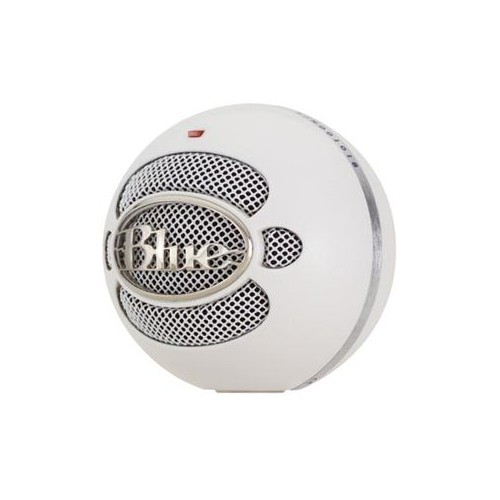
Polar pattern is another important consideration when choosing performing microphones. A cardioid pattern is sensitive primarily to sound from the front and helps reduce sound arriving from the sides and rear. This makes it a dependable choice for a vocalist standing in front of a stage monitor, as positioning the microphone and monitor correctly can help reduce feedback. Supercardioid and hypercardioid patterns narrow the pickup area even further, which may help a confident performer cut through a loud band mix, though they require more careful placement because they can pick up sound from a specific area behind the microphone. Omnidirectional microphones capture sound from all directions and can be useful in certain group or ambient applications, but they are usually less forgiving in loud live environments. Also consider handling noise, especially if the microphone will be held rather than mounted on a stand. Internal shock absorption can reduce the thumps and rubbing sounds created when a performer changes grip, moves along the stage, or taps the microphone absent-mindedly between lines. A wired microphone offers a simple, reliable connection and does not require batteries, making it a familiar choice for rehearsals, karaoke, school productions, houses of worship, and performers who stay near a stand. Wireless systems provide greater freedom to move, dance, or interact with an audience, but they involve a transmitter, receiver, battery management, and a clear operating range. Check the available inputs on the mixer, powered speaker, or audio interface before buying, and confirm that the included cable or receiver matches the equipment already in use.
A good performing microphone should suit both the performer and the way the performance feels in the room. A singer with a naturally bright voice may prefer a microphone that gives the midrange a smooth, balanced presentation, while a deeper voice may benefit from a model that keeps lower frequencies defined without making the mix sound muddy. Vocalists who sing softly should look for clear detail and consistent output at close range, while powerful singers and rock performers may place durability and high sound-pressure handling near the top of the list. Proximity effect is worth remembering as well: with many directional microphones, moving closer increases bass response, while stepping back can make the sound leaner and more open. Learning to use that effect can add intimacy to a quiet verse and extra space to a louder chorus. For a new performer, a microphone can be a thoughtful gift for a birthday, school performance, community theatre production, or home music setup, particularly when paired with a stand, cable, clip, pop filter where appropriate, or a compact carrying case. Experienced musicians may value a second microphone for backup, harmonies, rehearsals, or a separate instrument setup. During the cooler months, indoor concerts, seasonal gatherings, open-mic nights, and home rehearsals can all benefit from a dependable vocal microphone that is easy to connect and comfortable to use. Before purchasing, review the microphone’s connector, frequency response, pickup pattern, included accessories, and power requirements. A short sound check should include speaking at a normal volume, singing at the loudest expected level, checking for feedback, and listening for unwanted handling noise. With the right match between microphone design, performer, room, and sound system, performing microphones can bring vocals forward naturally and help every lyric, announcement, and musical detail reach the audience with clarity.
Top selling and popular products
-
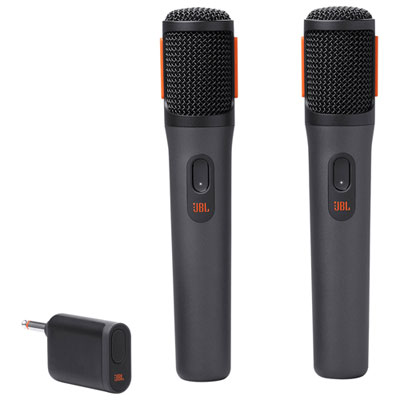 Your price for this item is $199.99
-
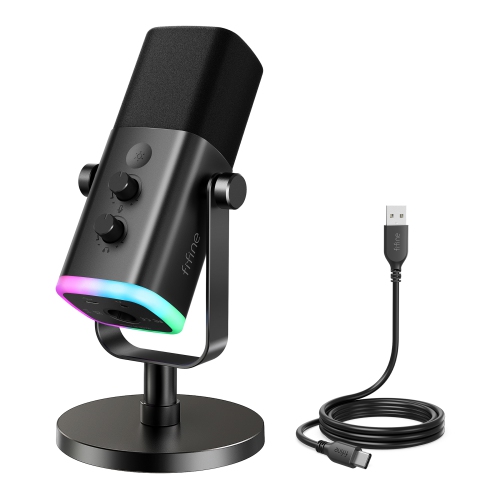 Your price for this item is $83.99
-
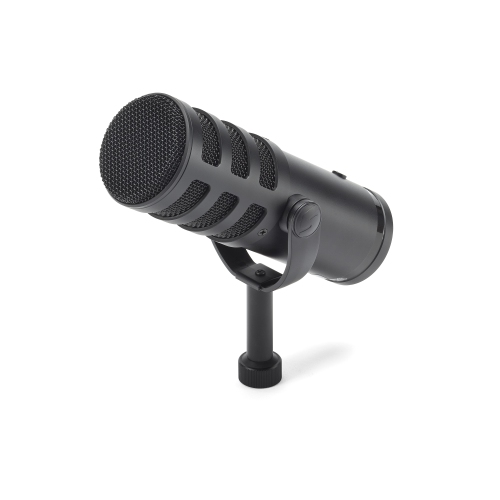 Your price for this item is $265
-
 Your price for this item is $149.99
-
 Your price for this item is $245
-
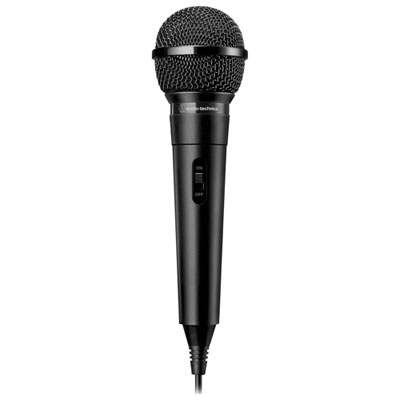 Your price for this item is $24.99
-
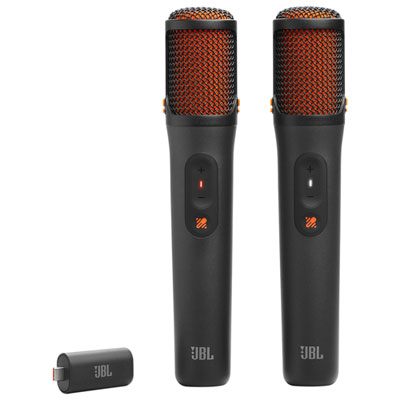 Your price for this item is $229.99
-
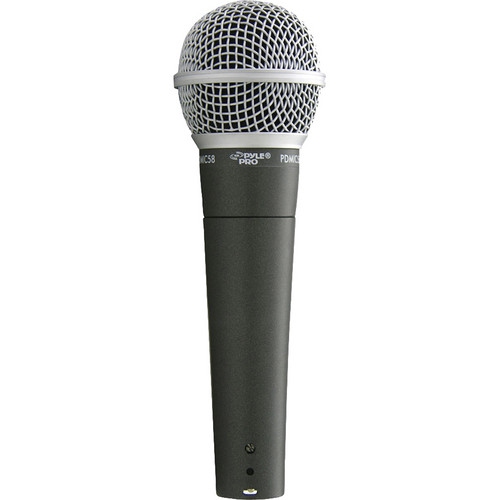 Your price for this item is $29.99
Discover more categories related to Performing Microphones
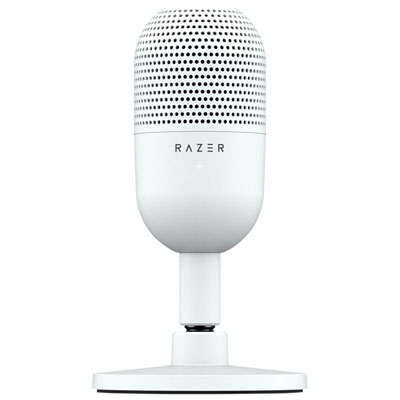
Top Collections:
Pokemon Centers, Kindle Devices, Best Budget Office Chairs, Canon G7X Cameras, Apple iPhones 16, Samsung Galaxy Phones, Refurbished Apple Laptops, Laptops for Students, iPhone 15 Apple, Budget Smartphones
Some products may be subject to Environmental Handling Fees
(EHF) depending on your province.
Learn more about EHFs.