PoE Cables
Our wide selection of PoE cables is designed to meet your power and data transmission needs with ease. Whether you're setting up a new security system, upgrading your networking setup, or simply need to extend the reach of your current devices, our PoE cables are the perfect solution. Browse through our collection and find the right cable length and specifications to suit your requirements.
Sort


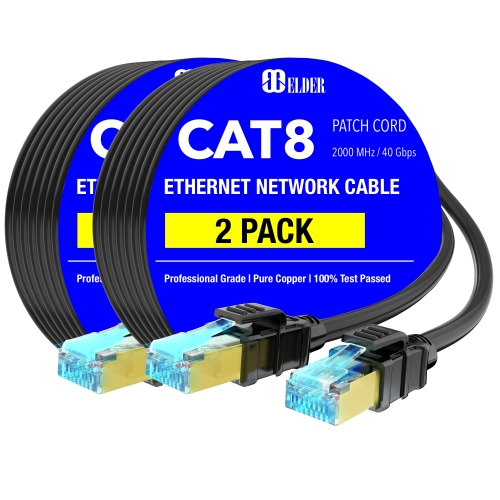
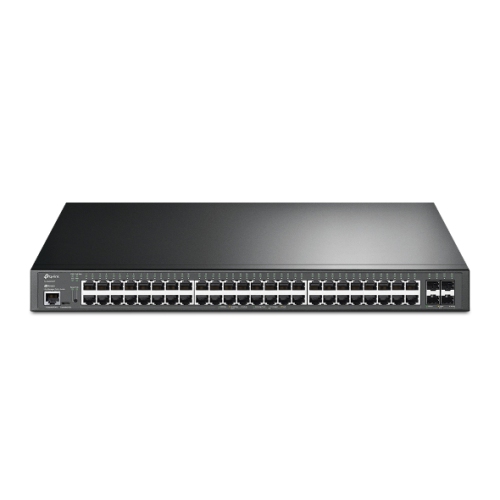
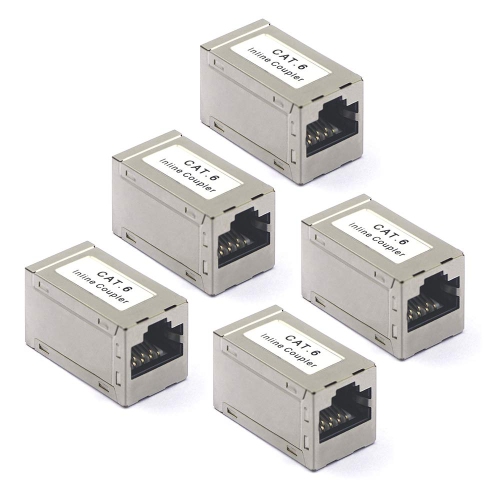
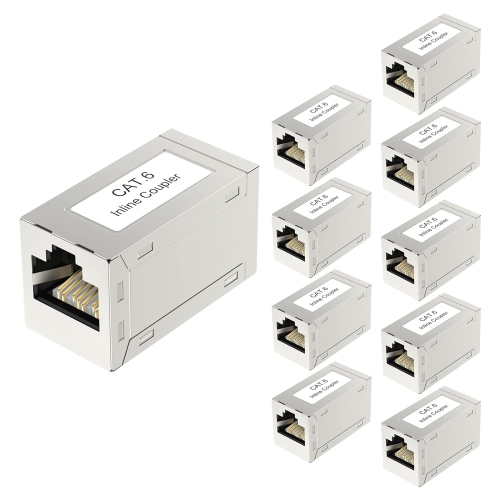




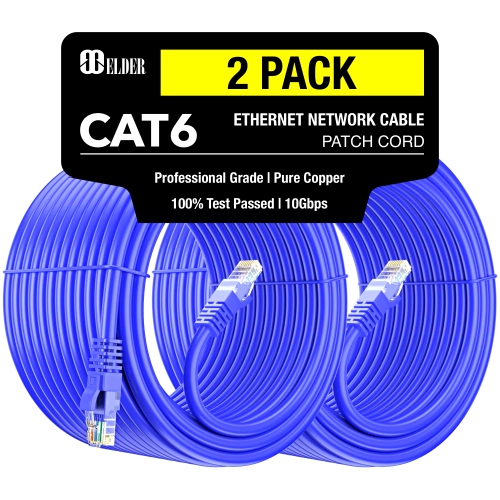
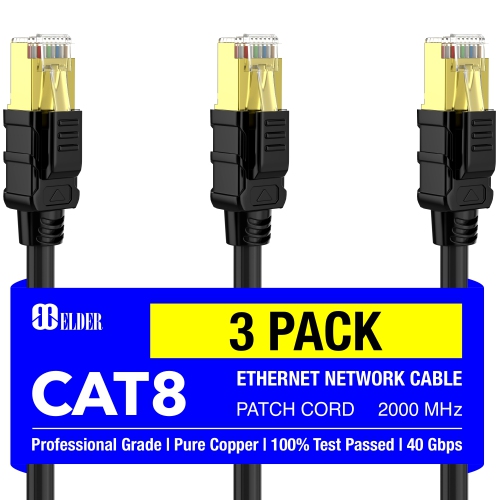
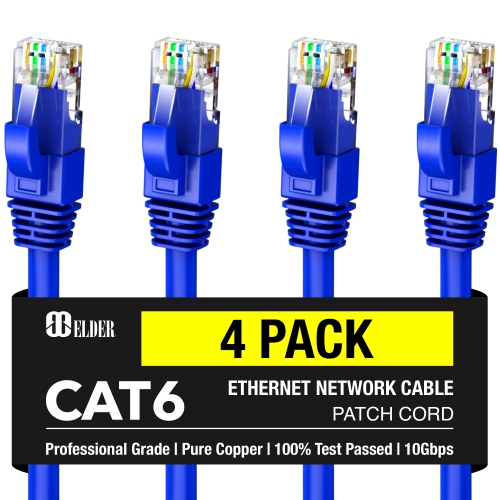
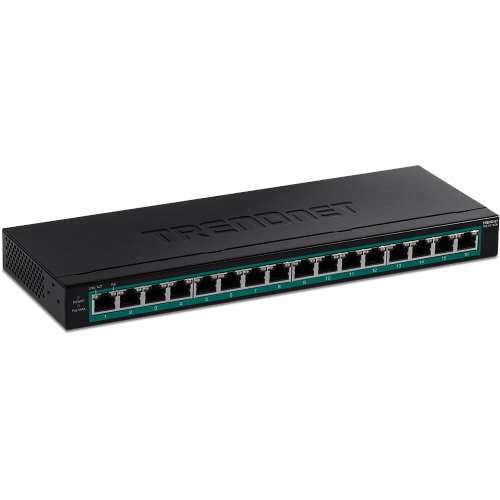


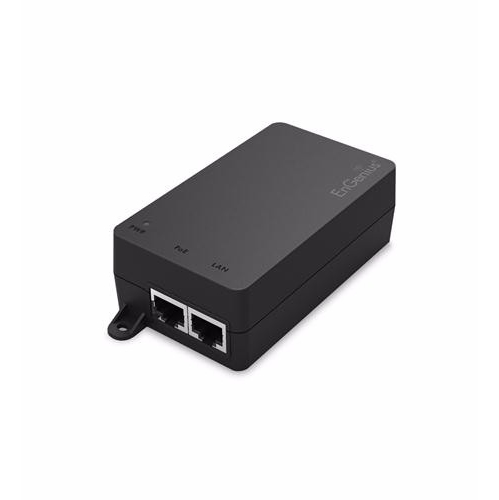

Power and data travel together through one cable
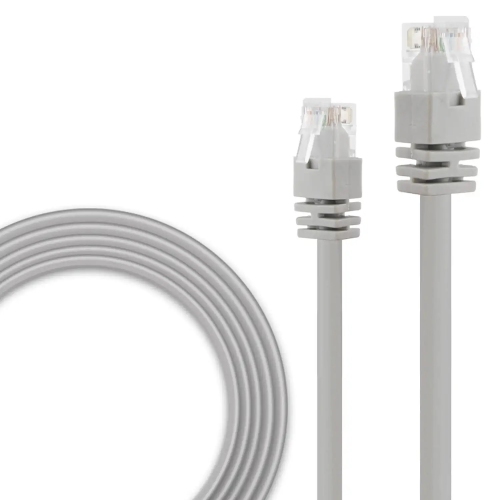
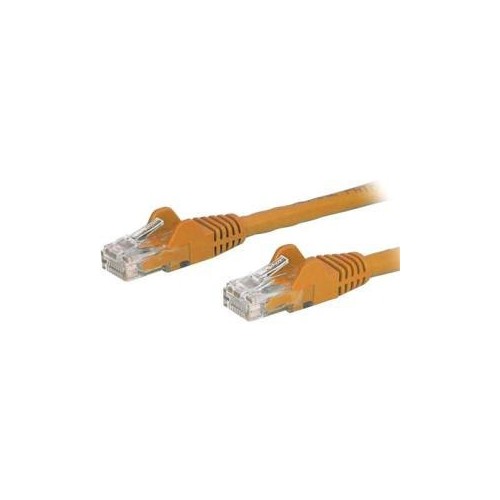
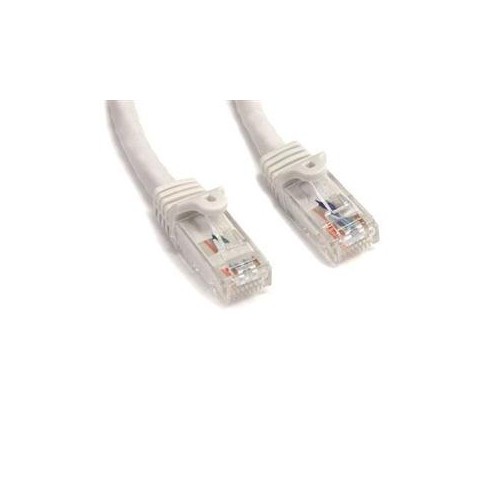
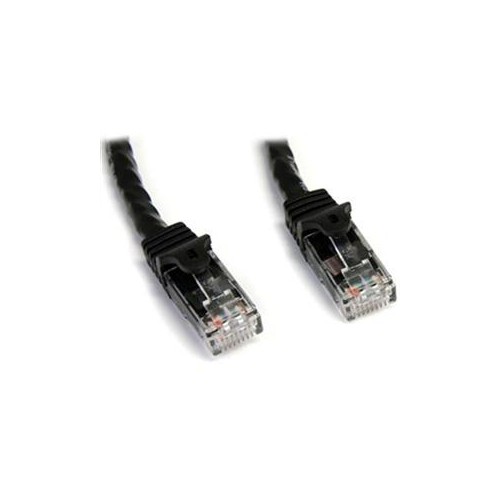
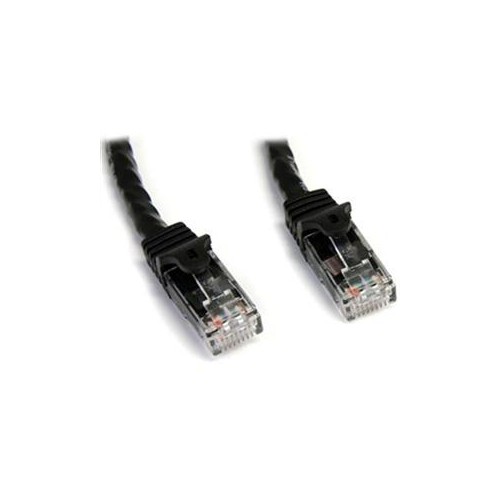
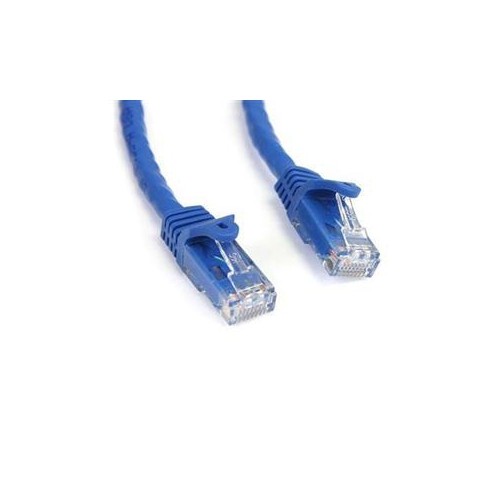
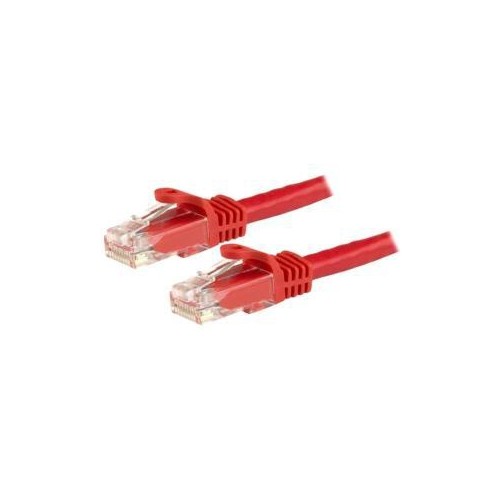
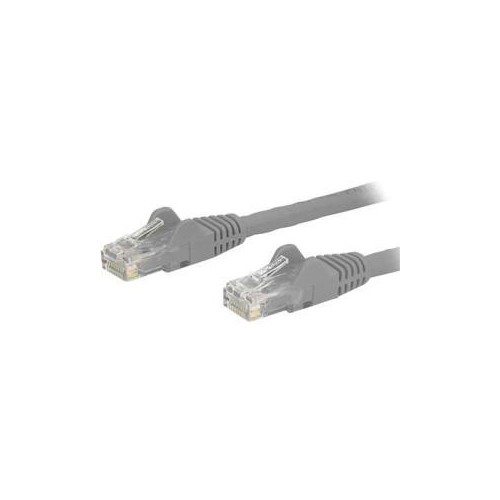
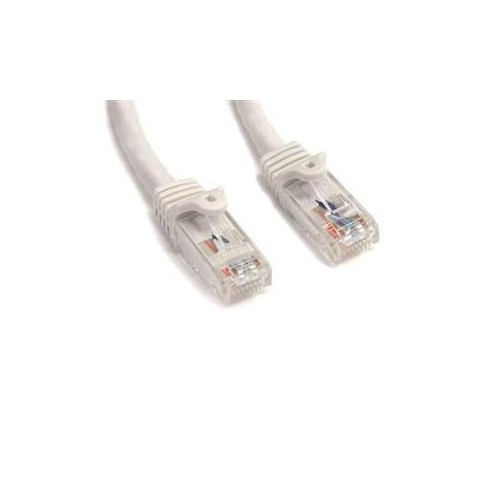
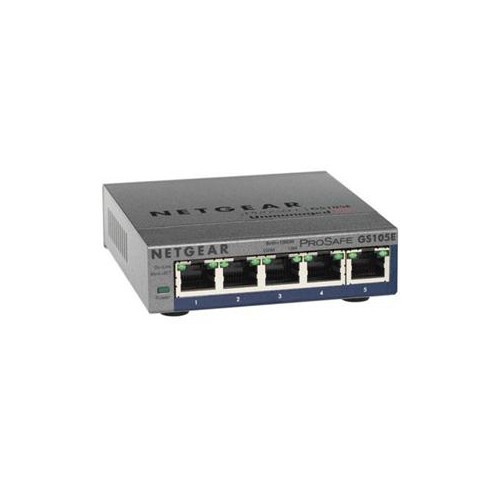
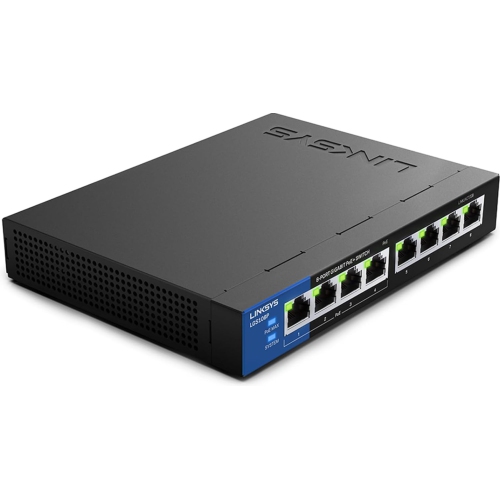
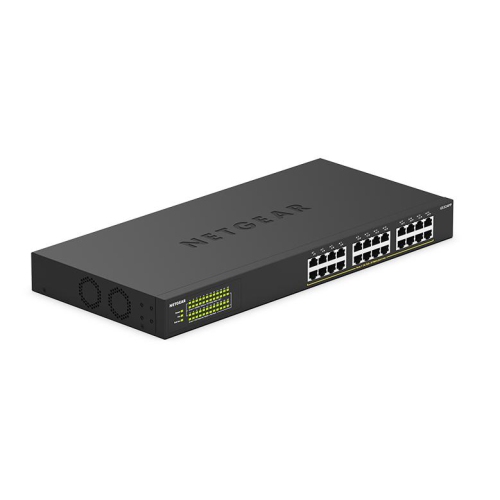
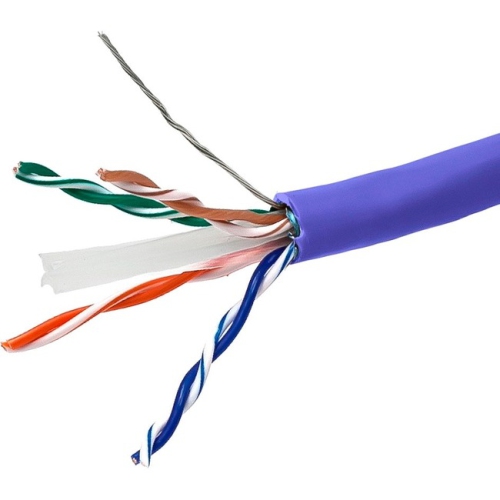
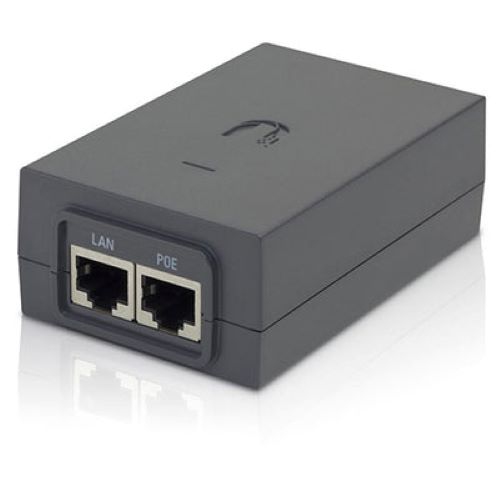
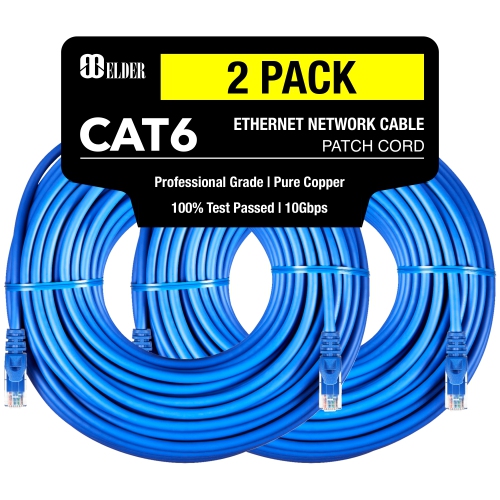
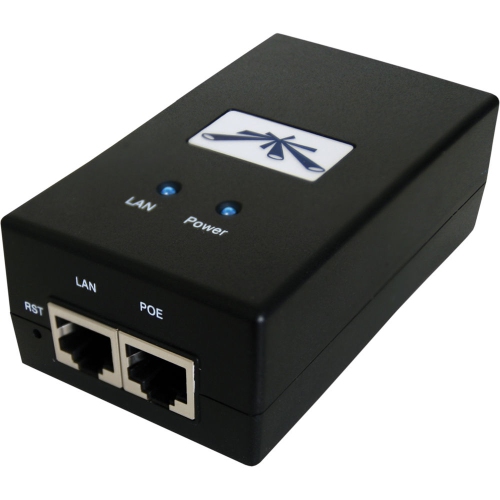
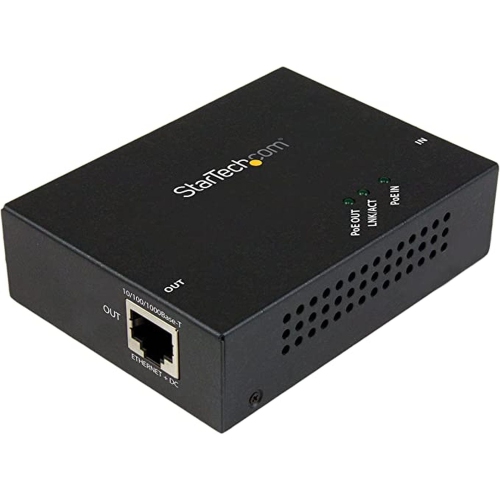
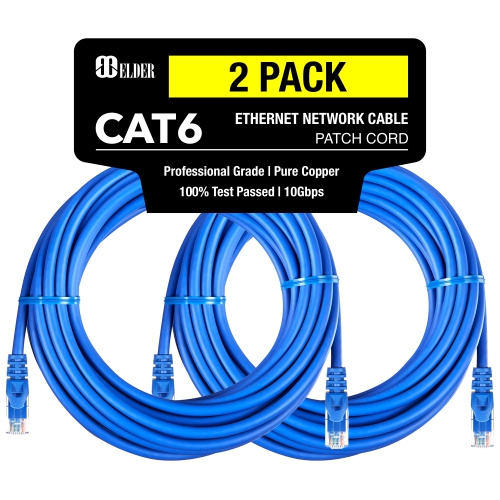
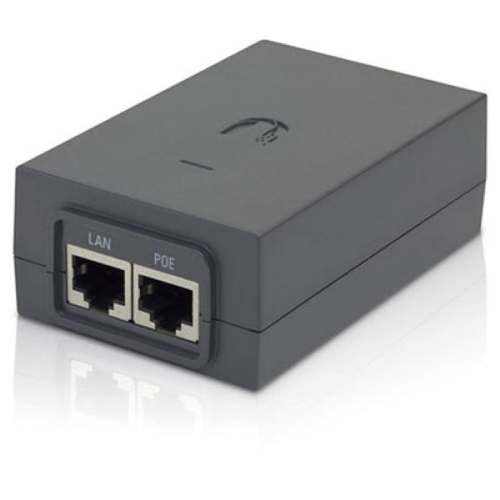
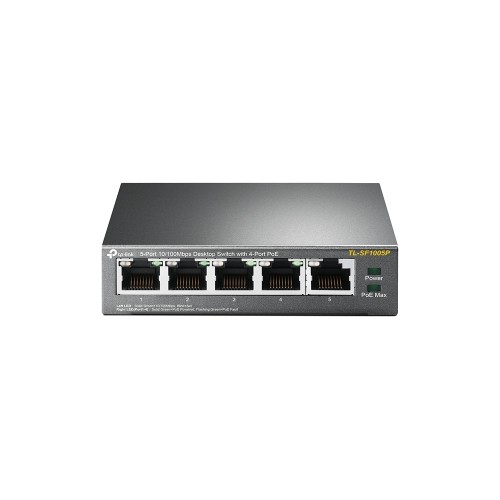
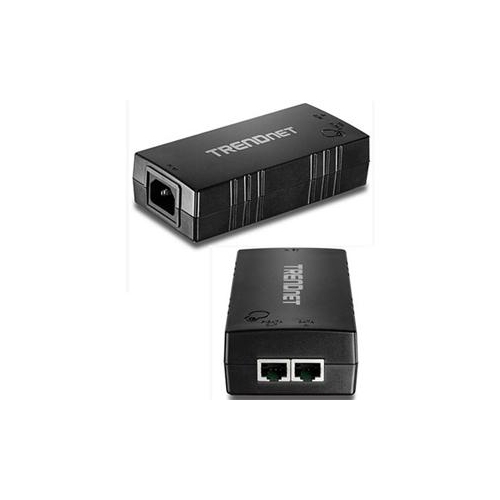
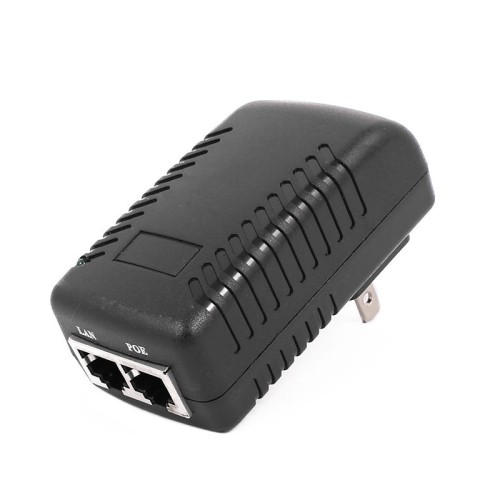
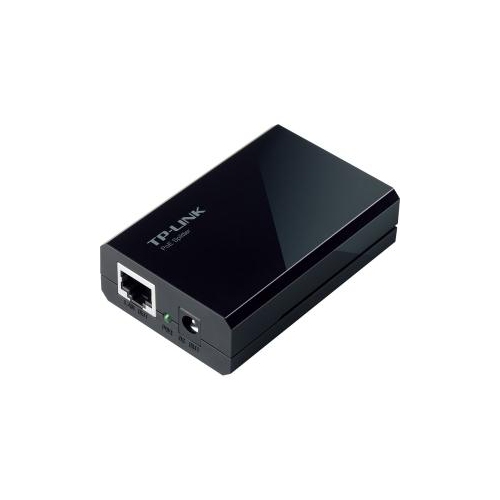
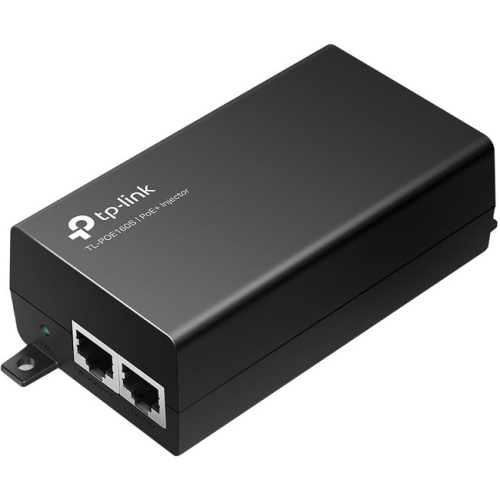
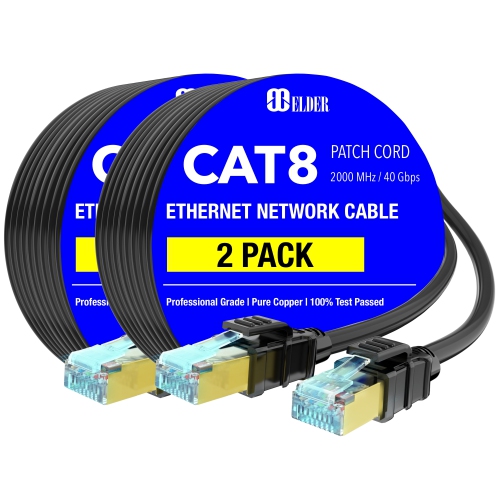
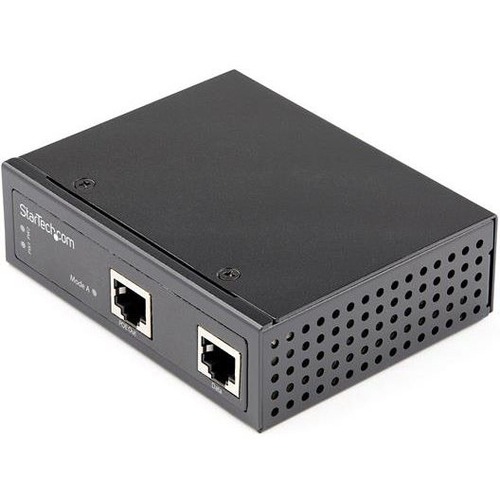
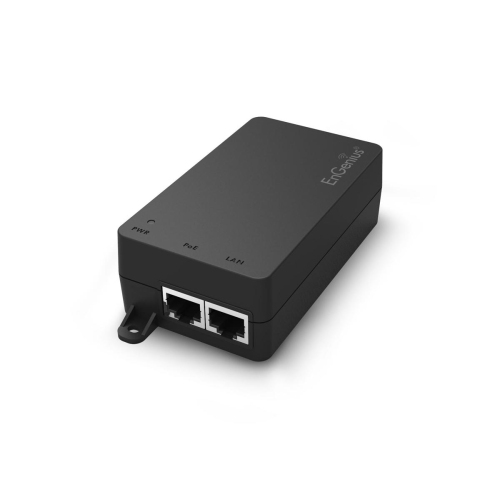
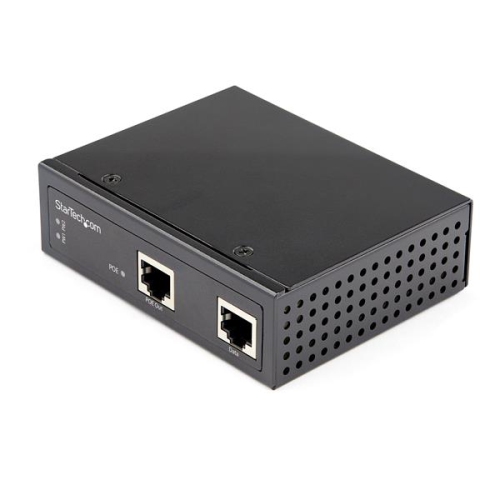
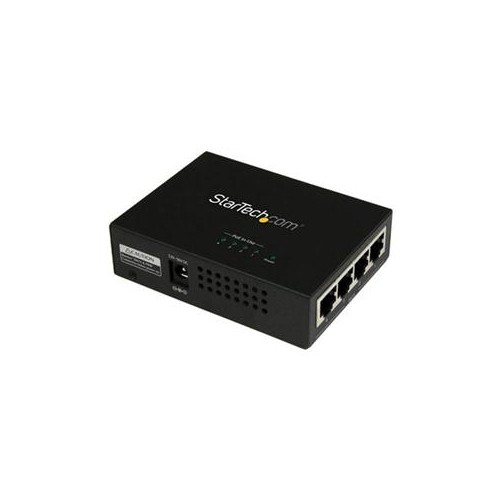
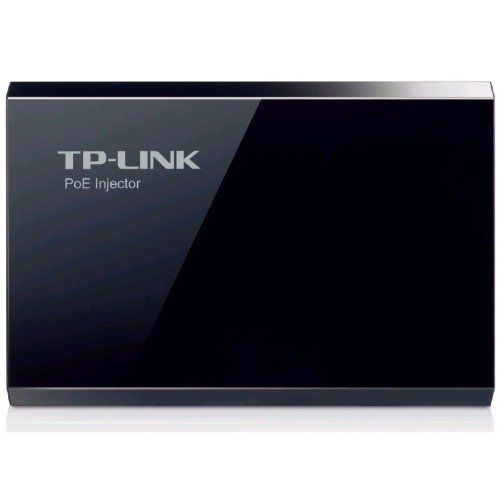
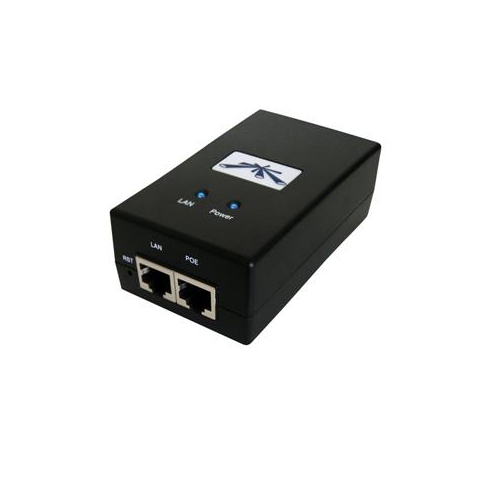
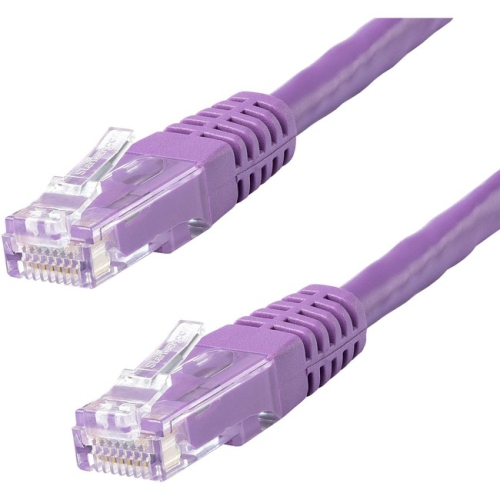
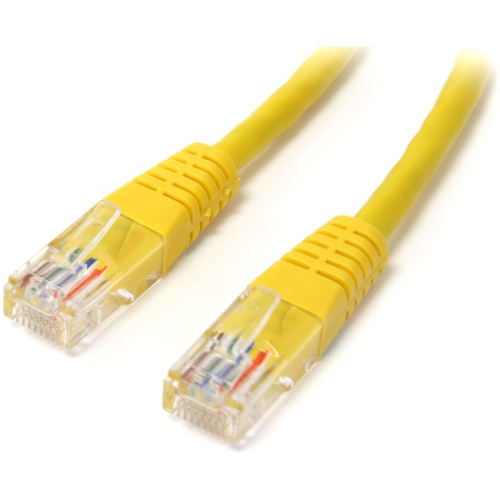
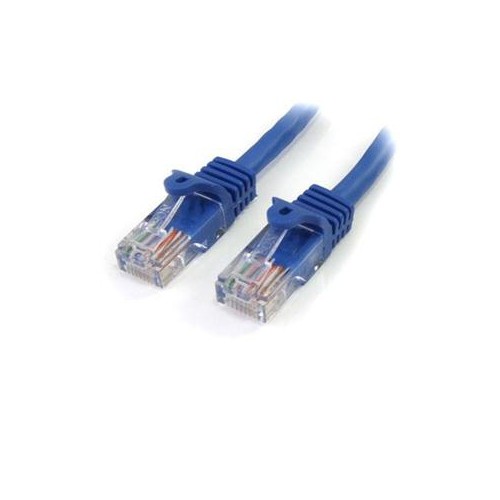
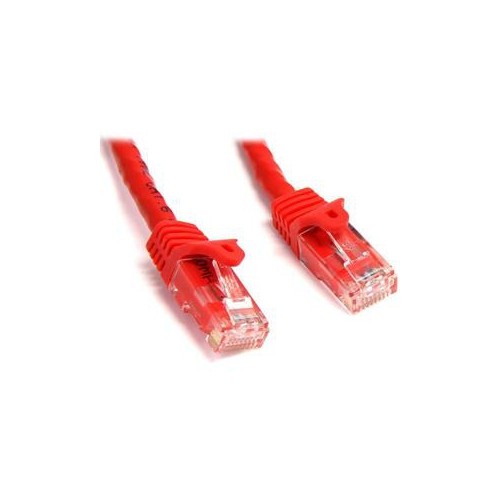
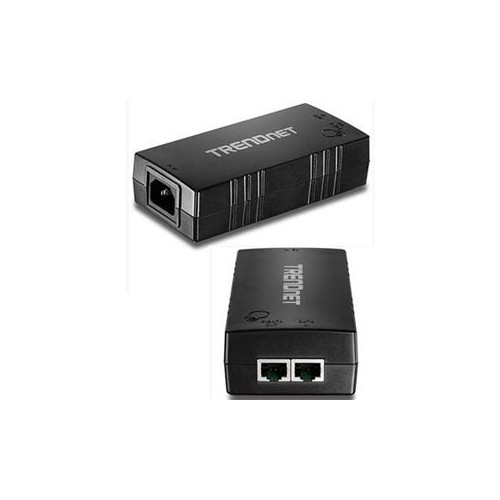
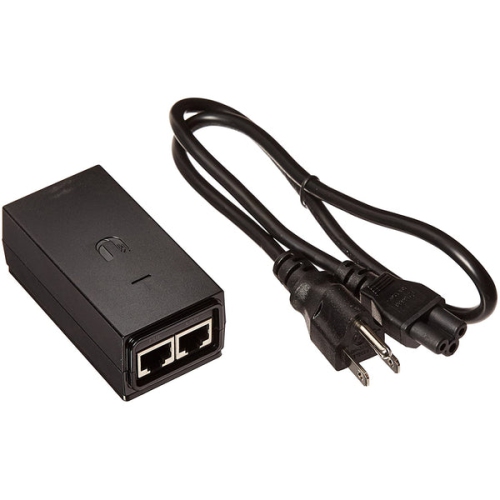
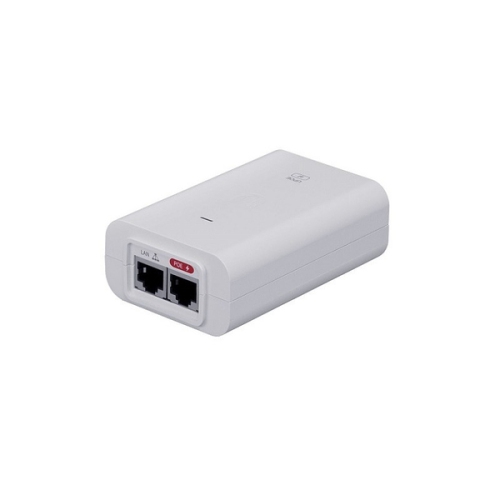
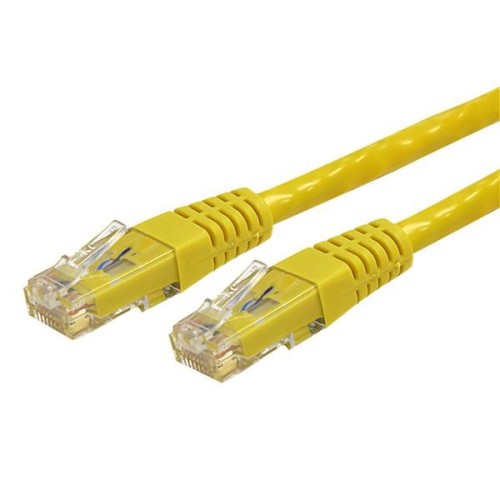
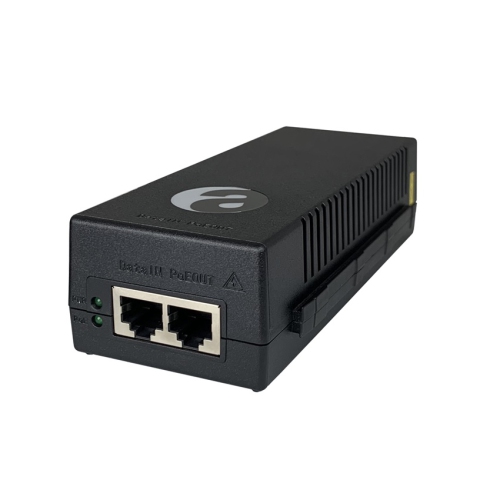
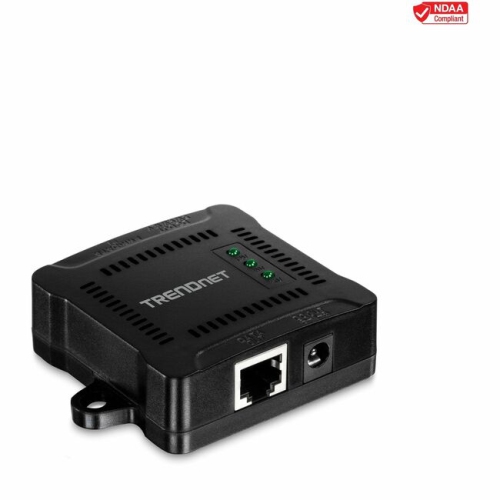
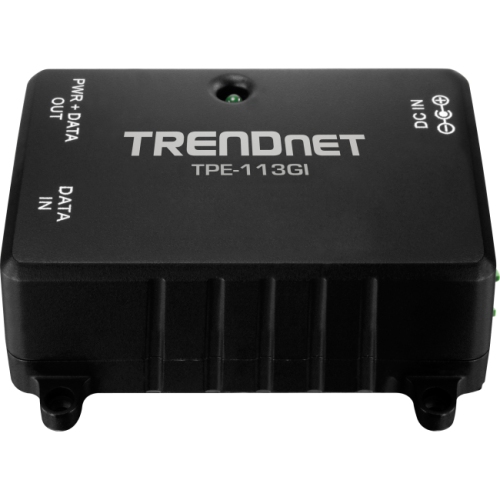
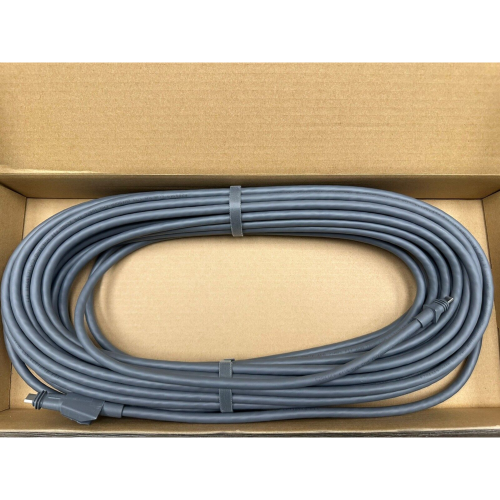
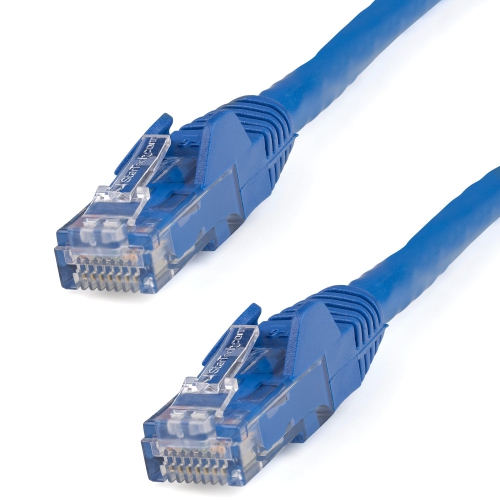
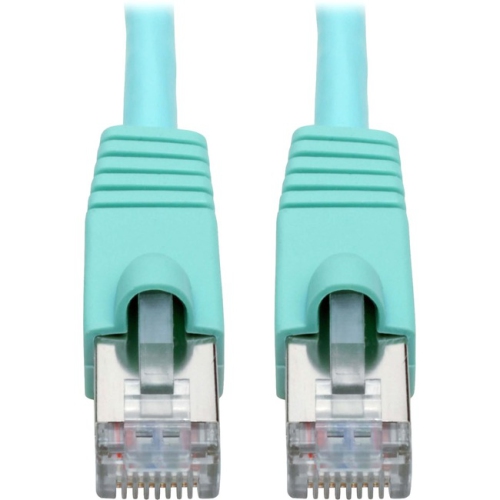
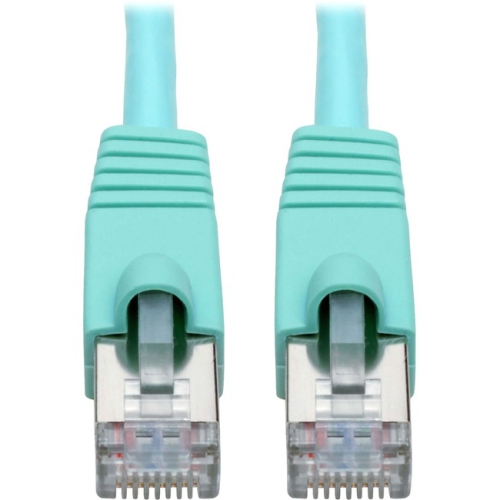
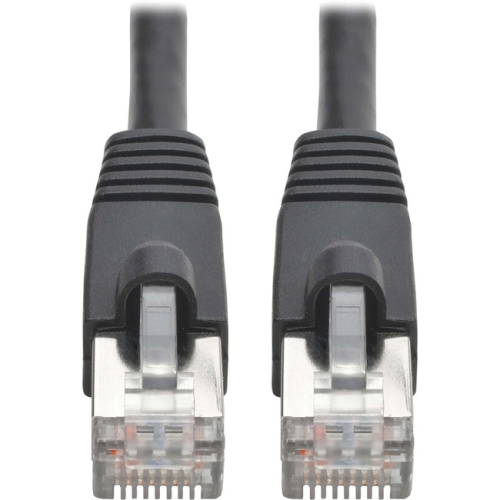
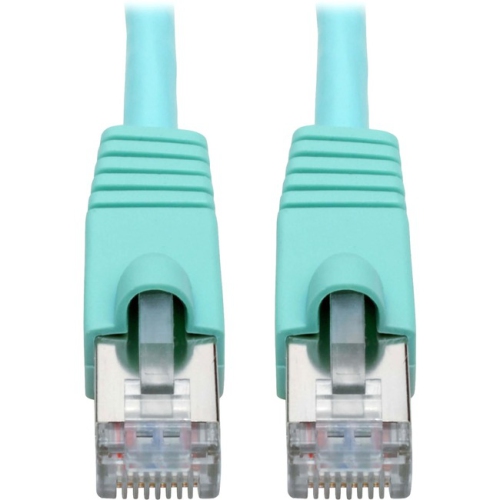
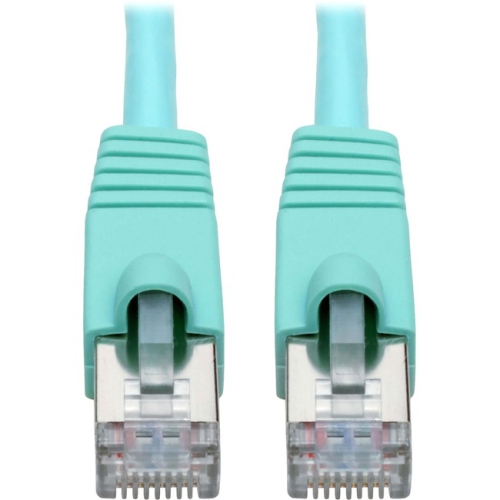
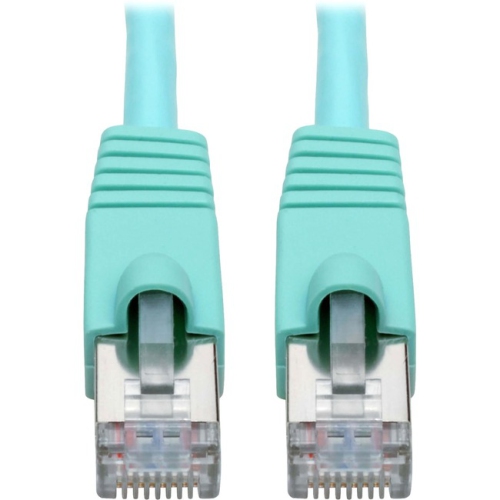
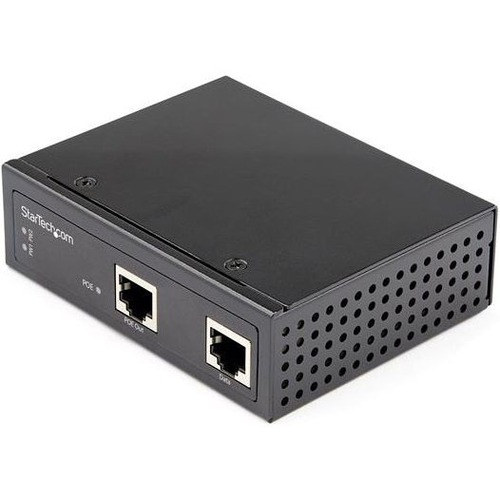
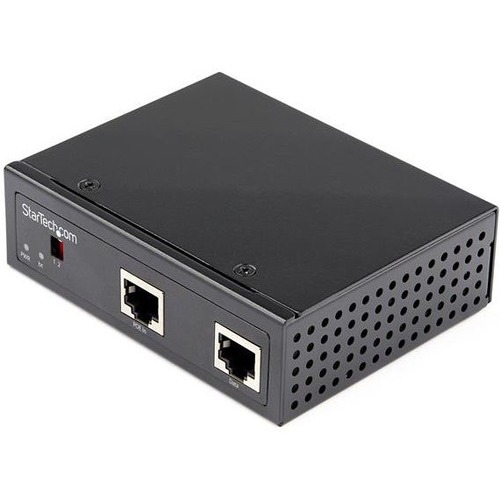
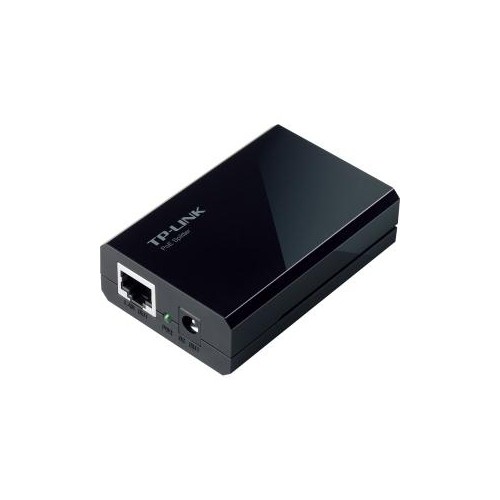
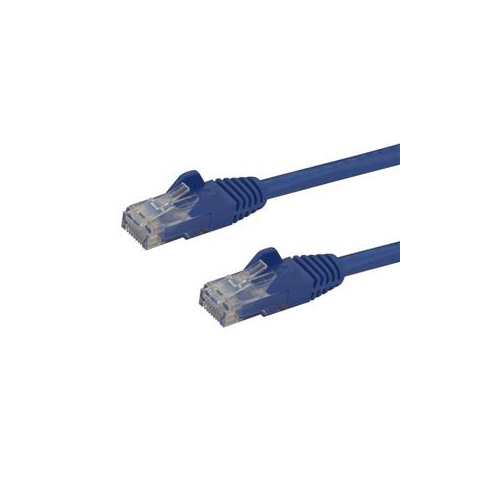
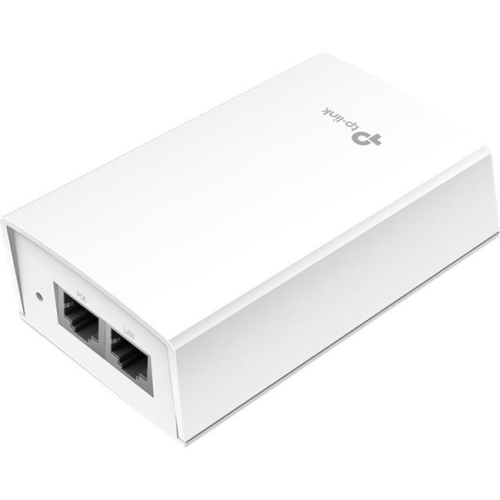
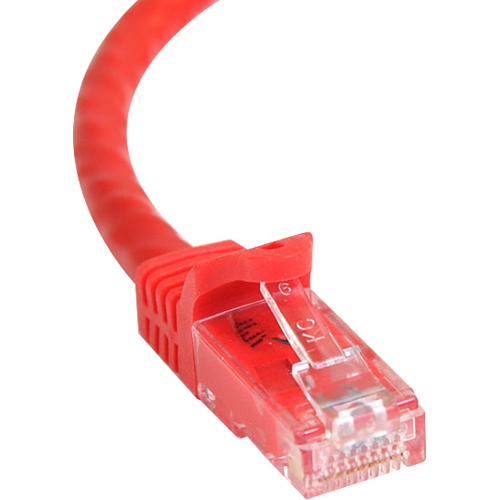
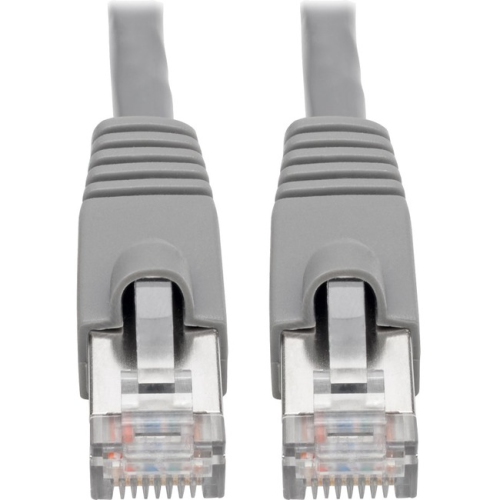
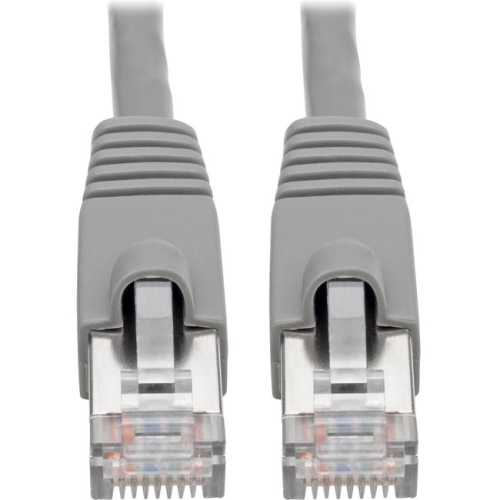
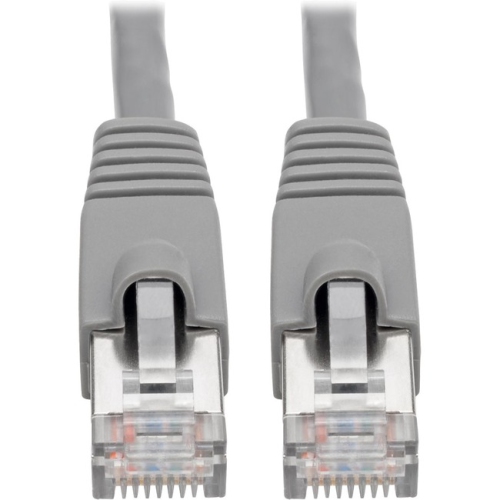
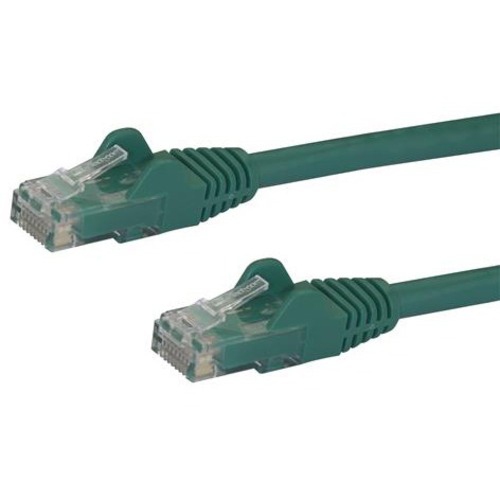
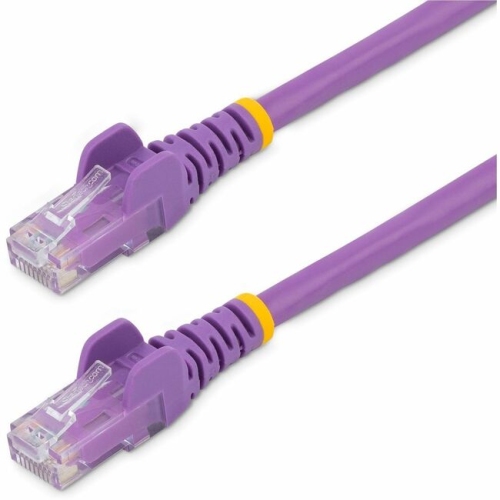
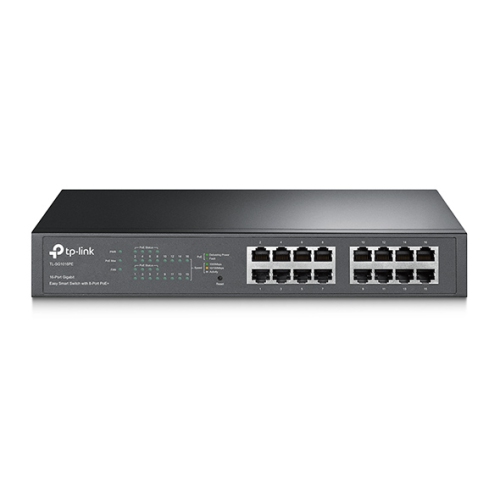
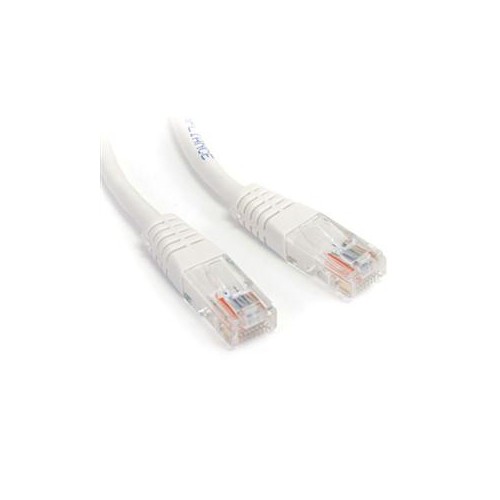
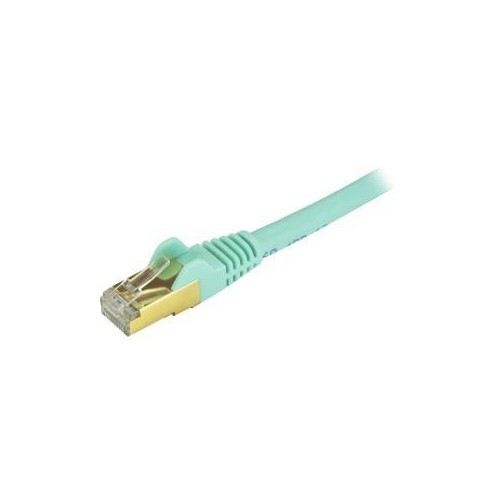
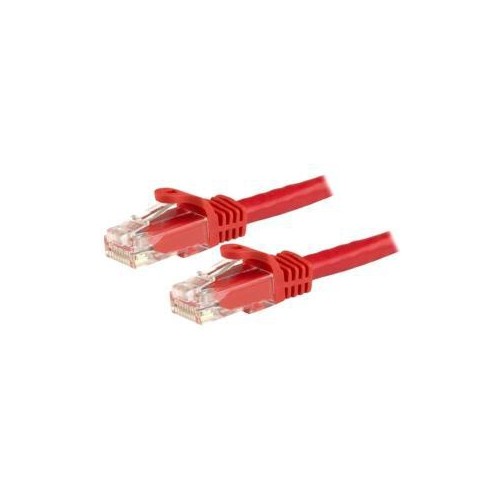
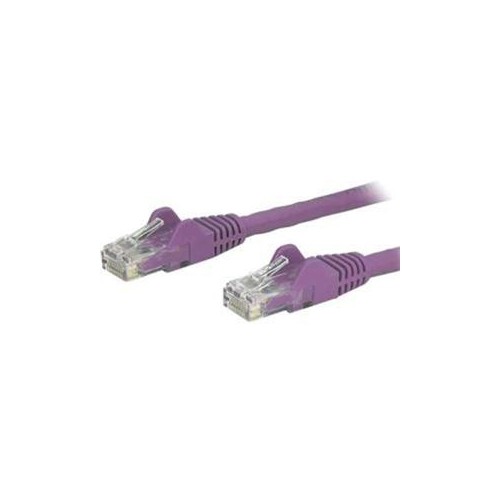
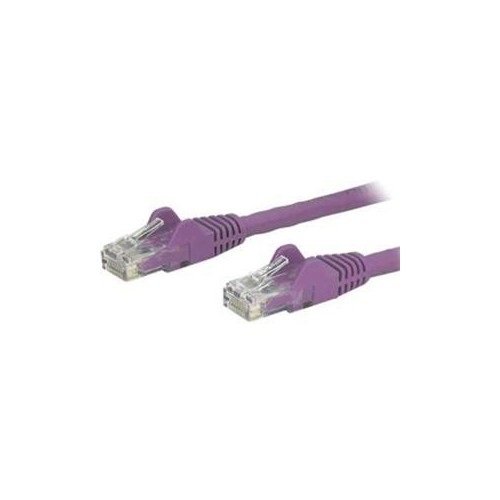
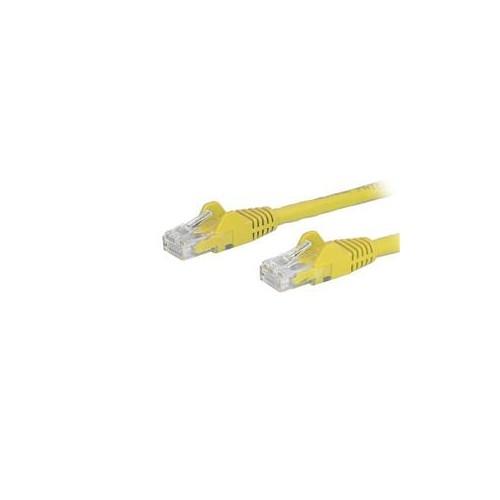
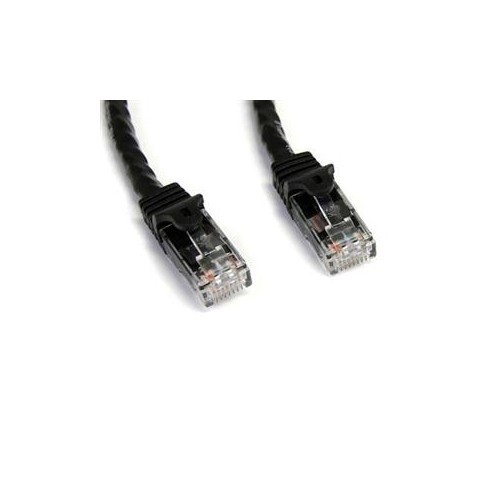
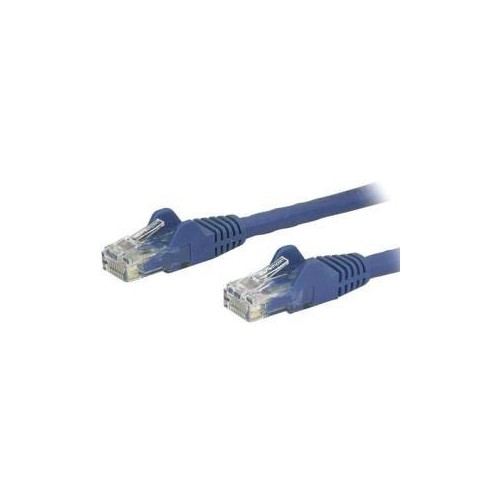
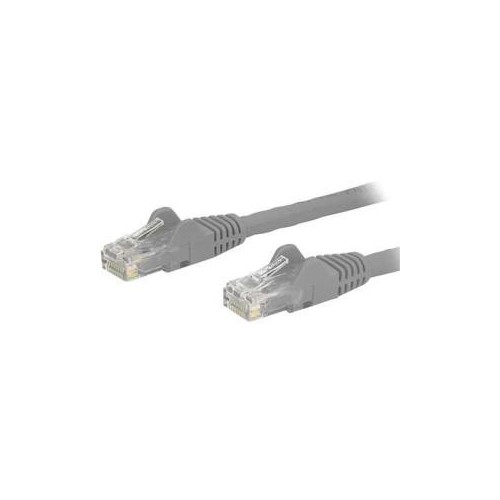
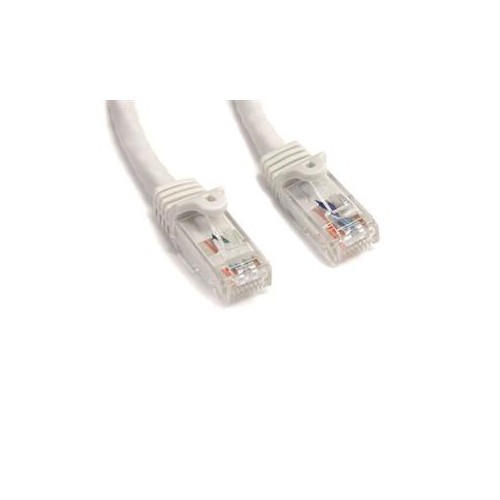
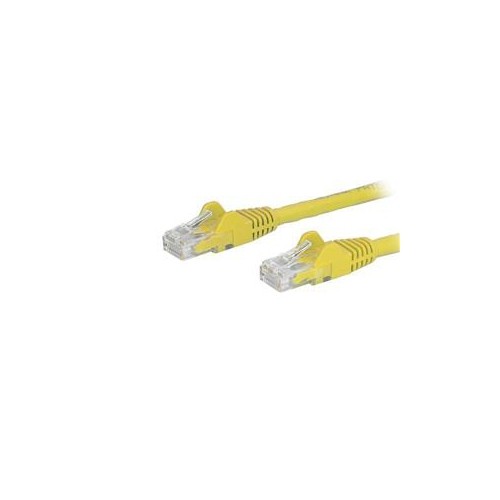
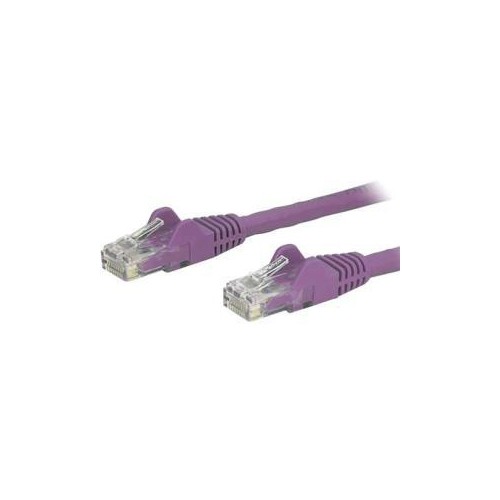
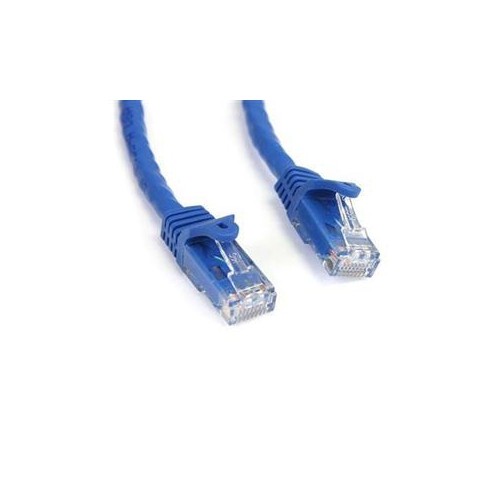
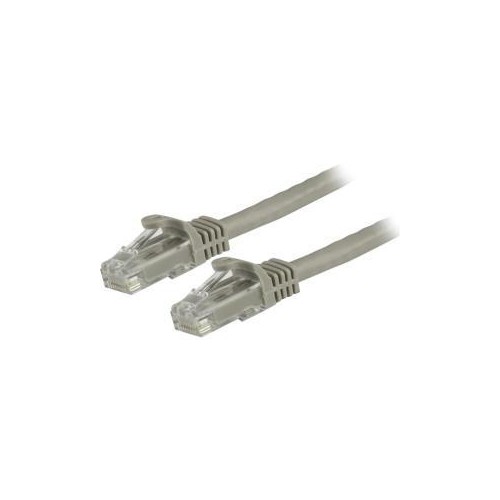
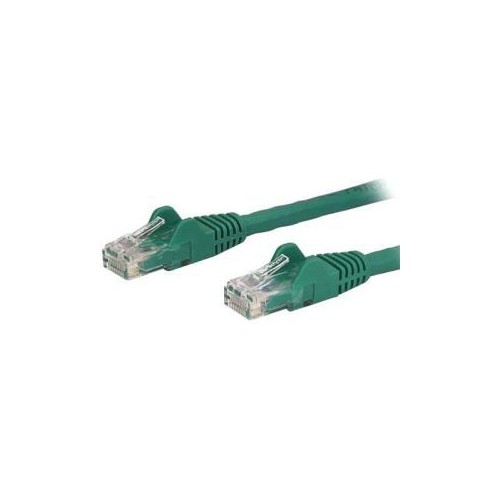
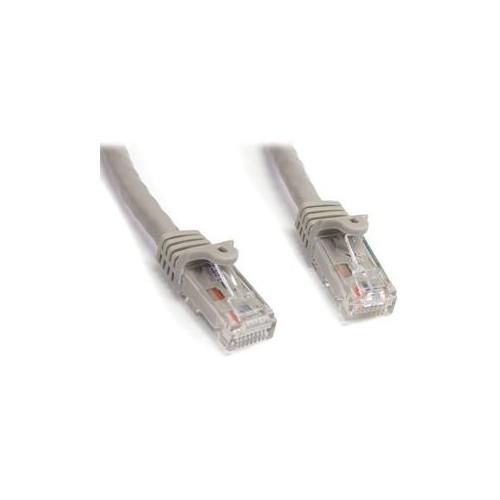
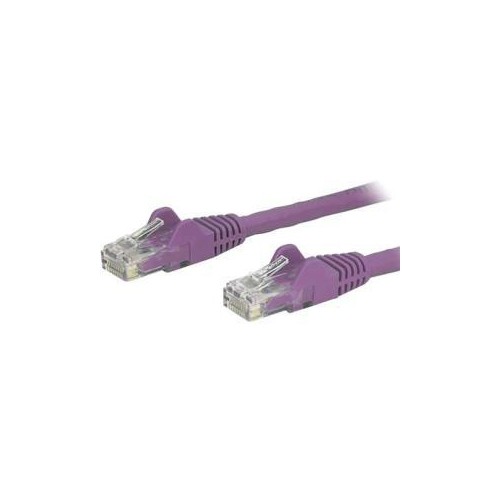
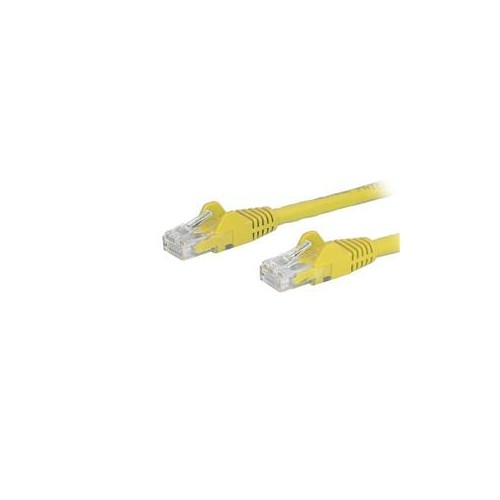
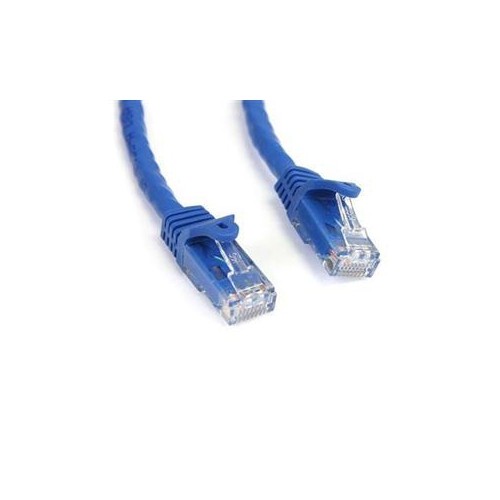
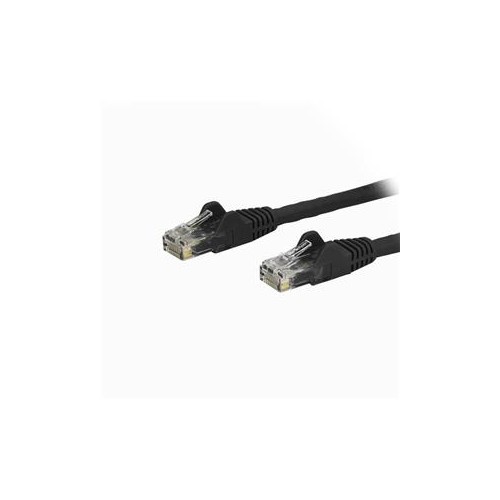
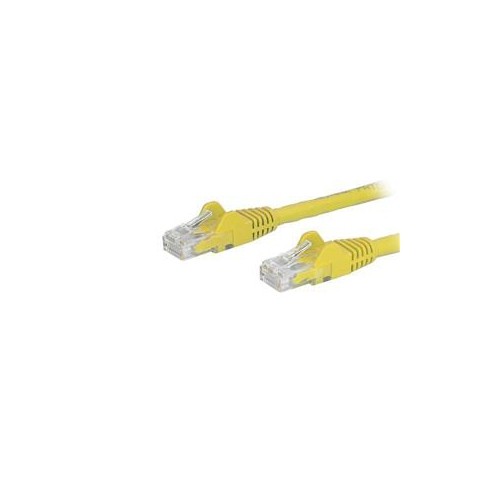
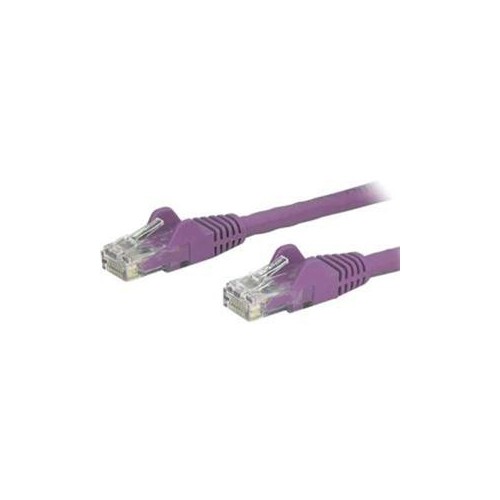
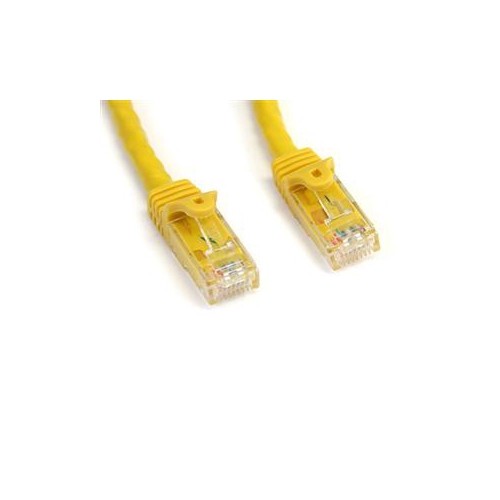
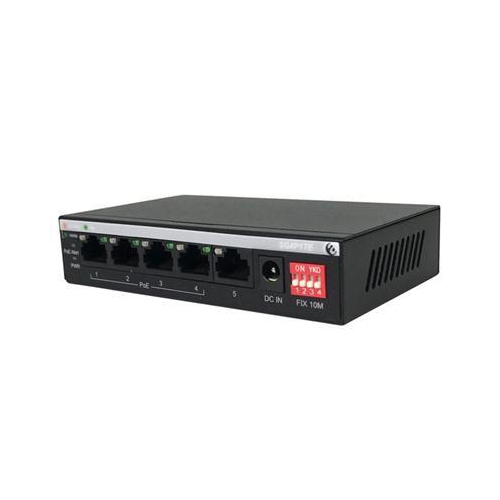
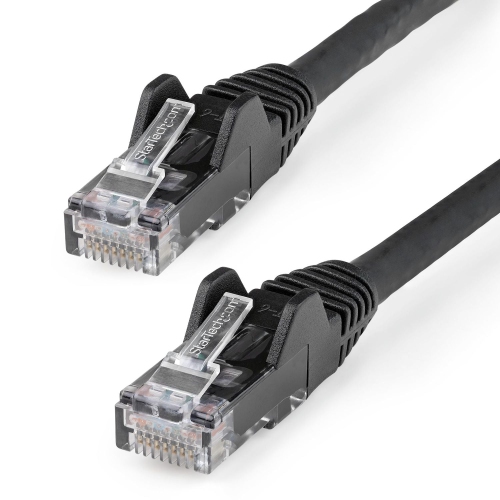
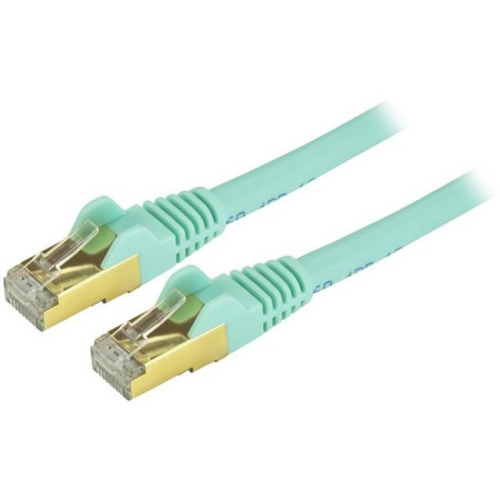
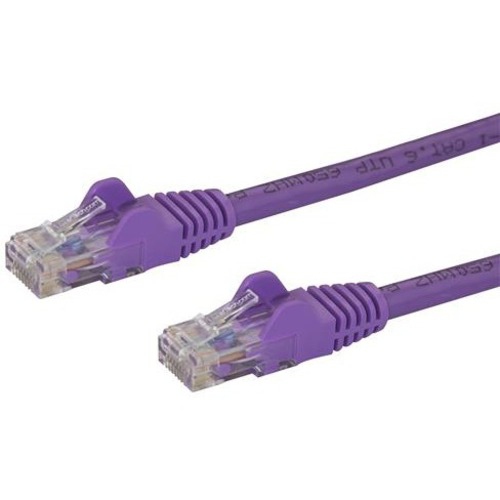
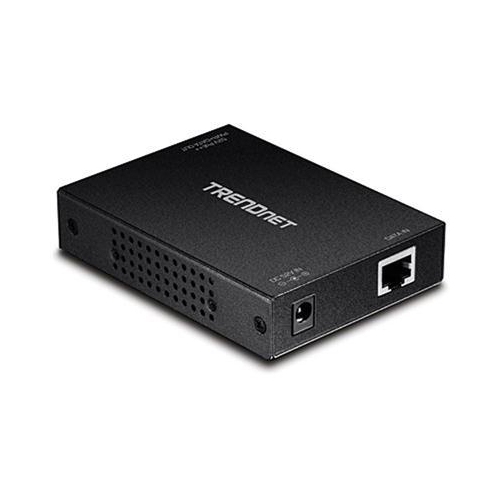
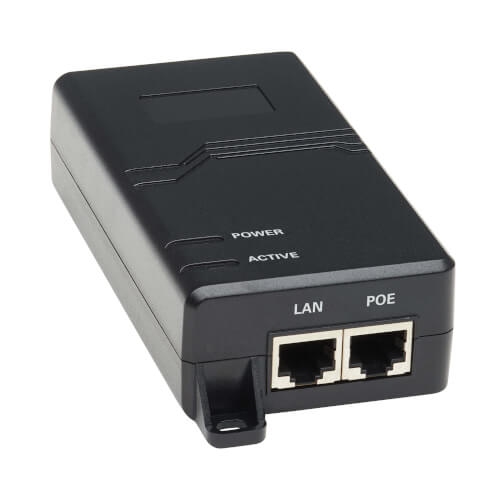
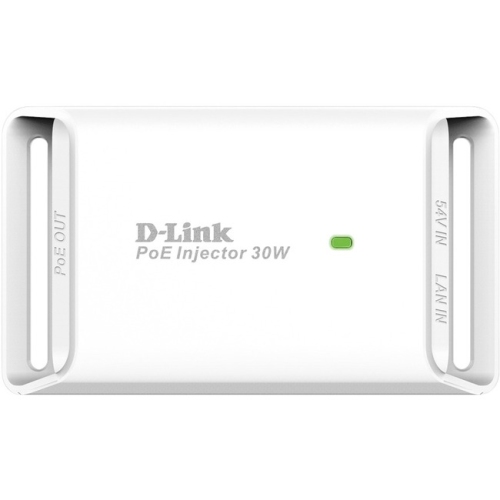
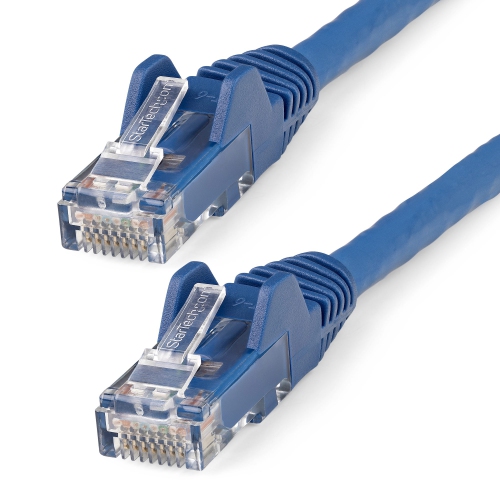
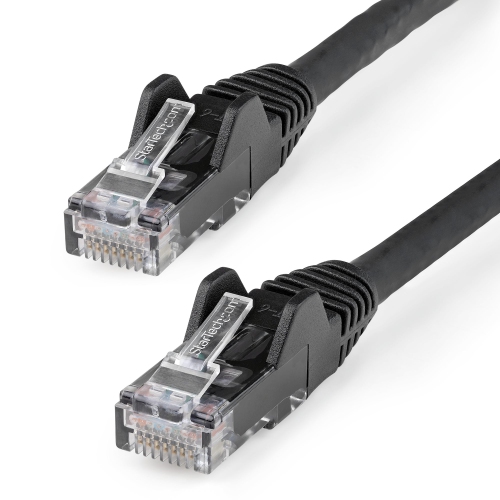
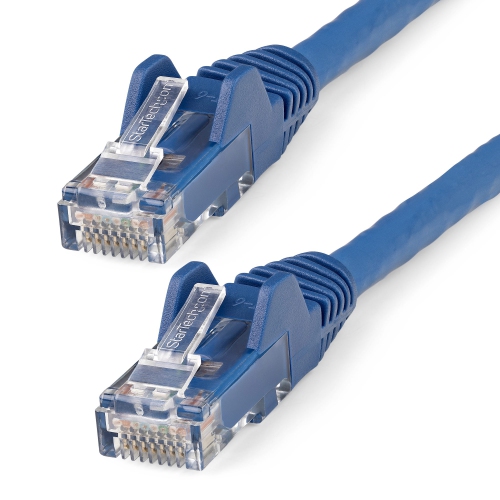
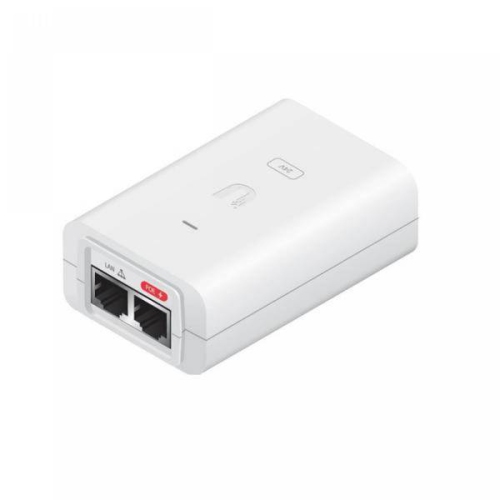
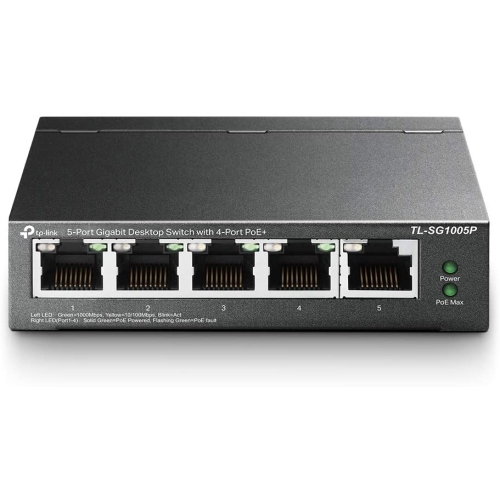
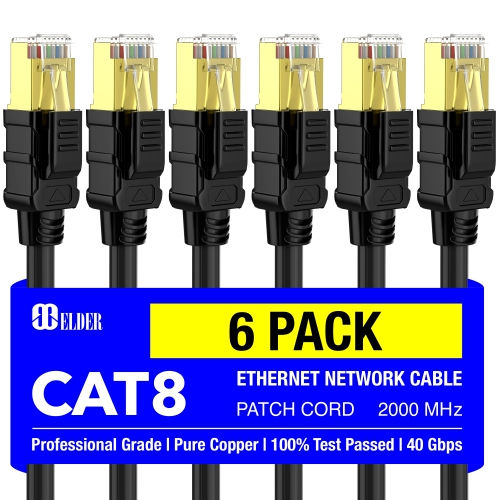
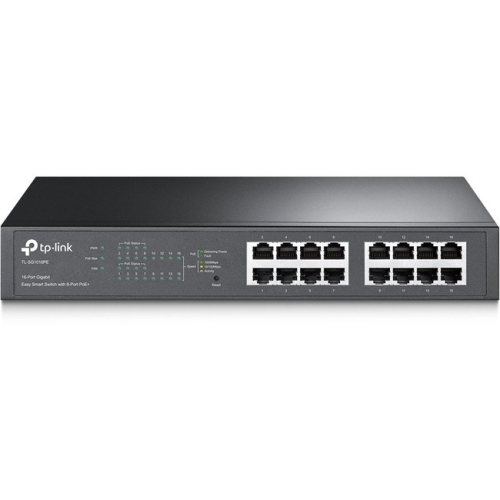
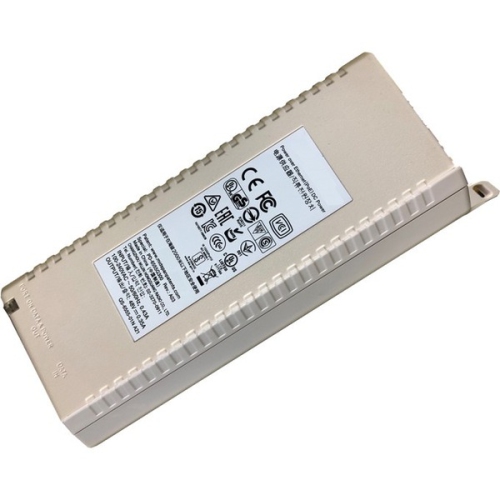
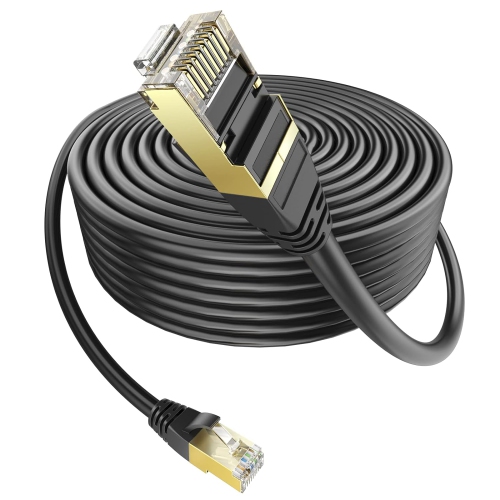
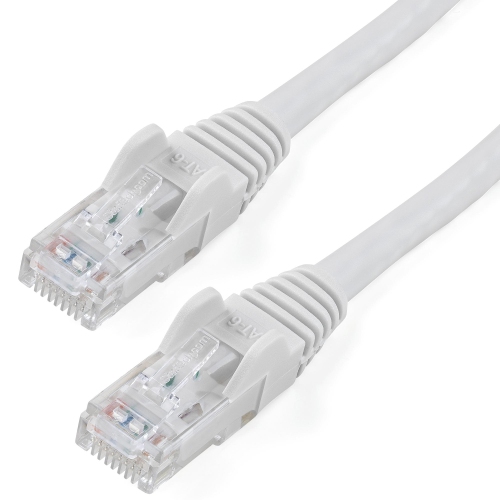
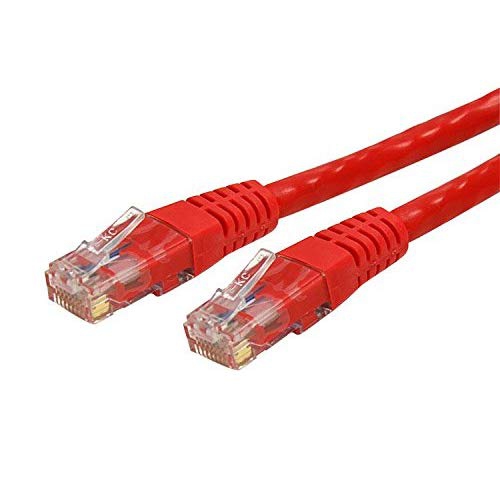
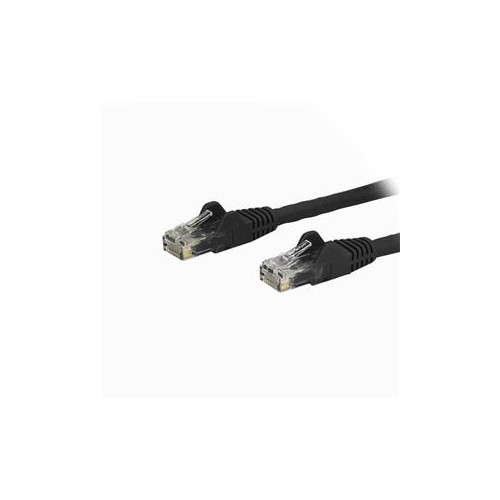
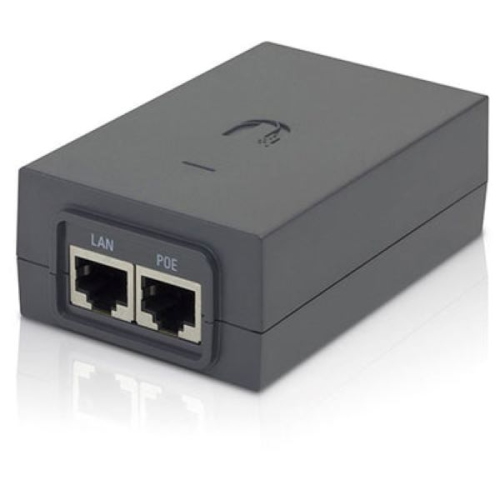
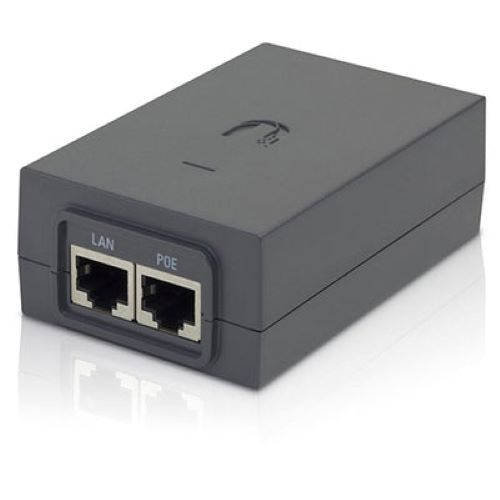
Power over Ethernet (PoE) cables are copper Ethernet cables designed to carry network data and electrical power through the same connection. This makes them a practical choice for installations where running a separate power adapter would be inconvenient, difficult, or visually distracting. A single cable can connect compatible devices such as IP security cameras, wireless access points, VoIP phones, door access systems, intercoms, network switches, and other smart building equipment. For example, a camera mounted near a garage or a wireless access point installed in a hallway can receive both its network connection and power from a PoE-enabled switch or injector, leaving only one cable to route through the wall, ceiling, or equipment cabinet. PoE cables generally use RJ45 connectors and should be selected according to the speed, power requirement, and installation environment of the connected equipment. Cat5e is commonly suitable for many standard network and PoE applications, while Cat6 and Cat6a can provide additional performance headroom for faster networks, longer-term upgrades, and higher-power installations. Always check the specifications for the device, switch, injector, or midspan before purchasing, since the cable must support the required Ethernet speed and PoE standard. Standard PoE, often associated with IEEE 802.3af, can supply up to 15.4 watts from the source; PoE+, or IEEE 802.3at, supports up to 30 watts; and PoE++ standards such as IEEE 802.3bt can deliver higher power levels, with Type 3 and Type 4 configurations supporting demanding equipment within the limits of the network hardware. The amount of power that reaches the device can be lower than the amount supplied because of normal cable loss, so higher-power equipment deserves careful attention to cable category, length, conductor construction, and system compatibility. For most dependable installations, look for cables made with 100% bare copper conductors rather than copper-clad aluminium. Bare copper provides more consistent electrical performance and is better suited to carrying power, while copper-clad aluminium can introduce greater resistance and may not be appropriate for PoE loads. Cable length also matters: the accepted maximum for a single Ethernet channel is generally 100 metres, or about 328 feet, including the permanent cable run and patch leads. Longer distances may require a PoE extender, another network switch, fibre equipment, or a different network design rather than simply adding more cable.
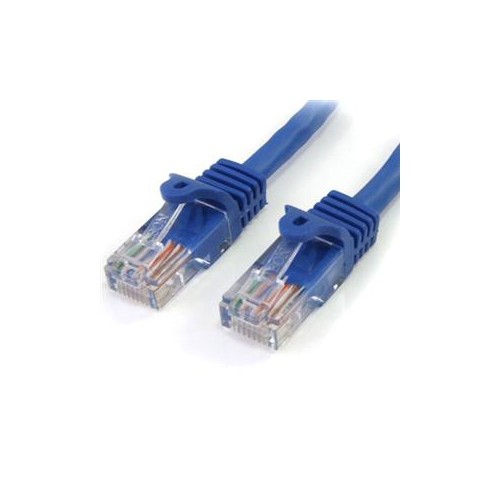
Choosing the right PoE cable also involves the details that make installation easier and more reliable. Measure the route before ordering, allowing enough length to follow corners, pass through cable management, and reach the switch or patch panel without placing tension on the connectors. Short patch cables are useful for linking switches, routers, patch panels, cameras, and other equipment in a cabinet, while longer cables can connect devices installed across a home, office, workshop, retail space, or small business. Snagless boots can help protect the locking tab on an RJ45 connector as the cable is pulled through a crowded rack, and slim or flexible designs can be helpful behind desks, displays, and other areas with limited clearance. Shielded cables may be preferred near fluorescent lighting, motors, audio equipment, heavy electrical wiring, or other sources of electromagnetic interference, provided the rest of the installation is properly grounded and compatible. Unshielded twisted-pair cables are often suitable for ordinary residential and office networks where interference is not a concern. For routes through walls, ceilings, or other building cavities, check whether a cable is rated for the intended installation; plenum-rated and riser-rated cables are designed for specific building spaces and should not be treated as interchangeable with ordinary patch leads. Outdoor runs require additional care. Use cabling specifically rated for outdoor exposure, moisture, temperature changes, and ultraviolet light, and protect connections from standing water. A cable passing through an exterior wall should be sealed appropriately, with drip loops and suitable conduit used where needed. Colour can also make a network easier to maintain: matching cables can create a clean appearance, while different colours can identify cameras, access points, voice devices, or separate network segments at a glance. Before finalizing an installation, confirm that each cable clicks securely into place, that the connectors are free from visible damage, and that the connected device negotiates the expected network speed and power level. A basic cable tester can help locate open conductors, crossed pairs, or intermittent connections before equipment is mounted permanently. PoE cables are useful for homeowners improving Wi-Fi coverage, families setting up cameras, remote workers organizing a dependable office, and installers building out small business networks. They can also be a thoughtful practical gift for someone assembling a home lab, upgrading a workshop, or adding networked devices around the house, especially when paired with a clear understanding of the intended cable lengths and equipment. For larger projects, compare the available options with Bulk Ethernet Cables to help plan multiple runs with consistent specifications and a neater overall installation.
Choosing the right PoE cable also involves the details that make installation easier and more reliable. Measure the route before ordering, allowing enough length to follow corners, pass through cable management, and reach the switch or patch panel without placing tension on the connectors. Short patch cables are useful for linking switches, routers, patch panels, cameras, and other equipment in a cabinet, while longer cables can connect devices installed across a home, office, workshop, retail space, or small business. Snagless boots can help protect the locking tab on an RJ45 connector as the cable is pulled through a crowded rack, and slim or flexible designs can be helpful behind desks, displays, and other areas with limited clearance. Shielded cables may be preferred near fluorescent lighting, motors, audio equipment, heavy electrical wiring, or other sources of electromagnetic interference, provided the rest of the installation is properly grounded and compatible. Unshielded twisted-pair cables are often suitable for ordinary residential and office networks where interference is not a concern. For routes through walls, ceilings, or other building cavities, check whether a cable is rated for the intended installation; plenum-rated and riser-rated cables are designed for specific building spaces and should not be treated as interchangeable with ordinary patch leads. Outdoor runs require additional care. Use cabling specifically rated for outdoor exposure, moisture, temperature changes, and ultraviolet light, and protect connections from standing water. A cable passing through an exterior wall should be sealed appropriately, with drip loops and suitable conduit used where needed. Colour can also make a network easier to maintain: matching cables can create a clean appearance, while different colours can identify cameras, access points, voice devices, or separate network segments at a glance. Before finalizing an installation, confirm that each cable clicks securely into place, that the connectors are free from visible damage, and that the connected device negotiates the expected network speed and power level. A basic cable tester can help locate open conductors, crossed pairs, or intermittent connections before equipment is mounted permanently. PoE cables are useful for homeowners improving Wi-Fi coverage, families setting up cameras, remote workers organizing a dependable office, and installers building out small business networks. They can also be a thoughtful practical gift for someone assembling a home lab, upgrading a workshop, or adding networked devices around the house, especially when paired with a clear understanding of the intended cable lengths and equipment. For larger projects, compare the available options with Bulk Ethernet Cables to help plan multiple runs with consistent specifications and a neater overall installation.
Top selling and popular products
-
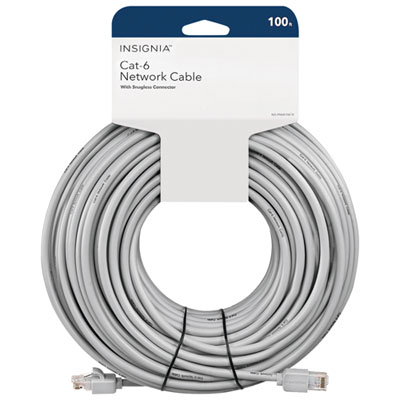 Your price for this item is $49.95
 -
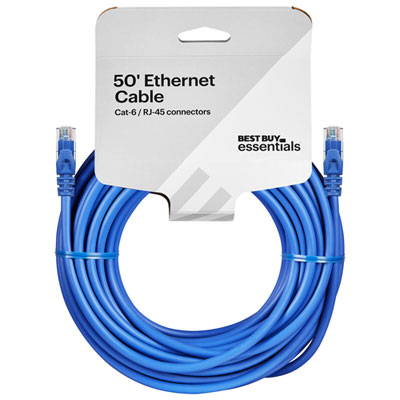 Your price for this item is $24.99
 -
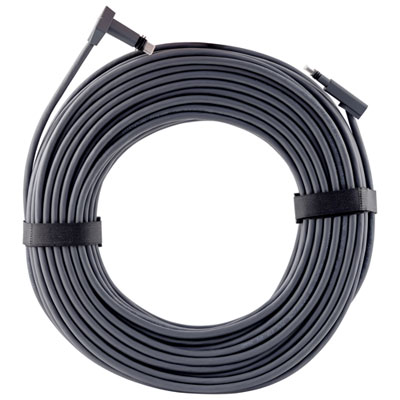 Your price for this item is $164.99
 -
 Your price for this item is $11.68
 -
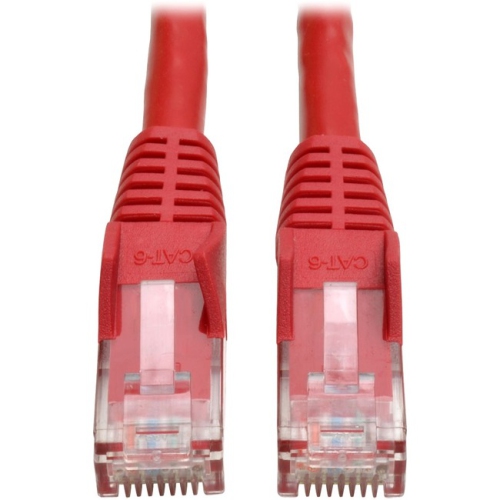 Your price for this item is $68.68
 -
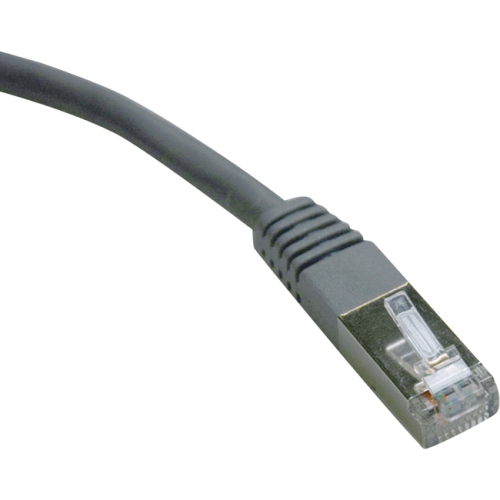 Your price for this item is $47.68
 -
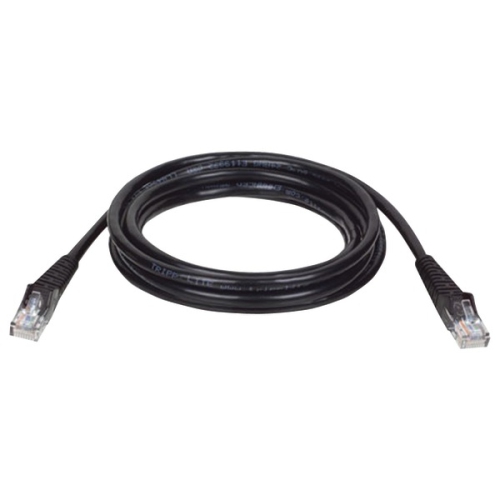 Your price for this item is $46.68
 -
 Your price for this item is $24.68
Discover more categories related to PoE Cables
Top Collections:
Pokemon Centers, Kindle Devices, Best Budget Office Chairs, Apple iPhones 16, Best Laptops for Writers, iPhone 15 Apple, Canon G7X Cameras, Refurbished Apple Laptops, Alarm Clock, Motorola Razr Phones
Some products may be subject to Environmental Handling Fees
(EHF) depending on your province.
Learn more about EHFs.