Power Strips
Transform your space into a hub of productivity and convenience with our wide selection of power strips. Whether you need to power up multiple devices in your home office, create an organized charging station for your gadgets, or simply expand the number of outlets in any room, our power strips are designed to meet your needs. With sleek designs and advanced features such as surge protection and USB ports, these power strips offer a seamless blend of functionality and style. Upgrade your power solutions today and stay connected with ease.
Sort
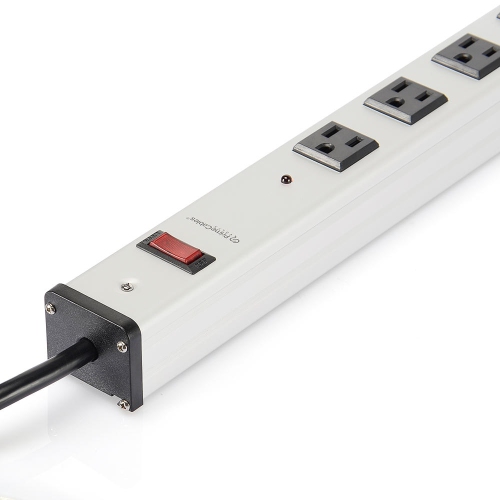
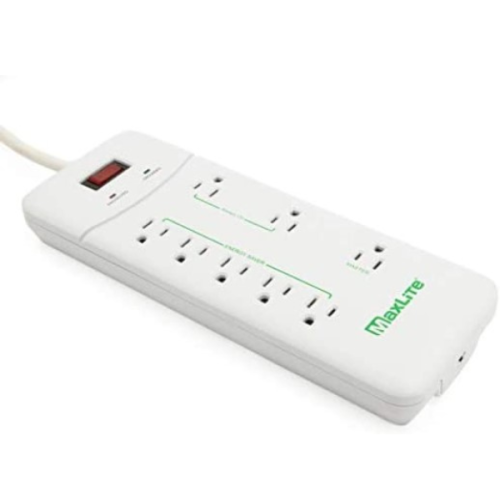
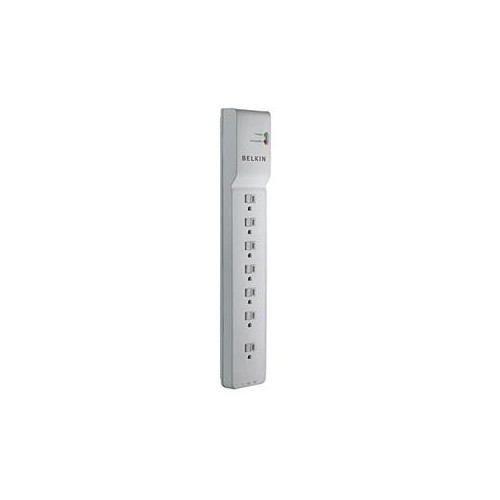
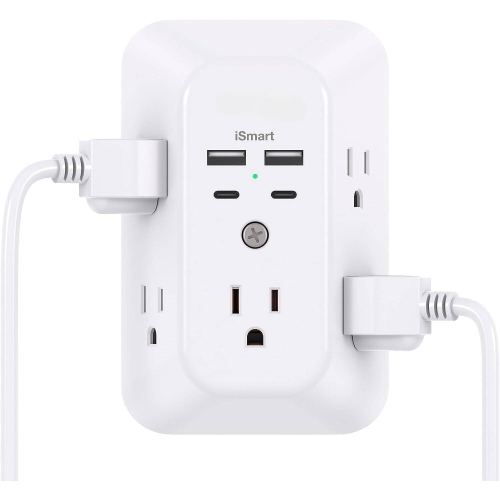
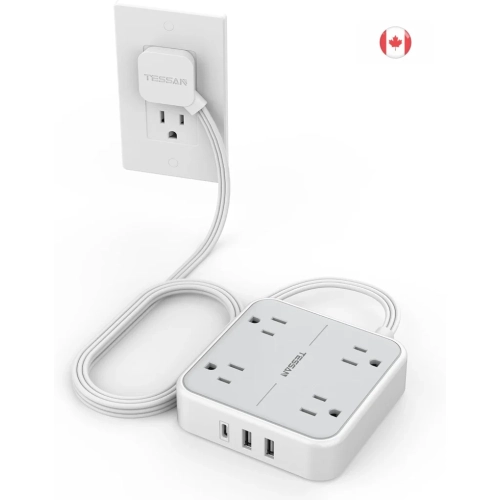
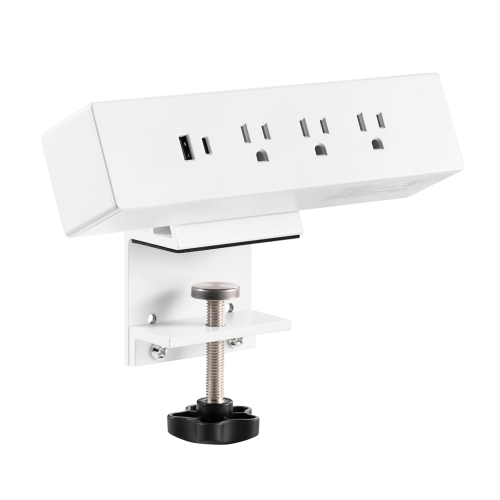
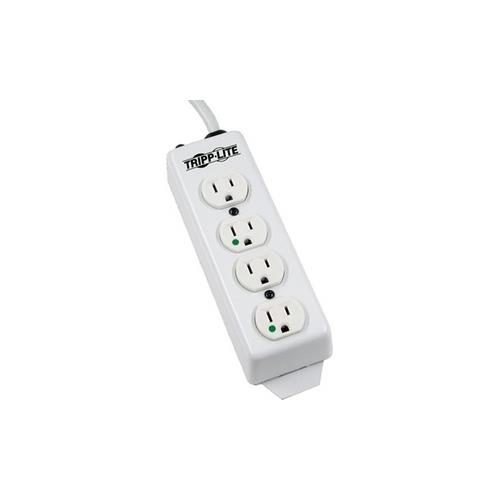

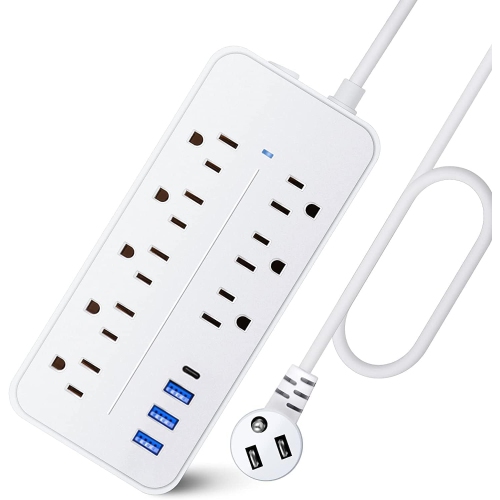


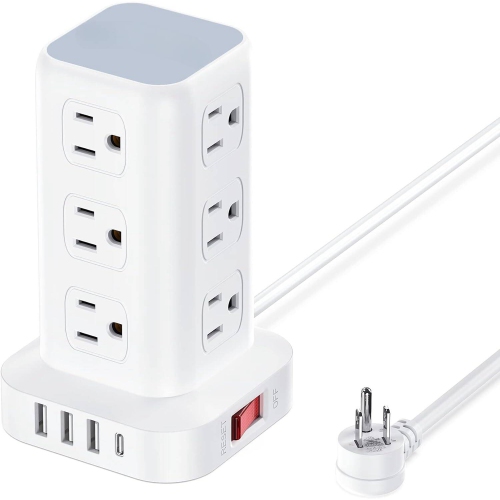
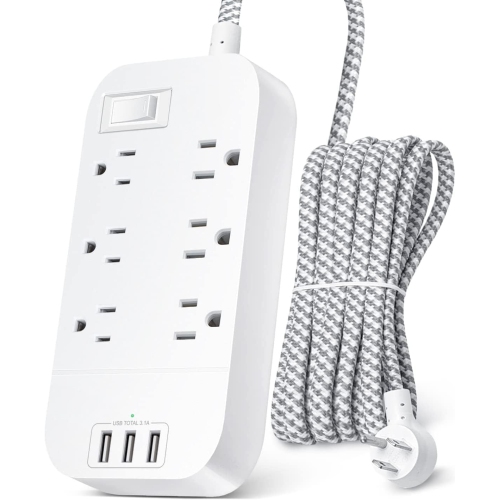
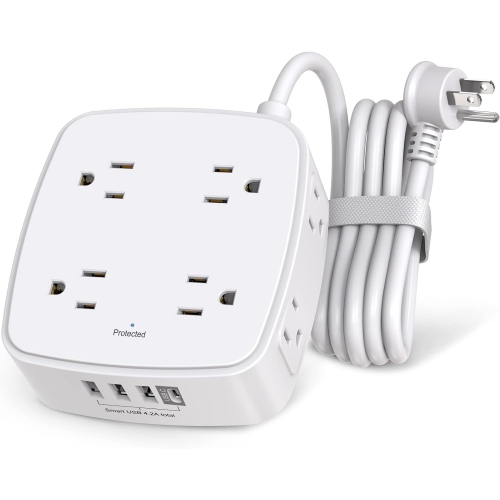
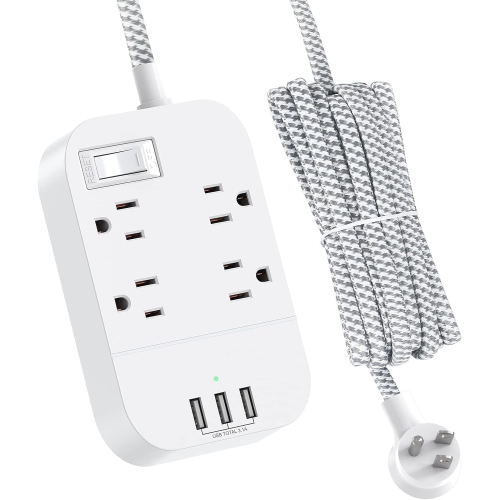
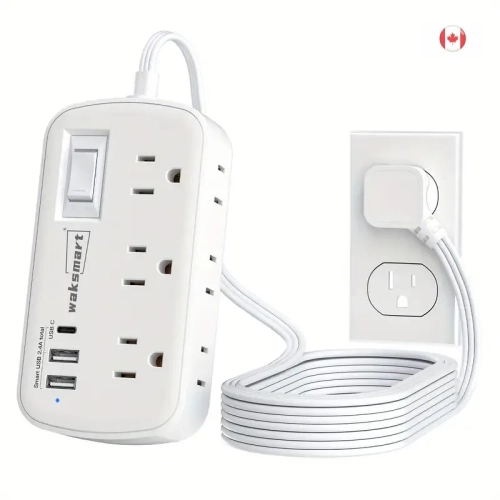
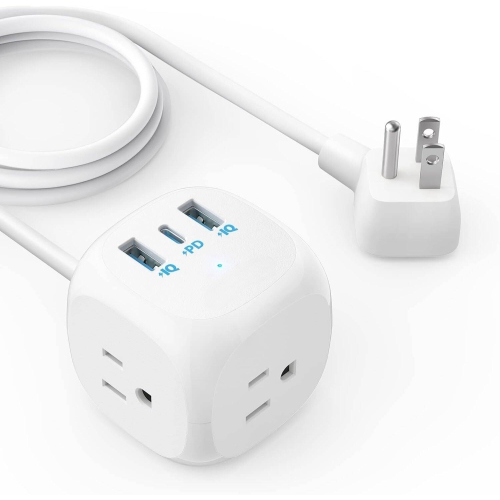
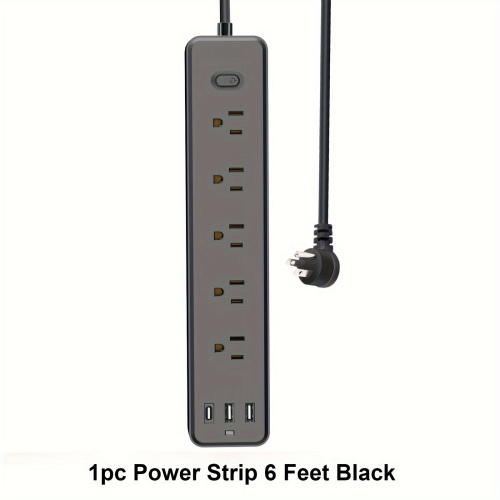
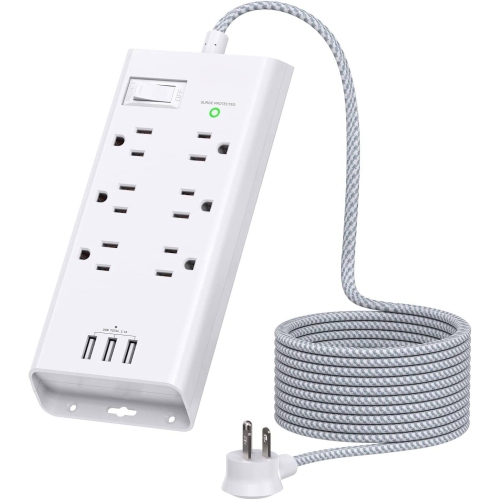
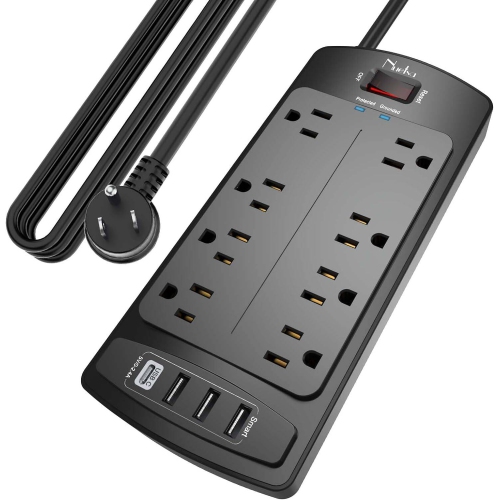
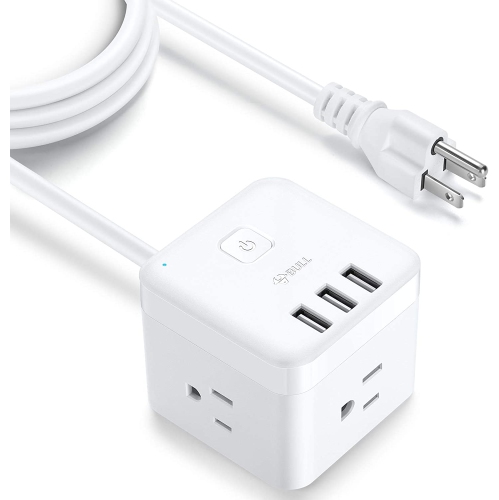
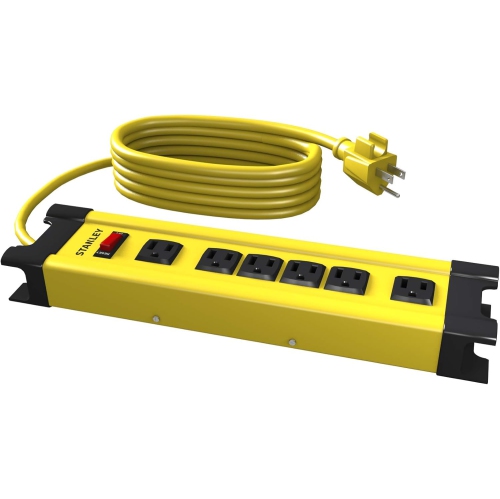
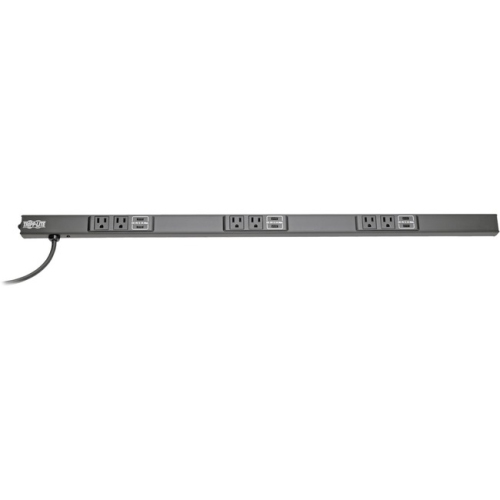

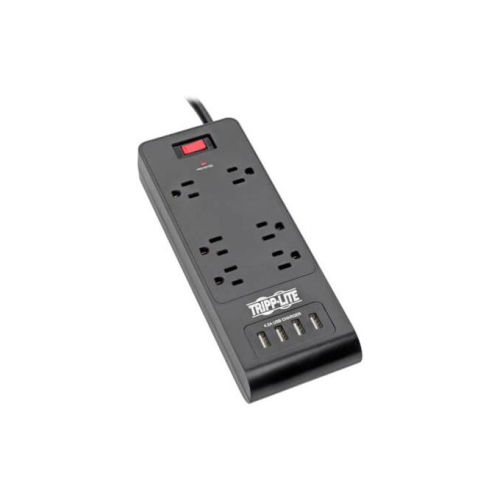
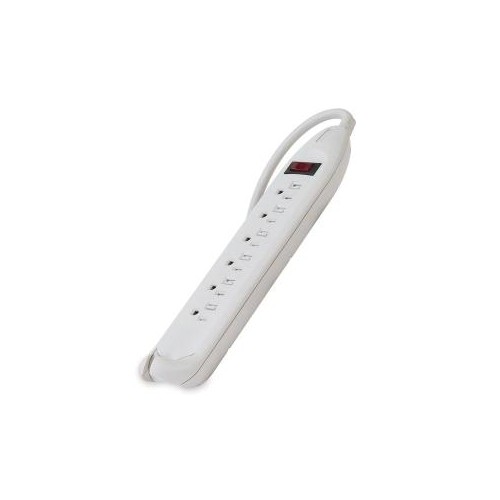

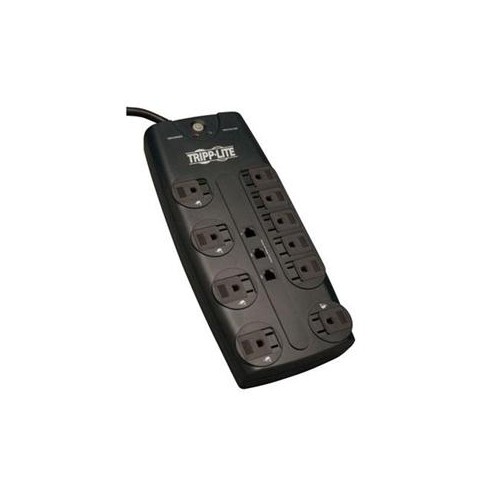
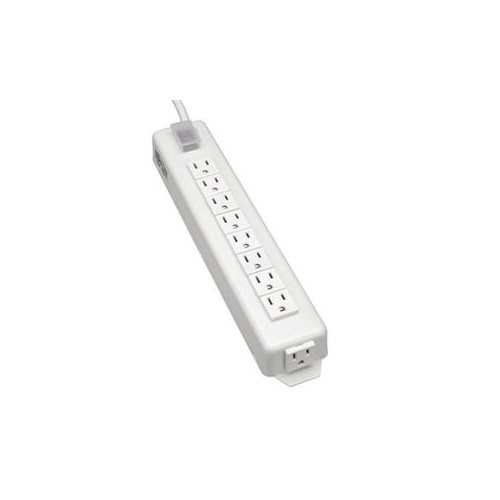
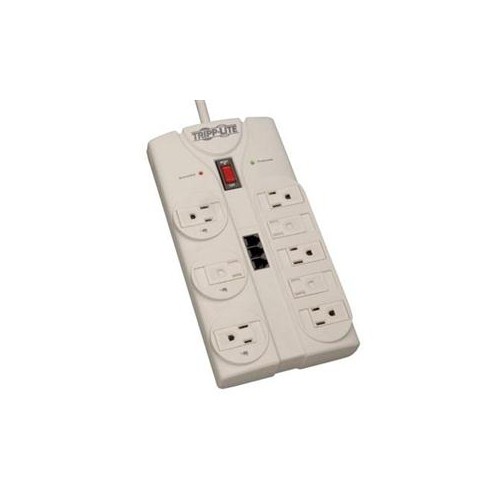

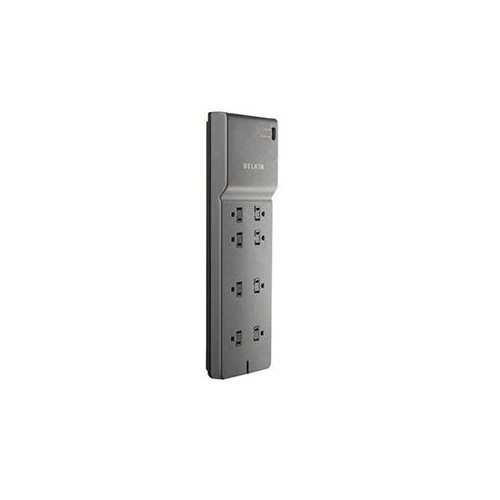
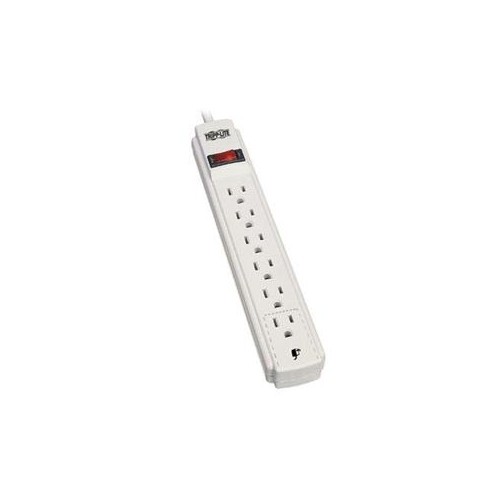
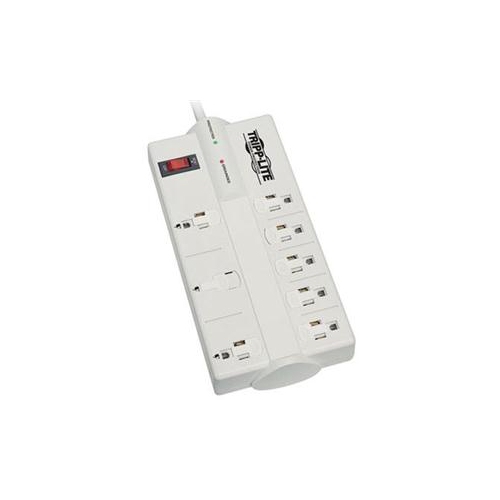

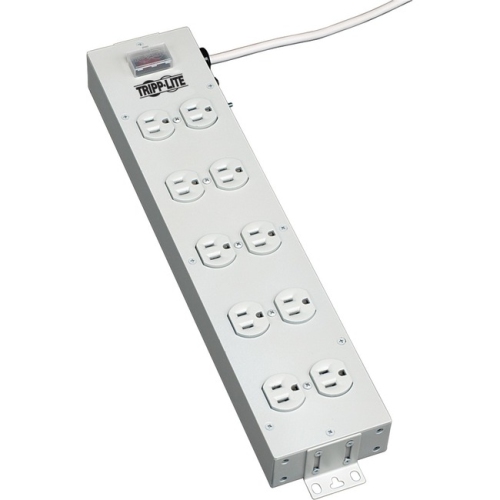
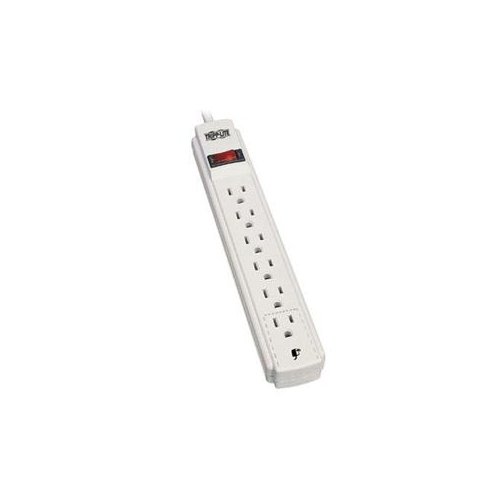
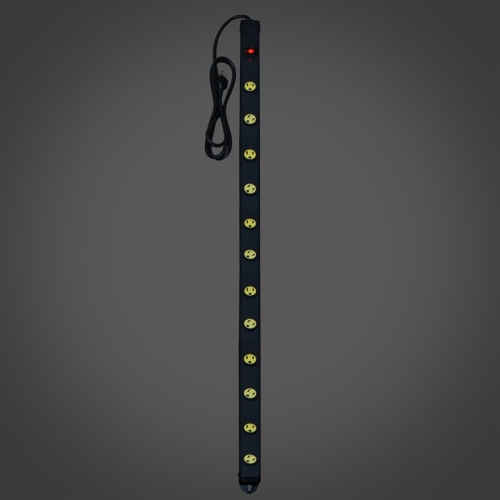

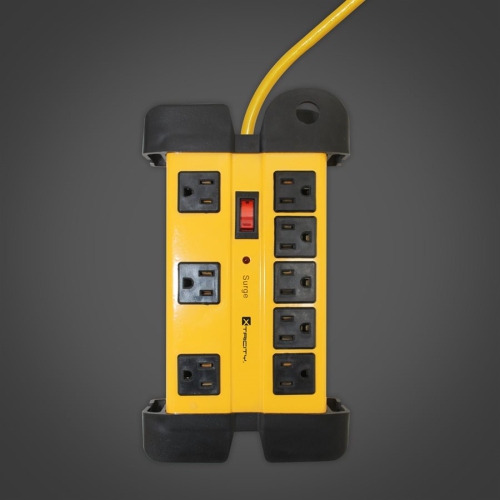



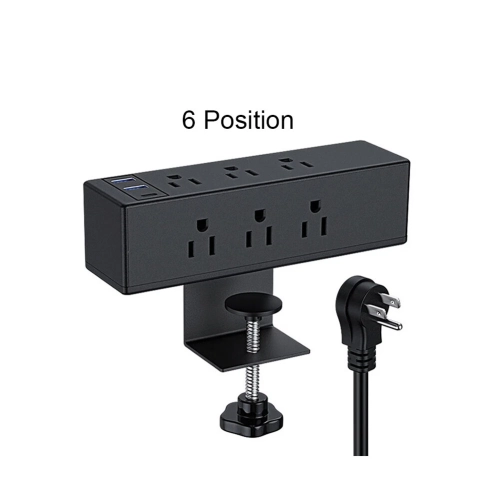
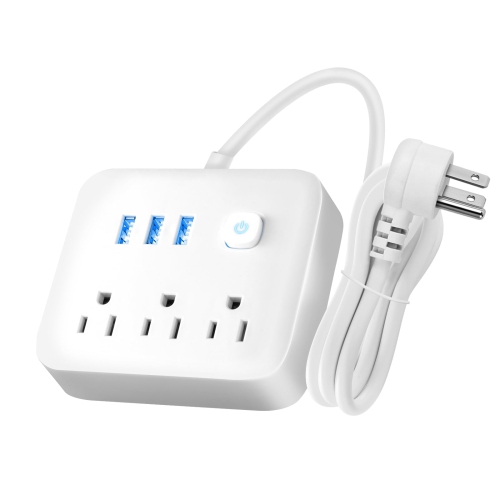
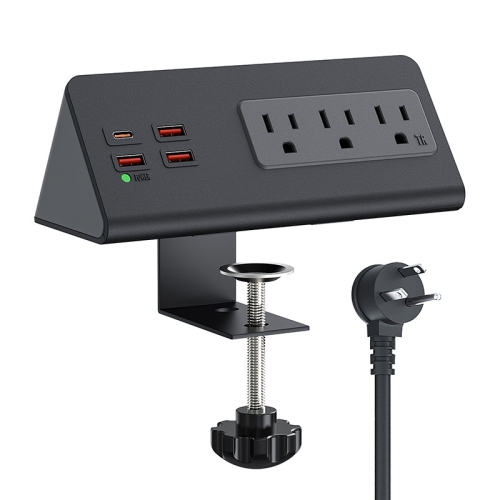
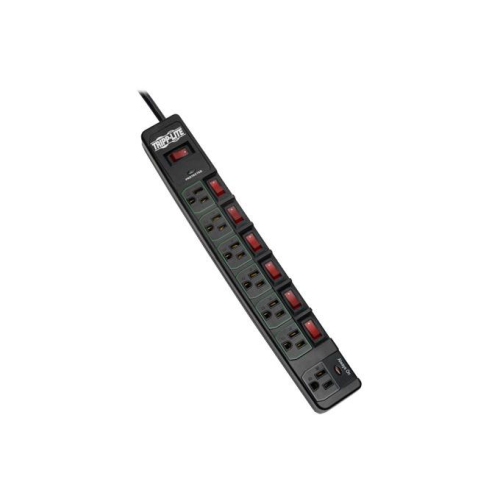

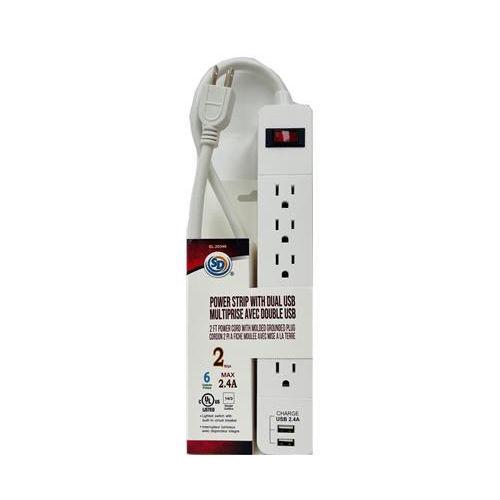
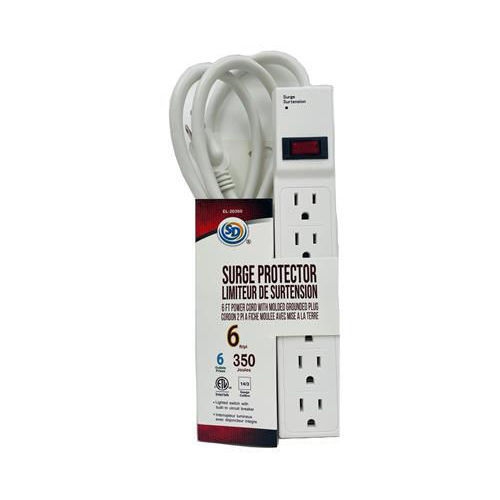
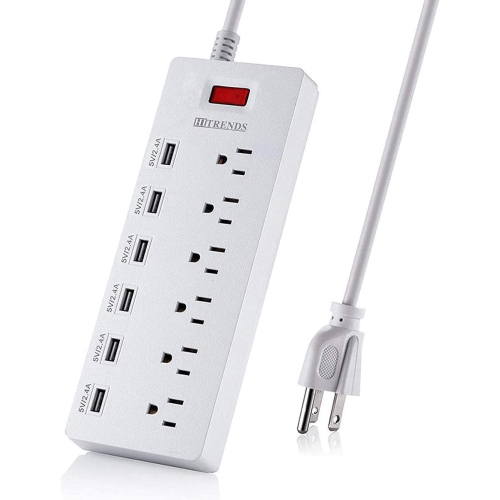
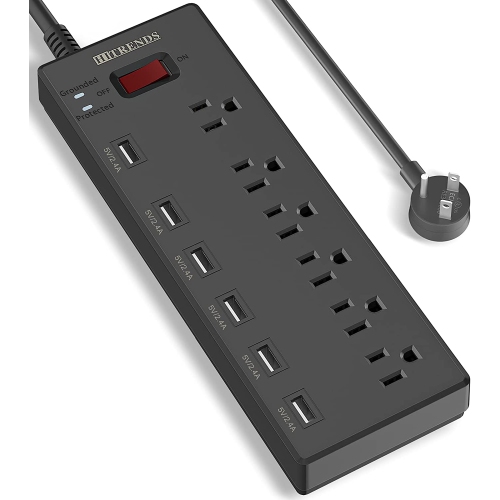
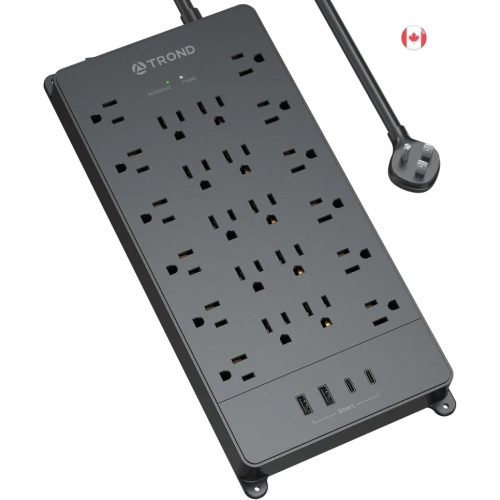

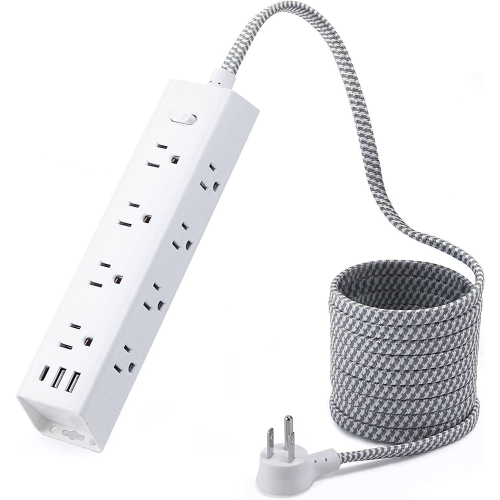
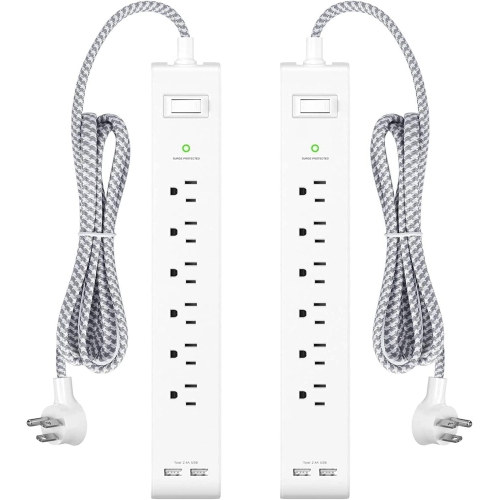
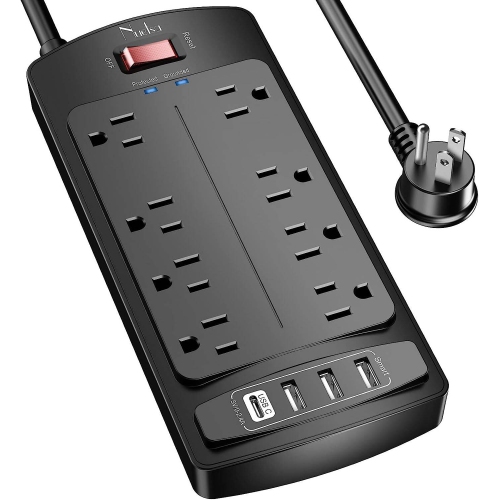
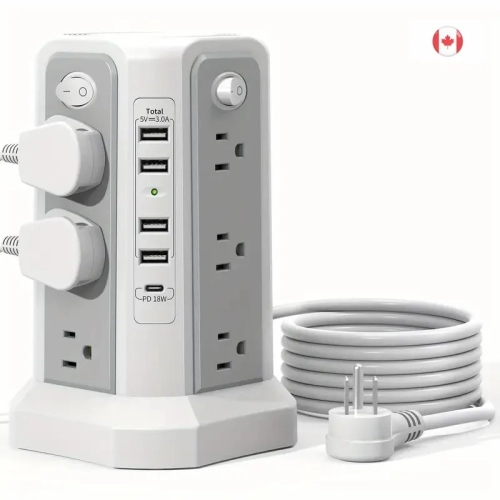

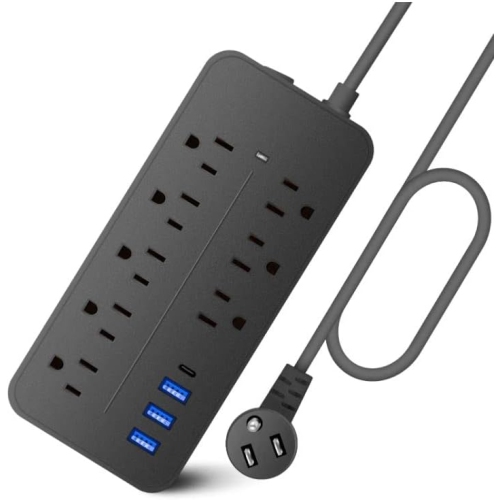
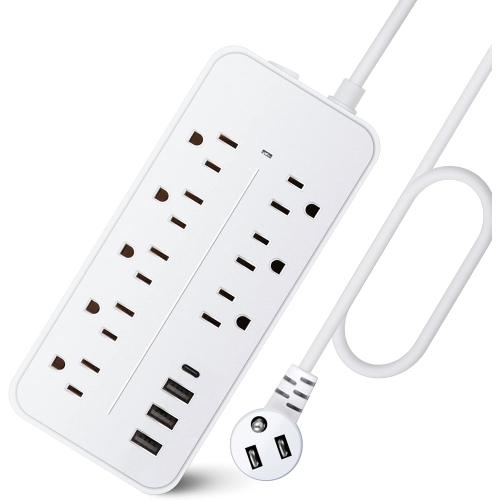
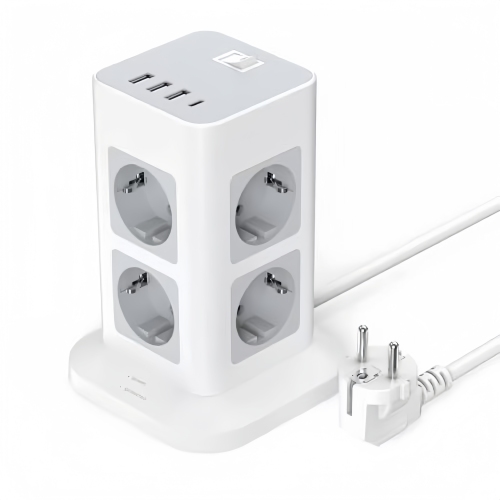

Key features for safer, more organized device connections
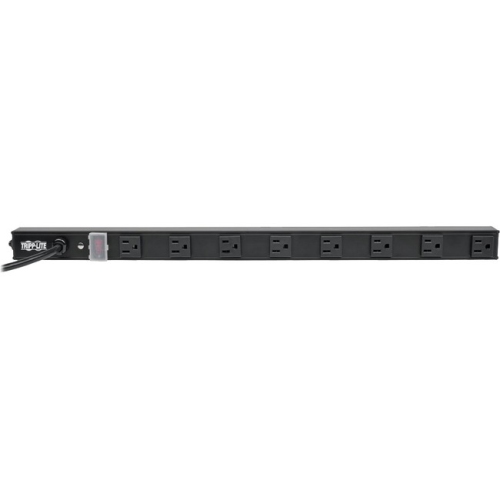
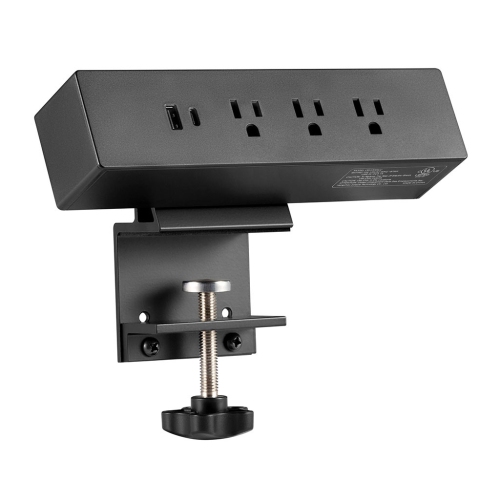
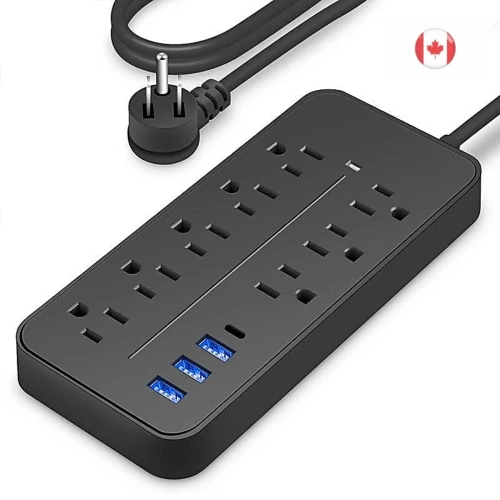
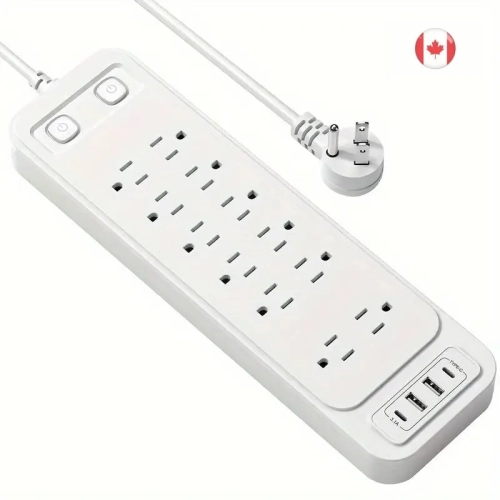
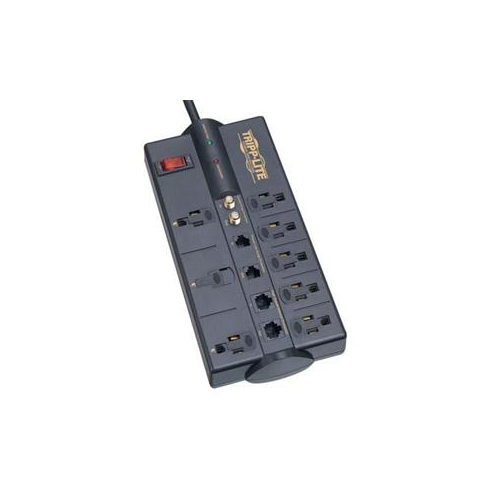
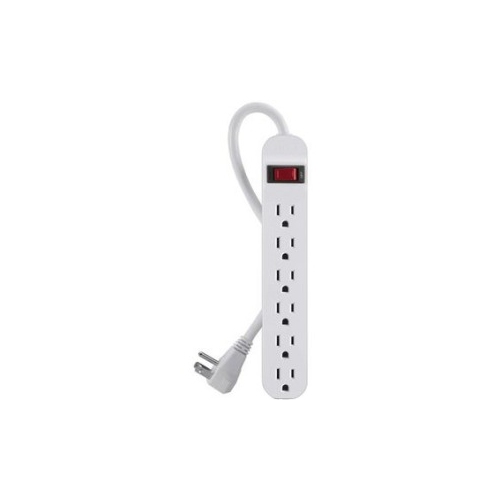
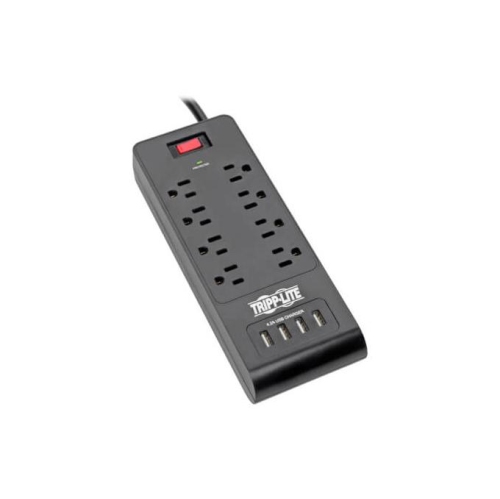
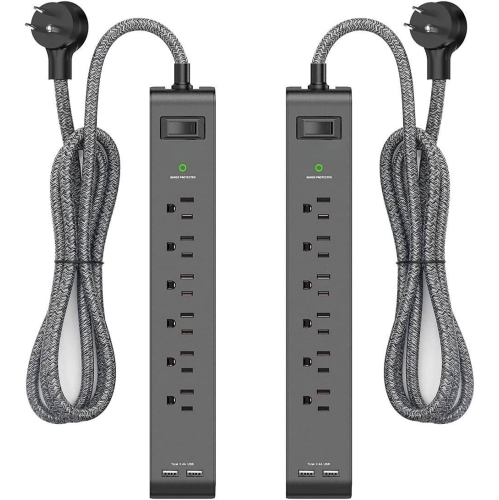
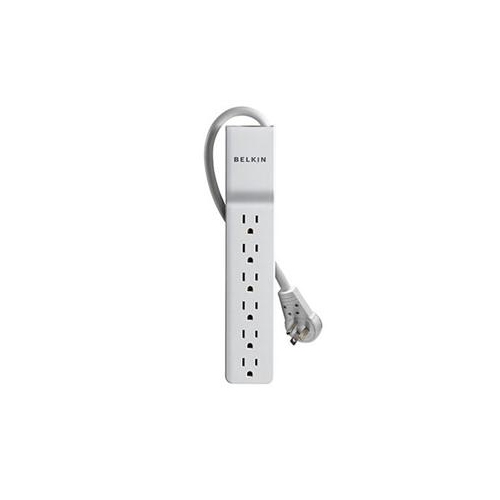
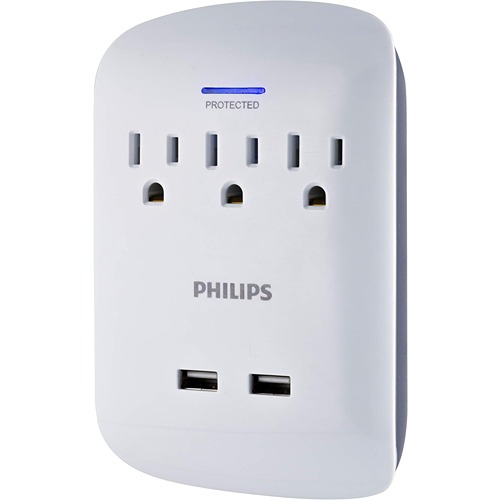
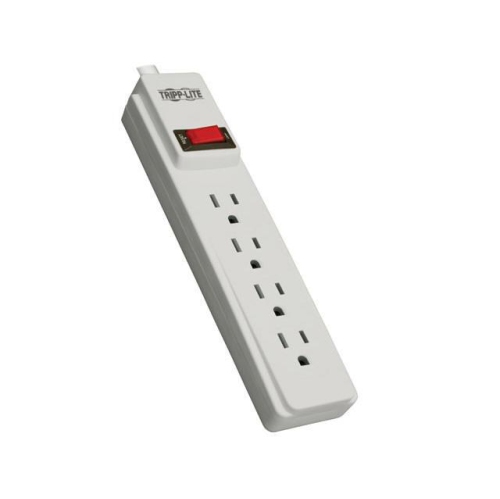
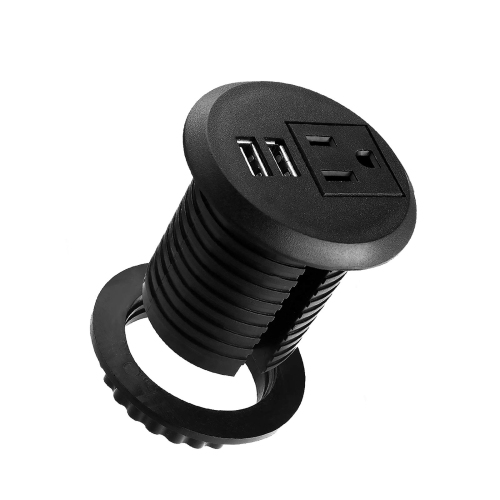
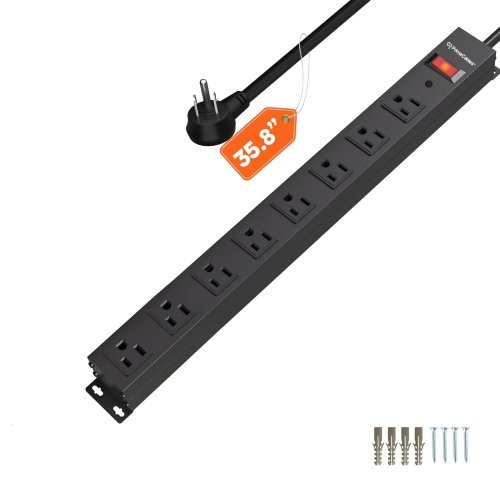
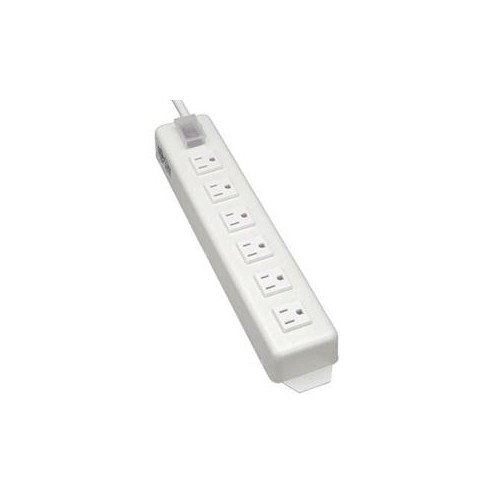
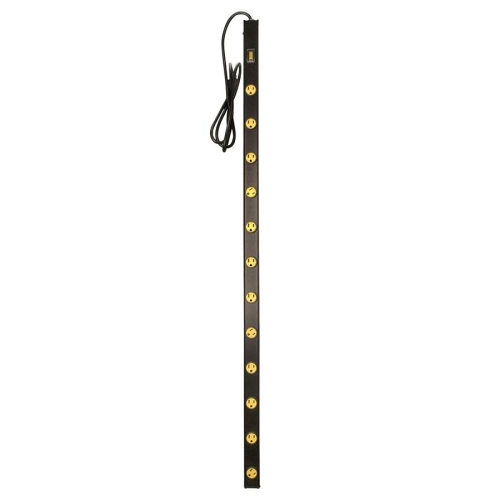
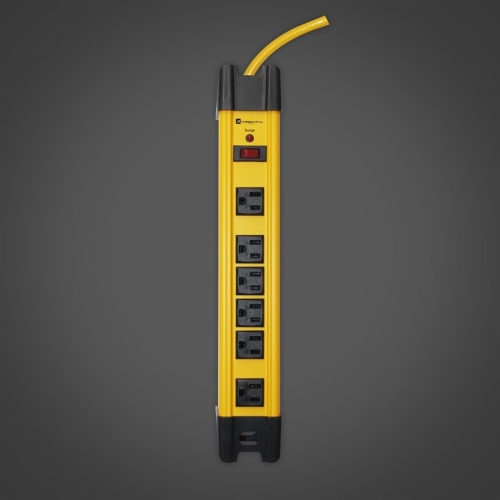
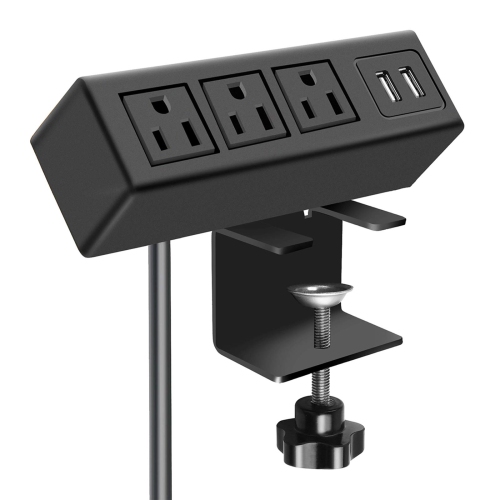
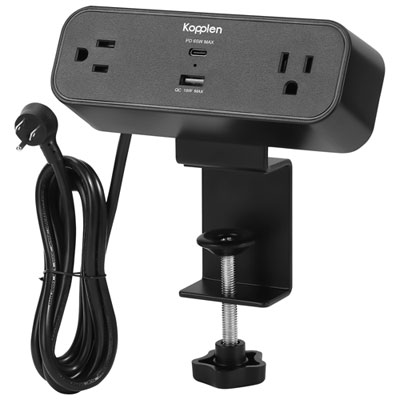
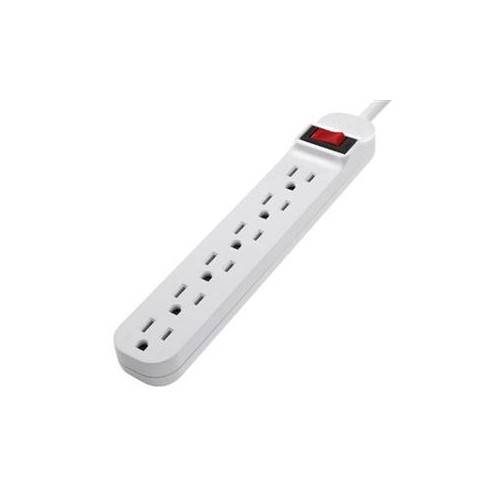
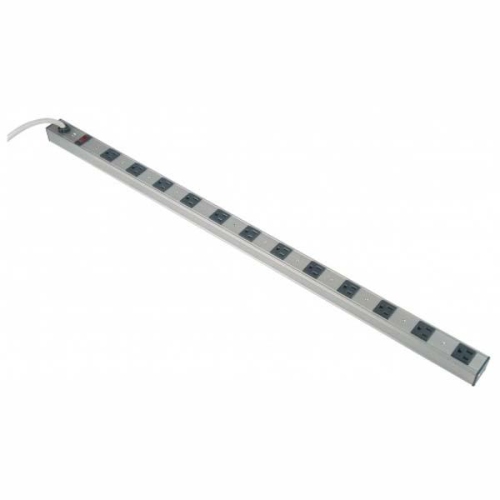
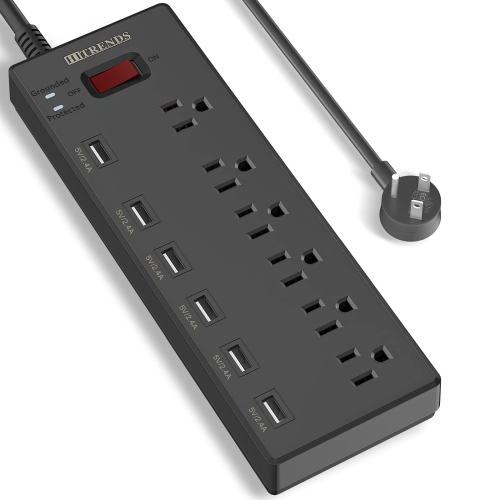
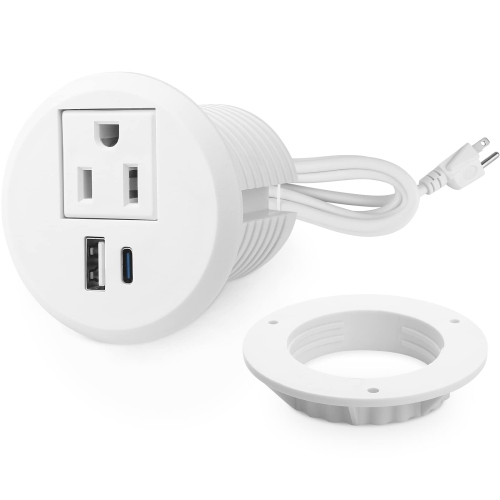
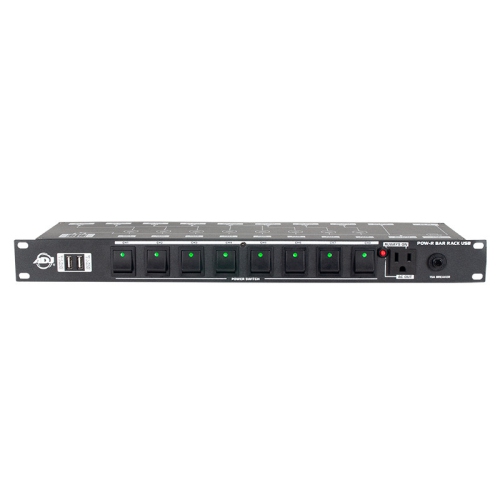
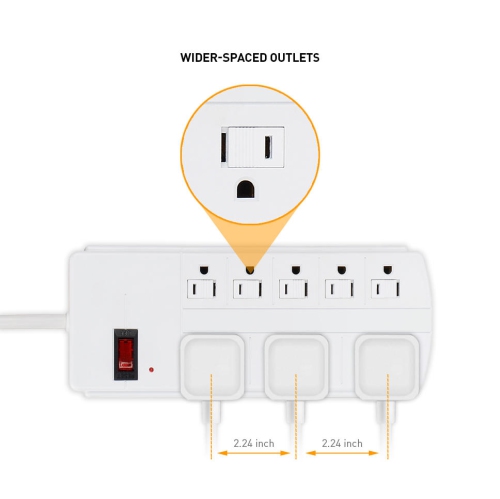
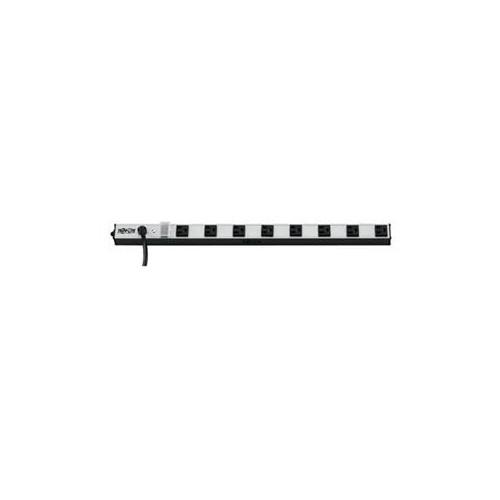
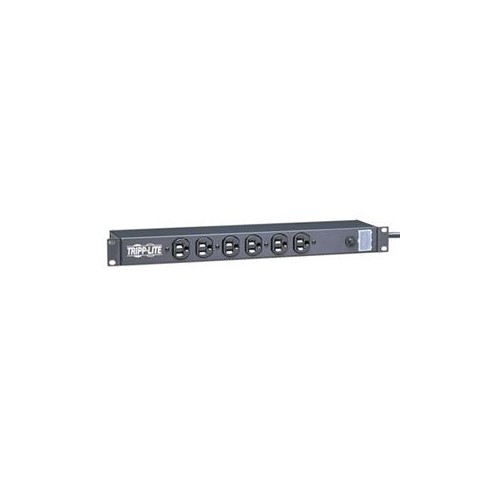
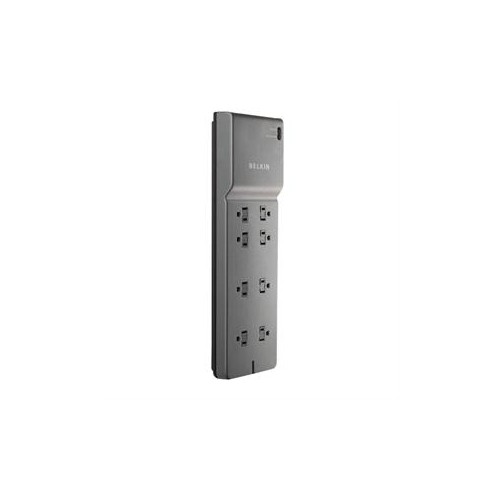
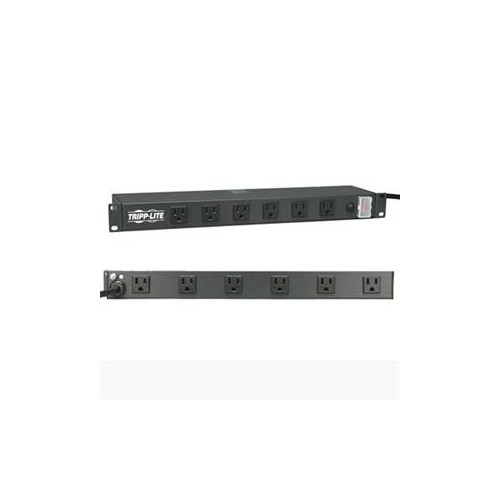
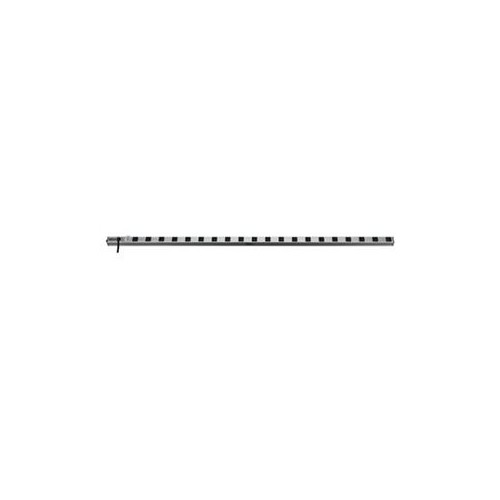
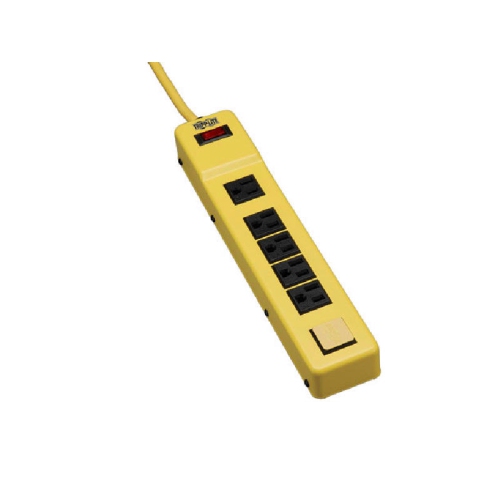
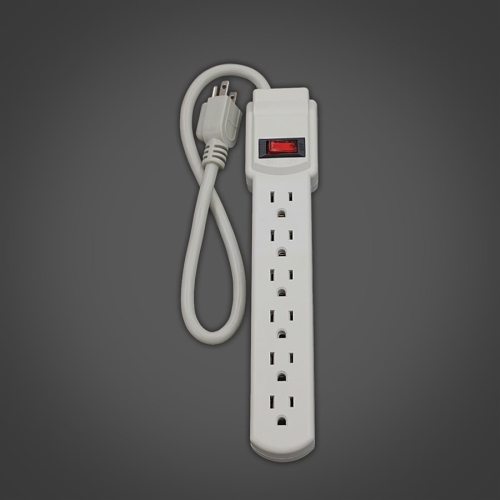
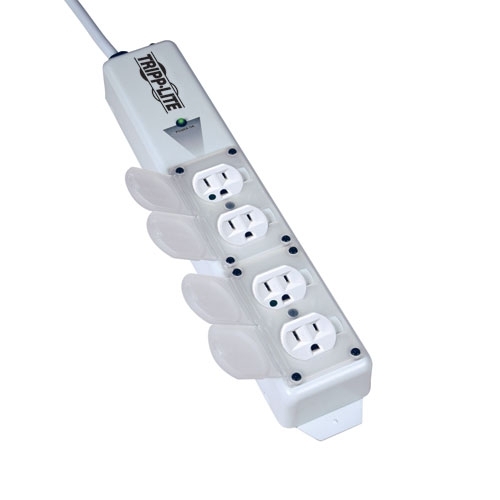
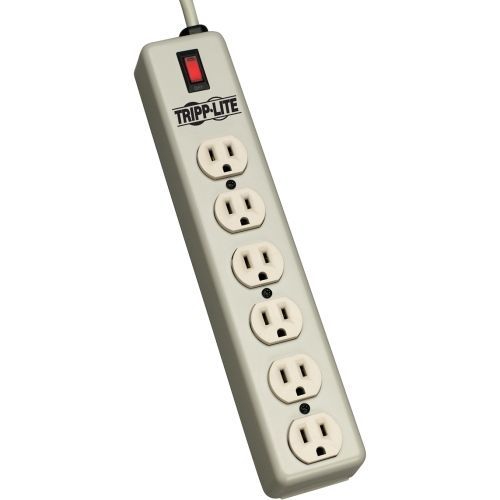
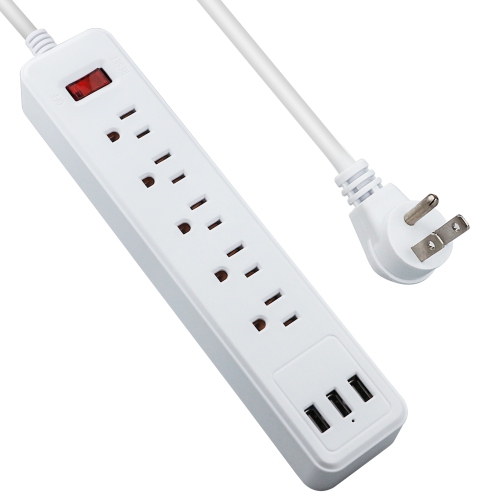
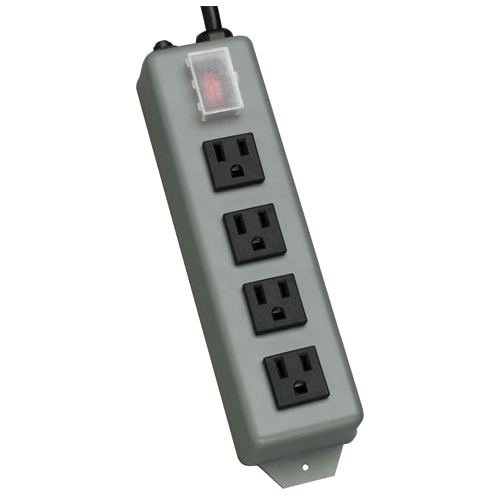
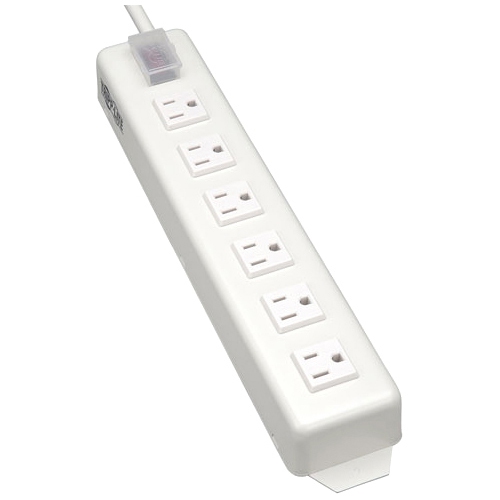
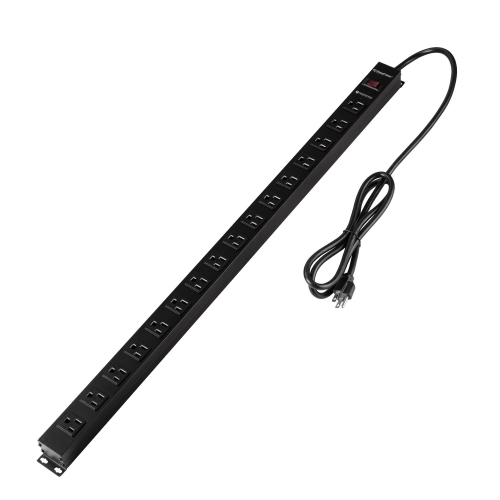
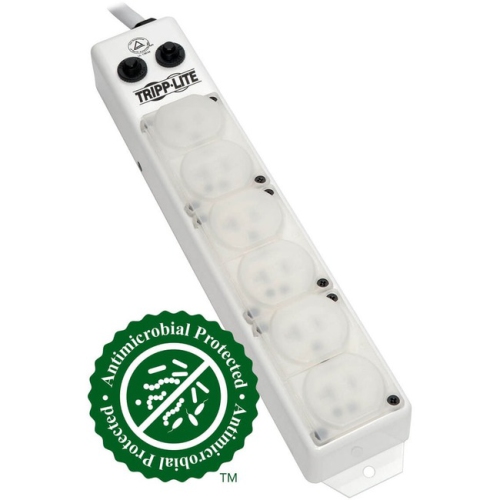
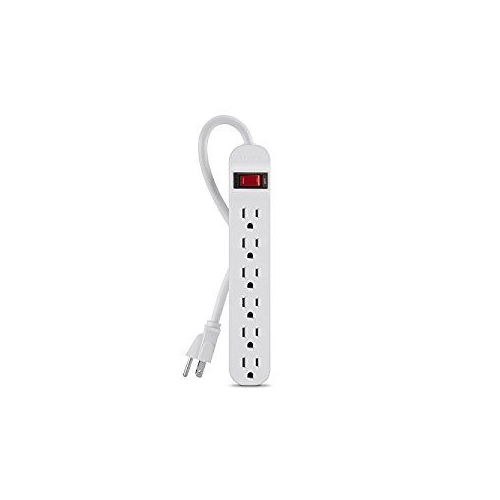
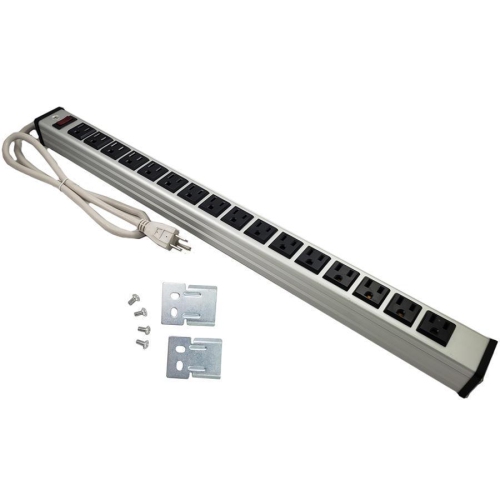
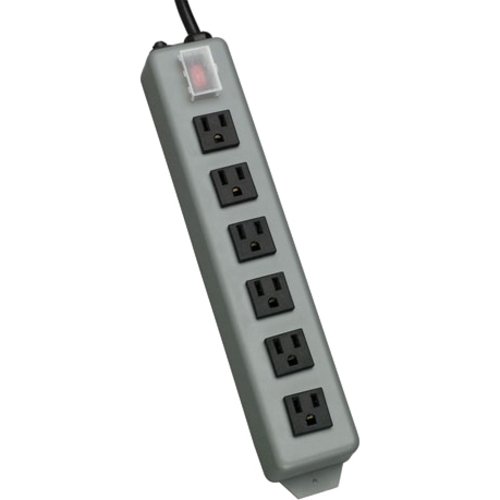
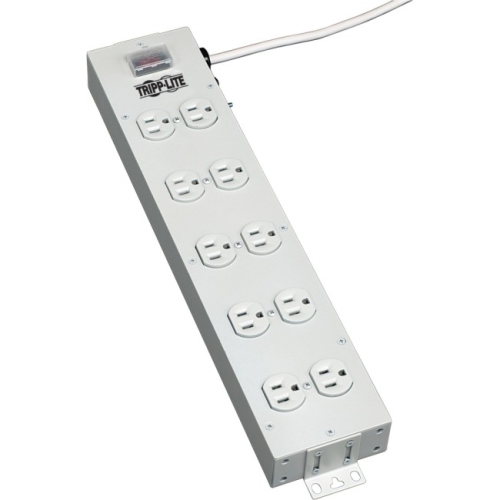
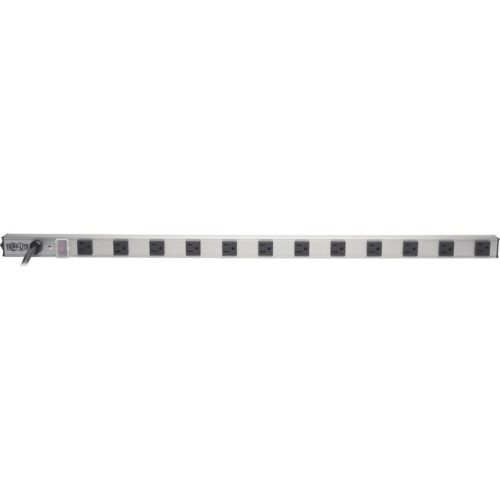
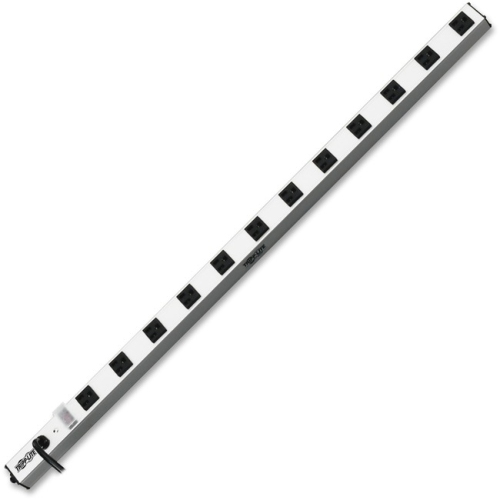
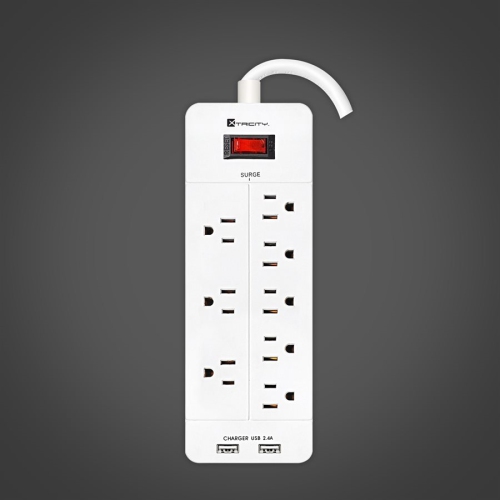
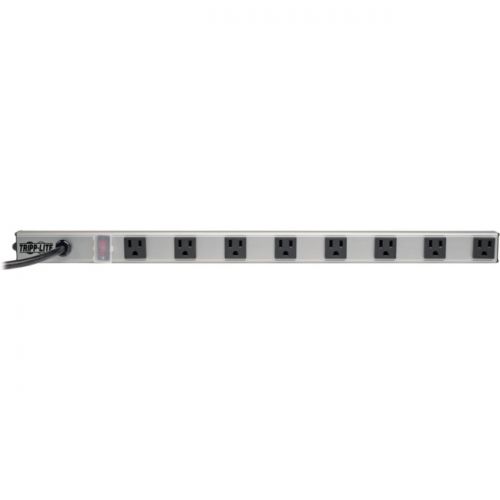
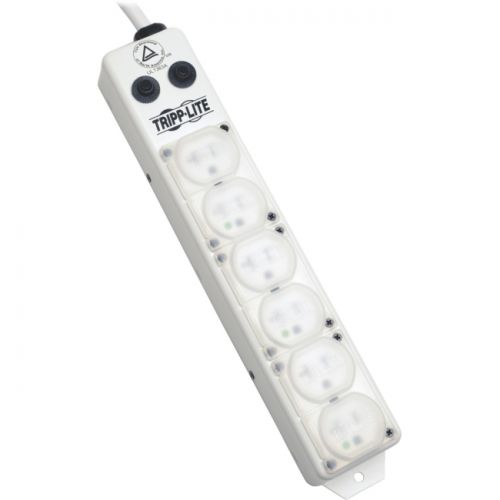
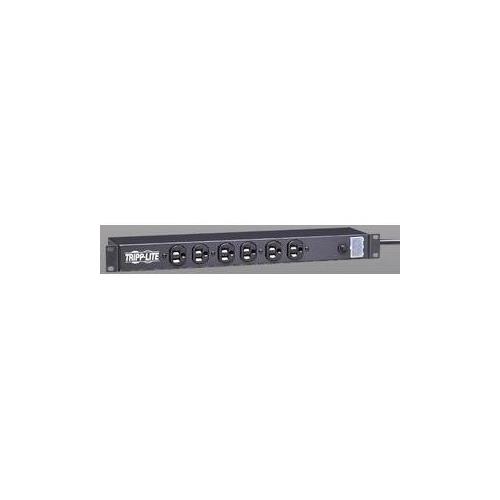
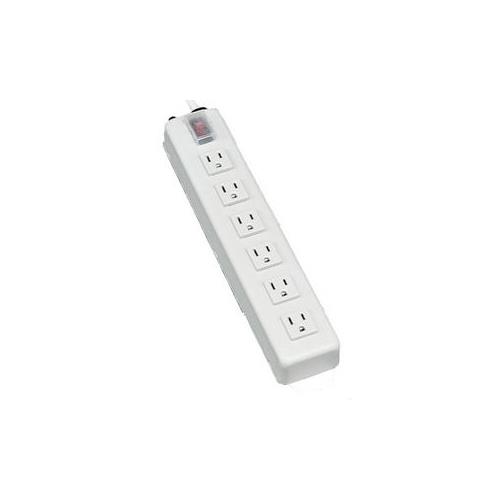
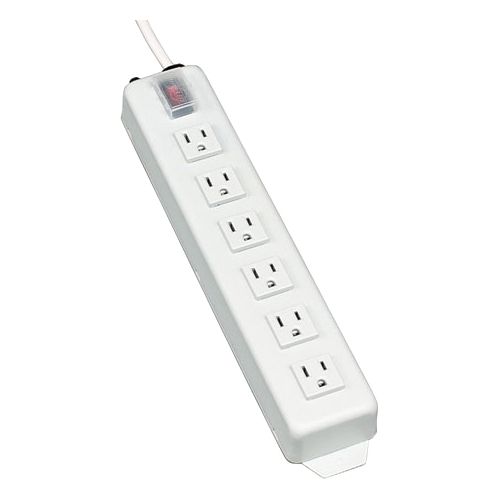
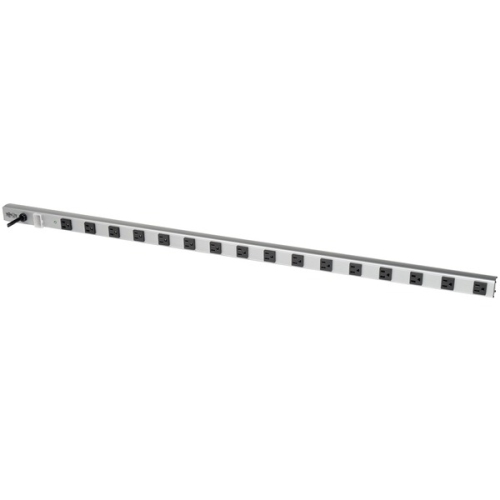
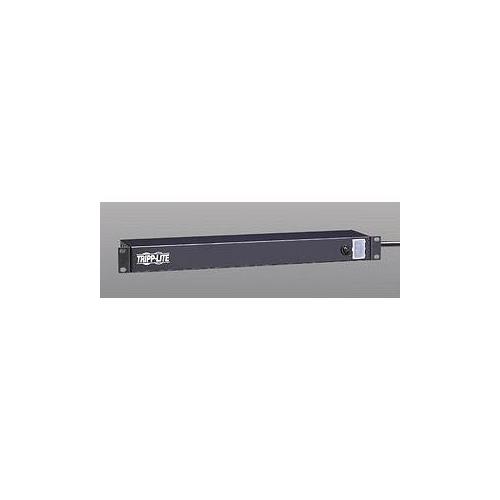
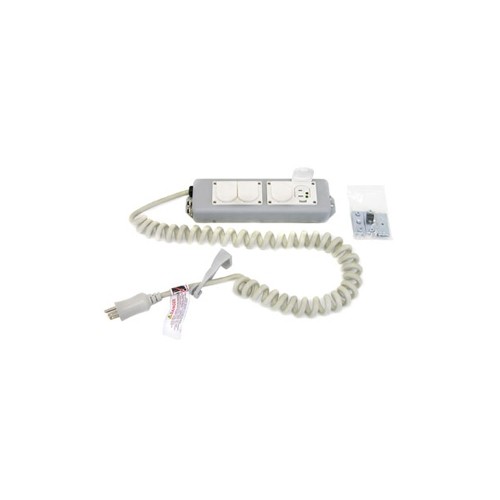
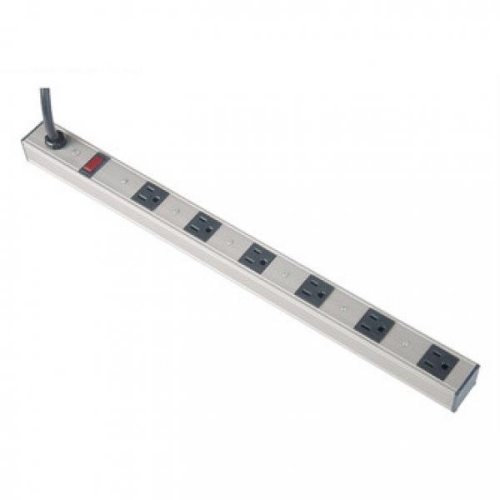
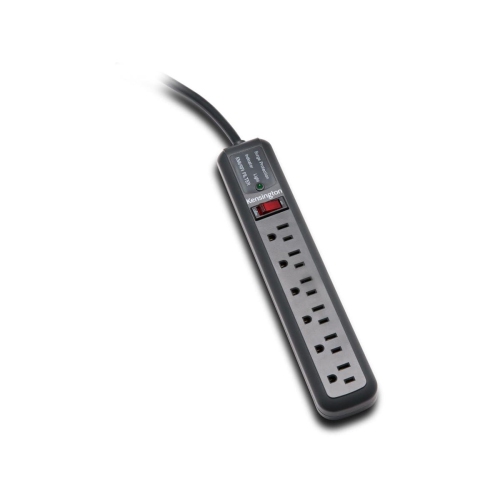
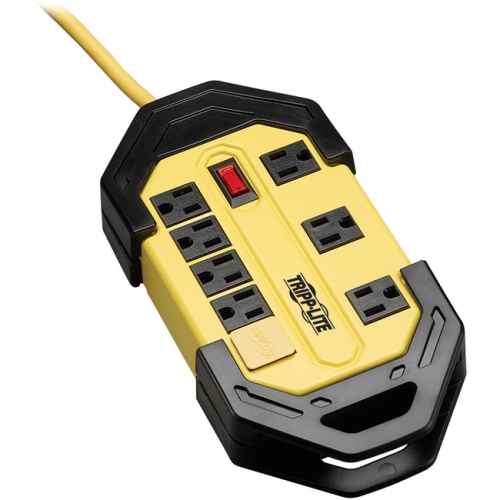
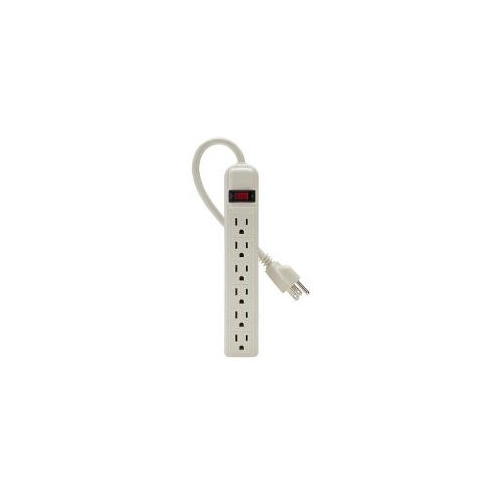
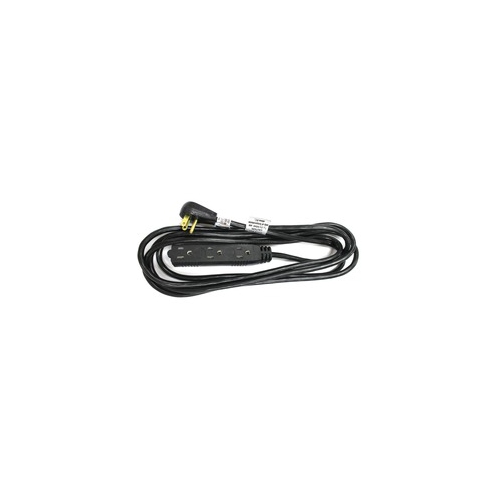
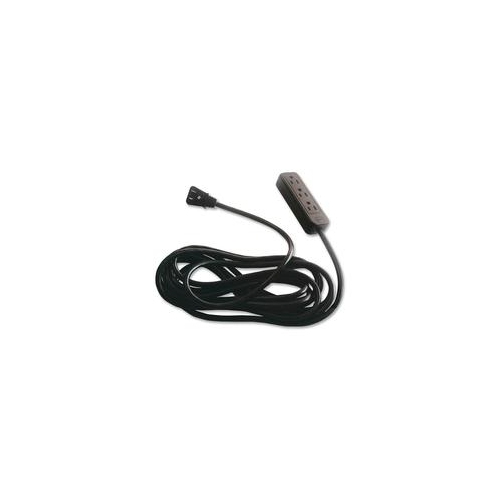
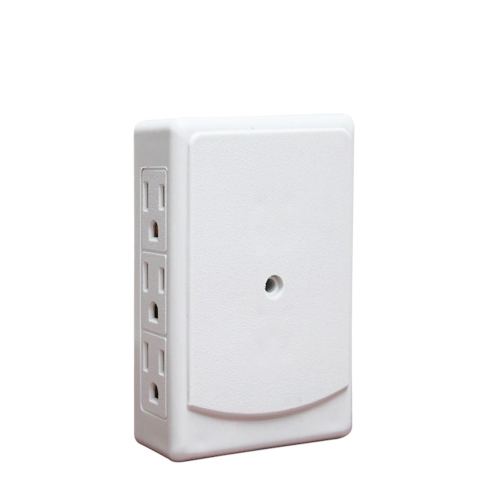
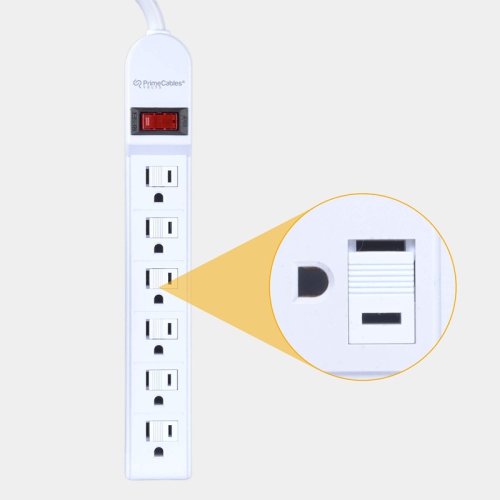
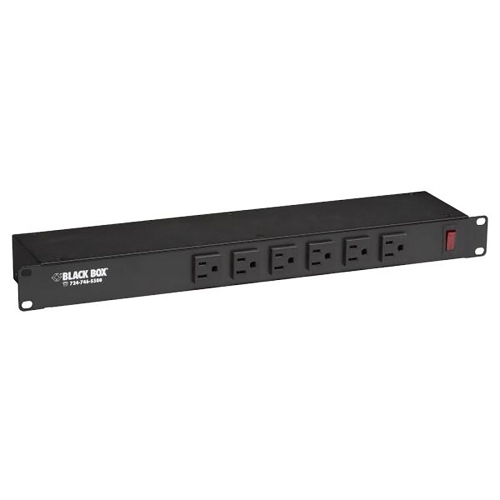
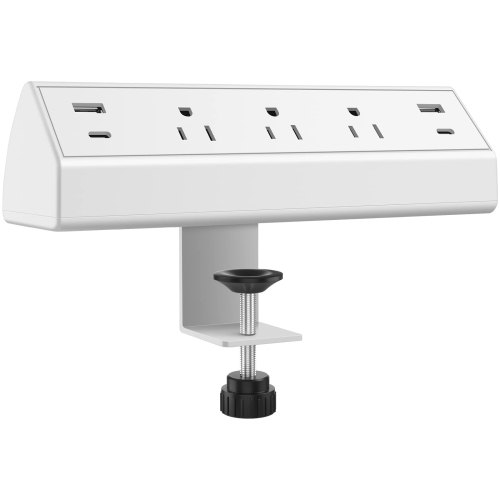
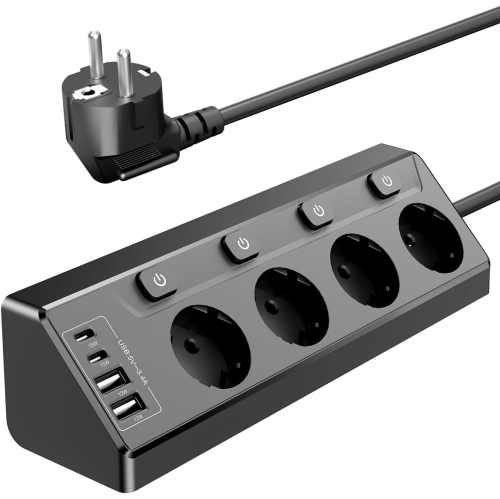
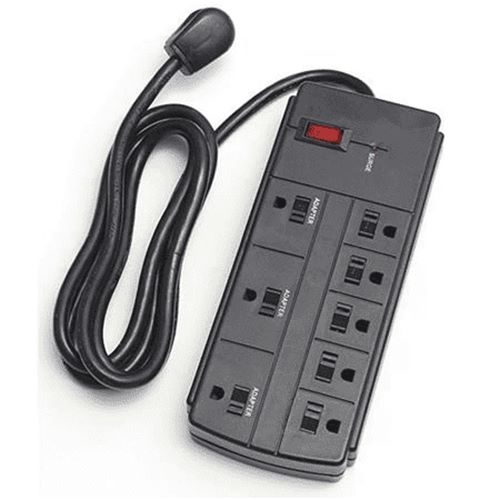
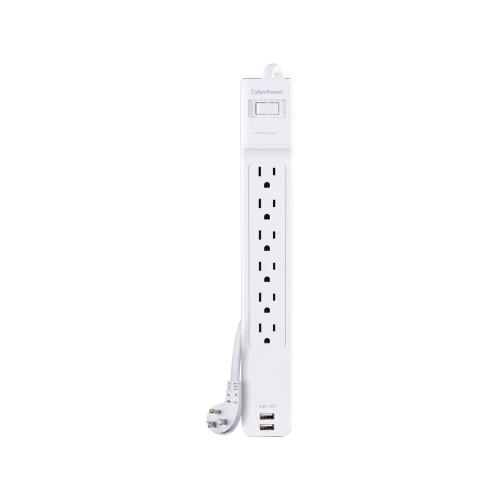
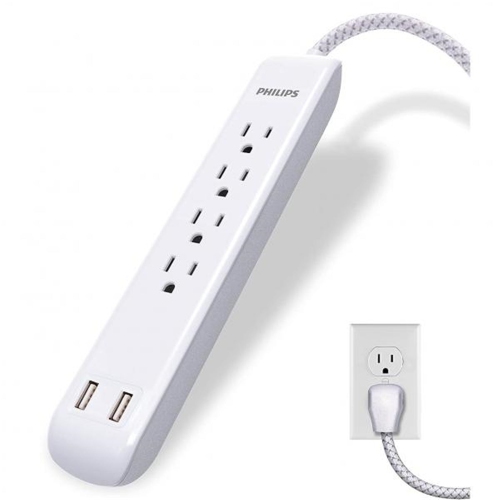
Power strips make it easier to organize and power several devices from a single wall outlet. A basic power strip typically provides multiple AC receptacles, an on/off switch and a circuit breaker, making it useful beside a desk, entertainment unit, workbench or bedside table. A surge protector offers an added layer of protection by using internal circuitry to help divert short-duration voltage spikes before they reach connected electronics. This can be especially helpful for sensitive equipment such as computers, monitors, televisions, game consoles, networking equipment and audio components. When comparing models, look at the number and spacing of outlets, the length of the cord, the location of the power switch and whether the design can be mounted or tucked neatly behind furniture. Wider spacing can make it easier to connect bulky adapters without blocking neighbouring receptacles, while a longer cord can be useful when the nearest wall outlet is behind a cabinet or across a room. A low-profile design suits tight areas behind a media console, and angled plugs can help keep cords closer to the wall. For a more advanced setup, USB-A or USB-C charging ports can provide a convenient place to recharge phones, tablets, headphones, controllers and other small devices without occupying an AC outlet. Smart power strips may also include independently controlled outlets or an automatic shut-off feature that reduces power to selected peripherals when a main device is turned off. Those features can help keep a home office, entertainment centre or gaming station more orderly, particularly when several devices are used together.
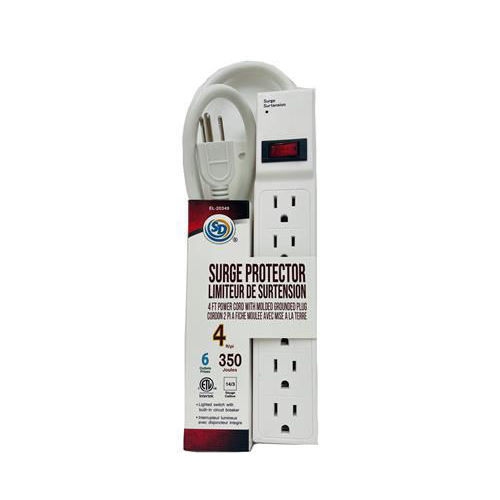
The most important purchase consideration is matching the power strip to the equipment and electrical load it will serve. Check the maximum amperage or wattage rating and keep the combined demand of connected devices within that limit; many household models are rated up to 15 A or 1,875 W, although ratings vary. A power strip should never be used as a way to draw more power than a wall circuit can safely provide. Surge protectors are commonly identified by a joule rating, which indicates how much surge energy the protection components are designed to absorb over time. A higher joule rating may be worth considering for valuable or sensitive electronics, but it does not replace safe installation or protection from every possible electrical event. Look for certification from a recognized safety organization, such as CSA, UL or ETL, and follow the manufacturer’s instructions for placement and use. Avoid covering a power strip with rugs, blankets or furniture, since it needs appropriate ventilation and should remain accessible. Keep it away from moisture, heat sources and areas where the cord may be pinched, walked on or pulled. Never plug one power strip into another power strip or extension cord. This practice, known as daisy chaining, can overload the circuit and create a serious fire hazard. Power strips are intended for portable household electronics and accessories, not for high-demand appliances such as space heaters, refrigerators, clothes dryers or other equipment that requires a dedicated outlet unless the manufacturer specifically states otherwise. Inspect the cord, housing and outlets periodically, and replace the unit if it shows signs of scorching, cracking, fraying, looseness or unusual heat. A power strip with individual switches can be practical when different devices need to be controlled separately, while a master switch can turn off an entire workstation or entertainment area at the end of the day.
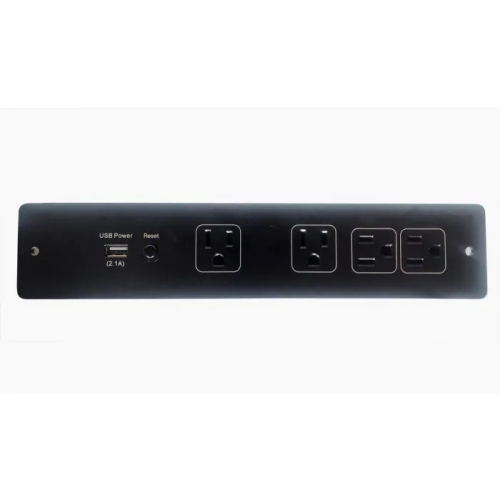
Different spaces call for different features. In a home office, a surge-protected strip with USB charging can keep a computer, display, printer, speakers, desk lamp and mobile devices connected in one central location. In a living room, generous outlet spacing and a longer cord can accommodate a television, streaming device, sound system, game console and wireless router without a cluster of loose adapters. A smart model can be useful for a media centre where a primary television or receiver controls the activity of related equipment, while a compact strip may suit a dorm room, apartment, guest room or travel setup. Home workshops and hobby areas can benefit from sturdy construction, clearly marked switches and enough capacity for small electronic tools, chargers and task lighting, provided the total load remains within the stated limit. Families may appreciate USB ports for shared charging, and students moving into a new room may find a power strip to be a practical housewarming or back-to-school gift. It can also be a thoughtful choice for someone setting up a first home office, gaming corner, recording space or entertainment system, since it supports everyday organization rather than serving a single device. For premium setups, explore a High End Power Strip with features such as enhanced surge protection, refined outlet layouts, mounting options, power monitoring or smart controls. Choosing the right model comes down to counting the equipment that needs power, allowing room for future additions, checking the safety rating and selecting a layout that keeps cords accessible and manageable. A well-chosen power strip helps turn one crowded outlet into a more functional, convenient connection point for the electronics used throughout the home.
The most important purchase consideration is matching the power strip to the equipment and electrical load it will serve. Check the maximum amperage or wattage rating and keep the combined demand of connected devices within that limit; many household models are rated up to 15 A or 1,875 W, although ratings vary. A power strip should never be used as a way to draw more power than a wall circuit can safely provide. Surge protectors are commonly identified by a joule rating, which indicates how much surge energy the protection components are designed to absorb over time. A higher joule rating may be worth considering for valuable or sensitive electronics, but it does not replace safe installation or protection from every possible electrical event. Look for certification from a recognized safety organization, such as CSA, UL or ETL, and follow the manufacturer’s instructions for placement and use. Avoid covering a power strip with rugs, blankets or furniture, since it needs appropriate ventilation and should remain accessible. Keep it away from moisture, heat sources and areas where the cord may be pinched, walked on or pulled. Never plug one power strip into another power strip or extension cord. This practice, known as daisy chaining, can overload the circuit and create a serious fire hazard. Power strips are intended for portable household electronics and accessories, not for high-demand appliances such as space heaters, refrigerators, clothes dryers or other equipment that requires a dedicated outlet unless the manufacturer specifically states otherwise. Inspect the cord, housing and outlets periodically, and replace the unit if it shows signs of scorching, cracking, fraying, looseness or unusual heat. A power strip with individual switches can be practical when different devices need to be controlled separately, while a master switch can turn off an entire workstation or entertainment area at the end of the day.
Different spaces call for different features. In a home office, a surge-protected strip with USB charging can keep a computer, display, printer, speakers, desk lamp and mobile devices connected in one central location. In a living room, generous outlet spacing and a longer cord can accommodate a television, streaming device, sound system, game console and wireless router without a cluster of loose adapters. A smart model can be useful for a media centre where a primary television or receiver controls the activity of related equipment, while a compact strip may suit a dorm room, apartment, guest room or travel setup. Home workshops and hobby areas can benefit from sturdy construction, clearly marked switches and enough capacity for small electronic tools, chargers and task lighting, provided the total load remains within the stated limit. Families may appreciate USB ports for shared charging, and students moving into a new room may find a power strip to be a practical housewarming or back-to-school gift. It can also be a thoughtful choice for someone setting up a first home office, gaming corner, recording space or entertainment system, since it supports everyday organization rather than serving a single device. For premium setups, explore a High End Power Strip with features such as enhanced surge protection, refined outlet layouts, mounting options, power monitoring or smart controls. Choosing the right model comes down to counting the equipment that needs power, allowing room for future additions, checking the safety rating and selecting a layout that keeps cords accessible and manageable. A well-chosen power strip helps turn one crowded outlet into a more functional, convenient connection point for the electronics used throughout the home.
Top selling and popular products
-
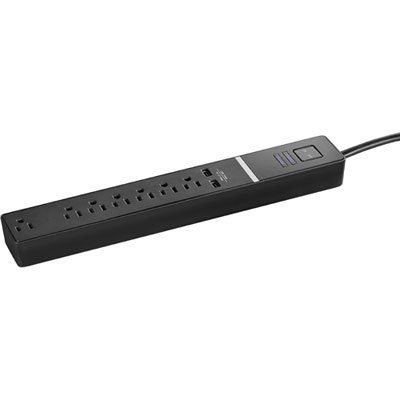 Your price for this item is $24.97
 -
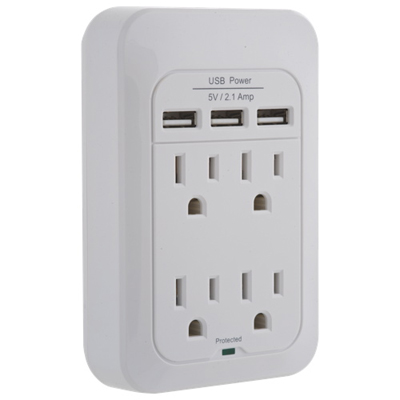 Your price for this item is $28.97
 -
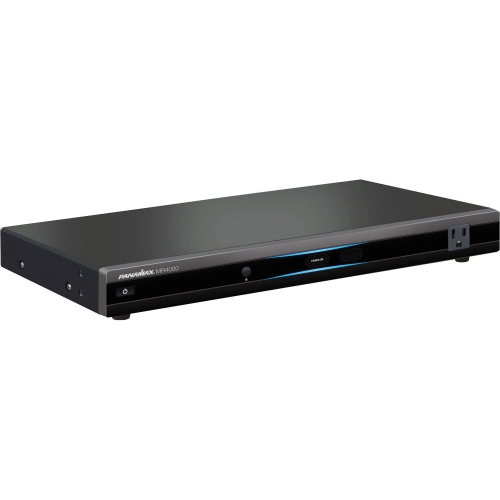 Your price for this item is $389.82
 -
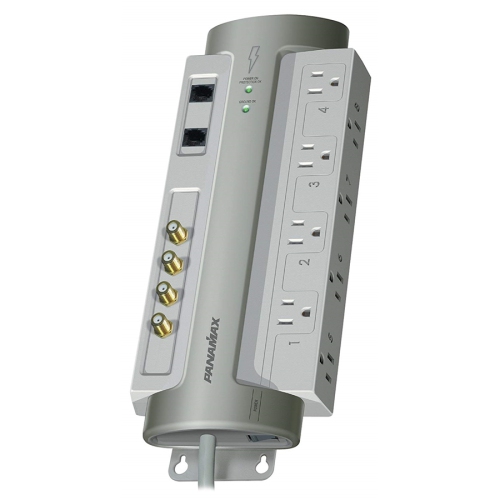 Your price for this item is $190
 -
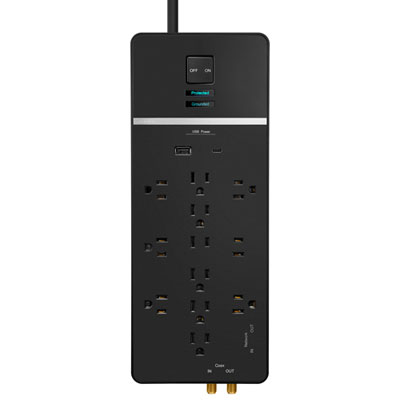 Your price for this item is $89.99
 -
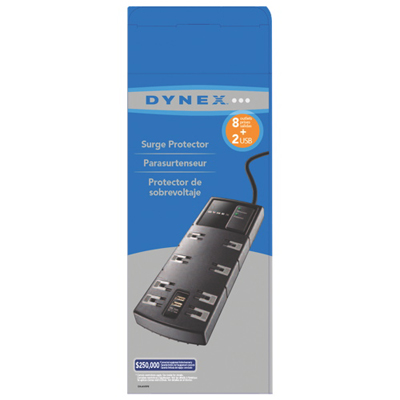 Your price for this item is $29.97
 -
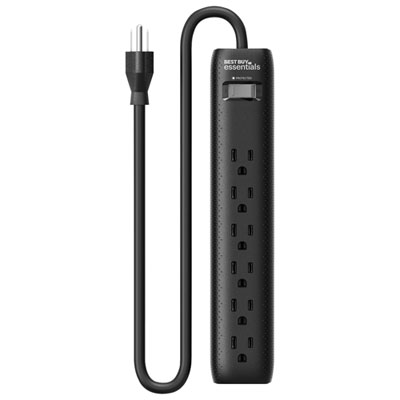 Your price for this item is $14.99
 -
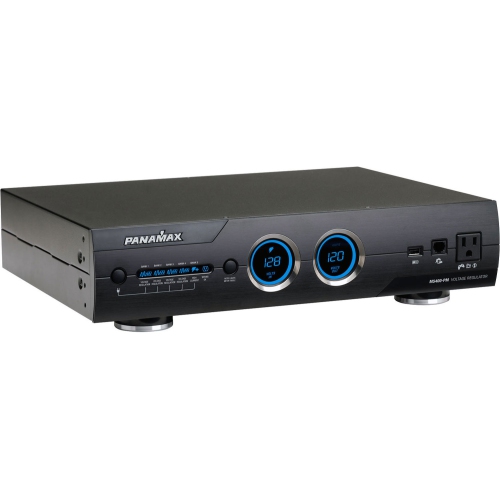 Your price for this item is $1329
Discover more categories related to Power Strips
Top Collections:
Pokemon Centers, Kindle Devices, Best Budget Office Chairs, Apple iPhones 16, Best Laptops for Writers, iPhone 15 Apple, Canon G7X Cameras, Refurbished Apple Laptops, Alarm Clock, Motorola Razr Phones
Some products may be subject to Environmental Handling Fees
(EHF) depending on your province.
Learn more about EHFs.