Small Power Strips
Small Power Strips offer a convenient solution for powering multiple devices in compact spaces. Perfect for home offices, dorm rooms, or travel, these versatile accessories help you stay organized and keep your electronics charged. With a range of designs to suit different needs, Small Power Strips are an essential addition to any setup where space is at a premium. Discover options that make it easy to manage cords and connect your devices wherever you need reliable access to power.
Sort
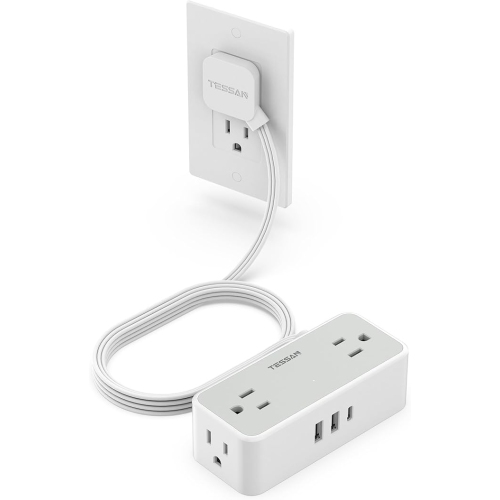
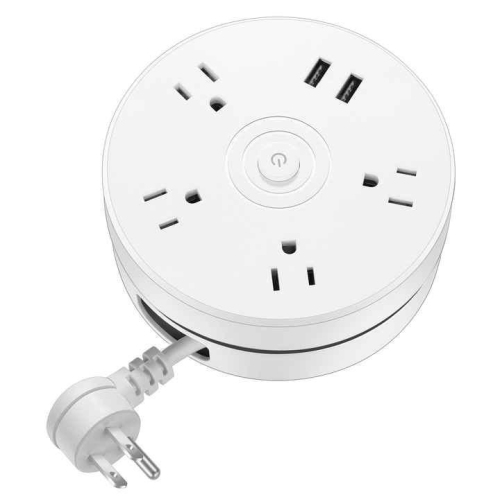
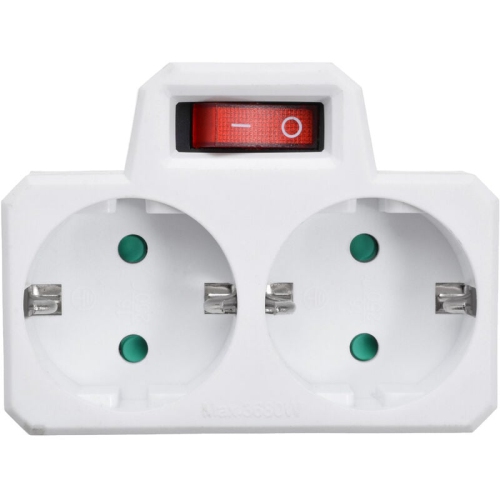
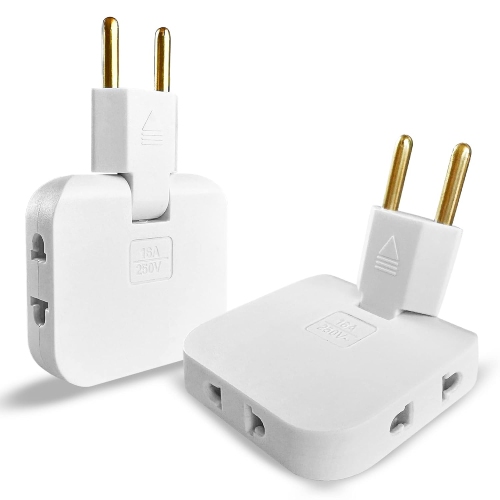
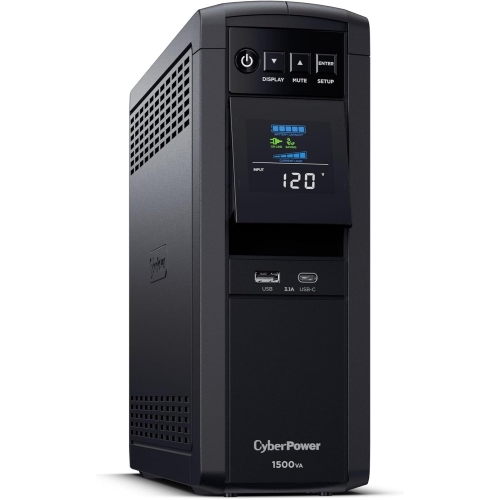
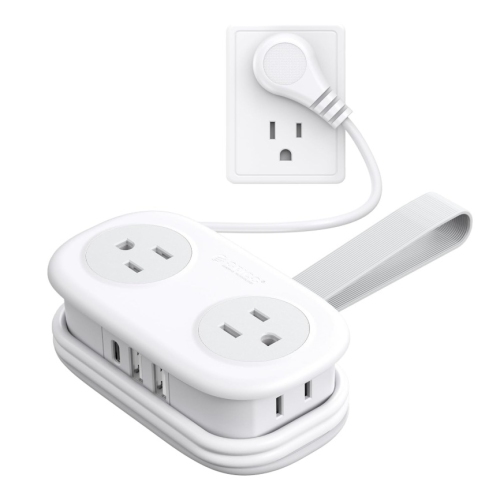
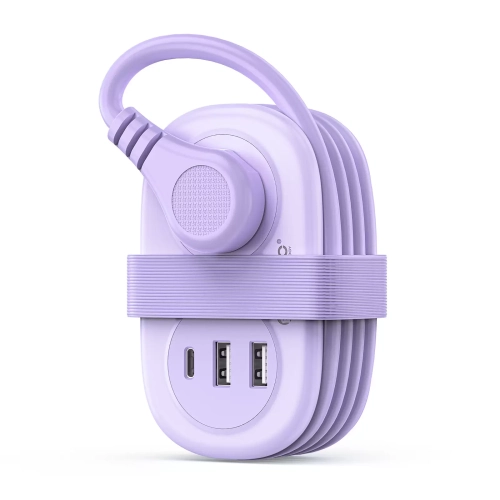
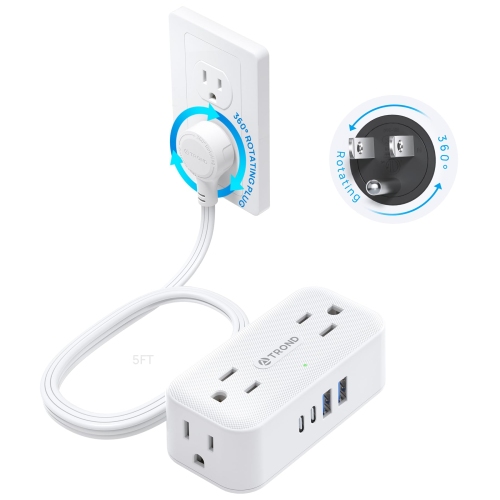
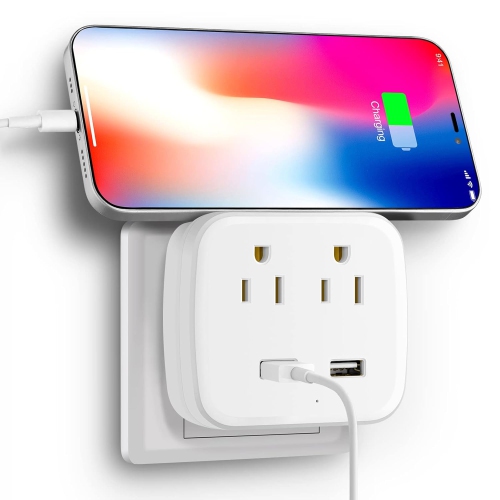
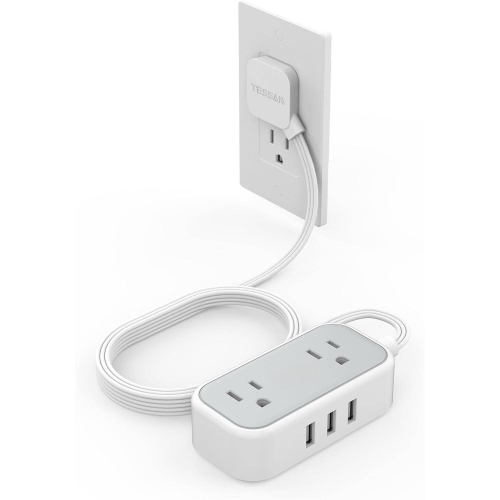
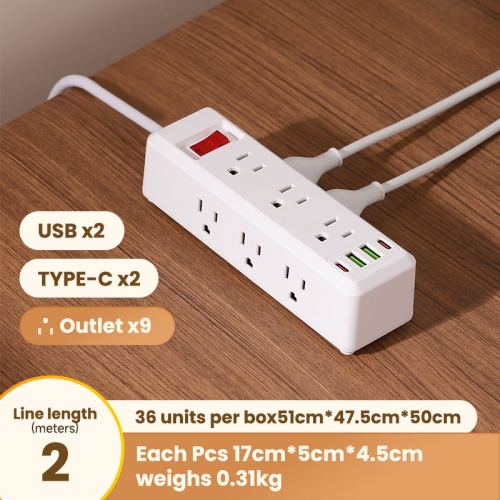
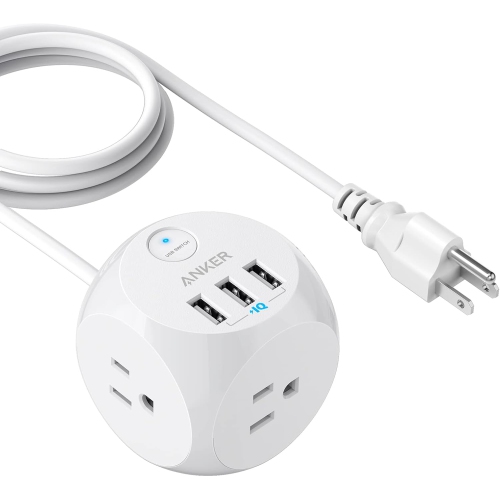
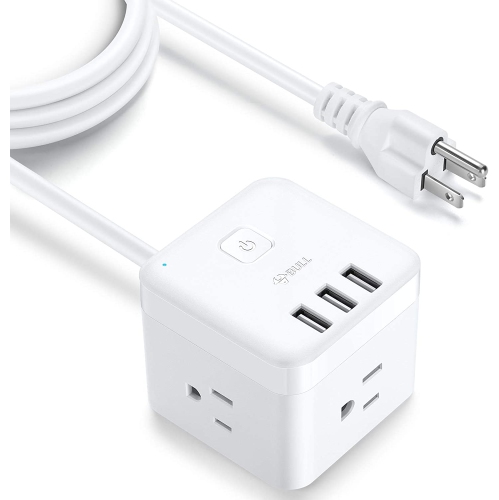
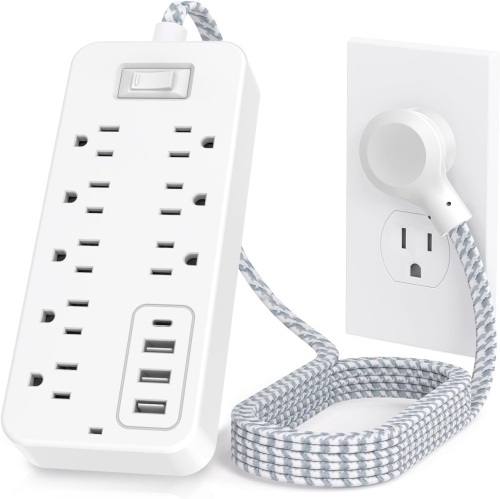
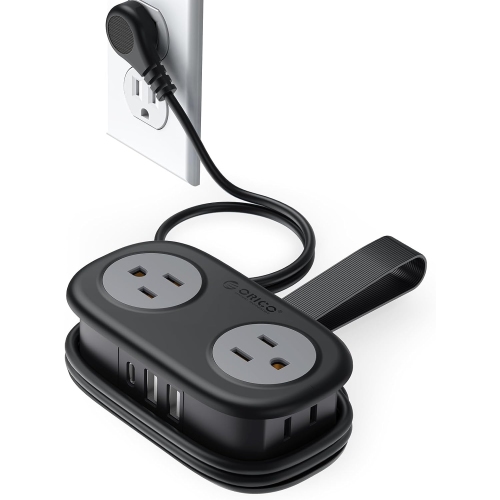
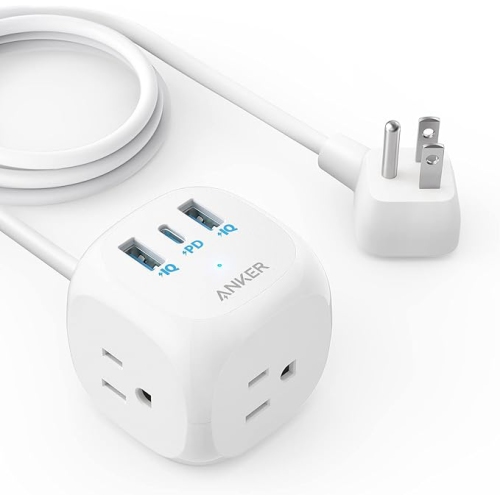
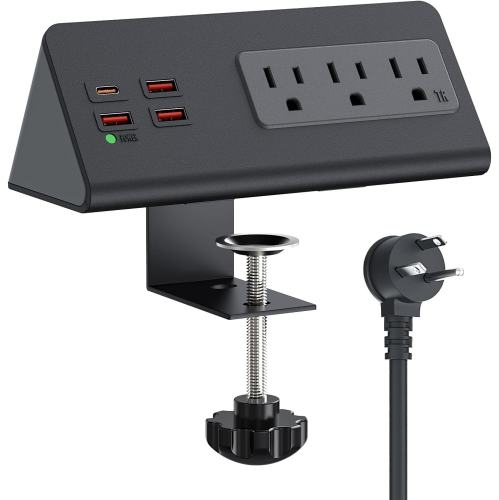
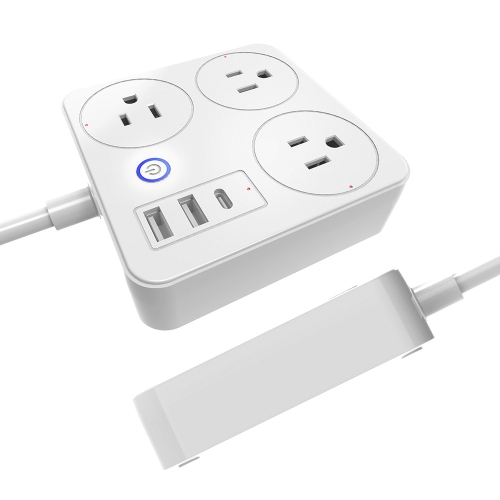
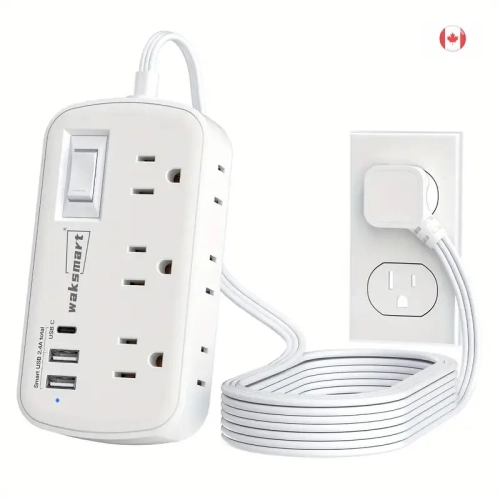
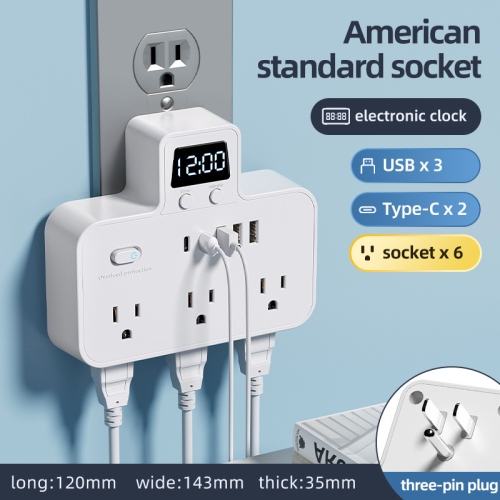
More outlets without crowding your desk or nightstand
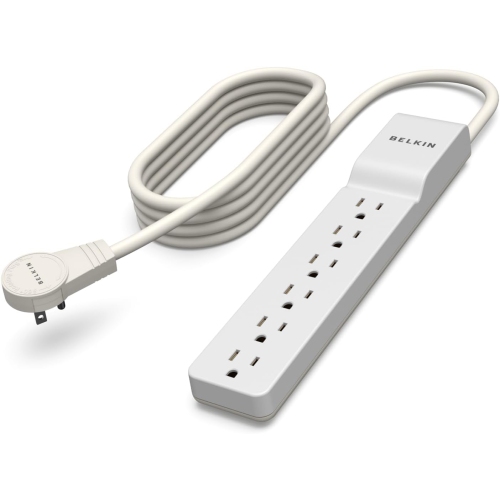
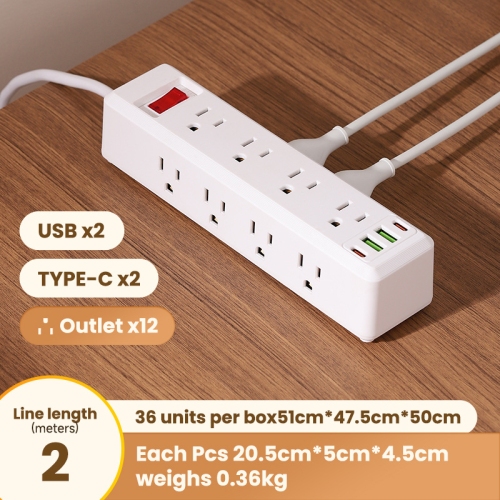
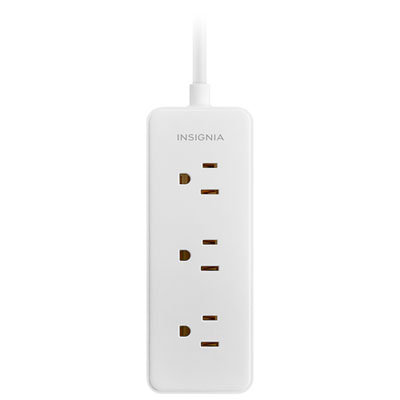
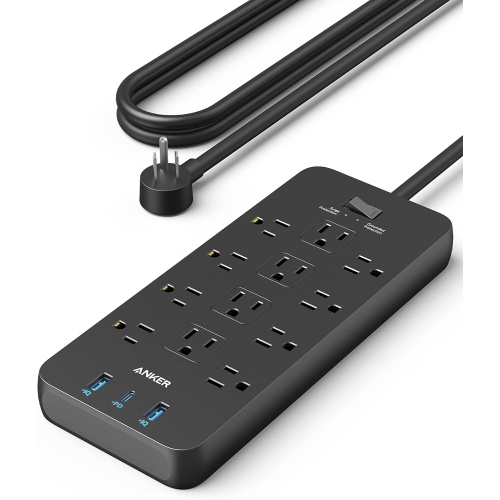
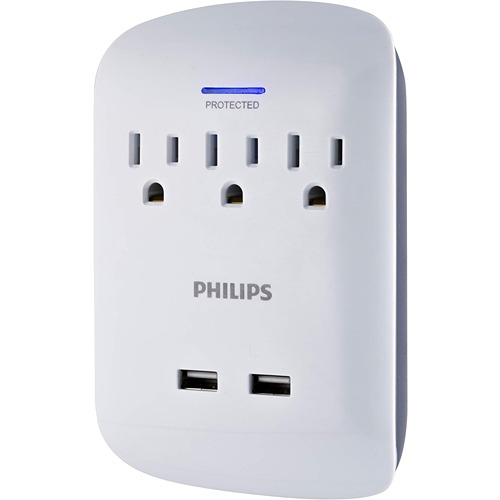
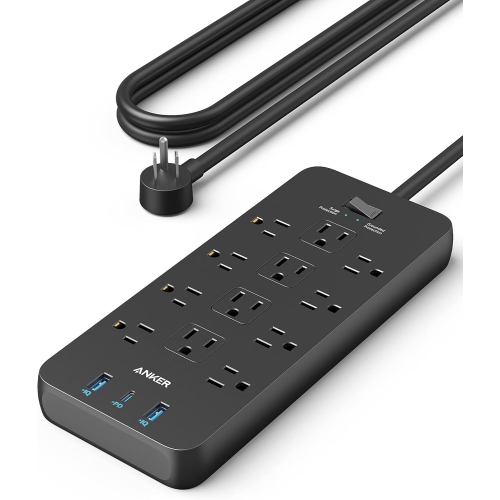
Small power strips bring several outlets within reach without taking up much room on a desktop, nightstand or narrow shelf. They’re particularly useful when the closest wall outlet sits behind furniture or when a handful of everyday devices need power in the same spot. A compact strip beside a bed might hold a lamp plug and leave a USB port free for a phone, while one at the edge of a desk can keep a monitor and laptop charger connected without sending every cord down behind the work surface. Body size is only part of the fit. A narrow strip with outlets in a single row can tuck neatly along the back edge of a desk, but a wide adapter may cover the outlet next to it. Wider spacing or outlets arranged on more than one face can make better use of the same footprint. Leave a little room for the plugs themselves and for their cords to bend without pressing against a wall or furniture. A flat wall plug can help where clearance is limited, but its cord may exit to the side or at an angle, so check where it will run and whether the other wall receptacle will still be accessible. A short cord keeps slack off a crowded desktop when the wall outlet is close. If the outlet is on the far side of a desk, measure along the route the cord will actually take rather than straight across the gap. Some compact strips have mounting slots that let them sit within reach on the side of a desk or another suitable surface, following the maker’s instructions. For a setup with several bulky adapters or a longer route to the wall, the Power Strips page is a place to compare compact and full-size layouts.
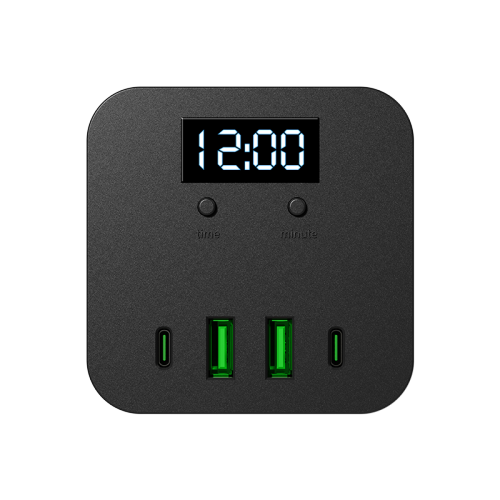
The most useful mix of outlets and ports depends on what gets plugged in every day. Standard AC outlets take wall adapters and other household plugs, while built-in USB-A or USB-C ports can free up an AC outlet that would otherwise hold a charging block. That difference is easy to notice on a nightstand where a lamp needs an outlet but a phone and earbuds can charge by USB. The shape of a USB-C port doesn’t tell the whole story: check its stated output and charging support against the device’s requirements. Some strips share charging power across their USB ports, so a port may deliver less power when several devices are connected than it does on its own. A laptop may still need its wall adapter even if a phone charges comfortably from the strip. A physical switch can be handy for turning off a group of devices together, but an illuminated switch doesn’t mean the strip has surge protection. A basic power strip adds outlets; one with built-in surge protection is designed to help protect connected devices from brief voltage spikes. A joule rating describes the surge protector’s energy absorption capacity, not how much power the outlets can supply. If the strip has a protection indicator, check the product instructions to see what its light means, including what to do if it goes out. Whichever style fits the setup, check the strip’s electrical rating against the combined load of the devices plugged into it. More outlets give plugs more places to go, but they don’t increase the total load the strip is rated to handle. Look for an electrical certification mark recognized in Canada, and match the plug and outlet type to the devices in use, including a grounded connection where required.
A compact strip that gets moved between rooms or packed in a bag sees more wear than one that stays in place. Many housings are made of rigid plastic, and some use flame-resistant materials. A sturdy housing and a reinforced join where the cord enters it are useful details when the strip will be handled often. For travel, a short cord or a design that wraps the cord around the body for storage can make for tidier packing. When travelling outside Canada, check the destination’s outlet type and voltage as well as the strip’s rating. A plug adapter changes the physical fit, not the voltage. Cruise lines may restrict power strips with surge protection or prohibit power strips altogether, so check the operator’s rules before packing one. At home, plug the strip directly into a compatible wall outlet rather than connecting it to another strip or an extension cord. Keep the cord out from under rugs and away from places where a chair wheel or furniture leg can pinch it. Use a wall outlet for high-draw appliances such as portable heaters or kettles, following the appliance maker’s instructions. For routine care, unplug the strip by grasping the plug, then wipe the casing with a dry cloth. A cracked housing, damaged cord or outlet that no longer holds a plug firmly is a reason to replace the strip. As a practical housewarming gift, a small power strip makes the most sense when there’s a spot in mind: a narrow entry table where phones tend to land, or a first desk with one wall outlet tucked behind it. For a student moving into residence, check the building’s rules first. In either case, a strip sized for the space and the cords that will actually be used is more valuable than extra outlets that are hard to reach.
Top selling and popular products
-
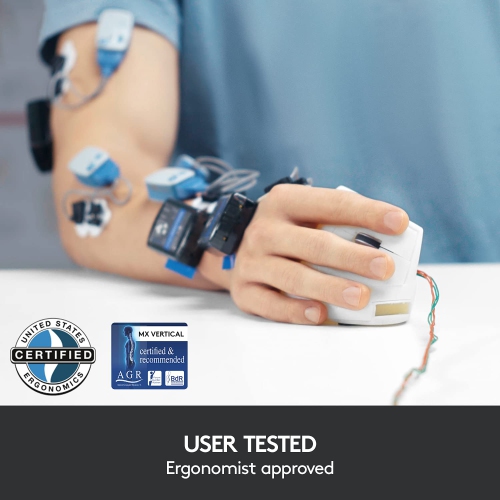 Your price for this item is $180.75
-
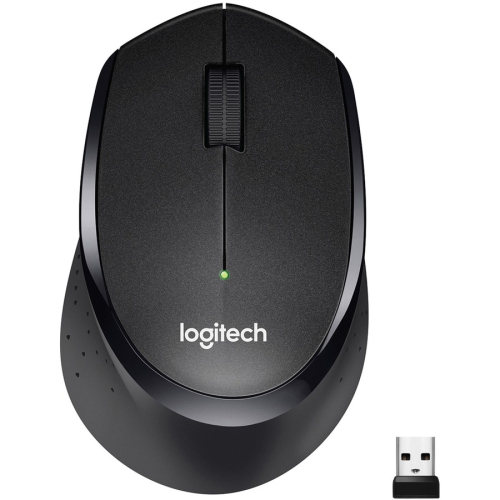 Your price for this item is $29.99
-
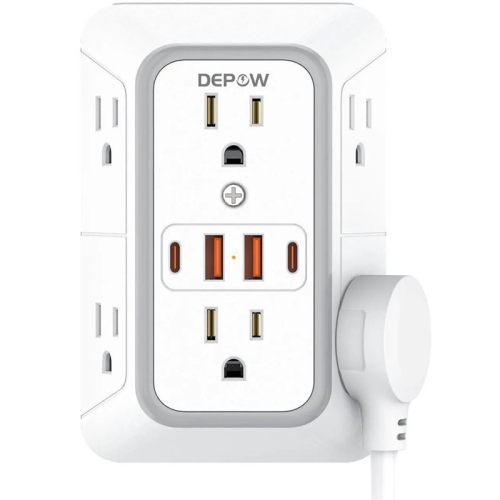 Your price for this item is $14.98
-
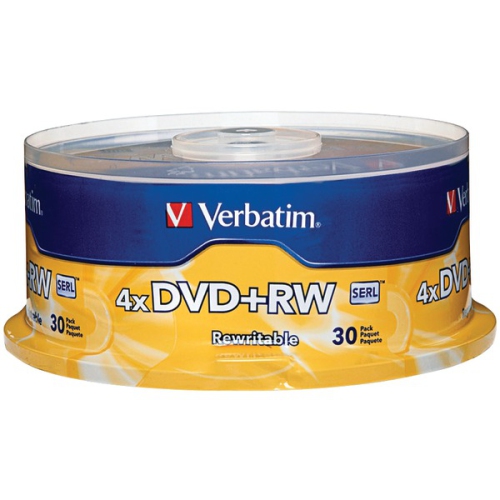 Your price for this item is $107.68
-
 Your price for this item is $234.68
-
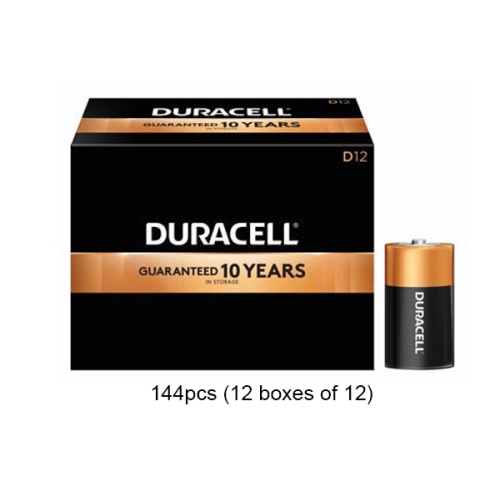 Your price for this item is $379.97
-
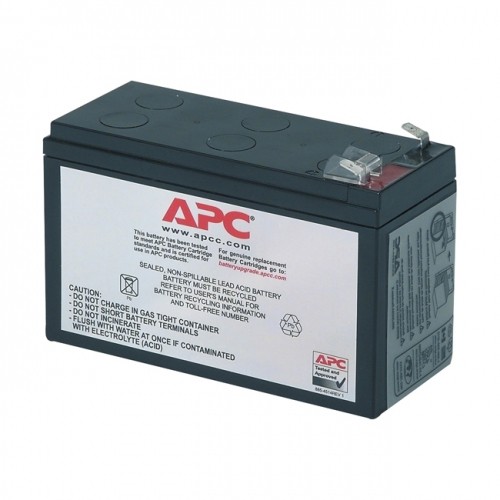 Your price for this item is $112.37
-
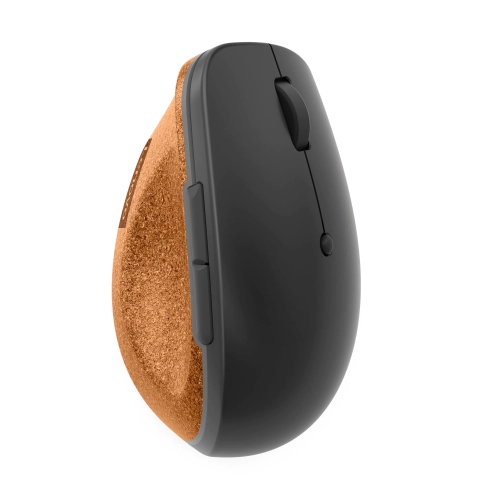 Your price for this item is $74.99
Discover more categories related to Small Power Strips
Top Collections:
Best Black Friday Deals This Year, Best Black Friday Deals On Electronics, Kindle Devices, Pokemon Centers, Best Black Friday Deals On Apple Products, Best Cameras for Sports Photography, Dyson Airwrap, Pokémon 30th Celebration Cards, Apple iPhone 17 Pro, Canon G7X Cameras
Some products may be subject to Environmental Handling Fees
(EHF) depending on your province.
Learn more about EHFs.