Presentation Materials
Whether you're preparing for a business meeting, a classroom presentation, or simply want to add a touch of professionalism to your next gathering, having the right presentation materials is essential. At Best Buy, we understand the importance of making a lasting impression, which is why we offer a wide range of presentation materials to suit every need. From projectors and screens to laser pointers and whiteboards, our selection has everything you need to deliver your message with confidence and clarity. Explore our collection of top-quality presentation materials and elevate your presentations to the next level.
Sort










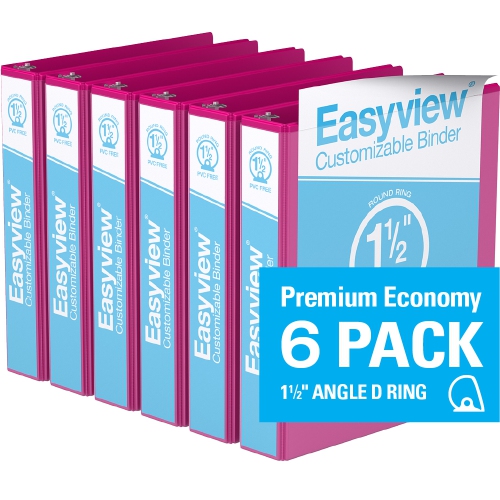
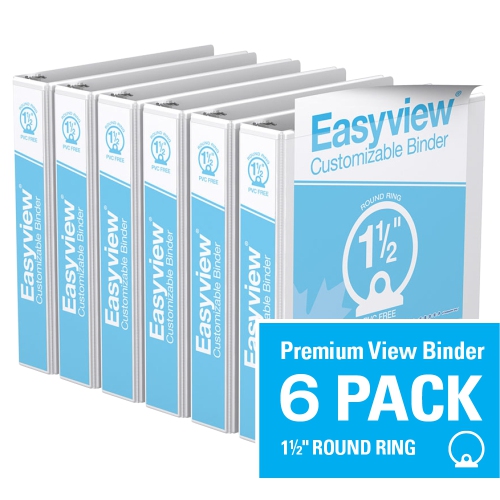
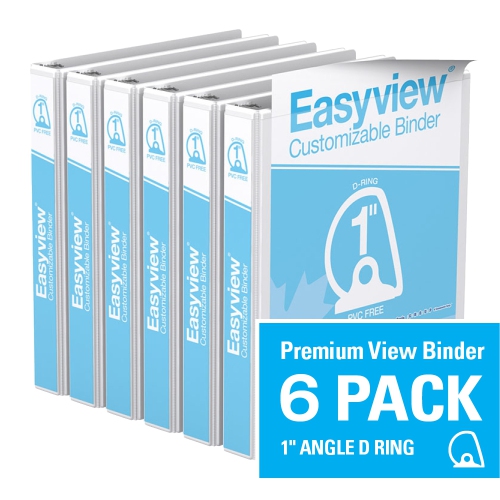
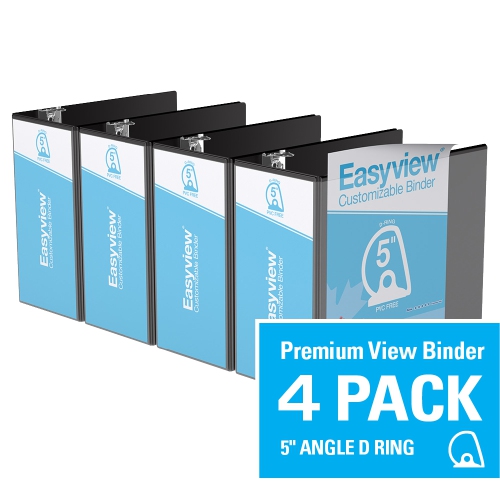
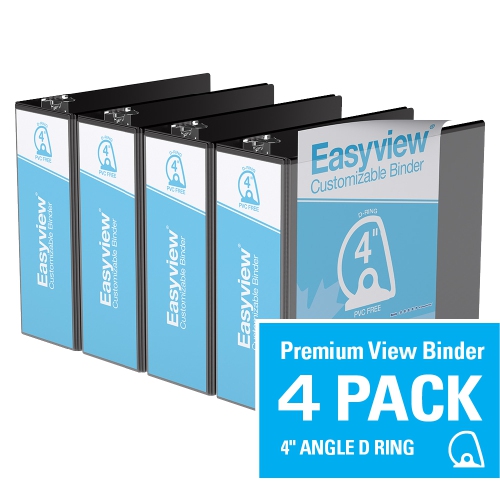
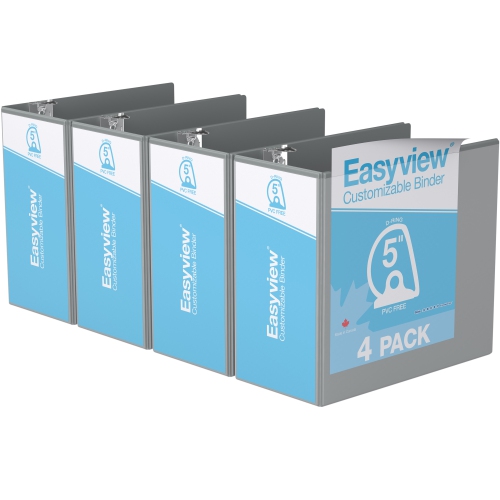
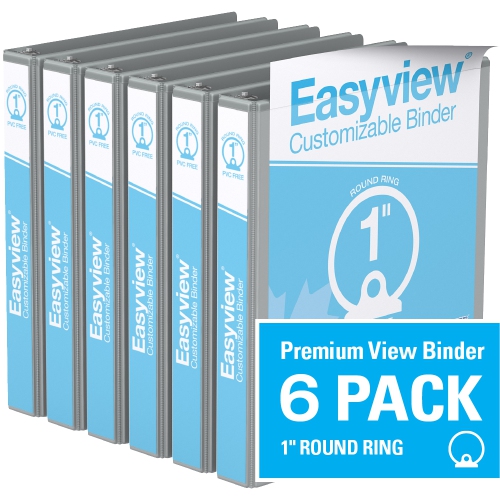
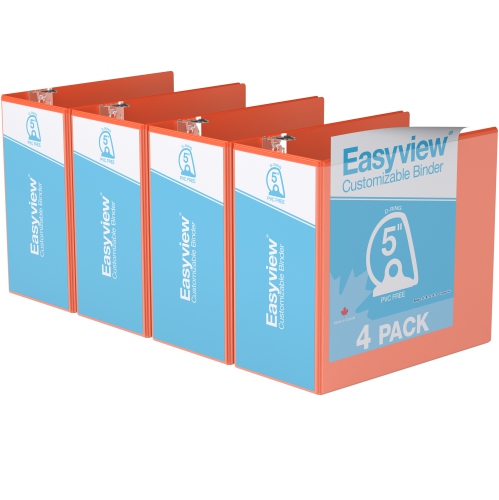
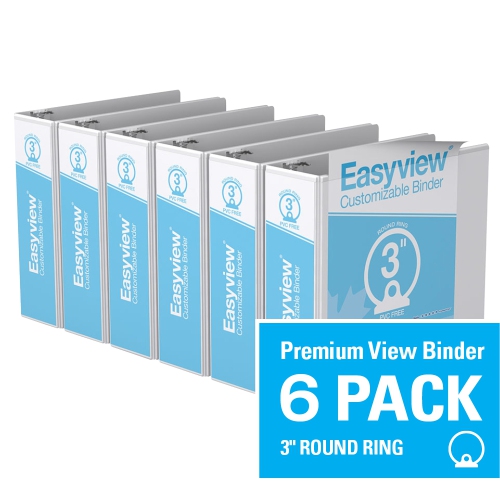
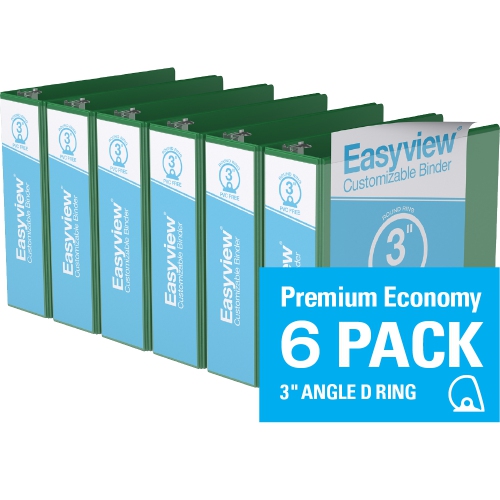
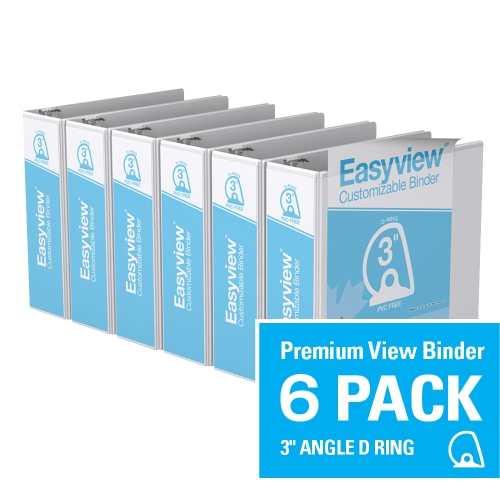
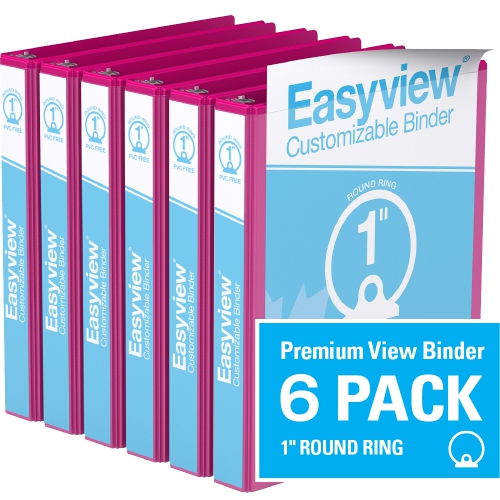


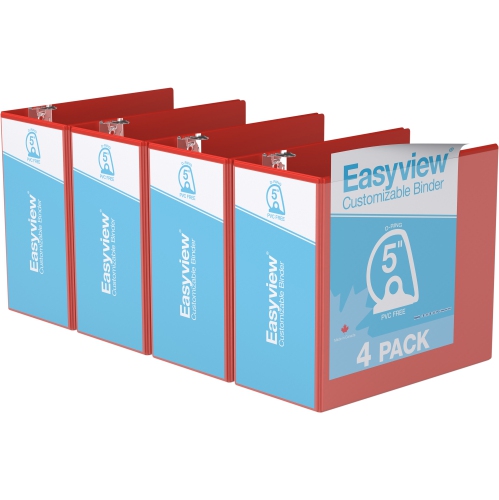
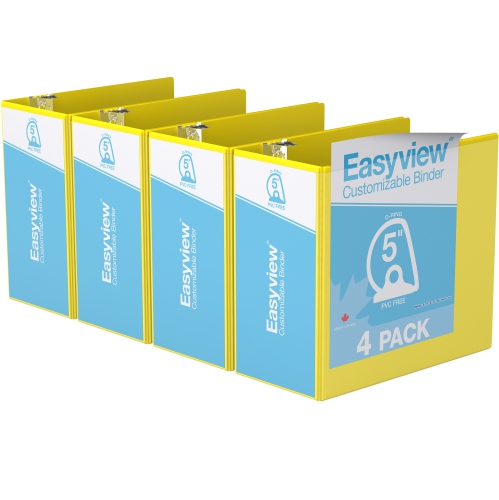






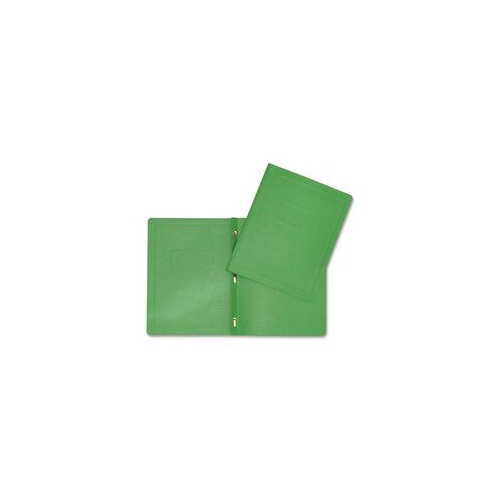

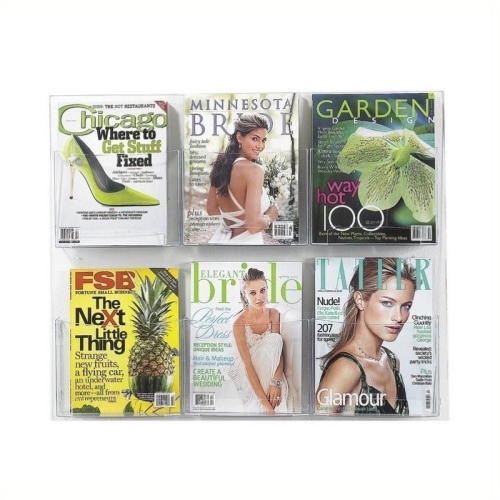
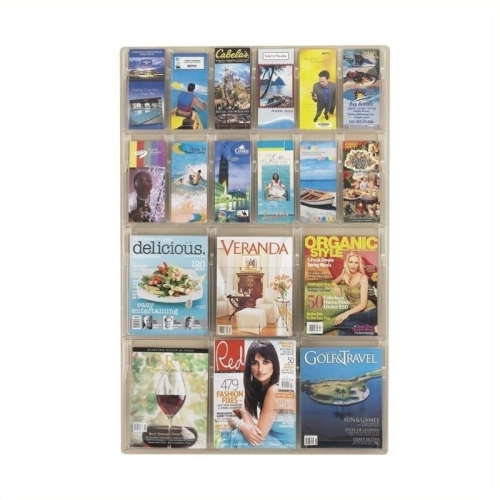
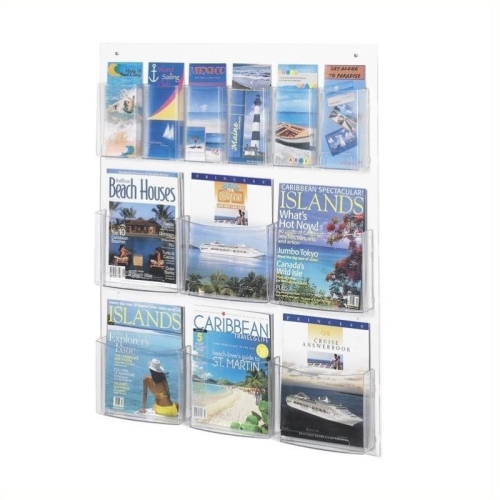


How visual tools help ideas outlast the presentation
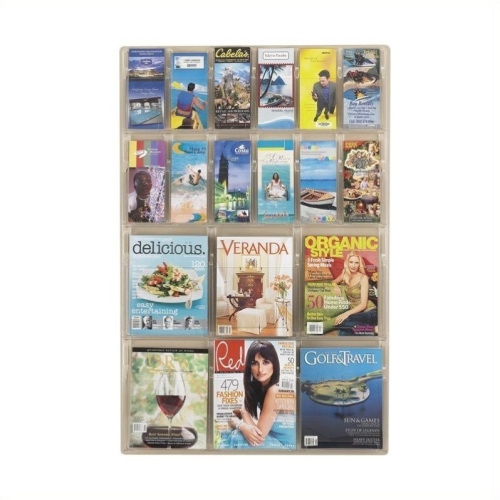
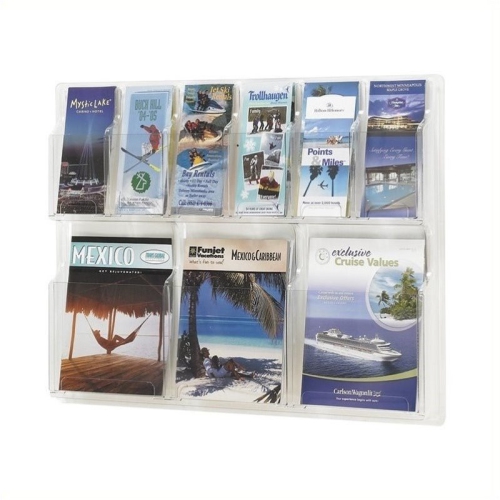
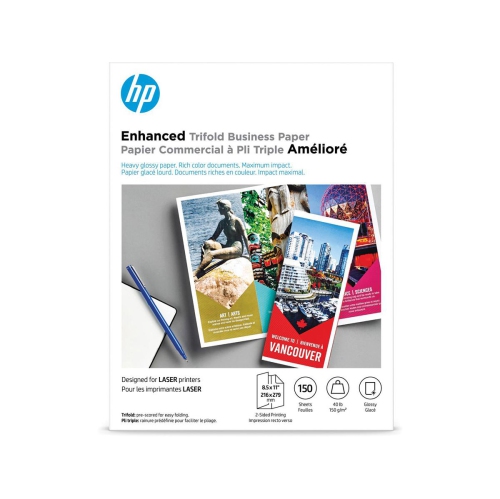
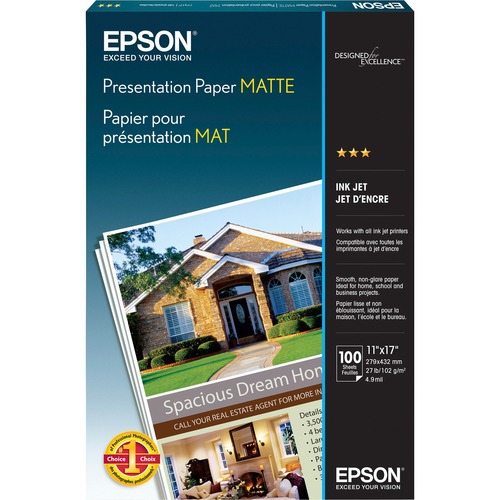
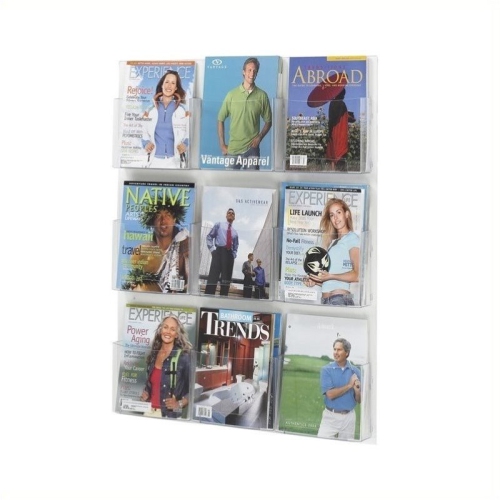
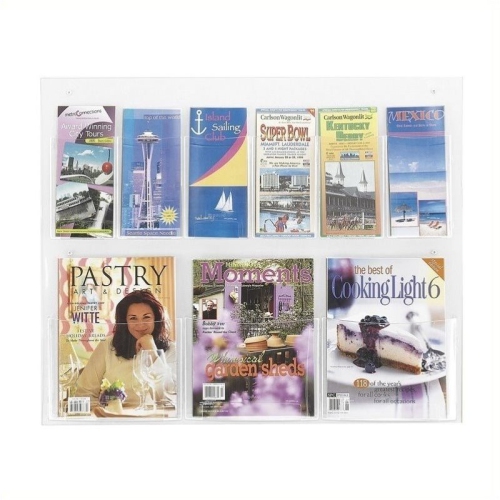
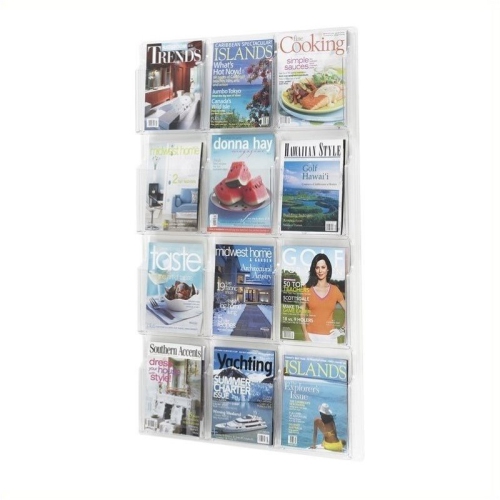
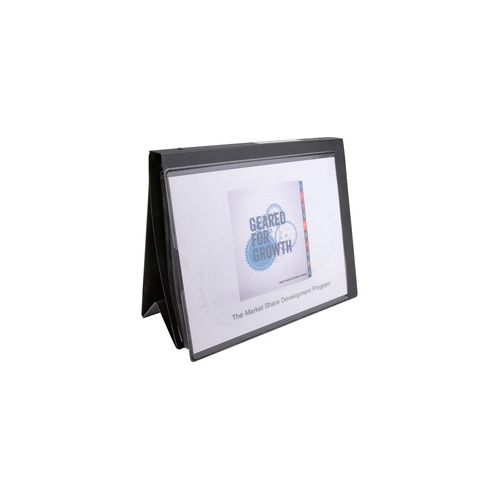
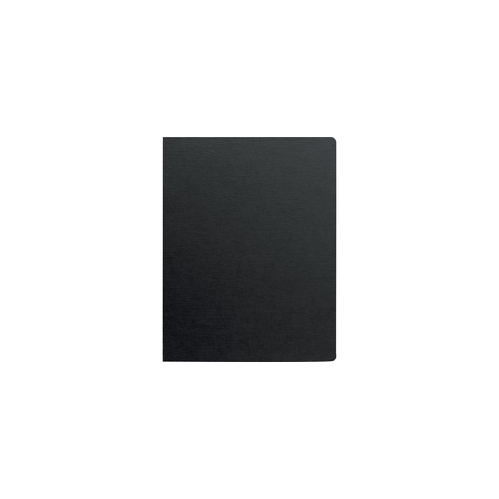
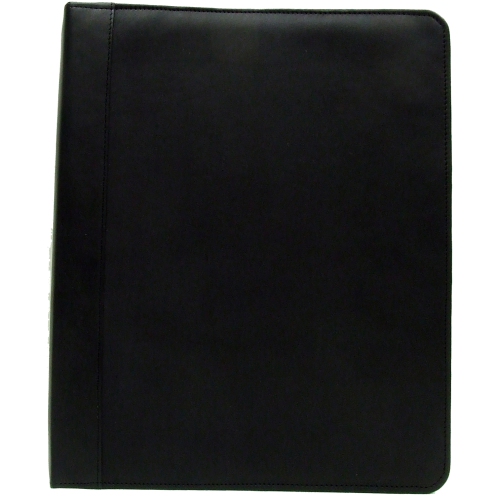
Presentation materials are the visual, printed, and physical tools that help a speaker explain ideas, share information, and give an audience something useful to refer to afterwards. They can support everything from a short classroom talk to a detailed business proposal, combining large-format displays with written summaries, speaker notes, and spaces for live discussion. Each format serves a different purpose: a display makes the main message visible across a room, a handout carries details that need closer reading, and a writable surface gives developing ideas a place to take shape. Digital slides can bring together images, charts, and video, while physical materials keep key points in view without requiring everyone to look at a screen. For teachers, trainers, students, sales teams, and community organizers, that balance helps make a presentation easier to follow and more useful once the session ends. A project display at a school event might pair a bold central illustration with supporting facts arranged around it. In a meeting room, a printed proposal can sit beside a shared diagram, allowing participants to move between the overall plan and its finer details. At a conference or exhibition, a freestanding display needs to communicate its subject quickly to people passing by, then reward a closer look with readable explanations. Presentation supplies also have a role in quieter, smaller settings, such as a portfolio review, an interview, or a one-to-one consultation where the finish and arrangement of documents contribute to the impression they make. The most suitable materials reflect the subject, the space, and the way people will interact with the information. A polished report, a hands-on demonstration, and a collaborative planning session may share the same goal of clear communication, but each places different demands on the surfaces, supports, and document formats involved.
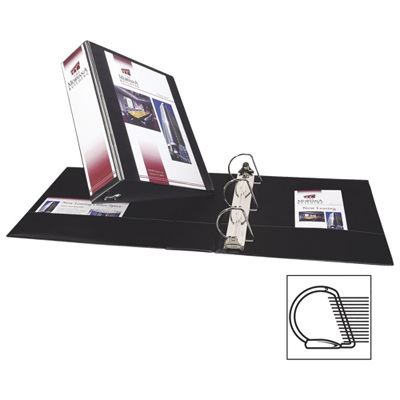
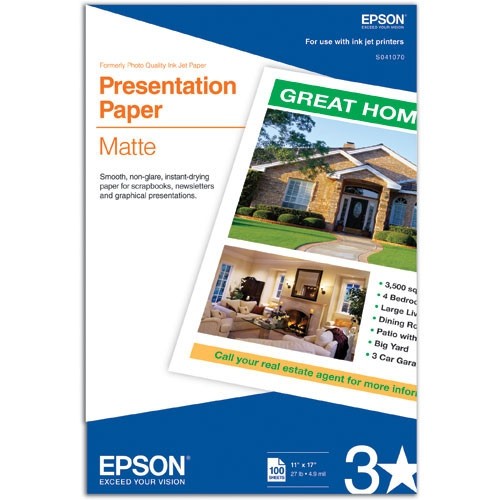
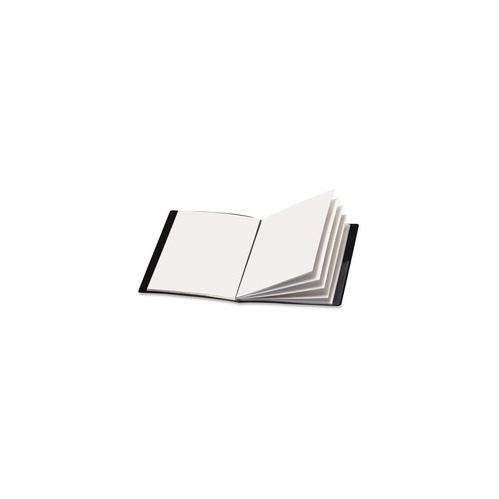
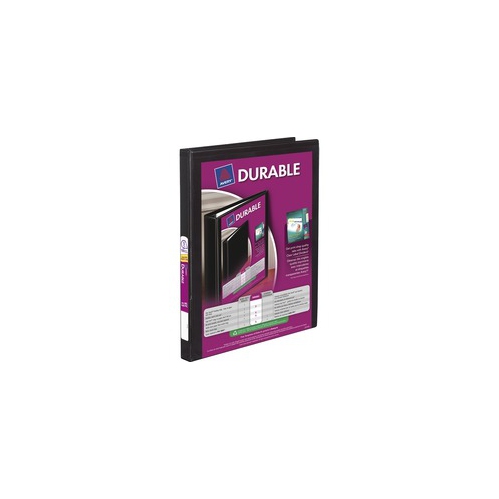
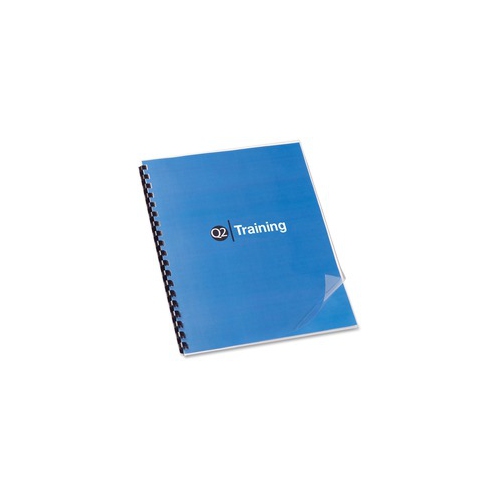
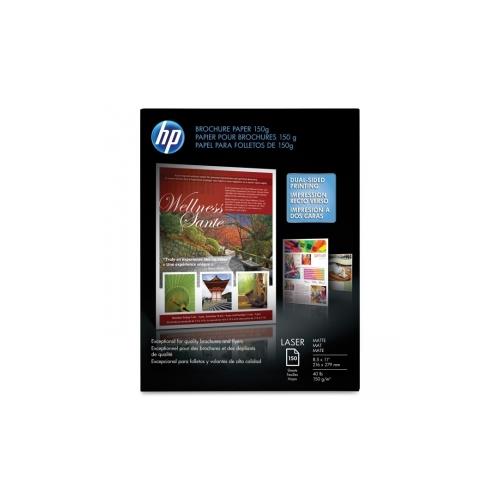
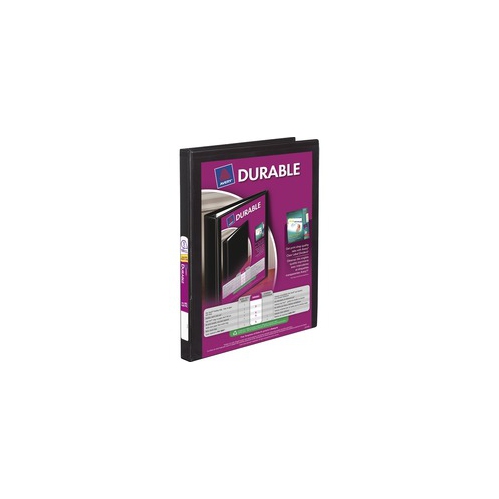
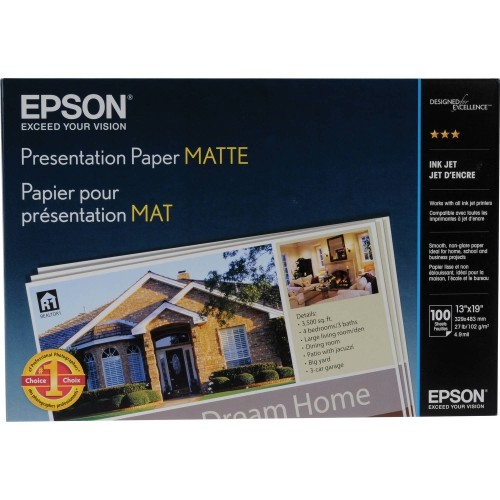
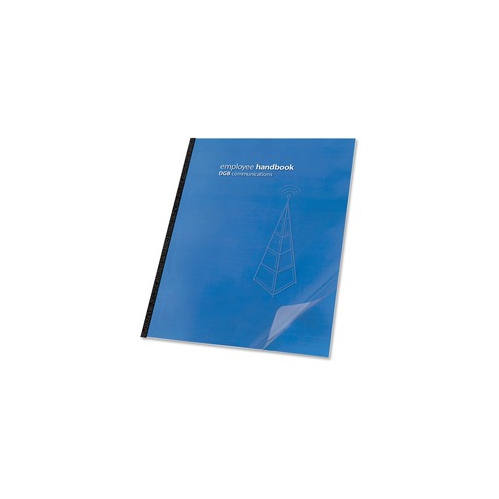
Materials and construction affect both the appearance of a presentation and how well its components hold up during preparation, transport, and repeated use. Paper weight influences how a printed page feels in the hand, how readily it bends, and how much printing on the reverse side may show through. Heavier stock can give covers and display elements more structure, while lighter sheets are often more practical for multi-page reference documents. A matte finish generally produces less glare under overhead lighting, whereas a glossy finish can give photographs a more vivid appearance but may reflect nearby lights. Rigid board provides a supportive base for mounted text and images; its thickness, surface finish, and edge strength matter when a display will be moved between rooms or carried to an event. Folding formats can make larger displays easier to transport, although fold lines and hinges need to suit the intended frequency of use. For reusable writing surfaces, the surface material and compatible writing tools influence how readily marks wipe away and how the finish performs over time. Smooth operation, stable supports, and secure fastenings become especially noticeable during a busy workshop, when materials are handled repeatedly rather than simply placed on view. Document protection matters too: transparent sleeves keep pages accessible while helping shield them from handling, though highly reflective surfaces can make fine print harder to read in some lighting. Fit is just as important as finish. The dimensions of a printed sheet need to match its holder, and a mounted display needs enough support to stay upright without bowing or tipping. Letter, legal, and larger formats are not interchangeable, particularly when page edges need to remain protected. Care depends on the material, with manufacturer directions providing the appropriate cleaning method for coated and writable surfaces. Dry storage, protection from spills, and avoiding pressure on exposed corners help preserve the appearance of paper and board. For materials that travel frequently, a protective carrying format and a manageable overall weight can make the journey from desk to meeting room considerably simpler.
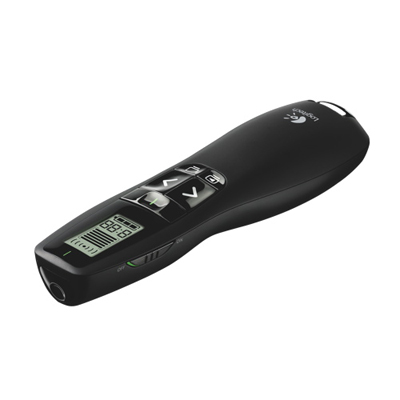
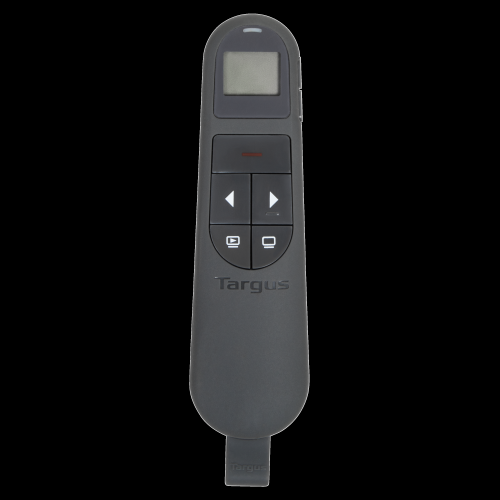
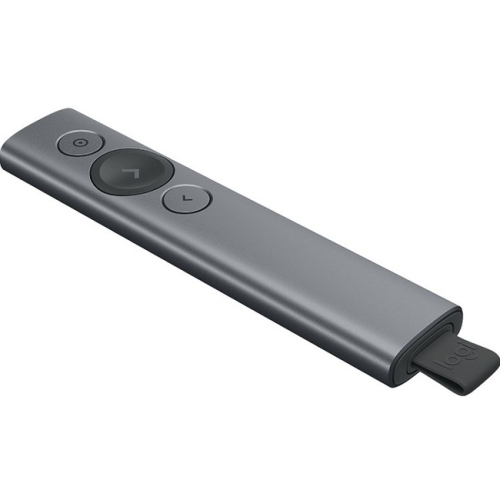
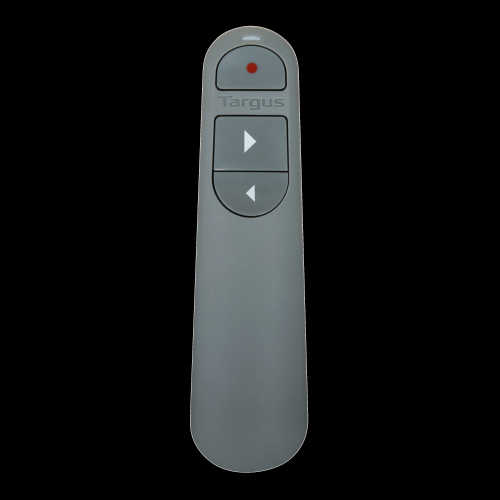
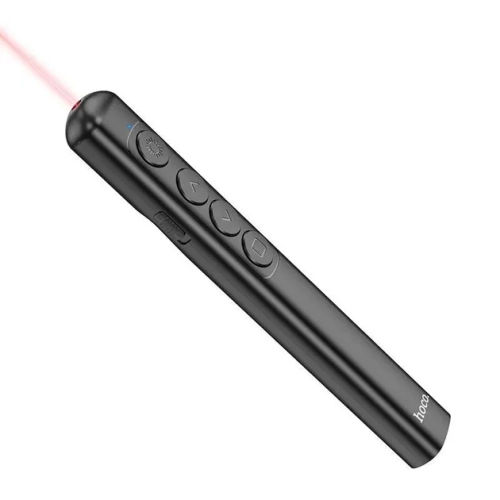
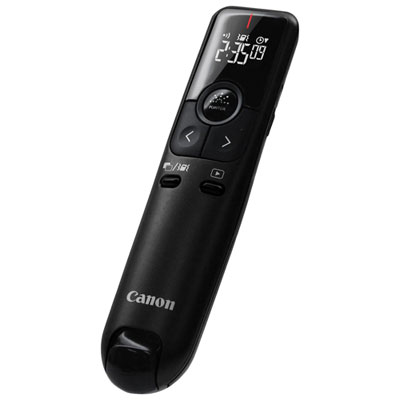
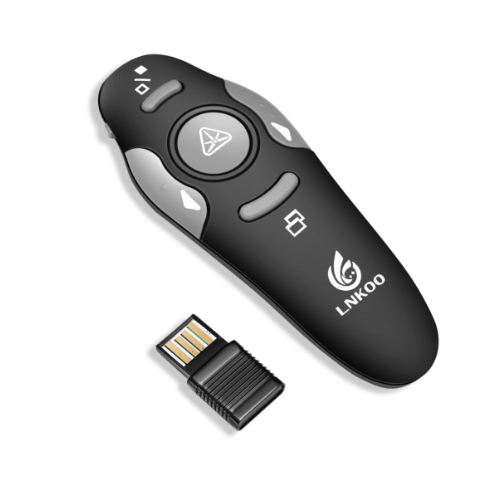
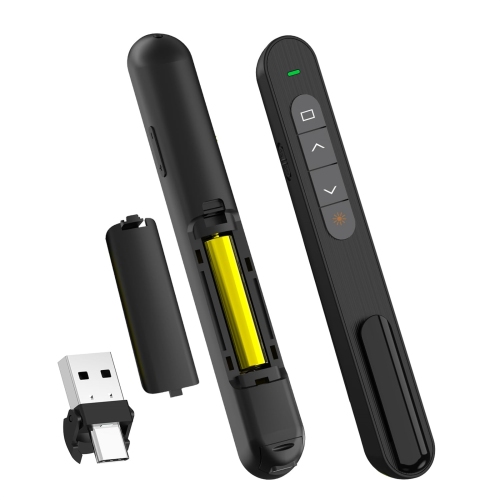
Intended use brings these details together, especially when presentation materials need to work alongside a computer, a projector, or a shared display. A speaker delivering prepared slides benefits from an arrangement that keeps movement natural and reference notes easy to reach. Compatible presentation clickers can support slide navigation away from the keyboard, with suitability depending on the computer connection, operating system, presentation software, and working range. The surrounding physical materials still have their own job to do: a printed agenda establishes the sequence, a visible diagram anchors the discussion, and a take-away summary gives participants a reference after the screen goes dark. In a hybrid meeting, large lettering and strong contrast can help information remain legible to people viewing through a camera, while small handwritten annotations may be difficult for remote participants to follow. Room size changes the requirements as well. Text that looks comfortably readable on a desk may be too small from the back row, and a detailed chart intended for close inspection is different from a display meant to communicate one central point at a distance. Clear spacing, distinct labels, and colour choices that do not carry meaning on their own make visual information easier to interpret. For collaborative sessions, accessible writing space and surfaces that can be refreshed between activities support a steady pace without crowding the room with finished pages. For interviews and client meetings, neatly protected documents and consistent page sizes help keep attention on the content rather than loose sheets or bent corners. Students may need lightweight materials that can withstand a trip to school, while travelling presenters often place greater value on compact storage, quick setup, and components that tolerate frequent handling. Across these settings, well-matched presentation materials provide a practical structure for the message: something clear to look at, something useful to discuss, and, where appropriate, something informative to take away.
Materials and construction affect both the appearance of a presentation and how well its components hold up during preparation, transport, and repeated use. Paper weight influences how a printed page feels in the hand, how readily it bends, and how much printing on the reverse side may show through. Heavier stock can give covers and display elements more structure, while lighter sheets are often more practical for multi-page reference documents. A matte finish generally produces less glare under overhead lighting, whereas a glossy finish can give photographs a more vivid appearance but may reflect nearby lights. Rigid board provides a supportive base for mounted text and images; its thickness, surface finish, and edge strength matter when a display will be moved between rooms or carried to an event. Folding formats can make larger displays easier to transport, although fold lines and hinges need to suit the intended frequency of use. For reusable writing surfaces, the surface material and compatible writing tools influence how readily marks wipe away and how the finish performs over time. Smooth operation, stable supports, and secure fastenings become especially noticeable during a busy workshop, when materials are handled repeatedly rather than simply placed on view. Document protection matters too: transparent sleeves keep pages accessible while helping shield them from handling, though highly reflective surfaces can make fine print harder to read in some lighting. Fit is just as important as finish. The dimensions of a printed sheet need to match its holder, and a mounted display needs enough support to stay upright without bowing or tipping. Letter, legal, and larger formats are not interchangeable, particularly when page edges need to remain protected. Care depends on the material, with manufacturer directions providing the appropriate cleaning method for coated and writable surfaces. Dry storage, protection from spills, and avoiding pressure on exposed corners help preserve the appearance of paper and board. For materials that travel frequently, a protective carrying format and a manageable overall weight can make the journey from desk to meeting room considerably simpler.
Intended use brings these details together, especially when presentation materials need to work alongside a computer, a projector, or a shared display. A speaker delivering prepared slides benefits from an arrangement that keeps movement natural and reference notes easy to reach. Compatible presentation clickers can support slide navigation away from the keyboard, with suitability depending on the computer connection, operating system, presentation software, and working range. The surrounding physical materials still have their own job to do: a printed agenda establishes the sequence, a visible diagram anchors the discussion, and a take-away summary gives participants a reference after the screen goes dark. In a hybrid meeting, large lettering and strong contrast can help information remain legible to people viewing through a camera, while small handwritten annotations may be difficult for remote participants to follow. Room size changes the requirements as well. Text that looks comfortably readable on a desk may be too small from the back row, and a detailed chart intended for close inspection is different from a display meant to communicate one central point at a distance. Clear spacing, distinct labels, and colour choices that do not carry meaning on their own make visual information easier to interpret. For collaborative sessions, accessible writing space and surfaces that can be refreshed between activities support a steady pace without crowding the room with finished pages. For interviews and client meetings, neatly protected documents and consistent page sizes help keep attention on the content rather than loose sheets or bent corners. Students may need lightweight materials that can withstand a trip to school, while travelling presenters often place greater value on compact storage, quick setup, and components that tolerate frequent handling. Across these settings, well-matched presentation materials provide a practical structure for the message: something clear to look at, something useful to discuss, and, where appropriate, something informative to take away.
Top selling and popular products
-
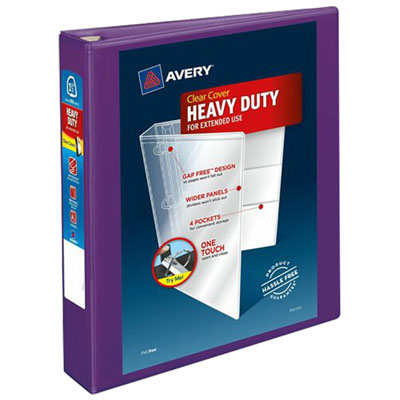 Your price for this item is $11.99
 -
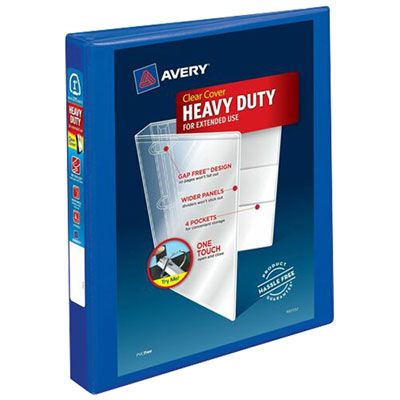 Your price for this item is $17.99
 -
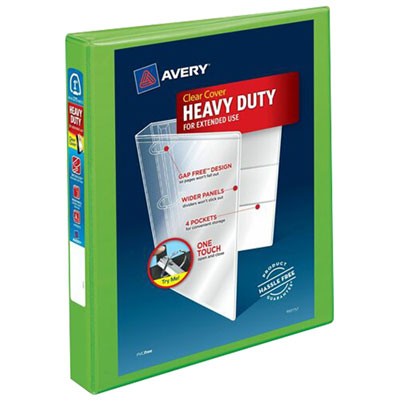 Your price for this item is $9.99
 -
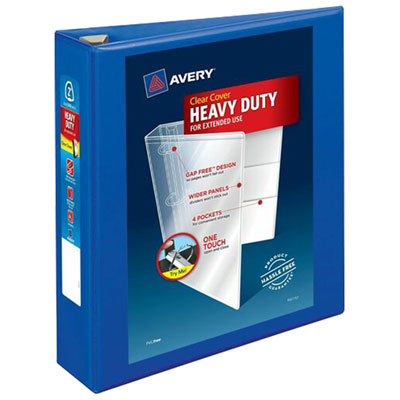 Your price for this item is $13.99
 -
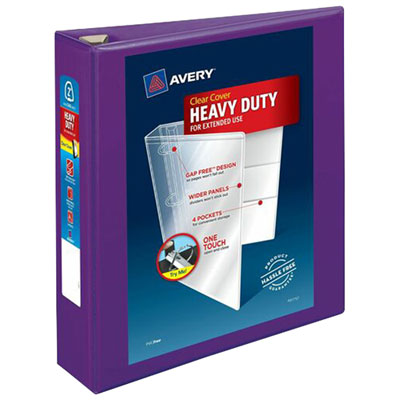 Your price for this item is $14.99
 -
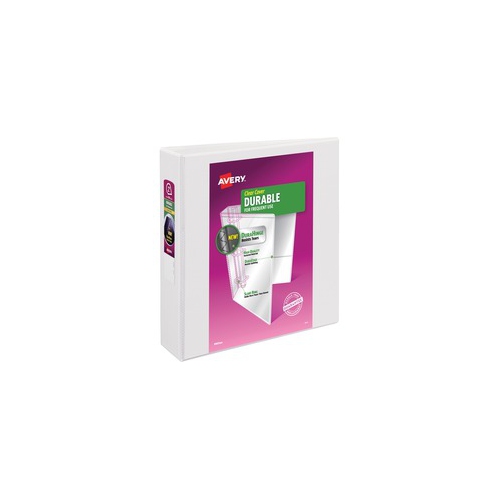 Your price for this item is $9.99
 -
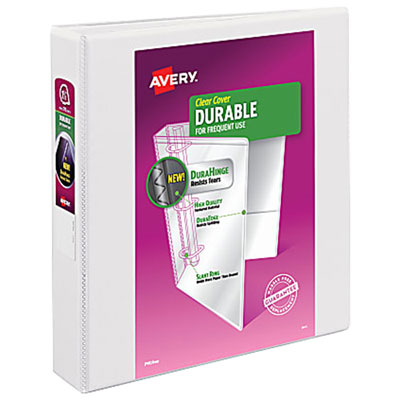 Your price for this item is $12.99
 -
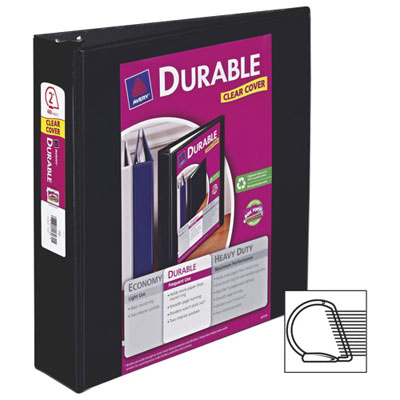 Your price for this item is $10.99
Discover more categories related to Presentation Materials
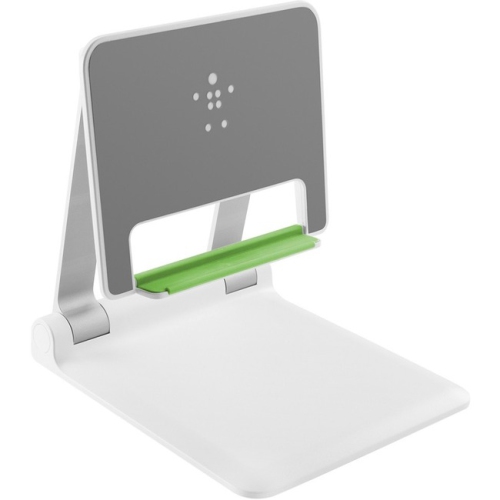

Top Collections:
Pokemon Centers, Kindle Devices, Best Budget Office Chairs, Apple iPhones 16, Best Laptops for Writers, iPhone 15 Apple, Canon G7X Cameras, Refurbished Apple Laptops, Alarm Clock, Motorola Razr Phones
Some products may be subject to Environmental Handling Fees
(EHF) depending on your province.
Learn more about EHFs.