Privacy Screens for Outdoors
Create a peaceful and secluded outdoor oasis with this selection of privacy screens designed to enhance your outdoor living space. Whether you're looking to shield your patio from prying eyes, create a cozy nook in your backyard, or simply add a touch of style to your outdoor decor, this range of privacy screens offers both functionality and aesthetic appeal. From versatile folding screens to durable weather-resistant options, find the perfect solution to enjoy some privacy and relaxation in your own backyard.
Sort
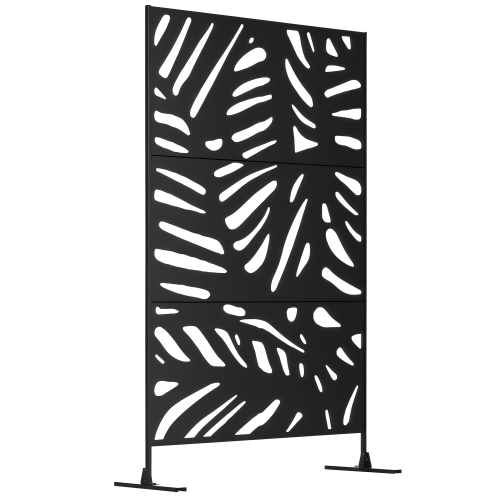
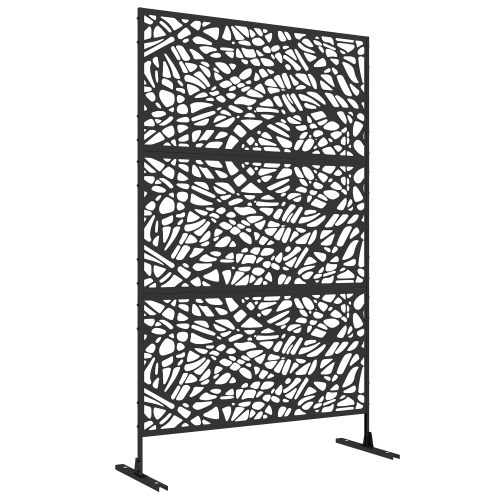
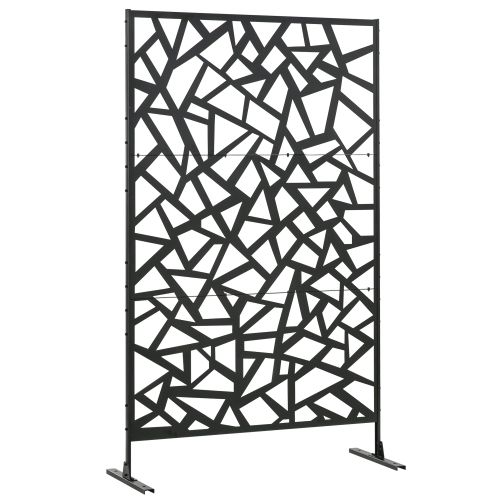
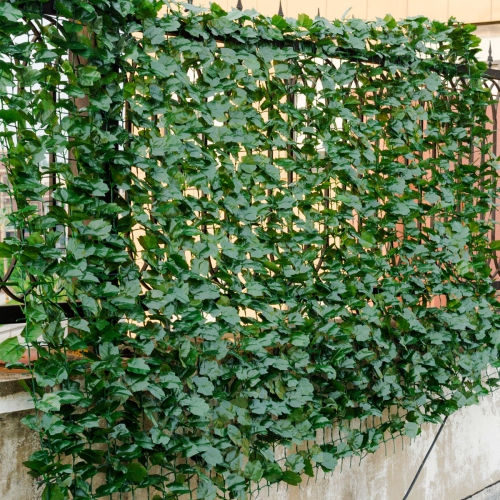
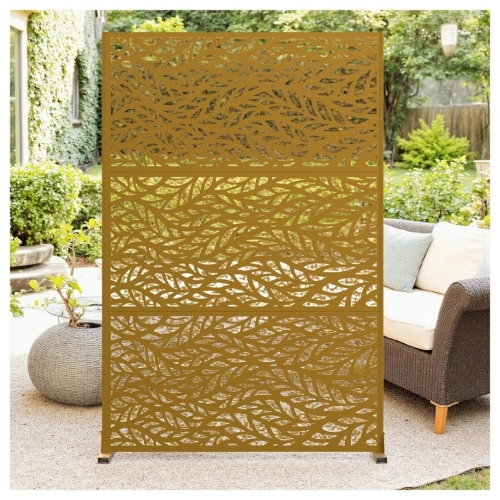
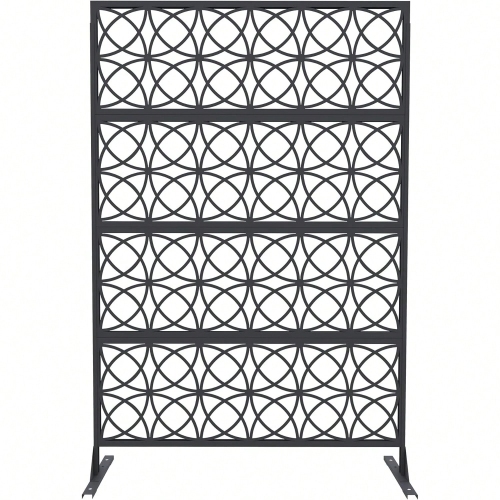
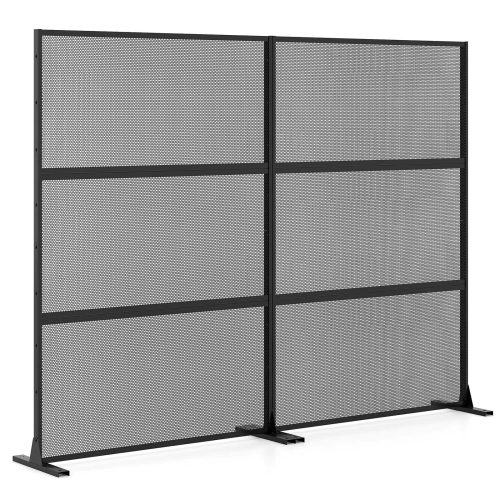
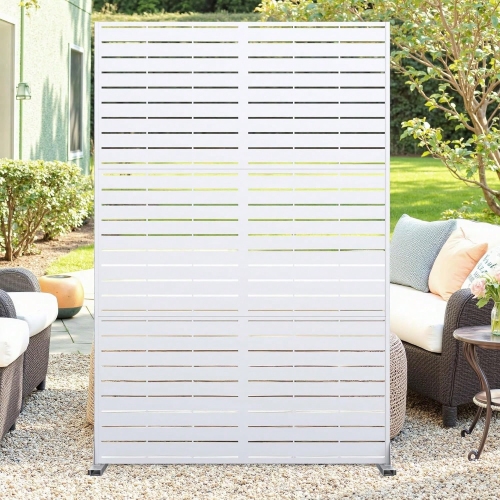
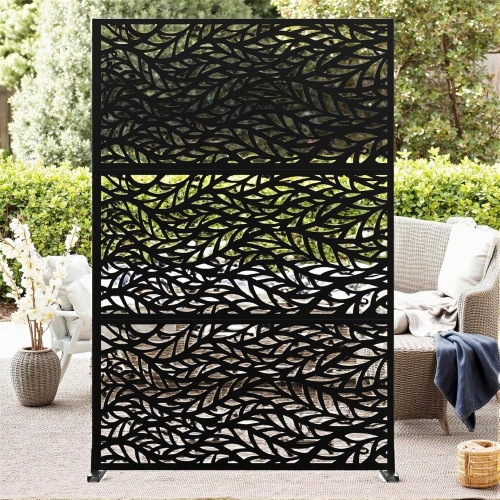
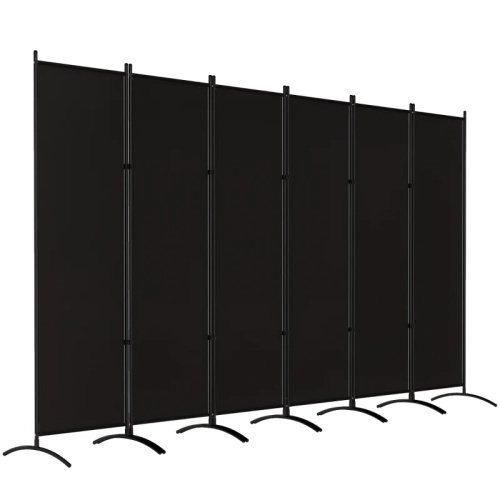
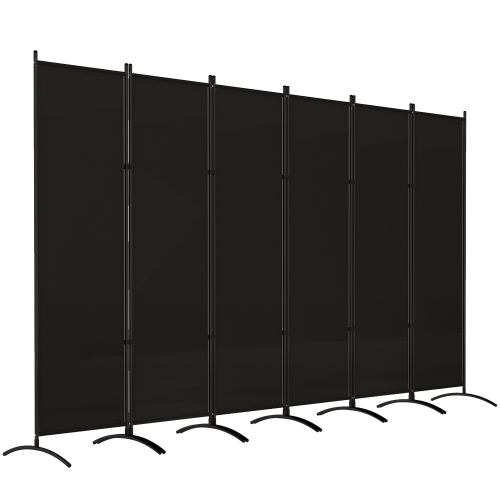
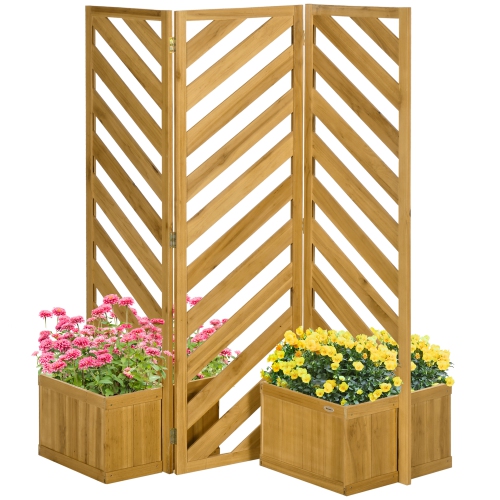
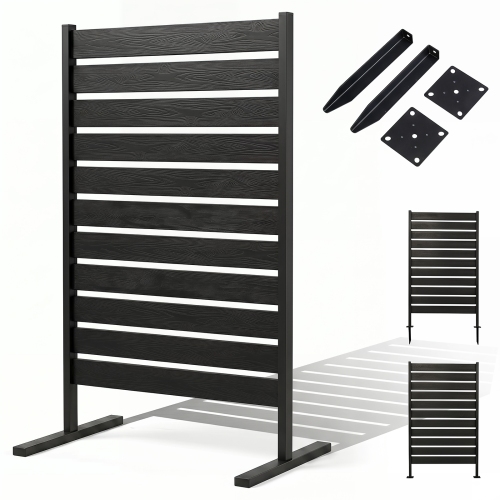
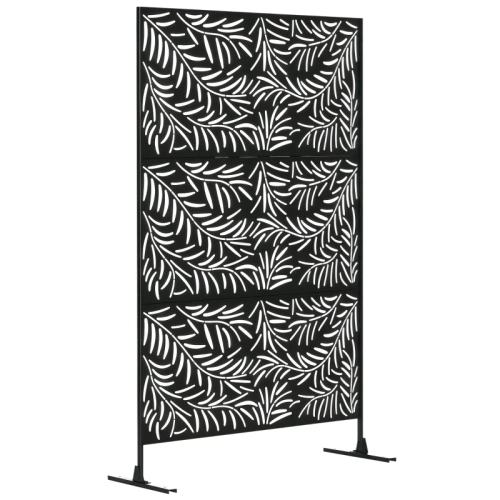
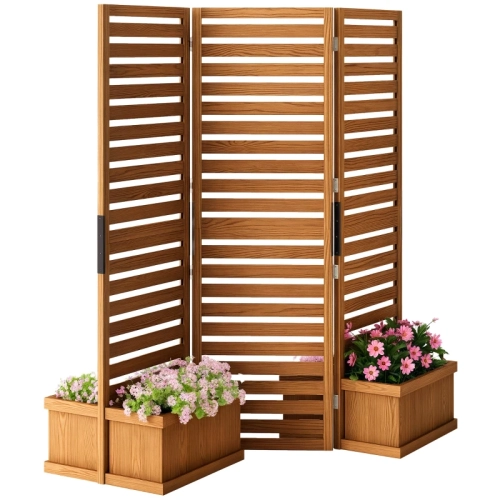
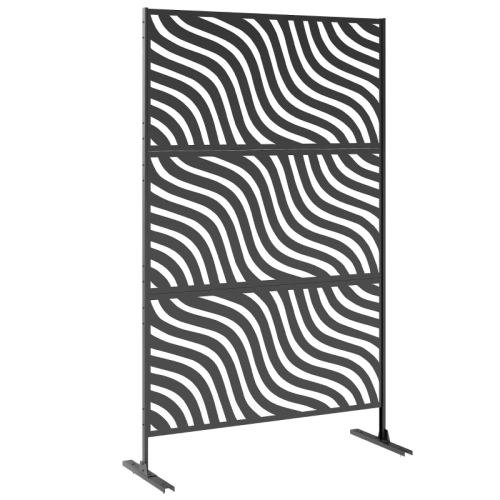
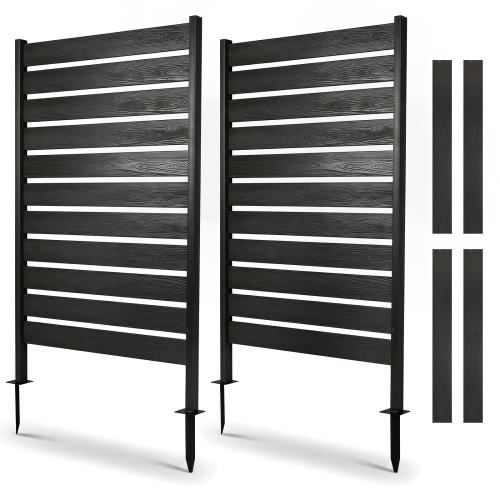
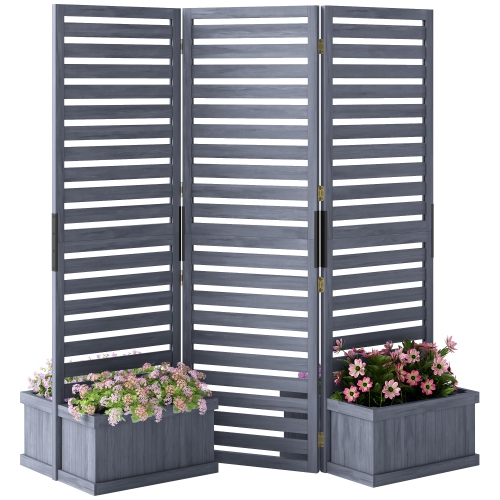
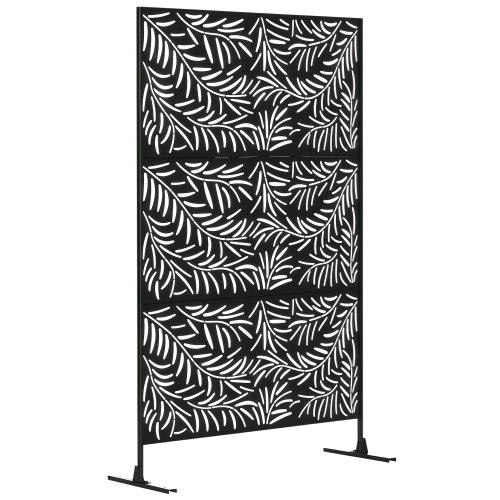
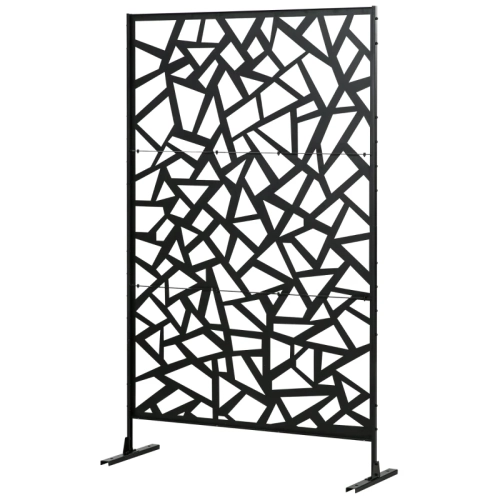
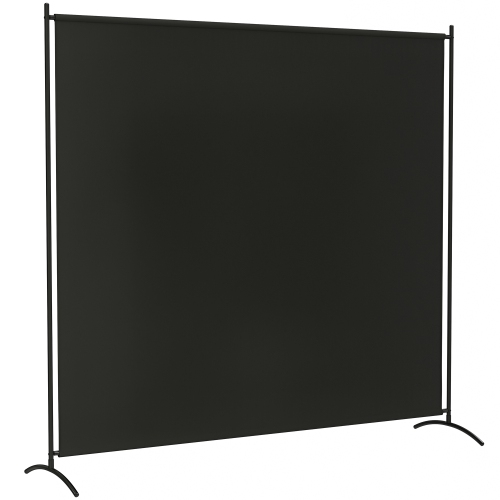
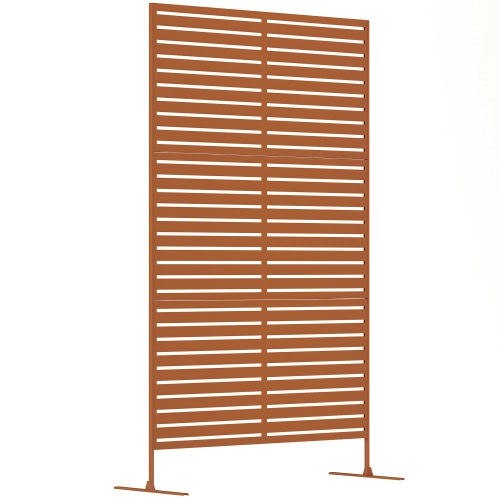
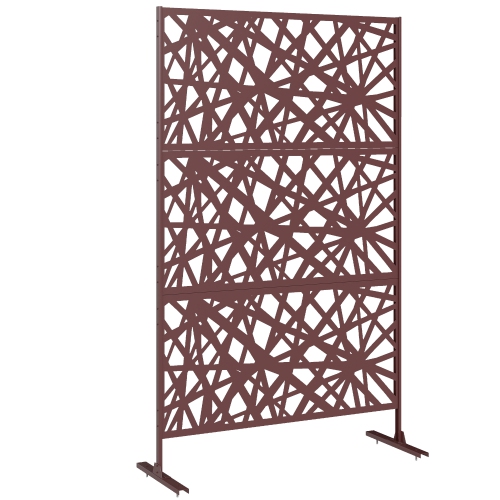
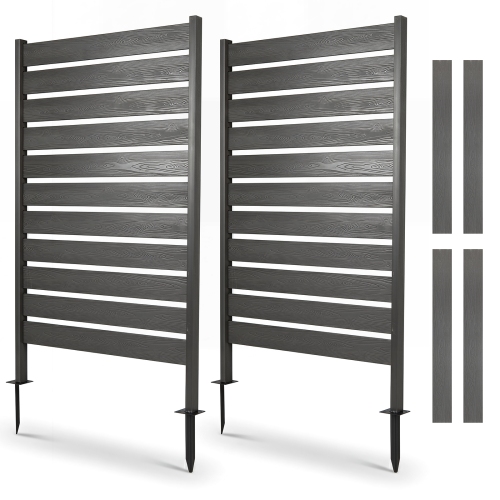
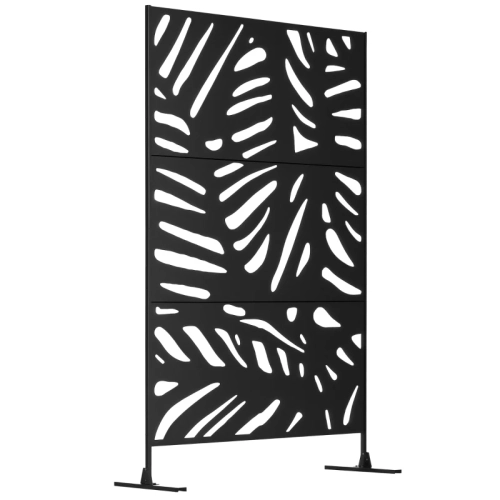
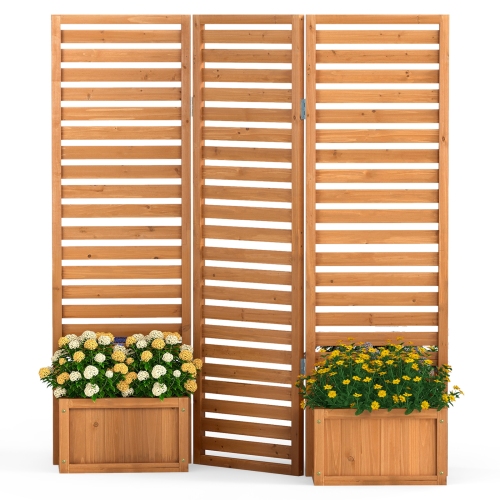
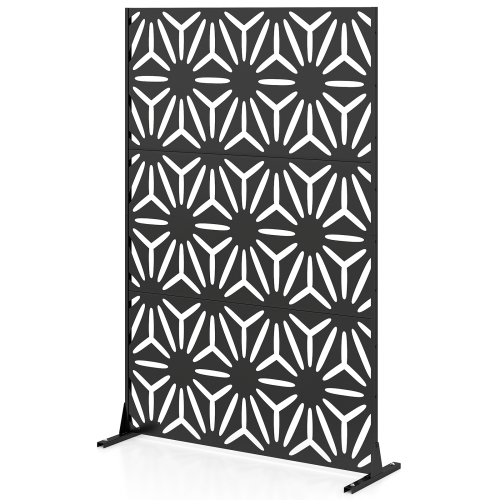
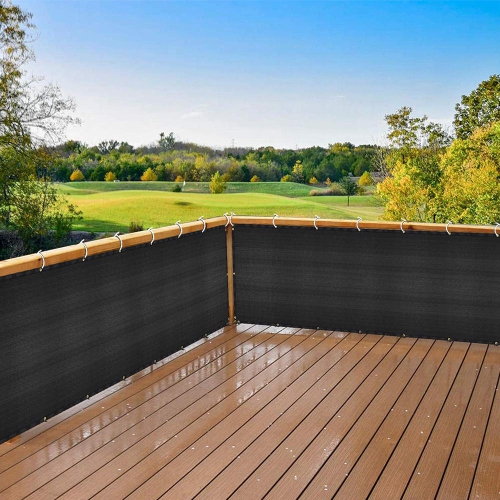
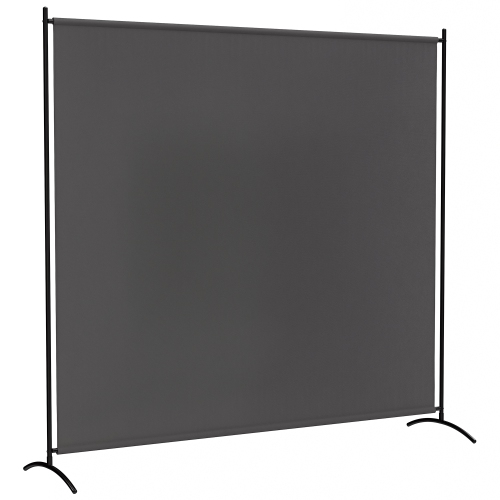
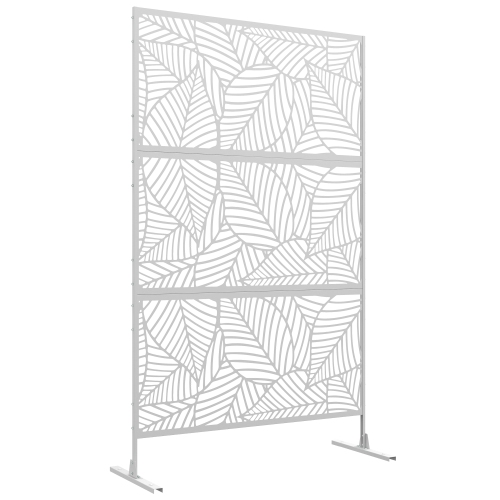
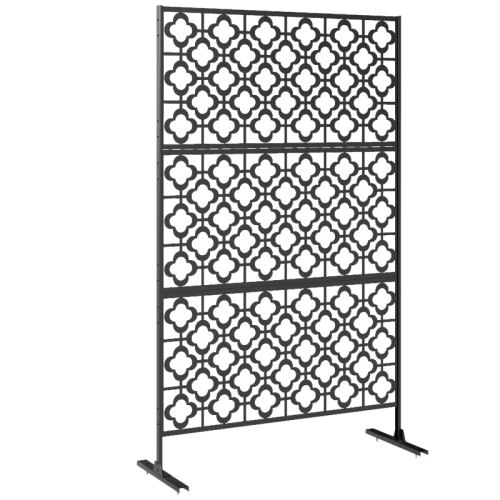
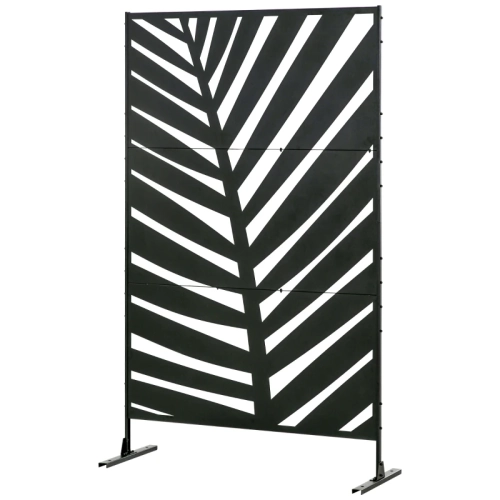
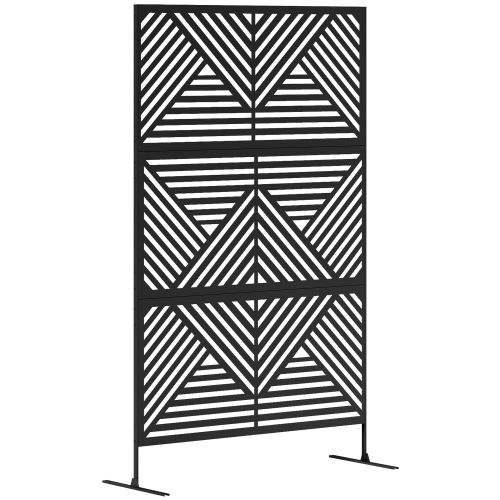
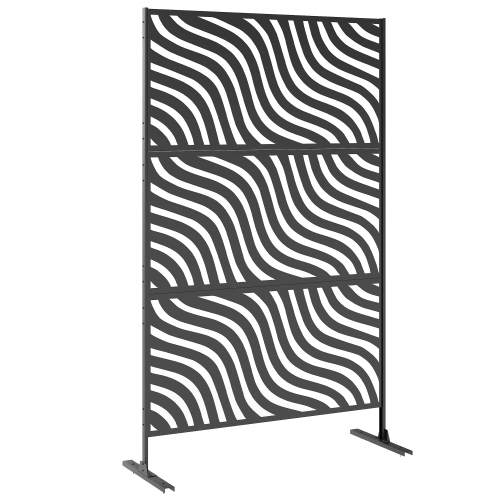
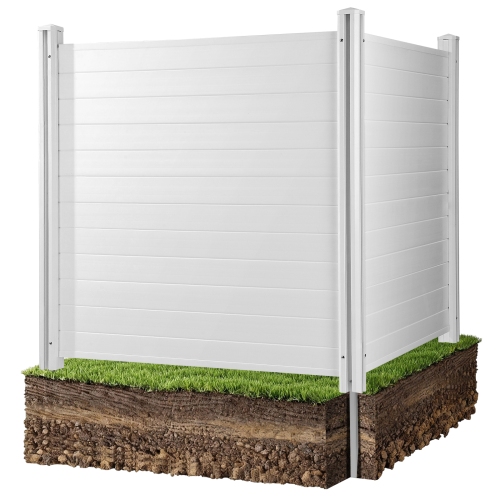
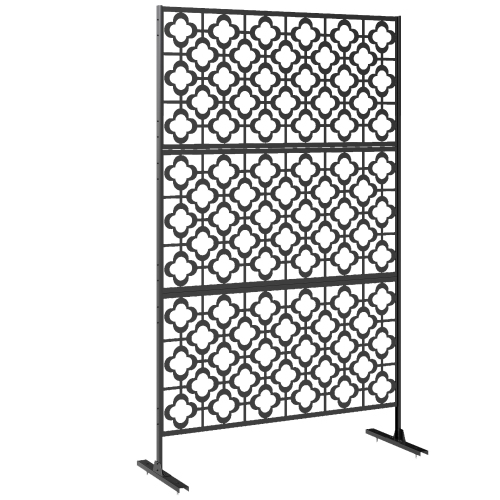
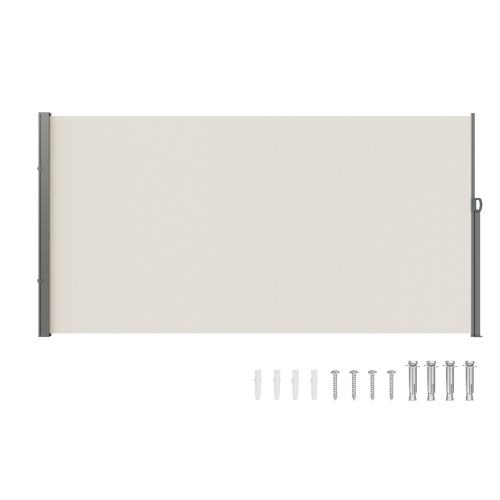
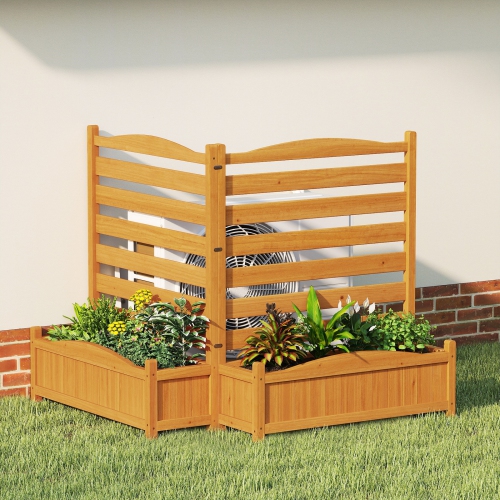
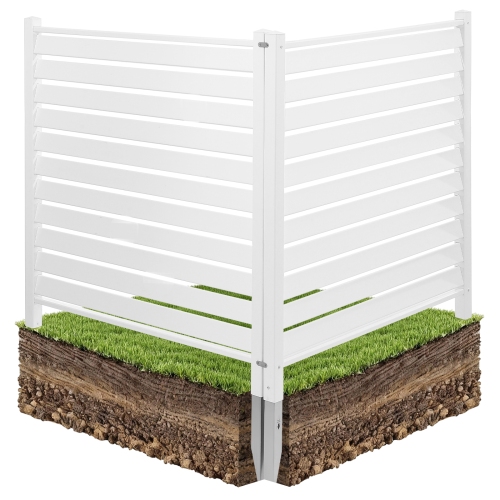
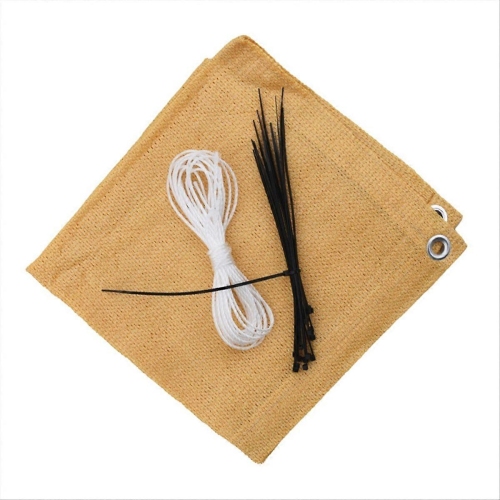
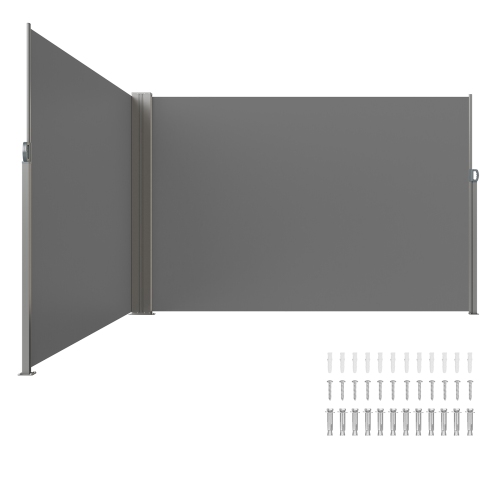
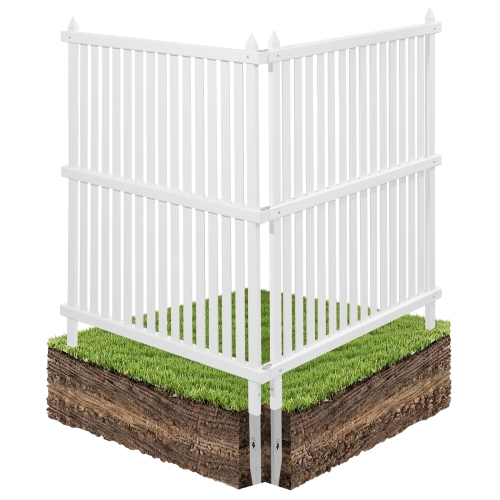
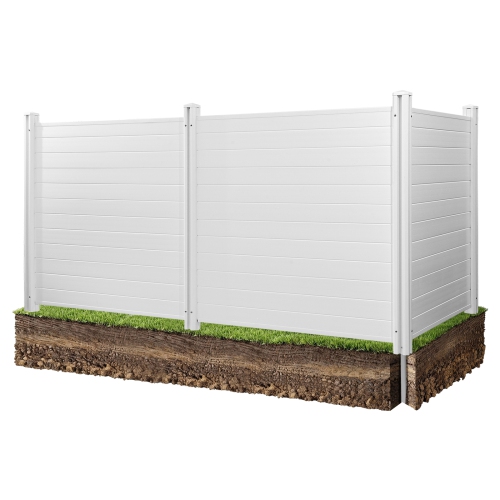
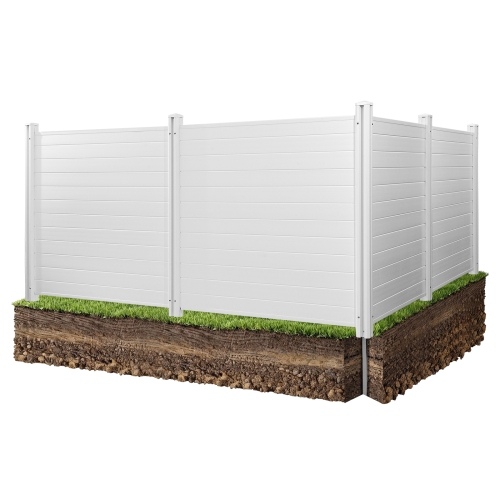
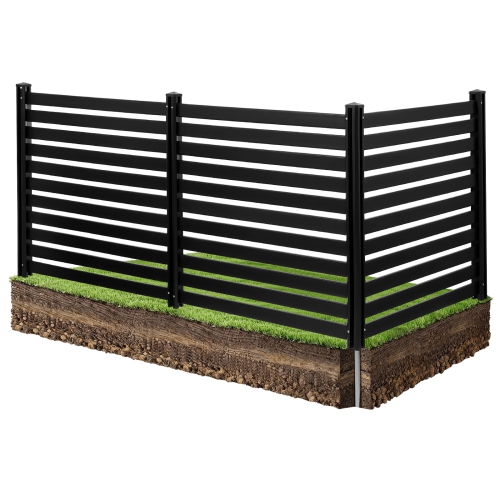
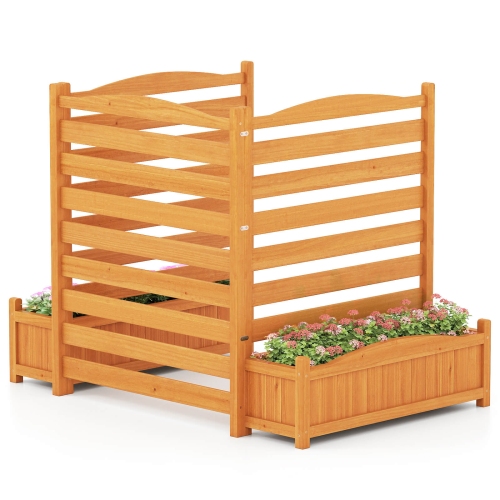
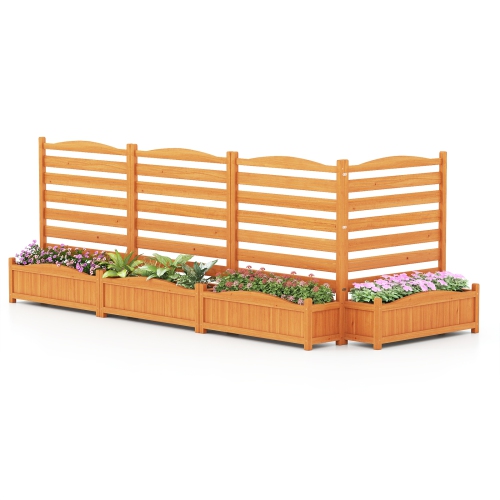
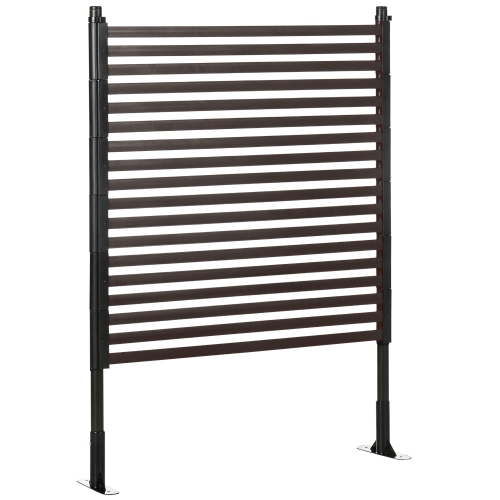
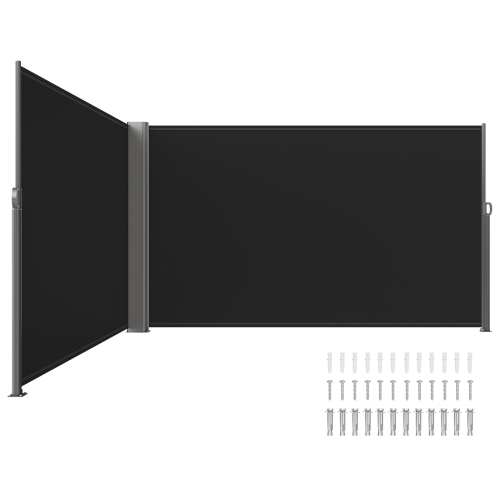
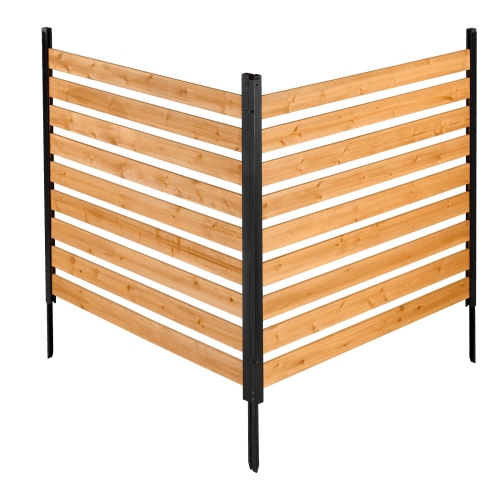


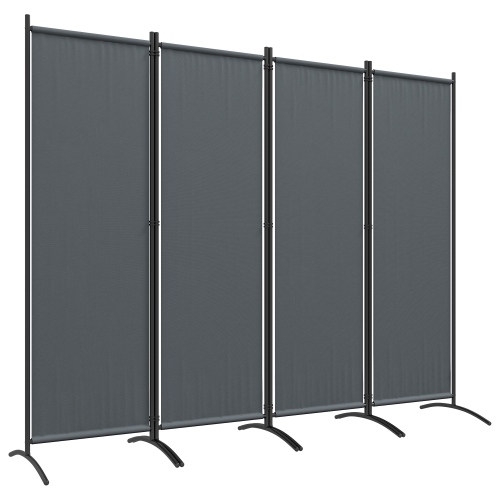
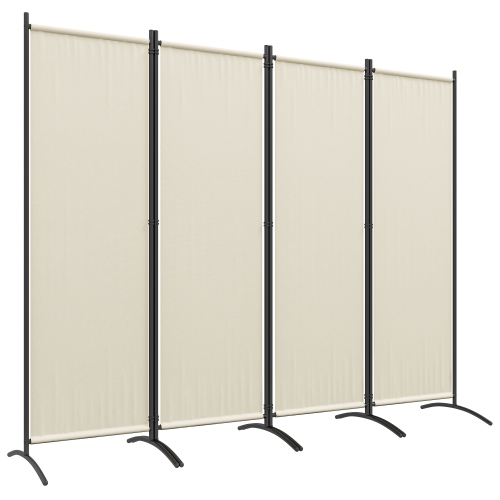
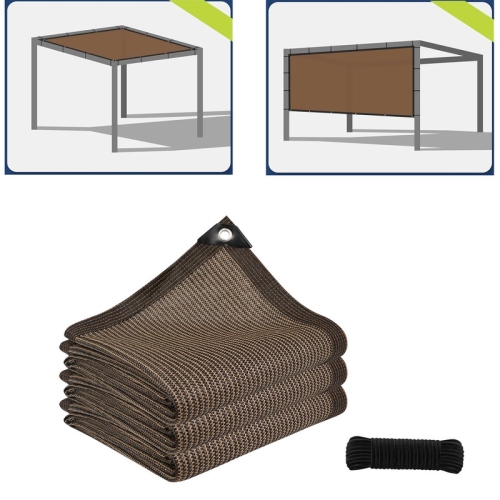
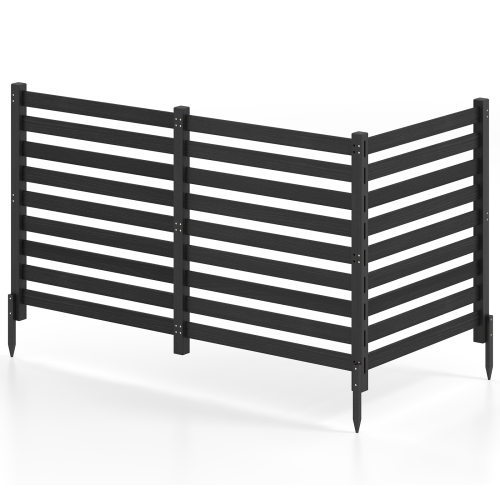
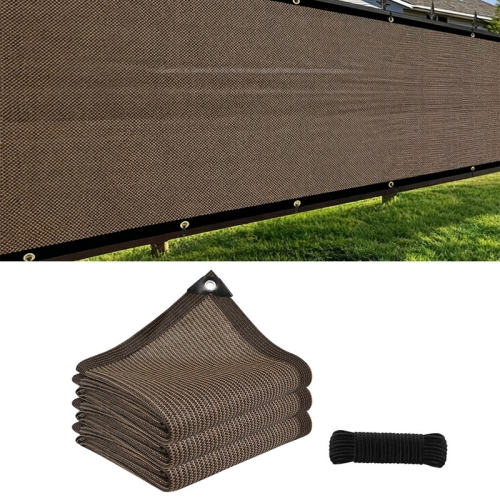
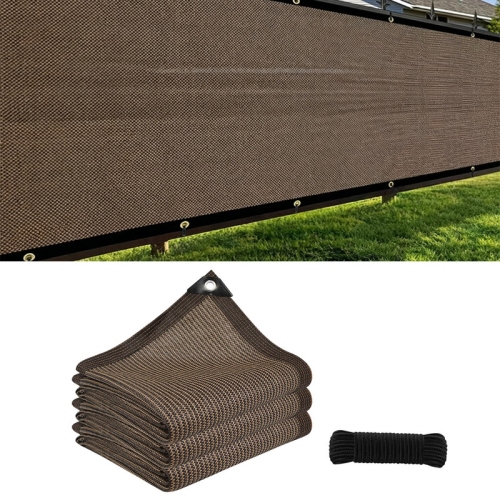
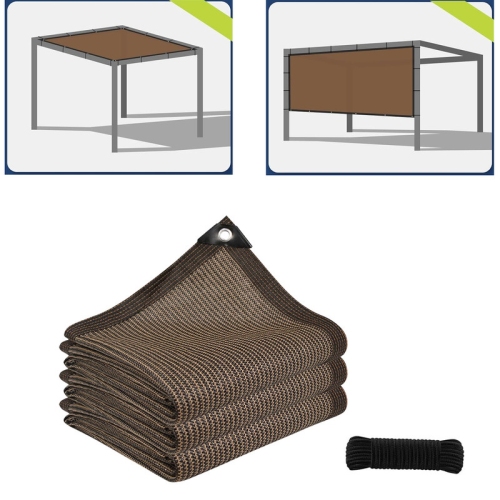
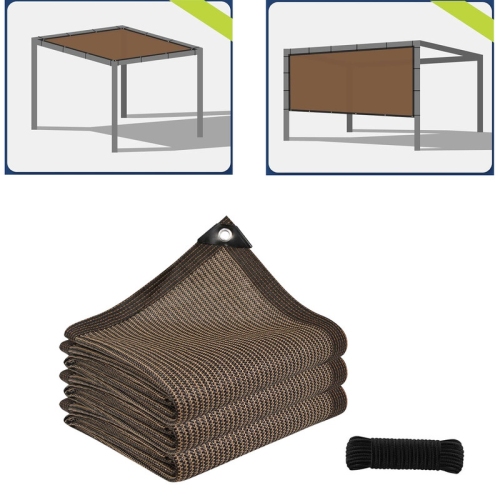
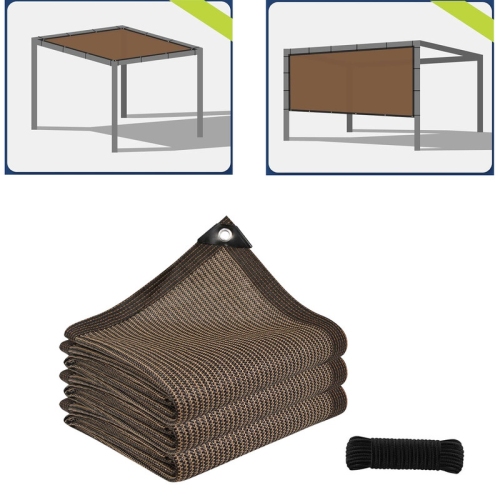
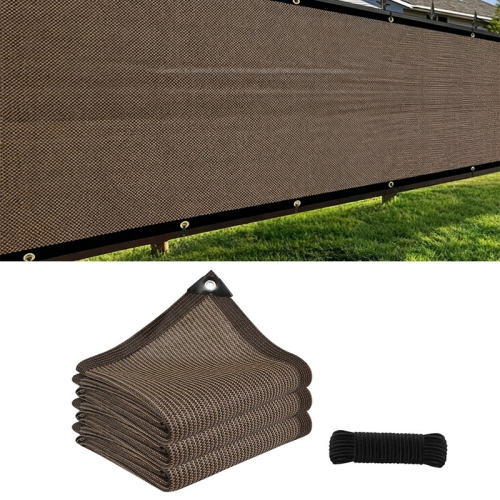
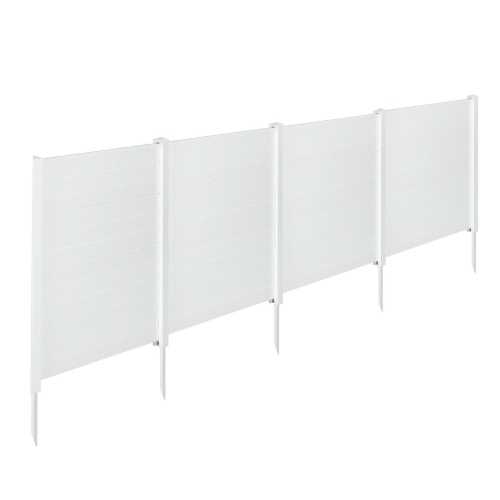
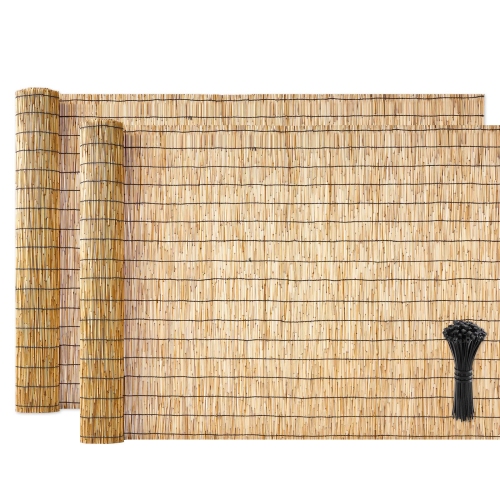

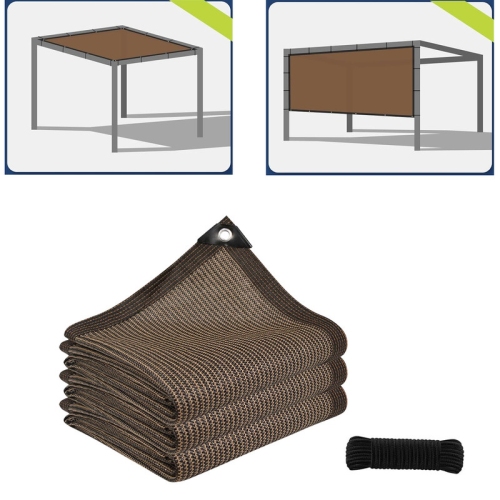
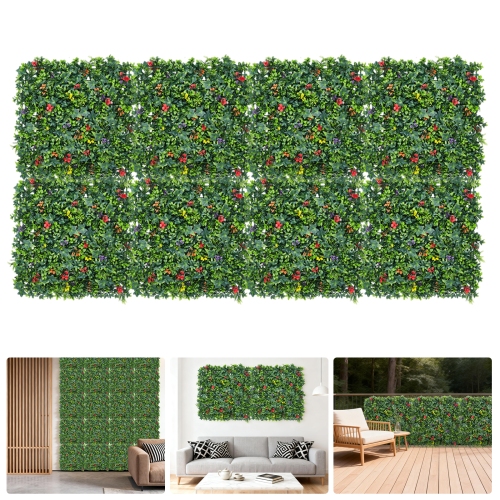
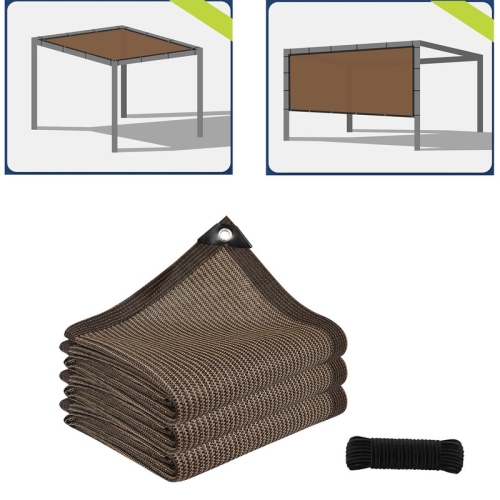
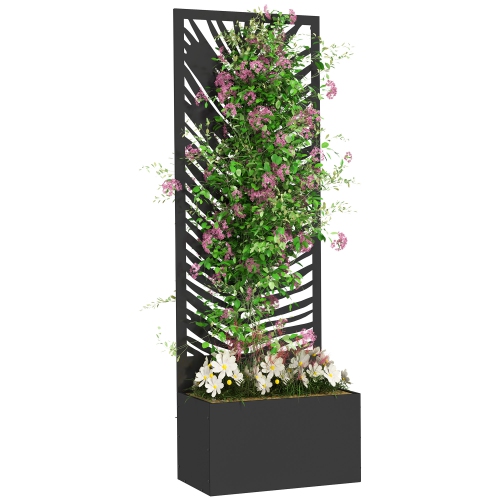
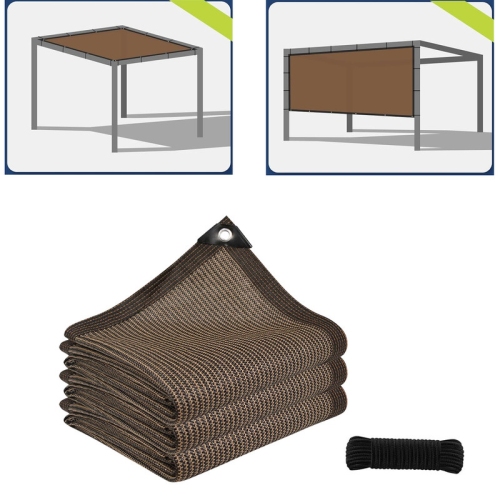
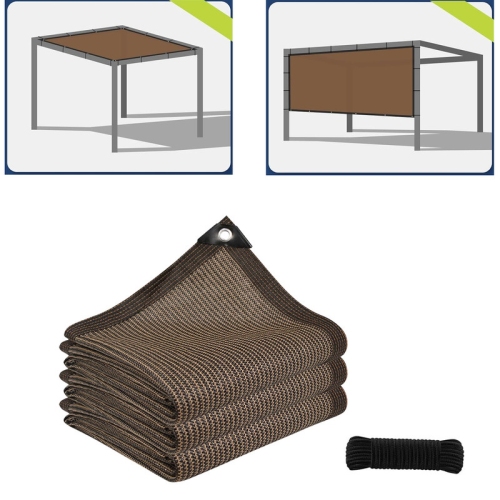
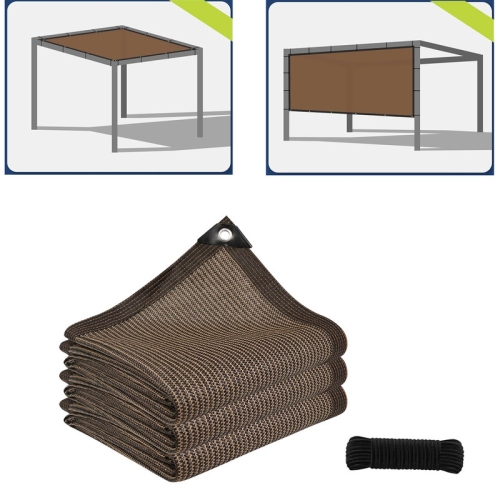
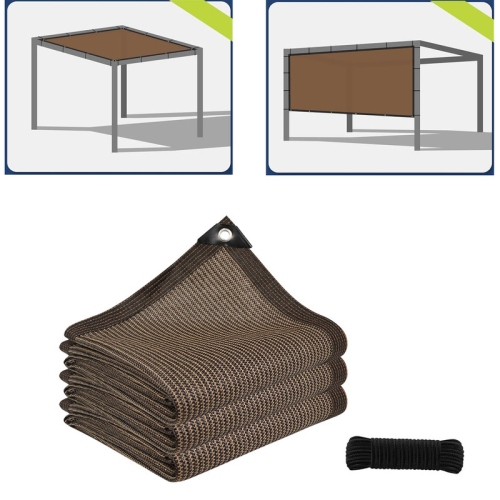
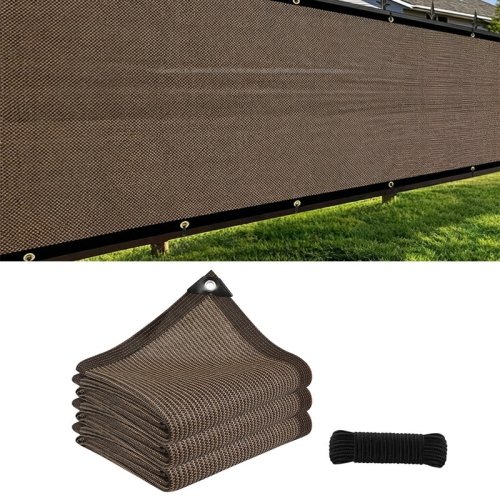
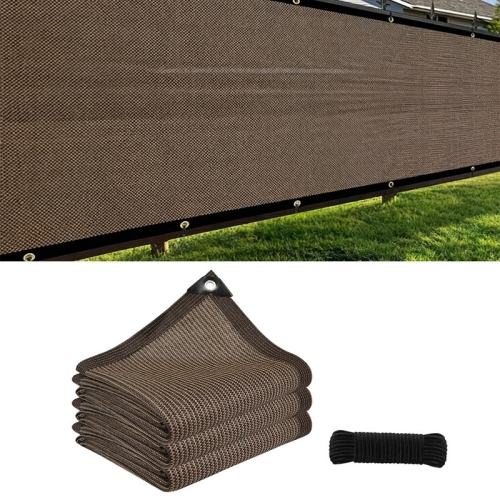
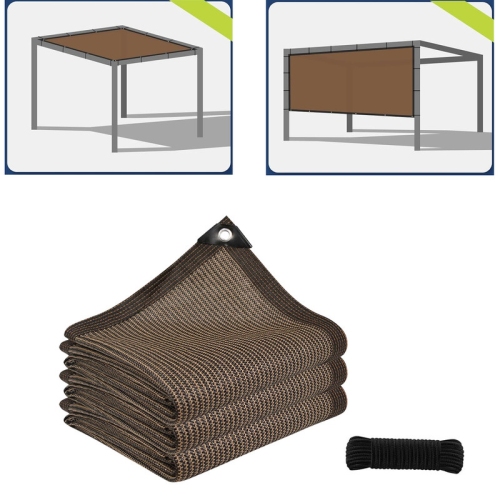
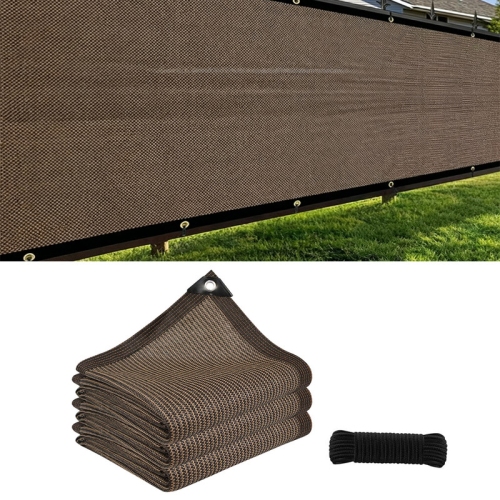
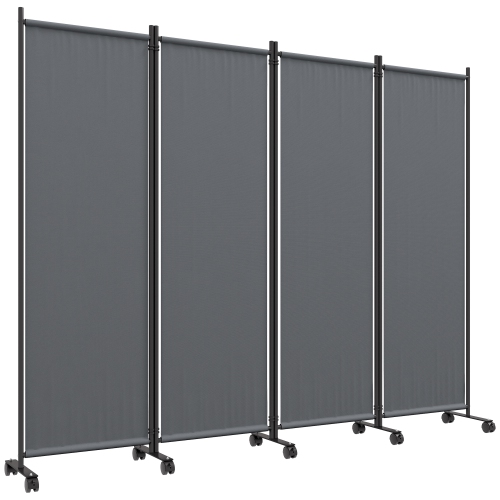
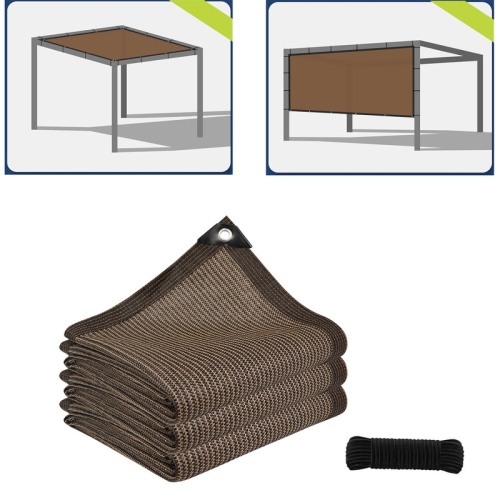
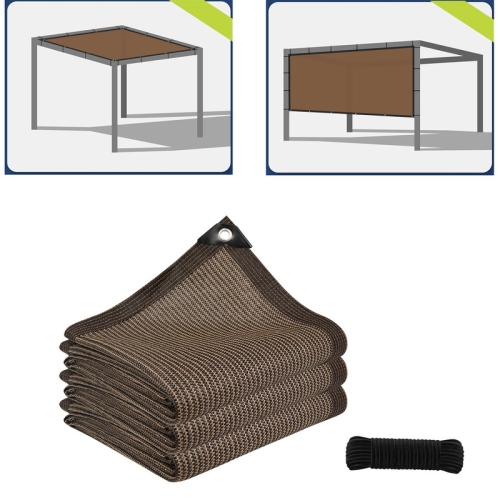
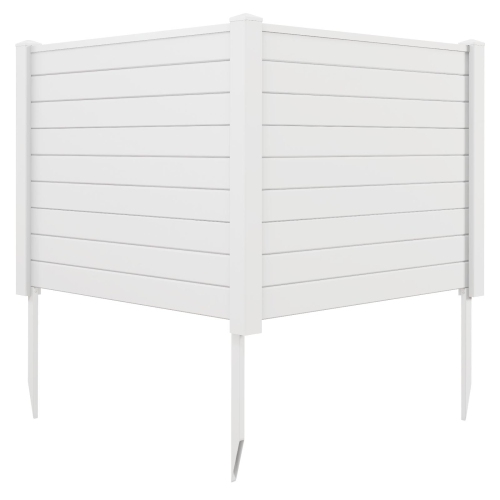
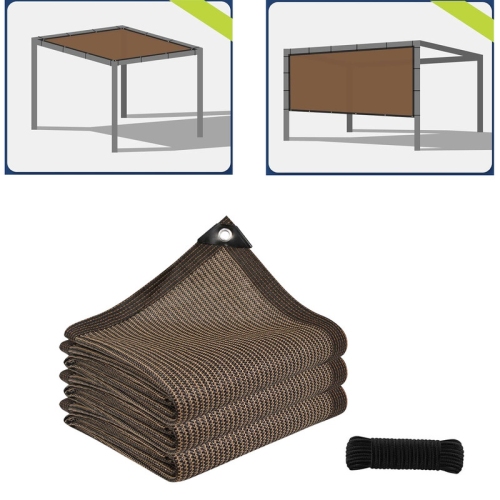
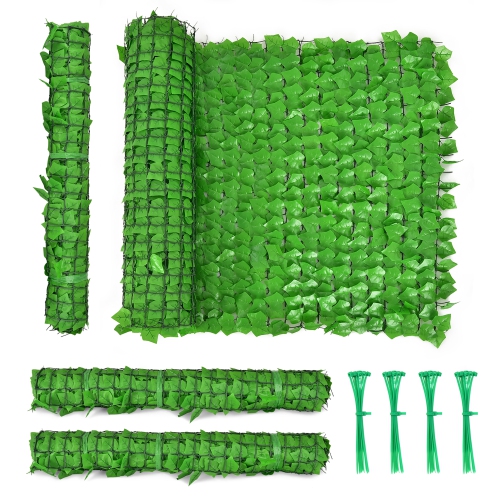
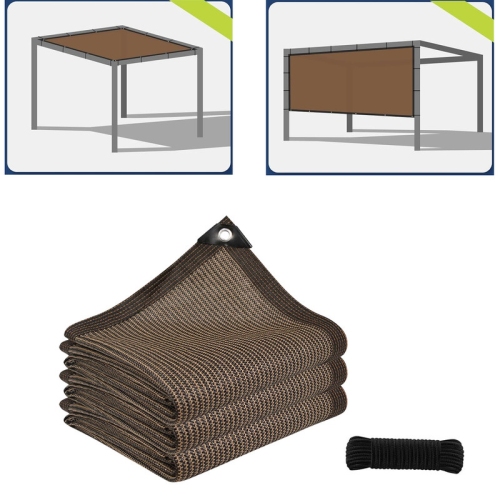
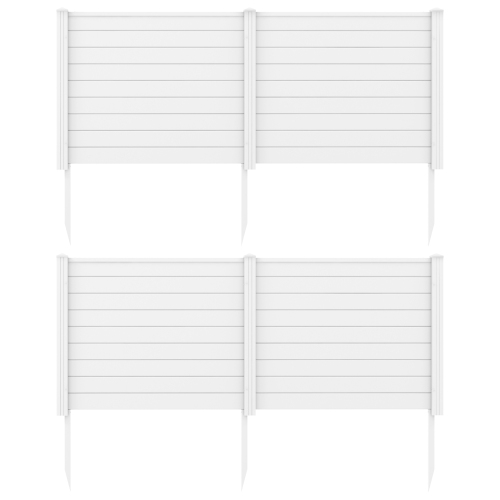
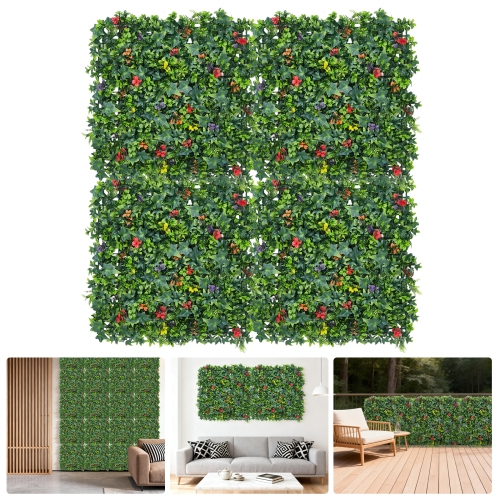

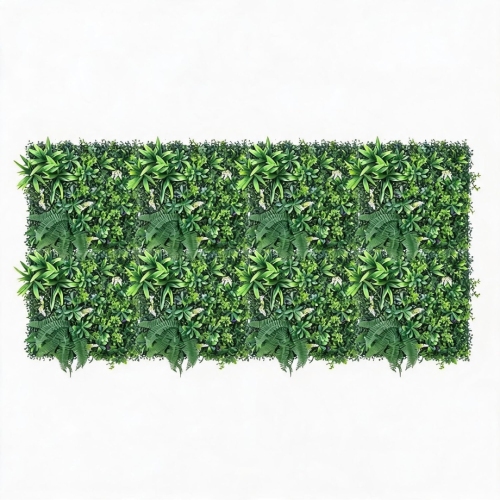
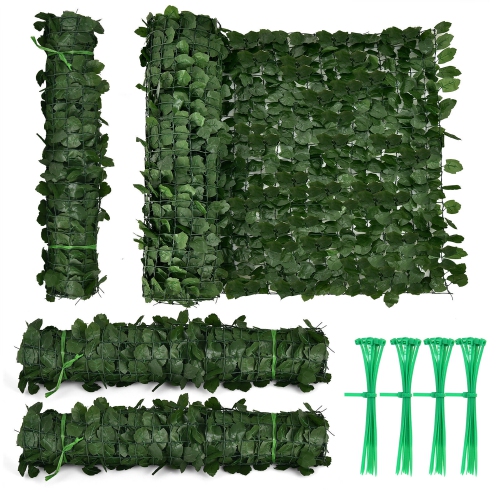
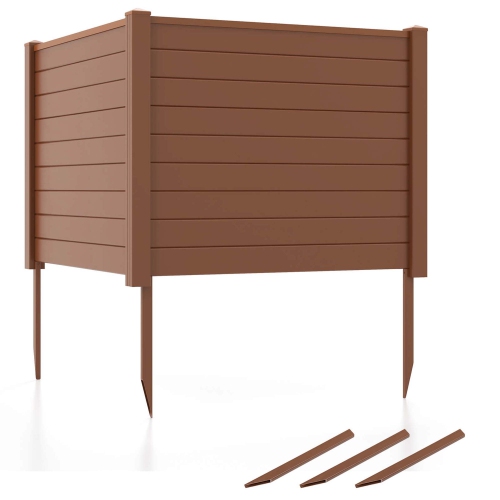
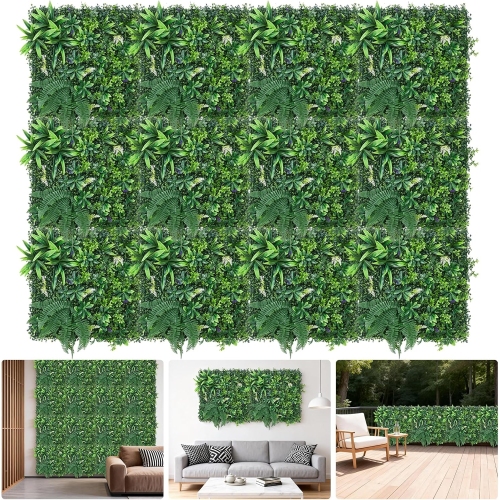
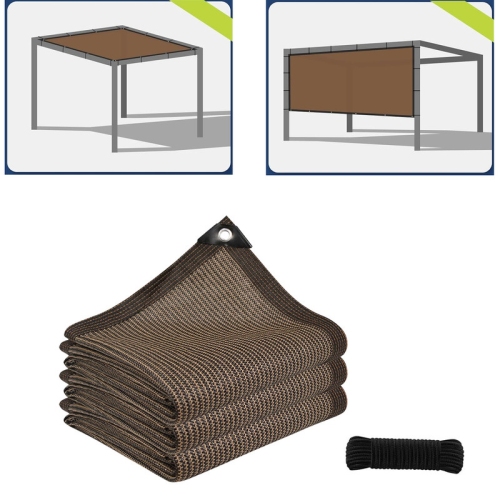
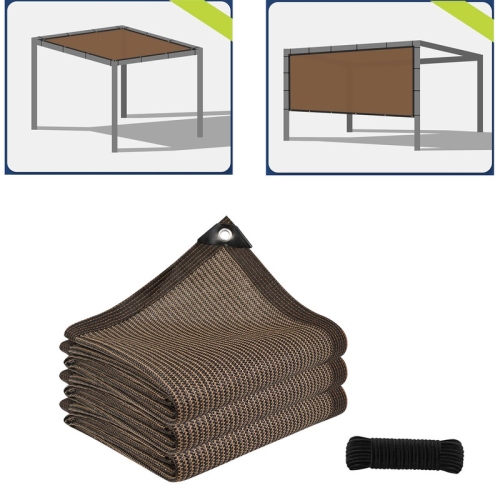
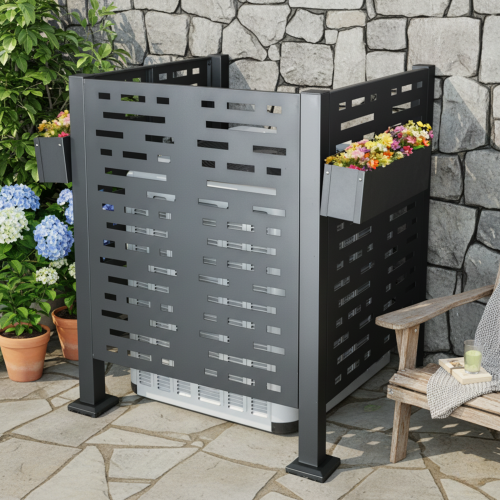
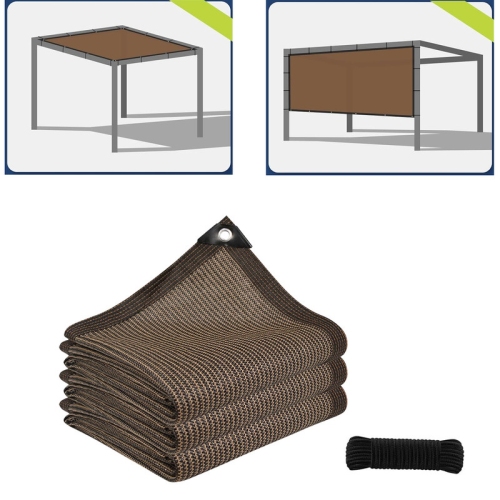
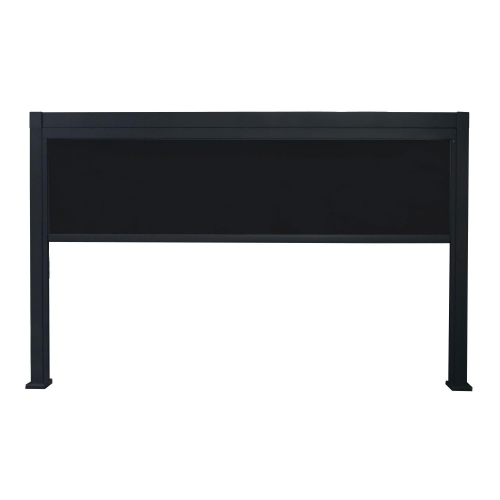
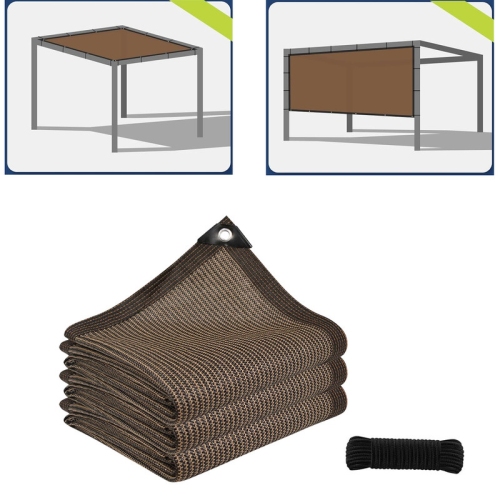
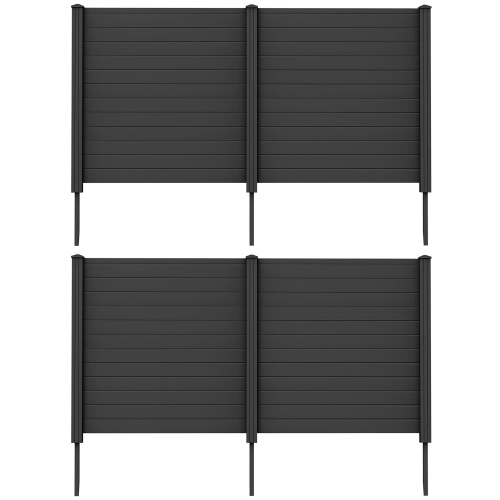
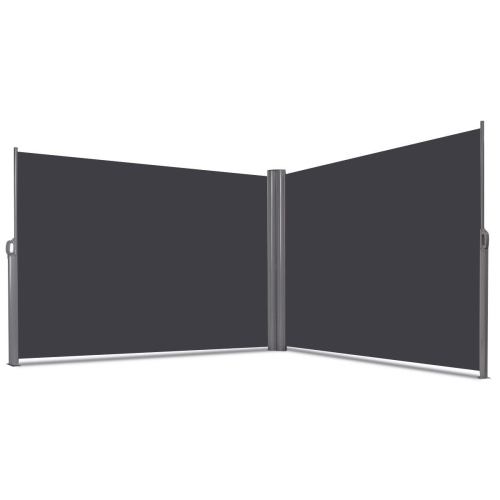
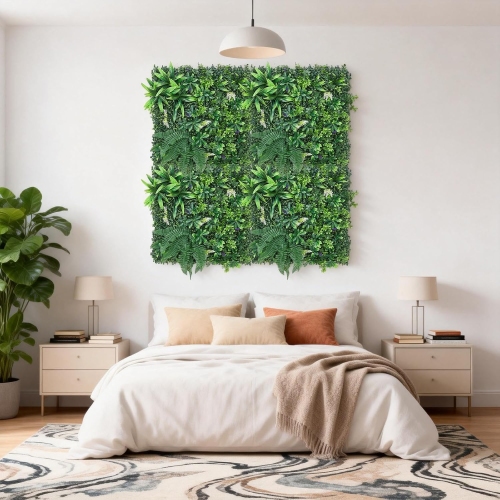
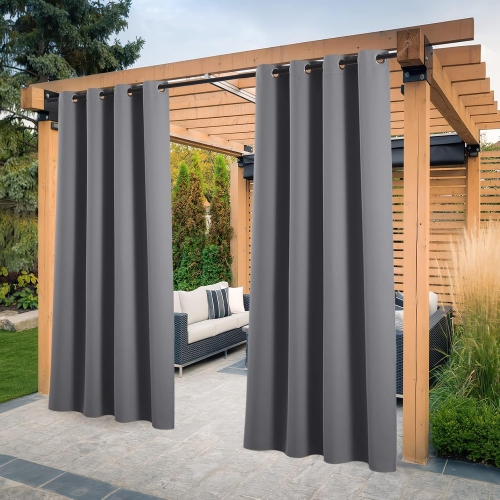
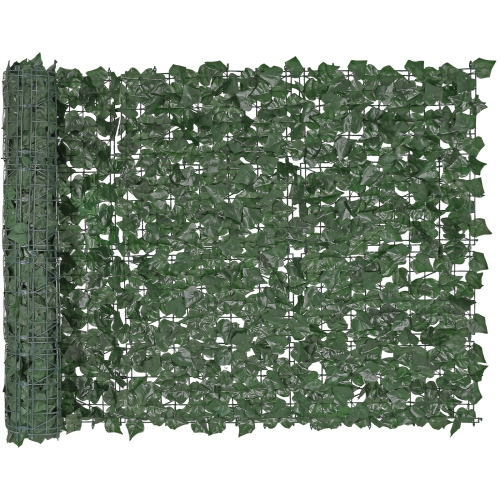
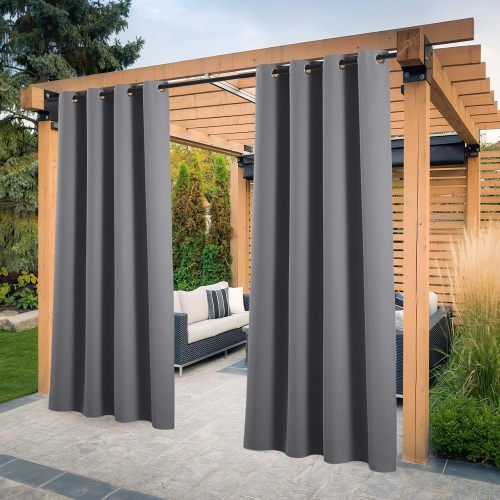
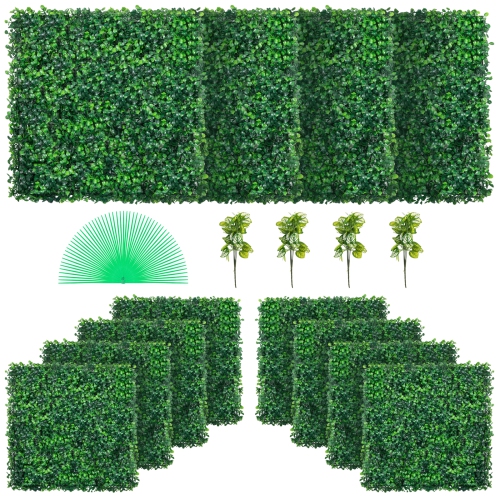
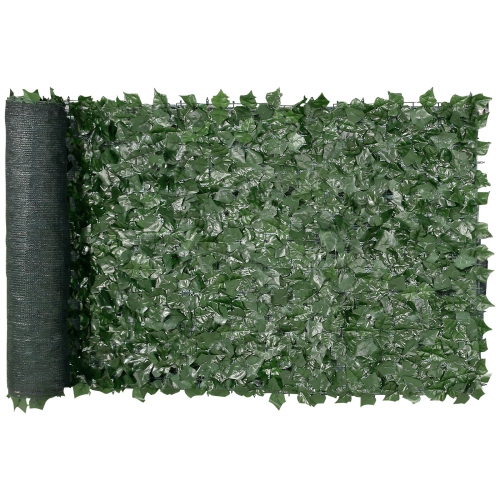
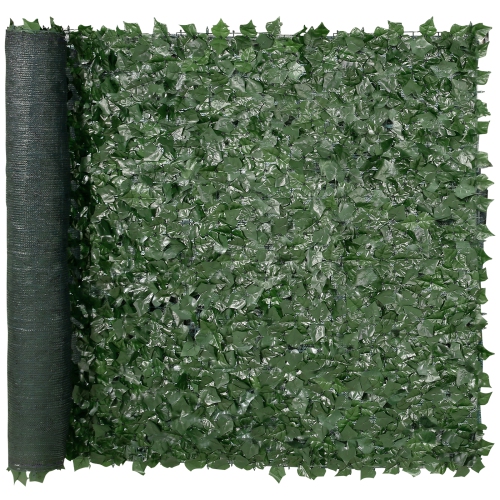
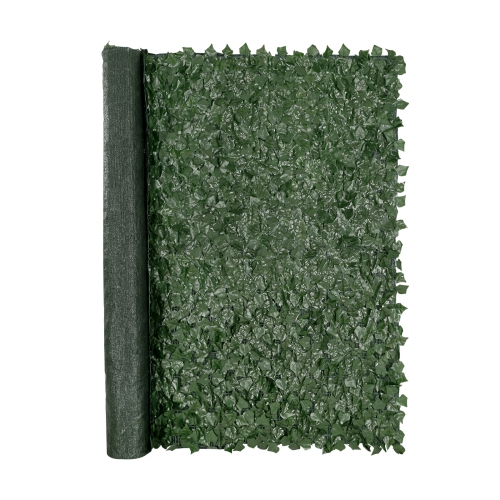
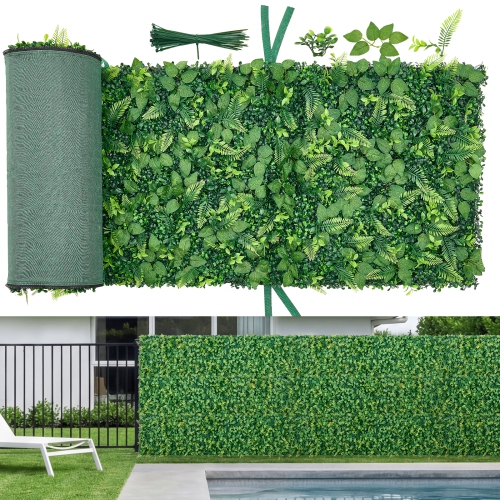
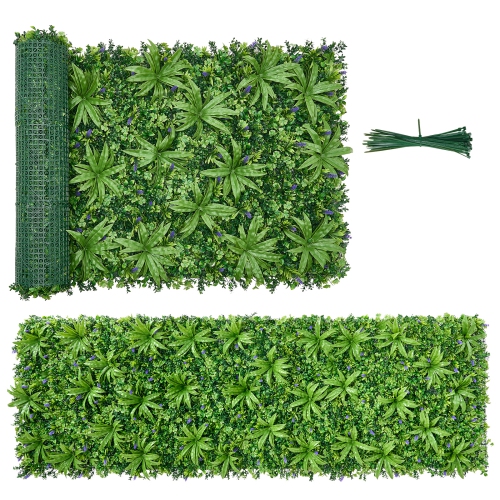
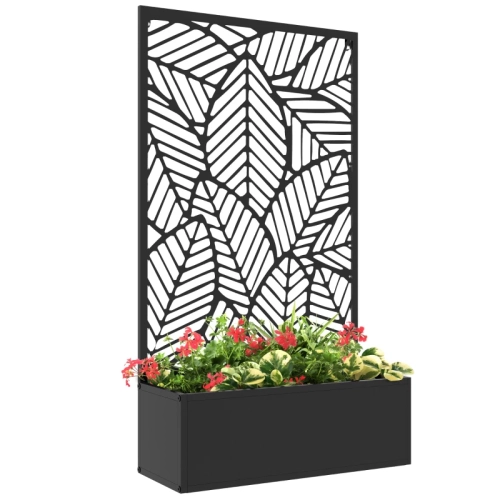
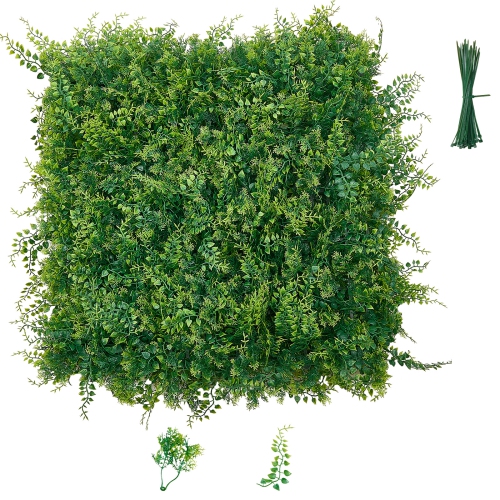
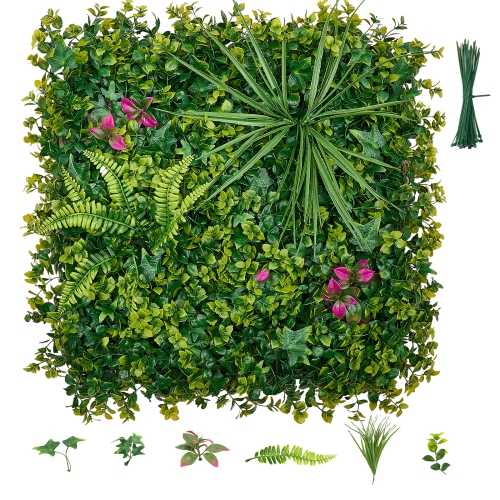
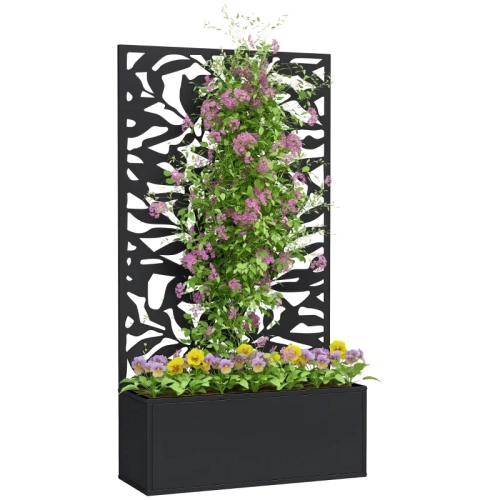
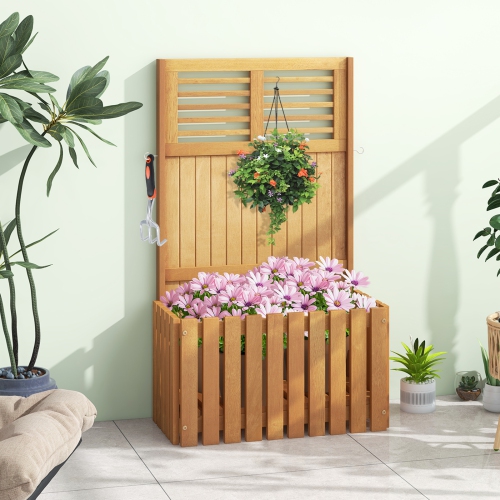
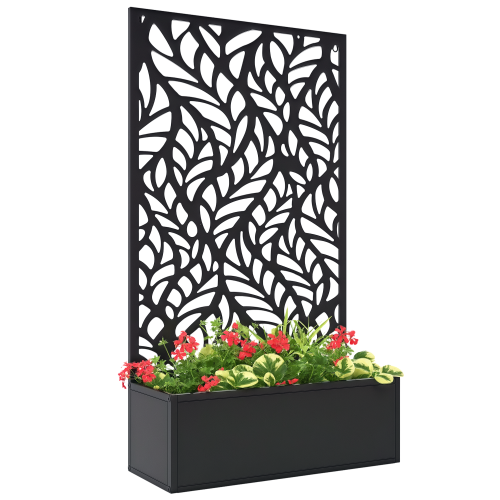

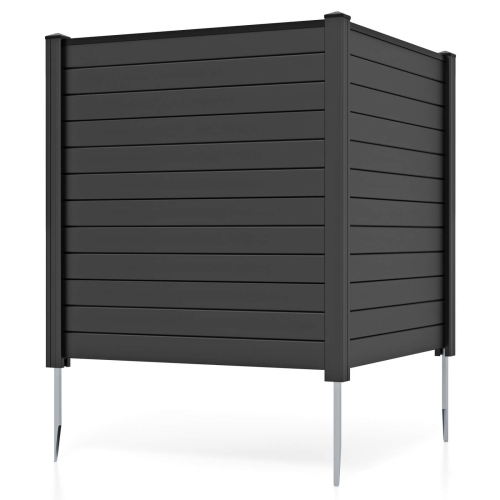
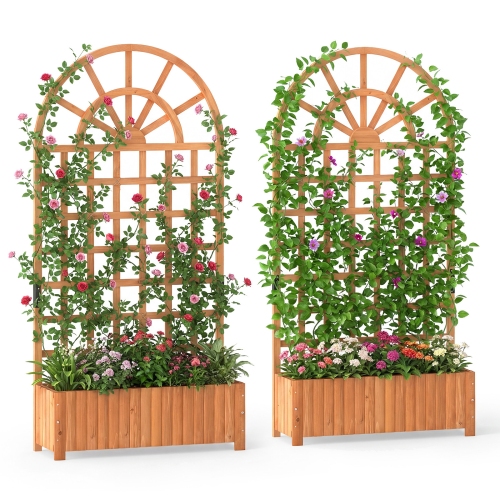
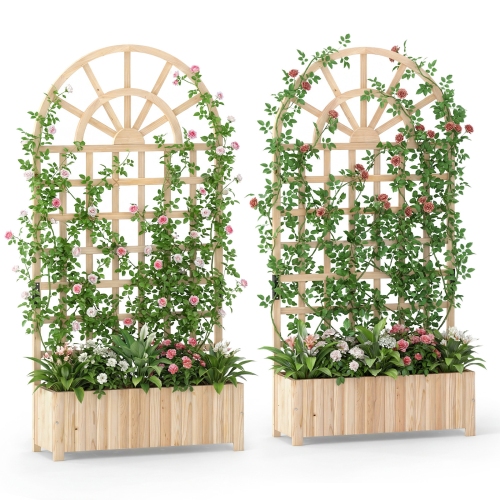
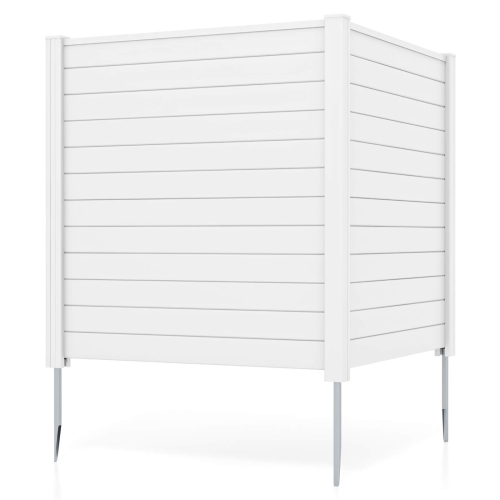
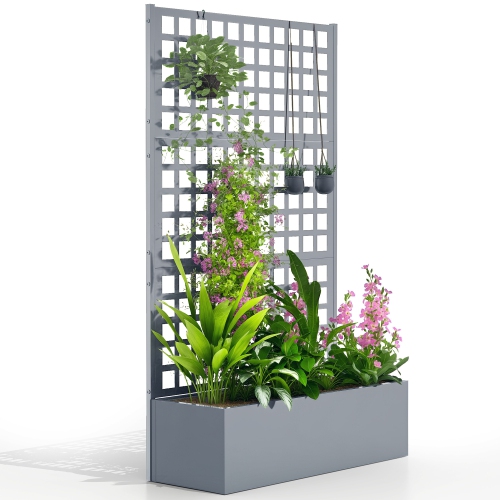
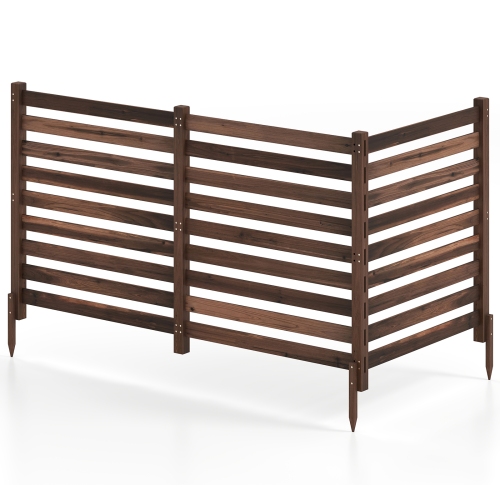
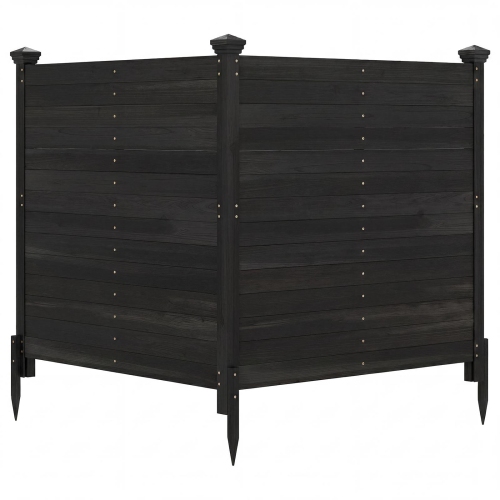
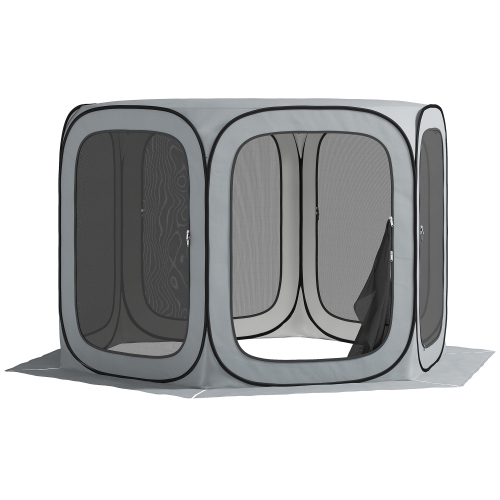
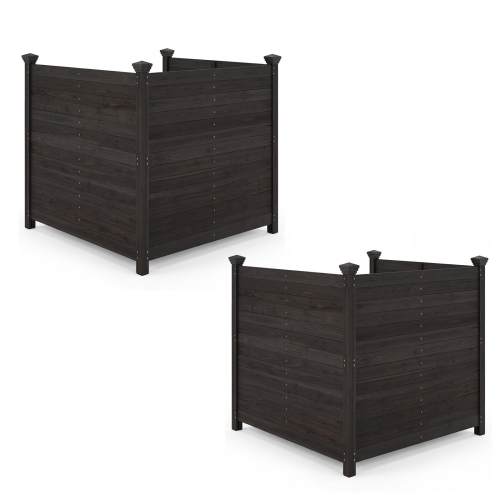
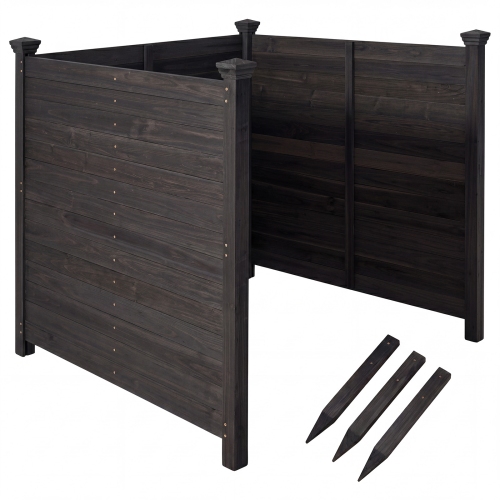
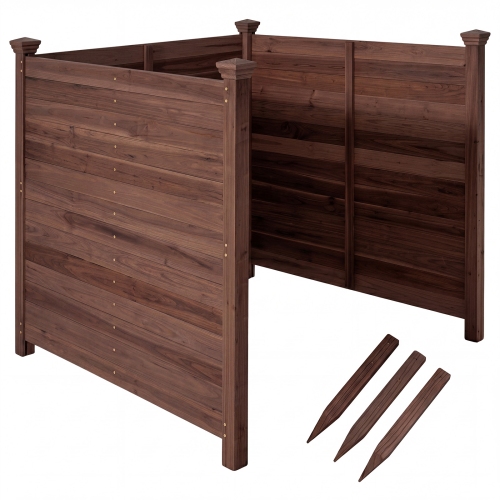
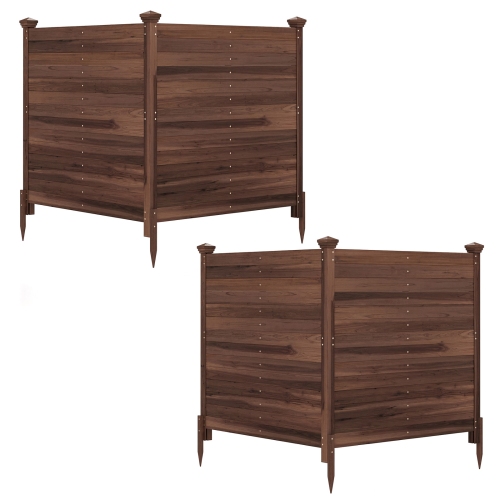
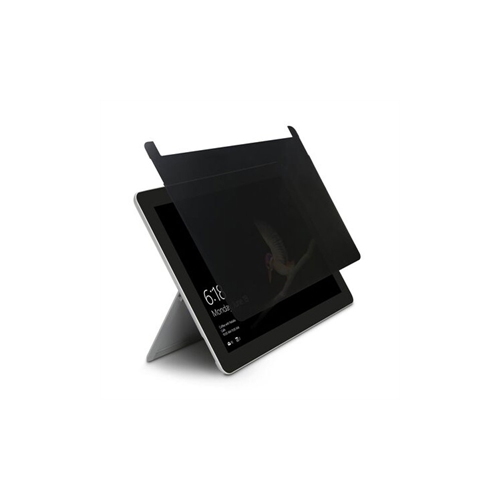
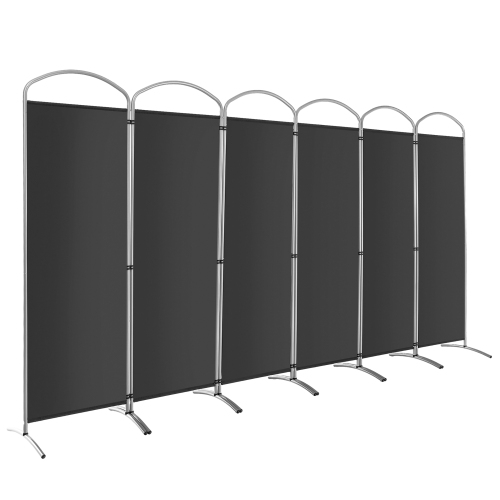
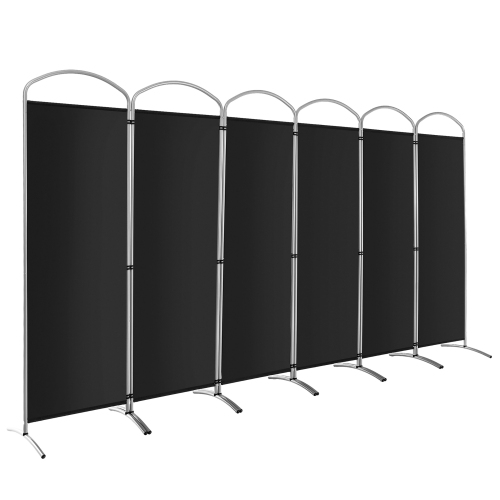
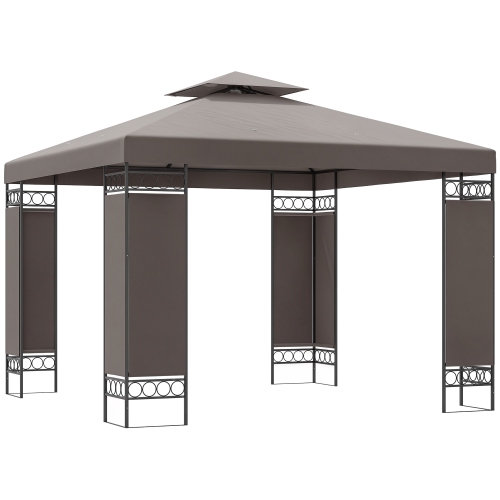
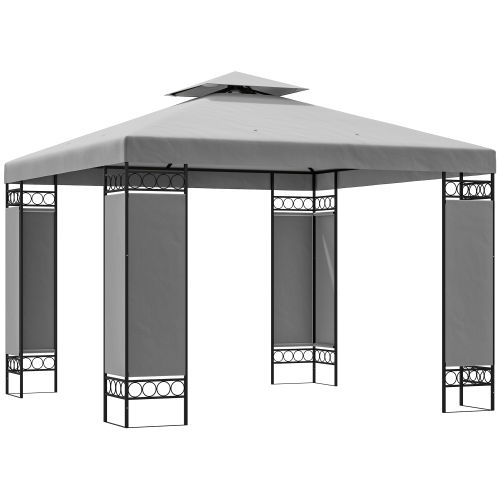
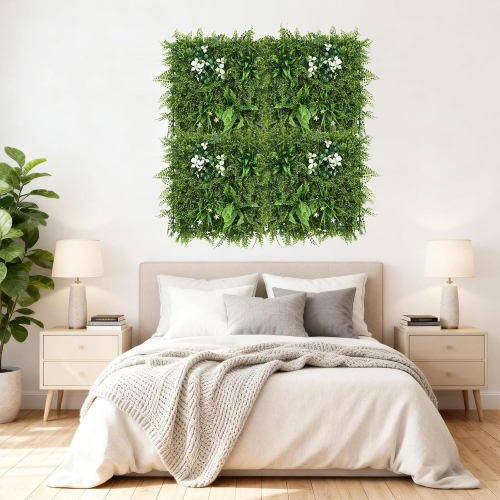
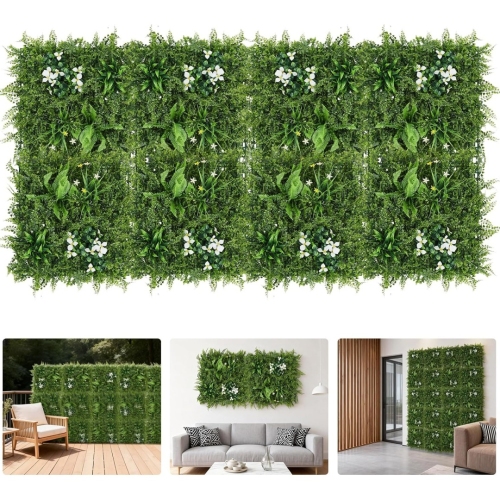
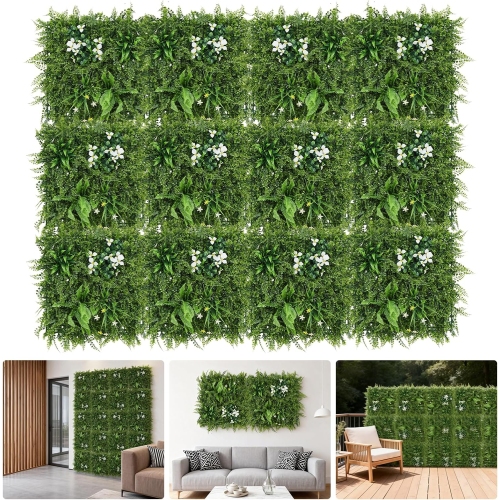
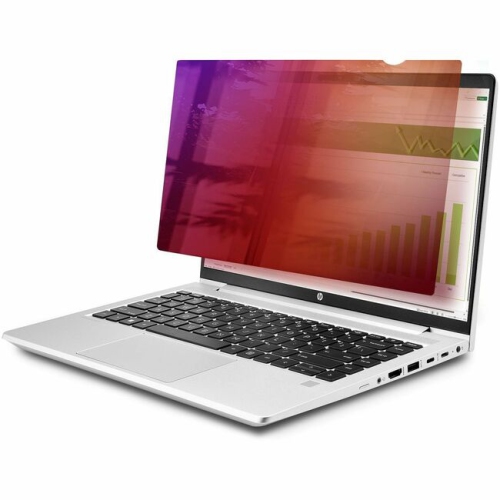
Privacy, placement, and materials for more comfortable outdoor spaces
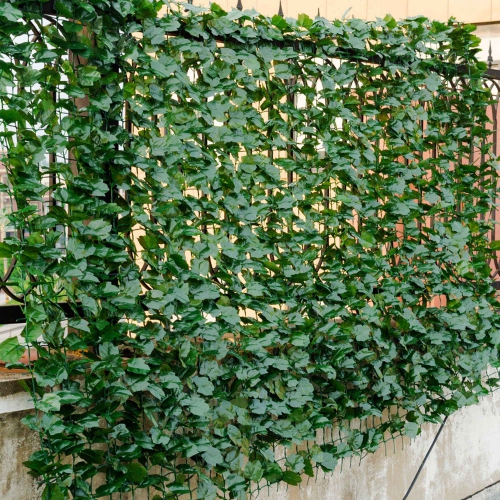
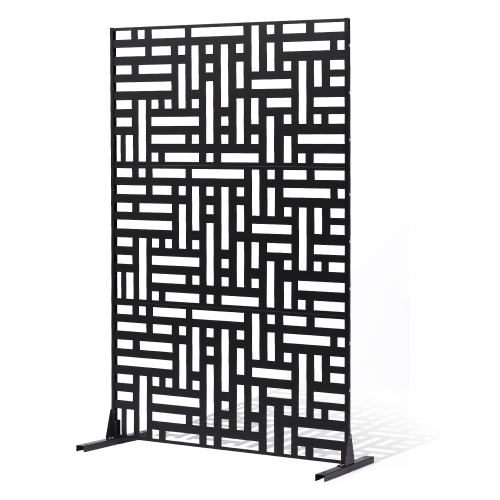
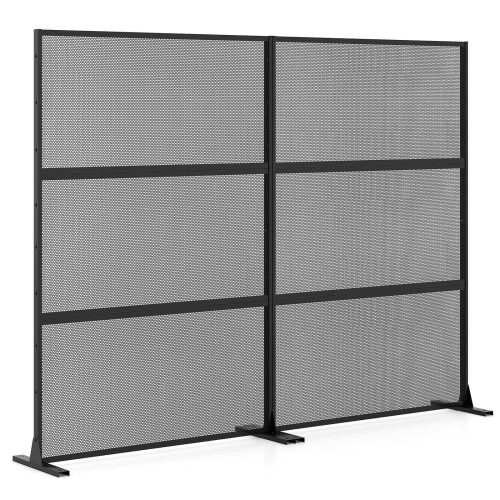
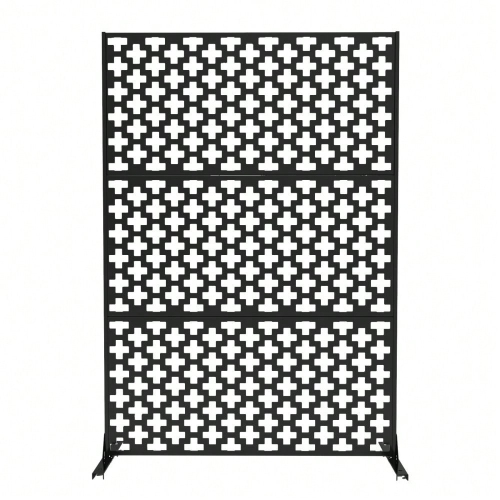
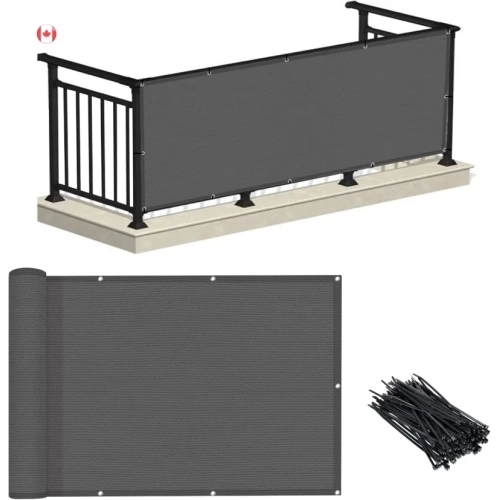
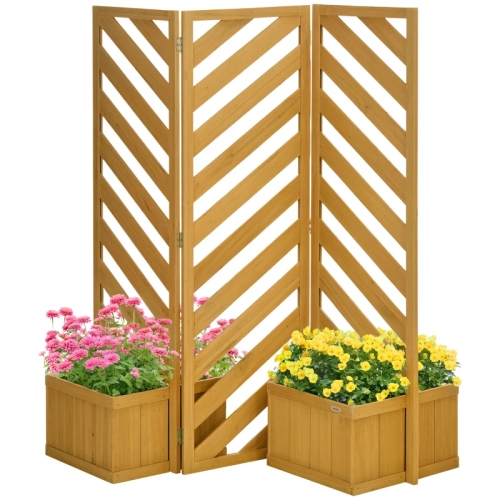
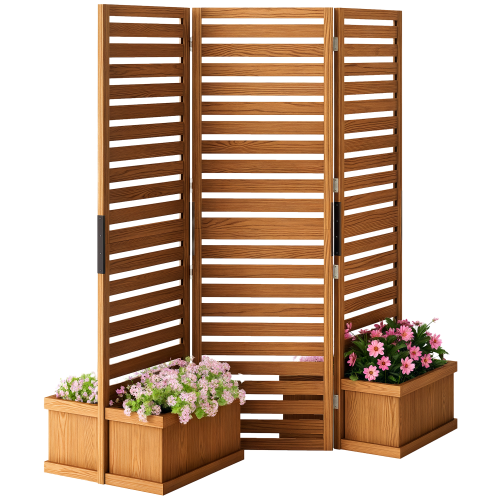
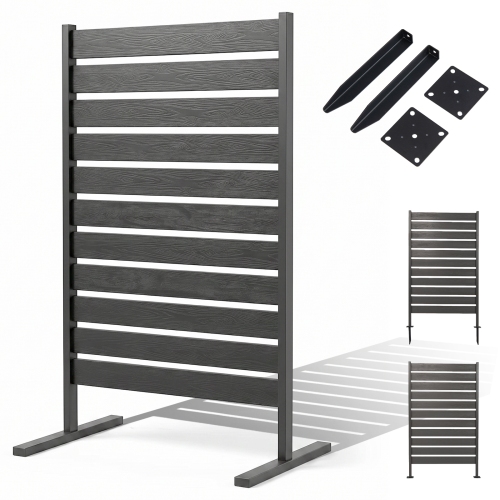
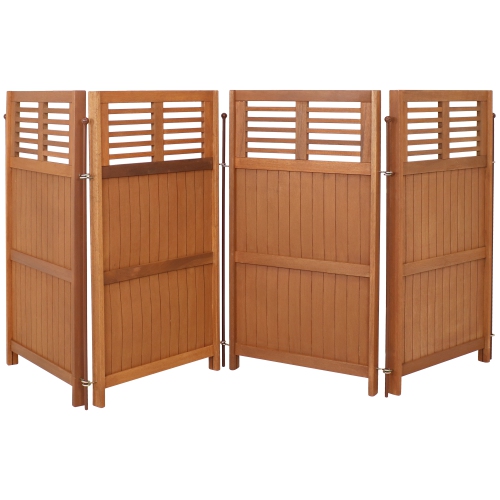
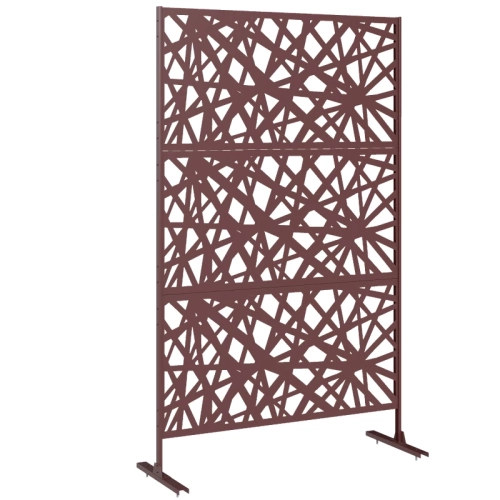
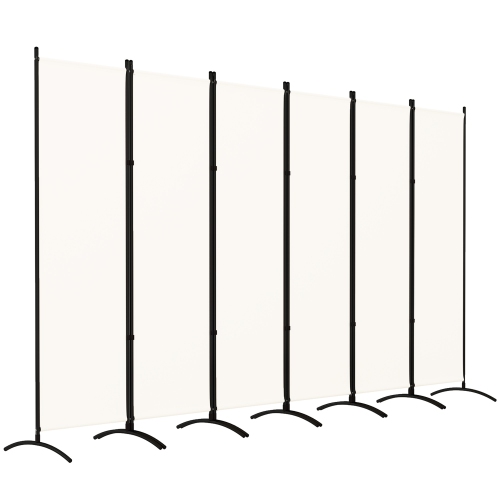
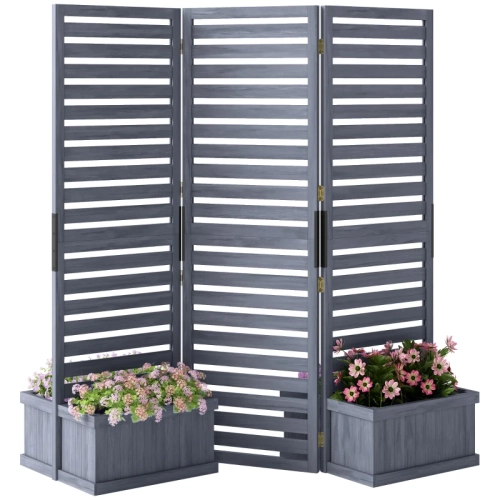
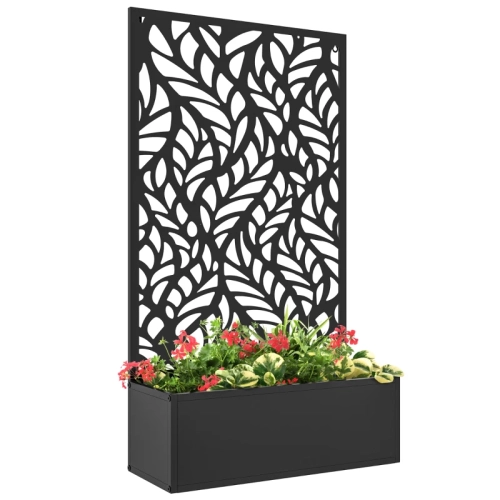
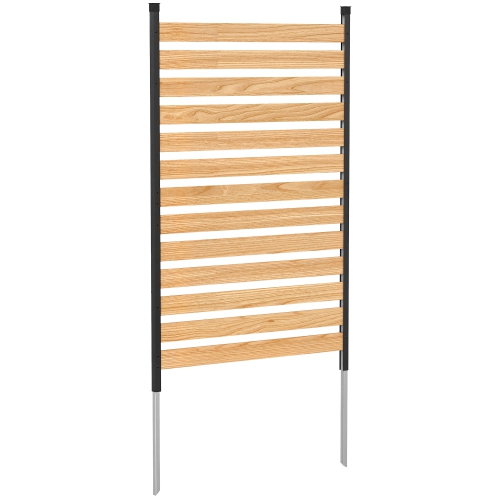
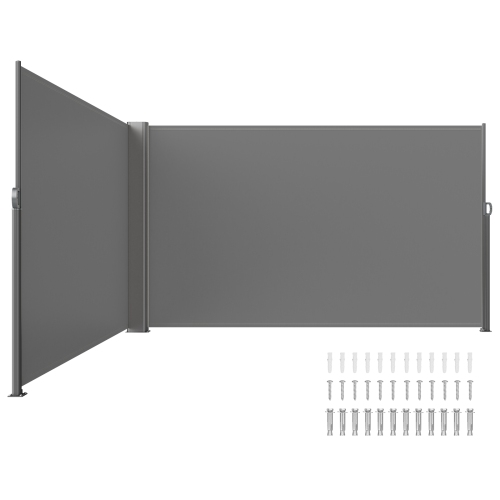
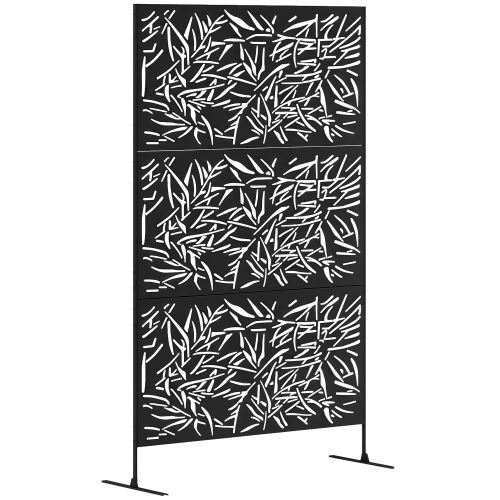
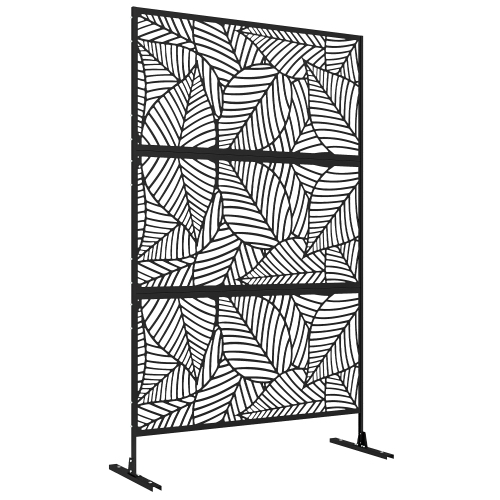
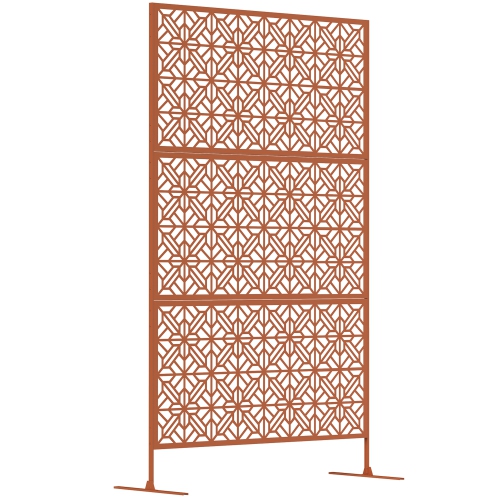
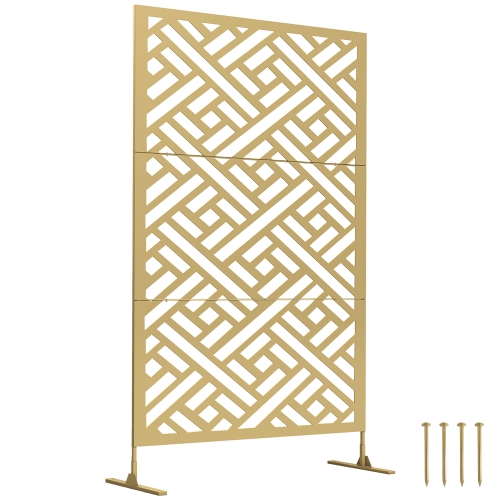
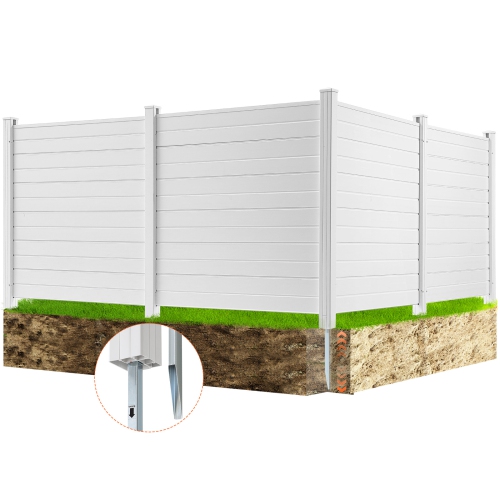
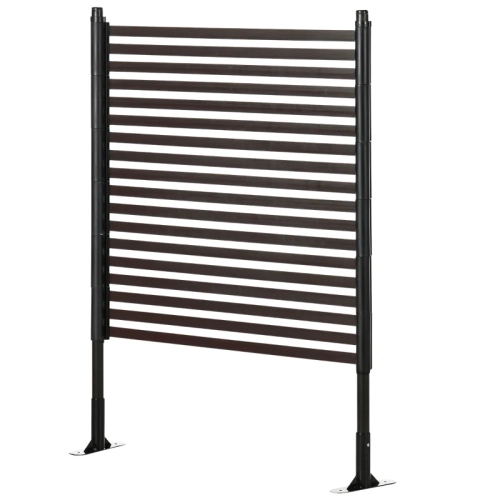
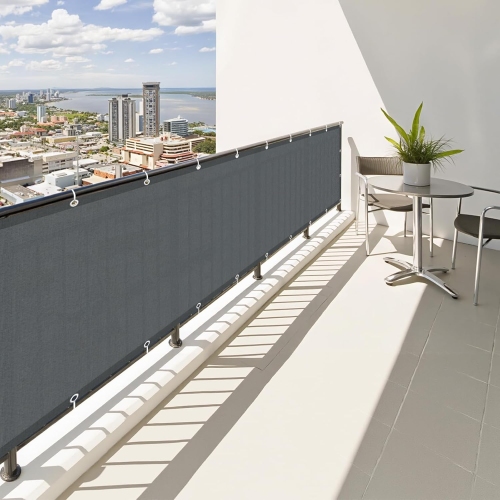
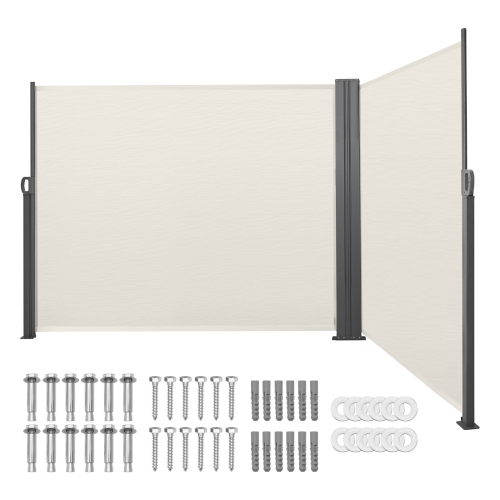
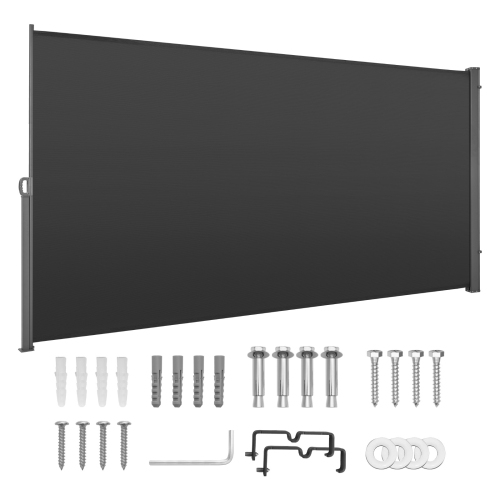
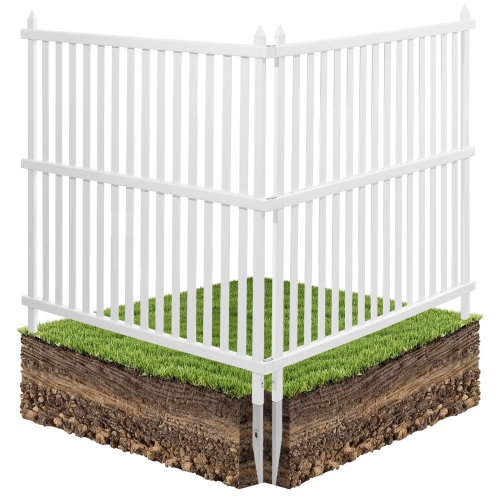
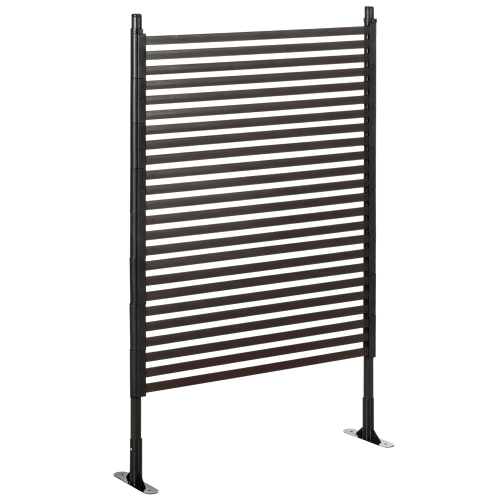
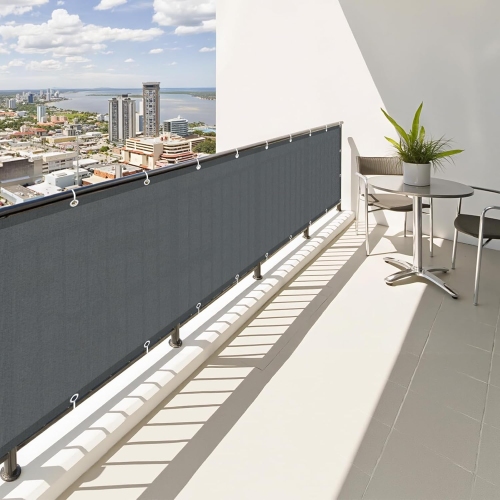
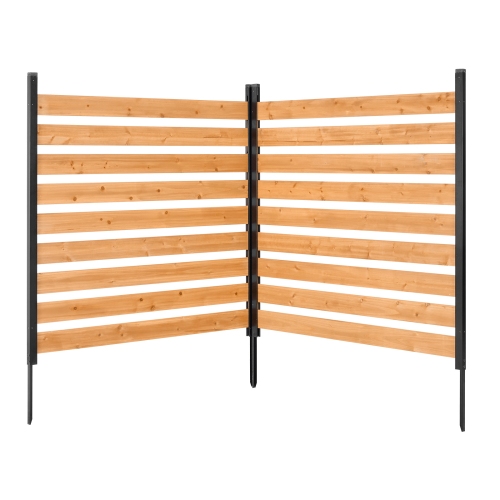
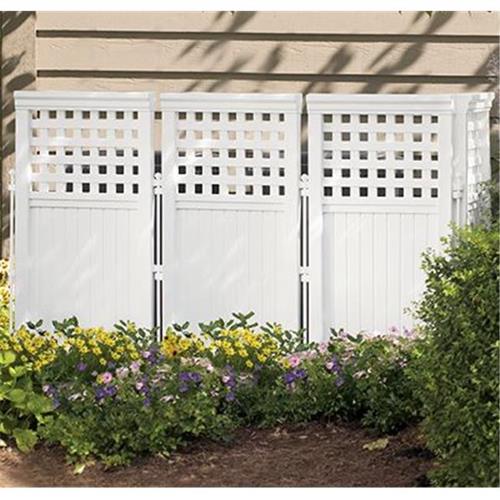
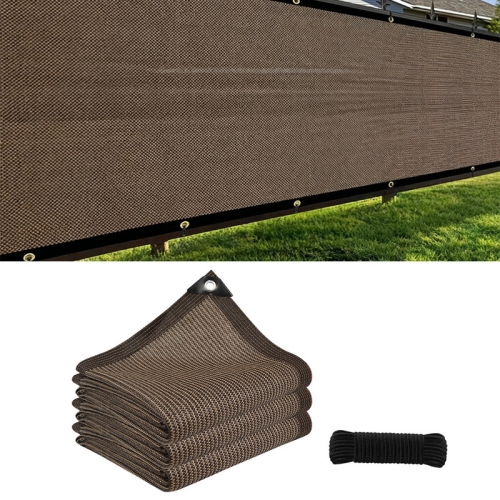
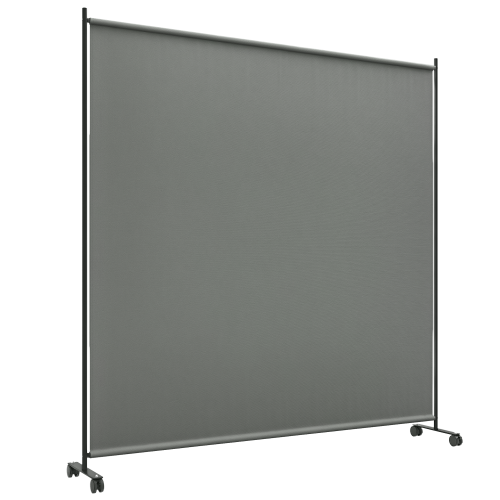
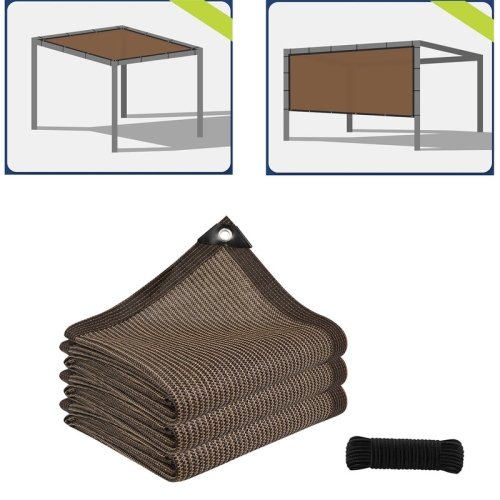
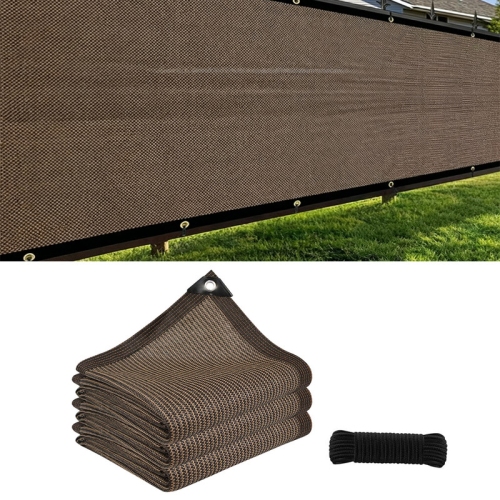
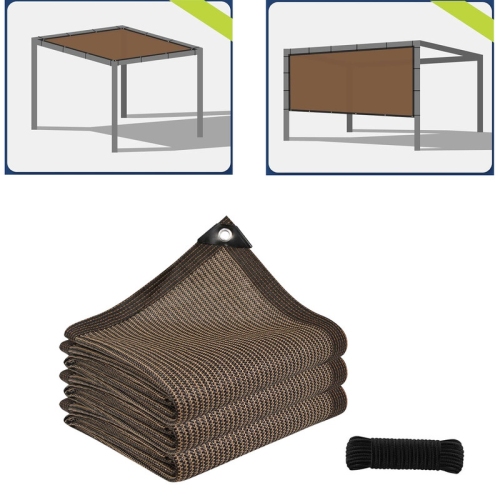
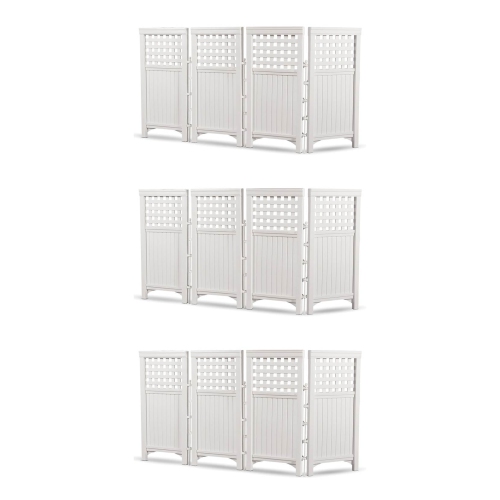
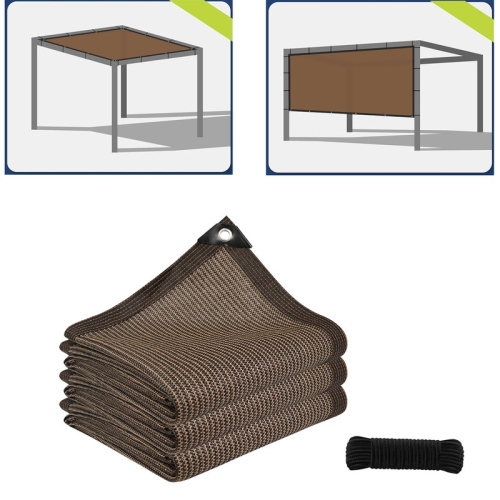
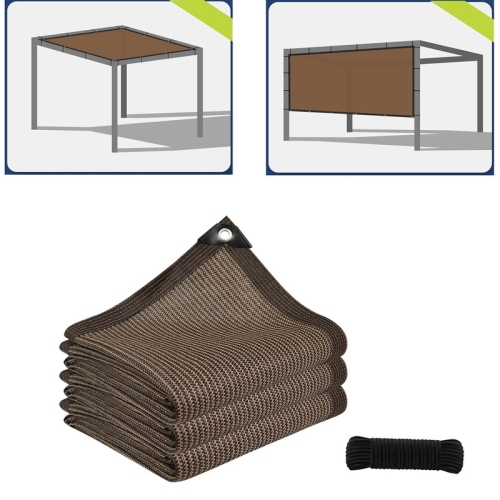
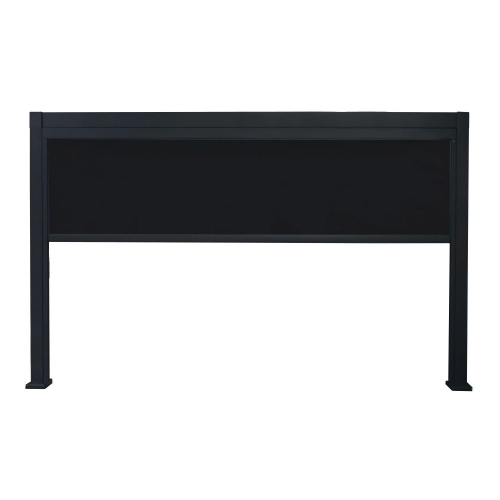
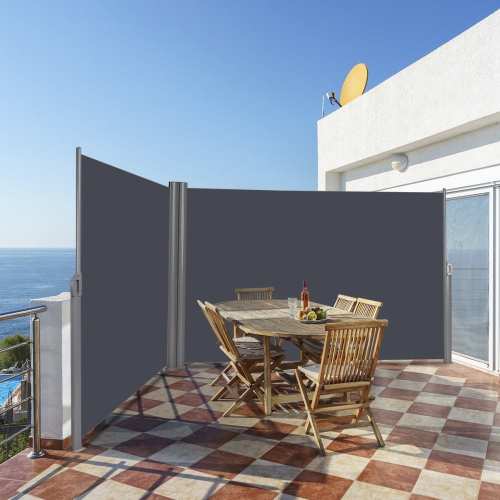
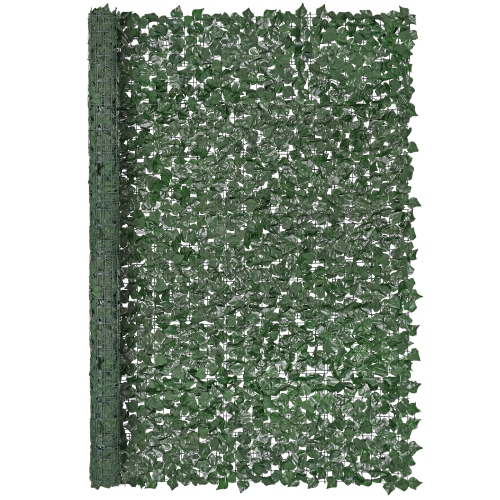
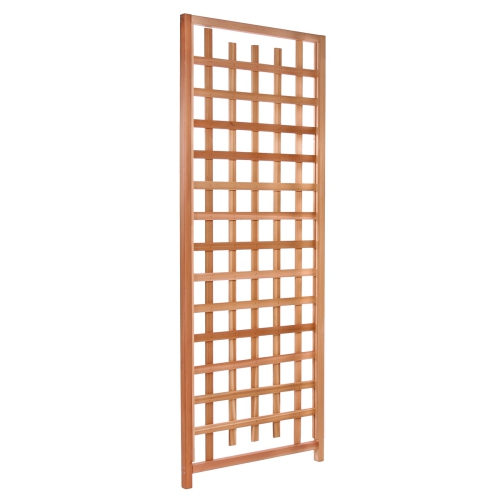
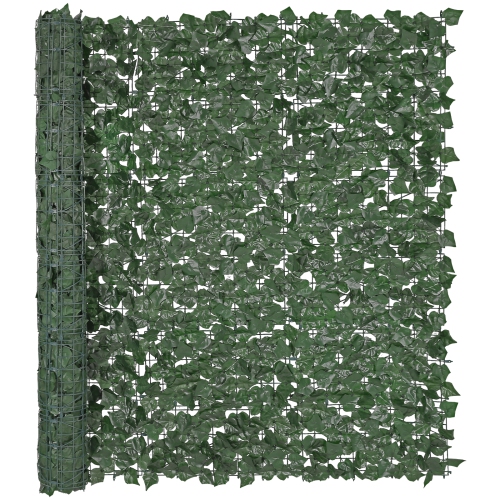
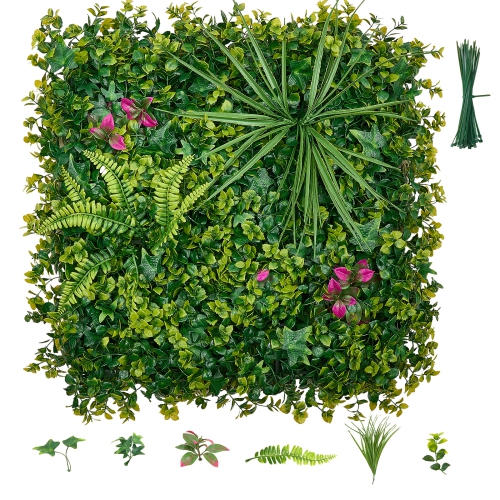
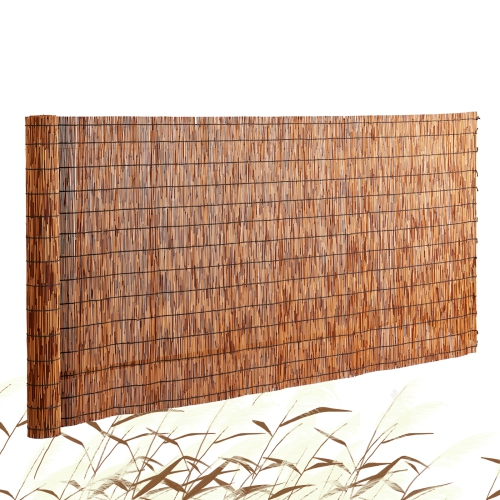
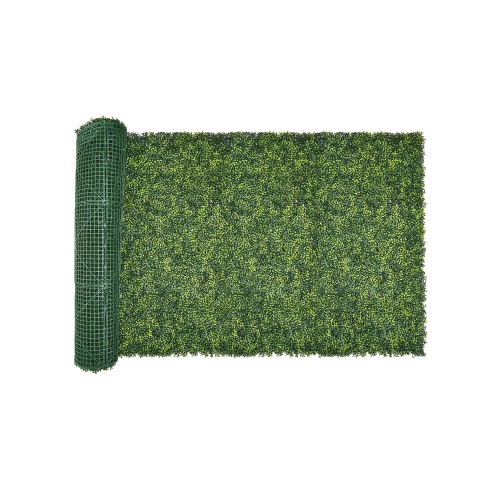
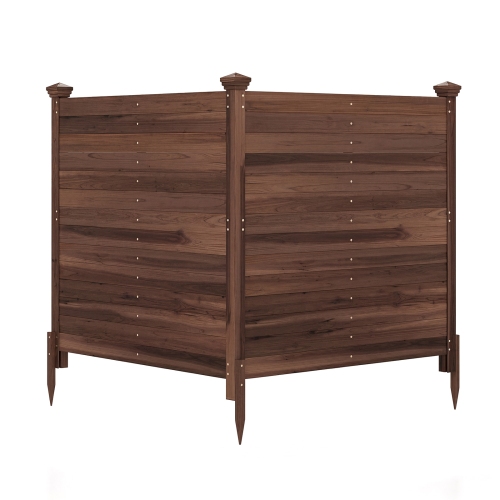
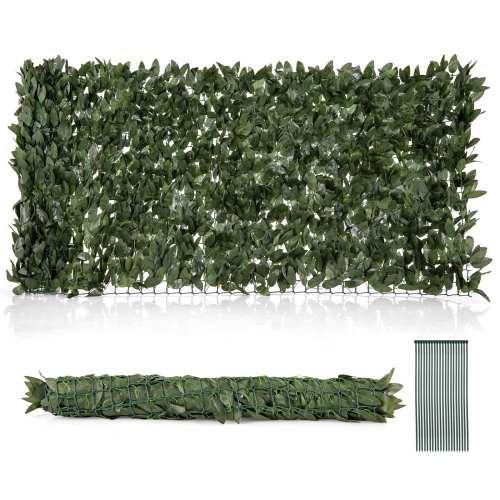
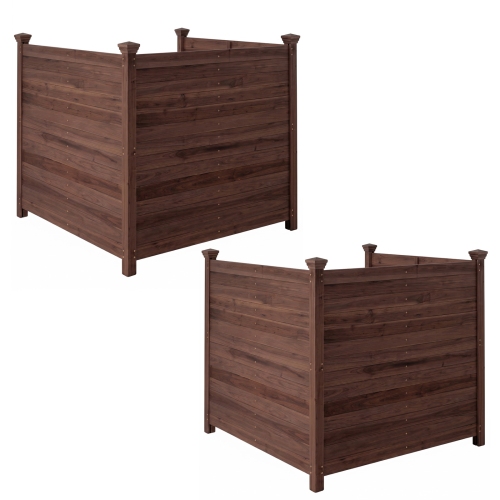
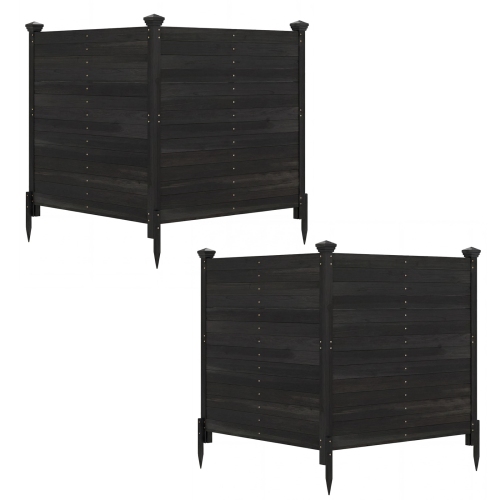
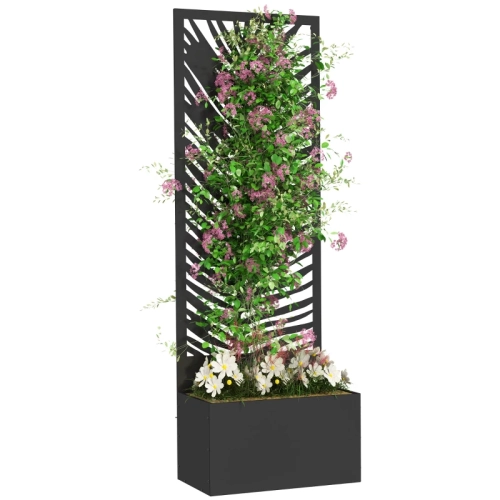
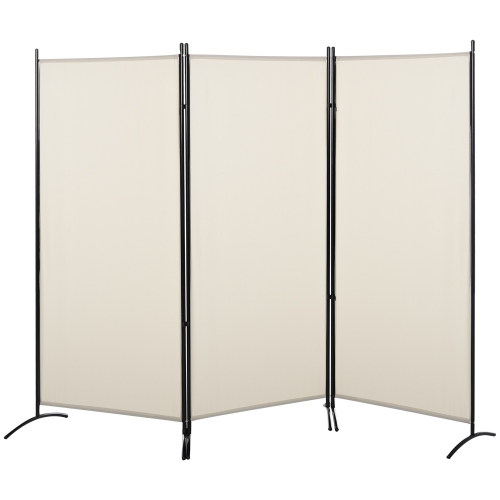
Outdoor privacy screens create a more comfortable sense of separation around patios, decks, balconies, gardens, pool areas, and other open-air living spaces. They can block an unwanted view from a neighbouring property, soften the sightline to a driveway or street, or help divide one large outdoor area into distinct zones for dining, relaxing, and entertaining. A freestanding panel is a flexible choice for renters, seasonal arrangements, or anyone who likes to rearrange their space, while a screen designed for mounting can provide a more permanent boundary along a deck, fence line, or exterior wall. Retractable side awnings offer privacy only when it is needed and can be pulled back to reopen the view, making them useful for balconies and compact patios. Lattice and trellis-style designs bring a lighter, open feel and can provide structure for climbing plants, while decorative laser-cut metal panels add visual interest without making an outdoor area feel completely enclosed. For a coordinated look, planter box screens combine a divider with built-in containers, helping define a seating area while adding space for flowers, herbs, or foliage. Browse Patio Privacy Screens to compare styles suited to different layouts, levels of coverage, and installation preferences.
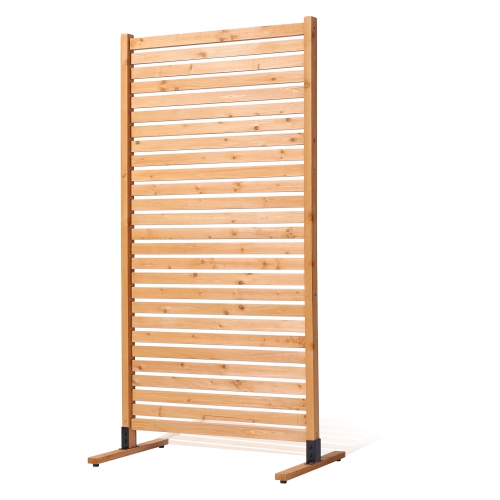
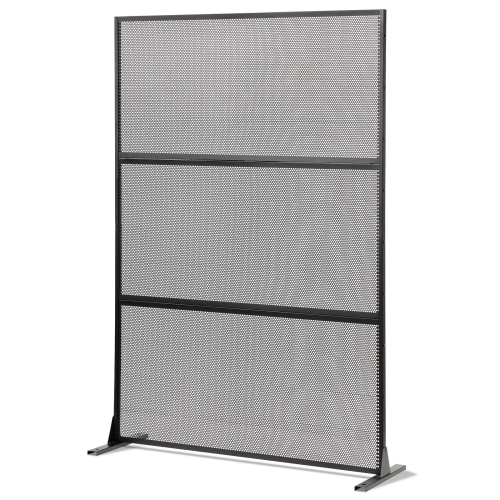
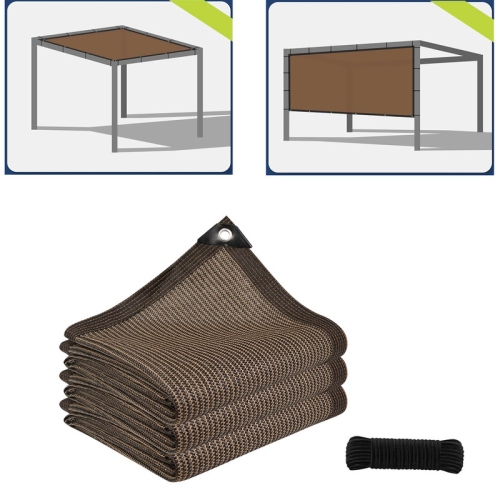
Material is one of the most important considerations when choosing an outdoor privacy screen. Powder-coated steel and aluminum panels are popular for their strong construction, clean lines, and resistance to outdoor conditions; aluminum is especially convenient when a lighter screen is easier to position or install. Wood screens offer a warm, natural appearance that works well with decks, gardens, and traditional outdoor furniture, though they may require periodic sealing or staining to help preserve their finish. Vinyl and other plastic options are often easy to clean and can provide a practical, weather-resistant barrier with minimal upkeep. Fabric screens and retractable shades create a softer backdrop and may be preferable when you want adjustable coverage rather than a fixed architectural feature. Think about how much privacy you need, as open patterns allow light and airflow to pass through while solid panels provide greater visual coverage. The screen’s dimensions should suit the area without crowding walkways, doors, or seating, and its placement should account for the angle of the sun, prevailing wind, neighbouring sightlines, and access to the rest of the yard. Stability is particularly important for freestanding designs: broad feet, weighted bases, secure brackets, or planter boxes filled with suitable material can help keep a screen in place, but installation instructions should always be followed. If the screen will be attached to a deck, fence, wall, or balcony, check the surface and hardware requirements before purchasing, and confirm that the design is suitable for the location.
Outdoor privacy screens are useful for many households and can make a thoughtful gift for someone settling into a new home, furnishing a balcony, preparing a backyard for entertaining, or creating a quieter corner for morning coffee. They can frame a barbecue area, give children a more defined play space, shield a hot tub or outdoor shower area, or make a small urban balcony feel like a private room in the open air. During the warmer part of the year, a screen can help create a comfortable setting for meals and gatherings, while during the cooler months it can continue to define the space and provide a visual backdrop for covered seating, outdoor storage, or seasonal decorating. Before choosing, consider whether the screen will remain outdoors throughout changing conditions or be stored when not in use, and look for details such as rust-resistant finishes, UV-resistant materials, drainage in planter boxes, washable fabric, and straightforward assembly. Neutral tones and simple patterns tend to blend easily with existing furniture, while decorative panels can serve as a focal point or complement the style of a home. The best choice balances the desired level of privacy with airflow, light, stability, maintenance, and the way the space is actually used, creating an outdoor area that feels intentional, comfortable, and distinctly your own.
Material is one of the most important considerations when choosing an outdoor privacy screen. Powder-coated steel and aluminum panels are popular for their strong construction, clean lines, and resistance to outdoor conditions; aluminum is especially convenient when a lighter screen is easier to position or install. Wood screens offer a warm, natural appearance that works well with decks, gardens, and traditional outdoor furniture, though they may require periodic sealing or staining to help preserve their finish. Vinyl and other plastic options are often easy to clean and can provide a practical, weather-resistant barrier with minimal upkeep. Fabric screens and retractable shades create a softer backdrop and may be preferable when you want adjustable coverage rather than a fixed architectural feature. Think about how much privacy you need, as open patterns allow light and airflow to pass through while solid panels provide greater visual coverage. The screen’s dimensions should suit the area without crowding walkways, doors, or seating, and its placement should account for the angle of the sun, prevailing wind, neighbouring sightlines, and access to the rest of the yard. Stability is particularly important for freestanding designs: broad feet, weighted bases, secure brackets, or planter boxes filled with suitable material can help keep a screen in place, but installation instructions should always be followed. If the screen will be attached to a deck, fence, wall, or balcony, check the surface and hardware requirements before purchasing, and confirm that the design is suitable for the location.
Outdoor privacy screens are useful for many households and can make a thoughtful gift for someone settling into a new home, furnishing a balcony, preparing a backyard for entertaining, or creating a quieter corner for morning coffee. They can frame a barbecue area, give children a more defined play space, shield a hot tub or outdoor shower area, or make a small urban balcony feel like a private room in the open air. During the warmer part of the year, a screen can help create a comfortable setting for meals and gatherings, while during the cooler months it can continue to define the space and provide a visual backdrop for covered seating, outdoor storage, or seasonal decorating. Before choosing, consider whether the screen will remain outdoors throughout changing conditions or be stored when not in use, and look for details such as rust-resistant finishes, UV-resistant materials, drainage in planter boxes, washable fabric, and straightforward assembly. Neutral tones and simple patterns tend to blend easily with existing furniture, while decorative panels can serve as a focal point or complement the style of a home. The best choice balances the desired level of privacy with airflow, light, stability, maintenance, and the way the space is actually used, creating an outdoor area that feels intentional, comfortable, and distinctly your own.
Top selling and popular products
-
 Your price for this item is $199
 -
 Your price for this item is $430.99
 -
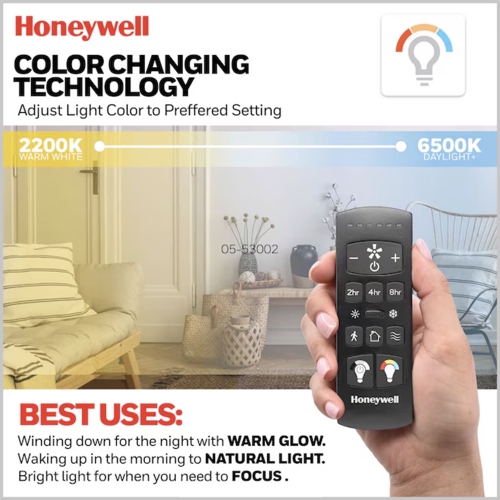 Your price for this item is $480.99
 -
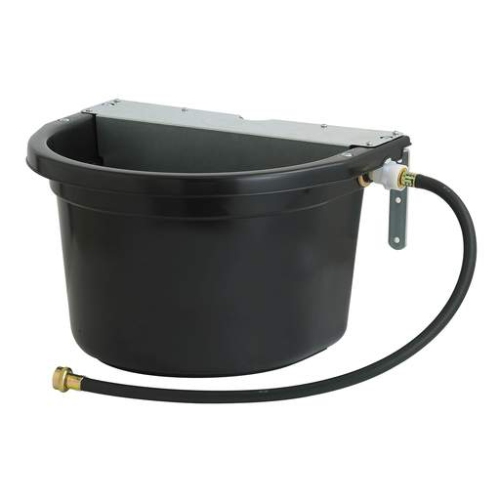 Your price for this item is $130.99
 -
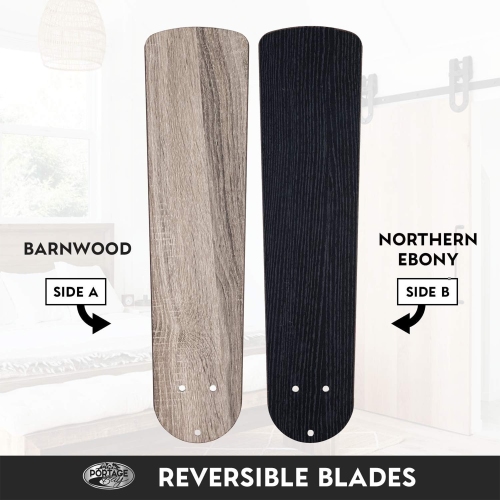 Your price for this item is $221.99
 -
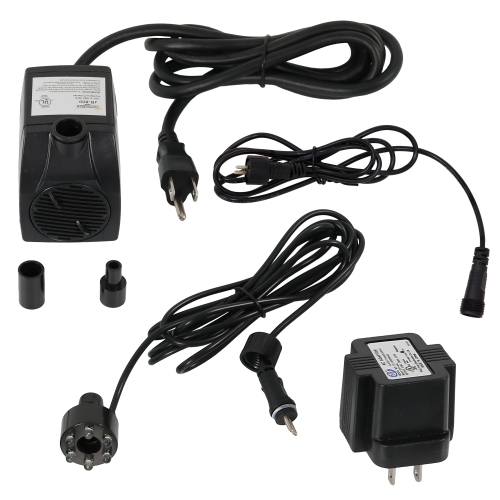 Your price for this item is $69.45
 -
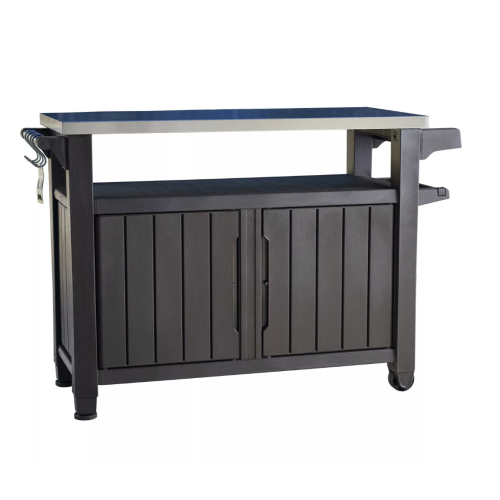 Your price for this item is $569.99
 -
 Your price for this item is $249.99
Discover more categories related to Privacy Screens for Outdoors
Top Collections:
Pokemon Centers, Best Cameras for Sports Photography, Kindle Devices, Samsung Galaxy Phones, Canon G7X Cameras, Pokémon 30th Celebration Cards, Refurbished Apple Laptops, iPhone 15 Apple, Laptops for Students, Budget Smartphones
Some products may be subject to Environmental Handling Fees
(EHF) depending on your province.
Learn more about EHFs.