Satellite Communicators
Stay connected no matter where your adventures take you with satellite communicators. These innovative devices are designed to keep you in touch when traditional methods of communication are out of reach. Whether you're exploring the great outdoors, embarking on a remote journey, or simply want peace of mind during emergencies, satellite communicators provide a reliable means of staying connected. With their advanced technology and robust features, these devices are a must-have for anyone who values communication and safety while venturing off the beaten path. Discover the incredible range of satellite communicators available at Best Buy Canada and never be out of reach again.
Sort

How messaging works beyond the reach of cellular service
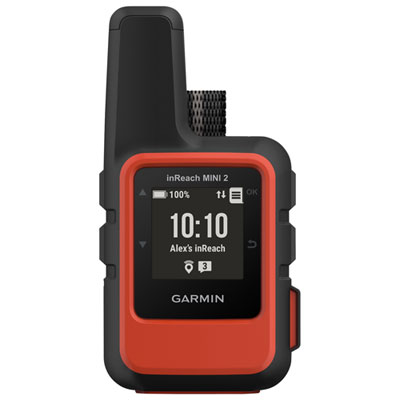
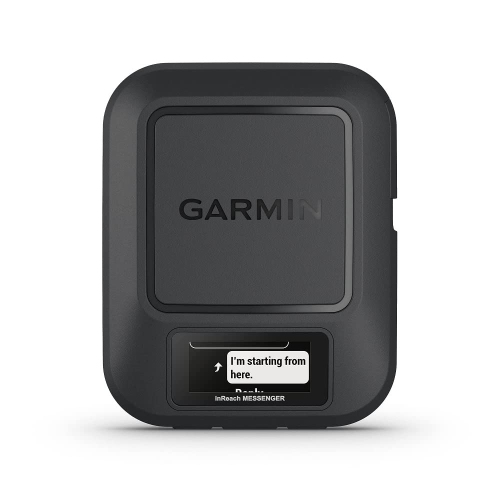
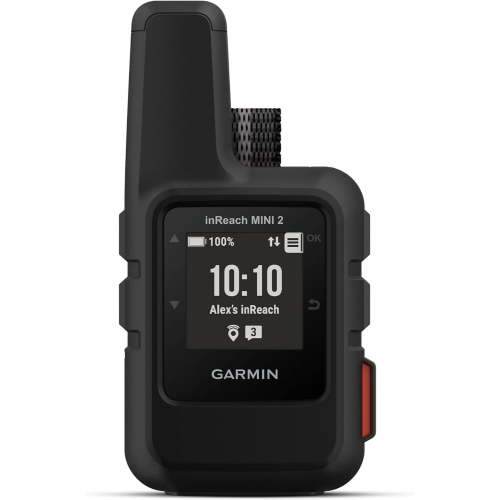
Satellite communicators are portable devices that send messages, share location information, and, on supported models, transmit SOS alerts through satellite networks beyond the reach of cellular service. They are designed for people who travel, work, or spend time in places where a mobile phone cannot reliably connect to a cellular tower. A hiker crossing a remote trail, a paddler following a shoreline, or a field technician travelling between isolated worksites may use one to keep a contact informed without needing a conventional mobile signal. Many satellite communicators support two-way text messaging, allowing recipients to reply rather than simply receive a check-in. Other devices focus on preset messages, location updates, or distress alerts, so communication capabilities differ across the category. Built-in satellite positioning can establish the device’s coordinates, while a separate satellite communication connection carries messages and location information to others. Depending on the device and service, contacts may receive updates by text, email, or a web-based tracking page. This distinction matters: knowing a position does not mean that a message has been delivered. Transmission depends on the supported network, service status, and access to the sky, and a message may take longer to send than a familiar mobile text. Dense tree cover, steep canyon walls, buildings, and placement inside a pack can interfere with a connection. Satellite communicators generally handle compact messages and location data rather than the browsing, video calls, and large downloads associated with an internet connection. Many require activation and an active service plan before satellite messaging or emergency features can be used. Coverage areas, messaging options, tracking functions, and emergency support arrangements vary by network and provider. For everyday remote communication, the appeal is straightforward: a short update from a trail junction or campsite can let someone know that a trip is progressing as expected, while a reply can confirm that the update reached its intended recipient.
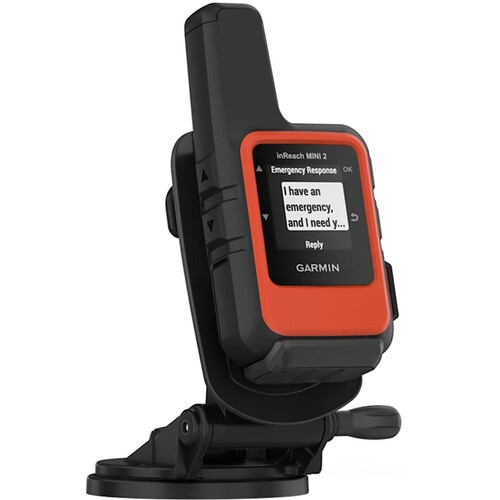
The physical design of a satellite communicator affects how easily it fits into a routine outdoors or on a remote job. Standalone devices typically provide onboard controls and a display for reading messages, selecting contacts, and operating supported features without relying entirely on a phone. Phone-paired designs use a compatible app for a larger typing surface, contact management, maps, or message history, while the separate communicator handles the satellite connection. Some paired devices retain essential controls on the unit itself, but phone-independent messaging and SOS operation are not universal features. A compact unit may sit comfortably on a shoulder strap or belt, while a larger display and more substantial buttons can make operation easier when hands are occupied or dexterity is limited. Clip attachment points, secure lanyards, and compatible mounts help keep the device accessible rather than buried beneath other equipment. Positioning also needs to respect the antenna’s requirements; carrying a communicator close at hand is useful only if it can establish a connection when needed. Many housings use tough plastics, reinforced corners, and sealed controls to withstand the knocks and abrasion of regular travel. Water-resistance and dust-resistance ratings describe specific tested limits, not unlimited protection, and suitability for splashes does not automatically mean suitability for prolonged immersion. A secure attachment is particularly relevant around water, where a dropped device may be difficult to retrieve. Battery performance depends on more than the capacity listed in the specifications. Frequent tracking updates, repeated transmission attempts, screen use, and extended messaging can all increase power consumption. Phone-paired operation also makes the phone’s remaining charge part of the communication setup. Compatible charging cables and a suitable portable power source can support longer trips, provided the charging connections stay clean and dry. Routine care is usually simple: remove surface dirt according to the manufacturer’s directions, inspect attachment points and protective covers, and avoid packing the unit against loose tools or other objects that could damage its controls.
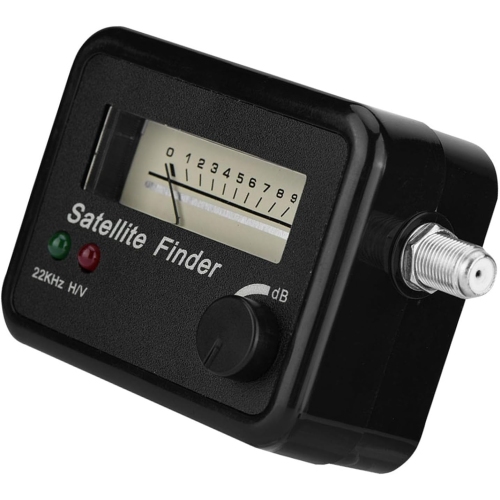
Satellite communicators suit a wide range of users, from recreational hikers and cyclists to anglers, remote travellers, and people whose work takes them away from established communications infrastructure. The most useful features often reflect the type of contact a person needs. Someone walking a familiar route may mainly want a preset check-in that confirms arrival at a destination. A group on a multi-day canoe trip may value two-way messages for coordinating a pickup point or explaining a change of route. A remote worker may use scheduled location updates to help a designated contact follow progress between sites. Tracking can create a useful record, but update frequency, recipient access, and location privacy settings determine how that information is shared. A contact also needs to understand what a missed update means; a delayed message can result from limited satellite access and is not, by itself, confirmation of an emergency. On supported devices, an SOS function can transmit a distress alert and location information to a monitoring service, and two-way emergency messaging may allow the user to describe an injury, report changing circumstances, and receive instructions. These functions support communication during an emergency, but they do not guarantee immediate delivery, a particular response time, or a rescue outcome. Reliable trip planning, appropriate equipment, and an agreed contact procedure remain important alongside the device. Familiarity with the controls, a confirmed activation status, and a successful test message help establish that the communicator is ready before a journey begins. As a gift, this category can be meaningful for someone who regularly travels beyond cellular coverage, especially when the device suits their preferred activities and comfort with phone-based or standalone controls. Satellite equipment serves several different purposes: Portable Satellite Dishes are associated with receiving television signals, while satellite communicators are built for remote messaging, location sharing, and supported emergency alerts. For this category, the defining benefit is a practical way to exchange essential information when ordinary cellular communication is out of reach.
Top selling and popular products
-
 Your price for this item is $519
-
 Your price for this item is $519
-
 Your price for this item is $119
-
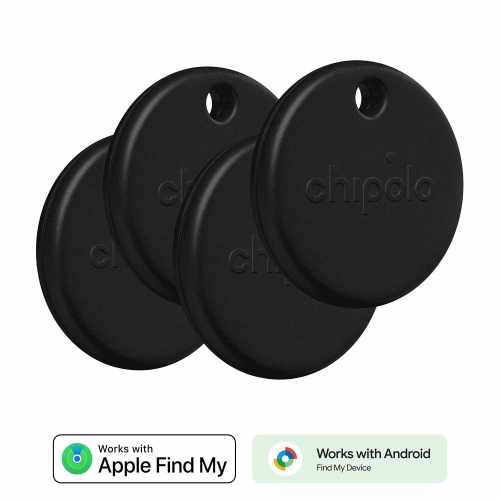 Your price for this item is $119
-
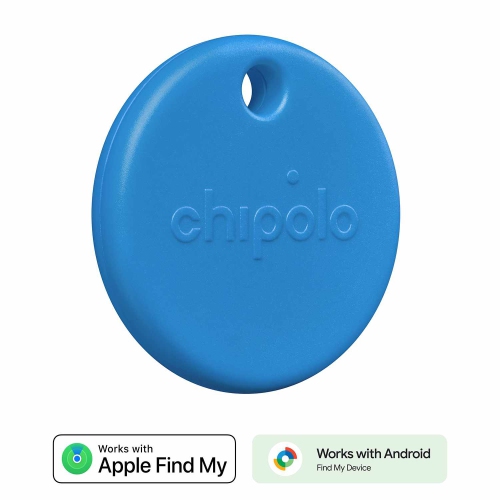 Your price for this item is $39.99
-
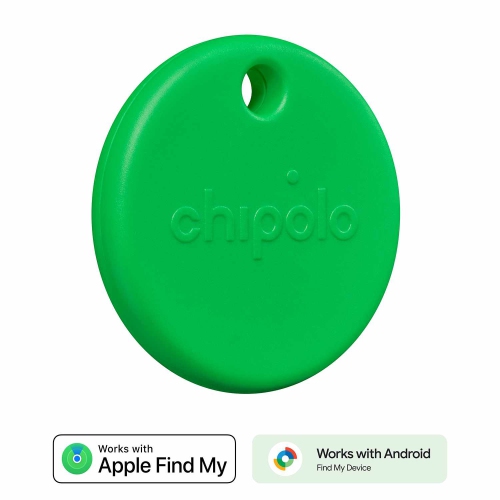 Your price for this item is $39.99
-
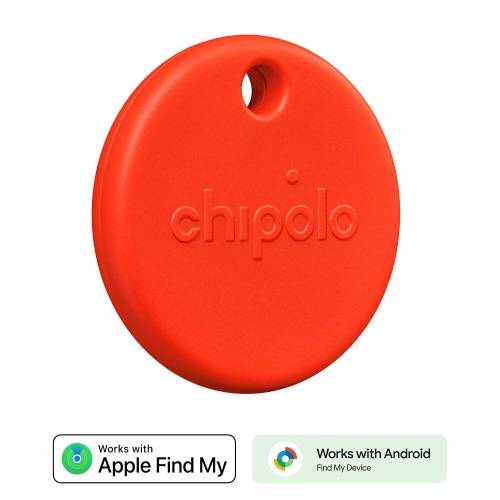 Your price for this item is $39.99
-
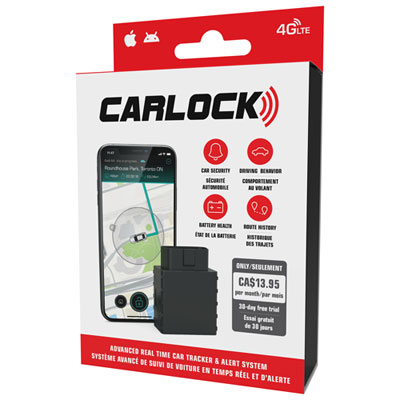 Your price for this item is $69.99
Discover more categories related to Satellite Communicators
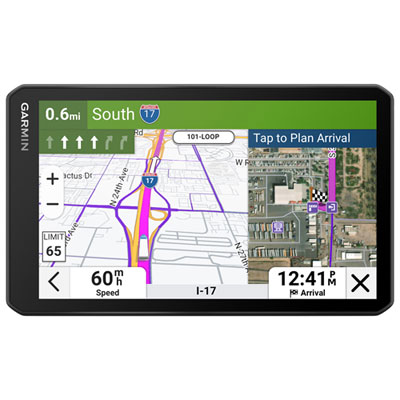
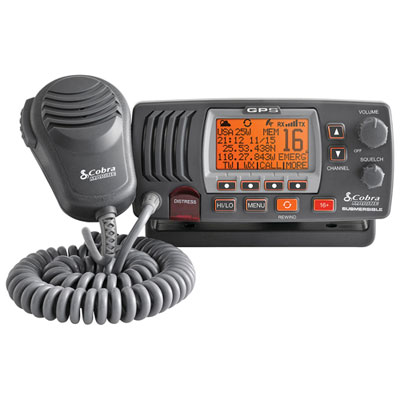
Top Collections:
Best Black Friday Deals This Year, Best Black Friday Deals On Electronics, Kindle Devices, Pokemon Centers, Best Black Friday Deals On Apple Products, Best Cameras for Sports Photography, Dyson Airwrap, Pokémon 30th Celebration Cards, Apple iPhone 17 Pro, Canon G7X Cameras
Some products may be subject to Environmental Handling Fees
(EHF) depending on your province.
Learn more about EHFs.