VHF Radios With GPS
Stay connected and stay safe with our selection of VHF radios with GPS. Whether you're out on the water, exploring the great outdoors, or working in remote areas, these radios are essential for reliable communication. They provide a range of features, including GPS capabilities, to ensure that you stay connected and informed. These radios are designed to be rugged and reliable, so you can count on them in almost any situation.
Sort
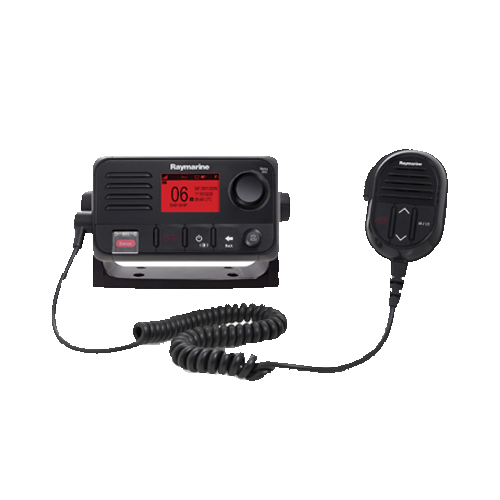
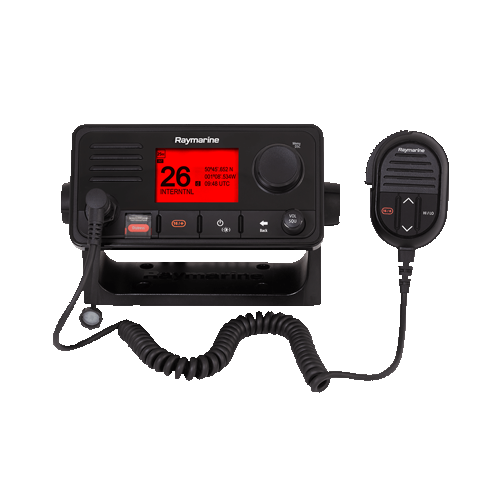

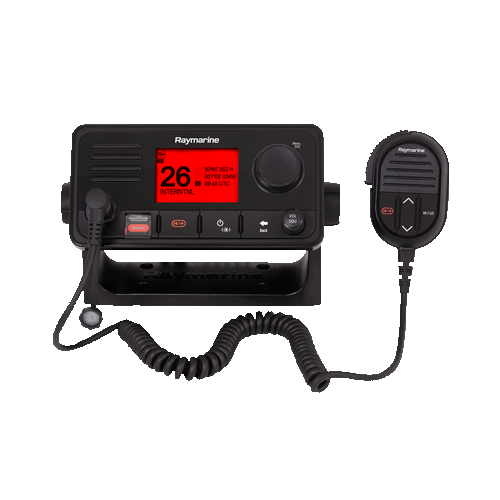
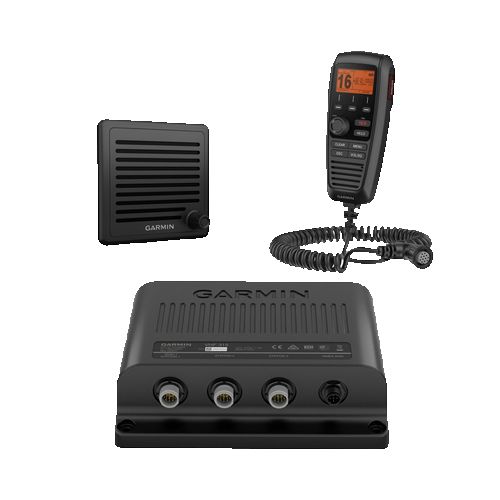
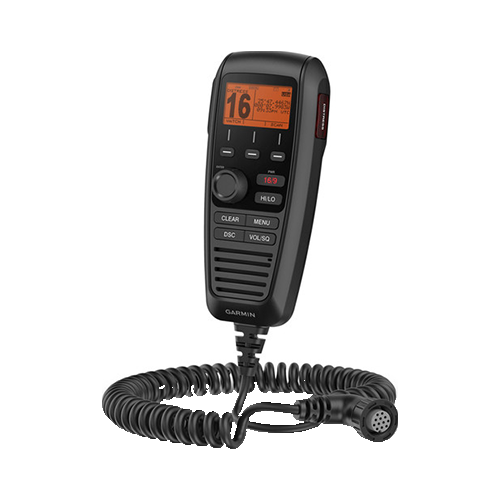
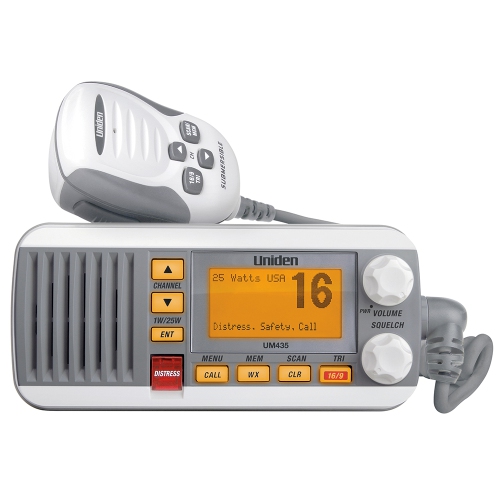
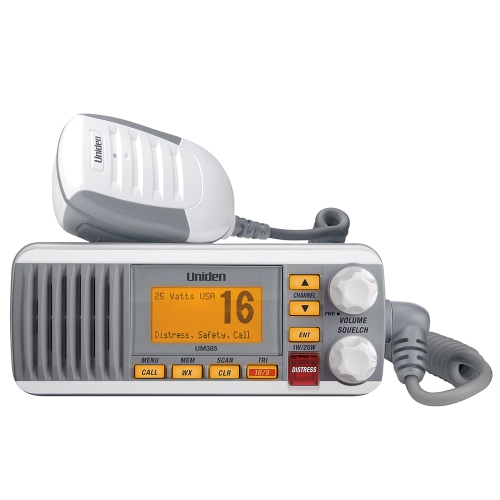
Stay connected and share your position when it matters
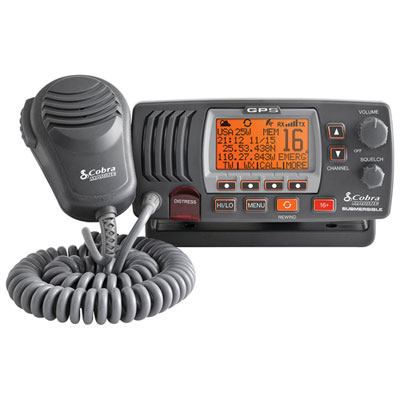
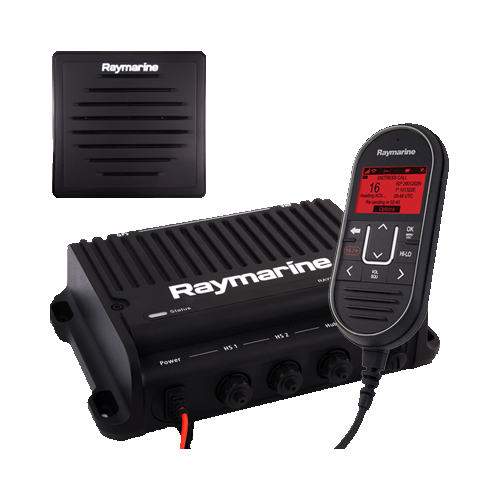
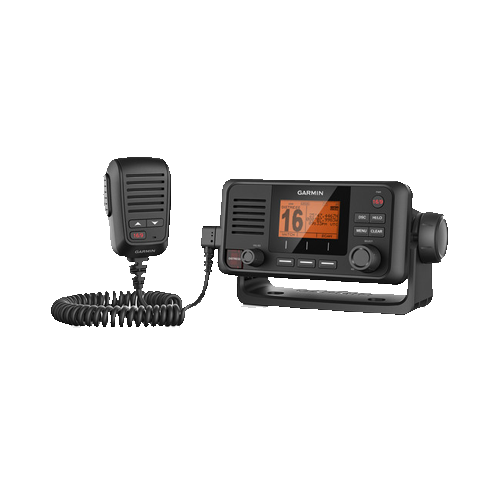
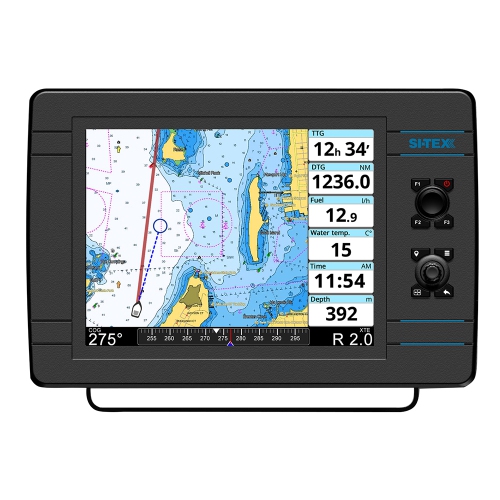
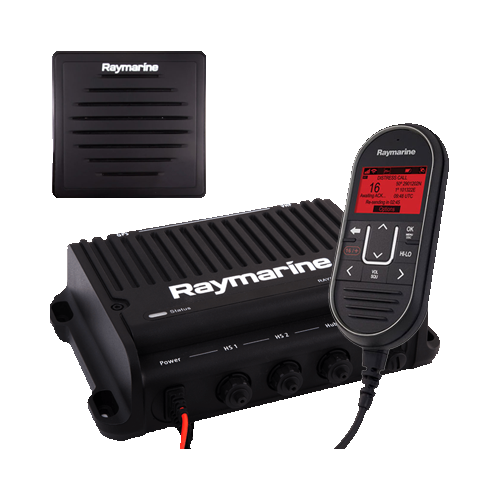
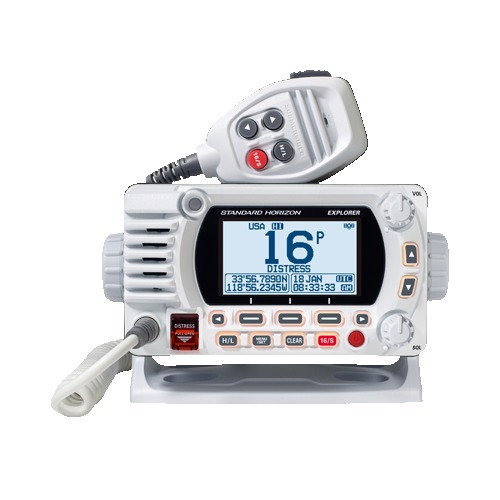
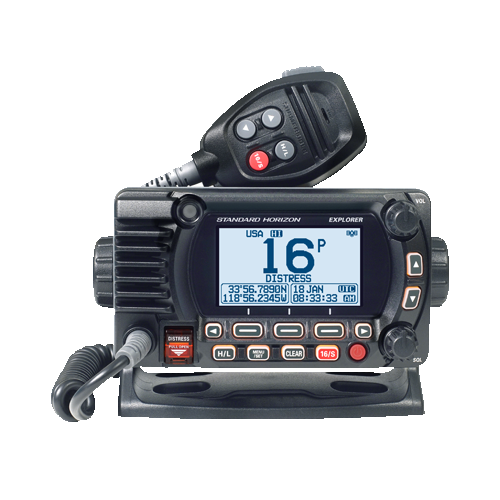
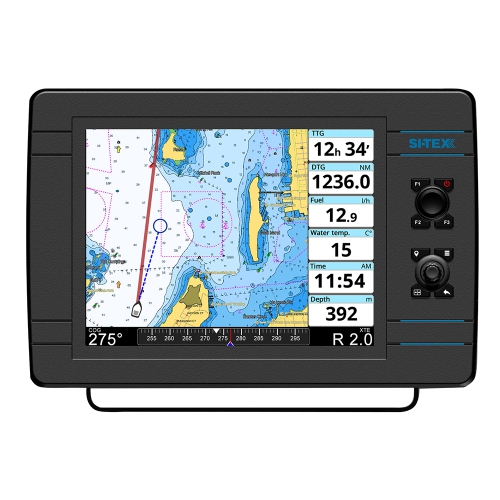
VHF radios with GPS bring two important forms of communication and location awareness together in one marine-ready device. A very high frequency (VHF) marine radio lets you communicate with marinas, bridges, nearby vessels, harbour authorities and emergency services, while its GPS receiver can provide your boat’s position for digital selective calling (DSC). When properly connected and configured, DSC can transmit your coordinates with a distress alert, helping responders understand where assistance is needed without relying on a spoken position report. This can be especially valuable when visibility is poor, the water is busy, or an urgent situation makes it difficult to explain your location clearly. GPS-equipped marine radios are suitable for a broad range of boaters, including owners of fishing boats, sailboats, cruisers, personal watercraft and smaller recreational vessels. They can also be a thoughtful gift for someone preparing for longer trips, upgrading onboard safety equipment or spending more time exploring lakes, rivers and coastal waters during the warmer and cooler boating seasons. A radio is most useful when it is easy to reach, simple to operate and installed where the person at the helm can see the display and access the controls quickly. Before heading out, users should learn the radio’s basic functions, monitor the appropriate local channels and follow applicable Canadian regulations and boating guidance.
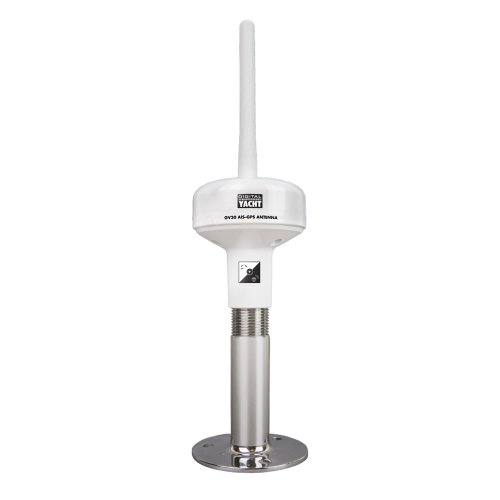
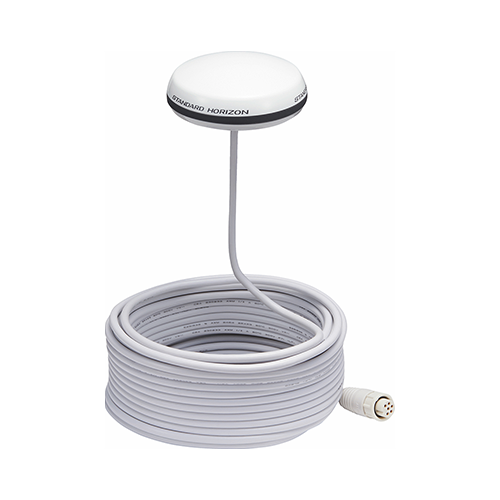
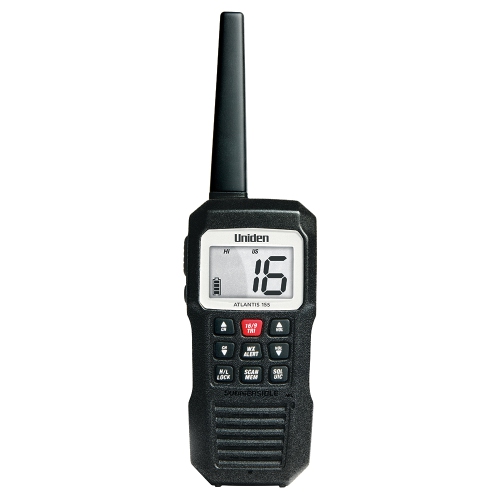
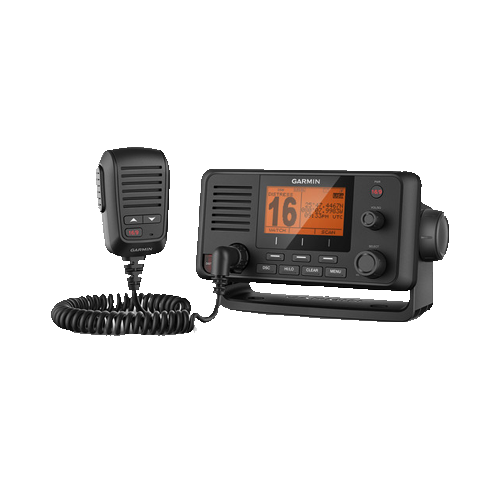
One of the first decisions is choosing between a fixed-mount and handheld VHF radio with GPS. Fixed-mount radios are installed in the boat and are generally preferred for their dependable connection to the vessel’s electrical system, stronger antenna setup and larger controls or display. They are a practical choice for a console, cabin or enclosed helm where the radio will stay in one place. Handheld units run on rechargeable batteries, can move around the boat and provide useful backup communication if the main electrical system stops working. Their portability is helpful when checking lines at the bow, moving between vessels, going ashore from a dock or lending the radio to another member of the crew. Many marine handheld radios are designed to float or withstand water exposure, but buyers should still check the device’s waterproof and submersible rating rather than assuming every model offers the same protection. You can explore additional portable options in Handheld Vhf Marine Radios. Battery life, charging options, screen readability in sunlight, glove-friendly controls and the availability of a dedicated weather alert function are all worth considering. A fixed-mount radio may use an internal GPS antenna, which can simplify installation, while another design may include a separate external GPS puck antenna. An internal antenna can reduce wiring around the helm, but an external antenna may offer more placement flexibility if the radio is mounted inside a metal cabin or beneath a hardtop that interferes with satellite reception. Check the proposed mounting location, cable routing and antenna requirements before purchase, particularly when replacing an older radio or fitting equipment into a compact dashboard.
GPS and DSC features are most useful when they are set up correctly. Digital selective calling typically requires a Maritime Mobile Service Identity (MMSI) number, which must be obtained through the appropriate registration process and programmed into the radio. Without the correct MMSI information, the radio may not be able to send or receive DSC calls as intended. Owners should also enter vessel details and the contact information supported by the radio, then test routine functions in accordance with local guidance before relying on the equipment offshore. A DSC distress alert is not a replacement for a voice transmission, a properly maintained antenna or other required safety equipment; it works alongside clear radio communication and established emergency procedures. Some GPS-equipped radios also receive Automatic Identification System (AIS) information. AIS can display identifying and movement details for participating commercial and recreational vessels nearby, giving the operator additional context in busy channels, harbour approaches and low-visibility conditions. AIS is a useful awareness aid, but it does not detect every boat or eliminate the need for a proper lookout. When comparing radios, consider whether AIS reception is genuinely useful for the type of boating being done, as well as whether the display is large enough to interpret comfortably from the helm. Other practical details include output power, channel support, connection options for an external speaker, compatibility with the boat’s antenna system, mounting hardware and the radio’s warranty. A well-matched VHF radio with GPS should fit the boat, the operator’s experience and the kind of trips planned, offering straightforward access to communication and position information whenever conditions change on the water.
One of the first decisions is choosing between a fixed-mount and handheld VHF radio with GPS. Fixed-mount radios are installed in the boat and are generally preferred for their dependable connection to the vessel’s electrical system, stronger antenna setup and larger controls or display. They are a practical choice for a console, cabin or enclosed helm where the radio will stay in one place. Handheld units run on rechargeable batteries, can move around the boat and provide useful backup communication if the main electrical system stops working. Their portability is helpful when checking lines at the bow, moving between vessels, going ashore from a dock or lending the radio to another member of the crew. Many marine handheld radios are designed to float or withstand water exposure, but buyers should still check the device’s waterproof and submersible rating rather than assuming every model offers the same protection. You can explore additional portable options in Handheld Vhf Marine Radios. Battery life, charging options, screen readability in sunlight, glove-friendly controls and the availability of a dedicated weather alert function are all worth considering. A fixed-mount radio may use an internal GPS antenna, which can simplify installation, while another design may include a separate external GPS puck antenna. An internal antenna can reduce wiring around the helm, but an external antenna may offer more placement flexibility if the radio is mounted inside a metal cabin or beneath a hardtop that interferes with satellite reception. Check the proposed mounting location, cable routing and antenna requirements before purchase, particularly when replacing an older radio or fitting equipment into a compact dashboard.
GPS and DSC features are most useful when they are set up correctly. Digital selective calling typically requires a Maritime Mobile Service Identity (MMSI) number, which must be obtained through the appropriate registration process and programmed into the radio. Without the correct MMSI information, the radio may not be able to send or receive DSC calls as intended. Owners should also enter vessel details and the contact information supported by the radio, then test routine functions in accordance with local guidance before relying on the equipment offshore. A DSC distress alert is not a replacement for a voice transmission, a properly maintained antenna or other required safety equipment; it works alongside clear radio communication and established emergency procedures. Some GPS-equipped radios also receive Automatic Identification System (AIS) information. AIS can display identifying and movement details for participating commercial and recreational vessels nearby, giving the operator additional context in busy channels, harbour approaches and low-visibility conditions. AIS is a useful awareness aid, but it does not detect every boat or eliminate the need for a proper lookout. When comparing radios, consider whether AIS reception is genuinely useful for the type of boating being done, as well as whether the display is large enough to interpret comfortably from the helm. Other practical details include output power, channel support, connection options for an external speaker, compatibility with the boat’s antenna system, mounting hardware and the radio’s warranty. A well-matched VHF radio with GPS should fit the boat, the operator’s experience and the kind of trips planned, offering straightforward access to communication and position information whenever conditions change on the water.
Top selling and popular products
-
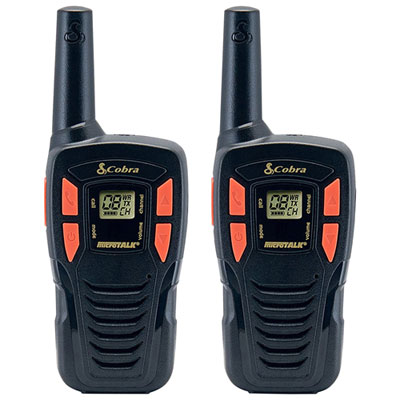 Your price for this item is $59.99
 -
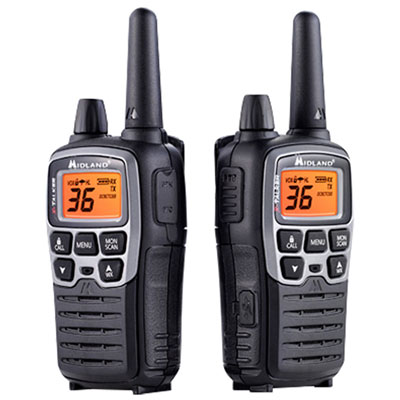 Your price for this item is $139.99
 -
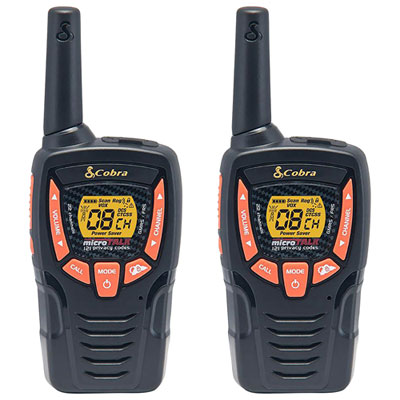 Your price for this item is $74.99
 -
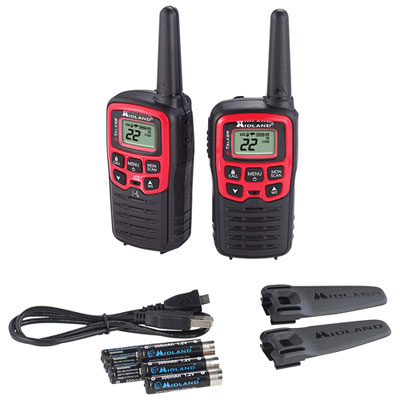 Your price for this item is $89.99
 -
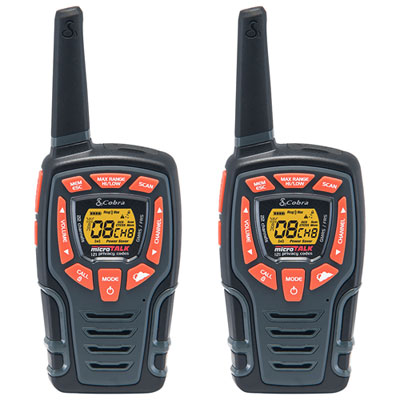 Your price for this item is $109.99
 -
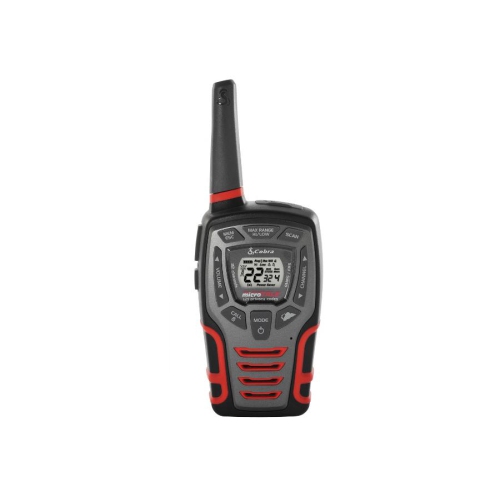 Your price for this item is $136.44
 -
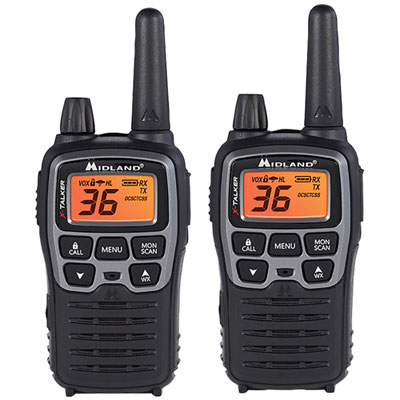 Your price for this item is $179.99
 -
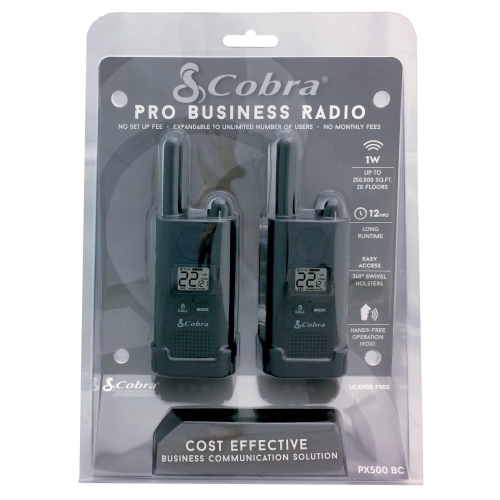 Your price for this item is $57.25
Discover more categories related to VHF Radios With GPS
Top Collections:
Pokemon Centers, Kindle Devices, Best Budget Office Chairs, Apple iPhones 16, Best Laptops for Writers, iPhone 15 Apple, Canon G7X Cameras, Refurbished Apple Laptops, Alarm Clock, Motorola Razr Phones
Some products may be subject to Environmental Handling Fees
(EHF) depending on your province.
Learn more about EHFs.