Protective Eyewear
Whether you're working on a construction site, participating in high-impact sports, or simply engaging in DIY projects at home, having the right protective eyewear is essential to keeping your eyes safe and shielded from potential hazards. From safety glasses with impact-resistant lenses to goggles designed for maximum coverage, these eyewear pieces feature high-quality products that prioritize both functionality and style.
Sort



![HELIOCLIPSE [6 Pack] Solar Eclipse Glasses 2024 - Aas Approved | Trusted for Direct Viewing - Iso 12312-2 & Ce Certified - Lunette Eclipse Solaire](https://multimedia.bbycastatic.ca/multimedia/products/500x500/177/17745/17745717.webp)
![GALAXIIUM Galaxium Solar Eclipse Glasses Aas Approved 2024 - [6 Pack] Trusted for Canada Direct Solar Eclipse Viewing - Iso 12312-2 & Ce Certified](https://multimedia.bbycastatic.ca/multimedia/products/500x500/177/17742/17742332.webp)
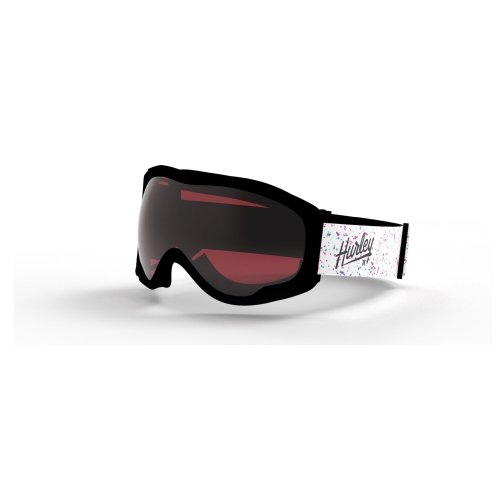
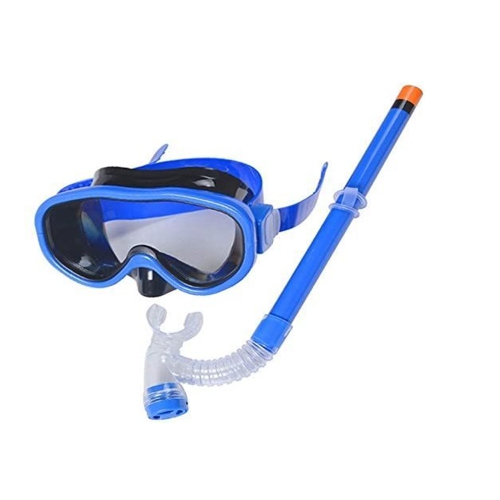
Eye protection for work, repairs, recreation, and everyday tasks
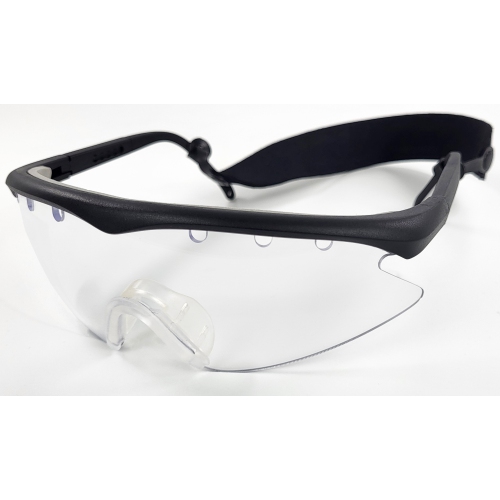
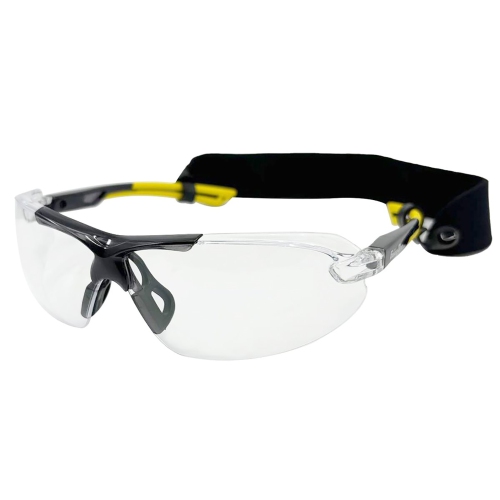
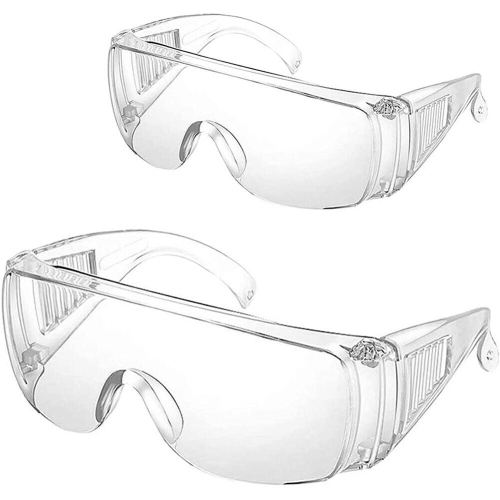
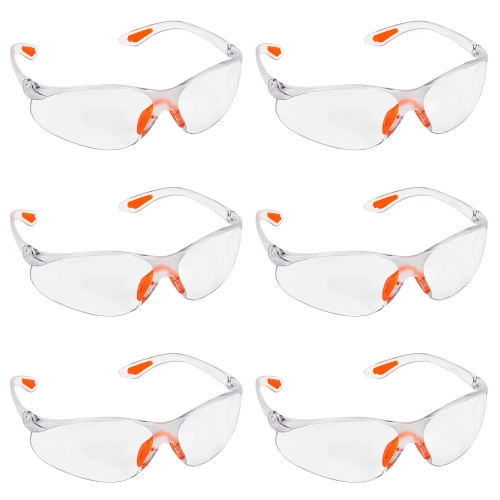
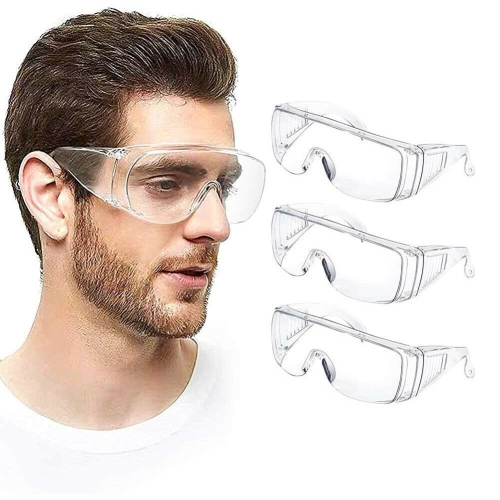
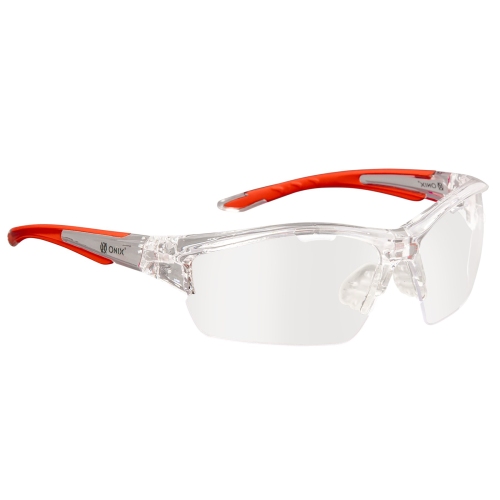
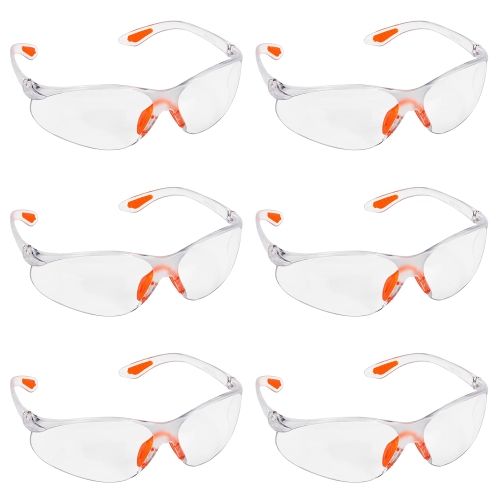
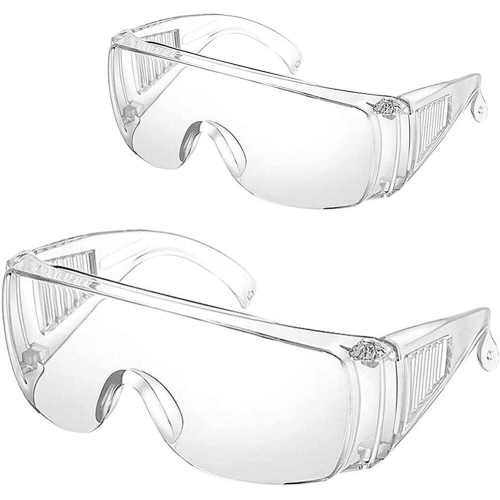
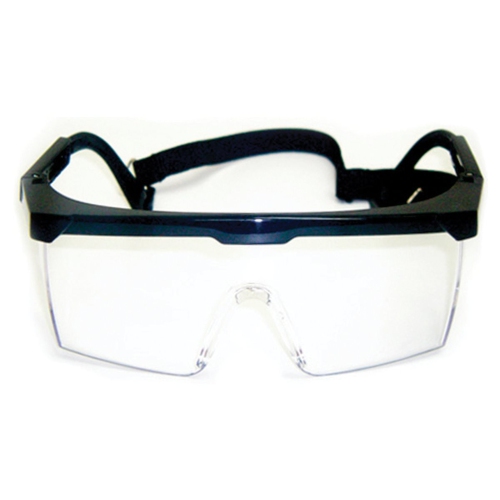
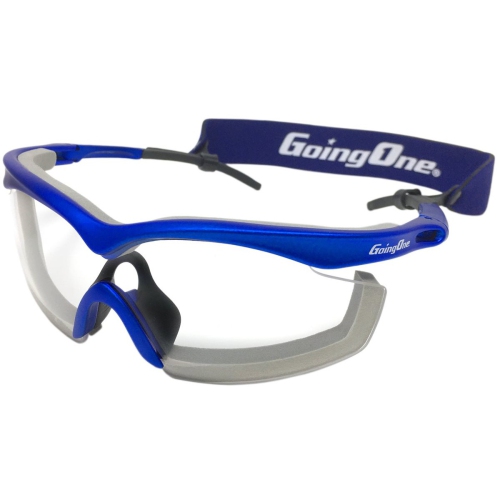
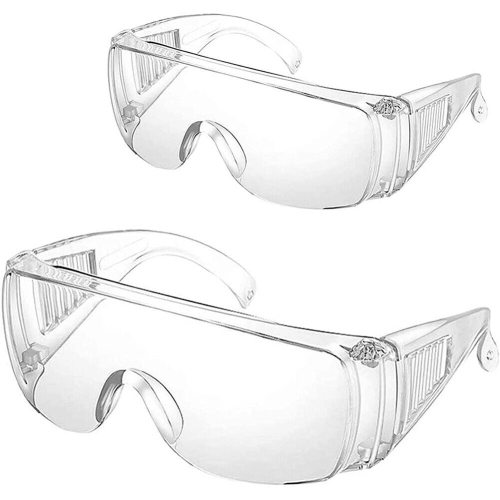
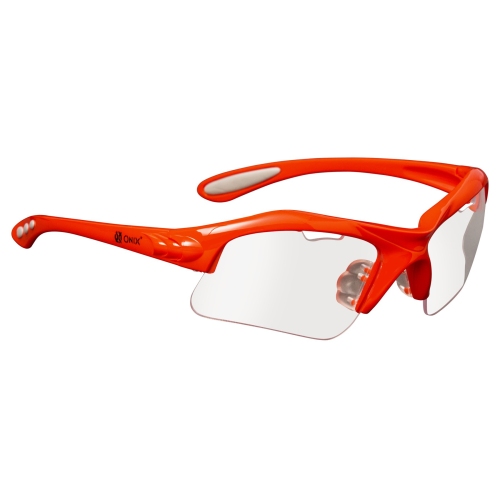
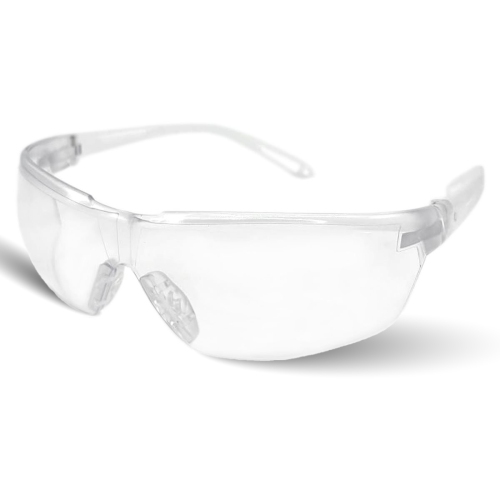
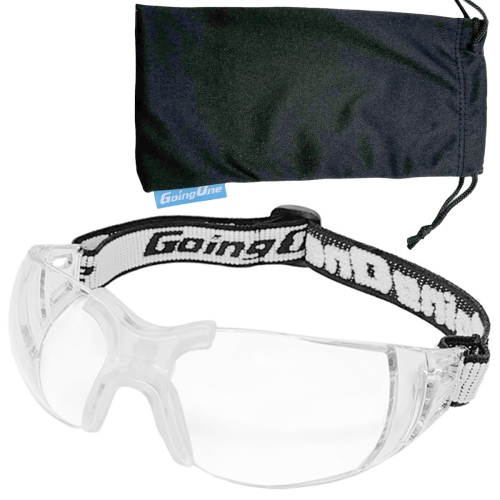
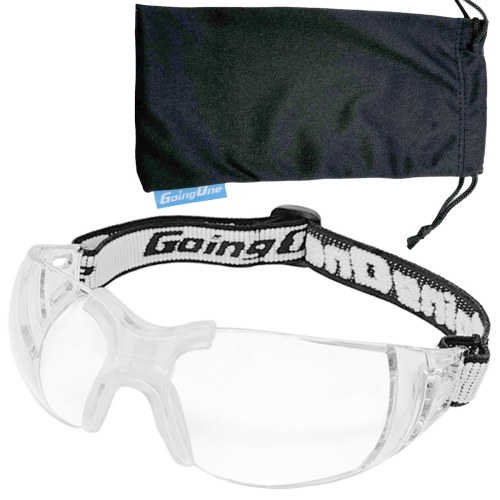
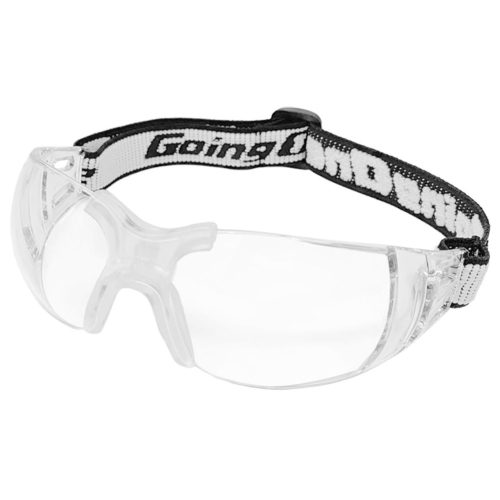
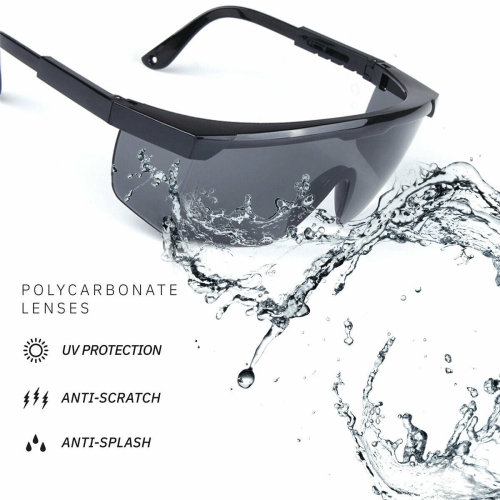
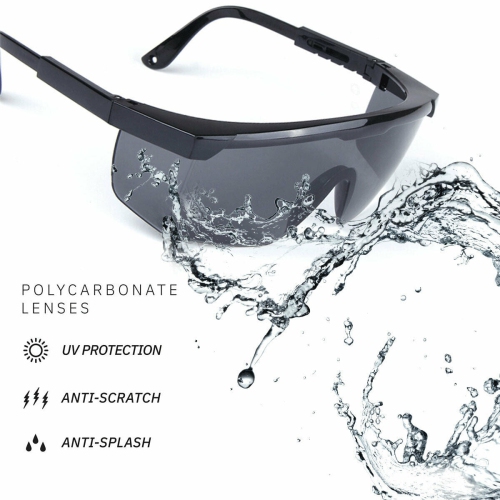
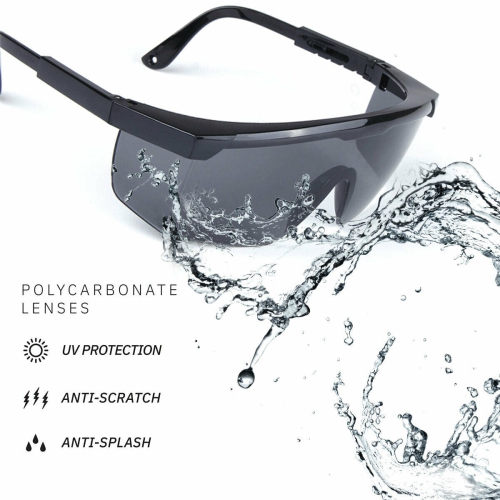
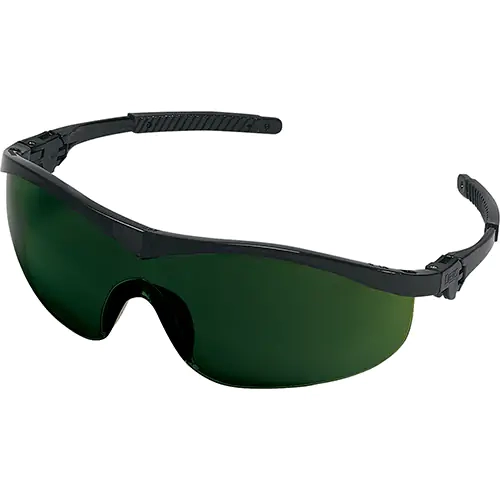
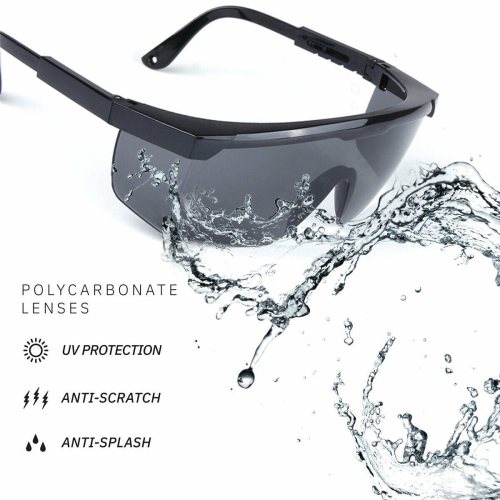
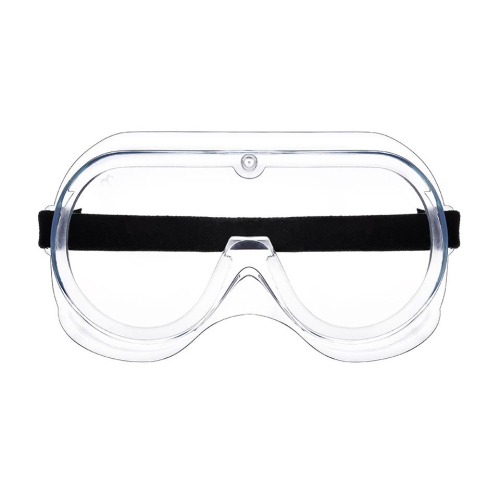
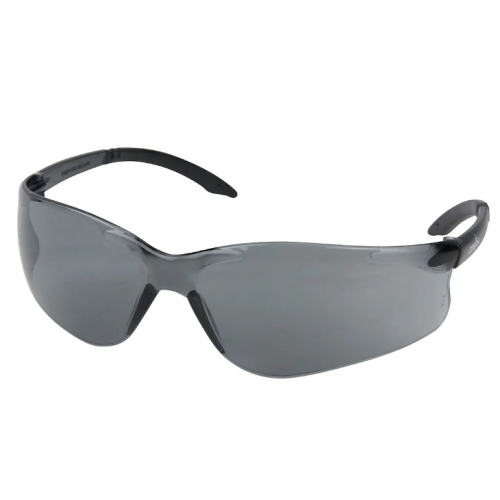
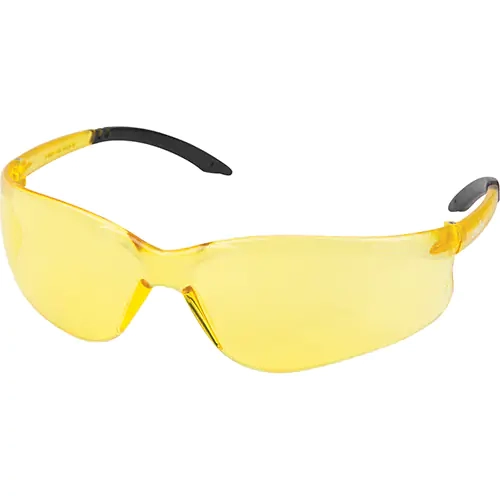
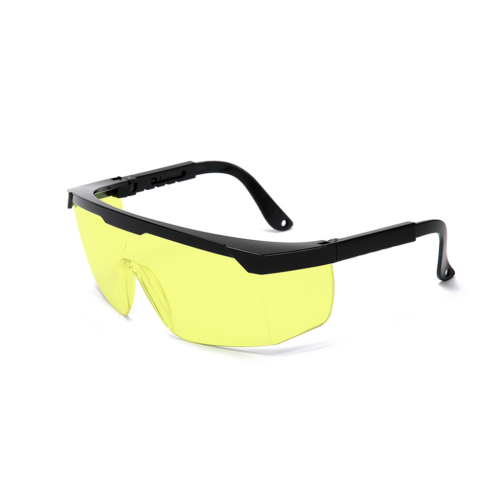
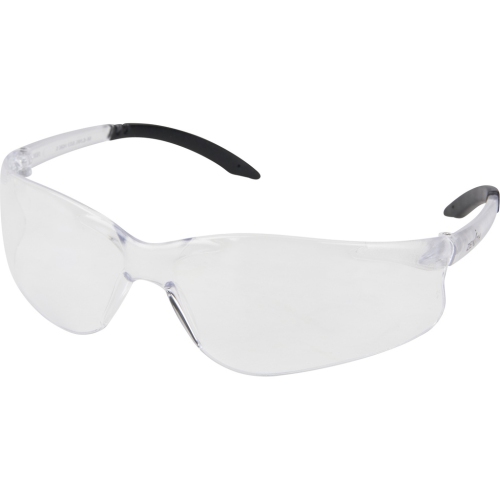
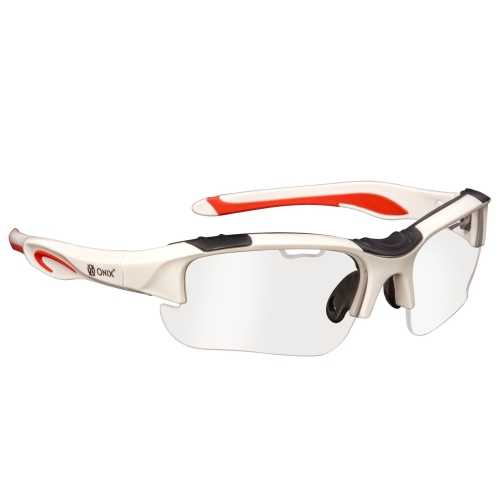
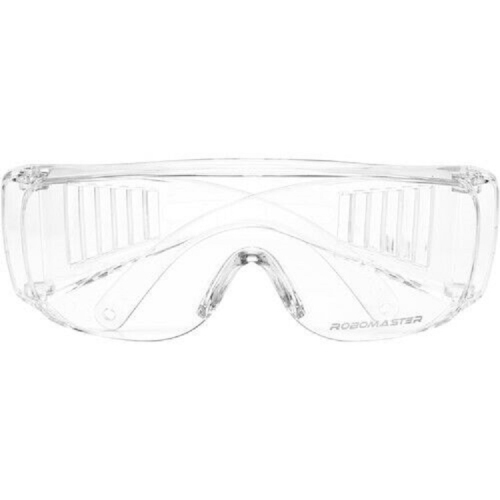
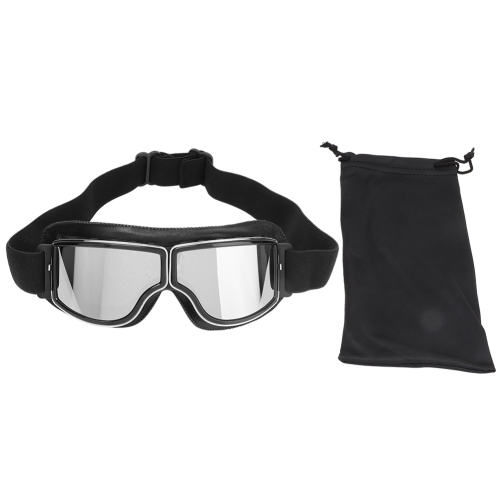
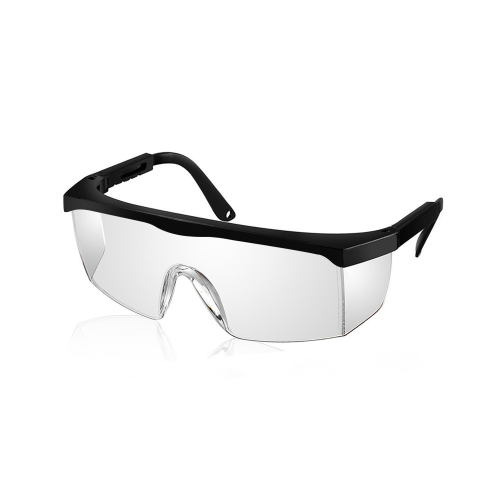
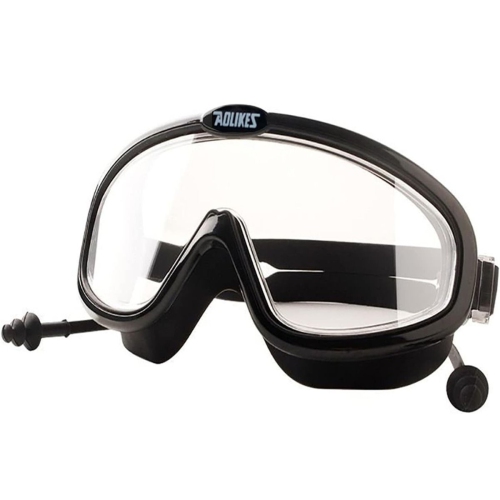
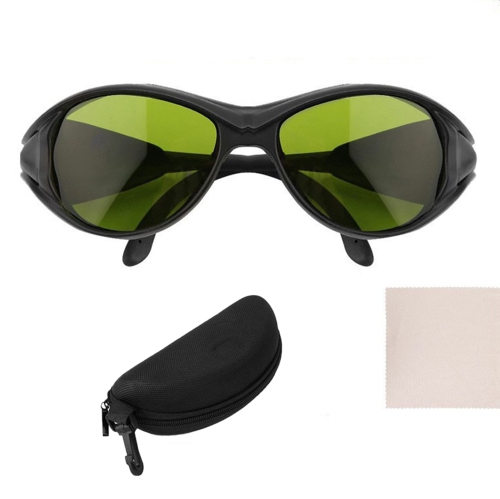
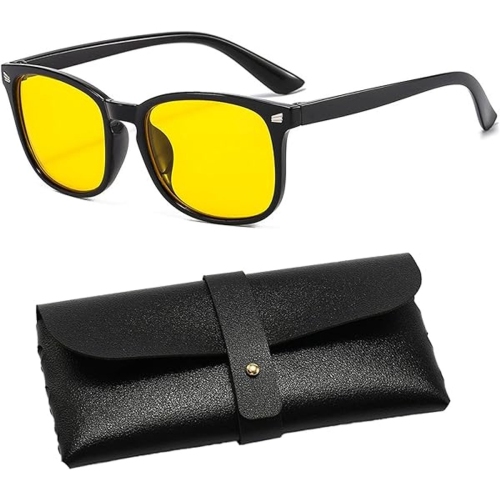
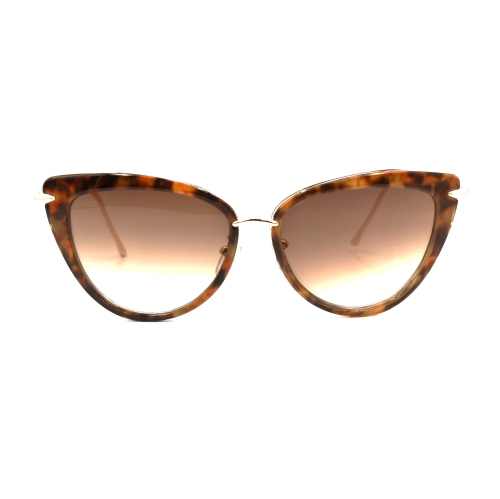
Protective eyewear helps create a safer barrier between your eyes and the hazards that can appear during work, repairs, recreation, and everyday tasks. Flying dust, wood chips, metal fragments, loose fasteners, garden debris, and splashes can reach the eyes in a fraction of a second, often before there is time to react. Safety glasses are commonly used for home improvement, woodworking, construction, automotive work, laboratory activities, and yard maintenance, while sealed goggles may be better suited to situations involving fine particles, liquid splashes, or vapours. When choosing protective eyewear, start by considering the environment and the type of hazard involved. Look for markings that indicate compliance with recognised standards such as ANSI/ISEA Z87.1 or CSA Z94.3, which relate to impact resistance and other performance requirements for safety eyewear. These markings can usually be found on the frame, lens, packaging, or product information. Impact-rated lenses are designed to withstand testing involving high-speed or high-mass objects, but no eyewear can protect against every possible risk, so it is still important to follow workplace instructions and use other protective equipment when needed. Wraparound designs, integrated side shields, and wide lens coverage help reduce exposure to particles approaching from the sides, an especially useful feature when cutting, drilling, sanding, trimming, or working with tools that create airborne debris. Clear lenses are a practical choice for indoor work and low-light conditions, while tinted lenses can improve comfort outdoors by reducing glare. UV protection is also worth considering for outdoor projects, cycling, fishing, skiing, and other activities where bright sunlight may be present. For welding, brazing, torch work, lasers, or other intense light sources, choose eyewear specifically rated for that application rather than relying on general-purpose safety glasses.
Comfort and fit have a direct effect on how consistently protective eyewear is worn. A pair that pinches behind the ears, slides down the nose, or fogs whenever the wearer begins working may be left on a workbench instead of being used. Look for a secure fit across the bridge of the nose and temples, with enough room to avoid pressure points. Adjustable arms, flexible nose bridges, and lightweight frames can make a noticeable difference during long projects, whether someone is installing shelves, repairing a bicycle, painting a room, or clearing branches during the cooler months. If eyewear will be worn over prescription glasses, check for an over-the-glass design or select prescription safety eyewear through an appropriate optical provider. Regular safety glasses should not be assumed to provide prescription correction, and ordinary fashion sunglasses are not a substitute for certified protective eyewear. Anti-fog features can be useful when moving between warm indoor spaces and cooler outdoor air, or when a mask, respirator, or face covering is also being worn. Anti-scratch treatments may help lenses stay clearer through frequent use, but they do not make lenses scratch-proof. Fit should also account for other equipment: side shields and temples should not interfere with hearing protection, hard hats, respirators, face shields, or protective helmets. For chemical handling, select goggles designed for splash protection, preferably with ventilation that helps limit fogging without leaving open paths for liquid. For dusty tasks, sealed or indirectly vented goggles may offer more coverage than open safety glasses. Keep in mind that protective eyewear is only one part of a safe setup; matching the lens, frame, and coverage to the task is more useful than choosing a style based only on appearance.
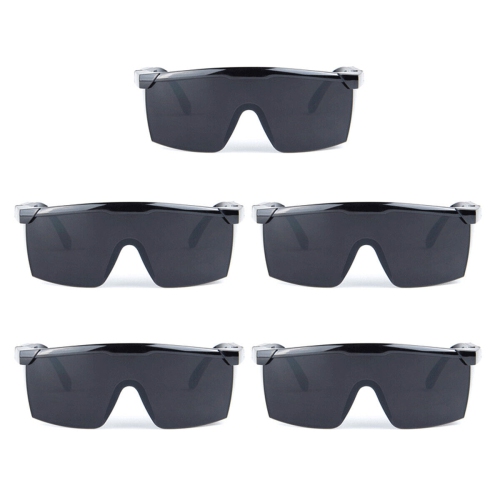
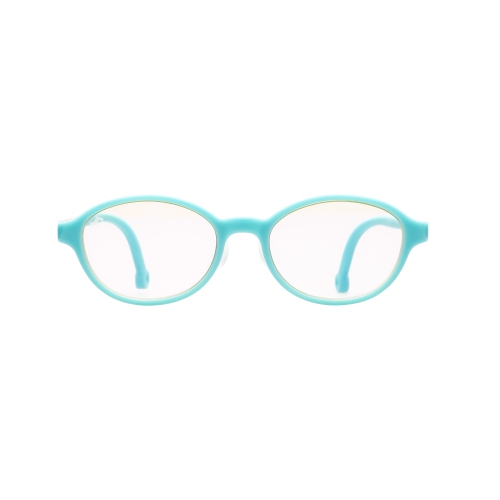
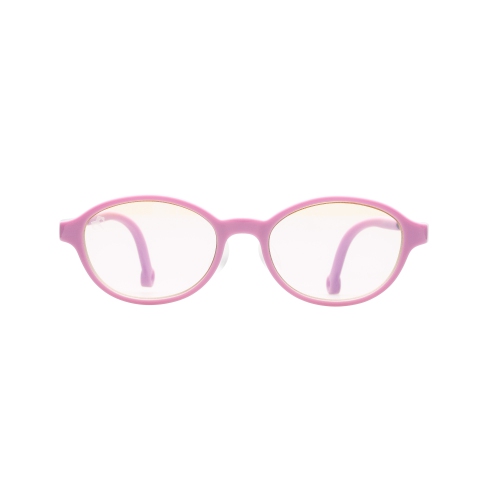
Protective eyewear can be a thoughtful and practical gift for a new homeowner, student, maker, tradesperson, gardener, cyclist, mechanic, or anyone who enjoys hands-on projects. A spare pair kept near a tool chest, garage entrance, craft area, or gardening supplies can make it easier to reach for eye protection before starting a task. Families may appreciate having properly fitting options for different users, particularly when several people share a workshop or take part in home repairs. Children and teenagers should use eyewear made for their size and activity, with adult supervision whenever tools, chemicals, projectiles, or machinery are involved. Before giving protective eyewear as a gift, consider whether the recipient spends more time indoors or outdoors, works with dust or liquid, wears prescription glasses, or needs compatibility with a helmet or respirator. A clear lens may be the most versatile option for general household work, while a darker tint can be more comfortable for bright outdoor conditions; tinted eyewear should not be used where accurate colour recognition is essential unless it is specifically approved for that setting. For people who spend long periods at a computer, protective eyewear for physical hazards is different from eyewear intended to make screen viewing more comfortable. Products such as Screen Protection Glasses are intended for digital viewing environments, whereas certified safety glasses and goggles are selected for impact, splash, dust, or light-related risks. After use, clean lenses with a suitable lens cleaner or mild soap and water, using a soft cloth that will not leave abrasive particles behind. Avoid placing eyewear lens-down on a work surface, and store it in a case or protected compartment when it is not being worn. Inspect the lenses, frame, side shields, and nose bridge regularly for cracks, deep scratches, looseness, or signs of damage, and replace eyewear when its protective components are compromised. With the right coverage, fit, lens type, and care routine, protective eyewear can become a comfortable part of preparing for home projects, outdoor activities, and work in changing conditions from early fall through the colder months.
Comfort and fit have a direct effect on how consistently protective eyewear is worn. A pair that pinches behind the ears, slides down the nose, or fogs whenever the wearer begins working may be left on a workbench instead of being used. Look for a secure fit across the bridge of the nose and temples, with enough room to avoid pressure points. Adjustable arms, flexible nose bridges, and lightweight frames can make a noticeable difference during long projects, whether someone is installing shelves, repairing a bicycle, painting a room, or clearing branches during the cooler months. If eyewear will be worn over prescription glasses, check for an over-the-glass design or select prescription safety eyewear through an appropriate optical provider. Regular safety glasses should not be assumed to provide prescription correction, and ordinary fashion sunglasses are not a substitute for certified protective eyewear. Anti-fog features can be useful when moving between warm indoor spaces and cooler outdoor air, or when a mask, respirator, or face covering is also being worn. Anti-scratch treatments may help lenses stay clearer through frequent use, but they do not make lenses scratch-proof. Fit should also account for other equipment: side shields and temples should not interfere with hearing protection, hard hats, respirators, face shields, or protective helmets. For chemical handling, select goggles designed for splash protection, preferably with ventilation that helps limit fogging without leaving open paths for liquid. For dusty tasks, sealed or indirectly vented goggles may offer more coverage than open safety glasses. Keep in mind that protective eyewear is only one part of a safe setup; matching the lens, frame, and coverage to the task is more useful than choosing a style based only on appearance.
Protective eyewear can be a thoughtful and practical gift for a new homeowner, student, maker, tradesperson, gardener, cyclist, mechanic, or anyone who enjoys hands-on projects. A spare pair kept near a tool chest, garage entrance, craft area, or gardening supplies can make it easier to reach for eye protection before starting a task. Families may appreciate having properly fitting options for different users, particularly when several people share a workshop or take part in home repairs. Children and teenagers should use eyewear made for their size and activity, with adult supervision whenever tools, chemicals, projectiles, or machinery are involved. Before giving protective eyewear as a gift, consider whether the recipient spends more time indoors or outdoors, works with dust or liquid, wears prescription glasses, or needs compatibility with a helmet or respirator. A clear lens may be the most versatile option for general household work, while a darker tint can be more comfortable for bright outdoor conditions; tinted eyewear should not be used where accurate colour recognition is essential unless it is specifically approved for that setting. For people who spend long periods at a computer, protective eyewear for physical hazards is different from eyewear intended to make screen viewing more comfortable. Products such as Screen Protection Glasses are intended for digital viewing environments, whereas certified safety glasses and goggles are selected for impact, splash, dust, or light-related risks. After use, clean lenses with a suitable lens cleaner or mild soap and water, using a soft cloth that will not leave abrasive particles behind. Avoid placing eyewear lens-down on a work surface, and store it in a case or protected compartment when it is not being worn. Inspect the lenses, frame, side shields, and nose bridge regularly for cracks, deep scratches, looseness, or signs of damage, and replace eyewear when its protective components are compromised. With the right coverage, fit, lens type, and care routine, protective eyewear can become a comfortable part of preparing for home projects, outdoor activities, and work in changing conditions from early fall through the colder months.
Top selling and popular products
-
 Your price for this item is $189.05
 -
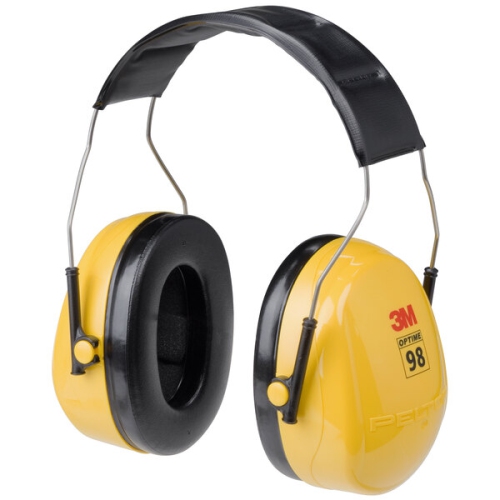 Your price for this item is $39.25
 -
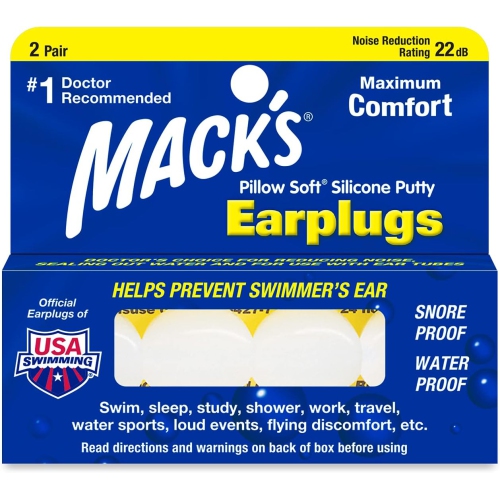 Your price for this item is $23.97
 -
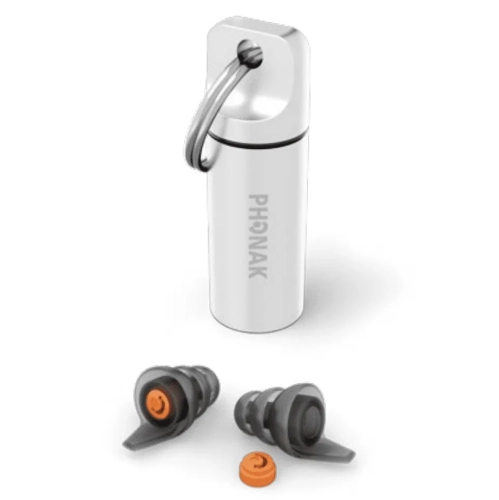 Your price for this item is $44.52
 -
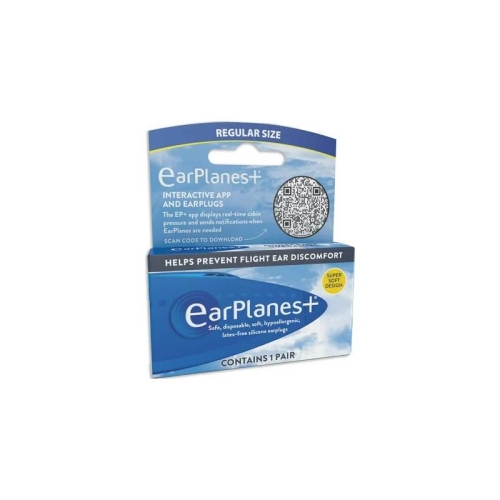 Your price for this item is $14.63
 -
 Your price for this item is $85.34
 -
 Your price for this item is $2.99
 -
 Your price for this item is $31.99
Discover more categories related to Protective Eyewear
Top Collections:
Pokemon Centers, Best Cameras for Sports Photography, Kindle Devices, Samsung Galaxy Phones, Canon G7X Cameras, Pokémon 30th Celebration Cards, Refurbished Apple Laptops, iPhone 15 Apple, Laptops for Students, Budget Smartphones
Some products may be subject to Environmental Handling Fees
(EHF) depending on your province.
Learn more about EHFs.