USB-C Power Adapters
USB-C Power Adapter options provide a convenient solution for powering up your compatible devices at home, in the office, or on the go. Designed for versatility and efficiency, these adapters make it easy to keep smartphones, tablets, laptops, and other electronics charged and ready whenever you need them. Whether you’re replacing an old charger or looking for a reliable backup, the right USB-C Power Adapter ensures your devices stay connected throughout your busy day. Explore a range of choices to find the perfect fit for your charging needs.
Sort

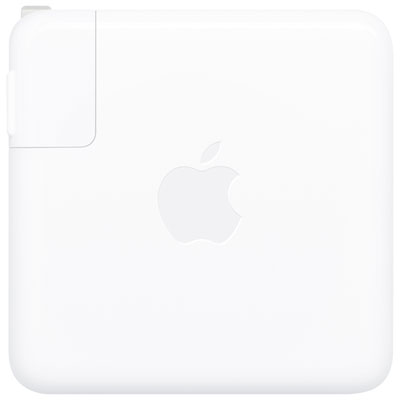


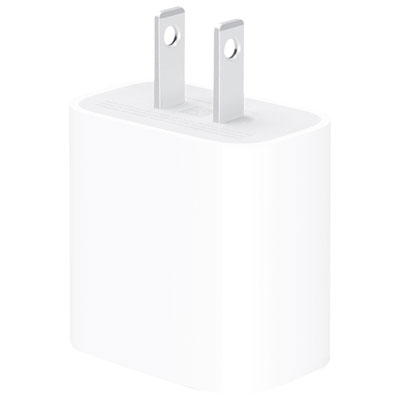


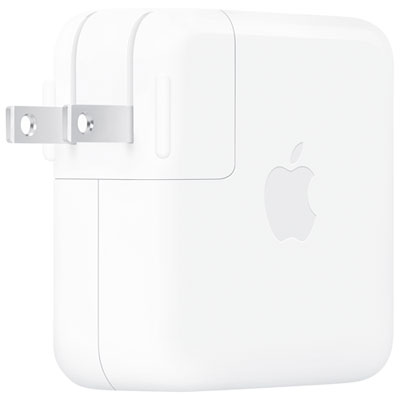

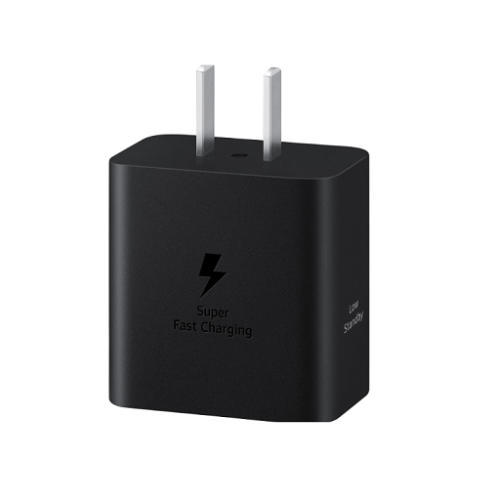


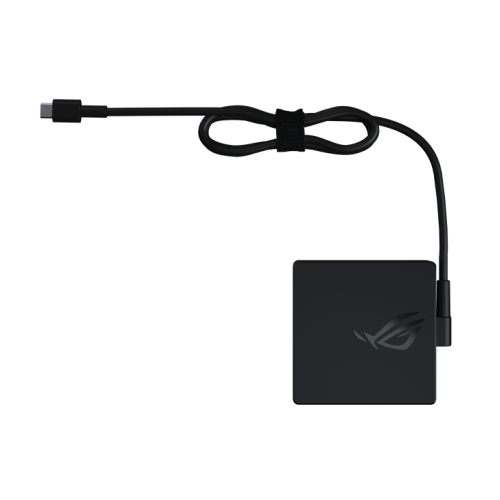
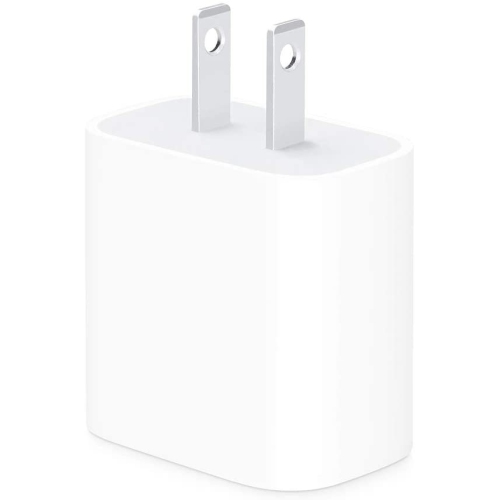


Charging speed depends on more than adapter wattage
USB-C power adapters supply power to compatible phones, tablets, laptops and other rechargeable electronics through a USB-C connection. The right match depends on three things: the power your device accepts, the charging standard it supports and the cable connecting it to the adapter. For many phones and small tablets, a compatible 20W to 30W USB-C power adapter provides enough power for fast charging, although the maximum charging rate varies by device. Larger tablets and lightweight laptops may need more power, with many laptops using adapters rated around 45W to 65W. More demanding laptops can require 90W, 100W or higher, particularly when charging while running demanding software. The device manufacturer’s stated requirements remain the most useful reference, since a USB-C port alone does not establish how much power a device needs or whether that port accepts charging. USB Power Delivery, often shortened to USB PD, allows a compatible adapter and device to negotiate an appropriate power level. Some devices also use Programmable Power Supply, or PPS, which adjusts power delivery within supported ranges and may be required for their fastest charging modes. A higher wattage rating describes the adapter’s capacity rather than the amount of power it forces into a device. With compatible, standards-compliant equipment, a phone draws the power it supports even when connected to an adapter capable of charging a laptop. That flexibility makes a suitably rated adapter useful for someone who carries a work laptop during the day and charges a phone at home. Charging speed also changes throughout a charging session, generally slowing as the battery fills, so a fast-charging rating does not mean the same speed from empty to full. For a laptop used during video meetings or other demanding tasks, an adapter below the recommended wattage may charge slowly, trigger a low-power warning or allow the battery to drain while connected.
The physical design of a USB-C power adapter matters just as much as its electrical specifications in everyday use. A compact single-port wall adapter suits a bedside outlet, a small desk or a bag that already holds a laptop and accessories. A multi-port adapter can keep a phone, tablet and laptop connected from one wall outlet, reducing the need for separate charging blocks across a work surface. Its total wattage, however, is not necessarily available from every port. An adapter advertised with a combined output may divide that power differently depending on which ports are occupied, and connecting another device can change the power supplied to the first. The port-by-port output information helps distinguish a charger suited to a laptop and phone together from one intended mainly for several smaller devices. Some multi-port designs briefly interrupt charging while redistributing power, which can matter when a connected accessory needs uninterrupted operation. Gallium nitride, commonly called GaN, is used in some adapters to make compact designs possible at higher power levels, though size alone does not establish charging performance or build quality. Durable insulating housings, firmly seated ports and sturdy plug assemblies are practical considerations for an adapter that will be packed and unpacked frequently. Folding prongs can make a charger easier to carry without catching on a fabric pouch, while a detachable power cord can place a desktop charging station within reach when the outlet sits behind furniture. Outlet spacing also affects fit: a wide charging block may overlap a neighbouring socket on a power bar. For international travel, the printed input-voltage range and plug style both matter. An adapter marked for 100–240V input can work across that stated range, but a suitable plug adapter may still be needed to connect it to a different outlet shape. A plug adapter changes the physical connection; it should not be assumed to convert voltage.
Cables complete the charging connection, and their capabilities can limit performance even when the power adapter is correctly matched to the device. A USB-C cable that works well for a phone may not support the power required by a larger laptop. Standard 3A USB-C cables support up to 60W under USB Power Delivery, while charging above 60W requires an appropriately rated 5A cable with electronic identification. Power levels above 100W also require compatible Extended Power Range equipment and a cable rated for that use. The rating printed on the cable or its packaging is more reliable than judging by thickness, connector colour or a braided finish. Braided and smooth cable jackets offer different handling characteristics, but neither appearance alone guarantees charging speed or resistance to damage. Cable length is another practical detail: a shorter cable keeps a bedside table tidy, whereas a longer one gives more freedom when the outlet is below a desk. Charging capability and data capability are separate specifications, so a cable rated for high power does not automatically support high-speed file transfers or video output. For connections involving different connector types, USB-C Cable Adapters can help clarify the distinction between adapting a connection and supplying power, but the adapter still needs to support the intended function. Related USB-C Cable Adapters serve a different role from a wall charger and do not inherently increase charging wattage. Everyday care helps preserve both the charger and its connections: unplug by gripping the housing rather than pulling the cable, keep ports dry and free of debris, and disconnect the adapter before wiping its exterior with a dry cloth. Leave space around it during use rather than covering it with bedding or trapping it beneath papers. Recognized Canadian electrical safety certification is an important consideration, alongside suitable protection features and clearly stated electrical ratings. A well-matched adapter can be a practical gift for a student, commuter or frequent traveller, especially when its wattage, ports and included cable suit the devices they already use.
Top selling and popular products
-
 Your price for this item is $69.99
-
 Your price for this item is $117.37
-
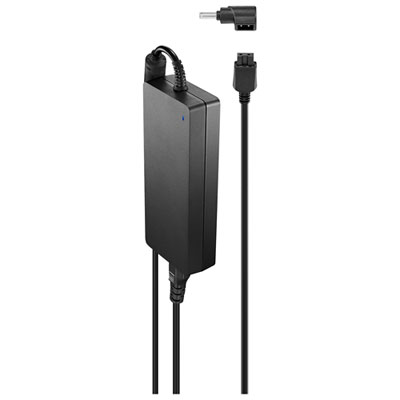 Your price for this item is $109.99
-
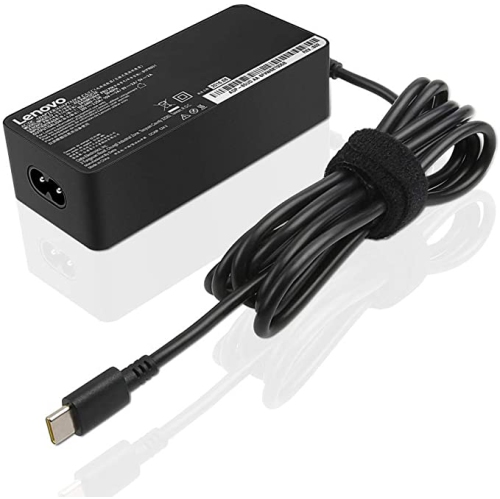 Your price for this item is $67
-
 Your price for this item is $49.99
-
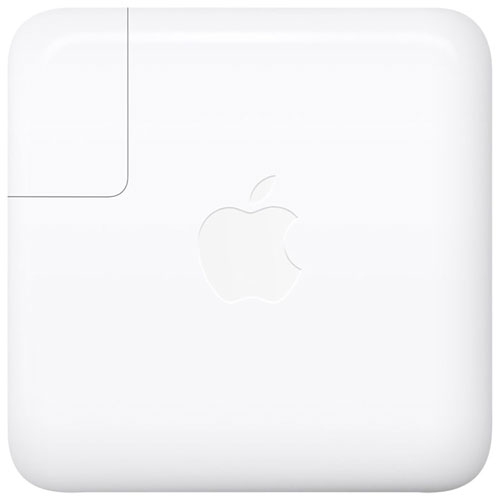 Your price for this item is $71
-
 Your price for this item is $46.68
-
 Your price for this item is $68.68
Discover more categories related to USB-C Power Adapters
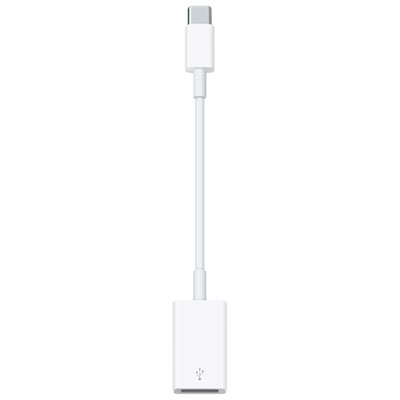
Top Collections:
Pokemon Centers, Pokémon 30th Celebration Cards, Best Budget Office Chairs, Kindle Devices, Best Cameras for Sports Photography, Canon G7X Cameras, Best Black Friday Deals On Electronics, Best Laptops for Writers, iPhone 15 Apple, Jackery Power Stations
Some products may be subject to Environmental Handling Fees
(EHF) depending on your province.
Learn more about EHFs.