Vinyl Cutting Equipment
Transform your creative projects with our diverse range of vinyl cutting equipment, perfect for hobbyists and professionals alike. Whether you're crafting custom decals, personalizing apparel, or creating intricate designs, these tools offer precision and versatility to bring your ideas to life. At Best Buy Canada, discover an array of options that cater to various skill levels and project needs, ensuring you find the perfect fit for your artistic endeavors. Explore our selection today and unlock endless possibilities in your creative journey.
Sort


How digital artwork becomes precisely cut vinyl designs
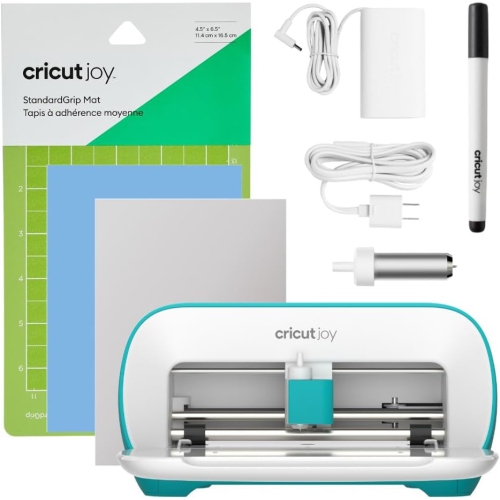
Vinyl cutting equipment turns digital artwork into precisely cut shapes, lettering, and graphics for labels, signs, clothing, and personalized projects. Most vinyl cutters use a small blade to follow paths in a vector design, cutting through the vinyl layer while leaving its backing intact. The excess material is then removed, a process called weeding, before the finished design is transferred to its intended surface. Equipment ranges from compact desktop craft cutters for occasional creative work to wider roll-fed plotters built for larger graphics and repeated production. Desktop machines suit projects such as pantry labels, notebook lettering, and small heat-transfer designs, while larger plotters offer room for shop-window graphics, event signage, and longer runs of matching decals. A cutter does not necessarily print: standard machines cut material that already has its colour or finish. Print-and-cut workflows pair compatible cutting equipment with printed artwork, often using registration marks to help the blade trace the edges accurately. Integrated printing and cutting systems bring both functions together, but those capabilities are distinct from cutting alone. For a hobbyist, the appeal may be turning a handwritten name into a clean, repeatable design; for a small business, it may be producing consistent lettering across packaging and displays. Teachers, makers, community groups, and apparel creators can also use this equipment for projects that need a more uniform finish than hand cutting can provide. Vinyl cutters can make thoughtful gifts for someone who already enjoys digital design or hands-on crafts, particularly when the machine fits their workspace and preferred materials. Finished applications can range from subtle storage labels to bold wall lettering, with Vinyl Decor offering a related category for home accents. The right equipment depends less on the size of a single ambitious project than on the work it will handle regularly, whether that means a few sheets at a kitchen table or repeated lengths of vinyl in a dedicated studio.
Cutting width, material handling, software compatibility, and blade control are central considerations when comparing vinyl cutting machines. The maximum material width is not always the same as the usable cutting width, since rollers and margins can reduce the area the blade can reach. That distinction matters when a design needs to fit across a wide window or when several smaller graphics are arranged side by side. Sheet-fed and cutting-mat workflows can be convenient for smaller pieces, while supported roll feeding is useful for longer designs and repeated layouts. Machines also need clear space around the material path: a compact body may still require room in front and behind as a mat or sheet moves during cutting. Larger equipment may need a stand, stable roll support, and a dedicated work surface for trimming and weeding. Adjustable cutting force and speed help match the blade action to the material, though higher force alone does not guarantee compatibility with thicker media. Blade type, blade exposure, carriage clearance, and the manufacturer's supported-material specifications all play a part. Small lettering and narrow flourishes usually benefit from controlled movement and a sharp blade rather than maximum speed. For long designs, reliable tracking helps keep the material aligned as it advances through the machine. Optical registration features matter for compatible print-and-cut work, where alignment between the printed image and the cut line affects the final appearance. On the software side, supported file formats, operating-system requirements, connection options, and access to editing tools can shape the everyday experience as much as the hardware. Some workflows rely on an internet connection for particular features, while others allow more work to be completed locally. A simple label may need only text and basic shapes, but custom logos often require clean vector paths and careful sizing. Anyone planning to produce graphics for sale should also check the commercial-use permissions for purchased fonts and artwork. A comfortable setup leaves space for a computer, material storage, and finishing tools without crowding the cutter's moving parts.
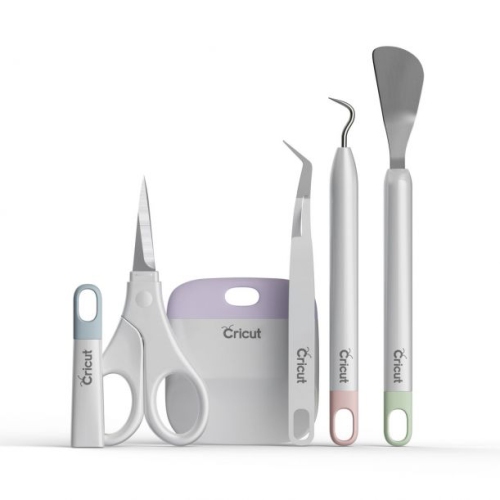
Material choice determines how a finished vinyl project looks, feels, and holds up in use. Adhesive vinyl is commonly applied to suitable smooth surfaces, while heat-transfer vinyl is designed to bond to compatible fabrics using specified heat, pressure, and application time. These materials are not interchangeable, and their handling differs: many heat-transfer designs are mirrored before cutting, while adhesive-vinyl lettering is typically cut in its normal orientation and lifted with transfer tape after weeding. The material manufacturer's directions remain important, particularly with specialty finishes and layered designs. Removable adhesive can suit temporary indoor applications, while permanent adhesive may be more appropriate for longer-lasting labels or graphics on compatible surfaces. Neither description guarantees trouble-free removal or unlimited outdoor life. Surface texture, sunlight, moisture, temperature changes, and cleaning habits all affect performance. A smooth storage bin and a heavily textured wall present very different bonding conditions, and even a durable film may lift at fine edges if the surface was dusty or greasy during application. On clothing, fabric composition, stretch, and heat tolerance influence which transfer material is suitable; a flexible design for a sweatshirt needs different consideration from lettering on a rigid sign panel. Washing and drying instructions should follow the transfer material's requirements, including any waiting period before the first wash. Equipment care also supports consistent results. Small scraps around the blade holder, worn blades, damaged cutting strips, or mats that have lost their grip can cause lifting, incomplete cuts, and wasted material. Cleaning and replacement should follow the machine manufacturer's directions, with compatible parts used for the particular cutter. A small test cut before a full layout helps confirm that the vinyl separates cleanly without cutting through the backing. Storing sheets flat and rolls without crushed edges helps prevent feeding problems, while keeping materials within their specified storage conditions protects their handling and adhesive properties. During the cooler months, an indoor making space can serve everything from household organization to personalized gifts, especially when there is enough room to cut, weed, and apply each design without rushing the finishing steps.
Top selling and popular products
-
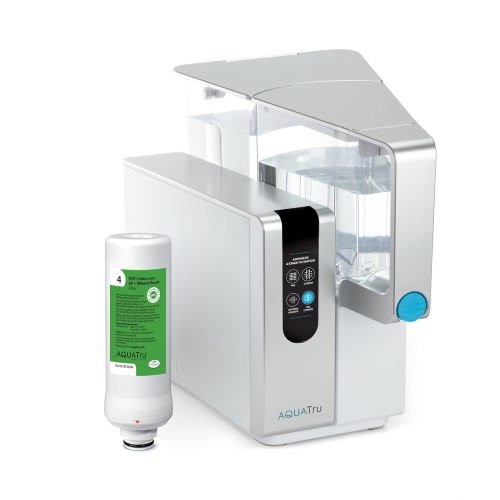 Your price for this item is $684.88
-
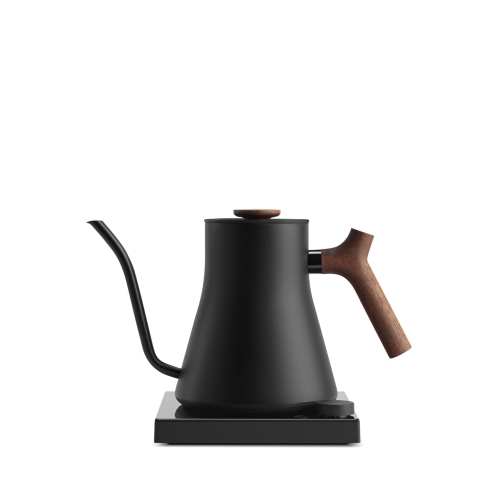 Your price for this item is $325
-
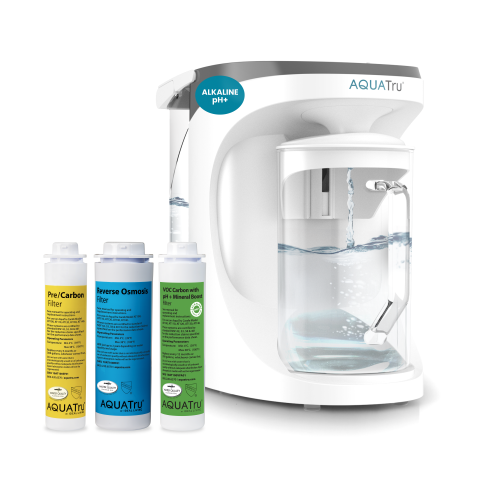 Your price for this item is $543.42
-
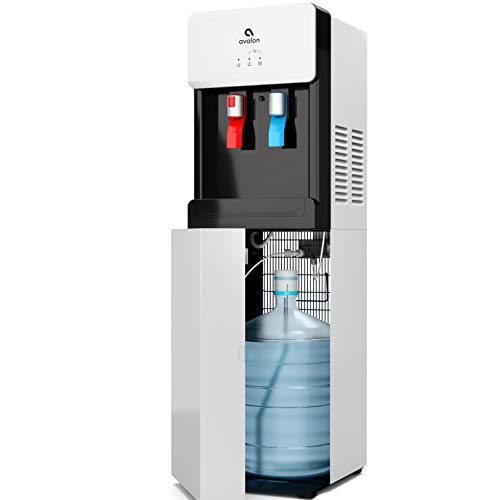 Your price for this item is $550
-
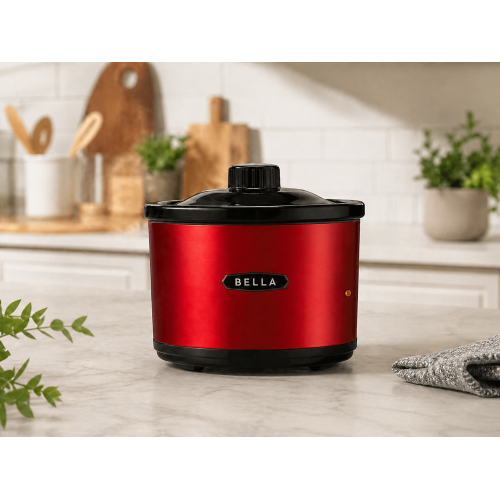 Your price for this item is $69.99
-
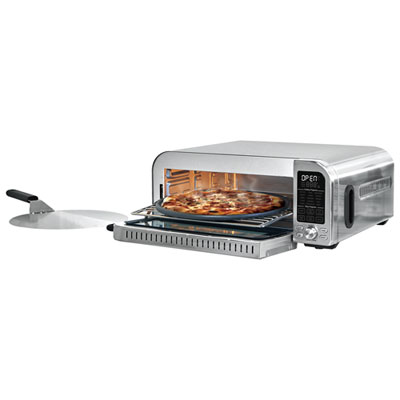 Your price for this item is $449.99
-
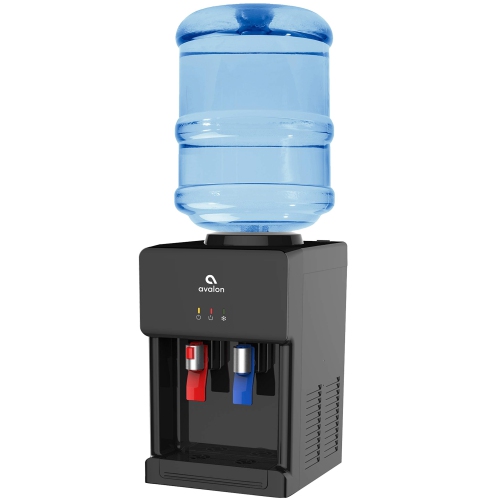 Your price for this item is $239.27
-
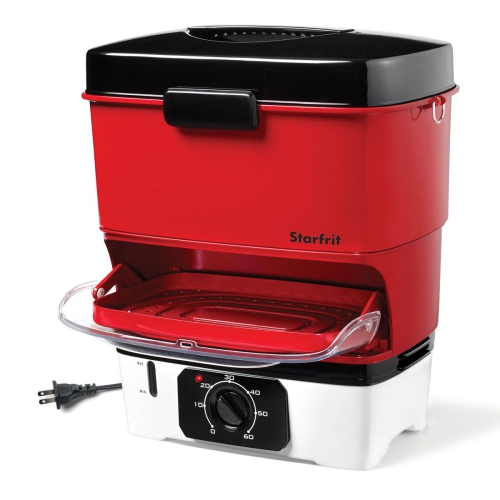 Your price for this item is $99.99
Discover more categories related to Vinyl Cutting Equipment
Top Collections:
Pokemon Centers, Kindle Devices, Apple iPhones 16, Samsung Galaxy Phones, Canon G7X Cameras, iPhone 15 Apple, Flip Phones, Refurbished Apple Laptops, Candle Warmer Lights, Apple Wired Earphones
Some products may be subject to Environmental Handling Fees
(EHF) depending on your province.
Learn more about EHFs.