Warehouse Equipment
Whether you're setting up a new warehouse or looking to optimize your current space, having the right equipment is essential for efficiency and productivity. Our Warehouse Equipment collection offers a wide range of solutions to meet your storage, organization, and transportation needs. From heavy-duty shelving units to versatile utility carts and everything in between, we've got you covered. Browse through our selection to find the tools that will help streamline operations and maximize the potential of your warehouse space.
Sort
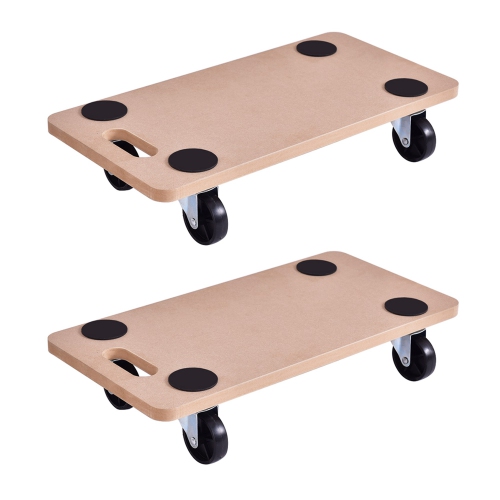

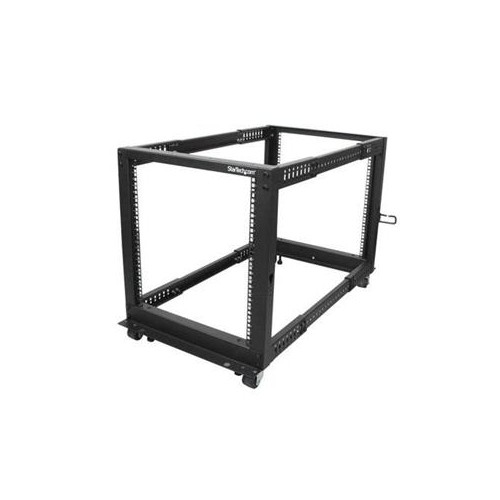
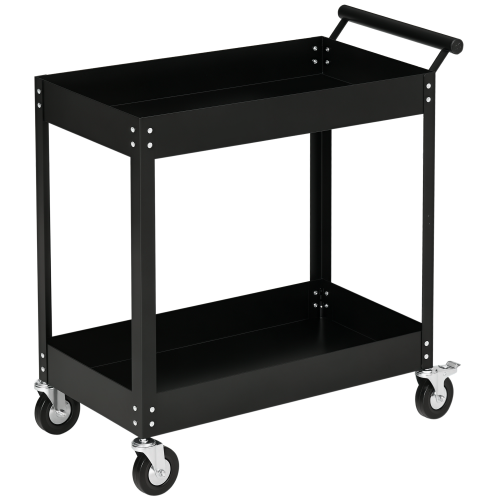
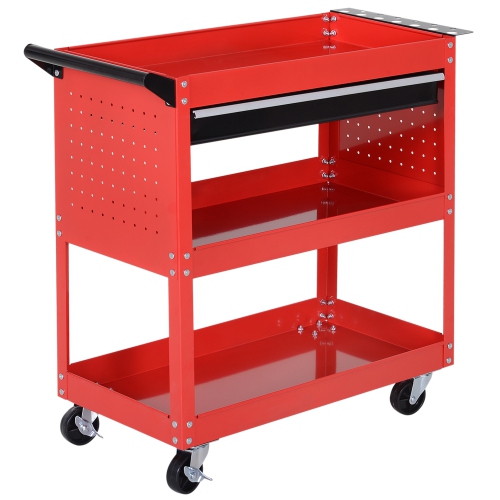
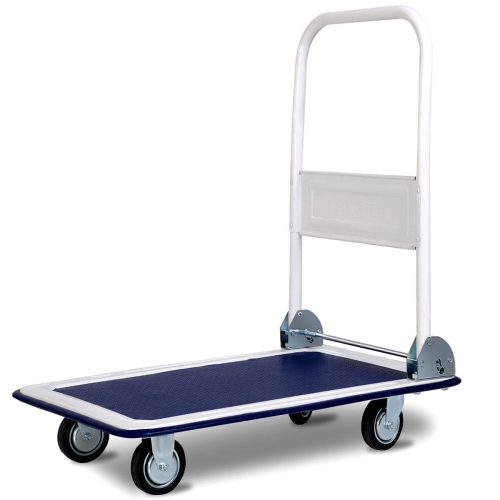
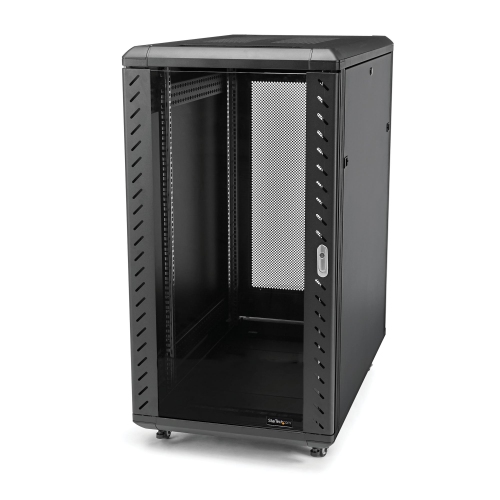
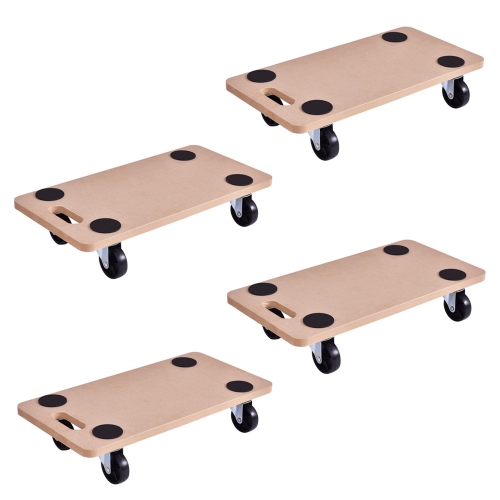
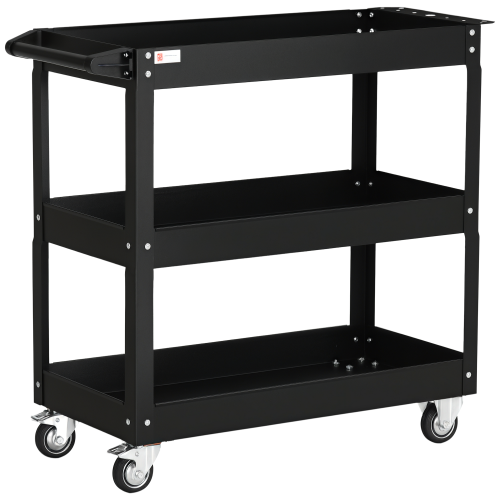
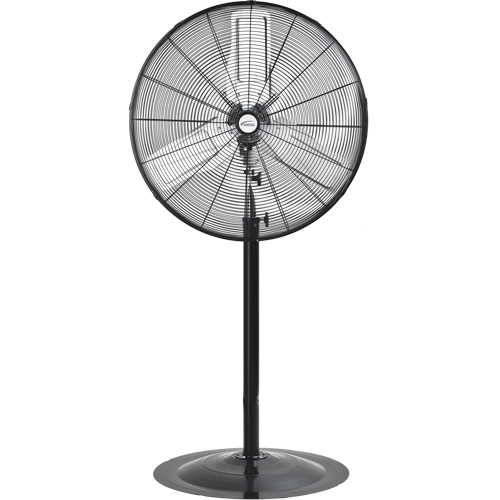
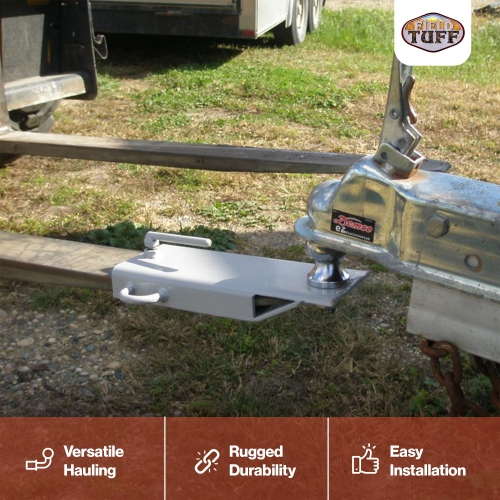
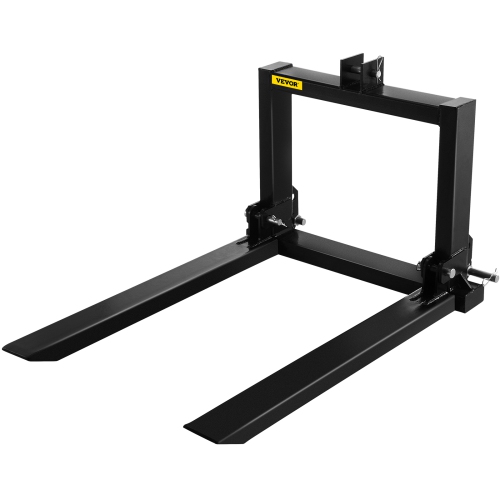
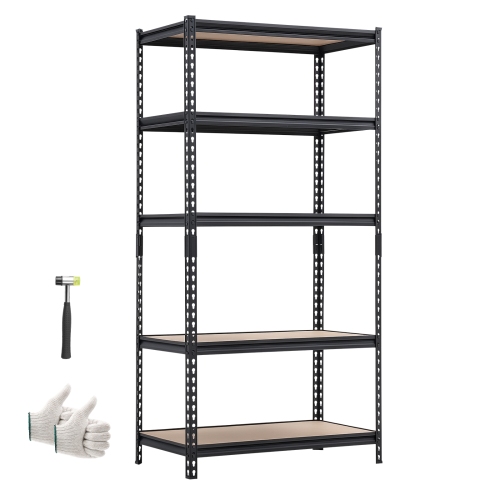
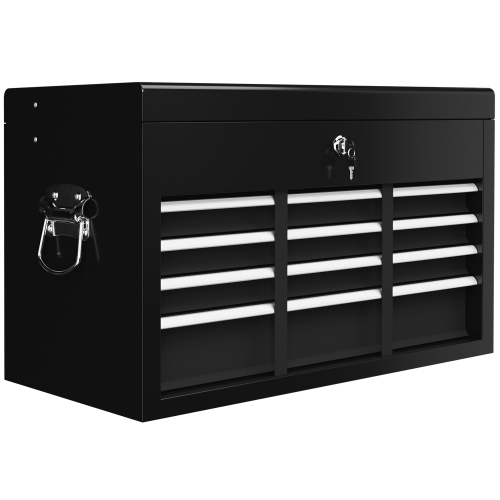
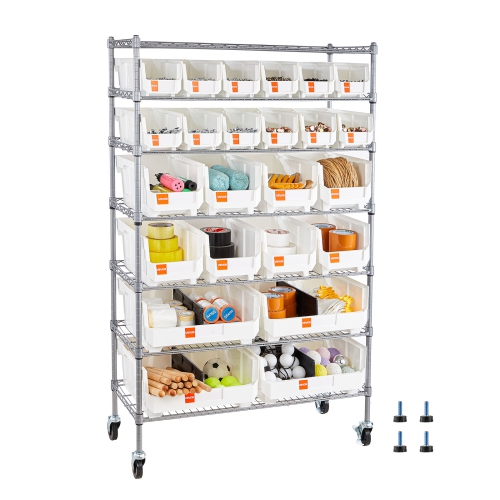
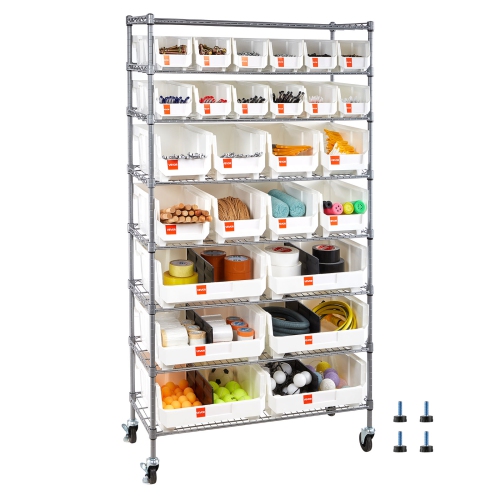
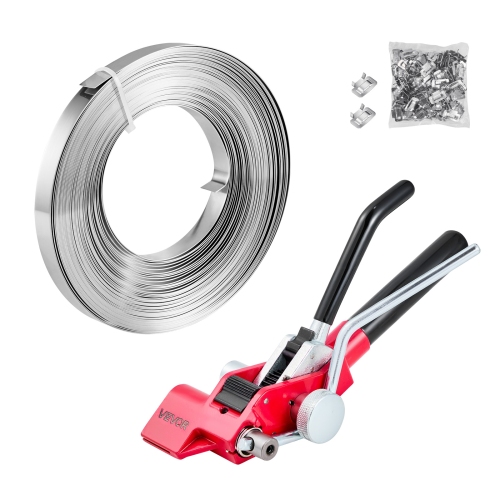
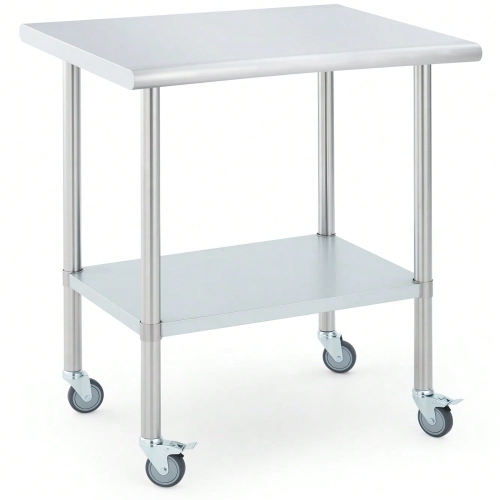
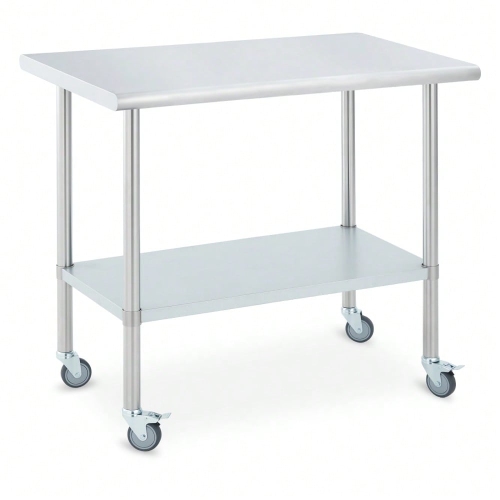
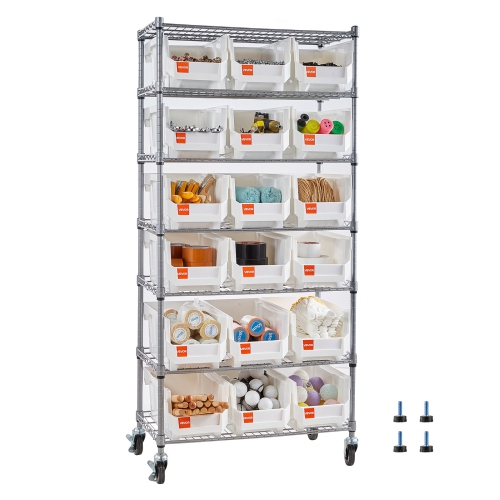
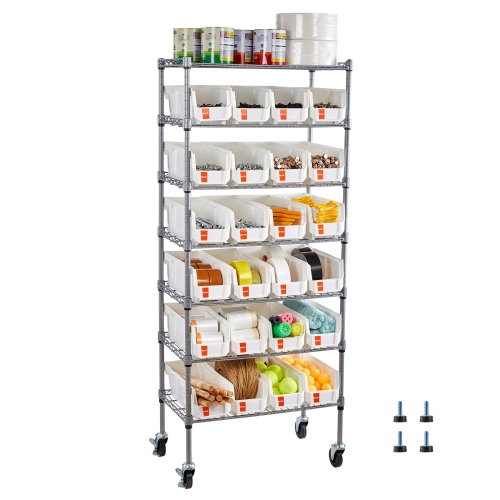

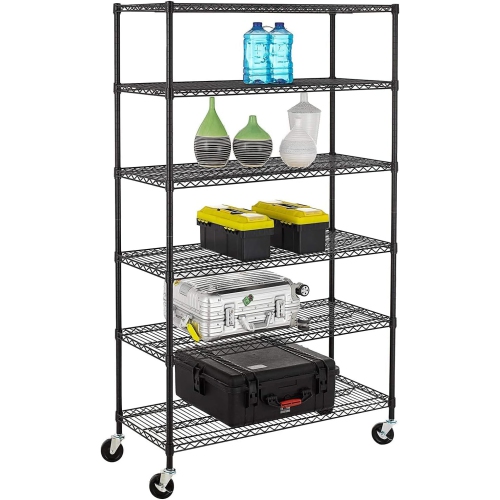
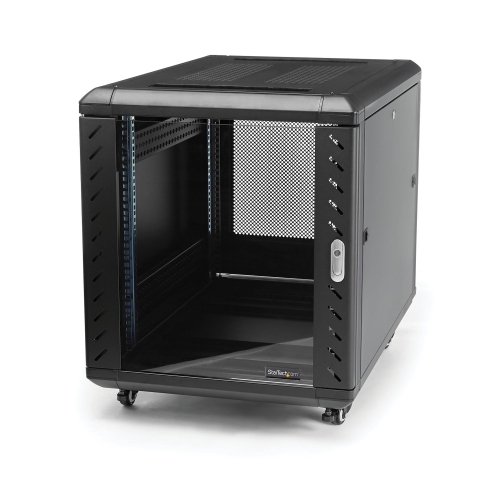
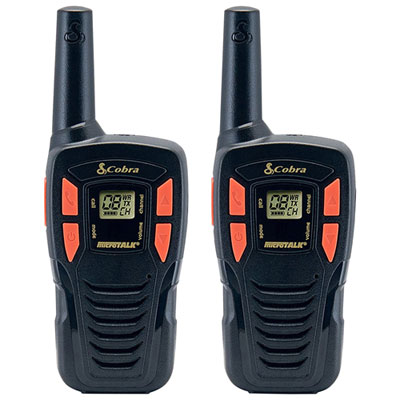
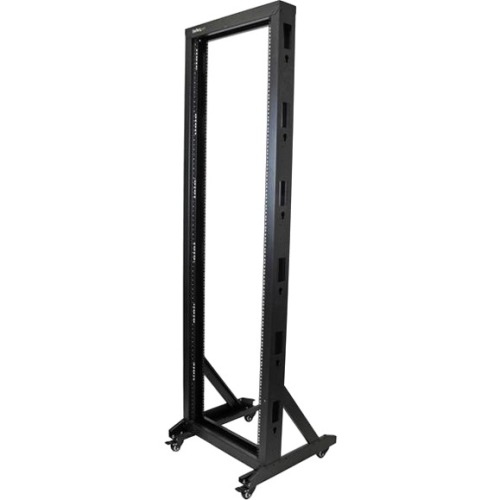





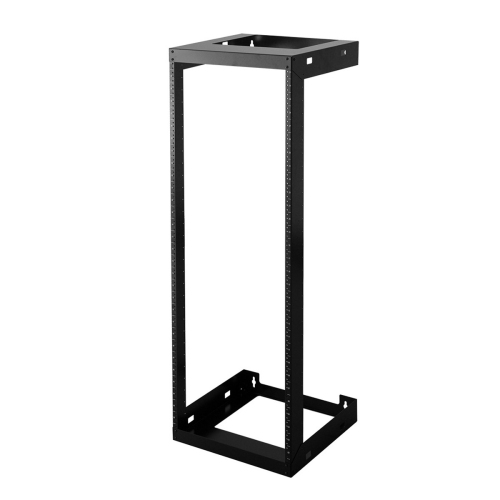
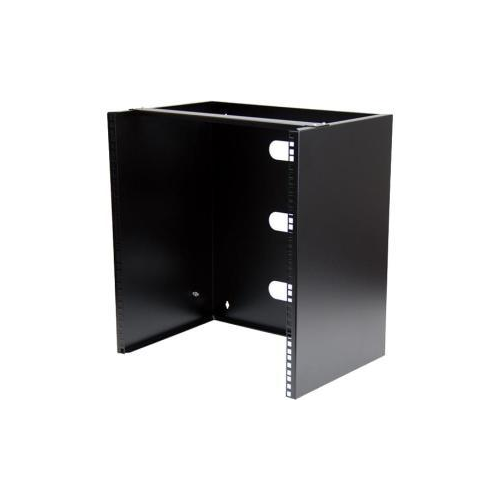
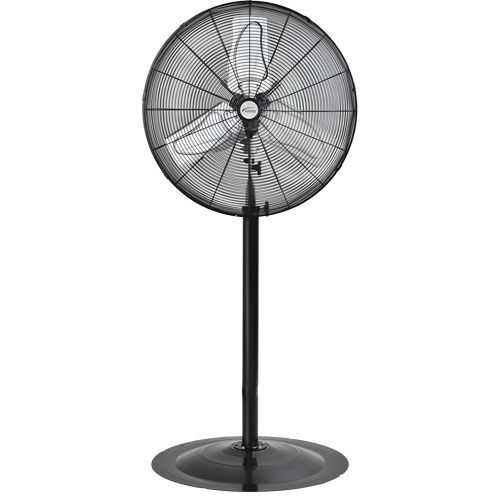
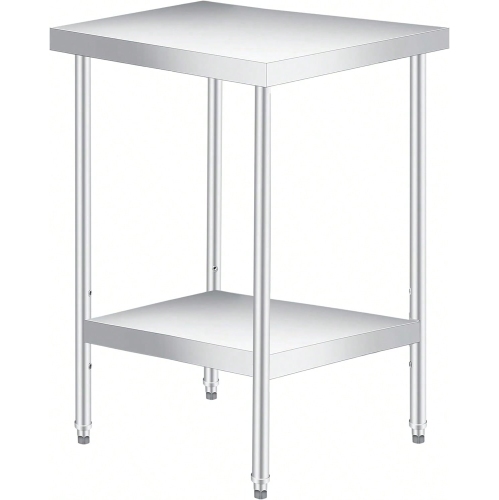
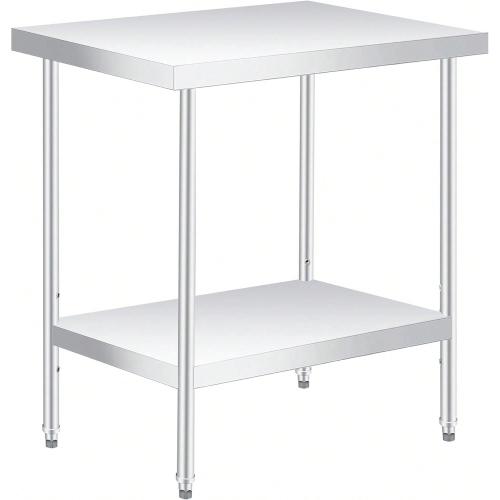
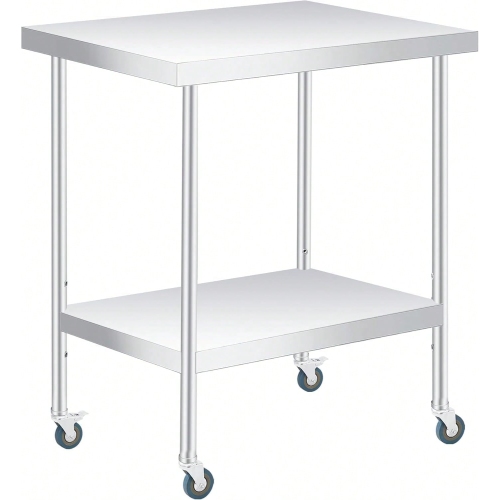
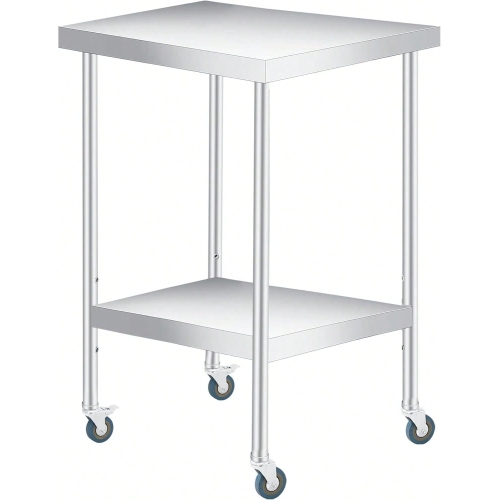
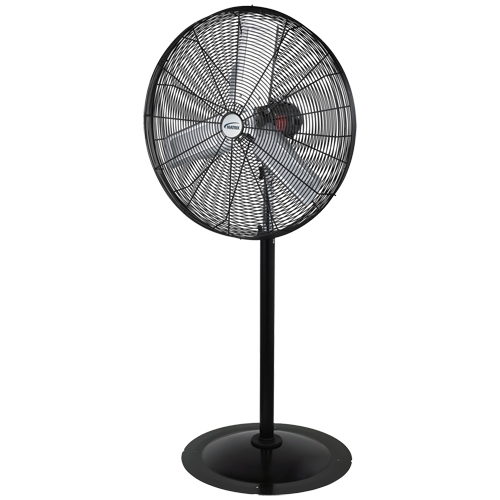
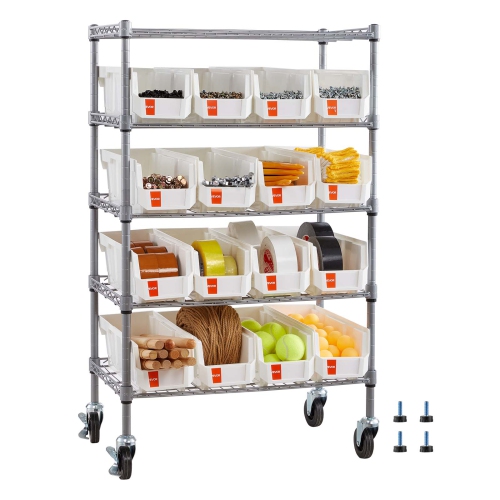
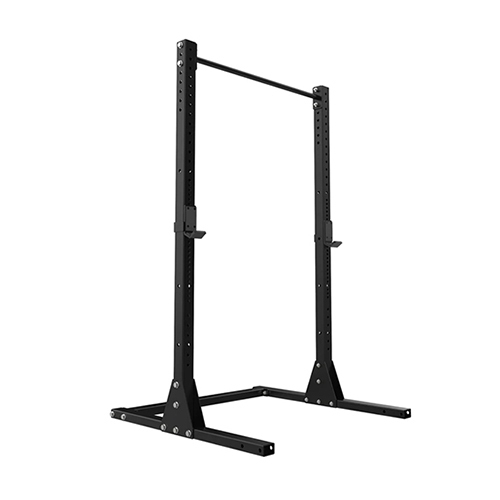
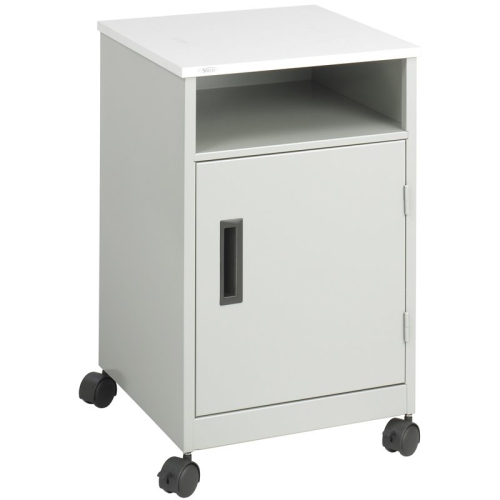
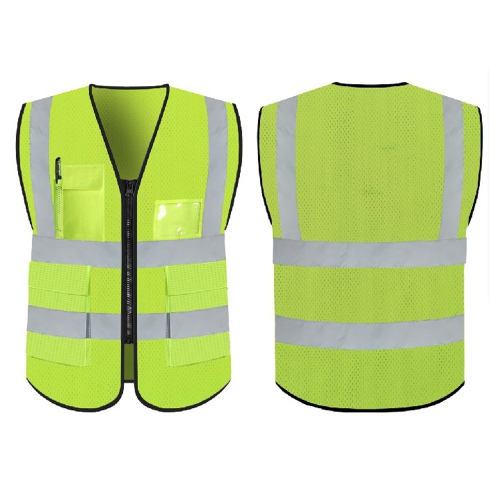
A more controlled flow from receiving to dispatch
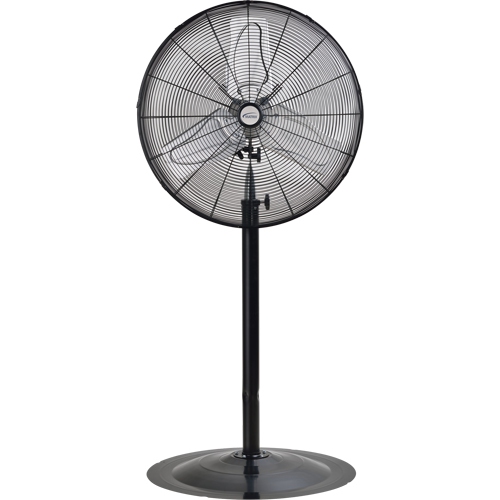
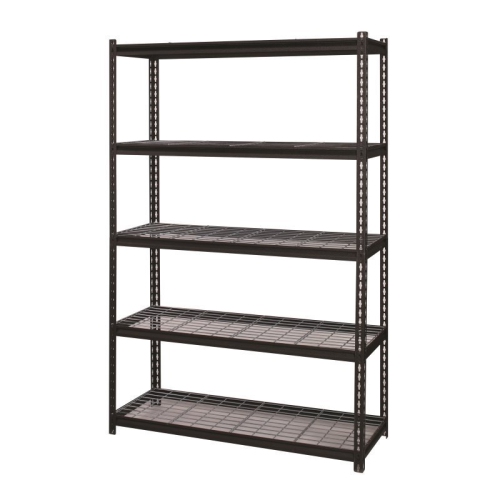
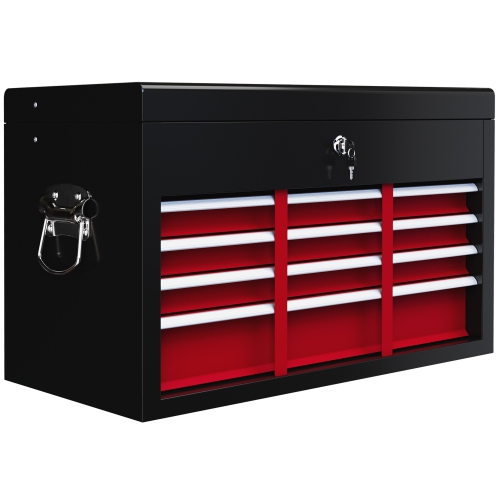
Warehouse equipment brings structure, movement, and efficiency to the places where goods are received, stored, prepared, and shipped. Whether you are organising a compact stockroom, expanding a distribution area, outfitting a workshop, or refreshing the back-of-house operations of a growing business, the right combination of equipment can make everyday tasks feel more controlled and less physically demanding. Storage systems form the foundation of a well-planned space. Pallet racks use sturdy steel frames to hold heavy, stacked loads above the floor, while shelving provides accessible storage for cartons, parts, tools, and smaller items that need to be picked by hand. Mezzanines can add a raised working or storage level where ceiling height allows, helping make better use of existing floor space without changing the building footprint. For goods that need to travel from receiving to storage or from picking to packing, material handling equipment helps reduce unnecessary carrying. Hand trucks are useful for moving stacked boxes across short distances, while pallet jacks can lift and reposition palletized loads along warehouse floors. Powered lifting equipment can move heavier goods to elevated storage, but it should always be selected and operated according to workplace requirements, load limits, training standards, and applicable Canadian regulations. A lift table can bring a work surface to a more comfortable height, which is particularly helpful when staff repeatedly transfer boxes, assemble orders, or prepare shipments. These tools are used by warehouse associates, retail stock teams, contractors, manufacturers, event suppliers, movers, and small-business owners who may be managing inventory in a garage or dedicated commercial space. Even a modest operation can benefit from a clear system: frequently handled items placed within easy reach, heavier loads stored low and securely, and travel paths kept open from the loading area to the packing station. During the warmer part of the year, open doors and increased receiving activity can bring more dust, traffic, and fluctuating inventory into a workspace; as the weather turns cooler, a dependable layout becomes just as valuable when staff are handling more tasks indoors.
Choosing warehouse equipment starts with understanding the work rather than simply filling available space. Begin by considering the type, weight, size, and frequency of movement for the goods being stored. Tall, narrow cartons may suit adjustable shelving, while dense, uniform loads may be better suited to pallet storage. Small components can disappear into a deep shelf, so bins, labelled sections, or shallow shelving may make picking faster and reduce misplaced stock. Measure the room carefully, including ceiling height, doorway clearance, turning areas, emergency access routes, and the space required to load or unload each level. A rack or shelf that fits on paper may be difficult to use if there is not enough room for a person, cart, or pallet jack to manoeuvre safely. Pay close attention to rated capacity, construction, adjustability, wheel quality, handle height, platform dimensions, and the surfaces on which equipment will be used. Smooth warehouse flooring may work well for some carts and jacks, while thresholds, ramps, uneven concrete, or outdoor transitions call for a different approach. Packing and dispatch areas also deserve careful planning. Conveyors with belts or rollers can help move cartons along a repeated route, while wrapping equipment can secure completed pallets for transport and storage. A dedicated packing surface, nearby shelving for shipping materials, and a sensible flow from picking to checking to dispatch can prevent cartons from piling up in walkways. When selecting powered equipment, consider charging or refuelling needs, operating noise, controls, visibility, maintenance, and the experience level of the people using it. Personal protective equipment, load securing, routine inspections, and clear signage remain essential parts of a safe setup; warehouse equipment supports good procedures but does not replace them. For practical additions that help with day-to-day handling, organising, and workplace readiness, browse Tools for Warehouse Workers alongside larger storage and material handling solutions.
The best setup is one that matches the pace and character of the operation. A small online seller may need compact shelving, a reliable cart, and a packing area that keeps outgoing parcels separate from incoming stock. A tradesperson may value durable storage for cases, supplies, and replacement parts, with frequently used items positioned close to the workbench. A retailer preparing for busier shopping periods may need additional shelving or transport equipment so replenishment can happen without interrupting customers or leaving boxes scattered behind the scenes. In a larger facility, the priorities may include pallet access, high-bay storage, consistent picking routes, and equipment that supports several workers moving goods at once. Think about the people who will use each item at the end of a long shift: handles should feel manageable, controls should be easy to understand, and storage locations should make sense at a glance. Labels, colour coding, and regularly reviewed inventory zones can turn a crowded room into a space where staff know where to go and what to do next. It is also useful to plan for change. Seasonal stock, incoming deliveries, new product sizes, and shifting order volumes can all affect the amount of floor space and handling capacity required. Equipment with adjustable shelves, movable components, or flexible layouts can make it easier to respond without rebuilding the entire area. Keep heavier items on appropriately rated levels, avoid exceeding manufacturer specifications, and inspect equipment for loose fittings, damaged wheels, bent frames, worn surfaces, or other signs that attention is needed. During the cooler months, when more work may take place indoors and enclosed areas can feel busier, clear aisles and dependable storage become especially noticeable. Whether you are equipping a professional warehouse, improving a stockroom, or helping a small business work more comfortably, warehouse equipment can create a smoother path from delivery to storage, from storage to packing, and from packing to the customer.
Choosing warehouse equipment starts with understanding the work rather than simply filling available space. Begin by considering the type, weight, size, and frequency of movement for the goods being stored. Tall, narrow cartons may suit adjustable shelving, while dense, uniform loads may be better suited to pallet storage. Small components can disappear into a deep shelf, so bins, labelled sections, or shallow shelving may make picking faster and reduce misplaced stock. Measure the room carefully, including ceiling height, doorway clearance, turning areas, emergency access routes, and the space required to load or unload each level. A rack or shelf that fits on paper may be difficult to use if there is not enough room for a person, cart, or pallet jack to manoeuvre safely. Pay close attention to rated capacity, construction, adjustability, wheel quality, handle height, platform dimensions, and the surfaces on which equipment will be used. Smooth warehouse flooring may work well for some carts and jacks, while thresholds, ramps, uneven concrete, or outdoor transitions call for a different approach. Packing and dispatch areas also deserve careful planning. Conveyors with belts or rollers can help move cartons along a repeated route, while wrapping equipment can secure completed pallets for transport and storage. A dedicated packing surface, nearby shelving for shipping materials, and a sensible flow from picking to checking to dispatch can prevent cartons from piling up in walkways. When selecting powered equipment, consider charging or refuelling needs, operating noise, controls, visibility, maintenance, and the experience level of the people using it. Personal protective equipment, load securing, routine inspections, and clear signage remain essential parts of a safe setup; warehouse equipment supports good procedures but does not replace them. For practical additions that help with day-to-day handling, organising, and workplace readiness, browse Tools for Warehouse Workers alongside larger storage and material handling solutions.
The best setup is one that matches the pace and character of the operation. A small online seller may need compact shelving, a reliable cart, and a packing area that keeps outgoing parcels separate from incoming stock. A tradesperson may value durable storage for cases, supplies, and replacement parts, with frequently used items positioned close to the workbench. A retailer preparing for busier shopping periods may need additional shelving or transport equipment so replenishment can happen without interrupting customers or leaving boxes scattered behind the scenes. In a larger facility, the priorities may include pallet access, high-bay storage, consistent picking routes, and equipment that supports several workers moving goods at once. Think about the people who will use each item at the end of a long shift: handles should feel manageable, controls should be easy to understand, and storage locations should make sense at a glance. Labels, colour coding, and regularly reviewed inventory zones can turn a crowded room into a space where staff know where to go and what to do next. It is also useful to plan for change. Seasonal stock, incoming deliveries, new product sizes, and shifting order volumes can all affect the amount of floor space and handling capacity required. Equipment with adjustable shelves, movable components, or flexible layouts can make it easier to respond without rebuilding the entire area. Keep heavier items on appropriately rated levels, avoid exceeding manufacturer specifications, and inspect equipment for loose fittings, damaged wheels, bent frames, worn surfaces, or other signs that attention is needed. During the cooler months, when more work may take place indoors and enclosed areas can feel busier, clear aisles and dependable storage become especially noticeable. Whether you are equipping a professional warehouse, improving a stockroom, or helping a small business work more comfortably, warehouse equipment can create a smoother path from delivery to storage, from storage to packing, and from packing to the customer.
Top selling and popular products
-
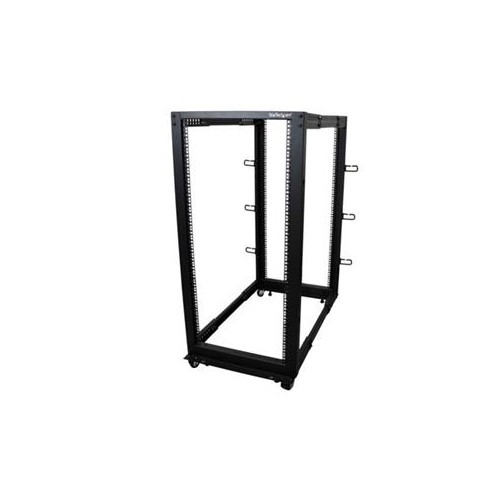 Your price for this item is $581.68
 -
 Your price for this item is $1303.99
 -
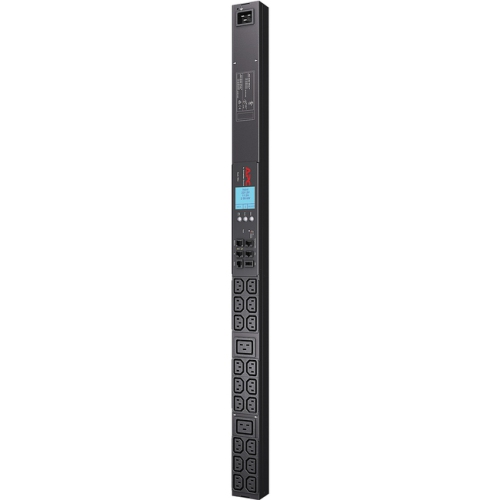 Your price for this item is $867.99
 -
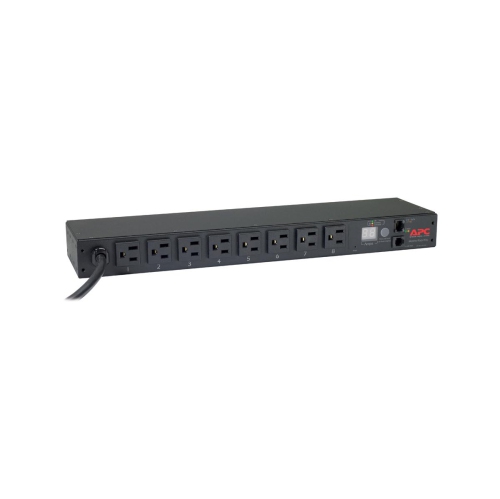 Your price for this item is $748.99
 -
 Your price for this item is $250.68
 -
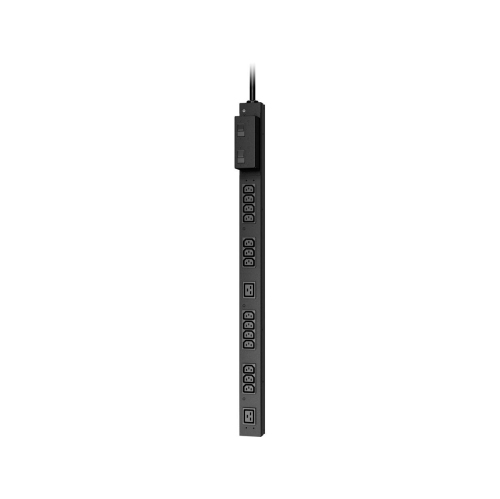 Your price for this item is $407.99
 -
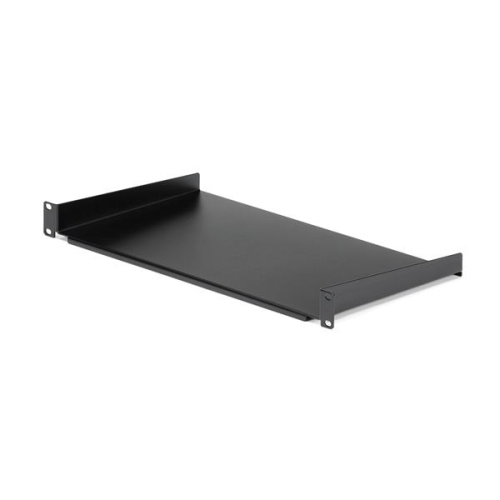 Your price for this item is $54.99
 -
 Your price for this item is $102.99
Discover more categories related to Warehouse Equipment
Top Collections:
Pokemon Centers, Kindle Devices, Best Budget Office Chairs, Apple iPhones 16, Best Laptops for Writers, iPhone 15 Apple, Canon G7X Cameras, Refurbished Apple Laptops, Alarm Clock, Motorola Razr Phones
Some products may be subject to Environmental Handling Fees
(EHF) depending on your province.
Learn more about EHFs.