Shop Equipment
Whether you're a seasoned DIY enthusiast, a professional contractor, or someone who simply enjoys tackling home improvement projects, having the right equipment is essential for getting the job done efficiently and effectively. Our selection of equipment covers a wide range of needs, from power tools and hand tools to safety gear and storage solutions. With top-quality products designed to meet various requirements, you can find everything you need to equip your workshop or garage with the tools necessary to bring your projects to life.
Sort
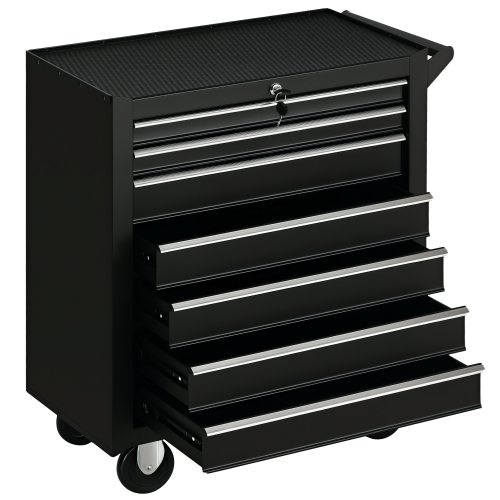
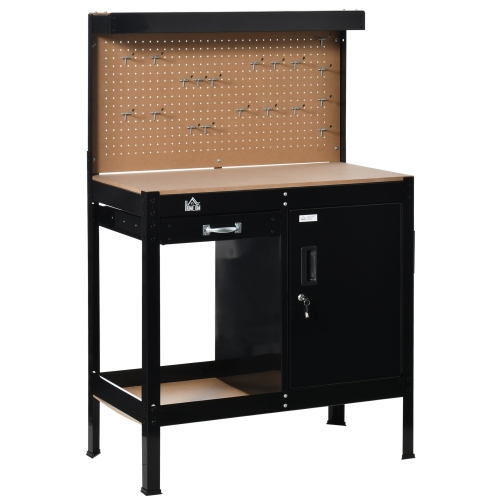
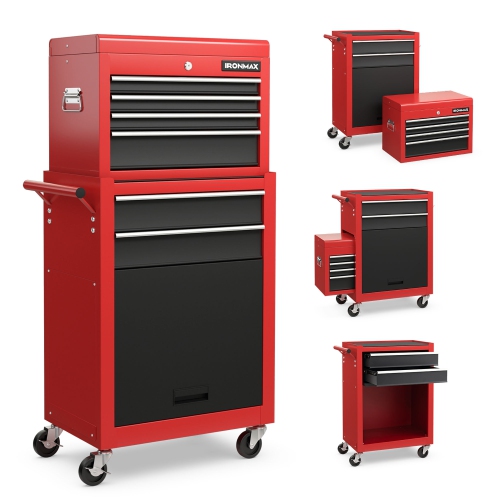
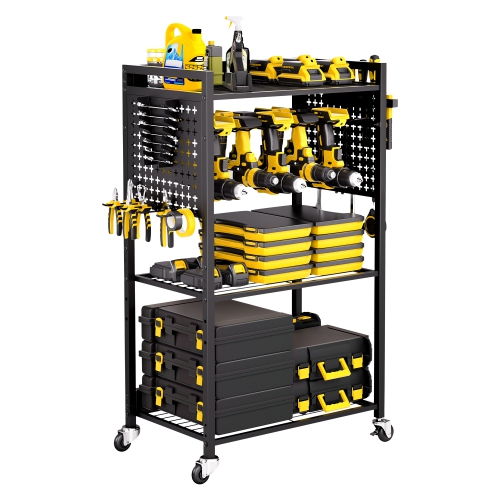
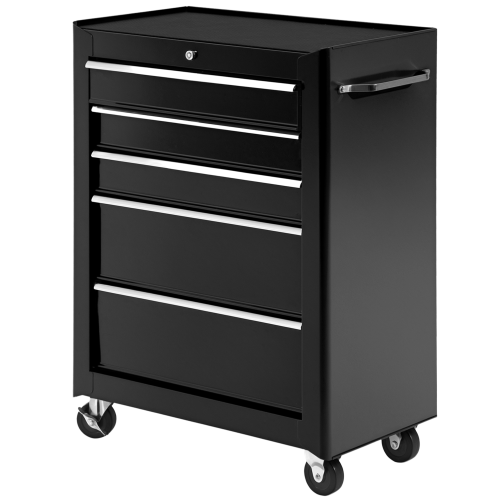
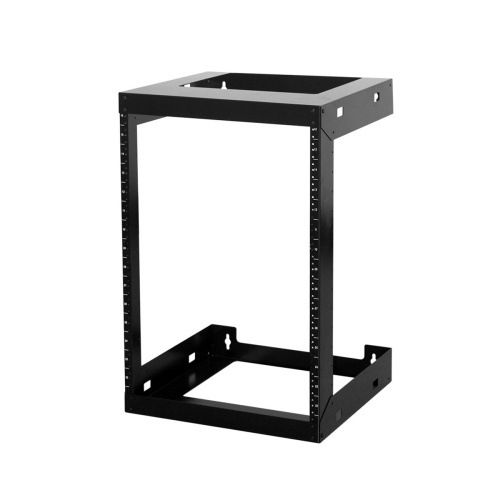
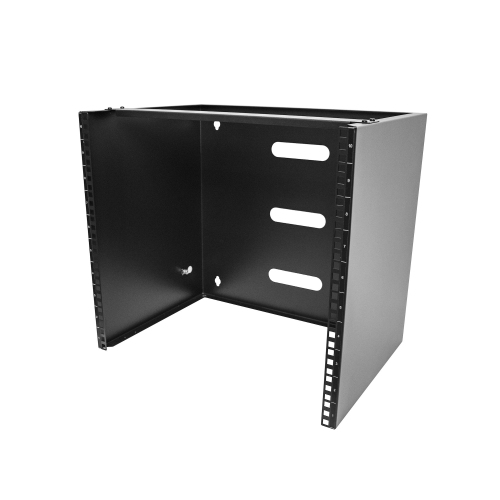
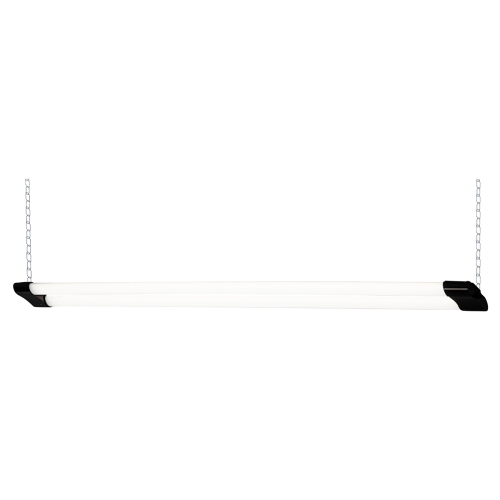
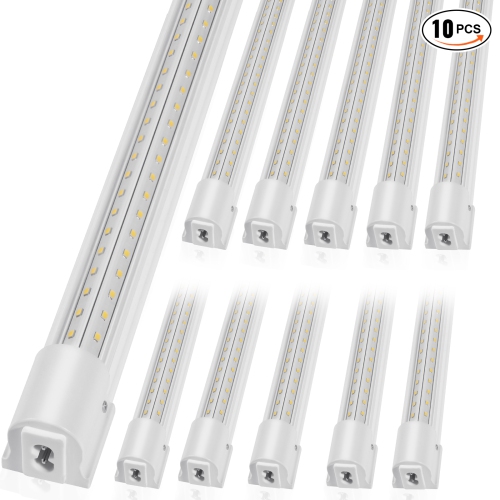
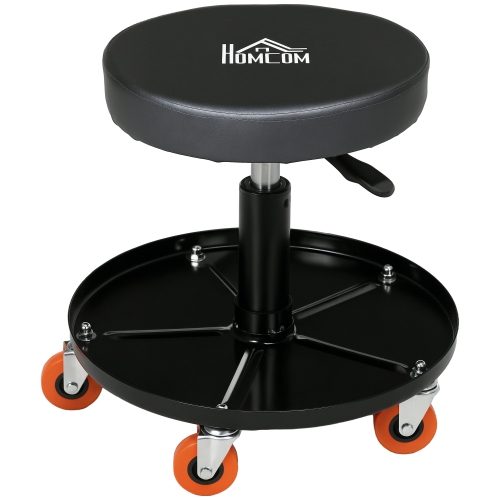
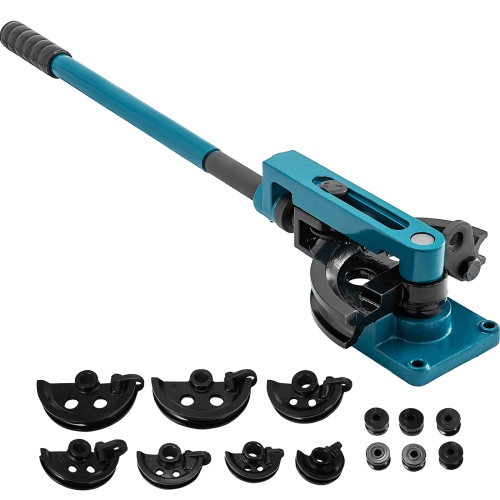
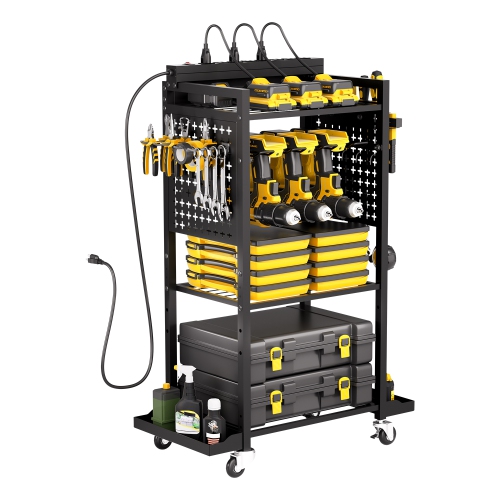
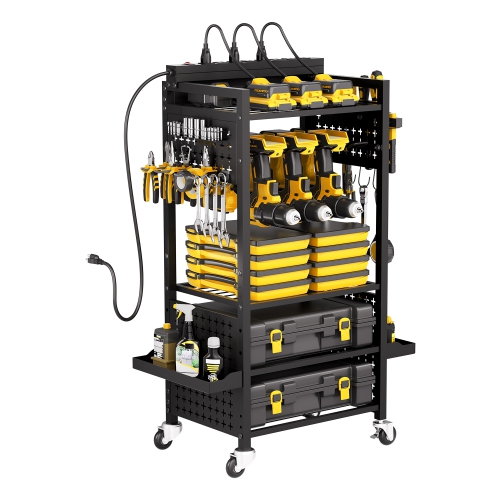
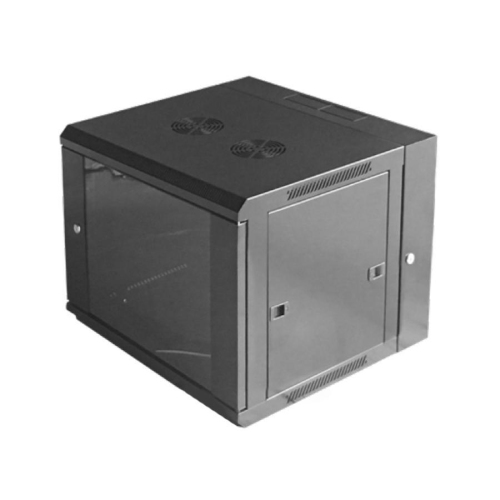
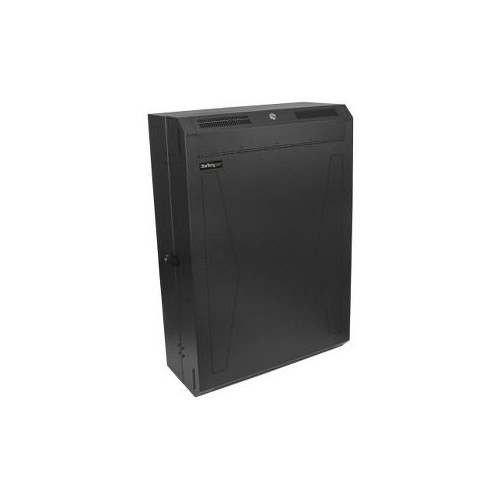
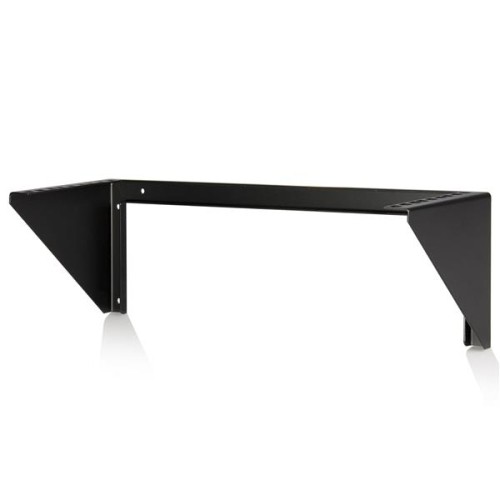
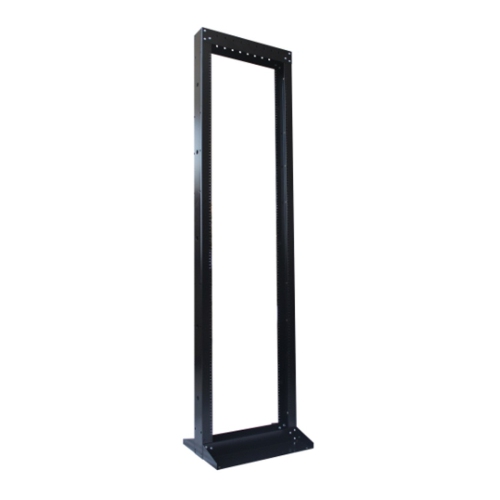
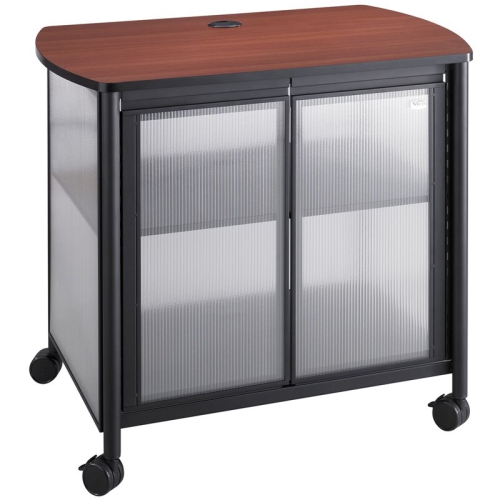
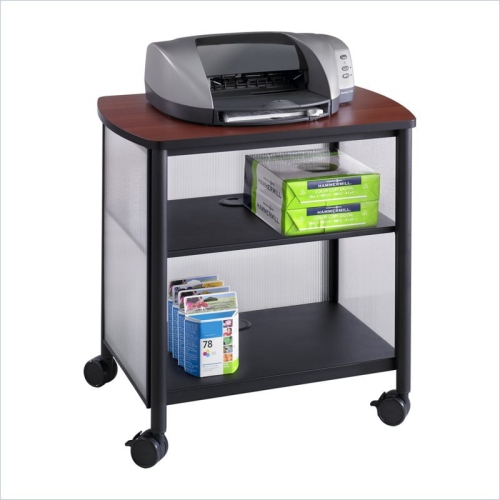
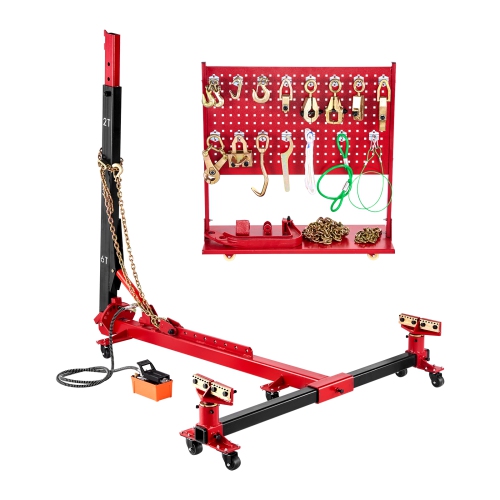

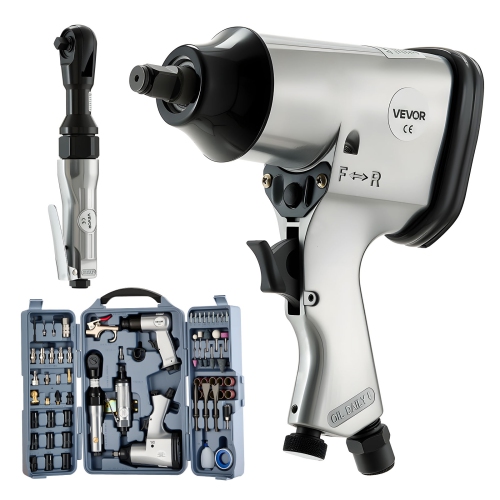
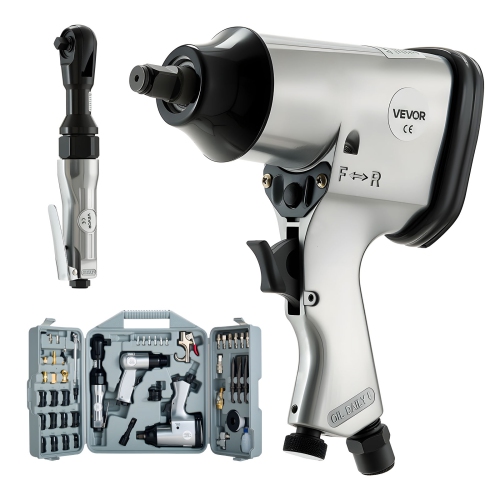
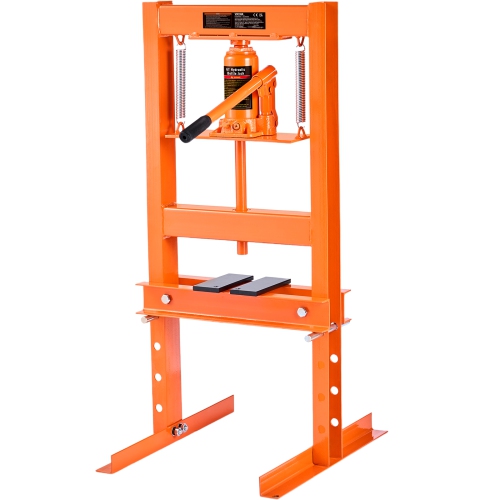
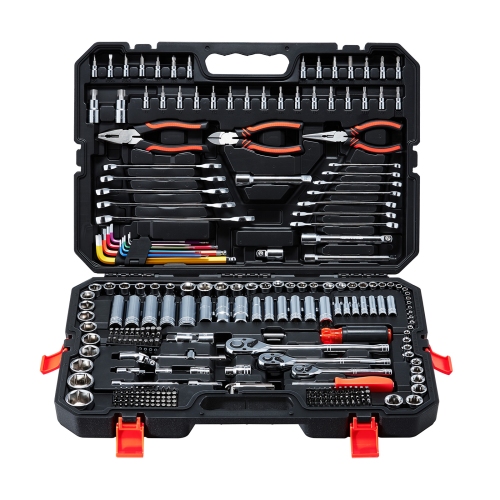



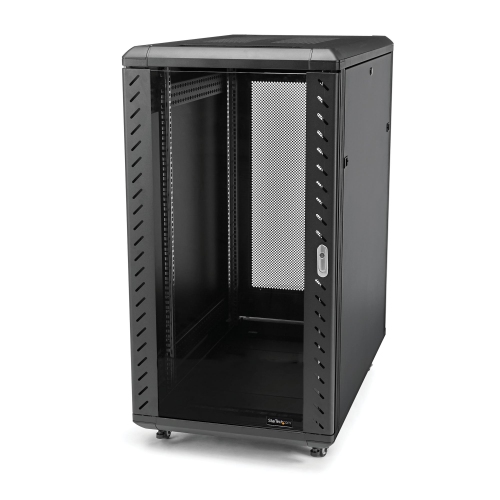
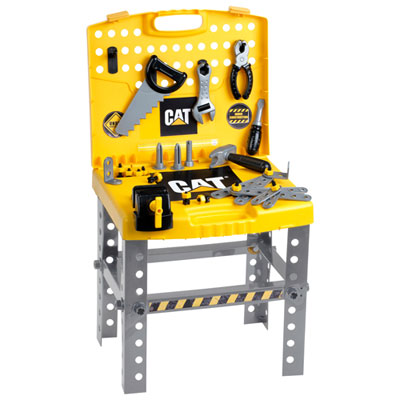
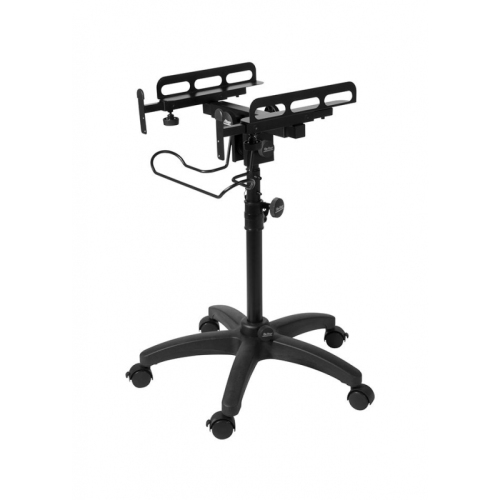


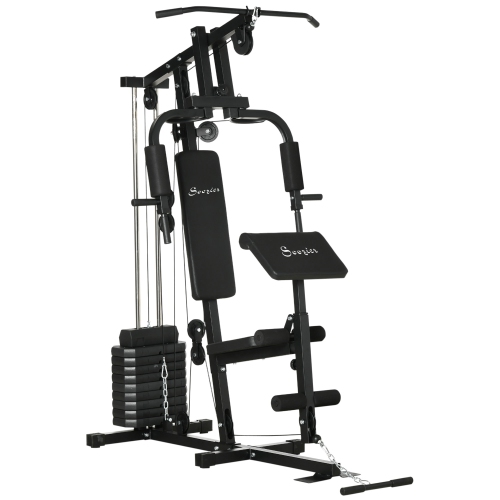

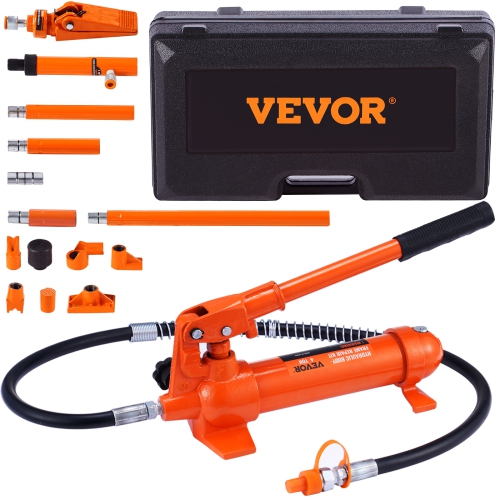
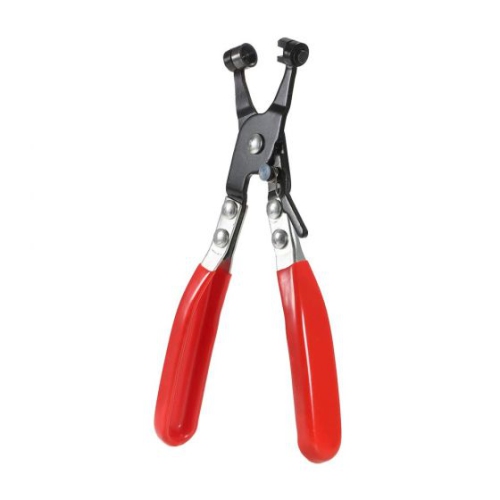
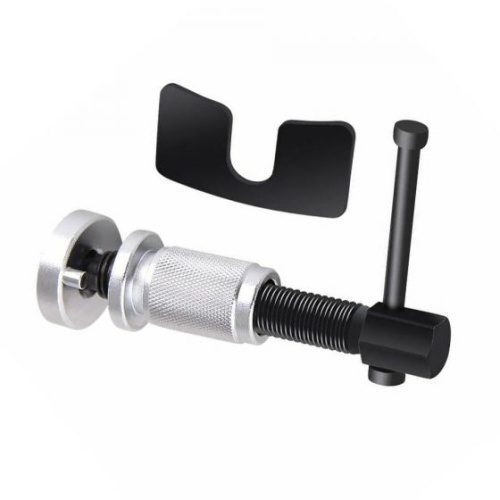

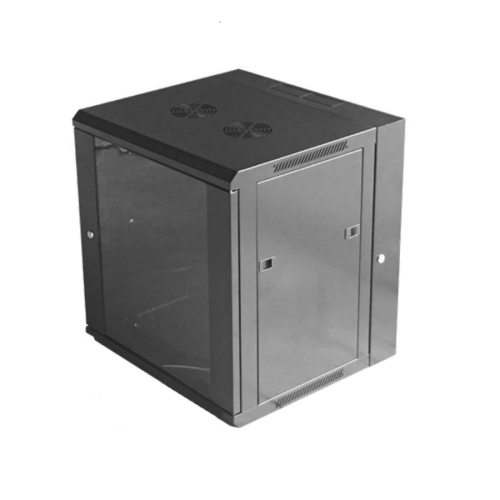
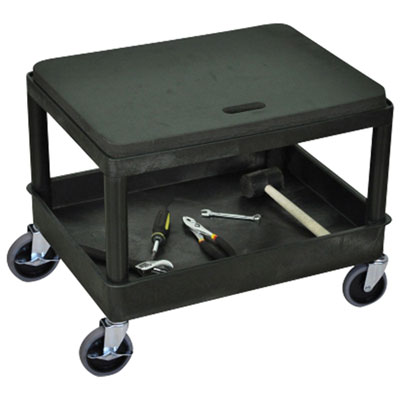
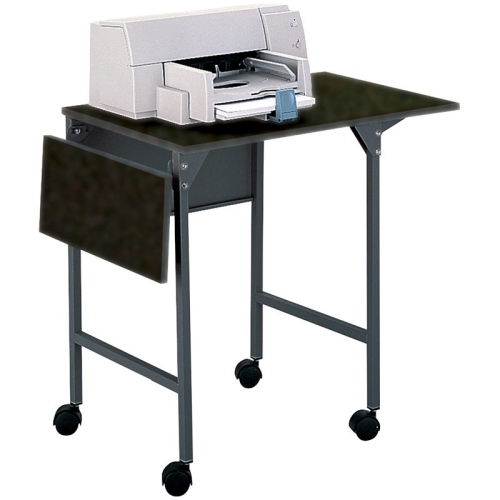
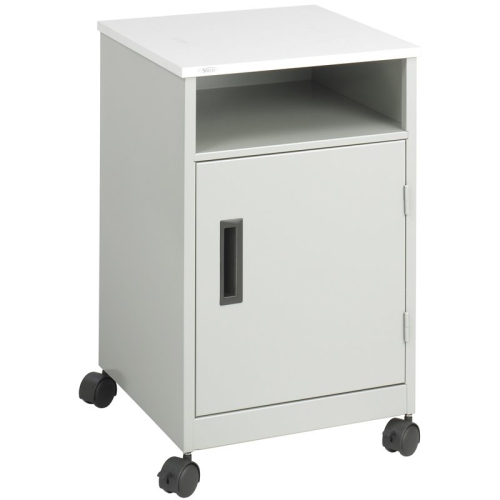
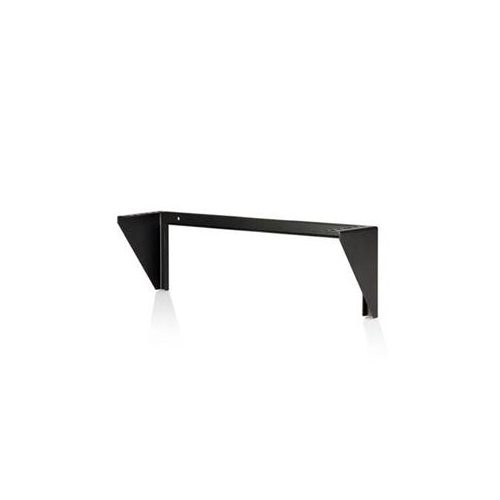
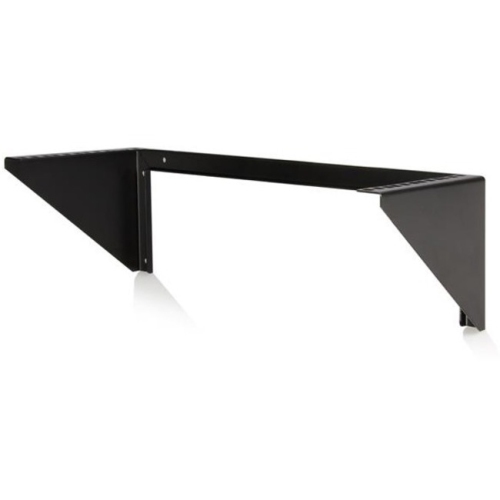


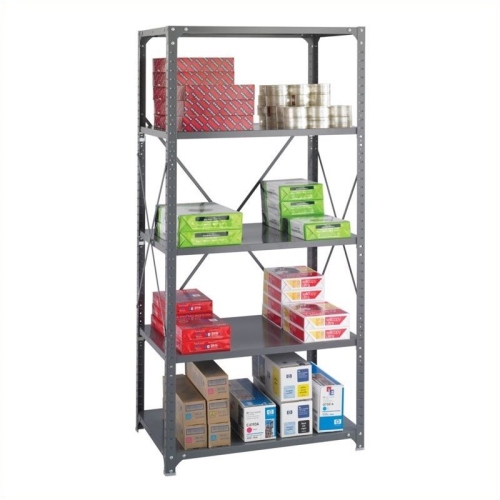
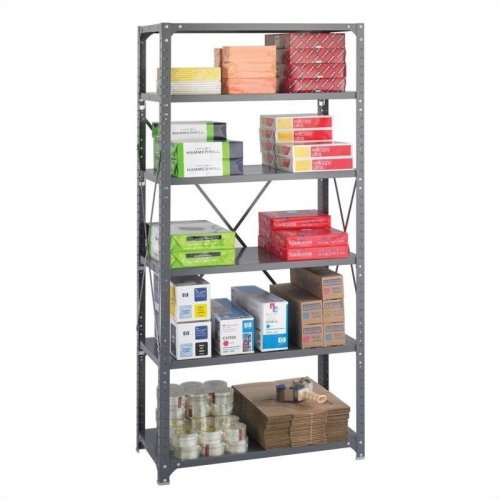

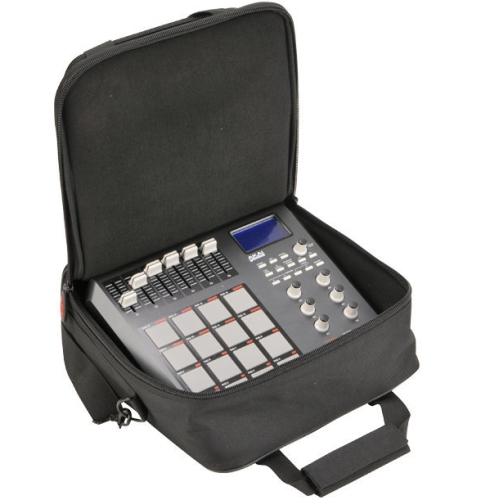
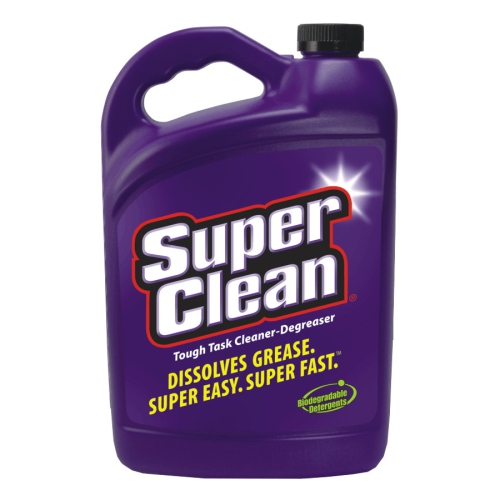
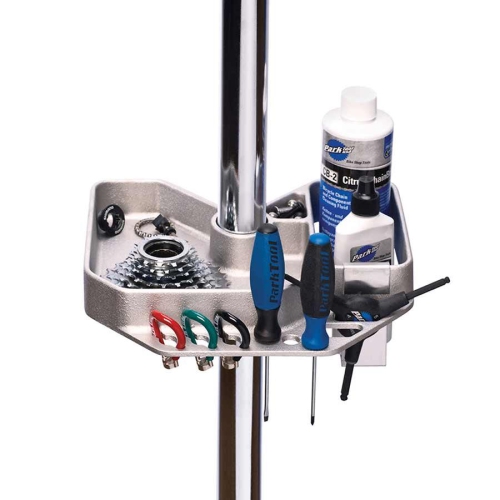
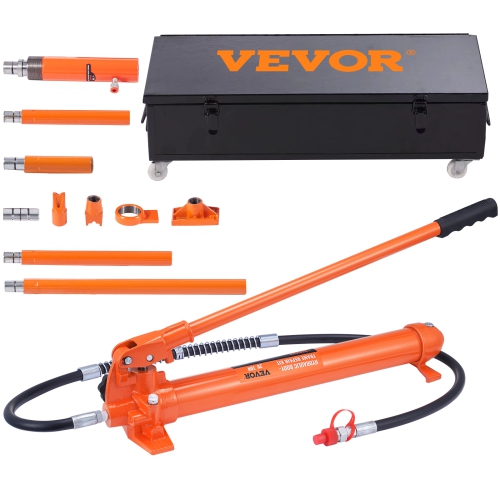
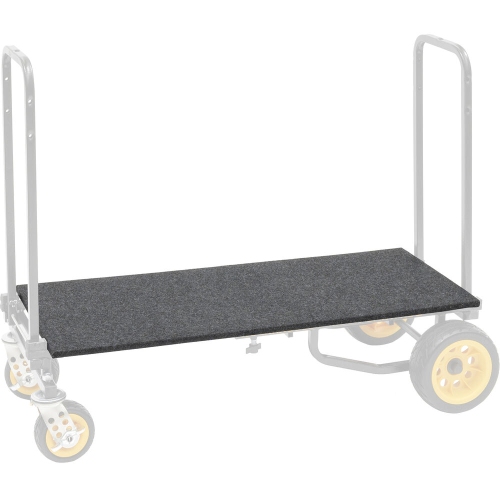

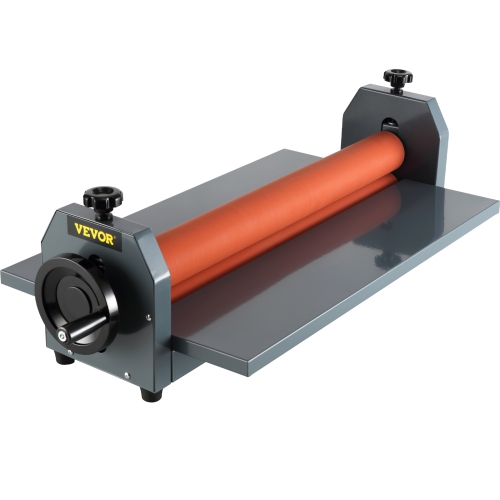

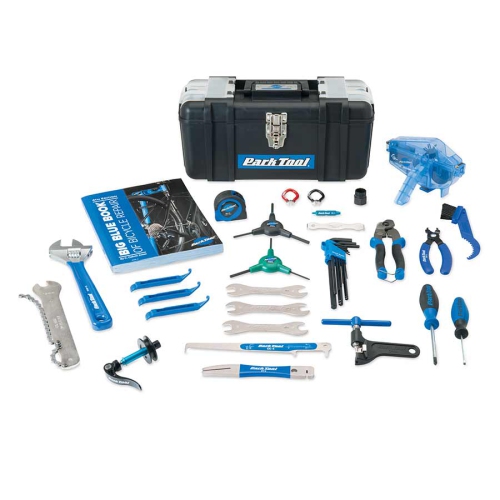
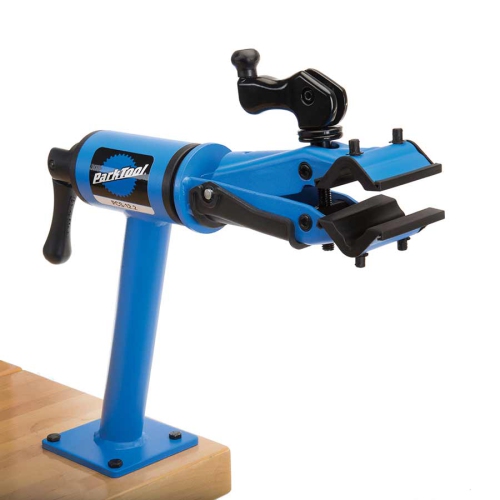
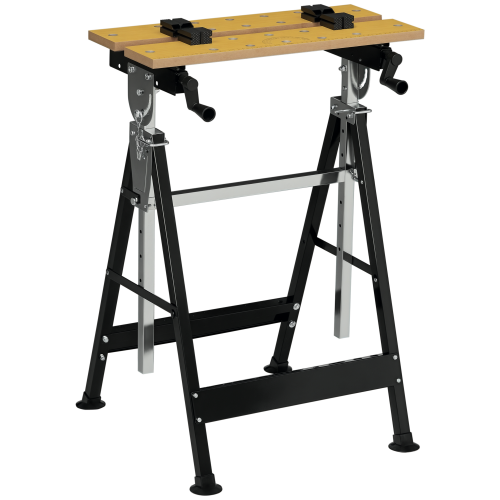
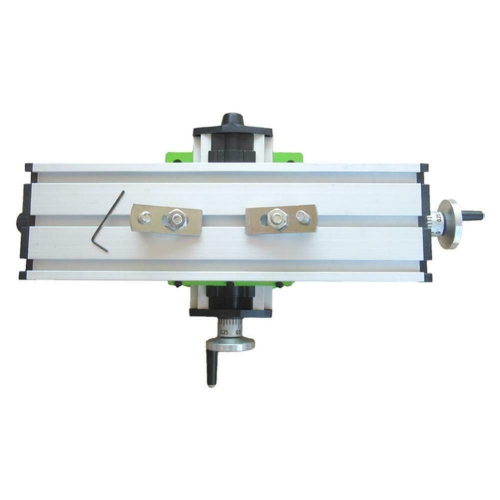
The right equipment supports safer, more efficient shop work
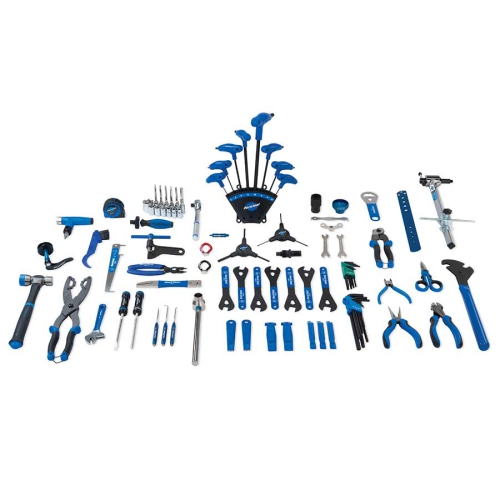
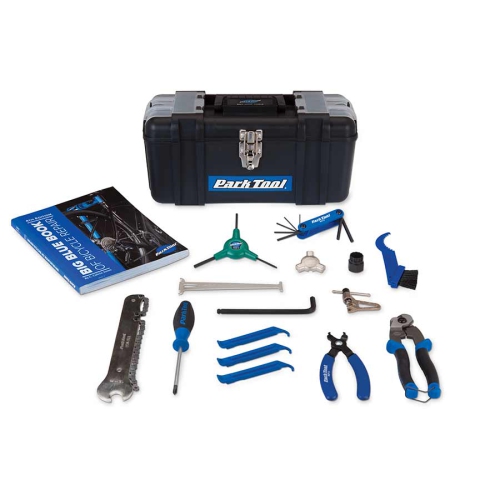
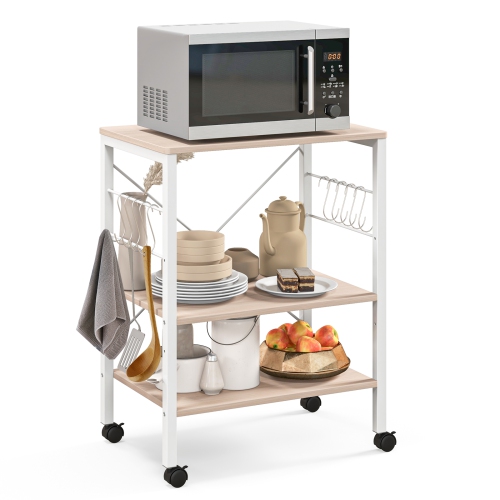
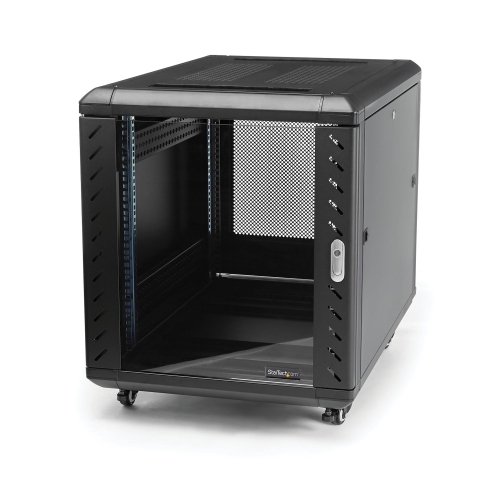
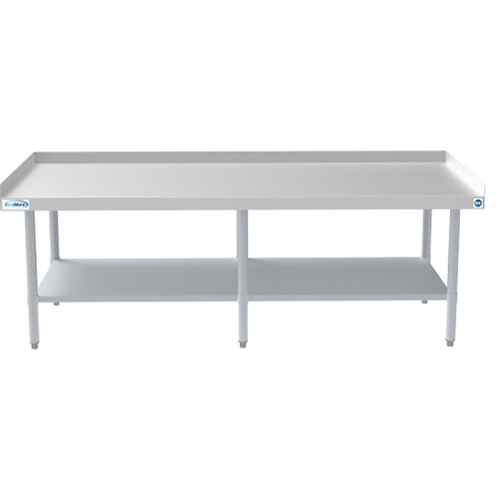
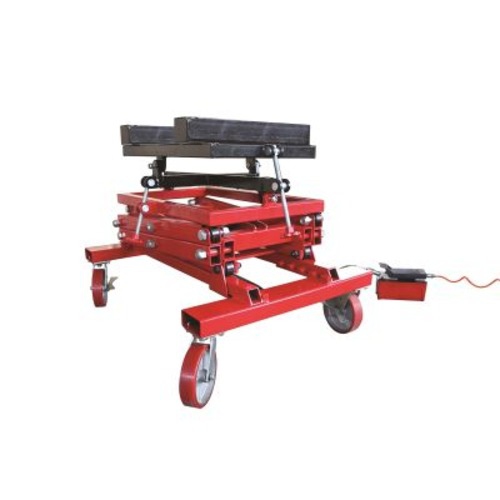
Shop equipment brings structure, strength, and efficiency to spaces used for automotive repair, fabrication, maintenance, woodworking, and hands-on projects. A well-equipped shop can be a professional service area, a small business workspace, a farm or property-maintenance garage, or a dedicated home workshop where tools and materials are always within reach. Essential shop equipment often includes heavy-duty workbenches, storage systems, lifting and jacking equipment, hydraulic presses, compressed air setups, fluid-management tools, and precision measuring equipment. Each category serves a different purpose, but the best results come from considering how the pieces work together. A solid workbench provides a stable surface for assembly, repair, and fabrication, while drawers, cabinets, pegboards, and shelving help keep frequently used tools organized. For spaces that handle heavier loads, look for reinforced frames, durable work surfaces, suitable weight capacities, and levelling features that help maintain stability on uneven floors. Lifting systems and floor jacks can make access beneath vehicles or machinery more practical, but capacity, lift height, clearance, and floor requirements should always match the equipment being raised. Transmission jacks and other specialized lifting supports can help position bulky components with greater control. Safety is equally important: use lifting equipment on an appropriate surface, follow the manufacturer’s operating instructions, and pair it with properly rated stands or supports whenever a load must remain elevated. For buyers setting up a shared commercial space, it is also useful to plan clear walkways and dedicated zones for lifting, cutting, grinding, assembly, and storage. A thoughtful layout reduces unnecessary movement and makes it easier to return tools to the same place after a long job.
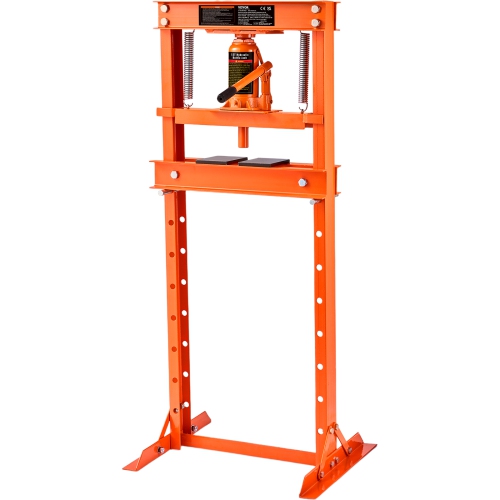
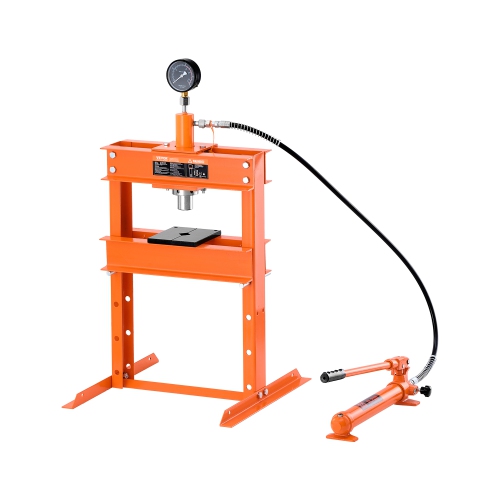
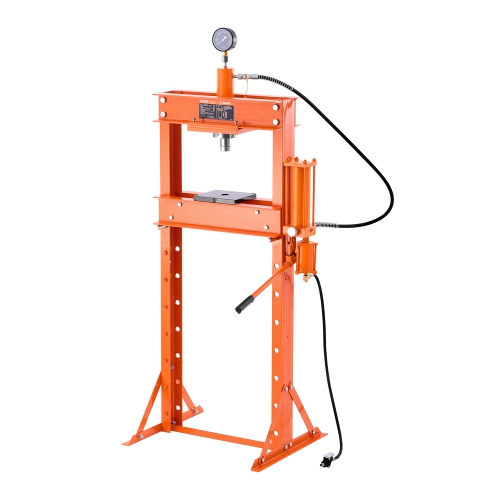
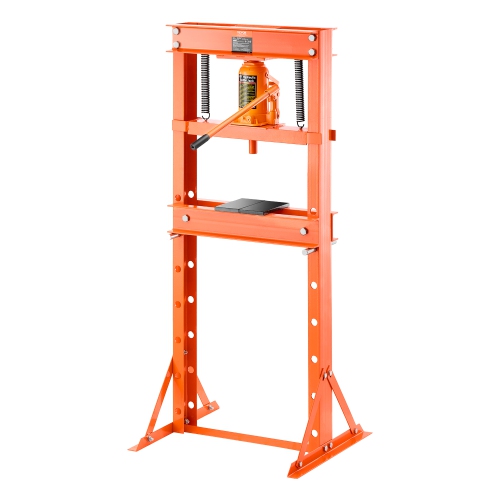
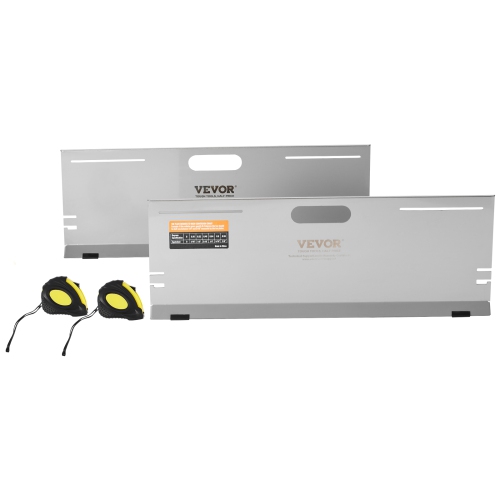
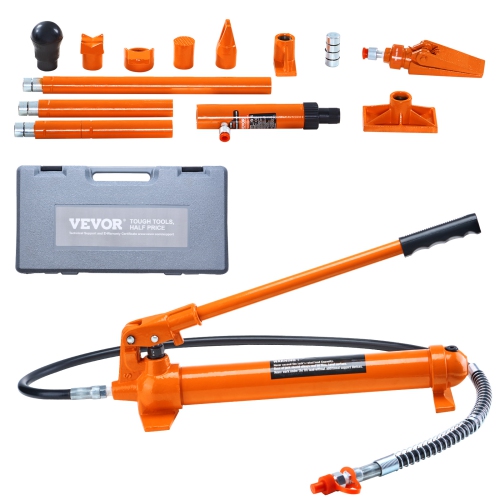
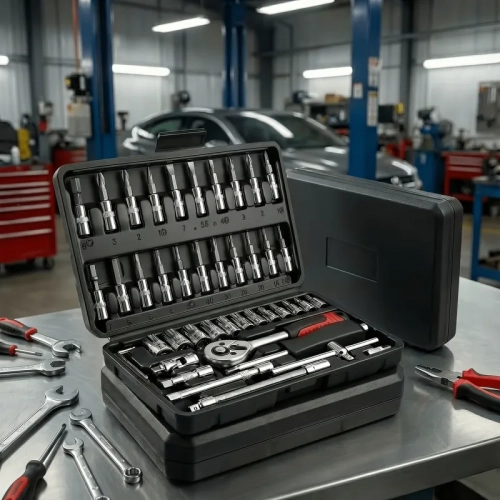
Compressed air equipment is another important part of many shops, particularly where pneumatic tools, inflation, cleaning, spraying, or air-powered fastening are part of the routine. When choosing an air compressor, compare tank capacity, maximum pressure, air delivery, duty cycle, noise level, and available electrical service rather than focusing on one specification alone. A compressor with enough air delivery for the intended tools can maintain more consistent performance, while a larger tank may reduce how often the motor cycles during intermittent work. Hoses, reels, couplers, filters, regulators, and moisture separators also contribute to a dependable setup. In a compact shop, a carefully positioned compressor and wall-mounted hose storage can preserve valuable floor space; in a larger workspace, fixed air lines may make it easier to serve multiple work areas. Metalworking and mechanical work often call for hydraulic shop presses, which can assist with bending, straightening, forming, bearing removal, and other controlled applications. Press capacity, throat depth, working range, table adjustment, and frame construction should be selected according to the size and force requirements of the jobs ahead. Fluid-management equipment can make oil changes, coolant service, and other maintenance tasks more orderly by providing suitable collection, transfer, or exchange options. Consider the type and volume of fluid handled, the height of the equipment being serviced, the container capacity, and how easily the unit can be moved or emptied. Precision tools are just as valuable as heavy equipment. Calipers, gauges, torque tools, levels, squares, inspection lights, and measuring accessories help confirm that parts are aligned, fasteners are tightened appropriately, and finished work meets the required dimensions. For anyone expanding a workshop, these details can be the difference between equipment that simply occupies space and a setup that supports smooth, repeatable work from the first task of the day to the final cleanup.
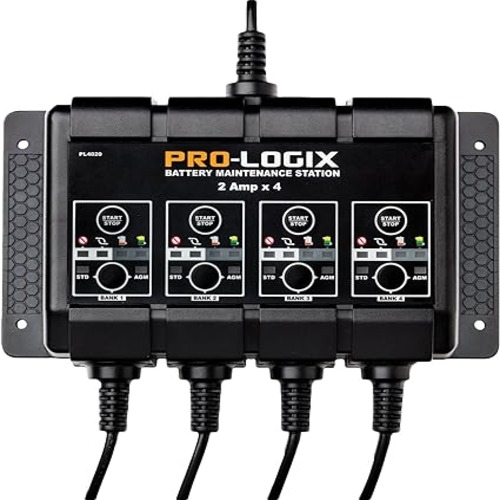
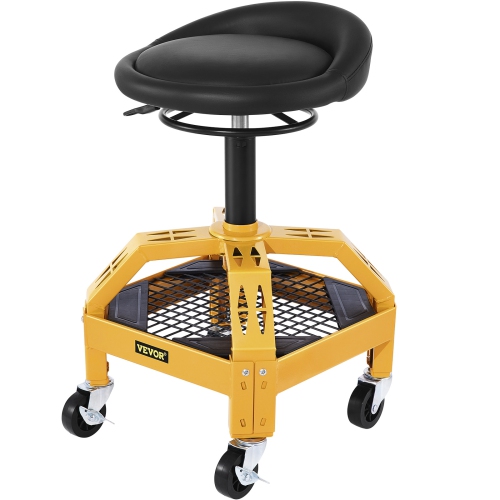
The right selection depends on the shop’s purpose, available room, power supply, floor strength, storage needs, and the materials or vehicles being handled. An automotive workspace may prioritize vehicle lifts, low-profile jacks, transmission supports, air tools, oil drains, battery service equipment, and mobile storage, while a fabrication area may place greater emphasis on welding tables, metalworking presses, vises, clamps, grinders, cutting accessories, and precise layout tools. A woodworking shop may need sturdy assembly surfaces, dust-management equipment, material supports, and storage that keeps boards and hand tools accessible without obstructing the work area. General maintenance spaces can benefit from versatile benches, rolling carts, shelving, portable lighting, and multi-purpose tools that adapt to different repairs. Measure doorways, aisles, ceiling height, and available wall space before bringing in large equipment, and leave enough room to load materials, open drawers, position vehicles, and work safely around moving parts. Weight ratings should be treated as a practical requirement, not a suggestion, particularly for benches, shelving, lifts, carts, and storage cabinets. For households or small businesses that are creating a workshop during the cooler months, equipment that improves organization and reduces setup time can make indoor projects more comfortable and productive, whether the space is used for routine maintenance, restoring a vehicle, building furniture, or preparing materials for a larger job. Shop equipment can also be a thoughtful choice for an experienced mechanic, tradesperson, hobbyist, property owner, or new business owner who is building a capable workspace piece by piece. Buyers comparing options for larger facilities may also want to explore Warehouse Equipment for additional ways to organize, move, and manage inventory or materials. By matching each purchase to the work being performed, the people using the space, and the conditions of the shop, it becomes easier to create a dependable environment that supports accurate results, safer handling, and less time spent searching for the right tool.
Compressed air equipment is another important part of many shops, particularly where pneumatic tools, inflation, cleaning, spraying, or air-powered fastening are part of the routine. When choosing an air compressor, compare tank capacity, maximum pressure, air delivery, duty cycle, noise level, and available electrical service rather than focusing on one specification alone. A compressor with enough air delivery for the intended tools can maintain more consistent performance, while a larger tank may reduce how often the motor cycles during intermittent work. Hoses, reels, couplers, filters, regulators, and moisture separators also contribute to a dependable setup. In a compact shop, a carefully positioned compressor and wall-mounted hose storage can preserve valuable floor space; in a larger workspace, fixed air lines may make it easier to serve multiple work areas. Metalworking and mechanical work often call for hydraulic shop presses, which can assist with bending, straightening, forming, bearing removal, and other controlled applications. Press capacity, throat depth, working range, table adjustment, and frame construction should be selected according to the size and force requirements of the jobs ahead. Fluid-management equipment can make oil changes, coolant service, and other maintenance tasks more orderly by providing suitable collection, transfer, or exchange options. Consider the type and volume of fluid handled, the height of the equipment being serviced, the container capacity, and how easily the unit can be moved or emptied. Precision tools are just as valuable as heavy equipment. Calipers, gauges, torque tools, levels, squares, inspection lights, and measuring accessories help confirm that parts are aligned, fasteners are tightened appropriately, and finished work meets the required dimensions. For anyone expanding a workshop, these details can be the difference between equipment that simply occupies space and a setup that supports smooth, repeatable work from the first task of the day to the final cleanup.
The right selection depends on the shop’s purpose, available room, power supply, floor strength, storage needs, and the materials or vehicles being handled. An automotive workspace may prioritize vehicle lifts, low-profile jacks, transmission supports, air tools, oil drains, battery service equipment, and mobile storage, while a fabrication area may place greater emphasis on welding tables, metalworking presses, vises, clamps, grinders, cutting accessories, and precise layout tools. A woodworking shop may need sturdy assembly surfaces, dust-management equipment, material supports, and storage that keeps boards and hand tools accessible without obstructing the work area. General maintenance spaces can benefit from versatile benches, rolling carts, shelving, portable lighting, and multi-purpose tools that adapt to different repairs. Measure doorways, aisles, ceiling height, and available wall space before bringing in large equipment, and leave enough room to load materials, open drawers, position vehicles, and work safely around moving parts. Weight ratings should be treated as a practical requirement, not a suggestion, particularly for benches, shelving, lifts, carts, and storage cabinets. For households or small businesses that are creating a workshop during the cooler months, equipment that improves organization and reduces setup time can make indoor projects more comfortable and productive, whether the space is used for routine maintenance, restoring a vehicle, building furniture, or preparing materials for a larger job. Shop equipment can also be a thoughtful choice for an experienced mechanic, tradesperson, hobbyist, property owner, or new business owner who is building a capable workspace piece by piece. Buyers comparing options for larger facilities may also want to explore Warehouse Equipment for additional ways to organize, move, and manage inventory or materials. By matching each purchase to the work being performed, the people using the space, and the conditions of the shop, it becomes easier to create a dependable environment that supports accurate results, safer handling, and less time spent searching for the right tool.
Top selling and popular products
-
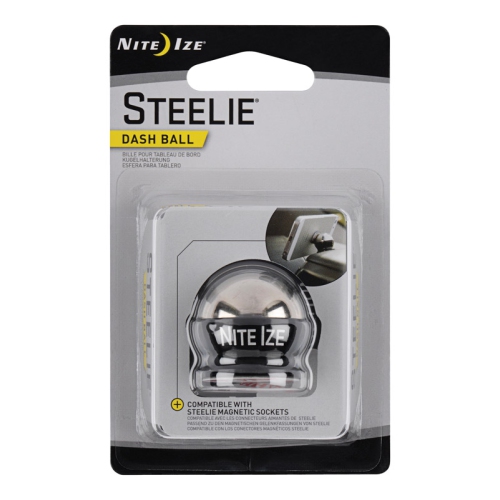 Your price for this item is $26.99
 -
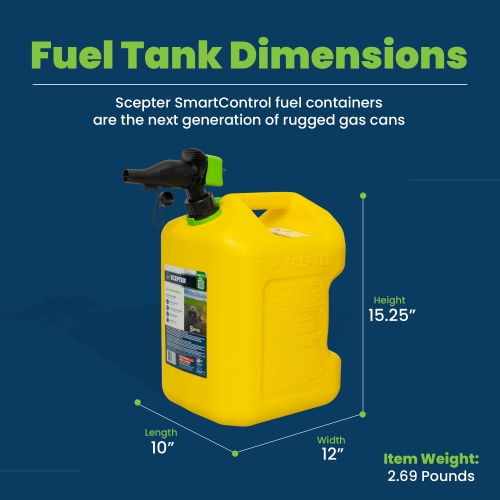 Your price for this item is $104.99
 -
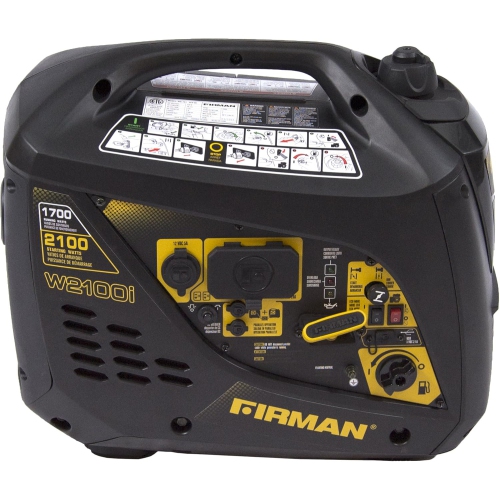 Your price for this item is $854.05
 -
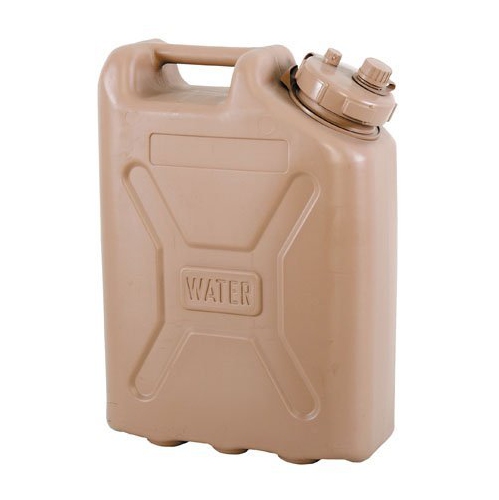 Your price for this item is $130.99
 -
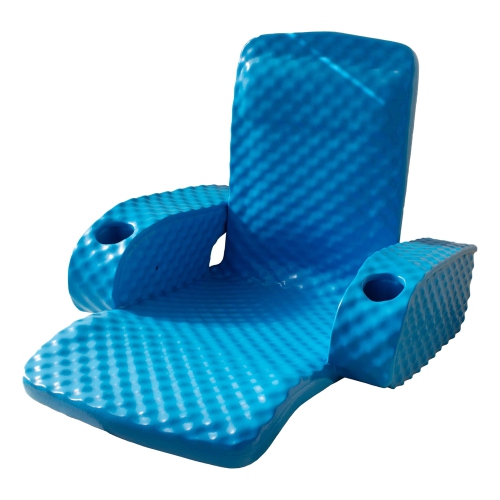 Your price for this item is $1505.99
 -
 Your price for this item is $232.99
 -
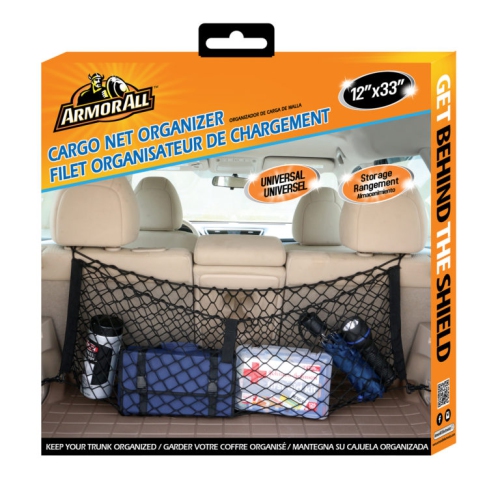 Your price for this item is $46.71
 -
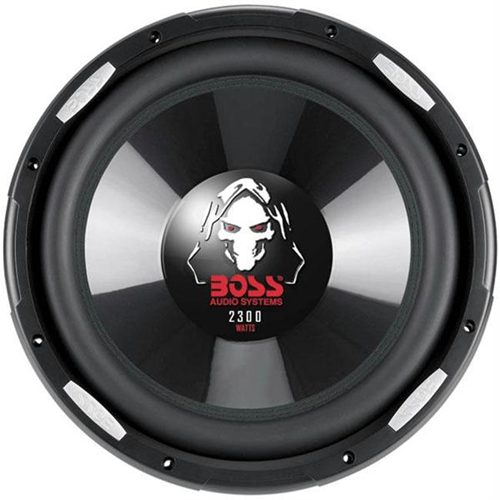 Your price for this item is $161.99
Discover more categories related to Shop Equipment
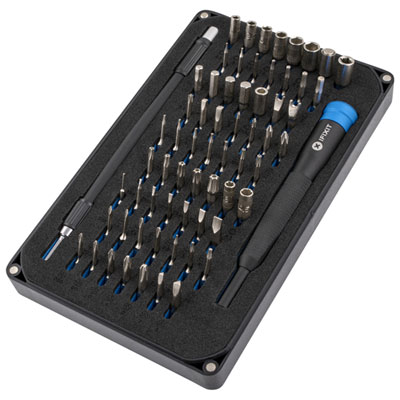
Top Collections:
Pokemon Centers, Kindle Devices, Best Budget Office Chairs, Apple iPhones 16, Best Laptops for Writers, iPhone 15 Apple, Canon G7X Cameras, Refurbished Apple Laptops, Alarm Clock, Motorola Razr Phones
Some products may be subject to Environmental Handling Fees
(EHF) depending on your province.
Learn more about EHFs.