Wireless Technologies
Welcome to the world of wireless technologies, where freedom and convenience meet innovation. Whether you're looking to enhance your audio experience, streamline your home network, or stay connected on the go, Best Buy has a wide range of cutting-edge wireless solutions to suit your needs. From wireless headphones and speakers to routers and smart home devices, our curated selection offers the latest advancements in wireless technology. Say goodbye to tangled cords and hello to seamless connectivity as you explore our diverse range of wireless products designed to elevate your digital lifestyle.
Sort
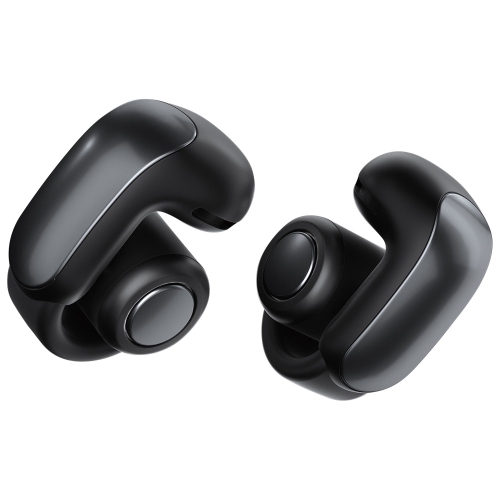
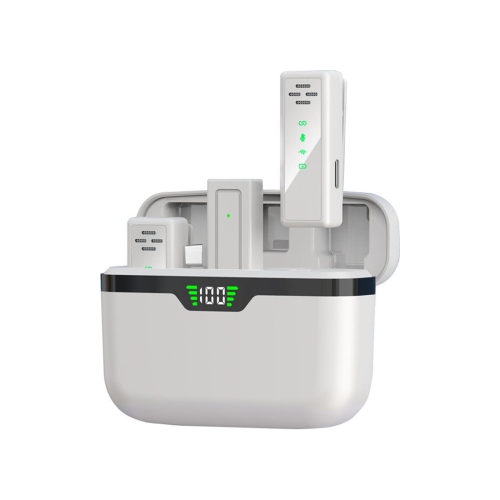
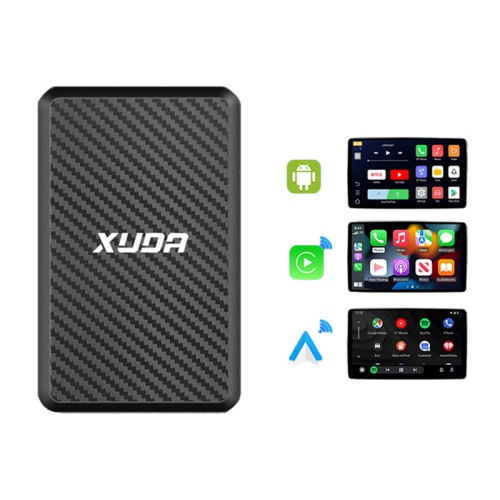
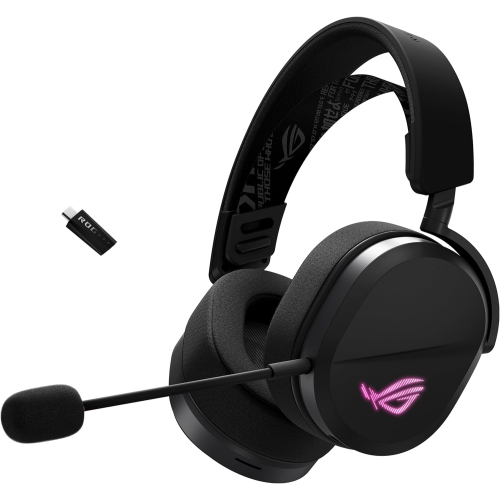
How different wireless connections support everyday devices and routines
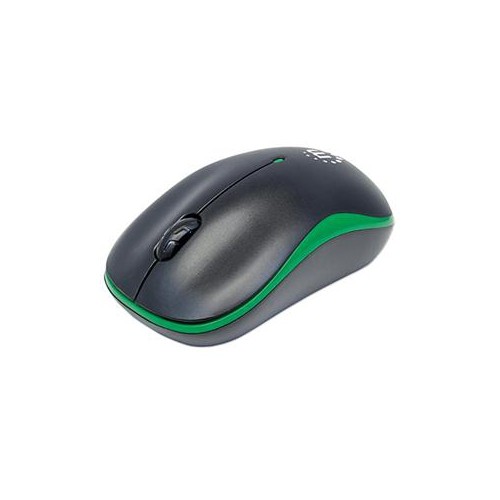
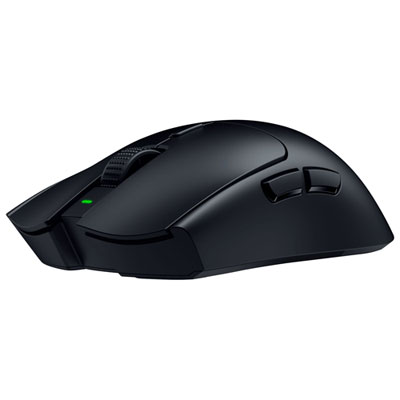
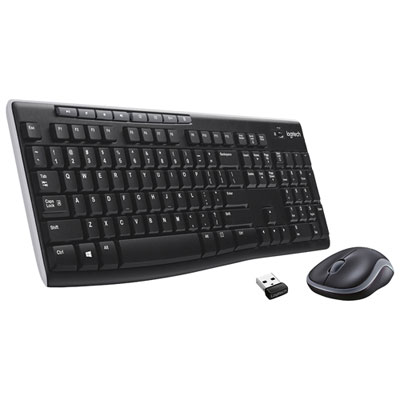
Wireless technologies make it possible for devices to exchange data without a physical cable, using radio waves, infrared light or other wireless signals to connect people, equipment and networks. This broad category includes familiar connections such as Wi-Fi and Bluetooth, as well as cellular, satellite, NFC, Zigbee, Z-Wave and LoRaWAN technologies. Each one is designed for a different type of connection. Wi-Fi links computers, phones, televisions, appliances and other devices to a local network, making it a practical choice for internet access throughout a home, apartment, classroom or workplace. Bluetooth is intended for shorter distances and is commonly used to connect personal accessories such as headphones, speakers, keyboards, mice, game controllers and fitness trackers. NFC works over an extremely short range, allowing compatible devices to exchange small amounts of information when they are held close together, such as during tap-to-pay transactions or quick accessory pairing. Cellular networks, including 4G and 5G, provide calls, messaging and mobile internet while people are away from a home or office network. Satellite technology can support GPS navigation, remote communication and long-distance data transmission in places where traditional wired or terrestrial networks may not be available. In a connected home, Zigbee and Z-Wave use relatively low power to help coordinate lights, locks, sensors and other compatible devices, while LoRaWAN is built to send small amounts of sensor data across long distances for applications such as agriculture, facilities management and industrial monitoring. Together, these technologies form the foundation of many everyday connections, from a phone receiving directions on a walk to a smart sensor reporting a change in temperature.
When choosing wireless technology products, start by considering the way the connection will be used rather than focusing on the newest specification alone. For home networking, check the size and layout of the space, the number of connected devices and the types of activities taking place at the same time. A busy household may need strong coverage and sufficient capacity for video calls, streaming, online learning, gaming, smart appliances and work devices to operate together. Walls, floors, metal surfaces and household appliances can affect signal strength, so placement is important; a router or access point positioned in a central, open area will generally provide more even coverage than one tucked behind furniture or placed at the far edge of a home. For personal accessories, compatibility, comfort, range and battery life can matter more than maximum speed. Check which operating systems, devices and connection standards are supported, and look for features that simplify pairing or allow more than one device to connect. For mobile and remote use, consider network coverage in the areas where the device will travel, along with data requirements, charging options and whether the connection must remain dependable indoors, outdoors or while moving. Wireless security deserves equal attention. Choose equipment that supports modern encryption, update its firmware when updates are available, use a strong and unique network password, and review privacy and permission settings before connecting a new device. It is also helpful to keep the different roles of each technology in mind: Wi-Fi is generally suited to local, higher-bandwidth networking; Bluetooth is useful for close-range personal connections; NFC is designed for brief, near-contact exchanges; cellular is intended for mobile coverage over a wide area; and satellite can extend connectivity beyond ordinary network infrastructure. Understanding these distinctions can make setup easier and help prevent disappointment caused by expecting one type of wireless connection to perform like another.
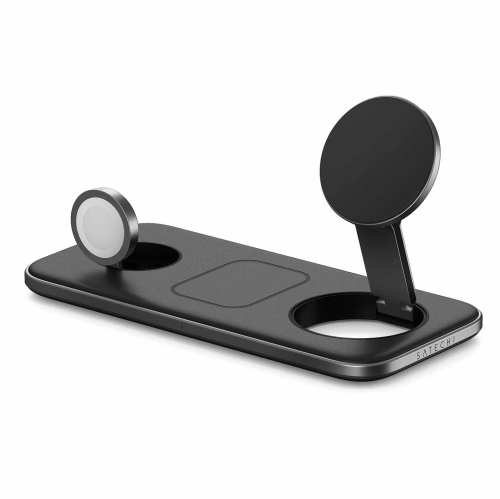
Wireless technology can be useful for a wide range of people and can make a thoughtful gift when it matches someone’s routine. A student moving between home, campus and study spaces may appreciate dependable ways to connect a computer, phone and accessories, while a commuter or frequent traveller may value compact devices that reduce cable clutter and make calls, navigation or entertainment easier on the go. Families often use wireless connections to coordinate work, school, streaming and communication across several rooms, and older adults may benefit from straightforward pairing, clear controls and reliable access to calls or online services. For someone settling into a new home during the cooler months, wireless networking and connected home accessories can help create a comfortable setup without requiring cables across floors and doorways. A fitness enthusiast may use wireless technology to connect a tracker or audio accessory during walks, indoor workouts or outdoor training, while a hobbyist may enjoy experimenting with sensors, automation and device-to-device connections. Wireless products can also be a practical graduation gift; the selection at Graduation Wireless Technology can help shoppers find options suited to study, work, travel and independent living. Before buying for someone else, consider the devices they already own, how confident they are with setup, and whether they prefer a simple connection or more control over settings. For any purchase, compare range, speed, supported standards, battery performance, charging method, durability and warranty details, and confirm that the product will work with the person’s existing network or devices. A little attention to compatibility can turn a wireless accessory from an unused item in a drawer into something that becomes part of a daily routine, whether it helps start a video call from a quiet corner, keeps a phone connected during a trip or quietly manages a home while everyone gets on with their day.
When choosing wireless technology products, start by considering the way the connection will be used rather than focusing on the newest specification alone. For home networking, check the size and layout of the space, the number of connected devices and the types of activities taking place at the same time. A busy household may need strong coverage and sufficient capacity for video calls, streaming, online learning, gaming, smart appliances and work devices to operate together. Walls, floors, metal surfaces and household appliances can affect signal strength, so placement is important; a router or access point positioned in a central, open area will generally provide more even coverage than one tucked behind furniture or placed at the far edge of a home. For personal accessories, compatibility, comfort, range and battery life can matter more than maximum speed. Check which operating systems, devices and connection standards are supported, and look for features that simplify pairing or allow more than one device to connect. For mobile and remote use, consider network coverage in the areas where the device will travel, along with data requirements, charging options and whether the connection must remain dependable indoors, outdoors or while moving. Wireless security deserves equal attention. Choose equipment that supports modern encryption, update its firmware when updates are available, use a strong and unique network password, and review privacy and permission settings before connecting a new device. It is also helpful to keep the different roles of each technology in mind: Wi-Fi is generally suited to local, higher-bandwidth networking; Bluetooth is useful for close-range personal connections; NFC is designed for brief, near-contact exchanges; cellular is intended for mobile coverage over a wide area; and satellite can extend connectivity beyond ordinary network infrastructure. Understanding these distinctions can make setup easier and help prevent disappointment caused by expecting one type of wireless connection to perform like another.
Wireless technology can be useful for a wide range of people and can make a thoughtful gift when it matches someone’s routine. A student moving between home, campus and study spaces may appreciate dependable ways to connect a computer, phone and accessories, while a commuter or frequent traveller may value compact devices that reduce cable clutter and make calls, navigation or entertainment easier on the go. Families often use wireless connections to coordinate work, school, streaming and communication across several rooms, and older adults may benefit from straightforward pairing, clear controls and reliable access to calls or online services. For someone settling into a new home during the cooler months, wireless networking and connected home accessories can help create a comfortable setup without requiring cables across floors and doorways. A fitness enthusiast may use wireless technology to connect a tracker or audio accessory during walks, indoor workouts or outdoor training, while a hobbyist may enjoy experimenting with sensors, automation and device-to-device connections. Wireless products can also be a practical graduation gift; the selection at Graduation Wireless Technology can help shoppers find options suited to study, work, travel and independent living. Before buying for someone else, consider the devices they already own, how confident they are with setup, and whether they prefer a simple connection or more control over settings. For any purchase, compare range, speed, supported standards, battery performance, charging method, durability and warranty details, and confirm that the product will work with the person’s existing network or devices. A little attention to compatibility can turn a wireless accessory from an unused item in a drawer into something that becomes part of a daily routine, whether it helps start a video call from a quiet corner, keeps a phone connected during a trip or quietly manages a home while everyone gets on with their day.
Top selling and popular products
-
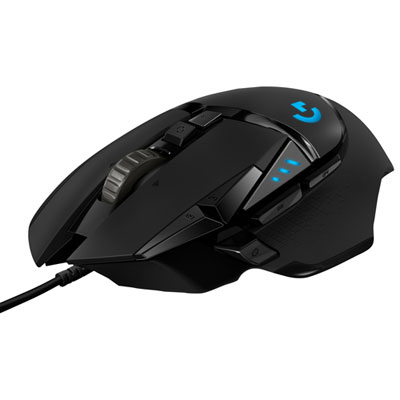 Your price for this item is $74.99
 -
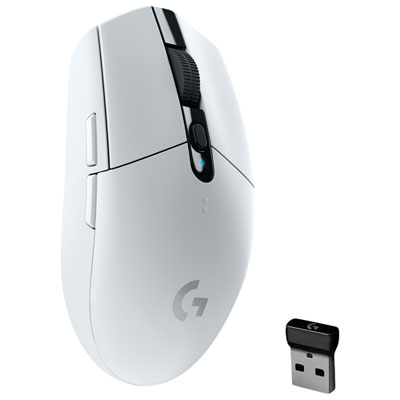 Your price for this item is $69.99
 -
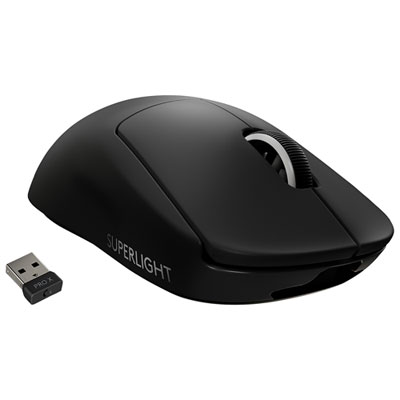 Your price for this item is $199.99
 -
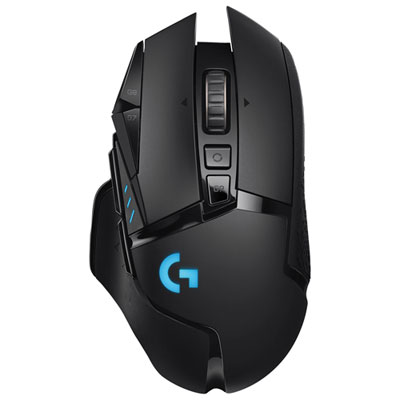 Your price for this item is $149.99
 -
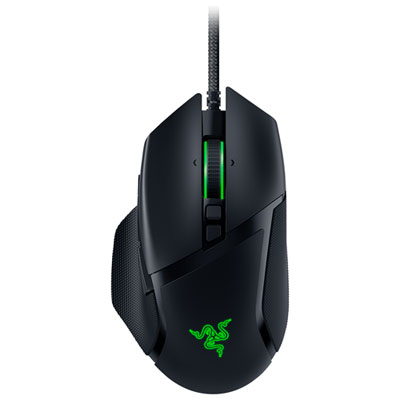 Your price for this item is $99.99
 -
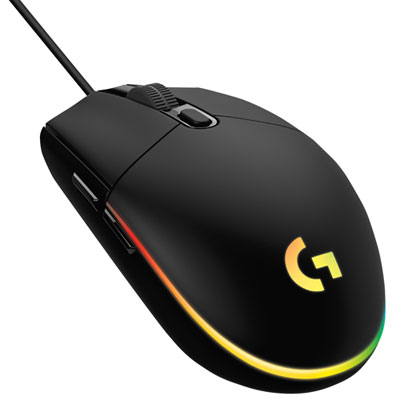 Your price for this item is $39.99
 -
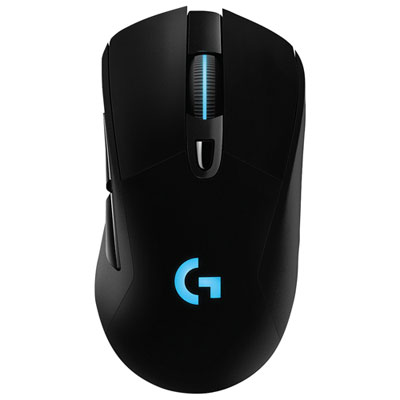 Your price for this item is $119.99
 -
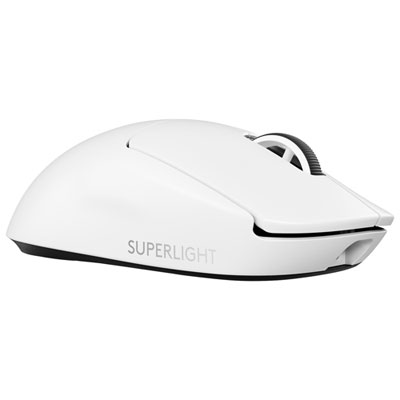 Your price for this item is $219.99
Discover more categories related to Wireless Technologies
Top Collections:
Best Laptops for Video Editing, Pokemon Centers, Samsung Z Fold, Kindle Devices, Best Cell Phones Under $300, Best Laptop Computers for Students, iPhone 15 Apple, Best Cell Phones Under $500, Alarm Clock, Canon G7X Cameras
Some products may be subject to Environmental Handling Fees
(EHF) depending on your province.
Learn more about EHFs.