Camping Toys
Camping is a fantastic way for families to connect with nature, and having the right toys can make the experience even more enjoyable for children. Whether you're setting up camp in the backcountry or enjoying a staycation in your backyard, camping toys can spark creativity and encourage outdoor play. From imaginative role-play items to interactive games that bring everyone together, these toys are designed to enhance the camping adventure. Perfect for young explorers, they inspire curiosity and provide endless entertainment under the open sky. Discover how camping toys can transform any outdoor space into a playground of fun and learning. Remember, our Low Price Guarantee means you can shop confidently knowing that you'll find the best price at Best Buy, all year round. We encourage you to check our website frequently for the most up-to-date information on our latest offers and savings opportunities.
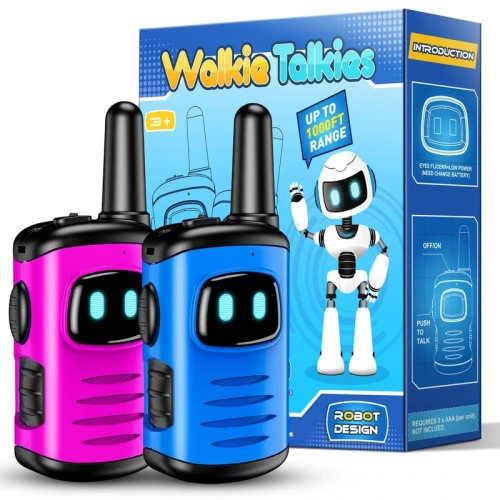
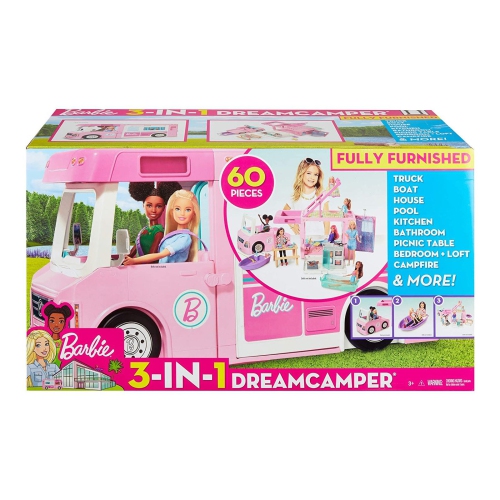
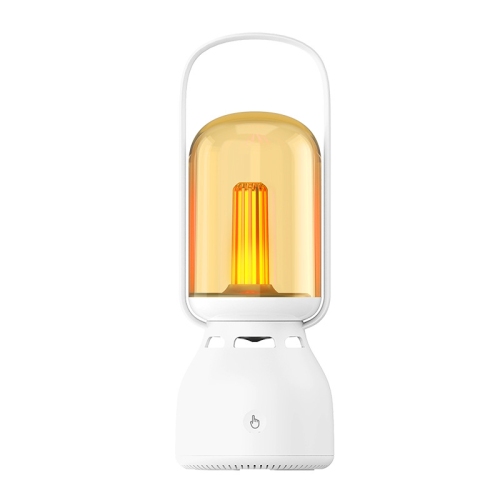
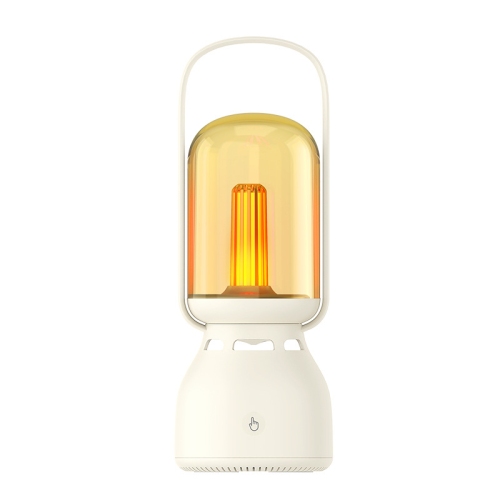
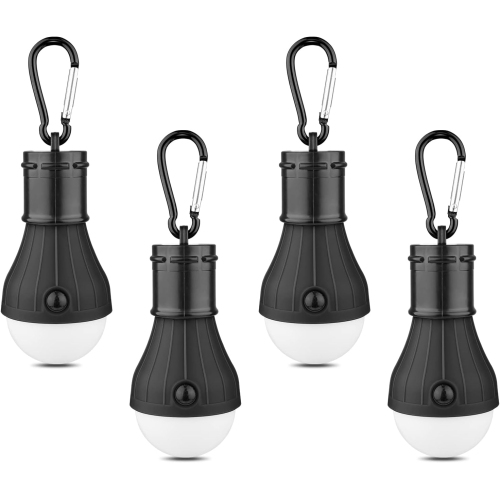
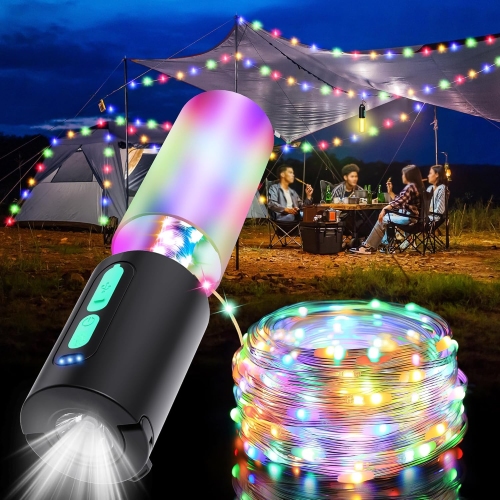
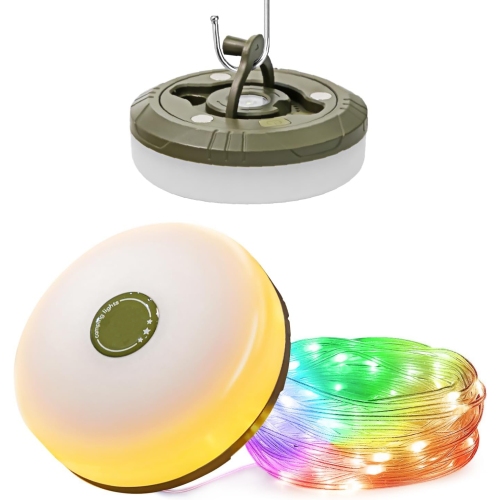
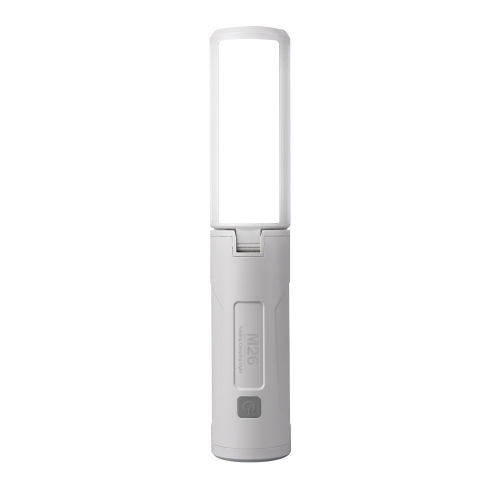
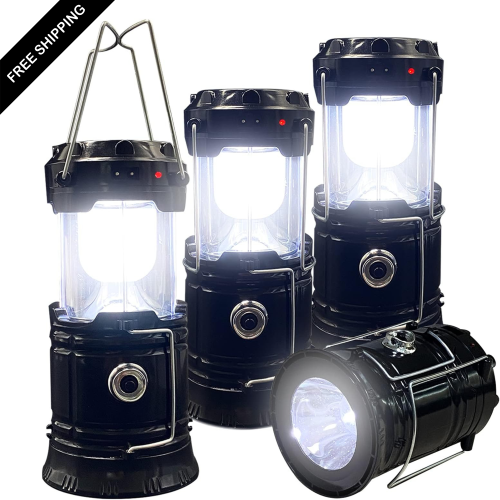
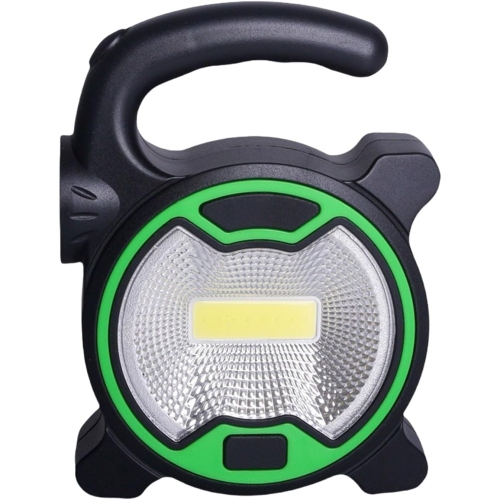
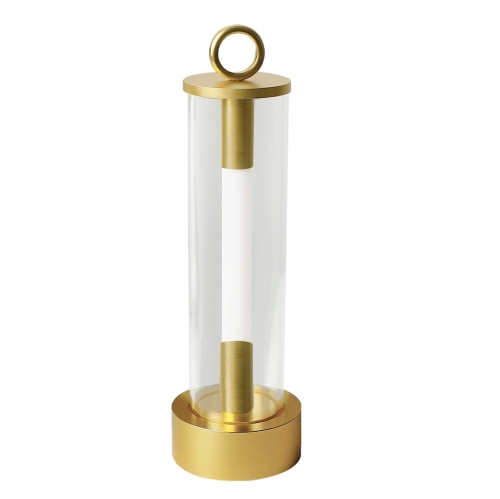
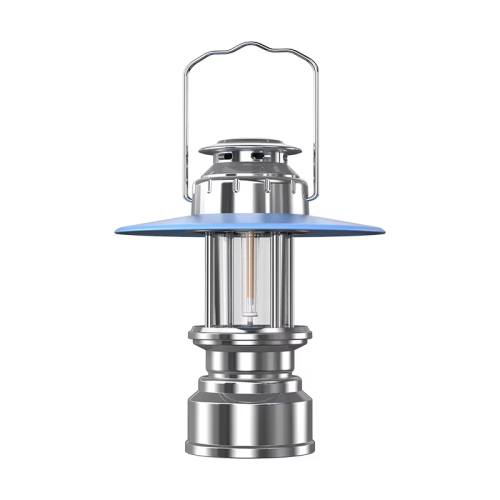
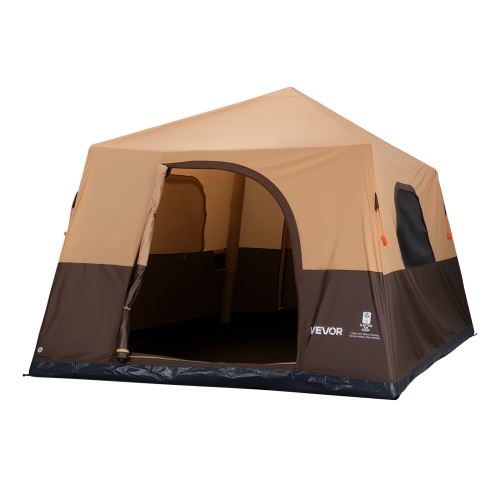
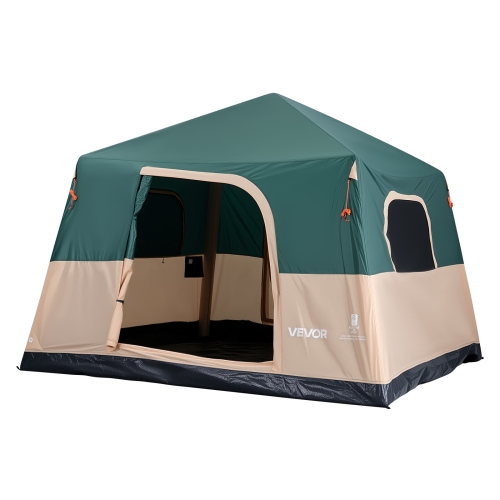
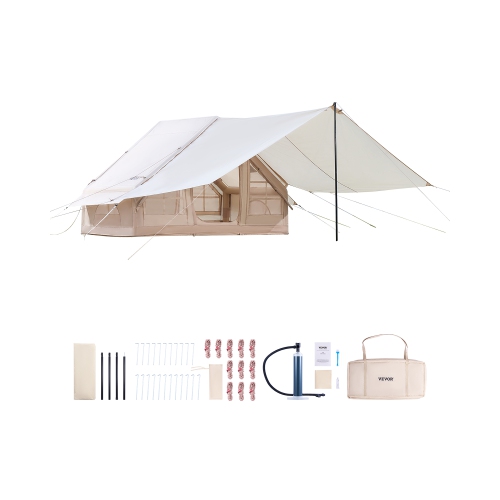
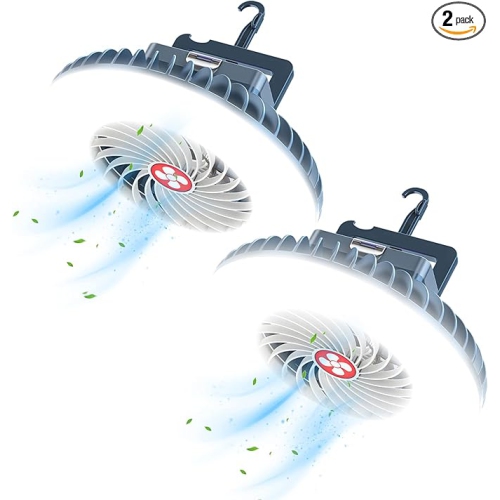
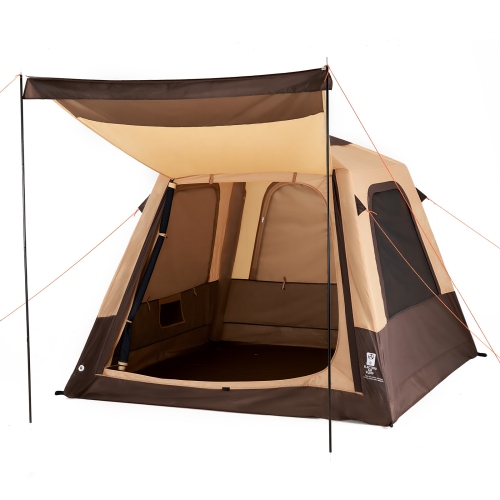
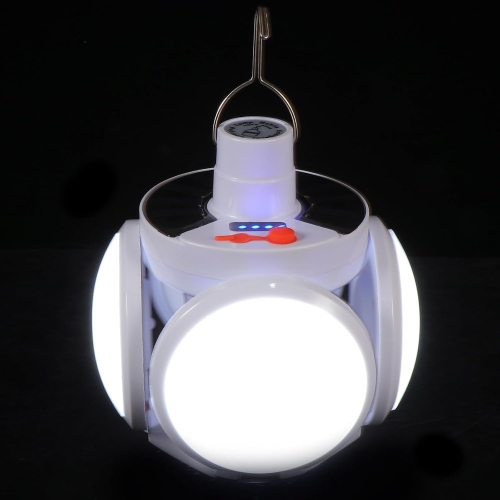

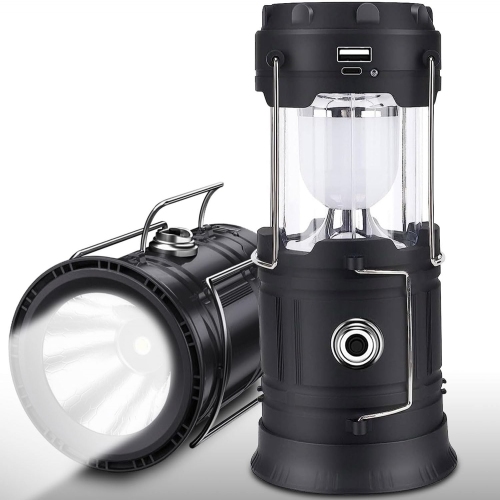
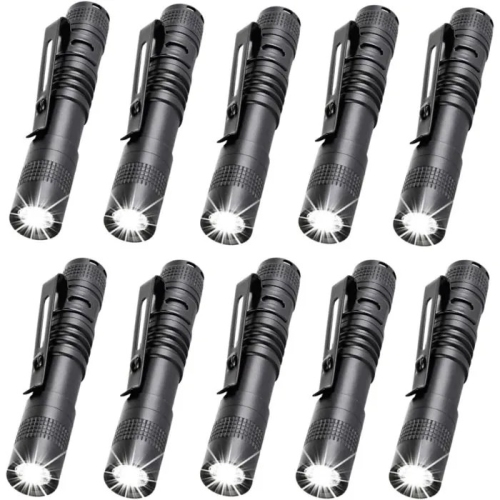

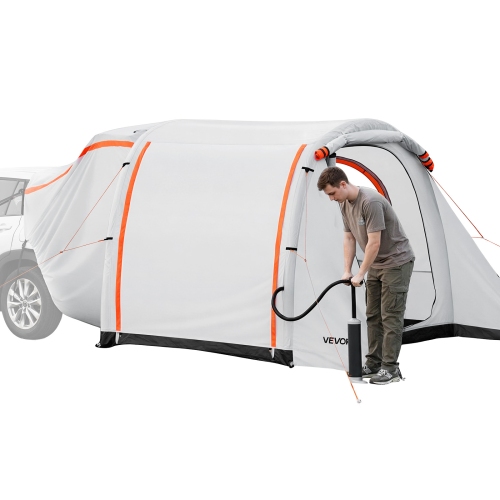
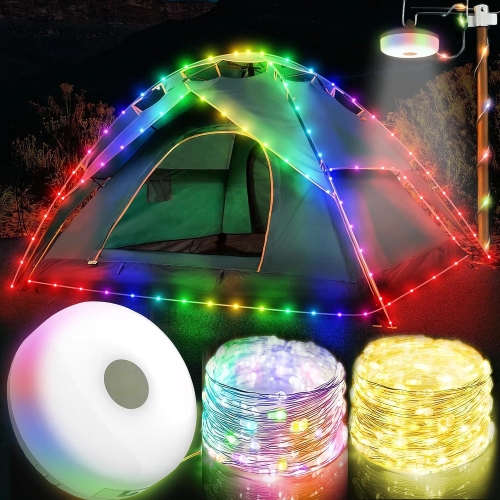
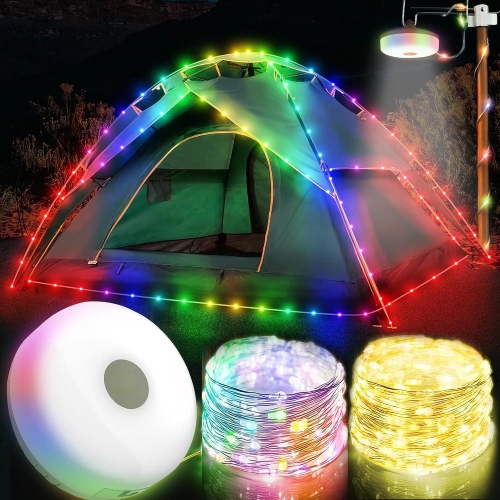
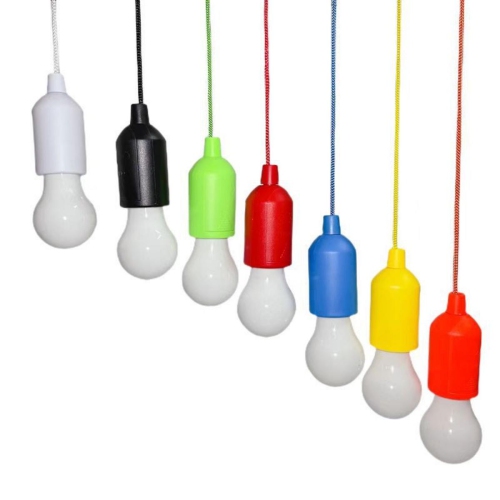
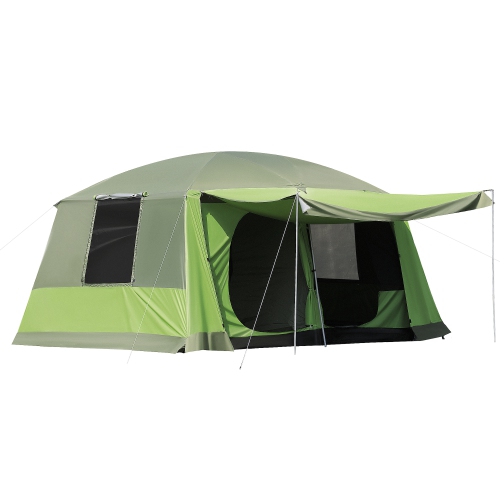
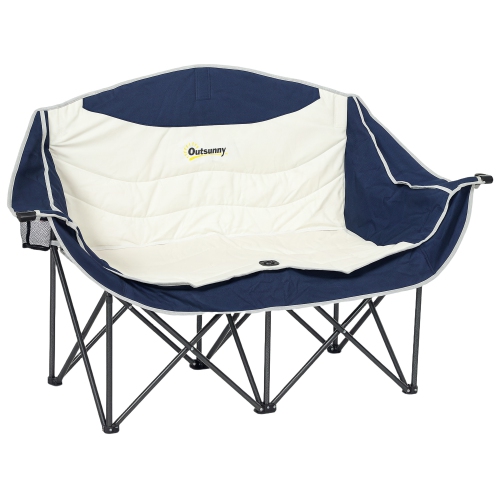
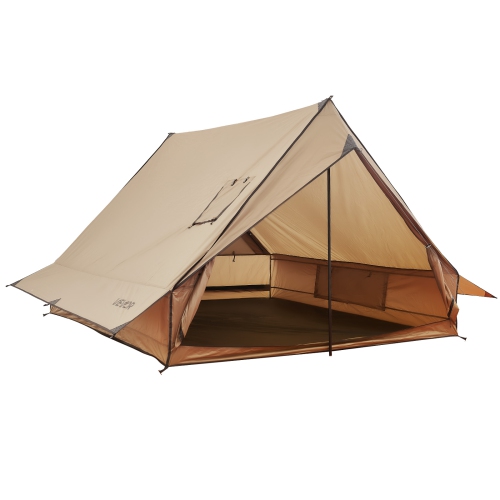
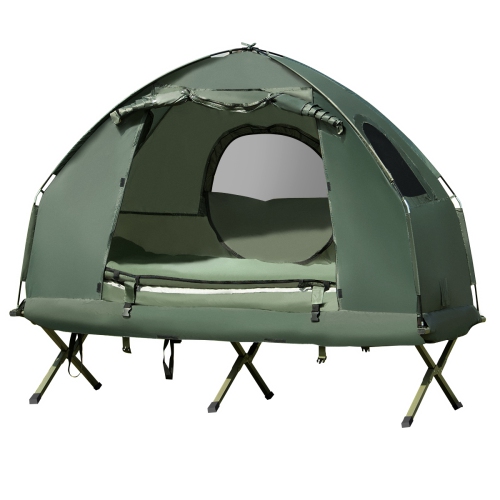
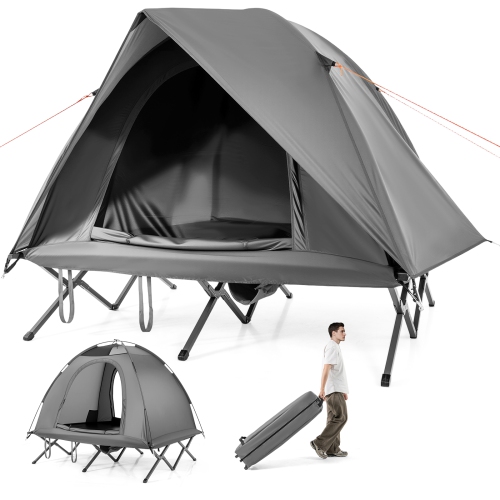
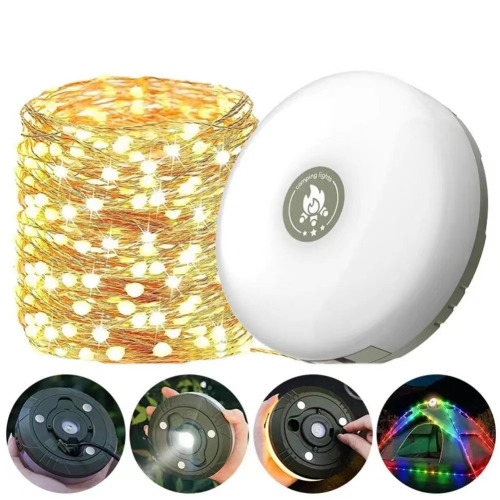
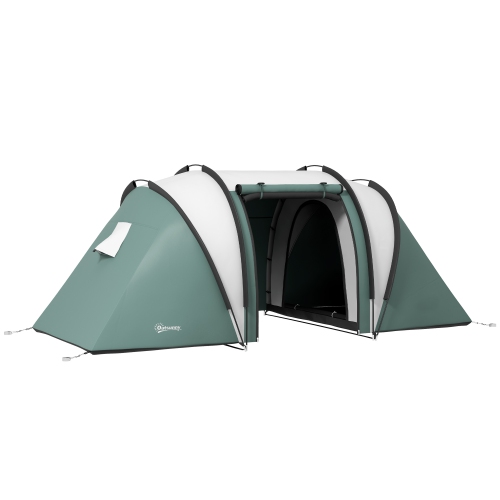
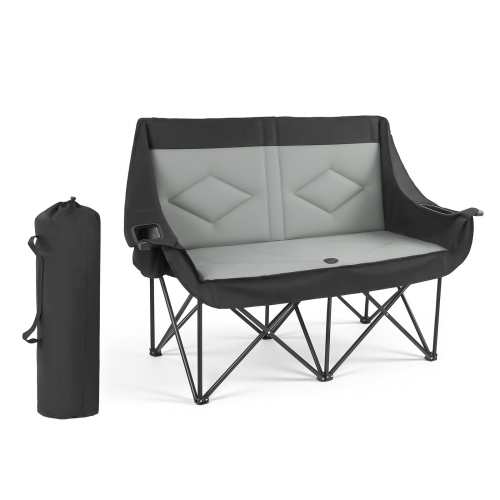


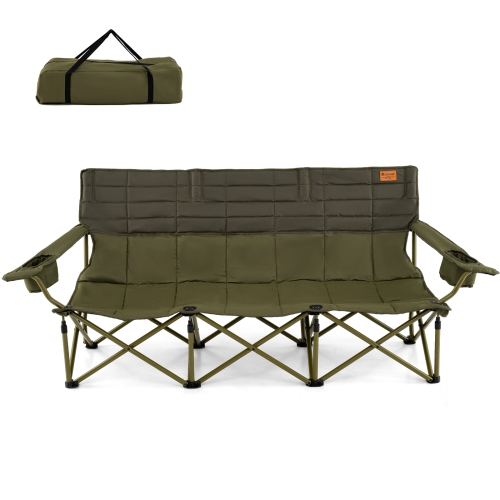
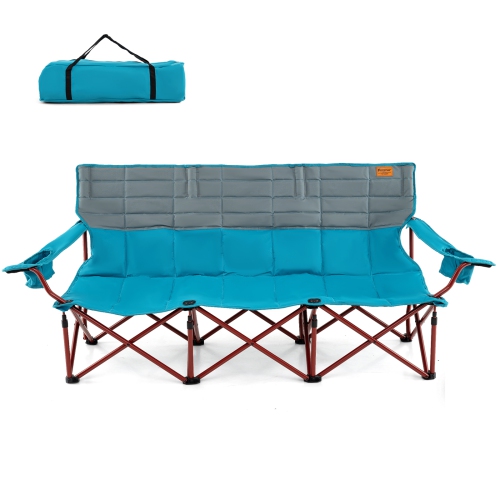
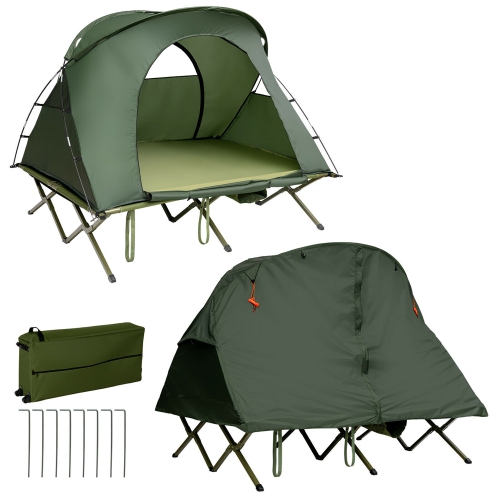
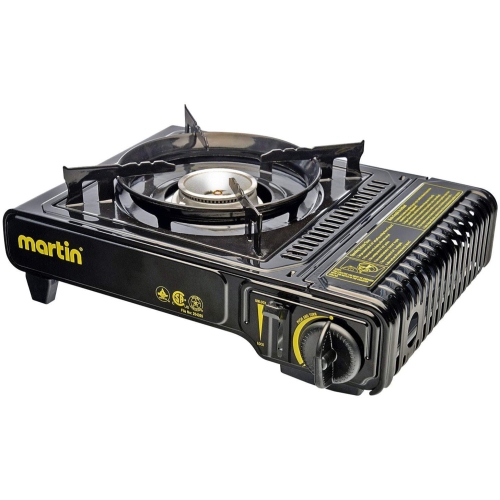
From living room campsites to backyard adventures
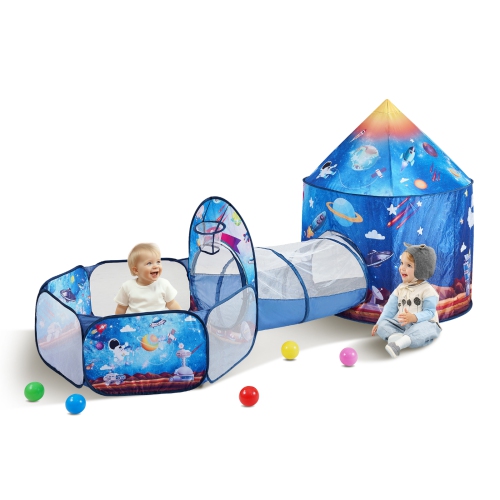
Portable games and activity kits add a more active side to camping toys, particularly for children who prefer throwing, aiming, balancing, or solving small challenges. Their appeal often lies in simple rules, short rounds, and pieces that can travel together rather than needing a dedicated playroom. Cooperative activities can give children a shared goal, while turn-based games offer a natural rhythm for mixed-age groups. The amount of space a game needs is an important part of its intended use: an activity that works across a broad patch of ground may be a poor fit beside a crowded picnic table. Soft, lightweight components can be easier for small hands to manage, although lighter pieces may also move unpredictably outdoors. Size and weight influence how comfortably a child can grip, carry, or control a toy, and an adult-sized game does not necessarily become suitable for younger players simply because its rules are easy. Materials affect both the feel of play and the effort involved in keeping everything usable. Moulded plastic can provide a smooth, wipeable surface, while fabric components fold down for packing and may feel more comfortable in a small play space. Wood can offer a solid, tactile feel, but its finish and care requirements still matter, especially if play involves damp ground. Construction details such as reinforced seams, securely attached handles, smooth edges, and closures that children can operate help determine how well a toy stands up to repeated handling. Durability is not the same as suitability for outdoor use; an indoor play tent or electronic accessory may not tolerate moisture, rough surfaces, or prolonged exposure outside. Compact packed dimensions are useful for travel, but the pieces also need to be manageable once the activity is underway. A carrying pouch with enough room for an imperfectly folded toy can be more practical than a tightly fitted case. For families sharing limited luggage space, a game that accommodates several players can provide a group activity without each child needing a separate set.
Day-to-day care helps camping toys stay pleasant to use, especially when the same pieces move between indoor pretend play and an actual campsite. Cleaning methods depend on the materials and any built-in electronics: a wipeable surface, removable fabric section, and battery-powered component each need different handling. Manufacturer care instructions take priority over assumptions about what can be washed or submerged. Sand and grit can collect around hinges, seams, and closures, while moisture trapped inside a storage bag can leave fabric and other materials smelling musty. Toys are best packed away clean and fully dry, with small accessories kept together so the next play session does not begin with a search beneath furniture or through a travel bag. A storage container that is easy for children to open and tidy can make packing up part of the activity rather than a separate chore. Battery compartments should remain securely closed, and loose or damaged pieces need adult attention before further play. Light-up features can add atmosphere to pretend camping, but toy lights are not a substitute for dependable lighting on a real trip. The same distinction applies to pretend cooking and campsite equipment: play versions belong away from actual flames, hot surfaces, and food preparation tasks. Families packing for an overnight stay can keep toys separate from practical Camping Tools, making it clearer which objects belong to make-believe and which require adult handling. Shared campground spaces also call for activities that fit comfortably around neighbouring sites, pathways, and quiet areas. A small storytelling setup can suit a table or sheltered play space, while active games need a clear area away from vehicles and cooking equipment. With suitable sizing, manageable care, and activities matched to the children using them, camping toys can become familiar companions for family trips and everyday play alike. Their lasting appeal comes from giving children something to do with their hands, a reason to play together, and enough freedom to turn an ordinary space into an adventure.
Top selling and popular products
-
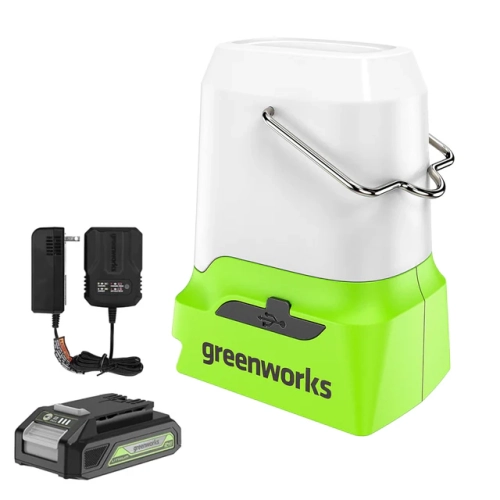 Your price for this item is $99.99
-
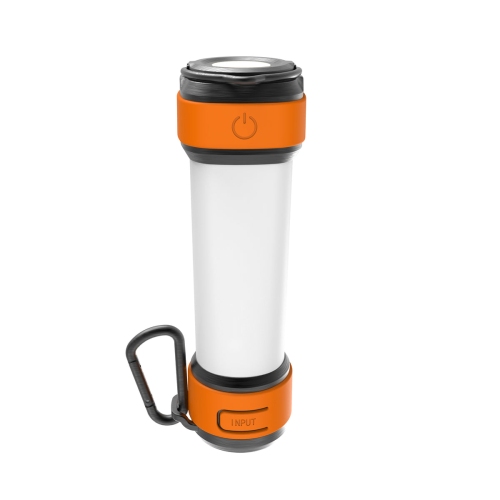 Your price for this item is $79.99
-
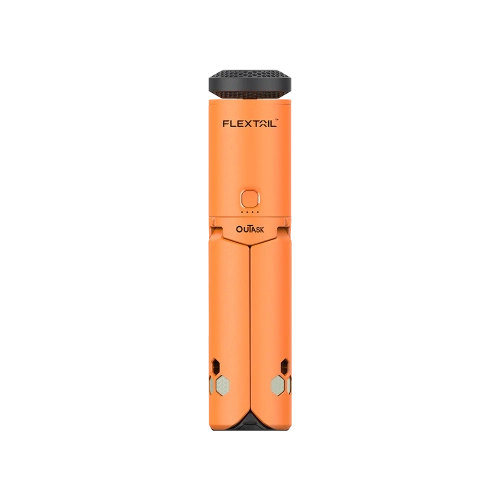 Your price for this item is $100
-
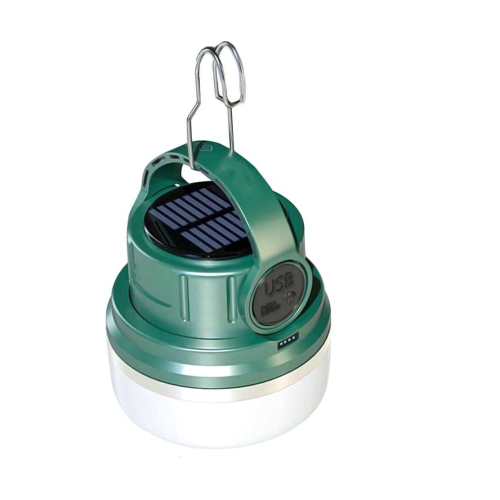 Your price for this item is $19.99
-
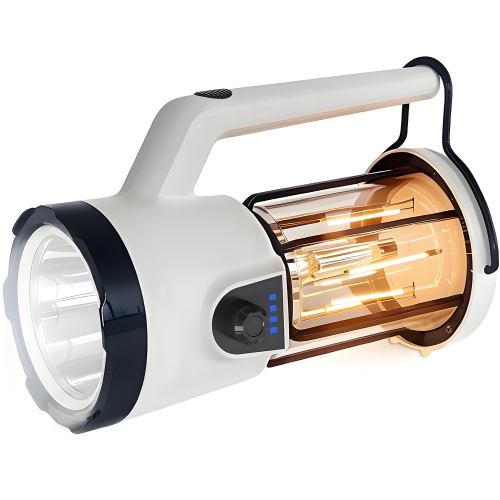 Your price for this item is $74.99
-
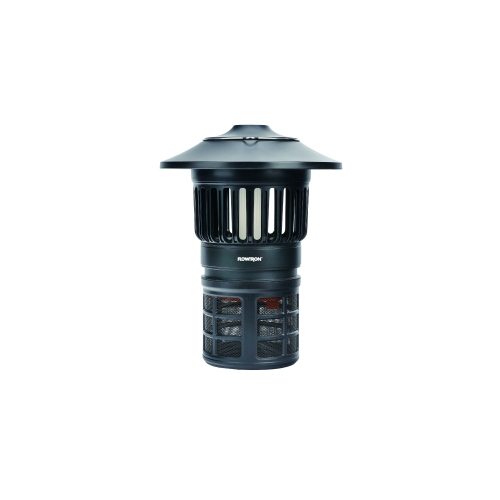 Your price for this item is $129.99
-
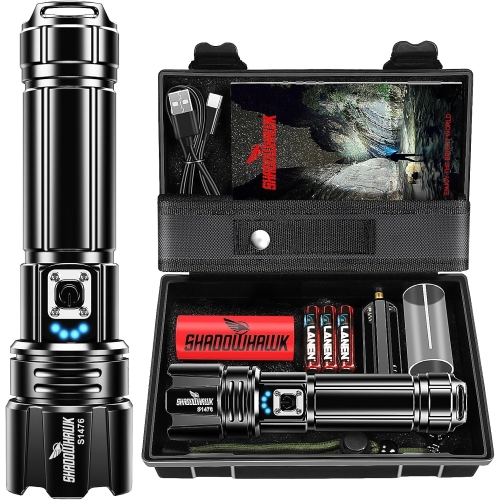 Your price for this item is $44.78
-
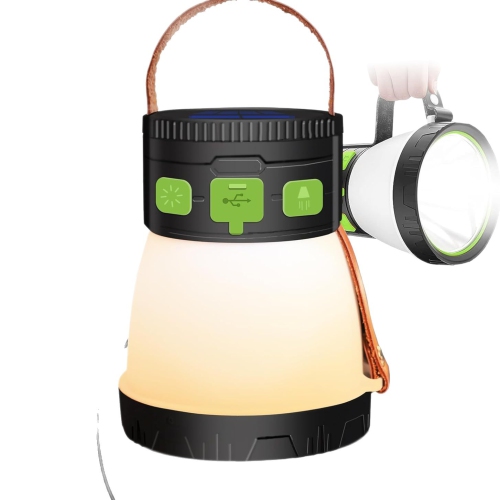 Your price for this item is $71.99