Camping Gear
Gear up for your next outdoor adventure with our selection of top-quality camping gear. From tents and sleeping bags to cooking essentials and backpacks, we have everything you need to make your camping trip a success. Whether you're a seasoned camper or new to the great outdoors, our range of products will ensure you stay comfortable, safe, and well-equipped during your time in nature. Explore our collection of camping gear and get ready to embrace the beauty of the wilderness with confidence.
Sort
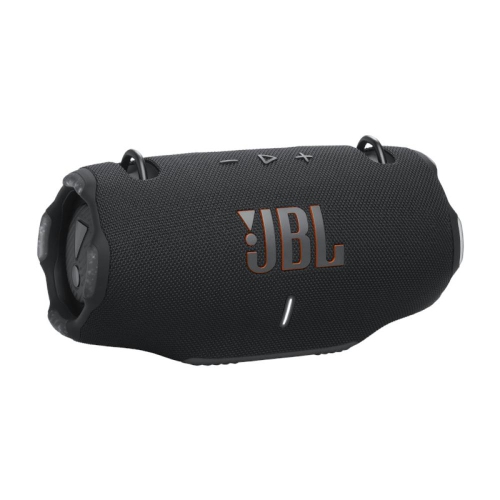
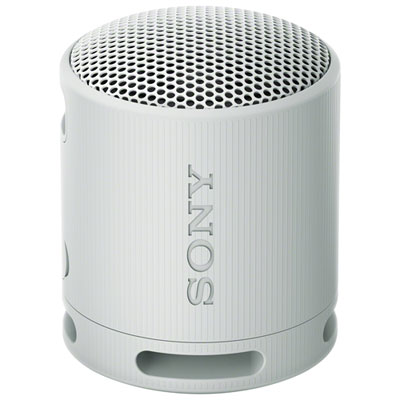
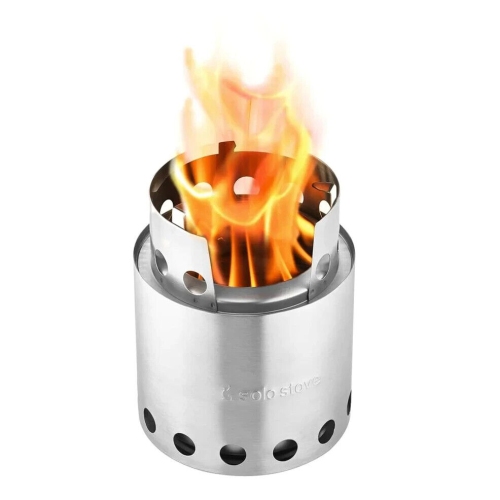
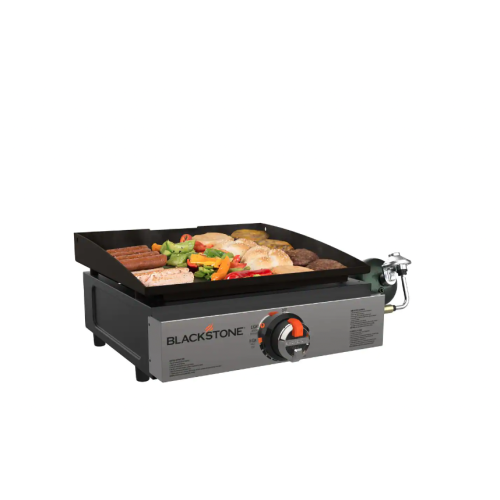
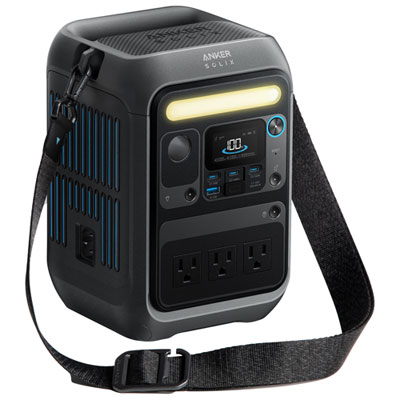
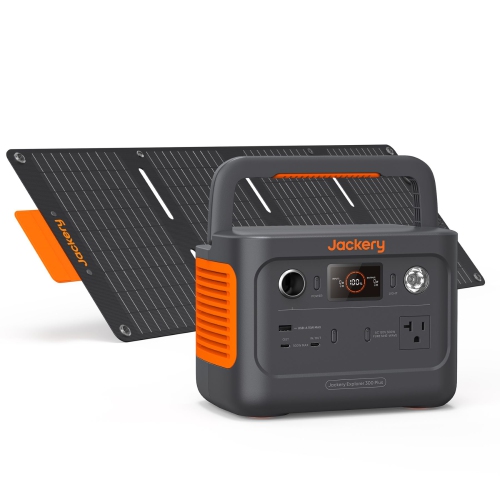
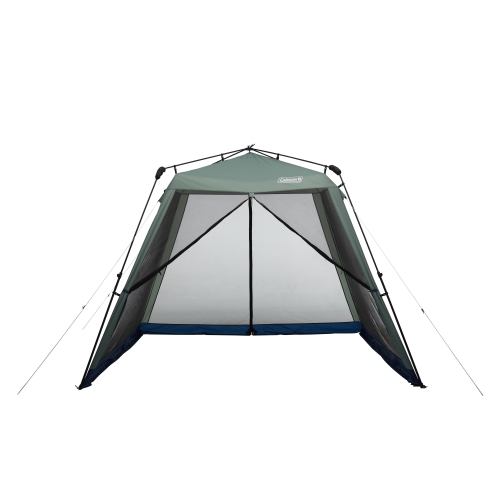
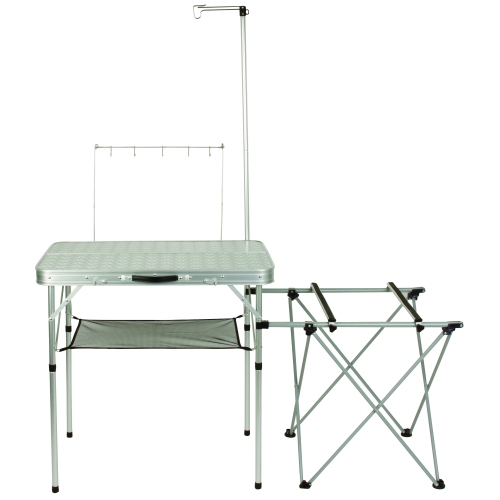
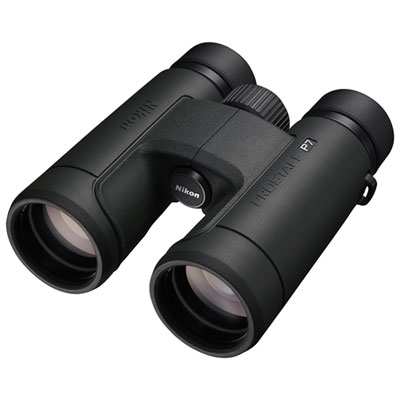
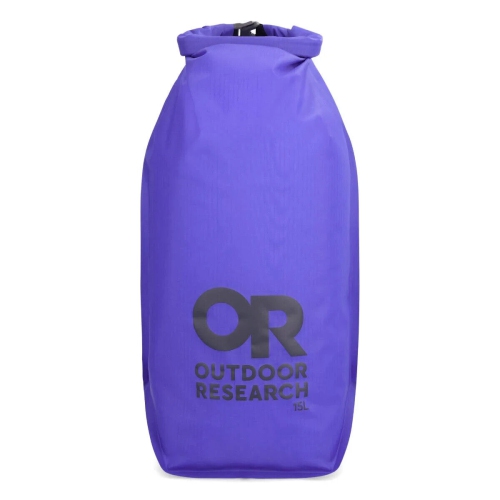
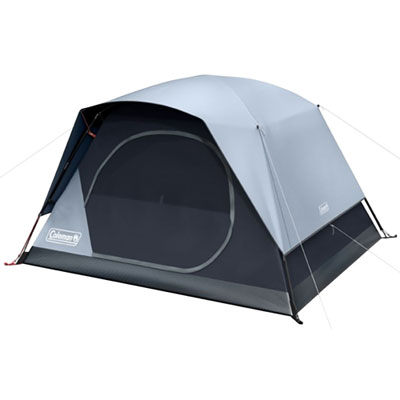
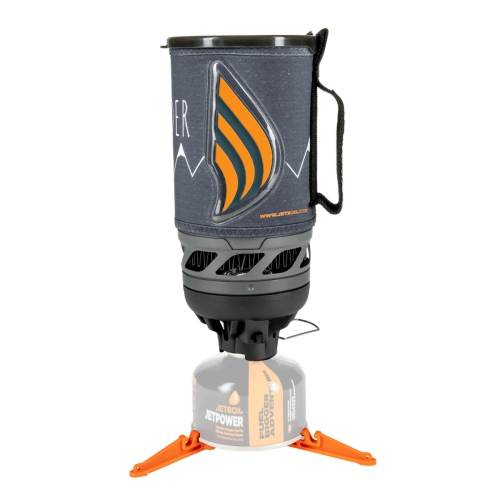
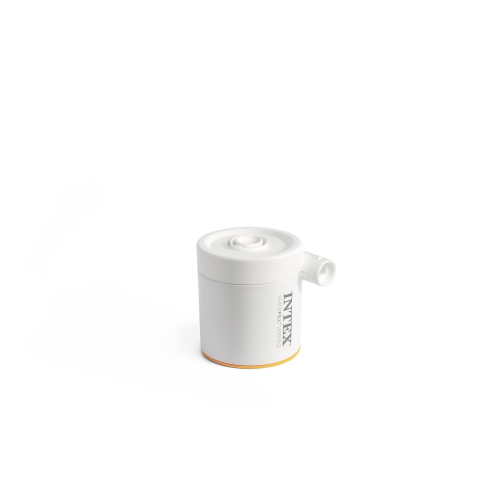
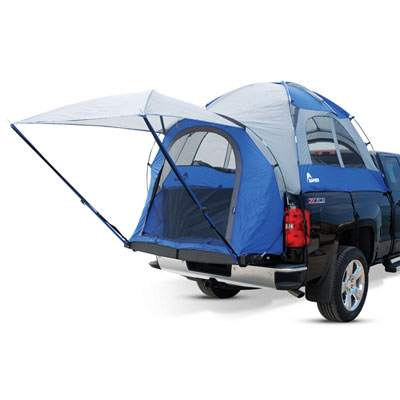
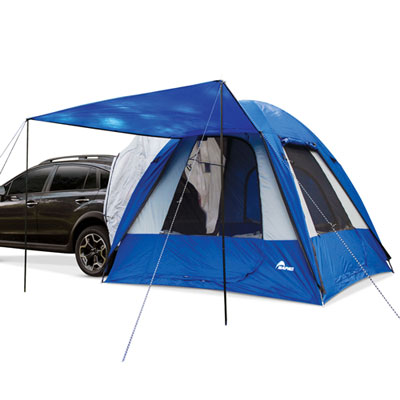
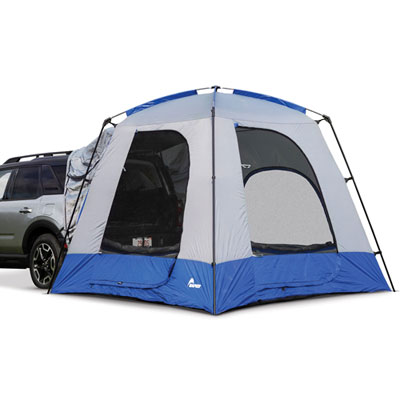
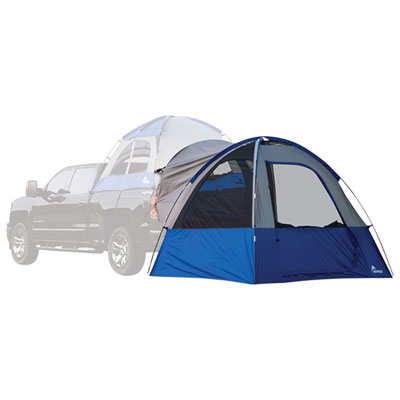
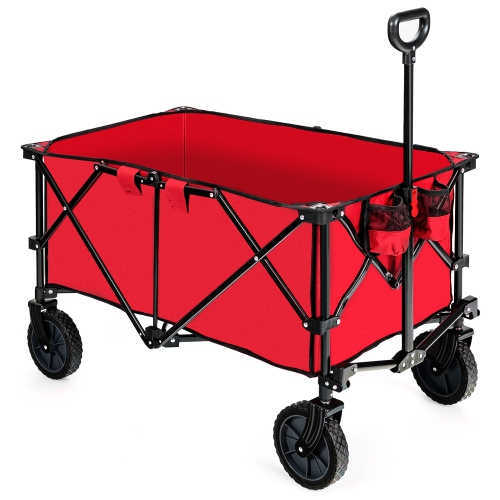
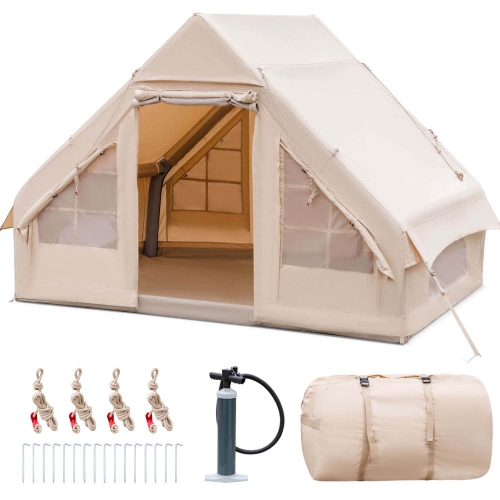
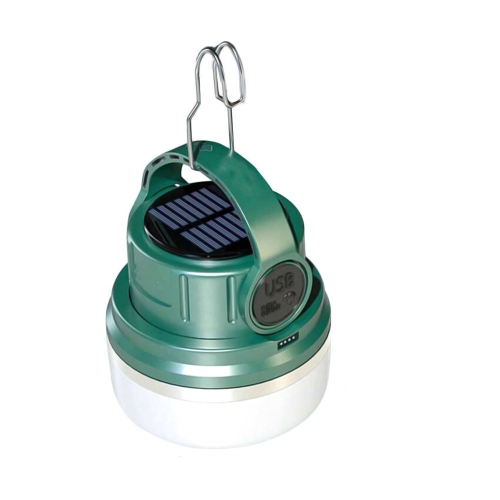

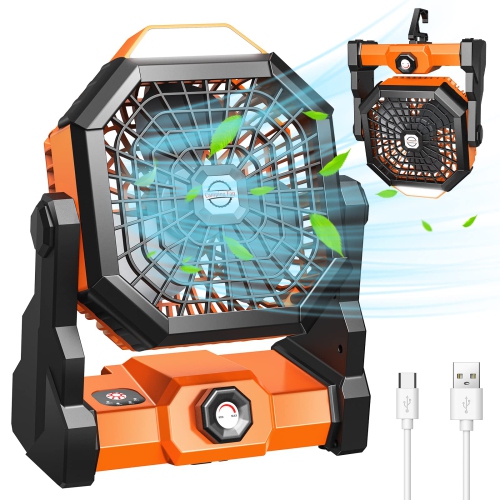

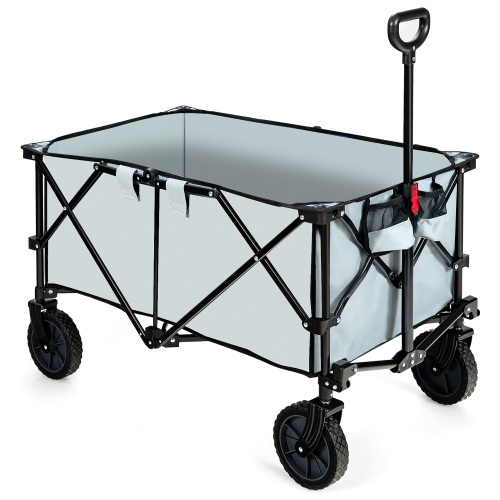

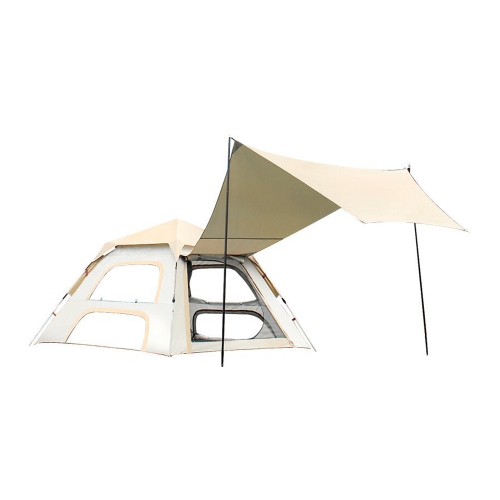
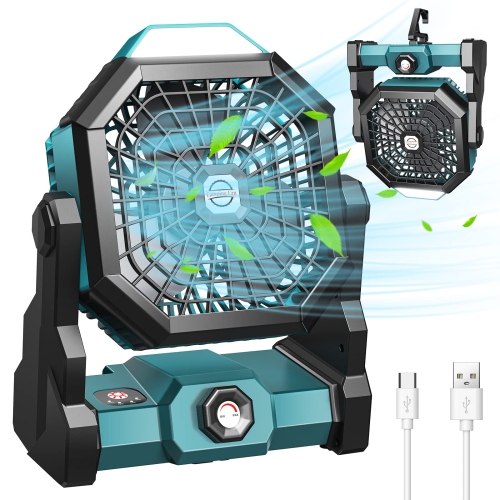
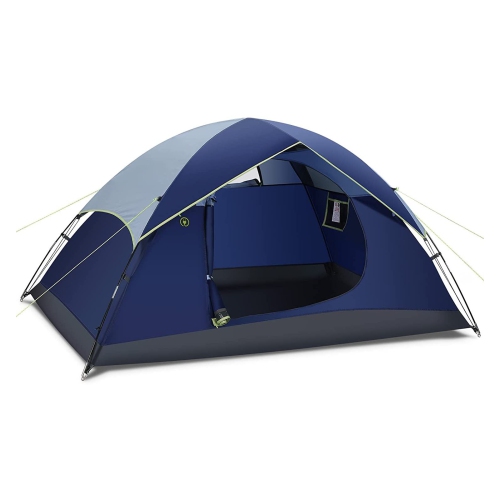
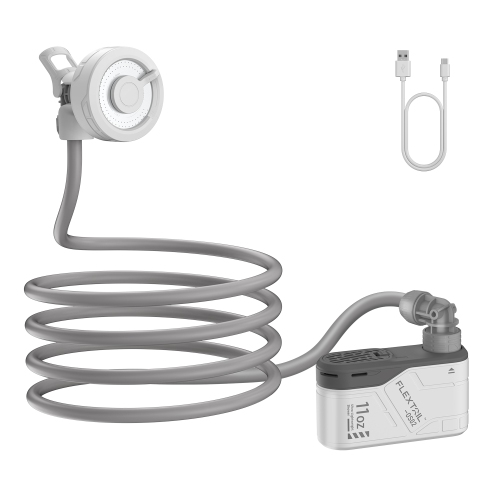
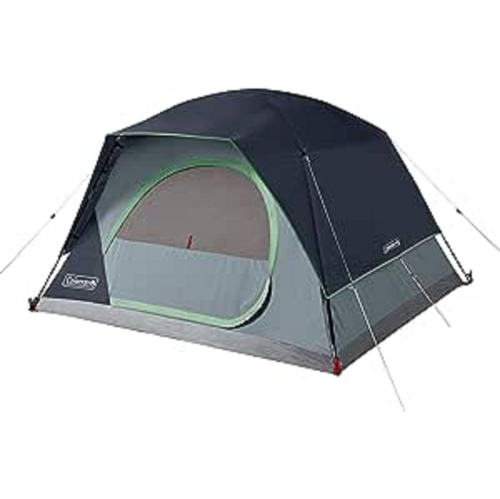
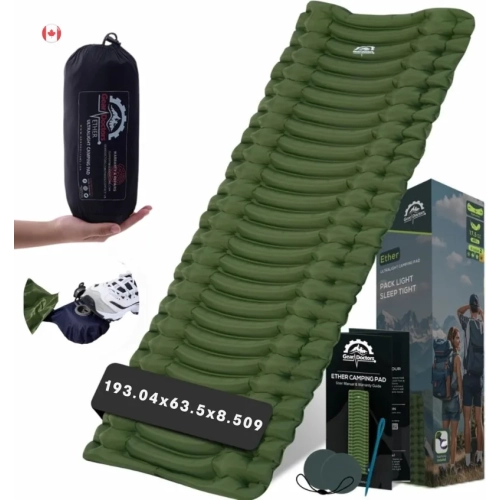
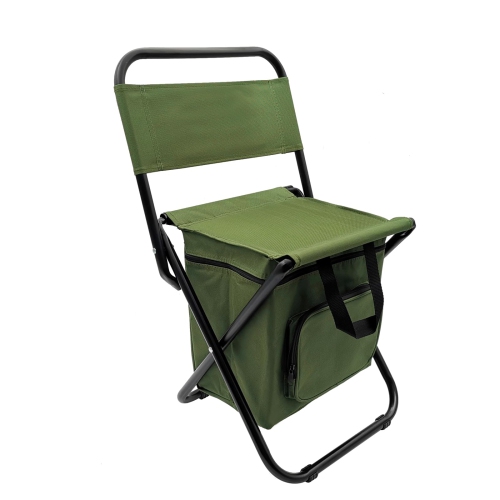
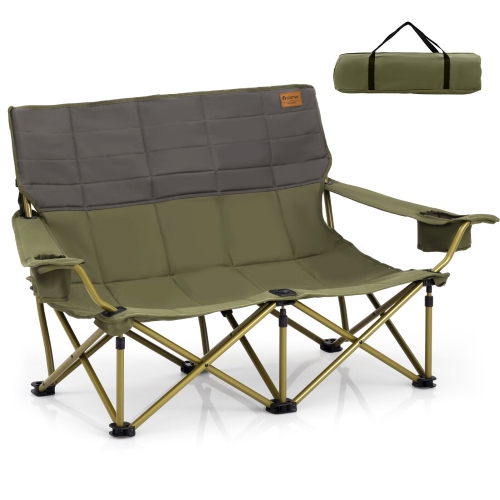
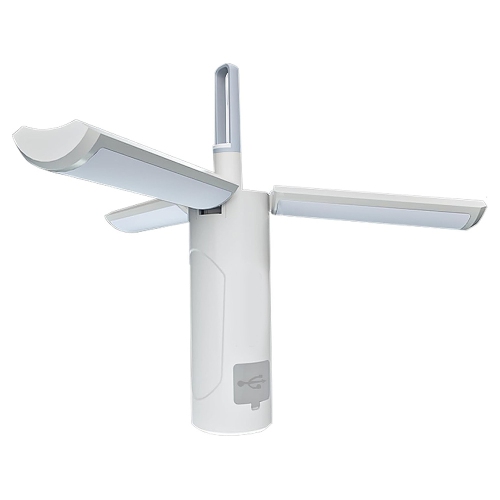

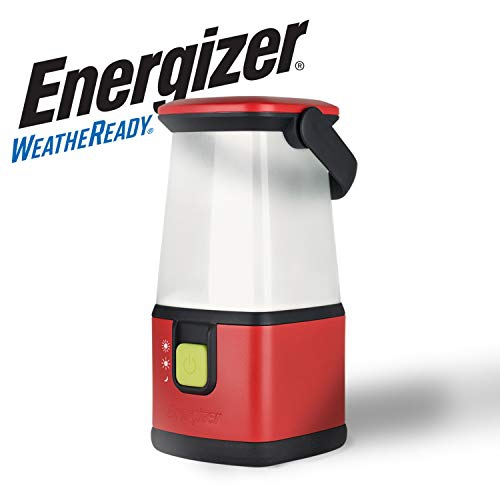
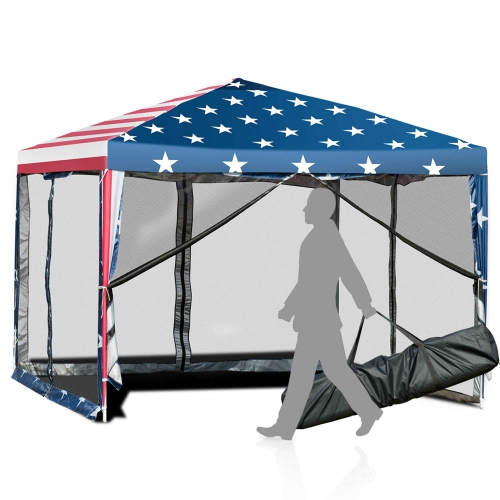

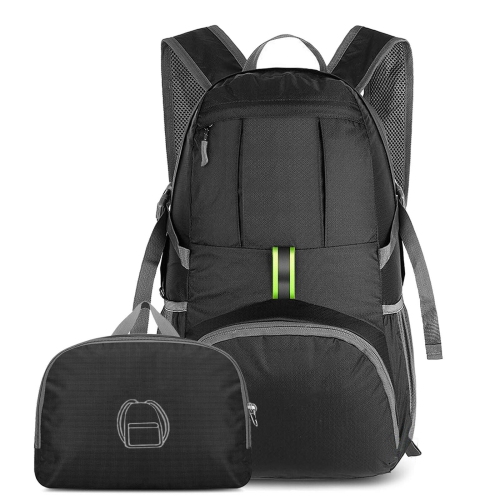
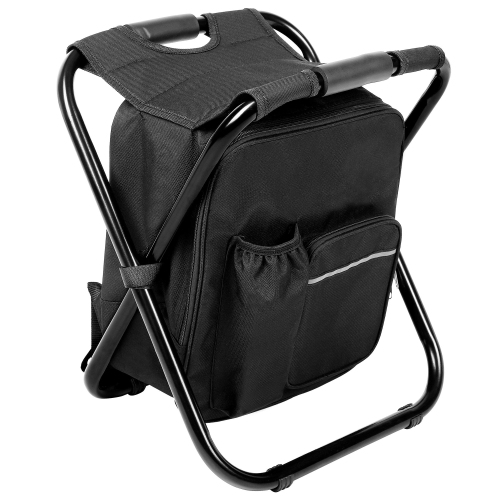



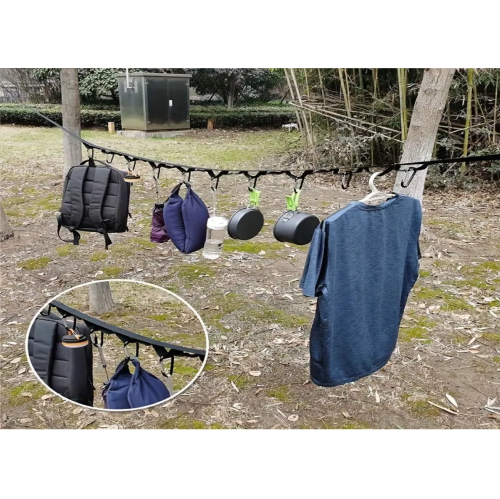
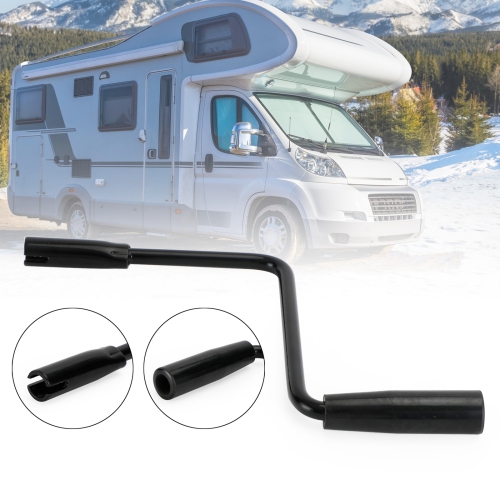
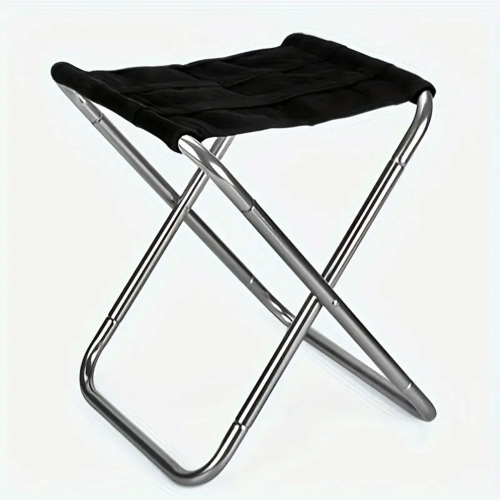
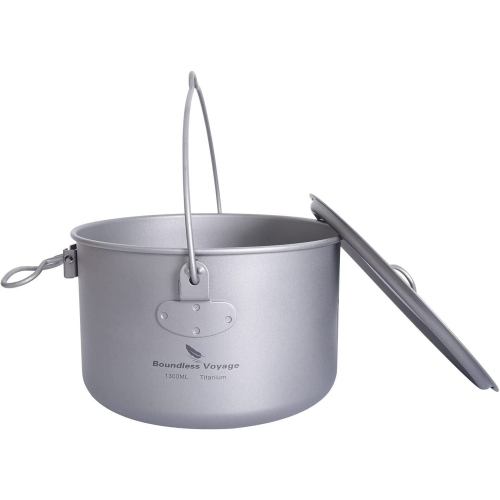
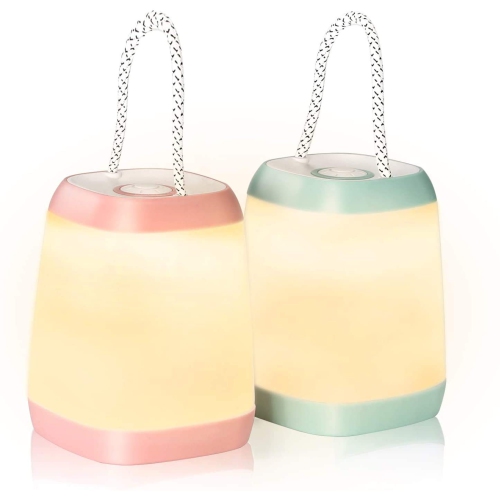
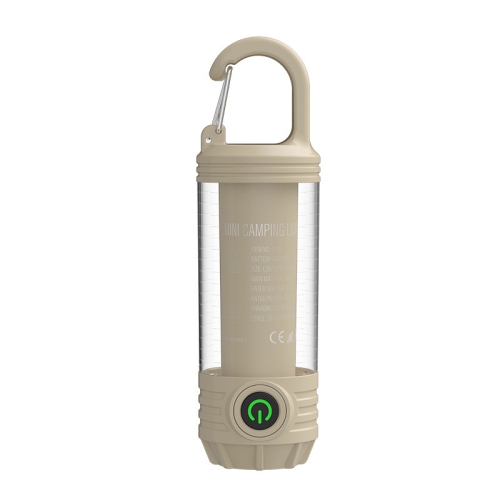

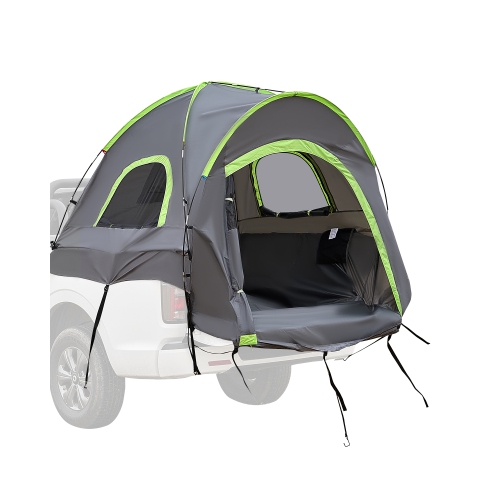
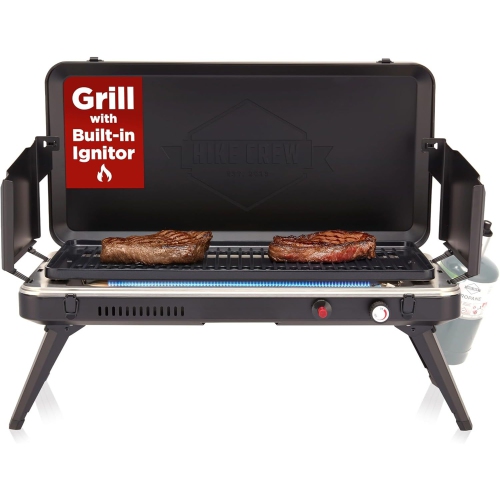
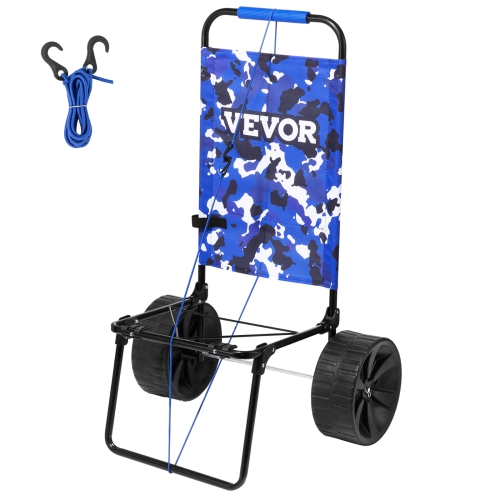

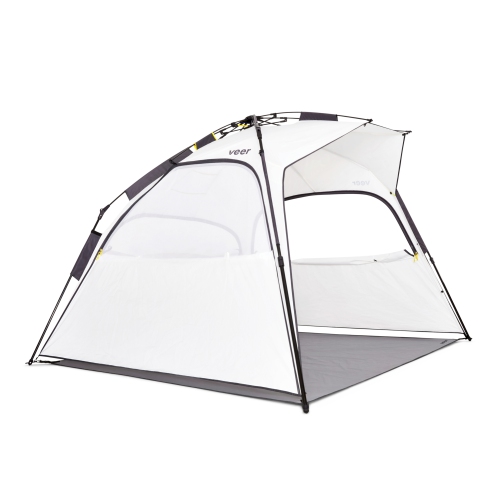

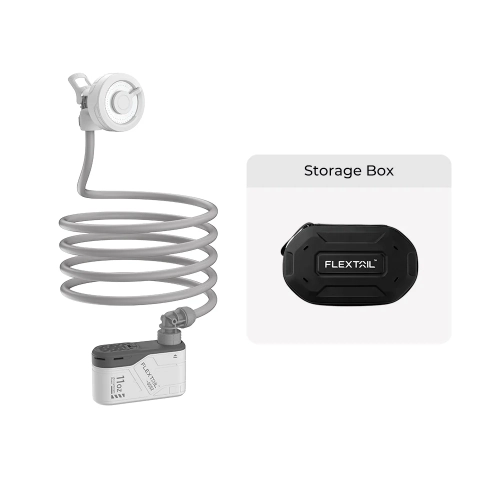
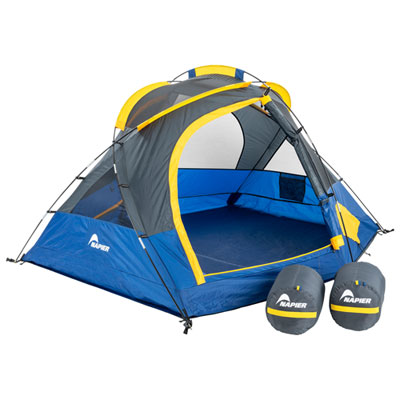
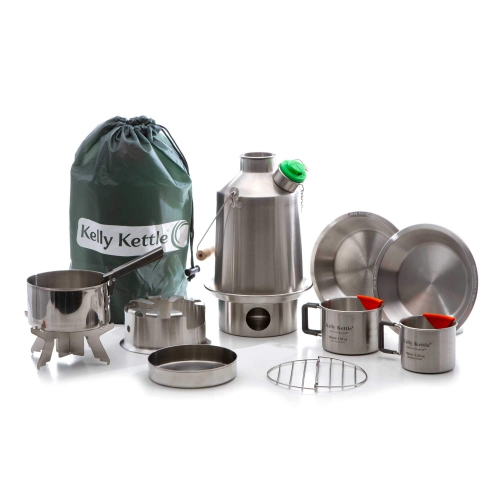
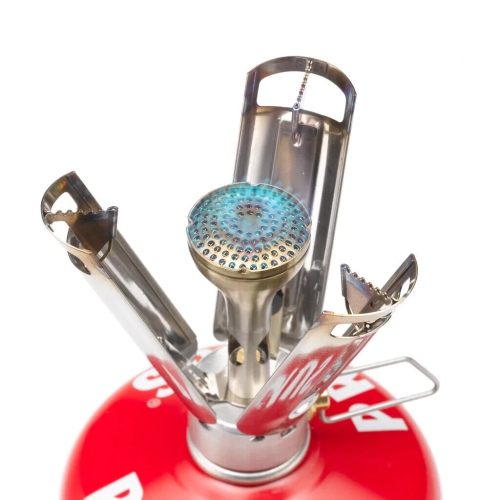
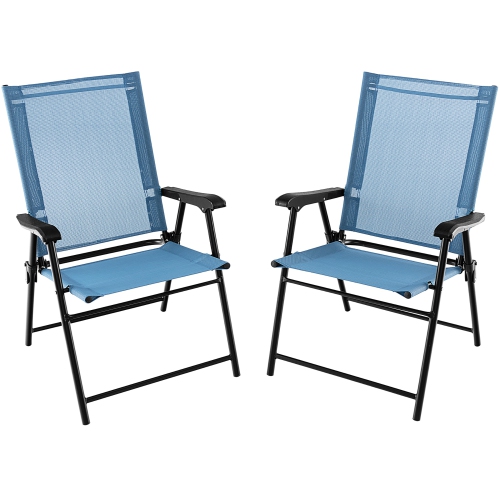
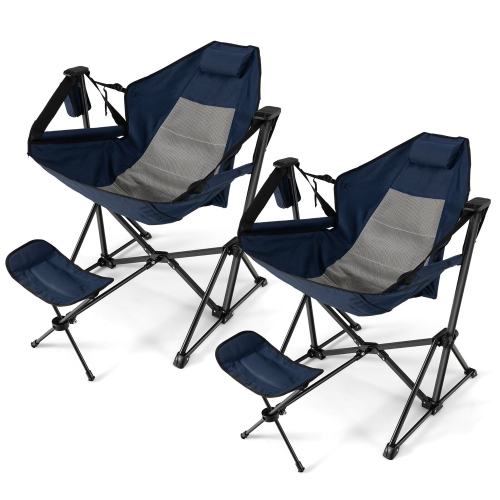
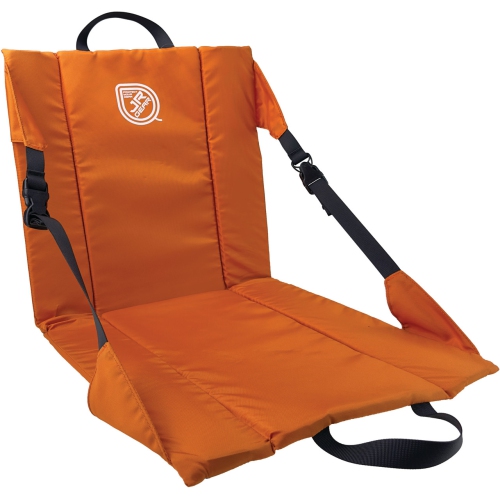
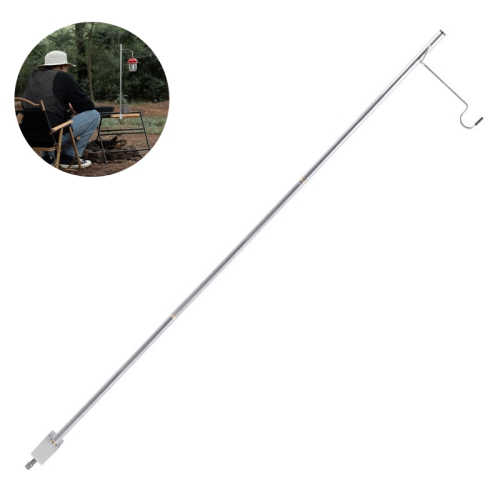
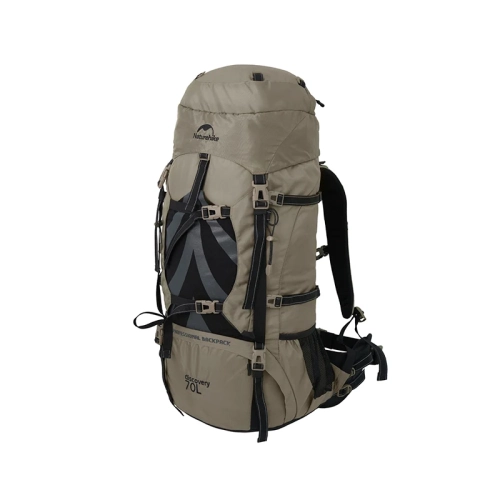
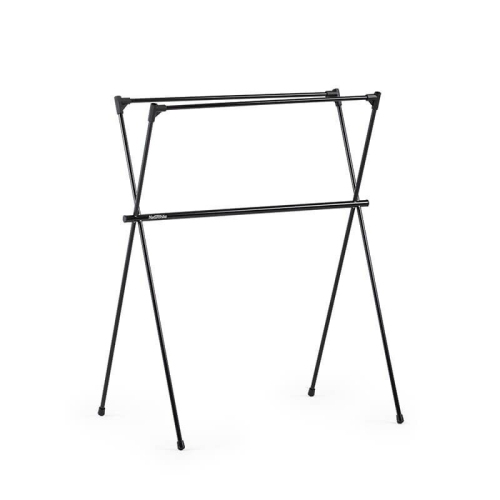

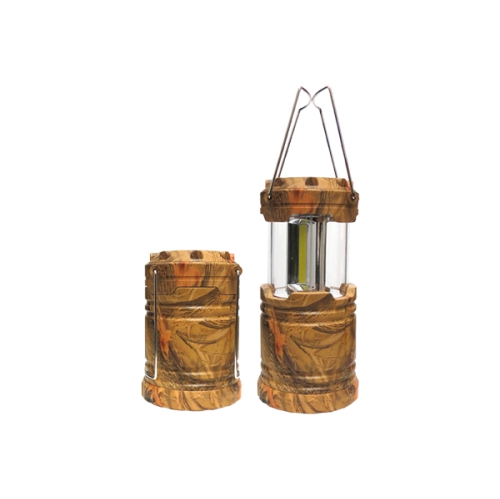
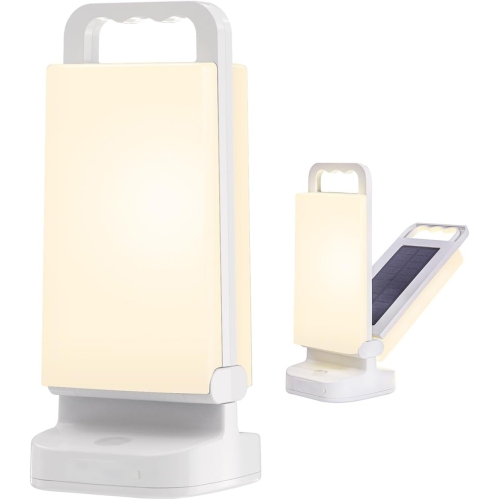
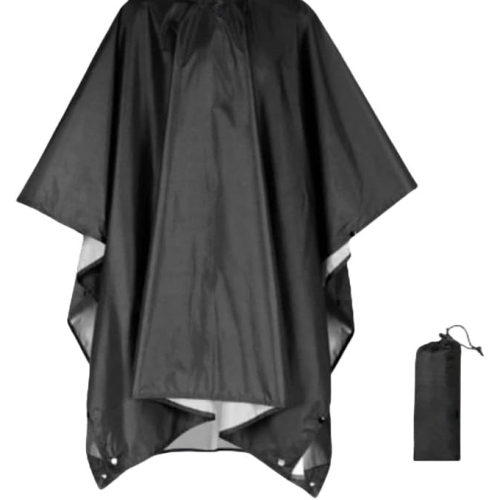
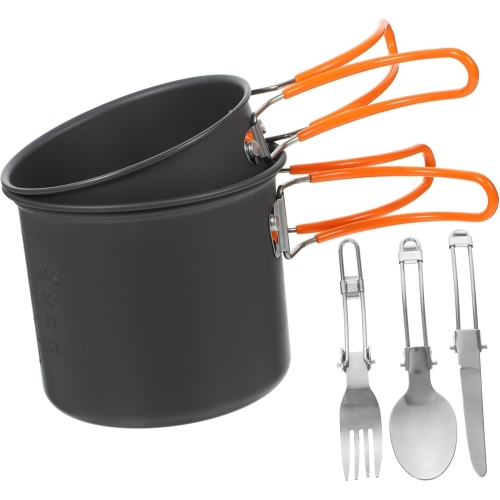
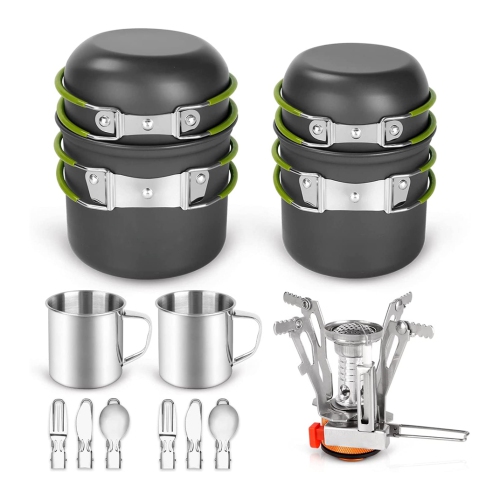
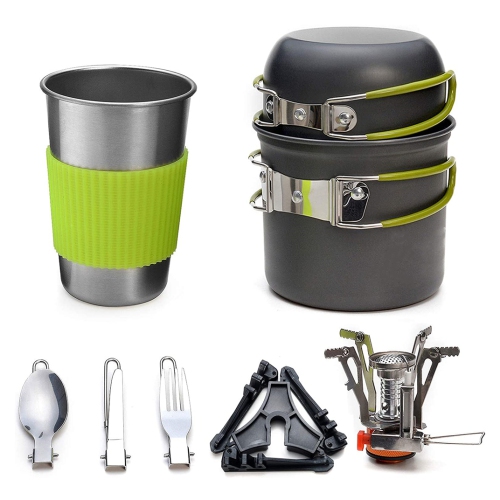
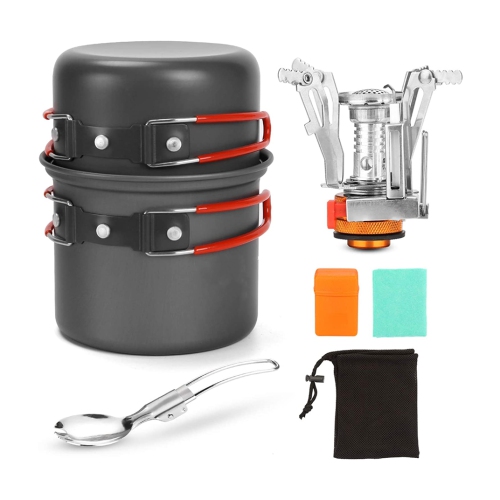
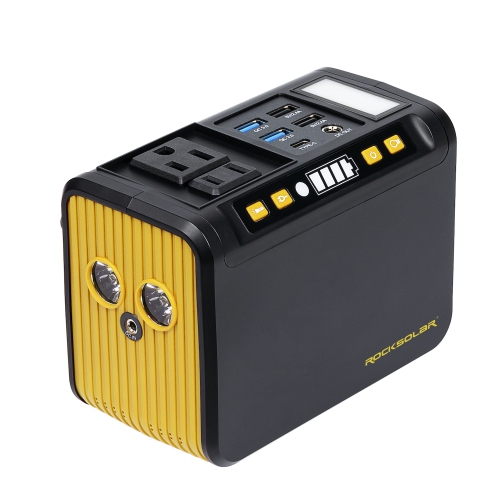
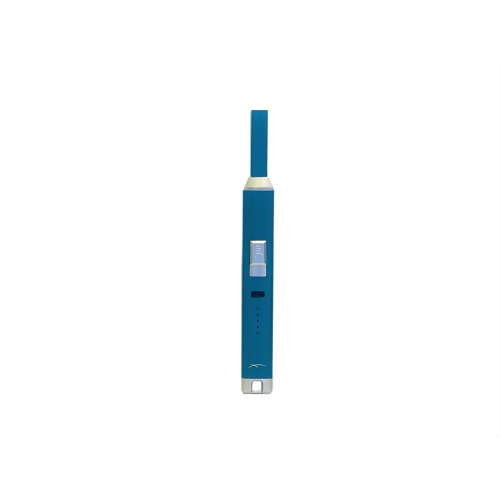
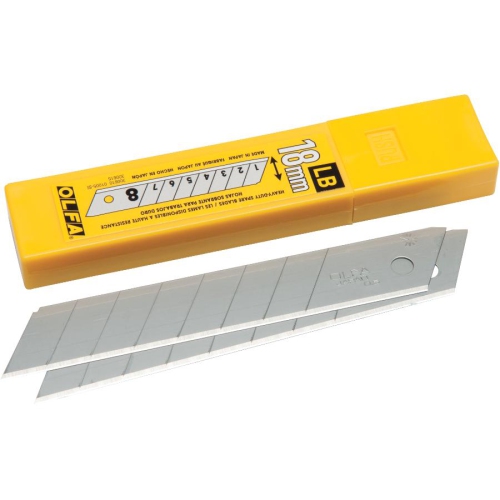
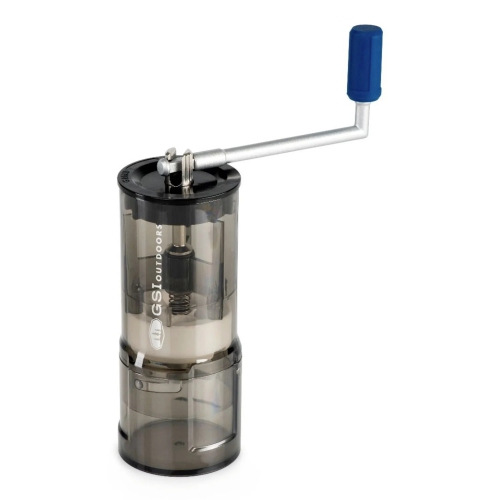

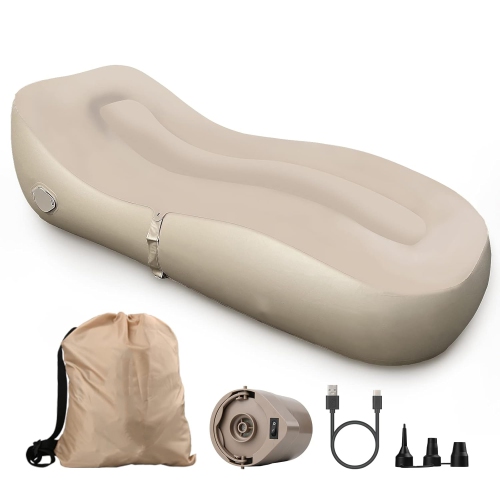

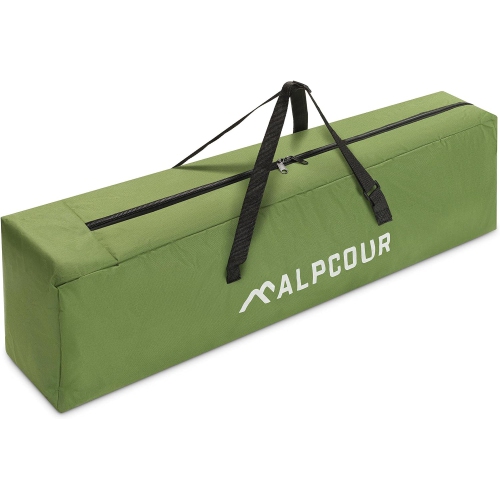
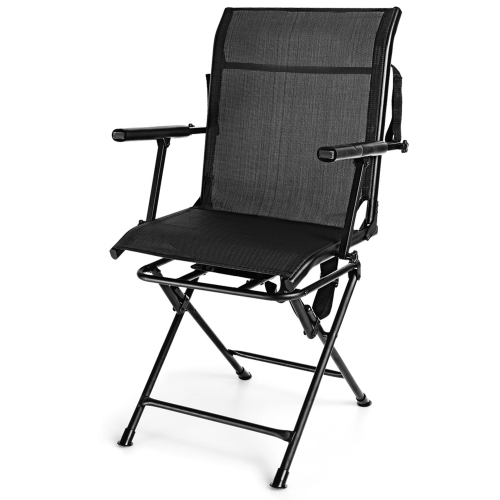
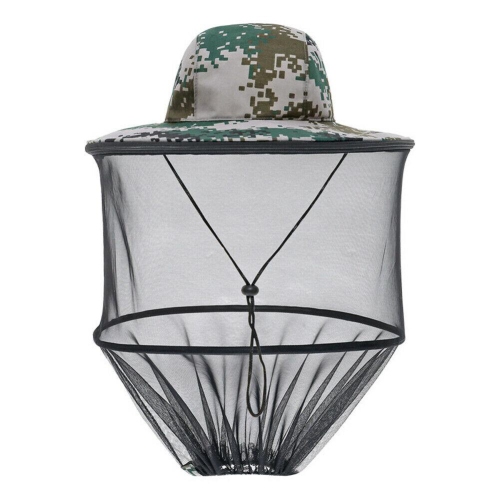
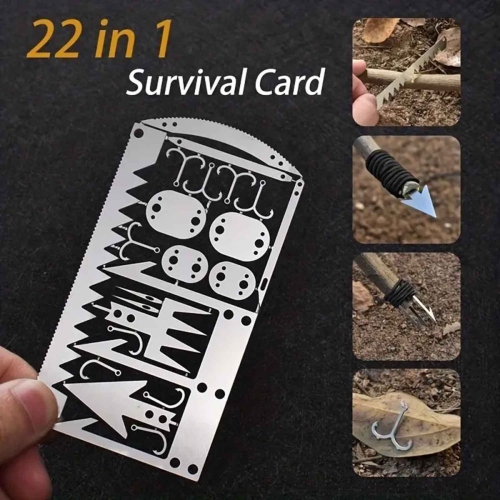
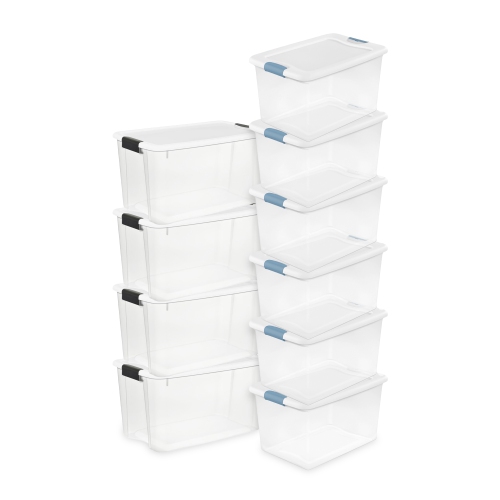
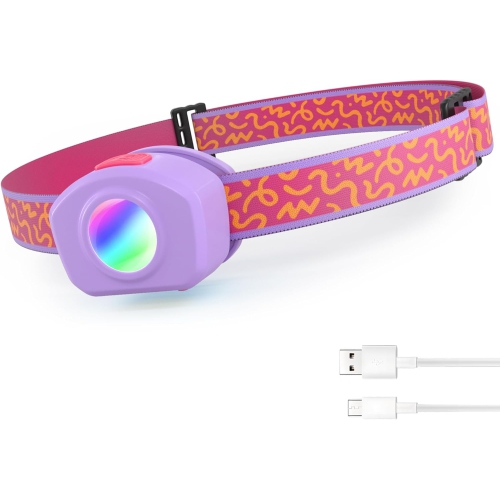
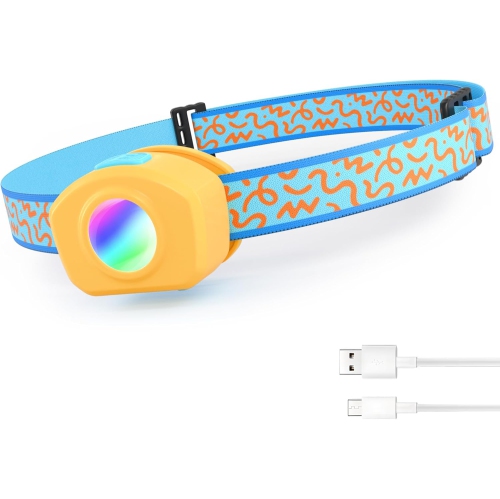
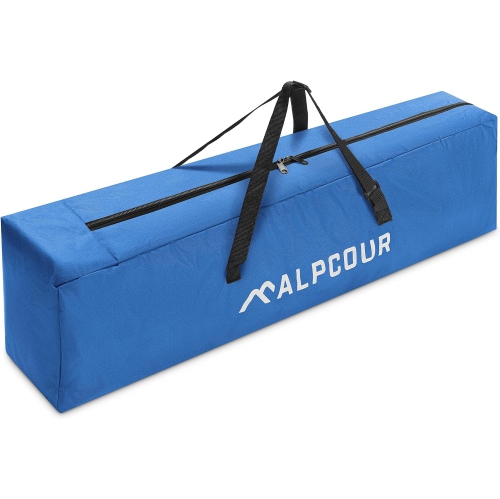
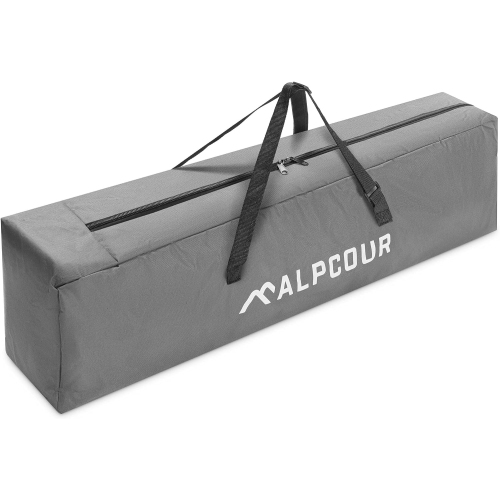
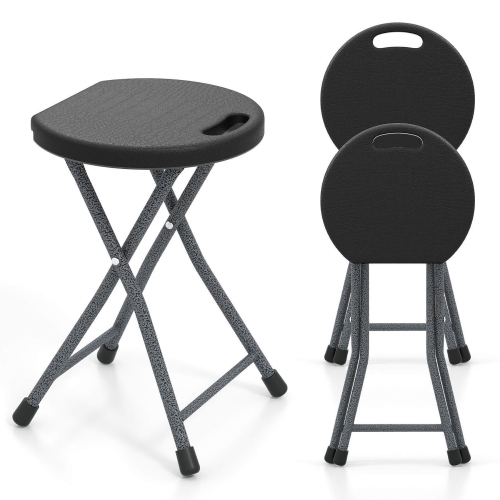
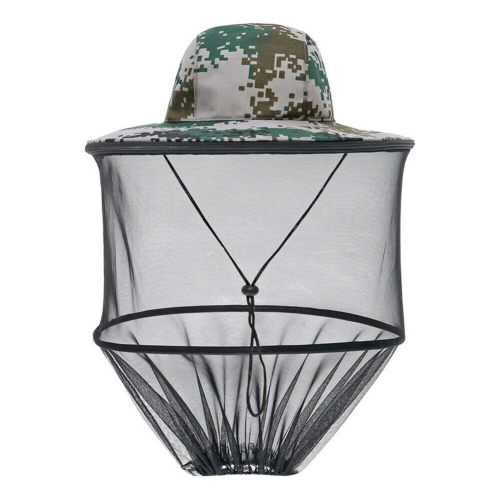
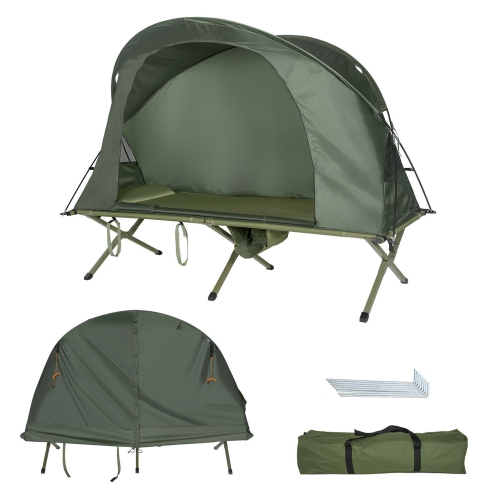
Everything needed for comfortable and well-prepared camping trips
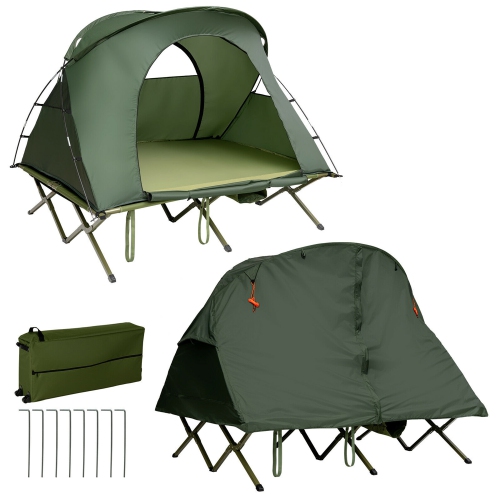
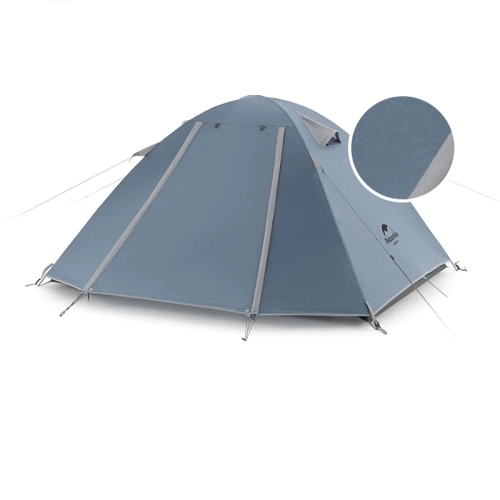
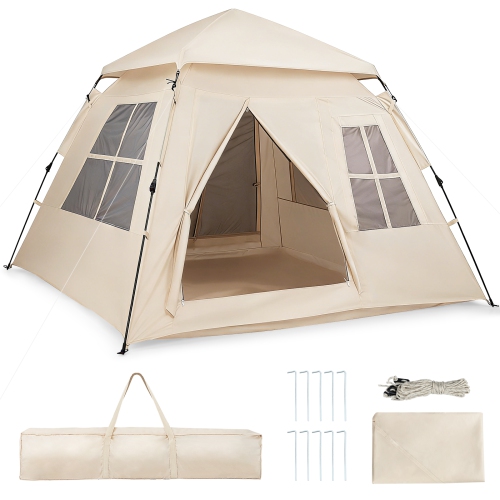
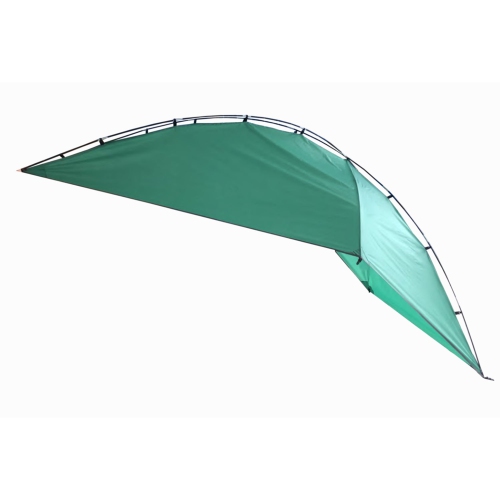
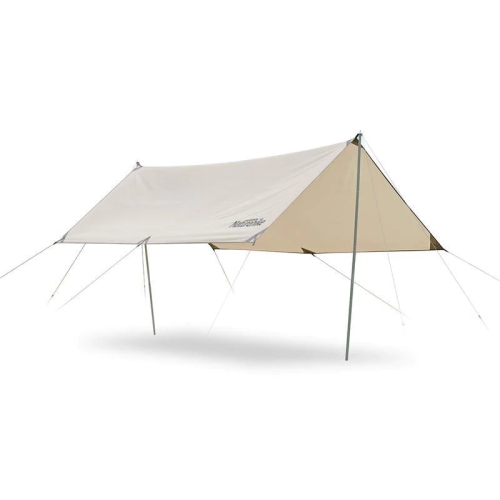
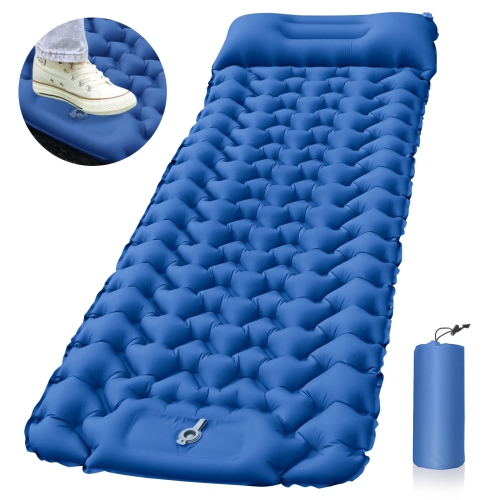
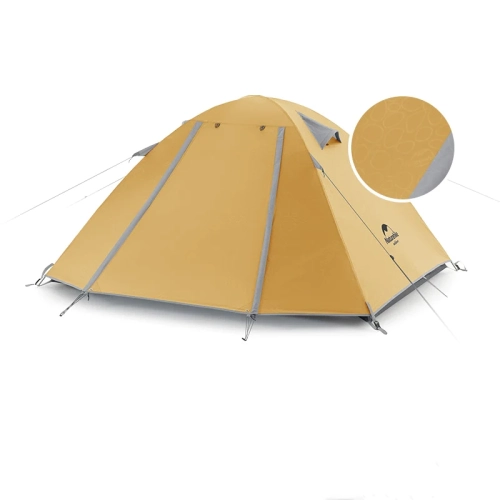
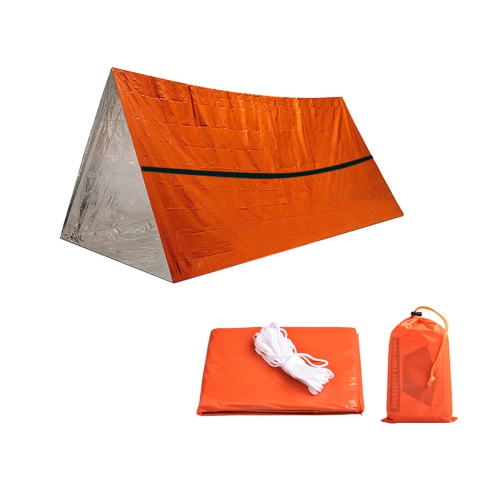
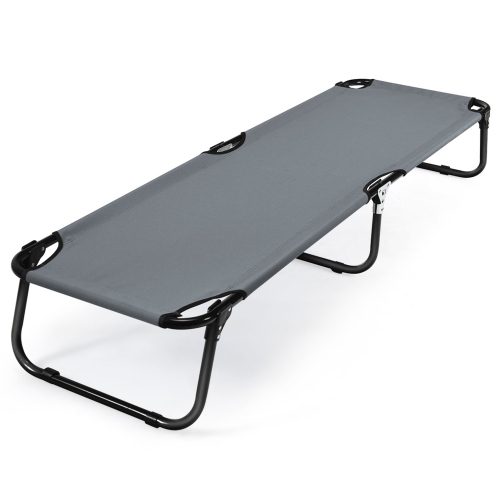
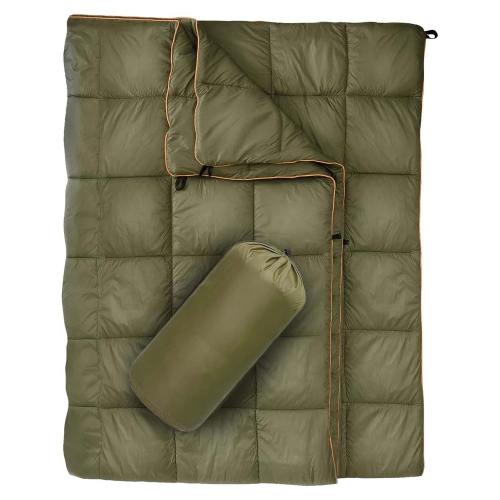
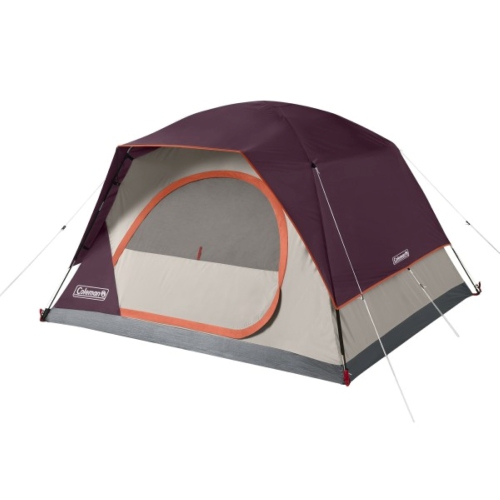
Camping gear helps turn time outdoors into a more comfortable, organized and enjoyable experience, whether you are planning a quiet night beside a lake, a weekend at a serviced campground or a longer backcountry trip. The right setup usually begins with shelter and sleep essentials. Choose a tent according to the number of people using it, the amount of equipment that needs to stay inside and the conditions you expect to encounter. A three-season tent is a practical choice for many outings during warmer and cooler weather, while a more specialized shelter may be better suited to winter camping or exposed areas. Look for details such as interior height, vestibule space, ventilation, waterproof construction, durable poles and straightforward setup. A ground tarp can help protect the tent floor and keep moisture from reaching your sleeping area, provided it does not extend beyond the tent where rain could collect underneath. For sleeping comfort, match the sleeping bag to the expected temperature range and consider the shape, insulation and packed size. A sleeping pad or cot provides cushioning and helps separate you from the cold ground, while a compact camp pillow or a pillow with a washable cover can make a noticeable difference after a full day of hiking, paddling or exploring. Families often appreciate spacious tents, extra sleeping surfaces and simple lighting for settling children at bedtime, while solo campers and couples may prefer lightweight equipment that is quick to pack and carry. Camping gear can also make a thoughtful gift for someone preparing for a first trip, building a car-camping kit or spending more time at a favourite campsite. A useful gift does not have to be complicated: a comfortable chair, dependable lantern, insulated bottle or compact cooking accessory can become part of many future adventures.
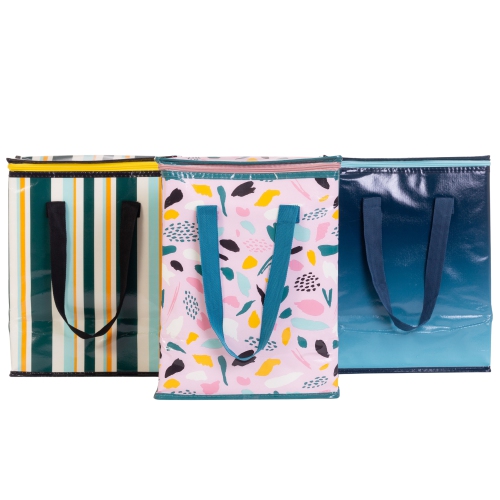
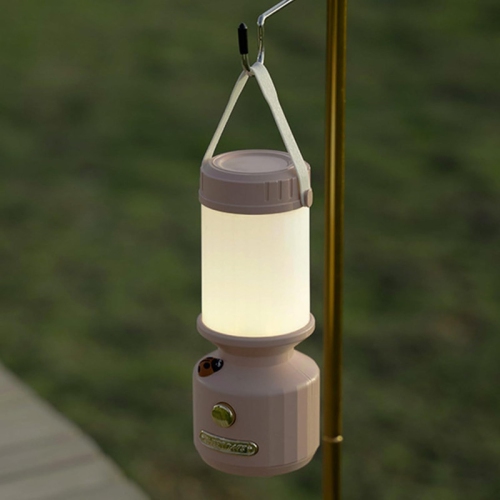
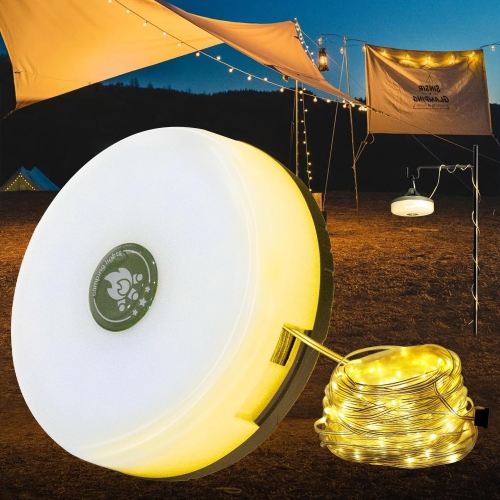
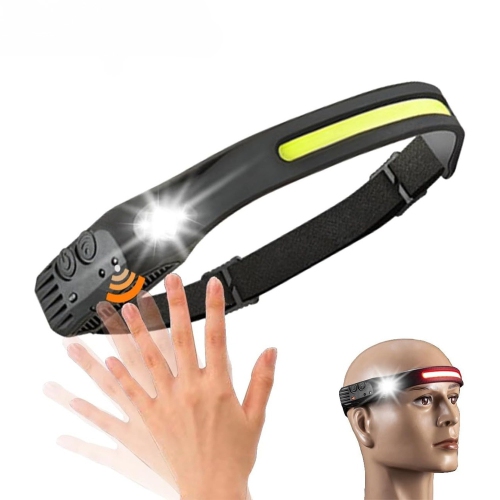
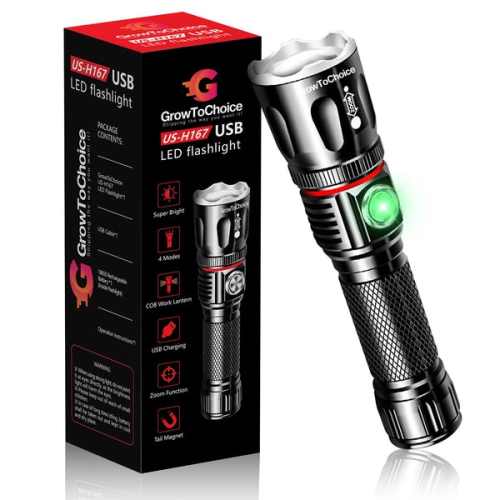
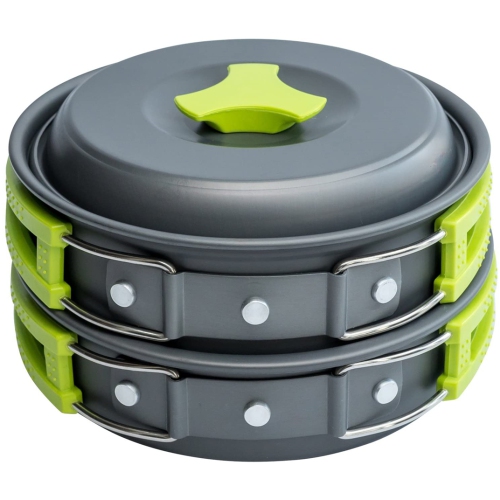
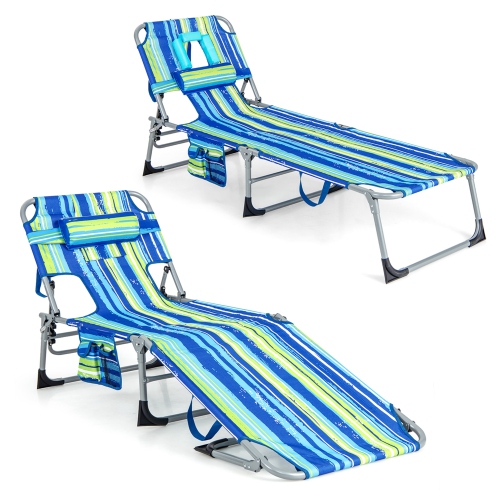
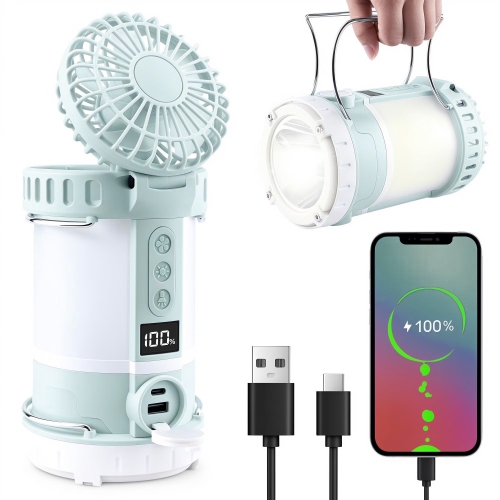
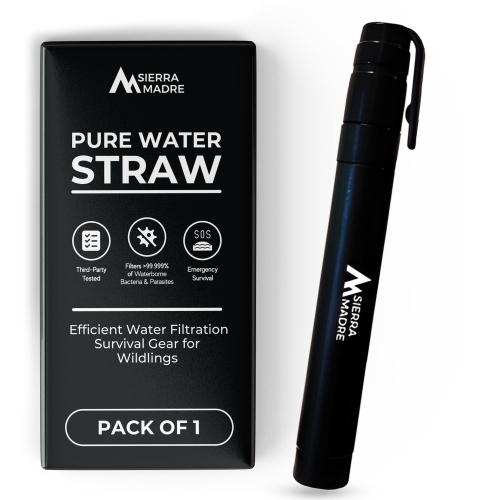
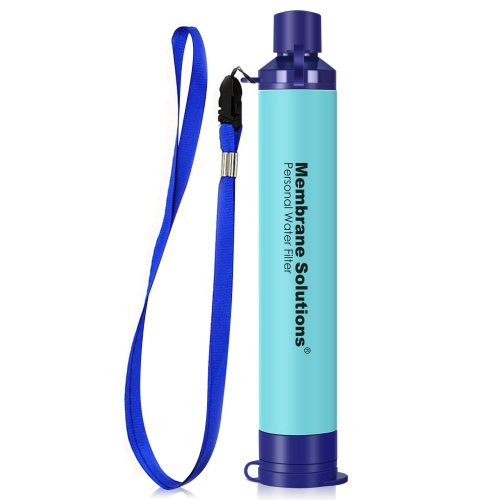
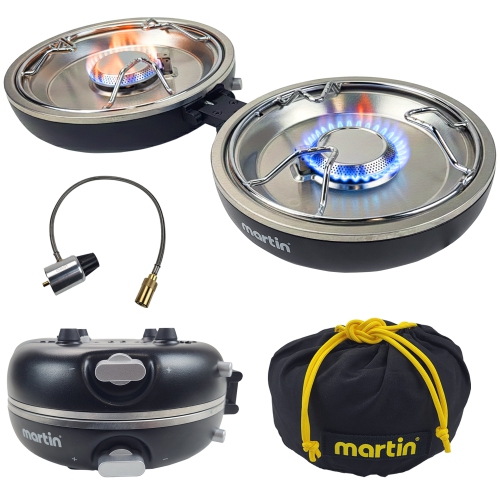
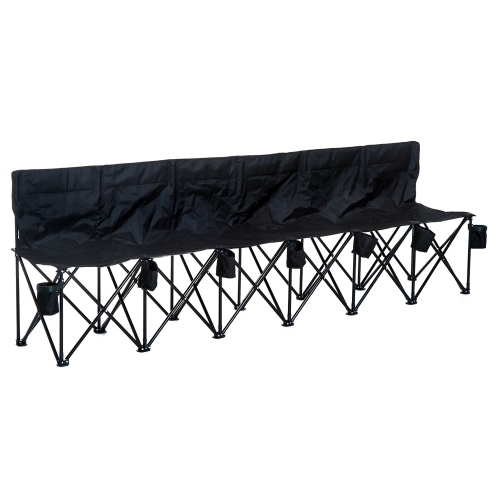
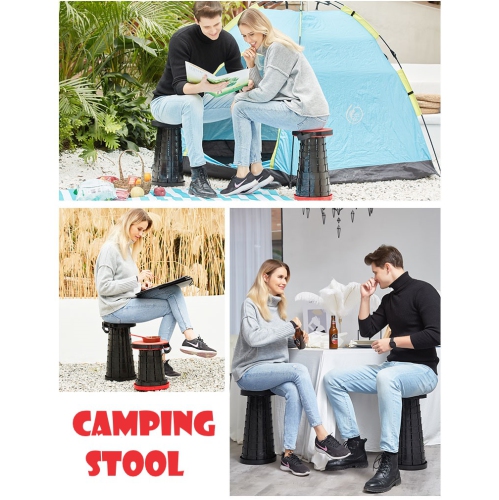
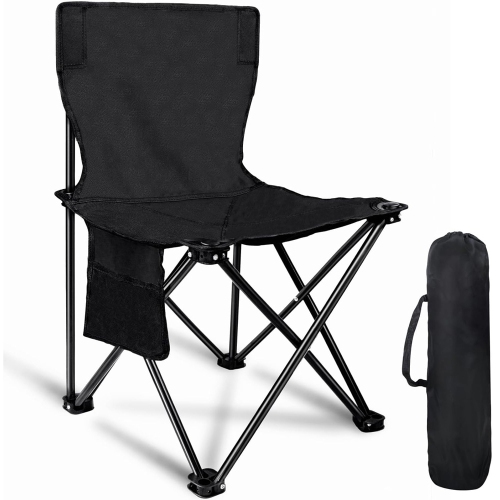
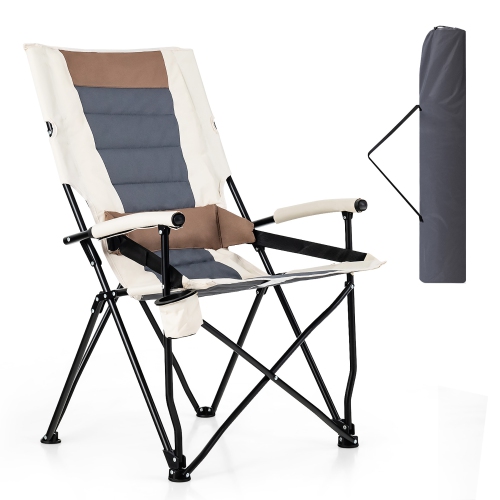
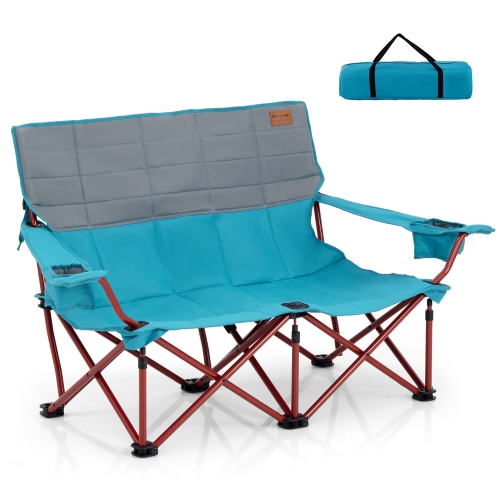
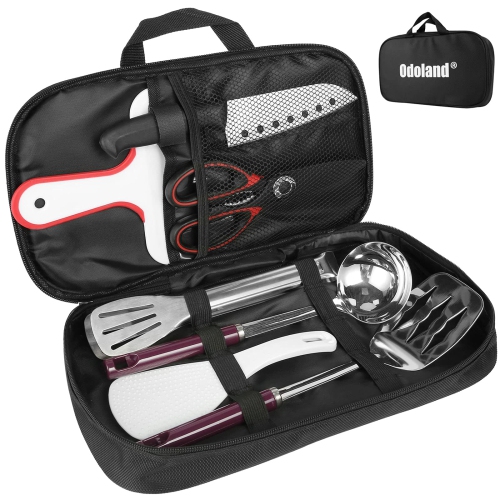
A well-planned camp kitchen supports everything from a quick morning drink to a relaxed meal shared around a picnic table. Portable cooking equipment should be selected with the campsite rules, group size and style of travel in mind. A compact stove, suitable fuel, cookware, utensils and a stable surface can provide the essentials, while nesting pots and stackable dishes help keep the packing list manageable. Bring food storage containers that close securely, along with a cooler or insulated bag when the trip calls for chilled ingredients. Water is another central part of camping preparation. Reusable bottles and hydration reservoirs make it easier to carry enough water throughout the day, while a filtration system or purification method can be useful when reliable drinking water is not available at the destination. Always check local guidance and treat water as recommended for the area. Camp furniture adds comfort without needing to take over the vehicle: folding chairs create a place to rest near the fire or under a shelter, and a compact table keeps meals, games and lanterns off the ground. A hammock with appropriate straps can provide a peaceful spot for reading or taking an afternoon break where trees and local regulations allow. Lighting should cover more than the walk from the tent to the washroom. A headlamp keeps both hands free while setting up camp, organizing equipment or following a trail after dark, and a lantern can provide broader light for cooking and conversation. Pack spare batteries or a reliable charging solution, and keep lighting where it can be reached easily rather than buried in a storage bin. For practical maintenance and campsite tasks, explore Camping Tools, where helpful equipment can support setup, repairs and everyday outdoor use.
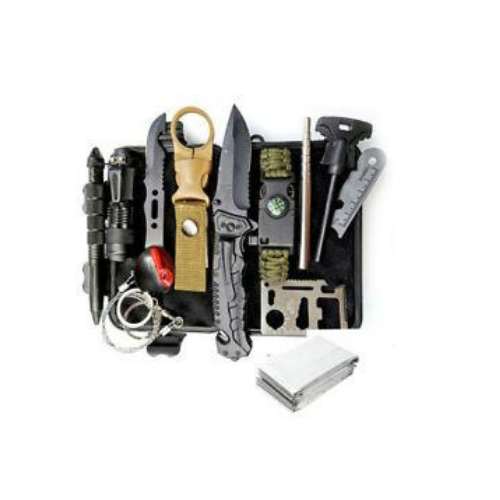
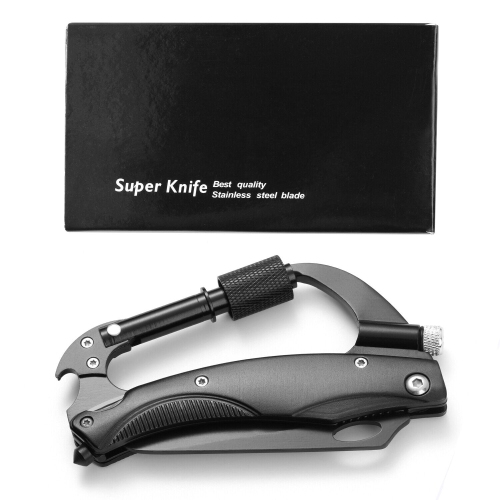
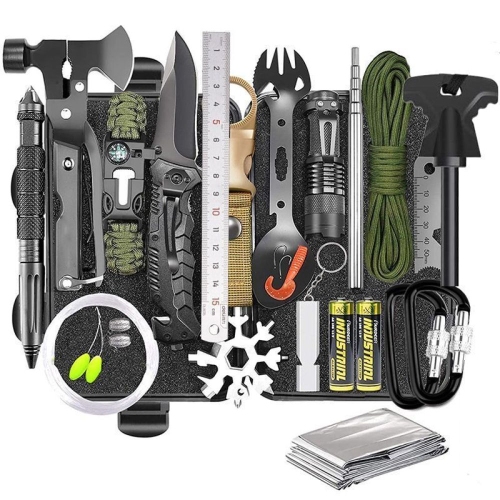
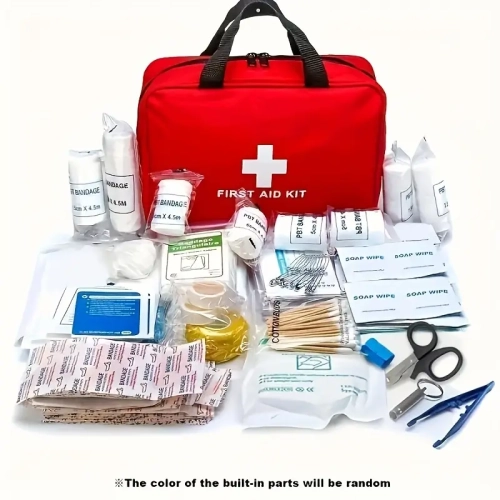
Safety and personal comfort are just as important as shelter and cooking equipment. A first aid kit should be suitable for the size of the group and the type of trip, with supplies for minor cuts, blisters, scrapes, insect bites and other common mishaps. A multi-tool, repair patches, strong tape and spare cord can help address small problems before they interrupt the outing. Navigation tools, maps and a charged phone or other communication device should complement one another, particularly in unfamiliar areas where reception may be limited. Pack weather-appropriate layers that can be added or removed as conditions change, including moisture-managing base layers, a warm mid-layer, rain protection, comfortable socks and sturdy footwear. During the cooler months, warm hats, gloves and insulated layers can make early mornings and evenings much more pleasant, while sun protection, insect repellent and quick-dry towels are useful when the weather is warmer. Store personal hygiene items in a compact, easy-to-clean bag and follow campground or backcountry rules for waste and food storage. Those travelling with children may want extra clothing, familiar comfort items, simple activities and lighting that helps everyone feel settled after sunset. Pet owners should also plan for food, water, secure leads and a sleeping area suited to their companion. Before leaving, check the forecast, fire restrictions, reservation requirements and local wildlife guidance, then test unfamiliar equipment at home. A trial setup can reveal a missing connector, confusing tent pole or uncomfortable sleeping arrangement while there is still time to make adjustments. From a carefully organized vehicle loadout to a light kit carried along a forest trail, camping gear is most useful when it matches the destination, the people using it and the way they want to spend their time outdoors.
A well-planned camp kitchen supports everything from a quick morning drink to a relaxed meal shared around a picnic table. Portable cooking equipment should be selected with the campsite rules, group size and style of travel in mind. A compact stove, suitable fuel, cookware, utensils and a stable surface can provide the essentials, while nesting pots and stackable dishes help keep the packing list manageable. Bring food storage containers that close securely, along with a cooler or insulated bag when the trip calls for chilled ingredients. Water is another central part of camping preparation. Reusable bottles and hydration reservoirs make it easier to carry enough water throughout the day, while a filtration system or purification method can be useful when reliable drinking water is not available at the destination. Always check local guidance and treat water as recommended for the area. Camp furniture adds comfort without needing to take over the vehicle: folding chairs create a place to rest near the fire or under a shelter, and a compact table keeps meals, games and lanterns off the ground. A hammock with appropriate straps can provide a peaceful spot for reading or taking an afternoon break where trees and local regulations allow. Lighting should cover more than the walk from the tent to the washroom. A headlamp keeps both hands free while setting up camp, organizing equipment or following a trail after dark, and a lantern can provide broader light for cooking and conversation. Pack spare batteries or a reliable charging solution, and keep lighting where it can be reached easily rather than buried in a storage bin. For practical maintenance and campsite tasks, explore Camping Tools, where helpful equipment can support setup, repairs and everyday outdoor use.
Safety and personal comfort are just as important as shelter and cooking equipment. A first aid kit should be suitable for the size of the group and the type of trip, with supplies for minor cuts, blisters, scrapes, insect bites and other common mishaps. A multi-tool, repair patches, strong tape and spare cord can help address small problems before they interrupt the outing. Navigation tools, maps and a charged phone or other communication device should complement one another, particularly in unfamiliar areas where reception may be limited. Pack weather-appropriate layers that can be added or removed as conditions change, including moisture-managing base layers, a warm mid-layer, rain protection, comfortable socks and sturdy footwear. During the cooler months, warm hats, gloves and insulated layers can make early mornings and evenings much more pleasant, while sun protection, insect repellent and quick-dry towels are useful when the weather is warmer. Store personal hygiene items in a compact, easy-to-clean bag and follow campground or backcountry rules for waste and food storage. Those travelling with children may want extra clothing, familiar comfort items, simple activities and lighting that helps everyone feel settled after sunset. Pet owners should also plan for food, water, secure leads and a sleeping area suited to their companion. Before leaving, check the forecast, fire restrictions, reservation requirements and local wildlife guidance, then test unfamiliar equipment at home. A trial setup can reveal a missing connector, confusing tent pole or uncomfortable sleeping arrangement while there is still time to make adjustments. From a carefully organized vehicle loadout to a light kit carried along a forest trail, camping gear is most useful when it matches the destination, the people using it and the way they want to spend their time outdoors.
Top selling and popular products
-
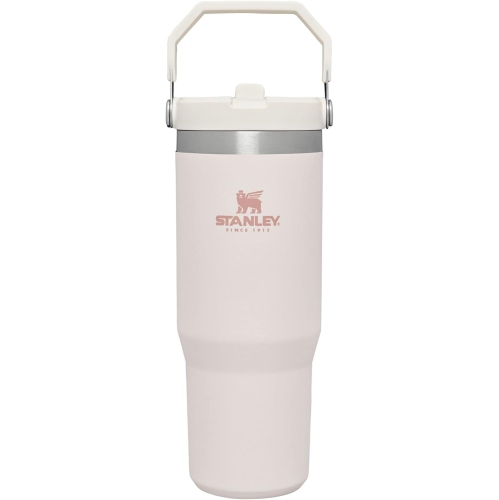 Your price for this item is $49.89
 -
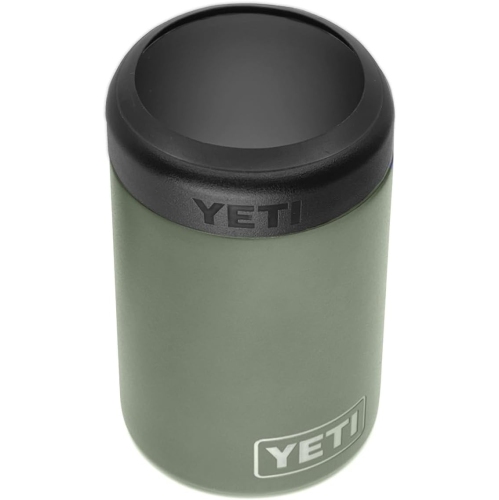 Your price for this item is $64.99
 -
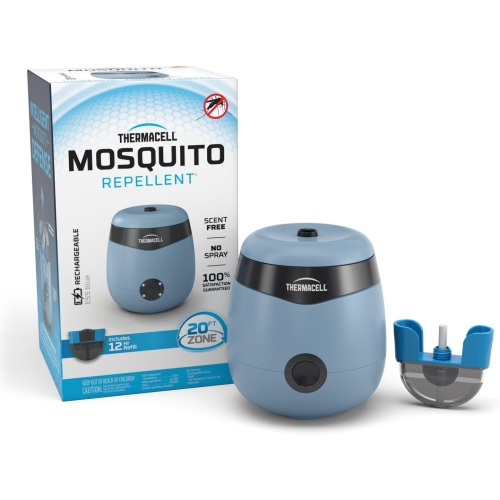 Your price for this item is $119.89
 -
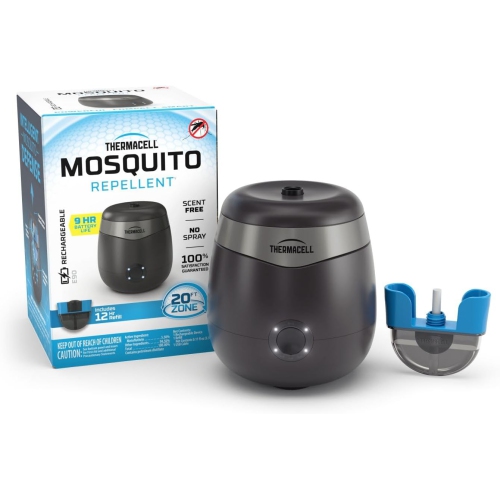 Your price for this item is $95.91
 -
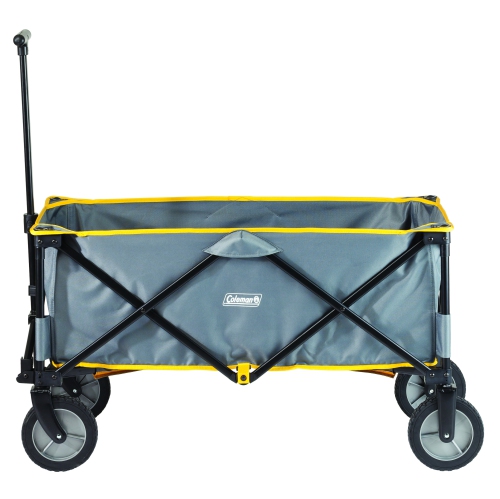 Your price for this item is $199
 -
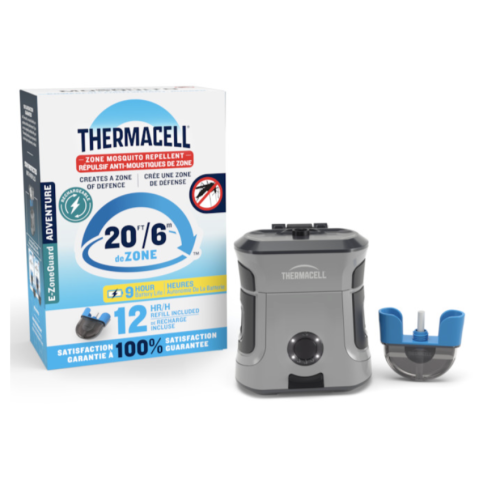 Your price for this item is $64.99
 -
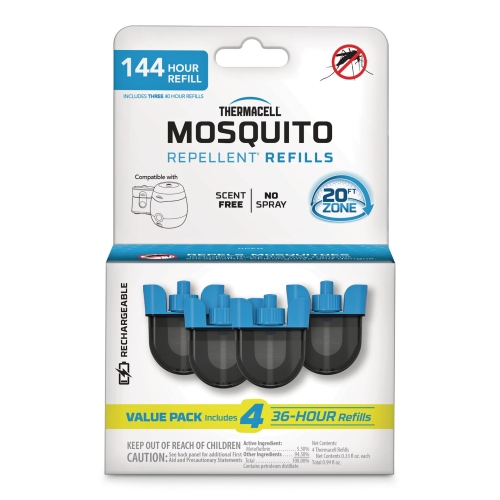 Your price for this item is $67
 -
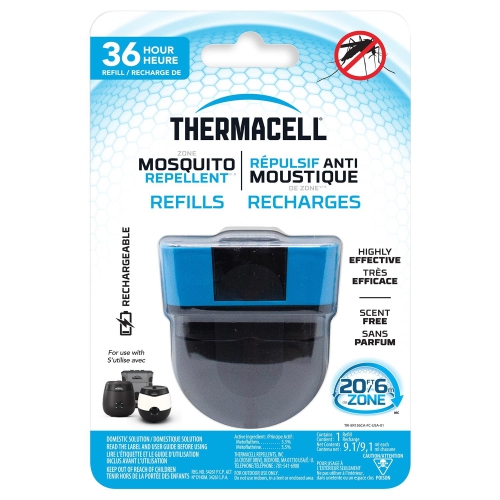 Your price for this item is $34.99
Discover more categories related to Camping Gear
Top Collections:
Pokemon Centers, Kindle Devices, Best Budget Office Chairs, Apple iPhones 16, Canon G7X Cameras, iPhone 15 Apple, Alarm Clock, Refurbished Apple Laptops, Flip Phones, Best Laptops for Writers
Some products may be subject to Environmental Handling Fees
(EHF) depending on your province.
Learn more about EHFs.