Trailers Toys
Explore a world of excitement and adventure with our diverse selection of trailer toys, perfect for sparking the imagination of young minds. Whether it's for indoor play or outdoor exploration, these toys offer endless possibilities for fun and creativity. From miniature replicas that mimic real-life trailers to innovative designs that encourage interactive play, each toy promises to deliver hours of entertainment. Crafted with attention to detail and quality materials, these trailer toys are designed to inspire storytelling and role-playing while supporting developmental skills. Discover the joy of imaginative playtime with our collection that caters to all ages and interests. Remember, our Low Price Guarantee means you can shop confidently knowing that you'll find the best price at Best Buy, all year round. We encourage you to check our website frequently for the most up-to-date information on our latest offers and savings opportunities.


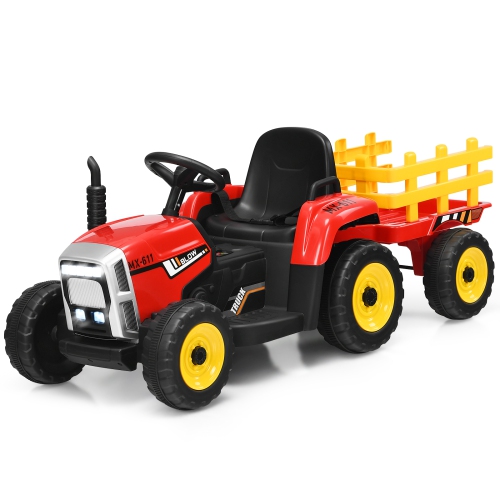

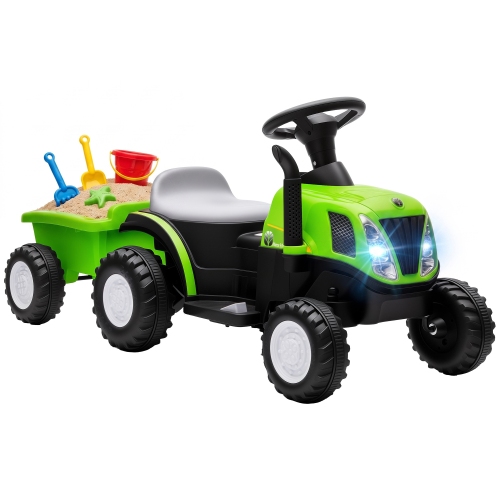
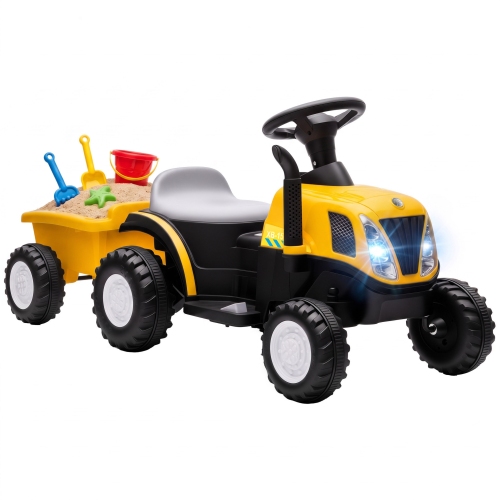


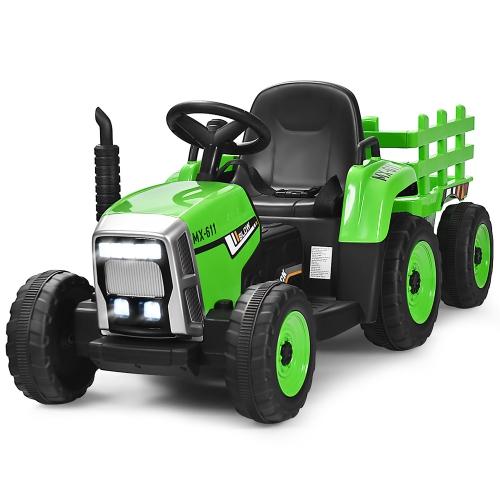


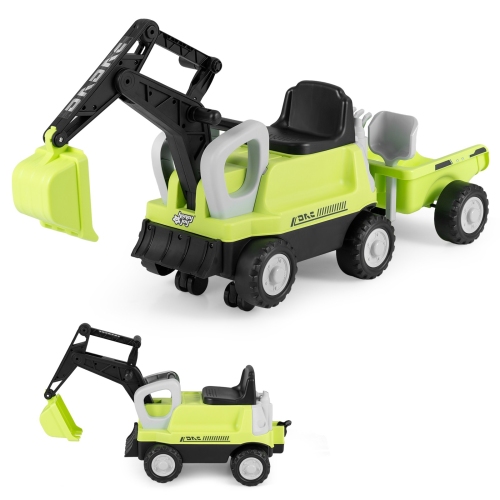

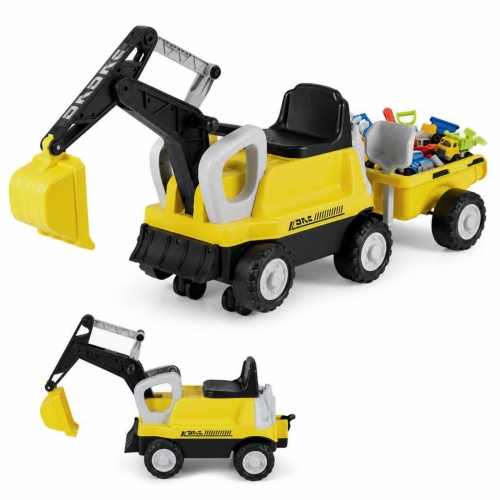


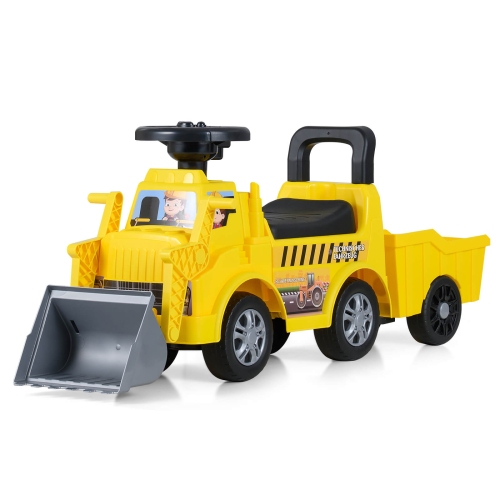


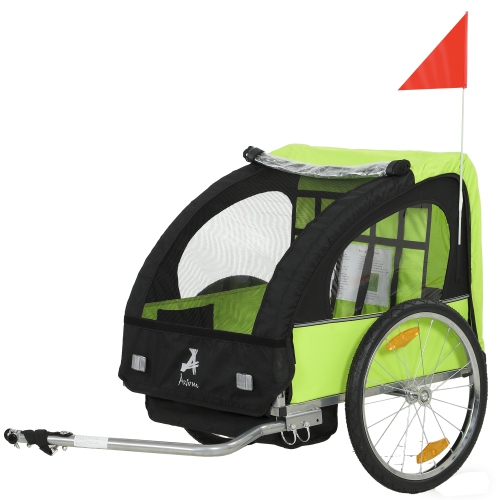


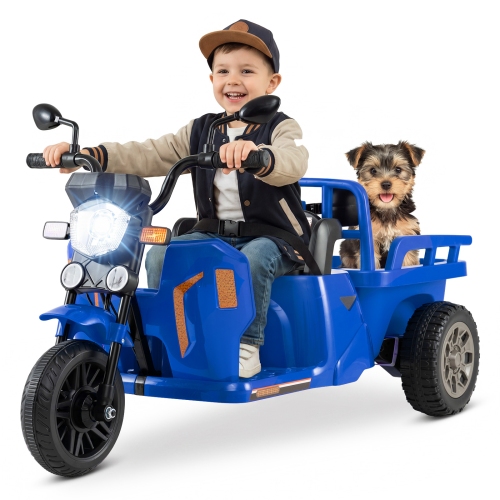


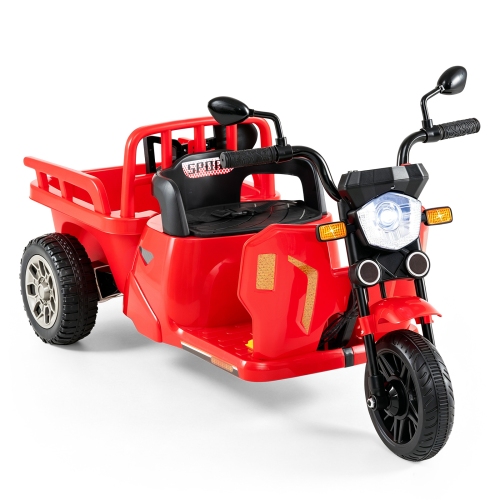


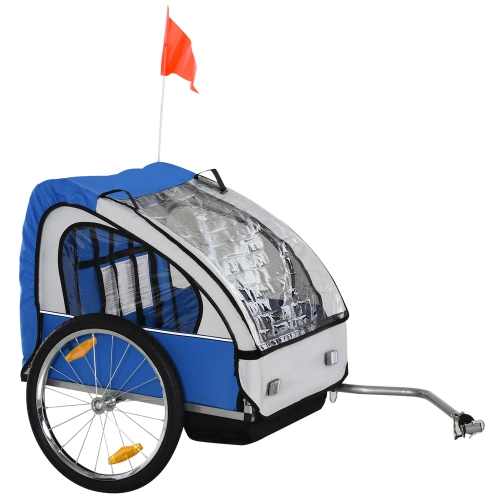
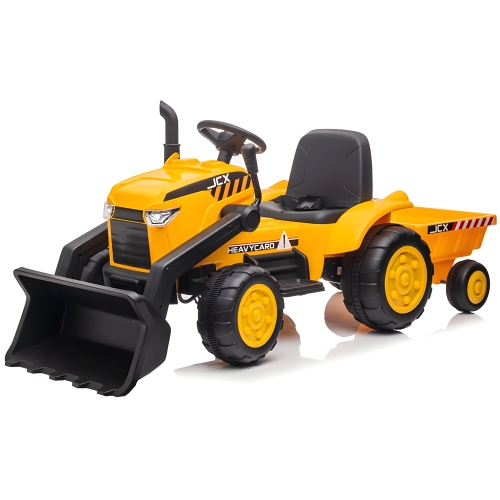







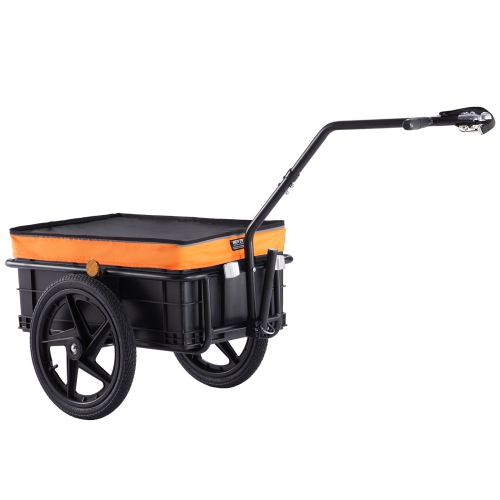
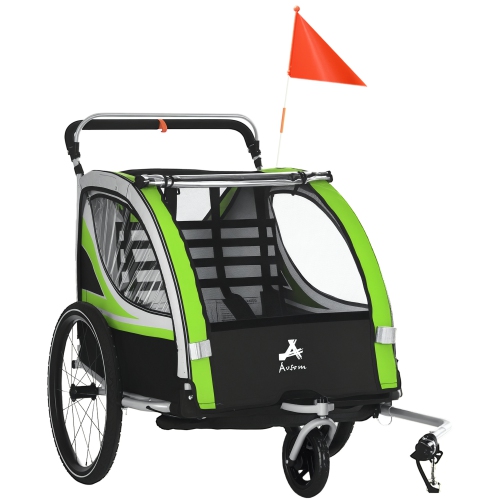
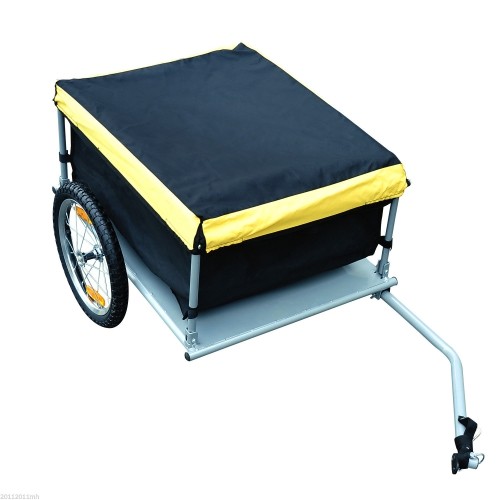
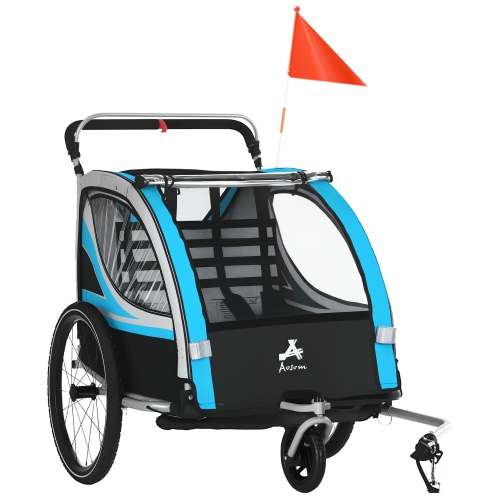
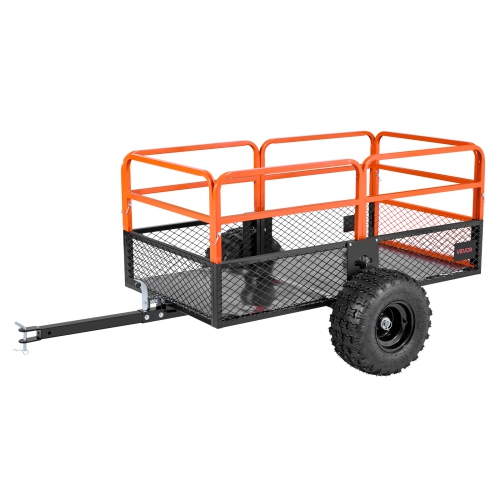
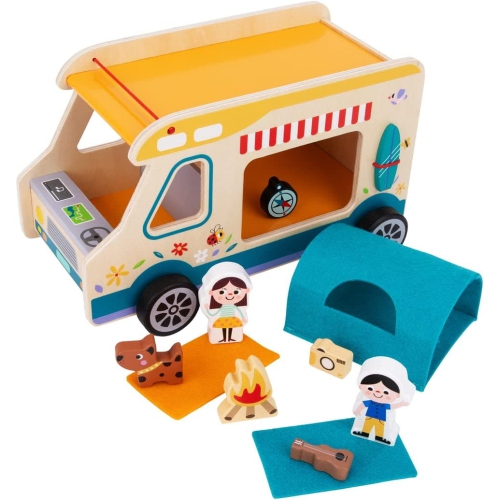
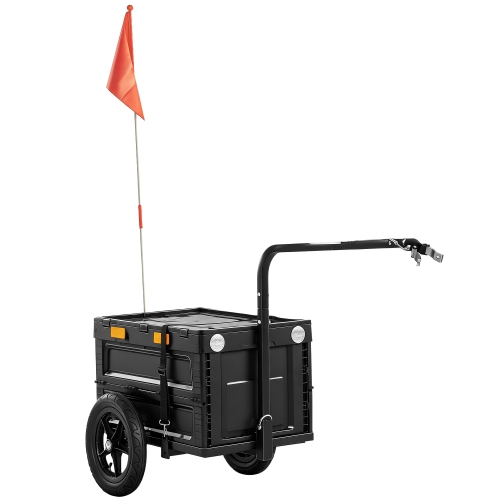
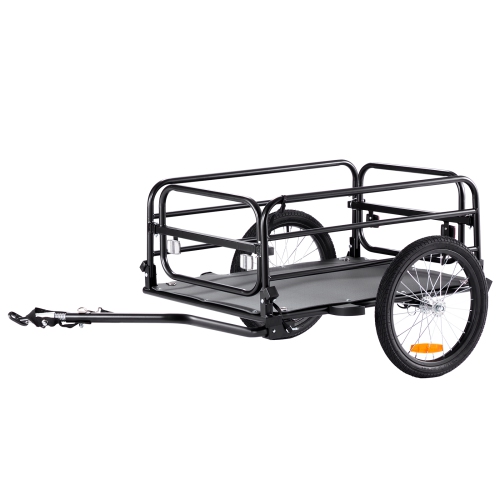

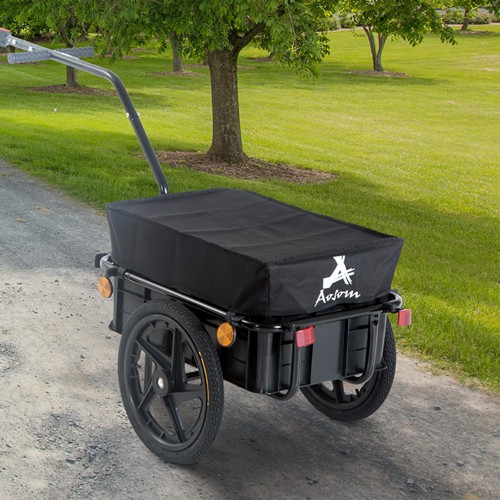

Little loads give toy vehicles bigger stories to tell
Size and compatibility matter because a trailer is often only one part of a larger play setup. Two vehicles can look similar in size yet use different hitch shapes, attachment heights, or connection systems. A stated scale can help establish visual proportions, but it does not guarantee that a trailer will attach to a towing vehicle from another range. The connection type and any manufacturer compatibility details are more useful than appearance alone. Overall length matters, too: a truck and trailer together need more space to turn than a single vehicle, especially around furniture legs or along a narrow toy road. A smaller trailer may suit a tabletop layout, while a larger design can leave more room for little hands to place and retrieve cargo. Materials influence weight, feel, and care. Moulded plastic can support rounded shapes and detailed interiors without making the toy especially heavy. Metal components can add weight and crisp detail, while wooden designs often use simpler forms that suit open-ended play. Many toys combine materials, so durability depends on construction rather than a single material label. Hitches, axles, ramp hinges, and door attachments are useful points to consider because they receive repeated handling. A finely detailed miniature may reward gentle use, whereas a toy intended for regular floor play needs to suit frequent coupling, loading, and unloading. Moving features should also match the child’s abilities. A ramp that is easy to lower can make play flow smoothly; a tiny latch requiring precise finger movements may be better suited to an older child. Manufacturer age ratings and warnings remain important, particularly when a trailer includes detachable accessories or small cargo pieces. A large body does not necessarily mean a toy is suitable for toddlers. These are miniature play vehicles, not equipment for carrying children, pets, or heavy household objects. Where a design has a stated load limit or specific play restrictions, those details help distinguish imaginative hauling from uses the toy was never built to handle.
Everyday use brings out practical differences that are easy to miss in a photograph. Wheel clearance and the surface under the toy affect how smoothly a loaded trailer travels. A hard, level floor usually offers a more predictable route than thick carpet, where small wheels may catch and lightweight cargo can shift. Reversing adds another challenge: the trailer turns at the hitch rather than following the towing vehicle in a straight line. Children may enjoy experimenting with wide corners, parking between block-built walls, or stopping at a homemade loading bay. These small tasks invite patient trial and error, along with conversations about space, sequence, and balance. During shared play, one child might manage deliveries while another runs the campsite or farm, giving each person a part in the same story. Trailer toys can make thoughtful gifts for children who already enjoy vehicles, farm animals, construction scenes, or pretend travel, especially when the theme connects with a familiar outing or family interest. Compatibility with an existing play setup can matter more than extra features, and manageable parts can be more useful than elaborate detail. Storage and care help preserve that everyday usefulness. Loose accessories are easier to keep together in a suitable container, while parking the trailer with its towing vehicle can make the next play session simpler to start. Before putting toys away, removing threads, hair, or grit from around wheels can help keep them rolling freely. Cleaning should follow the manufacturer’s directions; for many non-electronic surfaces, a soft, lightly dampened cloth is more appropriate than soaking. Water can remain inside enclosed sections, affect metal fittings, or lift decorative labels, and wooden components may need particularly careful drying. Outdoor play should be limited to toys intended for it, since damp ground and sand can be hard on small mechanisms. Indoors during the cooler months, a clear patch of floor and a few familiar play pieces are often enough to create a new route. With proportions, features, and construction suited to the intended user, a toy trailer can remain a versatile part of vehicle play, adding purpose to each journey and something new to do at every stop.
Top selling and popular products
-
 Your price for this item is $150.99
-
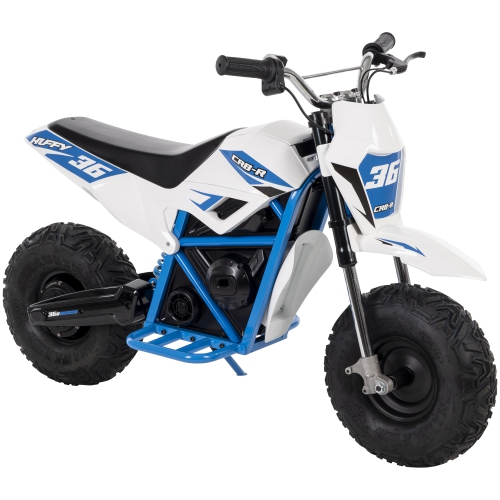 Your price for this item is $799.99
-
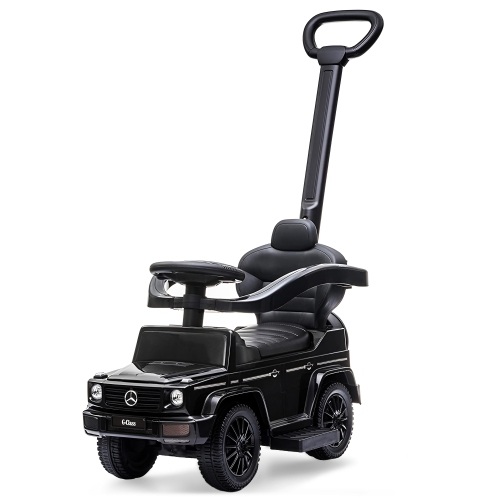 Your price for this item is $142.99
-
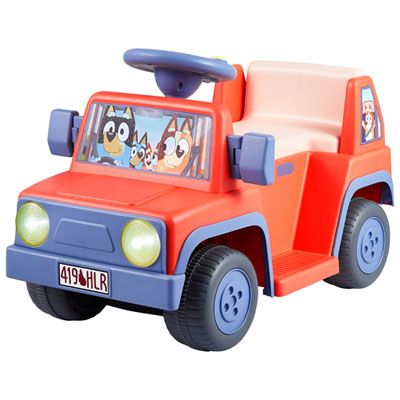 Your price for this item is $199.99
-
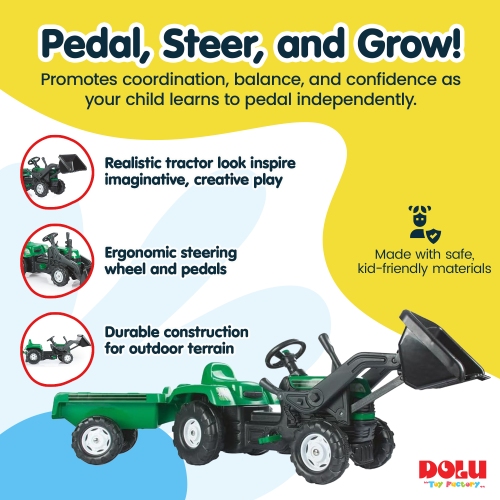 Your price for this item is $204.99
-
 Your price for this item is $199.99
-
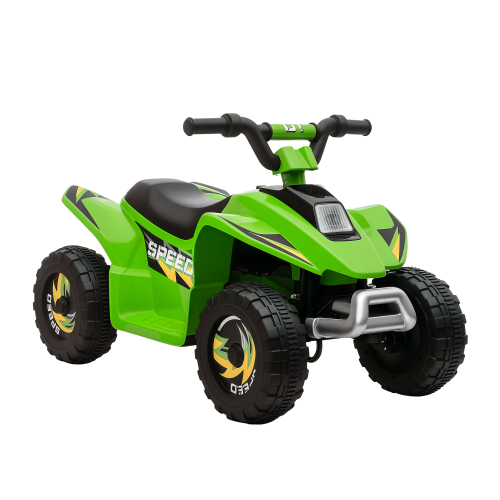 Your price for this item is $82.95
-
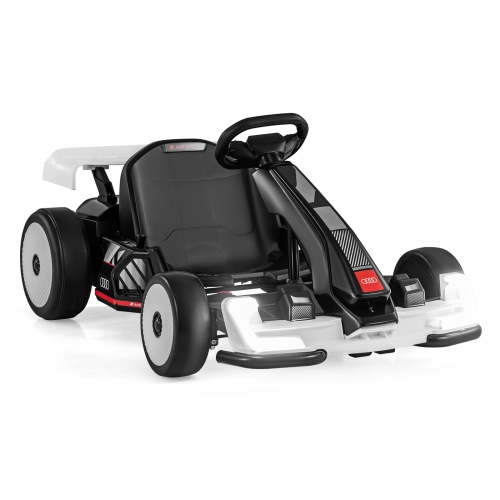 Your price for this item is $449.99