Non Stick Coating Fry Pans
A non-stick coating is a thin layer of material that has been applied to the surface of a pan. This allows the cook to cook with less oil or butter, which can be helpful in reducing calories and fat intake. However, some cooks have concerns about the health risks associated with cooking with non-stick cookware. Here are some great non-stick coating fry pans available today.
Sort
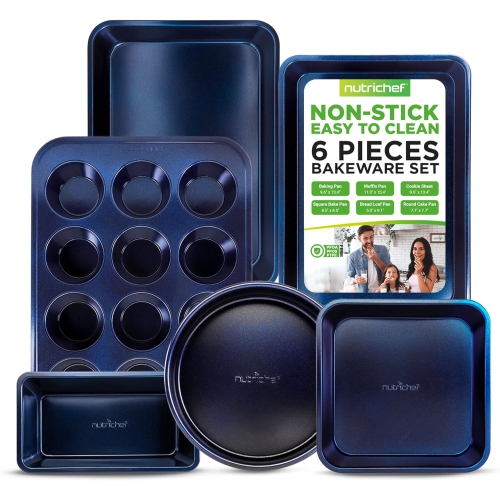
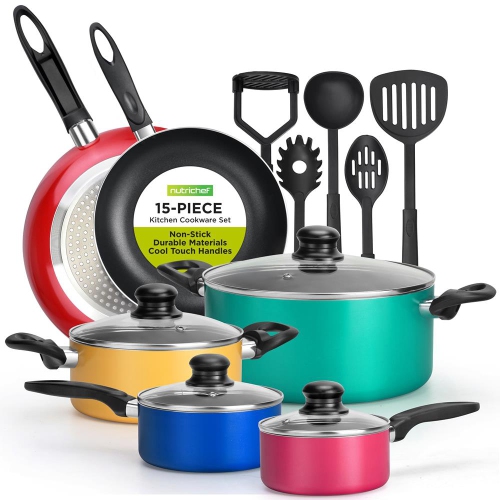

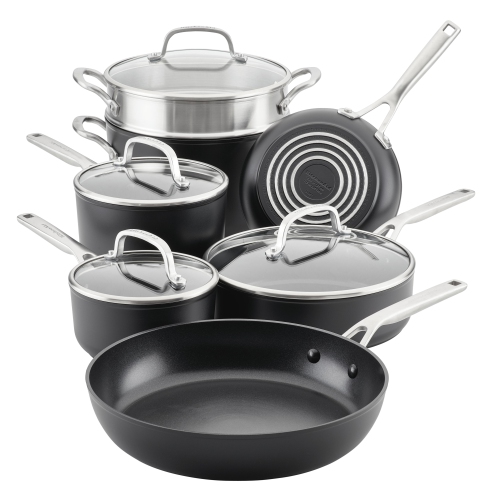
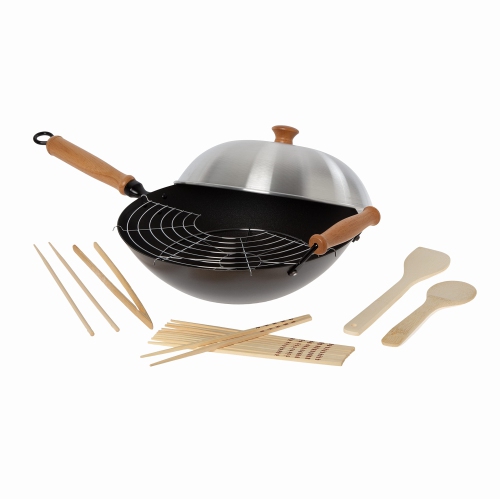
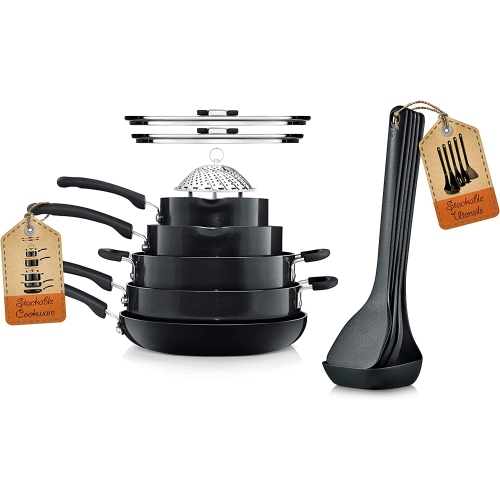
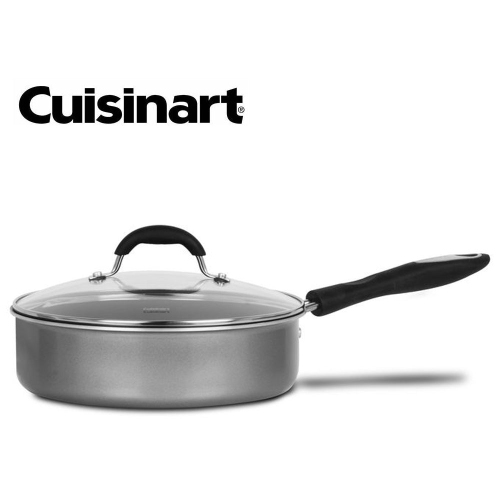
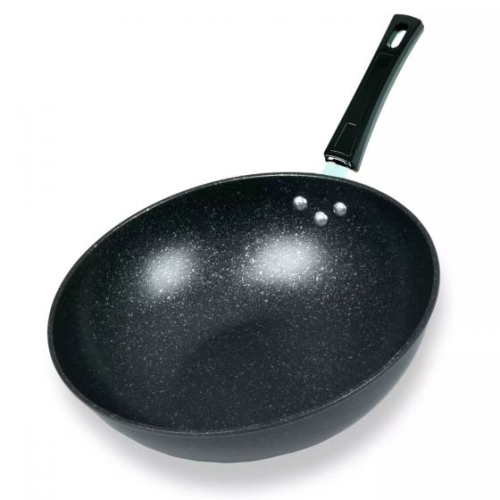
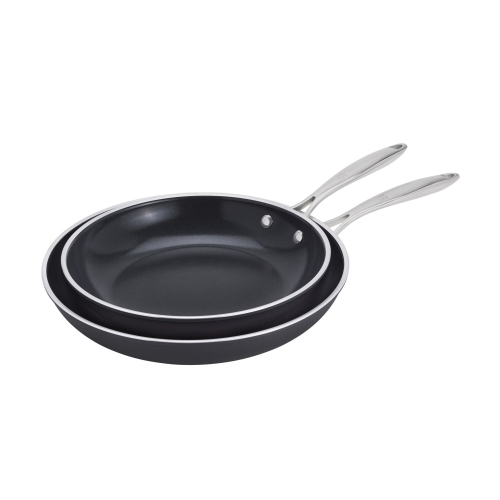
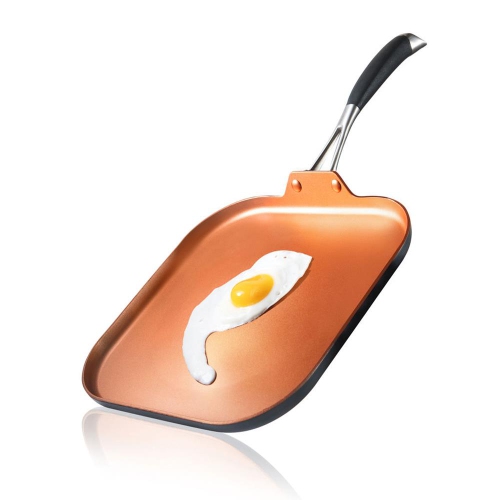
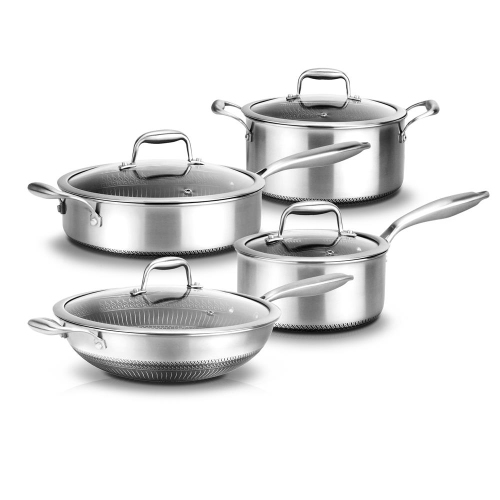
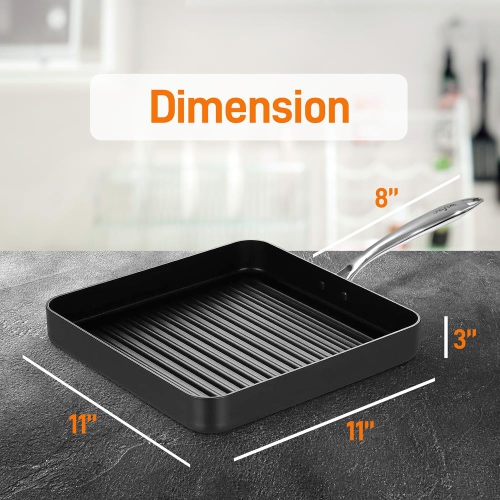
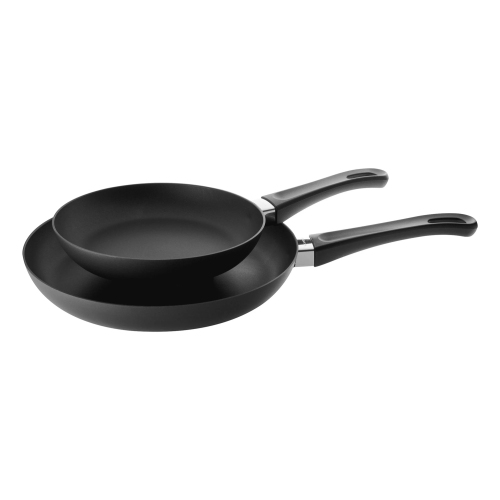
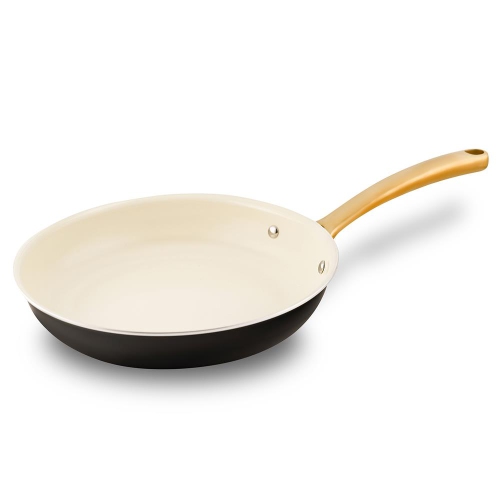
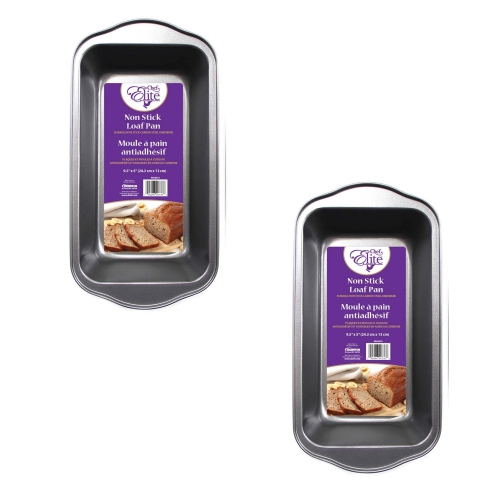
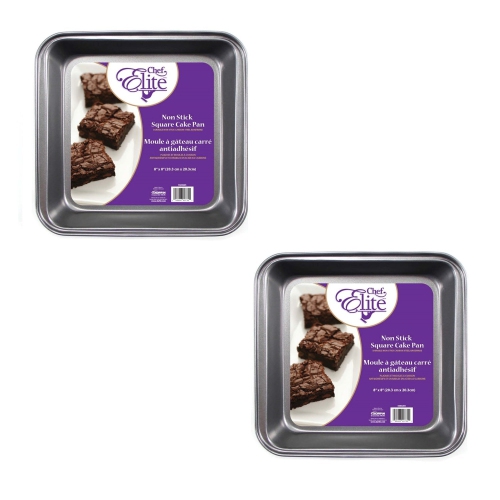
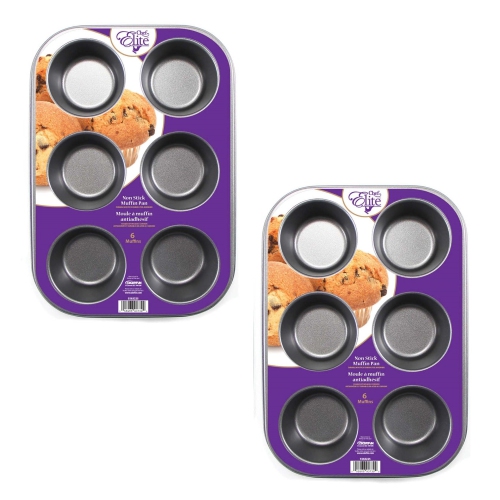
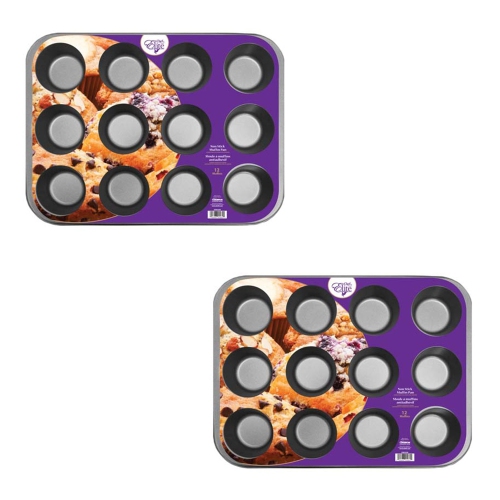
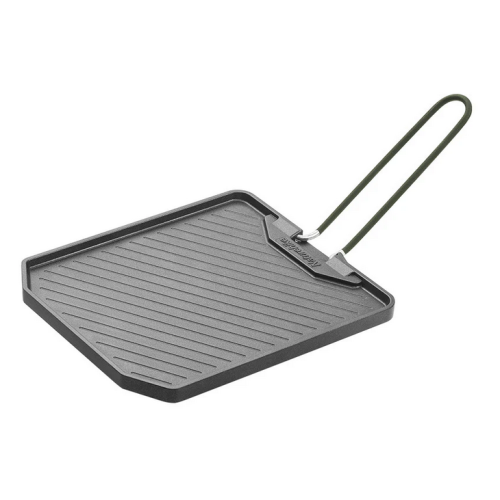
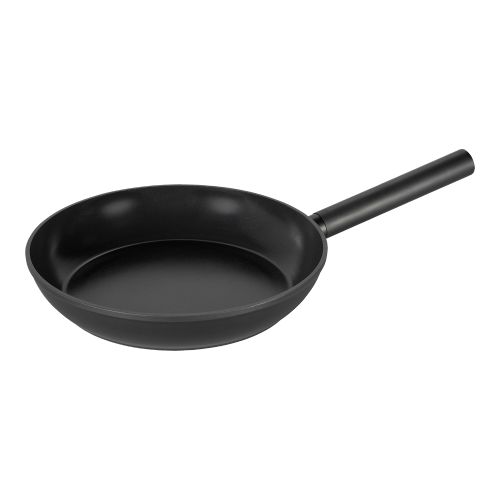
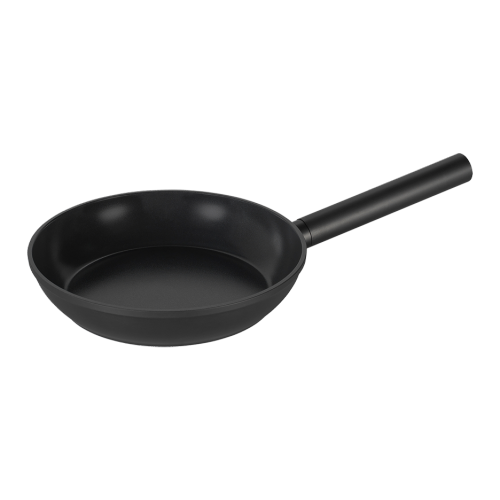
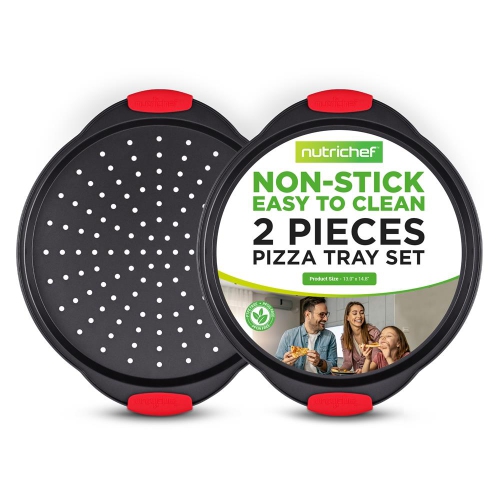
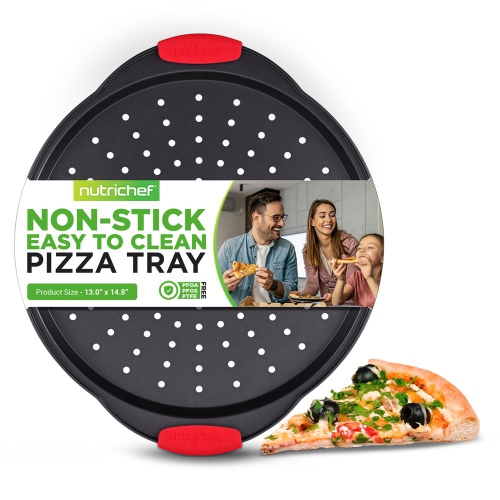
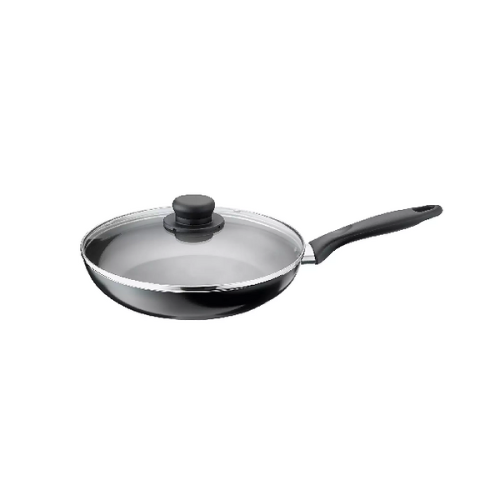
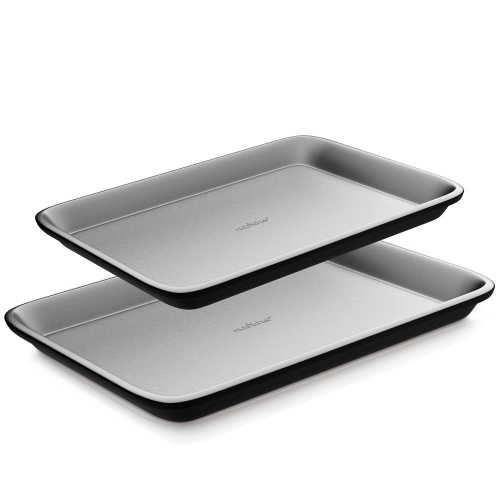
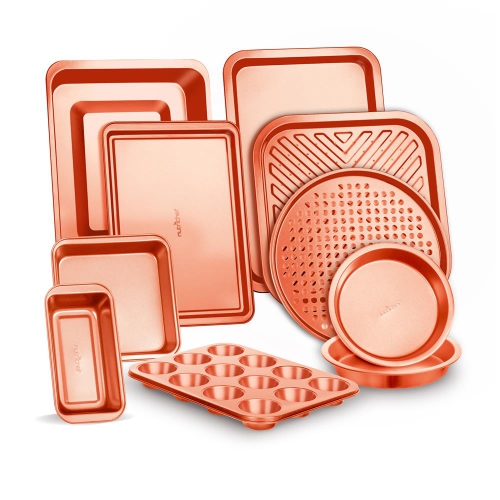
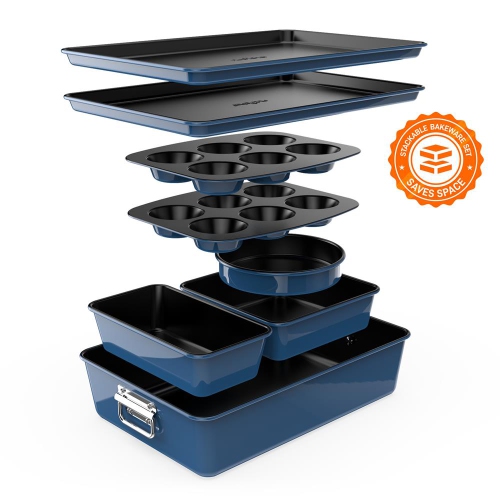
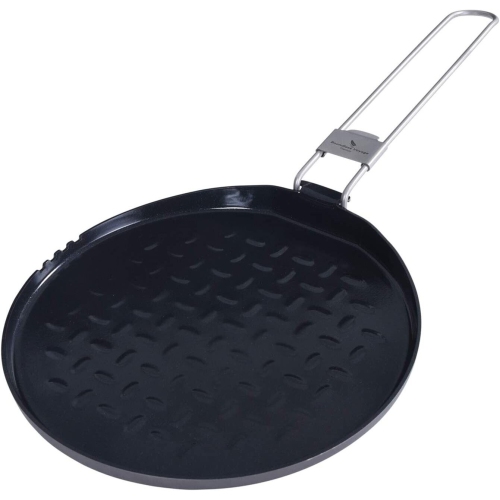
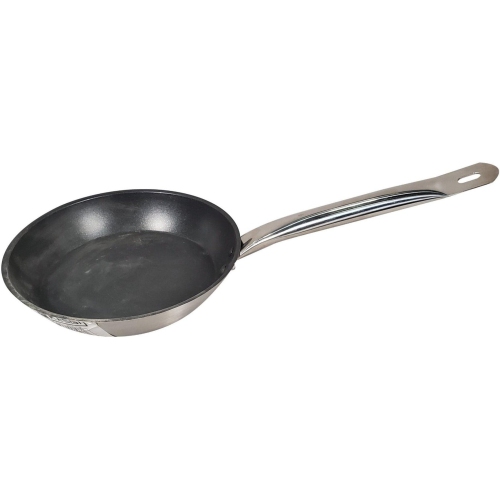
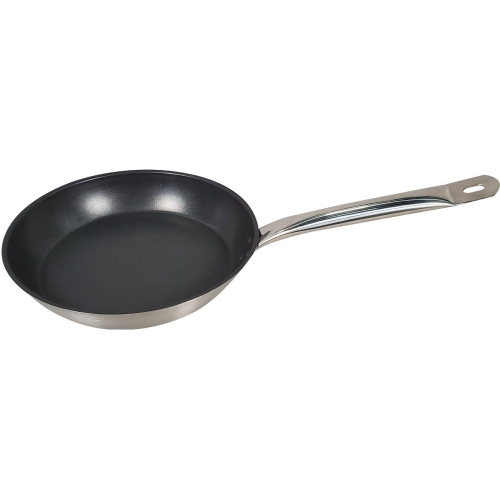
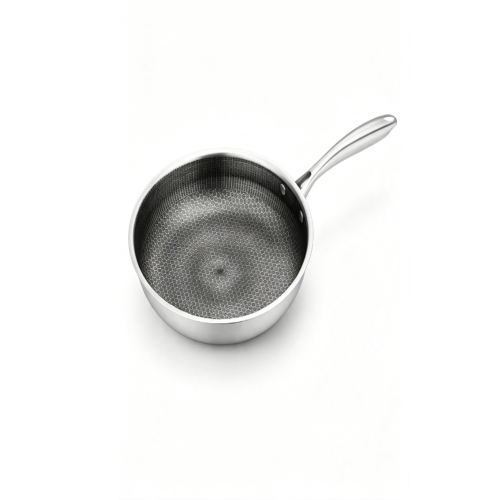
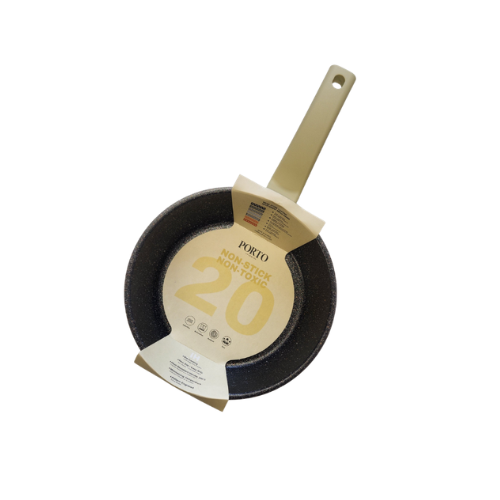
Easy food release and cleanup for everyday cooking
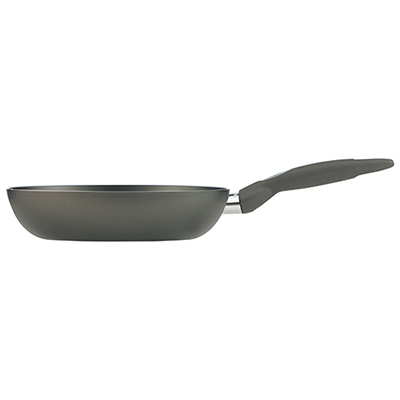
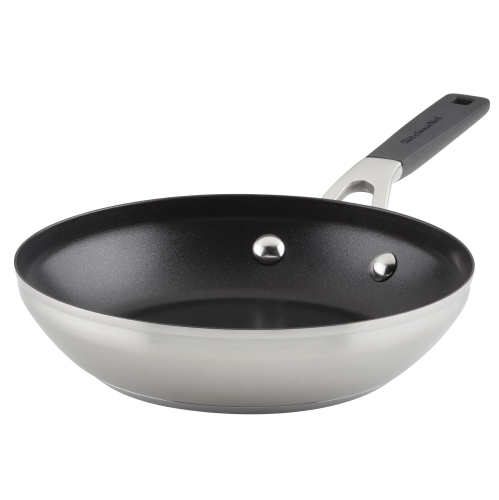
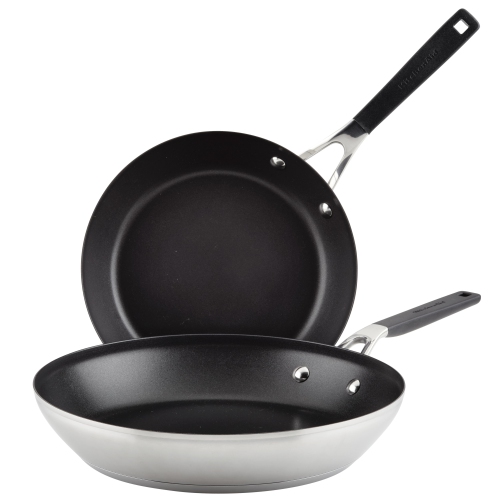
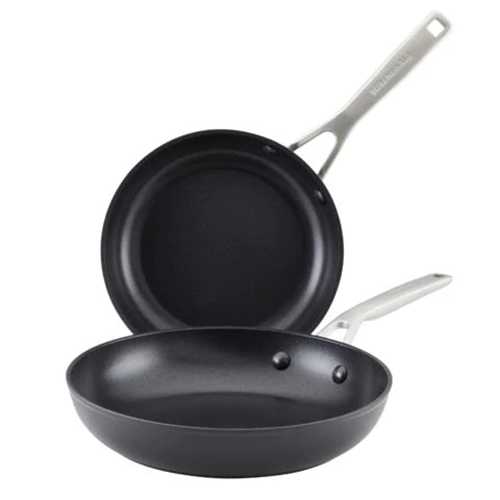
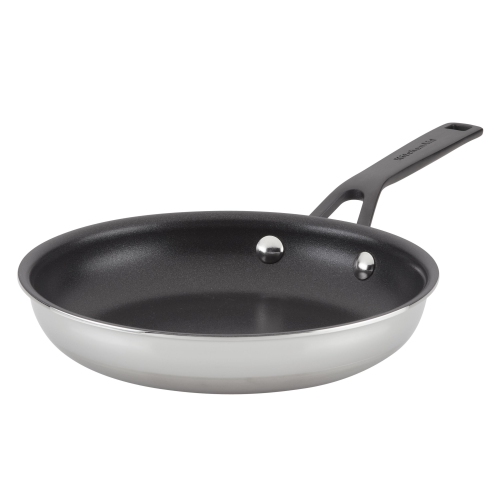
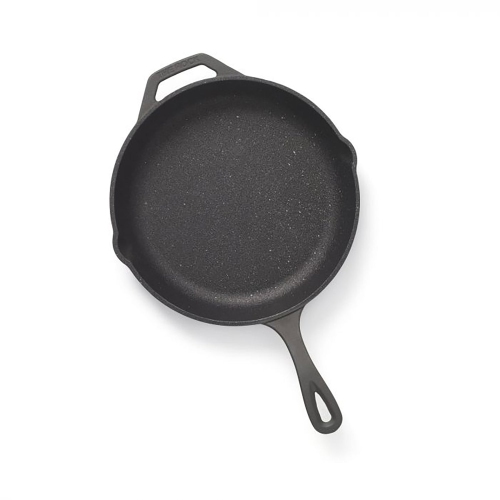
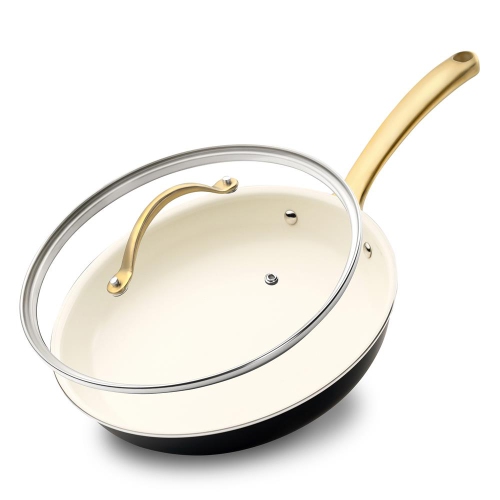
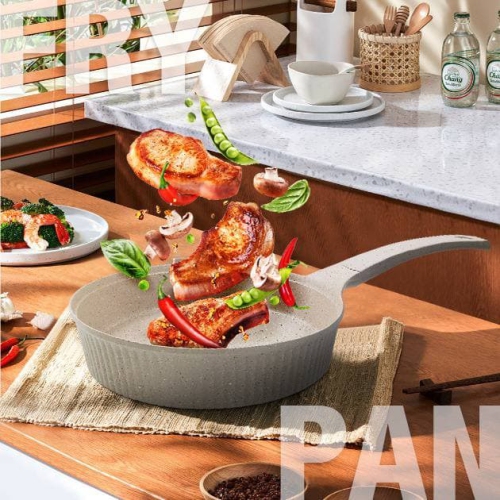
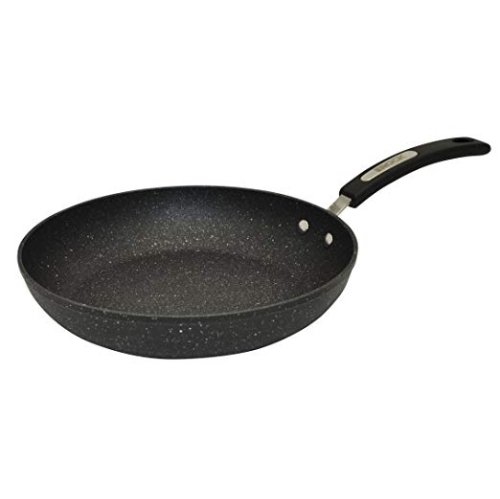
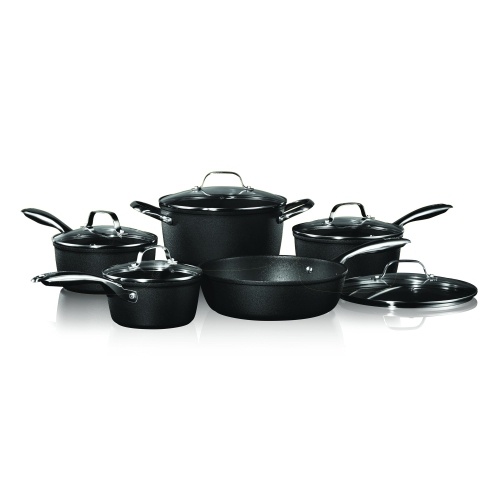
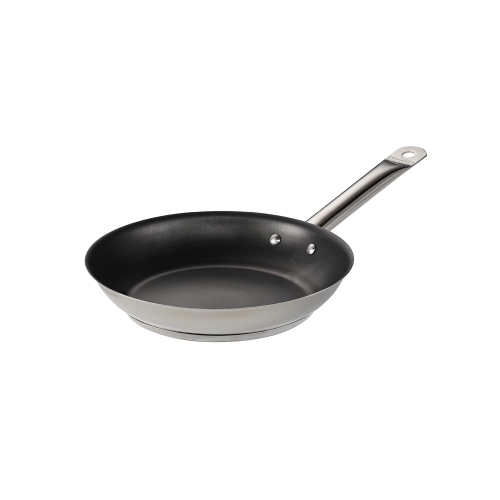
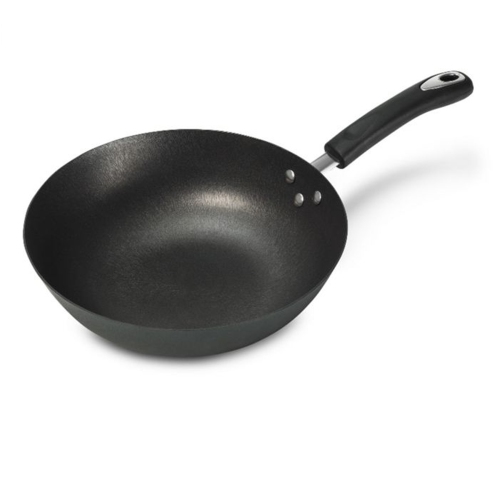
Non stick coating fry pans are practical everyday tools for cooking foods that can cling to a bare metal surface, from tender eggs and delicate fish to pancakes, grilled cheese, sautéed vegetables, and quick weeknight stir-fries. Their coated cooking surface helps food release with less oil or butter and makes wiping away cooking residue much easier, which is especially useful when breakfast needs to be on the table quickly or when a full meal is followed by a busy evening. Fry pans are generally shallower and more open than saucepans, giving you room to turn food with a spatula, brown ingredients evenly, and keep an eye on what is happening in the pan. When choosing among non stick coating fry pans, consider the diameter first. A smaller pan is convenient for one or two eggs, a single grilled sandwich, or a compact kitchen, while a medium pan suits most everyday meals for two people. A larger pan gives you more room for several chicken breasts, vegetables, or a family-sized breakfast, although it may require more storage space and can feel heavier when full. The shape of the sides also matters: gently sloped edges make tossing and sliding food onto a plate easier, while taller sides can help contain sauces and larger portions. A well-designed handle should feel balanced in your hand, stay comfortable during stovetop cooking, and offer a secure grip when the pan is loaded. Some fry pans include a helper handle for lifting larger sizes, while others are designed to move from the stovetop into the oven; always check the stated oven-safe temperature and whether the handle, lid, or coating has any limitations. Compatibility with your cooktop is another important detail. Gas and conventional electric stovetops work with many pan bases, but induction cooking requires a magnetic-compatible base, so review the manufacturer’s specifications before ordering. If you are building a coordinated kitchen collection, you can explore matching pieces in Non Stick Cookware for additional sizes and shapes that complement a fry pan.
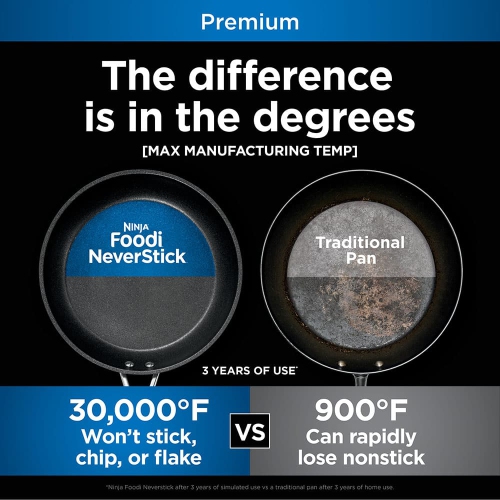
The coating itself influences how the pan performs and how it should be used. Traditional PTFE-style non stick surfaces are known for especially smooth food release, while ceramic-coated options use a different finish and may appeal to cooks who prefer that style of cooking surface. Performance can vary by construction, coating layers, base material, and care, so look beyond the coating name and consider the overall build. Aluminium often heats quickly and evenly, while stainless steel may contribute rigidity and durability when used in a layered base. A heavier base can help reduce hot spots, which is useful when cooking foods that need steady heat, such as omelettes, crepes, fish fillets, or a pan sauce. For everyday cooking, low to medium heat is generally the best starting point for a coated fry pan. High heat can shorten the life of the coating, and an empty pan should not be left heating unattended. Add ingredients, oil, or butter before the pan becomes excessively hot, and follow the care and temperature instructions supplied with the pan. Although non stick surfaces can make it possible to cook with very little added fat, a small amount of oil or butter can still add flavour and help with browning when the recipe calls for it. Avoid aerosol cooking sprays unless the manufacturer specifically permits them, since their additives can build up on the surface over time. Silicone, wood, or other utensils marked safe for non stick cookware are better choices than metal tools, which can scratch or mark the coating. Do not cut food directly in the pan, and avoid stacking cookware without protection if the cooking surfaces may rub together. These simple habits help preserve the smooth release that makes a coated fry pan so convenient.
Cleaning is usually straightforward, but gentle handling makes a noticeable difference over the life of the pan. Let the pan cool before washing it, then use warm water, mild dish soap, and a soft sponge to loosen cooking residue. Abrasive powders, steel wool, scouring pads, and harsh cleaners can damage the finish, even when a stubborn spot makes them tempting. Some pans are labelled dishwasher-safe, but hand washing is often the gentlest approach and can help protect the coating, exterior, and exposed edges from repeated heat and detergent. Dry the pan thoroughly before storing it, particularly around rivets, rims, and any area where water may collect. Non stick coating fry pans can be a thoughtful gift for someone moving into a first apartment, setting up a student kitchen, learning to cook, or replacing older cookware. They are also useful for experienced home cooks who want a dependable pan for fast breakfasts, lighter lunches, or meals that require easy release and cleanup. A versatile size can make a practical housewarming or wedding gift, while a larger pan may suit a household that often cooks for several people. For anyone who enjoys preparing food as the weather warms or prefers comforting one-pan meals during the cooler months, a reliable fry pan can become the piece that stays closest to the stove. Consider the intended servings, cooking surface, handle design, storage space, cooktop compatibility, oven rating, and care instructions together, and choose the pan that fits the way the recipient actually cooks.
The coating itself influences how the pan performs and how it should be used. Traditional PTFE-style non stick surfaces are known for especially smooth food release, while ceramic-coated options use a different finish and may appeal to cooks who prefer that style of cooking surface. Performance can vary by construction, coating layers, base material, and care, so look beyond the coating name and consider the overall build. Aluminium often heats quickly and evenly, while stainless steel may contribute rigidity and durability when used in a layered base. A heavier base can help reduce hot spots, which is useful when cooking foods that need steady heat, such as omelettes, crepes, fish fillets, or a pan sauce. For everyday cooking, low to medium heat is generally the best starting point for a coated fry pan. High heat can shorten the life of the coating, and an empty pan should not be left heating unattended. Add ingredients, oil, or butter before the pan becomes excessively hot, and follow the care and temperature instructions supplied with the pan. Although non stick surfaces can make it possible to cook with very little added fat, a small amount of oil or butter can still add flavour and help with browning when the recipe calls for it. Avoid aerosol cooking sprays unless the manufacturer specifically permits them, since their additives can build up on the surface over time. Silicone, wood, or other utensils marked safe for non stick cookware are better choices than metal tools, which can scratch or mark the coating. Do not cut food directly in the pan, and avoid stacking cookware without protection if the cooking surfaces may rub together. These simple habits help preserve the smooth release that makes a coated fry pan so convenient.
Cleaning is usually straightforward, but gentle handling makes a noticeable difference over the life of the pan. Let the pan cool before washing it, then use warm water, mild dish soap, and a soft sponge to loosen cooking residue. Abrasive powders, steel wool, scouring pads, and harsh cleaners can damage the finish, even when a stubborn spot makes them tempting. Some pans are labelled dishwasher-safe, but hand washing is often the gentlest approach and can help protect the coating, exterior, and exposed edges from repeated heat and detergent. Dry the pan thoroughly before storing it, particularly around rivets, rims, and any area where water may collect. Non stick coating fry pans can be a thoughtful gift for someone moving into a first apartment, setting up a student kitchen, learning to cook, or replacing older cookware. They are also useful for experienced home cooks who want a dependable pan for fast breakfasts, lighter lunches, or meals that require easy release and cleanup. A versatile size can make a practical housewarming or wedding gift, while a larger pan may suit a household that often cooks for several people. For anyone who enjoys preparing food as the weather warms or prefers comforting one-pan meals during the cooler months, a reliable fry pan can become the piece that stays closest to the stove. Consider the intended servings, cooking surface, handle design, storage space, cooktop compatibility, oven rating, and care instructions together, and choose the pan that fits the way the recipient actually cooks.
Top selling and popular products
-
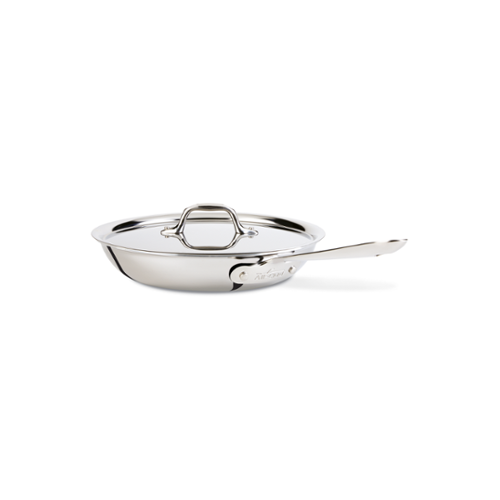 Your price for this item is $137.7
 -
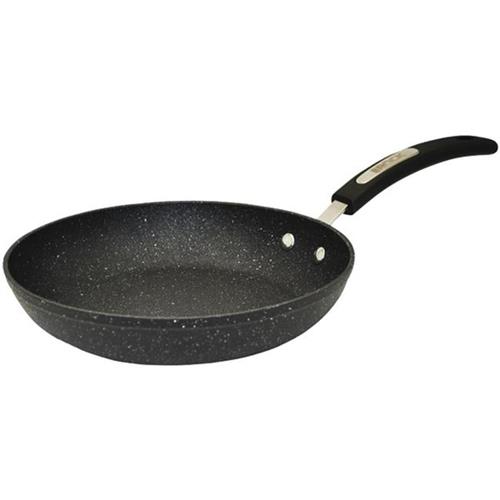 Your price for this item is $33.97
 -
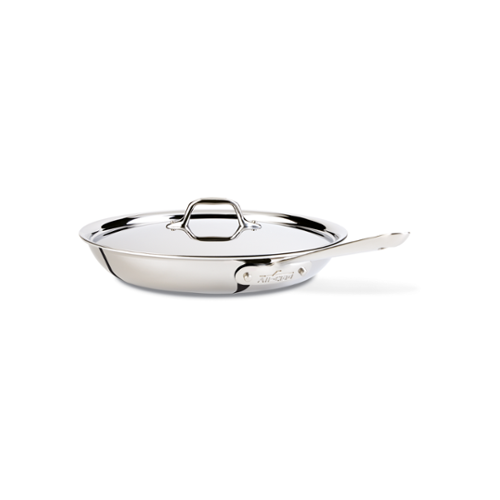 Your price for this item is $289.04
 -
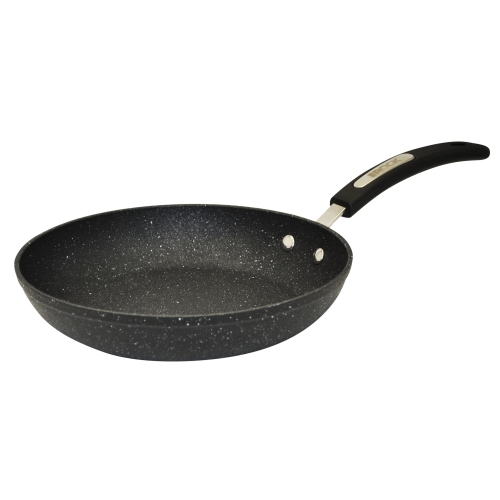 Your price for this item is $29.99
 -
 Your price for this item is $139.53
 -
 Your price for this item is $100.73
 -
 Your price for this item is $49.99
 -
 Your price for this item is $399
Discover more categories related to Non Stick Coating Fry Pans
Top Collections:
Pokemon Centers, Kindle Devices, Best Budget Office Chairs, Apple iPhones 16, Best Laptops for Writers, iPhone 15 Apple, Canon G7X Cameras, Refurbished Apple Laptops, Alarm Clock, Motorola Razr Phones
Some products may be subject to Environmental Handling Fees
(EHF) depending on your province.
Learn more about EHFs.