Non Stick induction Frying Pans
Elevate your cooking experience with a non stick induction frying pan, designed to deliver exceptional performance and convenience in the kitchen. Perfect for all your culinary creations, these frying pans ensure even heat distribution and effortless food release, making both cooking and cleanup a breeze. Whether you’re whipping up a quick breakfast or preparing an elaborate dinner, a non stick induction frying pan is a versatile and essential addition to any modern kitchen. Explore our selection at Best Buy to find the perfect match for your cooking needs and enjoy the benefits of high-quality cookware that stands the test of time.
Sort
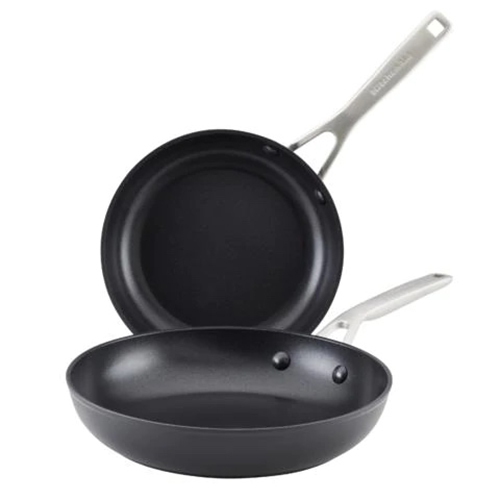
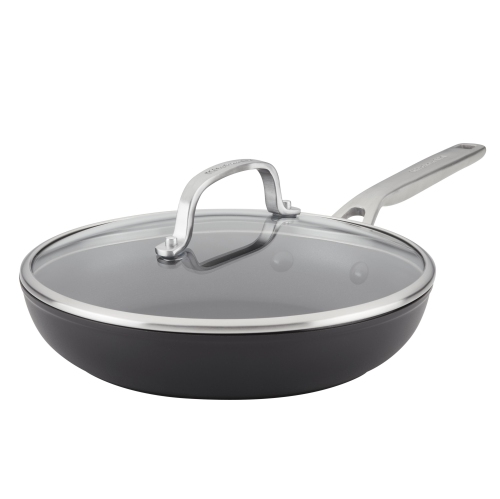


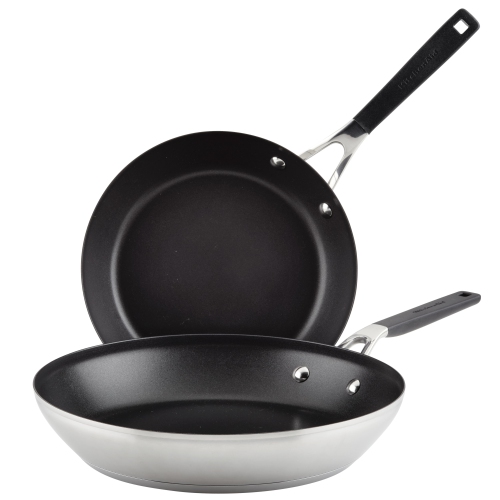
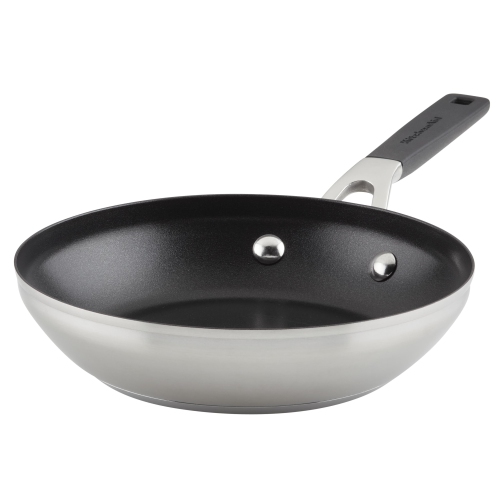
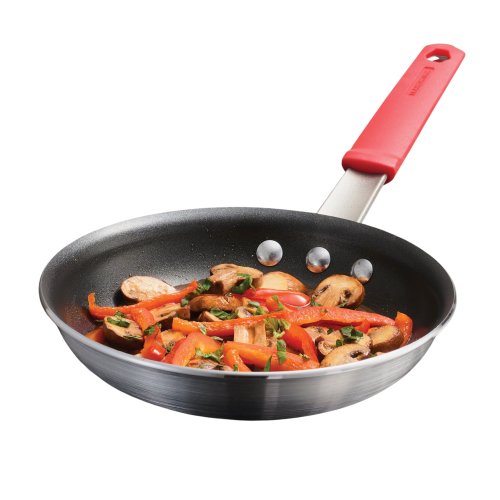
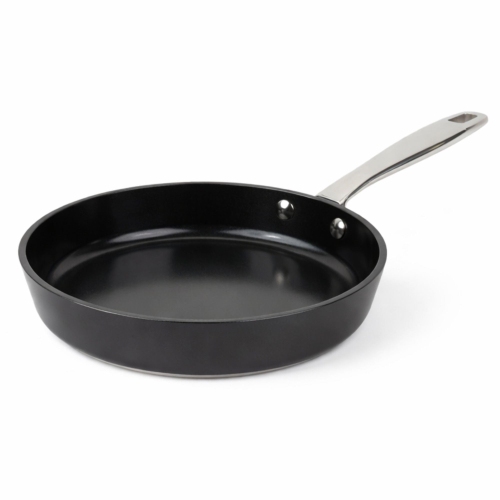


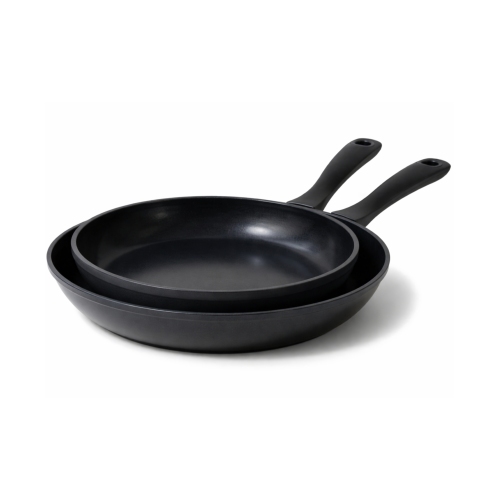
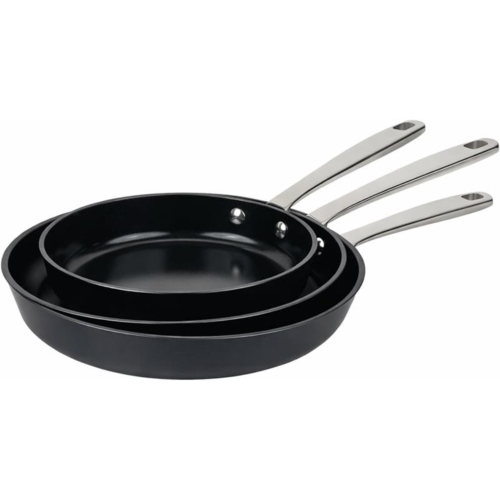
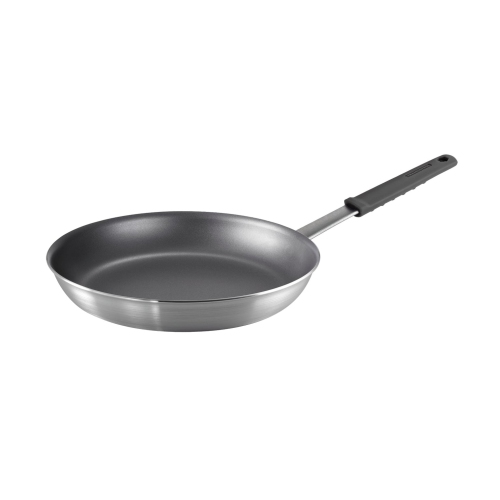

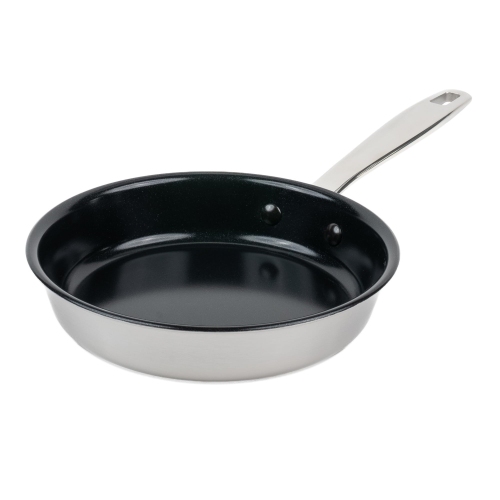
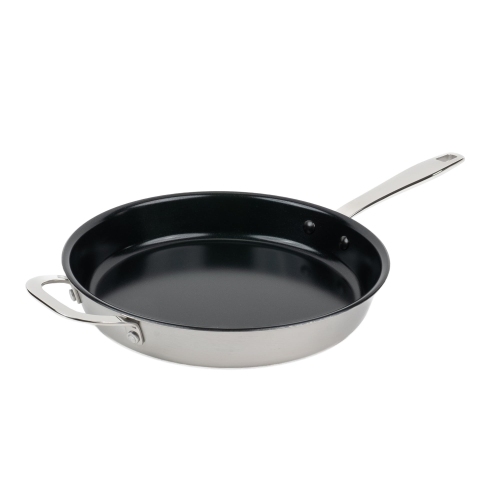
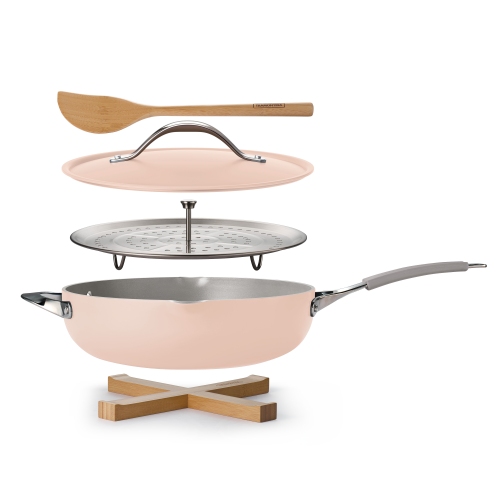
Why induction compatibility starts beneath the non-stick surface
Non-stick induction frying pans pair an easy-release cooking surface with a magnetic base designed to work on an induction cooktop. Unlike a conventional electric element, an induction cooking zone uses a magnetic field to generate heat directly in compatible cookware. A non-stick coating alone does not make a pan induction-ready: the base must contain a suitable magnetic material, such as magnetic stainless steel or iron. Aluminium is common in the body of these pans because it spreads heat efficiently, but it needs an induction-compatible base to work on this type of hob. Some pans have a bonded magnetic plate underneath an aluminium body, while others use layered construction that combines heat-conducting metals with a magnetic outer layer. These details influence how a pan heats, how much it weighs, and how steadily it sits on the cooking surface. A flat base helps keep the pan stable, and a well-constructed body can distribute heat more evenly across the cooking area, making it easier to cook pancakes without pale centres or overly dark edges. The manufacturer’s induction designation is the clearest starting point for compatibility. A magnet sticking firmly to the underside is a useful preliminary check, although it does not confirm that the pan will suit every cooktop. Base diameter matters as well: induction zones have cookware size requirements, and a small pan may not register on a zone intended for larger cookware. The stated pan diameter usually refers to the upper rim rather than the magnetic base, so those measurements are not interchangeable. For a kitchen with several cooking zones, the most useful fit leaves enough room for neighbouring pots and places the handle comfortably within reach. A smooth underside, balanced weight, and a handle that feels secure all contribute to a pan that is pleasant to use for everyday breakfasts, quick lunches, and evening meals.
Size and shape make a noticeable difference once ingredients reach the pan. An 8-inch frying pan can suit a single egg, a small omelette, or a modest portion of vegetables, while 10-inch and 12-inch pans provide more room for meals for two or family cooking. The usable flat cooking area is just as important as the rim measurement, particularly when laying fish fillets or several pieces of tofu side by side. Crowding ingredients traps moisture and encourages steaming, whereas a little space helps moisture escape and supports browning at a suitable cooking temperature. Low, sloping sides make it easier to slide a spatula beneath a crêpe or turn a delicate fillet; deeper sides offer extra room for tossing vegetables or folding cooked pasta into a sauce. A fitted lid can be useful for setting the tops of eggs or gently finishing thicker portions, but lid compatibility and inclusion vary. Within the wider family of Non Stick Pans, induction-compatible designs may use traditional PTFE-based coatings or ceramic non-stick coatings. PTFE-based surfaces are known for their food release, while ceramic coatings offer a different surface composition and cooking feel. Ceramic non-stick generally describes a coating over a metal pan, not a solid ceramic vessel. Neither coating type makes cookware scratch-proof, and the thickness of the body, quality of construction, and daily care all influence useful life. Descriptions such as reinforced or multilayer refer to construction features rather than permission to use unlimited heat or abrasive utensils. For eggs, pancakes, tender fish, and other foods prone to sticking, an intact non-stick surface can make turning and serving easier with a modest amount of cooking fat. These pans are generally better suited to gentle or moderate cooking than to the intense heat used for a hard steak sear. During the cooler months, that versatility fits meals such as mushroom omelettes, golden quesadillas, or sautéed vegetables served beside a warm grain bowl, without requiring a different pan for every task.
Everyday handling and care help determine whether a non-stick induction frying pan remains comfortable and reliable over time. Induction can heat compatible cookware quickly, so a high power setting is rarely necessary for delicate foods, and leaving an empty coated pan heating can damage its surface. Low to medium settings are generally appropriate, with the manufacturer’s directions taking priority because cooktops and pan designs vary. A little butter or oil suited to the cooking temperature can help distribute heat around food and improve flavour; non-stick does not mean every recipe works best in a completely dry pan. Some manufacturers advise against aerosol cooking sprays because residues can build up and become difficult to remove. Silicone, wooden, or other approved non-abrasive utensils are gentler on the coating than sharp metal edges, and cutting food directly in the pan can leave permanent marks. After cooking, allowing the pan to cool before washing helps avoid the abrupt temperature change that can contribute to warping. Warm water, mild dish soap, and a soft sponge are often enough for routine cleaning. Even when cookware is labelled dishwasher-safe, handwashing may help preserve the finish, particularly where the manufacturer advises it. Thorough drying and a soft separator between stacked pans also help protect both the cooking surface and the underside. Handles deserve attention beyond appearance: some stay cooler during stovetop use, while others become hot, and oven suitability depends on the entire assembly, including the handle and any lid. A pan intended for finishing a frittata in the oven needs an explicit oven-safe temperature rating rather than an assumption based on its metal body. For smaller kitchens, a manageable weight and compact storage footprint may matter more than extra capacity; frequent family cooking may favour a wider surface and an additional helper handle. As a practical housewarming or wedding gift, an induction-compatible non-stick frying pan is most useful when its size, weight, and care requirements suit the recipient’s kitchen. Matching those everyday details makes the pan easier to reach for, whether the meal is a quiet breakfast for one or a busy supper shared around the table.
Top selling and popular products
-
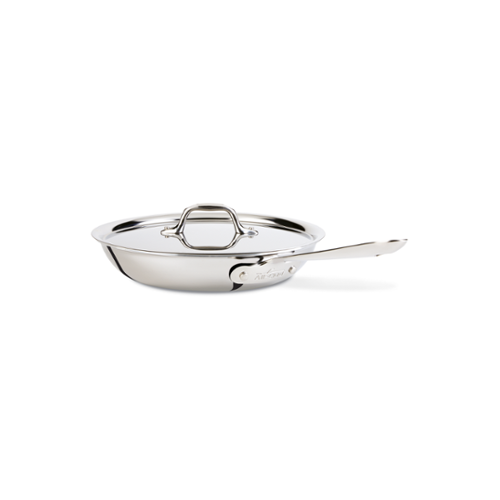 Your price for this item is $137.7
-
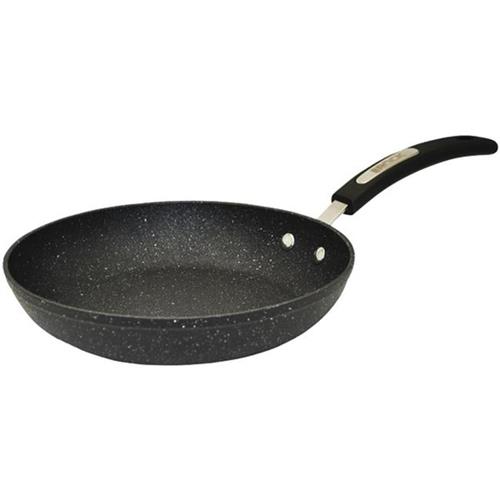 Your price for this item is $33.97
-
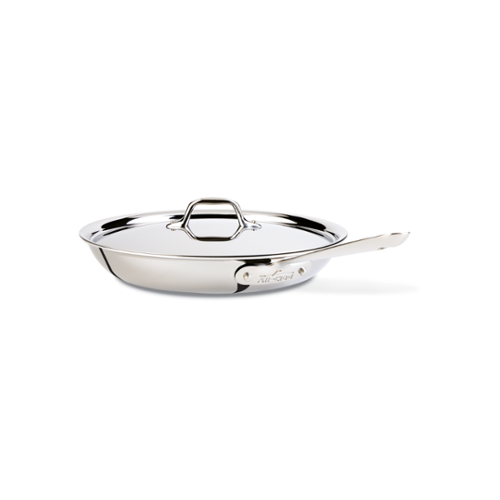 Your price for this item is $289.04
-
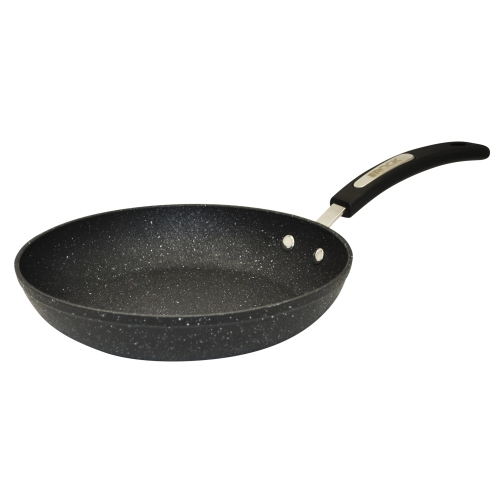 Your price for this item is $29.99
-
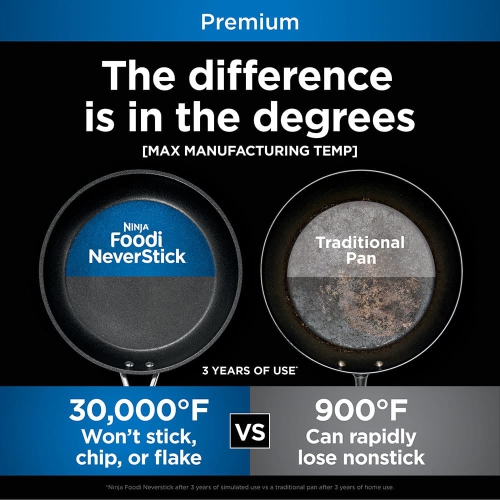 Your price for this item is $139.53
-
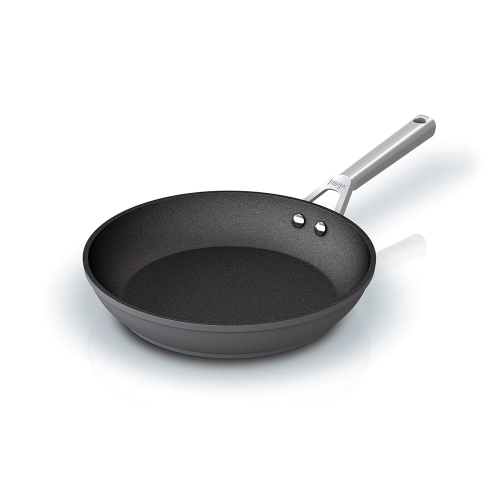 Your price for this item is $100.73
-
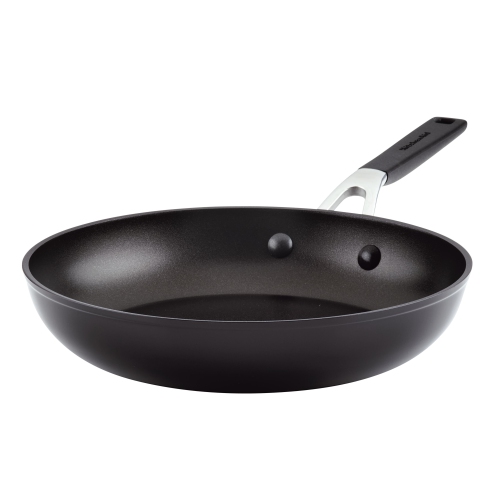 Your price for this item is $49.99
-
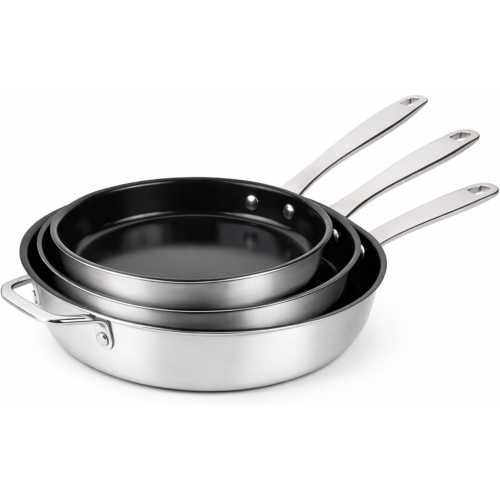 Your price for this item is $399
Discover more categories related to Non Stick induction Frying Pans


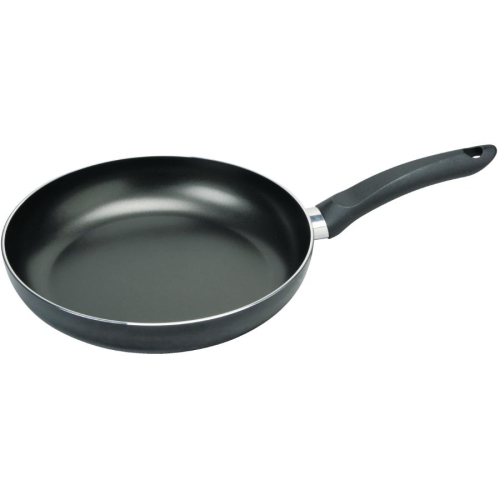
Top Collections:
Pokemon Centers, Best Cameras for Sports Photography, Kindle Devices, Samsung Galaxy Phones, Canon G7X Cameras, Pokémon 30th Celebration Cards, Refurbished Apple Laptops, iPhone 15 Apple, Laptops for Students, Budget Smartphones
Some products may be subject to Environmental Handling Fees
(EHF) depending on your province.
Learn more about EHFs.