Red Cookware Sets
Red cookware is a great way to add a pop of colour to your kitchen. It's also a great way to add fun and excitement to your cooking experience. Red cookware is available in many different styles and materials. Here are some great red cookware sets.
Sort









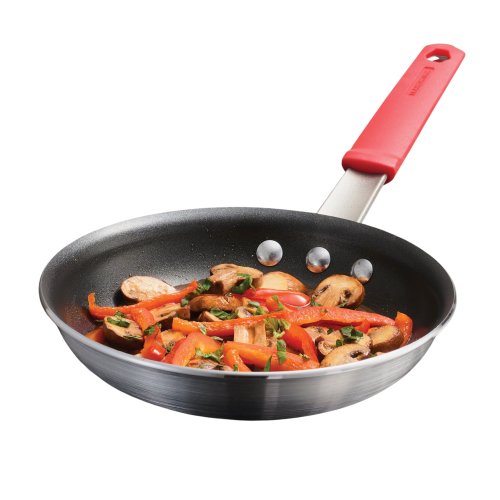
What matters beyond a cookware set’s red finish
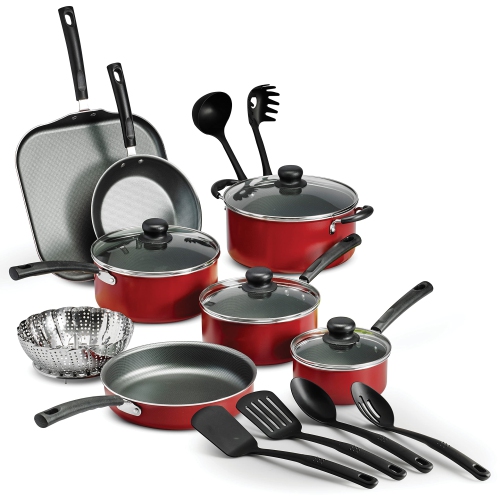
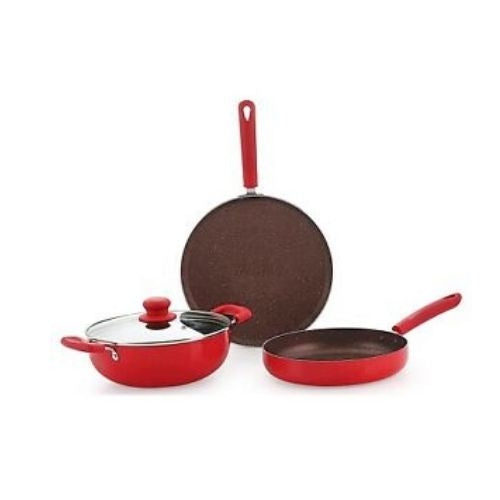
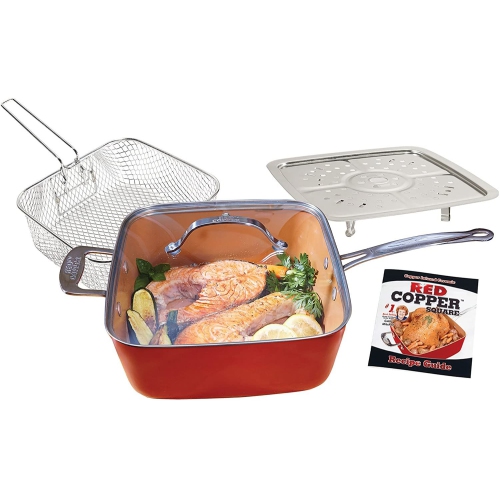
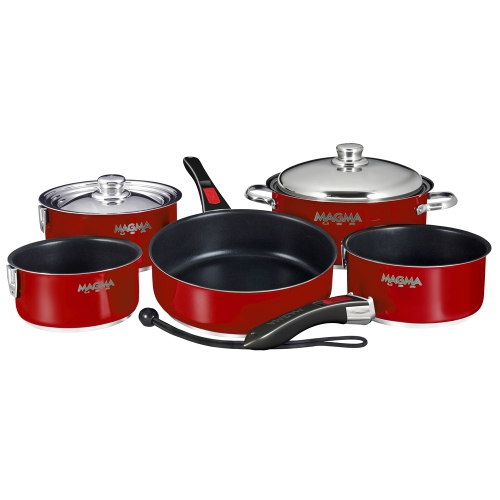
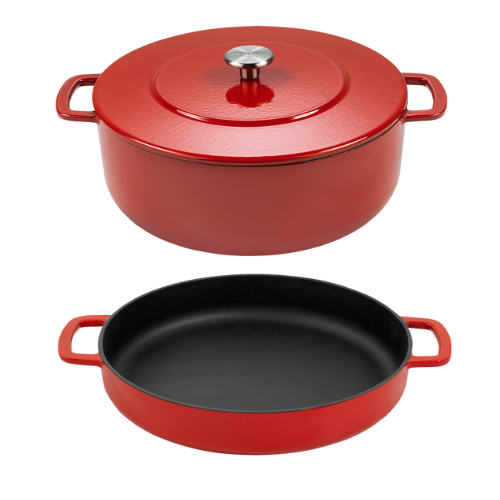
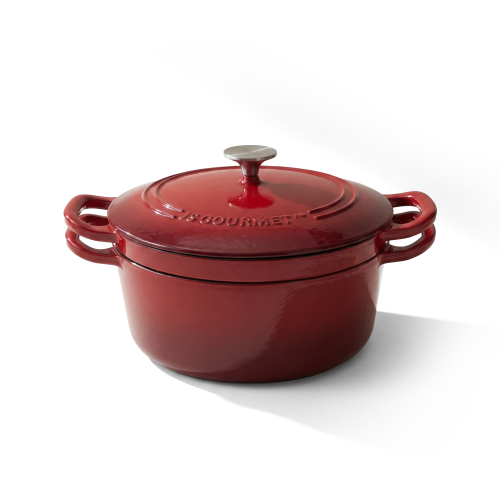
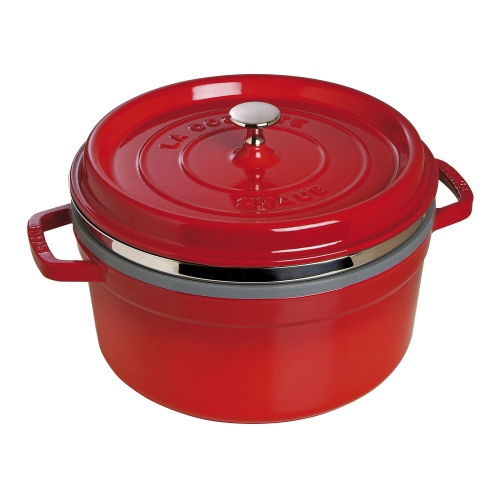
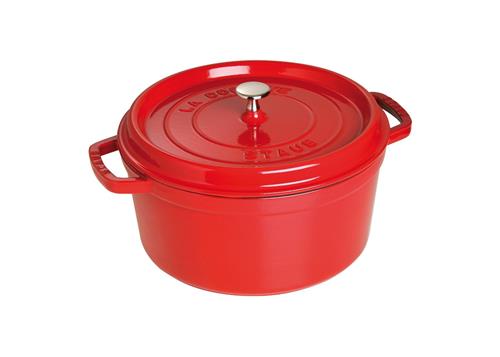
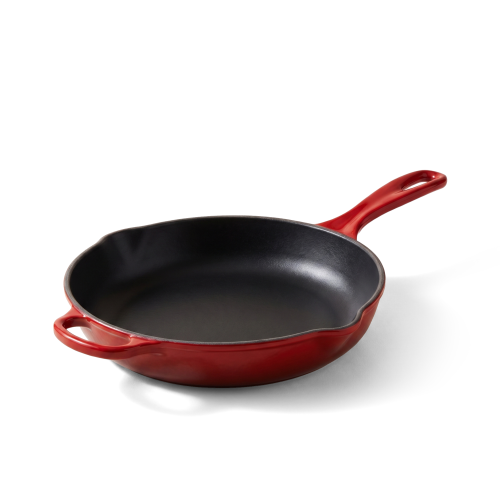
Red cookware sets combine coordinated pots and pans with red exterior finishes, bringing a distinctive accent to everyday cooking. The colour can range from a bright cherry tone to a deeper burgundy, while the cooking surfaces may be non-stick, ceramic-coated, stainless steel, or enamelled cast iron, depending on the set. The red finish is primarily a design feature; heat distribution, weight, cooking performance, and maintenance depend on the underlying material and construction. Aluminum is relatively lightweight and conducts heat well, making it practical for pans that move frequently between the cooktop and the counter. Hard-anodized aluminum has a hardened surface, though a pan’s interior coating still determines which utensils and cleaning methods are suitable. Stainless steel cookware often uses an aluminum core or layered base to spread heat more evenly, and its uncoated cooking surface can be useful for browning meat and building a sauce from the browned bits left behind. Enamelled cast iron is heavier and retains heat well, which suits dishes such as braised beef, baked beans, and sauces that benefit from steady cooking. Non-stick interiors can make eggs, pancakes, and delicate fish easier to release, while ceramic-coated interiors offer another option for cooks who prefer a coated surface. Ceramic-coated cookware is different from solid ceramic cookware, and its care requirements depend on the manufacturer’s instructions. Beyond material, the most useful set is one whose shapes and capacities match the meals being prepared. A frying pan handles an omelette or a batch of sautéed mushrooms, a saucepan works for oatmeal and small portions of sauce, and a larger pot accommodates pasta, soup, or vegetables for several people. Set counts deserve a close look because lids, utensils, and other accessories may each count as separate pieces. The number of cooking vessels, their usable capacities, and the way they complement existing cookware are more informative than the total piece count alone.
Cooktop compatibility is another important distinction among red cookware sets. Induction cooking requires cookware with a suitable magnetic base, so an aluminum body needs an induction-compatible base to work on that type of surface. A magnet sticking firmly to the bottom is a useful preliminary check, but the manufacturer’s compatibility information remains the best confirmation. For electric and glass cooktops, a flat, stable base helps maintain contact with the cooking surface, while matching the pan base to the burner supports more even heating. On a gas cooktop, flames should stay beneath the base rather than extending around the sides, where they can affect handles and exterior finishes. Everyday comfort matters just as much as compatibility. A pan that feels manageable when empty may be noticeably heavier once filled with food, and a large pot can be easier to lift when it has two secure side handles. Handle shape, grip, and clearance are worth considering, especially for cooks who regularly carry a full pot to the sink. Silicone or other insulated handle coverings may improve comfort, but they do not guarantee that a handle stays cool in every situation. Oven suitability also varies: the pan body, handles, lid, and any knobs can have different heat limits, and the lowest applicable limit governs how the assembled cookware can be used. A set intended for moving dishes from cooktop to oven should have clearly stated oven-safe instructions rather than relying on appearance or material alone. Glass lids make it easier to watch rice simmer or vegetables steam without repeatedly uncovering the pot, while a well-fitting lid helps retain moisture. For smaller kitchens, storage can influence the choice as much as cooking capacity. Nesting shapes save cupboard space, but protective liners between pans help prevent surfaces from rubbing together. A broad frying pan needs enough room on the cooktop and in the cupboard, whereas a compact saucepan may be easier to handle for single portions. The right balance is a collection of pieces that work comfortably within the kitchen rather than a larger set with shapes that rarely get used.
Keeping red cookware looking good starts with care that suits both the interior cooking surface and the coloured exterior. Letting cookware cool before washing helps avoid sudden temperature changes, particularly with glass lids and enamelled surfaces. A soft sponge, mild dish soap, and careful drying are useful habits for many types of cookware, while abrasive pads can scratch coatings or dull a glossy finish. Dishwasher suitability is not universal, even when two sets look similar, so cleaning instructions should be checked for every component. Handwashing can help preserve the appearance of some finishes and protect coated interiors from harsh cleaning conditions. For non-stick and ceramic-coated pans, wooden, silicone, or suitable nylon utensils reduce the risk of scratches; metal tools should only be used when the manufacturer specifically permits them. Low to medium heat is often sufficient for coated cookware, and avoiding prolonged heating of an empty pan helps protect the cooking surface. Stainless steel may require a different approach, including controlled preheating and an appropriate amount of cooking oil to help food release. Food residue is generally easier to remove after soaking than after aggressive scrubbing. Durability comes from the combination of sound construction, appropriate use, and consistent care, not from the red colour itself. Secure handles, a stable base, and finishes without damage are practical details to check over time. Visually, red cookware can stand out against white cabinetry, complement wood tones, or tie together other red kitchen accents without requiring every accessory to match. Comparing the look with White Cookware Sets can help clarify whether a bold accent or a lighter finish better suits the space. As a gift, a coordinated set can be useful for someone setting up a first kitchen, moving into a new home, or replacing mismatched pans. Knowing the recipient’s cooktop type, preferred cooking style, and available storage makes the gift more personal and more likely to become part of their everyday routine.
Top selling and popular products
-
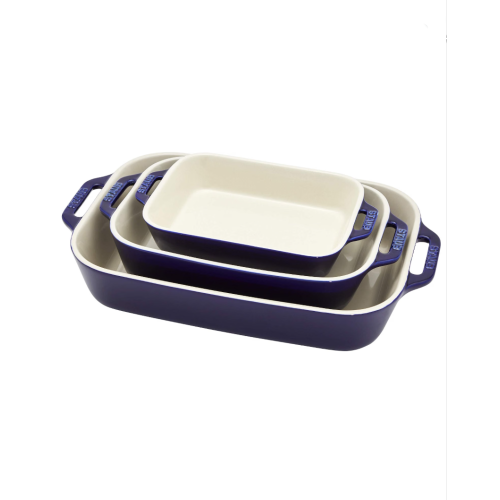 Your price for this item is $179.99
-
 Your price for this item is $129.99
-
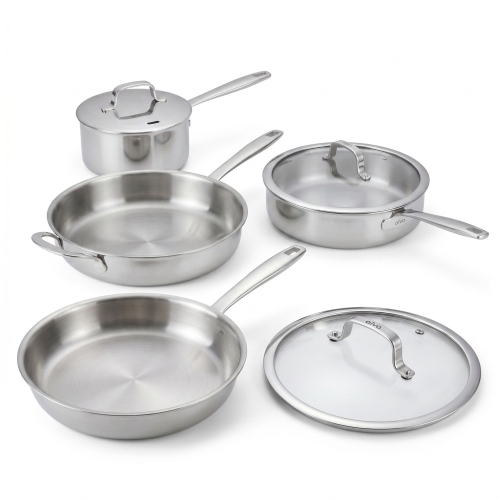 Your price for this item is $979
-
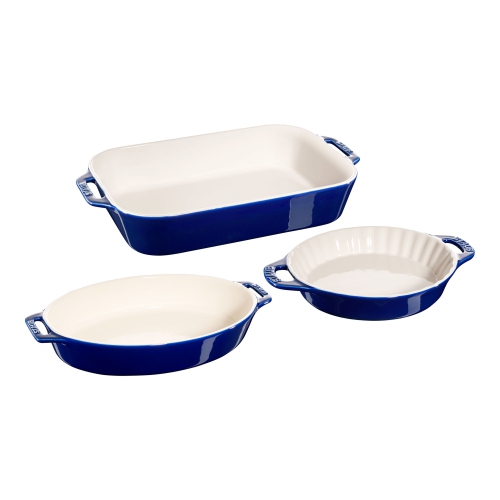 Your price for this item is $129.99
-
 Your price for this item is $129.99
-
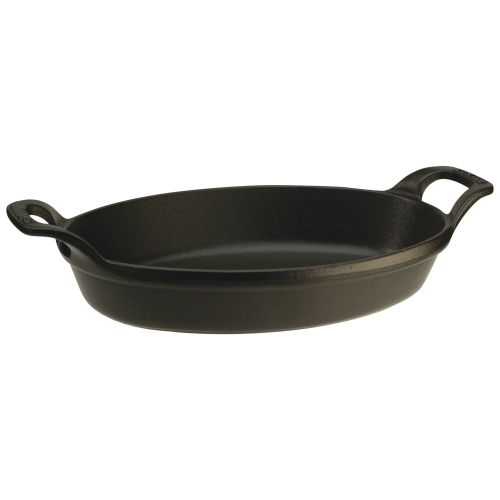 Your price for this item is $199.99
-
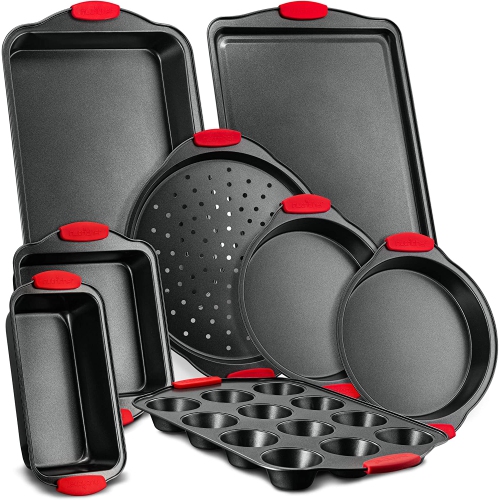 Your price for this item is $65.99
-
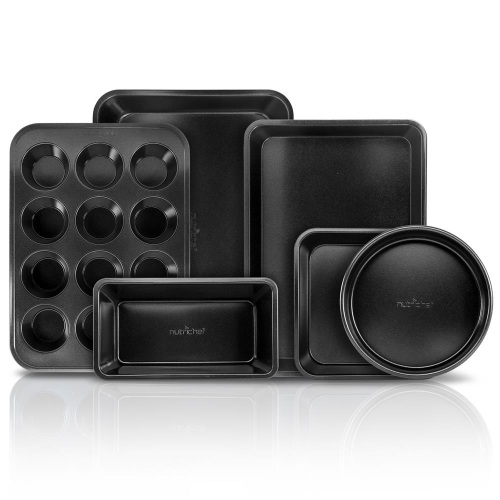 Your price for this item is $46.99
Discover more categories related to Red Cookware Sets


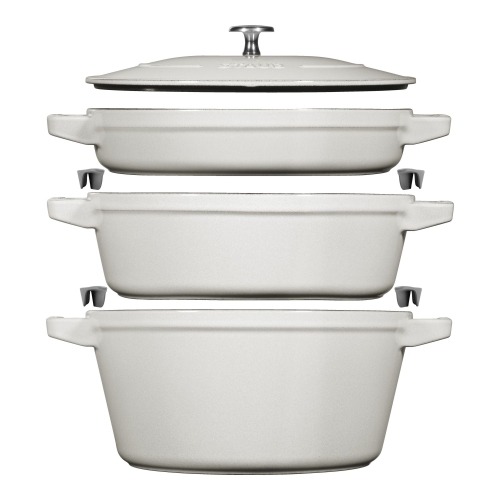

Top Collections:
Best Black Friday Deals This Year, Best Black Friday Deals On Electronics, Kindle Devices, Pokemon Centers, Best Black Friday Deals On Apple Products, Best Cameras for Sports Photography, Dyson Airwrap, Pokémon 30th Celebration Cards, Apple iPhone 17 Pro, Canon G7X Cameras
Some products may be subject to Environmental Handling Fees
(EHF) depending on your province.
Learn more about EHFs.