Cozy Video Games

Find cozy video games for relaxed play, with gentle pacing and low-pressure gameplay. Compare game descriptions to find activities and a level of challenge you enjoy, and check platform compatibility and age ratings to choose an experience that suits you.
Read More

Sort

Where small accomplishments matter more than fast reflexes

Cozy video games focus on relaxed, low-pressure play, often through activities such as farming, crafting, decorating, fishing, solving puzzles, or getting to know a community of characters. Rather than making fast reflexes or competitive rankings the main attraction, they tend to reward curiosity, creativity, and steady progress. The appeal can be as simple as arranging a tiny kitchen until everything has a place, harvesting the first vegetables from a garden, or completing a neighbour’s request and unlocking another piece of their story. “Cozy” describes the feel of the experience rather than one fixed genre: life simulations, gentle adventures, management games, and thoughtful puzzles can all belong under the same umbrella. Many use soft colours, expressive artwork, and unobtrusive music, although a welcoming atmosphere matters more than any particular visual style. Some offer clear objectives and a definite ending, while others leave room to keep building, collecting, and rearranging long after the main story is complete. Farming and life simulation games often combine daily routines with longer projects, giving each short session a satisfying purpose. Decorating games put personal taste at the centre, while organization puzzles turn familiar household objects into small, self-contained challenges. Story-led games may place more emphasis on dialogue, friendships, and choices than on collecting resources. These experiences can suit someone returning to gaming after a break, an experienced player looking for a change of pace, or a newcomer who prefers learning without constant penalties. They are not necessarily effortless or aimed only at children; a gentle presentation can still include intricate systems, emotionally layered stories, or puzzles that take patience. The most useful distinction is how a game handles pressure, mistakes, and progress. A missed objective might simply mean trying again, rather than losing hours of work. That forgiving approach leaves more room to experiment, whether the goal is designing a welcoming home or finding a pleasing rhythm in everyday tasks.
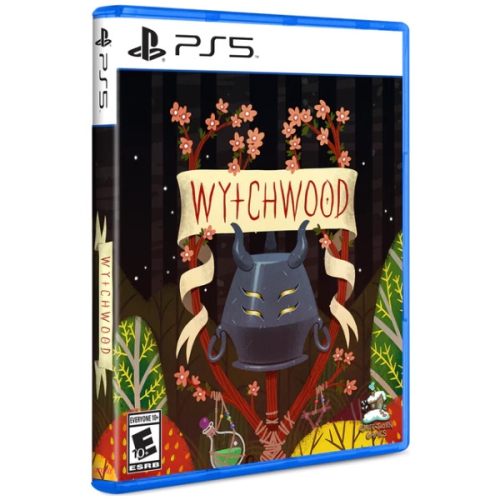
Different styles of cozy play fit different moods and routines. A puzzle built around sorting shapes or arranging objects can offer a complete little accomplishment in a short sitting, while a farming simulation may invite an extended session spent planning fields, preparing recipes, and improving a home. For players drawn to wandering rather than managing, cozy exploration games emphasize the pleasure of following a path, noticing a hidden detail, and seeing what lies beyond the next hill. Exploration can involve light platforming, conversations, collecting, or small mysteries, with discovery providing much of the reward. The pace still varies considerably between games. An in-game clock, limited stamina, timed orders, or resources that need replenishing can add structure, but those same features may feel demanding to someone seeking unhurried play. Optional combat, adjustable difficulty, flexible objectives, and the ability to pause can make a meaningful difference. Saving is another practical consideration: frequent autosaves or a save-anywhere option can suit interrupted sessions, whereas fixed save points may require more time before stopping. Controls and presentation matter just as much as the activity itself. Readable text, adjustable text size, clear menus, subtitles, remappable controls, and separate sound settings can help make an experience more comfortable, where those features are supported. A game with extensive dialogue has a different feel from one that tells its story through pictures and movement, particularly on a smaller screen. Likewise, a gentle puzzle that relies on precise dragging may feel different with a controller than with a mouse or touchscreen. Sound can contribute to the atmosphere through quiet footsteps, the rustle of leaves, or the click of an object settling into place, but important information should remain understandable with the audio lowered. These details help distinguish a game that merely looks peaceful from one whose everyday interactions feel easy to settle into.

The practical side of choosing cozy video games starts with the device used to play them. Console, computer, and handheld editions can differ in supported controls, display options, multiplayer features, and system requirements, so compatibility matters even when the artwork and basic gameplay look similar. For computer games, processor, memory, graphics, and storage requirements help establish whether a device can run the experience properly. Digital games require enough storage for the download and may need additional space for updates; physical editions may also require installation or downloaded content. Internet access can be necessary for activation, updates, account features, or online multiplayer, even when much of the game is played alone. A physical disc or game card also needs a compatible device with the appropriate drive or slot. Keeping physical media in its case, handling it with clean, dry hands, and following the manufacturer’s care directions helps protect it between sessions. Beyond format, the distinction between single-player, local multiplayer, and online multiplayer shapes how a cozy game fits into everyday life. Sharing a screen can make decorating or tending a shared space a companionable activity, but not every multiplayer game supports playing together on one device. Separate devices, accounts, or additional access requirements may be involved. Games intended for shared play also vary in how much freedom each participant has to explore independently or contribute to a common project. For a gift, the recipient’s preferred platform, interests, reading comfort, and appetite for open-ended play are more useful clues than a charming cover alone. Age ratings and content descriptions remain important because a friendly-looking game can still include challenging themes or online interactions. Someone who loves arranging spaces may appreciate creative freedom, while a player who enjoys finishing a story may prefer a defined journey. Matching those preferences helps the experience feel personal, with satisfying activities and a pace that suits the person holding the controller.
Read More

FAQ

Some products may be subject to Environmental Handling Fees (EHF) depending on your province. Learn more about EHFs.