Cross Cut Office Shredders
Cross Cut Office Shredders are essential tools for maintaining privacy and organization in any workspace. Designed to efficiently handle a variety of documents, these shredders help keep sensitive information secure while reducing paper clutter. Whether outfitting a home office or a busy corporate setting, Cross Cut Office Shredders offer reliable performance to support daily document management needs. Explore a wide selection to find the right fit for your office requirements.
Sort
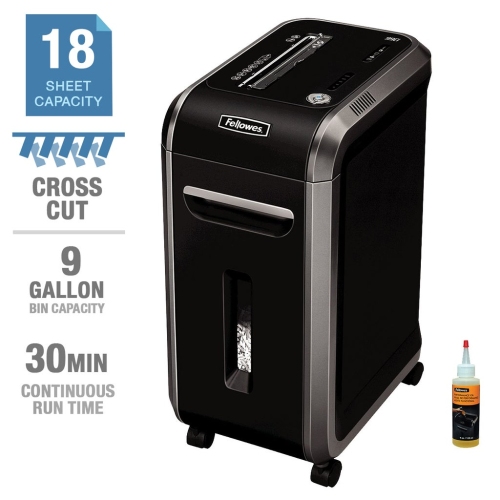
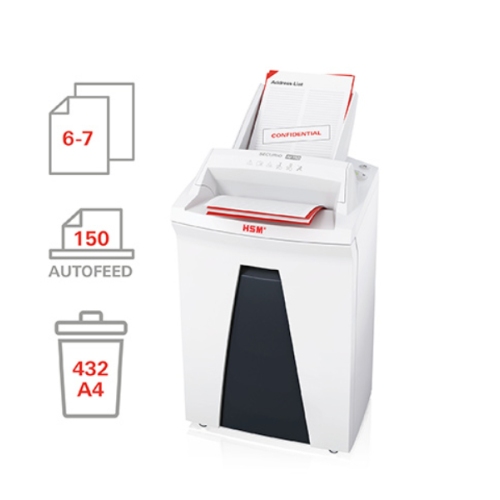
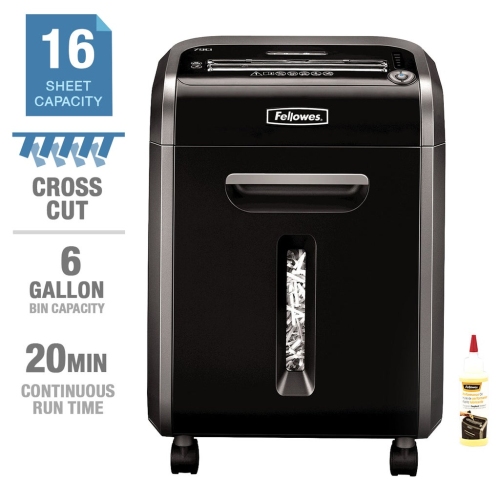

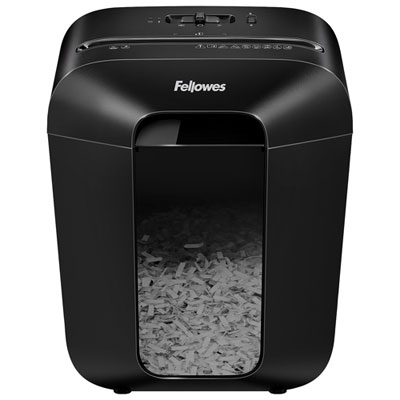
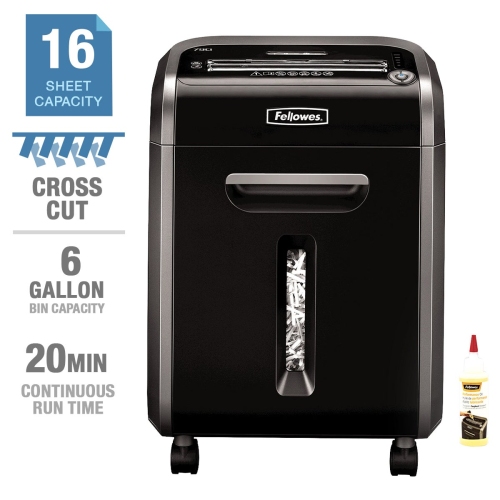
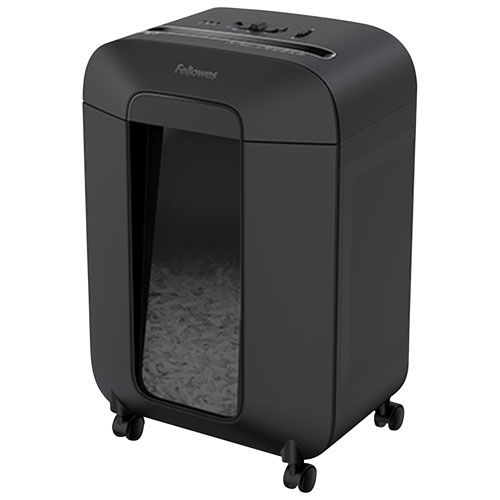
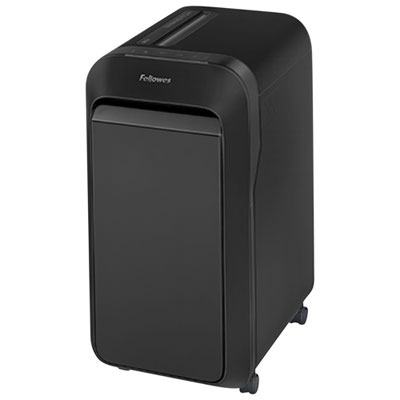
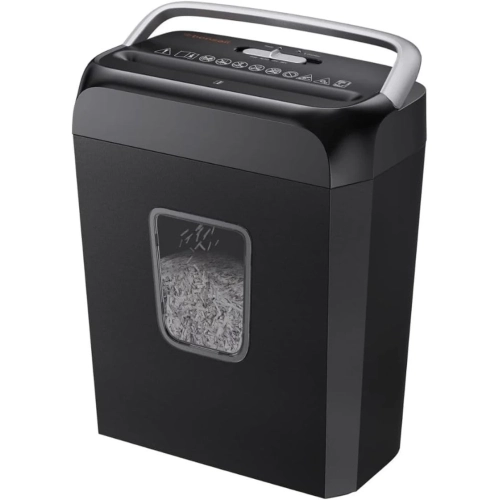
Why particle size matters for private office paperwork
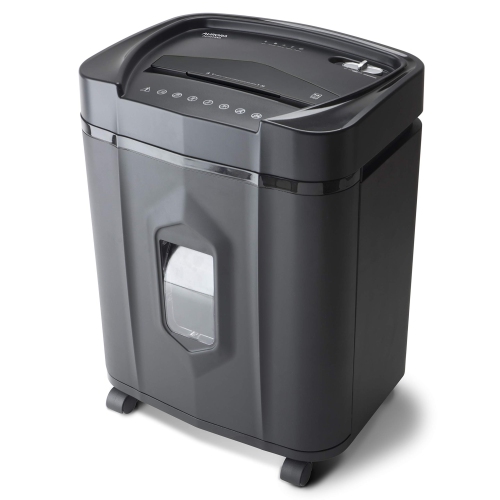
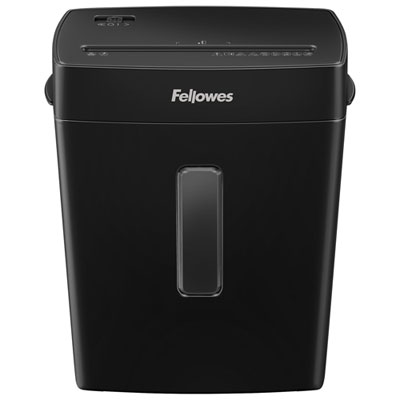
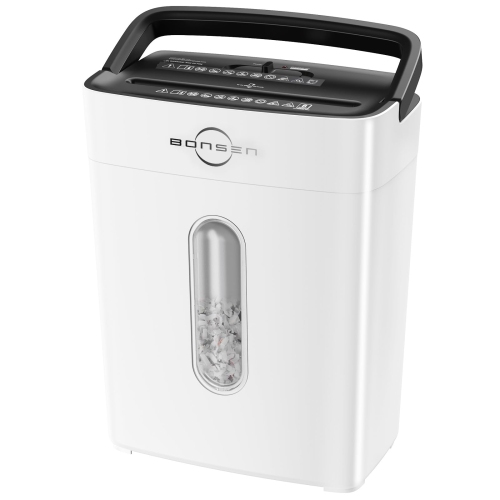
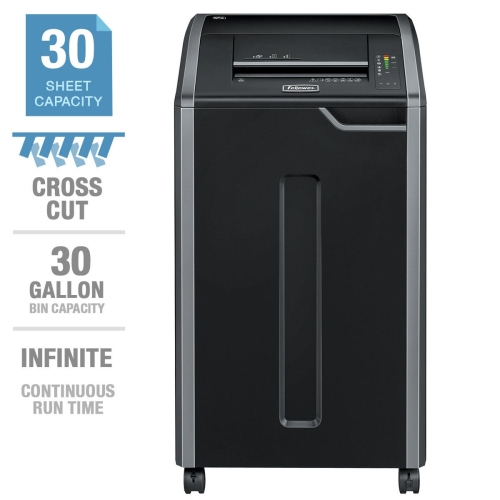
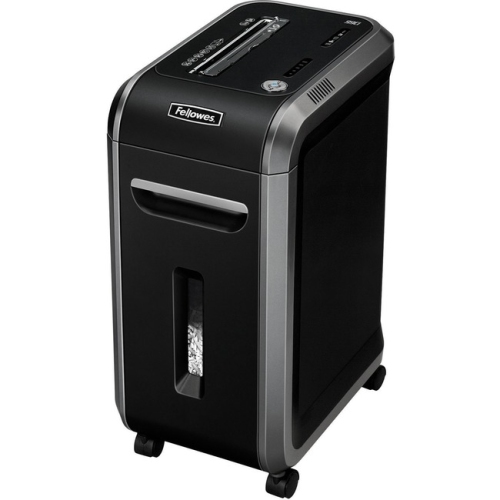
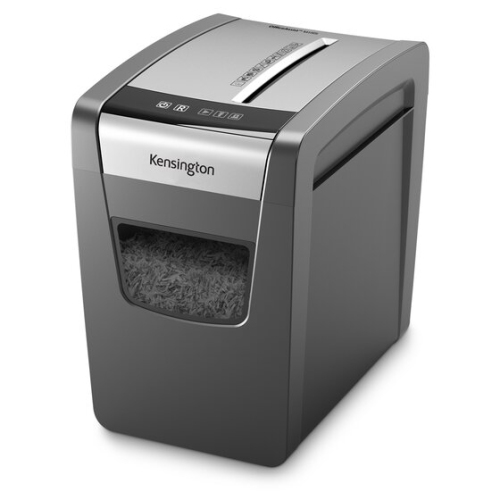
Cross-cut office shredders cut paper in two directions, turning documents into small particles rather than the long ribbons produced by strip-cut machines. This makes discarded information harder to piece together and gives offices a practical way to handle paperwork containing names, addresses, account details, and other private information. Invoices, printed correspondence, outdated contact lists, and working copies of reports can all create a steady stream of paper that does not belong in an ordinary waste bin. A cross-cut shredder supports that daily routine, whether it sits beside a desk in a home office or serves several people in a shared workspace. The level of protection depends on the actual particle size, not simply the cross-cut label. Common cross-cut security ratings include P-3 and P-4 under the DIN 66399 standard, with P-4 producing smaller particles within stricter size limits than P-3. Some finer-cut machines are described as micro-cut, so the stated security rating and cut dimensions offer a more useful comparison than the product description alone. Smaller particles can be appropriate for more sensitive paperwork, while routine office documents may call for a different balance of security, throughput, and convenience. In workplaces with formal information-handling requirements, the shredder’s rating needs to match the organization’s policies; shredding does not replace document retention rules or other privacy safeguards. A small accounting office clearing duplicate statements has different demands from a reception area disposing of a few printed forms throughout the day. Similarly, a remote worker may value a compact machine that handles occasional batches, while an administrative team may need equipment designed for frequent shared use. Across the broader category of Paper Shredders, cross-cut designs offer a useful middle ground between basic strip-cut disposal and finer particle cutting, with the right fit depending on what is being shredded and how often.
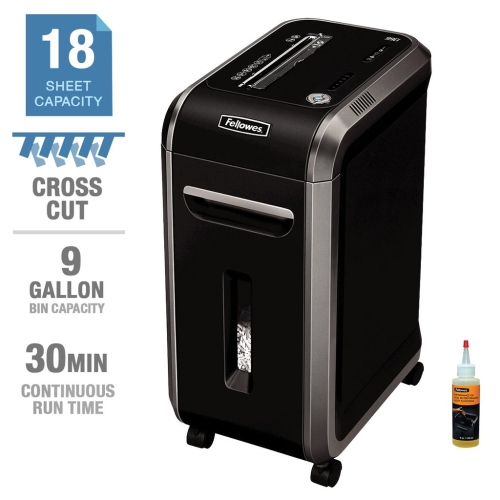
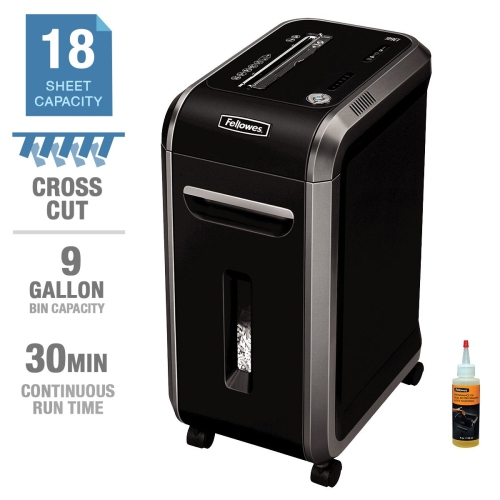
Sheet capacity, run time, and bin size have a direct effect on how comfortably a shredder fits into the working day. Sheet capacity describes the maximum number of sheets accepted in one pass under specified test conditions, which often use a particular paper weight. A stack of thin copy paper is not equivalent to the same number of thick letterhead sheets, folded pages, or envelopes. For everyday use, a machine with some capacity above the usual batch size can reduce the temptation to force an overfilled stack through the opening. Run time is a separate consideration: a shredder may accept a substantial handful of paper but still require a cooling break after a limited period of operation. Continuous-duty designs are intended for longer sessions, while shorter-duty machines can suit occasional clearing of desk trays and small filing piles. Automatic feeding can also change the workflow, allowing a compatible stack to be loaded into a tray rather than fed through a manual slot in repeated handfuls. Its usefulness depends on the stated requirements for paper condition, fasteners, and stack preparation. For shared offices, controls that clearly indicate overloads, an open bin, or overheating make interruptions easier to understand. Reverse functions and jam-prevention features can help with awkward feeds, although they do not make the machine suitable for material outside its specifications. Bin capacity matters just as much as feed capacity when several people use the same shredder. A pull-out bin can be easier to empty without lifting the cutting head, and a viewing window or bin-full indicator helps prevent paper from backing up into the cutters. Particle size also affects how shredded paper settles, so bin volume alone does not describe every aspect of emptying frequency. The overall footprint should leave room for the bin to slide out, the feed tray to open, and the power cord to reach a suitable outlet without crossing a walkway.
Construction and everyday care influence how well a cross-cut office shredder holds up to repeated use. Many designs pair a moulded plastic housing with metal cutting components, keeping the exterior manageable while placing strength where paper passes through the mechanism. A stable base, a securely seated bin, and controls that are easy to read can make a noticeable difference during frequent use. Castors are helpful for moving larger machines between nearby work areas, but the shredder still needs a level position with adequate clearance around its ventilation openings. Sound is another practical consideration, especially beside a telephone, in a small meeting space, or near a desk used for focused work. Published noise measurements are useful where provided, though the surface beneath the machine and the surrounding room can affect how noticeable it sounds. Material compatibility deserves close attention: permission to shred ordinary paper does not automatically extend to adhesive labels, padded envelopes, laminated sheets, cards, or discs. Some machines accept staples or small paper clips, while others require them to be removed. Supported cards or discs may need a separate feed opening and should only be processed as directed by the manufacturer. Regular emptying helps keep loose particles from collecting beneath the cutting assembly, and any cutter lubrication should use only the method and supplies specified for that machine. Oil-free designs should not be treated like models that require shredder oil or lubrication sheets. Cleaning and jam clearing also call for the manufacturer’s procedure, with power disconnected before any permitted hands-on maintenance. Fingers, loose sleeves, ties, and lanyards need to stay clear of the feed opening, and safety sensors are an additional safeguard rather than a substitute for careful operation. With suitable capacity, sensible placement, and consistent care, a cross-cut shredder becomes a useful part of keeping desks clear and handling private paperwork throughout its final stage of use.
Top selling and popular products
-
 Your price for this item is $49.99
-
 Your price for this item is $69.99
-
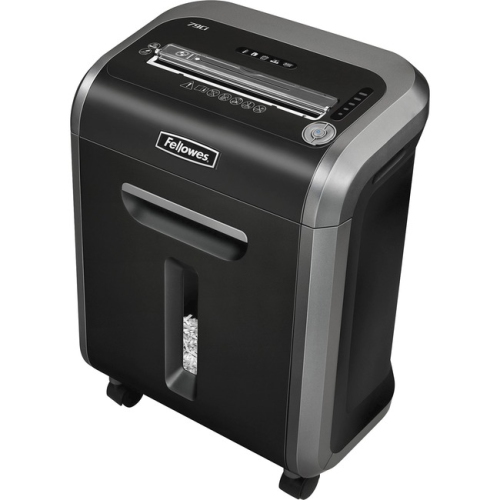 Your price for this item is $392.39
-
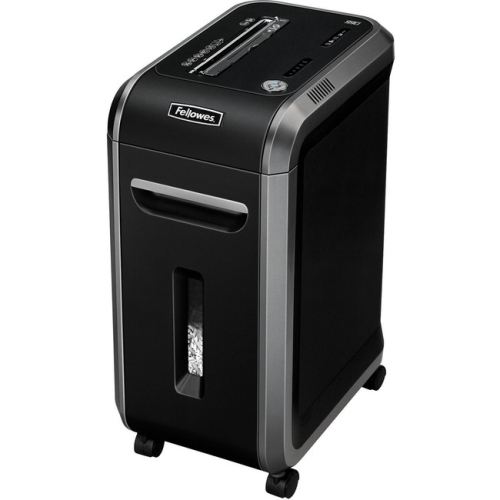 Your price for this item is $518.44
-
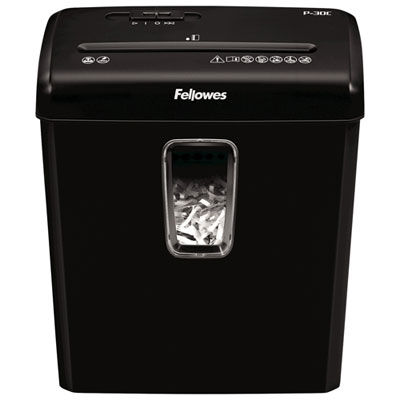 Your price for this item is $72.97
-
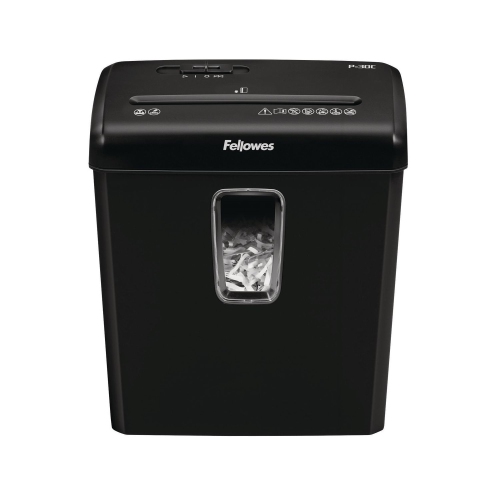 Your price for this item is $139.99
-
 Your price for this item is $189.99
-
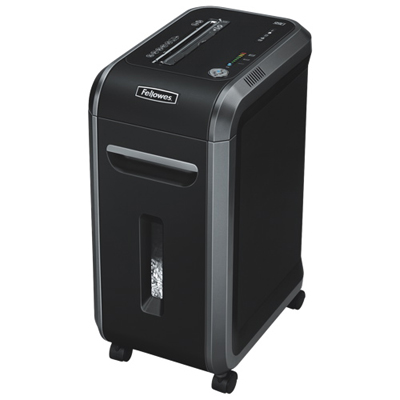 Your price for this item is $389.98
Discover more categories related to Cross Cut Office Shredders

Top Collections:
Pokemon Centers, Best Cameras for Sports Photography, Kindle Devices, Samsung Galaxy Phones, Canon G7X Cameras, Pokémon 30th Celebration Cards, Refurbished Apple Laptops, iPhone 15 Apple, Laptops for Students, Budget Smartphones
Some products may be subject to Environmental Handling Fees
(EHF) depending on your province.
Learn more about EHFs.